

There are now more than 1,270 World Heritage Sites spread across 173 countries, so where do you start? These 70 are the ones that have earned a trip of their own: temples at sunrise, cities built for kings, wild places that look like nowhere else on Earth, with what to see at each one and how to visit.
From ancient ruins you can still walk through around the world, like Petra, Machu Picchu and the temples of Luxor, to natural landscapes you can never quite soak in, UNESCO World Heritage sites pass on the legacy of our shared human journey.
I won’t lie: with more than 1,270 sites spread across 173 countries, the chances of you seeing all of the UNESCO World Heritage sites are pretty slim. Start with these wondrous sites, a mix of the most visited historical landmarks on the planet, places I’ve loved on my own travels and a few that are still on my list, and add them to your travel bucket list.
The best UNESCO World Heritage Sites to visit
Africa
Okavango Delta, Botswana

Situated in Botswana, the maze of channels, lagoons and islands that make up the Okavango Delta is one of nature’s marvels. The delta floods during the dry season, when rain that fell months earlier in the Angolan highlands finally arrives, drawing a vast amount of wildlife that spans from elephants to lions and rhinos. In 2014 it became the 1,000th site added to the World Heritage List.
It’s a vibrant ecosystem in which nature’s rhythm and balance come to the fore. Take the opportunity to learn more about the culture whilst gliding through the channels in a mokoro (a traditional dugout canoe) in and around the Moremi Game Reserve.
Memphis and its Necropolis: the Pyramids of Giza, Egypt
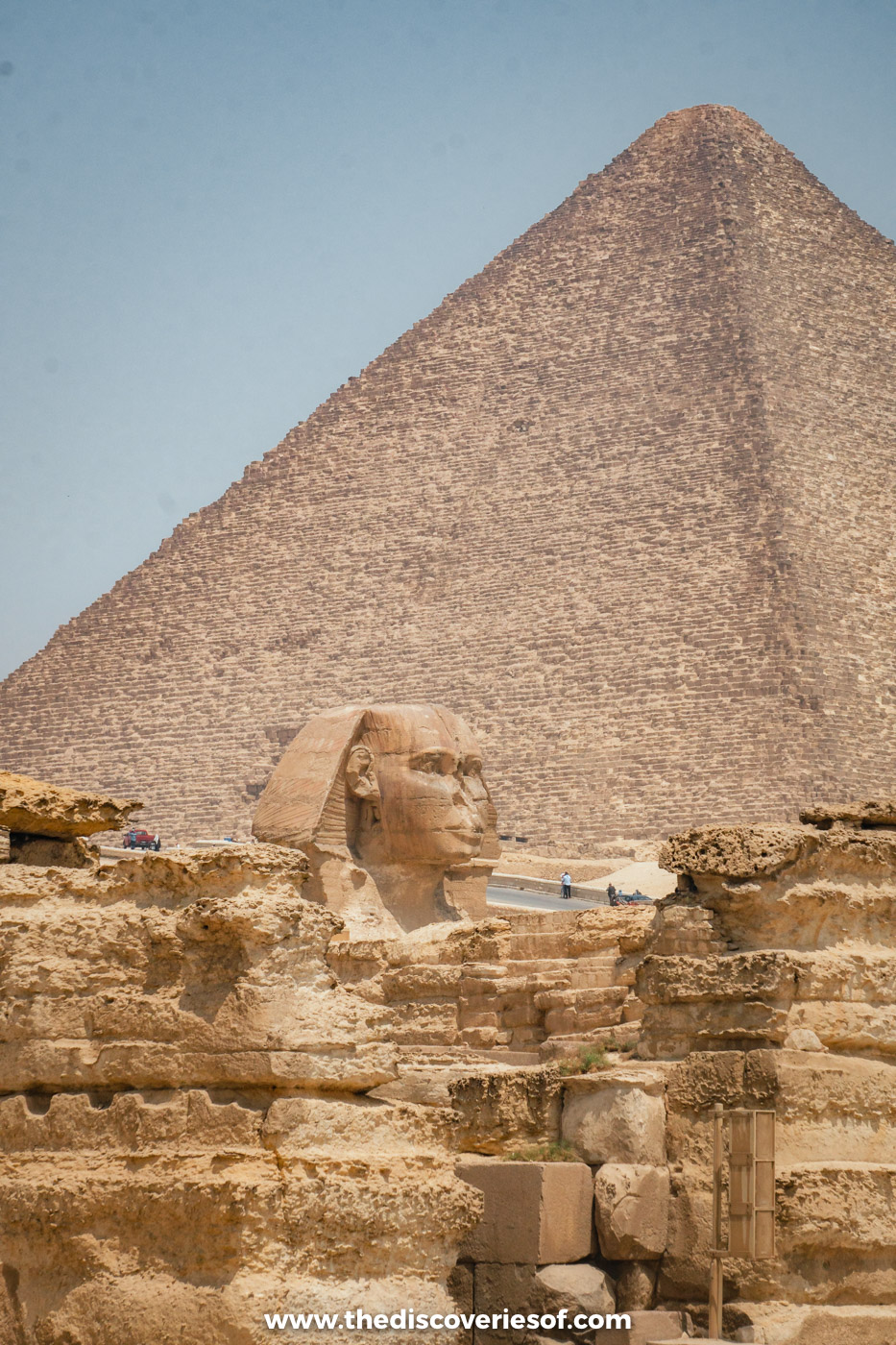
The last survivor of the Seven Wonders of the Ancient World, the Pyramids of Giza are the centrepiece of a World Heritage Site that stretches south from Giza to Saqqara and Dahshur. Khufu, Khafre and Menkaure, with the Sphinx crouched below them, were built around 4,500 years ago.
I’d seen them in so many photos and films that I half expected them to feel familiar. They didn’t. I’m not ashamed to say I had a moment when I saw them in real life, and I paid extra to go inside the Great Pyramid, crawling up a tunnel about a metre high to reach Khufu’s burial chamber. It’s not one for the claustrophobic, but how often do you get to say you’ve done it?
The Giza plateau and the inside of the Great Pyramid are ticketed separately, so decide before you go whether you want to go in. A guided tour of the Pyramids of Giza and the Sphinx takes care of transport from Cairo and the ticket queues.
Ancient Thebes: Luxor, Egypt
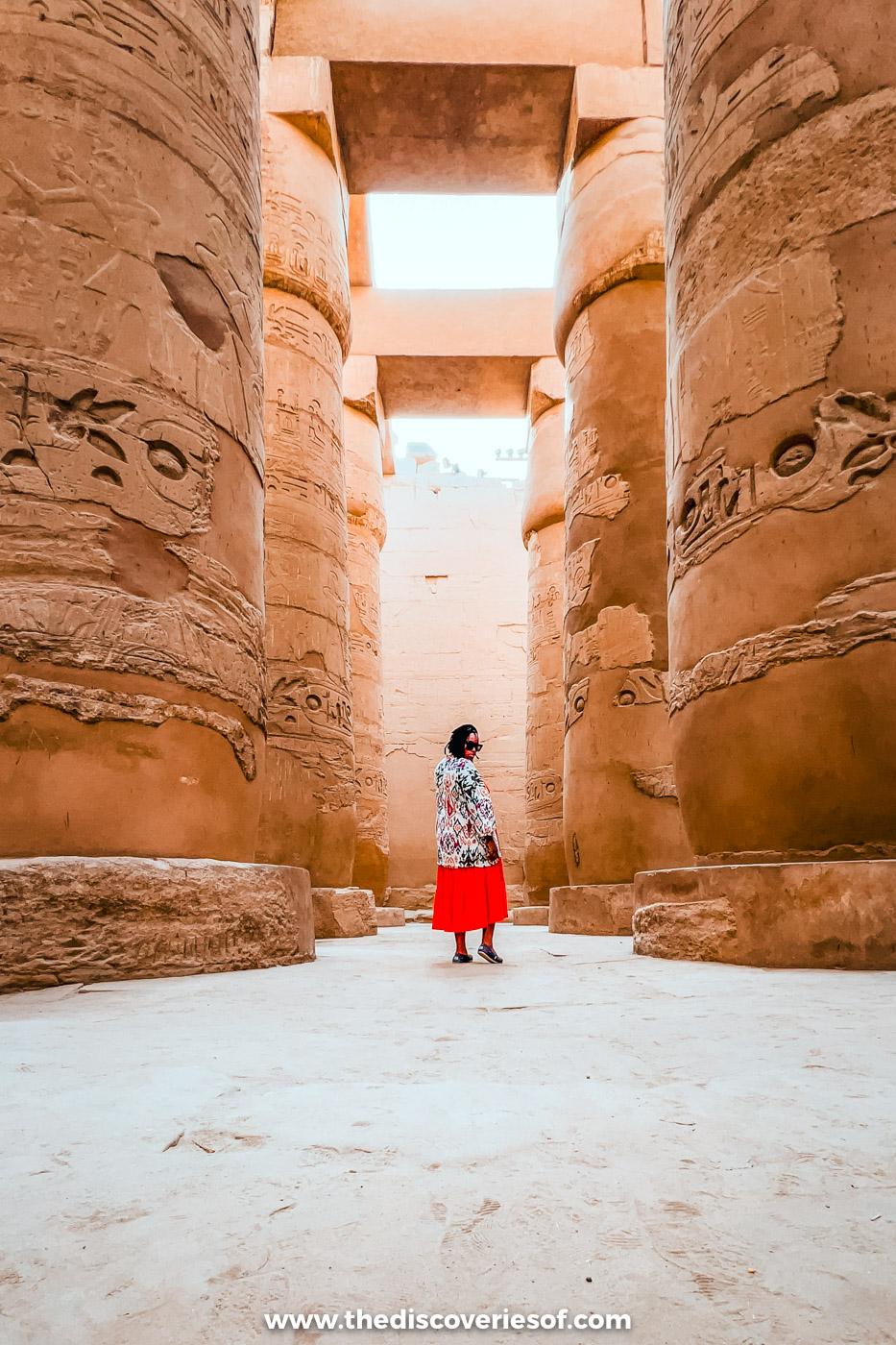
Ancient Thebes, today’s Luxor, was the capital of Egypt at the height of its power, and few places pack in so much on both banks of one river. On the east bank stand the temples of Karnak and Luxor. On the west, the pharaohs of the New Kingdom were buried in the Valley of the Kings.
Visiting the tombs was one of the highlights of my Egypt trip. Hieroglyphs carved into the stone, colourful scenes of the afterlife and the hush of corridors cut deep into the mountain: there’s nowhere else quite like it. Take a guide if you can, as the stories behind each pharaoh come to life far more with someone to tell them.
The standard Valley of the Kings ticket covers three tombs, and Tutankhamun’s tomb and a few others cost extra. A West Bank tour with the Valley of the Kings usually includes a guide and transfers from Luxor.
Abu Simbel, Egypt
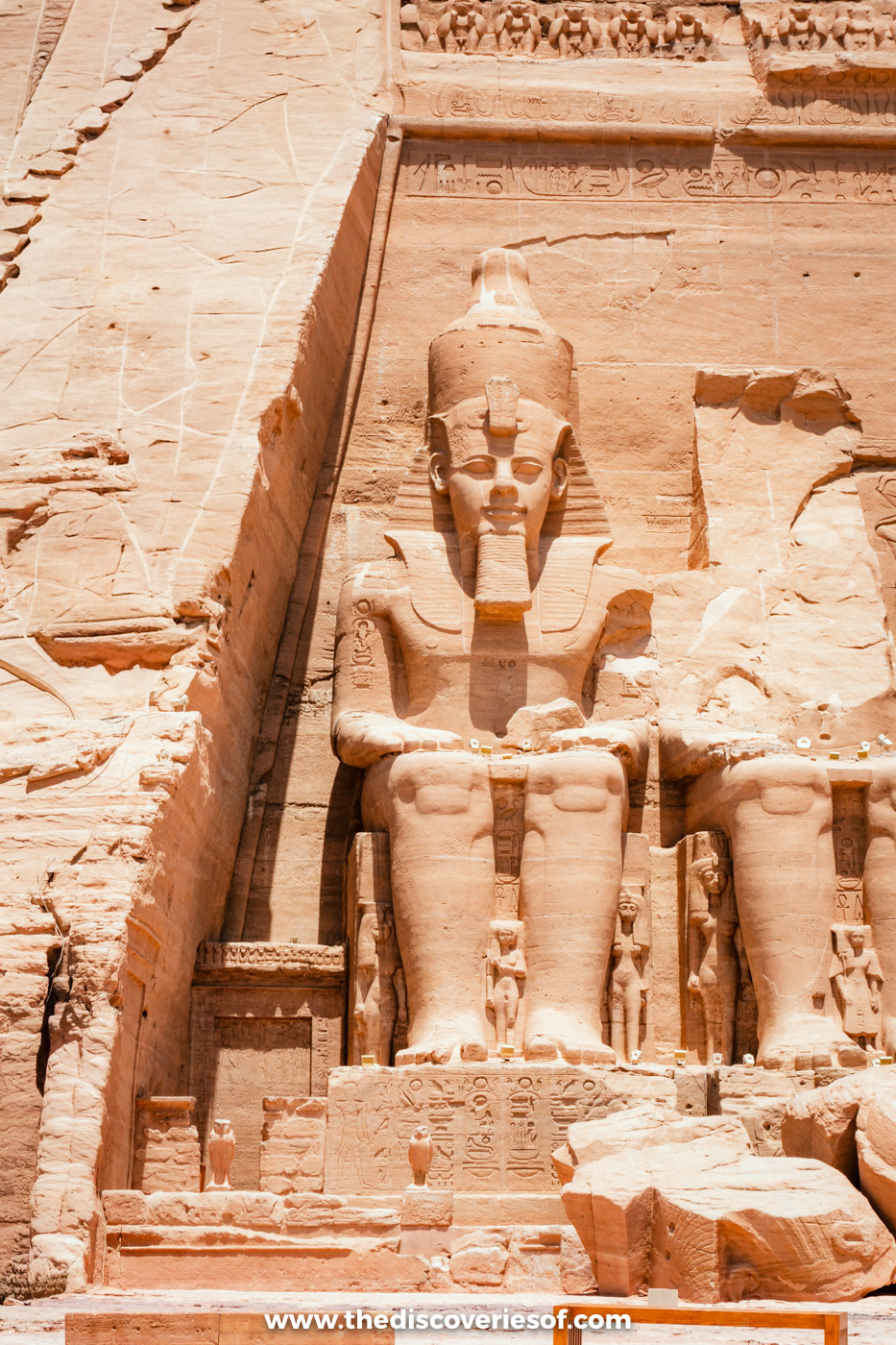
Part of the Nubian Monuments from Abu Simbel to Philae, the twin temples of Abu Simbel were cut into the rock by Ramses II and then, in the 1960s, cut into more than a thousand blocks and moved uphill to save them from the rising waters of Lake Nasser. It was this rescue that led to the idea of a World Heritage List in the first place.
I was emphatic that I was going to visit on my Egypt trip, and I’m so glad I did. Sure, the Great Temple feels a little like an ego trip. But my god, it’s stunning.
Expect an early start: it’s a long drive or a short flight from Aswan. An organised day trip from Aswan handles the transport and timings for you.
Medina of Marrakesh, Morocco

Is there anywhere more captivating than Marrakech? Founded in 1070 to 1072 by the Almoravids, it quickly became a pivotal economic, cultural and political centre, not just in Morocco, but in the western Muslim world.
The Medina sits at the heart of it all. Dominated by the Koutoubia Mosque, it’s framed by a series of ramparts, gardens, palaces and the thrumming Jemaa el-Fna square. Stroll around for a sensory overload of sights, sounds and smells, and look out for the carved cedar and zellige tilework hidden behind plain walls in palaces like the Bahia.
Vallée de Mai, Seychelles

It’s no secret that I fell in love with the Seychelles on my last trip, but of all the gorgeous scenery I encountered, the primordial forest of the Vallée de Mai was up there with the best.
Often nicknamed the “Garden of Eden”, this soaring palm forest on Praslin is one of only two places where the mysterious coco de mer palm grows wild, its seed said to be shaped like a pair of women’s buttocks.
Glimpse into ancient natural history as you stroll around the forest, where endemic species from the Seychelles black parrot to chameleons make their home.
Robben Island, South Africa

Stranded off the coast of Cape Town in South Africa, Robben Island is a sombre reminder of the country’s not-too-distant apartheid past.
The island was used as a place of banishment, isolation and imprisonment for nearly 400 years, as a leper colony among other things, but most famously as the place where Nelson Mandela spent 18 of his 27 years in prison. Former political prisoners have long led the tours of the prison.
Tour the island for an insightful look into the history of the fight for freedom. Ferries leave from the Nelson Mandela Gateway at the V&A Waterfront and sell out in summer, so book ahead.
Serengeti National Park, Tanzania

Spanning a whopping 14,750 square kilometres (about 5,700 square miles), the Serengeti National Park in Tanzania is one of the prime World Heritage Sites for nature lovers.
Tanzania’s oldest national park is synonymous with Africa’s wildlife and the Great Migration, when well over a million wildebeest, along with hundreds of thousands of zebra and gazelle, strike out across the plains with predators in tow in one of nature’s most spectacular events.
Tanzania sat at the very top of my bucket list for years, and when I finally went on safari, the Serengeti was the place I’d tell anyone to head first. Safaris range from simple camping trips to lodge stays, so compare a few before you choose.
Stone Town of Zanzibar, Tanzania

A short flight or ferry from the mainland, Stone Town is the old heart of Zanzibar City and one of the finest Swahili trading towns on the East African coast. Its coral-stone houses, carved wooden doors and narrow lanes show a thousand years of African, Arab, Indian and European influence.
I wandered its alleys on the same trip as my safari, and it’s a wonderful place to get lost between the Old Fort, the former Sultan’s palace and the old slave market, where a memorial and a museum now tell the story of the trade. Finish at Forodhani Gardens, where the evening food market sets up by the water.
Asia
Angkor, Cambodia

Nestled amidst the Cambodian jungle, Angkor is an unparalleled archaeological marvel that bears testimony to the importance of the Khmer Empire. Built between the 9th and 15th centuries, it’s a vast maze of temples, reservoirs and canals entangled within the jungle.
Angkor Wat is the most famous of the temples: peek at its reliefs to see the tales of Hindu epics and celestial realms carved into its walls. Move on to the nearby Ta Prohm, where strangler figs grip the ruins with their roots, and to the Bayon, with its towers of serene stone faces.
Seeing the sunrise over Angkor was one of the most memorable moments from all my travels: the grey stone and jungle canopy were bathed in pink hues as the birds raised their chorus. I’d strongly encourage anyone who can to see it at least once.
You need an Angkor Pass, sold for one, three or seven days, to enter the temples. A sunrise tour gets you to the reflecting pools in the dark, ready for first light.
Imperial Palaces of the Ming and Qing Dynasties, China

Standing as a symbol of China’s grandeur, the Forbidden City in Beijing is one of the most visited palaces anywhere in the world.
The 15th-century Imperial Palace of Beijing (more commonly known as the Forbidden City) showcases artwork, architecture and culture from the Ming and Qing dynasties, and the listing also includes the Mukden Palace in Shenyang.
It’s the most complete collection of imperial architecture in the country: a maze of palaces, courtyards and regal halls encased by monumental walls. Tickets are sold online in advance with your passport details and a daily cap, and the palace is closed on Mondays.
The Great Wall of China, China

The Great Wall of China is one of the World Heritage wonders on nearly every traveller’s bucket list.
Awarded World Heritage status in 1987, this iconic barrier stretches over 13,000 miles (more than 21,000 km) when all its branches are counted, winding over deserts, mountains and plains and symbolising China’s historical might and resilience as it does.
Of course, I have to add in everyone’s favourite Great Wall fact. Except it isn’t one: you can’t actually see it from space with the naked eye, as astronauts have been pointing out for years. It’s still unforgettable from the ground. From Beijing, the restored sections at Mutianyu are easier going than the crowds at Badaling, and day trips from the city include the transfer.
Taj Mahal, India

Another world-famous World Heritage Site (and one of the New Seven Wonders of the World), the Taj Mahal is located in Agra, Uttar Pradesh, India.
Constructed between 1632 and 1653, it was famously commissioned by the Mughal Emperor Shah Jahan as a mausoleum for his wife Mumtaz Mahal.
Go to see incredible architecture that blends Persian, Islamic and Indian elements within its intricate design, and time it for sunrise, when the marble glows pink. The Taj Mahal is closed on Fridays.
Buy entry online to skip the ticket queue, or book a sunrise tour of the Taj Mahal from Agra or Delhi with a guide who can explain the symbolism in the inlay work.
Jaipur, India

The Pink City of Jaipur is one of the most striking World Heritage Sites in India. The capital of Rajasthan, the city (which, you guessed it, is mostly painted pink) has a stunning collection of palaces, fortresses and bazaars, and its walled city was listed in 2019.
The grid plan, based on Vedic principles, encapsulates landmarks such as the City Palace, Hawa Mahal and Johari Bazaar, while the Jantar Mantar observatory is a World Heritage Site in its own right and Nahargarh Fort watches over it all from the hills.
Borobudur, Indonesia

Want to see a World Heritage Site in Indonesia that also just so happens to be the biggest Buddhist temple in the world? Venture to Borobudur.
Construction was completed in the 9th century, and it has incredibly well-preserved details, including 504 Buddha statues around the massive complex, 72 of them seated inside the latticed stupas around the central dome. Look closely and you’ll also see intricate carvings showing Gautama Buddha’s teachings.
Climbing onto the temple itself now needs a separate ticket with a daily quota, and visitors wear special woven sandals to protect the stone, so book ahead if you want to go up.
Historic Monuments of Ancient Kyoto, Japan

Kyoto is having a moment. I named it as one of my top places to travel in 2023, in no small part thanks to the World Heritage Sites there.
Bearing testament to the fact that Kyoto was Japan’s imperial capital between 794 and 1868, the listing covers 17 temples, shrines and castles in Kyoto and the neighbouring cities of Uji and Otsu, including Kiyomizu-dera, Kinkaku-ji (the Golden Pavilion), Nijō Castle and Kōzan-ji. Get to Kiyomizu-dera early, before the tour groups arrive.
Luang Prabang, Laos

Luang Prabang was one of the places in Asia that totally blew me away. Laos doesn’t make big ripples on the international travel scene, which is a shame as it’s a trove of historical and cultural landmarks, with Luang Prabang at the pinnacle.
The ancient city was the country’s royal capital until 1975 and is home to stunning architecture like the temples of Phousi Hill and Wat Xieng Thong, while the turquoise pools of Kuang Si Falls are an easy trip out of town.
Blending gilded Buddhist temples and French colonial facades, it’s a harmonious meeting of spirituality and heritage.
Puerto Princesa Subterranean River, Philippines
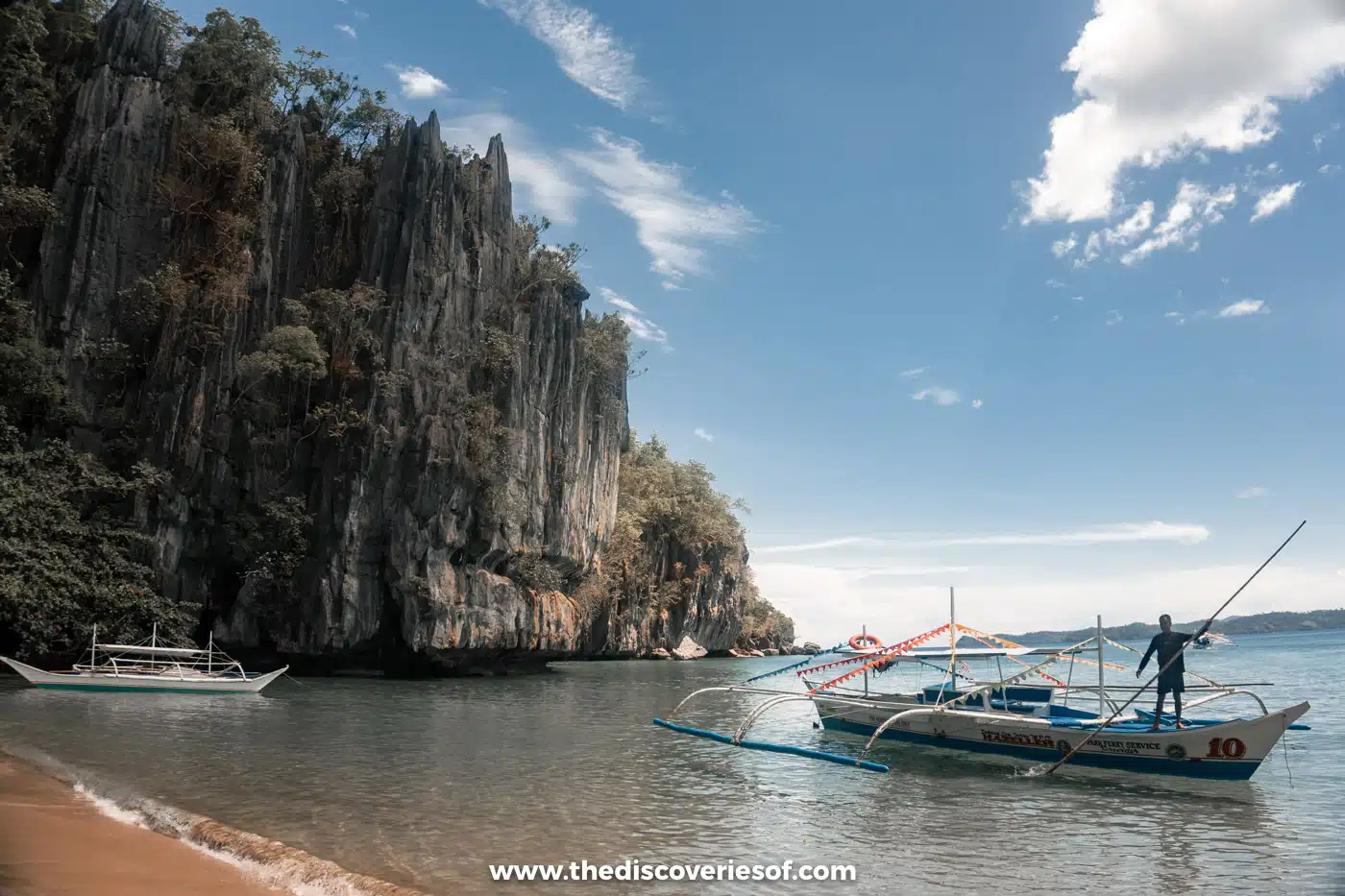
On the west coast of Palawan, the Puerto Princesa Underground River flows for more than 8 kilometres through a limestone cave before emerging straight into the sea. It’s home to bats, swiftlets and chambers of stalactites the size of cathedrals.
I stopped in Puerto Princesa specifically for the river on my way from Cebu to El Nido, paddled into the cave in the front seat of the boat and came out saying I’d never experienced anything quite like it.
Numbers are capped each day and you need a permit to enter, so book well ahead, or join a day tour to the Underground River from Puerto Princesa that arranges the permit and the drive to Sabang.
Galle Old Town, Sri Lanka

Heading to Sri Lanka? Don’t miss a chance to visit Galle Old Town.
Enclosed within the walls of the Dutch fortifications, Galle’s old town overlooks the Indian Ocean and tells the tale of its colonial history. Dutch colonial buildings meet mosques, churches and landmarks such as the Galle Fort Clock Tower and the National Museum of Galle.
Walk the ramparts at sunset for the best views, ending at the lighthouse that stands guard over it all.
Ayutthaya, Thailand

Founded in 1350, Ayutthaya is a World Heritage Site in Thailand (formerly Siam) and one of the country’s must-see spots.
The sprawling site tells the story of a city that was once the epicentre of global diplomacy and trade. Walk or cycle around it to glimpse ancient temples, monasteries and palaces that provide a glimpse of its past grandeur, and don’t miss the stone Buddha head cradled in the roots of a tree at Wat Mahathat. It’s an easy day trip from Bangkok.
Hoi An Ancient Town, Vietnam
The well-preserved Southeast Asian trading port of Hoi An Ancient Town sits on the Thu Bon River in Vietnam.
Dating from the 15th to 19th centuries, the architecture is a blend of local, Chinese and Japanese influences, creating a living museum of merchants’ houses, temples and bridges. The Japanese Covered Bridge is the most famous of them all, and it reopened in 2024 after a major restoration. Be sure to add it to your itinerary, and stay for the evening, when the lanterns are lit.
Europe
Historic Centre of Vienna, Austria

Vienna sat at the heart of the former Habsburg Empire and still has the regal elegance to show it.
A symphony of architectural prowess, it’s impossible not to be enchanted by the Romanesque-Gothic St Stephen’s Cathedral and the imposing former palace of the Hofburg. Just outside the centre, the Baroque Schönbrunn Palace is a separate World Heritage Site and well worth the short trip.
Historic Centre of Brugge, Belgium

Meandering canals, ancient bridges and medieval market squares: the stunning locale of Bruges (otherwise known as the Venice of the North) is unmistakable. It’s no secret how much I love Bruges.
This Belgian city is something of a time capsule. Landmarks such as the guild houses of the Markt (the storied commercial hub), the Heilig-Bloedbasiliek (Basilica of the Holy Blood) and the towering Belfort (Belfry) are prime examples of medieval, Gothic and Baroque architecture in one of the most gorgeous World Heritage Sites in Europe.
Plitvice Lakes, Croatia

Delve into the watery wonderland of Croatia‘s Plitvice Lakes National Park. This was the country’s first-ever national park, and let me tell you, they didn’t save the best for last.
The lakes are a small section of the park, but the bright waters (which oscillate between hues of azure, turquoise and green), stunning waterfalls (Galovački Buk is my favourite) and dense forests around them make for an amazing trip.
You’ll need to register in advance, as tickets are sold for timed entry slots, or take a guided tour.
Old City of Dubrovnik, Croatia

Dubbed the “Pearl of the Adriatic”, the Old City of Dubrovnik is not only a World Heritage Site, it’s also the setting for King’s Landing in the HBO epic Game of Thrones, and as a fan of the show I couldn’t resist tracking down the filming locations.
Whether that excites you or not, the city’s amalgamation of Baroque and Renaissance architecture never fails to wow. Walk the historic walls of the Old Town before seeing the Gothic and Renaissance-style Rector’s Palace, the Baroque Church of St Blaise and the 16th-century Sponza Palace against the shimmering backdrop of the Adriatic Sea.
Walk the city walls first thing in the morning, before the cruise crowds and the midday heat. A Game of Thrones walking tour is a fun way to see the old town if you’re a fan.
Historic Centre of Prague, Czech Republic (Czechia)

With a nickname of the “City of a Hundred Spires”, it should come as no surprise that Prague in the Czech Republic is simply teeming with Gothic cathedrals, Baroque palaces and ancient bridges.
The Historic Centre of Prague is home to a series of historical monuments and landmarks in three districts (Old Town, New Town and Lesser Town), with the Vltava River cutting its way through them all.
Highlights include the 15th-century Astronomical Clock (the Orloj), the historic Charles Bridge below Prague Castle and the more recent (but very impressive) Rudolfinum. I walked Charles Bridge after dark, when the statues are lit and the crowds have thinned, and I’d recommend doing the same.
The Loire Valley, France

Visit the stretch of the Loire Valley between Sully-sur-Loire and Chalonnes and you’ll immediately see why UNESCO gave it their stamp of approval.
The historic wine region in France is famous for its Sauvignon Blancs, but the forests and valleys combined with a tableau of Renaissance grandeur are really what put it on the map.
Studded with châteaux, vineyards and villages, go to see the timeless beauty of historic sites like the Château de Chambord and the Château Royal d’Amboise.
Paris (Banks of the Seine), France

The Seine is Paris’s beating heart, so it figures that it’s flanked by some of the city’s icons. Do the names Notre-Dame, the Louvre or the Eiffel Tower mean anything to you? Thought so.
The listed stretch of riverbank runs from the Pont de Sully to the Pont d’Iéna and has witnessed the city’s historical evolution, with the Eiffel Tower and Les Invalides on the Left Bank, the Louvre and the Place de la Concorde on the Right, and Notre-Dame, reopened in December 2024 after the fire, on the Île de la Cité. A Seine river cruise takes in almost all of it.
Classical Weimar, Germany

A nexus of intellectual enlightenment and cultural evolution, Classical Weimar encapsulates an era when literature, philosophy and the arts converged to shape modern Germany.
The listing covers a dozen sites across Weimar, honouring the literary and academic history of the German city, which attracted luminaries such as Johann Wolfgang von Goethe, Friedrich Schiller and Franz Liszt in its heyday.
The Baroque Goethe House, the beautiful green space of the Park on the Ilm and the Gothic Church of St Peter and Paul are just a few of the tangible remnants of this iconic era.
Acropolis of Athens, Greece

Keen to find World Heritage Sites in Greece? The Acropolis of Athens is the best known, perched high above Athens since the 5th century BC.
The Acropolis is a monument to the glory of ancient Greek civilisation, first envisioned when the city was at its political and cultural peak. No matter how many pictures you’ve seen, nothing quite prepares you for your first view of the Acropolis in real life.
The Parthenon is its most iconic structure, a striking combination of Doric columns and proportional perfection dedicated to the goddess Athena. Other highlights include the Erechtheion, the Propylaea and the Temple of Athena Nike, each one resonating with the tales of deities and heroes.
Entry is by timed slot, so book online before you go and aim for opening time or late afternoon in summer, when the heat on the hill is fierce. A guided tour of the Acropolis brings the ruins to life.
Ancient Delos, Greece

Rising out of the Aegean Sea, the uninhabited island of Delos is one of the lesser-visited Cyclades islands, and it narrates the grandeur of ancient Greece.
Revered as the mythical birthplace of Apollo and Artemis, Delos was a sacrosanct sanctuary that attracted pilgrims from across the region. It also evolved into a bustling port, a hub on various trade routes.
Today you can catch a glimpse of its ancient glories in a dense scattering of mosaics, ruins, statues and buildings, including the iconic Terrace of the Lions and the House of Dionysus. Boats run from Mykonos, and a Delos day trip from Mykonos with a guide is the easiest way to go.
Budapest, Hungary

Divided by the Danube, the two cities of Buda and Pest joined together to become the Hungarian capital in 1873. The banks of the Danube and the Buda Castle Quarter were awarded World Heritage status in 1987, with Andrássy Avenue added later. Much deserved.
Be sure to check out the Royal Palace (Királyi Palota) and Fisherman’s Bastion on Castle Hill, then walk over the Chain Bridge to the Parliament on the other side of the Danube.
Þingvellir National Park, Iceland
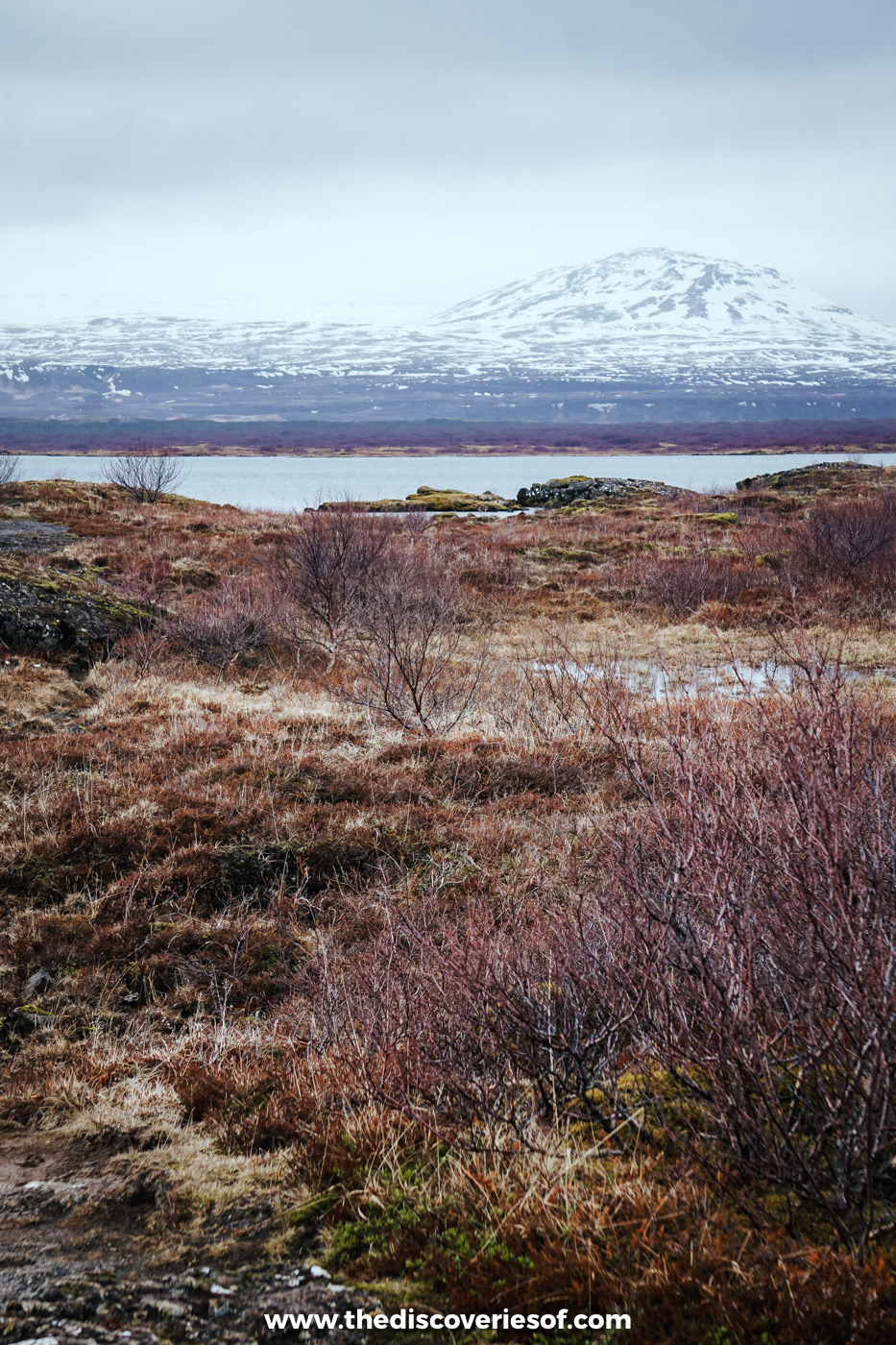
Þingvellir is where Iceland’s parliament, the Althing, gathered in the open air every summer from 930, and it sits in a rift valley where the North American and Eurasian plates are slowly pulling apart. It’s history and geology in one, and it’s the first stop on the Golden Circle.
My first taste of it came on my first trip to Iceland, in early May, when I did the loop with a guide. The peaks were still white and the heath was rust-brown after the long winter. It’s only about 45 minutes from Reykjavik, and you can even snorkel between the plates in the clear water of the Silfra fissure.
The Dolomites, Italy

The Dolomites, listed in 2009 for their extraordinary pale peaks and the story they tell about the formation of the Earth, stretch across five regions of northern Italy, from the Brenta group in Trentino to the Tre Cime di Lavaredo.
I spent ten days in Trentino in winter, started out on the slopes as a complete beginner (and I mean complete) and fell for the region’s mountain food and scenery. In summer, the same peaks are criss-crossed by hiking trails and via ferrata routes.
Historic Centre of Florence, Italy

Is there a more romantic city than Florence? If there is, I’ll wait.
It’s not just romance though. The city that saw the birth of the Renaissance has held World Heritage status since 1982, in no small part thanks to the gorgeous 15th and 16th-century architecture dotted across its historic centre.
Landmarks such as the Uffizi Gallery, that iconic cathedral topped off with Brunelleschi’s dome and the Palazzo Vecchio underscore its artistic and architectural achievements. Throw in works by Michelangelo, Leonardo da Vinci and Botticelli for the icing on the cake.
Book the Uffizi, the Accademia (home of Michelangelo’s David) and the climb up Brunelleschi’s dome in advance, especially between spring and autumn. A skip-the-line tour of the Uffizi saves the queue.
Piazza del Duomo, Pisa, Italy

Pisa’s Piazza del Duomo, the “Square of Miracles”, sets four medieval masterpieces on one green lawn: the cathedral, the baptistery, the monumental cemetery and, of course, the Leaning Tower. Building began in the 12th century, and the soft ground started tilting the tower before it was even finished.
The tower is still noticeably off true at around four degrees, and you can climb its 251 steps on a timed ticket. Get there as early as you can to beat the crowds, and consider a guided tour of the cathedral that includes access to the Leaning Tower. More in my guide to the best things to do in Pisa.
Historic Centre of Rome, Italy

It’s a matter of icons only when it comes to Rome, Italy. Is it a surprise given that the city’s history spans over two millennia?
The chronicle of Western civilisation boasts plentiful remnants of the Roman Empire, including one of the New Seven Wonders of the World, the Colosseum.
Next, check out the Pantheon, a Roman temple completed in around AD 125 whose concrete dome is still the largest unreinforced one in the world, before stopping by the 18th-century Trevi Fountain. Since February 2026, visitors pay €2 to go down to the basin. St Peter’s Basilica, a short walk across the river, is in Vatican City, a World Heritage Site of its own.
The Colosseum, Roman Forum and Palatine Hill share a timed ticket that sells out weeks ahead in spring and summer. A Colosseum skip-the-line tour with the Forum and Palatine Hill is the easiest way in.
Venice and its Lagoon, Italy

Built on more than a hundred islands in a shallow lagoon, Venice is one of the world’s great feats of engineering as well as one of its most beautiful cities, from St Mark’s Basilica and the Doge’s Palace to the palazzi lining the Grand Canal. The listing takes in the whole lagoon, including Murano, Burano and Torcello.
Venice might not be perfect, but it’s a charming place to explore, and I’d avoid high season if you can: the crowds in the lanes around Rialto and St Mark’s can be overwhelming. Day trippers also pay an access fee on peak days, so check before you go, and stay the night if you can to see the city once the day crowds have left.
Canal Ring Area of Amsterdam, Netherlands

Expanding in the 17th century during the Dutch “Golden Age”, Amsterdam’s Canal Ring is an engineering marvel in itself. Historic houses and picturesque bridges nestle between concentric waterways that marked the dawn of a new urban planning model.
Spend time walking around and you’ll see significant historical sites like the Anne Frank House on the Prinsengracht, the grand merchants’ mansions of the Herengracht’s Golden Bend and the boutiques of the Nine Streets.
Unsurprisingly, the best way to see it all is by hopping on a boat! A canal cruise is an easy place to start.
Alto Douro Wine Region, Portugal

Tracing its wine-producing heritage back for more than 2,000 years, the Alto Douro’s terraced vineyards are one of Portugal’s most captivating World Heritage Sites.
The region famously gave birth to port wine, and it was demarcated in 1756, making it one of the oldest regulated wine regions in the world. The ever-changing wine production process makes it a living landscape.
Whenever I’m in the north, a trip up the valley to the vineyards is non-negotiable. Learn the rich history and sample the delicious wines at a quinta such as Quinta de Santa Eufémia, then take to the river by boat or follow the terraces on foot.
If you’re not driving, wine tours from Porto usually include tastings, lunch and a river cruise.
Jerónimos Monastery and Torre de Belém, Lisbon, Portugal

Standing guard at the mouth of the Tagus River in Lisbon, the Torre de Belém is a 16th-century fortified tower emblematic of Portugal’s Age of Discoveries.
The nearby Jerónimos Monastery is a crescendo of Manueline architecture, the elaborate style that flourished under King Manuel I (who also happens to be buried there).
This incredible display of architecture used local limestone to carve pillars, sculptures and intricate cloisters, all bearing maritime motifs, and it somehow withstood the devastating 18th-century earthquake in Lisbon.
Historic Centre of Porto, Portugal
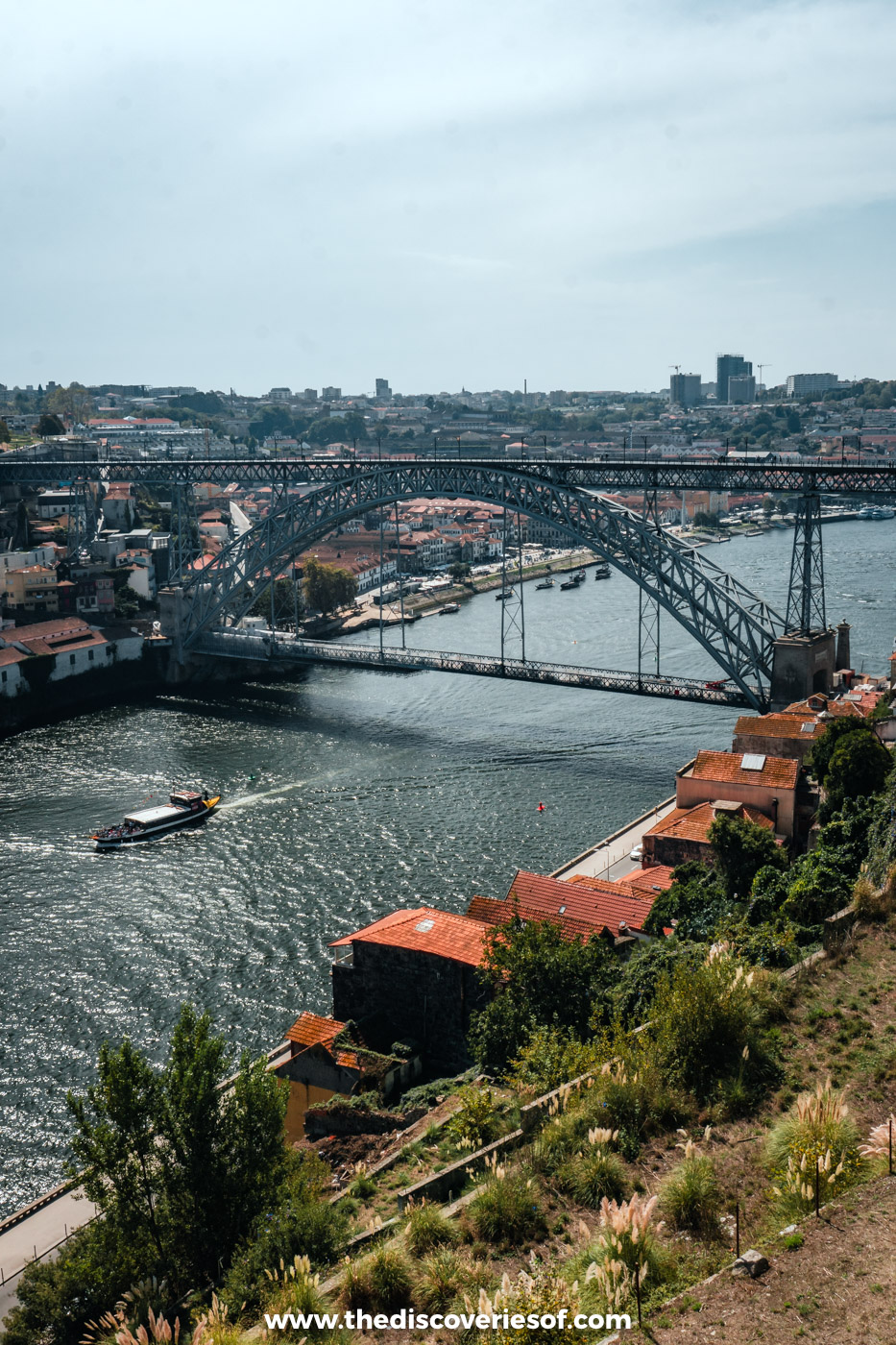
Porto‘s old town tumbles down the hillside to the Douro, and its listing takes in the Ribeira waterfront, the Dom Luís I Bridge and the Monastery of Serra do Pilar on the Gaia side, as well as azulejo-covered churches and the soaring Clérigos Tower.
I’ve been coming back for years, and if I’m honest, I may just prefer it to Lisbon. History and culture are what I travel for, so the old town, the port lodges across the river in Vila Nova de Gaia and the azulejo tiles are where I’d point anyone first.
Historic Centre of Saint Petersburg and Related Groups of Monuments, Russia

Peter the Great’s “window to the West” was founded in 1703 and showcases European architectural styles from the 18th to the 20th century within its reaches.
The Winter Palace, which is now part of the Hermitage Museum, displays global art treasures, while other landmarks such as the naval fortress of Kronstadt, the 19th-century St Isaac’s Cathedral and the Church of the Saviour on Spilled Blood are world famous for their bold architectural styles.
Check your government’s travel advice before planning a trip: the UK, among others, currently advises against all travel to Russia.
Historic Centre of Córdoba, Spain

Córdoba was one of the greatest cities in Europe under the Umayyad caliphate in the 10th century, and its Mosque-Cathedral is the jewel of its historic centre: a forest of more than 850 columns topped with red and white striped arches, with a Renaissance cathedral built into its heart.
It was on my bucket list for many years before I finally got to visit, and I’m so glad I did. You can enter the Mosque-Cathedral for free during the first hour each morning (outside services), which is reason enough to set an early alarm, then wander the Jewish quarter and the Roman bridge. More in my guide to the best things to do in Córdoba.
The Alhambra, Granada, Spain

One of the most famous World Heritage Sites in Spain, the Alhambra is a marvellous Moorish architectural wonder dating back to the 13th century and another of my personal favourites.
Perched atop a hill overlooking Granada, the fortress evolved into a palatial city under the Nasrid dynasty. Today you’ll find a conglomeration of palaces with intricate stucco work, bubbling fountains and ornate glazed tiles (see my guide to azulejos) that speak of the zenith of Muslim Spain.
Entry to the Nasrid Palaces is at a set time printed on your ticket, and tickets sell out weeks ahead in spring and autumn. If the official site is sold out, a guided tour of the Alhambra often still has places.
Gaudí’s works in Barcelona, Spain

Barcelona and Gaudí go hand in hand. I’ve spent three months in Barcelona and am in awe of his creative tribute to Modernisme that’s strewn all over the city.
From the sinuous curves of Casa Batlló to the towering spires of the Sagrada Família, while you can find over a dozen buildings and landmarks designed by the famous architect, seven of Gaudí’s works in Barcelona are designated as World Heritage by UNESCO.
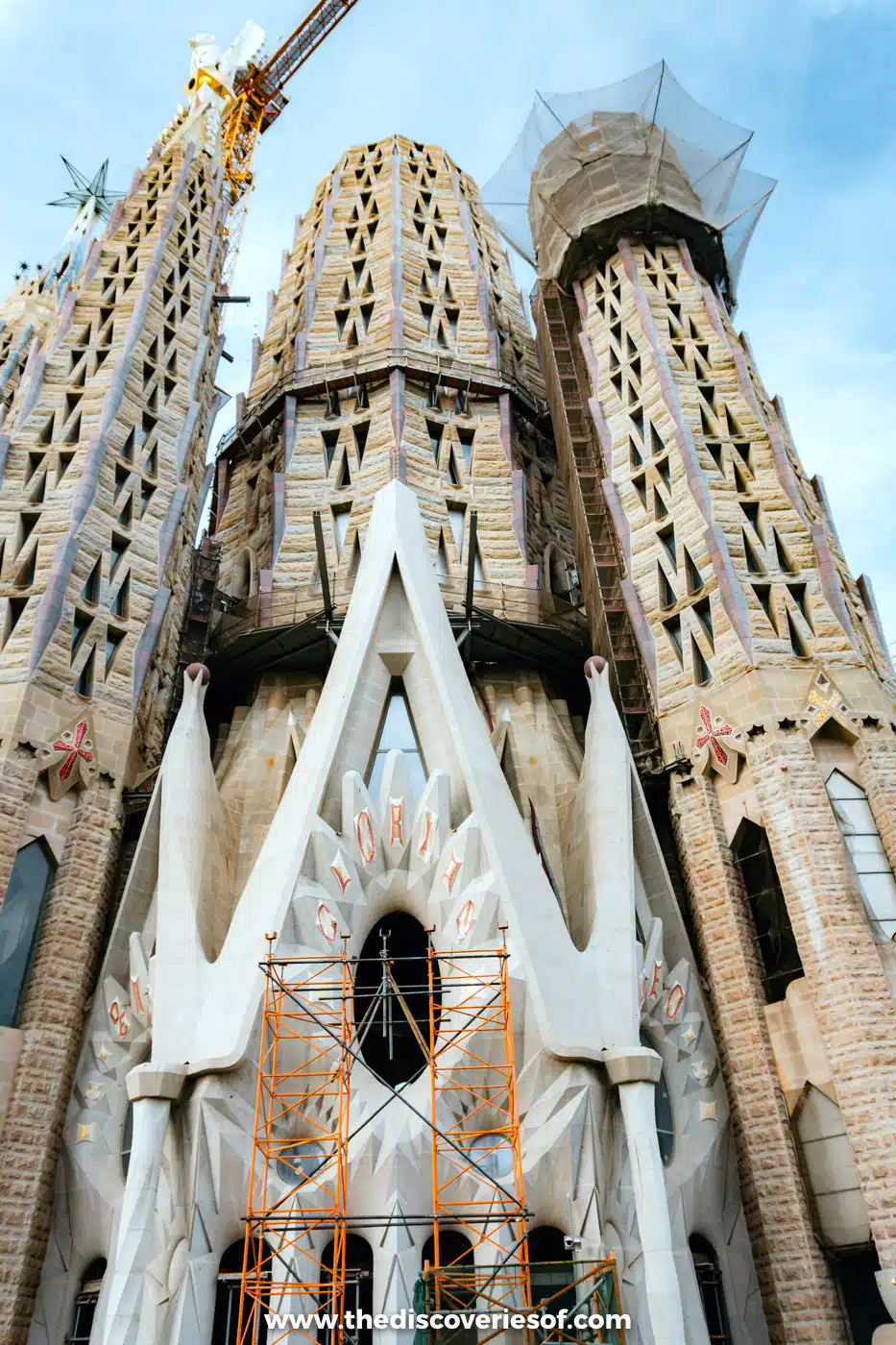
In February 2026, the cross was set on top of the Tower of Jesus Christ, making the Sagrada Família, at 172.5 metres, the tallest church in the world, 144 years after work began. What better way to spend your time in the city than tracing the evolution of the architect’s whimsical genius?
Book the Sagrada Família, Park Güell and Casa Batlló online in advance, as all three sell out. A guided tour with tower access is the best way to understand what you’re looking at.
Cathedral, Alcázar and Archivo de Indias, Seville, Spain

Seville’s trio of World Heritage monuments sits around one square: the vast Gothic cathedral, with Columbus’s tomb and the Giralda bell tower, the Real Alcázar, a royal palace still used by the Spanish royal family, and the Archivo de Indias, which holds the records of Spain’s empire in the Americas.
If you’re visiting the Alcázar, my advice is simple: book a guided tour that includes fast-track entry. That’s what I did, and after the tour I was free to explore the gardens and courtyards for as long as I liked. More in my guide to the best things to do in Seville.
Archaeological Ensemble of Tárraco, Tarragona, Spain
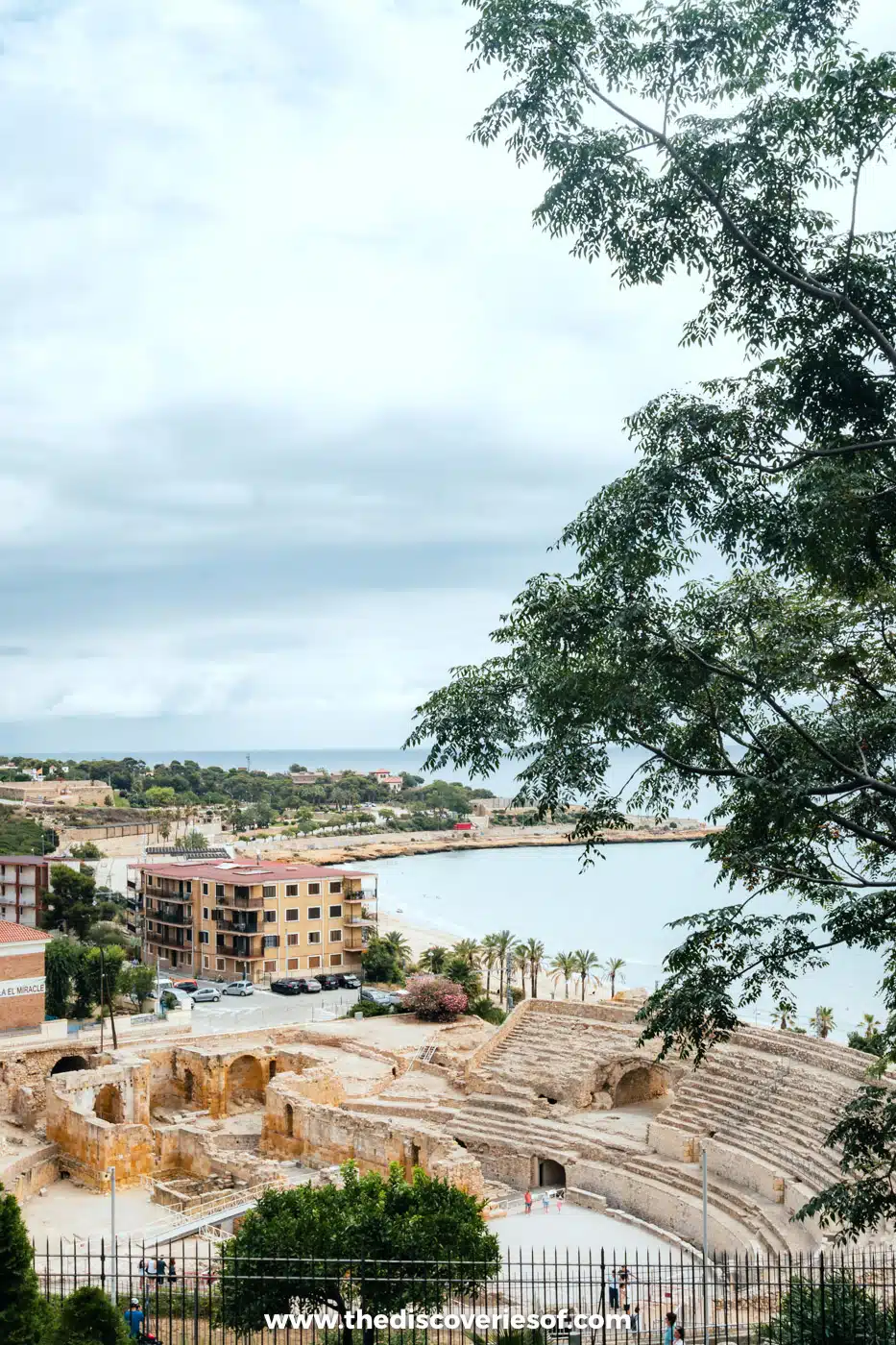
The Romans turned Tarragona into Tarraco, capital of one of the biggest provinces of their empire, and its remains are scattered all over the modern city: walls, a circus, a forum and, best of all, an amphitheatre right on the seafront.
What struck me most was the location. I’ve been to plenty of ancient theatres, including the ancient theatre in Milos and Kourion in Cyprus, but I’d never seen one sitting right by the sea like this. Tarragona is an easy day trip from Barcelona: see my guide to the best things to do in Tarragona.
Bath, United Kingdom

The compact city of Bath in England flourished as a spa town in the 18th century, forming the setting for many a Jane Austen novel, but its spa heritage goes back much further than that.
It’s home to Roman baths dating back to around AD 70, which you can still visit today. Elsewhere, the grand Georgian architecture of the Royal Crescent reflects the city’s social status during that era, and Bath is also part of the Great Spa Towns of Europe, listed in 2021.
Palace of Westminster and Westminster Abbey, United Kingdom
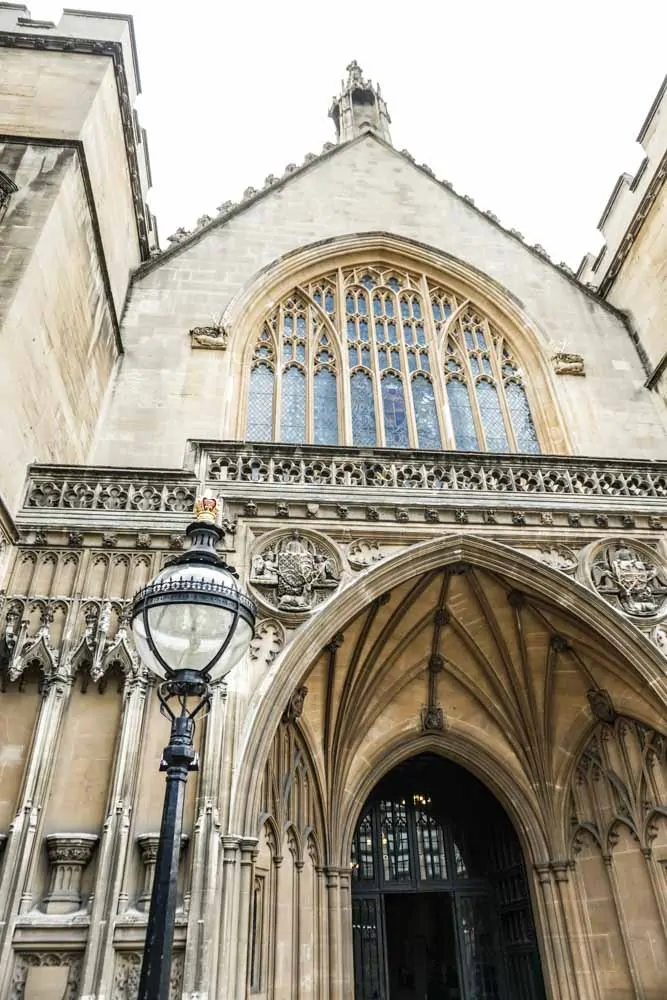
Two of the most historic landmarks in London, my home city, the Palace of Westminster and Westminster Abbey are the heart of British monarchy and democracy.
Westminster Abbey is the nexus of royal coronations, weddings and funerals, while the adjacent Palace of Westminster (along with the world-famous Elizabeth Tower, better known as Big Ben) sets the scene for the Houses of Parliament. UK residents can book a free tour of Parliament through their MP, and anyone can book a paid guided tour on Saturdays and during recesses.
The Lake District, United Kingdom

Sitting serenely in Cumbria in the north-west of England, the Lake District is a World Heritage Site of glacially sculpted valleys, shimmering lakes and vertiginous peaks. Quite frankly, it’s beautiful, and you should spare the time to visit it when you’re in the UK if you can.
Little wonder that it has inspired countless British poets, including William Wordsworth and Samuel Taylor Coleridge.
Their legacy permeates the region: visit the former homes of literary giants including Wordsworth, Beatrix Potter and John Ruskin.
Beyond this, the district chronicles centuries-old traditions: you can still find Herdwick sheep farmed here much as they were in times past. Go for a long hike, or several.
Oceania
Great Barrier Reef, Australia

Situated off the coast of Queensland, nearly 3,000 individual reefs and some 900 islands make up one of the greatest underwater World Heritage Sites anywhere in the world: the Great Barrier Reef.
Vibrant, intricate and teeming with coral of all colours, it’s a unique habitat for an array of marine life including sea turtles, sharks, whales and dolphins. Think of it as a marine mosaic of biodiversity. Repeated bleaching events have hit the coral hard, so choose an operator with eco-certification and reef-safe sunscreen.
Uluru, Australia

Looming tall in Australia’s arid heart, Uluru is one of the most famous World Heritage Sites in Australia. The massive sandstone formation towers 348 metres above the plain, and the rock it’s made from was laid down more than 500 million years ago.
Seeing it change from fiery red at the break of day to deep purple in the last evening light would be reason enough to visit, but the site is also sacred to the Anangu people, its traditional owners, and the rock swirls with ancient stories and spiritual significance. Climbing Uluru has been banned since 2019. Go with a local guide for a greater understanding of its cultural importance.
The Middle East
Old City of Jerusalem

Steeped in millennia of religious history, the Old City of Jerusalem is the place where Islam, Judaism and Christianity converge in a tale of faith, conflict and coexistence. The city’s maze of alleys reverberates with prayers echoing from the stone walls.
Famous landmarks include the Western Wall, the Dome of the Rock and the Al-Aqsa Mosque on the Temple Mount (Haram al-Sharif), the Church of the Holy Sepulchre and the Tower of David. Check your government’s travel advice before you go, as the situation in the region can change quickly.
Petra, Jordan

Often dubbed the “Rose City” thanks to its pink-hued rock, Petra is an archaeological and historical marvel. The capital of the Nabataean kingdom was flourishing by the 1st century BC. Yeah, that long ago.
Incredible sites like the Treasury (whose urn, legend had it, hid a pharaoh’s treasure) and the Monastery are carved directly into the rose-red cliffs, while engineering feats such as the intricate water channels speak to the sheer skill of the Nabataeans.
The Jordan Pass bundles Petra entry with your tourist visa and works out cheaper if you’re staying three nights or more. Allow at least two days, and book a Petra guided tour if you’re visiting as a day trip from Amman or the Dead Sea.
Göreme National Park and the Rock Sites of Cappadocia, Turkey

Is this a landscape straight out of a dream? You’d be forgiven for thinking Cappadocia’s rocky wonders and cave dwellings were the surface of the moon rather than a unique example of natural scenery and human adaptability.
Explore the ancient villages, hoodoos and fairy chimneys of Cappadocia and Göreme National Park, peeking at the churches and frescoes carved by early Christians into the rocks.
Float up into the air on a hot air balloon tour to appreciate the full scale of the rock formations and valleys below.
North America
Canadian Rocky Mountain Parks, Canada

Want to visit a natural landmark that’s so gorgeous it’s officially a World Heritage Site? Head to one of the parks in the Canadian Rockies.
I’ve written guides on Jasper and Banff, but the smaller Yoho and Kootenay national parks and Hamber, Mount Robson and Mount Assiniboine provincial parks also showcase dramatic natural landscapes and incredible wildlife viewing opportunities. Moraine Lake is now reached by Parks Canada shuttle or tour only, so plan ahead.
Real talk: watch out for the grizzlies.
Historic Centre of Oaxaca, Mexico
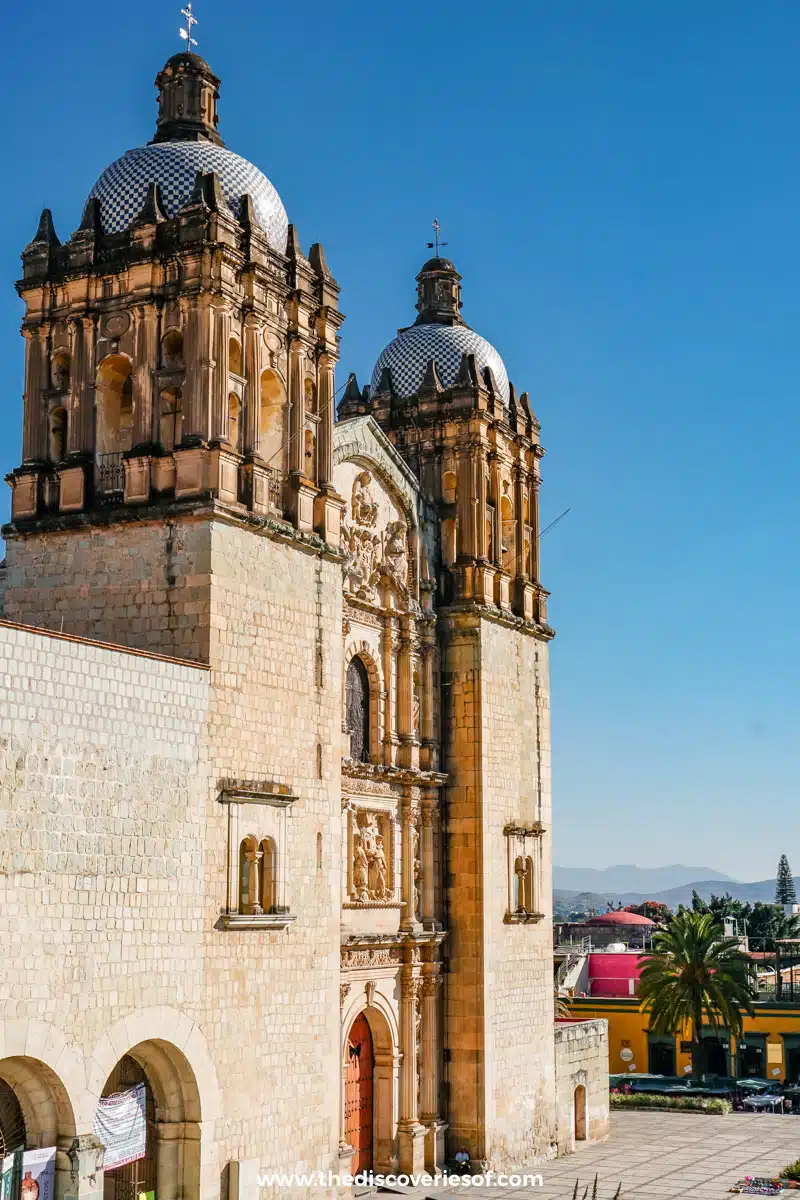
Established in 1532, the historic centre of Oaxaca in Mexico is a confluence of pre-Columbian, colonial and modern Mexican heritage, and it was one of my favourite stops on my Mexico itinerary.
Take a stroll around to see Baroque architecture like the Templo de Santo Domingo de Guzmán, the markets such as the Mercado Benito Juárez, and the nearby Zapotec city of Monte Albán, listed together with the historic centre. Together they form part of the rich tapestry of Oaxacan culture.
Grand Canyon National Park, United States
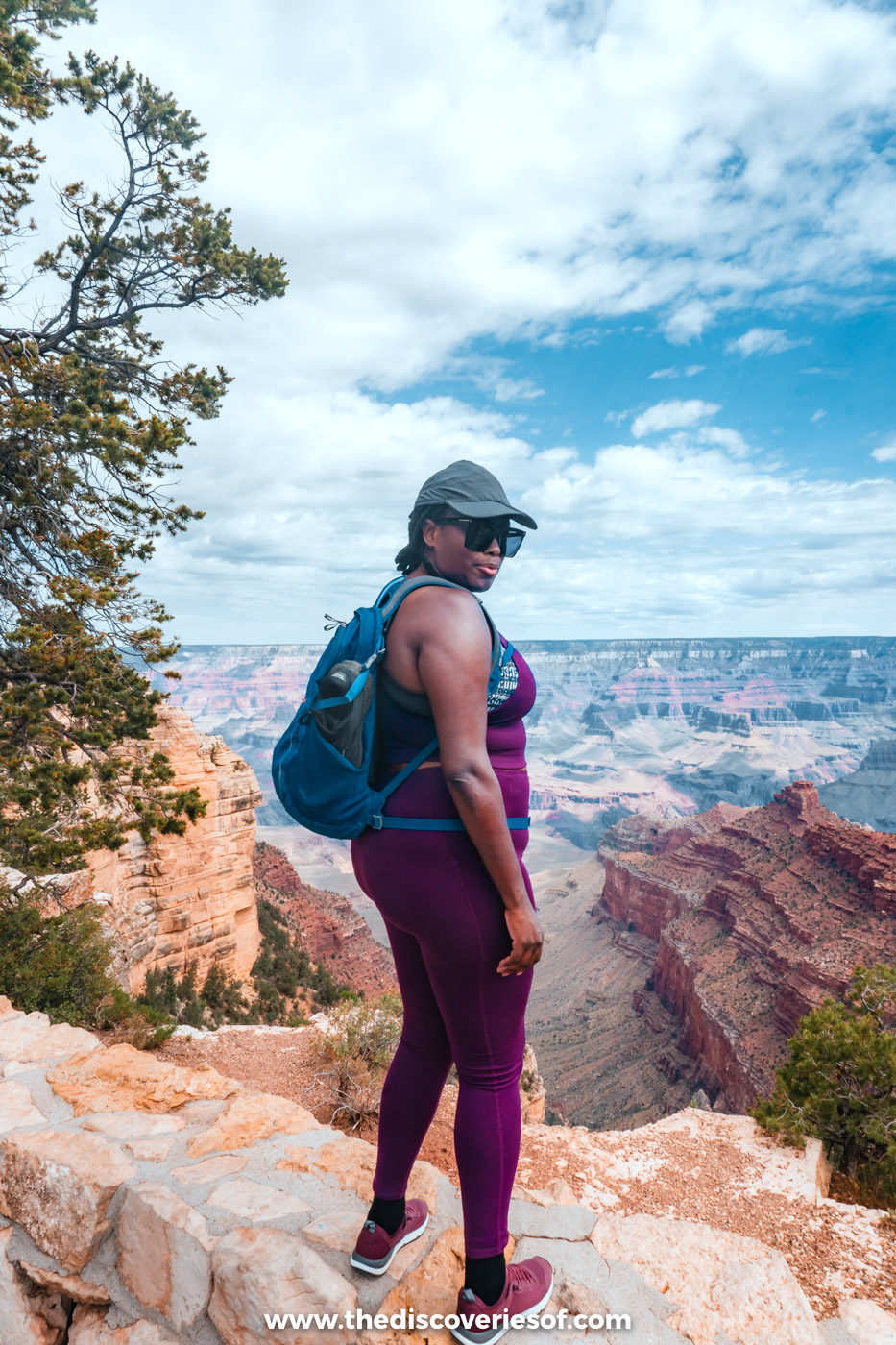
Looking for World Heritage Sites in the USA? Grand Canyon National Park is one of my favourite places to spend time in the great outdoors anywhere in the world.
The colossal chasm carved by the Colorado River is a geological spectacle, with layers of red rock up to nearly two billion years old exposed by around five to six million years of erosion.
Drive Desert View Drive along the South Rim and stop at the Desert View Watchtower to see the canyon etched into the Arizona wilderness from an incredible vantage point.
Yosemite National Park, United States
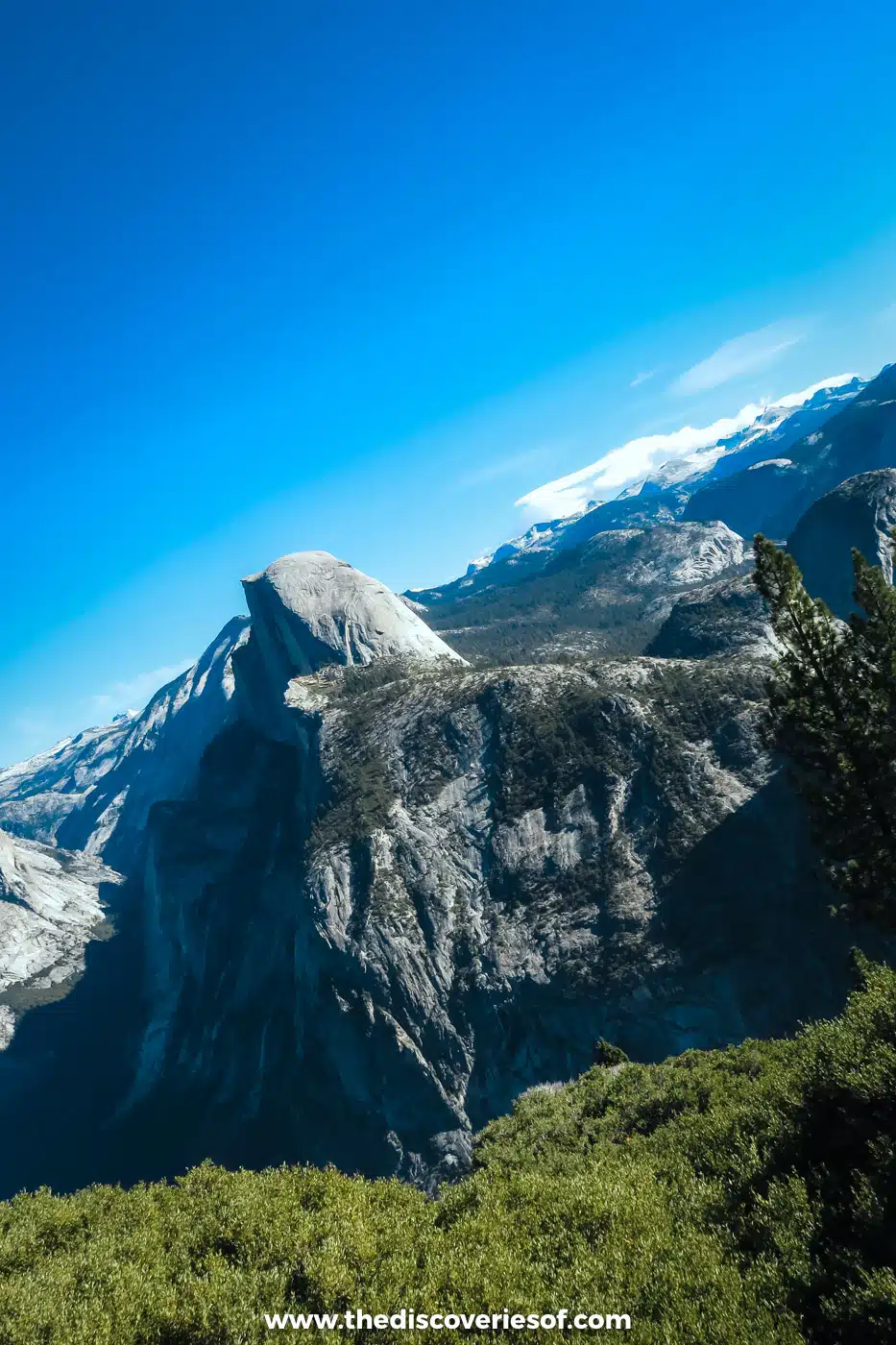
Yosemite National Park is another US national park that UNESCO deemed an important World Heritage Site: venture there and you will surely see why.
Iconic granite cliffs, tumbling waterfalls, giant sequoia groves: Yosemite has it all. This is the American wilderness, and it provided endless inspiration for artists such as Ansel Adams.
The massive granite wall of El Capitan, the February “firefall” of Horsetail Fall and the bulk of Half Dome are all unique attributes of this stunning California park you need to see to believe. I spent three days there, staying in Wawona, walking the Mist Trail and heading up to Glacier Point for the view over Half Dome. Check the park’s website before you go, as reservations are sometimes needed to drive in at peak times.
Central America and the Caribbean
Antigua Guatemala, Guatemala

Sitting in the shadow of volcanic peaks, Antigua is an ancient colonial city in Guatemala. It served as the capital of the Kingdom of Guatemala for over two centuries after it was founded in the 16th century.
During this time, the city flourished, with buildings like the Casa de la Moneda and the Convento de Capuchinas becoming amazing examples of colonial Spanish architecture.
Repeated earthquakes led to the city’s decline, culminating in the transfer of the capital to present-day Guatemala City.
Today, Antigua is a sleepy, lovable spot to while away a few days, with vibrant markets, festivals and traditions spanning Spanish and Indigenous influences.
Maya Site of Copán, Honduras

The iconic Hieroglyphic Stairway of Copán is an appropriate symbol for what was a significant Maya city ruling over a vast kingdom between the 5th and 9th centuries.
Peek into the architecture, whose carvings provide insights into Maya rituals, politics and daily life. The site is a short walk from the small town of Copán Ruinas, near the border with Guatemala.
South America
Los Glaciares National Park, Argentina
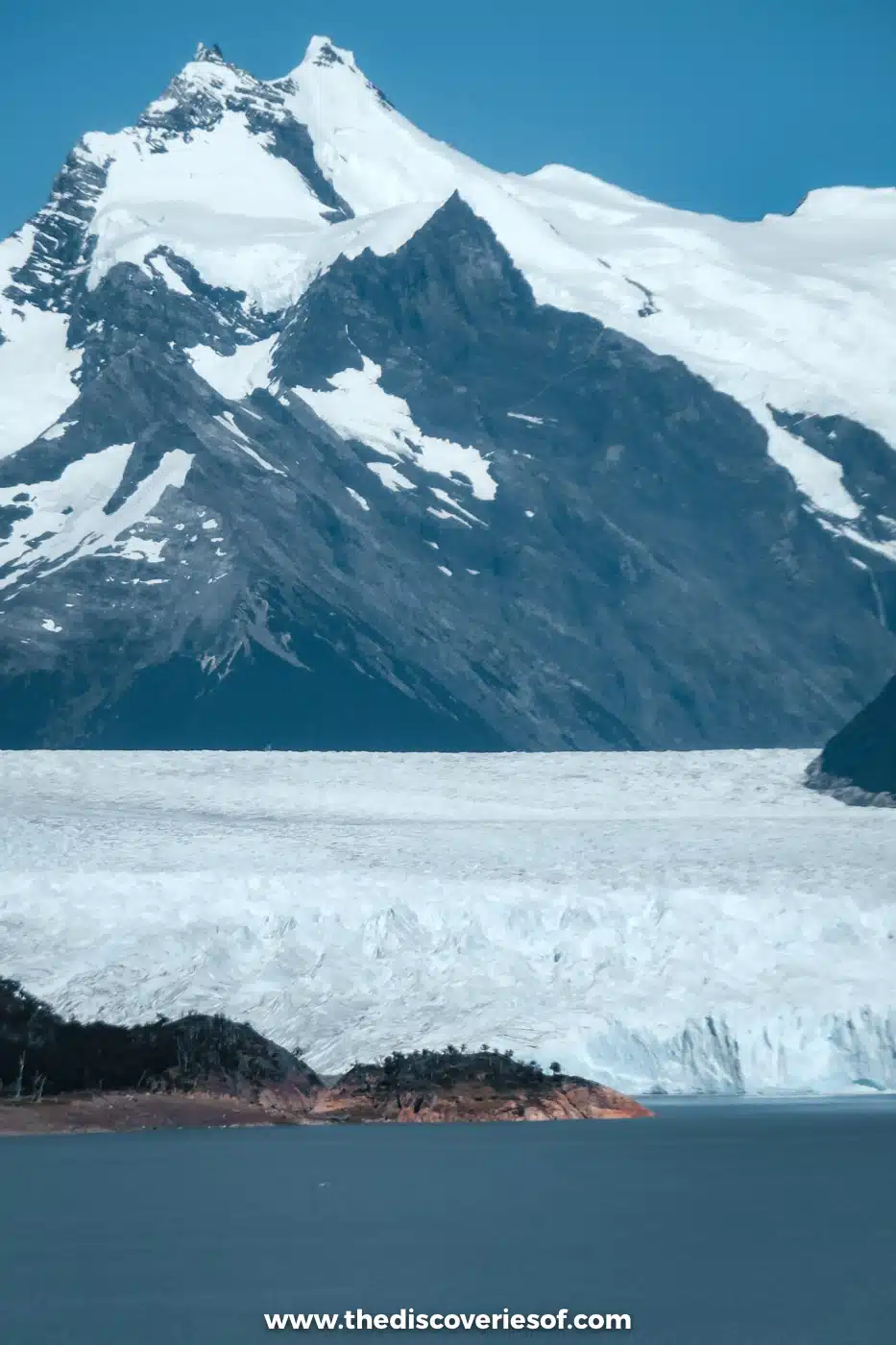
Southern Patagonia’s Los Glaciares National Park is a world of ice, mountains and turquoise lakes, home to the granite spires of Fitz Roy near El Chaltén and the Perito Moreno Glacier near El Calafate.
So, you think you’ve seen it all. And then you see Perito Moreno: a five-kilometre wall of jagged blue and white ice that thunders as chunks break off into the lake. Standing on the walkways, close enough to feel the cold rolling off the ice, is one of those experiences that stays with me. For me, it’s worth the trip to Patagonia on its own.
Walk the boardwalks first, then get closer by boat, or on the ice itself on a minitrekking tour from El Calafate.
Iguazú National Park, Argentina and Brazil

Nestled along the border of Argentina and Brazil, the national parks on either side of the river (listed separately, as Iguazú in Argentina and Iguaçu in Brazil) protect the incredible Iguazú Falls, or Foz do Iguaçu in Portuguese.
The cascades stretch for nearly 3 kilometres, with around 275 separate falls, of which the most dramatic, the Devil’s Throat, plunges around 80 metres in a thunderous roar. The Brazilian side, where I took the photo above, gives you the full panorama from its walkways.
Dense jungle flourishes in the falls’ thick cloud of mist, home to numerous rare rainforest species like jaguars, pumas and giant anteaters.
Paraty and Ilha Grande, Brazil

Brazil’s coastline is home to one of its more recent World Heritage Sites: Paraty and Ilha Grande, listed in 2019.
They’re actually two separate places. Venture to see the colonial architecture and picture-perfect beaches of Paraty, whose cobblestoned streets and Baroque churches recall the era of Portuguese rule.
Nearby, the absolutely stunning island of Ilha Grande is an enclave of pristine Atlantic rainforest, endemic species and untouched beaches. Sounds a bit like heaven? It is. There are no cars, so I explored on foot, following the forest trails to beaches like Lopes Mendes.
Rapa Nui National Park, Chile

I LOVE Chile. I’ve been there several times and plan to go back again to see more. Rapa Nui National Park is one of the most amazing cultural landmarks I can’t wait to explore.
OK, so Rapa Nui National Park is actually on Easter Island, an isolated spot in the Pacific about five and a half hours from Santiago by plane.
The nearly 900 moai (large stone figures carved from compressed volcanic ash) are one of the world’s great mysteries. They were carved by the Rapa Nui people at the Rano Raraku quarry, most probably to honour their ancestors, but how they were moved across the island is still debated.
You need a park ticket, and most sites can only be visited with a licensed local guide.
Historic Quarter of the Seaport City of Valparaíso, Chile

Now for a World Heritage Site on mainland Chile: the Historic Quarter of the Seaport City of Valparaíso.
When I finally got to visit this labyrinthine mishmash of alleyways, funiculars and vibrant houses, I was so glad that I did.
The 19th and early 20th-century port has a gorgeous combination of steep hills, colourful houses and street art covering almost every wall. Ride one of the old ascensores up to Cerro Concepción or Cerro Alegre for the views. It’s an easy day trip from Santiago.
Galápagos Islands, Ecuador

The Galápagos Islands sit off the coast of Ecuador and were among the very first sites ever added to the World Heritage List, in 1978.
Featuring some of the most amazing endemic species anywhere on the planet, from lumbering giant tortoises and marine iguanas to bobbing blue-footed boobies, you can think of the Galápagos as a living laboratory that played a fundamental role in Darwin’s theory of evolution.
Most foreign visitors pay a park entry fee of $200 on arrival, on top of a transit card, so budget for it.
Cusco, Peru
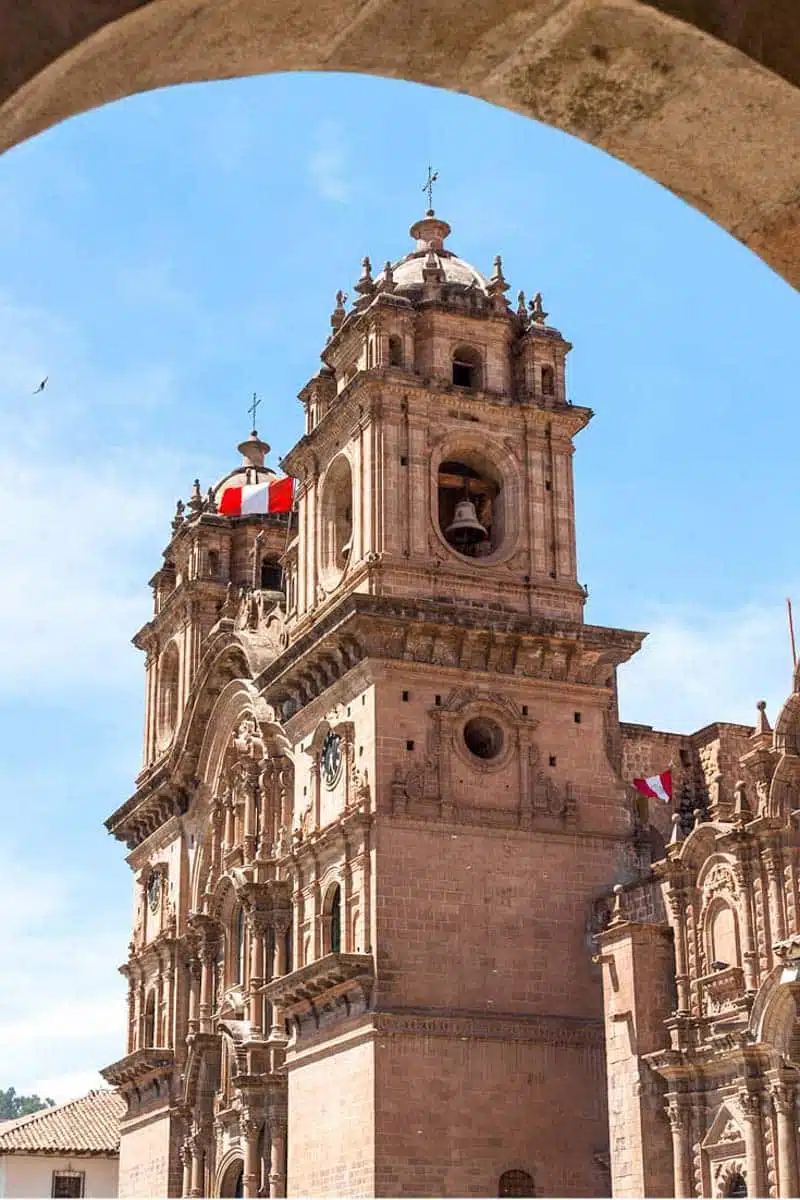
Looking for World Heritage Sites in Peru that aren’t Machu Picchu? Visit the incredible ancient city of Cusco.
Once the capital of the Inca empire, the city still sits on Inca foundations. Start at its heart, the Plaza de Armas, which is also home to Cusco’s cathedral.
Elsewhere, study the Baroque architecture at the Iglesia de la Compañía de Jesús, or head just above town to see the towering stone walls of the Sacsayhuamán fortress. I absolutely loved Cusco, and it took me several weeks to discover everything it has to offer.
A Boleto Turístico (tourist ticket) covers Sacsayhuamán and many of the other sites in and around the city. A city tour takes in the main ones with a guide.
Machu Picchu, Peru

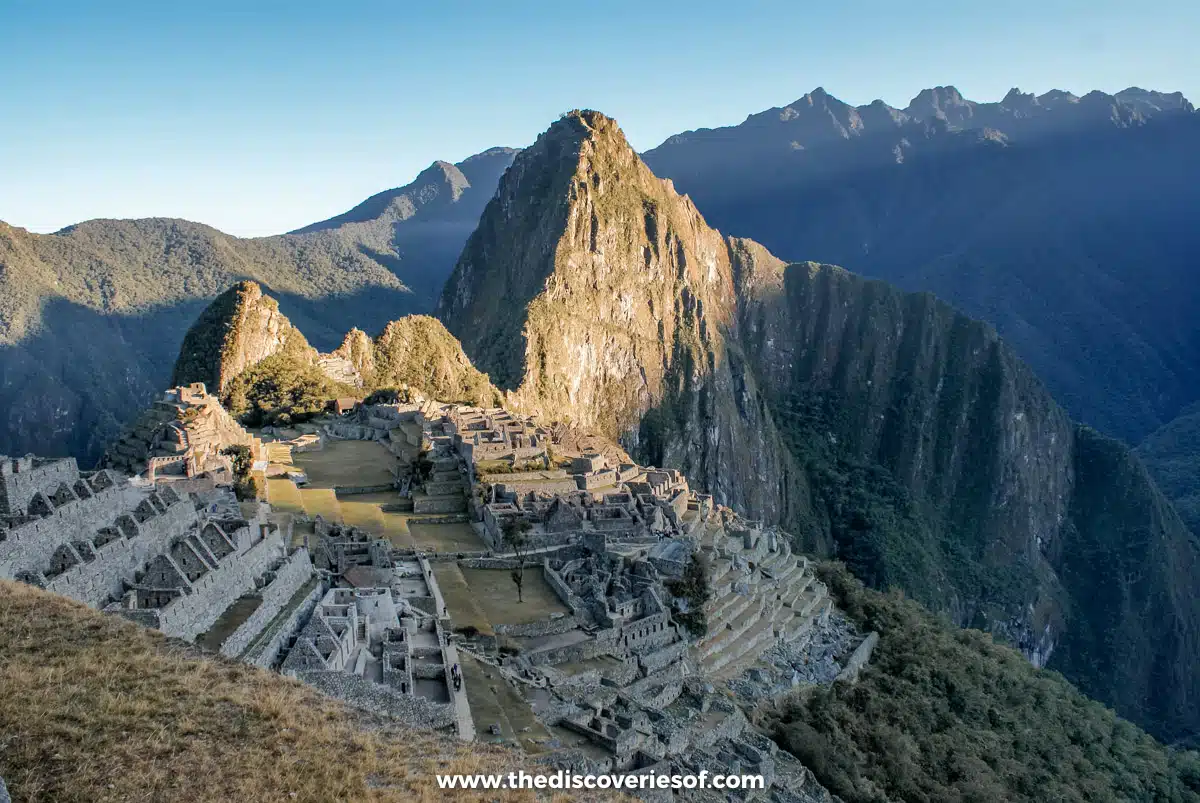
Visiting Machu Picchu in Peru is easily one of the most famous World Heritage experiences. Nestled in the Andes Mountains, the 15th-century citadel is thought to have been a royal estate for the Inca ruler Pachacuti.
It’s pretty much on every person’s bucket list, and I can’t recommend it enough, from the Temple of the Sun to the climb up Huayna Picchu. I stayed at Inkaterra in Aguas Calientes, which made it easy to be at the gates early.
Want to really go on an adventure? Book a spot on the iconic Inca Trail trek or opt for an equally stunning alternative such as Salkantay.
Tickets are sold only through the official site for a set circuit and entry time, with a daily cap, and Huayna Picchu and Machu Picchu Mountain sell out first. A Machu Picchu guided tour sorts the tickets, train and bus for you.
Tips for visiting World Heritage Sites
- Book timed tickets early. The Alhambra, the Acropolis, Machu Picchu, the Colosseum and the Sagrada Família all sell entry by time slot, and the best slots go weeks ahead.
- Go early or late. Opening time and the last couple of hours before closing are the quietest (and coolest) times at almost every site on this list.
- Check the rules before you go. Many sites now cap daily numbers, require a licensed guide or limit where you can walk, from Borobudur’s upper terraces to Rapa Nui’s moai.
- Respect the places you visit. Stick to the paths, don’t climb or touch where signs ask you not to, and dress modestly at religious sites.
Map
Read next
- Top sights in Grand Canyon National Park
- Heading to Bruges? Here’s what you need to see
- Insider’s guide to Dubrovnik
- 100 things to do before you die
- The ultimate Europe bucket list
- The most famous landmarks in Egypt
Love this? Save and share on Pinterest
Discover the top things to do, insider tips and hidden gems in our Bucket List Ideas.
Read the guides →




