
Europe
Portugal travel guide
Sip port in the hills where the grapes are still picked by hand, walk clifftop fishing paths where storks nest on the sea stacks and soak in the thermal waters of a Belle Époque palace. Plan your trip to Portugal, from when to go and how to get around to where to stay and what it costs.
Destinations



Julianna BarnabyTravel and culture writer
There’s a lot to love about Portugal, and I’ve fallen for it a little more on every trip since I first visited as a teenager. These days it’s a running joke with my friends that if I ever disappear off the radar, Portugal will be the first place they look.
I’ve been back to Lisbon time and again, from a January weekend watching the sun come up over the rooftops from my balcony to an October of history walks and food tours. I’ve stayed at The Yeatman, looking across the river to Porto, a few times, and I may just prefer the city to the capital. In late September I went up the Douro Valley for the harvest, to see the grapes picked, sorted and crushed in robotic lagares at Quinta do Bomfim. I spent an October week in the Algarve, cycling out to the Ria Formosa and taking a boat to Ilha Deserta with dolphins alongside. Straight after it, I walked the Alentejo coast and its cork hills on the Rota Vicentina, and learnt how azulejos are still made by hand.
Below are the essentials for planning your own trip, from when to go and how to get around to where to stay, with links to every Portugal guide I’ve written for one of my favourite countries.
Some links on this page are affiliate links, which means I may earn a small commission, at no extra cost to you, if you book through them.

 How to spend one week in Portugal, from Porto’s port lodges to the Algarve’s cliffs
 A Douro Valley travel guide to port country, from rabelo boats to barefoot grape treading
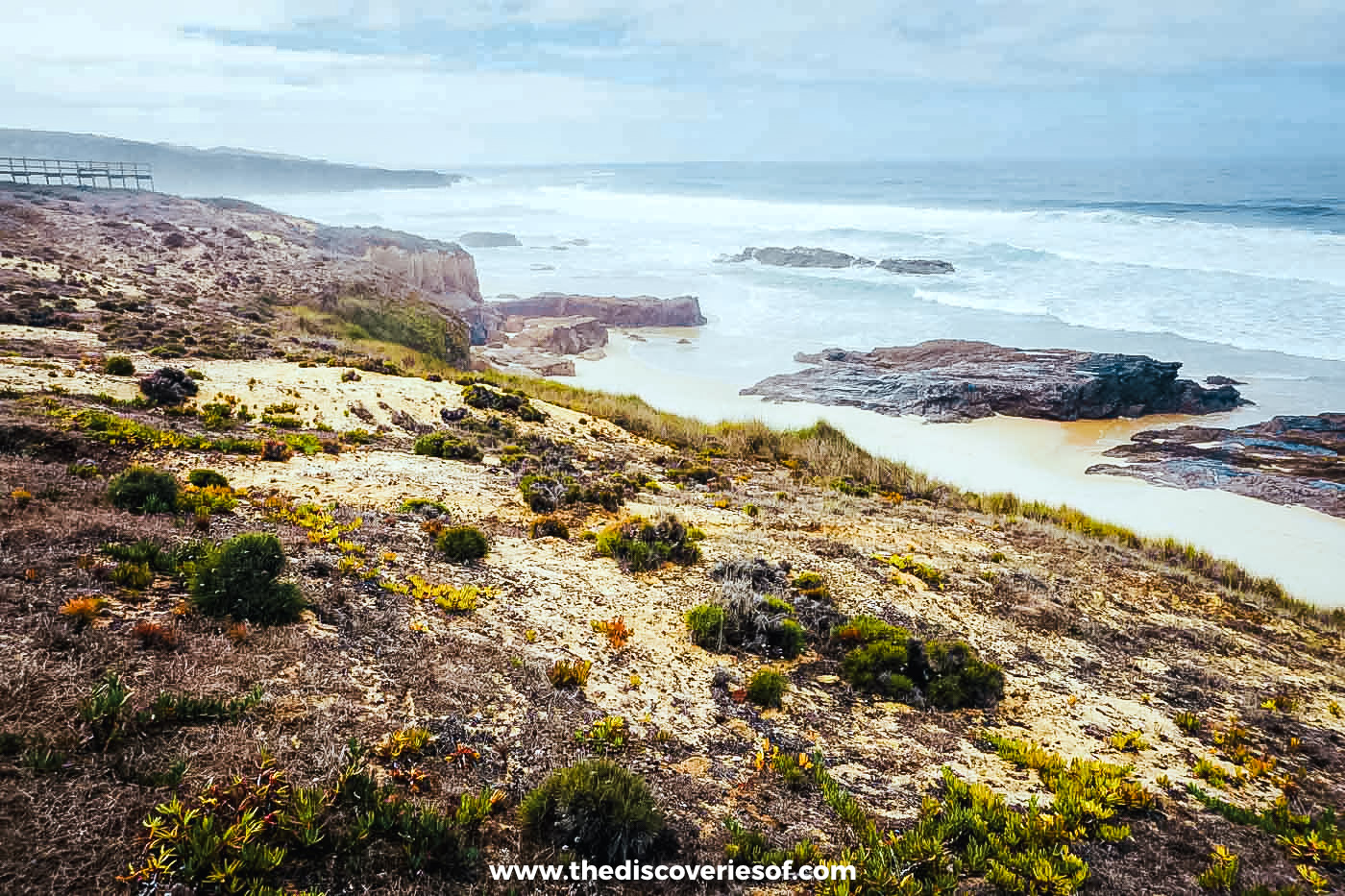
 How to walk the Rota Vicentina, from clifftop fishing paths to cork oak hills
When to go
The best time to visit Portugal is from May to September, with a few exceptions. Spring and autumn are the sweet spots for the cities and the inland Alentejo, which bakes in high summer.
- Lisbon: I like visiting in September and October, when many business owners are back from their summer holidays. My January weekend meant short days and quiet sights.
- Porto and the Douro: the harvest runs from about mid-September into early October, the liveliest time in the valley.
- The Algarve: May, June, September and October are warm and far quieter than July and August.
- The Alentejo: spring and autumn, to avoid the extreme heat inland. I walked the coast in mid-October.
- Madeira: winter is a perfect time to hike and sightsee.
My guides to the best time to visit Portugal and Portugal in October go month by month.
Getting there and around
- Skyscanner: flights to Portugal, Madeira and the Azores.
- Holiday Autos: compare car hire prices across Portugal.
- FlixBus: coach fares and timetables.
- Omio: compare trains, coaches and flights.
- Rail Europe: trains around Portugal.
- CP: Comboios de Portugal, the national rail operator, for tickets and timetables.
- Airport transfers: pre-booked through Booking.com.
- G Adventures: multi-day guided trips in Portugal.
- Plum Guide: holiday homes in Portugal.
Lisbon, Porto and Faro have the main international airports, and Madeira and the Azores are short flights from the mainland. Trains are the easiest way between the big cities: the fast Alfa Pendular takes just under three hours from Lisbon to Porto, and the Algarve is three to four hours south. In Lisbon and Porto, walk, take the metro and trams on a reusable navegante or Andante card, or use Uber or Bolt.
To see the Algarve, the Alentejo, the Douro or the coast beyond the cities, it’s best to hire a car. The A22 along the Algarve has been toll-free since January 2025, but other motorways mix toll booths with electronic-only gantries, so ask your hire company for a Via Verde transponder. I’ve noticed drivers can be a bit aggressive on the smaller country roads: keep to your own pace and let them pass. My Portugal travel tips cover tolls, transport cards and driving in detail.
Where to stay
Lisbon
The architecture and history at São Jorge Castle and Belém, combined with incredible restaurants and rooftop bars, make Lisbon a must when travelling in Portugal. Bed down at the luxurious Memmo Príncipe Real, or treat yourself to the Four Seasons Hotel Ritz Lisbon, where I watched the sun rise over the city from my balcony.
Porto
Medieval architecture, towering bridges and enough amazing restaurants and wine bars for a lifetime make Porto a favourite in Portugal. The Yeatman, a personal favourite I’ve stayed in a few times, has a huge wine cellar, individually designed rooms and a restaurant with two Michelin stars.
The Douro Valley
For the vineyards, stay in the valley or close to it. I’ve stayed at Six Senses Douro Valley, a restored 19th-century manor high above the river near Lamego, and at Vidago Palace, the Belle Époque spa hotel an hour to the north.
Madeira
For the rocky ridges of the Pico to Pico trail and the lush forests, waterfalls and levadas at Caldeirão Verde, head to Madeira. Stay at The Cliff Bay, right on the bay of Funchal.
The Alentejo
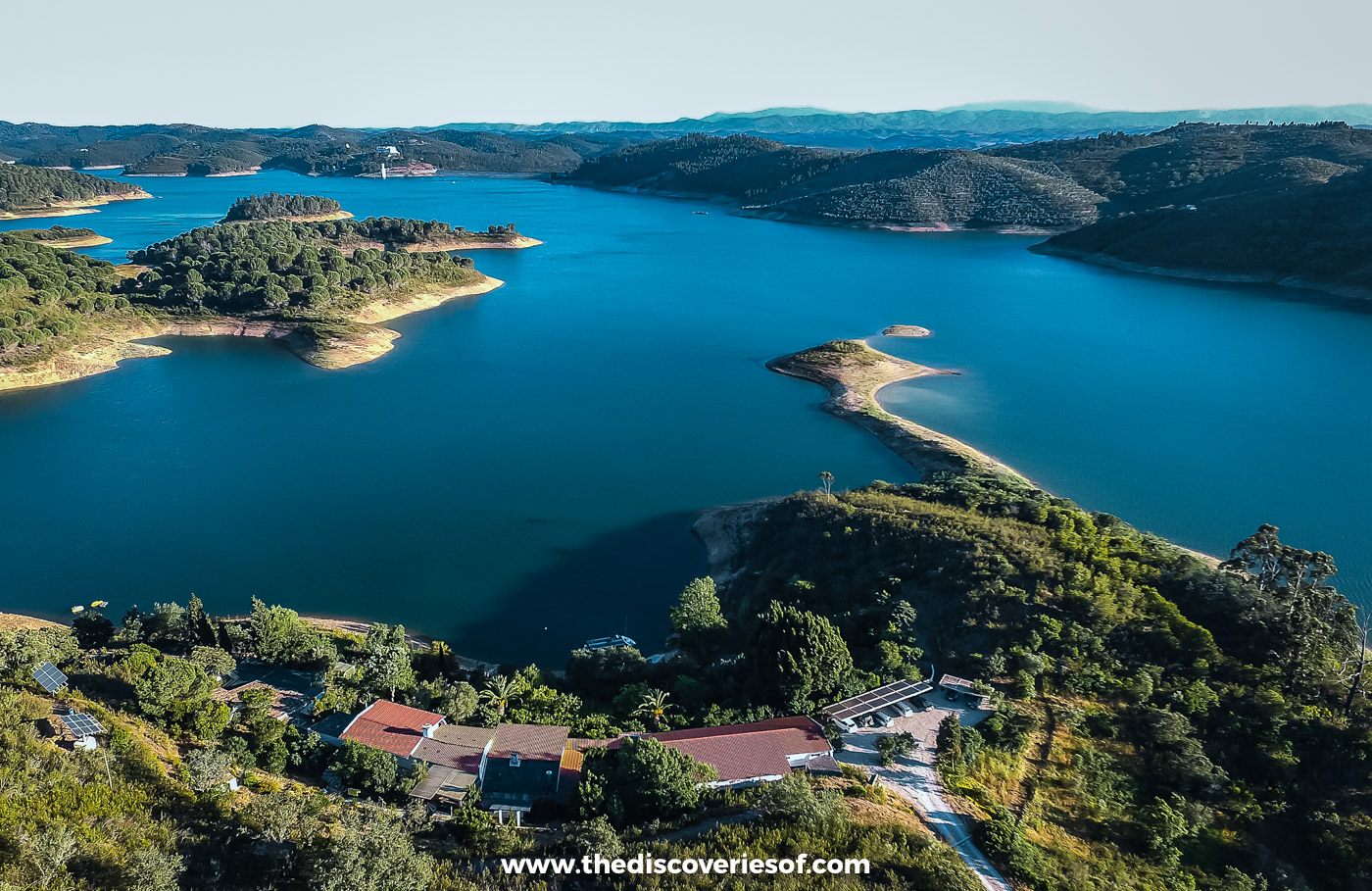
Want one of my best Portugal travel tips? Stay in the Alentejo. Visit remote villages like Azenha do Mar, learn about fishing or the iconic azulejos from local craftspeople, or hike the Fishermen’s Trail. I stayed at the hidden gem Herdade do Freixial near the Mira River, and it was the hardest place to leave. My guide to where to stay in the Alentejo has the rest.
The Algarve
Choose the west for cliffs and coves or the east for the lagoon and quiet towns. I spent a week in a villa at Four Seasons Fairways in Quinta do Lago, and the Pousada Convento de Tavira, in a 16th-century convent, is the historic pick (it’s closed for works from 2 November to 22 December 2026).
There are more areas and hotels in my guide to where to stay in Portugal.
Vidago

Porto

Vila Nova de Milfontes
Tours
Know before you go
Top things to do
Spend time exploring Lisbon
Lisbon is the capital at the top of everyone’s European bucket list. There’s a ton to see and explore, but unlike other capitals (ahem, London, I’m looking at you) it has kept a distinct charm and atmosphere you simply can’t find anywhere else.
The beautiful district of Belém is the place to start. Largely spared by the 1755 earthquake that razed much of the centre, it has a wealth of must-see sights: the Jerónimos Monastery, Belém Tower and the Monument to the Discoveries are its big three. See them all in a day, fuelled by pastéis de nata from Pastéis de Belém, where my tip is to sit inside.
Get lost in Lisbon. Really. It’s how I discovered the tile shop Cortiço & Netos and the street art at LX Factory. My Lisbon travel guide has the rest.
Delve into history in Porto
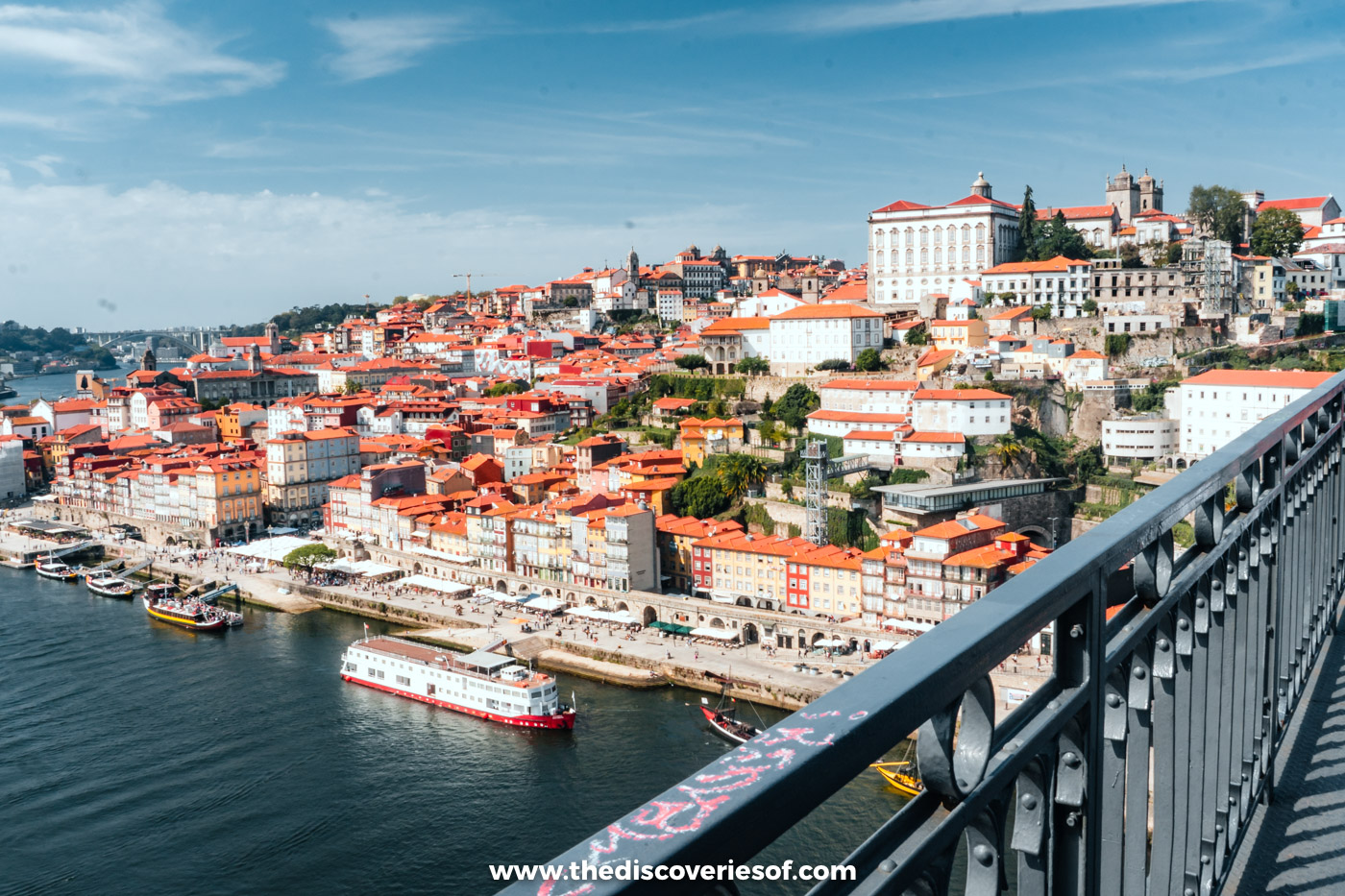
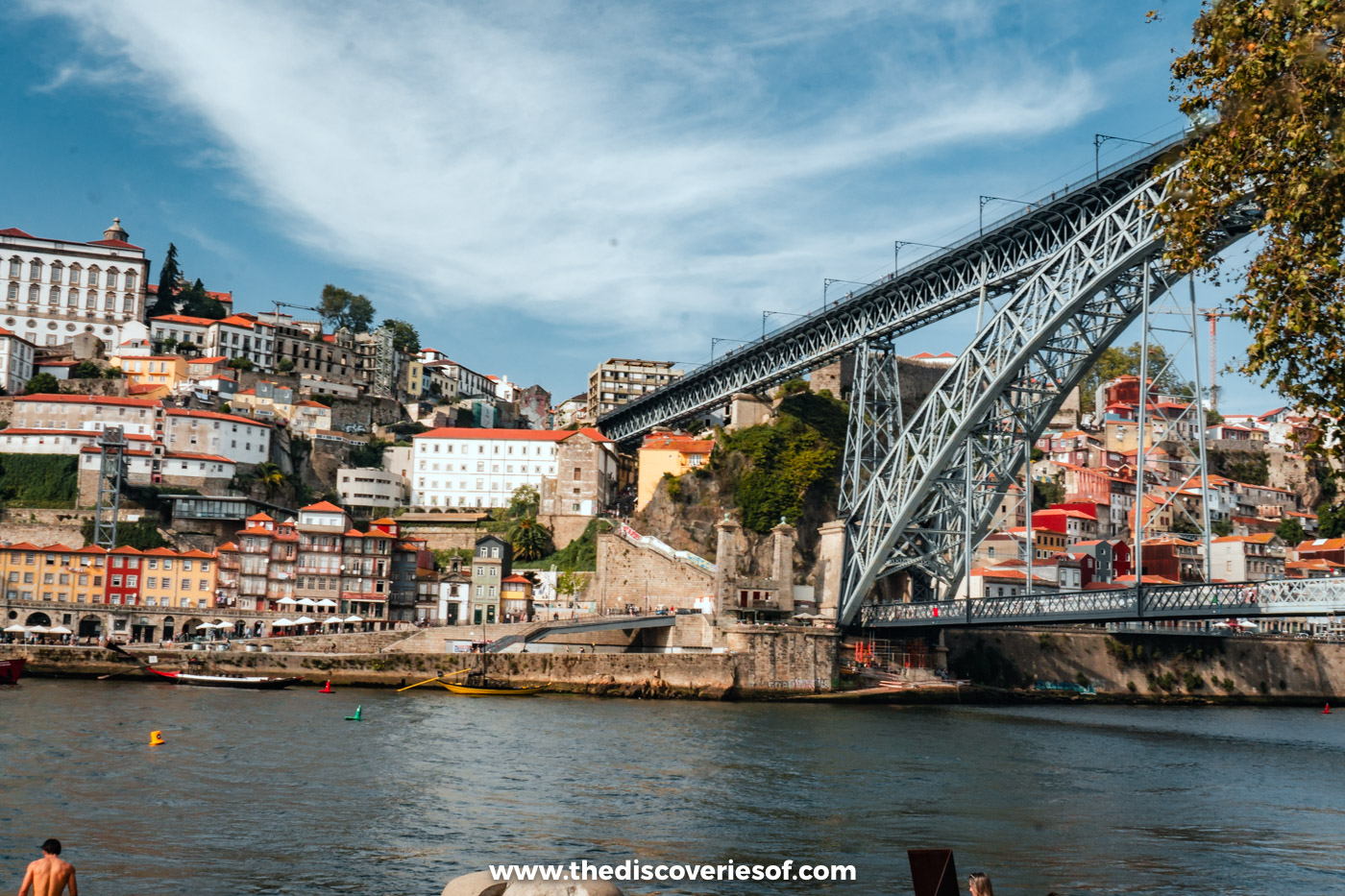
Porto is Portugal’s second city, but it shouldn’t be your second choice: I may just prefer it to the capital. Dotted with colourful buildings stacked above winding streets, it offers the chance to delve into the distinct culture of northern Portugal.
Visit the Palácio da Bolsa and the restored Bolhão market in Porto, admire the 18th-century azulejos in the cloister of the cathedral, then walk across the iconic Dom Luís I bridge to the port lodges of Gaia.
Go wine tasting in the Douro Valley
Head to the Douro Valley to visit one of the oldest demarcated wine regions in the world (not to mention one of its most stunning). The Douro Valley might well be my favourite spot in Portugal. The river winds its way through the valley, framed by steeply terraced hills on each side, and it’s almost too picturesque to be real. Go between mid-September and early October, as I did, and you’ll catch the harvest.
Hop between the wineries and port houses that call the Douro home. Stop by Quinta do Bomfim and Quinta de Santa Eufémia, or take a guided tour. Then finish with lunch at Rui Paula’s DOC, set on a terrace over the river: I cannot recommend it enough. My Douro Valley day trip from Porto shows how to fit it all into a day.
Gorgeous beaches in the Algarve
Cast away all your preconceptions: there’s so much more to the Algarve than the golf courses and flashy marinas it’s best known for. The beaches are spectacular: crystal-clear water, golden cliffs and hidden sea caves. Praia da Coelha is one of the best known, but there are almost endless numbers to choose from.
Take a boat to my favourite beach, Praia da Barreta on Ilha Deserta, an uninhabited island in the Ria Formosa with a single restaurant. Or stick to popular choices like Praia da Marinha and Praia do Camilo, which are famous for good reason (Camilo’s staircase has been closed since a 2026 cliff fall). Read my guide to the best beaches in the Algarve, or start with my Algarve travel guide.
Kayak to Benagil Cave
Up for a little morning cardio? Join a guided kayak tour and paddle into Benagil Cave, with the sunshine pouring in through the ancient opening in its domed roof. Landing on the beach inside and swimming in have been banned since August 2024, so you can only go in on a licensed boat or guided kayak trip.
Read about how to visit Benagil Cave for the current rules and how to get there.
Go island hopping
One of the best tips for travelling in Portugal? Visit the islands. The Azores and Madeira are short flights from the mainland and make incredibly scenic holidays.
In Madeira, hike the levadas and the Pico to Pico trail, which reopened in April 2026 after the 2024 wildfires: it now runs one way only, from Pico do Arieiro to Pico Ruivo, and has to be booked online, at €10.50 for non-residents. Or head to the Azores to photograph the hydrangeas on Faial in summer or hit the beaches of São Miguel.
Tour the castles and palaces of Sintra
If you’ve ever seen photos of storybook castles in Portugal, chances are a few were taken in Sintra. Make a day trip from Lisbon, about 40 minutes by train from Rossio, or take a guided tour to discover the gardens, labyrinths and fortresses at Pena Palace, the Castle of the Moors and Quinta da Regaleira, with its labyrinthine grottoes and spiralling initiation well. Book a timed ticket for Pena ahead. My guide to the castles in Portugal covers each one.
Madeira
Madeira has become a must-visit destination in Portugal. Who can resist the CR7 Museum, Funchal’s shrine to Cristiano Ronaldo, for starters?
Less tongue in cheek, Madeira is brimming with epic hikes, tasty food and, of course, Madeira wine. Swing by Blandy’s Wine Lodge in Funchal to see how it’s aged and taste a few.
Suggested itineraries
One week in Portugal
7 days
Porto and the Ribeira > Lisbon, Alfama and Belém > a day trip to Sintra > Lagos > Loulé, Tavira and Ilha Deserta
My one-week Portugal itinerary plans it day by day.
Northern Portugal
7 to 10 days
Braga > Porto > Arouca > Coimbra
Eat amazing food in Braga and Porto, walk the Paiva Walkways in Arouca and explore the Joanina Library and old town in Coimbra.
Mountains, valleys and vineyards
2 weeks
Douro Valley > Serra da Estrela Natural Park > Serra de São Mamede Natural Park
Visit one of the world’s oldest demarcated wine regions, Portugal’s largest protected area and a hidden gem in the Alentejo. Read more in my travel guide to the Douro Valley.
Beaches in the Algarve
2 weeks
Tavira > Olhão > Faro > Loulé > Albufeira > Lagos
Flop and drop in the sun, then explore some of my favourite towns in Portugal, including Tavira and Loulé. My week in the Algarve itinerary does the coast in seven days.
Lisbon to the Alentejo
10 to 14 days
Lisbon > Évora > Comporta > Santiago do Cacém > Azenha do Mar > Santa Clara-a-Velha
Learn more about my five secret Alentejo travel spots.
Short on time? My 3 days in Lisbon and 3 days in Porto itineraries plan a city break, and my guide to Lisbon or Porto helps you choose between them.
Hidden Portugal
Walk the Historical Way on the Rota Vicentina
Rather than the more popular Fishermen’s Trail, the Historical Way plunges you into the heart of the inland Alentejo, giving you a snapshot of Portugal before the tourists and the trendy spots. I walked its first stage from Santiago do Cacém, out into the cork country, as well as two stretches of the Fishermen’s Trail along the cliffs. My Rota Vicentina walking guide has every stage.
Explore the villages of the Alentejo
The Alentejo is the hidden gem of Portugal. Visit Azenha do Mar for friendly locals and fresh seafood pulled up from the unforgiving shore, at a harbour restaurant with a queue for a reason. Read about more secret travel spots in the Alentejo.
Take the thermal waters at Vidago Palace
Vidago Palace has a long history of luxury, relaxation and some pretty amazing thermal spas. With its wooded grounds in the hills of Trás-os-Montes, about an hour and a half from Porto, a famous golf course and a spa built around mineral springs known for their healing properties, it’s no surprise you’ll find it in most Portugal travel guides. I stayed on my harvest trip to the Douro.
Serra da Estrela Natural Park
Ski the highest mountains in mainland Portugal at the Serra da Estrela ski resort, photograph the Covão dos Conchos spillway, and hike the glacial valley of the Zêzere or the Passadiços do Mondego walkways. Wondering how to visit Portugal’s hidden gems? Go with a guided trip like this one, or on your own adventure.
Explore Tavira
Tavira charms with its seven-arched old bridge over the Gilão, known locally as the Roman bridge, its medieval castle and beaches like Praia do Barril, with its anchor cemetery, and Cacela Velha. For me, it takes the prize for the most picturesque town in the Algarve.
Dishes and drinks to try
Dishes to try
- Arroz de tomate: tomato rice, a little like a loose risotto, made with Carolino rice, garlic, tomatoes and stock.
- Bacalhau: dried and salted cod, which shows up everywhere in Portugal.
- Marisco: shellfish, ordered by weight and eaten with a cold beer. For the classic Lisbon feast of garlic prawns, clams and crab, go to Cervejaria Ramiro.
- Pastel de nata: the egg custard tart made famous at Pastéis de Belém.
- Frango piri piri: chicken grilled with chilli, garlic and oil, a speciality of Guia in the Algarve.
- Queijo São Jorge: a sharp cow’s milk cheese from the Azores, aged for at least four months. I had it with quince marmalade on a tasting tour in Lisbon.
- Presunto Bísaro: cured ham from the native Bísaro pigs of the north, fattened on chestnuts in winter.
Drinks to try
- Port: fortified wine from the Douro, commonly served after dinner. Nothing says the end of a good meal like a glass of port as a digestif.
- Douro reds: the same terraces make some of Portugal’s best table wines. At Bomfim, the low rainfall keeps the yields small but packs the grapes with flavour.
- Madeira wine: a fortified wine aged in warm lodges, so an opened bottle keeps for months.
Must-try bars and restaurants
DOC, Douro Valley
Chef Rui Paula’s restaurant sits on a deck over the river at Folgosa. I first visited years ago and couldn’t resist a cheeky return visit on my harvest trip: it might make your wallet cry, but it will make your stomach happy. It’s closed on Tuesdays and Wednesdays.
DOP, Porto
Rui Paula’s flagship in the city, inside the Palácio das Artes on Largo de São Domingos, a few minutes up from the Ribeira. I’m a huge fan of his food. It won its first Michelin star in 2026, so book ahead and leave room for the cheese.
The Yeatman, Vila Nova de Gaia
The hotel’s gastronomic restaurant holds two Michelin stars, with a view across the river to Porto and a wine list drawn from the hotel’s huge cellar.
Azenha do Mar, Alentejo coast
The seafood restaurant by the tiny harbour at Azenha do Mar has a queue for a reason. It doesn’t take reservations and is closed on Wednesdays.
For Lisbon, read my guide to the best restaurants in Lisbon; for the Algarve, my review of Estaminé, the island restaurant you can only reach by boat.
Costs and budgeting
- Tourist tax: €4 a night in Lisbon and €3 in Porto, for up to seven nights; €1 to €2 in much of the Algarve and €2 in most of Madeira
- Rooms: from about €75 a night at a rural guesthouse on the Alentejo coast, about €200 at Vidago Palace and €785 at Six Senses Douro Valley
- City transport: €7.25 for a 24-hour pass in Lisbon; €1.40 for a single in central Porto on the Andante card
- A Douro day tour from Porto: from around €90 a person
- Madeira’s trails: €10.50 for the Pico to Pico trail, €3 for most others
My Portugal travel tips have more on what things cost.
Safety, health and tipping
Safety
Portugal is generally very safe. Sure, you’ll want to keep your camera and bag close on crowded trams and at the viewpoints, but overall I’ve felt safe everywhere I’ve travelled in Portugal. On the coast, the bigger risks are natural: keep well back from cliff edges and check the flags before you swim. The emergency number is 112.
Health
You don’t need any special vaccinations for Portugal beyond your usual routine ones. The tap water is safe to drink on the mainland, in the Azores and in Madeira.
The Azores and Madeira have some high mountain trails, so take the usual precautions on a hike: check the forecast, carry water and layers, and stick to marked paths.
Tipping
Round up to the next euro in a café or bar, round up taxi fares (around 10% on a long ride or if the driver helps with your bags), and leave around 5 to 10% for a sit-down meal you’ve enjoyed. My guide to tipping in Portugal has the details.
Practical tips and info
Tips for travelling
- While most of Portugal is temperate, the inland Alentejo and the north can be cold in winter.
- Contactless cards work almost everywhere, but carry some cash for small towns, markets and family-run restaurants.
- A UK, EU, US or Canadian driving licence is fine for a holiday, though some hire companies ask non-EU drivers for an International Driving Permit as well, so check when you book.
- Visit in May, September or October for excellent weather without as many tourists.
- Read my 26 Portugal travel tips before you go, from the tourist taxes to the new passport checks.
How to see the best for free
Want to see Portugal on the cheap? Take a free walking tour of Sintra with GuruWalk to learn the history and folklore of its hills, gardens and palaces, and tip your guide at the end. In Porto, the tiled hall of São Bento station and the walk across the top deck of the Dom Luís I bridge cost nothing. You can also set off on your own and stumble on free gems like Tavira’s castle or the anchor cemetery at Praia do Barril in the Algarve.
Packing
Packing for your Portugal trip? Don’t forget:
- Your swimsuit, sandals and a travel beach towel.
- A copy of your passport or ID: you’re expected to carry identification in Portugal.
- An Osprey daypack for day trips to the beach or the hiking trails.
- Comfortable trainers with a good grip for the cobbles and the coastal paths.
- A Hydro Flask for hot summer days: the tap water is safe to drink.
Travel insurance
I admit the first time I went to Portugal was many years ago, and travel insurance wasn’t on my radar. Times have changed.
Any time I visit another country, I use AXA Travel Insurance to cover unexpected medical expenses, lost luggage and trip delays. If you’re planning to walk the Rota Vicentina or kayak into the sea caves, check your policy covers it.
Suggested guidebooks
- Lonely Planet Portugal: insider tips on things to do in Portugal.
- Moon Portugal: an in-depth guide to Portugal, the Azores and Madeira.
- Michelin Green Guide Portugal: sights and driving routes, each rated with Michelin’s stars.
Interesting facts
- Portugal and England’s alliance, sealed in 1373 and confirmed by the Treaty of Windsor in 1386, is the oldest alliance in the world still in force.
- Portugal produces about half of the world’s cork, much of it from the cork oaks of the Alentejo.
- The Algarve has more than 100 beaches along its coast.
- The Douro was demarcated in 1756, making it one of the oldest regulated wine regions in the world.
Handy phrases
- Hello: olá
- Yes: sim
- No: não
- Please: por favor
- Thank you: obrigado (or obrigada, if you’re a woman)
- How much is it?: quanto custa?
- Good morning: bom dia
- Good afternoon: boa tarde
- Good evening: boa noite
- Is it far?: é longe?
- Where is…?: onde fica…?
- I would like…: queria…
Time zone
Mainland Portugal and Madeira are on Western European Time (UTC+0), and the Azores are an hour behind (UTC-1). All three move their clocks forward an hour for summer time, from the last Sunday of March to the last Sunday of October.
Electricity and adapters
Portugal uses type C and F plugs at 230V, in the Azores and Madeira as on the mainland. Bring an international travel adapter if you’re visiting from the UK, the US or anywhere outside mainland Europe.
Map
Insider tips, straight to your inbox
All Portugal guides
 Lisbon or Porto? How to choose between trams and Sintra or port lodges and the Douro
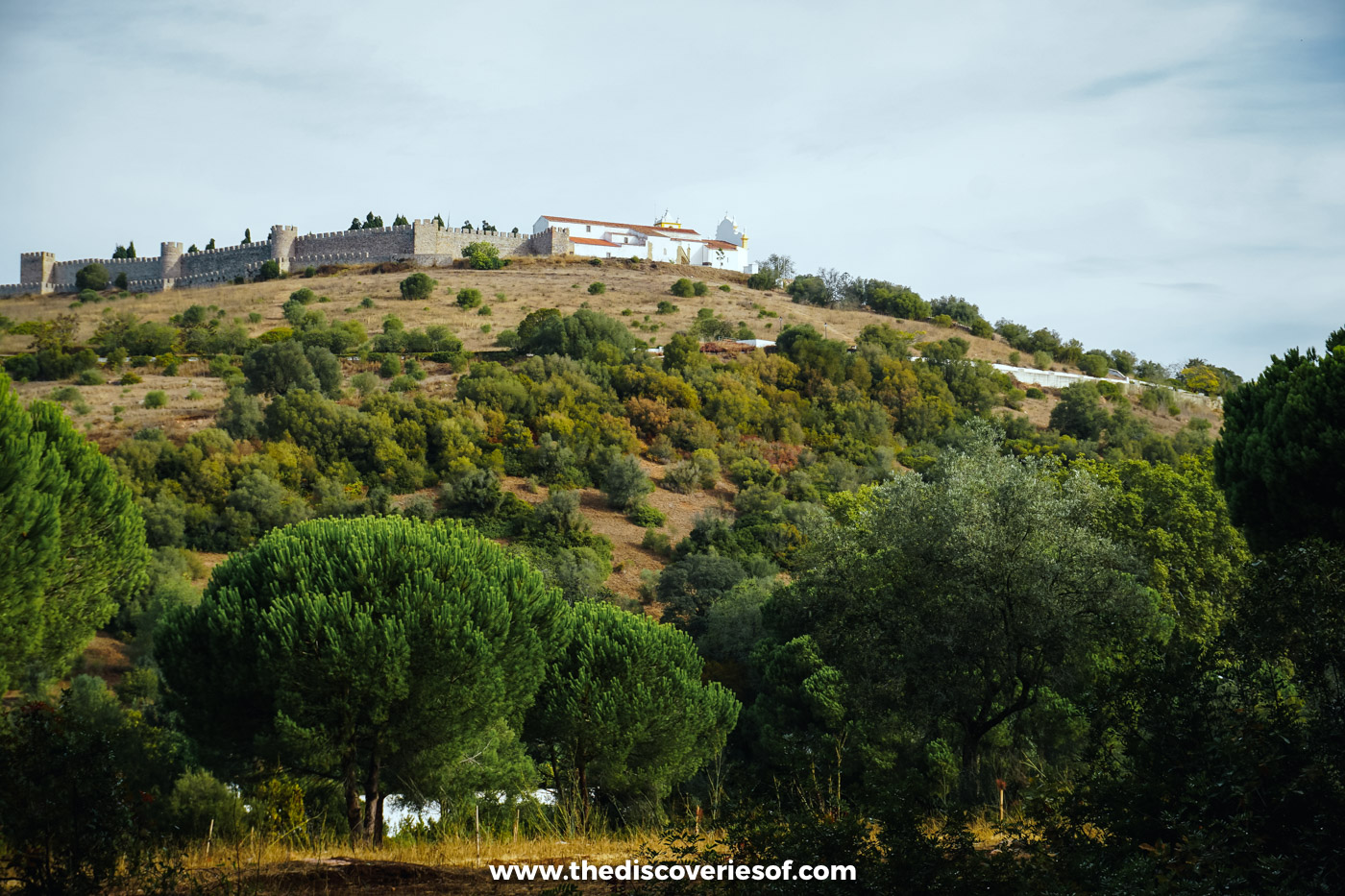 Where to stay in the Alentejo, from surf-town guesthouses to farmhouses in the cork hills
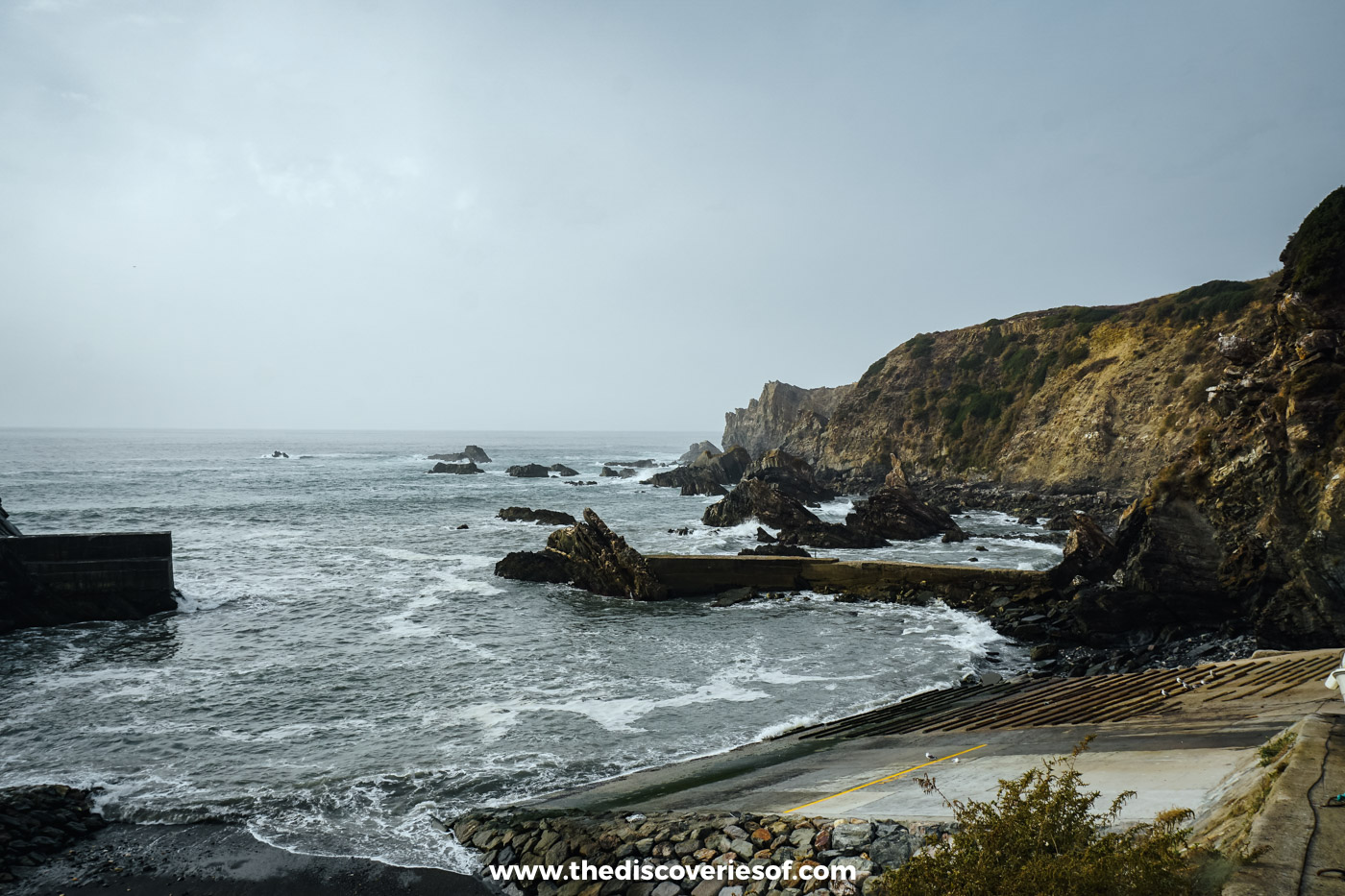 Five secret spots in the Alentejo, from fishing coves to cork forests
 A Lagos travel guide, from the sea stacks of Ponta da Piedade to a church of carved gold
 Why Lisbon left the fire-scorched Church of São Domingos the way it was
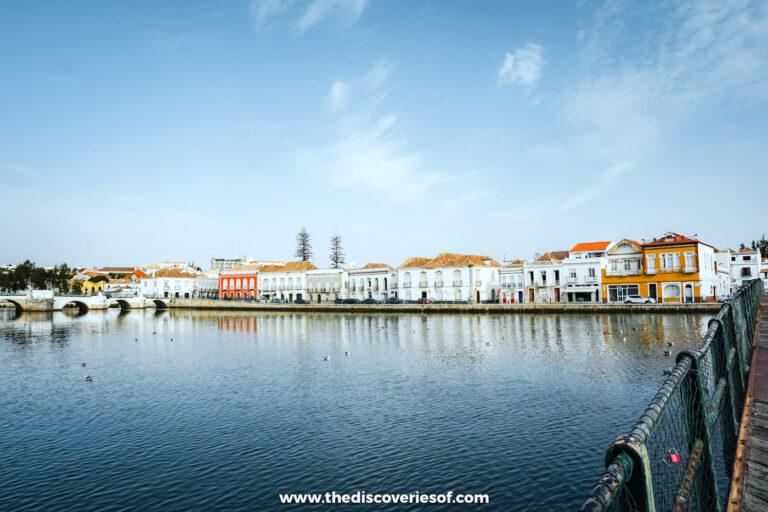 A Tavira travel guide to the Algarve’s prettiest town, from castle walls to a graveyard of anchors
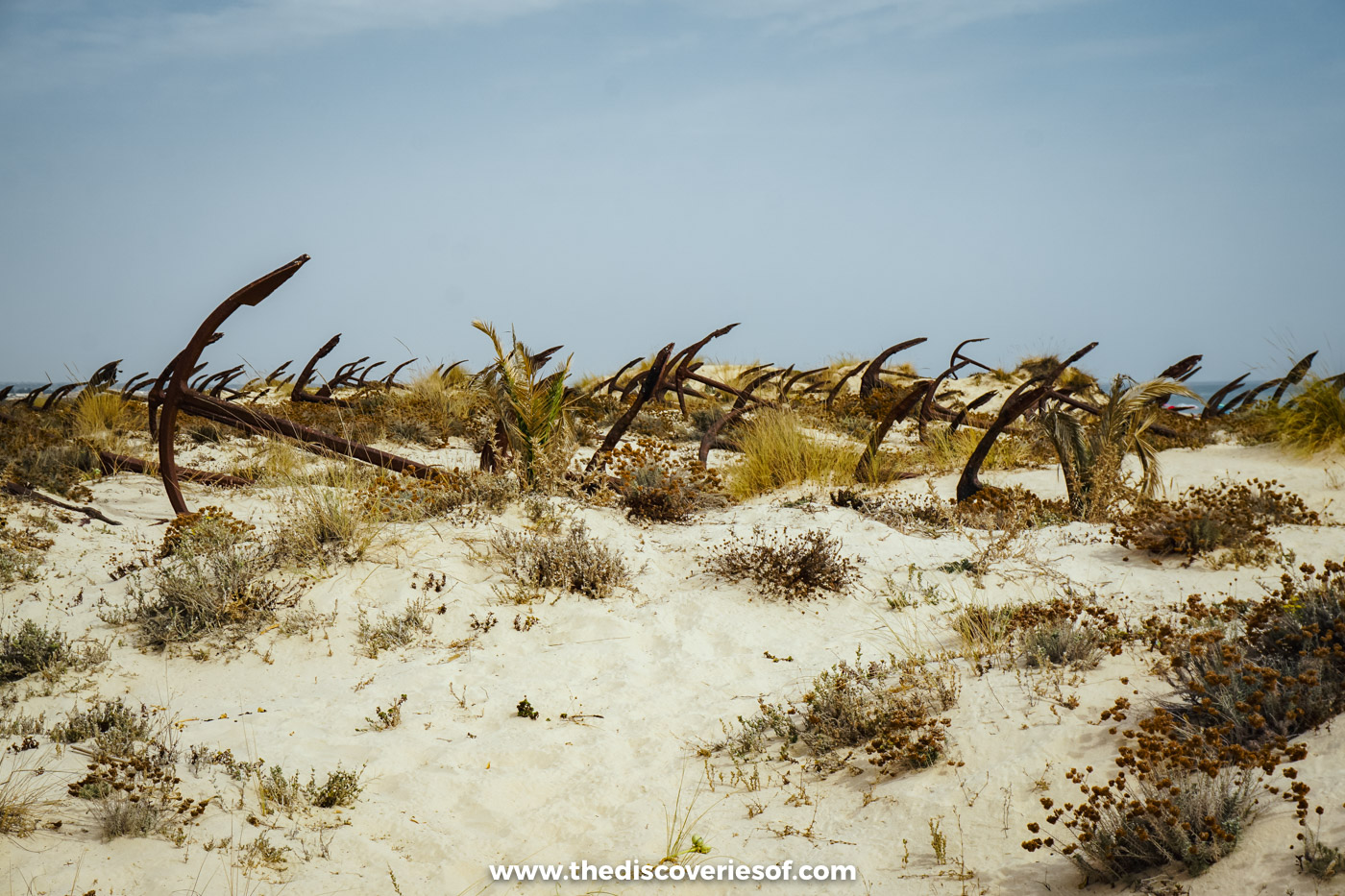 Praia do Barril and the anchor cemetery, at the end of a little train across the lagoon
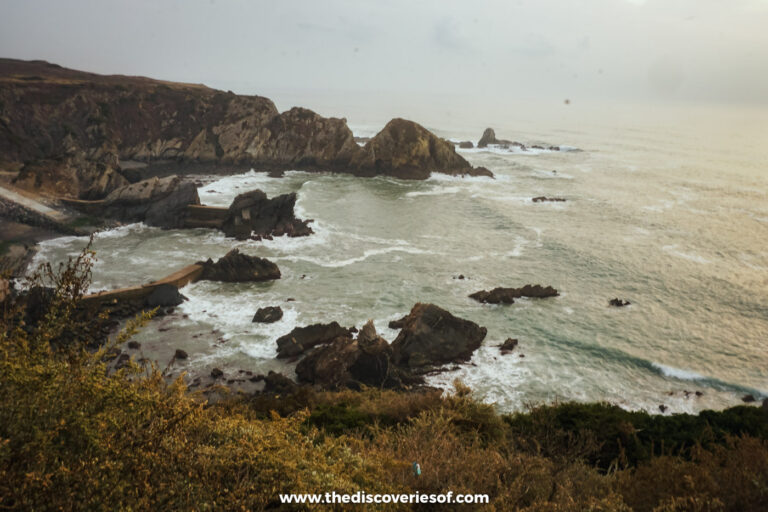 Odeceixe beach, where a river slips into the Atlantic at the edge of the Algarve
 The Time Out Market in Lisbon is worth the crowds, if you know what to order
 Praia da Marinha, the Algarve beach with a heart hidden in its cliffs
 Praia do Camilo and Ponta da Piedade, and the best way to see them right now
 How to spend a week in the Algarve, from Lagos’s sea stacks to the dolphins of the Ria Formosa
 A Douro Valley day trip from Porto, and why the slowest way in might be the best one
 How to spend 3 days in Lisbon, from the castle walls to a steak sandwich for dessert
 How to walk the Rota Vicentina, from clifftop fishing paths to cork oak hills
 Ilha Deserta, the island off Faro that very nearly lives up to its name
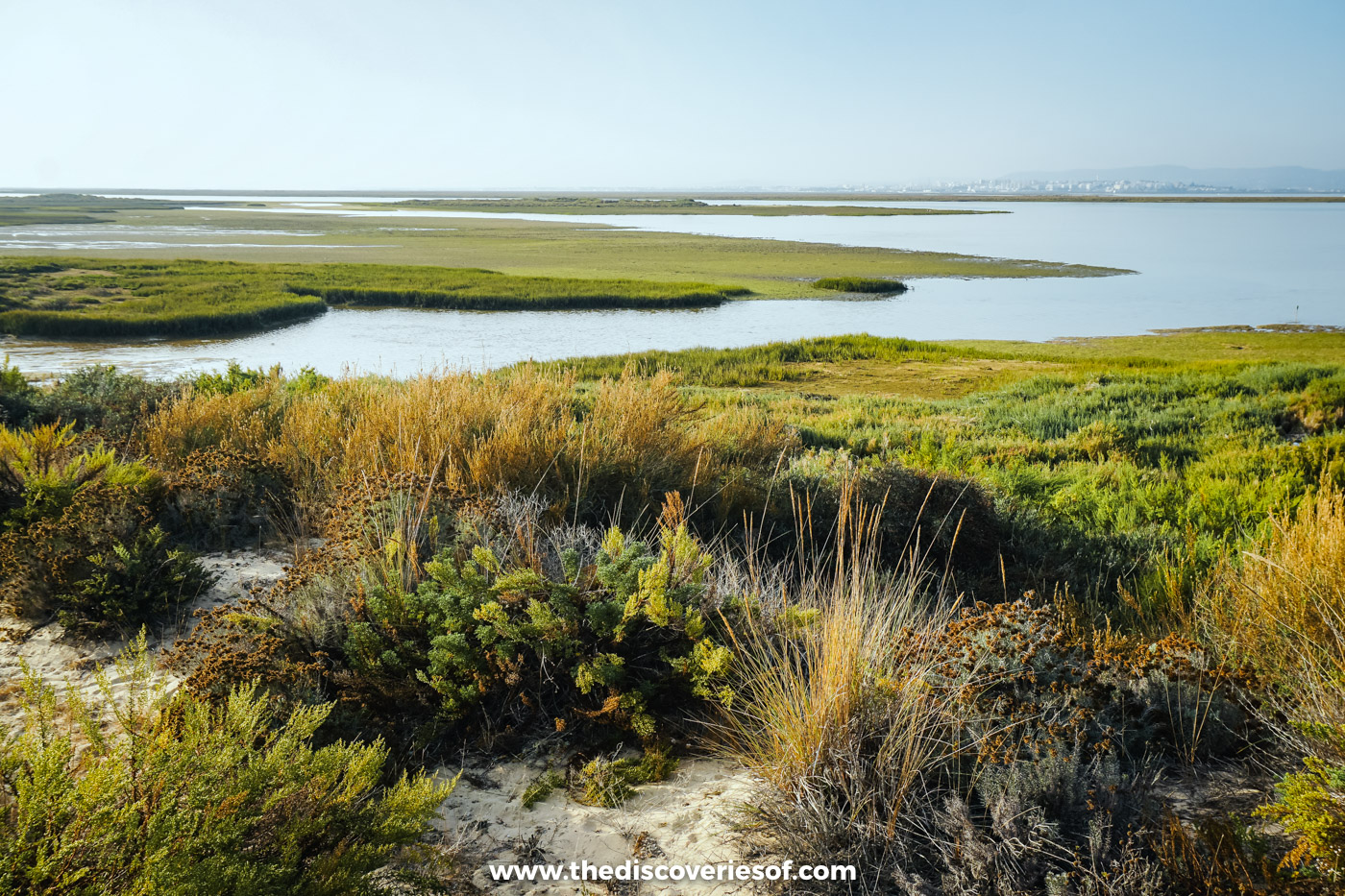 The Ria Formosa Natural Park, the wild Algarve most visitors fly straight over
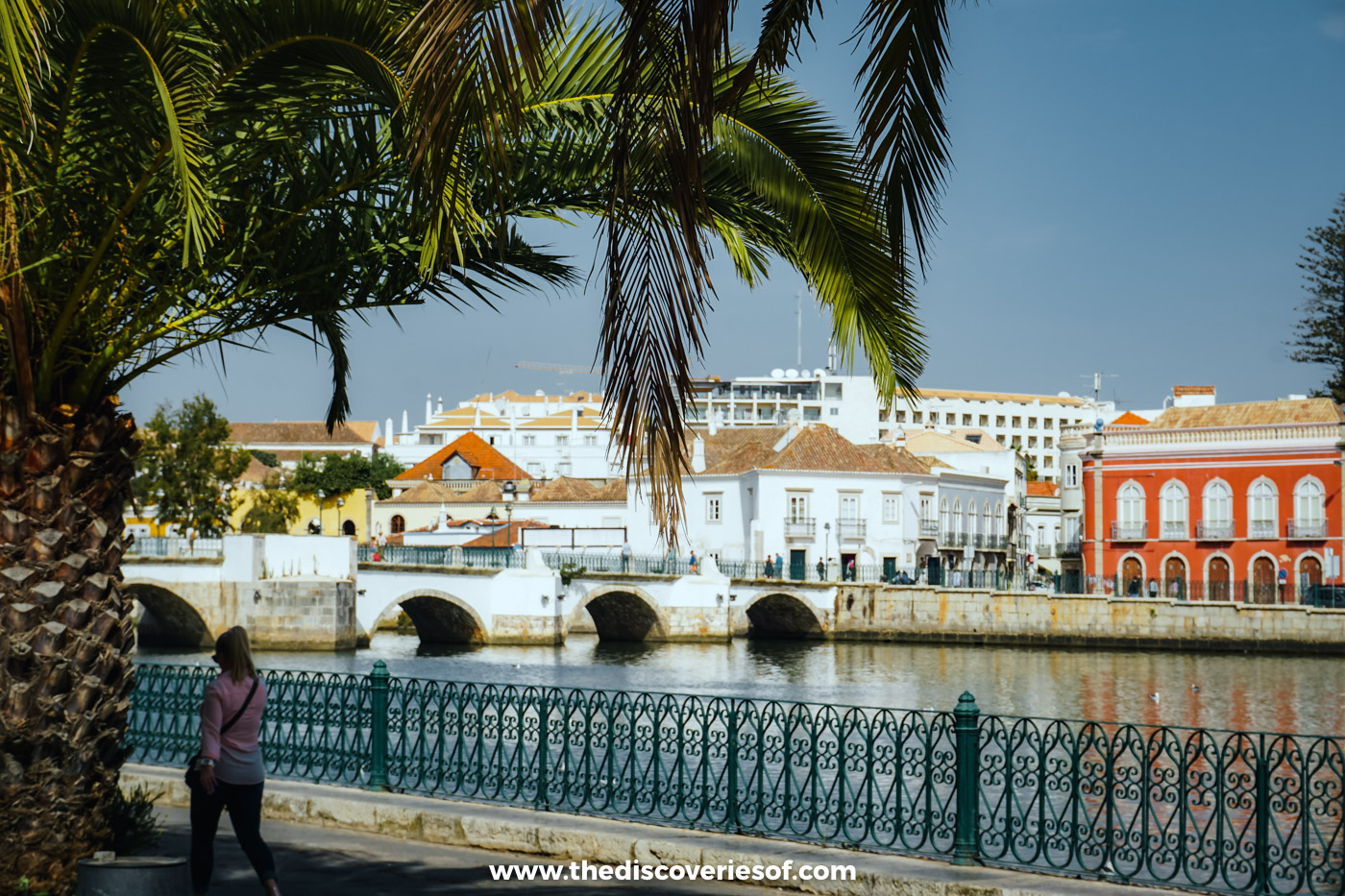 Why you should visit Portugal in October, when the crowds have gone home
 Estaminé, the island seafood restaurant you can only reach by boat
 A deeper look at Portuguese azulejos, and why the famous blue and white came late
 How to spend 3 days in Porto, from gilded churches to the Douro’s terraced vineyards
 27 things to do in Porto, from port lodges to a house hidden between two churches
 A Douro Valley travel guide to port country, from rabelo boats to barefoot grape treading
 Where to stay in Portugal, from palace spa hotels to lakeside hideaways in the Alentejo
 The 19 best beaches in the Algarve, and how to actually reach them
 24 things to do in the Algarve, from a desert island lunch to a graveyard of anchors
 How to visit Benagil Cave now you can’t swim in or land on the beach
 The best time to visit Portugal, from January’s almond blossom to the Douro harvest
 26 Portugal travel tips, from navigating the slippery cobbles to the motorway that’s now free
 Is a villa at Four Seasons Fairways the best way to do the Algarve?
 Visiting the Monument to the Discoveries, Lisbon’s 56-metre salute to the sea
 How tipping in Portugal really works, and the bread you never ordered



Watch on YouTube
See the places before you go
Short films from the places in my guides, so you can see what a destination really looks and feels like before you go.
Subscribe on YouTube youtube.com/@thediscoveriesof