
Sun-baked beaches in August, or empty palaces and bargain hotels in January? The country changes completely with the seasons, and so does what you’ll pay. Here’s what each month is really like, from the weather and the sea to the festivals and the crowds, so you can pick the right time for your trip.
My love affair with Portugal is still going strong, in case you were wondering. It’s a brilliant year-round destination, and I’ll advocate for a trip whatever the occasion, but the best time to visit Portugal depends on where you’re going and what you want to do when you get there. There are plenty of other things to weigh up too, from the sea temperature to the festival calendar, which is why I wrote this guide.
I’ve seen it in very different seasons. I spent a January weekend in Lisbon, and I was in the Douro Valley in late September, while the grapes were being picked. October keeps drawing me back: one year it was a stay in the Algarve followed by a few days on foot along the Alentejo coast, and on a later trip it was Lisbon again, for history walks and food tours.
Let me be frank: there’s no golden rule. But if you want the short version, May, June, September and October give you the best balance of warm weather, warm-ish sea and manageable crowds. July and August bring heat, crowds and peak prices, and winter is cheap, quiet and surprisingly bright. Personally, I love late autumn and early spring, when most of the country is mild, the crowds have thinned and prices drop. Here’s the detail, month by month and region by region.
The short answer, at a glance
- Best all-round: May, June, September and October.
- Best for beaches: June to September. The sea is warmest in August and September.
- Best for city breaks: March to May and September to November, or winter for low prices.
- Best for walking: March to May and October.
- Best for wine: the Douro harvest, from about mid-September into early October.
- Busiest and priciest: August, when half of Portugal is on holiday too.
- Cheapest: November to February, outside Christmas and New Year.
| Month | Lisbon (average high) | Algarve (average high) | Porto (average high) | Crowds and prices |
|---|---|---|---|---|
| January | 15°C | 16°C | 14°C | Low |
| February | 16°C | 17°C | 15°C | Low (Carnival weekends busier) |
| March | 19°C | 19°C | 17°C | Low to moderate |
| April | 20°C | 21°C | 18°C | Moderate (busy at Easter) |
| May | 23°C | 24°C | 20°C | Moderate |
| June | 26°C | 27°C | 24°C | High |
| July | 28°C | 29°C | 25°C | Very high |
| August | 29°C | 29°C | 26°C | Peak |
| September | 27°C | 26°C | 24°C | High, easing late in the month |
| October | 23°C | 23°C | 21°C | Moderate |
| November | 18°C | 20°C | 17°C | Low (except Web Summit week in Lisbon) |
| December | 15°C | 17°C | 14°C | Low (busy over Christmas and New Year) |
Average daytime highs from IPMA climate normals (Lisbon and Faro 1991 to 2020; Porto 1981 to 2010), rounded to the nearest degree.
Portugal month by month
January: quiet sights and short, bright days
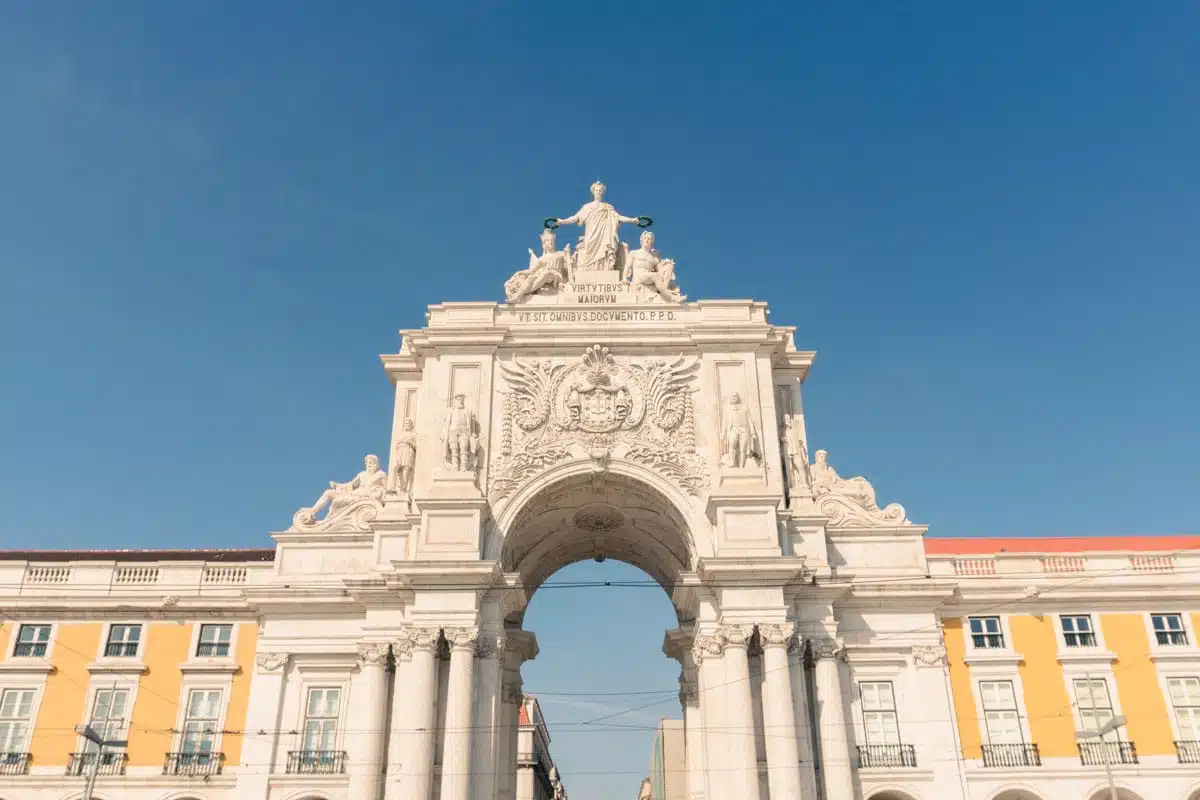
January is one of the quietest and cheapest months of the year, and it’s one I know well. My January weekend in Lisbon was all short days and low winter sun: a sunrise over the rooftops from my tenth-floor balcony at the Ritz, a vintage sidecar ride round the hills on the Sunday, and a seafood feast at Cervejaria Ramiro late that afternoon. It was the trip that made me fall for the city.
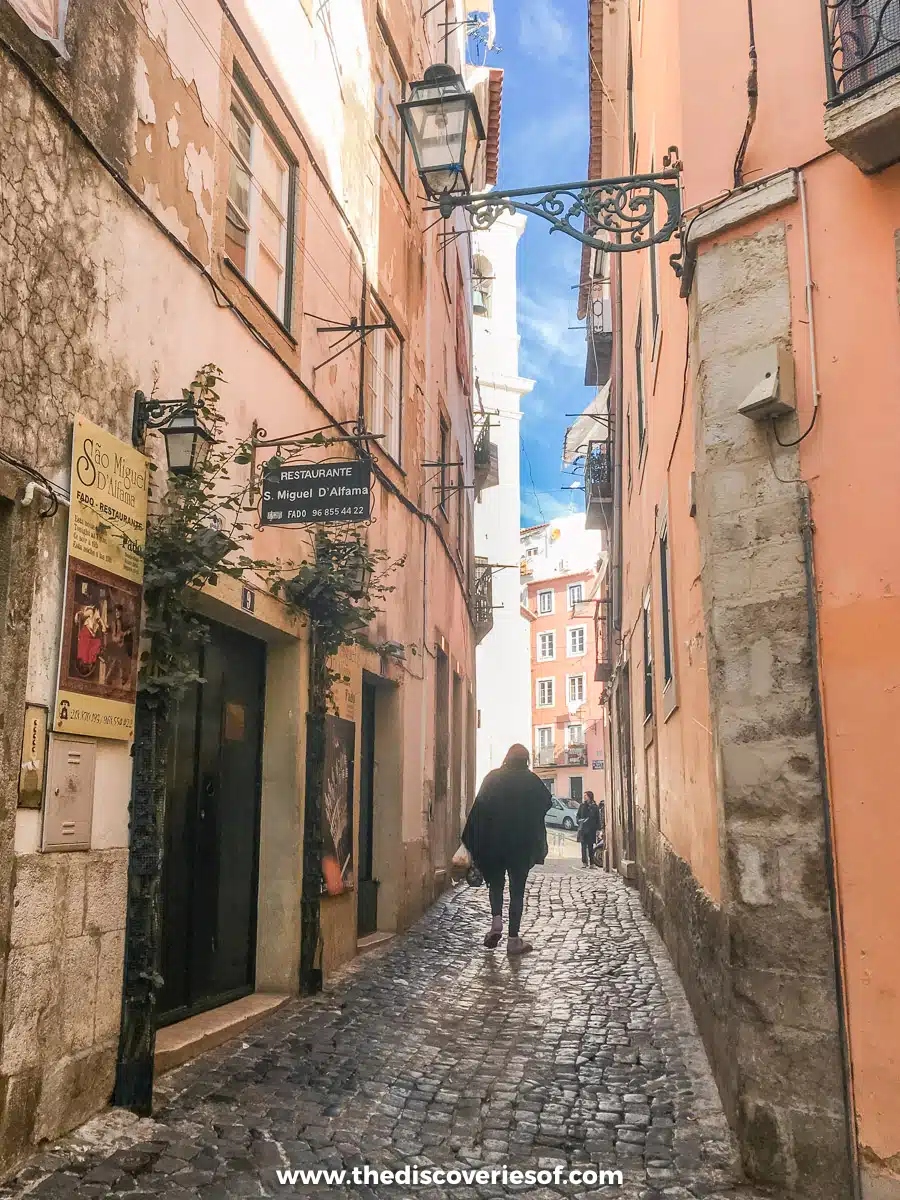
Expect highs of about 15°C in Lisbon and 16°C on the Algarve coast, with around ten wet days in the capital, though rain usually comes in bursts rather than whole washed-out days. In the Algarve, the almond trees start to blossom in late January, and up in the mountains of the Serra da Estrela there’s often enough snow to ski. The sea is too cold for most people, and some beach restaurants and hotels on the coast close for the winter.
February: almond blossom and Carnival
February is still cool and quiet, with highs of 16°C to 17°C, and the almond blossom peaks across the Algarve’s hills. The big event is Carnival, the weekend before Lent (in February or early March): Torres Vedras near Lisbon throws the most Portuguese of the parties, Loulé has the Algarve’s oldest parade and Madeira’s capital, Funchal, stages a huge allegorical parade. Hotel prices stay low outside the Carnival weekend, which makes it a good month for a cheap city break.
March: spring arrives in the south
By March, highs reach about 19°C in Lisbon and the Algarve, the days stretch out and the clocks go forward at the end of the month. The countryside turns green and the wildflowers start to appear in the Alentejo and on the Algarve’s clifftops, which makes it a lovely month for walking before the heat arrives. It can still be showery, so pack a light waterproof. Easter sometimes falls at the end of March.
April: Easter processions and wildflowers
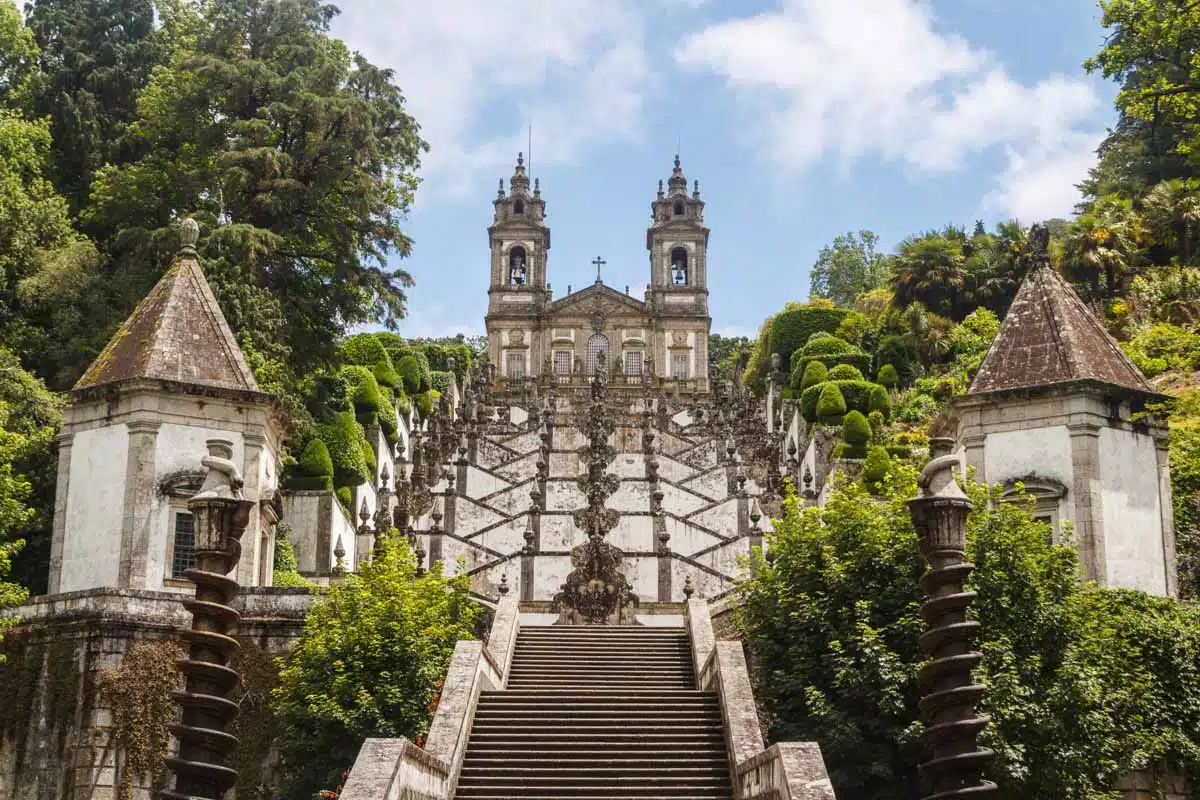
April brings highs of around 20°C and, usually, Easter. Holy Week is a big deal here, particularly in Braga, where processions wind through the city by torchlight; book ahead if you want to be there. The 25th of April is Freedom Day, a public holiday marking the 1974 Carnation Revolution, with marches and concerts in Lisbon. Football season is heading for its finale around now too, and there’s a competitive energy in the cafés and bars that I just love.
Spring is also when Madeira holds its Flower Festival, usually a few weeks after Easter, with flower carpets and parades through Funchal.
May: the sweet spot for walking and sightseeing
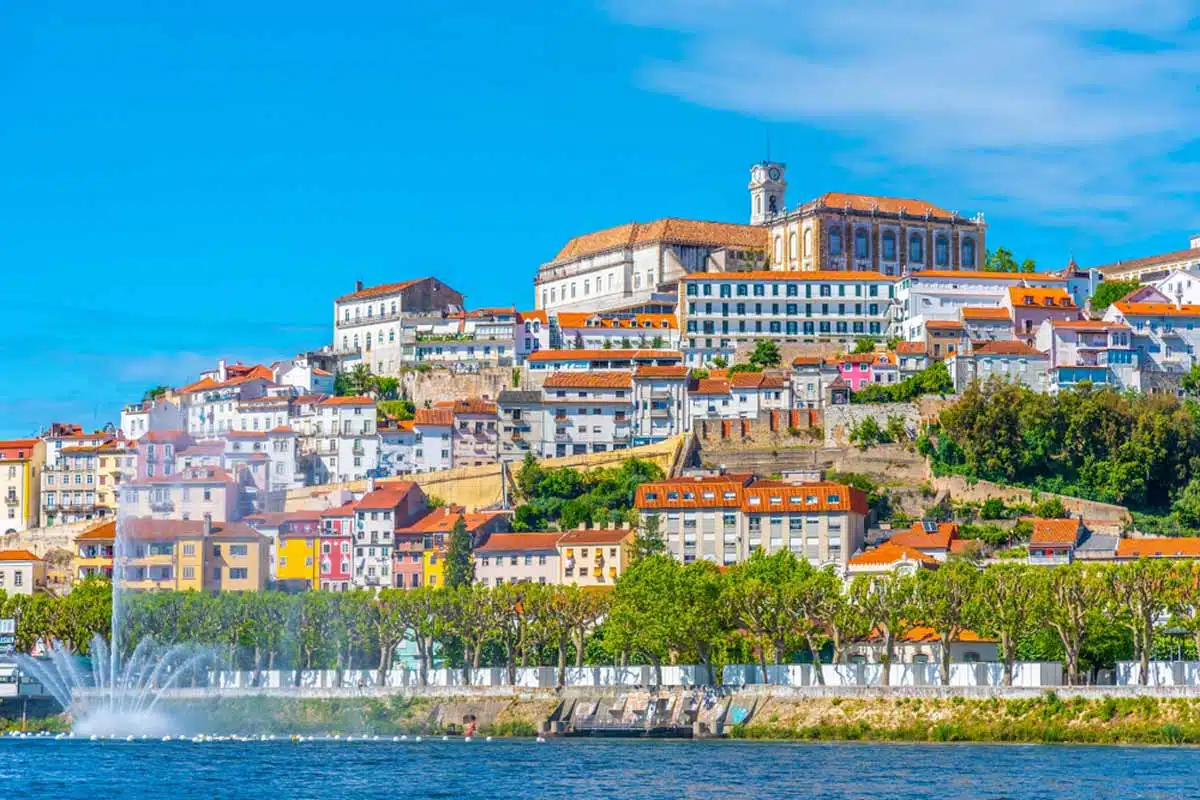
May is one of the best months of the year to visit. Highs reach about 23°C, the rain mostly stops, the days are long and the summer crowds haven’t arrived yet. It’s perfect for city sightseeing, the walking trails of the Rota Vicentina and the wildflower meadows of the Alentejo. The sea is still fresh (around 17°C to 18°C), but on a hot afternoon on the Algarve it’s bearable.
Coimbra’s students celebrate the end of the academic year with the Queima das Fitas in early May, and on the 12th and 13th, hundreds of thousands of pilgrims arrive at Fátima, so book well ahead if you’re anywhere near it.
June: sardines and street parties
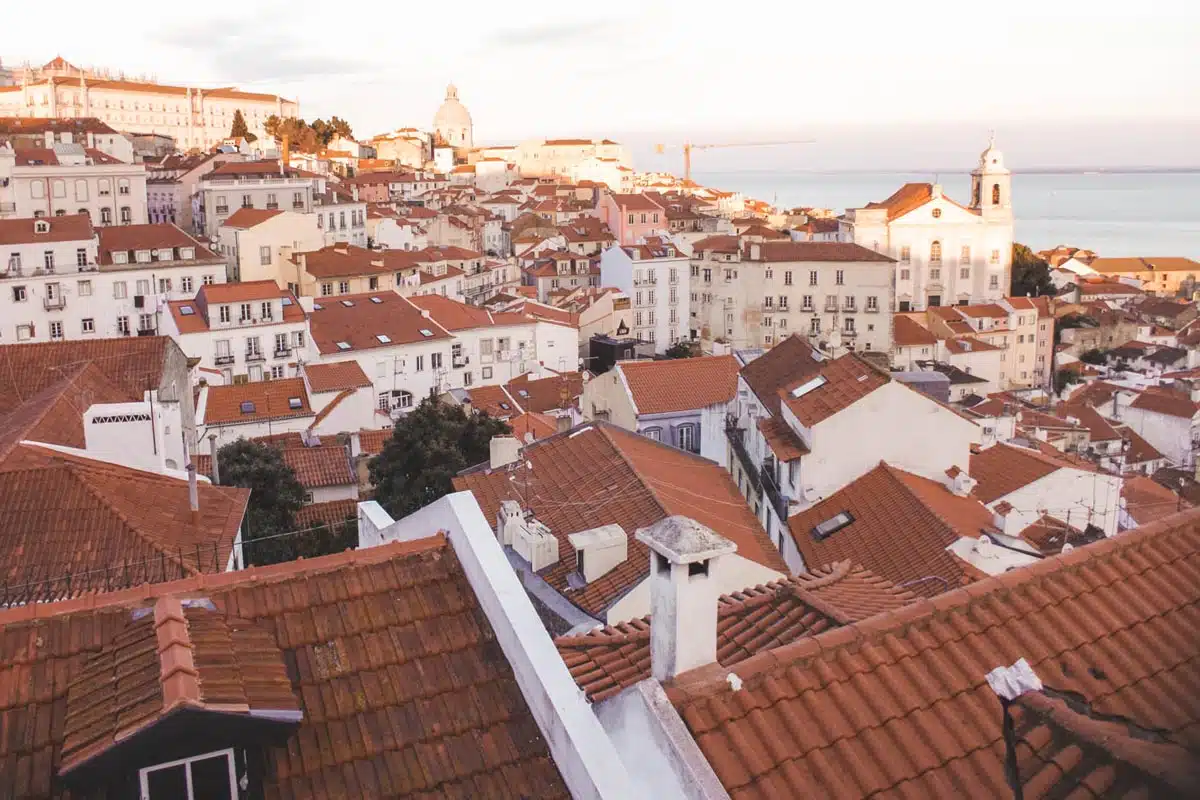
June is the month for anyone who wants summer weather without the full summer crowds, at least until the schools break up late in the month. Highs reach 26°C in Lisbon and 27°C in the Algarve, and the sea starts to warm up.
It’s also the month of the Santos Populares, the saints’ festivals, and there’s no better time to see what locals love to do (I’m always game for that). Lisbon celebrates Santo António on the night of the 12th into the 13th, with street parties, paper garlands and grilled sardines in every square of Alfama and Mouraria, and Porto’s São João on the 23rd and 24th sees the whole city out until dawn, bopping each other on the head with plastic hammers. The 10th of June is Portugal Day, a public holiday.
July: beach season in full swing
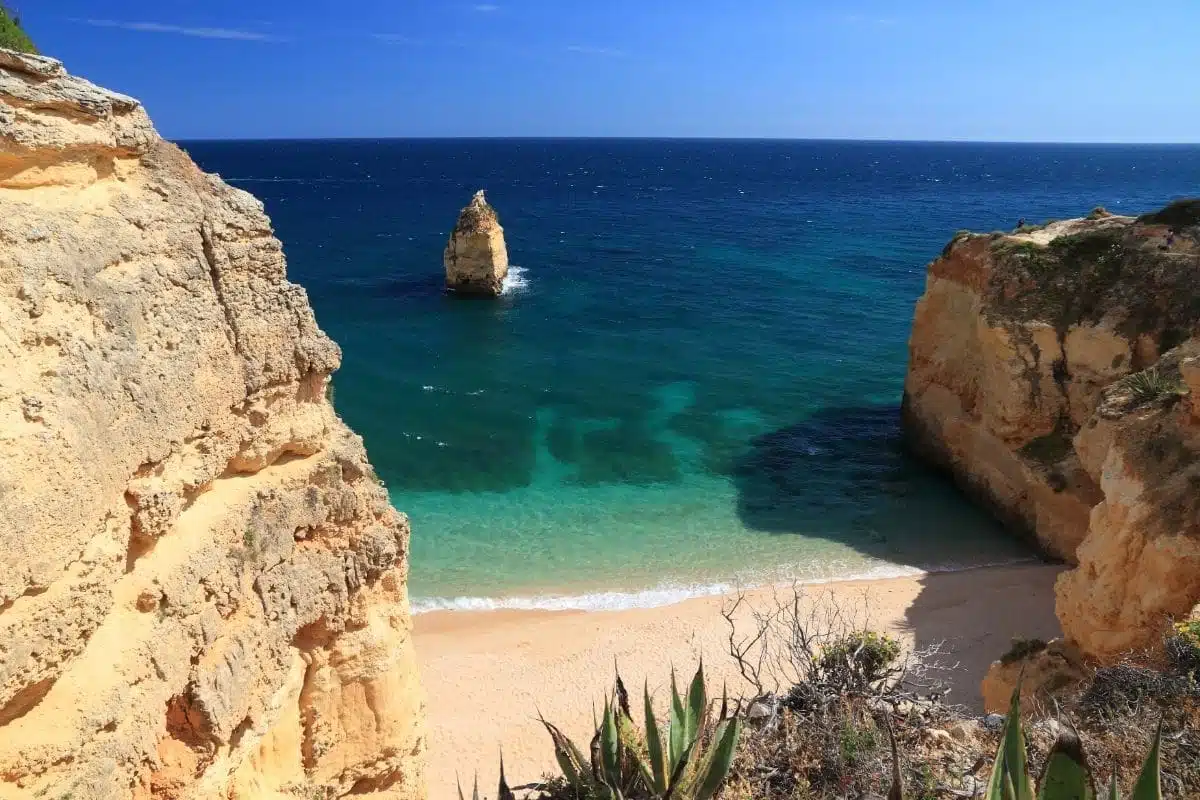
July is hot and dry, with highs around 28°C in Lisbon and 29°C on the Algarve coast, and often 35°C or more inland in the Alentejo and the Douro. It’s peak beach season, the evenings are long and warm, and the music festival calendar is in full swing, with NOS Alive near Lisbon among the biggest. Prices climb and beaches fill up, especially at weekends. Book accommodation and car hire as early as you can.
August: hot, busy and booked up
August is the busiest month of all: as well as visitors from across Europe, much of Portugal takes its own holidays now. Coastal resorts, hotels and the most popular beaches are packed, prices are at their highest and you’ll need to book restaurants, as well as tickets for the big sights. On the plus side, the sea is at its warmest, around 22°C to 24°C off the Algarve.
The cities can be quieter than you’d expect, as many locals head for the coast, but some family-run restaurants close for a week or two. Inland, the heat can be fierce, so plan sightseeing for the mornings and evenings.
September: harvest time in the Douro
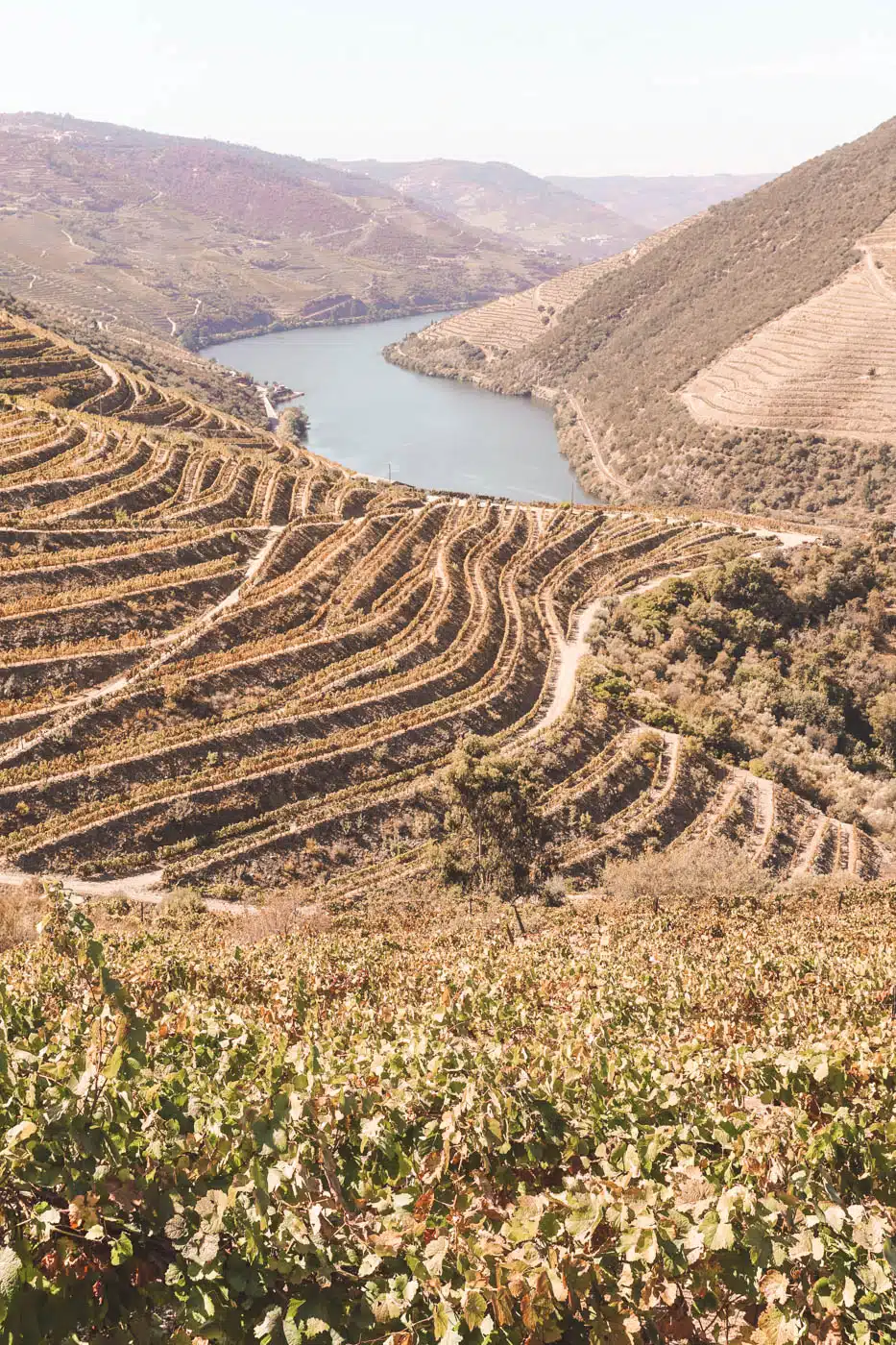
September is one of the best months of the year. The summer crowds start to thin out once the schools go back in mid-September, but it’s still hot (around 27°C in Lisbon) and the sea is as warm as it gets.
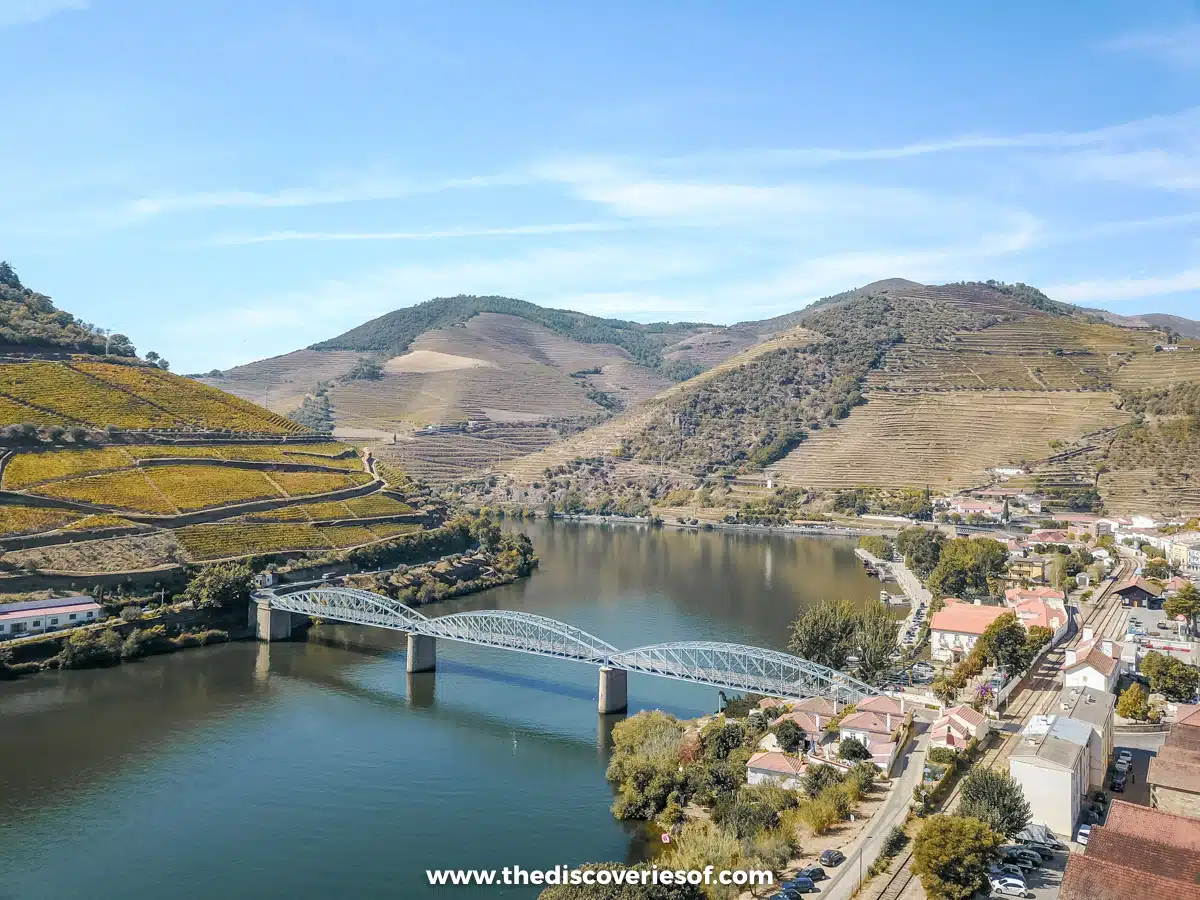
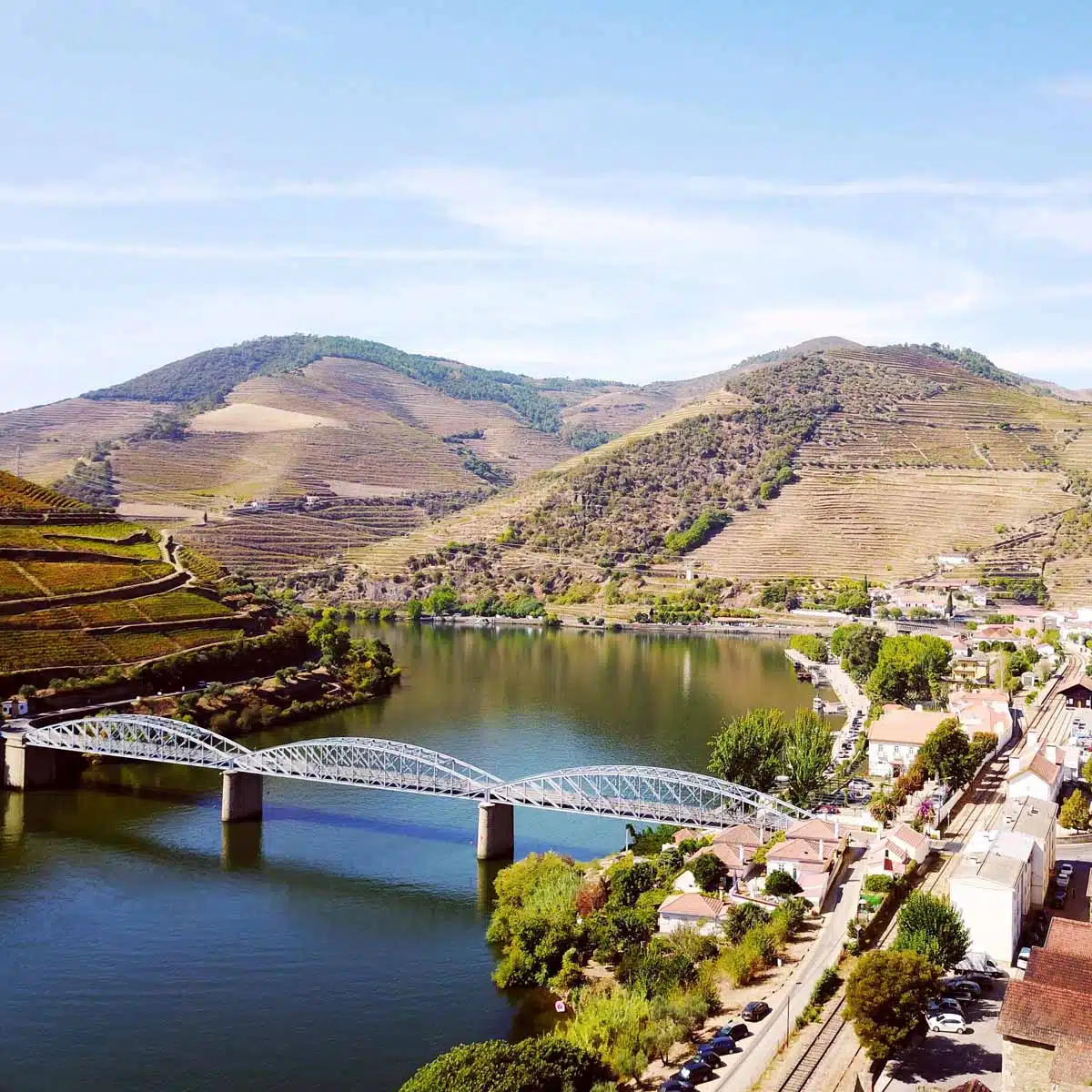
It’s also harvest time in the Douro Valley, which usually runs from mid-September to the first week or so of October. I was there in the last week of September and went to the Symington family’s Quinta do Bomfim in Pinhão while the picking was under way. The vineyards had been mapped so each plot could be cut at just the right moment; the grapes were hand-sorted on a belt before crushing; and some of the port was still being made the traditional way, crushed underfoot in stone lagares while music played, for three or four hours at a time. Plenty of quintas let visitors join in with picking and treading at this time of year, but places go fast, so book ahead.
October: warm seas and quiet trails
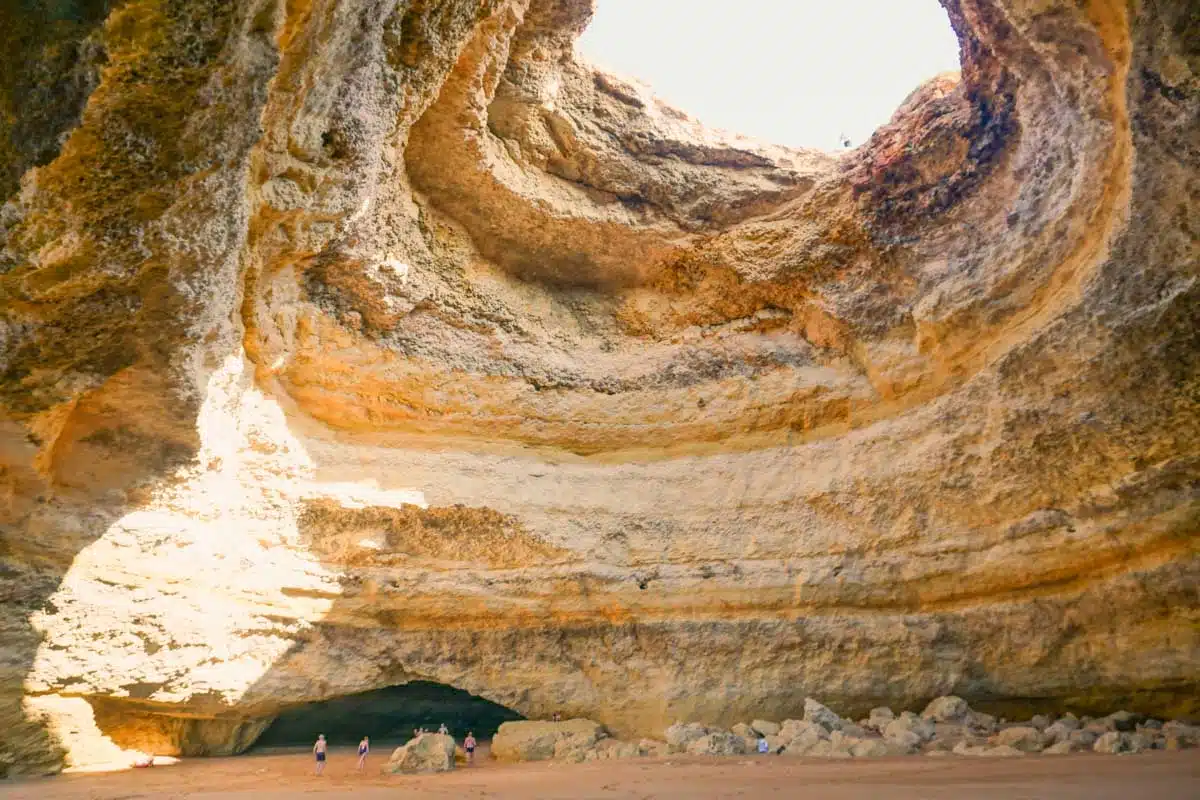
Autumn is easily one of my favourite times to visit, and I’ve been in October more than any other month. Highs are still around 23°C in Lisbon and the Algarve, the sea holds on to much of its summer warmth, and the crowds and prices drop right back.
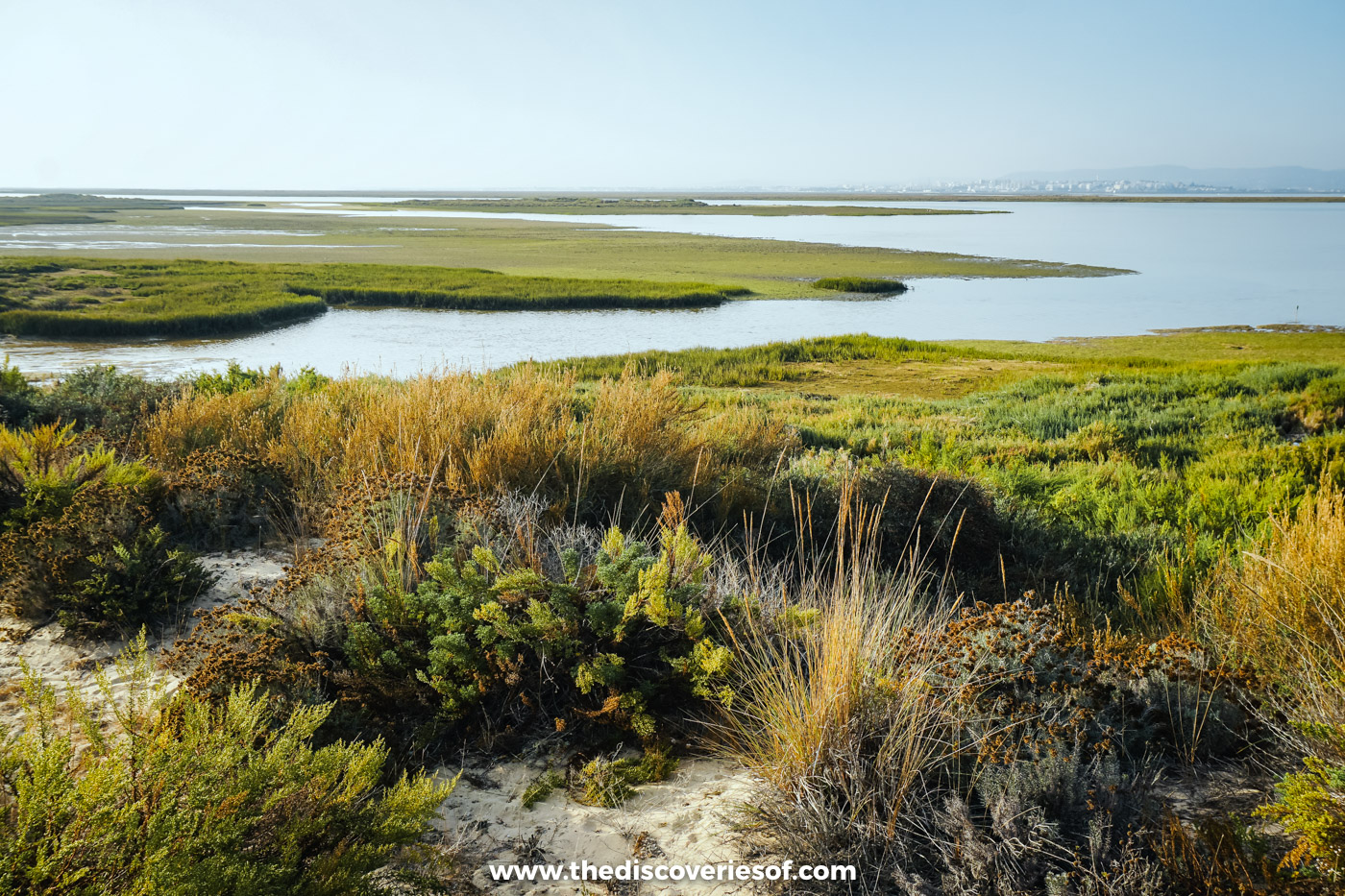
My October stay at Four Seasons Fairways in the Algarve was all about being outdoors. I cycled to the Ria Formosa lagoon, took a little catamaran out to Ilha Deserta and saw dolphins on the way, browsed the market in Loulé and went walking in the hills with a local guide, and it was still warm enough for plenty of meals outdoors. The Algarve light at that time of year is something special, too.
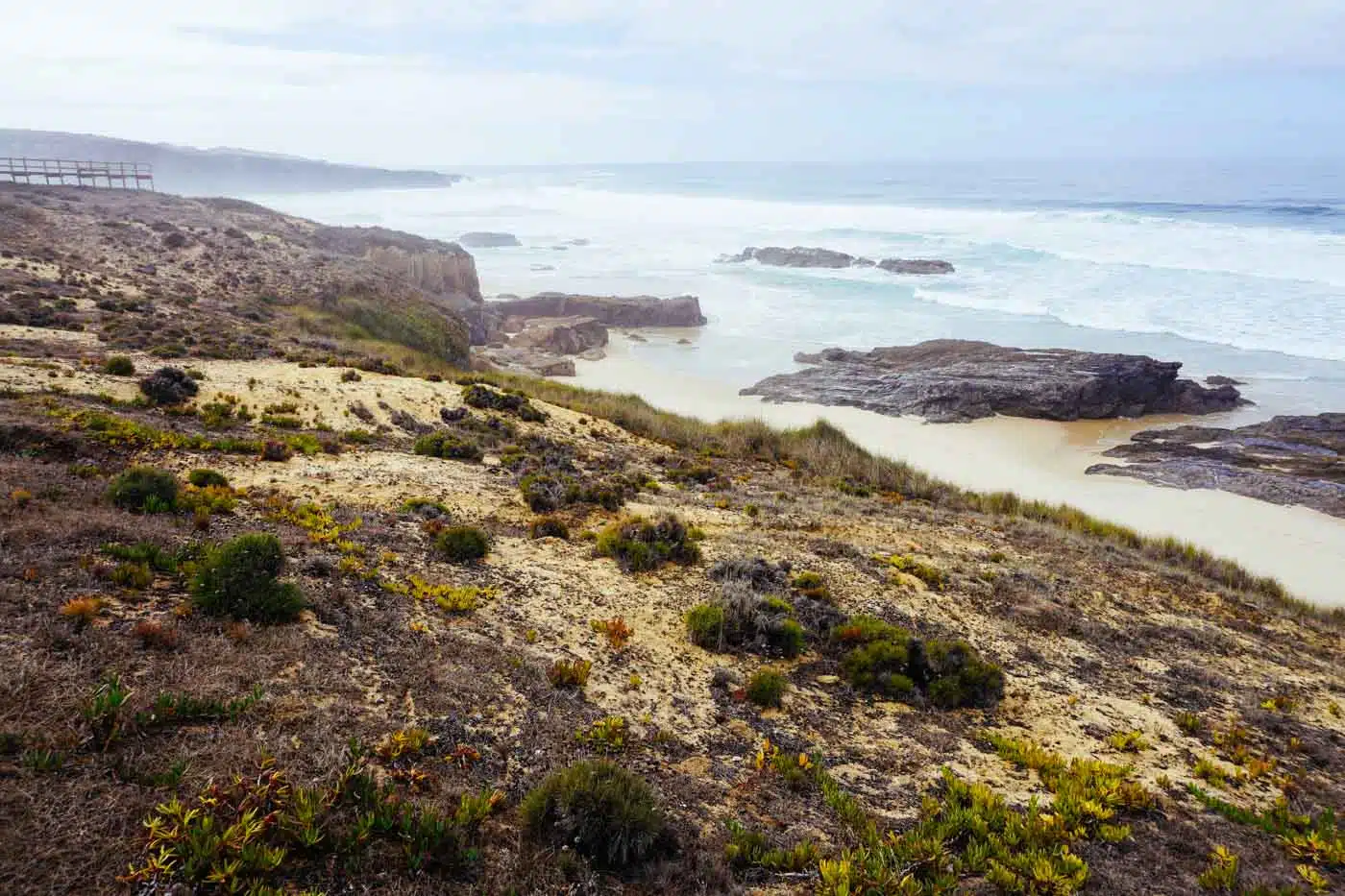
A few days later I was walking the Rota Vicentina on the Alentejo coast: the Fishermen’s Trail from Zambujeira do Mar (one of my favourite walks anywhere) and the circular route up to the chapel of Senhora das Neves (a steep puff, I can tell you). On another trip, in late October, I was back in Lisbon for long history walks through Alfama and a food tour I booked on a whim.
Do pack a jacket and something waterproof, as the first autumn rains often arrive in the second half of the month. On the 12th and 13th, Fátima has its second great pilgrimage of the year, and the clocks go back on the last Sunday.
November: chestnuts and the first big waves
November is cooler (around 18°C in Lisbon and 20°C on the Algarve coast) and one of the wetter months, but it’s quiet and cheap, and a spell of warm, sunny weather around Saint Martin’s Day on the 11th is common enough that it has its own name, the Verão de São Martinho. Look out for street sellers roasting chestnuts and for jeropiga and água-pé, young wines to go with them.
The other big draw is the sea at Nazaré, where the giant winter waves start to roll in from around October and the big-wave surfers follow. One warning for Lisbon: the Web Summit tech conference takes over the city for a week in early to mid November, and hotel prices jump.
December: lights, markets and Madeira’s fireworks
December is the coolest month, with highs of about 15°C in Lisbon, 17°C in the Algarve and 14°C in Porto, and short days. It’s a lovely time for a city break, though: the streets of Lisbon and Porto are strung with Christmas lights, there are markets in the main squares and you’ll have the museums almost to yourself. Prices stay low until the week between Christmas and New Year, when Madeira hosts one of the most famous New Year’s Eve fireworks displays in the world over Funchal’s bay.
The best time to go for what you want to do
Beaches and swimming
For beach days, go between June and September, when the weather is reliably hot and dry. The sea is warmest in August and September, reaching 22°C to 24°C on the south coast. The Atlantic is colder on the west coast and further north: around Lisbon it peaks at about 20°C, and in Porto it stays bracing even in August. If you’d rather swap a little heat for space on the sand, late May, June and the second half of September are the sweet spots. My guide to the best beaches in the Algarve will help you choose where to go.
City breaks
It might seem strange, but I adore Portuguese cities in winter. The weather is milder than most of Europe and there’s a chance of rain (though not too much), but wouldn’t you rather spend the grey months eating fantastic food, visiting museums and exploring somewhere new? I thought so. Spring and autumn are the best compromise, with comfortable temperatures for walking the hills of Lisbon and Porto, and summer is the time to avoid if you can: both cities get hot, crowded and expensive.
Walking and hiking
Not many people realise what a brilliant walking destination Portugal is. My favourite time to hike here is autumn: the weather is pleasant, the light is soft and the trails are far quieter than in summer (sign me up). Spring is just as good, with wildflowers on the coast and green hills inland. Avoid July and August on exposed routes such as the Rota Vicentina and the trails of the interior, where there’s little shade and the heat can be dangerous.
Saving money
For one of the best places to visit in Europe, it’s remarkably good value out of season. I’ll let you in on a secret: winter, particularly after the holidays, is the best time to visit Portugal if you want cheaper hotel rates and flights. From November to February (outside Christmas, New Year and Carnival), you’ll find the lowest prices of the year and the shortest queues at the big sights. March and the first half of October are good-value compromises with better weather.
Festivals and events
Spring and early summer bring the biggest celebrations, from Easter week and Freedom Day to the saints’ festivals in June. Even outside the big dates, there’s nearly always something going on somewhere, and I’m sure you’ll stumble across something wonderful.
When to visit each region
Lisbon
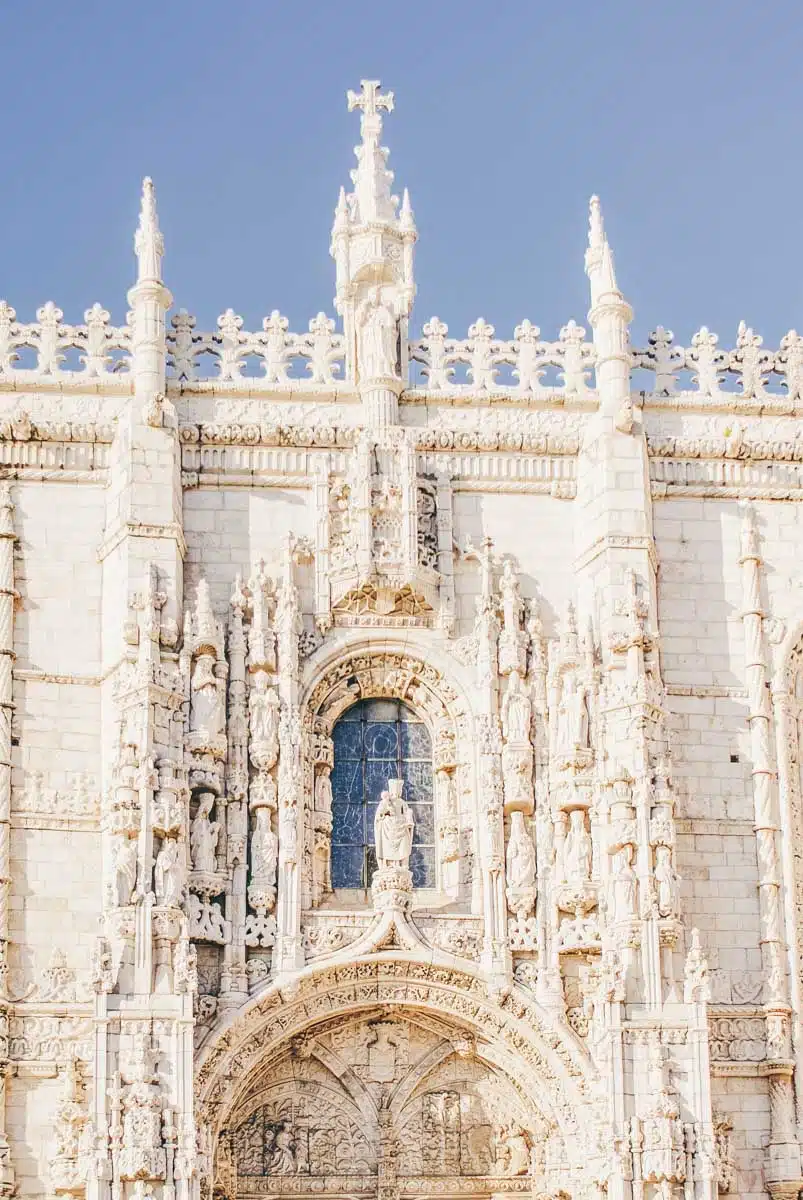
The capital is a year-round city. April, May, September and October are the best months to visit Lisbon, with warm days, cooler nights and none of the summer crush on tram 28, at the Jerónimos Monastery or at the Monument to the Discoveries. June is great fun for the Santo António parties, and winter is quiet, cheap and often sunny.
Porto and the Douro Valley
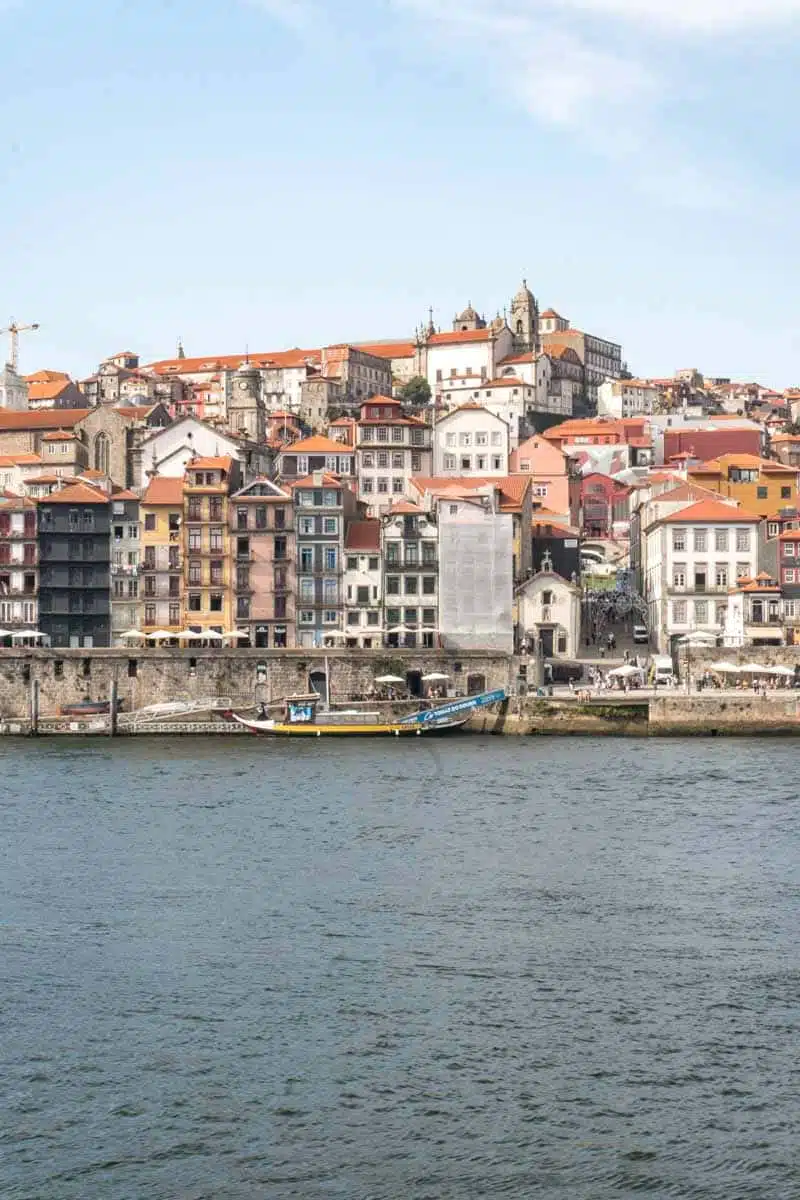
Porto is wetter and a few degrees cooler than Lisbon, so May, June and September are its best months, with long, dry days for exploring the riverside and the port lodges. Late June brings São João (my three-day Porto itinerary works in any season), and in winter, when it rains most, prices drop right down. Out in the Douro Valley, the vineyards are at their most beautiful during the harvest in September and early October, and the colours turn gold and red later in October. High summer is very hot in the valley, regularly over 35°C.
The Algarve
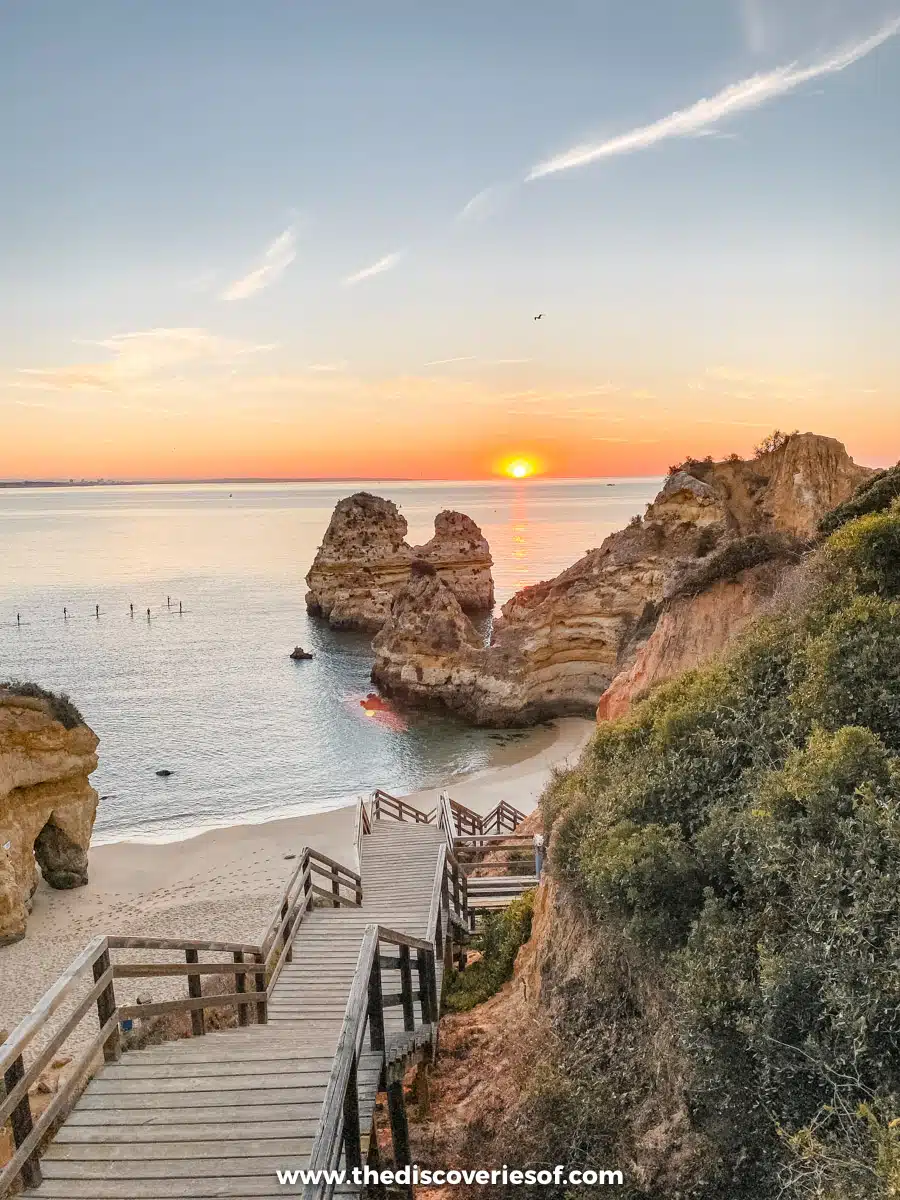
The Algarve has the mildest, sunniest climate in the country, with more than 3,000 hours of sunshine a year. For beaches, go from June to September; for walking, golf and sightseeing without the crowds, go in spring or autumn. My October trip to the east of the region was all bike rides, boat trips and walks, and I’ve also hired a villa in Lagos in the west, and shot its cliffs and beaches from the air with my drone. Read my guide to things to do in the Algarve for more.
The Alentejo
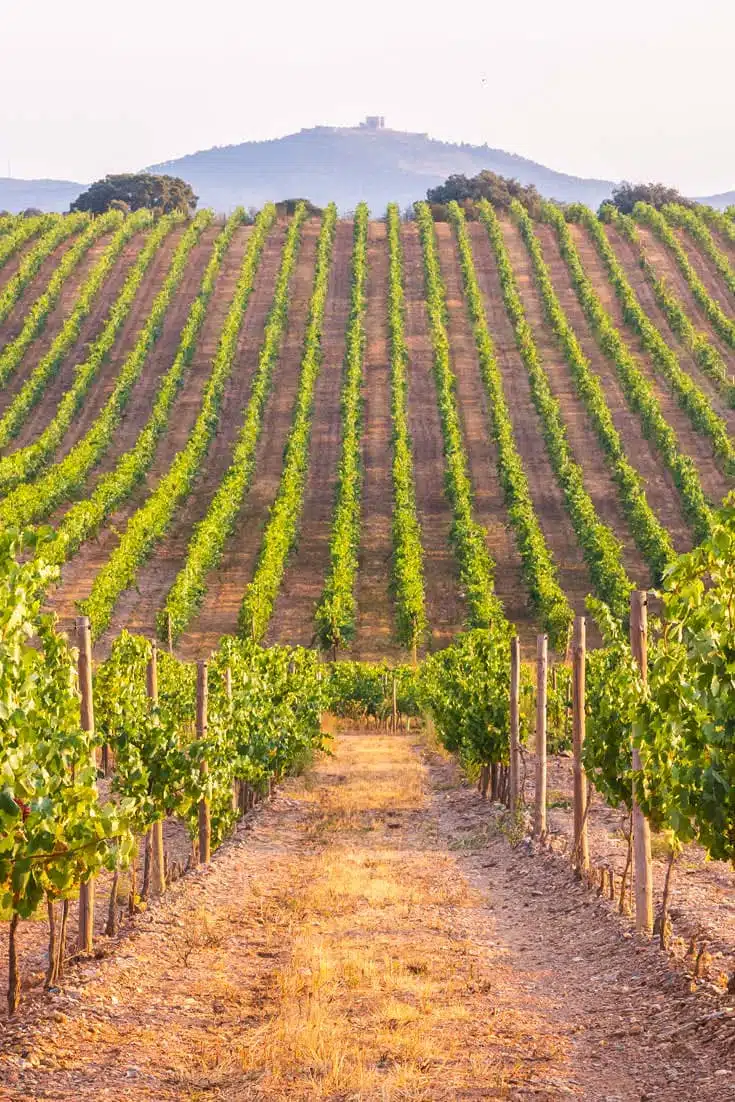
It’s no secret that the Alentejo is one of my favourite places in Europe, and something I’d add to any trip. Inland, it’s the hottest part of the country in summer, regularly above 35°C, so spring (with its wildflowers) and autumn are the times to go. On the coast, the Atlantic keeps temperatures down, but the clifftop trails have little shade, which is why I’d walk them in October, as I did, or in spring.
Madeira and the Azores
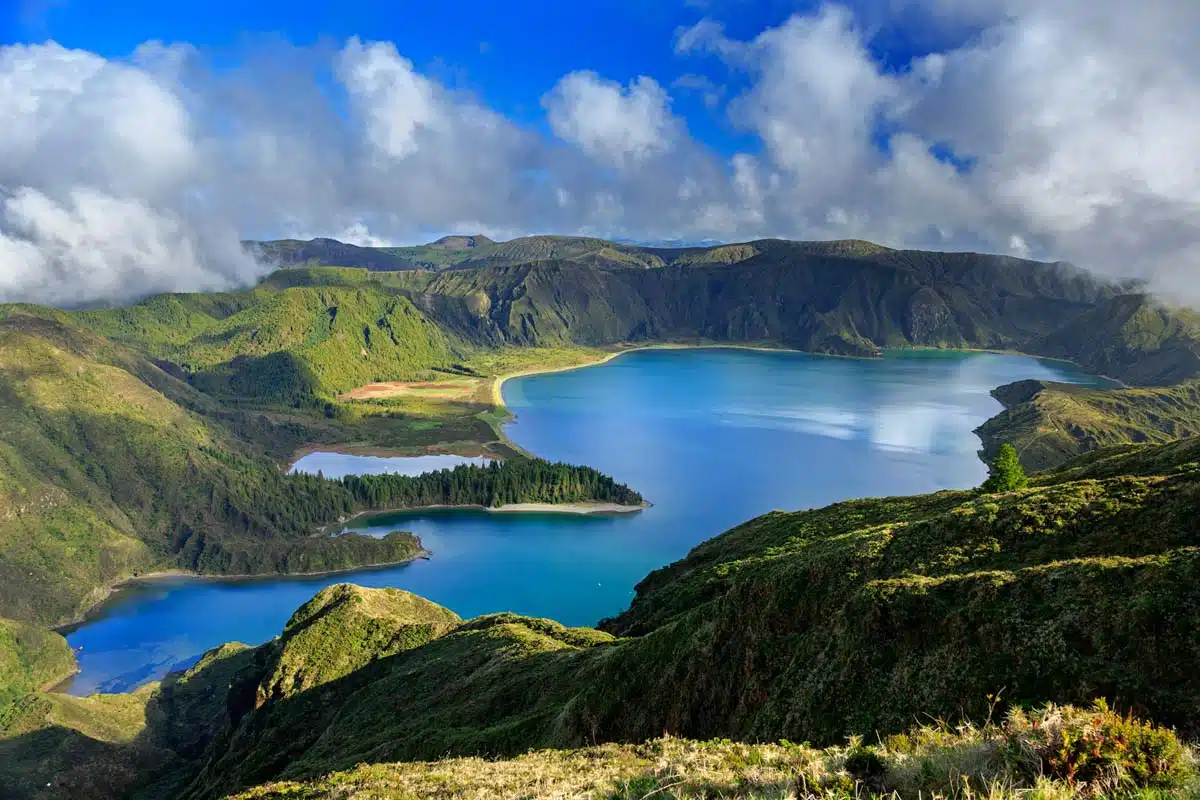
The islands work all year round. Madeira, nearly 1,000km out in the Atlantic, has mild weather even in winter, with highs around 19°C in January, so it’s one of Europe’s classic winter-sun escapes; spring brings the Flower Festival, and New Year’s Eve the fireworks. The Azores are greener, wetter and cooler, and their weather changes by the hour. June to September is the best time to visit the Azores for hiking, swimming and whale watching, though some whale species pass through in spring.
Before you book
- Follow the forecast, not the averages. I’ve given you the average temperatures, but following the forecast in real life is always your best bet, especially in spring and autumn, when it can swing from beach weather to downpours in a day.
- Book ahead in peak season. In summer, at Easter and around big events, reserve hotels, hire cars, restaurants and timed tickets for the big sights well in advance.
- Budget for the extras. Lisbon, Porto and many other towns charge a nightly tourist tax on top of your room rate. My Portugal travel tips cover that and the rest of what to sort before you go.
Read next
- How to spend one week in Portugal
- The best things to do in Portugal
- Portugal travel tips to know before you go
- The coolest things to do in Lisbon
- Five secret spots in the Alentejo
- The best beaches in the Algarve
Love this? Save and share on Pinterest
Discover the top things to do, insider tips and hidden gems in our Portugal Travel Guides.
Read the guides →