

South America
Argentina travel guide
With its clamouring capital city bursting with opulent architecture and landscapes that defy the imagination, from rust-red canyons to turquoise glacier lakes – Argentina awaits. Dive right in with this Argentina travel guide.

Julianna BarnabyTravel and culture writer
Few countries in the world come close to the irresistible charm of Argentina. It’s an all-rounder where some stereotypes (umm… great food anyone) ring true, and others do not do it justice.
Football is basically a religion here, while food and drink are the alpha and omega of daily life. The birthplace of Maradona and Evita, where natural wonders come in every shape and size.
You’re in good hands as I’ve put together the ultimate guide for travelling to Argentina.
Here you’ll find everything you need, from the best time to visit, how to get there, what to do, suggested stays, and some itinerary ideas. And beyond all of that, the best practical tips to help you plan your Argentina trip like a pro.

 The Ultimate 10-Day Argentina Itinerary
 20 Landmarks in Argentina You Have to See
 Horse riding in Salta with the gauchos of Sayta Ranch (and why you’ll want to stay for lunch)
When to go
From September to November, the southern hemisphere spring is generally the best time to visit most Argentine regions.
If you want to hike the Andean peaks, opt for summer (December – February). Visit in March for the wine harvests and in February for Carnival.
Getting there and around
- Skyscanner is the perfect tool to use for booking flights at the lowest prices.
- Holiday Autos is ideal if you want to compare rental car prices before your trip.
- Omio is your go-to for getting bus, rail, and flight tickets.
- Booking.com gives you easy accommodation booking and airport transfer services.
- G Adventures makes searching for and booking multi-day guided tours in Argentina.
While Buenos Aires does have a subway system (the Subte), buses are the ideal way to travel around the country and between cities. Expect to pay roughly 30 ARS per trip in towns.
Taxis are quite affordable in Argentina, starting at about 100 ARS. Although available, flying domestically in Argentina can be expensive. Argentina’s rail system offers tourist train journeys, such as the Train to the Clouds.
Where to stay
Buenos Aires
The vibrant cosmopolitan city of Buenos Aires bursts with iconic landmarks, and it’s the norm to end a day of sightseeing with either a tango show, loads to eat, or a hedonistic night out. Book your stay at Hotel Madero.
Córdoba
Next up is Córdoba, a province of captivating rolling hills and steep mountains with rocky rivers and lakes. The city of Cordoba offers endless exploration opportunities. Spend a night at the Azur Real Hotel.
Bariloche
The town of Bariloche sits between forests, roaring mountains, and extinct volcanoes. Its perch at the tip of the Lakes District is the perfect base to use for outdoor adventures. Stay at Nido del Condor Hotel & Spa.
Mendoza
Finally, opt for a stay in Mendoza. The city is also the country’s wine capital, offering an equally enjoyable experience to its other Argentine counterparts, above and beyond its natural allure. Book a stay at Gran Hotel Dakar.
Villa General Belgrano

Loi Suites

Cafayate

Tours
Know before you go
Top things to do
Spend Time Exploring Buenos Aires
If you travel to Argentina, there’s no doubt that you should spend as much time tackling the many activities in Buenos Aires.
It’s easy to spend anything from three days to two weeks roaming around hotspots such as Plaza de Mayo, Palermo, and San Telmo.
Vineyard Hopping in Mendoza
Love wine? Well, you’re in luck, as Mendoza is a fantastic spot for vineyard hopping and heading out on tour. Indulge in its many world-class blends – don’t hesitate to book yourself a spot on a tasting or two.
Venture to El Calafate
Hands down a must for any travel to Argentina, the Patagonian city of El Calafate should be at the top of your to-do list.
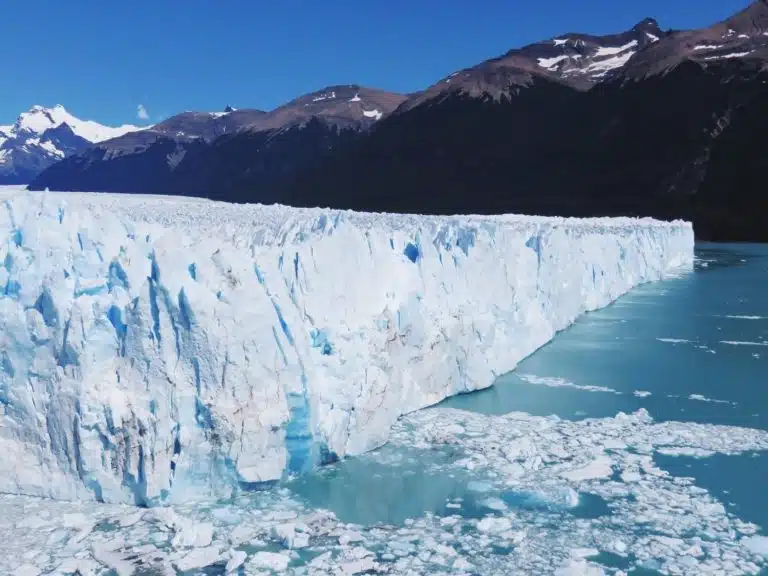
The showstopper is, of course, touring the Perito Moreno Glacier. Beyond that, don’t miss the chance to hike in El Chaltén or a cruise to Lago Argentino.
End of the Earth at Ushuaia
Spend long enough vacationing in Argentina, and you’ll hear talks of the end of the Earth.
Ushuaia, the most southerly city in the world, is famous as the official starting point for Antarctic cruises.
Visit Martillo Island to see Ushuaia’s penguin colonies or explore Esmeralda Lagoon.
Hiking in the Fitzroy Range from El Chalten
There’s no denying the sheer natural beauty of Argentina and all of it’s in full display throughout the Fitzroy range in El Chalten.
Mt. Fitzroy reigns supreme, and hiking the 11,171-foot high ridge is undoubtedly one of Argentina’s best things to do.
Admire the Iguazu Falls
Nestled at the meeting point of three countries, Brazil, Argentina, and Paraguay, Iguazu Falls is a massive, thunderous crash of water down 275 separate cascades.
It’s an extremely popular destination, so opting for a guided boat tour is the best way to see the magnificent showcase.
Horse Riding With the Gauchos
The Pampas of Argentina is an expansive region of flat and fertile lowlands close to Buenos Aires. But simply seeing this expanse is one thing.
Spending a night at an estancia where you can go horseback riding with the local Gauchos is breathtaking.
Go Whale Watching in Puerto Madryn
One of Argentina’s most striking nature reserves, Peninsula Valdés, offers premier whale-watching opportunities.
Heading out from June to December guarantees you the chance to see the southern right whales with their young.
Suggested itineraries
Whether you’re an adventure traveller or prefer to seek out the food scene, there are many ways to get the best out of an Argentinian trip. Here are a few itinerary suggestions to help you plan.
Explore Patagonia
Three weeks
Buenos Aires – El Calafate – El Chalten – Laguna De Los Tres & Laguna Cerro Torre – Perito Moreno Glacier – Puerto Natales (Chile) – Torres del Paine National Park (Chile) – Punta Arena (Chile)
Kicking off in the vibrant city of Buenos Aires, venture on to discover the wild and wondrous region of Patagonia.
Northern Argentina
10 Days
Buenos Aires – Mendoza – Barreal – Talampaya National Park – Tafí del Valle – Cafayate – Cachí – Salta
Explore the northern part of Argentina, starting in Buenos Aires, touring through the country’s vineyards, and ending in the natural splendor of Salta.
Best of Argentina
Four weeks
Buenos Aires – Puerto Iguazu – Iguazu Falls – Mendoza – Bariloche – El Chalten – Los Glaciares National Park – El Clafate – Perito Moreno Glacier – Ushuaia – Tierra del Fuego National Park – Beagle Channel – Buenos Aires
Although busy, this itinerary delivers blow after blow of the best of Argentina.
Southern Argentina & Antarctica
Three weeks
Buenos Aires – El Calafate – Perito Moreno Glacier – Ushuaia – Tierra del Fuego – Cape Horn – Drake Passage & King George Island – South Shetland Islands – Punta Arenas
Ready to head down south? Tackle the tundras of southern Argentina before setting off for Antarctica.
Hidden Argentina
As you travel in Argentina, include these off-the-beaten-path destinations for a memorable trip:
Wine Tasting in the Cafayate Valley, Salta Province
The Cafayate Valley is any wine lover’s paradise playground. Going on a wine-tasting adventure here is a must, so ensure you visit some standouts such as Finca Las Nubes, Piattelli, and El Esteco.
Explore Valle de la Luna, San Juan Province
The Valley of the Moon is a dramatic terrain that dates back to the Triassic period, where you’ll find landscapes of strange rock formations.
The entire park is a UNESCO World Heritage Site home to abundant wildlife.
Discover the Quebrada de Humahuaca, Salta Province
Courtesy of the Rio Grande, the 96-mile Quebrada de Humahuaca is a deep valley of unique rock formations.
If you’re visiting Argentina and you want to see polychromatic-coloured mountains, dazzling salt flats, and lush forests, this is where to go.
Truffle Hunting in Espartillar, Buenos Aires Province
Southwest of Buenos Aires lies the rural town of Espartillar, home to Argentina’s premier truffle route.
Indulge in some authentic truffle hunting from June to late August and treat yourself to some foodie fun in Pigüé.
Dishes and drinks to try
Dishes to try
Steak – Grilled cuts of meat over an open fire.
Dulce de Leche – Thick caramel from slowly reduced condensed milk.
Empanadas – Deep-fried or baked pastry with either sweet or savoury filling.
Choripán – Chorizo with chimichurri served between bread slices.
Drinks to try
Maté – Traditional caffeine-rich herbal drink served hot or cold.
Costs and budgeting
Expect to spend between £44 and £54 / $56 and $69 per day per person in Argentina on a mid-range basis. Add upwards of £34 / $43 if you’re travelling on a luxury basis.
Average Daily Costs
- Hotel
- Mid-Range – £33 and £58 / $42 and $74
- Luxury – £58 to £200 / $74 to $280
- Food – £15 and £22 / $19 and $29
- Public Transport – £3 and £11 / $5 and $14
- Attractions – £3.90 and £7.76 / $4.80 and $9.60
- Tours – Prices are dependent on tour type and length.
Safety, health and tipping
Safety
Although violent crimes in Argentina affecting tourists are rare, small-scale crimes such as pickpocketing are rising. It’s wise not to flaunt expensive jewellery and to keep your wallet out of reach.
Cellphone theft is widespread, so always use it indoors if possible, and when withdrawing money from an ATM, do so indoors as well in an emergency, dial 911 for assistance.
Health
Ensure your standard vaccinations are in place when you travel to Argentina, such as tetanus, polio, typhoid, and hepatitis A. While pharmacies are plentiful, it’s best to bring along any prescription medication.
In the north, your biggest concern is dengue fever. While tap water is generally safe to drink, mineral water is widely available.
Tipping
Tipping 10% of your total in restaurants and cafes is the norm when travelling in Argentina. On a guided tour, this is larger at about 20 or 30% of your total.
Practical tips and info
Tips for travelling
- In Buenos Aires, use over 250 free WiFi hotspots around the city. You can use the BA WiFi app to find them.
- While you can use your credit card in touristy areas, most locals prefer to get paid in cash, so always carry some Argentine pesos.
- You’ll encounter at least a few packs of dogs that roam freely (or tethered) around cities and towns. They’re mostly friendly but practice caution.
- Protests are common in Argentina, and while mostly non-violent, it’s best not to engage with protestors.
- In Argentina, the pedestrian traffic light for “go” is white, not green.
How to see the best for free
Travelling to Argentina doesn’t need to cost you an arm and a leg if you include free tours and activities in your itinerary.
You can visit Recoleta Cemetery in Buenos Aires, the San Telmo flea market, Reserva Ecologica, and La Boca for free.
Of course, plenty of outdoor excursions to head out on don’t cost a cent, including hiking Canon del Atuel, Laguna Esmeralda, and the Seven Lakes.
Packing
Packing for your Argentina trip? Don’t forget…
- A pair of walking trainers to wear as you travel around.
- Your hiking boots, especially if you want to hike in Patagonia.
- A travel backpack to keep your essentials.
- Thermal hiking leggings for any mountainous treks.
- A refillable water bottle to use in cities and outdoors.
Travel insurance
There’s no getting around how important travel insurance is when you’re going abroad. AXA Travel Insurance is an ideal solution that offers coverage for numerous possible happenings that can derail your trip.
It’s affordable and keeps you covered in cases from lost luggage to trip cancellations and any medical emergencies.
Suggested guidebooks
Interesting facts
- Argentina is the birthplace of tango which originated in Buenos Aires.
- The national sport of Argentina is pato.
- Argentina is home to the highest and lowest points in the two hemispheres.
- The Perito Moreno Glacier is one of three advancing glaciers in the world.
Handy phrases
Hello – “¡Buenas!”
Yes – “Sí”
No – “No”
Please – “Por favor”
Thank You – “Gracias”
How Much Is – “¿Cuánto?/¿Cuántos?”
You’re Welcome – “De nada/Por nada”
Time zone
Argentina follows Argentina Standard Time (GMT-3), and the country has no daylight savings time changes throughout the year.
Electricity and adapters
The electricity supply comes in 220V and 50Hz, with two adapter types: C and I. It’s best to bring along a universal travel adapter.
Map
Insider tips, straight to your inbox
All Argentina guides
 Horse riding in Salta with the gauchos of Sayta Ranch (and why you’ll want to stay for lunch)
 El Chaltén: hikes to Fitz Roy and Cerro Torre and how to plan your trip
 Perito Moreno Glacier: how to visit, from the boardwalks to walking on the ice
 20 Landmarks in Argentina You Have to See
 16 Amazing Things To Do In Argentina: Glaciers, Mountains and More
 3 Days in Buenos Aires – A Step by Step Itinerary
 El Calafate, Argentina Travel Guide: Discover The Jumping Off Point for Patagonia
 Salta, Argentina Travel Guide: Colourful Charm in Northern Argentina
 The Ultimate 10-Day Argentina Itinerary
 Best Argentina Beaches: Best Seaside Spots & Tips
 The Best Beaches In & Around Buenos Aires
 19 Things to Do in Buenos Aires, Argentina | Tourist Attractions & More
 When is the Best Time to Visit Argentina?



Watch on YouTube
See the places before you go
Short films from the places in my guides, so you can see what a destination really looks and feels like before you go.
Subscribe on YouTube youtube.com/@thediscoveriesof