
Africa
South Africa travel guide
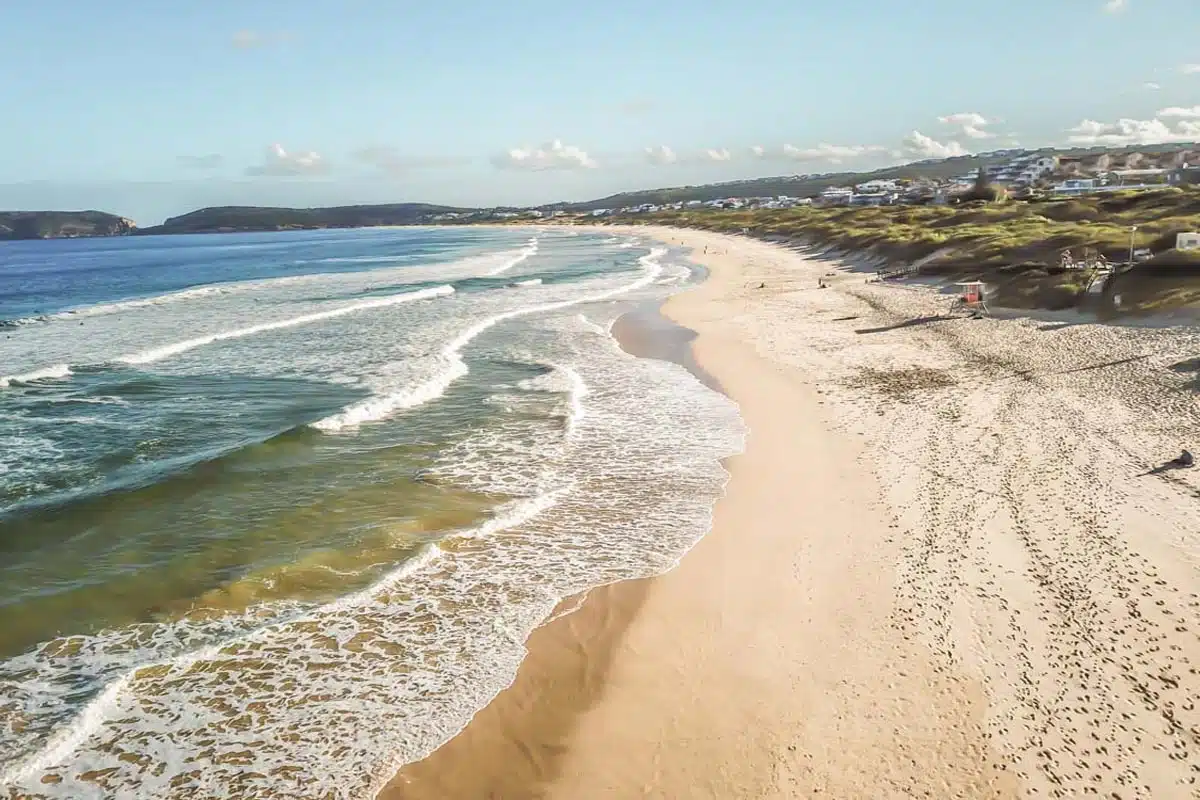
Travel to South Africa and discover a land of golden beaches, jagged mountain ranges and a patchwork of veld. Vibrant cityscapes brimming with lively locals give way to the sprawling savannahs of Kruger National Park. Explore with this South Africa travel guide.
Destinations

Julianna BarnabyTravel and culture writer
Ready to uncover the myriad charms of South Africa? Whether you’re enticed by the wildlife, the wine or the waves, there’s a lot to love about the Rainbow Nation – and even more things to do.
Word of warning – South Africa will have you head over heels.
Join me as we delve into what you need to know before your South Africa trip – I’m covering everything from the best time to go, how to get there, what to do, and where to stay. I’ve even added some suggested itineraries and a ton of practical tips (thank me later).
 2 Weeks in South Africa: The Perfect South African Itinerary
 A Spectacular Garden Route Itinerary – Taking a Two Week Road Trip Through South Africa
 Safari in Addo Elephant National Park: A Step-by-Step Guide
When to go
There’s never a bad time to visit South Africa, but summer (November to February) features ideal weather conditions. These months also have the most local events too.
For a safari, choose winter (June – August), and for low prices and fewer crowds, choose autumn (March – May) or spring (September – October).
Getting there and around
- Skyscanner provides the best flight booking services at the lowest prices.
- Holiday Autos helps you compare rental car prices before your trip.
- Omio is another excellent choice to help book flights.
- Booking.com is your go-to for accommodation and airport transfers.
- G Adventures offers a fantastic solution for booking multi-day guided tours.
- Get Your Guide focuses more on half-day or full-day tours to major attractions.
There’s no getting around the fact that public transportation in South Africa isn’t up to standard, although visitors to Cape Town can use the MyCity bus services.
In major cities, use ridesharing apps such as Uber and Bolt to get around or, alternatively, get a rental car. Expect to pay about £66 to hire an economy-sized car for three days.
Luxury intercity bus companies such as Greyhound and Trans-Lux offer routes across the country, while domestic flights are possible between major cities.
Where to stay
Cape Town & The Western Cape
The Western Cape province sits at the southernmost tip of South Africa, and Cape Town comes out on top. The city is famous for attractions such as Table Mountain, Robben Island, and the V&A Waterfront. Book a stay at The Marly Boutique Hotel.
Durban
Durban and the surrounding KwaZulu-Natal Province come in second. If you’re travelling to South Africa and expect beaches, wildlife, and stunning mountainous landscapes, it’s paradise. Book a room in Durbs at The Oyster Box.
Johannesburg
Gauteng is a powerhouse, and Johannesburg is the economic engine of Africa. You’ll find an expansive cultural diversity, some of the best culinary experiences, and boundless nightlife here. Book a stay in Jozi at The Residence.
Pretoria
Pretoria (Tshwane) is the relaxed version of Johannesburg. A historic city brimming with heritage, highlights include the Union Buildings and both the Mandela and Voortrekker Monuments. Stay at Waterfalls Boutique Hotel.
De Hoop

Cape Town

Kruger National Park

Tours
Know before you go
Top things to do
Take a Trip along the Garden Route
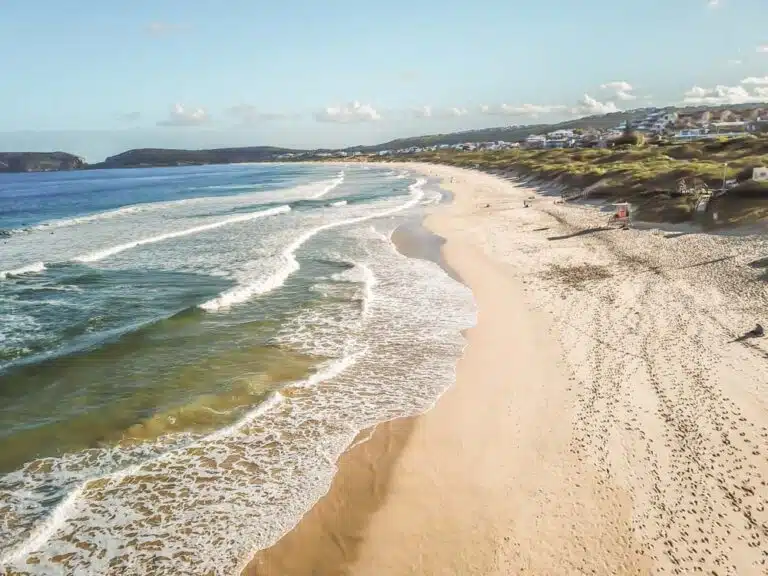
If you’re looking for an answer to ‘why visit South Africa,’ look no further than touring the Garden Route from Mossel Bay to St. Francis. It’s a 125-mile journey with must-visits like the forest-soaked Knysna and the legendary beach town of Plettenberg Bay.
Spend a Couple of Days Exploring Cape Town
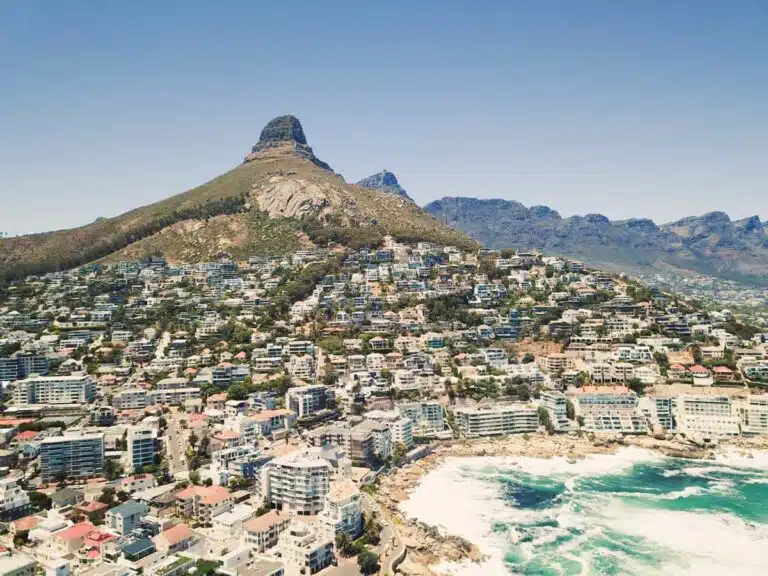
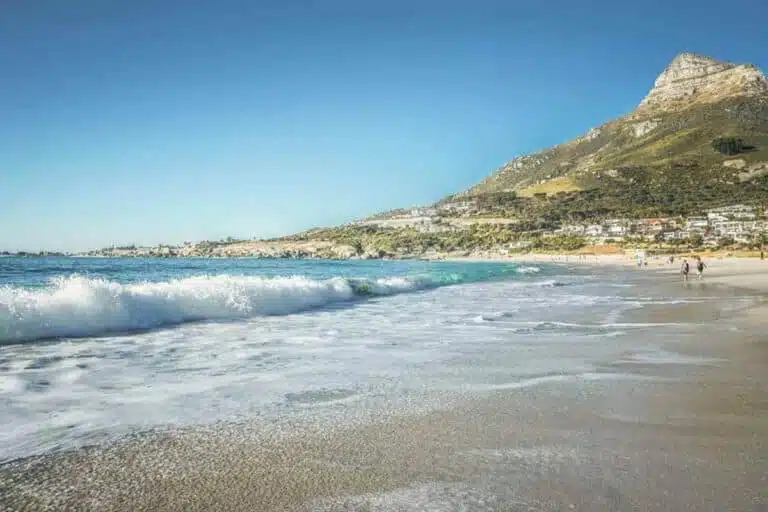
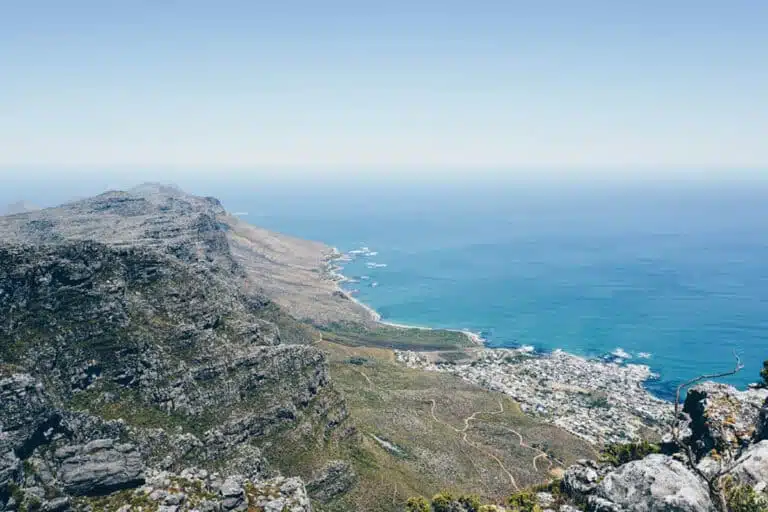
The grand scheme of things to do in Cape Town is almost beyond belief. Whether you choose to hike Lion’s Head, wander around the streets of Bo-Kaap, or visit the Kirstenbosch Botanical Gardens, exploring Cape Town is a must when travelling in South Africa.
Explore the Kruger National Park
Luring in thousands each year with the promise of epic animal sightings and a blissful time in nature, the Kruger National Park is an icon. Covering roughly 5 million acres, this is where you’ll find the Big Five and opportunities for numerous guided safaris or self-drive tours.
Tour The Cape Winelands
A South Africa visit wouldn’t be complete without immersing yourself in the wine culture and heritage of The Cape Winelands. It’s all about indulgence, with Stellenbosch, Paarl, Franschhoek, and Somerset West, each featuring its own distinct wine route, which you can tour in one day.
Discover the City of Johannesburg
The City of Gold, Johannesburg, is often overlooked for South Africa trips, which is downright shameful. It’s a world-class cosmopolitan city where you can thrill yourself at Gold Reef City, educate yourself at The Apartheid Museum, and tour the Soweto township.
See the African Penguins at Boulders Beach
Yes. Penguins. As the only penguin breed on the continent, seeing them on a guided tour to Boulders Beach or the Stoney Point Nature Reserve is beyond memorable. Considering that you rarely see penguins outside of a zoo, don’t miss out on this and arrive before 11 am to avoid crowds.
Indulge in some Extreme Sports
Hear me out on this one. When you travel to South Africa, do yourself a favour and partake in at least one extreme sport. Go skydiving over Cape Town or Johannesburg, bungee jump from the Bloukrans Bridge, or cage dive with sharks in Gansbaai.
Stroll Along the Durban Beachfront
The Golden Mile beachfront of Durban is famous for its absolutely imagination-defying beauty. Besides just wandering the promenade, explore the Indian District and then visit the Durban Botanical Gardens, or catch a rugby match at the Moses Mabhida Stadium.
Suggested itineraries
It’s almost impossible to put every highlight into one South African itinerary. So obviously, to make your trip unforgettable, here are some itinerary options.
Secret Gem of South Africa – The Northern Cape
17 Days
Cape Town – Hermanus – Paternoster – Namaqua National Park – Augrabies Falls National Park – Kgalagadi Transfrontier Park – Karoo National Park
If you’re looking for a slice of South Africa that’s not on everyone’s radar, this itinerary through the Northern Cape Province is a no-brainer.
The Cape Peninsula, Kruger National Park, and Pilanesberg
15 Days
Cape Town – Hout Bay – Aquila Game Reserve – Kruger National Park – Sabi Sand Game Reserve – Blyde River Canyon – Johannesburg – Pilanesberg National Park
Experience the multiple facets of South Africa, from the feel of the bush on safari to the scents of the fresh air as you roam its greatest natural inland spectacles.
Cape Town & The Garden Route
10 Days
Cape Town – Cape Peninsula – Stellenbosch – Oudtshoorn – Knysna – Mossel Bay
Dive head first into everything that makes Cape Town and the Garden Route one of the most beloved destinations in the country.
Safaris, Culture, and Wine
17 Days
Johannesburg – Kruger National Park – Cape Town – Stellenbosch – Franschoek – Knysna – Plettenberg Bay – Royal Natal Conservation Area
Who says you can’t have your cake and eat it too? Combine every flair of SA into one trip with this itinerary as you discover every side of this amazing country.
Hidden South Africa
One of my biggest South African travel tips is to explore the many off-the-beaten-path hotspots of the country, like these:
Addo Elephant National Park
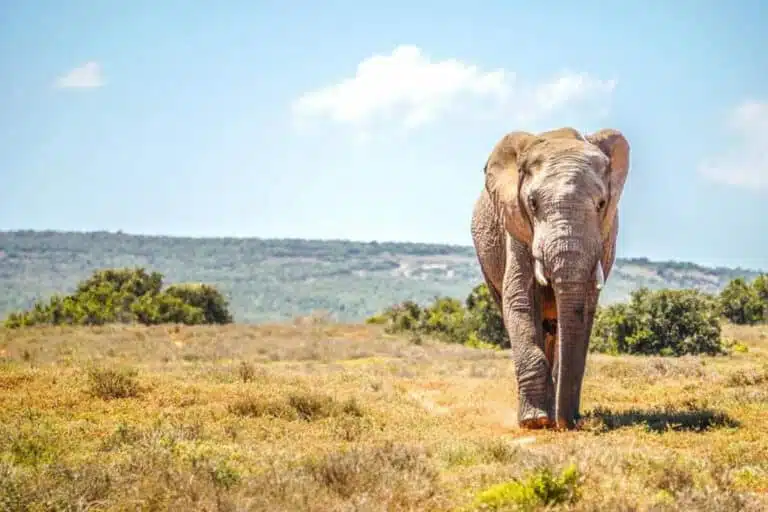
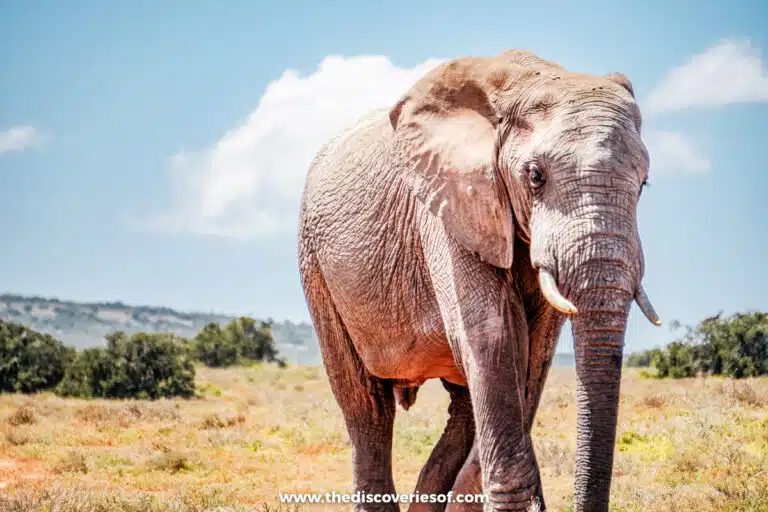
Addo Elephant National Park is one of the country’s most overlooked nature escapes. Its highlight is the 300 resident elephants, but you can also spot the Big Five on a self-guided safari.
Plettenberg Wineries
There’s no shortage of wineries in South Africa, but often people don’t visit those around Plettenberg Bay. Go against the grain and visit Bramon, Kay and Monty, and Newstead.
Visit Tsitsikamma National Park
The lush Tsitsikamma National Park does not get the attention it deserves. Beyond the striking natural scenery, you can’t miss seeing the Big Tree – a roughly 800-year-old Yellowwood.
Drive the Namaqualand Flower Route
The Flower Route, a 404-mile journey from Yzerfontein to Richtersveld National Park, is a must. Every spring, 4,000 species of flowers go into full bloom, ensuring a visual feast.
Dishes and drinks to try
Dishes to try
- Braai – A barbecue of various meats over an open fire.
- Bunny Chow – Half or quarter bread loaf, hollowed out and filled with curry.
- Bobotie – Deep-dish casserole of beef, spices, fruits, and egg custard.
Drinks to try
- Rooibos – A brew of Rooibos leaves served as tea.
- Amarula – Cream liqueur distilled from African marula fruits.
Costs and budgeting
Expect to spend between £79 and £85 / $100 and $108 per day per person in South Africa on a mid-range basis. Add £150 / $190 if you’re travelling on a luxury basis.
Average Daily Costs
- Hotel
- Mid-Range accommodation between £33-£120 / $42-150
- Luxury accommodation costs £120 + / $150 +
- Food – £25-50 / $30-65
- Public Transport is about £9 / $13
- Attractions cost about £20 / $25
- Tours £20-70 / $25-85
Safety, health and tipping
Safety
For all the bad press the country gets, the chances of you falling victim to violent crimes are very low. Although petty crimes such as theft and harassment do happen more often than acts that turn violent.
Avoid travelling alone at night and practice vigilance in areas such as townships and CBDs. In an emergency, call 10 111.
Health
There are no strictly specified vaccinations for travel to South Africa, although you may need to present proof of a yellow fever vaccination upon arrival.
If you visit the northeastern parts of the country, your biggest concern is malaria, so stock up on anti-malarial tablets. Tap water in South Africa is generally safe to drink.
Tipping
Tipping isn’t required in SA. But, expect to tip 10 – 15% of the service fee for service workers and keep loose change for general workers.
Practical tips and info
Tips for travelling
- WiFi is not always readily available in South Africa, so invest in a local SIM card when you arrive, but prepare for steep mobile data prices.
- Understand the word “now”. Now can mean soon or eventually, just now means probably later, and now now is anything from soon to probably, but not immediately.
- Get familiar with loadshedding. This is when the local supply of electricity gets cut to distribute demand.
- Political protest and civil unrest can flare up without notice, potentially turning violent. Stay up to date with local news and avoid engaging with protestors.
- Renting a car in South Africa is fantastic, but stay on the left-hand side and bring your international driver’s licence.
How to see the best for free
You don’t have to break the bank as you travel to South Africa.
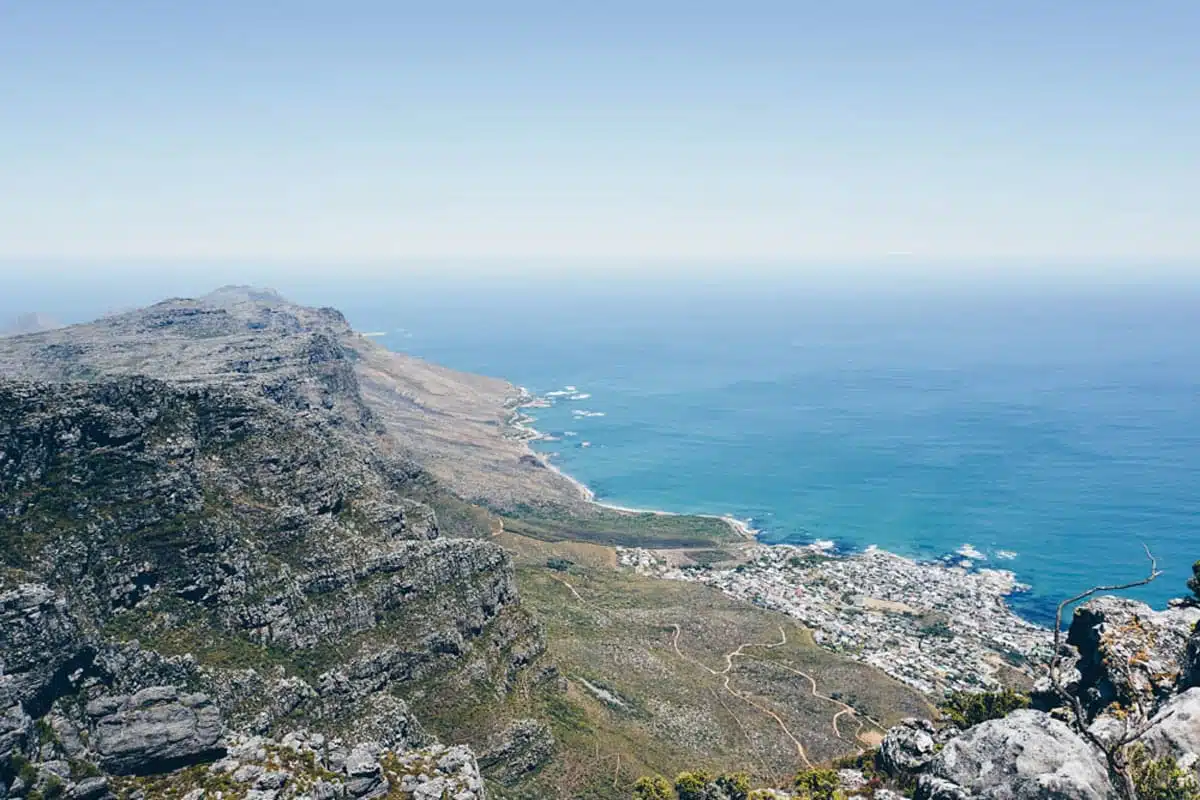
Hiking the Platteklip Gorge trail on Table Mountain is entirely free. Other free natural attractions include Knysna Heads, Signal Hill, and Lion’s Head.
Explore the Johannesburg Art Gallery, Nelson Mandela Square, and the Museum of African Design at no cost.
The many beaches around the country are also gorgeous and free.
Packing
Packing for your South African trip? Don’t forget…
- Your walking trainers for city exploration and travelling.
- Hiking trainers when you’re out in the country’s many natural hotspots.
- Hitting any of SA’s beaches? Don’t forget your beach towel.
- Always bring your daypack to carry your day-to-day essentials.
- A power bank to keep devices charged (trust me on this one).
Travel insurance
Many visit this country without incident, but covering potential expenses, such as those affecting your travel plans, personal safety, and accidental damage is wise.
So when you plan a trip to South Africa, factor in travel insurance to avoid making a massive mistake. I use AXA Travel Insurance for cover.
Suggested guidebooks
- DK Eyewitness South Africa
- Fodor’s Essential South Africa
- Lonely Planet South Africa, Lesotho & Swaziland
Interesting facts
- There are 11 official languages, but the predominantly spoken language is English.
- There are three capital cities, Cape Town, Bloemfontein, and Pretoria.
- South Africa was the scene of the first successful heart transplant in 1967.
- In 1882, Kimberley became the first city in the southern hemisphere to install traffic lights.
Time zone
South Africa follows South African Standard Time (GMT+2). If you’re flying from Europe, your chances of jet lag are close to none.
Electricity and adapters
Electricity supply in South Africa runs at 220/230V and 50Hz. The country uses plug types D, M, and N. I recommend getting yourself a universal travel adapter.
Map
Insider tips, straight to your inbox
All South Africa guides
 18 Unmissable Things to do in Cape Town: Top Experiences in the Mother City
 Safari in Addo Elephant National Park: A Step-by-Step Guide
 A Spectacular Garden Route Itinerary – Taking a Two Week Road Trip Through South Africa
 2 Weeks in South Africa: The Perfect South African Itinerary
 18 Best Things to do in South Africa: Safaris, Wine and More
 3 Unmissable Activities in and Around Addo Elephant Park
Watch on YouTube
See the places before you go
Short films from the places in my guides, so you can see what a destination really looks and feels like before you go.
Subscribe on YouTube youtube.com/@thediscoveriesof