
Africa
Egypt travel guide
Crawl inside the Great Pyramid, sleep on a felucca on the Nile and descend into the painted tombs of the Valley of the Kings. Plan your trip to Egypt, from when to go and how to get around to where to stay in Cairo, Luxor and Aswan.
Destinations


Julianna BarnabyTravel and culture writer
Egypt is a country of wonders. Quite literally, if you consider that the Great Pyramid of Giza is the last remaining wonder of the ancient world. Any country that counts the Valley of the Kings, Karnak, Abu Simbel and Philae Temple among its landmarks is always well placed to leave you slack-jawed and open-eyed. Trust me.
I travelled the length of the country in late May and early June on Intrepid’s Egypt Adventure, my first ever group tour. I crawled inside the Great Pyramid, took the sleeper train from Giza to Aswan, flew to Abu Simbel, slept on a felucca sailing north and floated over Luxor’s West Bank in a balloon at sunrise.
So what are the sights you simply shouldn’t miss, and when should you go? You have questions and, luckily enough, I have answers. This guide will help you plan an epic trip to what has fast become one of my favourite destinations.
Some links in this article may be affiliate links, which means we may receive a small commission, at no additional cost to you, if you decide to purchase through one of my recommended partners.
 10 days in Egypt: an Egypt itinerary by train and felucca
 Egypt travel tips: 25 things to know before you go
 How much does a trip to Egypt cost? A real 9-day budget
When to go
The best time to visit Egypt is from October to April, when it’s sunny without the extreme heat. October to November and March to April are the sweet spots; December to February is peak season, with bigger crowds and higher prices.
Summer highs average around 35°C in Cairo and well over 40°C in Luxor and Aswan. I went at the end of May and the start of June: at times I was so hot I didn’t know what to do with myself, but there were fewer crowds and lower prices. Summer is also a popular time on the Red Sea coast.
On 22 February and 22 October, the rising sun lights up the sanctuary at Abu Simbel. My Egypt travel tips cover the seasons and Ramadan.
Getting there and around
- Visa2Egypt: the official e-visa portal (US$30 for a single-entry tourist visa).
- Skyscanner: compare flights and find the cheapest time to fly.
- The Cairo Pass: five days’ entry to most sites in Cairo and Giza, including the pyramids, Saqqara and Dahshur. Buy it at the Giza plateau or Citadel ticket offices with your passport and a passport photo. Or see the highlights on a private pyramids, museum and bazaar tour.
- Small-group tours with G Adventures or Intrepid Travel take care of the logistics of your Egypt itinerary. I travelled with Intrepid.
Aswan is nearly 900 km south of Cairo. EgyptAir flies from Cairo to Luxor and Aswan in about 1 hour 20 minutes, and the overnight sleeper runs from Giza station (not Cairo’s main station). Between Aswan and Luxor, take a cruise or a felucca. In Cairo, use Uber or Careem.
Where to stay
Hotels are abundant in Egypt, from budget guesthouses to grand riverside hotels. You’ll find the best hotels in Cairo on Booking.com, from the Kempinski Nile Hotel in Garden City, where I spent my last night, to the Sofitel Cairo Nile El Gezirah on Gezira Island. In Luxor, choose between the East Bank and the quieter West Bank, where I stayed (where to stay in Luxor compares them). In Aswan, stay on the Corniche or an island.
Guesthouses and B&Bs are budget-friendly and a great way to meet locals. Or camp under the stars among the strange rock formations of the White Desert on a Bahariya Oasis camping tour.
Cairo
Luxor

Aswan

Tours
Know before you go
Top things to do
Explore Cairo
The capital was the place I was least excited about, and without a doubt the biggest surprise. Spend hours in the Egyptian Museum, see the royal mummies, walk through Islamic and Coptic Cairo and end with a dinner cruise on the Nile.
Read next: The best things to do in Cairo, from royal mummies to medieval bazaars
Visit the Great Pyramids of Giza
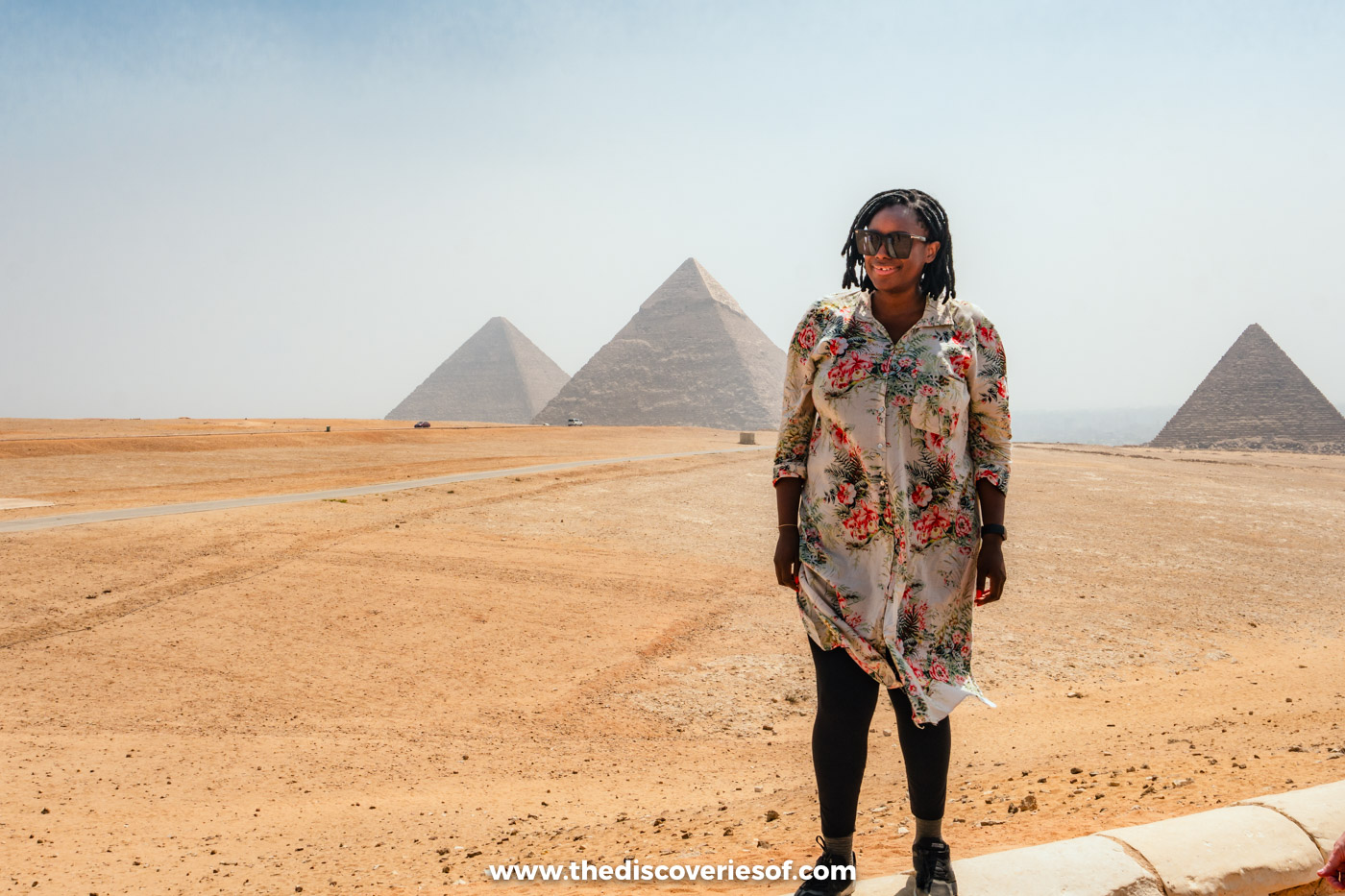
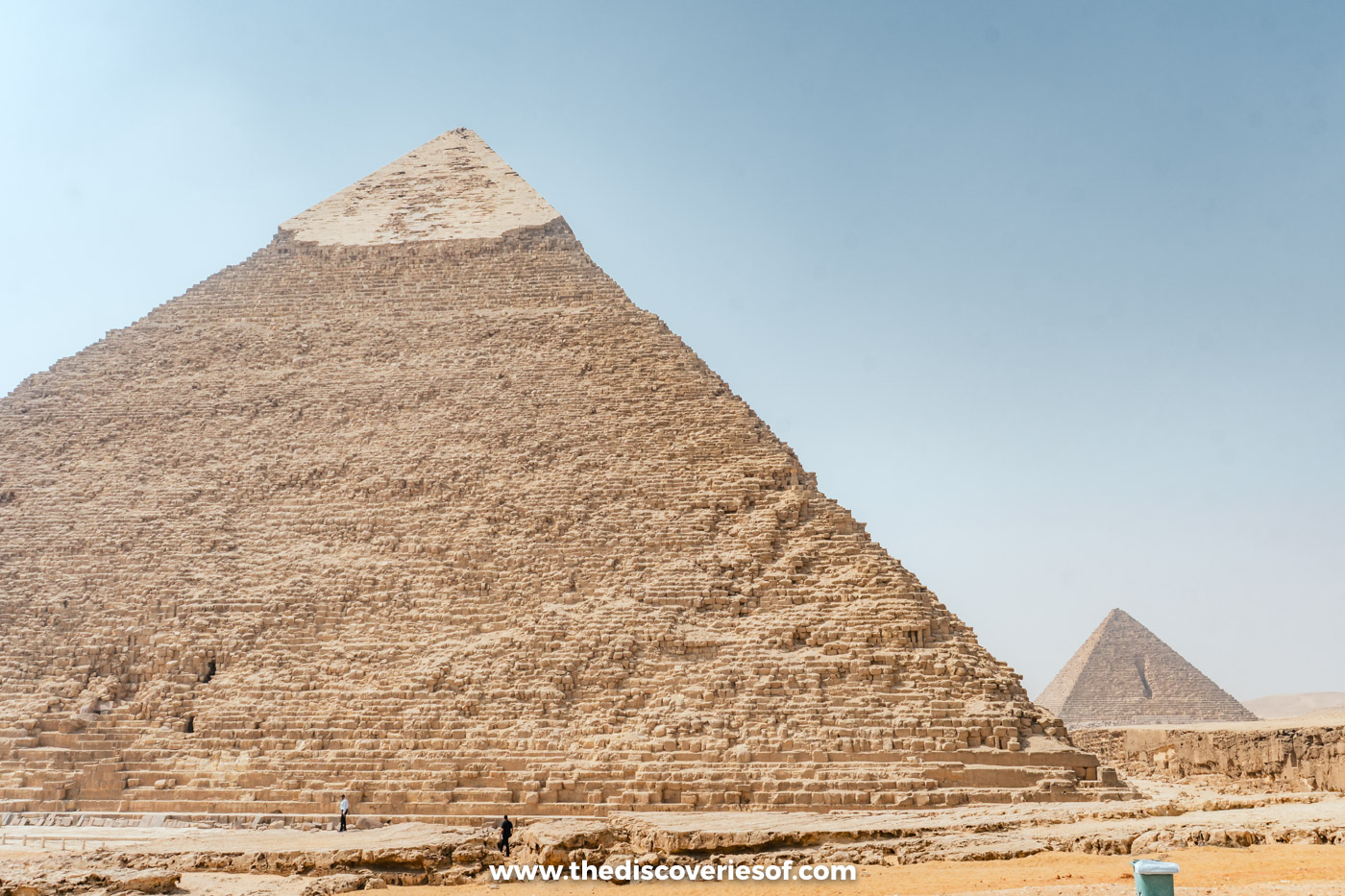
No trip to Egypt is complete without the pyramids of Khufu (Cheops), Khafre and Menkaure. See them on a guided half-day tour, and pay extra to crawl inside the Great Pyramid, as I did: probably not one for the claustrophobic.
Read next: Pyramids of Giza: how to visit (and whether to go inside the Great Pyramid)
Ride the overnight sleeper train
Board in Giza in the evening and wake up beside the Nile in the south. I took it both ways; I enjoyed it, but once you’ve done it one way, I’d fly the other.
Read next: Cairo to Aswan sleeper train: what to know before you book
Take a Nile river cruise
Sail between Aswan and Luxor on a cruise ship, or take a traditional felucca ride. I slept on a felucca sailing north from Aswan, and waking up on a remote part of the Nile at sunrise was worth the trip alone.
Read next: Nile river cruise: cruise ship, dahabiya or felucca?
Visit the temples of Abu Simbel
Adding Ramses II’s rock-cut temples felt like a no-brainer. The Great Temple feels a little bit like an ego trip, but my god, it’s stunning. Go by road from Aswan for a very early start, or fly, as I did.
Read next: Abu Simbel temples: is the early start worth it?
See the pharaohs’ tombs in the Valley of the Kings
The burial place of the New Kingdom pharaohs, including Tutankhamun, whose small tomb still holds his mummy. A standard ticket covers three tombs; KV14, Tausert and Setnakht, was my favourite.
Read next: Valley of the Kings: how to pick your three tombs
Visit Luxor Temple
Begun by Amenhotep III and added to by Tutankhamun, Ramses II and Alexander the Great, it has an avenue of sphinxes, an obelisk and towering statues. Go at sunset, when the stone turns gold.
Read next: How to visit Luxor Temple (and why to go at sunset)
Go on a hot air balloon ride in Luxor
There’s only one way to see the West Bank like this: from the air. My sunrise balloon flight over the Colossi of Memnon was one of the highlights of the whole trip, even with a 3am alarm.
Read next: Hot air balloon in Luxor: is it worth the 3am alarm?
Visit Karnak Temple
Egypt’s largest temple complex, built over some 2,000 years for the god Amun-Ra. It. Is. Vast. If you’re going to skip anything in Luxor, Karnak is not it.
Read next: Karnak Temple: the one sight in Luxor you can’t skip
Take a multi-day trip to Aswan
Aswan was a close contender for my favourite spot on the trip. Visit Philae, the Nubian Museum and the Botanical Garden, and see the High Dam and the Unfinished Obelisk.
Read next: Things to do in Aswan: temples, Nubian culture and the Nile
Go snorkelling in the Red Sea
The Red Sea coast is a welcome escape from the inland heat. A snorkelling cruise to Orange Bay on Giftun Island is the perfect way to wrap up your trip.
Suggested itineraries
There are two main ways to see Egypt in a straight line.
Follow the Nile
Cairo > Giza Pyramids > Khan el-Khalili > Grand Egyptian Museum > Luxor > Karnak Temple > Valley of the Kings > Valley of the Queens > Aswan > Nubian Museum > Philae Temple > High Dam > Abu Simbel
See the wonders of Egypt’s coast
Cairo > Hurghada > Orange Bay > Safaga > Qena (for the Temple of Hathor at Dendera)
My 10-day Egypt itinerary follows the river the other way: the sleeper train south to Aswan, then a felucca north towards Luxor.
Hidden Egypt
- The Coloured Canyon: a narrow slot of red, yellow and purple sandstone near Nuweiba in South Sinai, with excellent walking trails.
- The Shali Fortress: the maze-like ruins of a mud-brick town in Siwa Oasis, built from kershef, a mix of salt, rock and clay.
- The City of the Dead: a Cairo neighbourhood where people live among the domed tombs and mausoleums of a vast historic cemetery.
Dishes and drinks to try
Dishes to try
- Ful medames: Egypt’s staple breakfast of slow-cooked fava beans, with boiled eggs or vegetables.
- Koshari: rice, macaroni, lentils and chickpeas under a spiced tomato sauce and crispy onions. It sounds strange, but it’s worth a try.
- Baklava: a sweet pastry layered with nuts and syrup or honey.
- Falafel: here it’s ta’ameya, made with fava beans, and it’s nothing like the falafel you’ve had at home. THE FALAFEL. Drool.
Drinks to try
- Sugarcane juice (asab): sweet and freshly pressed at juice stalls everywhere.
- Hibiscus tea (karkade): served hot or iced; you’ll see locals drinking it everywhere.
- Mint tea: the classic café drink, best at El Fishawy in Khan el-Khalili.
Must-try bars and restaurants
El Fishawy, Cairo
Khan el-Khalili’s most famous café, serving mint tea, Turkish coffee and shisha in its mirrored alley since the 18th century.
The rooftop at the Kempinski Nile Hotel, Cairo
The bar and restaurant beside the rooftop pool, with the Nile below. The food was bright and flavourful; go at dusk.
Salahaddin, Aswan
One of my favourite dining spots in Egypt, with terraces on the Nile and Egyptian, Nubian and international dishes.
Makani, Aswan
Traditional Egyptian food with a view of the Nile, and a super-friendly owner.
Costs and budgeting
My nine days cost just over £2,500 including flights, or about £1,750 without them; Intrepid’s eight-day tour was £769.25.
- Budget: US$30 to US$50 a day
- Mid-range: US$80 to US$150 a day
- Luxury: US$300 or more a day
- Sleeper train: from about US$110 one way in a shared cabin
My guide to the cost of a trip to Egypt breaks down every cost.
Safety, health and tipping
Safety
Egypt is a reasonably safe country. Though I suggest you keep guard in busy centres, this is where petty crimes thrive in most countries. A considerable safety concern is near the borders of Libya and Sudan, where there are terrorism alerts.
Health
Travelling to Egypt is relatively safe, but you can take some precautions to help you stay healthy. Only drink filtered / mineral water, only eat food from trusted sources and pack an emergency first-aid kit.
Tipping
Tipping (baksheesh) is part of everyday life in Egypt. Leave 10 to 15% in restaurants (check whether service is already on the bill), keep small notes for porters, toilet attendants and street food vendors, and give guides and drivers around US$5 to US$10 per person per day.
Practical tips and info
Tips for travelling
- Apply for your e-visa on the official portal, not a lookalike agency site.
- Bring a card and some cash: the major sites are card-only, but you’ll need small notes for tips, toilets, taxis and boats.
- Nothing is free: camel photos and “gifts” come with a price, and ignore anyone who asks to check your ticket outside a site.
- Read my Egypt travel tips before you go.
How to see the best for free
Tip-based walking tours are a great way to explore the bazaars, street food and churches of Islamic and Coptic Cairo, and wandering Al-Muizz Street or Aswan’s Corniche costs nothing. The Ministry of Tourism and Antiquities also has free virtual tours of tombs, temples and museums.
Packing
There are two crucial things to consider when creating your Egypt packing list: the hot weather and the conservative cultural norms. Pack light, modest and airy clothing: in 40-degree heat, I lived in harem pants, loose tops, maxi dresses and two kimonos. A high SPF sunscreen is a must, and bring a pashmina scarf to cover your head and shoulders at religious sites.
Read next: What to wear in Egypt (plus a practical Egypt packing list)
Travel insurance
Travel insurance is the fail-safe that’ll help any trip meet your expectations. It offers coverage options ranging from medical emergency assistance to theft, cancellations, and third-party liability insurance.
Suggested guidebooks
Invest in an extensive travel guide for Egypt. Some great options include the Moon Egypt Travel Guide and the Lonely Planet Egypt guide, both available in paperback and e-book.
Interesting facts
- The ancient Egyptians were among the first to use a 365-day calendar.
- The Great Pyramid was the tallest man-made structure in the world for more than 3,800 years.
- The pyramids weren’t built by slaves but by paid workers, who were buried in tombs near the plateau.
- The Aswan High Dam created Lake Nasser, one of the largest artificial lakes in the world, stretching about 500 km into Sudan.
Handy phrases
- Hello: salam alaykum (reply: wa alaykum as-salam)
- Thank you: shukran
- No thank you: la shukran
- Yes: aywa
- No: la
- Water: mayya
- How much is this?: bikam da?
- Let’s go: yallah
Time zone
Egypt runs on Eastern European Time (UTC+2). Daylight saving time puts the clocks forward an hour (to UTC+3) from the last Friday of April to the last Thursday of October, so it’s two hours ahead of the UK for most of the year.
Electricity and adapters
Egypt operates on a 220V supply voltage and uses the C and F plug types. Bring along a universal electrical adapter to charge your gadgets without hassle.
Map
Insider tips, straight to your inbox
All Egypt guides
 Intrepid Egypt Adventure review: is a group tour worth it?
 Nile river cruise: cruise ship, dahabiya or felucca?
 34 things to do in Egypt, from pyramids to felucca nights
 How much does a trip to Egypt cost? A real 9-day budget
 Cairo to Aswan sleeper train: what to know before you book
 10 days in Egypt: an Egypt itinerary by train and felucca
 What to wear in Egypt (plus a practical Egypt packing list)
 Egypt travel tips: 25 things to know before you go
 28 Egypt landmarks, from the pyramids to Abu Simbel
 Great Temple of Ramses II: what to see, room by room
 11 ancient Egyptian temples you can still see today
 Aswan Botanical Garden: the green island most visitors skip
 Nubian Museum, Aswan: the story you didn’t learn at school
 Abu Simbel temples: is the early start worth it?
 Philae Temple, Aswan: the Isis temple saved from the Nile
 Things to do in Aswan: temples, Nubian culture and the Nile
 Kempinski Nile Hotel review: a rooftop pool above the Nile
 Coptic Cairo: a walking route through its churches
 Cairo Citadel: the Alabaster Mosque, views and what to skip
 Best museums in Cairo: from royal mummies to Tutankhamun
 14 brilliant day trips from Cairo (and how to actually do them)
 Where to stay in Cairo: the best areas and hotels
 2 days in Cairo: a Cairo itinerary from pyramids to bazaars
 The best things to do in Cairo, from royal mummies to medieval bazaars
 Pyramids of Giza: how to visit (and whether to go inside the Great Pyramid)
 23 best things to do in Luxor, from sunrise balloons to painted tombs
 Hatshepsut’s temple: the female pharaoh’s masterpiece in Luxor
 How to visit Luxor Temple (and why to go at sunset)
 Karnak Temple: the one sight in Luxor you can’t skip
 Where to stay in Luxor: East Bank or West Bank?
 Hot air balloon in Luxor: is it worth the 3am alarm?
 Valley of the Queens: Luxor’s quieter royal valley



Watch on YouTube
See the places before you go
Short films from the places in my guides, so you can see what a destination really looks and feels like before you go.
Subscribe on YouTube youtube.com/@thediscoveriesof