Gearing up for a travel adventure and no idea what to wear in Egypt? This practical guide walks you through how to dress for the heat and the culture, then gives you a step-by-step packing list for your trip.
Egypt is world-renowned for its iconic ancient civilisation, desert-towering pyramids and incredible contemporary culture, so it’s no surprise that you’re planning your trip.
I spent the end of May and the start of June travelling around the country, from the pyramids of Giza to Abu Simbel, and it was every bit as wonderful as it promised to be. It was also hot: think 40-degree heat in Luxor and Aswan.
Unlike other destinations where packing is simply a matter of throwing whatever into a bag, understanding how to dress here, and therefore what to pack, requires a little more consideration.
The desert climate and a conservative, mostly Muslim society both play a large role in what you should wear. Don’t stress: packing for an Egyptian holiday is easier than you think.
In this guide, I’ll walk you through the top things you need to consider when thinking about what to wear in Egypt, as well as outline a practical, step-by-step packing list to help you pack for your trip.
My top tips for dressing for Egypt
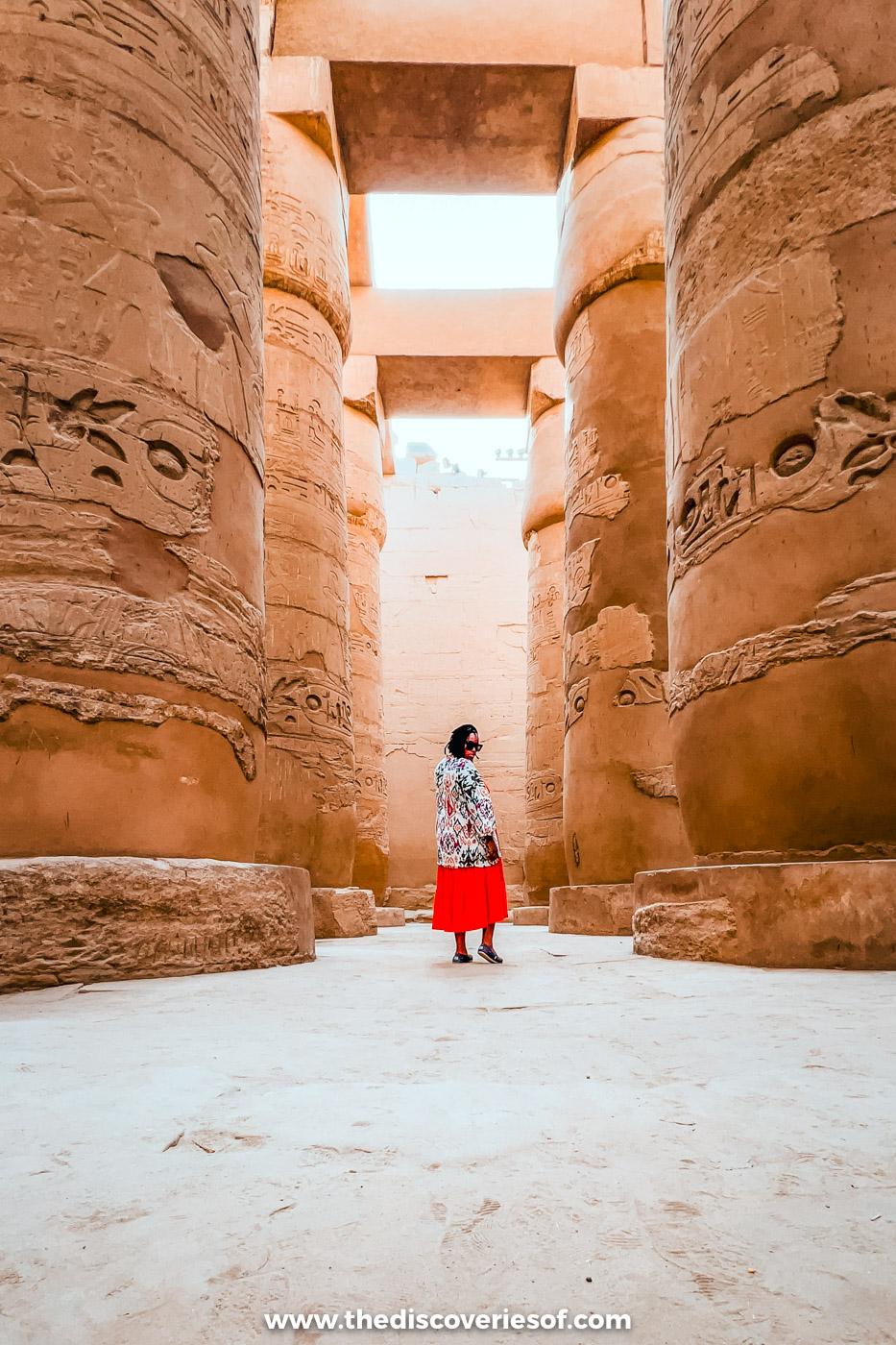
As I mentioned above, Egypt is quite a conservative country and you should dress in a way that respects that. It’s also incredibly hot, particularly in the summer months. It might sound like a difficult combination, but it’s not.
Here are my top packing tips for visiting.
- Pack summer clothing made with light fabrics: the country is dry and hot, with lots of desert.
- Loose, long-sleeved shirts and dresses are your best friend: cultural norms prescribe that women dress in this fashion, and they protect you from the sun.
- Bring closed-toe but comfortable shoes: nothing is more annoying than getting sand in your shoes, but you’ll be doing a lot of walking, so they need to be comfy or you will regret it.
- Pack a sun hat, sunglasses and a decent amount of high-factor sunscreen.
- Always carry a scarf: you never know when you might need it.
What to wear in Egypt, in more detail
Dressing for Egypt as a woman
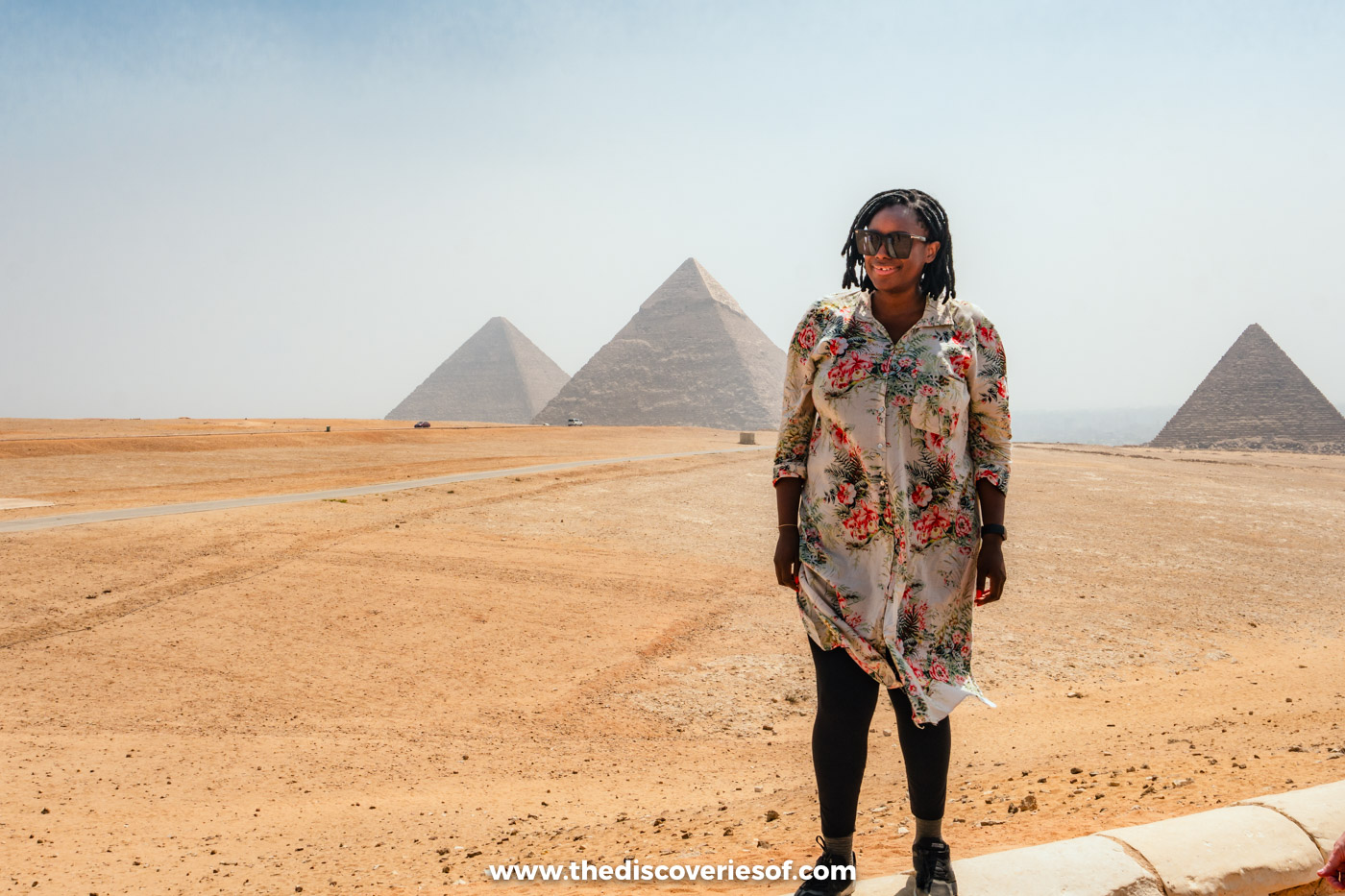
So what do women wear in Egypt?
Many local women wear loosely fitted clothing covering their knees and shoulders, and the hijab, or less often the niqab. The reasons they choose to do so are varied, and not solely religious. The hijab, or headscarf, is not obligatory: it can also serve to protect a woman’s modesty and privacy from unrelated men.
Female tourists do not have to wear a headscarf, and most do not. However, women must cover their hair when entering sacred places like mosques.
Aside from the headscarf, follow the example set by the locals: wear loose-fitting trousers or long skirts and modest tops that cover your shoulders, stomach and cleavage. Maxi dresses are a great option too.
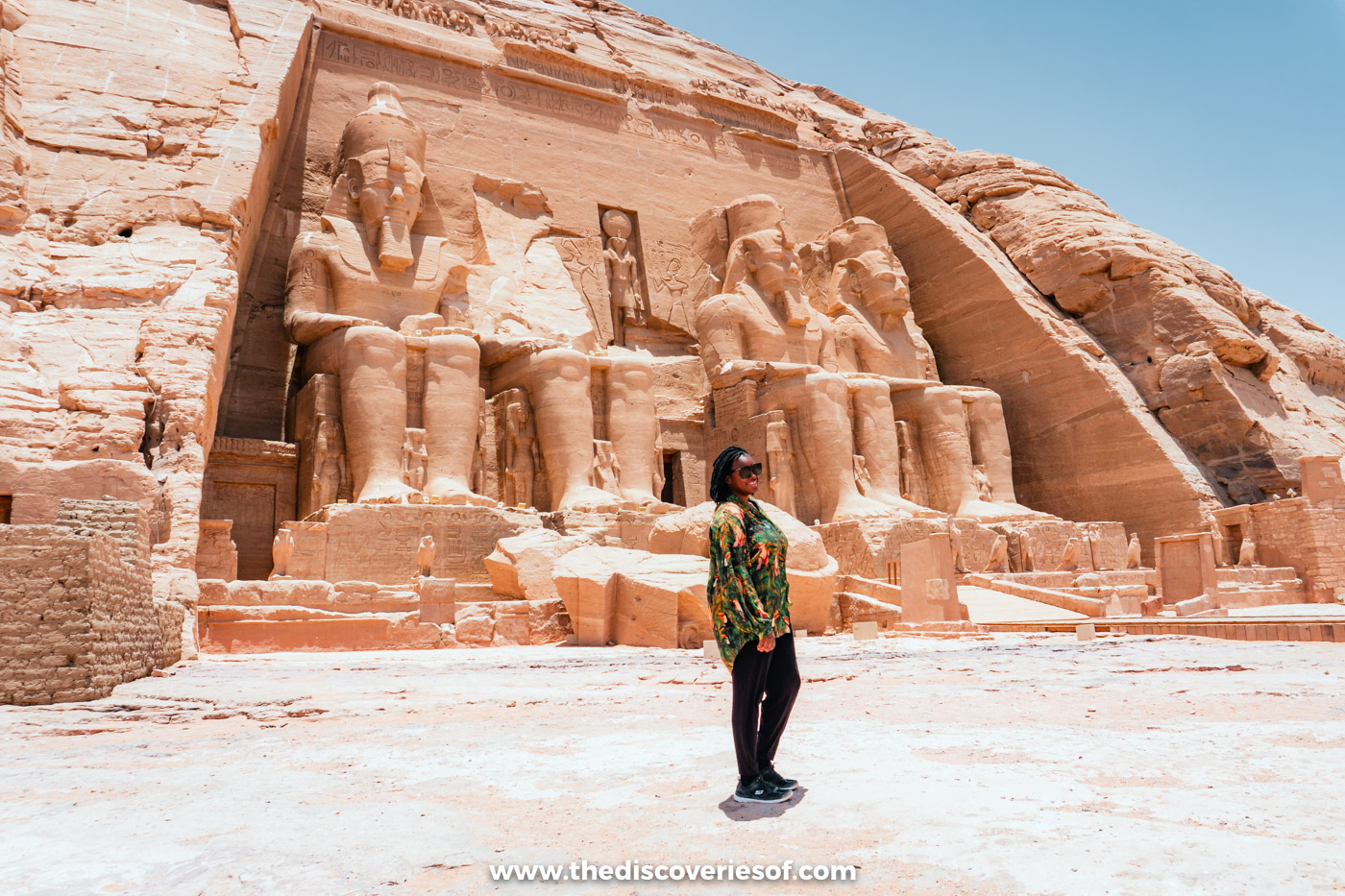
Personally, I spent most of my time alternating between wearing harem pants, a loose-fitting top and a lightweight kimono, and wearing a maxi dress paired with a kimono.
This kept me nice and cool (or as cool as I could be in the 40-degree heat) and meant I could create a number of different outfits with a small number of pieces, because I’m just not the gal for lugging around a gigantic suitcase when I’m changing hotels every one to three nights.
Two packing hacks to make your existing wardrobe work
If you read through the section above and felt a bit alarmed because you don’t have clothing that quite fits the bill, there are a few staple items that can help make your existing wardrobe more appropriate.
The first is a pashmina or large cotton scarf. Not only can you use a pashmina as a head covering if you’re going into a mosque, but if you wrap it the right way, it can also cover your shoulders and cleavage when a top or dress doesn’t quite do the trick.
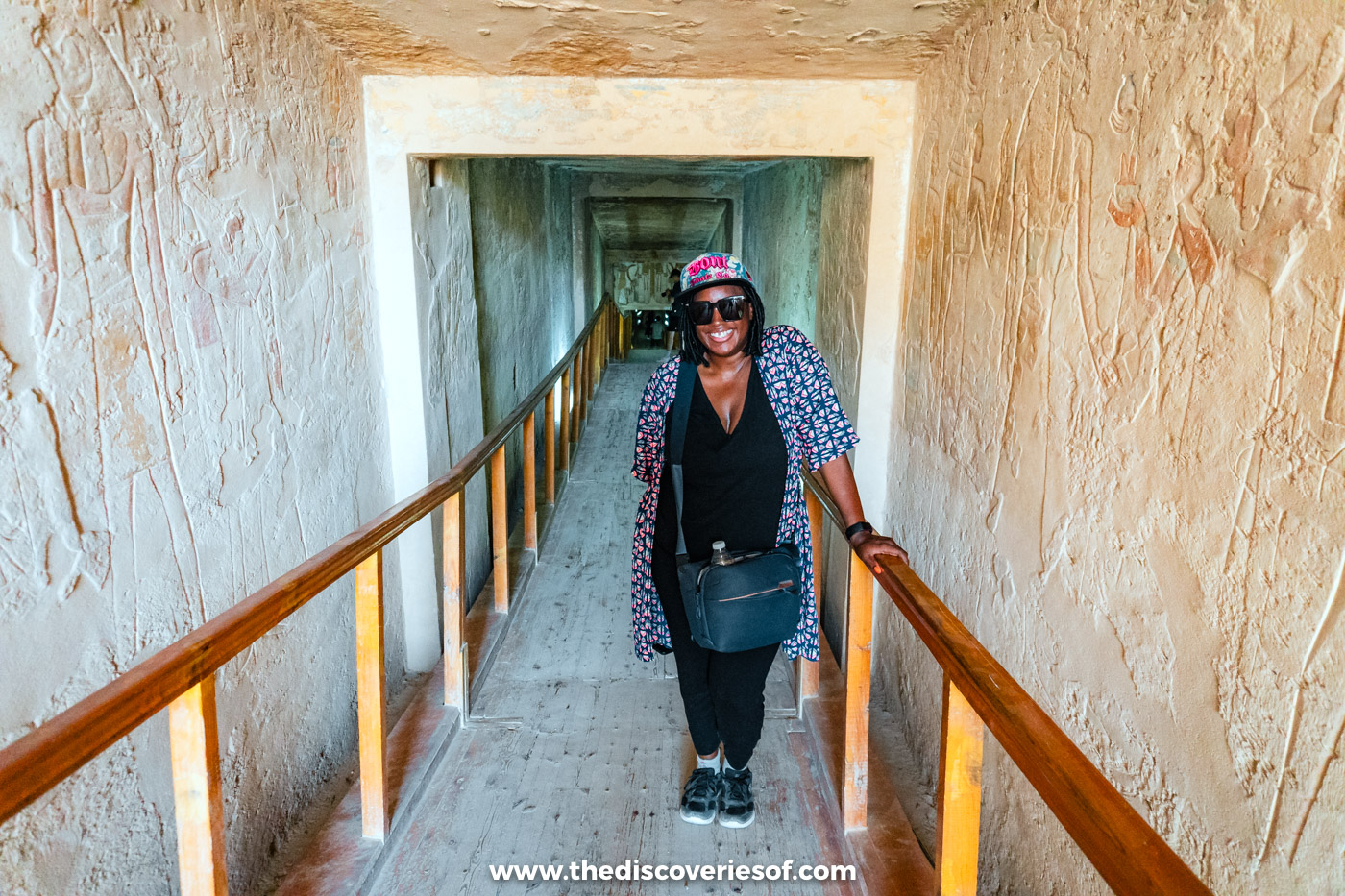
The second is a lightweight kimono. As you can see from lots of my photos, I wore two kimonos pretty much constantly during my trip. Most of my dresses and tops are short-sleeved, so I wouldn’t have felt comfortable wearing them solo on the trip, but they were totally fine when I paired them with a kimono.
I really do recommend following these guidelines, not only to respect the country you are travelling in, but also to avoid getting unwanted attention.
Some female travellers have encountered heckling and even harassment when wearing what the locals would class as immodest clothing. Respect the local culture.
Dressing for Egypt as a man
It will come as a surprise to no one that this section is much shorter than the women’s one.
Egyptian men also dress conservatively. While the rules for male tourists are much looser, a classic lightweight shirt and loose trouser combo works well.
Firstly, it’s more culturally appropriate than shorts and a T-shirt, and secondly, it’s more climate-appropriate: trust me when I say that you will be glad of as much protection from the sun as possible. Shorts are fine at resorts and on the beach, but you’ll need long trousers for mosques and churches.
Visiting mosques and churches
Whether you’re heading into the Mosque of Muhammad Ali at the Cairo Citadel or the churches of Coptic Cairo, dress more modestly still. Everyone needs to cover their shoulders, upper arms and knees, and women need to cover their hair in mosques.
You’ll take your shoes off before going into a mosque, so shoes you can slip on and off easily (and socks, as the floors can be hot) make life easier. Some of the busiest mosques lend robes and headscarves at the door, but don’t count on it: a scarf in your day bag means you’re always ready.
Dressing for the season
Summer is properly hot, especially in Luxor and Aswan, where it can climb well above 40°C, so loose, breathable layers and a hat are essential.
From November to February, the days are warm and sunny, but the evenings and early mornings can be surprisingly cool, and winter nights in Cairo drop to around 10°C. Pack a light jumper or jacket, especially if you’re planning a sunrise hot air balloon flight in Luxor or a night on a felucca on the Nile, when it gets chilly on the water.
Egypt packing list
Luggage
You may think it’s as simple as piling things into a carry-on bag, but it’s more complex than that. If you’re planning an extended trip, you’ll need to cover a few different bases along the way.
Rolling suitcase
A rolling suitcase is slick, stylish and very convenient, and 360-degree spinner wheels make your journey smooth. I recommend the Samsonite Flux Spinner, a lightweight but durable hard-shell suitcase that’s ideal for moving between destinations and keeping your belongings safe in transit.
Packing cubes
Travelling with just one bag? You can use packing cubes to separate and organise your luggage, which really helps when you’re changing hotels every couple of nights. They also help keep your clothes from creasing. I recommend the eBags Classic Packing Cubes 3-piece Set.
Daypack
A daypack is ideal for carrying lightweight essentials when you’re out on an excursion. Smaller than regular backpacks, daypacks work brilliantly for active days of hiking and sightseeing. I love my Osprey Daylite 25: it even has a handy sleeve for a water bladder (very useful when you’re out all day in the heat).
Handbag
Handbags are ideal for walking tours, eating out or beach trips. I recommend the Women’s Fashion Handbag Set. This four-piece set includes a wallet, a tote, a shoulder bag and a satchel.
Reusable canvas bag
Canvas is an ideal material for a spare bag: the plain-woven fabric is flexible and fits most travel essentials, and it’s handy for shopping in the markets. I recommend the TOPDesign Economical Cotton Tote Bag. The simple, durable design offers excellent flexibility and carries all sorts.
Clothes
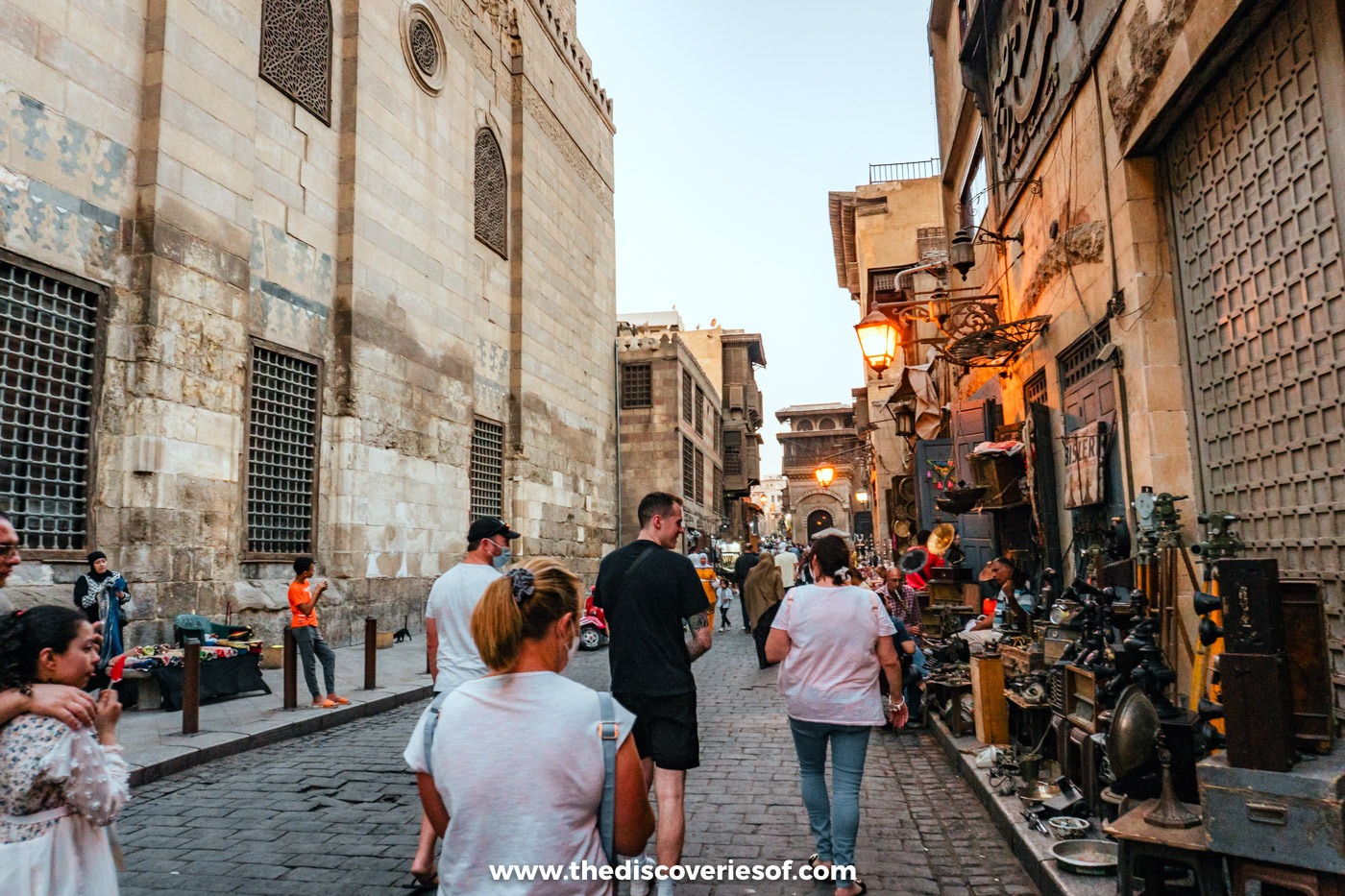
Clothing is a critical part of your luggage, so make sure you’ve covered all the essentials, especially when travelling to a culturally sensitive country. Firstly, consider the scorching hot weather. Next is the traditional way of life that most Egyptians uphold.
Tops
Pack loosely fitted, unrevealing tops made of lightweight, breathable material. This helps you stay cool throughout the day. My top suggestions are tunic tops and casual blouses.
Skirts
The ideal style for women is long and loose. Skirts should be loose-fitting and go below the knees. Pack light and comfy skirts made from chiffon, silk or cotton. These fabrics are fluid and drapey, giving you maximum ventilation.
Dresses
Pack long dresses that cover both your shoulders and knees. Light fabrics are always a winner, but avoid anything sheer or see-through. Bring a few textured maxi dresses instead.
Pashmina or scarf
Pashminas are generally larger than scarves, making them ideal for covering your shoulders and hair. Bring along a couple of pashmina shawls and wraps: they’ll work in your favour when visiting religious sites, and double up as a blanket on chilly early starts.
Trousers
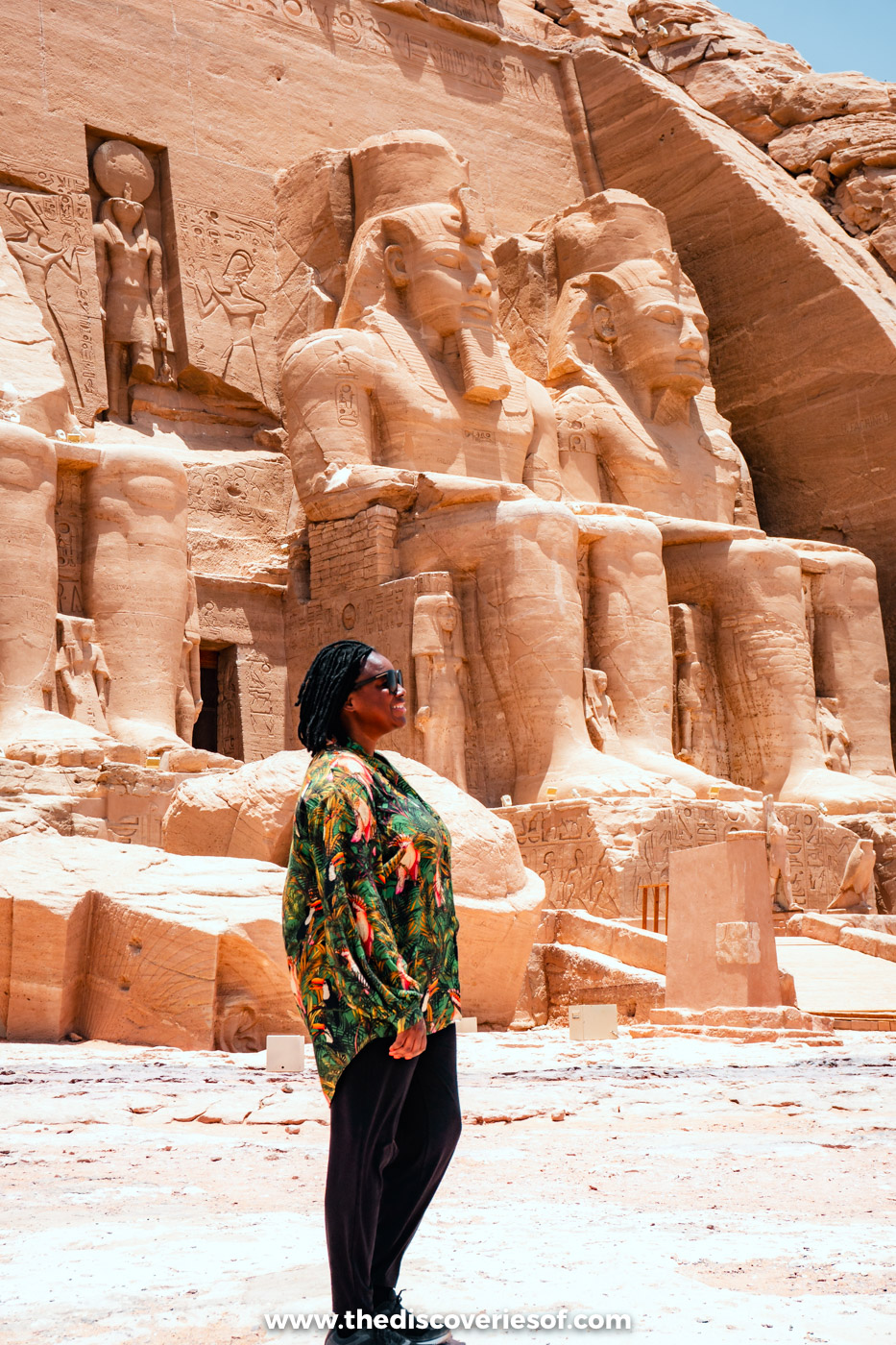
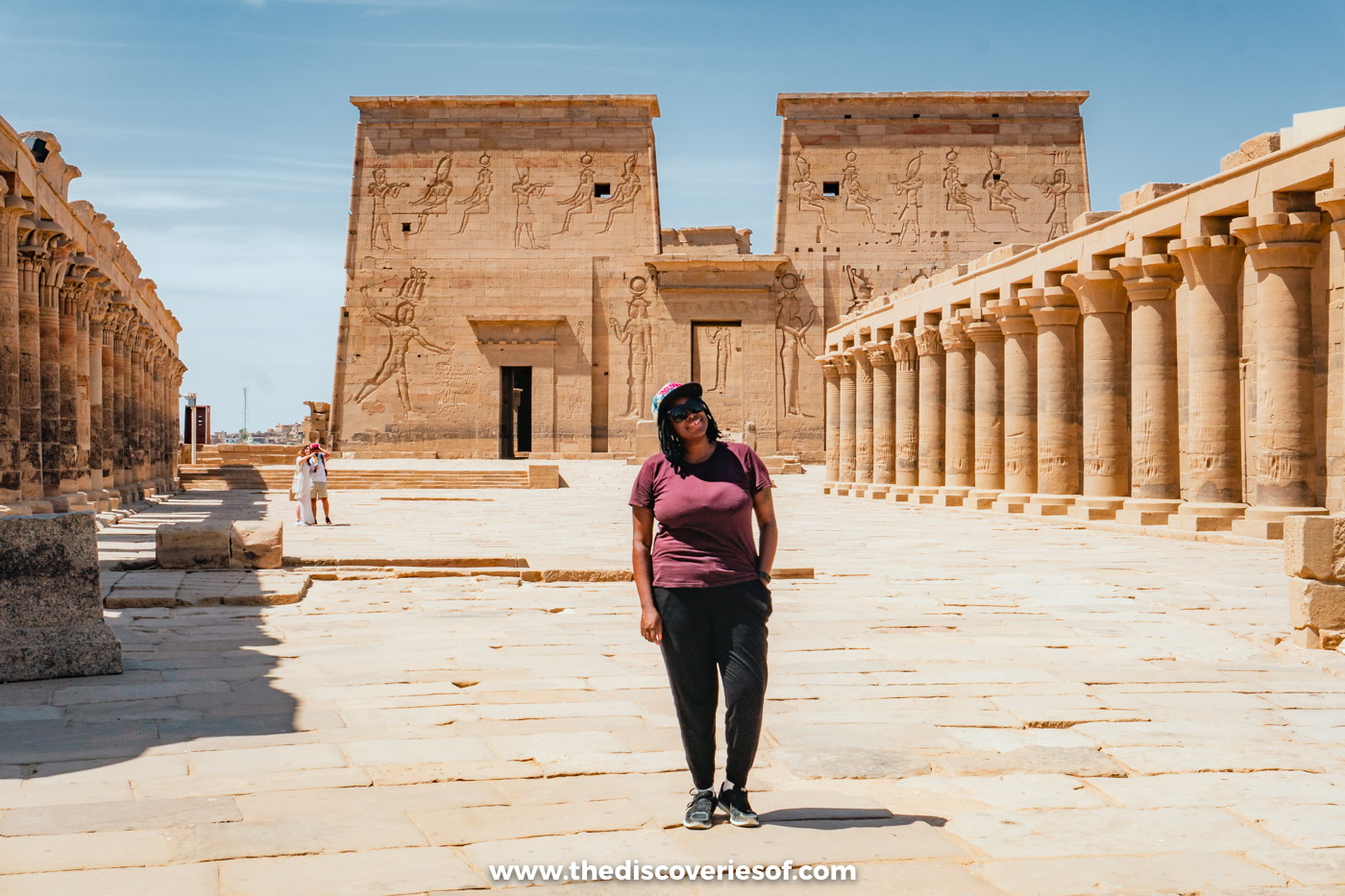
Unlike in some countries in the region, women here can wear trousers. You can go for a classy, elegant look with casual palazzo pants or a more easy-going look with elastic waist cropped pants. Whichever style you pick, make sure you’re packing lightweight clothing that’s comfortable and culturally appropriate. Harem pants were my go-to.
Kimono
I’ve already talked about why kimonos are great when you’re working out what to wear as a woman. Trust me: so many items in your wardrobe will be transformed into something appropriate by simply adding a lightweight, long-sleeved kimono. Anthropologie always has a great selection.
Jacket
Jackets work well for sun protection and for layering on cooler evenings (it hardly ever rains, outside the Mediterranean coast in winter). Bring a lightweight jacket and, from November to March, something cosier like a hoodie or a windbreaker. That way you’re prepared for whatever weather awaits you.
Hat
Serving as more than just sun protection, a hat fits right in with a conservative dress code. You can wear sun hats for casual walkabouts, pyramid excursions or on the beach. Choose one that won’t blow away in the wind on the Giza plateau.
Swimwear
Tourists can wear bikinis by hotel pools and on resort beaches in places like Hurghada. At public beaches, women (including tourists) are encouraged to cover up to avoid unwanted attention. You can use a kaftan to cover up; many local women wear a burkini, which covers the body from wrists to ankles.
Travel socks
Socks are essential no matter where you’re going. Pack several pairs of travel socks with a compression design, made of comfortable, durable material for long days out and long journeys.
Underwear
Sports underwear like the Reebok Women’s Seamless Hipster Briefs works best for action-packed tours. These quick-drying briefs have a nylon and spandex blend that’s ideal for hot, active days.
Footwear
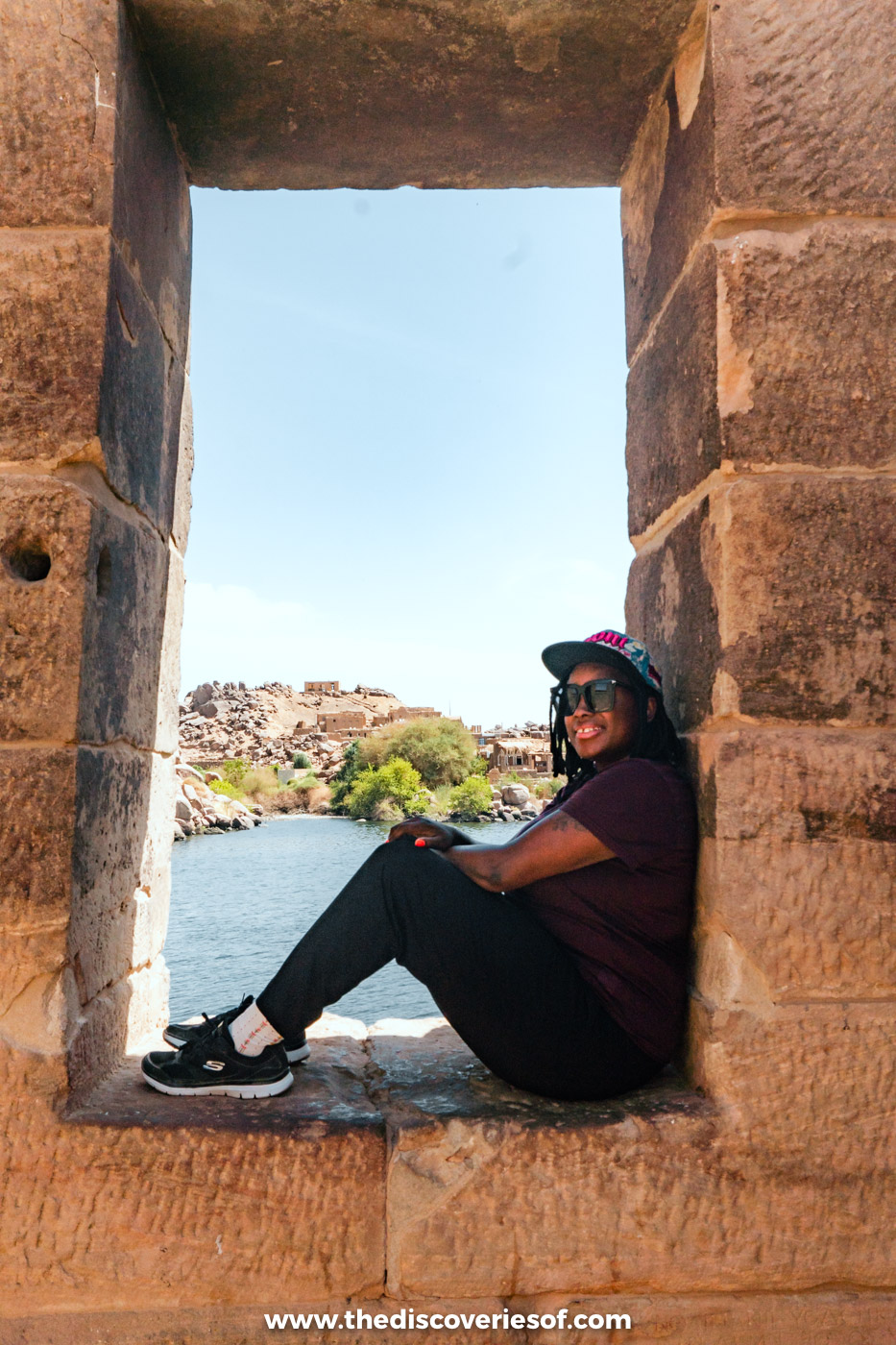
You can’t plan a trip without the terrain in mind. Many of the big sights are in the desert, on sand, uneven stone and steep tomb ramps, so your shoes must be durable and comfortable.
Comfortable travel shoes
You need shoes that can take on any terrain and still be comfortable. Lightweight trainers with breathable material and cushioned soles are ideal for a trip like this. I recommend Tropicfeel’s all-terrain sneakers. They’re water-friendly, sturdy and slip-resistant.
Stylish travel shoes
With smart restaurants in Cairo and lavish resort towns like Hurghada, you’ll want a nicer pair of shoes for the evenings. The Adidas Women’s Grand Court Sneaker has extra cushioning, durable rubber soles and a classic design that’s recognisable anywhere.
Sandals
Packing a pair of sandals is crucial. You’ll be comfortable exploring the vibrant city streets, shopping at the bazaar or taking a long stroll to the beach, and they’re easy to slip off at mosques. I recommend a pair of Birkenstock Arizona sandals: they’re classy, stylish and provide ultimate comfort.
Useful extras
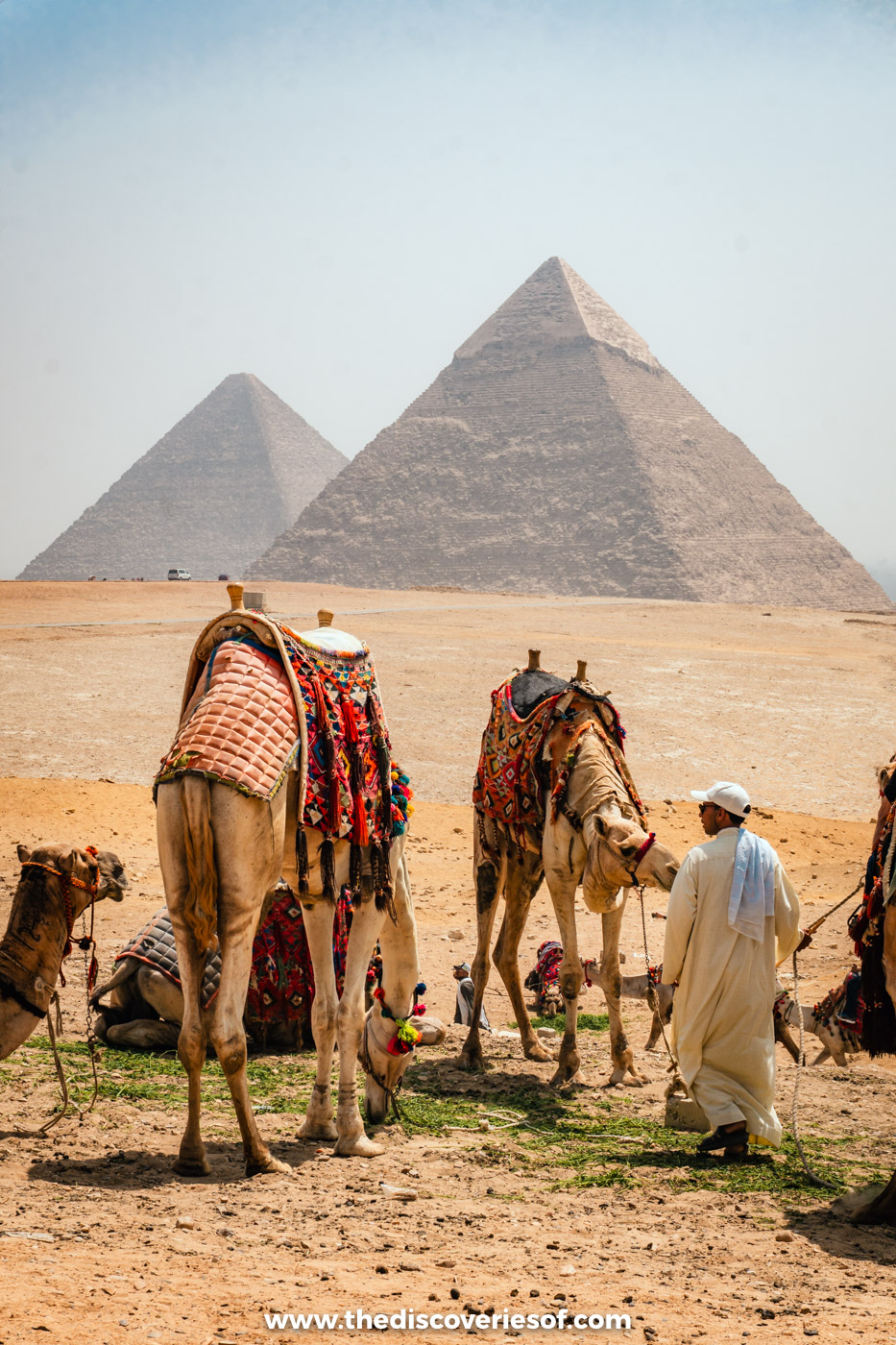
While clothing and shoes are both crucial parts of your packing list, don’t forget the items that make life easier. An excellent way to remember them is to plan your itinerary and list everything you’ll need for each excursion.
Travel towel
Towels are helpful in many situations. Whether you’re going to the beach, lying by the hotel pool or jumping out of the shower, a towel will always come in handy. I recommend Dock & Bay travel towels. They’re both compact and stylish.
Earplugs and eye mask
Earplugs and a sleep mask are ideal for overnight travel, like the sleeper train from Giza to Aswan, which I took, or a night on the deck of a felucca. They make it easy to rest on your journey, blocking out background noise and unwanted light. Get a pair of ultra-soft foam earplugs and a 3D contoured sleep mask, and never struggle with sleeping or napping on long trips again.
Torch
A torch is handy for early starts in the dark (the hot air balloon flights in Luxor meant a 3am wake-up for me), for power cuts and for camping in the desert. Get an LED tactical flashlight with bright and zoom features.
Refillable water bottle
A refillable water bottle will definitely come in handy on desert excursions. Avoid dehydration by packing one or two leakproof refillable water bottles with a straw for easy drinking, and fill them with bottled water: the tap water isn’t safe to drink.
Money belt
A money belt is great for storing your essential documents, cash and small electronics when you’re out and about, especially in crowded markets. The ideal money belt for travel has hidden compartments and RFID protection.
Gadgets and electronics
Having the right gadgets and electronics will help you capture picturesque views and special moments. Make them last by taking lots of photos and videos.
Camera
A camera is a great tool for capturing memories, and a durable camera with a good lens will do. Canon’s R mirrorless camera produces high-quality footage. Bring backup batteries and a compatible battery charger. Photos with your phone are free at most sites, but tripods and flash are often restricted, and drones are banned without a permit, so leave yours at home.
Memory cards
Without these, you won’t have space to store the highlights of your trip. The SanDisk 128GB card is water- and temperature-proof and has a transfer speed of up to 170MB/s, ideal for shooting videos in 4K.
Spare batteries
Many gadgets still run on batteries. Having spare batteries means you won’t run out of power at the wrong moment. Energizer batteries offer long-lasting power for most gadgets.
Travel adapter
Egypt uses type C and type F plugs (the two round pins used across most of Europe), at 220 volts. Travellers from the UK (type G) and North America (types A and B) will need an adapter, and if you’re coming from the US or Canada, check your devices work at the higher voltage. A multiway international adapter is essential when travelling abroad: it lets you plug in and use your electronics from anywhere in the world.
External power pack
Since it’s nearly impossible to find a plug in the desert or on a long day out, you should pack an external power pack. It’s a portable power supply that’s compact, lightweight and convenient for charging your phone.
Toiletries
You may not easily find your favourite brands, so bring travel-size toiletries, as they take up less space and don’t add too much weight to your luggage.
Essentials
Bring them all. From your toothbrush and toothpaste to deodorant and body lotion, pack hair and skin essentials like shampoo, conditioner and SPF lip balm. I also highly encourage female travellers to bring their feminine hygiene products from home. Pack tissues and hand sanitiser too, as public toilets often don’t have paper.
Medication
You may not be able to get your prescription or over-the-counter medicines at local pharmacies, so it’s best to bring an adequate supply. Check online or contact the Egyptian embassy to make sure you don’t bring anything that’s restricted.
Also, pack a first-aid kit that’s small enough to take along on tours and day trips, with rehydration sachets and something for an upset stomach. This way, you’ll be ready for minor emergencies.
Sunscreen
With summer temperatures regularly above 35°C in Cairo and above 40°C in Luxor and Aswan, and strong sunshine all year round, I highly recommend you pack loads of sunscreen. Choose a broad-spectrum sunscreen of SPF 30 or above (SPF 50 is better in the south), and reapply it through the day, as there’s little shade at the big sites.
Don’t forget these travel essentials either!
You may leave some key travel essentials unchecked, especially when you’re beaming with excitement for the journey ahead. However, forgetting these may leave you stranded.
Passport and visa
Your passport needs to be valid for at least six months from the day you arrive, with a blank page, and most visitors need a visa. Many nationalities, including UK, EU and US citizens, can apply online at the official portal, visa2egypt.gov.eg (US$30 for a single entry), or buy a visa on arrival at the airport (US$30, in cash). My Egypt travel tips have the details.
Travel insurance
Protect yourself and your belongings with travel insurance that covers you against theft and delayed luggage, and provides medical assistance.
Cash and cards
Tell your bank about your trip, so it doesn’t flag your card transactions or cash withdrawals abroad as fraud. Pack two cards: the ticket offices at the major sites are now cashless, so you’ll need a card for tickets, plus cash in small notes for taxis, tips, toilets and the markets.
Tickets and reservations
Always confirm your flight reservations and check-in times a few days, or even a week, before your travel date. This keeps you informed about any changes, delays or cancellations.
Emergency contacts and addresses
Save emergency contacts and addresses on your phone or in a notebook, the most vital being your hotel, your embassy and the nearest hospital. The Tourism Police can be reached on 126.
Copies of important documents
Keep copies of your most important documents, like your passport, visa and flight tickets, separate from your wallet. This helps immensely if your wallet is stolen.
Guidebook
Get a guidebook like this Lonely Planet Egypt to help you find your way around. You’ll get a richer trip, beyond the ancient pyramids and the Nile.
Are guidebooks as good as a local guide? No. Are they still helpful? Absolutely yes.
Key takeaways
- Pack lightweight, culturally sensitive clothing and sturdy shoes.
- Bring a couple of pashminas or kimonos.
- Remember your refillable water bottle and plenty of sunscreen.
- Carry a card for tickets and small notes for everything else.
- Protect yourself by getting travel insurance.
Watch my Egypt video
Subscribe on YouTube and discover new destinations.
Read next
- 10 days in Egypt: a step-by-step Egypt itinerary
- The best things to do in Egypt
- Egypt travel guide
- The best things to do in Cairo, from royal mummies to medieval bazaars
- Egypt travel tips: 25 things to know before you go
- 23 best things to do in Luxor, from sunrise balloons to painted tombs
Love this? Save and share on Pinterest

Discover the top things to do, insider tips and hidden gems in our Egypt Travel Guide.
Read the guides →