From the pyramids and the royal mummies to the bazaars of the medieval city and the churches of the Coptic quarter, these are the best things to do in Cairo, what I loved about it, and how to plan your time.
People love to hate on Cairo. “It’s too busy,” they say. “It’s grimy,” they wail. “There’s nothing to see except the pyramids,” they decry… all from the confines of a hotel room they haven’t actually left except on a guided tour.
I disagree. Sure, like any city, it isn’t all roses, but with its busy bazaars, show-stopping sights and vibrant cosmopolitan culture, it’s got a vibe of its own. One that you will fall head over heels with if you give it a chance.
It was probably the place I was least excited about on my Egypt trip (let’s be honest, I was still very excited about it, just slightly less so than about destinations like Luxor and Aswan), and it was without a doubt the biggest surprise. I loved my time here.
I spent the first two days of my trip here in late May, then came back up from Luxor on the overnight sleeper train for a final day in early June. In that time I went inside the Great Pyramid, spent hours in the Egyptian Museum, met the royal mummies, shopped in Khan el-Khalili, and squeezed in the Citadel and Coptic Cairo on my last morning. Here’s my pick of the best, starting with the things I did, followed by the other sights worth your time.
The best things to do in Cairo
Marvel at the Pyramids of Giza
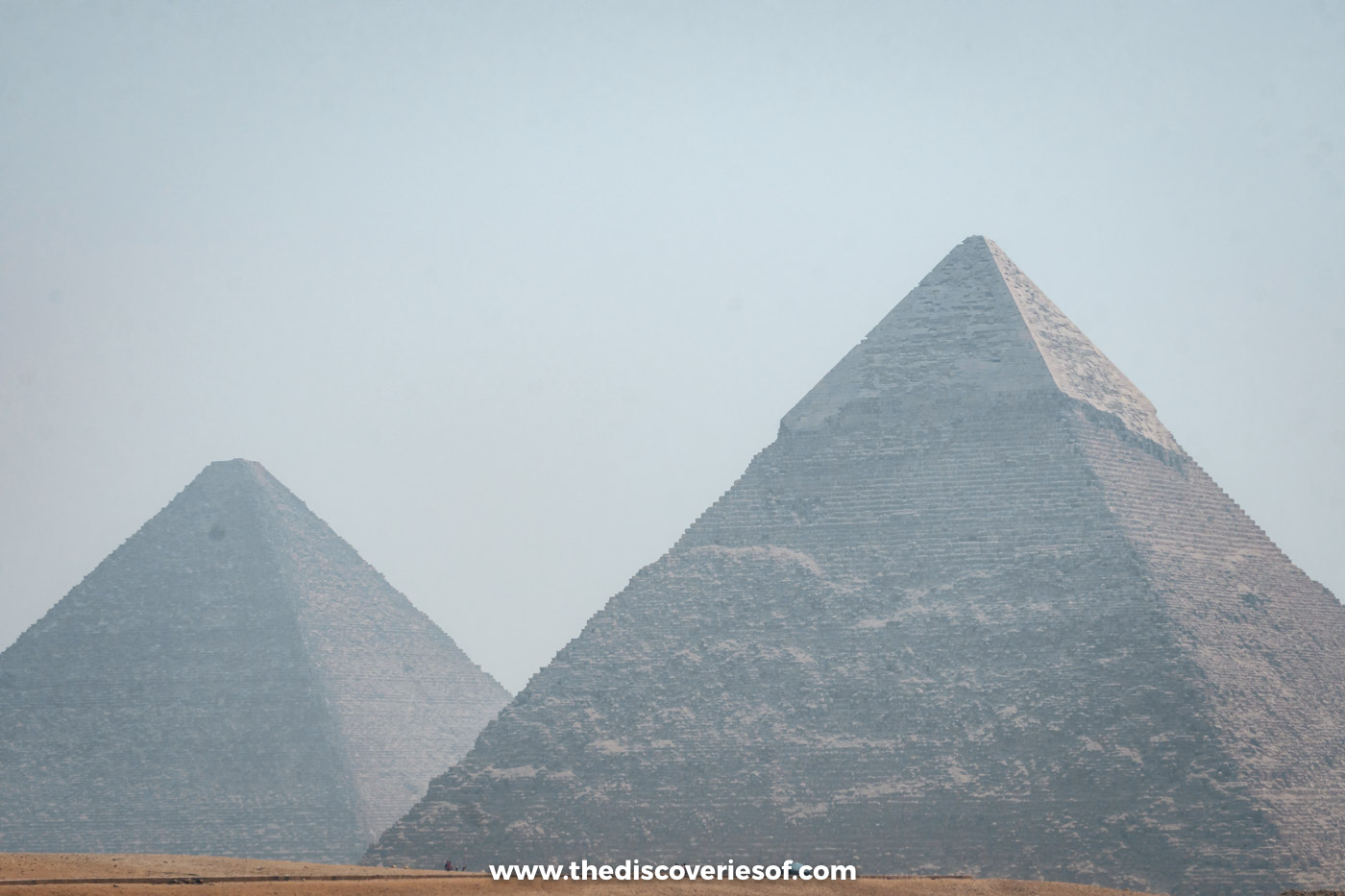
You can’t come here and not see the Pyramids of Giza. Even more than other iconic landmarks like London’s Big Ben or the Eiffel Tower in Paris, these historical wonders go to the heart of what makes the city so magical.
The three pyramids, built for the pharaohs Khufu, Khafre and Menkaure around 4,500 years ago, were royal tombs, and the Great Pyramid of Khufu is the last remaining wonder of the ancient world. You’ll have to pinch yourself to believe you’re seeing it in real life. Did I have a minor “moment” when I stood in front of a structure that had stood in place for over 4,500 years? Yes.
Your general ticket (700 EGP) lets you walk around the complex, but if you want something special, buy an extra ticket to go inside the Great Pyramid (1,500 EGP). It was quite a surreal experience going inside, and I’ll warn you: it’s probably not one for the claustrophobic. But there was something about standing inside an ancient wonder of the world and seeing Khufu’s sarcophagus.
Want to take a sneak peek?
Most of the pyramids’ outer limestone casing and their burial treasures were stripped and plundered long ago, but at around 60 to 140 metres tall, they’re a sight beyond compare. Go to the panoramic point for the classic view of all three in a row.
If you want to learn the history as you go, take a half-day pyramids tour by camel or horse carriage with an Egyptologist guide.
Come face to face with the Sphinx
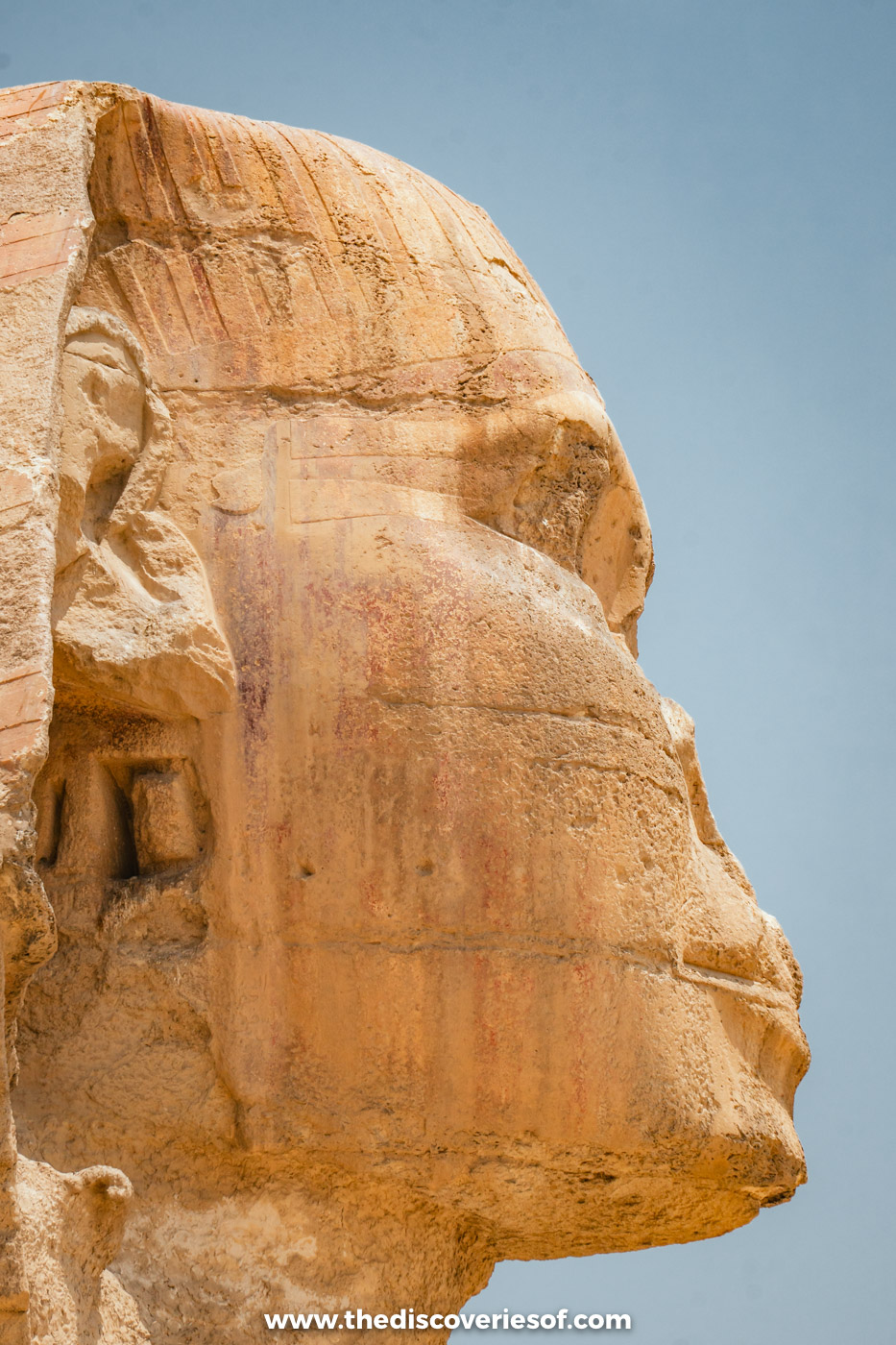
If the pyramids together form one of the must-see spots, the Sphinx isn’t far behind. This colossal monument, about 73 metres long, with the body of a lion and the head of a king, was carved from the bedrock of the plateau and sits serenely guarding the pyramids.
It’s usually thought to be a monument to the pharaoh Khafre, built around the same time as his pyramid, an idea supported by its position beside his causeway and the likeness of its face to other depictions of him. Historians have puzzled over it for centuries, though. Why not take a look for yourself and see what you think?
The pyramids and the Sphinx are magnificent at any time of day, but for something different, go after dark for the sound and light show, which projects the tales of the pharaohs onto the monuments while you watch from the terrace in front of the Sphinx. Reviews of the show itself are mixed, so you might prefer to watch it over a rooftop dinner facing the pyramids, which includes the show when it’s running.
Spend a morning in the Egyptian Museum
If the pyramids and the Sphinx are where you see the all-out grandeur of ancient Egypt, the Egyptian Museum is where its story comes to life.
Opened in 1902, the pink neoclassical building on Tahrir Square is the oldest museum of archaeology in the Middle East, and it still holds one of the world’s great collections of Egyptian antiquities, dating from the Predynastic Period to the Greco-Roman era. I would recommend spending at least a few hours wandering around its cavernous interior. I spent about three hours and would say that was about right, but you could easily spend a whole day here and only scratch the surface.
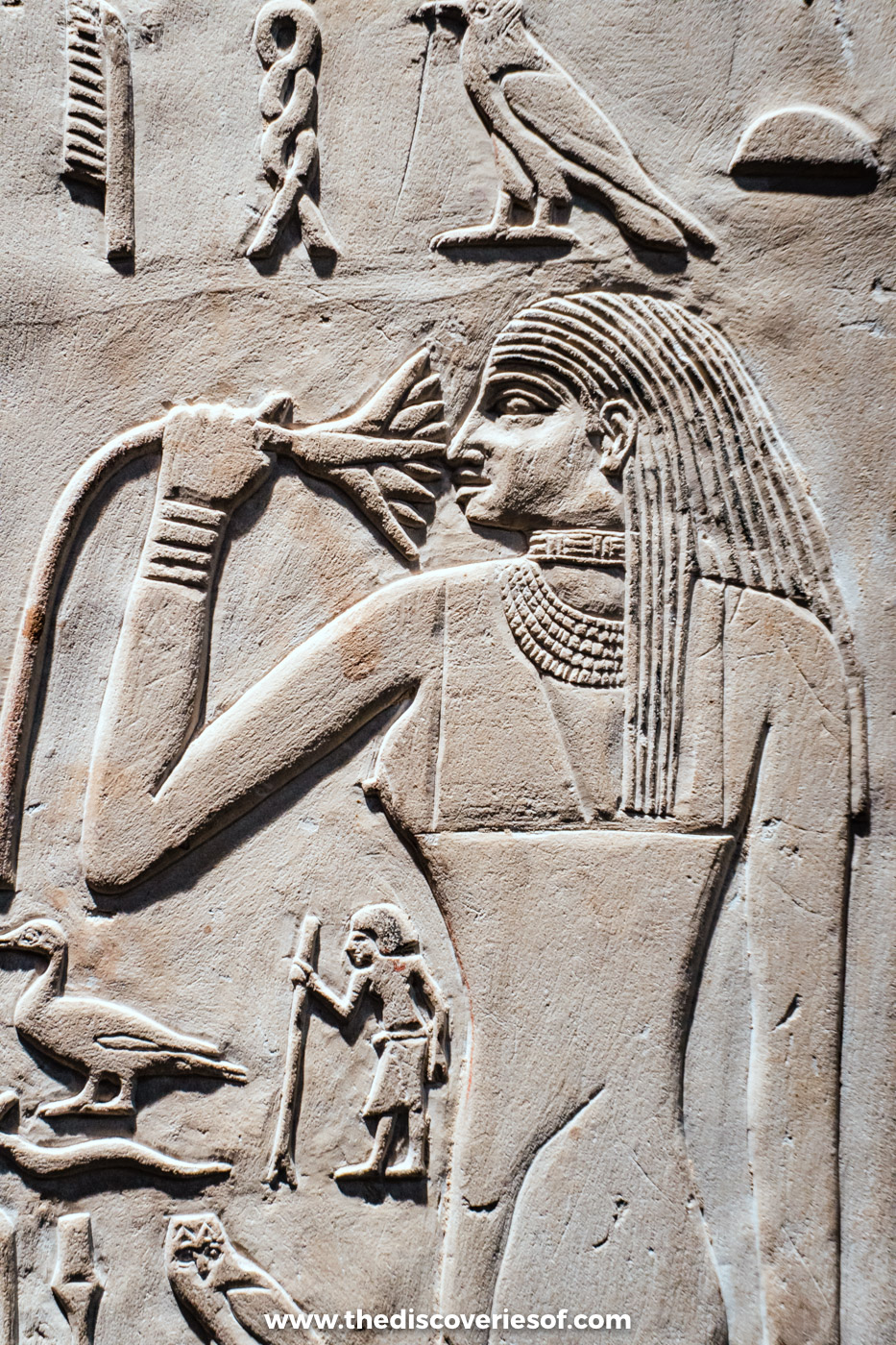
Things have changed since my visit. Tutankhamun’s treasures, including his golden death mask, moved to the Grand Egyptian Museum when it opened in November 2025, and the royal mummies left for the National Museum of Egyptian Civilisation in 2021. But that has left room to appreciate everything else: the Narmer Palette, which records the unification of Egypt, the diorite statue of Khafre, the painted statues of Rahotep and Nofret, and the Amarna gallery, with its portraits of Akhenaten.
Tickets cost 550 EGP for adults. The museum opens daily from 9am, and it’s a short walk from Downtown and Garden City. Photography needs a small extra ticket, and flash isn’t allowed.
See the royal mummies at the National Museum of Egyptian Civilisation
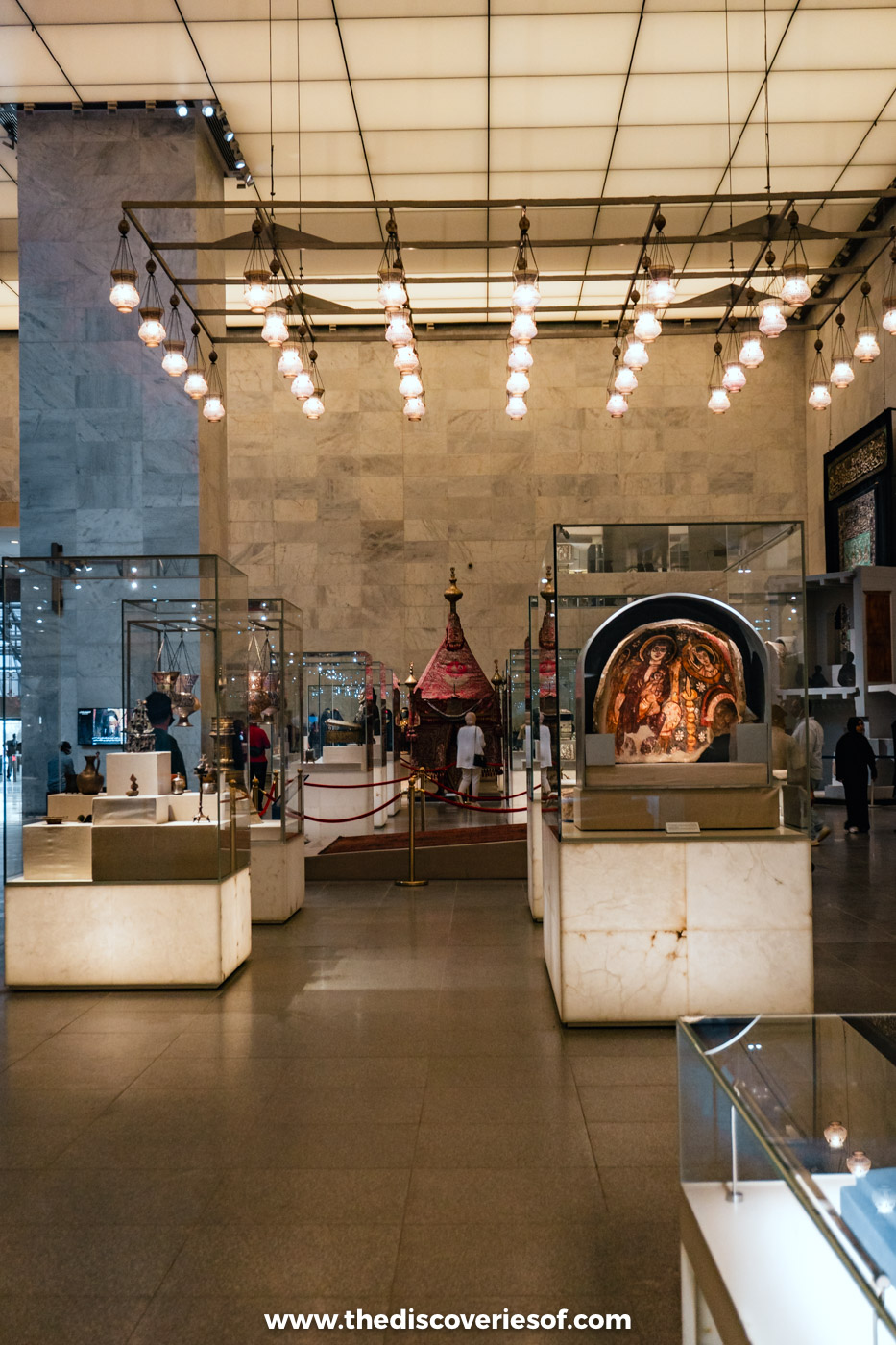
If you’ve spent any time in the city without seeing a mummy or two, have you really experienced it?
I have to be honest: after seeing everything in the Egyptian Museum, I wasn’t sure whether the National Museum of Egyptian Civilisation (NMEC) would really be worth the effort. It is. The two museums are vastly different, and it’s worth spending time visiting both.
The star is the Royal Mummies Hall. In April 2021, 22 royal mummies, including Ramses II, Seti I, Hatshepsut and Seqenenre Tao, were moved here from the Egyptian Museum in a televised procession known as the Pharaohs’ Golden Parade. Each one now lies in a dark, quiet gallery with information about who they were and what they did during their lives, a story that winds through the reigns of some of Egypt’s most famous pharaohs.
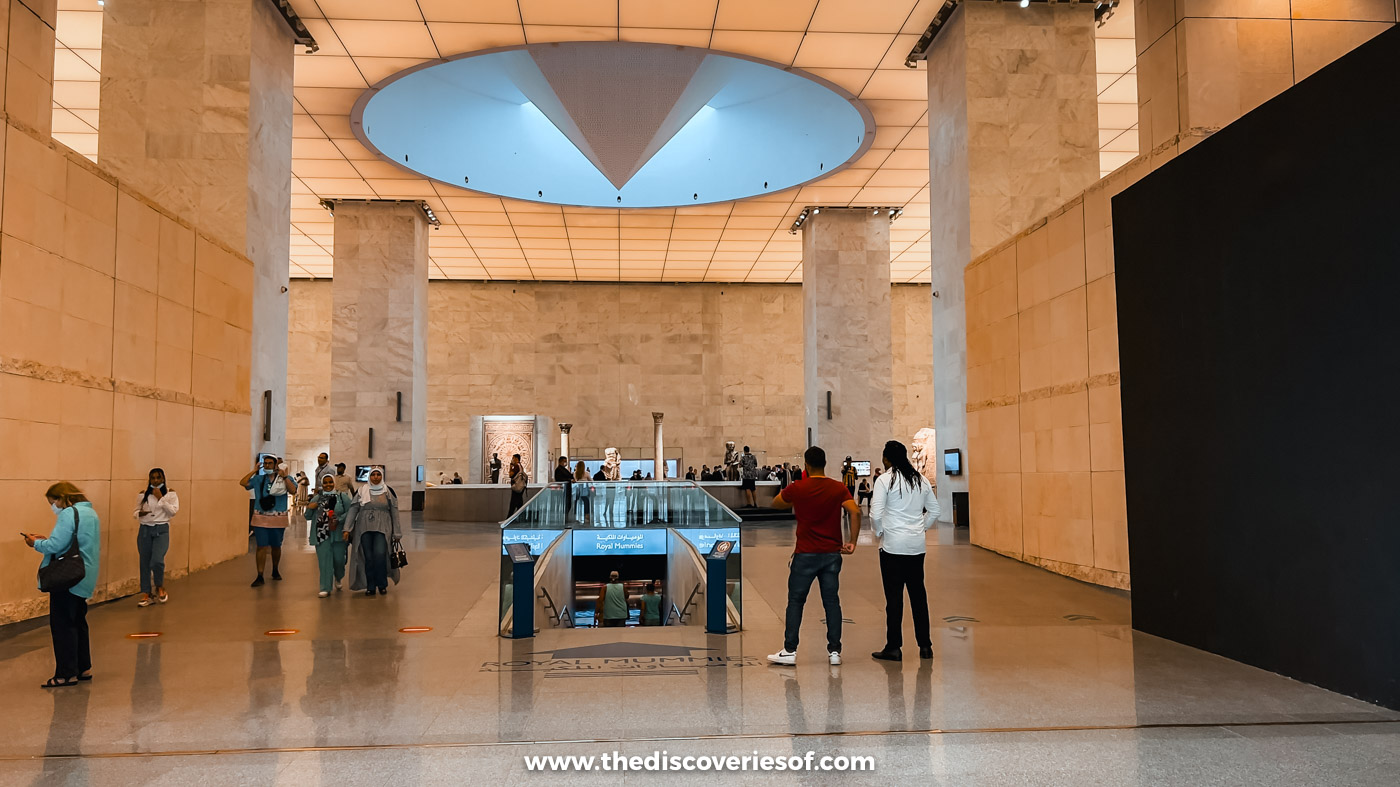
Outside the mummies hall, the main gallery tells the story of the country’s civilisation from prehistory to the present day, with themed displays on the Nile, writing, textiles and beliefs. It’s nowhere near as vast as the Egyptian Museum, which makes it a manageable couple of hours.
The museum is in Fustat, overlooking the lake of Ain el-Sira, close to Coptic Cairo, so the two pair well. It opens daily from 9am to 5pm, with an extra evening session on Fridays. Check that your ticket includes the Royal Mummies Hall, and note that photography isn’t allowed inside it.
Haggle in Khan el-Khalili, then take tea at El Fishawy
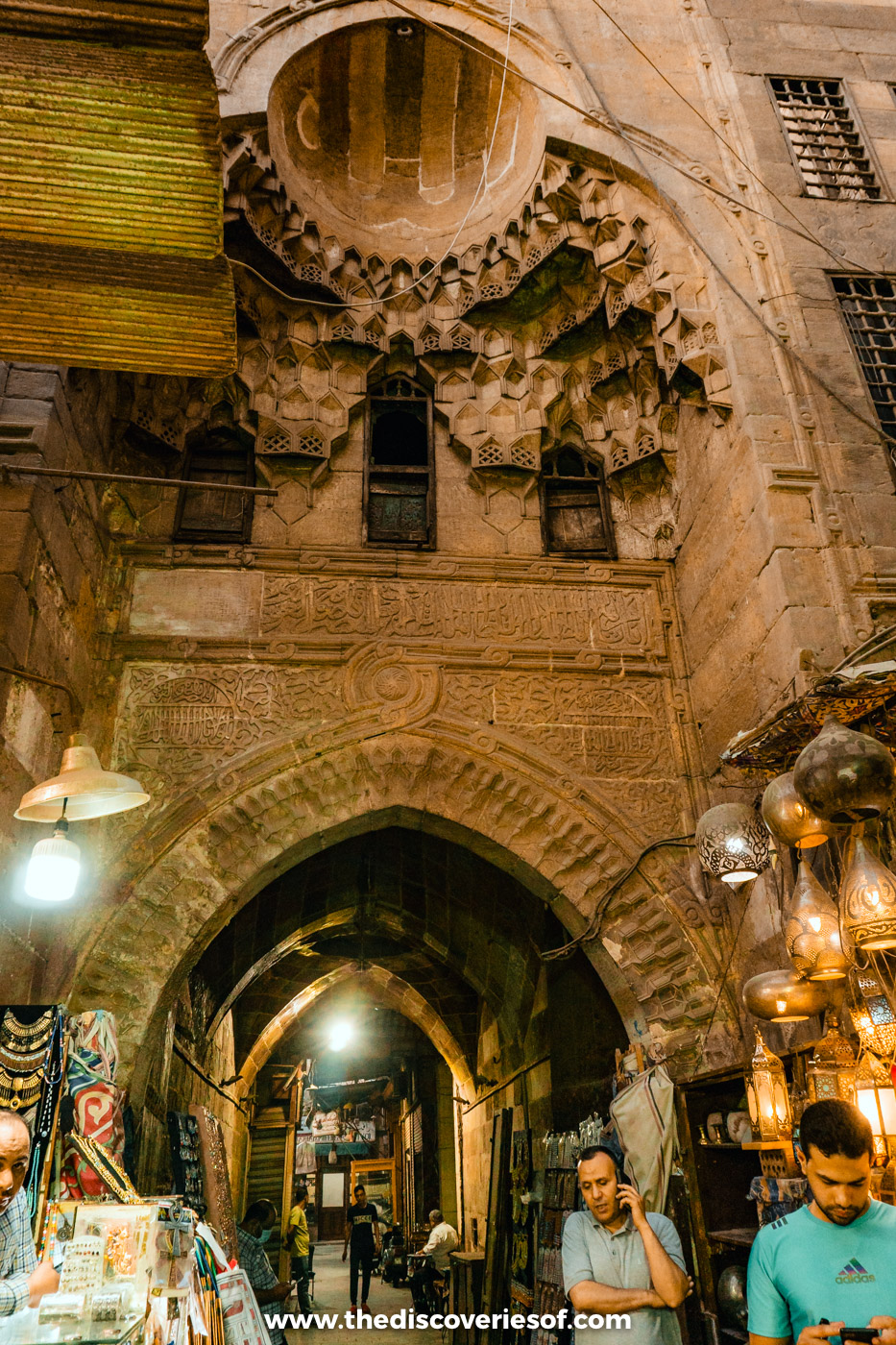
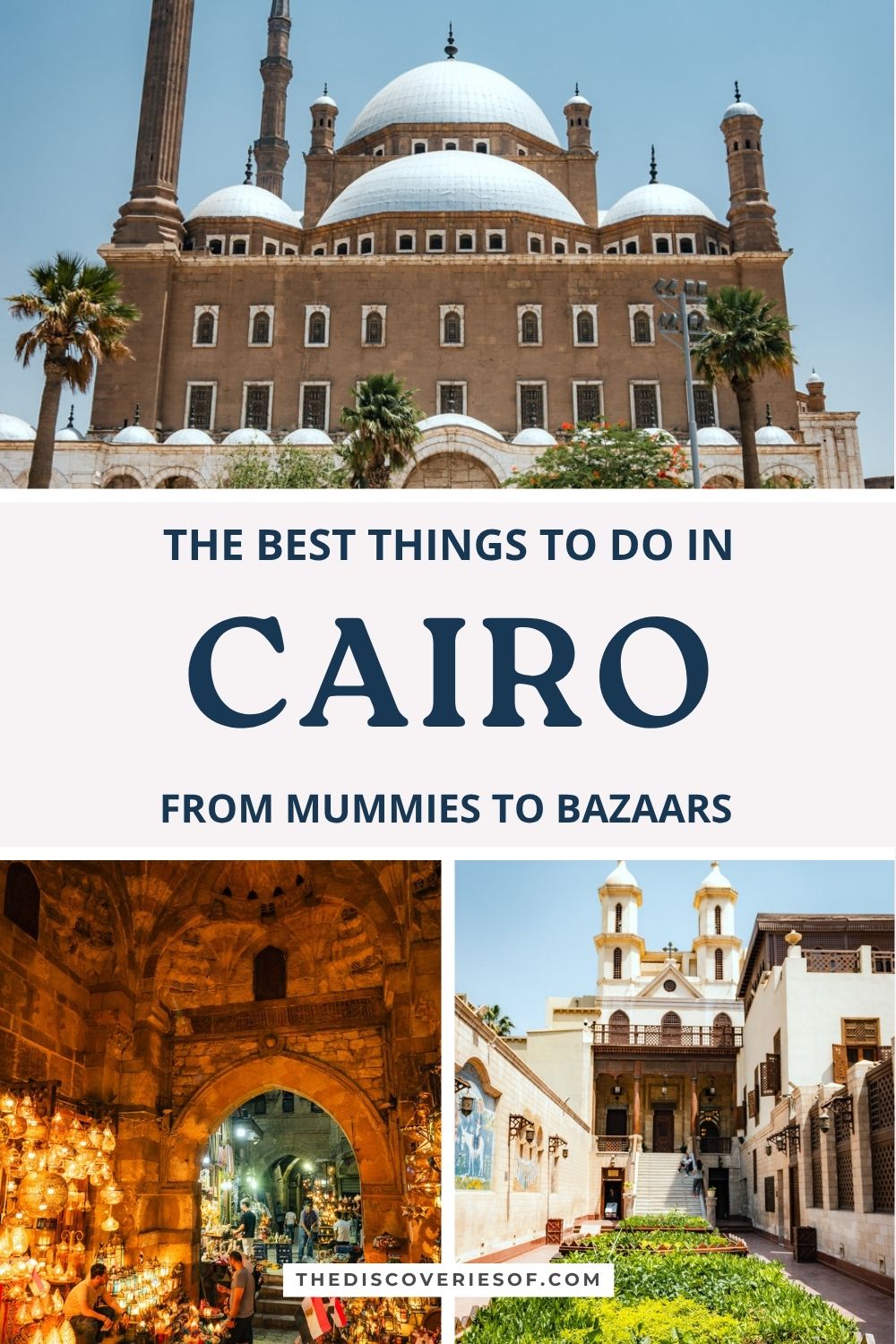
Khan el-Khalili is one of the oldest markets in the Middle East, founded in the 14th century by the Mamluk emir Jaharkas al-Khalili, and a place of electrifying activity that sweeps you up in its buzz and sets you down giddy from the experience.
I’ll level with you: it’s very touristy. Locals tend to shop elsewhere, but even so, it’s well worth a visit. This buzzing bazaar is a feast for the senses and the ultimate place to stock up on the souvenirs you’ve promised your loved ones: lanterns, spices, perfume oils, brass, cotton and silver. Just be prepared to haggle. Hard.
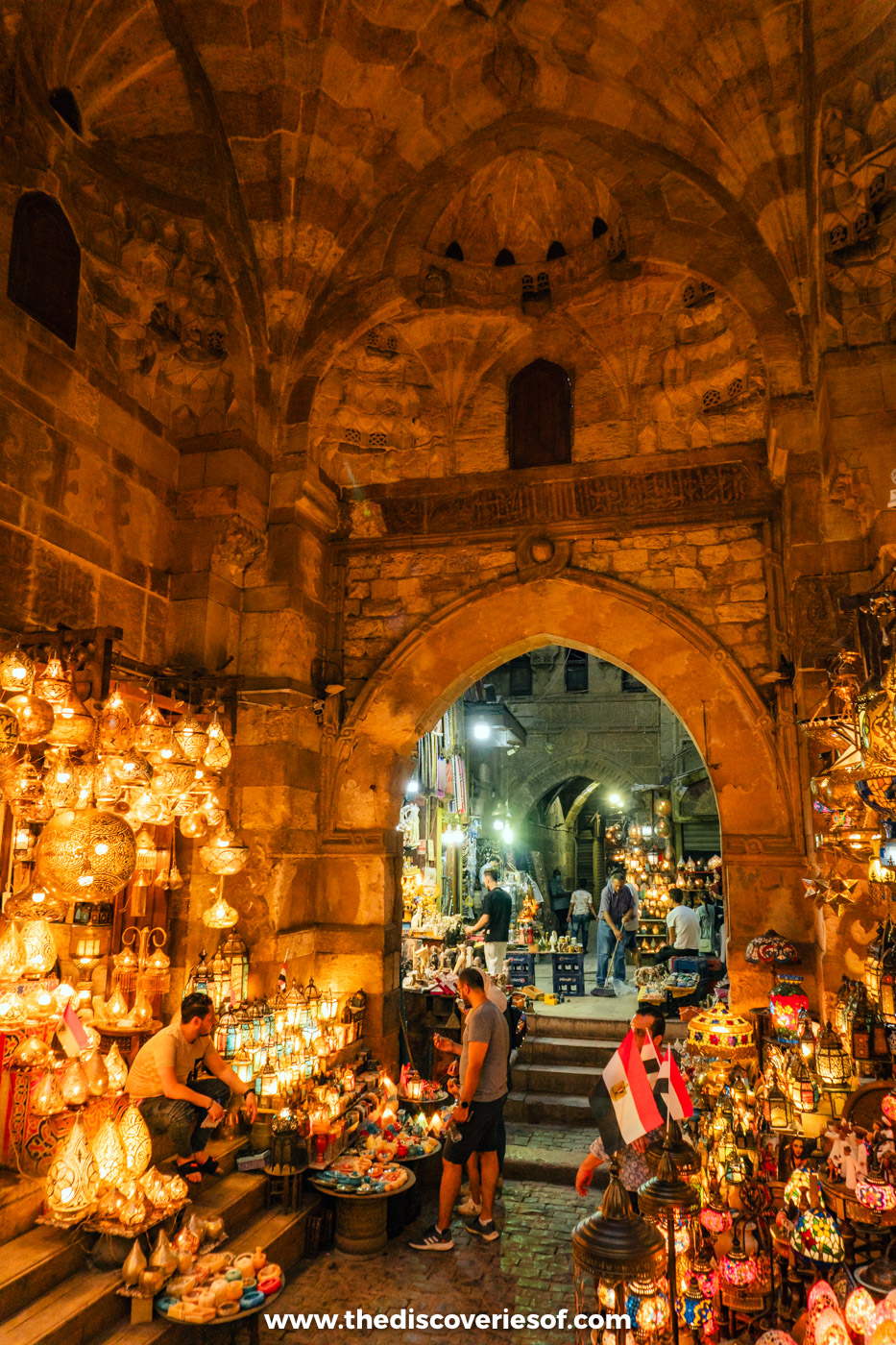
After the hustle and bustle of the bazaar, stop off at El Fishawy, the most famous café in the souk. It’s been serving tea and coffee in its mirrored alley since the late 18th century, and the Nobel Prize-winning novelist Naguib Mahfouz was a regular. Order a mint tea or a Turkish coffee and settle in to watch the world go by.
Do
The souk is at its liveliest in the evening, when the lanterns are lit. If you’d rather have someone show you around, this private tour of the Citadel, the old city and Khan el-Khalili covers it with the Citadel and the Coptic quarter in a day.
Admire the Al-Hussein Mosque
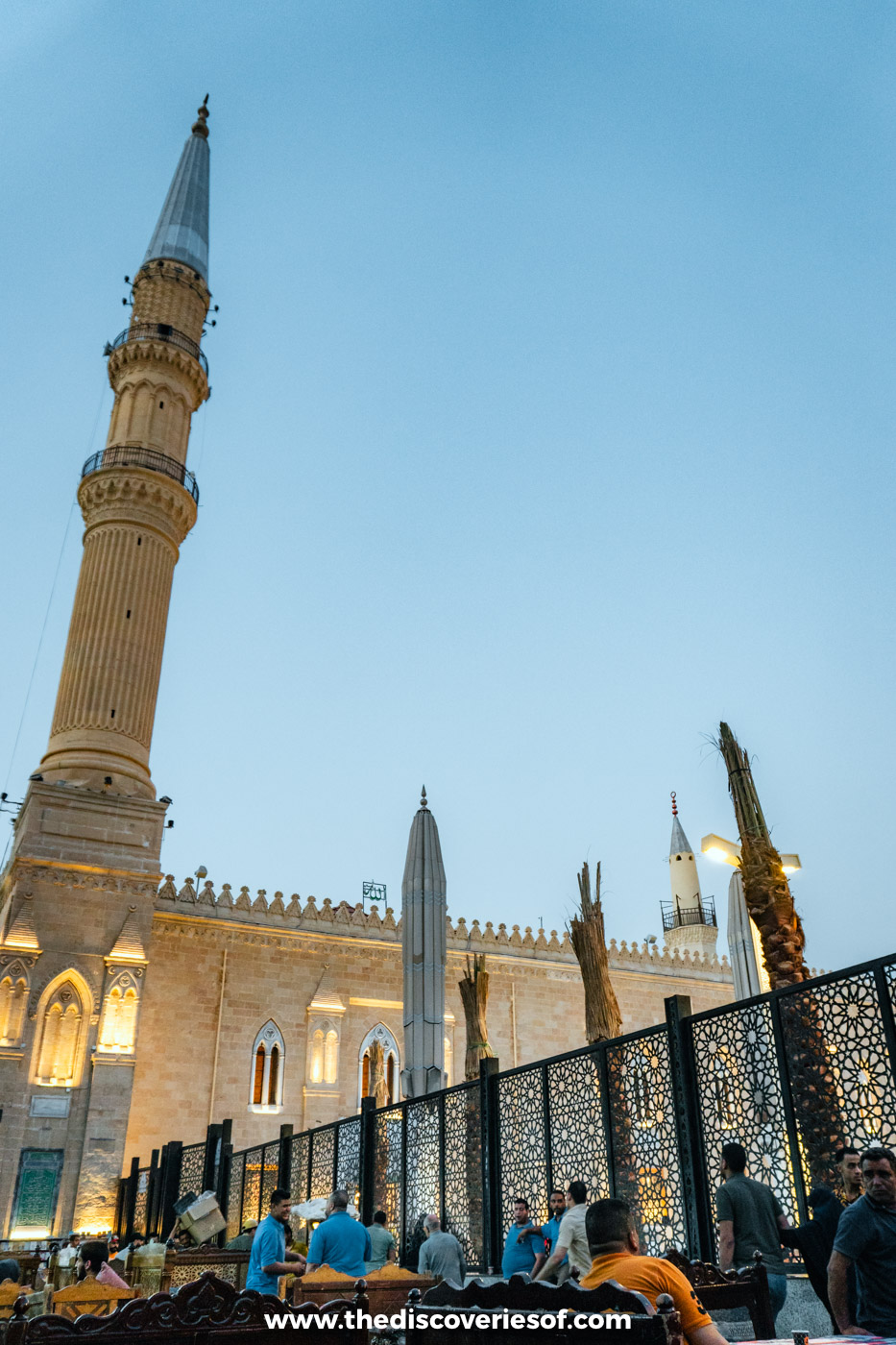
On the square at the edge of Khan el-Khalili, the Al-Hussein Mosque is one of the most sacred places in Egypt for Muslims, as it’s believed to hold the head of Husayn ibn Ali, the grandson of the Prophet Muhammad. The shrine dates back to the 12th century, but the mosque you see today, with its pale Gothic-revival walls and pencil-thin minaret, was rebuilt in the 1870s. The huge umbrellas on the square open to shade the worshippers.
Non-Muslims generally aren’t allowed inside, but the square is a lively spot to soak up the atmosphere, especially in the evenings and during Ramadan, when it’s full of families.
Walk Al-Muizz Street after dark
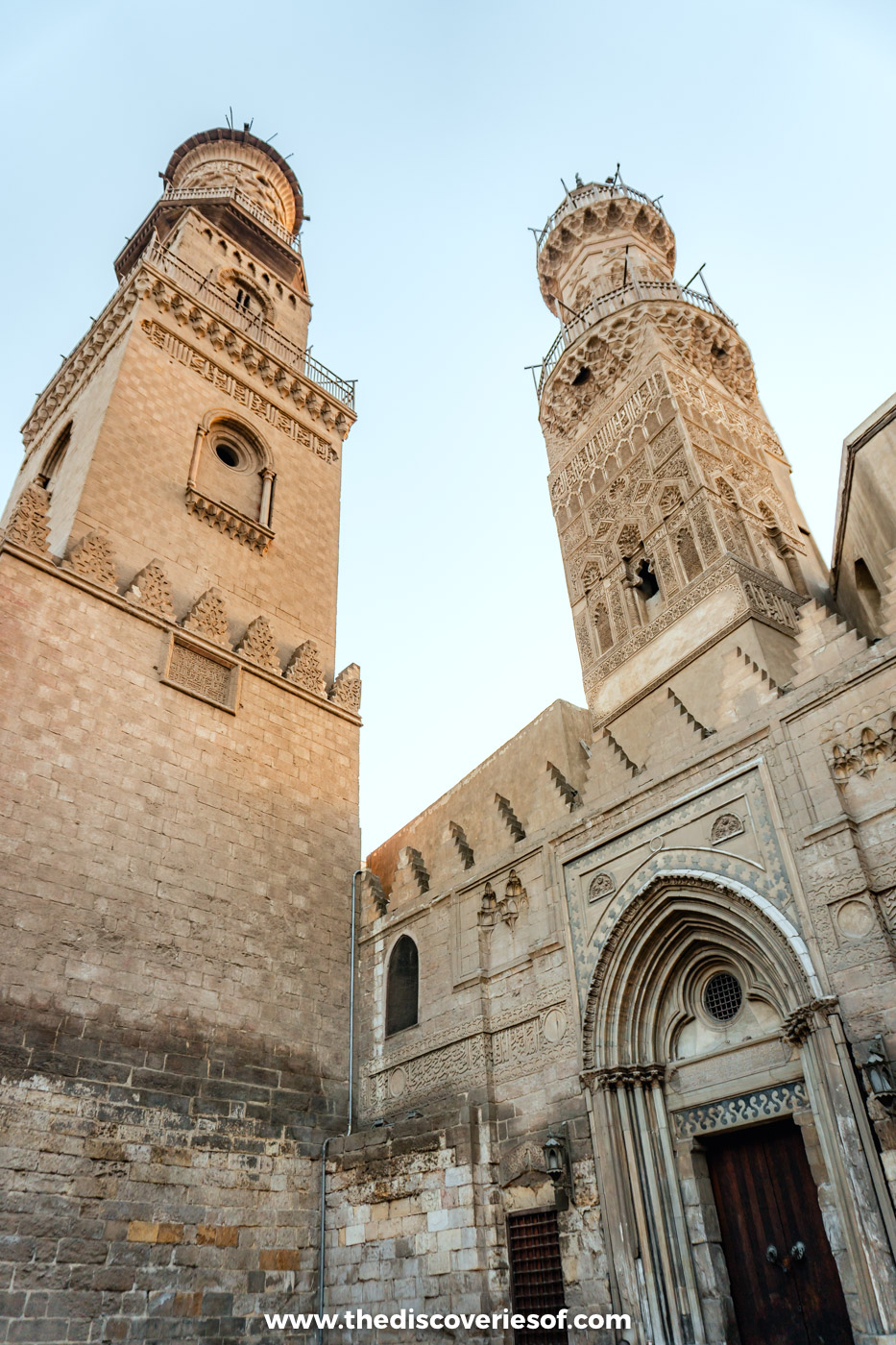
A few steps from the bazaar, Al-Muizz li-Din Allah Street was the main thoroughfare of the walled Fatimid city founded in 969, and it’s lined with one of the greatest concentrations of medieval Islamic architecture anywhere in the world. The kilometre between the northern gate of Bab al-Futuh and the southern gate of Bab Zuweila is a parade of mosques, madrasas, mausoleums and merchants’ houses.
Don’t miss the Qalawun complex, with its hospital, madrasa and richly decorated mausoleum, and next door, the madrasa of al-Nasir Muhammad, whose Gothic doorway was taken from a Crusader church in Acre. At the southern end, you can climb the twin minarets of Bab Zuweila for views over the rooftops. Much of the northern half is pedestrianised and beautifully lit in the evenings.
Climb to the Citadel and the Mosque of Muhammad Ali
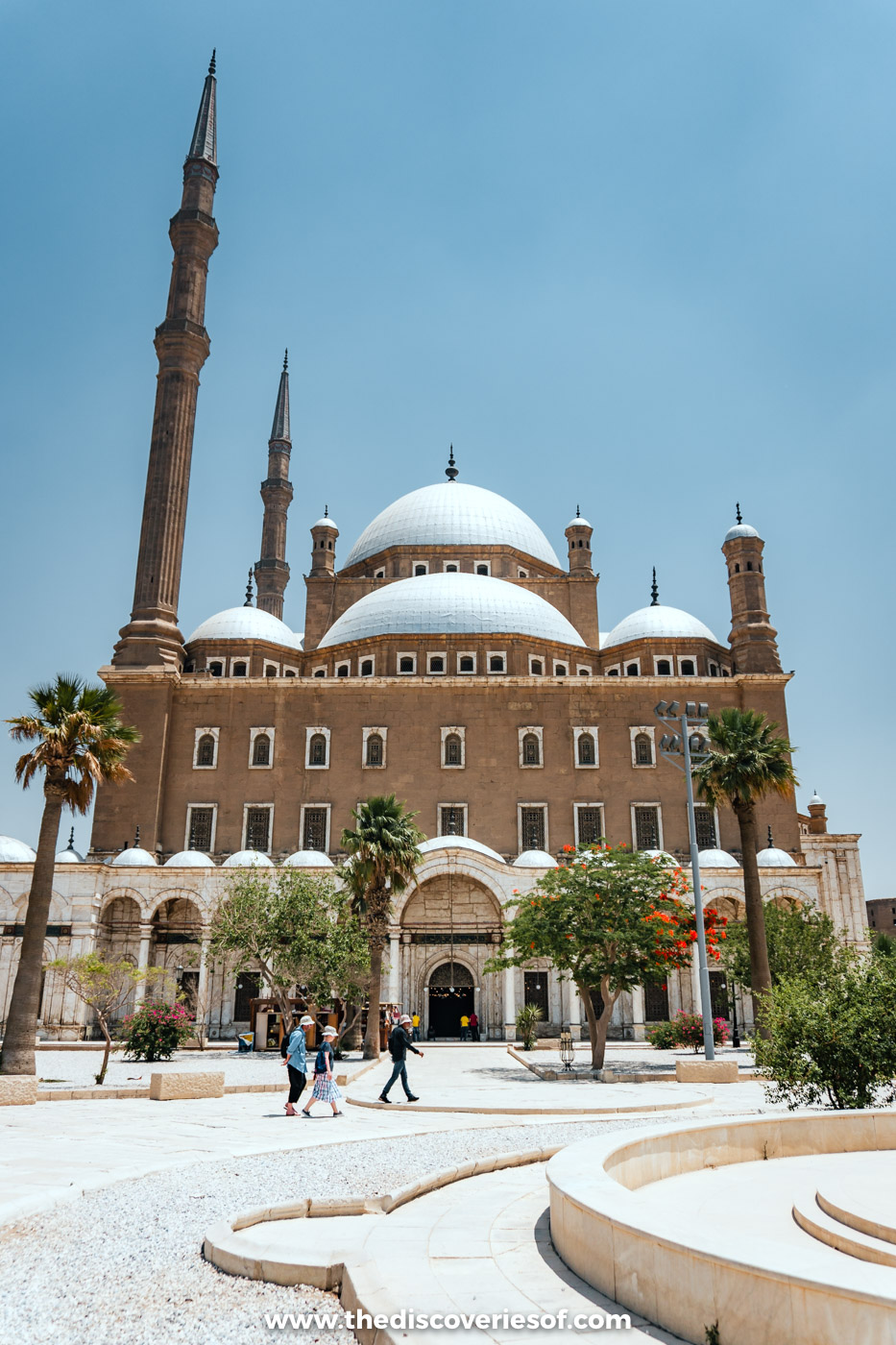
Built on a spur of the Muqattam Hills from 1176 by Salah al-Din (Saladin) to defend the city against the Crusaders, the Citadel was the seat of Egypt’s rulers for nearly 700 years, until the Khedive Ismail moved to Abdeen Palace in the 19th century.
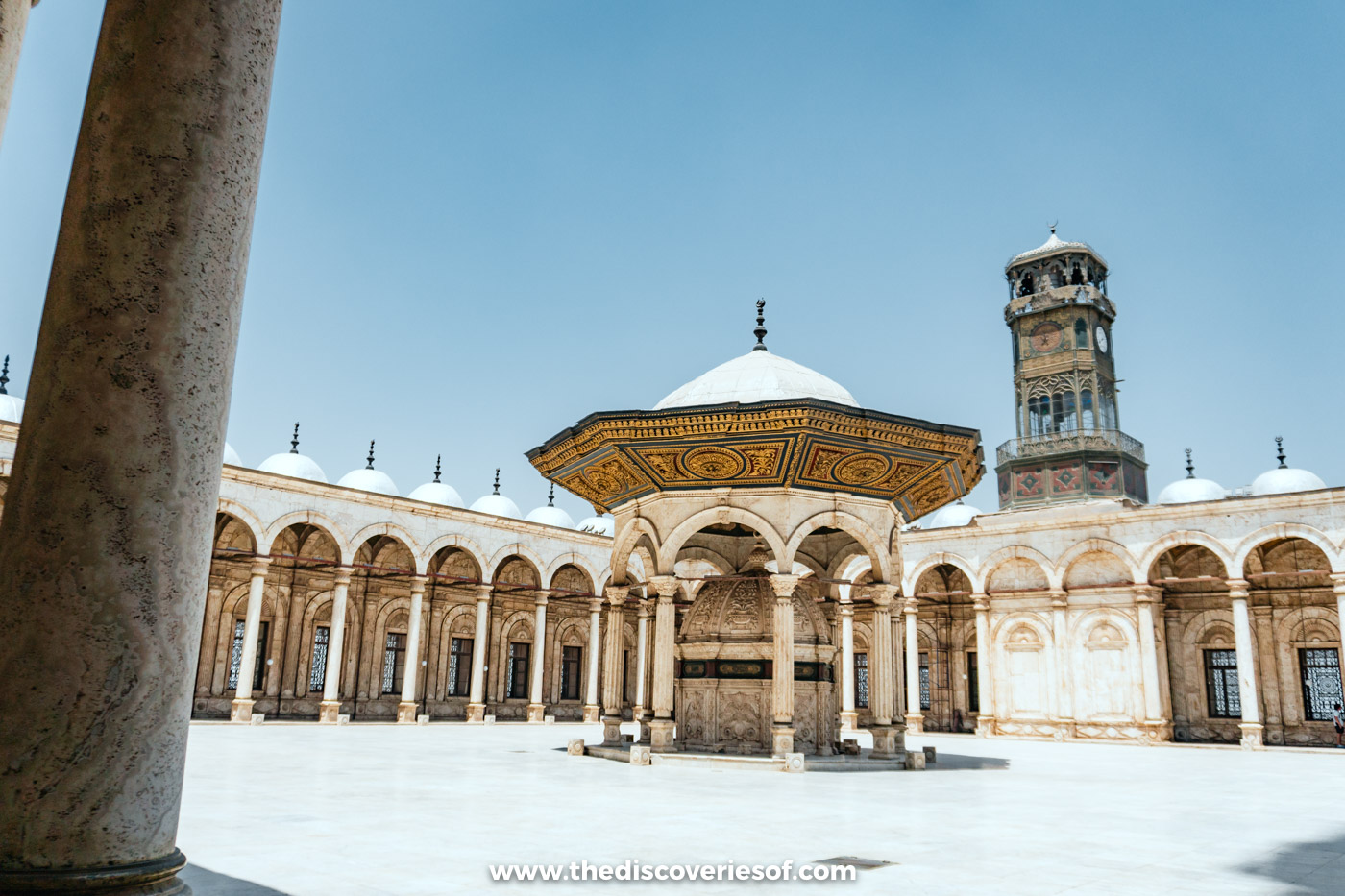
The highlight is the Mosque of Muhammad Ali, built between 1830 and 1848 in the Ottoman style for the ruler who founded modern Egypt, and nicknamed the Alabaster Mosque for its gleaming walls. Its courtyard has a domed ablution fountain and a clock tower that was a gift from King Louis-Philippe of France, given in exchange for the obelisk that now stands in the Place de la Concorde in Paris. (The clock is said never to have worked properly.)
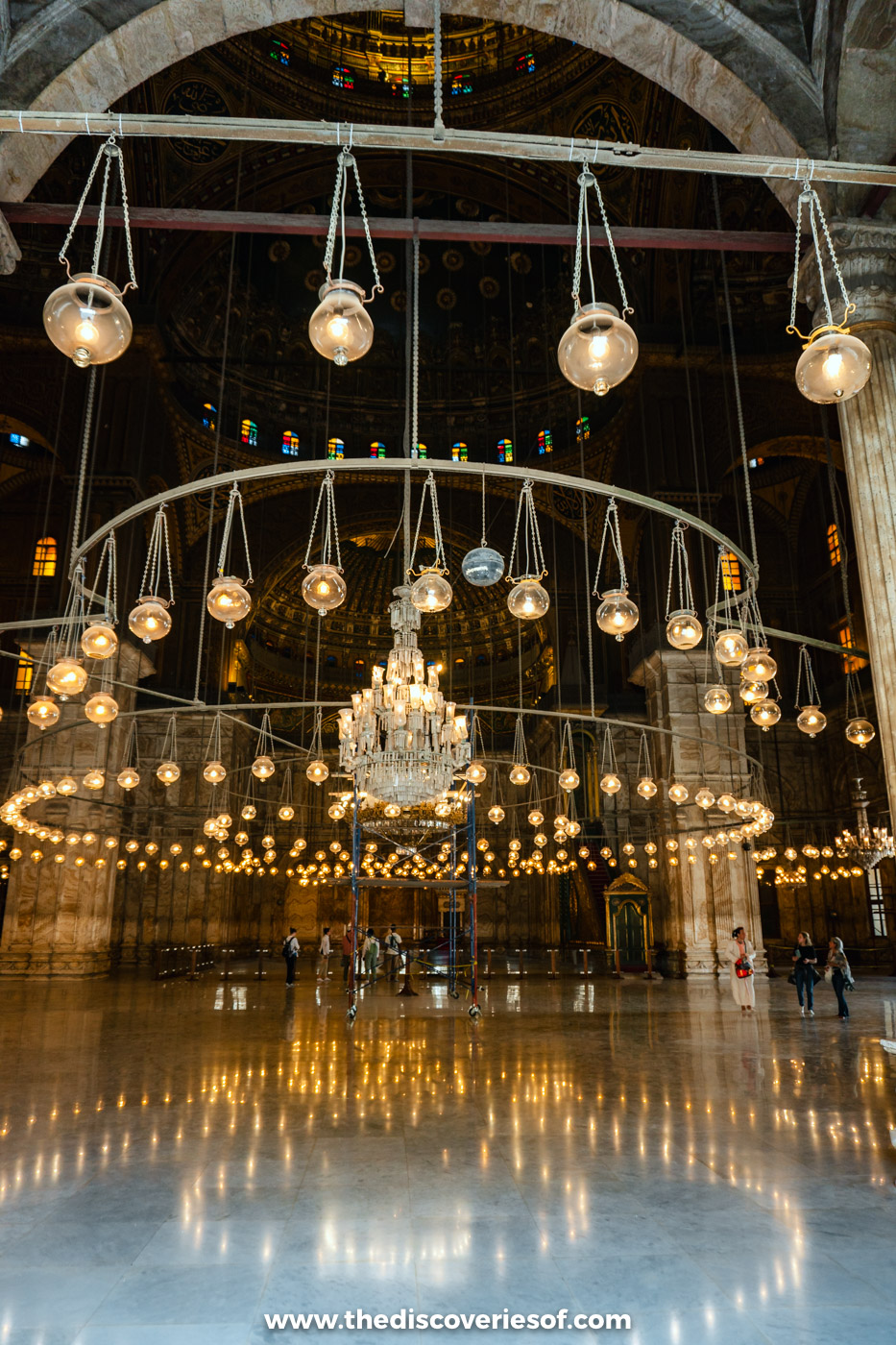
Inside, hundreds of lamps hang in rings beneath the great central dome. Take your shoes off at the door, and women should cover their hair and shoulders: scarves are usually available.
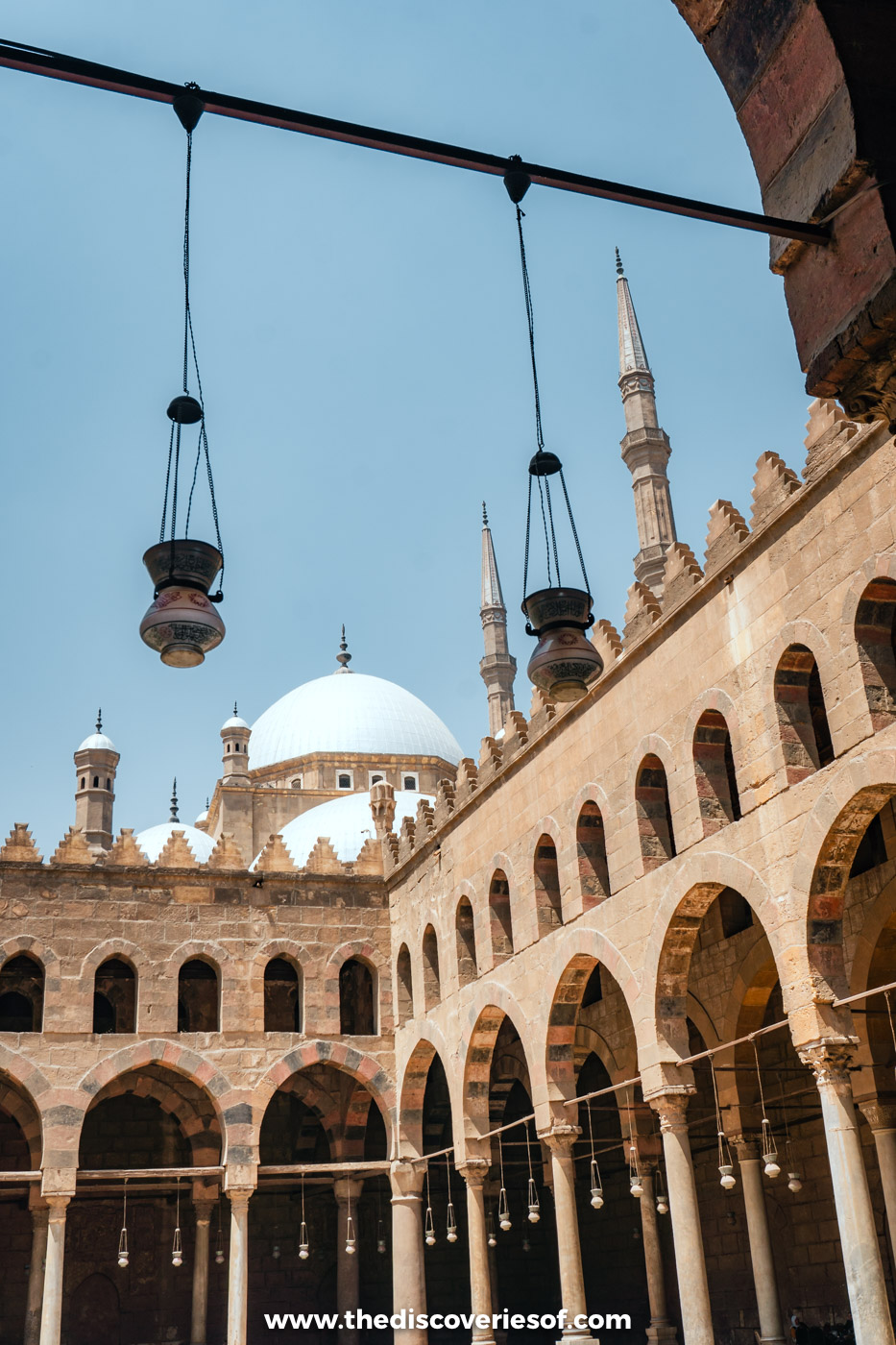
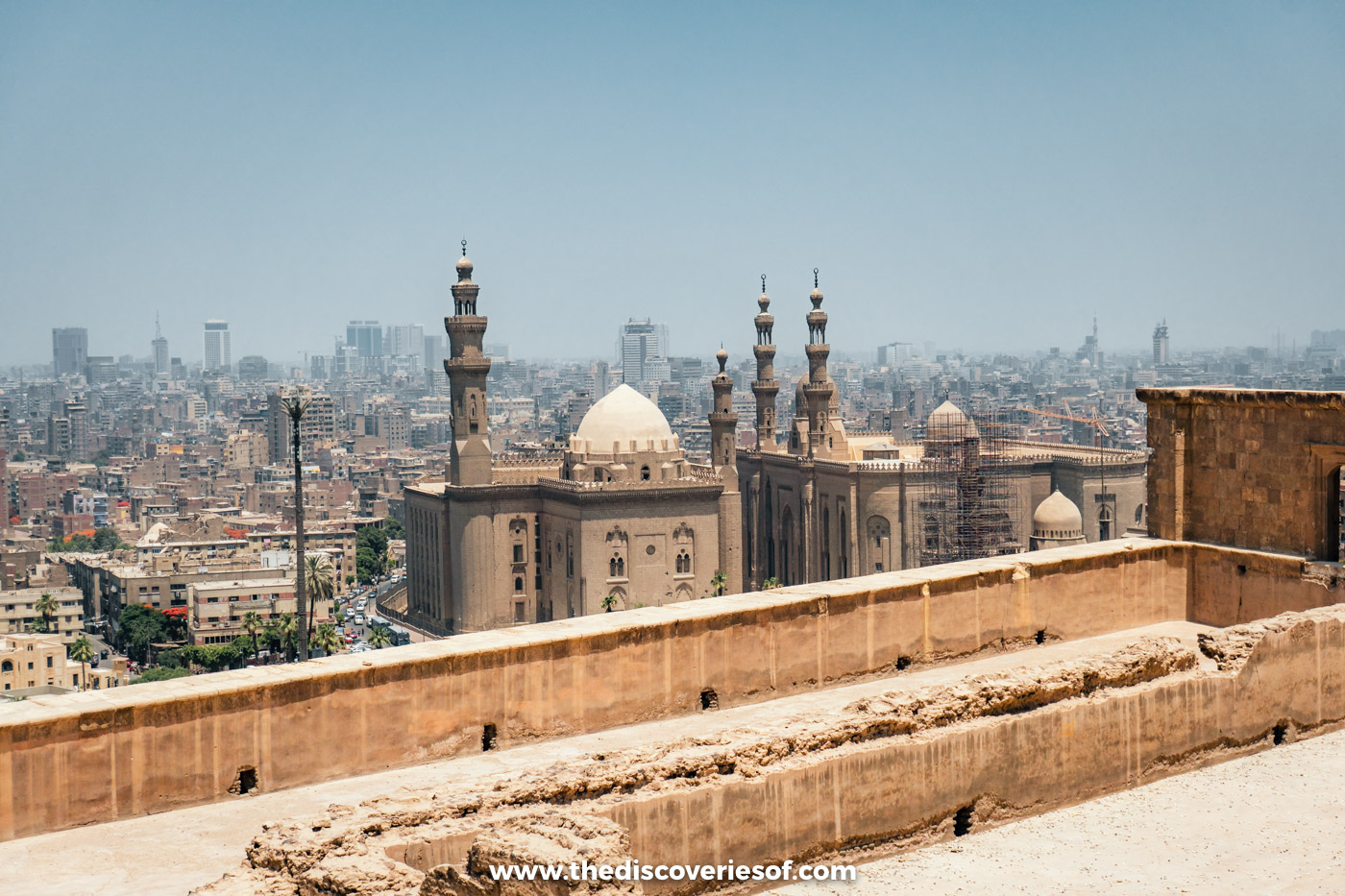
Go to explore the interesting buildings (though I’d give the underwhelming museums a miss), including the older Mosque of al-Nasir Muhammad, from the 14th century. The Citadel also has some of the best views of the city: hop onto the terraces to see it sprawling for miles beyond, with the mosques of Sultan Hassan and al-Rifa’i right below. Tickets cost 550 EGP, and it’s open daily from 8am to 5pm.
Look up at the Mosque-Madrasa of Sultan Hassan
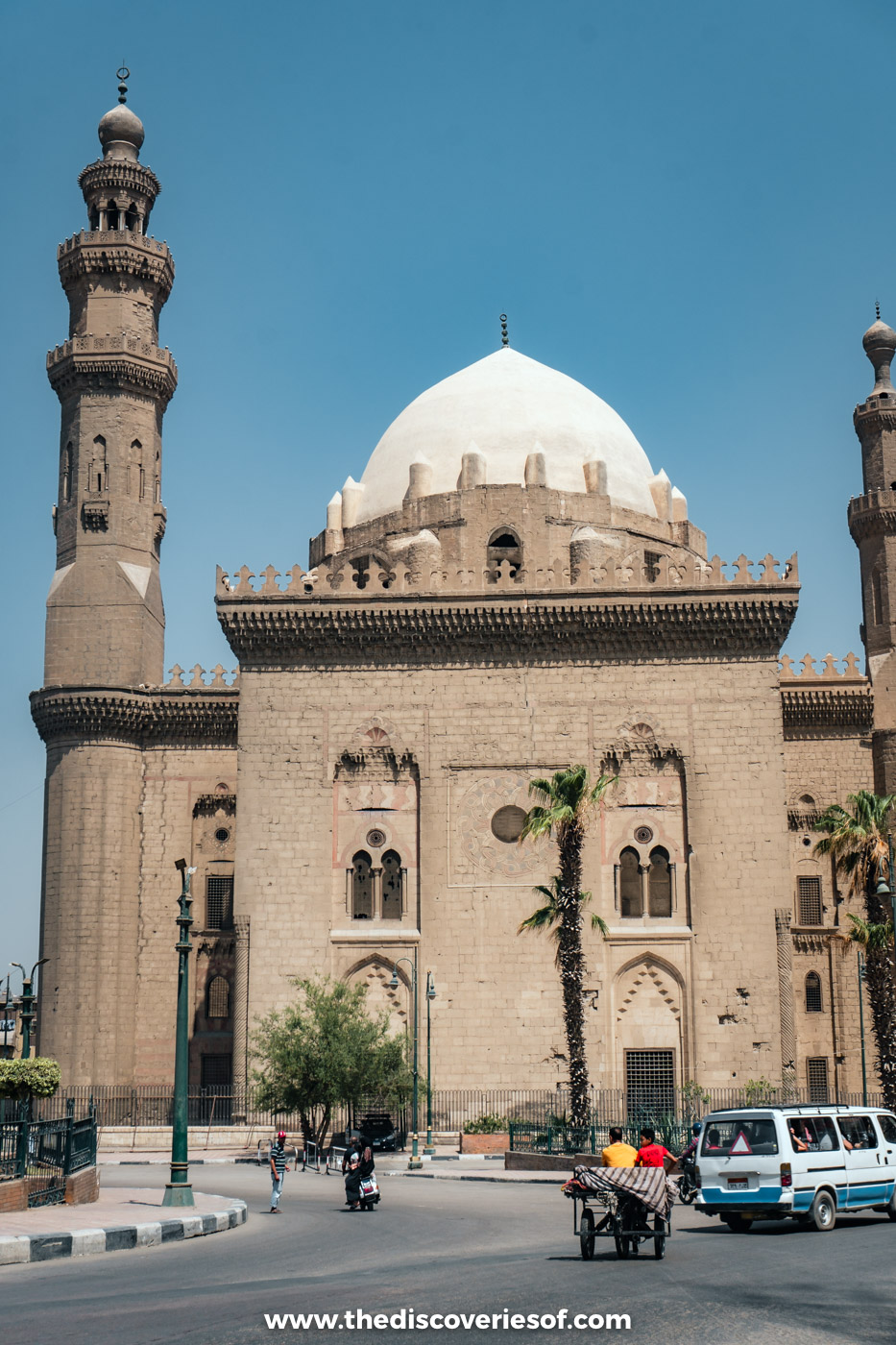
Right below the Citadel on Salah al-Din Square, the Mosque-Madrasa of Sultan Hassan, built between 1356 and 1363, is one of the largest and most impressive mosques of the medieval world. Step inside its vast courtyard and you’ll see four great vaulted halls (iwans), one on each side, where the four schools of Sunni Islamic thought (Hanafi, Hanbali, Maliki and Shafi’i) were taught.
Directly opposite is the al-Rifa’i Mosque, which looks medieval but was completed in 1912. It holds the tombs of members of Egypt’s royal family, including King Farouk, and of the last Shah of Iran.
Explore Coptic Cairo
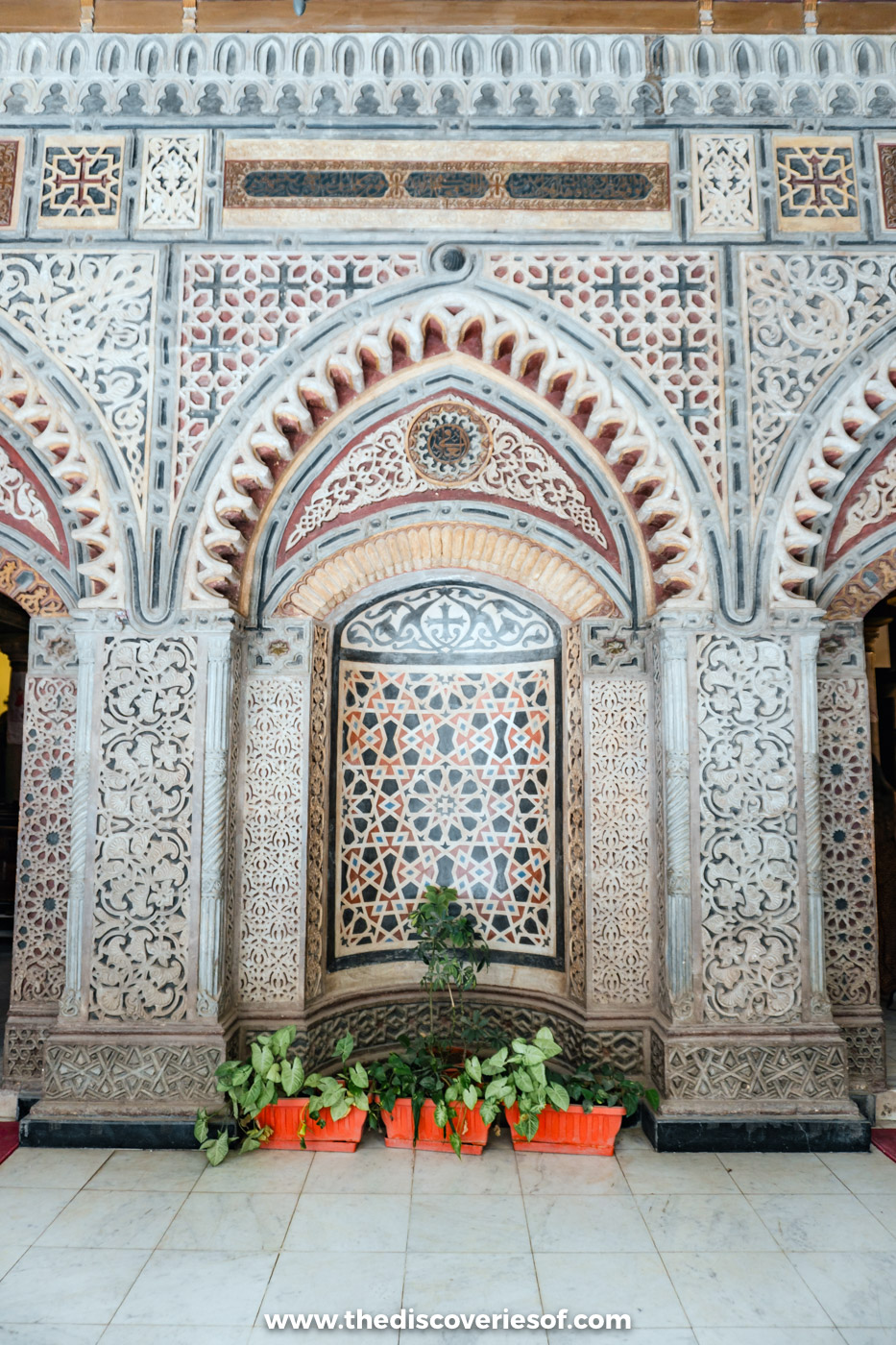
Coptic Cairo, part of Old Cairo, is the city’s Christian heart and one of its oldest corners. It grew up around the Roman fortress of Babylon, whose walls you can still see, and it’s packed with churches, a synagogue and an excellent museum within a few lanes of each other. Take the metro to Mar Girgis station and you’ll be right outside.
The Hanging Church
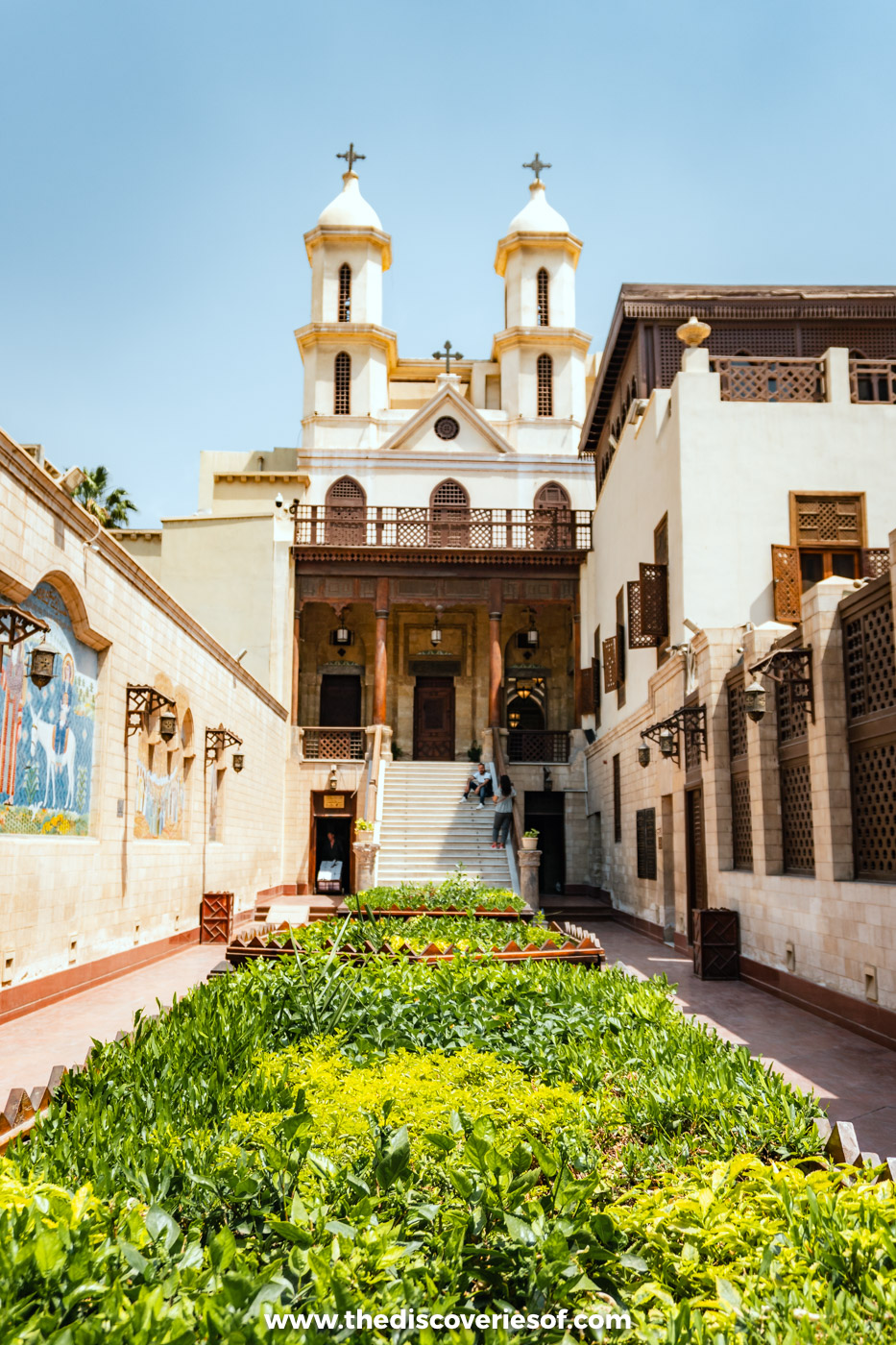
Also called the Church of the Virgin Mary, this unique church gets its name because it was built over the gatehouse of the Roman fortress, so its nave is suspended above the passage below. Climb the steps through the courtyard, then pay particular attention to the wooden roof, which is said to resemble Noah’s Ark, and the screens of ebony and ivory in front of the sanctuaries.
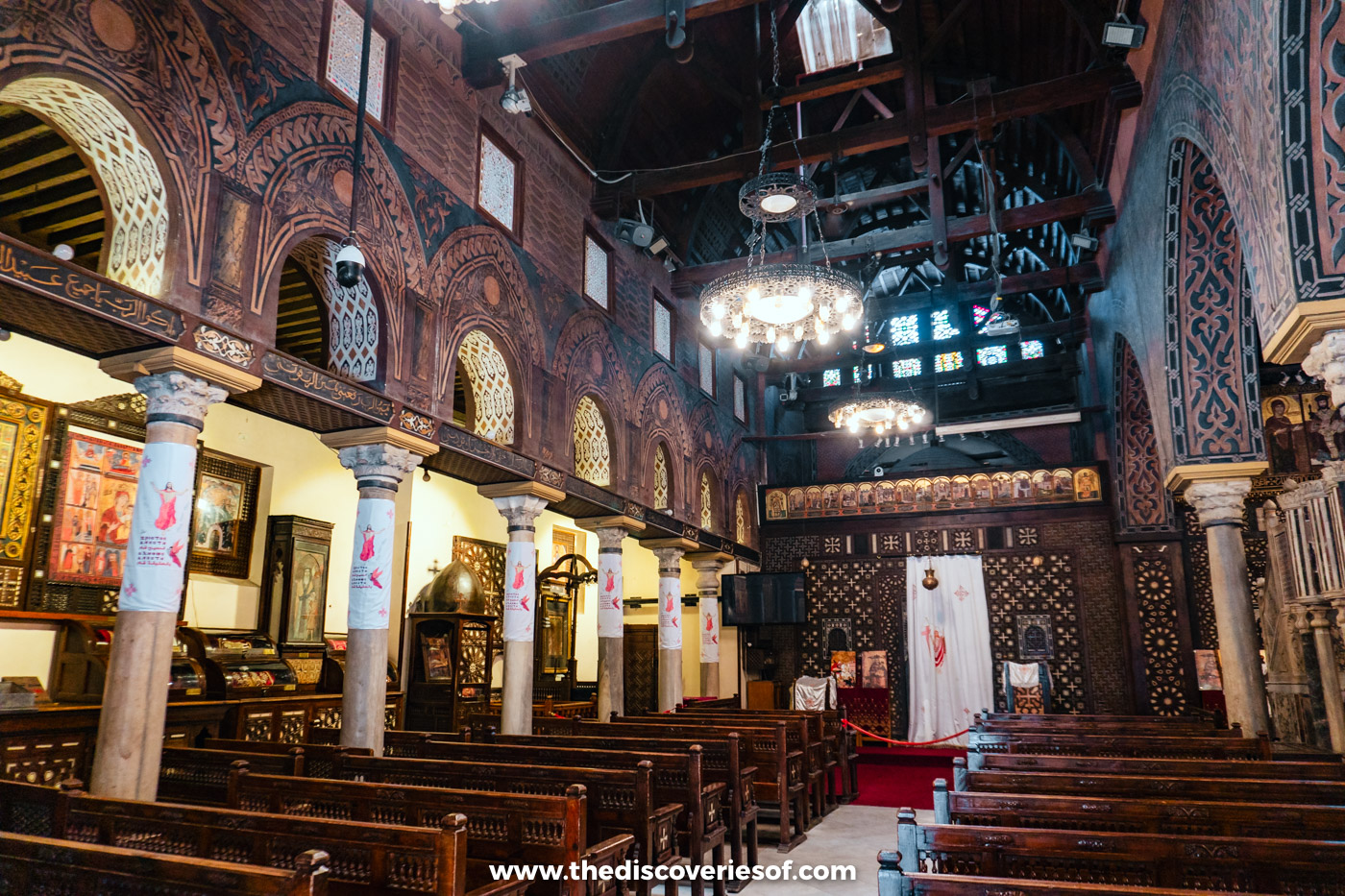
The Church of St Sergius and St Bacchus
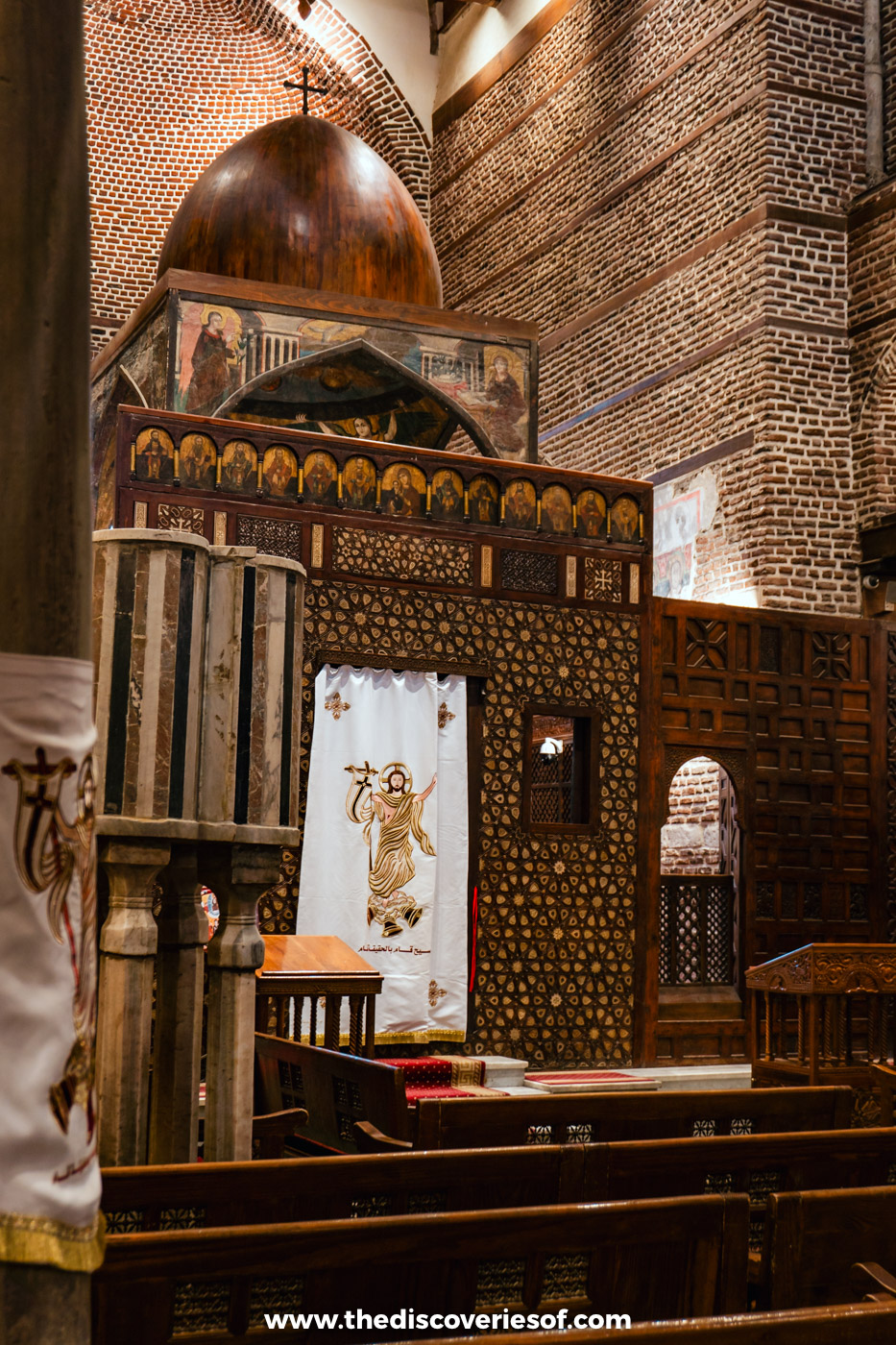
Known as Abu Serga, this is one of the oldest churches in the city. Under the altar is a crypt where, according to tradition, the Holy Family sheltered at the end of their journey into Egypt.
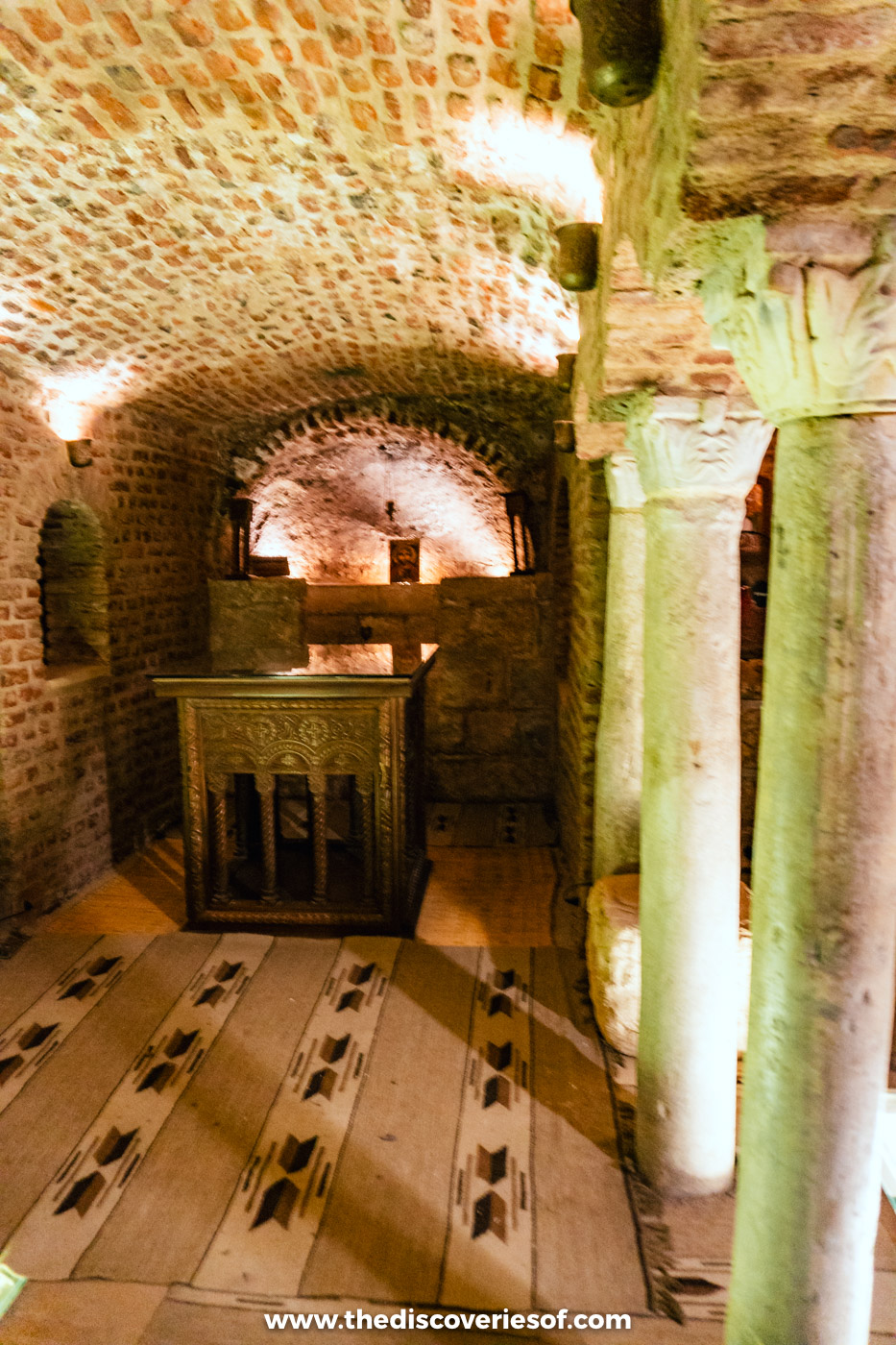
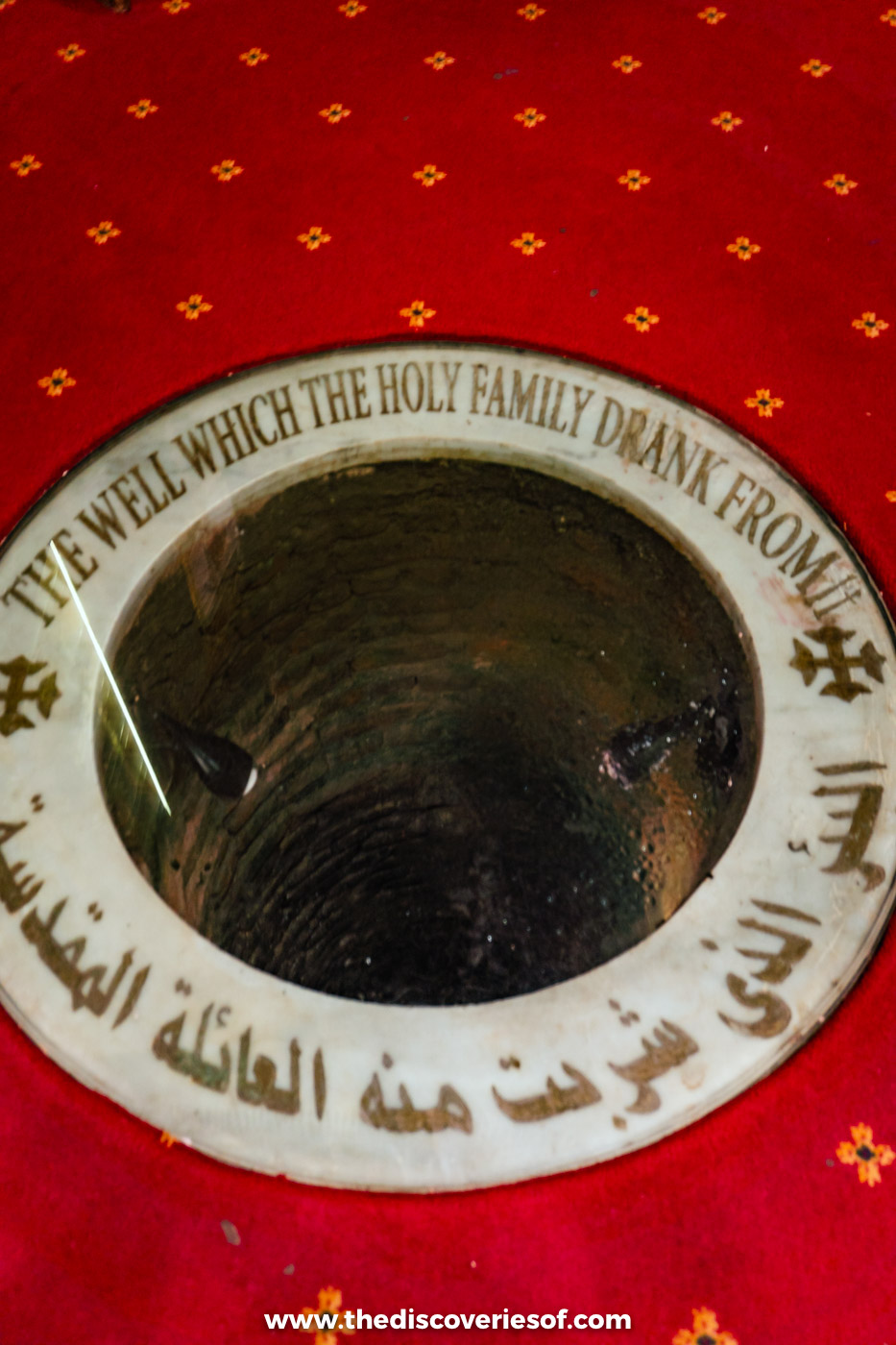
Look out for the well marked as the one the Holy Family drank from.
The Coptic Museum
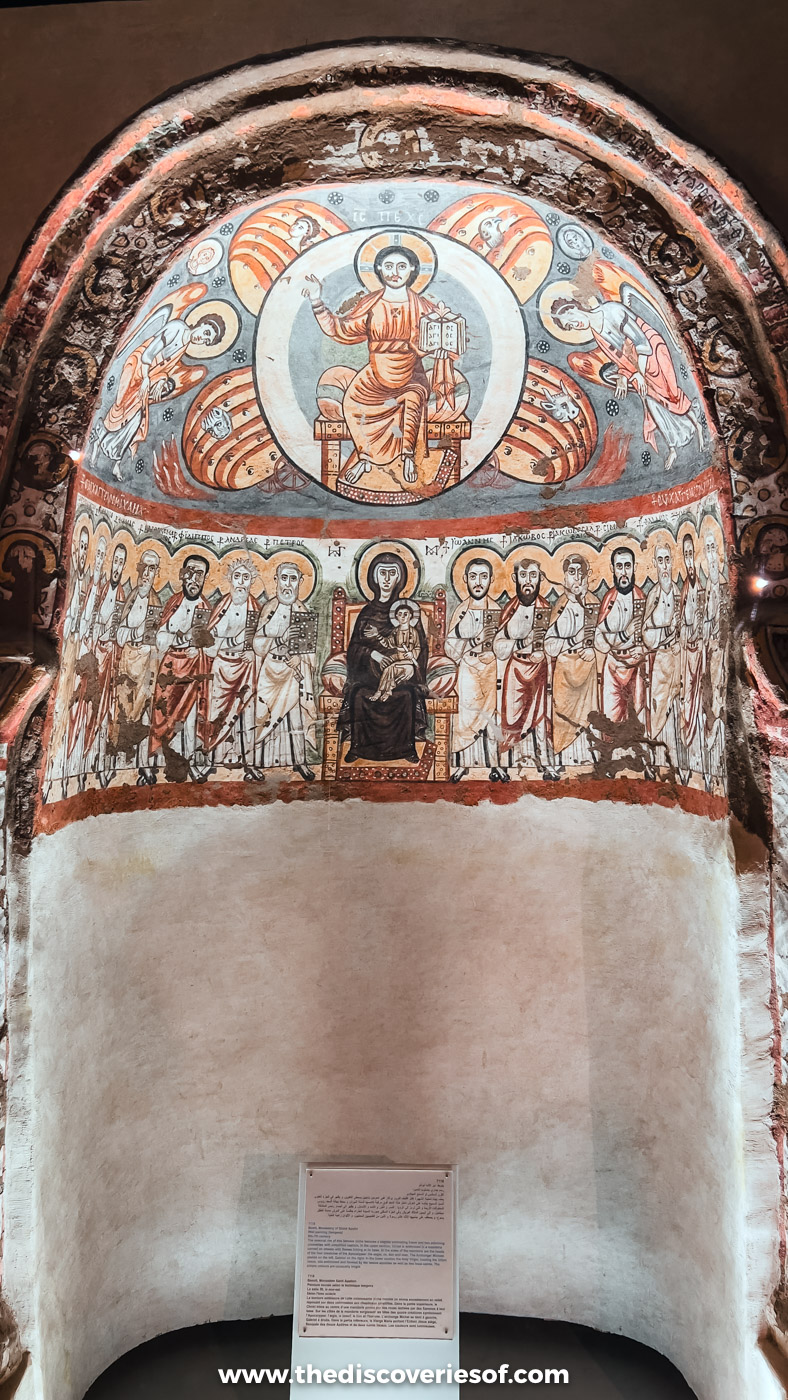
Next to the Hanging Church, the Coptic Museum has the world’s largest collection of Coptic Christian art, from carved stone and painted icons to textiles, manuscripts and woodwork. It was founded in 1910 by Marcus Simaika, whose bust stands in the garden, and tickets cost 280 EGP.
Ben Ezra Synagogue
Nearby, the Ben Ezra Synagogue is where the Cairo Geniza was found in the 1890s: a storeroom of some 300,000 manuscript fragments, which revealed centuries of everyday life in the Mediterranean world.
Top Tip
If you’d like to explore the old streets with a guide, take this best-kept secrets night tour, which takes in the lesser-known side of Islamic Cairo after dark.
Fill up on falafel and koshari
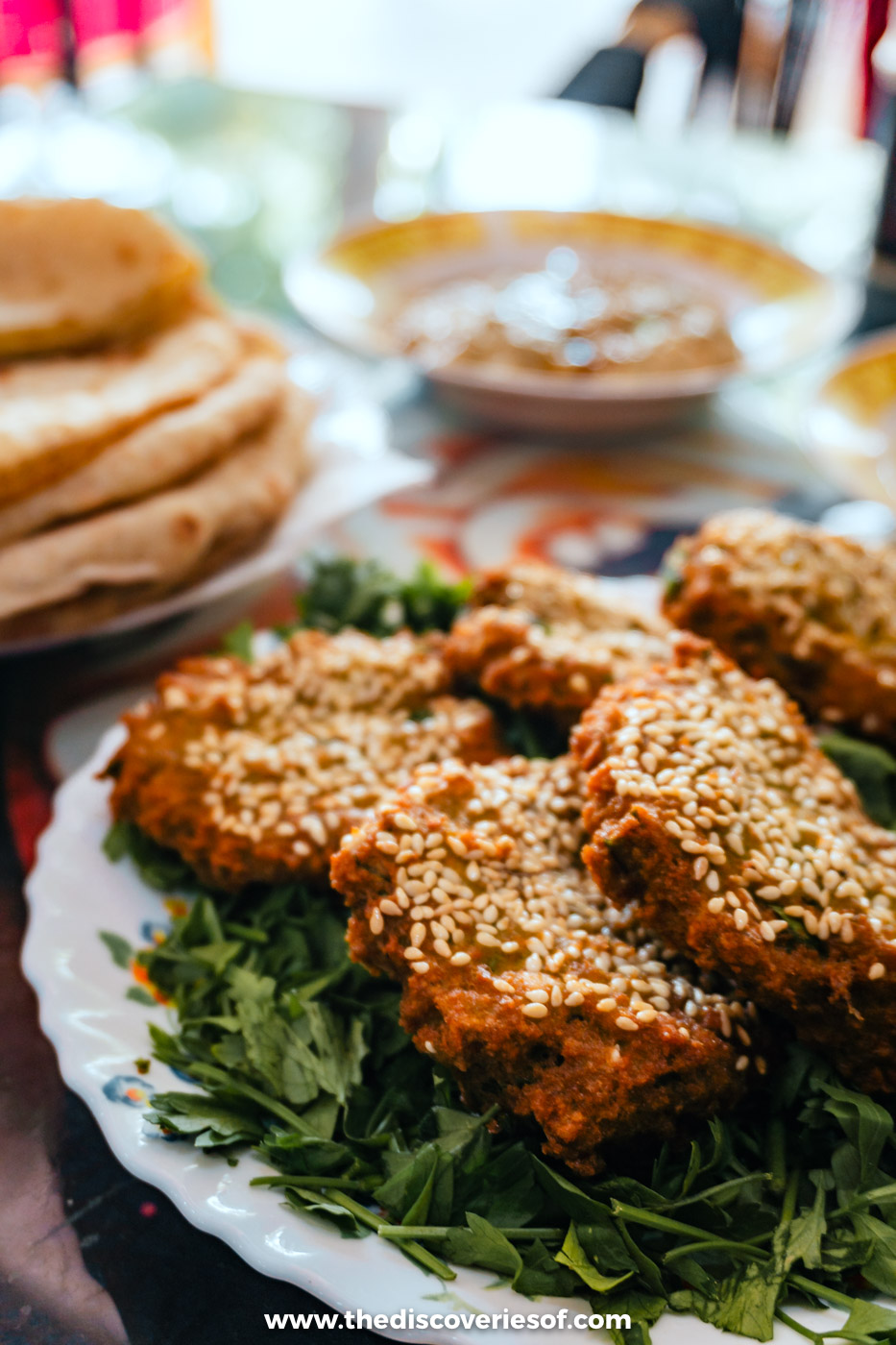
One of the best ways to get under a country’s skin is through its food, and on that front, I have three words for you: THE FALAFEL. Drool. Here it’s made with fava beans rather than chickpeas, and called ta’ameya.
Don’t leave without trying koshari, the city’s favourite comfort food of rice, lentils, pasta and chickpeas topped with a spicy tomato sauce and crispy onions, or ful medames, slow-cooked fava beans eaten for breakfast. On a guided walk with street food stops, you’ll have the chance to sip and nibble your way through the old city and perhaps discover your next favourite dish.
See Tutankhamun’s treasures at the Grand Egyptian Museum
On the edge of the desert about 2 km from the pyramids, the Grand Egyptian Museum (GEM) is the largest archaeological museum in the world dedicated to a single civilisation. After two decades of construction, it was officially inaugurated on 1 November 2025, and every gallery is now open.
The big draw is the complete treasure of Tutankhamun, more than 5,000 objects from his tomb, including the golden mask and his gilded shrines, displayed together for the first time since Howard Carter found them. You’ll also see the 11-metre colossus of Ramses II in the atrium, the Grand Staircase lined with statues of kings and gods, and Khufu’s 4,500-year-old cedar boat, moved here from beside the Great Pyramid.
Adult tickets cost around 1,590 EGP and are sold online. The galleries are open from 9am to 6pm, with late opening until 9pm on Wednesdays and Saturdays. Allow at least three or four hours. It combines easily with the pyramids, either on your own or on this tour of the pyramids, the Sphinx and the Grand Egyptian Museum, one of the best-reviewed tours in the city. If you’ve been to Tutankhamun’s tomb in Luxor, this is where his treasures ended up.
Visit the Al-Azhar Mosque
The Al-Azhar Mosque is a sand-coloured sanctuary and a historic centre of religious learning. Founded by the Fatimids in 970, just a year after they founded the city, it’s one of the oldest mosques in the city, and Al-Azhar University, which grew up around it, is one of the oldest universities in the world still running.
The mosque is a great example of Fatimid architecture, although it’s been significantly modified and expanded since it was first built, and its five minarets span several centuries. From its stunning marble courtyard to its quiet study spaces, spend some time discovering the different architectural styles. Entry is free; dress modestly and take off your shoes.
Delve into the Museum of Islamic Art
The Museum of Islamic Art holds one of the finest collections of its kind in the world, with around 100,000 objects from across the Islamic world, from India to Spain. A few thousand are on display at any one time, so you can see the highlights in a couple of hours: Mamluk glass mosque lamps, carved wooden doors, ceramics, carpets, astrolabes and manuscripts.
The museum was badly damaged by a car bomb aimed at the police headquarters opposite in 2014 and reopened, restored, in 2017. It’s in Bab al-Khalq, between Downtown and Islamic Cairo.
Discover the Mosque of Ibn Tulun and the Gayer-Anderson Museum
Built between 876 and 879, the Mosque of Ibn Tulun is the oldest mosque in the city to survive in something close to its original form, and one of the largest in the world by area. Its vast, peaceful courtyard is a world away from the traffic outside, and you can climb the unusual spiral staircase of its minaret for views over the rooftops.
Right next door, the Gayer-Anderson Museum fills two 16th and 17th-century houses with the collection of a British army doctor who lived here in the 1930s and 1940s. If its wooden screens and rooftop look familiar, it’s because it appeared in the James Bond film The Spy Who Loved Me.
Take a walking tour of the old city
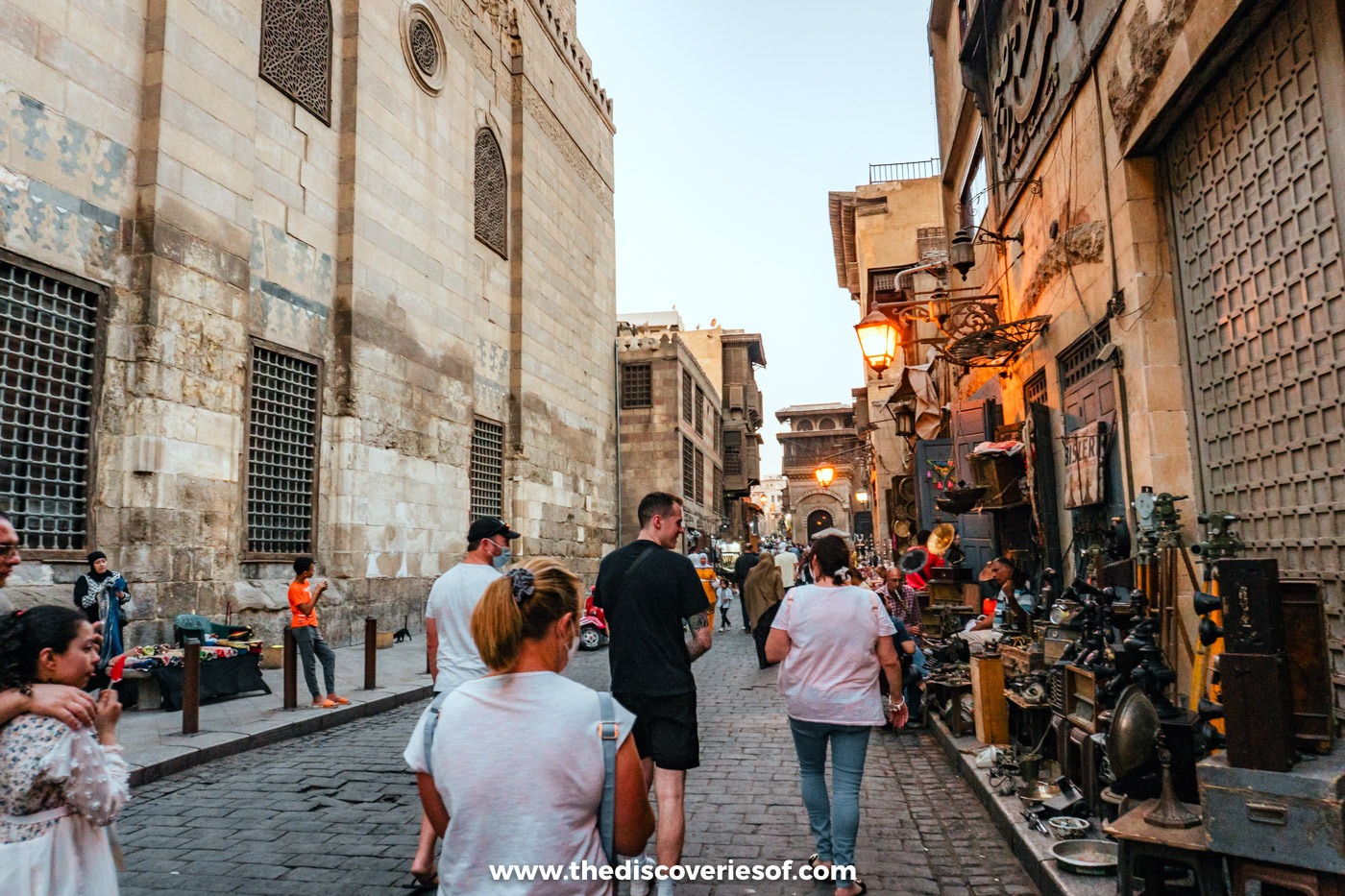
From a groundbreaking ancient civilisation to the Egyptian Revolution of 2011, the city has seen its fair share of monumental moments in history. A guided walk is a good way to get some perspective on the city’s past and present, and to find your way around the lanes without getting lost. This tour of Islamic and Coptic Cairo takes in the mosques, churches and historic lanes of the old city, with lunch included.
Watch the sunset from Al-Azhar Park
Opened in 2005 on what had been a rubbish dump for centuries, Al-Azhar Park is a 30-hectare green oasis created by the Aga Khan Trust for Culture. It’s a lovely place to escape the noise of the city, with fountains, gardens, cafés and some of the best sunset views of the Citadel and the minarets of Islamic Cairo.
Float along on a Nile dinner cruise
What better way to end a day of sightseeing than bobbing along one of the longest rivers in the world? With the twinkle of the city lights and entertainment on board, a Nile dinner cruise is a fun way to spend an evening, with an open buffet, a whirling tanoura dancer and a belly dancing show.
For something quieter, hire a felucca from one of the landings on the Corniche for an hour around sunset. Agree the price before you set off.
Go up the Cairo Tower
On Gezira Island in Zamalek, the 187-metre Cairo Tower was completed in 1961, and its lattice of concrete is said to have been inspired by a lotus plant. Its open-air observation deck has a 360-degree view over the Nile and the city, and on a clear day you can make out the pyramids on the horizon. Go just before sunset to see the city in daylight and after dark.
Take a day trip to Saqqara and Memphis
Saqqara, about 30 km south of the city centre, was the burial ground of Memphis, Egypt’s first capital, and it’s home to the Step Pyramid of Djoser, built around 2670 BC and the oldest of Egypt’s great pyramids. Combine it with the open-air museum at Memphis, with its colossal statue of Ramses II, and the Bent and Red Pyramids at Dahshur. See my guide to the best day trips from Cairo for more.
Tips for your visit
- How long to stay: three days is about right to see the top sights, with time left over for exploring. Plan a day for Giza and the Grand Egyptian Museum, a day for the Egyptian Museum, NMEC and Coptic Cairo, and a day for the Citadel and Islamic Cairo. My two-day itinerary shows how to fit the highlights into less time.
- When to go: the most comfortable months are from October to April, with March, April, October and November the sweet spot between the weather and the crowds. It’s very hot from June to August, and December to February is peak season.
- Bring a card and small notes: ticket offices at the major sites and museums are now cashless, so carry a Visa or Mastercard, but you’ll still need cash for taxis, tips, toilets and the souk. Nothing in Egypt is free, as my guide put it.
- Use Uber or Careem: ride-hailing apps are the easiest way to get around, and the metro is useful for Coptic Cairo (Mar Girgis station) and Downtown. Leave plenty of time: the traffic is legendary.
- Dress for mosques: cover shoulders and knees, and women should carry a scarf to cover their hair.
Watch my Egypt video
Subscribe on YouTube and discover new destinations.
Where to stay
Stay on the Nile in Garden City or Zamalek to be central for the museums and Islamic Cairo, or in Giza if you want to wake up to a view of the pyramids. My guide to the best places to stay in Cairo has the full rundown.
- Pharaohs Hotel (budget, Dokki): where I spent my first nights. A simple three-star hotel a few minutes’ walk from the Nile, about 2 km from the Egyptian Museum.
- Kempinski Nile Hotel Garden City (luxury, Garden City): where I spent my last night. A welcoming high-end hotel on the Nile, with a stunning rooftop pool and spa, Nile-view rooms and the Egyptian Museum within walking distance.
- Pyramids Planet Hotel (budget, Giza): a small hotel near the pyramids, with rooms and a breakfast terrace looking out over them.
Map
Read next
- The ultimate 10-day Egypt itinerary
- How to visit the Pyramids of Giza
- Two days in Cairo: the perfect Cairo itinerary
- The best places to stay in Cairo
- The best day trips from Cairo
- What to do in Egypt: a bucket list
- The best things to do in Luxor
- Visiting the Valley of the Kings
- The best places to travel in March
Love this? Save and share on Pinterest

Discover the top things to do, insider tips and hidden gems in our Egypt Travel Guide.
Read the guides →