
Europe
Denmark travel guide
Welcome to Denmark – a charming Nordic wonderland where old-world fairytales meet contemporary design and sustainability. Explore with this Denmark travel guide.
Destinations

Julianna BarnabyTravel and culture writer
If you’ve ever dreamed of sipping hot cocoa while cosying up in a centuries-old castle or cycling through a region where the number of windmills outnumber that of people, Denmark is calling.
Don’t let the nation’s small size fool you; Denmark is brimming with treasures whether that’s uber-cool Copenhagen, the historic streets of Aarhus or the broad plains of the Danish Riviera – you’ll be ready to tackle it all with this guide.
I’m here to give you the lowdown on all things Denmark – the best time to travel, top things to do and insider tips to make your trip a breeze. Let’s go.
 35 Brilliant Things to do in Copenhagen
 Three Days in Copenhagen – The Perfect Copenhagen Itinerary
 Copenhagen Winter Travel Guide: Things to do + Practical Tips for Your Trip
When to go
Generally, June to August is the best time to travel to Denmark for longer daylight hours and comfortable weather.
If you really want to go all in – experience a Danish summer party in July at the Roskilde Festival, where even the Little Mermaid is willing to swap her fish tail for dancing shoes.
Getting there and around
- Skyscanner for Flights: Find the cheapest flights.
- Holiday Autos: Compare rental prices from hundreds of rental agencies.
- Flixbus: Online service where you can book cheap coach travel.
- Omio: Online service where you can book trains, buses, and flights.
- RailEurope for Trains: European service that allows you to book train rides across the continent.
- Booking.com: For accommodation and airport transfers.
Denmark is a small country, so getting around is easy. You have walkable cities like Copenhagen, but Danes are also used to bikers, so you can rent a bike for approximately £16 / $21 per day.
Denmark also has an inexpensive and reliable public transportation system that relies on buses, harbour buses, metros, and ferries that travel between cities, costing between £1,6 and £17 / $2 and $22.
Where to stay
Copenhagen
Copenhagen is where Danish culture and modern life converge, with landmarks and architecture accompanying the concept of “hygge”. I recommend a stay at the WIDE Hotel.
Skagen
Skagen is a city renowned for its beauty. Its unique location results in a remarkable quality of light in the sky, and it’s also home to Grenen, where two seas meet. Choose Skagen Hotel as your base for exploring the city.
Funen Island
Funen Island is popular for its rolling hills and charming countryside. It’s also a perfect base for island hopping across Denmark, with a recommended stay at Cromwell HC Andersen Dolce.
Aarhus
The nation’s second-largest city also happens to be one of its best, thanks to its multicultural makeup and proximity to nature. Stay at the Hotel Atlantic.
Copenhagen

Copenhagen

Kolding

Tours
Know before you go
Top things to do
Copenhagen
Standing as a radiant beacon of Scandinavian cool, Copenhagen is a must for your time in Denmark.
Kick off your Copenhagen itinerary with the iconic Little Mermaid statue – then delve deeper into the city’s myriad treasures. There are 15 Michelin-starred restaurants serving up all kinds of culinary magic for starters.
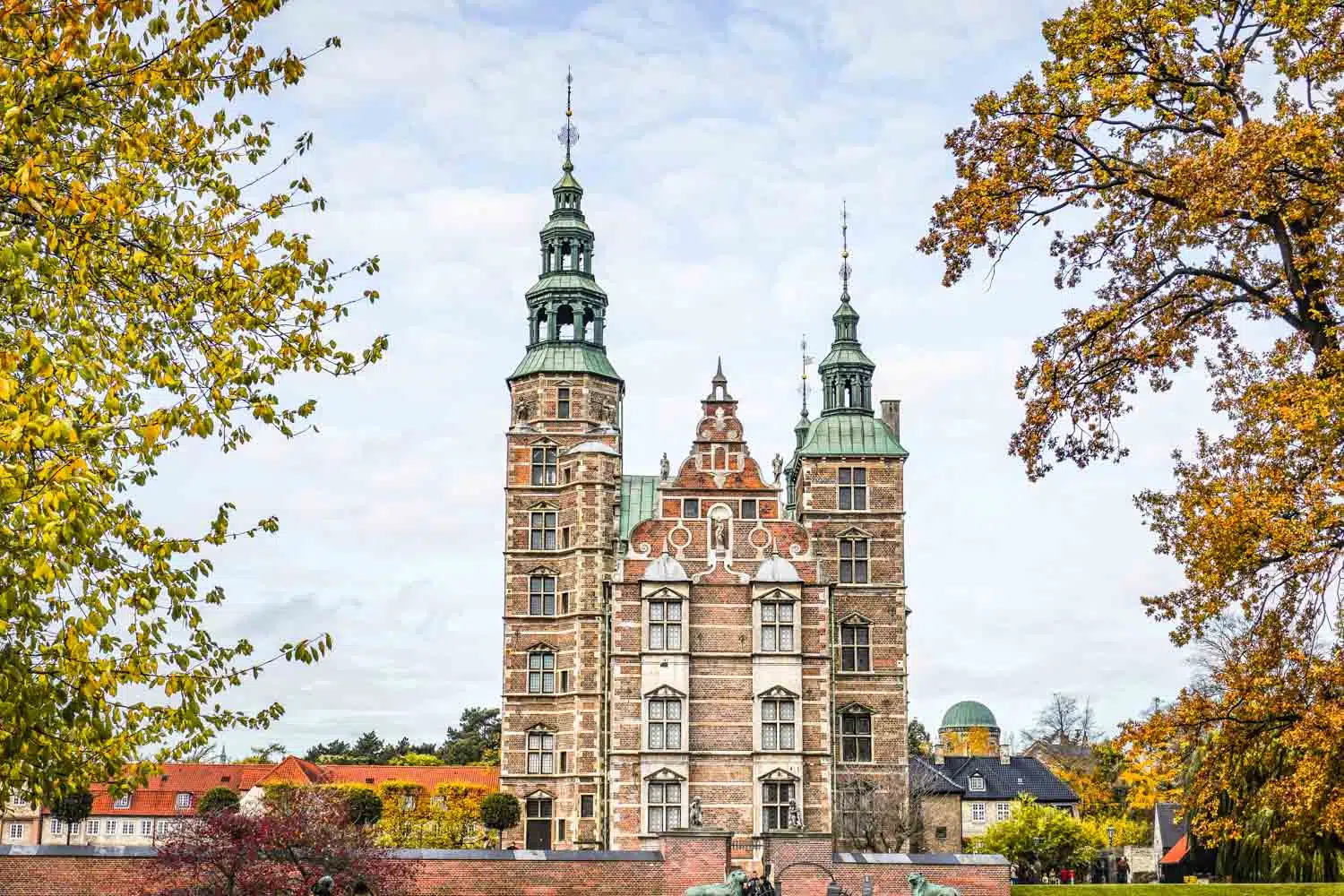
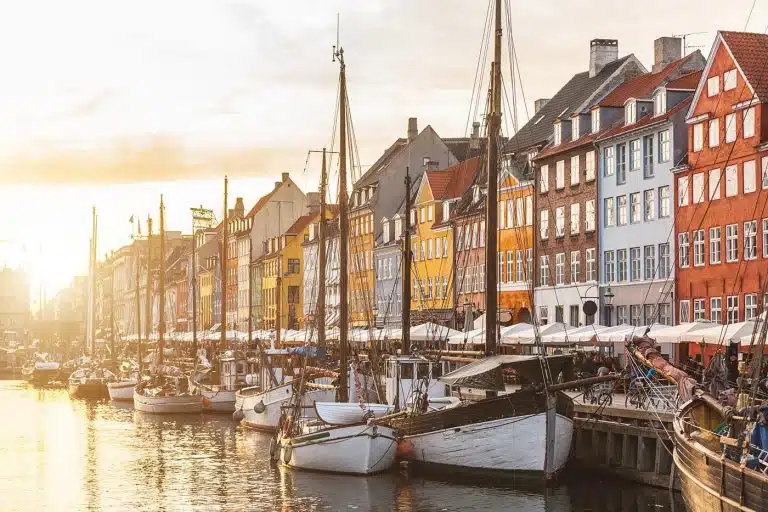
Move on to the open-air market Torvehallerne – or one of the city’s many other food markets for that matter – then the architectural wonder that is the Frederiksborg Palace. Round it all off with a leisurely bike ride through the historic Nyhavn district and a beer.
Aarhus
Aarhus, Denmark’s second-largest city, puts up a worthy battle with Copenhagen for the title of Denmark’s coolest spot. What’s not contested is that it’s a city truly on the rise as we see an increasing amount of interesting architecture cropping up.
Venture there to find amazing restaurants, bars and boutiques. The ARoS Aarhus Art Museum is a must-see, crowned by a panoramic rainbow walkway that offers stunning city views.
The city’s Old Town, or “Den Gamle By,” is a living museum that transports you back in time, complete with authentic buildings and period-dressed guides. Don’t overlook the trendy cafés at the Latin Quarter or the serene beauty of Marselisborg Palace Gardens either.
Zealand
If you’re wanting more than city life, then Zealand is your answer; think lovely beaches and ornate castles, topped off with verdant forests that are perfect for long hikes.
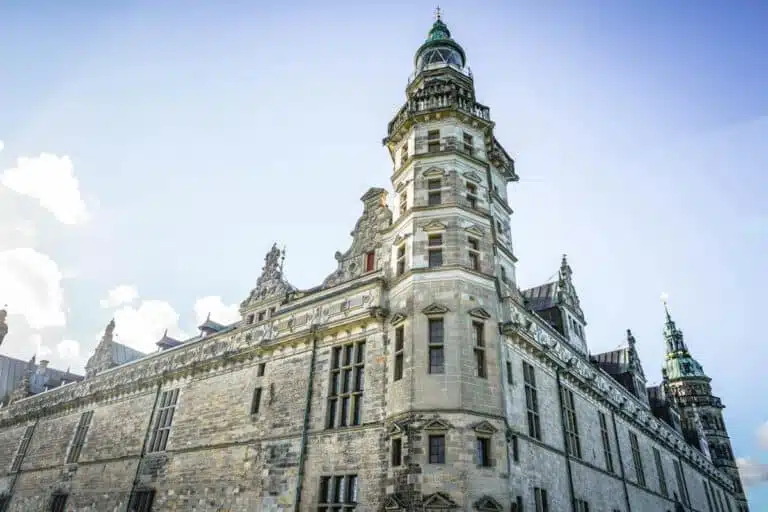
The astonishing cliffs of Møns Klint should be high on your list, providing a perfect vantage point for breathtaking vistas over the Baltic Sea. Then there’s the majesty of Kronborg Castle in Helsingør (more on that below).
That’s not where you finish though. Check out some art at Louisiana, a contemporary art gallery, the Viking Ship Museum or the archaeology site, Sagnlandet Lejre.
Bornholm Island
Bornholm is that one rebellious cousin who arrives in a Hawaiian shirt and plays the ukulele while everyone else is in suits, but everyone still loves him.
The island gets more sunshine than any other part of Denmark and is primarily famous for its smoked fish, including the beloved herring. It’s also home to four medieval and curiously round churches.
Day Trip to Hamlet’s Castle
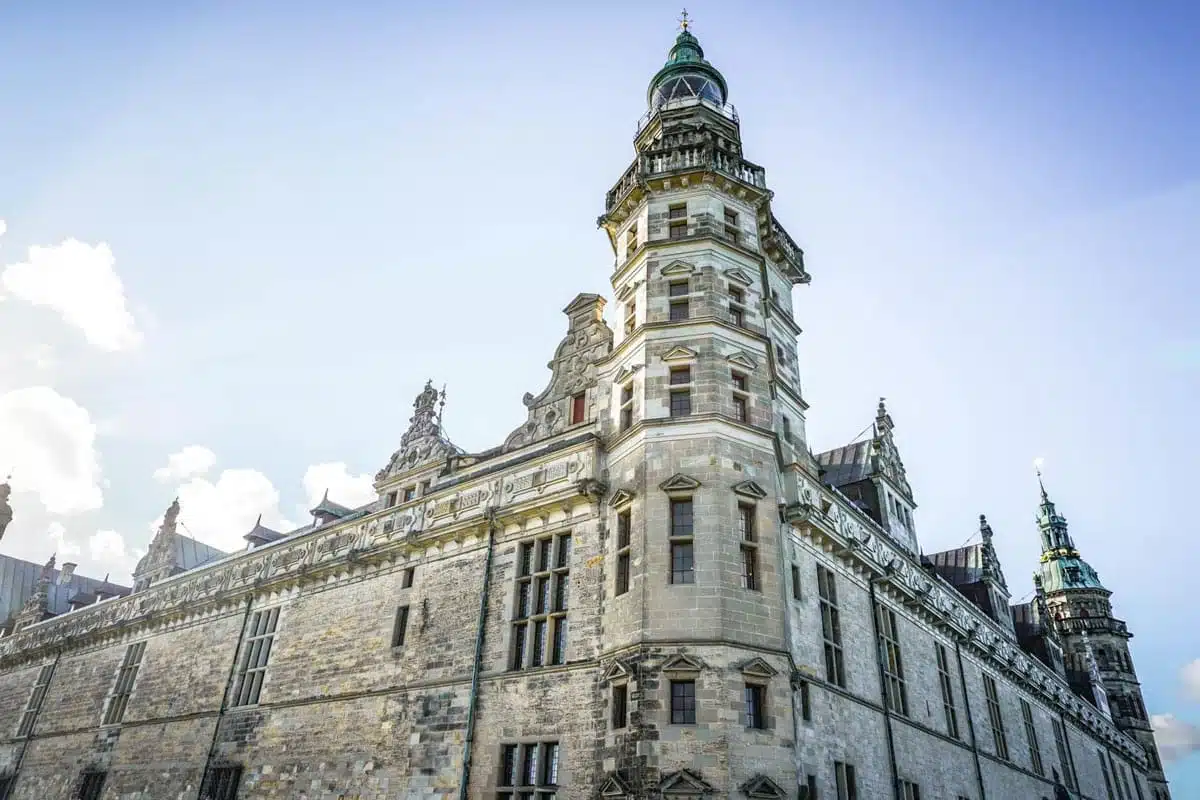
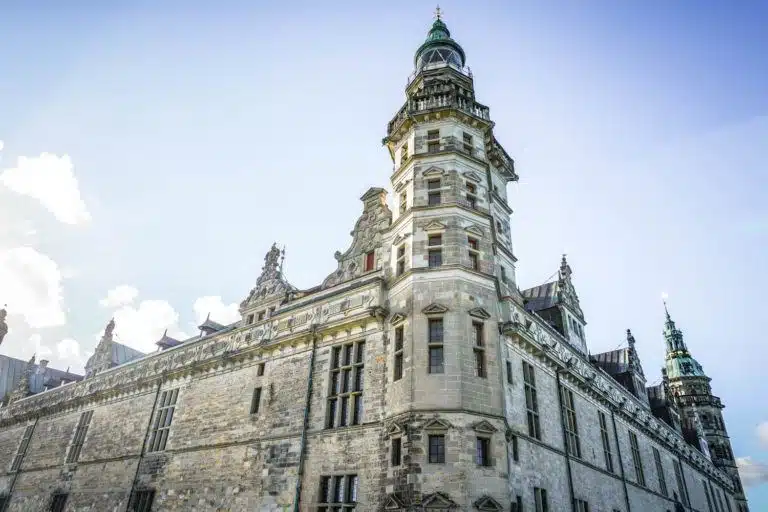
Helsingør’s Kronborg Castle, also known as Hamlet’s Castle, might be most famous for its connection to Shakespeare, but it has a charm of its own.
Few castles can rival its picturesque views of the Øresund Strait and the Swedish coastline. Add it to your list of palaces and castles to visit during your trip.
Aalborg
Aalborg is Denmark’s theatre, symphony, and opera capital, which makes it perfect for travellers with creative souls. But it also hosts the Aalborg Carnival, Scandinavia’s largest carnival festival, for kids at heart.
You also can’t miss out on seeing the Aalborghus Castle and the Budolfi Church.
The Danish Riviera
The Danish Riviera may lack the Mediterranean climate of some of its more southerly counterparts, but what it lacks in warmth, it more than makes up for with unique Nordic charm.
Stretching along the North Zealand coast, it’s the epitome of a laid-back escape – think golden beaches, regal summer palaces and lush forests to top it all. Head to the coastal towns of Hornbæk and Gilleleje for a delightful mix of maritime culture and fresh seafood.
Thy National Park
Thy National Park was the first of its kind in Denmark and has remained its best. Picture a rugged landscape with vast pine forests and epic dunes home to some of the country’s best wildlife — sounds like a dream, right?
Suggested itineraries
The Best of Denmark
10 Days
Copenhagen – Odense – Aarhus – Skagen – Ribe – Aalborg
Enjoy Denmark on an epic road trip, exploring picturesque cities, coastal vistas, and ancient towns and experiencing Aalborg’s vibrant nightlife.
Danish Castles Odyssey
2 Days
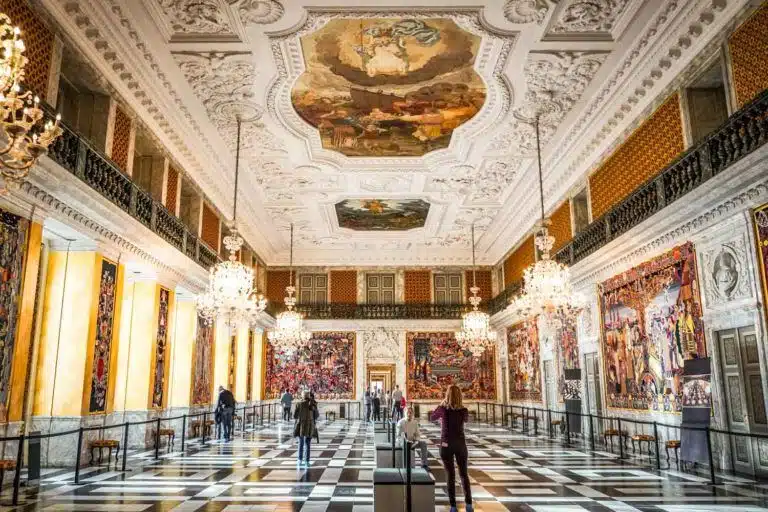
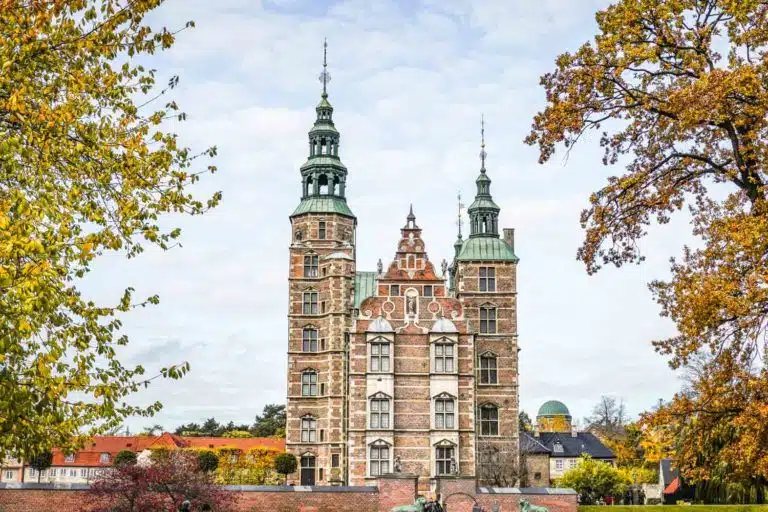
Copenhagen – Kronborg Castle – Fredensborg Castle – Fredensborg Palace – Rosenborg Castle – Egeskov Castle
Experience the grandeur of Danish history through an enchanting castle tour at fortresses that have been royal homes and used in wars.
Danish Coastal Retreat
7 Days
Copenhagen – Bornholm Island – Møns Klint – Aarhus
Discover Denmark’s captivating coastlines with a journey to Bornholm’s sandy beaches, the dramatic cliffs at Møns Klint, and the vibrant maritime culture at Aarhus.
Danish Natural Wonders Expedition
7 Days
Copenhagen – Møns Klint – Nationalpark Skjoldungernes Land – Mols Bjerge National Park – Rold Skov Forest – Skagen – Thy National Park – Ribe – Wadden Sea National Park
Take in Denmark’s natural beauty via the towering chalk cliffs of Møns Klint, the rugged terrain at Mols Bjerge National Park, and the serene landscapes of Wadden Sea National Park.
Hidden Denmark
Vesterhavs Caminoen Trail
Have you heard of the Vesterhavs Caminoen Trail? No? Well, let me tell you, it’s like the Camino de Santiago but with a lot of Danish flair.
The trail follows the North Sea coastline with a new view at every turn, including beach views and a breathtaking white-sand trail unlike any other in the world.
Egeskov Castle
Egeskov Castle is Europe’s best-preserved castle from the Renaissance era. It’s open to the public and features a café and various exhibitions, including being host to the Heartland music festival.
Men by the Sea
Overlooking Sædding Beach in Esbjerg, Men by the Sea is a hidden gem of 9-metre tall (can we say they’re hidden?) male sculptures that sit poised opposite the Fisheries Maritime Museum.
Forest Tower
This unique spiralling tower gives incredible views of the surrounding forest 45 metres from the ground. The climb is a bit taxing, but the best things in life aren’t always free.
Dishes and drinks to try
Dishes to try
Smørrebrød – A slice of rye bread with various toppings.
Stegt flæsk – Danish national dish featuring crispy pork with parsley sauce and potatoes.
Koldskål – Summer dessert consisting of cold buttermilk soup, biscuits, and fruit.
Medisterpølse – Pork sausage eaten with brown sauce and beetroot.
Drinks to try
Akvavit – Liquor made from grains and potatoes whose flavour has hints of herbs and spices.
Costs and budgeting
When visiting Denmark, expect to spend £120 and £200 / $150 and $250 per person per day as a mid-range traveller. Add an extra £170 / $210 per person per day if you’re a luxury traveller.
Average Daily Costs
- Hotel
- Mid-Range – £95+ / $120+
- Luxury – £153+ / $190+
- Food – £45 / $56
- Public Transport – £25 / $32
- Attractions – £35 / $44
- Tours – £51 / $63
Safety, health and tipping
Safety
Denmark’s generally safe. You shouldn’t have to worry about petty theft or pickpockets but always exercise caution.
Health
There are no reported health concerns in Denmark. However, it’s still recommended you be up-to-date on vaccines for polio, shingles, influenza, chickenpox, diphtheria-tetanus-pertussis, and measles-mumps-rubella.
Tipping
There’s no tipping culture in Denmark, so tips aren’t expected, but a 10% tip is always appreciated if you receive exceptional service.
Practical tips and info
Tips for travelling
- Denmark experiences rainfall 170 days a year, so I recommend bringing quick-drying clothing and an umbrella.
- Don’t expect Danes to say “thanks” or “please,” as that’s not a social norm.
- While you can explore the larger cities with just a credit/debit card, it’s a good idea to bring cash to small towns like Aeroeskoebing.
- Save money by getting an all-inclusive pass for attractions or transportation with tourist passes like the Copenhagen Card.
- Be careful when you visit Christiania because filming or taking photos isn’t allowed, but you can ask for consent from willing locals.
How to see the best for free
Travelling to Denmark on a budget? How about you save some money with these free attractions and tours?
Free walking tours in Copenhagen will take you to attractions like the Royal Palace of Amalienborg, the Copenhagen Cathedral, and the Round Tower.
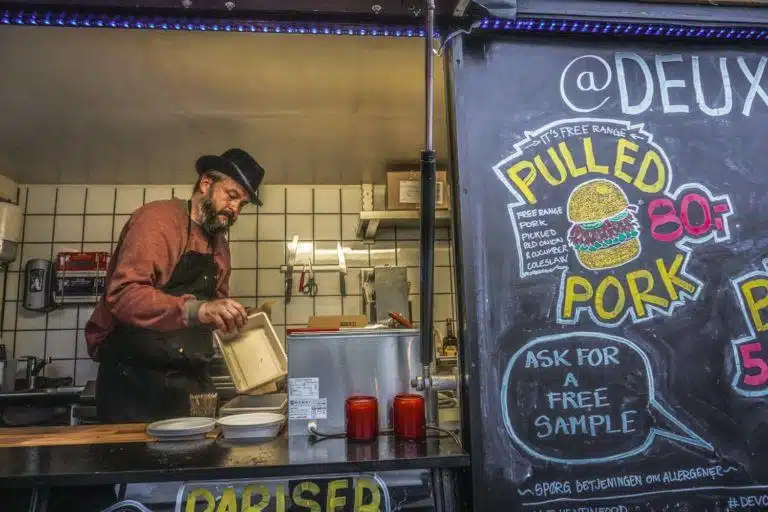
You also have several free attractions, including The Botanical Garden, looking for The Forgotten Giants, or try out free samples at the Torvehallerne indoor market.
Packing
Packing for your Denmark trip? Don’t forget…
- Comfortable walking shoes – Perfect for exploring Denmark on foot.
- Windproof hoody – Perfect for Denmark’s windy weather.
- Reusable water bottle – Denmark has excellent tap water, and bottled water is expensive.
- Waterproof rain jacket – Great for Denmark’s rainy weather.
- Bike lock – Helps keep your bike rental secure.
Travel insurance
You don’t want to play Russian roulette while travelling and leave your items uninsured with no guarantee of ever getting them back. This is why I take travel insurance with AXA Travel Insurance, so I’m protected from most issues with travelling.
Suggested guidebooks
Interesting facts
- Denmark consistently ranks in the top 5 countries in the UN World Happiness Report.
- Denmark has 444 islands, although only 76 feature inhabitants.
- The LEGO brick, AKA the foot killer, is a Danish invention.
- The Danish flag holds the Guinness World Record as the oldest state flag.
Handy phrases
Hello – “Hej”
Yes – “Ja”
No – “Nej”
Please – “Vær venlig”
Thank You – “Tak skal du have”
How Much Is – “Hvor meget er”
Goodbye – “Farvel”
What’s Your Name? – “Hvorfra kommer du?”
Time zone
Denmark’s time zone is Central European Summer Time (UTC +2). Like most of Europe, Denmark observes daylight savings starting on the last Sunday of March and ending on the last Sunday of October.
Electricity and adapters
Denmark uses a standard voltage of 230 V and plug types C, E, F, and K. I highly recommend bringing a universal travel adapter.
Map
Insider tips, straight to your inbox
All Denmark guides
 9 Copenhagen food markets you need to visit
 7 Gorgeous Copenhagen Castles You Need to Visit (and Why)
 Is the Copenhagen Card Worth the Money? What You Need to Know
 35 Brilliant Things to do in Copenhagen
 13 Brilliant Things to do in Denmark: From Castles to Canals, Explore These Danish Delights
 Three Days in Copenhagen – The Perfect Copenhagen Itinerary
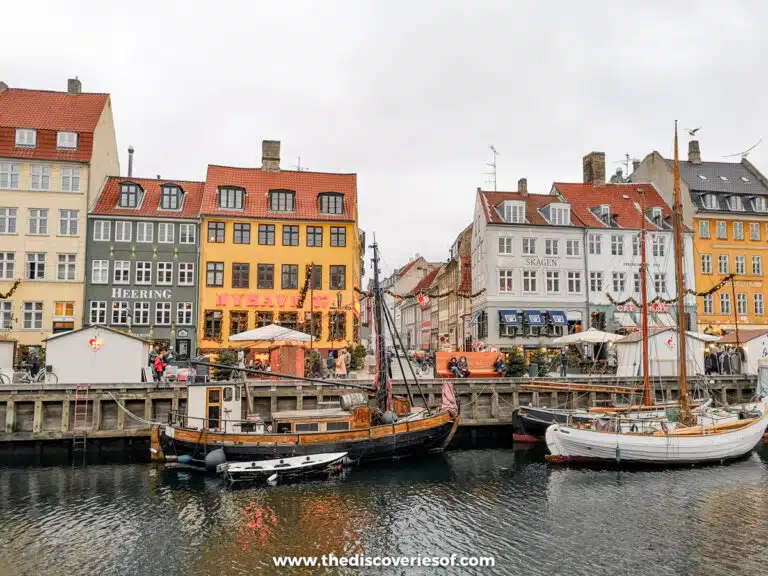 Copenhagen Winter Travel Guide: Things to do + Practical Tips for Your Trip


Watch on YouTube
See the places before you go
Short films from the places in my guides, so you can see what a destination really looks and feels like before you go.
Subscribe on YouTube youtube.com/@thediscoveriesof