Planning to spend 2 days in Cairo? This Cairo itinerary gives you one day for the pyramids and the Grand Egyptian Museum in Giza and one for the churches, mosques and bazaars of old Cairo, with practical tips to help you plan.
Few cities are as enthralling as Cairo. Fact.
It’s not just the pyramids (although any city that boasts the last surviving wonder of the ancient world is always going to have a lot going for it). It’s the culture, the food and a plethora of landmarks that are nothing short of outstanding.
People love to hate on Cairo. It’s too busy, they say. It’s grimy. There’s nothing to see except the pyramids. Usually, that’s from the confines of a hotel room they haven’t left except on a guided tour. I disagree. Cairo was probably the place I was least excited about on my Egypt trip, and it was without a doubt the biggest surprise. I loved my time there.
I spent two days in the city at the start of my trip in late May and a final day at the end in early June, and I know there’s always that moment when you’re planning and you’re not sure where to start. That’s where this guide steps in. It takes the best things to do in Cairo and puts them in an order that works on the map: a day on the west bank of the Nile in Giza, then a day in the historic heart of the city on the east bank.
Your 2-day plan at a glance
- Day 1 morning: the Pyramids of Giza and the Great Sphinx
- Day 1 afternoon: the Grand Egyptian Museum, then the Ramses Wissa Wassef Art Centre
- Day 1 evening: a sunset felucca ride on the Nile
- Day 2 morning: the National Museum of Egyptian Civilisation and Coptic Cairo
- Day 2 afternoon: the Citadel and the Mosque of Muhammad Ali
- Day 2 evening: Khan el-Khalili and El Fishawy café, then dinner in Zamalek
Book your Grand Egyptian Museum time slot online before you travel: tickets for foreign visitors are no longer sold at the door.
Day 1: the pyramids and the GEM in Giza
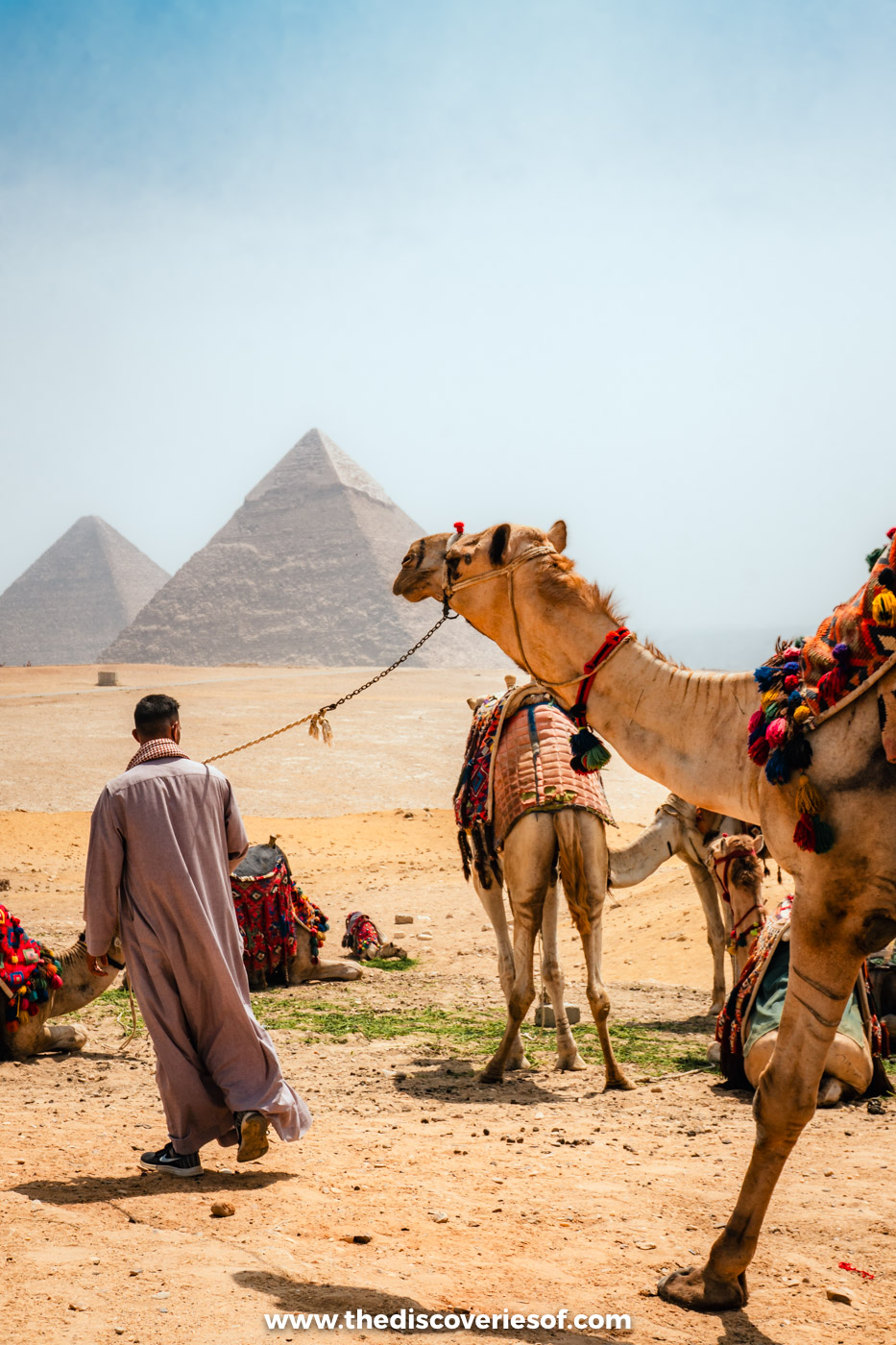
What most people think of as Cairo is actually two cities. Cairo sits on the east bank of the Nile and Giza on the west, and you’ll spend your time here criss-crossing the river between them. Today is all about the west bank, where the pyramids rise from the edge of the desert and the Grand Egyptian Museum sits just down the road.
Start early. The pyramid plateau opens at 7am, and the first couple of hours are the coolest and the quietest. From central Cairo, it’s about 45 minutes to an hour by car, depending on the traffic.
Stand before the Pyramids of Giza and the Sphinx
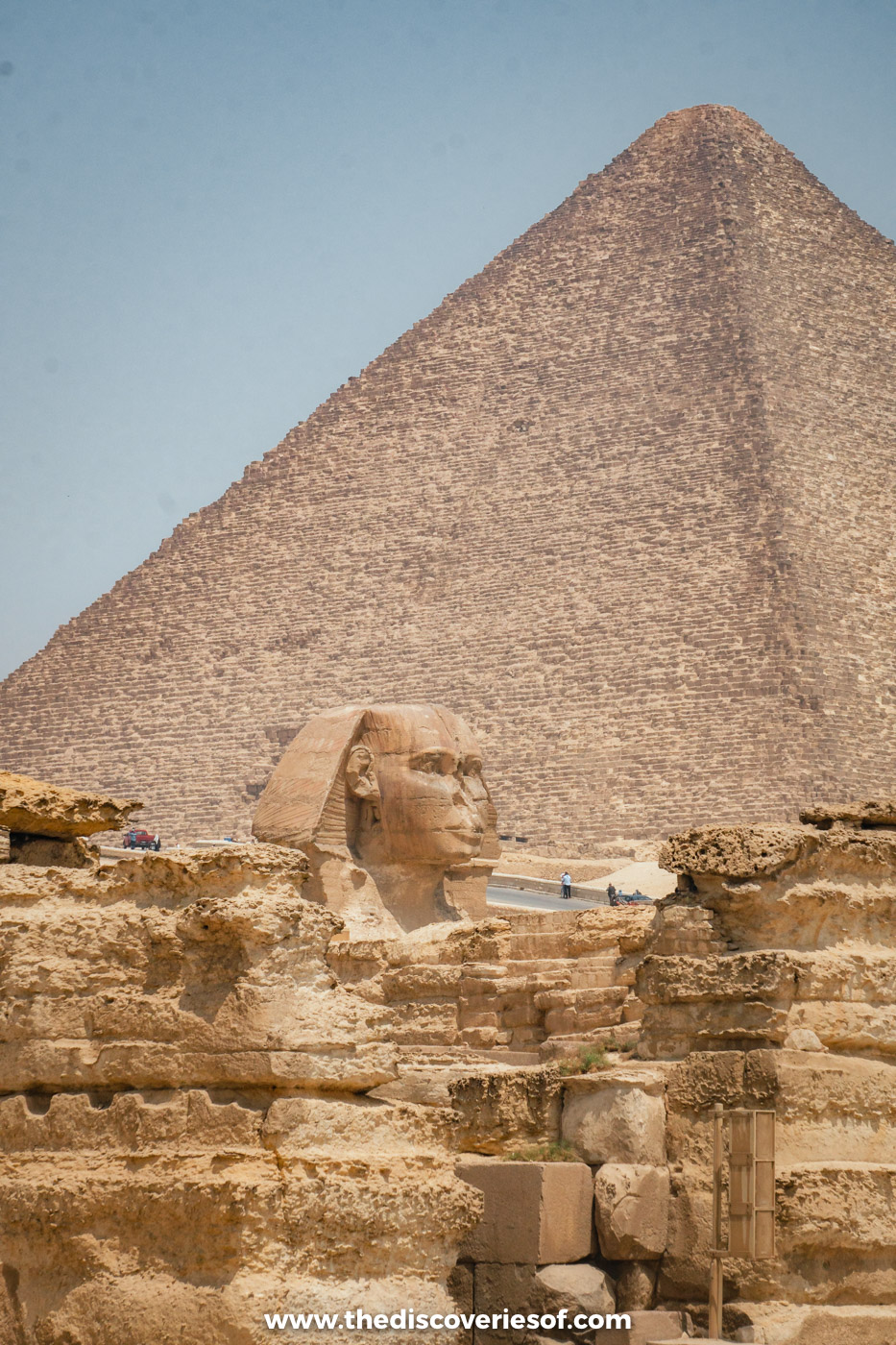
Seeing the pyramids and the 4,500-year-old Sphinx up close is the moment most people come to Egypt for. Built in the 26th century BC for three Fourth Dynasty pharaohs, Khufu, Khafre and Menkaure, the pyramids are part of the Memphis and its Necropolis UNESCO World Heritage Site. The Great Pyramid of Khufu is the oldest of the seven wonders of the ancient world and the only one still standing, and it was the tallest structure built by humans for nearly 4,000 years.
Did I have a minor “moment” when I stood in front of a structure that had been in place for over 4,500 years? Yes. Together, the three pyramids are a striking triumvirate, and nothing quite prepares you for their scale.
Your general ticket (700 EGP) lets you walk around the plateau. If you want something special, pay extra to go inside the Great Pyramid (1,500 EGP). There isn’t a tonne to see, but I’d still recommend it, because how often do you get to say you’ve been inside the Great Pyramid of Giza? It’s also kind of crazy: you crawl upwards through a tunnel that’s about a metre high and a metre wide in the sweltering heat, before you emerge into the Grand Gallery and then the King’s Chamber, with its long-empty sarcophagus. It’s probably not one for the claustrophobic.
Most visitors now enter through the new Pyramids Visitor Centre beside the Grand Egyptian Museum, rather than the old gate by the Sphinx. Private cars can’t drive onto the plateau, so free air-conditioned shuttle buses loop from the visitor centre to the Panorama viewpoint, the pyramids of Menkaure and Khafre, and the Sphinx. Hop off at the Panorama for the classic view of all three pyramids together, and finish at the Sphinx, carved from a single outcrop of bedrock, 73 metres long and 20 metres high, and usually thought to show Khafre.
Top Tip
When you go into the pyramid complex, you’ll probably meet at least one person pretending to be an official and asking you to pay for photos or a “fine”. Ignore them. Camel photos cost money too, and so do “gifts”: as my guide put it, nothing in Egypt is free.
Do
Combine the pyramids, the Sphinx and the Grand Egyptian Museum on this guided tour with lunch.
See Tutankhamun’s treasures at the Grand Egyptian Museum
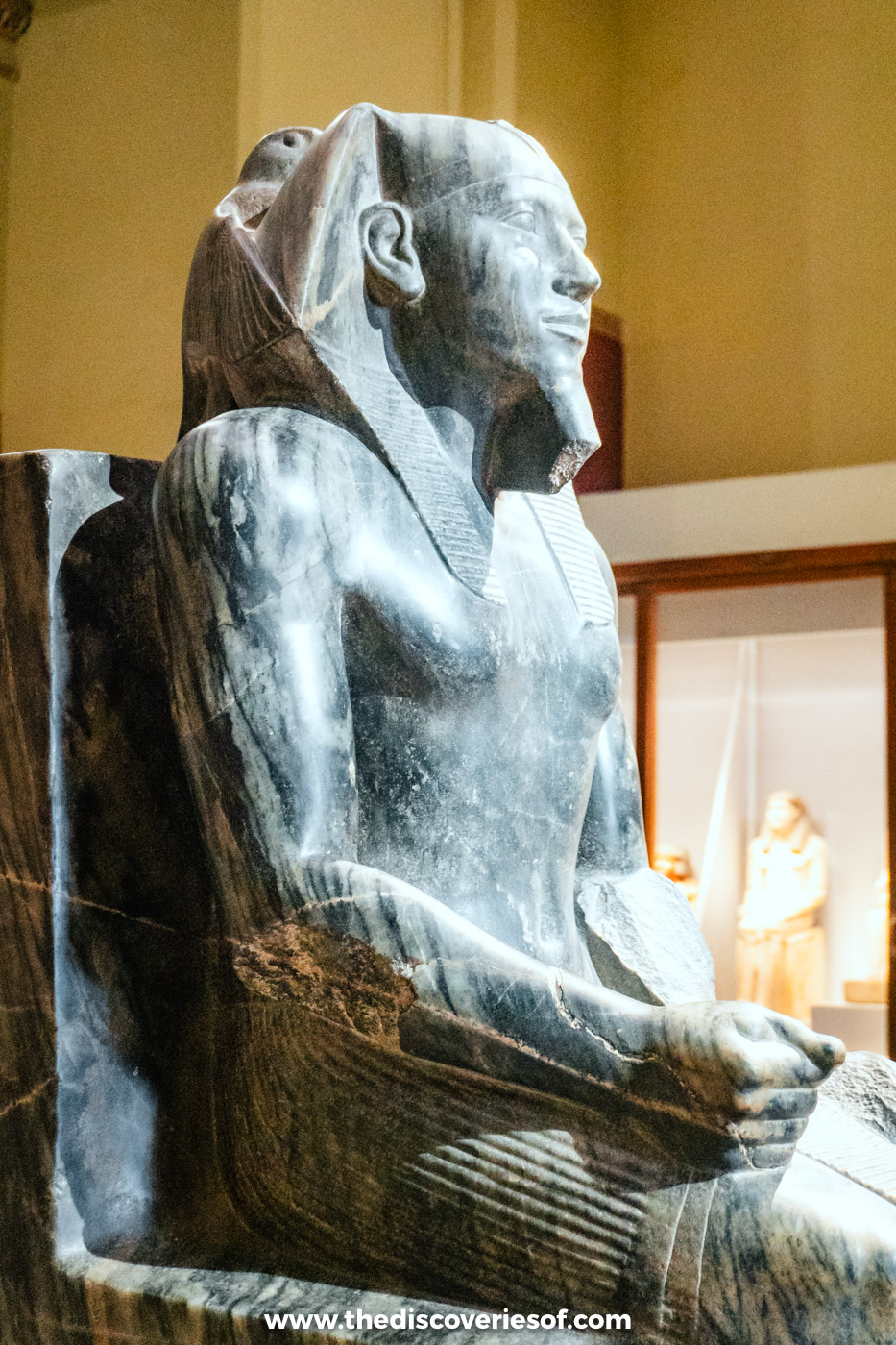
When I visited, the Grand Egyptian Museum was still a building site and the old Egyptian Museum in Tahrir was the place to go. That’s all changed. The GEM opened fully in November 2025, about 2 kilometres from the pyramids, and it’s now the natural second half of your day in Giza.
It’s the largest museum in the world devoted to a single civilisation, with more than 50,000 artefacts. A colossal statue of Ramses II greets you in the atrium, the Grand Staircase climbs past dozens of royal statues to windows framing the pyramids, and the museum of Khufu’s boats holds the 4,500-year-old cedar boat found beside the Great Pyramid. The star, though, is Tutankhamun: for the first time, all of the more than 5,000 objects found in his tomb in the Valley of the Kings are displayed together, golden mask and all.
Tickets are sold online for a timed slot and cost about 1,500 EGP for foreign adults. The galleries are open from 9am to 6pm (until 9pm on Wednesdays and Saturdays), and you’ll want at least three hours. Grab lunch at one of the museum’s cafés before you move on.
Watch weavers at work at the Ramses Wissa Wassef Art Centre
The serene Ramses Wissa Wassef Art Centre, in the village of Harraniya about 15 minutes’ drive south of the pyramids, began as a weaving school and is now an arts complex that also includes pottery workshops and a sculpture museum.
The architect Ramses Wissa Wassef and his wife, Sophie Habib Gorgy, founded the centre in the early 1950s to teach children from the village to weave, and it won the Aga Khan Award for Architecture in 1983 for its mudbrick domes and vaults. The weavers still work without drawings, creating tapestries of village life, birds and gardens freehand on the loom, many of them in wool coloured with natural dyes from plants grown on site.
Watching the artists at work is a laid-back change of pace from the big monuments, and the tapestries make beautiful (if not cheap) souvenirs. Check the opening times before you go.
Sail into the sunset on a felucca
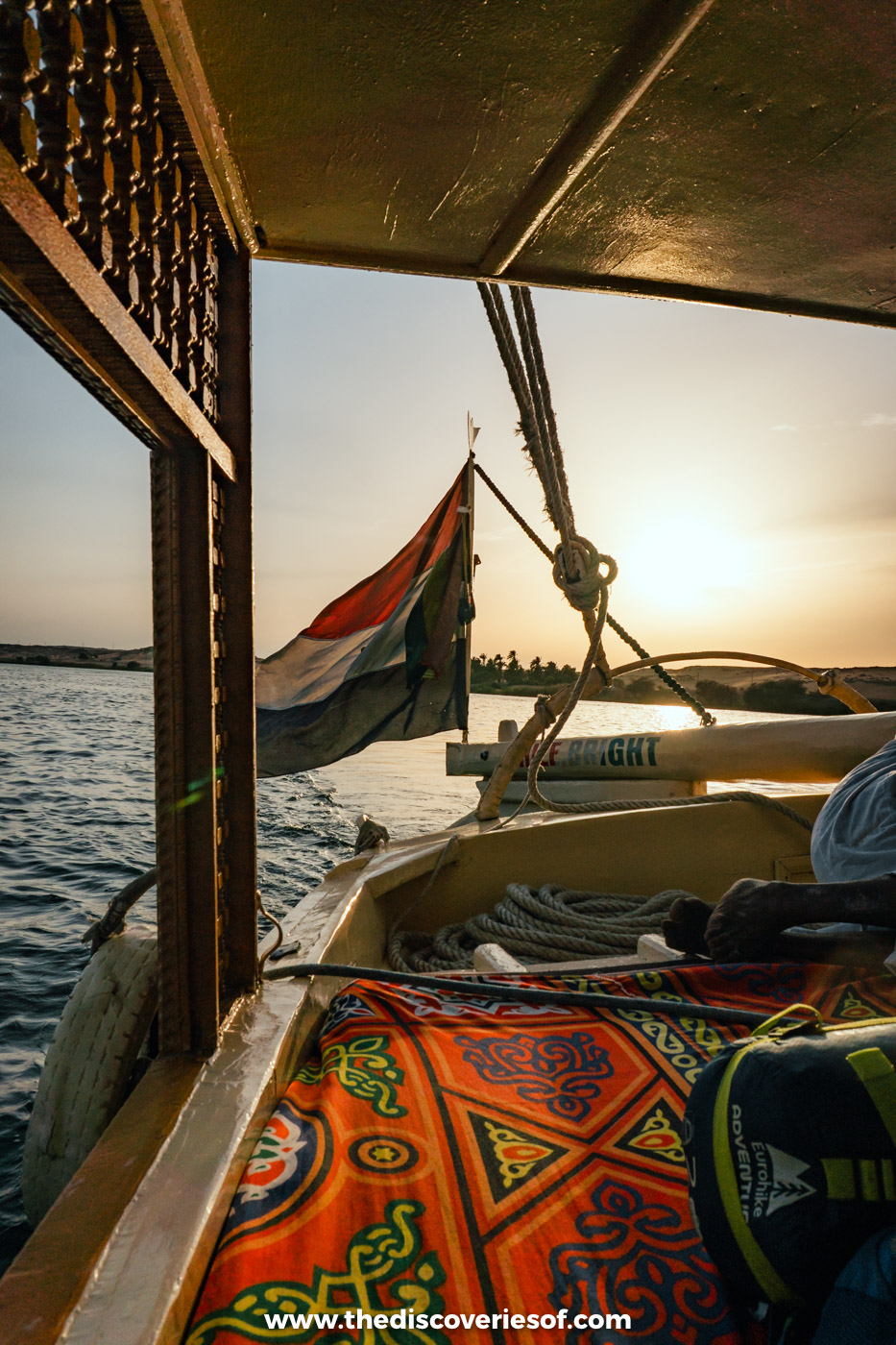
The Nile plays a huge role in Egypt’s culture and economy, providing around 95% of the country’s water, and there’s no better way to end a busy day than out on it.
Feluccas, the traditional wooden sailing boats with their tall white sails, wait for passengers at landings along the Corniche in Garden City and further south in Maadi. An hour is enough to drift past the city lights as the sun goes down behind Giza, and you hire the whole boat, so agree the price for the boat (not per person) before you set off. I spent a whole night on a felucca further south, sailing from Aswan towards Luxor, and waking up on a remote part of the Nile as the sun rose over the desert was worth the trip alone.
Do
Book a private felucca ride on the Nile in Cairo.
Day 2: Old Cairo, the Citadel and the bazaar
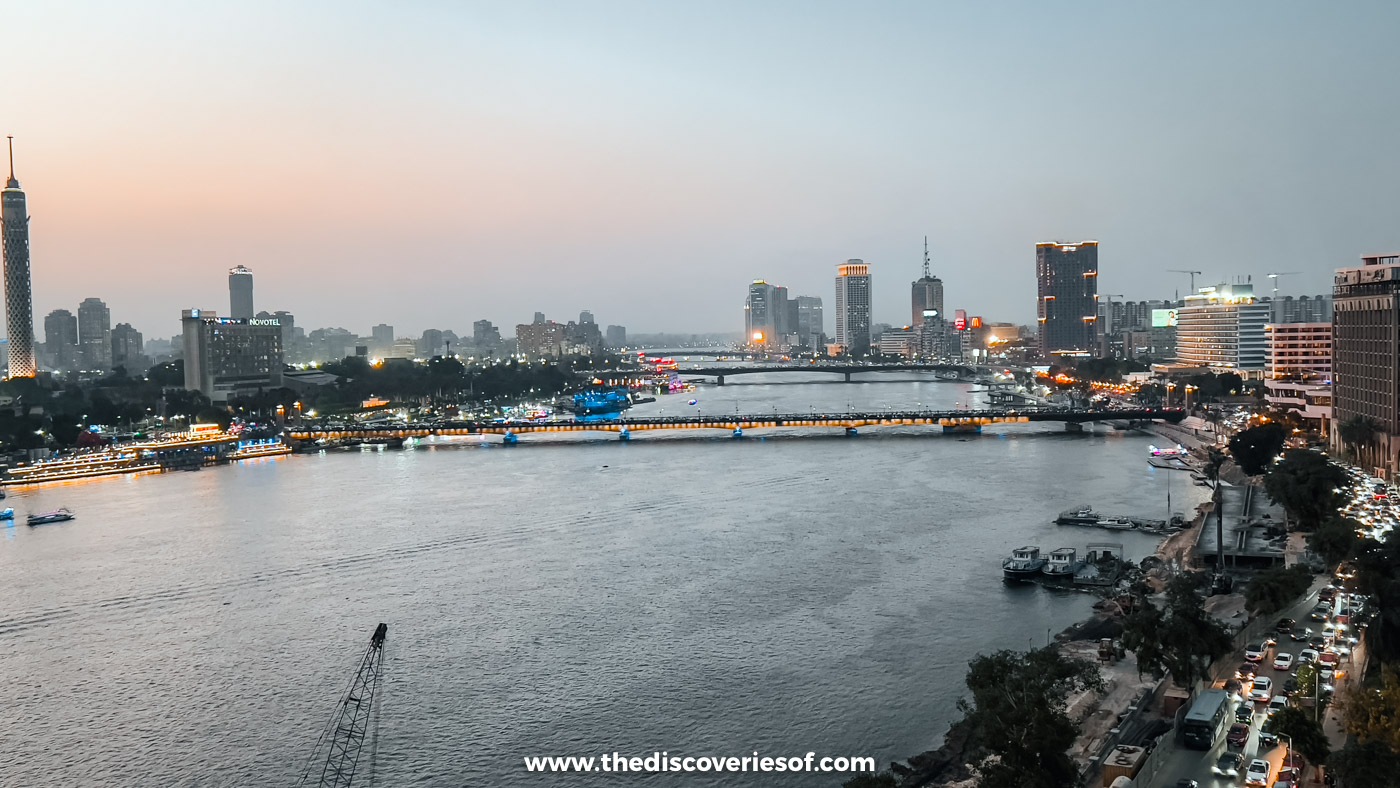
Your second day takes in more of the city’s magnificent landmarks on the east bank of the Nile: the mummies of the pharaohs, the churches of Coptic Cairo, the great fortress on the hill and some shopping at the city’s most famous bazaar. I saw most of these on my last day in Egypt, after the overnight sleeper train back from Luxor, and it was a brilliant way to finish the trip.
Meet the pharaohs at the National Museum of Egyptian Civilisation
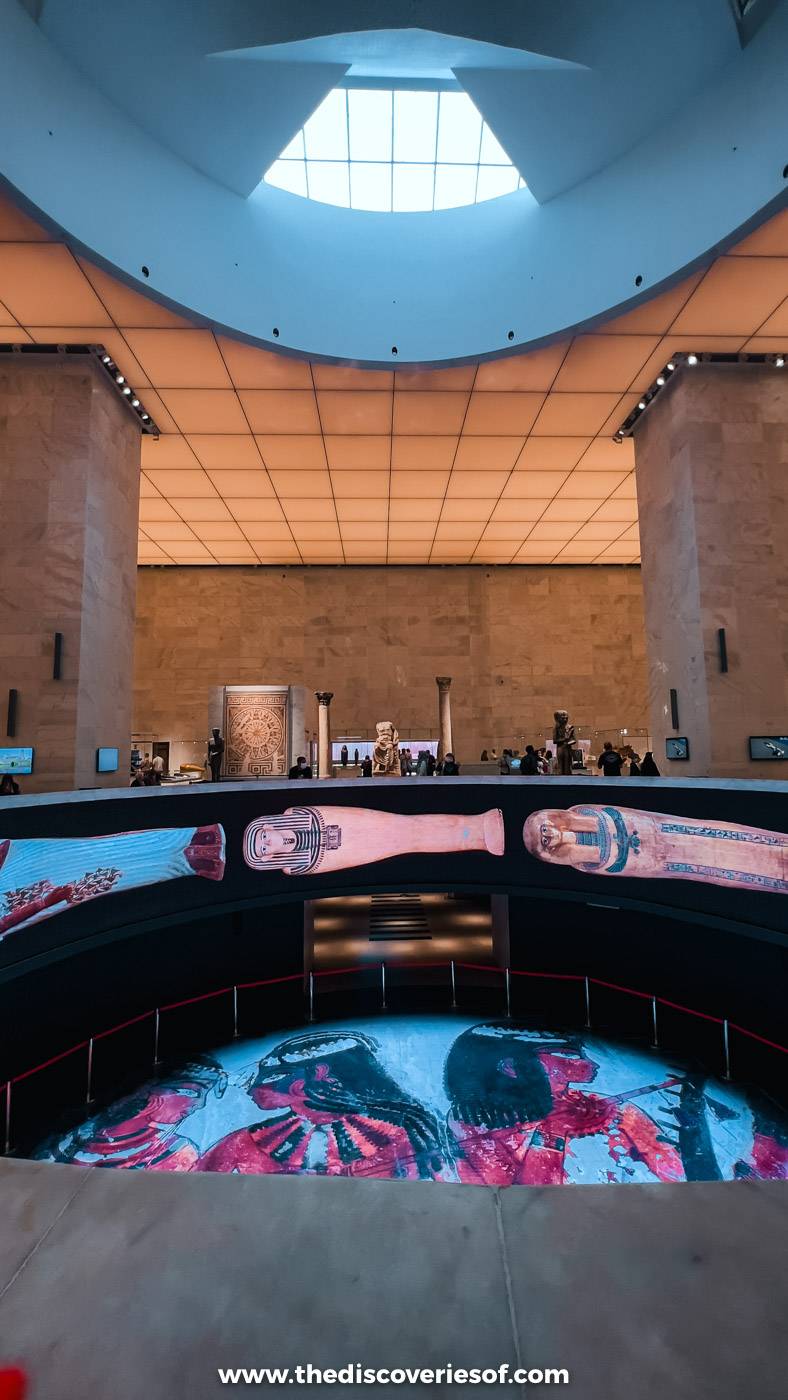
Begin your day at the National Museum of Egyptian Civilisation (NMEC) in Fustat, which tells Egypt’s story from prehistory to the present day.
I have to be honest: after seeing everything in the Egyptian Museum, I wasn’t sure whether the NMEC would really be worth the effort. It is. The two museums are vastly different, and it’s worth visiting both.
The highlight is the Royal Mummies Hall, where 22 royal mummies, including Ramses II, Seti I, Ramses III and Queen Hatshepsut, were moved in 2021 in a grand procession through the city known as the Pharaohs’ Golden Parade. Each lies in a dark, hushed room with information about who they were and what they did during their reign, a story that winds from the New Kingdom’s greatest builders to the kings whose tombs you can visit in the Valley of the Kings and the Mortuary Temple of Hatshepsut.
Tickets cost 550 EGP and include the mummies. The museum opens at 9am.
Wander the churches of Coptic Cairo
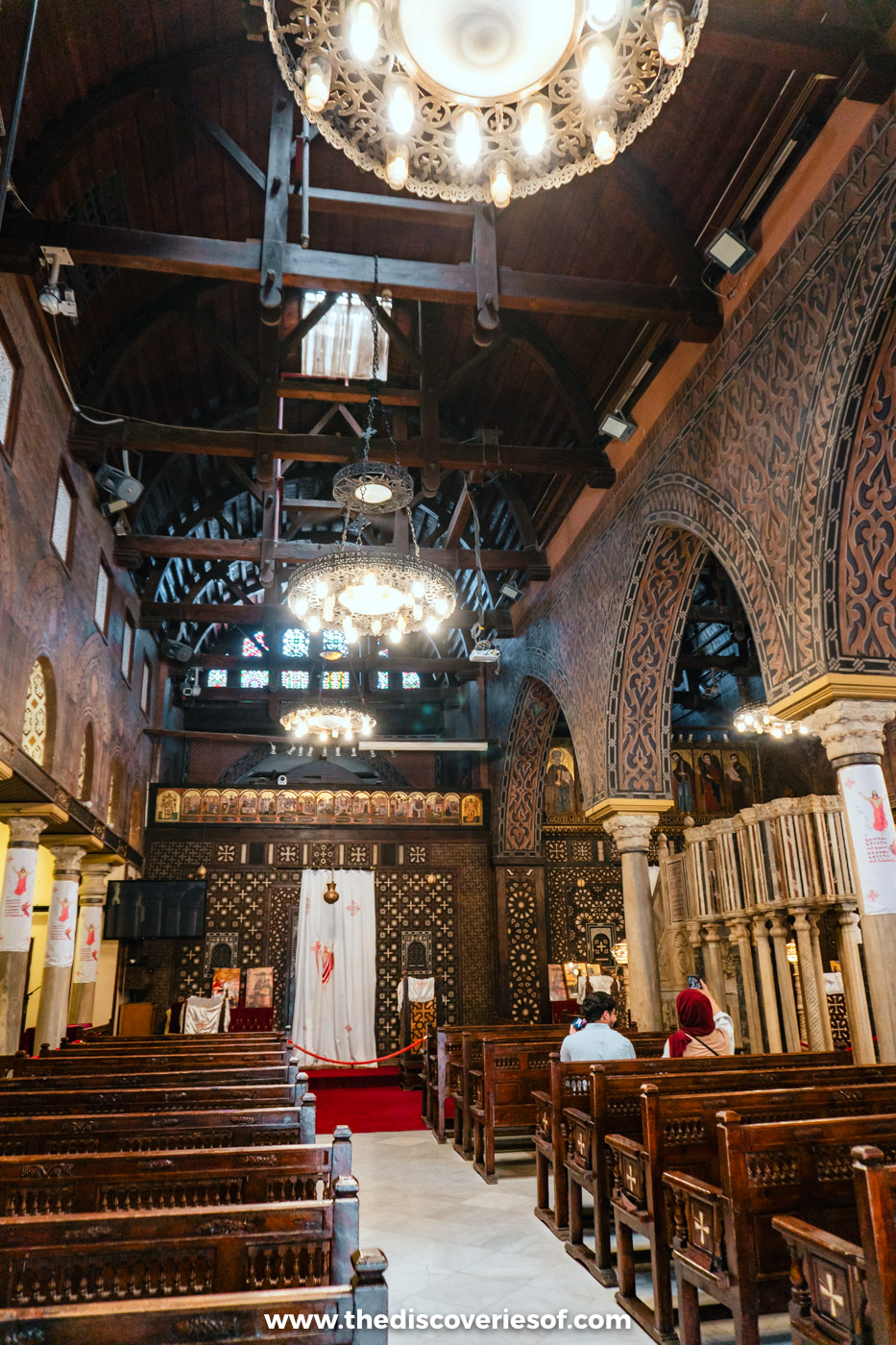
Considered the heart of the city’s Christian community, Coptic Cairo is a short taxi ride (about 2 kilometres) from the NMEC, or one stop from Mar Girgis metro station. Its lanes wind inside the walls of the Roman fortress of Babylon, and they hold some of the oldest churches in Egypt.
The Hanging Church (the Church of the Virgin Mary) is perched on top of the fortress’s old gatehouse, which is how it got its name. Climb the steps from the courtyard to see its wooden ceiling, built to look like Noah’s Ark, and its marble pulpit. Nearby, the Church of St Sergius and St Bacchus (Abu Serga) is built over a crypt where the Holy Family is said to have sheltered on their flight into Egypt, and the Ben Ezra Synagogue is where the famous Cairo Geniza, a hoard of hundreds of thousands of medieval documents, was found in the 19th century.
Round off your visit at the Coptic Museum, which has the world’s largest collection of Coptic Christian art (280 EGP). The churches are free to enter.
Climb up to the Citadel and the Mosque of Muhammad Ali
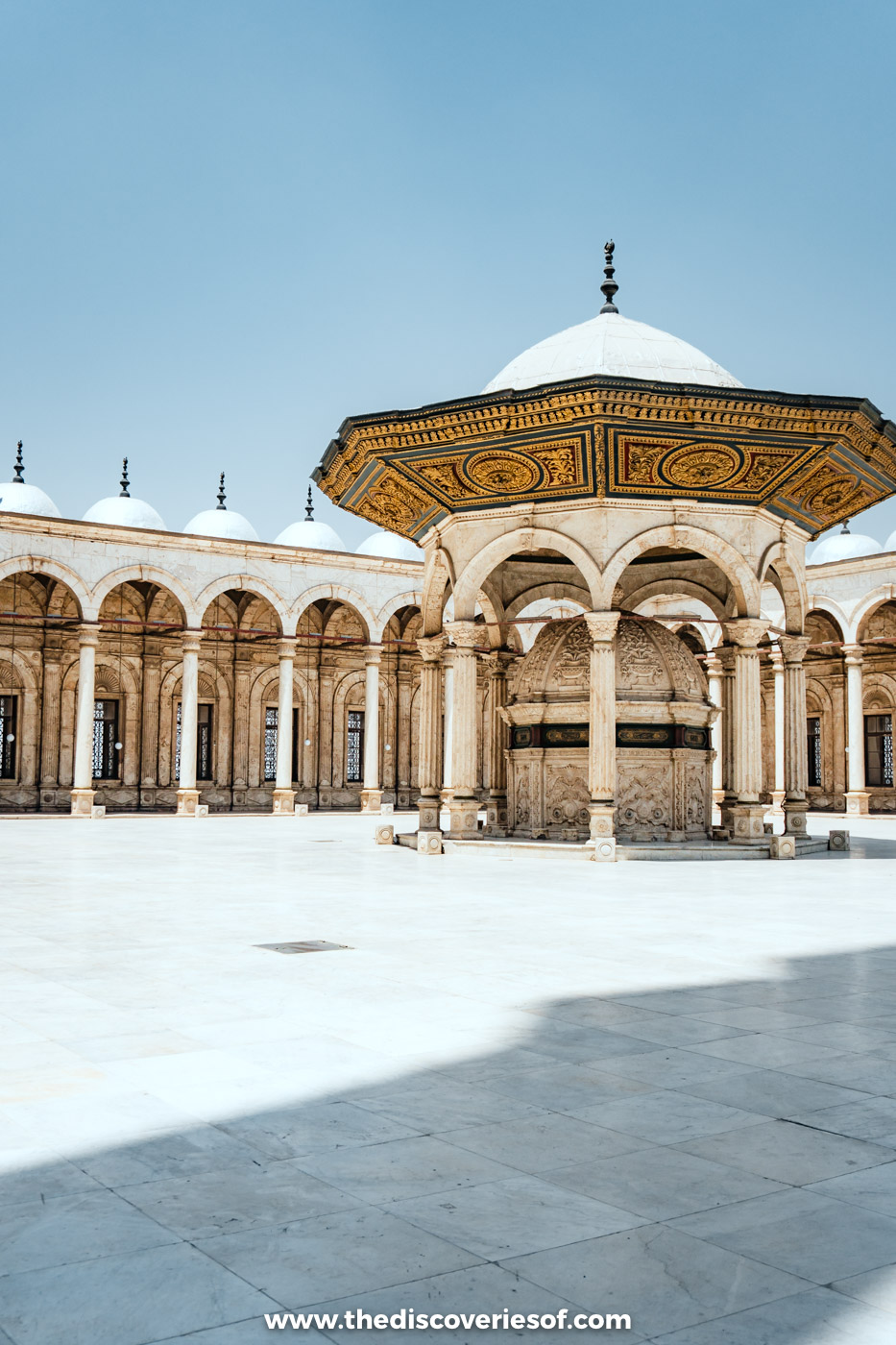
Next, head for the Citadel, the medieval fortress that Salah al-Din (Saladin) began building in 1176 to defend the city against the Crusaders. Egypt’s rulers governed from here for around 700 years, and today it’s part of the Historic Cairo UNESCO World Heritage Site.
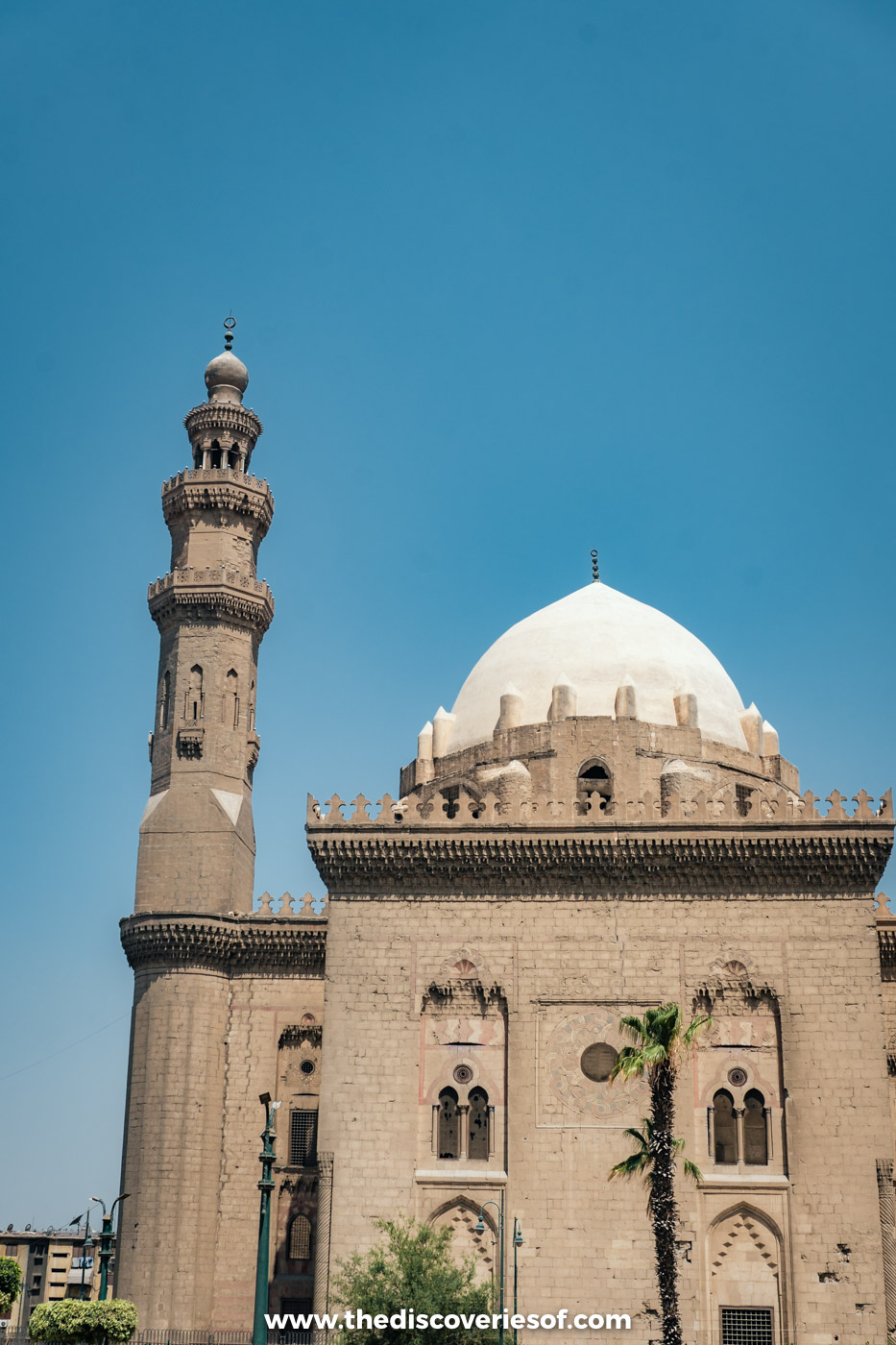
The star is the Mosque of Muhammad Ali, built between 1830 and 1848 in the Ottoman style and nicknamed the Alabaster Mosque for its gleaming stone. Look out for the clock tower in its courtyard, a gift from King Louis-Philippe of France in return for the obelisk from Luxor Temple that now stands in Paris. Next door, the older Mosque of al-Nasir Muhammad (1318) has a beautiful courtyard of striped arches, and the Mosque of Sulayman Pasha (1528) was the first Ottoman-style mosque in Egypt.
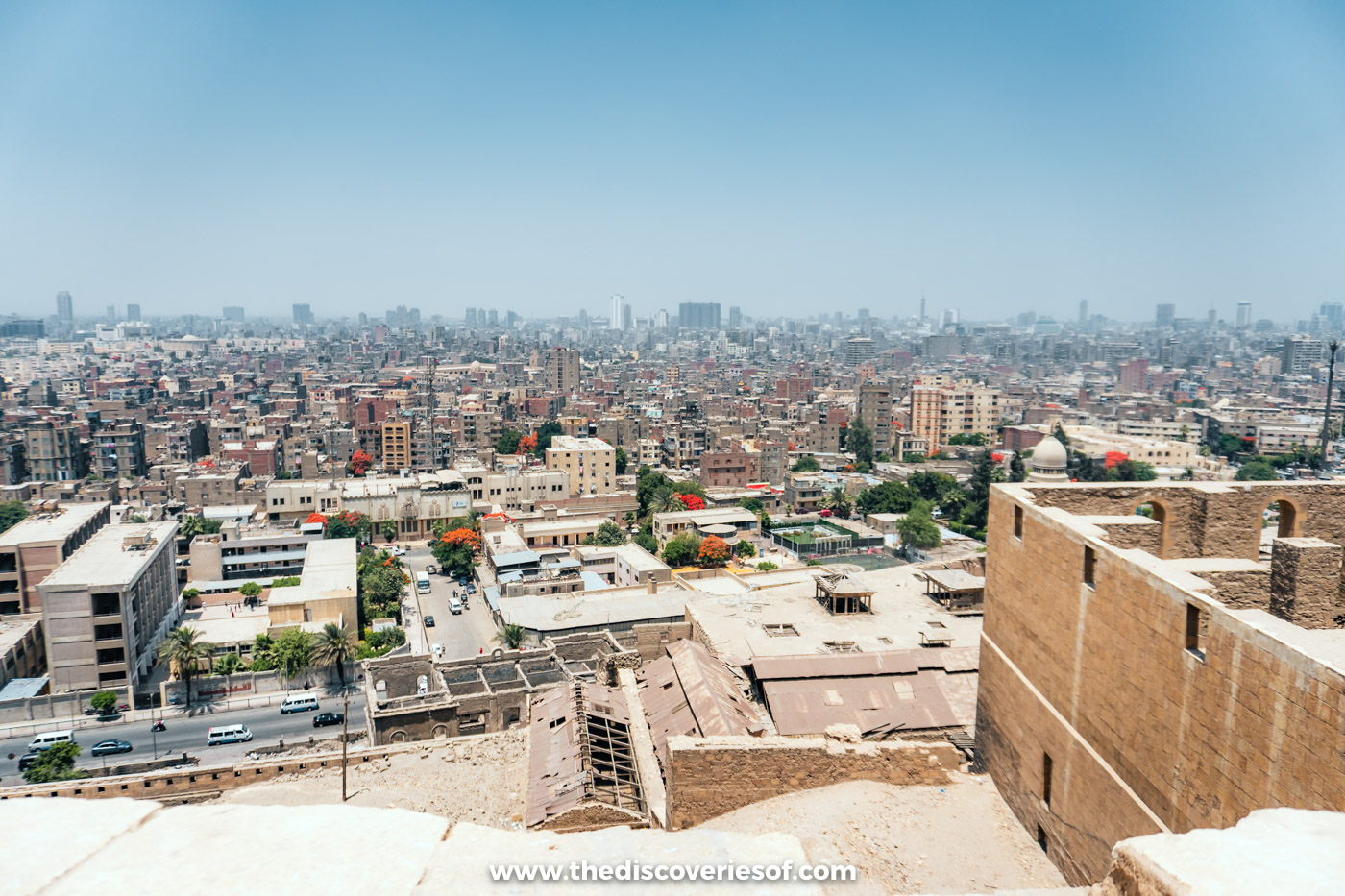
There are also several museums in the Citadel, though I’d give the underwhelming museums a miss. Head instead for the terraces, which have some of the best views of the city, sprawling for miles beyond the minarets of the Sultan Hassan and al-Rifa’i mosques below.
Tickets cost 550 EGP, and the Citadel is open from 8am to 5pm. Cover your shoulders and knees, and women should bring a scarf to cover their hair inside the mosques.
Haggle at Khan el-Khalili, then stop at El Fishawy
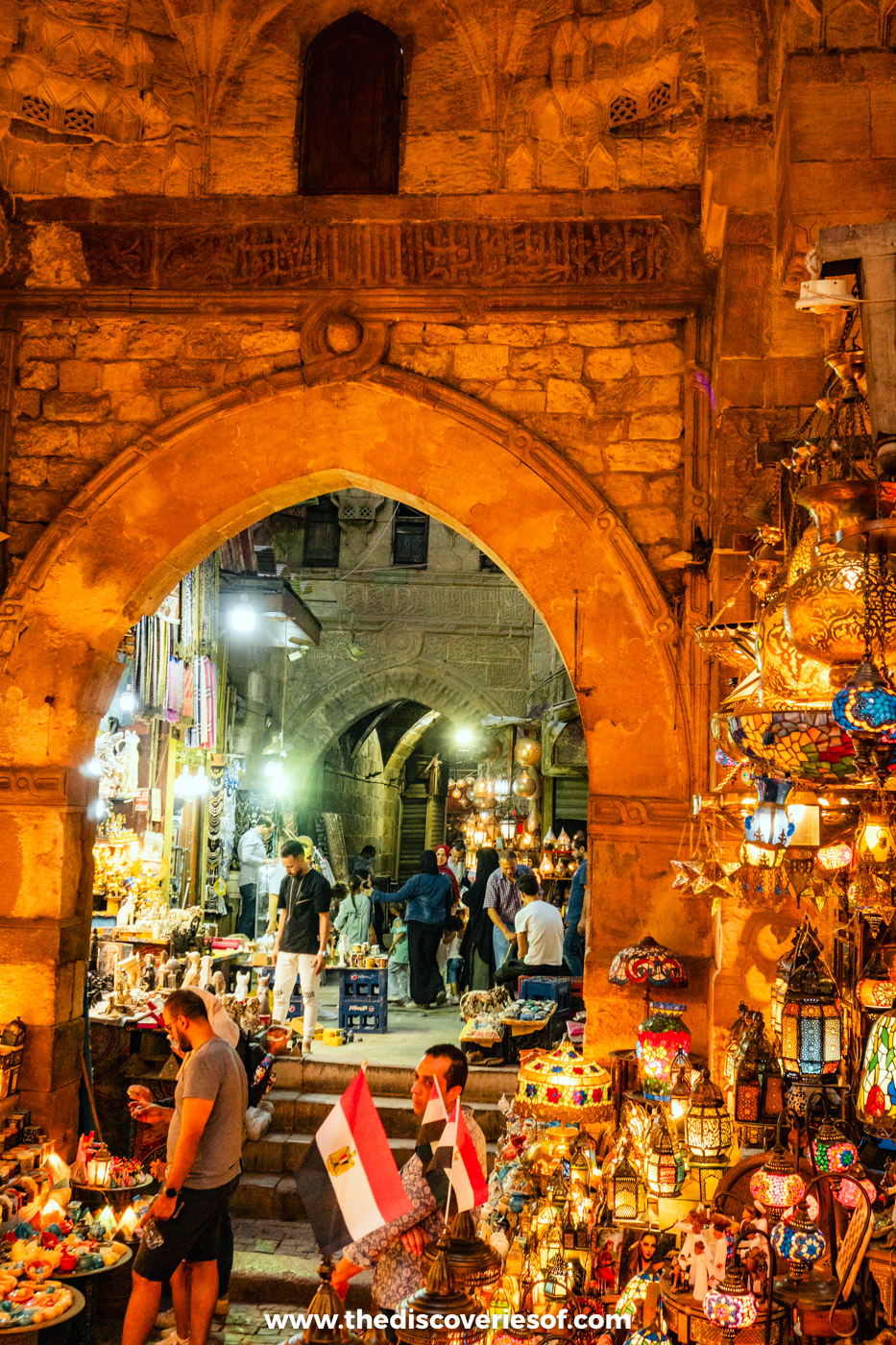
Khan el-Khalili has been trading since the 14th century, when the emir Jaharkas al-Khalili built a caravanserai here in 1382. Today it’s a maze of lanes selling lanterns, spices, brass, textiles and every souvenir you can think of.
I’ll level with you: it’s very touristy, and locals tend to shop elsewhere. Even so, it’s well worth a visit. It’s the ultimate place to stock up on the souvenirs you’ve promised your loved ones. Just be prepared to haggle. Hard. Shop around first and don’t be afraid to walk away.
Most shops open from about 10am until late in the evening, and the bazaar is at its best after dark, when the lanterns come on. After the hustle and bustle, stop at El Fishawy, the city’s most famous café, open almost around the clock for mint tea, Turkish coffee and shisha.
Do
If you’d rather have a guide for the day, this private tour of the Citadel, Old Cairo and Khan el-Khalili covers the main stops.
Toast your trip at Crimson Bar and Grill
Wind down with dinner and drinks at Crimson Bar and Grill in Zamalek, the leafy island neighbourhood in the middle of the Nile. Its rooftop terrace looks out over the river to the skyline on the far bank, and the sunsets are spectacular.
The menu is American and Mediterranean grill food, from salads and grilled octopus to steaks, with cocktails and sangria. The dress code is smart casual, and it’s a good idea to book, as this trendy spot gets busy at weekends.
Suggested stay
I spent my first nights at the Pharaohs Hotel, a simple three-star hotel in Dokki, a few minutes’ walk from the Nile on the Giza side, and my last night at the Kempinski Nile Hotel Garden City, a welcoming high-end hotel with a stunning rooftop pool and spa. The Kempinski sits on the bank of the Nile in leafy Garden City, it’s only a short drive from the city’s highlights, and it has rooms with superb views over the river. For dinner in, Osmanly serves Ottoman dishes and Blue serves Italian. For alternatives, The Nile Ritz-Carlton, Cairo on Tahrir Square is right next to the Egyptian Museum, and the Four Seasons Hotel Cairo at The First Residence is a quieter luxury option on the Giza side of the river. See my guide to where to stay in Cairo for more.
Check rates and availability at the Kempinski Nile Hotel Garden City
Have more time? Add these to your itinerary
With a third day, these are the bolt-ons I’d pick. For more ideas further afield, see my guide to day trips from Cairo.
Spend a morning in the Egyptian Museum in Tahrir
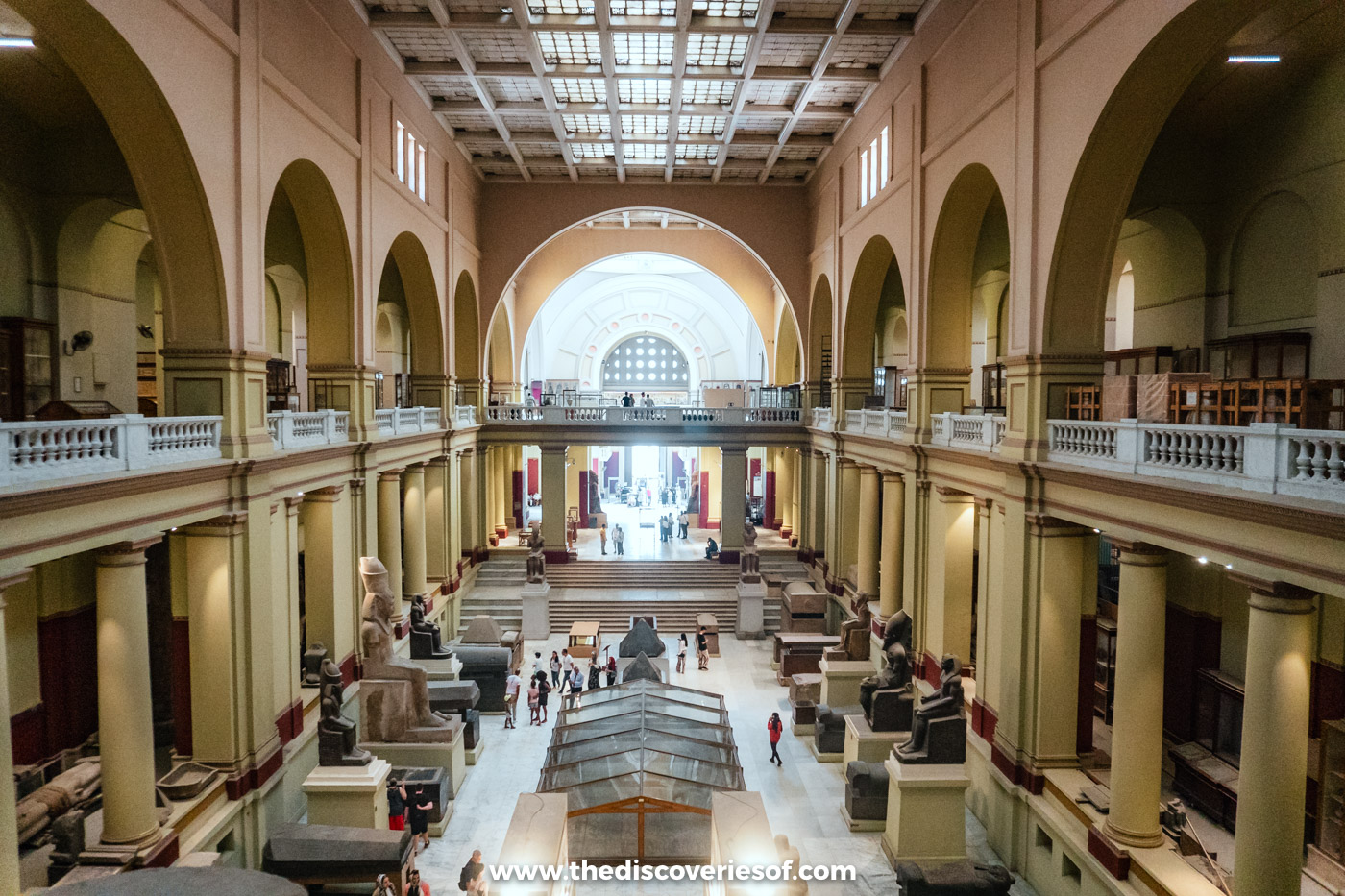
This historical vault is the oldest museum of archaeology in the Middle East, and its pink neoclassical building on Tahrir Square holds a huge collection of artefacts from the Predynastic Period to the Greco-Roman era. I spent about three hours here and would say that was about right, though you could easily spend a whole day and only scratch the surface.
Tutankhamun’s treasures have moved to the Grand Egyptian Museum, but the old museum is still a joy, with its crowded galleries of statues, sarcophagi and jewellery. Tickets cost 550 EGP, it’s open from 9am to 5pm, and Sadat metro station is right outside.
Walk Al-Muizz Street in Islamic Cairo
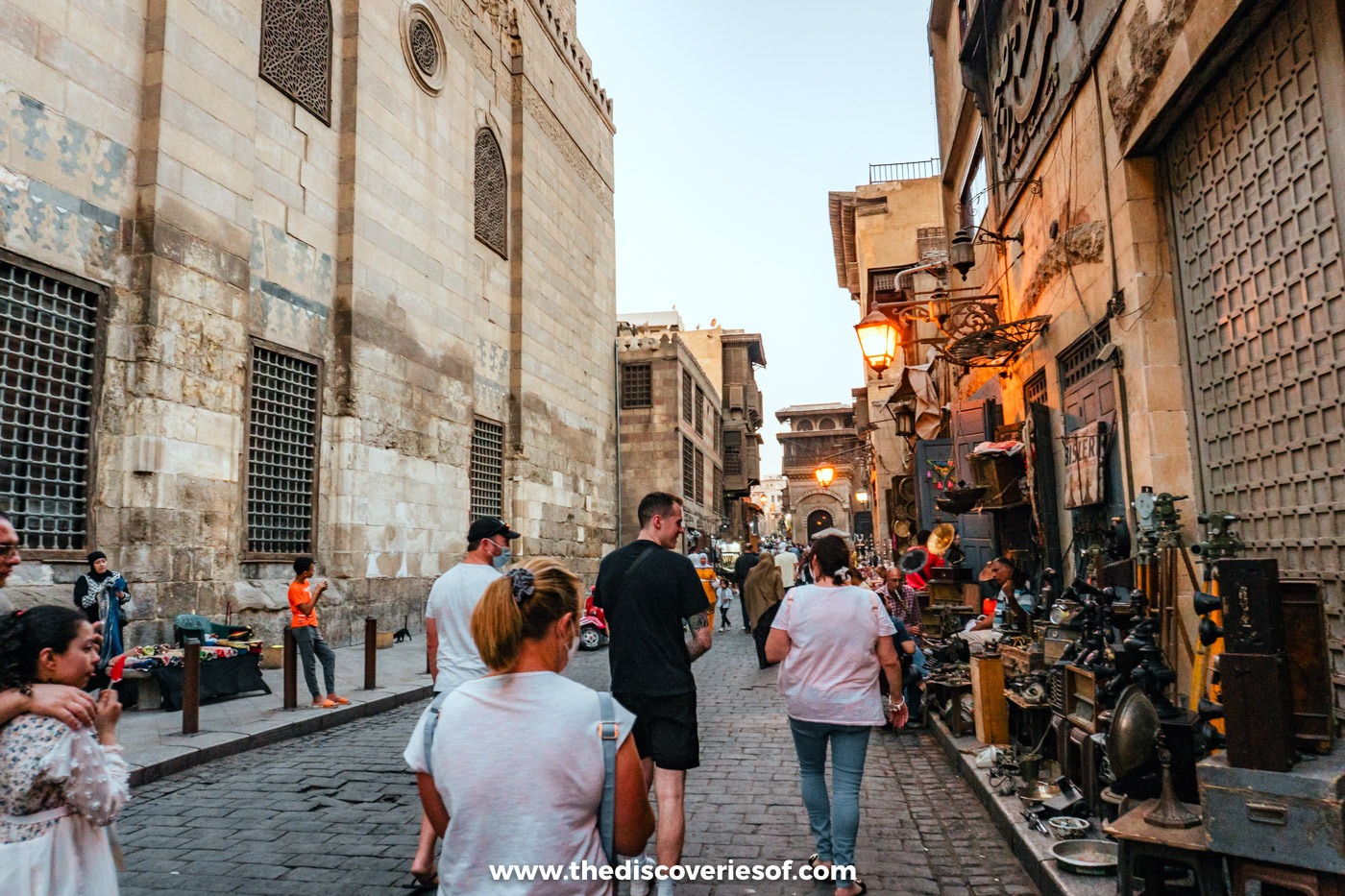
Running north from Khan el-Khalili, Al-Muizz Street is one of the finest collections of medieval Islamic architecture in the world. Look up at the domes and minarets of the Qalawun complex (1284 to 1285) and the Madrasa of Sultan Barquq, step inside the merchant’s house of Bayt al-Suhaymi, and walk south to the twin minarets of Bab Zuweila, the 11th-century city gate. The street is pedestrianised and at its most atmospheric in the late afternoon and evening.
See the oldest pyramids at Saqqara and Dahshur
To see where pyramid building began, spend a day south of Giza. At Saqqara, the Step Pyramid of Djoser, built around 2670 BC by the architect Imhotep, is the oldest of Egypt’s pyramids. At Dahshur, the Bent Pyramid and the Red Pyramid show how Sneferu’s builders learned to make a true, smooth-sided pyramid. Combine them with the open-air museum at Memphis, Egypt’s ancient capital, on a tour of Saqqara, Memphis and Dahshur.
Map
Handy tips for planning your 2 days in Cairo
Top tips
- Ignore anyone at the pyramids who claims to be checking tickets or asks for a fine: they aren’t officials. Agree any price (camel rides, photos, boats) before you start.
- Most monuments now take cards, but carry small notes for tips and toilets, which cost 5 to 10 EGP and often have no paper.
- Cairo’s traffic is notorious, so expect journeys to take twice as long at rush hour and plan each day around one side of the river.
- Visit mosques outside prayer times, especially at midday on Fridays.
What to pack
Understandably, you’ll want to dress conservatively and avoid making a fashion faux pas. This, along with the heat, makes choosing clothing tricky, so here’s a quick summary of what you need to pack for your Egypt trip.
- Keep yourself cool with a loose-fitting top that also respects local dress norms.
- Women should bring a head covering for mosques. Large pashminas work well.
- With summer temperatures regularly above 35°C, you’ll want a wide-brimmed hat.
- Comfortable shoes you can slip off easily, as you’ll remove them inside mosques.
Best time to visit
October to April is the most comfortable time to visit, with warm, sunny days and cooler evenings. I travelled in late May and early June: it was hot, but the crowds were thinner. From June to August, temperatures can top 40°C, so plan your outdoor sightseeing for early morning and late afternoon.
Getting around
Getting around the city is fairly easy by metro, taxi or ride-hailing app. Uber and Careem are the most reliable options, as you pay by card in the app and don’t need to haggle. The metro is cheap and avoids the traffic: Sadat station is next to the Egyptian Museum and Mar Girgis is in Coptic Cairo, but it doesn’t reach the pyramids, the Grand Egyptian Museum or Zamalek. The Cairo Pass, sold at the main sites with a copy of your passport and a photo, covers most of the city’s sites for five days (but not the NMEC), so check what it includes against your plans before you buy.
Useful resources
- Skyscanner: find and book flights, hotels and car hire for your trip.
- Booking.com: compare hotels, prices, reviews and amenities.
- Hotels.com: an alternative to Booking.com.
- Tripadvisor: read reviews of restaurants and sights.
- GetYourGuide: book tours and tickets.
- Cairo Metro: maps and information on the metro lines.
- Careem: book rides and pay in the app.
Watch my Egypt video
Subscribe on YouTube and discover new destinations.
Read next
- How to visit the Pyramids of Giza
- The best things to do in Cairo
- Where to stay in Cairo, area by area
- Brilliant day trips from Cairo
- 10 days in Egypt: a step-by-step Egypt itinerary
- Egypt travel tips: things you need to know before you go
- What to pack for your Egypt trip
- 16 unmissable things to do in Aswan
- The best things to do in Luxor
- Brilliant things to do in Egypt
Love this? Save and share on Pinterest

Discover the top things to do, insider tips and hidden gems in our Egypt Travel Guide.
Read the guides →