
Three days is just long enough to fall for Porto. Give two of them to the steep, tiled lanes of the old town and the port lodges across the river, then follow the Douro inland for a day among the vineyards where the wine begins. This itinerary takes you from a café on the city’s grandest avenue to a riverside lunch in wine country, with the tickets worth booking ahead and the places to stay.
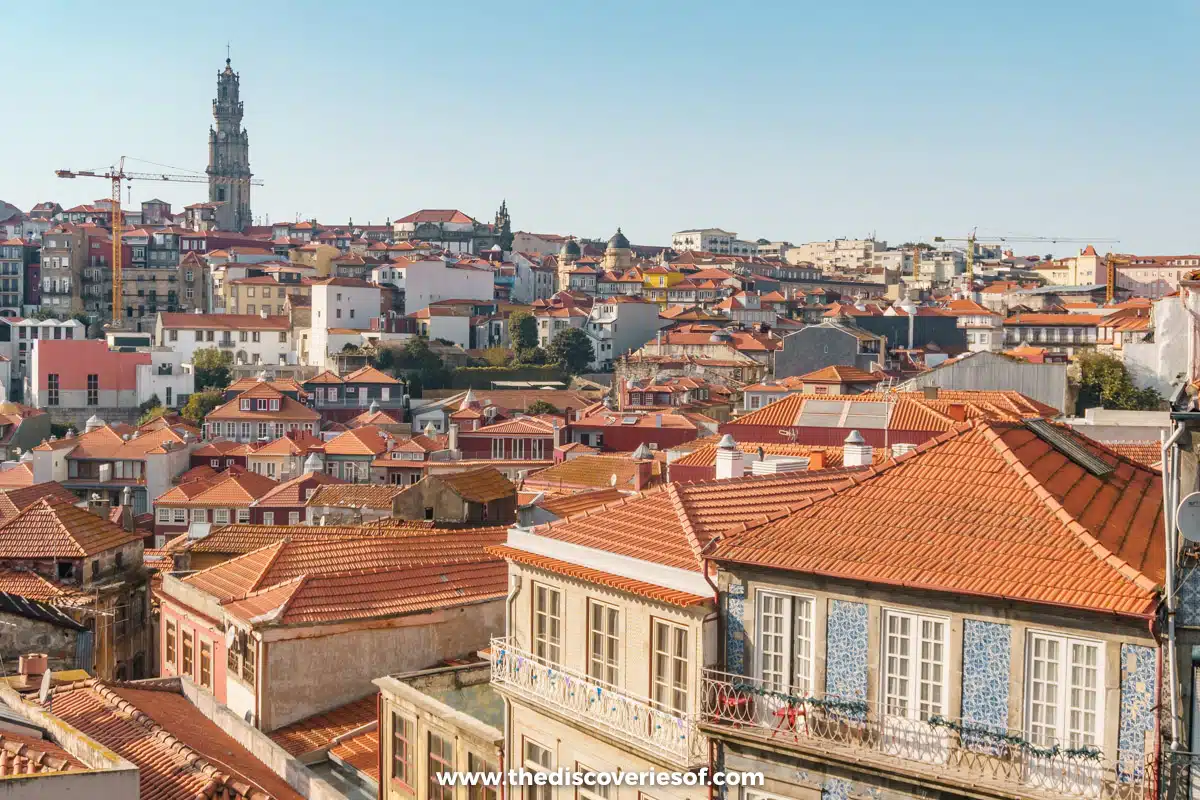
Porto sits on a bend of the Rio Douro a few kilometres from the Atlantic, a city of granite churches, azulejo-covered façades and terracotta roofs stacked so steeply above the river that half your time here is spent climbing stairs. It’s famous for port wine, bridges and cobbled streets, and for years it played second fiddle to Lisbon. Not any more: it has become one of the most popular city breaks in Europe, and I’ll admit I might even prefer it to the capital. Just.
I’ve been to the city several times, I’ve stayed at The Yeatman across the river in Gaia more than once, and I’ve followed the Douro upstream into the valley, most memorably in late September, when the harvest was in full swing. I’m also a big fan of chef Rui Paula’s cooking, and two of his restaurants, one in the city and one on the river, bookend this itinerary nicely.
This plan for 3 days in Porto keeps the walking manageable by grouping the sights by neighbourhood. Day one covers the Baixa (downtown) and the cathedral; day two takes you down through the UNESCO-listed Ribeira and over the river to the port lodges; and day three is a day trip up the Douro Valley. Expect São Francisco’s gilded interior, São Bento station’s tiled hall, a cellar tasting with a view of the old town, sunset from Jardim do Morro, a boat on the Douro and a long lunch at DOC.
You’ll be based in the city the whole time and won’t need a car until day three, and only then if you’d rather drive than take the train or a tour. I’ll also give you tips on where to stay, how to get around and what to pack at the end. If you’d rather pick and choose than follow a plan, you’ll find more on each sight in my guide to the best things to do in Porto.
Your 3 days in Porto at a glance
- Day 1: the Baixa and the cathedral. Coffee on the Avenida dos Aliados, a guided walking tour, São Bento station, the Sé, the Clérigos Tower, Livraria Lello, Rua de Santa Catarina and the Mercado do Bolhão, then dinner at DOP.
- Day 2: the Ribeira and Vila Nova de Gaia. The Palácio da Bolsa, the Igreja de São Francisco, the Barredo lanes, lunch on the Cais da Ribeira, the Dom Luís I bridge, a port tasting in Gaia and sunset at Jardim do Morro.
- Day 3: the Douro Valley. The train or a tour up the river, a boat trip from Pinhão, a quinta visit and lunch at DOC.
- Have more time? Miguel Bombarda, Bom Sucesso and the sea at Foz; the city’s Jewish heritage; a night in the Douro Valley.
Day 1: the Baixa, the cathedral and the Clérigos Tower
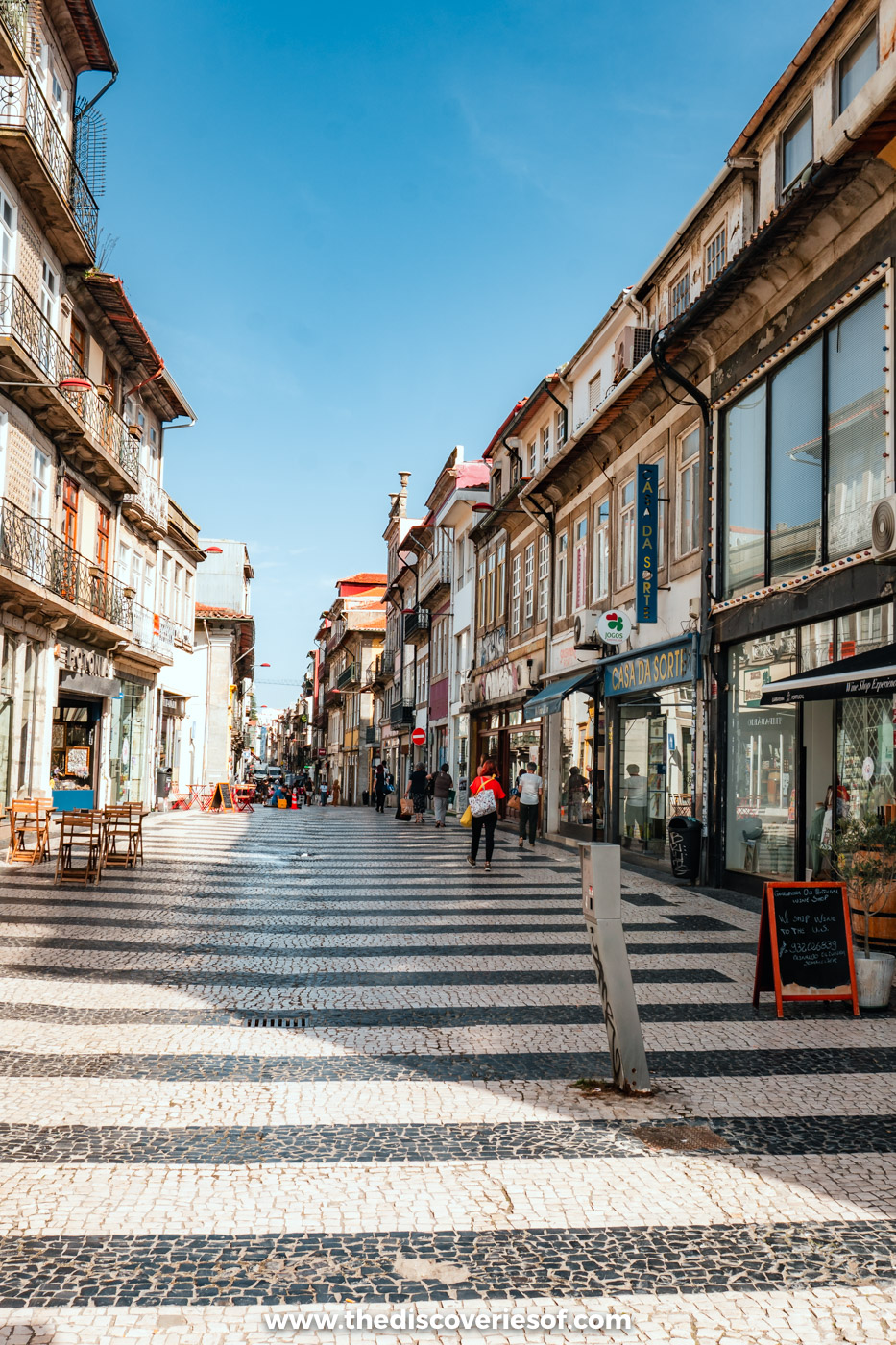
The Baixa is Porto’s downtown, the hilly grid of streets between the Avenida dos Aliados and the river. It’s where you’ll find the grand civic buildings, the shopping streets and many of the city’s best-known sights, and it’s at its liveliest in the evening, when the bars around Clérigos fill up. Everything on today’s list is within a 20-minute walk of the next stop, so leave the metro alone and go on foot.
Get your bearings on a walking tour
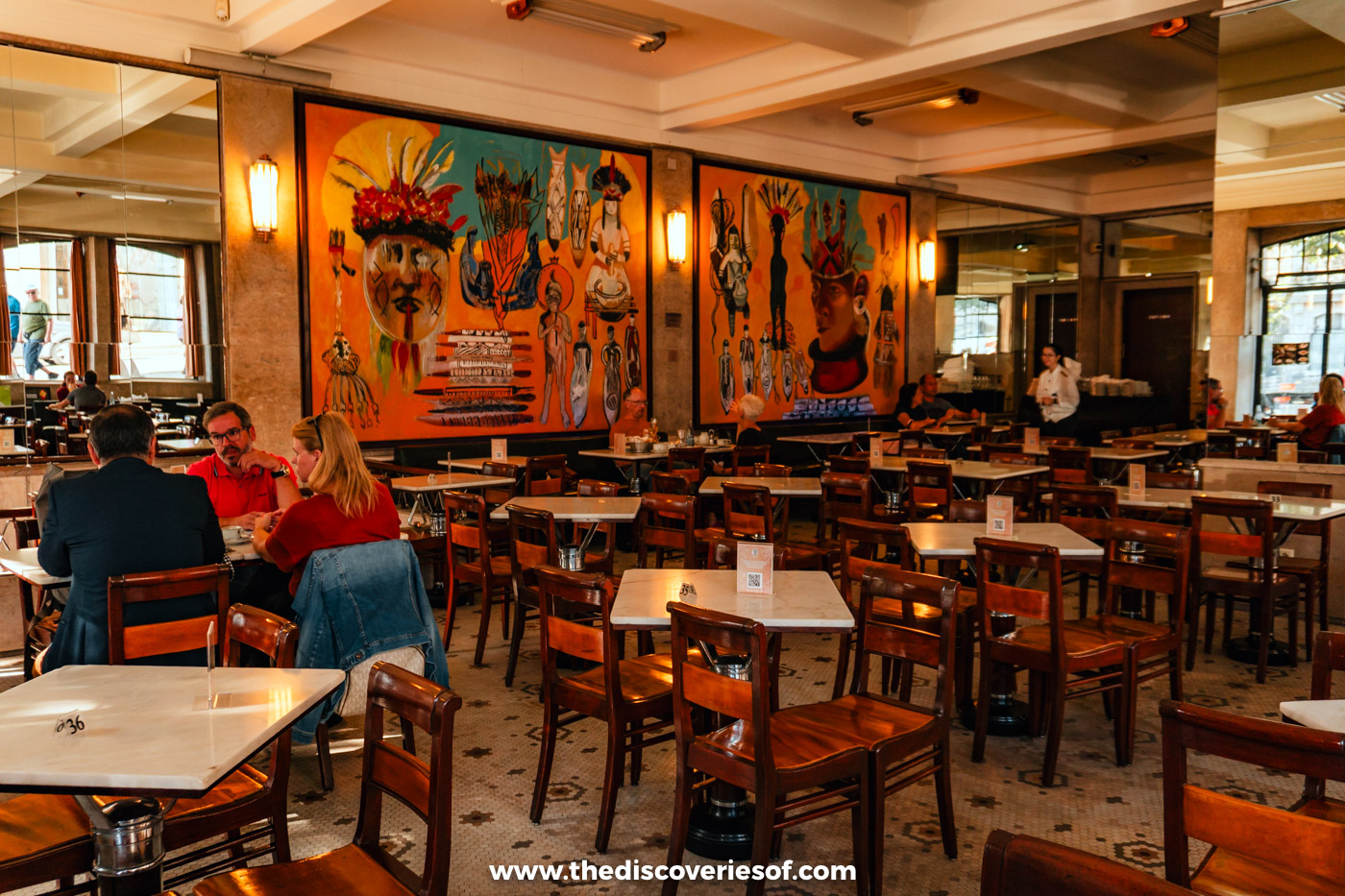
Start with a coffee on the Avenida dos Aliados, the broad, granite-lined boulevard that runs downhill from the city hall. Café Guarany has been serving coffee here since 1933, and the two big paintings of the Amazon on its walls, by the Portuguese artist Graça Morais, were added when it was restored in 2003.
History is my weakness, so on my first morning anywhere new I’ll nearly always book a guided walk, and this is a city where a good guide earns their fee. A three-hour tour of the old centre will untangle its steep lanes, take you past the city’s landmarks and fill in the stories behind them, from the medieval walls to the merchants who grew rich on the port trade.
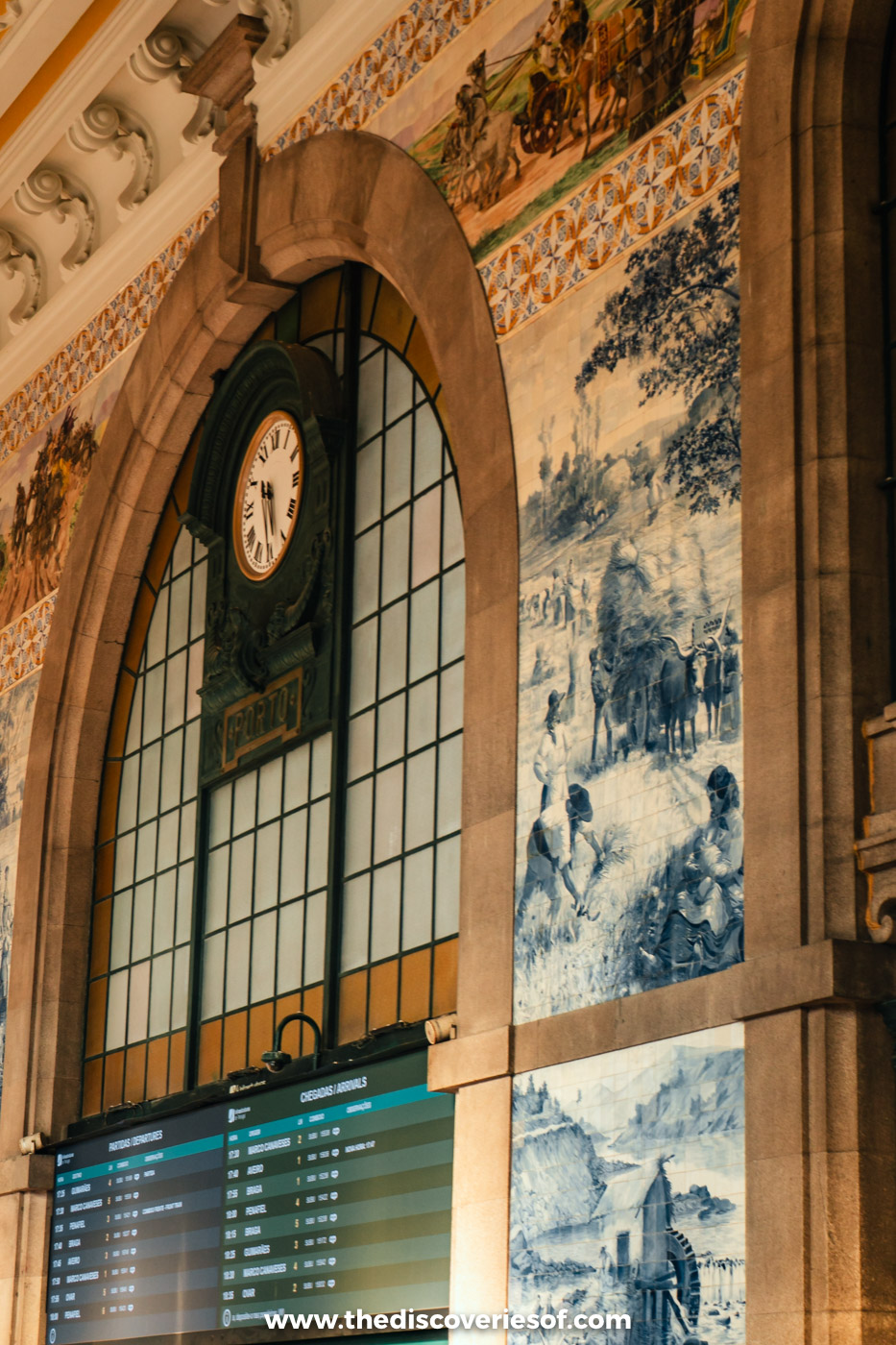
Most tours pass through São Bento station, and if yours doesn’t, make the short detour yourself. Its entrance hall is lined with around 20,000 blue and white tiles by the artist Jorge Colaço, put up between 1905 and 1916, which tell the story of Portugal, from medieval battles to the conquest of Ceuta. It’s a working station, so it’s free to wander in.
Do
This classic three-hour walking tour covers the old centre’s highlights and makes an easy introduction on your first morning.
Look out over the rooftops from the Sé
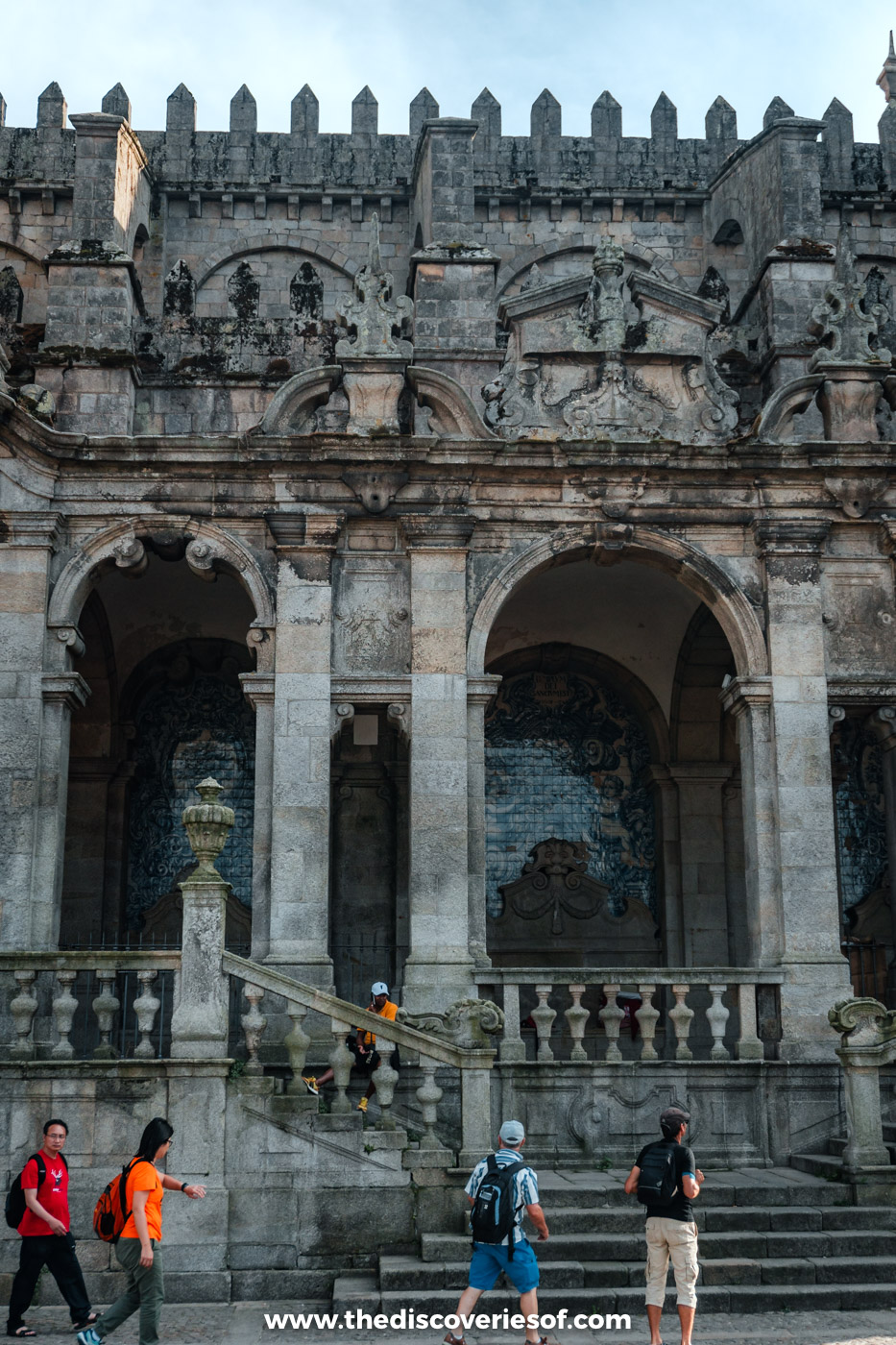
The fortress-like Sé, the city’s cathedral, crowns the hill above São Bento. It was begun in the 12th century in the Romanesque style and has been added to ever since, with a Gothic cloister lined with 18th-century azulejos and a baroque loggia by Nicolau Nasoni, the Italian architect who shaped much of the city’s skyline.
Entry to the church is free, with a small charge for the cloister and the rooms above it, and it’s worth paying for the tiles alone. Then step out onto the terrace in front of the cathedral, where the whole of the old town spreads out below you.
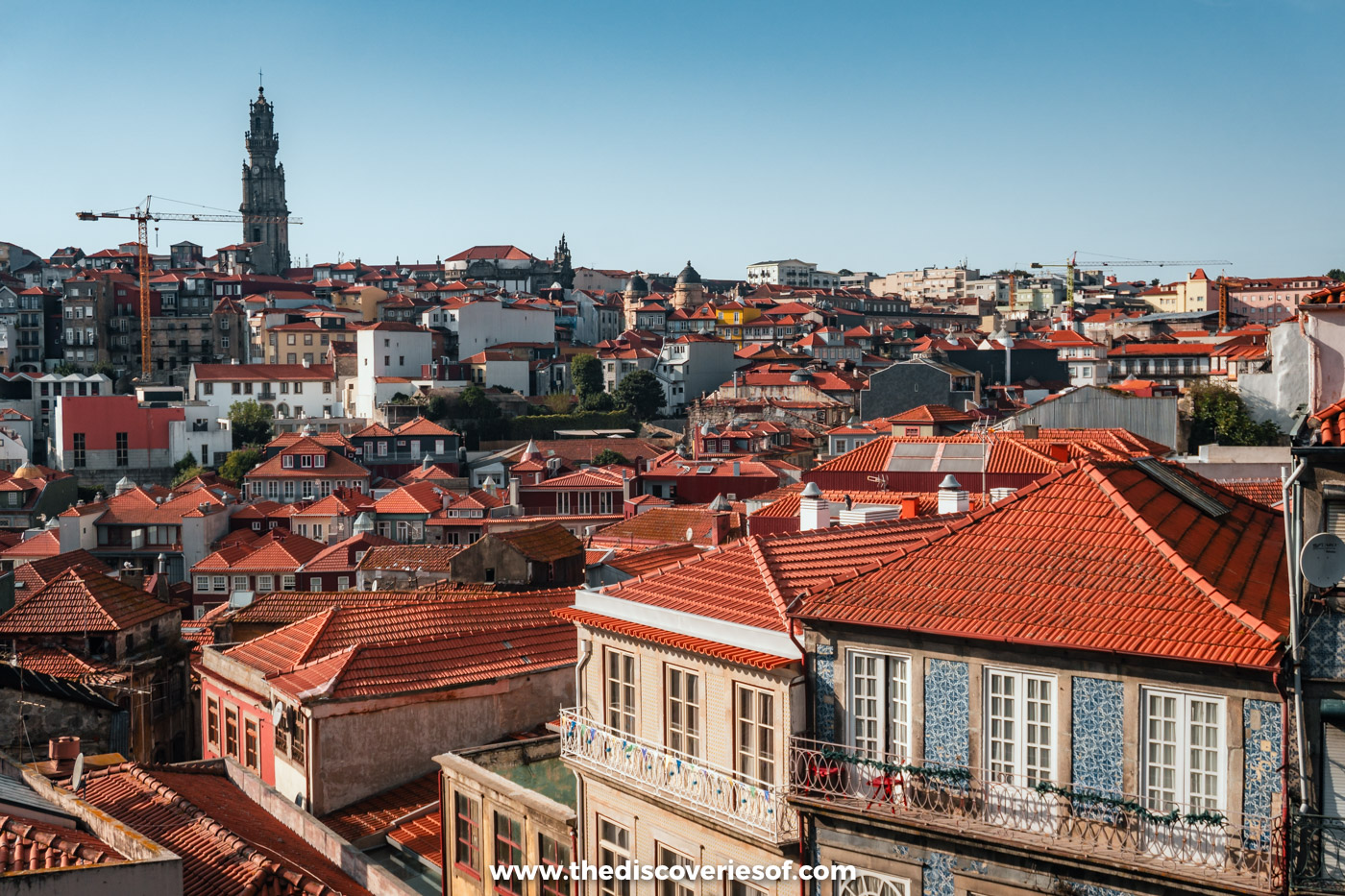
Climb the 240 steps of the Clérigos Tower
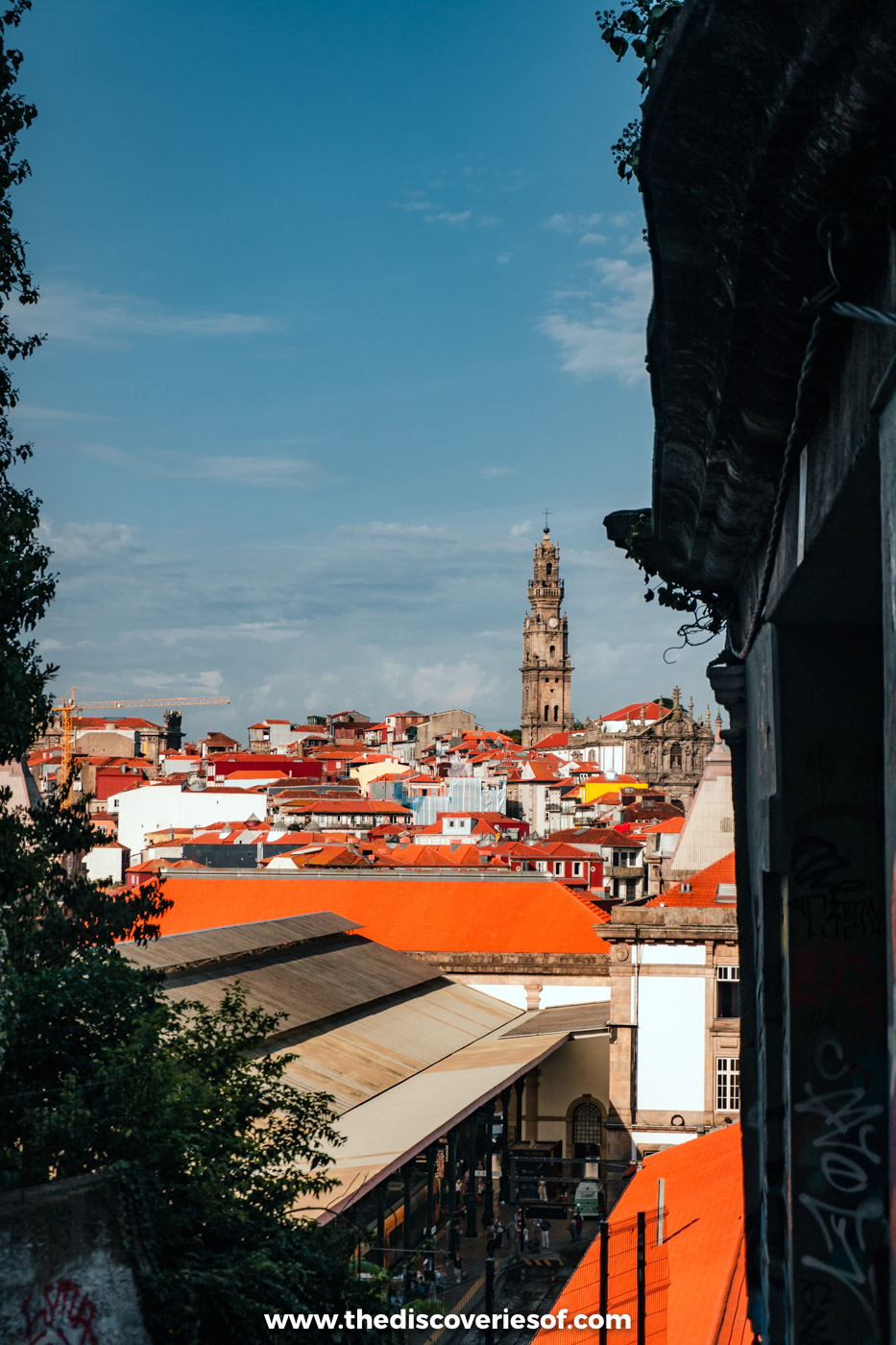
You’ll have spotted the Clérigos Tower from the cathedral terrace: at 75.6 metres it’s one of the tallest landmarks in the old town. Nasoni designed the church and its baroque bell tower in the 18th century, and the tower was finished in 1763. A narrow spiral of 240 steps takes you up through six floors to a viewing gallery that looks out over the rooftops to the river and Gaia beyond. There’s no lift, and it gets tight near the top.
Tickets
Entry to the tower and museum costs €10 (students €7, under-10s free), from 9am to 7pm, with last entry half an hour before closing. At Easter, in summer and at Christmas, Clérigos by Night opens the tower from 7pm to 11pm for €5.
Book an early slot at Livraria Lello

Just round the corner from Clérigos, Livraria Lello is often called the most beautiful bookshop in the world. It opened in this building in 1906, and behind the neo-Gothic façade you’ll find carved wood, a stained-glass skylight and a curving crimson staircase that splits in two halfway up.
It’s said to have inspired the libraries of the Harry Potter books, which JK Rowling wrote while she lived here in the early 1990s, though she has said she never went inside. Either way, the queues outside can be long.
Top Tip
Entry is by timed ticket, booked on the official Lello website: about €16 for the standard voucher, which you can put towards one of Lello’s own editions if you buy one. Book the 9am opening slot for the fewest people on the stairs.
Shop Rua de Santa Catarina and the Mercado do Bolhão
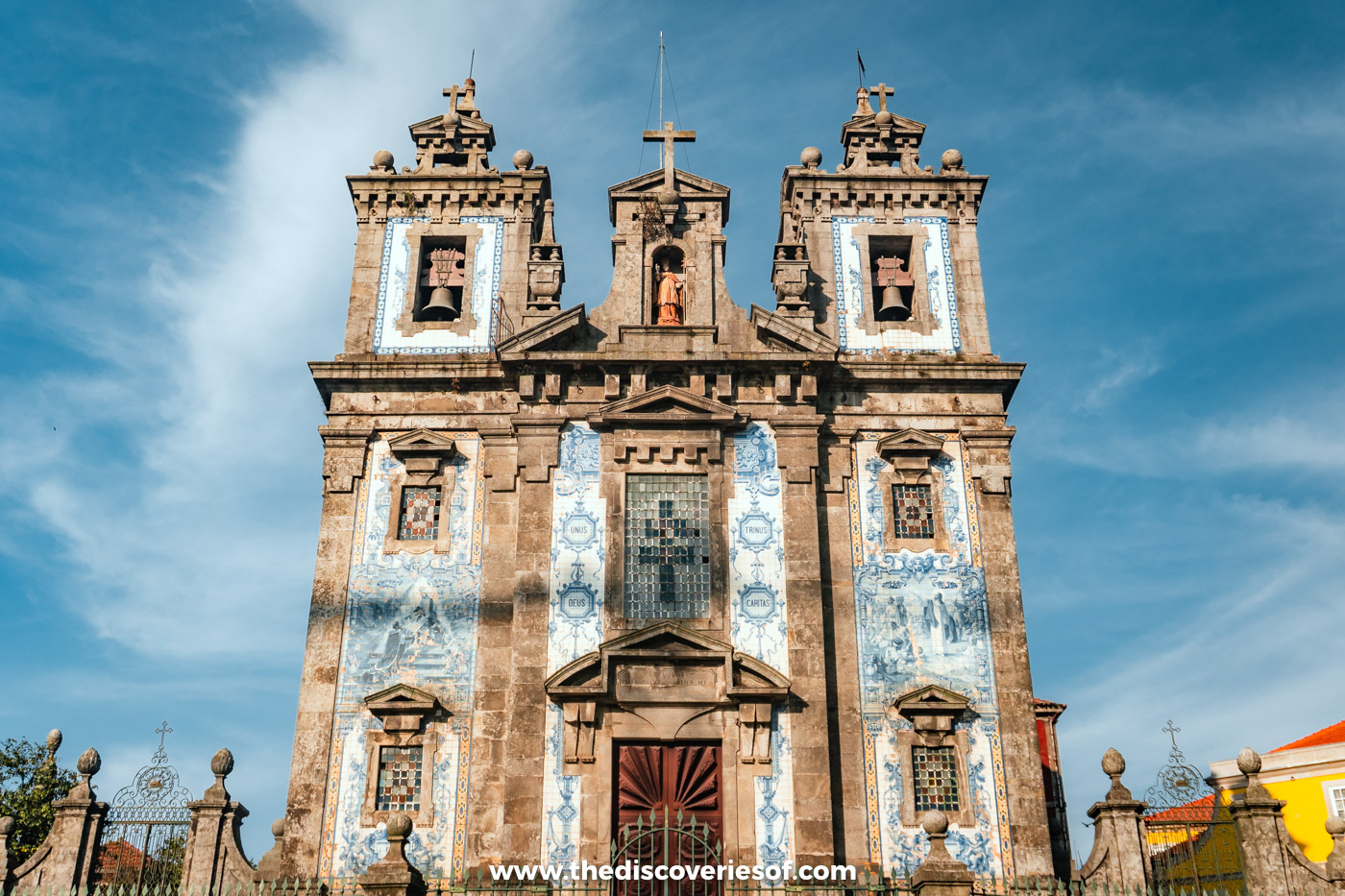
Spend the afternoon in the eastern half of the Baixa. Rua de Santa Catarina is the main shopping street, and as well as the chain stores it has two of the city’s most photographed buildings: the Capela das Almas, its outside walls covered in blue and white tiles in 1929, and the belle époque Café Majestic, which has been pouring coffee since 1921.
From Santa Catarina, it’s a short walk to the Mercado do Bolhão, the city’s great food market. Its neoclassical hall was built in 1914 and spent years under restoration before reopening in 2022, and today its two floors of stalls, arranged around an open courtyard, are piled with fish, fruit, cheeses, smoked sausages and flowers. It’s open from 8am to 7pm on weekdays and to 6pm on Saturdays, and closed on Sundays, though the small restaurants inside stay open until midnight.
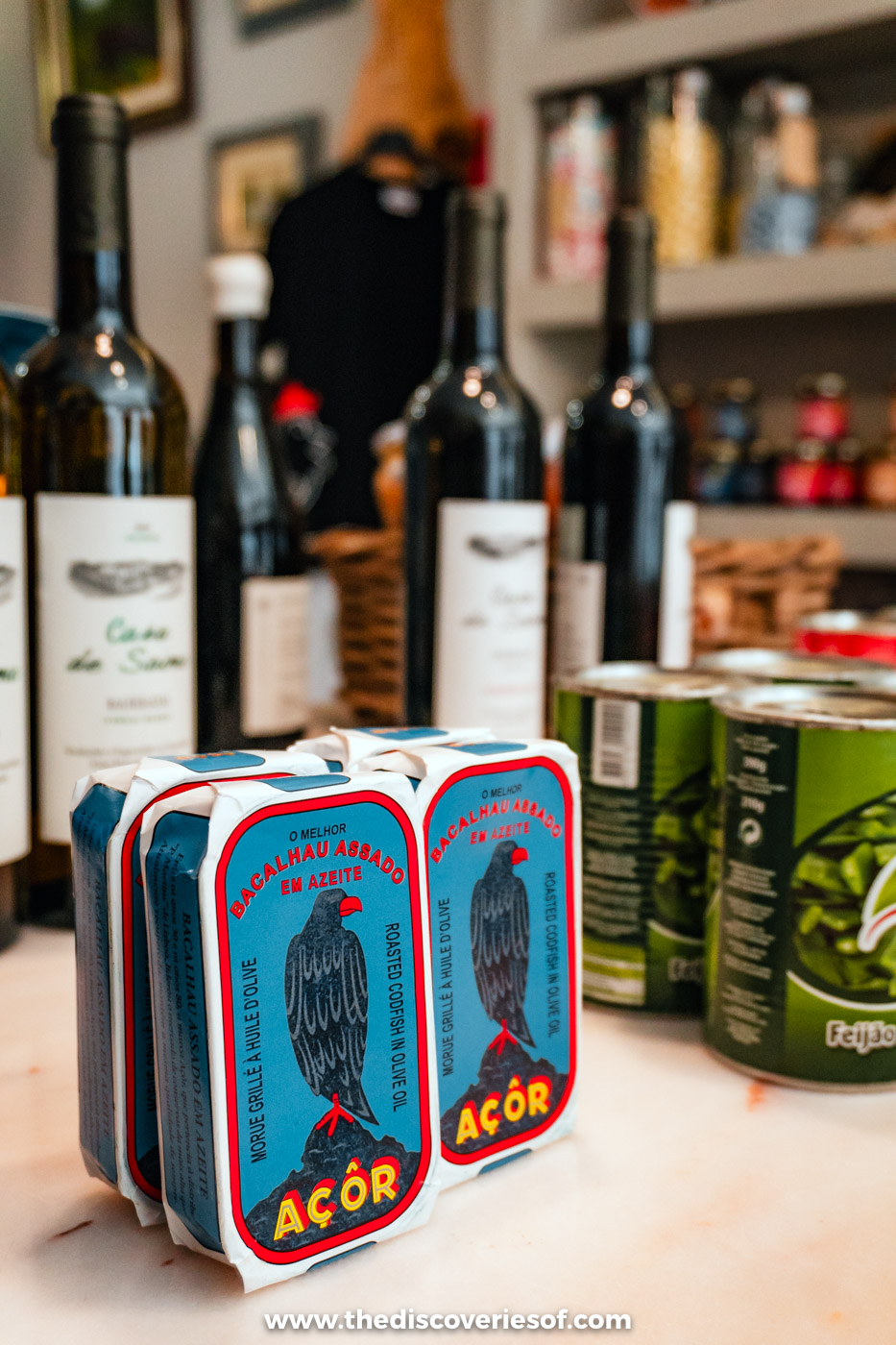
Finish at Praça da Batalha, where the Igreja de Santo Ildefonso wears a façade of around 11,000 azulejos by Jorge Colaço, the same artist who tiled São Bento. If your feet need a break by then, a hop-on hop-off bus ticket with an optional river cruise and port cellar visit is an easy way to see the rest of the city without the hills.
Treat yourself to dinner at DOP
I’m a big fan of Rui Paula’s cooking, and his city restaurant, DOP, is the place for a special dinner in the city. It occupies the old Palácio das Artes on Largo de São Domingos, a short climb from the Ribeira, and serves contemporary Portuguese food built around the country’s best produce. It won its first Michelin star in the 2026 guide, so book ahead, especially at weekends.
Getting to Porto
The easiest arrival is by air into Francisco Sá Carneiro Airport, where the violet metro line E will take you into the centre in about half an hour on a Z4 ticket loaded onto an Andante card. From Lisbon, the fastest Alfa Pendular trains take just under three hours to Porto Campanhã, where a short connecting train runs on to São Bento in the centre. Check flights on Skyscanner.
Suggested stay: The Yeatman
I’ve stayed at The Yeatman a few times now and would happily go back for more. It’s a wine-themed luxury hotel up on the hill in Vila Nova de Gaia, across the river from the old town, with a terrace that looks straight across at the Ribeira, indoor and outdoor pools, a spa and a restaurant with two Michelin stars. Out of season, rooms start from about €250 a night.
If you’d rather stay on the Porto side of the river, the Pão de Açúcar is a good-value base near the city hall, Hotel Carris Porto Ribeira puts you in a converted historic building by the river, and Torel Avantgarde is a colourful five-star with a spa and a pool looking over the city. There are more options in my guide to where to stay in Portugal or search all accommodation in Porto.
Day 2: the Ribeira and the port lodges of Gaia
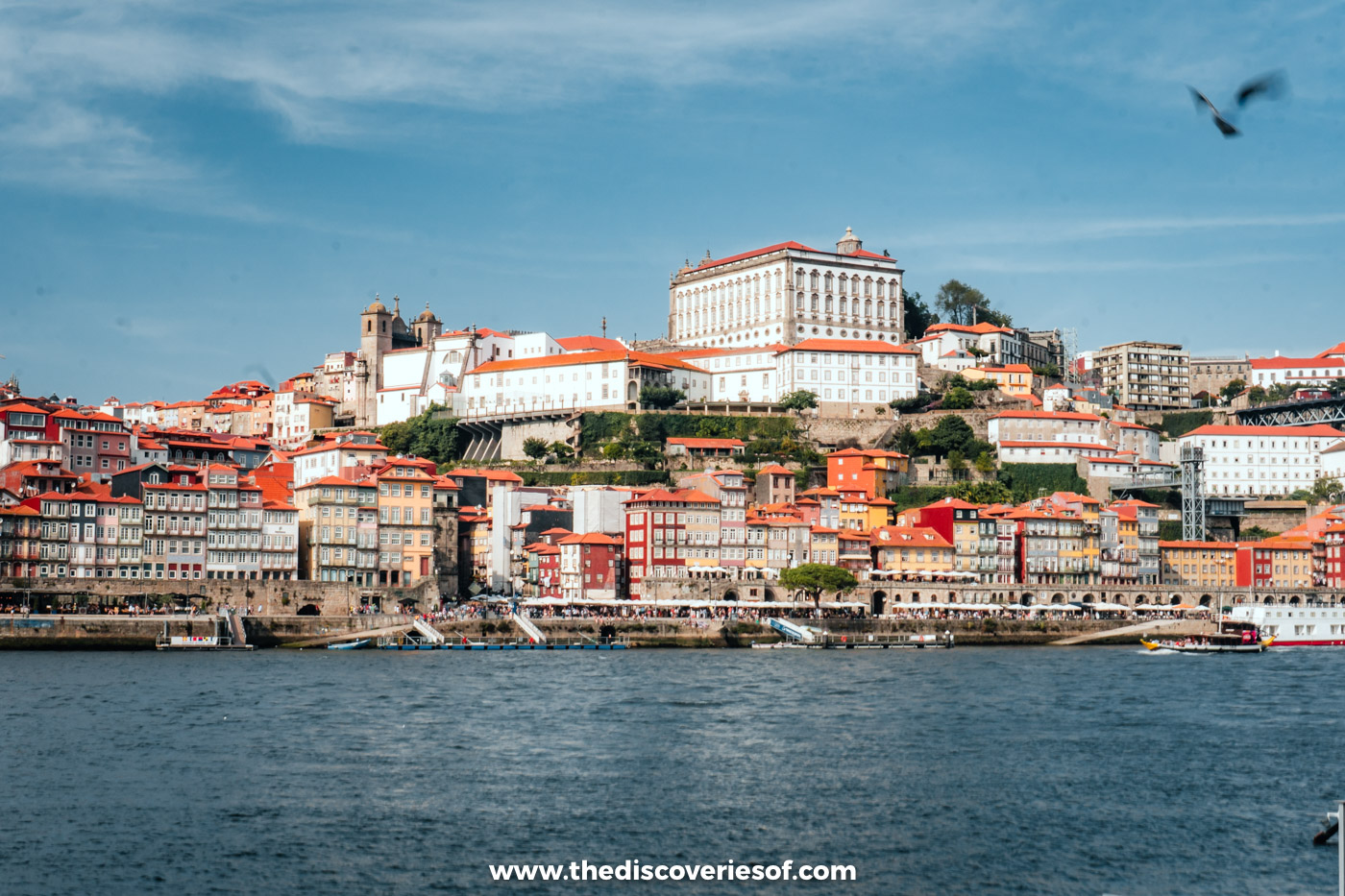
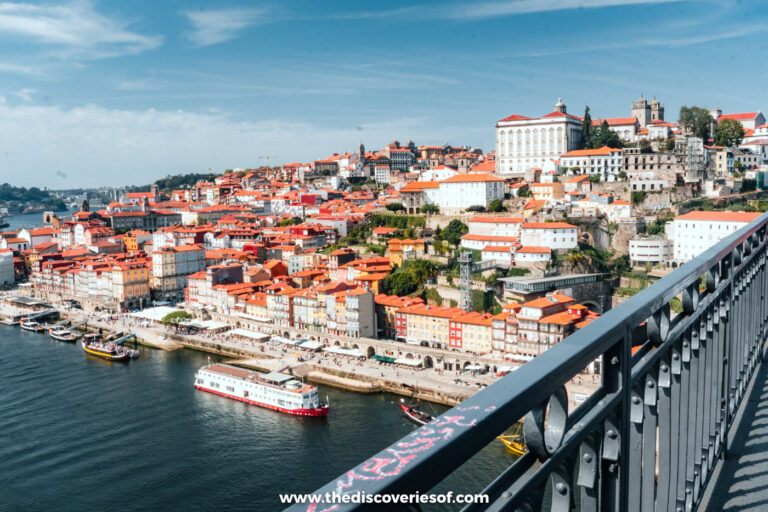
Day two takes you down to the river. The Ribeira is the city’s oldest quarter and the heart of its UNESCO-listed historic centre, a tangle of medieval lanes and narrow, brightly painted houses tumbling down the hill to the quayside. Across the water, Vila Nova de Gaia is technically a separate city, but it’s where the port has been aged for centuries, and its riverfront is lined with the lodges of the great port houses. Spend the morning on the north bank, cross the bridge after lunch and stay in Gaia for the sunset.
Tour the gilded halls of the Palácio da Bolsa

Porto’s merchants built the Palácio da Bolsa, their stock exchange, between 1842 and 1910, and they wanted everyone to know how rich the city had become. The neoclassical building has a glass-domed central courtyard, a grand staircase and a series of lavish rooms, ending in the Arab Room, a gilded hall inspired by the Alhambra in Granada that took nearly 20 years to finish and is still used for official receptions and concerts.
Tickets
The palace can only be seen on a 30-minute guided tour, in English, Portuguese, Spanish or French, for €14 (€9.50 for students and over-65s; under-12s free), from 9am to 6.30pm. Tours fill up, so book a slot online or join this half-day walking tour of the old town that includes the Palácio da Bolsa.
Step inside the Igreja de São Francisco
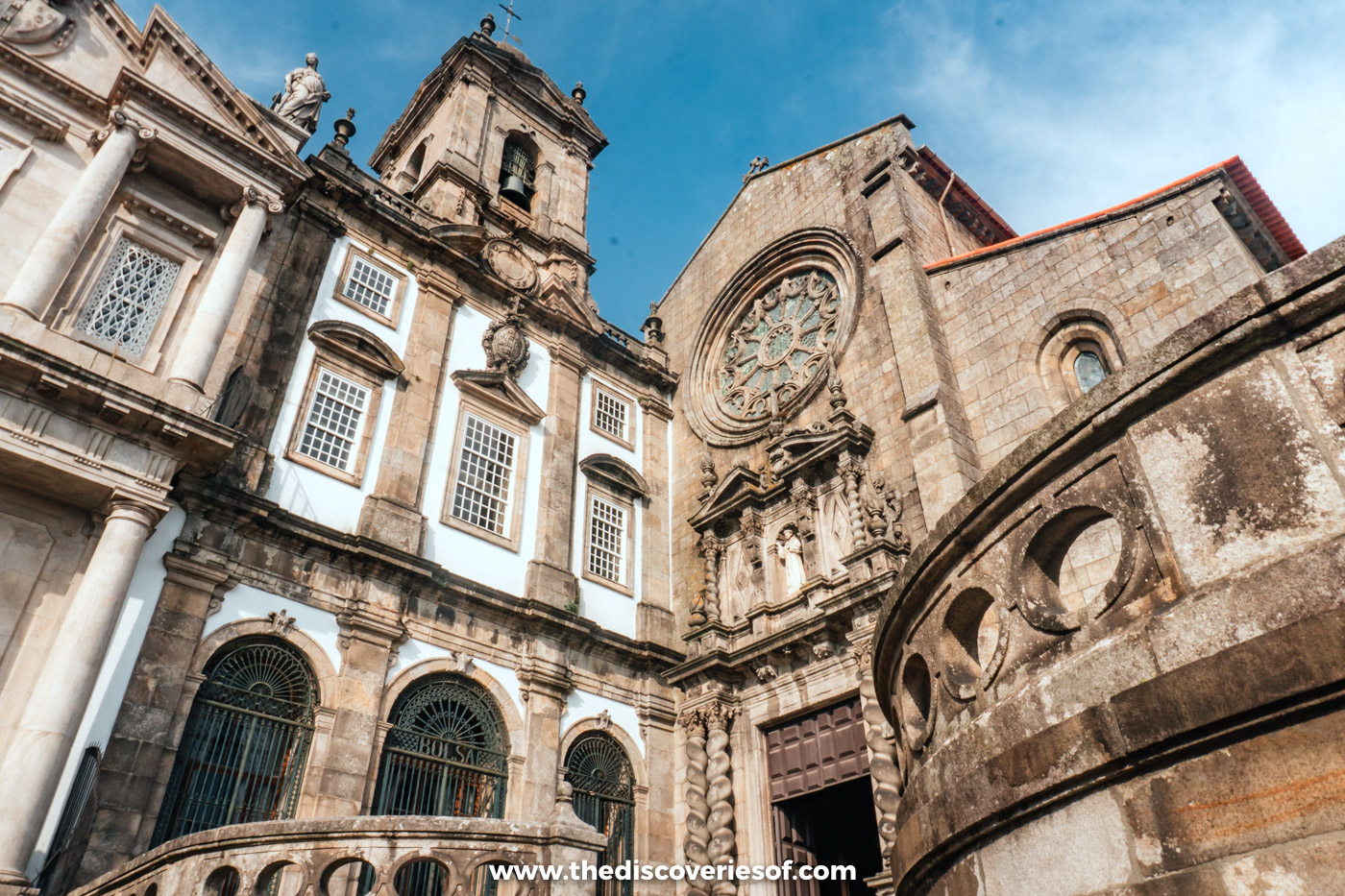
Next door to the Bolsa, the Igreja de São Francisco looks like a plain Gothic church from the outside, and nothing prepares you for the interior. Almost every surface was covered in carved and gilded woodwork in the 17th and 18th centuries, with cherubs, vines and saints climbing up the columns and around the altars, including a spectacular Tree of Jesse.
The ticket, around €10, also covers a small museum and the catacombs under the church, where members of the Franciscan brotherhood and wealthy local families were buried.
Wander down the Barredo stairs
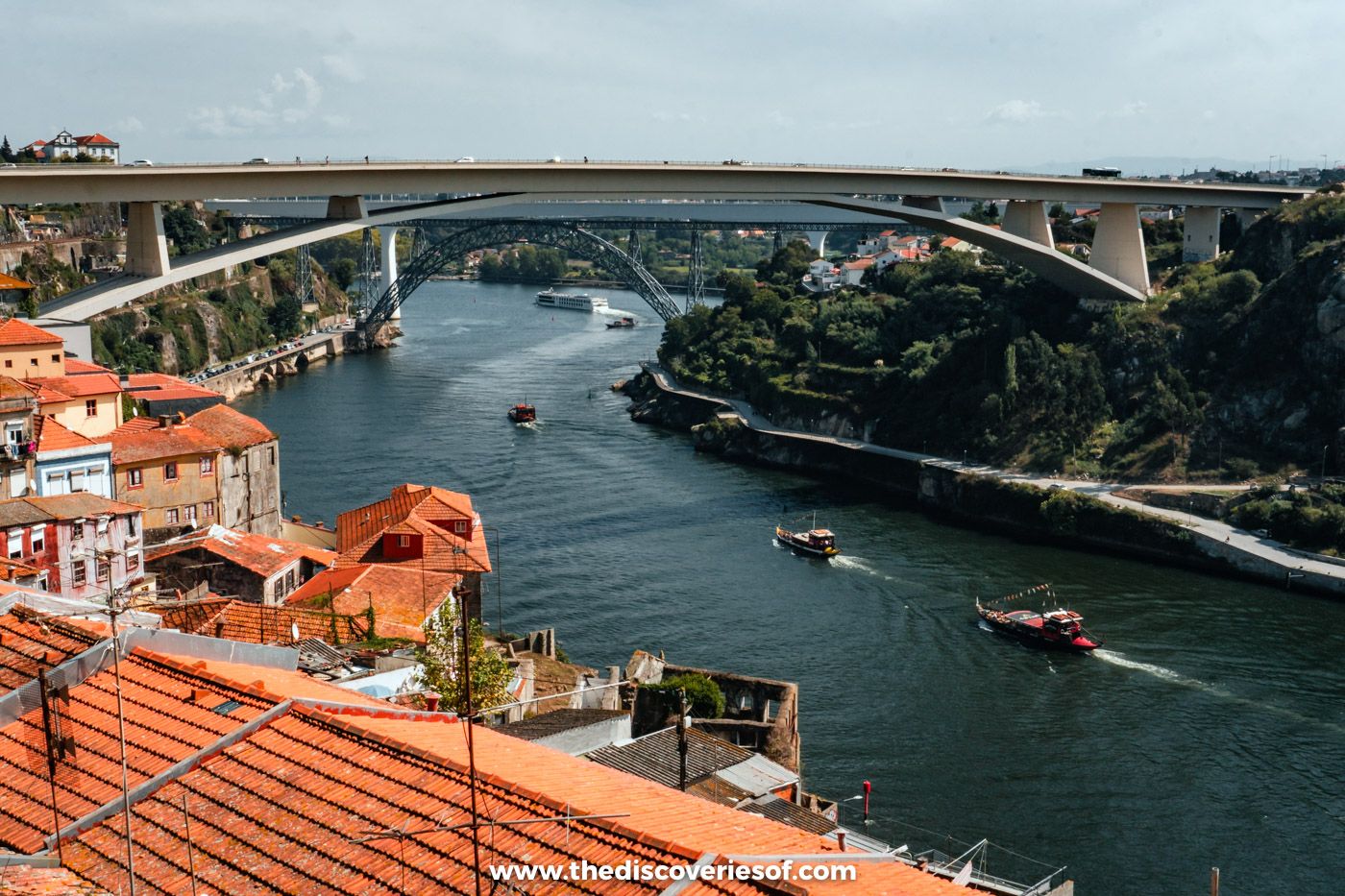
The Barredo neighbourhood, wedged into the hillside between the cathedral and the river, is home to some of the oldest houses in the city, strung along a maze of steep, narrow lanes and stairways. Stroll down the Barredo stairs for views over the river and a sea of terracotta roofs.
The area still feels like a village: washing hangs between the balconies, neighbours chat across the alleys and the smell of lunch drifts out of open windows. Keep your voice down and your camera discreet, as people live here.
Eat lunch on the Cais da Ribeira
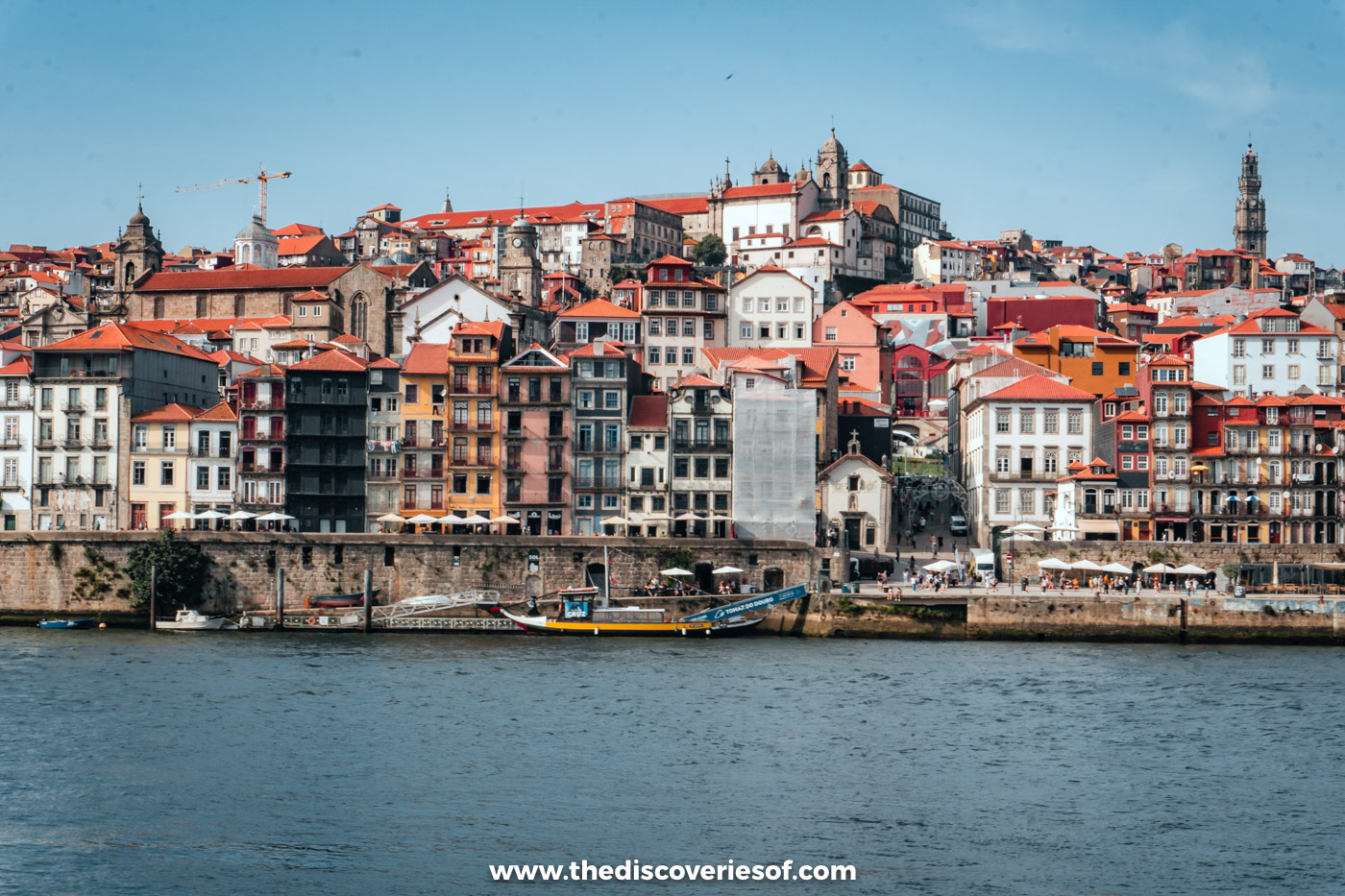
The Barredo lanes spill out onto the Cais da Ribeira, the riverside quay that is the postcard view of the city. It’s lined with cafés, bars and restaurants, and it’s a great place to walk, eat and people-watch, but be warned: it will be overrun with tourists. To avoid the crowds, I recommend visiting in the early morning or late evening for a more peaceful experience.
At lunchtime, look for grilled sardines, bacalhau (salt cod) or a francesinha, the local and famously heavy sandwich of steak, sausage and ham, smothered in melted cheese and a spicy beer and tomato sauce. You’ll want a walk afterwards.
Walk across the Dom Luís I bridge
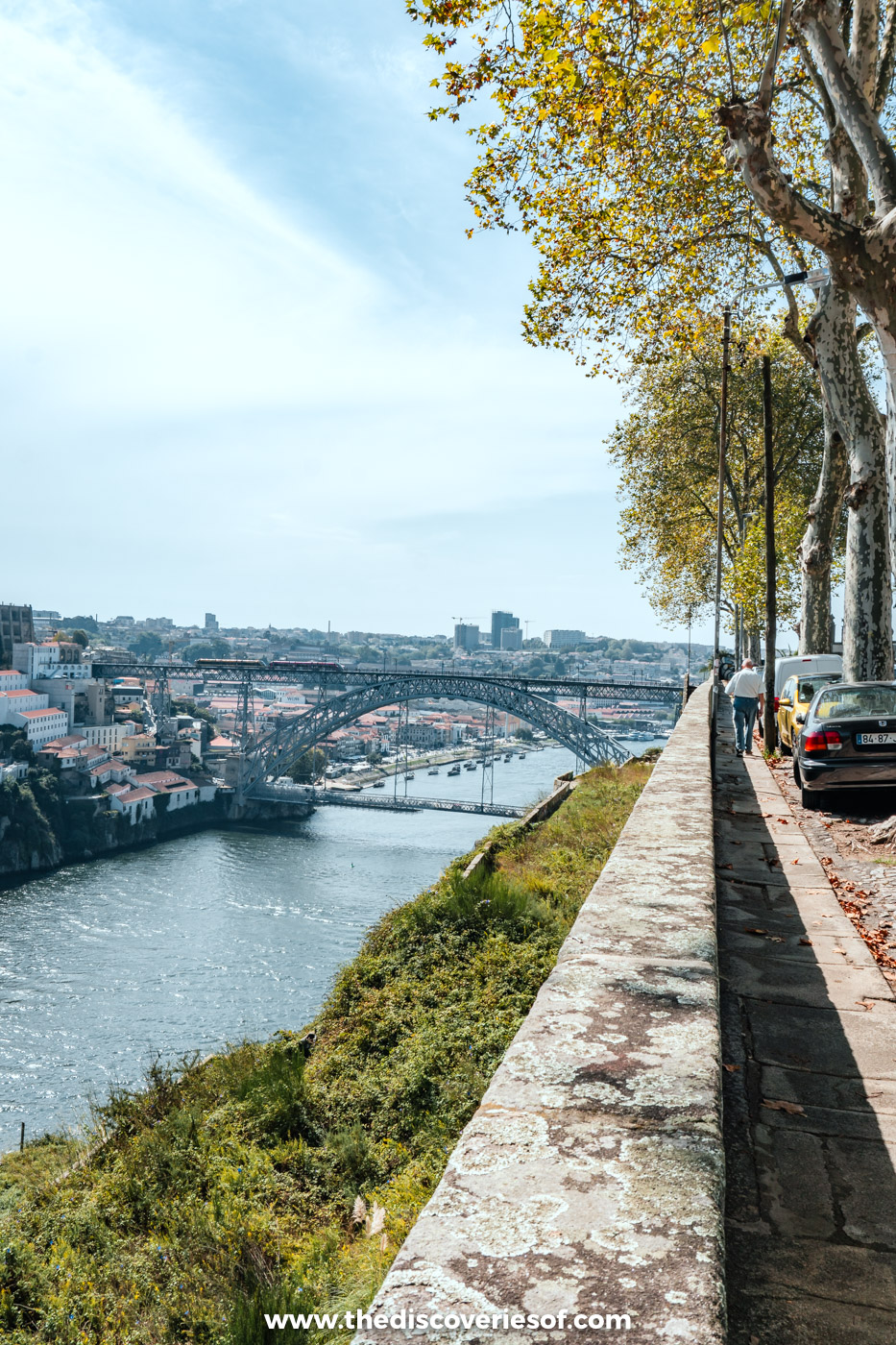
The double-decker iron arch of the Dom Luís I bridge has linked the Ribeira to Vila Nova de Gaia since 1886. It was designed by the Belgian engineer Théophile Seyrig, a former partner of Gustave Eiffel, which explains the family resemblance. Walk across the lower deck to Gaia now, and save the upper deck, which carries the metro and pedestrians high above the river, for this evening.
Dom Luís I is one of six bridges that link Porto and Gaia, and you can see them all from the water on a six bridges cruise, which takes about 50 minutes and leaves from both sides of the river.
Sip your way through the port lodges of Gaia

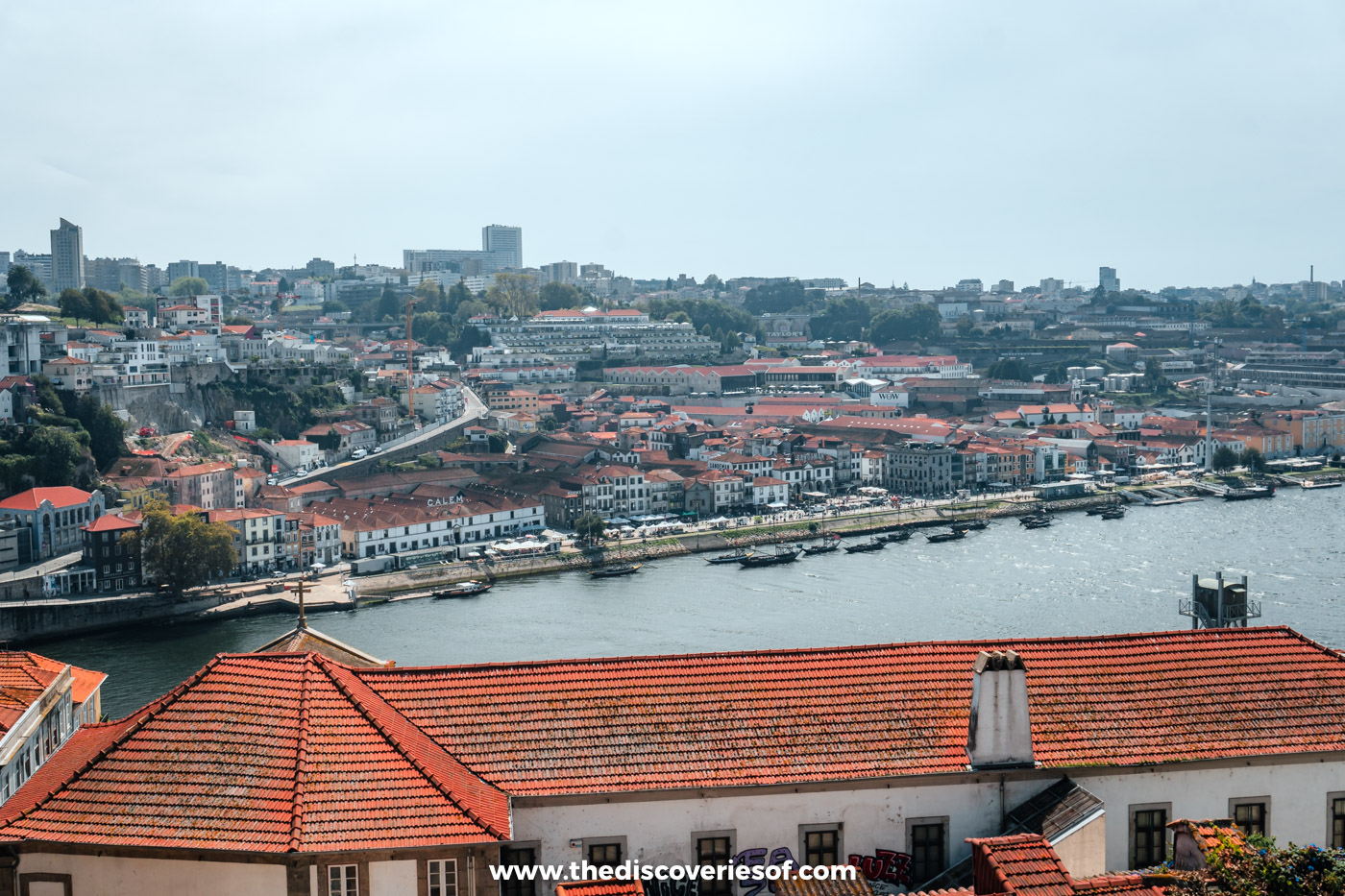
You can’t come to Porto without paying homage to its most famous export. Port is made from grapes grown in the Douro Valley, but for centuries the young wine was shipped downriver in flat-bottomed rabelo boats to age in the cool lodges of Gaia, and the big names still have their cellars here: Graham’s, Taylor’s, Sandeman, Cockburn’s, Cálem, Poças, Burmester and more.
I’m a huge port fan, and to my mind there’s no better way to finish a good meal than with a glass as a digestif. New to port? Start by comparing a ruby with a tawny. The first time a guide poured me a young, seven-year-old tawny to try against a ruby (on a food walk in Lisbon, as it happens), the difference was obvious: the tawny was still red, but darker and noticeably drier, from its years in wood.
Most lodges run tours of their cellars with a tasting at the end, from around €20 to €30, more if you want to try older vintages. Graham’s sits up the hill with views back over the city, Taylor’s has a self-guided audio tour, Cockburn’s has some of the largest cellars in Gaia, and Cálem pairs its tour with a short fado show. Down by the river, the old lodges of WOW (World of Wine) now hold museums, shops and restaurants.
If you’re staying at The Yeatman, as I have, you’re right above the lodges, and its restaurant makes a memorable end to the day.
Do
Prefer to leave the choosing to an expert? This walking and wine tasting tour stops at a Gaia port cellar and pours several tastings, with petiscos (small plates) along the way.
Watch the sunset from Jardim do Morro
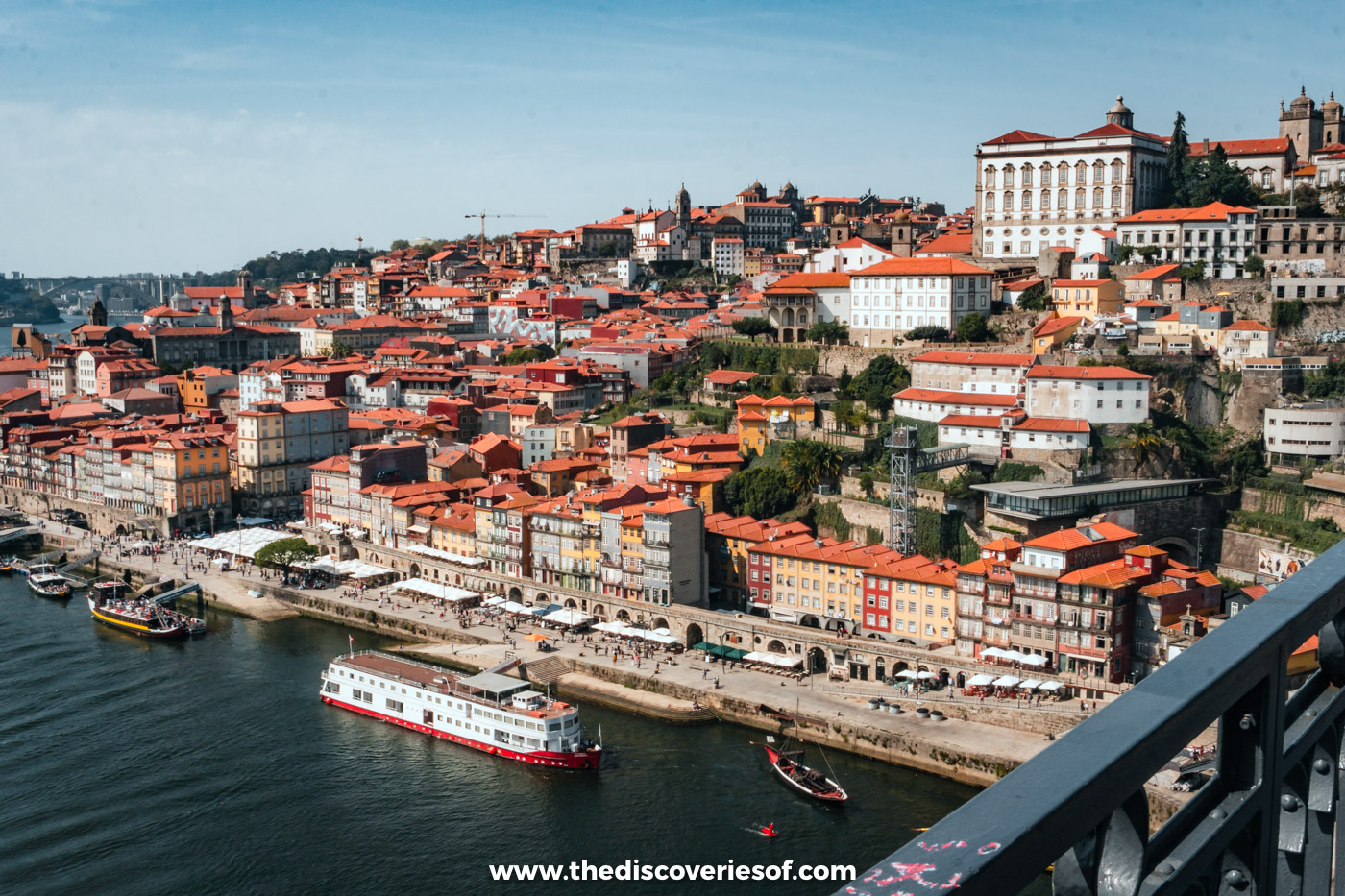
When the lodges close, head up the hill to Jardim do Morro, a small park at the Gaia end of the Dom Luís I bridge’s upper deck that is all about the view. You can walk up the steep streets or ride the Teleférico de Gaia, a cable car that takes about four minutes to rise from the riverside to the top (tickets around €10). For an even higher view, climb the last stretch to the terrace of the Mosteiro da Serra do Pilar, the round-cloistered monastery on the hilltop above.
At sunset the whole of the old town turns gold and pink across the water, and it’s a sight that draws a crowd every evening. Then walk back across the upper deck as the lights come on.
Top Tip
This is one of the most popular sunset viewpoints in the city, so get here at least half an hour early to find a spot. You can check sunset times in Porto here.
Day 3: a day trip to the Douro Valley
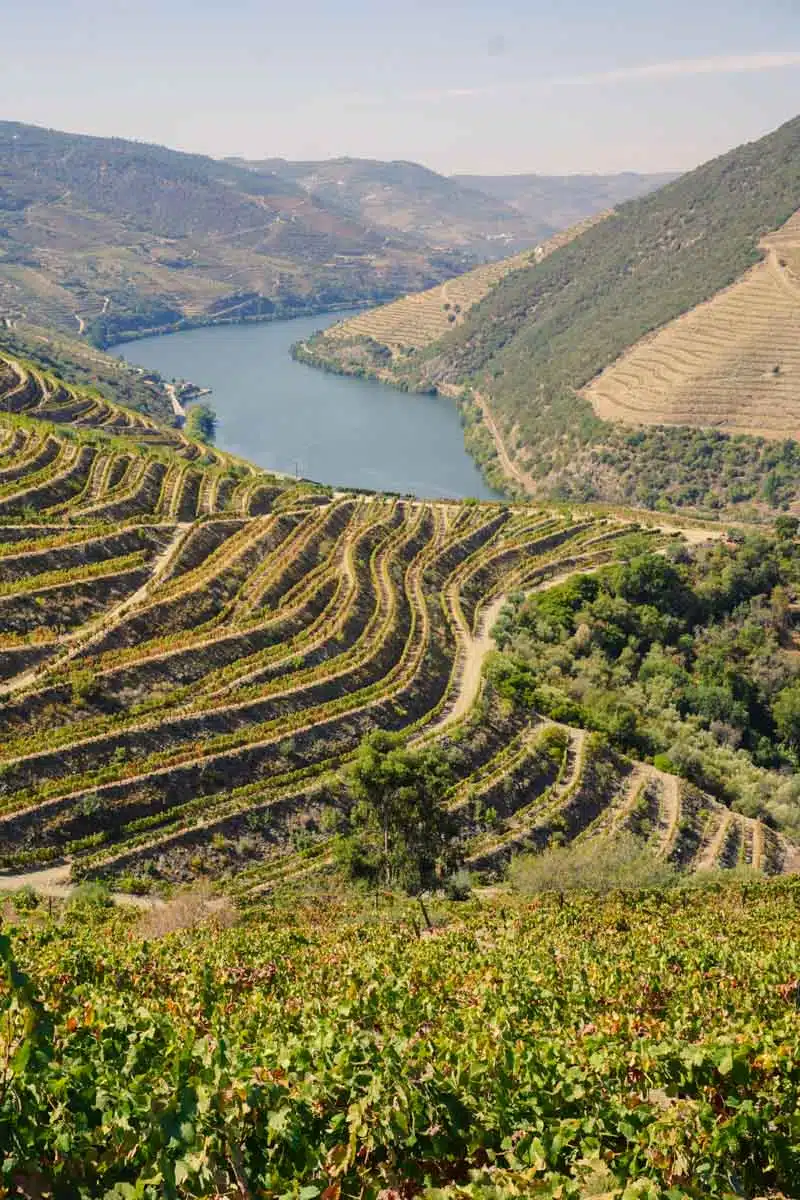
On your last day, follow the river inland to where the port comes from. The Douro Valley was the world’s first demarcated wine region, defined by royal decree in 1756, and the Alto Douro wine region has been a UNESCO World Heritage site since 2001. Its steep schist hillsides have been carved by hand into thousands of terraces, and the most dramatic stretch, from Peso da Régua upriver to Pinhão, is about two hours east of Porto.
I first visited years ago, and I went back in late September, when the harvest was under way and the quintas were busy bringing the grapes in. A day trip only scratches the surface, but it’s enough to see why the valley is so special.
Take the train up the river (or let a tour do the driving)
The cheapest and most scenic way into the valley is the train. Regional services leave São Bento for Peso da Régua and Pinhão on the Linha do Douro, and the journey to Pinhão takes about two and a half hours, with the line hugging the riverbank for the last stretch. Tickets cost well under €15 each way. Sit on the right-hand side heading east for the best river views, and take a look at the azulejo panels of Douro scenes at Pinhão station when you arrive.
If you’d rather not juggle timetables, a guided day trip takes care of everything. Most, like this Douro Valley day tour from Porto, include a couple of quinta visits with tastings, lunch and a boat trip on the river. Driving gives you the most freedom, and the motorway gets you to Régua in about an hour and a half, but someone in your group will have to skip the tastings.
Getting There
Check the latest Linha do Douro timetable on the CP website the day before, as some services are replaced by buses on parts of the line, and note the time of the last train back from Pinhão.
Get out on the water at Pinhão

Whatever else you do, get on the river. I’d really recommend a boat trip: seeing the vine-covered terraces rise straight out of the river is quite spectacular, and the water is the best place to take it all in. One-hour trips in traditional rabelo boats leave from the riverside in Pinhão throughout the day and cost from around €15, with longer cruises that add a glass of wine.
Visit a quinta
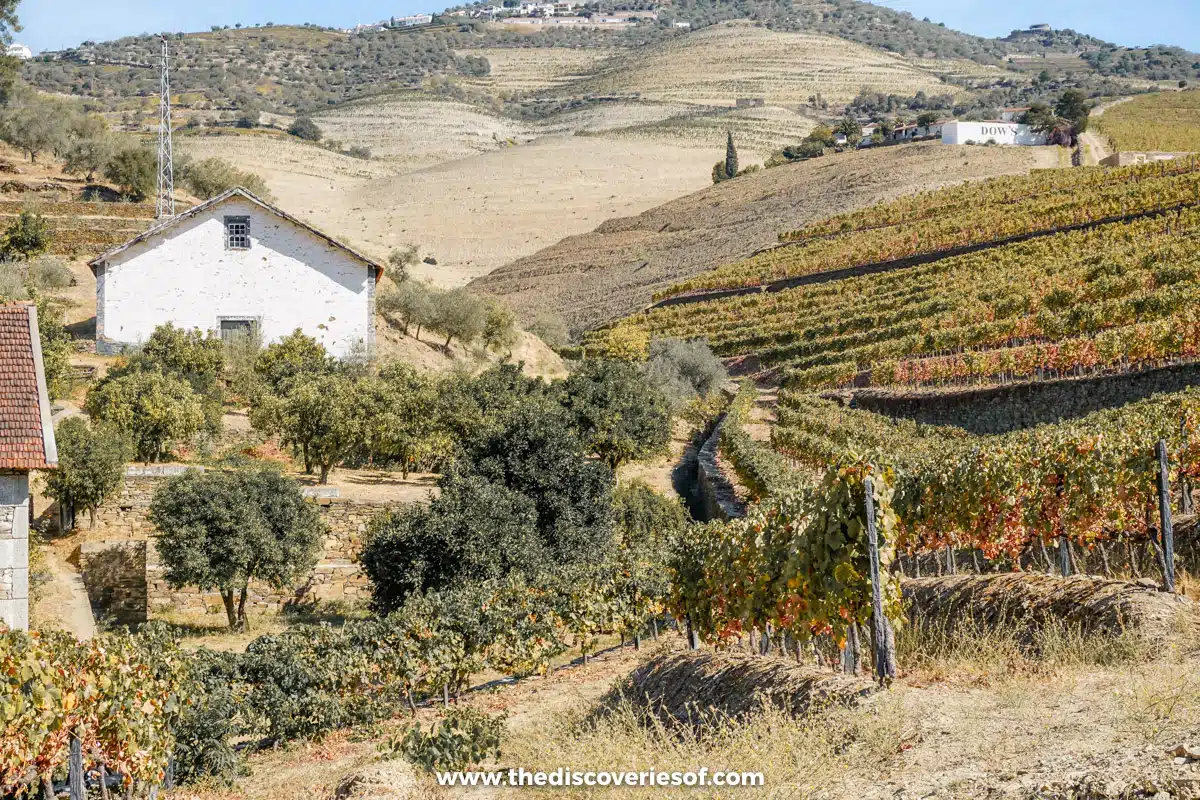
The valley’s wine estates, known as quintas, have opened their doors to visitors in a big way, and many of them run tours and tastings. Symington’s Quinta do Bomfim is a short walk from Pinhão station, which makes it an easy choice if you’ve come by train. I visited during the harvest in late September, when the grapes were being picked plot by plot into small boxes, sorted by hand and, for some of the port, still trodden underfoot in the traditional stone lagares.
Bomfim is open every day for visits and tastings (10am to 7pm from March to October, and 9.30am to 6.30pm from November to February), and its riverside restaurant, Bomfim 1896, serves traditional Douro cooking.
Lunch at DOC

If DOP was your treat in the city, DOC is its country cousin. Rui Paula’s riverside restaurant sits on the N222 at Folgosa, between Régua and Pinhão, with a terrace right over the water, and its cooking leans on produce from the river and the hills around it, with Essência and Signature tasting menus paired with Douro wines, or à la carte.
I first ate at DOC years ago and talked about it so much afterwards that I had to go back when I returned to the valley. Your wallet may weep a little, but your stomach won’t complain. You’ll need a car or a taxi to get here from Régua or Pinhão, and it’s essential to book.
End the day with a glass of port
Before you head back, raise a glass of port to the valley it came from: an aged tawny at a quinta, or a glass on the terrace after lunch. And if you’re driving, it’s worth a detour to Lamego, a pretty town just south of the river, where a baroque stairway of nearly 700 steps zigzags up to the Santuário de Nossa Senhora dos Remédios.
Read Next
Have more time? Add these to your itinerary
Head west to Miguel Bombarda, Bom Sucesso and the sea at Foz
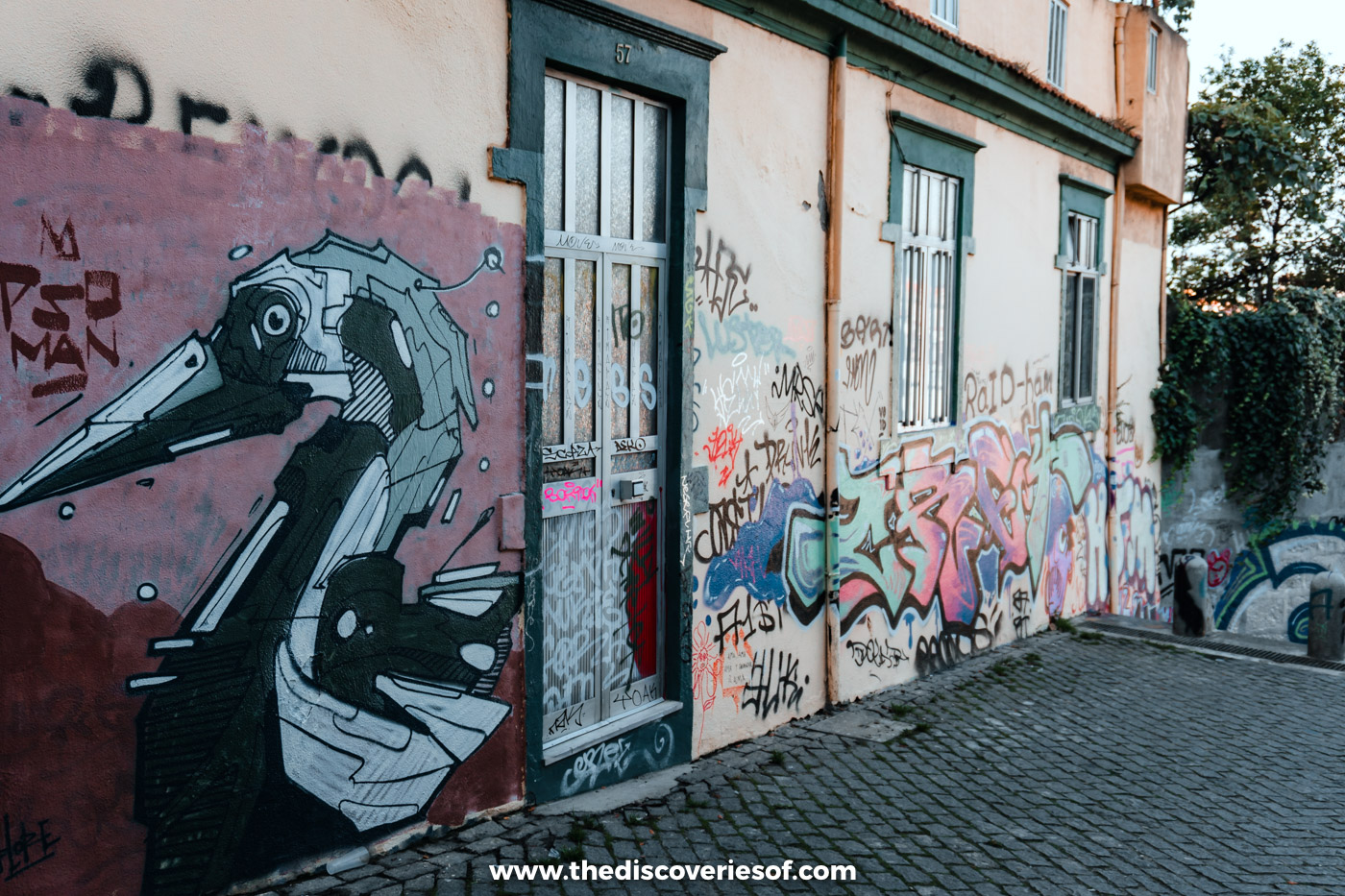
With a fourth day, head west from the centre towards the Atlantic. Start on Rua de Miguel Bombarda, the heart of the city’s arts quarter, where contemporary galleries sit alongside concept stores, cafés and bars, and murals and graffiti cover the walls of the side streets. A few Saturdays a year, the galleries open their new shows at the same time for the Inaugurações Simultâneas, a free afternoon of openings that spills out onto the street.
From there, it’s a 20-minute walk to the Mercado Bom Sucesso in Boavista, a 1950s market hall turned food hall, where you can stop for brunch, a glass of wine with cheese and ham or a suckling pig sandwich. The food stalls open from about 10am until late, and there’s still a fresh produce market for locals.

Then make for the sea at Foz do Douro, at the mouth of the river. The most fun way to get there from the centre is vintage tram line 1, which rattles along the riverbank from the historic centre to the Jardim do Passeio Alegre (€6 one way, paid on board). Foz is a well-heeled seaside neighbourhood of golden sand, black rocks and a long promenade: walk out along the breakwater to the little lighthouse, look round the Forte de São João Baptista, browse the renovated Mercado da Foz, and finish with a beer at Pub Bonaparte. The Atlantic here is bracing even in summer.
Trace Porto’s Jewish heritage
The city’s Jewish community dates back to the Middle Ages, when the Judiaria do Olival stood on the hill in what is now the Vitória neighbourhood, between Clérigos and the river. After the expulsions and forced conversions of the 1490s, Jewish life went underground for centuries. Today the Kadoorie Mekor Haim synagogue, consecrated in 1938 and one of the largest on the Iberian Peninsula, stands in Boavista, with the Jewish Museum of Porto next door. Visits to both are arranged in advance through the city’s Jewish community, or you can join a Jewish heritage walking tour of Porto.
Spend a night in the Douro Valley
If one day in the valley leaves you wanting more, stay the night. I’ve stayed at both of these, and they’re great. Six Senses Douro Valley is a restored 19th-century manor house high above the river at Samodães, near Lamego, with a big spa and a Wine Library for self-service tastings, from around €785 a night. Vidago Palace, a grand belle époque spa resort an hour or so north of the Douro, is built around the town’s thermal springs, with rooms from around €200. My guide to where to stay in Portugal has more on both.
Map
Handy tips for planning your 3 days in Porto
Top tips
- Tourist tax: Porto charges €3 per person per night, for guests aged 13 and over, for up to seven nights, paid at your hotel (the council is reviewing a rise). Vila Nova de Gaia, where The Yeatman is, also charges €3 a night.
- Book the big tickets ahead: Livraria Lello and the Palácio da Bolsa both sell timed slots, and they go fast in summer.
- Tours or independent? A group tour is the less stressful way to see the city, with no planning and no getting lost in the lanes, while going it alone lets you change the plan as you go. This itinerary mixes the two: a guided walk on day one, and your own pace after that.
- Mind the hills: the city is steep, and the cobbles are as gorgeous as they are hard on the feet. The Funicular dos Guindais, which used to haul tired legs from the Ribeira up to Batalha, has been suspended since July 2026, so allow time for the climbs or take a taxi back up.
- Tipping: small tips for good service are appreciated but not expected. My guide to tipping in Portugal has the details.
What to pack
- Comfortable shoes with a good grip: the granite and cobbles turn slippery in the rain.
- A light waterproof: Porto is wetter than Lisbon, especially from October to April.
- A wide-brimmed hat: for summer walking tours and an afternoon in Foz.
- A lightweight shoulder bag: for your sightseeing essentials, and the bottle of port you’ll inevitably buy.
- A travel adapter: the sockets take standard European two-pin plugs.
Best time to visit
May, June and September are the best months to visit, with long, dry days that suit the quayside and Gaia’s cellars. Late June brings the São João festival on the night of the 23rd, when the whole city stays out until dawn. In the Douro Valley, the harvest usually runs from mid-September into early October, and high summer there is very hot. Winter is the wettest season, but prices drop right down. My guide to the best time to visit Portugal goes month by month.
Getting around
The centre is compact enough to walk, hills permitting. For longer hops, the metro, buses and suburban trains all run on the rechargeable Andante card (€0.60), with a single in the central zones from €1.40. The Andante Tour ticket gives unlimited travel for 24 hours (€7.75) or 72 hours (€16.55), but it doesn’t cover the historic trams or the Gaia cable car, which have their own tickets. The Porto.CARD discount card was temporarily withdrawn from sale in July 2026 for a restructure, so check the Visit Porto website to see whether it’s back before you plan around it. Taxis, Uber and Bolt are cheap for late nights.
Read next
- The best things to do in Porto
- My guide to the Douro Valley
- Where to stay in Portugal
- One week in Portugal: the perfect Portugal itinerary
- The best time to visit Portugal
- Portugal travel tips
Love this? Save and share on Pinterest
Discover the top things to do, insider tips and hidden gems in our Portugal Travel Guides.
Read the guides →