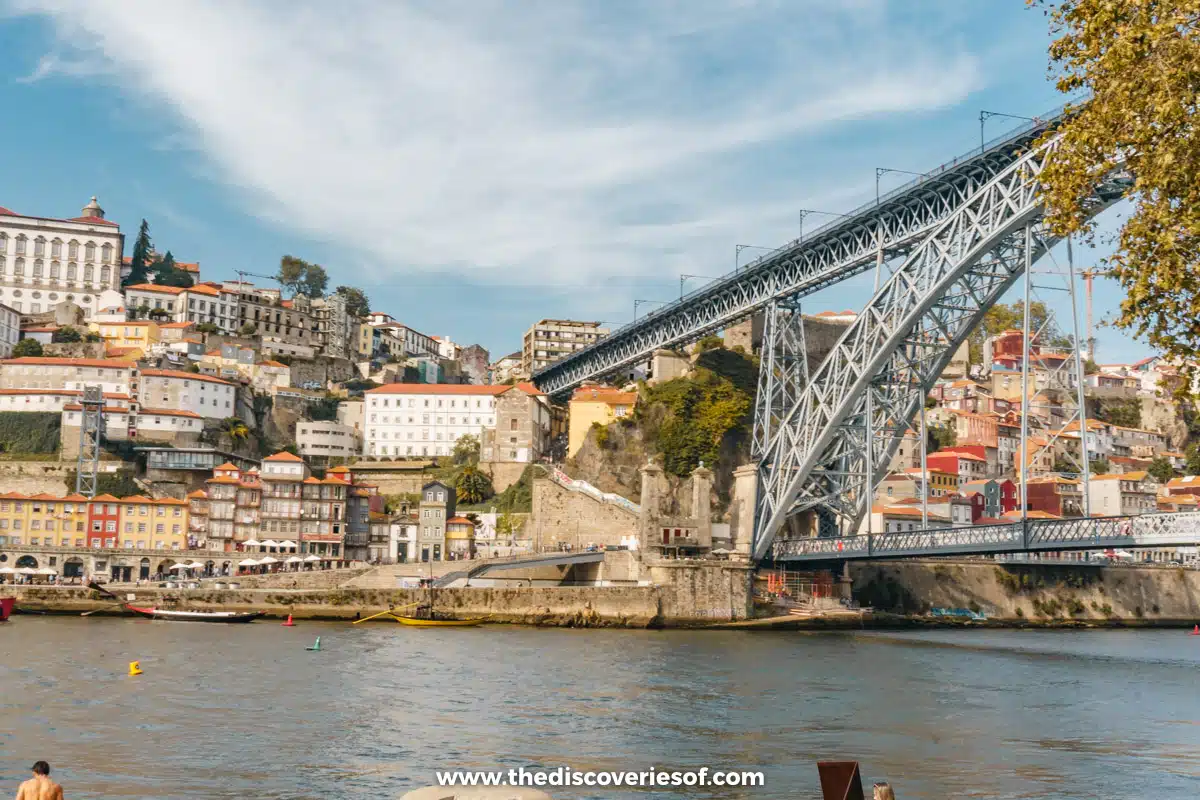

Lisbon gets the headlines, but the north has a city that’s harder to forget. There are cellars across the river where port has aged for centuries, a railway station lined with 20,000 hand-painted tiles, a sandwich drowned in beer sauce that locals will argue about for hours, and a house barely a metre wide wedged between two churches. Here’s how to spend your time there.
It’s no secret that Porto is one of my favourite places to explore in Portugal, with its fine wine and old-world charm. Lisbon may be the one everyone talks about, but if I’m honest, I may just prefer the northern city to the capital… just.

This coastal city in north-west Portugal sits at the mouth of the Douro, the river that carries the wine down from the valley’s terraced vineyards, and its historic centre has been a World Heritage Site since 1996. It’s hilly, a little scruffy around the edges and wonderfully easy to walk, with granite churches, tiled façades and steep lanes tumbling down to the water.
I’ve been coming back for years. I’ve stayed at The Yeatman in Gaia a few times (and could easily stay a few more), and whenever I’m in the north, a trip up the valley to the vineyards is non-negotiable. History and culture are what I travel for, so the old town, the port lodges and the tiles are where I’d point anyone on a first visit.
Below are the best things to do in Porto, starting with the ones I’d never skip, plus the beaches and day trips worth adding if you have longer.
The best things to do in Porto
Taste port where it’s been aged for centuries
In my opinion, a visit to Porto without trying port is akin to visiting Paris and not seeing the Eiffel Tower. I’m a huge port fan: there’s no better way to finish a good meal than with a glass of it as a digestif.
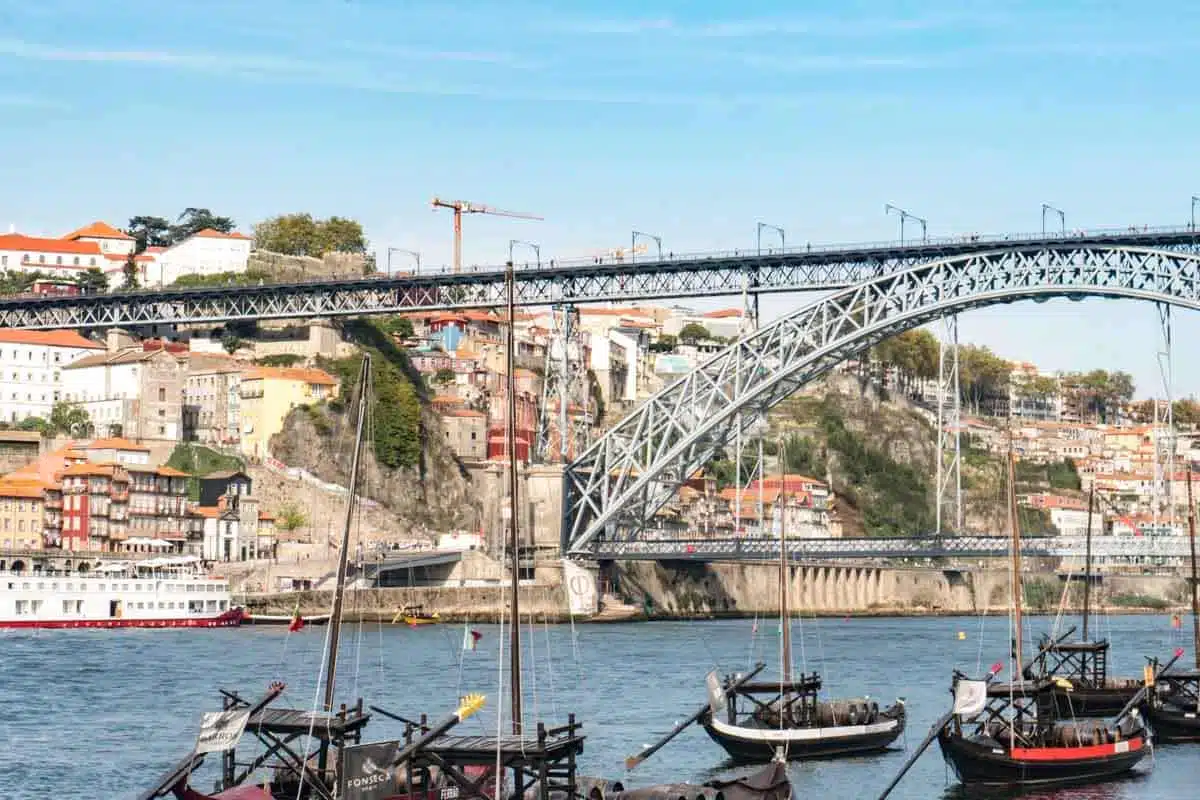
The wine is made from grapes grown upriver in the Douro Valley, which was demarcated in 1756, making it one of the oldest regulated wine regions in the world. For centuries, the casks were floated downriver on flat-bottomed rabelo boats to the lodges of Vila Nova de Gaia, on the south bank facing the Ribeira, where the port was aged and shipped. Several rabelos are still moored along the Gaia waterfront.
Luckily, plenty of places offer tours and tastings to help you avoid this seemingly criminal act. Most of the big houses open their cellars to visitors, with tours from about €20 to €40 depending on the tasting. Taylor’s, founded in 1692, has one of the largest cellars and a terrace overlooking the city; Graham’s sits higher up the hill, with some of the best views; and Cálem, right by the bridge, has a small museum and runs evening tastings with a fado show. Sandeman and Cockburn’s are a short walk away.
If you’re new to port, start by comparing a ruby with a tawny: the rubies are young, fruity and deep red, while tawnies spend longer in wood and turn nutty, drier and more amber. Then work your way up to an aged tawny or a vintage.
Top Tip
Book cellar tours ahead between May and October, when the most popular time slots sell out. The lodges are on a steep hillside, so start at the top (Graham’s) and work your way downhill to the river.
Book dinner at DOP
I’m a huge fan of Portuguese chef Rui Paula’s food, and DOP is his flagship in the city. The restaurant sits inside the Palácio das Artes on Largo de São Domingos, a few minutes’ walk up from the Ribeira, and its tasting menus showcase the very best Portuguese ingredients, from fish off the northern coast to meat and cheese from the hills inland.
Paula was born in Porto, and his cooking puts his own spin on the country’s classics. In the 2026 Michelin guide, DOP was awarded its first star, so it’s a treat rather than a casual supper. Book ahead, especially at weekends, and leave room for the cheese.
If DOP whets your appetite, his riverside restaurant DOC in the Douro Valley is every bit as good (more on that below).
Watch the sun go down from The Yeatman’s terrace

The Yeatman is a luxury wine hotel on the hillside in Gaia, above the port lodges, and it’s one I keep going back to. Even if you’re not staying, the view from its terrace is reason enough to come. It looks straight across the river to the Ribeira, the cathedral and the Clérigos Tower, and the whole hillside turns gold in the last hour of the day.
Book a table or come for a drink, and pair it with a glass from the hotel’s enormous cellar, which is dedicated to Portuguese wines. The Yeatman’s restaurant holds two Michelin stars, if you want to make a night of it.
Take a day trip to the Douro Valley

The Douro Valley is where the grapes for port are grown, and it has to be on any Portugal itinerary that includes the north. The prettiest stretch, between Peso da Régua and Pinhão, is about 100 km east of the city, and the views of the river winding between terraced hillsides are nothing short of outstanding. The Alto Douro wine region has been a UNESCO World Heritage Site since 2001.
Get out on the water if you can: I’d really recommend a boat trip, because seeing the vineyards climb straight up from the river is something quite spectacular. I’ve been at harvest time, too, in late September, when the grapes were coming in at Symington’s Quinta do Bomfim in Pinhão.
You can go independently by train: services from São Bento follow the river to Régua and Pinhão in about two and a half hours (sit on the right-hand side for the views), and boats leave from both. Or let someone else do the driving on a full-day wine tour with three quintas and lunch (about 10 hours, from around €105).

Top Tip
Make time for lunch at DOC, Rui Paula’s restaurant on a terrace over the river near Folgosa. I first went years ago and couldn’t resist going back: it will make your wallet cry, but your stomach will thank you.
Admire the Cais da Ribeira

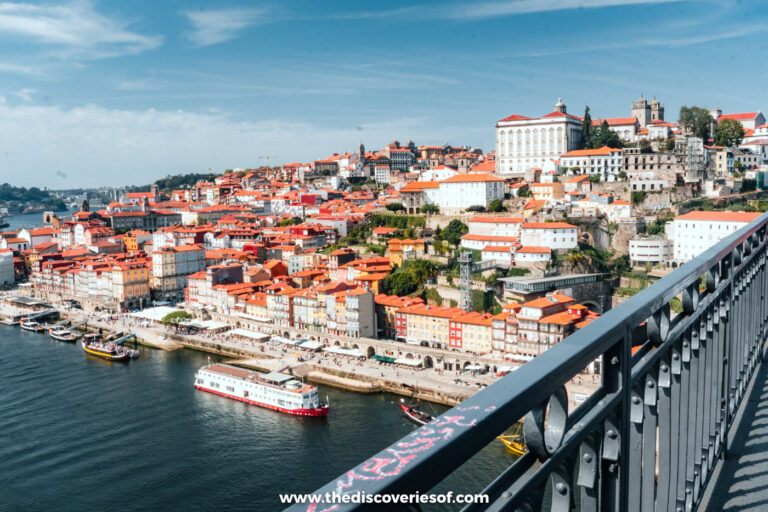
Porto began as a small settlement on the banks of the Douro, and the Ribeira is where the city meets the river. Today, its quayside is lined with restaurants, bars and cafes, and the narrow lanes behind it are crammed with tall, skinny houses in pastel colours, many of them faced with decorative tiles.
The views of the river and the Dom Luís I bridge are the main draw, so it’s at its busiest at lunchtime and in the evening. Come early in the morning, when the delivery vans are still unloading, and you’ll see the neighbourhood at its most local, then wander up through the lanes behind Praça da Ribeira, where washing still hangs from the balconies.
Cross the Dom Luís I bridge
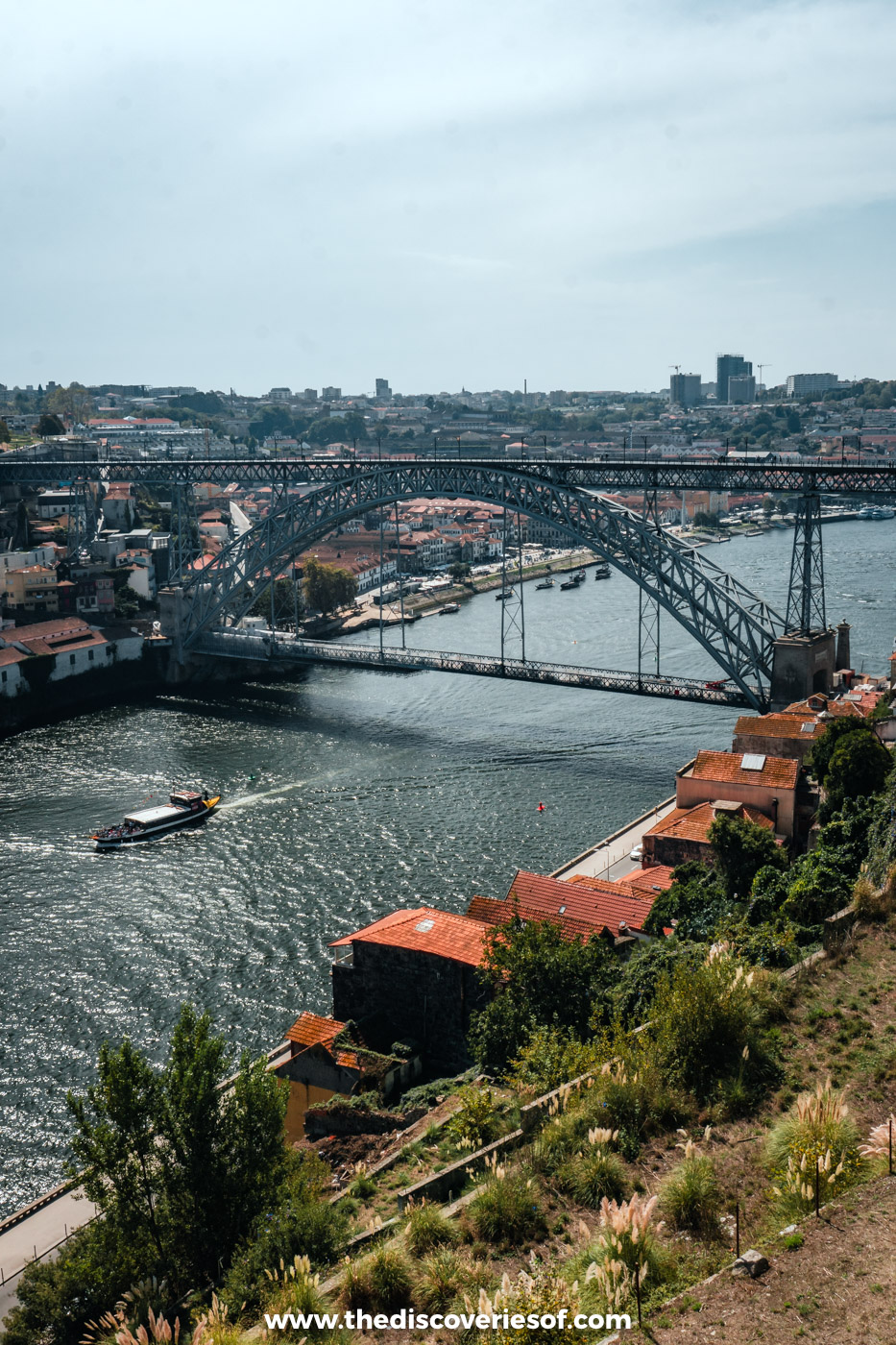
The Dom Luís I bridge is one of Portugal’s most instantly recognisable sights. Designed by Théophile Seyrig, who had worked with Gustave Eiffel, it opened in 1886 with an arch spanning 172 metres, at the time the longest of its kind in the world, rising 45 metres above the water.
It has two decks. The lower one carries cars and pedestrians between the Ribeira and the Gaia lodges; the upper one carries pedestrians and the metro’s yellow line from the Batalha area of the old town to the Jardim do Morro and the Serra do Pilar monastery on the Gaia side. Walk across the top for a bird’s-eye view of the Cais da Ribeira, which makes it the perfect spot for holiday pictures.
The views are spectacular during the day, but they’re even better once the sun starts to set. Take your spot on the upper deck or in the Jardim do Morro just before sunset and watch the light slip away over the river. Whether it’s date night, a shot for the ‘gram or you simply love a good sunset (or all three), you won’t want to miss it.
Top Tip
Trams run across the upper deck, so stick to the pedestrian walkways on either side, and keep an eye on your bag in the evening crowds.
Cruise under the six bridges
While a river cruise on the Douro isn’t exactly like taking a gondola ride down the Grand Canal in Venice, it comes pretty close.
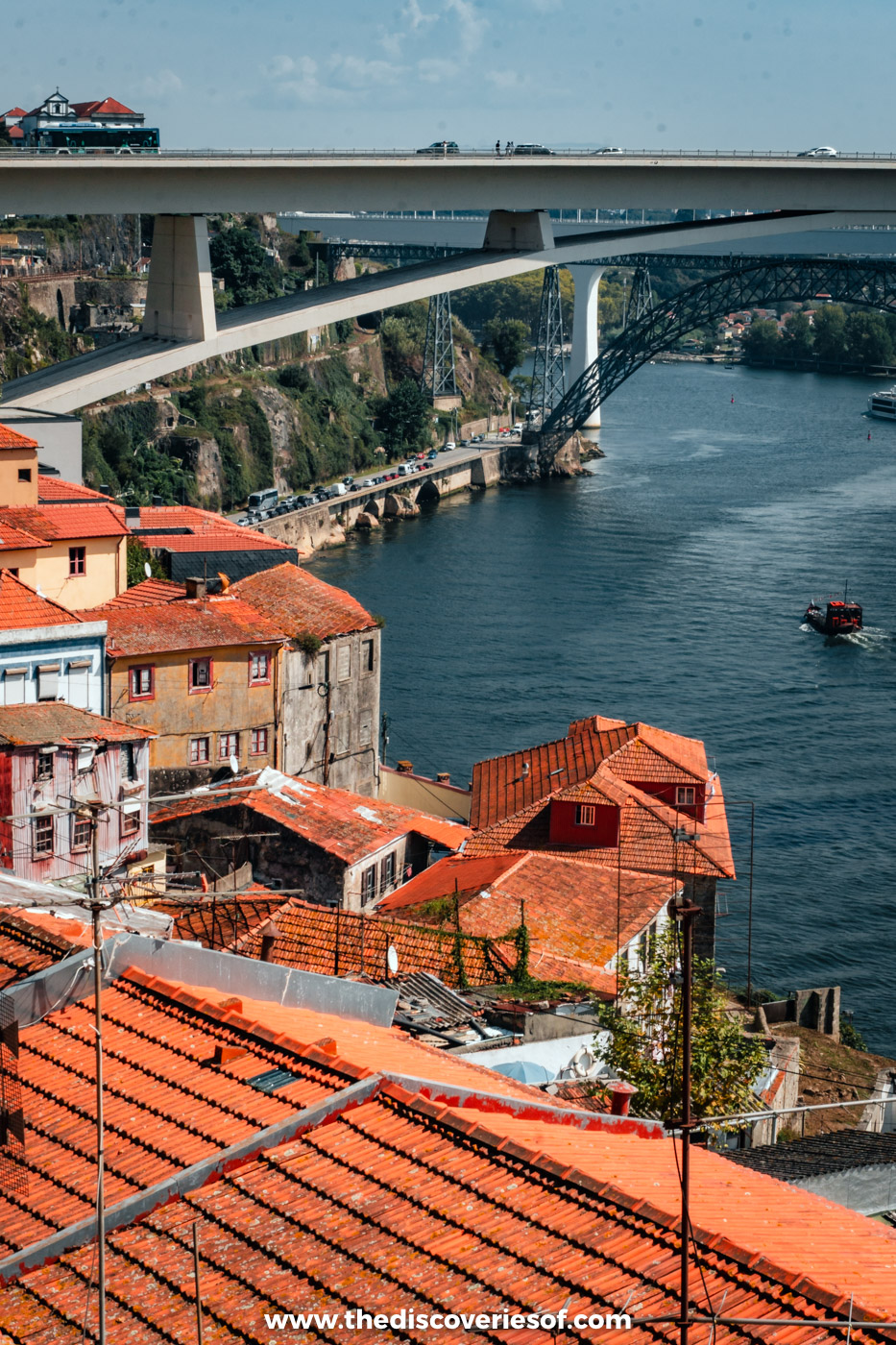
Taking a boat along the river is one of the best ways to see the Ribeira from a different perspective. The classic trip is the six bridges cruise, a 50-minute loop on a rabelo-style boat from the Ribeira or Gaia, passing under all six of the city’s bridges, from the Arrábida near the river mouth to the Freixo upstream. Tickets start at under €20, and boats leave roughly every hour, all year.
Look out for the Maria Pia bridge, a wrought-iron railway bridge designed by Gustave Eiffel’s company and opened in 1877, and the commentary on the history of the city and its trade with Britain.
Climb the Clérigos Tower
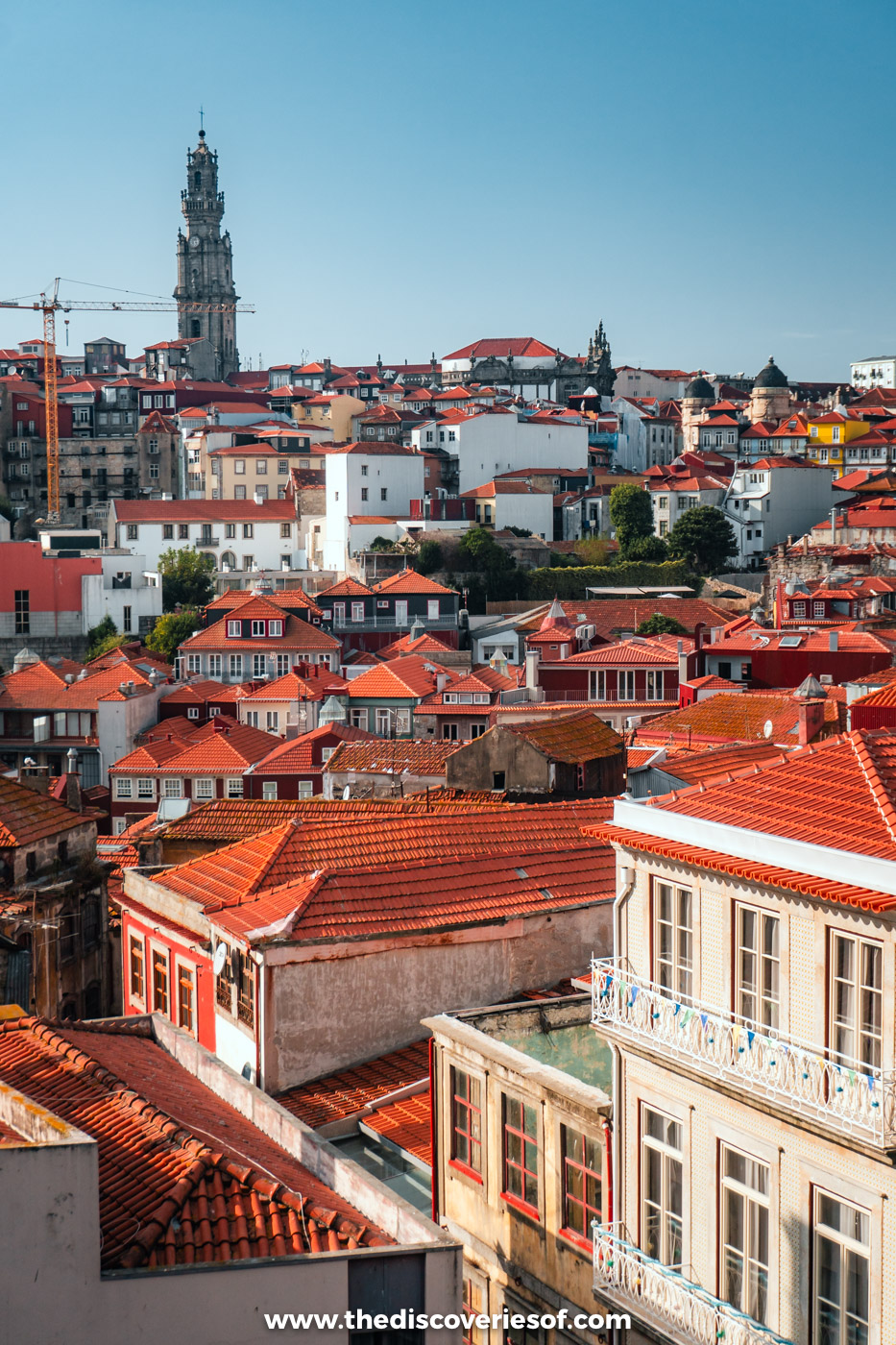
At 75.6 metres, the baroque Clérigos Tower is visible from almost anywhere in the city. It was designed by the Italian architect Nicolau Nasoni and finished in 1763, and for many years it was the tallest building in Portugal.
The church below it is pretty impressive, with an oval nave and ornate interior, but the real star of the show is the tower. You’ll have to climb 225 steps up a tight spiral staircase to reach the top, but it’s well worth the effort for the most breathtaking views across the rooftops to the river.
Tickets
The tower and museum ticket costs €10 (€7 for students, free for children up to 10), daily from 9am to 7pm. At Easter, in summer and over Christmas, the tower reopens from 7pm to 11pm for night visits (€5). Book a time online at torredosclerigos.pt.
Browse Livraria Lello
Just around the corner from Clérigos, Livraria Lello is one of the most famous bookshops in the world. Its neo-Gothic shopfront hides an interior of carved wood, stained glass and a crimson staircase that curls up from the shop floor like something out of a fairy tale. It’s often linked to the Harry Potter books, as JK Rowling lived in the city in the early 1990s, though she has said she never set foot in it.
Entry is by a ticket-voucher bought online for a timed slot, and its value comes off the price of any book you buy, so you may as well leave with something. It’s open daily from 9am to 7.30pm, except on a handful of public holidays.
Top Tip
Go for the first slot of the day. By mid-morning, the queue stretches down the street and the staircase is shoulder to shoulder.
Look up at the tiles in São Bento station
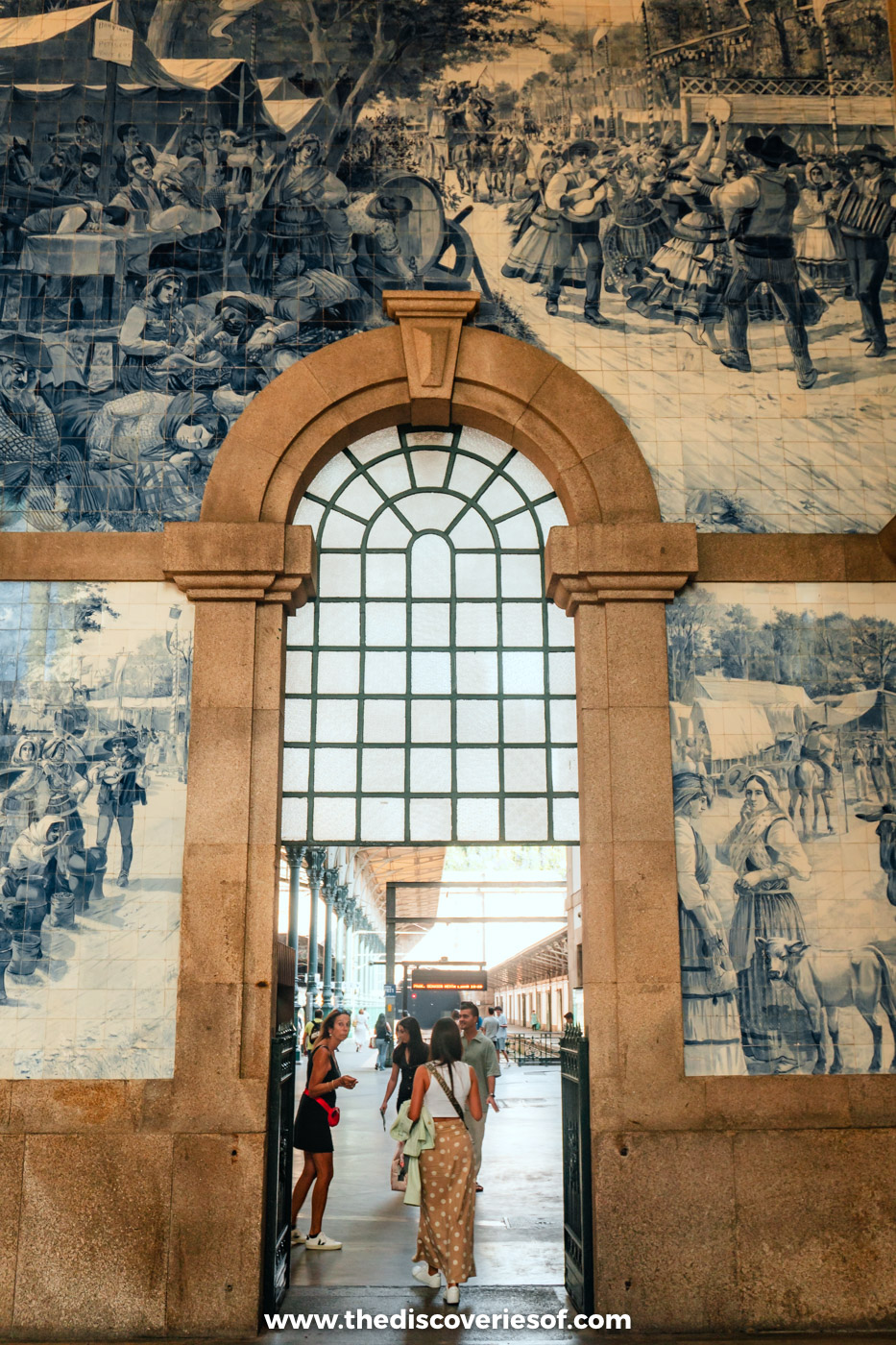
Even if you’re not catching a train, São Bento is a must. The station opened in 1916 on the site of an old convent, and its entrance hall is lined with about 20,000 blue and white azulejo tiles by the painter Jorge Colaço, showing battles, royal processions and scenes of country life from Portugal’s history.
It’s free to wander in, and it’s right in the centre, a short walk from Avenida dos Aliados and the Clérigos Tower. It’s also where trains leave for the Douro Valley, so it’s easy to fit in before a day trip.
Go tile-spotting from Santa Catarina to Santo Ildefonso
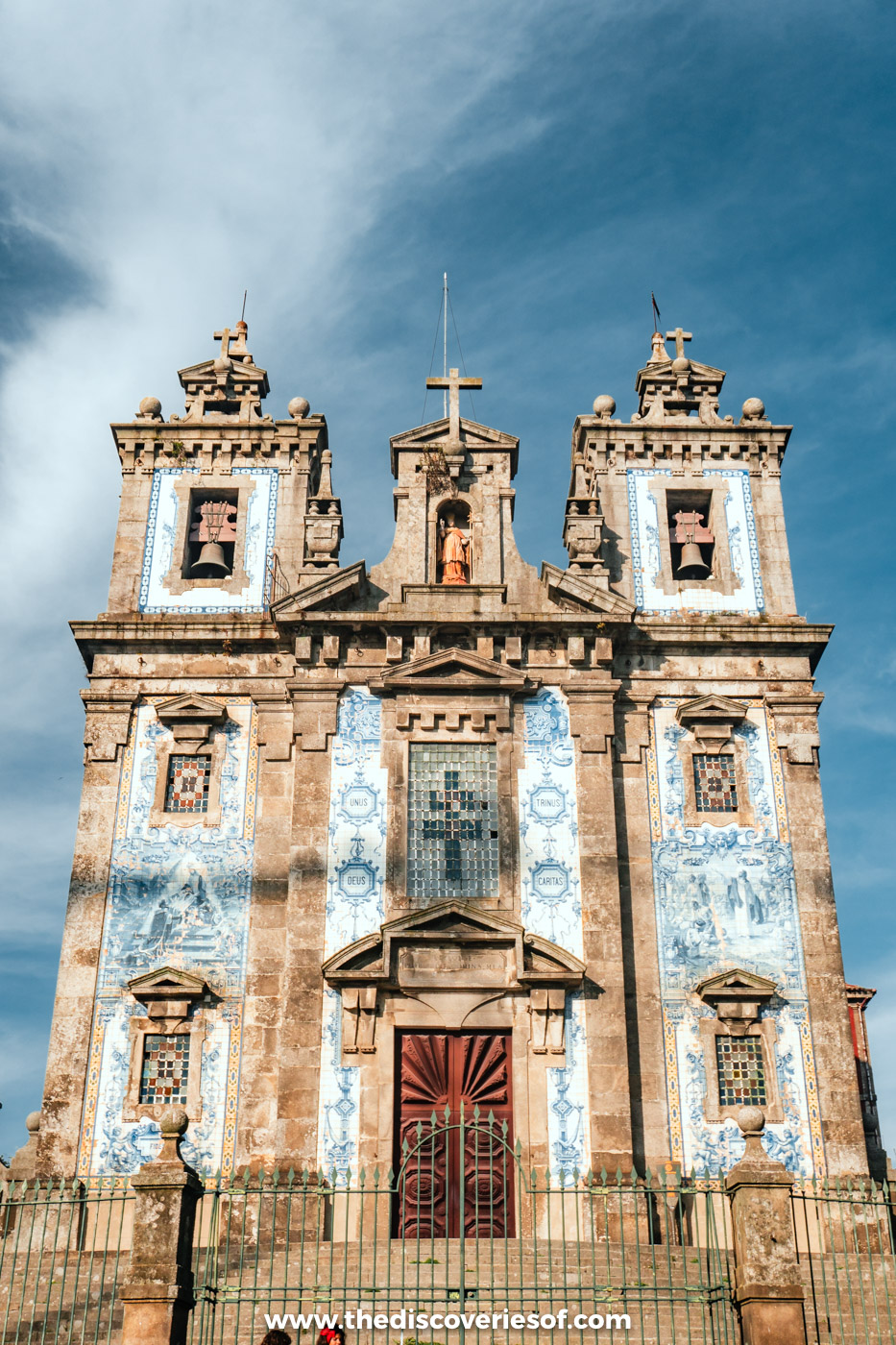
Picture Portugal and I guarantee one of the first images you’ll conjure up is that of the country’s colourful tiles, known as azulejos. While there are many variants of these intricate ceramic tiles, Portugal is famous for its blue and white varieties, and they’re found all over the city, on churches, houses, restaurants, bars and railway stations.
Some of the best are close together in the Baixa. The Capela das Almas on Rua de Santa Catarina, the main shopping street, was covered in about 16,000 tiles in 1929, showing the lives of saints, and a few minutes away, the twin-towered Igreja de Santo Ildefonso has some 11,000 more on its façade, also by Jorge Colaço. Discovering them is one of the most unique (and free) things to do in the city, so bring your camera.
Find the hidden house at the Igreja do Carmo
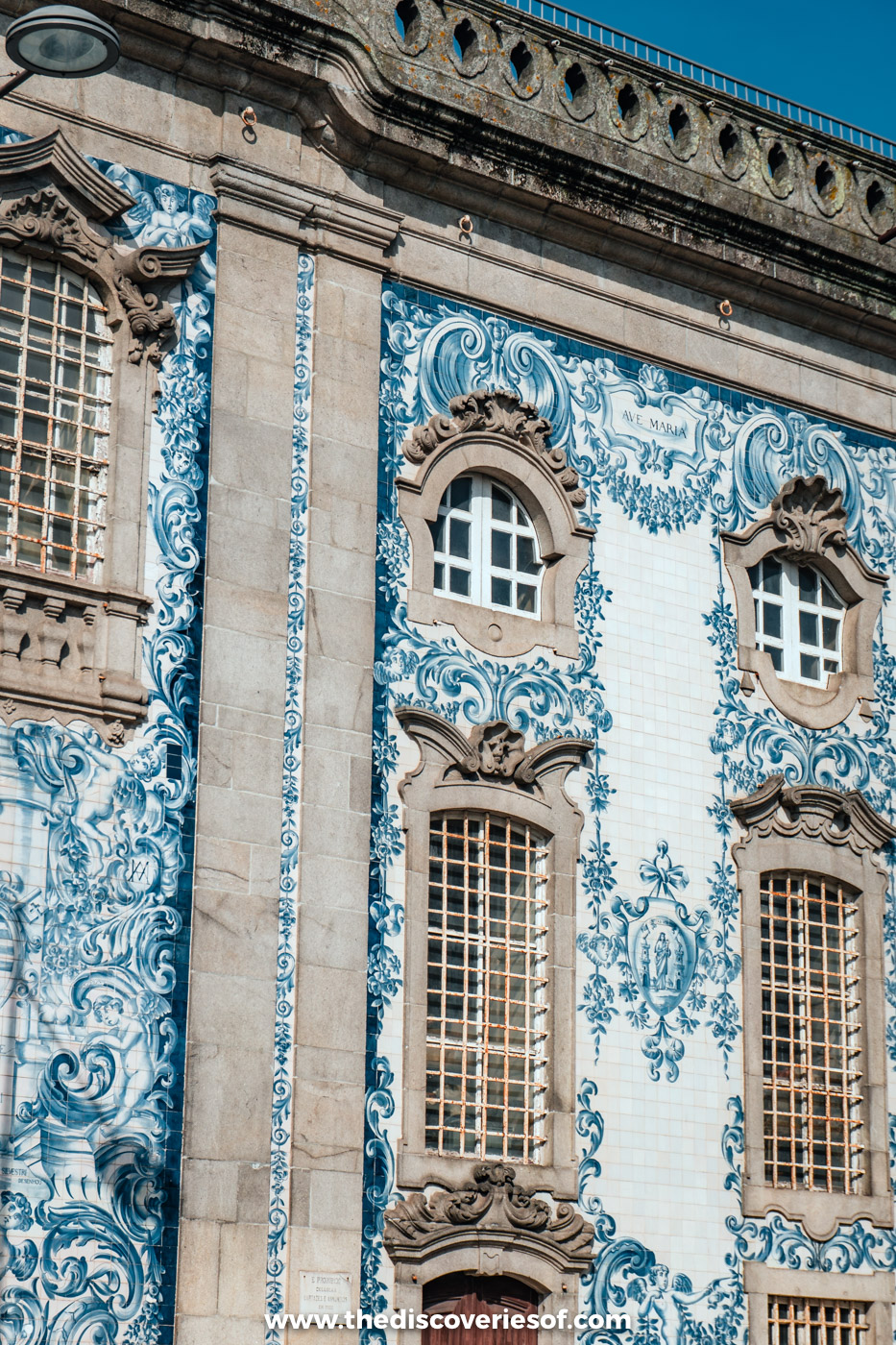
While the Igreja do Carmo isn’t one of Porto’s oldest churches, it’s certainly one of the most beautiful. Completed in the 1760s, it’s a fine example of rococo architecture, and its side wall is covered in a huge azulejo panel, added in 1912, that shows the founding of the Carmelite order and Mount Carmel in Israel.
Look closely and you’ll see that it’s actually two churches: the Igreja do Carmo and the older Igreja dos Carmelitas next door. Between them, behind a narrow façade with a single door, is a house barely a metre wide. Built so the two churches wouldn’t share a wall, it was lived in until the 1980s, and a small ticket gets you inside.
Explore the cathedral and its terrace
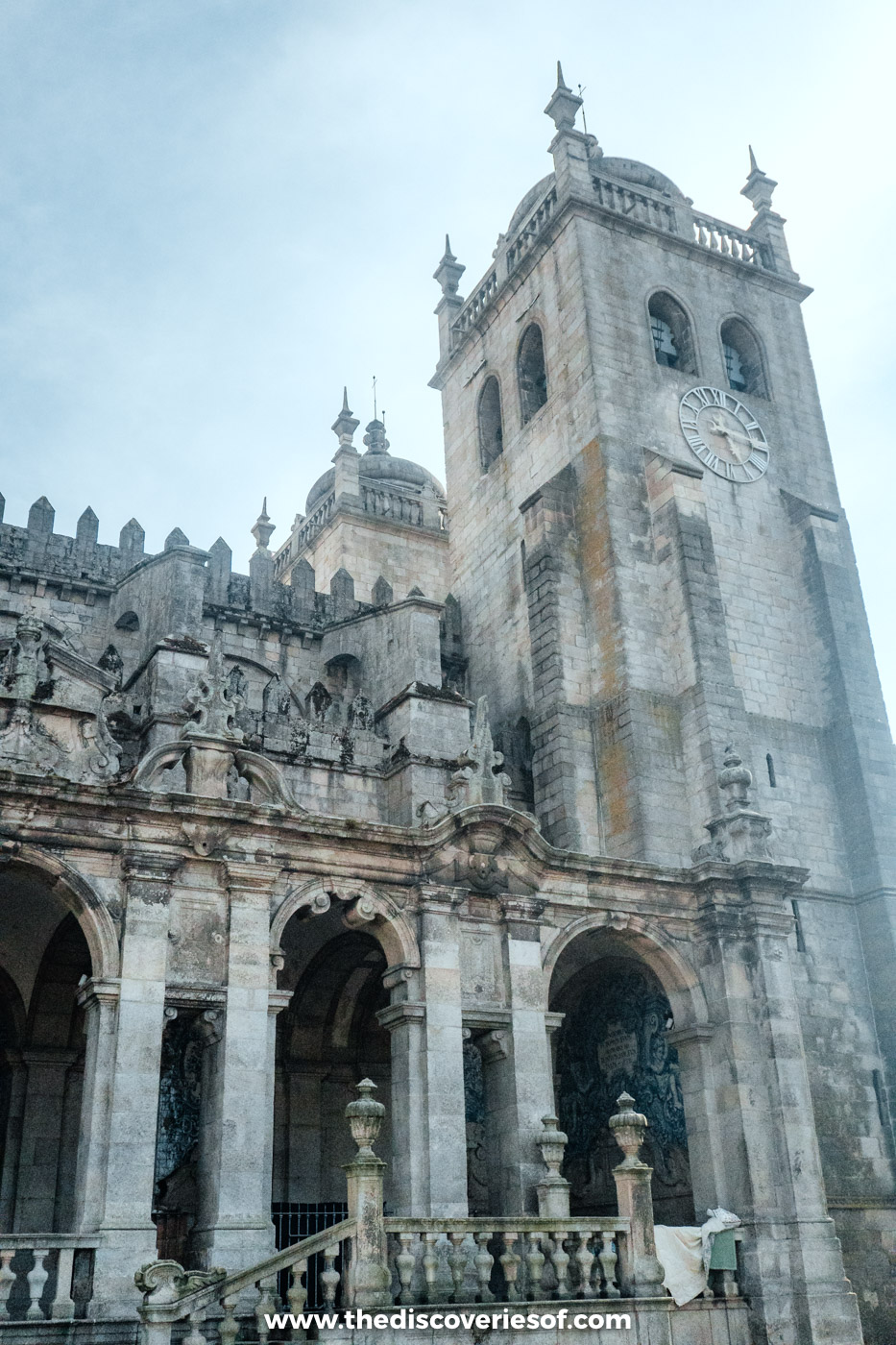
Porto Cathedral (the Sé) stands on the highest point of the old town, and it looks more like a fortress than a church, with its crenellated towers and thick granite walls. Its origins go back to the 12th century, though much of what you see was remodelled in the baroque period, including the silver altarpiece in one of the chapels.
The ticket for the cathedral, cloisters, museum and tower costs €4 (open daily from 9am to 6.30pm), and the Gothic cloister, lined with tiles, is the highlight. Outside, the square in front, the Terreiro da Sé, is free and has one of the best views over the rooftops, from the Clérigos Tower down to the river.
Step inside the Igreja de São Francisco
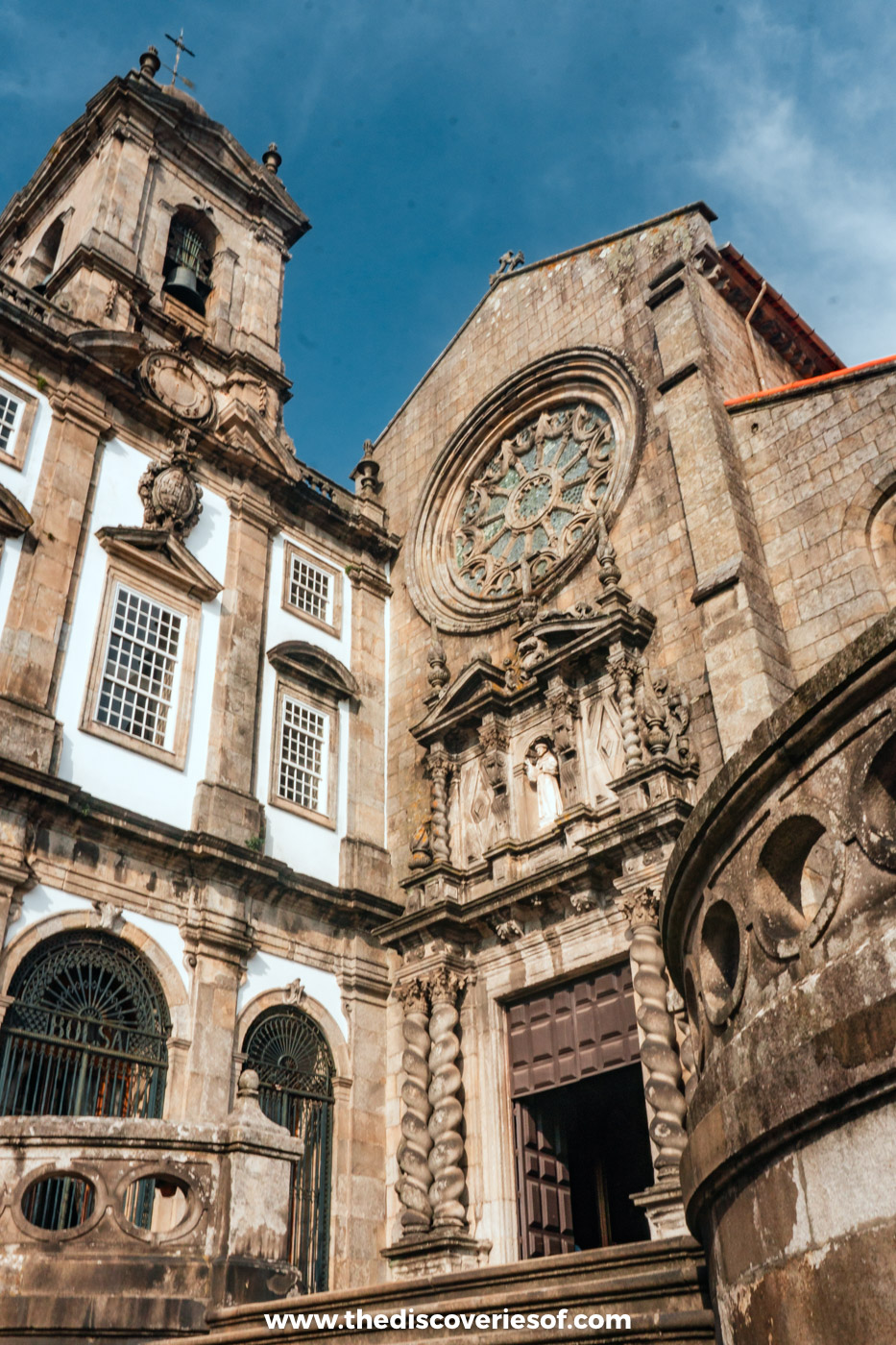
From the outside, the Igreja de São Francisco, just above the Ribeira, is a fairly plain Gothic church that dates back to the 14th century. Step inside, though, and almost every surface is covered in gilded baroque woodwork, carved with cherubs, vines and saints. It’s one of the most extraordinary church interiors in Portugal, and it hasn’t been used for worship since the 19th century.
Tickets cost €9 (€6.50 for students) and include the small museum and the catacombs across the courtyard. The Palácio da Bolsa, the 19th-century stock exchange with its gilded Arab Room, is right next door if you want to make a morning of it.
Walk along the Muralha Fernandina
The Muralha Fernandina, Porto’s old city wall, was built in the 14th century and completed in 1376 under King Fernando, after whom it’s named. Most of it was pulled down as the city grew, but the longest surviving stretch climbs the hillside beside the Dom Luís I bridge, with battlements and watchtowers that helped protect the city in troubled times.
Be warned: it’s a steep trek up. I’d normally recommend the Funicular dos Guindais, which climbs 61 metres up the slope beside the wall from the Ribeira to Batalha, but it was suspended in July 2026 while it’s recertified, so check with the operator, STCP, before you go. It’s worth the climb on foot, as you’ll enjoy unrivalled views of the river and the bridge from the top.
Follow the street art trail

While the city has world-class galleries and museums, its art scene extends well beyond them. Murals colour walls all over the centre, and if you’re looking for quirky things to do, following them is one of the best.
The trail takes you through the backstreets, alleys and open spaces of the centre, with vividly coloured cartoon characters and thought-provoking murals. Start around the Travessa de Cedofeita and end on Rua das Flores in the Ribeira to see the best of it. Look out for the work of local artists such as Hazul and Mr Dheo. It’s also one of the cheapest things to do in town: it’s completely free.
Shop the Mercado do Bolhão
Step into history at the Mercado do Bolhão. Its neoclassical building opened in 1914, and after a long restoration it reopened in 2022, with traders selling fish, fruit, cheese, cured meats and flowers on two levels around a central courtyard.
It’s a working market as much as a sight, so come hungry and pick up some tinned fish, a slab of sheep’s cheese or a bag of local sweets to take home. The market is open from 8am to 7pm on weekdays and until 6pm on Saturdays, and the restaurants inside stay open until midnight; everything is closed on Sundays and public holidays.
Scoff a francesinha or two

Another thing you can’t miss is a francesinha. A native Porto dish, it’s adored by locals and visitors alike.
So, what exactly is a francesinha? It’s a one-of-a-kind sandwich of ham, sausage and steak layered between slices of bread, smothered in melted cheese and drenched in a spiced tomato and beer sauce, usually with a fried egg on top and chips on the side. In other words, it’s cheesy carb heaven.
It’s said to be the creation of Daniel David da Silva, a returned emigrant who had lived in France and Belgium… and I’m so glad he came home. In a bid to adapt the French croque-monsieur to Portuguese tastes, he first served it at A Regaleira restaurant in 1953, using local meats and his secret sauce.
Needless to say, it’s been a hit ever since. Everyone has a favourite, but Café Santiago, near Batalha, is the classic choice (go early, as it fills up fast), and Francesinha Café, near Marquês, is another local favourite.
Take a food tour
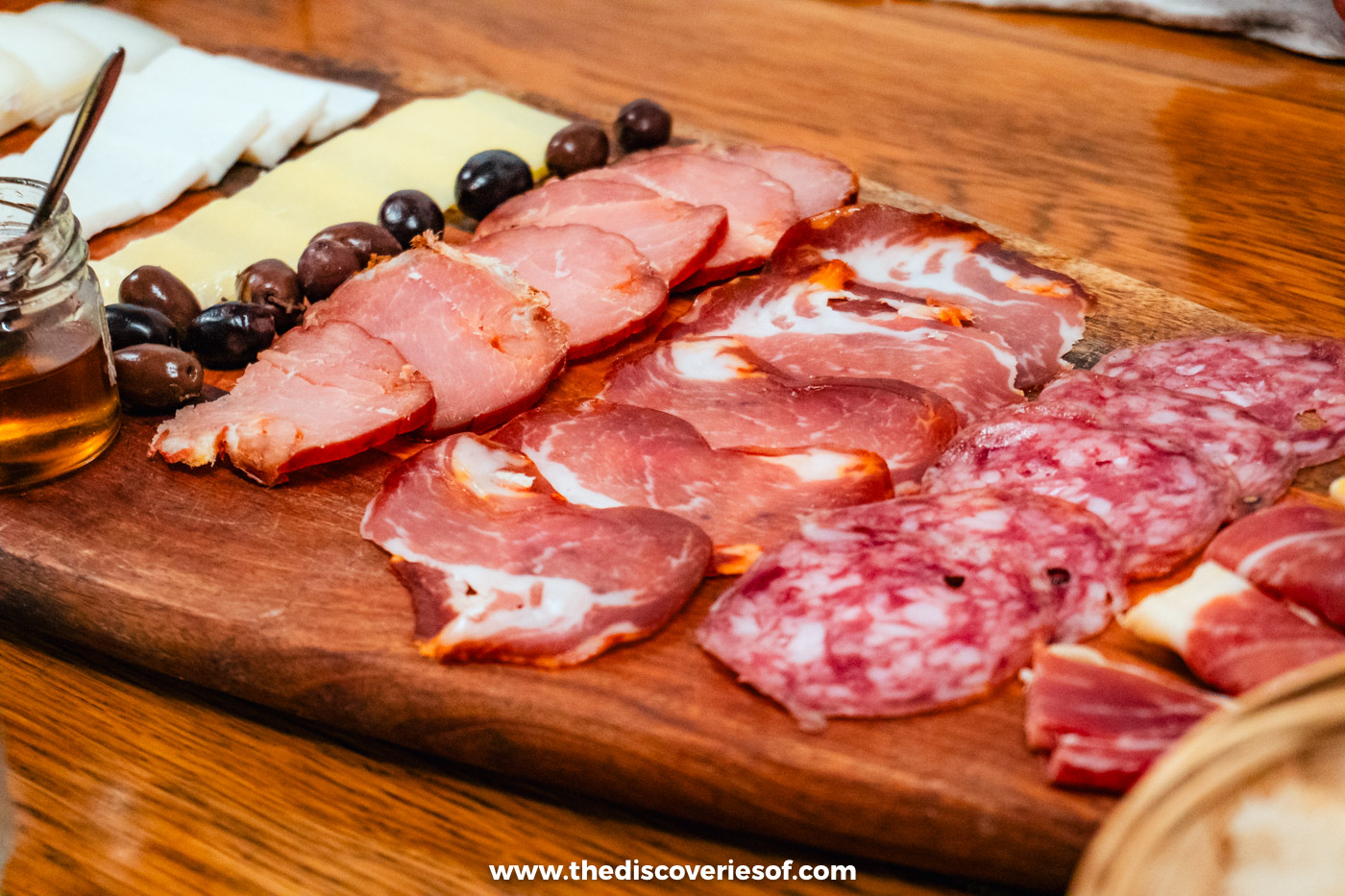
I’ve taken more than my share of food tours over the years, and I joined this three-hour food tour in Porto. It’s the best way I know to get to grips with a city’s food, and here that means the small shops, taverns and petiscos (Portuguese small plates) you’d walk straight past on your own.
My morning took in a deli stacked with tinned fish and chocolate-coated almonds, a board of presunto, salpicão, cheese and olives with a pot of honey, and a crusty roll piled with shredded roast pork. The tour visits bars, taverns and family-run restaurants around the centre, with tastings that also take in pastries and port. It costs about €65 and is rated 4.9 from more than 1,100 reviews. Go hungry.
Ride tram 1 to Foz do Douro

Foz do Douro, where the river meets the Atlantic, is the city’s seaside. The best way to get there is on the vintage tram, line 1, which rattles along the riverbank from near the Igreja de São Francisco to Passeio Alegre in about 20 minutes (a single ticket costs €6).
When the sun is out, this is where you’ll find most of Porto’s residents, strolling the promenade with an ice cream in hand. As well as the views, it’s one of the best areas for fresh seafood, from simple grills to smart restaurants with a terrace over the sea.
Pssst… while you’re there, walk out along the breakwater to the Farol de Felgueiras, the little lighthouse at the end, where the Atlantic waves crash over the wall on rough days.
Head to the beach
The city has its own beaches, and more line the coast to the north and south, so it’s easy to swap the streets for the sand for an afternoon. The Atlantic here stays bracing even in August, but on a hot day, the beach is the place to be. These are the easiest to reach:
- Praia dos Ingleses and Praia do Carneiro, Foz. Small, rocky coves right by the river mouth, below the Fortaleza de São João da Foz. Better for sundowners than swimming.
- Praia do Molhe, Foz. Backed by the yellow-pillared Pérgola da Foz, built in the 1930s, and a favourite spot for an evening drink.
- Praia do Castelo do Queijo. Named after the 17th-century fort on a rock that looks like a giant block of cheese, with rock pools at low tide.
- Praia de Matosinhos. A long, sandy beach just north of the city, popular with surfers and surf schools. Afterwards, eat grilled fish on Rua Heróis de França and look out for the Anémona, Janet Echelman’s giant net sculpture on the roundabout. It’s on the metro (line A to Matosinhos Sul).
- Praia do Senhor da Pedra, Gaia. A long beach south of the river with a little chapel perched on the rocks, about half an hour by train to Miramar station.
Top Tip
Bus 500 runs from the centre along the river and the coast to Foz and Matosinhos, so you can hop off at whichever beach takes your fancy.
Wander the gardens at Serralves
Serralves, in the leafy west of the city, is one of Portugal’s great cultural days out. The contemporary art museum, designed by the architect Álvaro Siza, sits in 18 hectares of gardens and woodland alongside a pink art deco villa, a treetop walkway and a farm.
An all-access ticket costs €24 and the park alone is €15 (children under 12 go free). In summer, it’s open from 10am to 7pm on weekdays and until 8pm at weekends, with shorter hours in winter.
Picnic in the Palácio de Cristal gardens
The gardens of the Palácio de Cristal, laid out in the 19th century on a ridge west of the centre, are a lovely free escape from the hills and crowds. Peacocks strut along the paths, and the terraces look down over the Douro towards the river mouth and Gaia.
The crystal palace itself was replaced in the 1950s by the domed pavilion that’s now a concert and sports arena, but the gardens, fountains and viewpoints are what make it worth the walk. It’s a lovely place to watch the sunset with a picnic.
Tour the FC Porto museum
It’s no secret that the Portuguese love their football, and FC Porto is one of the country’s most successful clubs, with two European Cup and Champions League titles to its name.
If you don’t know much about the club, a museum and stadium tour at the Estádio do Dragão is all you’ll need to get up to speed. On the tour, you’ll see how much the club means to the locals, visit the dressing rooms and pitchside, and take a trip down memory lane through its greatest moments. The museum is open daily from 10am to 6pm, and the museum and stadium tour costs €15 for adults (€10 for children aged 5 to 12).
Catch a gig with Porta-Jazz
For a relaxed evening out, catch a concert with Porta-Jazz, the association that has been the heart of the city’s jazz scene since 2010.
Its own space on Praça da República hosts regular concerts by local and international musicians, plus weekly jam sessions, and every February it runs the Porta-Jazz Festival. It’s one of the best non-touristy things to do of an evening, so check the programme and try it out.
Party all night at Tendinha dos Clérigos
If you’d rather skip the jazz and party hard, head to Tendinha dos Clérigos, a rock bar and club on Rua do Conde de Vizela that has been one of the best nights out in the city since 2005.
It’s right in the centre, in the lively nightlife area between the Clérigos Tower and Rua José Falcão, where the bars spill out onto the street at weekends. Don’t arrive too early, as things don’t really get going until after midnight.
Take a day trip to Guimarães, Braga or Aveiro
Once you’ve seen the city and the Douro, the rest of the north is easy to reach by train, and each of these makes a good day out:
- Guimarães. About an hour and a quarter by train. Known as the birthplace of Portugal, with a medieval old town, a 10th-century castle and the Palace of the Dukes of Braganza.
- Braga. About an hour by train. One of the oldest cities in Portugal, famous for its churches and the baroque staircase of Bom Jesus do Monte, which you can climb or ride up by funicular.
- Aveiro. About an hour by train. Painted moliceiro boats on the canals, sweet ovos moles and the candy-striped houses of Costa Nova by the beach.
Do
Short on time? This day trip to Braga and Guimarães fits both into one day, with Bom Jesus on the way.
Tips for your trip
- How long to spend. Since the city isn’t huge, you can see most of the main sights in two days, but three to five days lets you add the Douro Valley, a beach afternoon and a day trip. My three-day Porto itinerary puts it all into a day-by-day plan.
- When to go. May, June and September are the best months, warm and mostly dry, without the peak crowds of July and August. Late June brings the São João festival (the night of the 23rd), when the whole city stays out until dawn, and September is harvest time in the Douro. Winter is the wettest season, but prices drop right down. My guide to the best time to visit Portugal has the month-by-month detail.
- Getting around. The centre is easy to walk, if hilly, so pack comfortable shoes with a decent grip for the cobbles. For longer hops, buy a rechargeable Andante card (€0.60), which covers the metro, buses and urban trains: a single in the central zone is €1.40, and the metro’s violet line runs from the airport to the centre in about half an hour.
- Where to stay. The Baixa, around Avenida dos Aliados and São Bento, is the most practical base; Gaia has the best views. I’ve stayed at The Yeatman a few times, and for the centre, Torel 1884 is a lovely boutique pick near São Bento. Porto and Gaia both add a tourist tax of €3 per person per night. For more options, read my guide to where to stay in Portugal.
Map
Read next
- 3 days in Porto: the perfect Porto itinerary
- A travel guide to the Douro Valley
- Where to stay in Portugal, from palace spa hotels to lakeside hideaways
- How to spend one week in Portugal
- The best things to do in Portugal
- Five secret travel spots in the Alentejo
Love this? Save and share on Pinterest
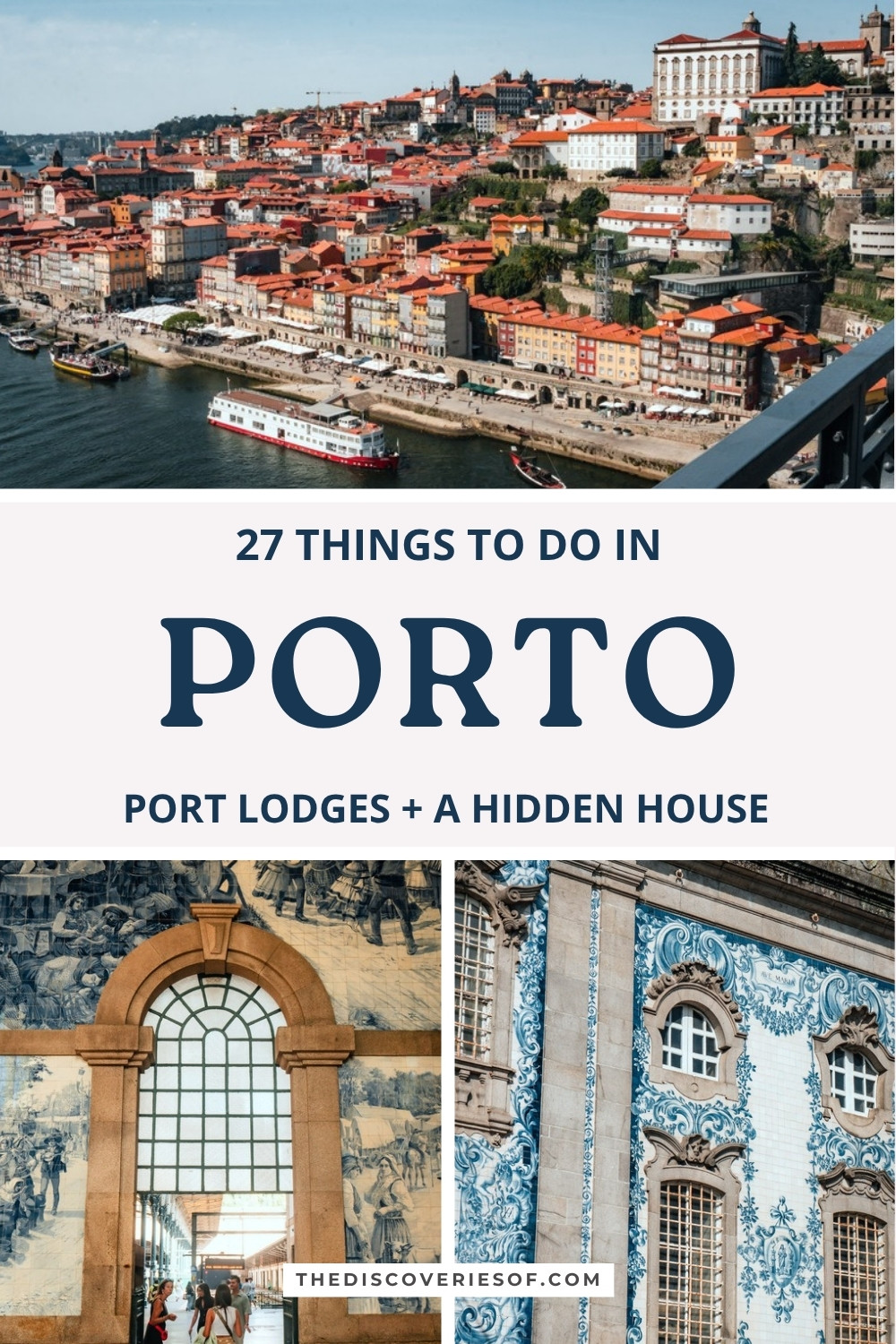
Discover the top things to do, insider tips and hidden gems in our Portugal Travel Guides.
Read the guides →