
Looking for the best things to do in Oaxaca? Don’t miss this guide to the top attractions and places to visit in one of Mexico’s most vibrant cities.
Let me tell you something… Oaxaca is a vibe.
The capital city of the Mexican state with the same name. If you are looking for an authentic Mexican travel experience, this city, complete with its well-preserved indigenous culture and stunning baroque architecture, should be at the top of your list.
Set in a backdrop of mountains and lush valleys, Oaxaca de Juárez is perhaps best known for being a melting pot of indigenous cultures and people. At its heart are the Zapotec and Mixtec civilisations, two of the most sophisticated pre-Columbian cultures in Mesoamerica. The Zapotecs built Monte Albán, one of the earliest cities in the Americas, while the Mixtecs were renowned goldsmiths and manuscript-makers whose work still astonishes archaeologists today. The survival of those cultures is largely thanks to the isolated mountainous terrain that surrounds the city, which kept the Spanish colonial influence at arm’s length in ways that simply did not happen elsewhere in Mexico.
Whatever the reasons, the end result is a diverse and eclectic place. In fact, it was one of my favourite destinations on my Mexico itinerary.
Settle in. It’s time to discover the top things to do in Oaxaca, Mexico.
Best Things to do in Oaxaca
Explore the Zócalo (Central Square)
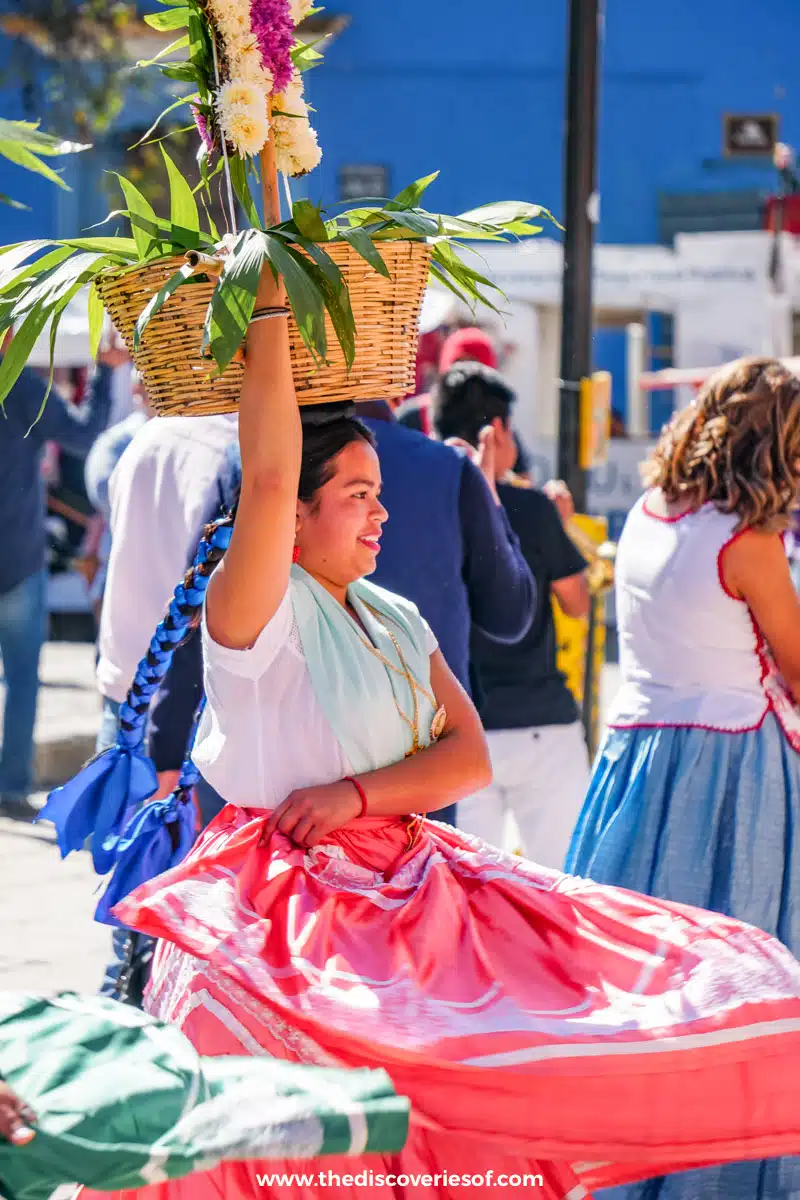
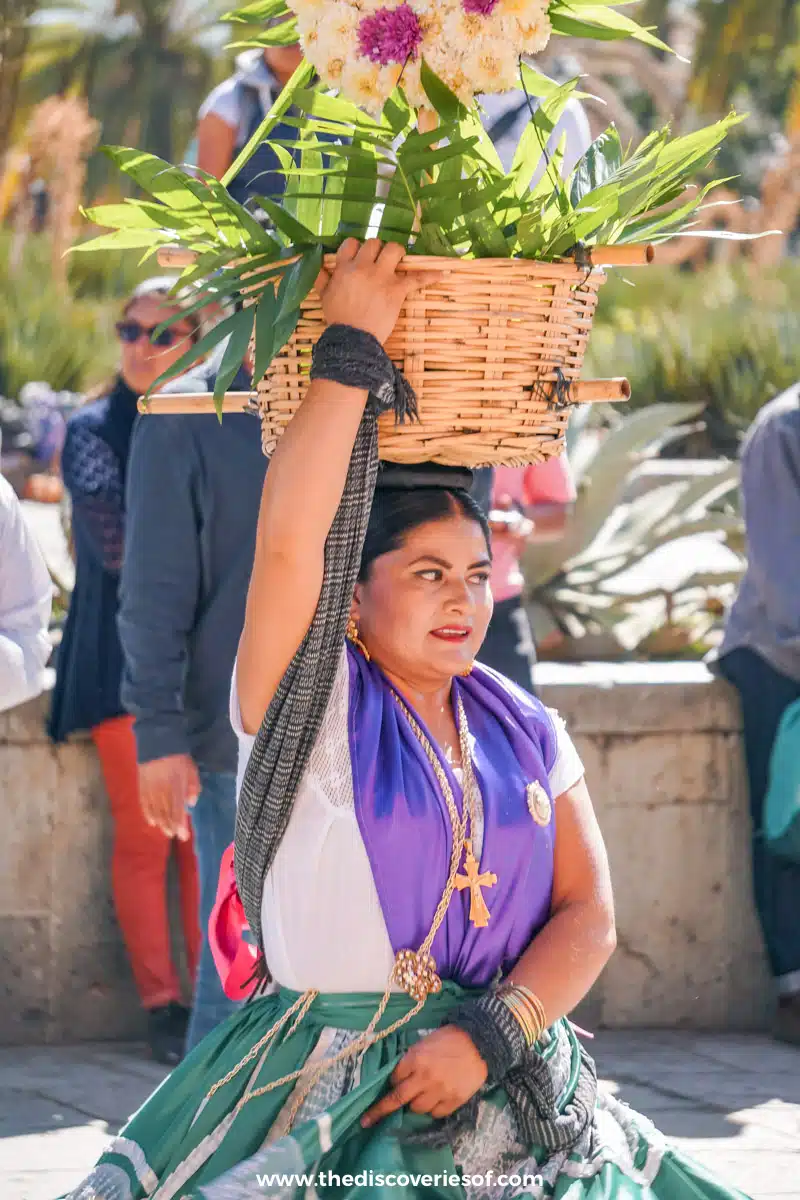
Oaxaca’s Zócalo, officially called the Plaza de la Constitución but known by everyone simply as the Zócalo, is the geographical and social heart of the city. It has been exactly that since 1529, when the Spanish colonial city was first laid out by urban planner Juan Peláez de Berrio around this central square. The design followed the classic Spanish colonial model: a grand open plaza flanked by the two dominant institutions of colonial power, the church and the state, in this case the Cathedral and the Governor’s Palace.
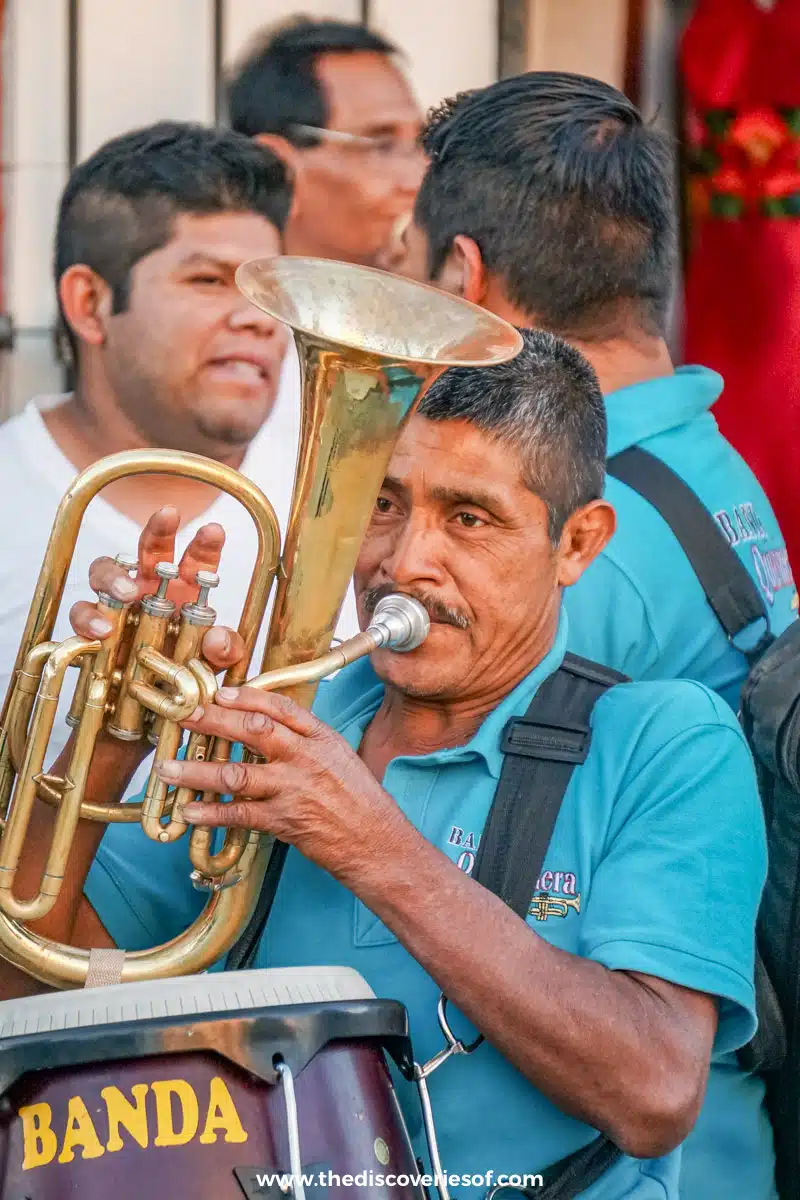
For nearly five centuries, the Zócalo has been the stage for everything the city has experienced. In colonial times, Spanish authorities used it for official ceremonies, military gatherings and the welcoming of new rulers. It has seen revolutions and protests, religious festivals and political demonstrations. Today it remains the beating heart of public life, and each time I visited, something different was happening. A marimba band playing under the laurel trees. A procession winding through the square. The rather wonderful Radish Festival on 23rd December, where enormous sculptures carved from radishes are displayed with genuine civic pride.
The Zócalo is entirely closed to traffic, which makes wandering through it and around it genuinely pleasant. Plan to spend at least a couple of hours here, popping into the Cathedral and the Governor’s Palace, watching the world go by from one of the café terraces, and simply absorbing the atmosphere. Come back in the evening when the marimba and brass bands take turns performing in the central bandstand.
Take a Oaxacan Cookery Class
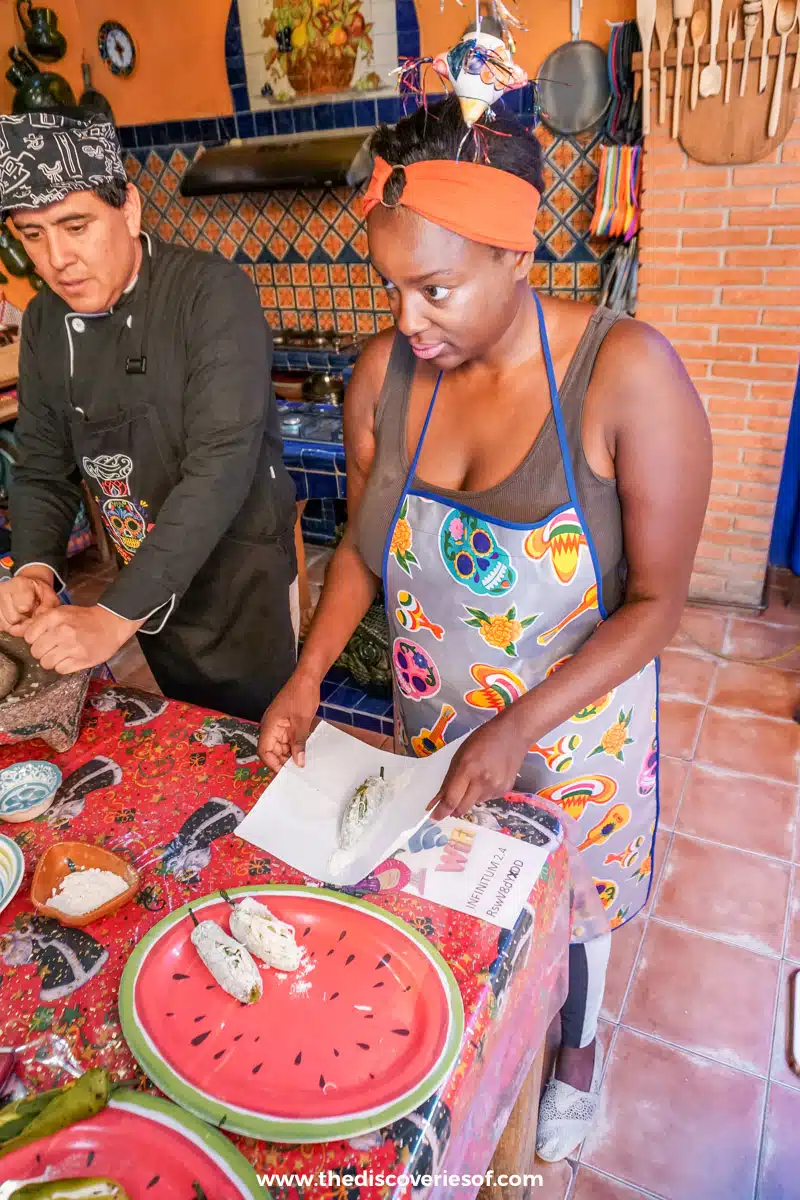
The food in Oaxaca is incredible! So it makes sense that learning how to make some delicious Oaxcan dishes should be at the top of your list during your time in the city.
I made a beeline and booked a traditional cooking class with a renowned local chef and found out why this region’s gastronomy is so famous along the way.
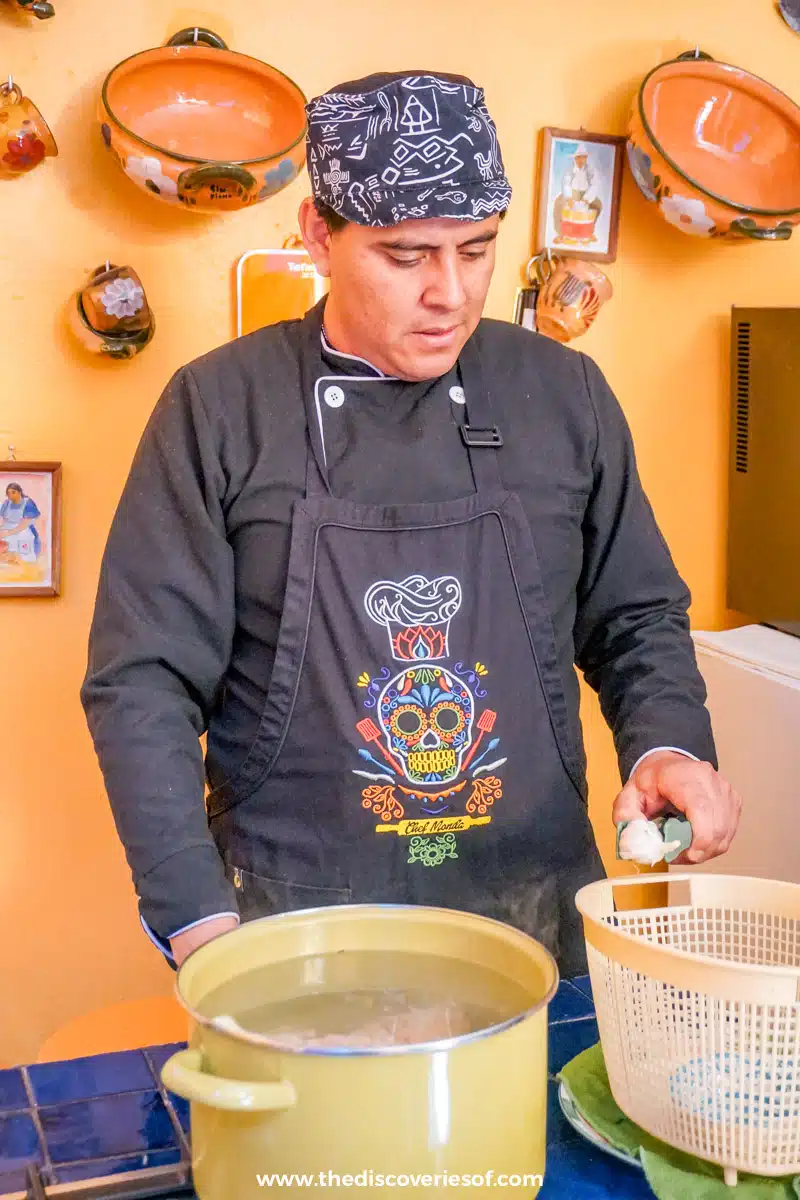


It all kicked off with a stroll through the Mercado de Abastos accompanied by a local chef. Together, we picked out the freshest ingredients on our pre-prepared list.
After our trip to the markets to source local ingredients, we set down to making our chosen dishes.
All that was left to do after was… feast – and good gracious, what a feast it was!
Visit The Church of Santo Domingo de Guzmán (Templo de Santo Domingo de Guzmán)
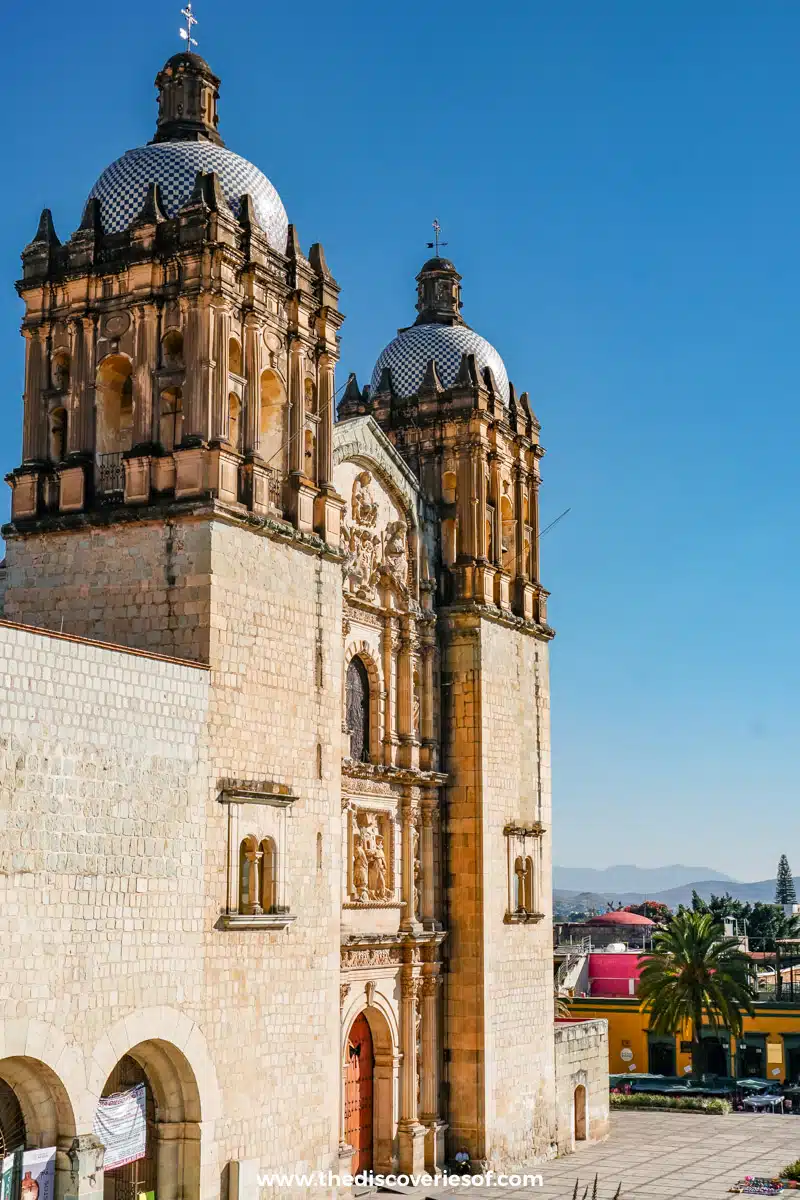
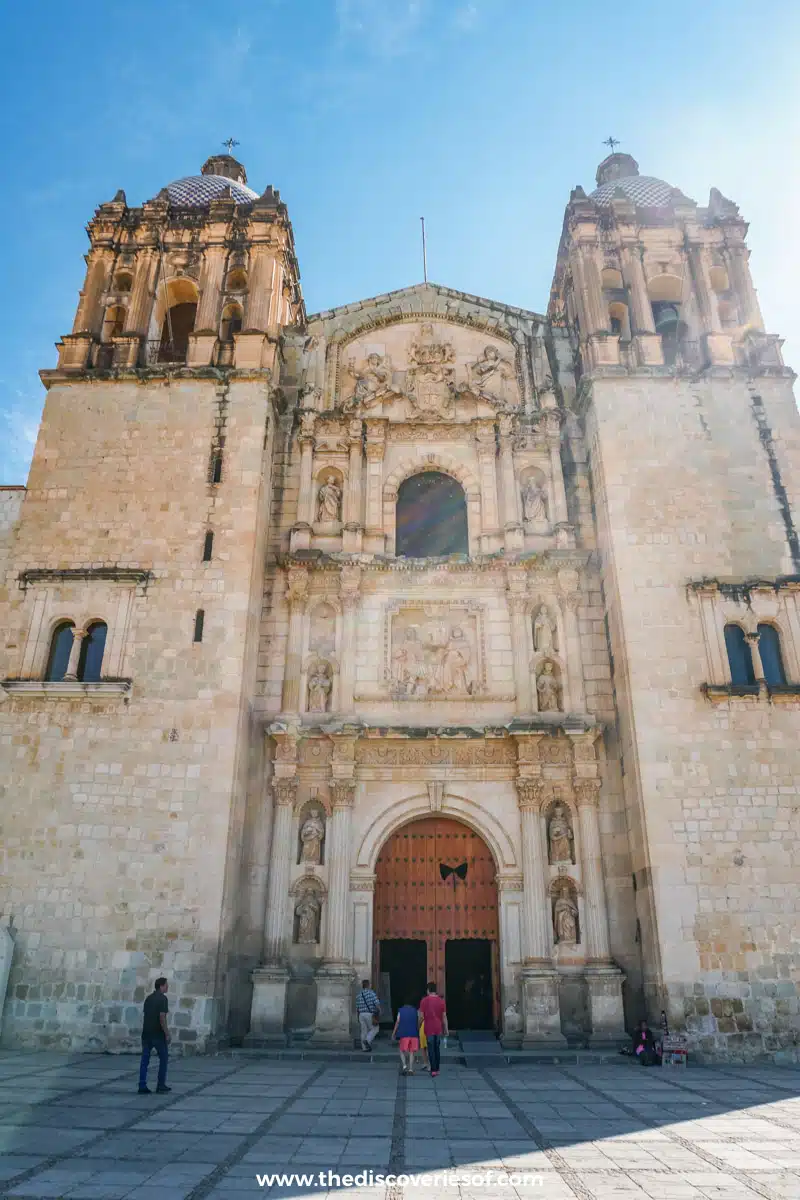
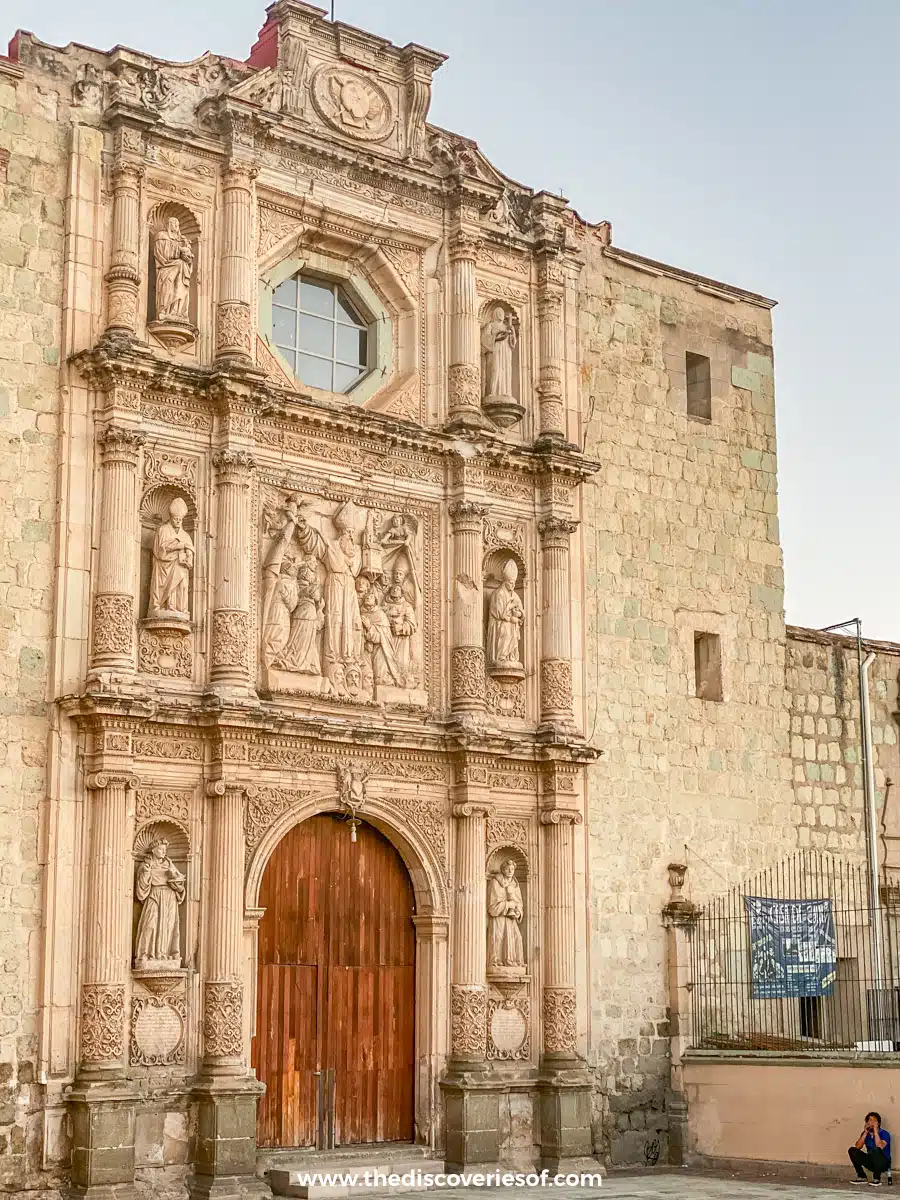
The former Convent of Santo Domingo is one of the finest examples of baroque architecture in Mexico, and that is not a claim made lightly in a country that has extraordinary baroque churches seemingly around every corner. Construction began in 1572 on the orders of the Dominican Order, who had arrived in Oaxaca in 1528, and it took nearly 200 years to complete — the last modifications were finally finished in 1724.
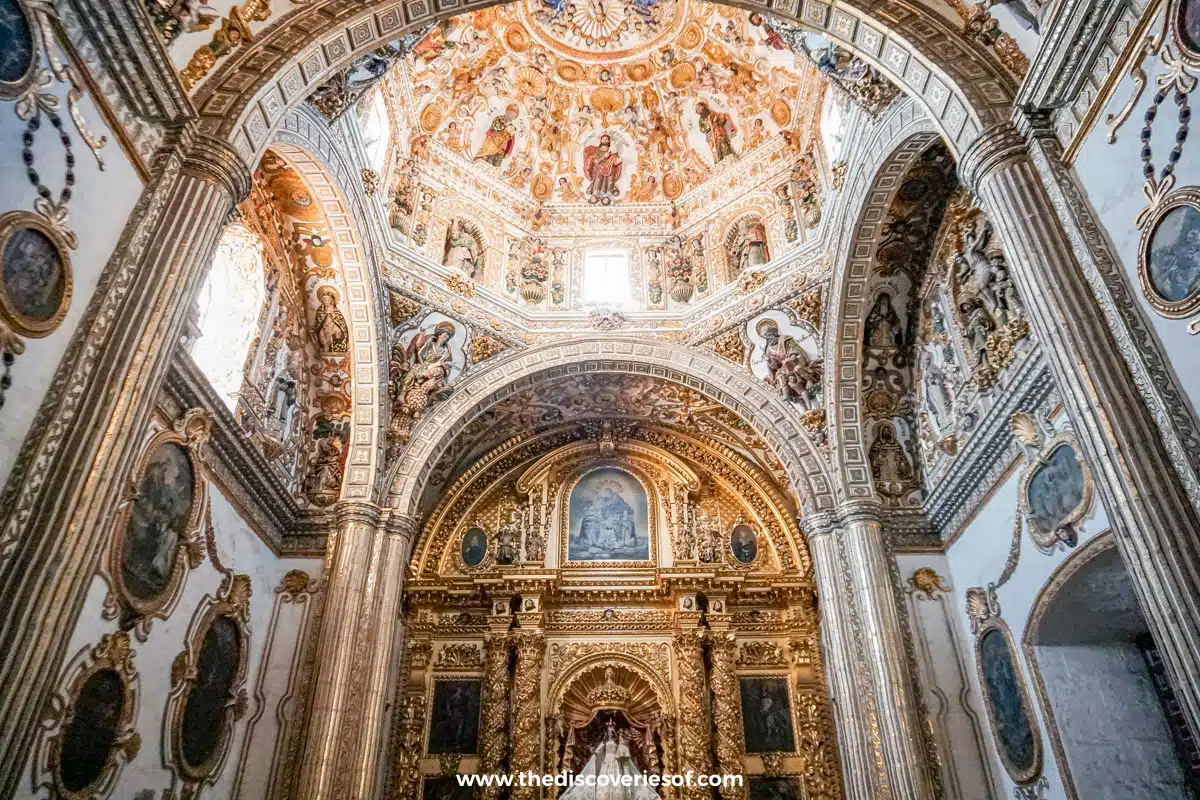
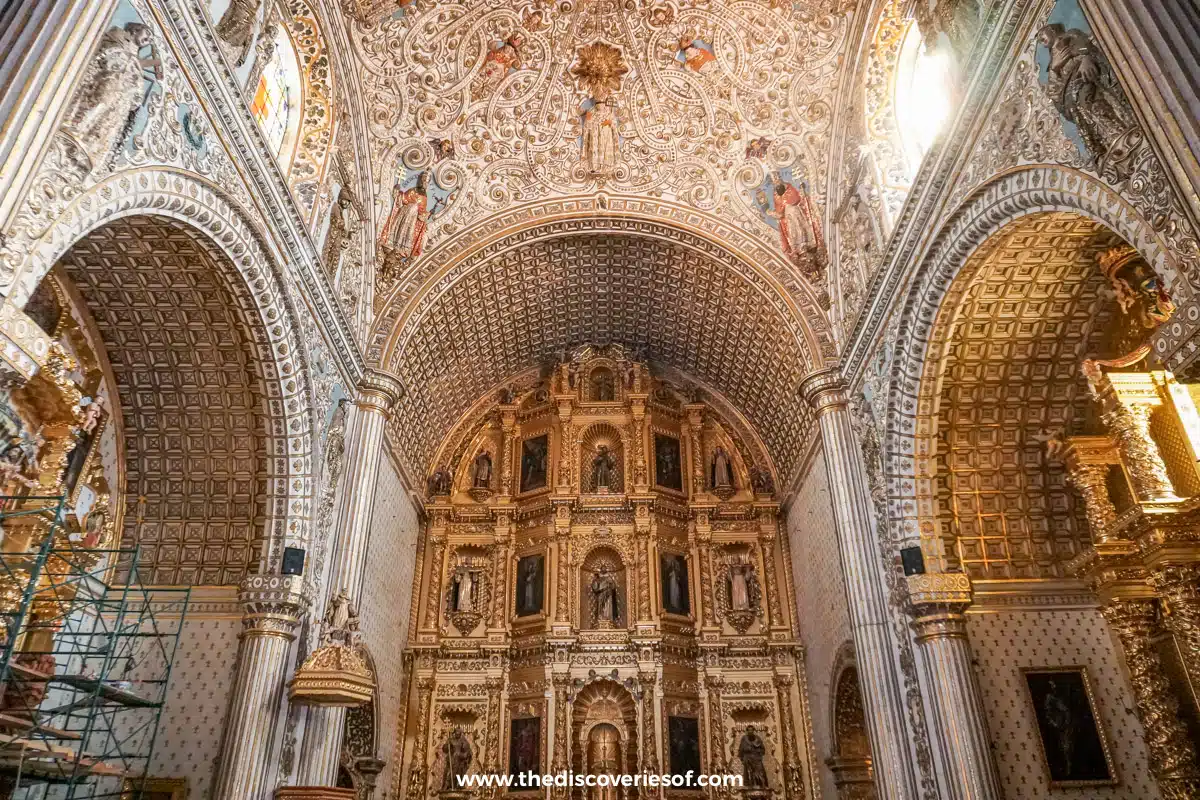
What makes Santo Domingo exceptional, even by Mexican standards, is the sheer density and ambition of its interior decoration. The walls and ceilings are covered in intricate gilded stucco work, with 104 medallions of Dominican martyrs filling the vaulted ceiling, and the Chapel of the Rosary upholstered in gold leaf. The facade itself is built from the distinctive local green stone and adorned with sculptures, reliefs and biblical figures designed to be read as a visual narrative by the largely illiterate indigenous population it was built to convert.
The church was built on the site of a temple dedicated to Cosijoeza, a Zapotec ruler from the late 15th century, which tells you something about the layers of history packed into this single spot. It was later used as a military barracks and administrative building during Mexico’s turbulent 19th century, before being returned to its original function in 1902. In 1987 it was declared part of the UNESCO World Heritage Site that encompasses the Historic Centre of Oaxaca.
Inside the temple, you can marvel at the excellent plaster artwork dedicated to the Dominican family, including a genealogical tree representing both the spiritual and earthly life of the family. You will also see ornate gold leaves and fruits that hide the figures of Saint Dominic and the Virgin Mary.
The complex also houses the Museum of Cultures of Oaxaca and the Ethnobotanical Garden, both worth visiting in their own right. A guided walking tour of the city is an excellent way to put all of it in its proper historical context.
Opening hours: Daily 7am to 1pm and 5pm to 8pm. No flash photography inside the church.
Delve into the Museum of Cultures of Oaxaca (Museo de las Culturas de Oaxaca)
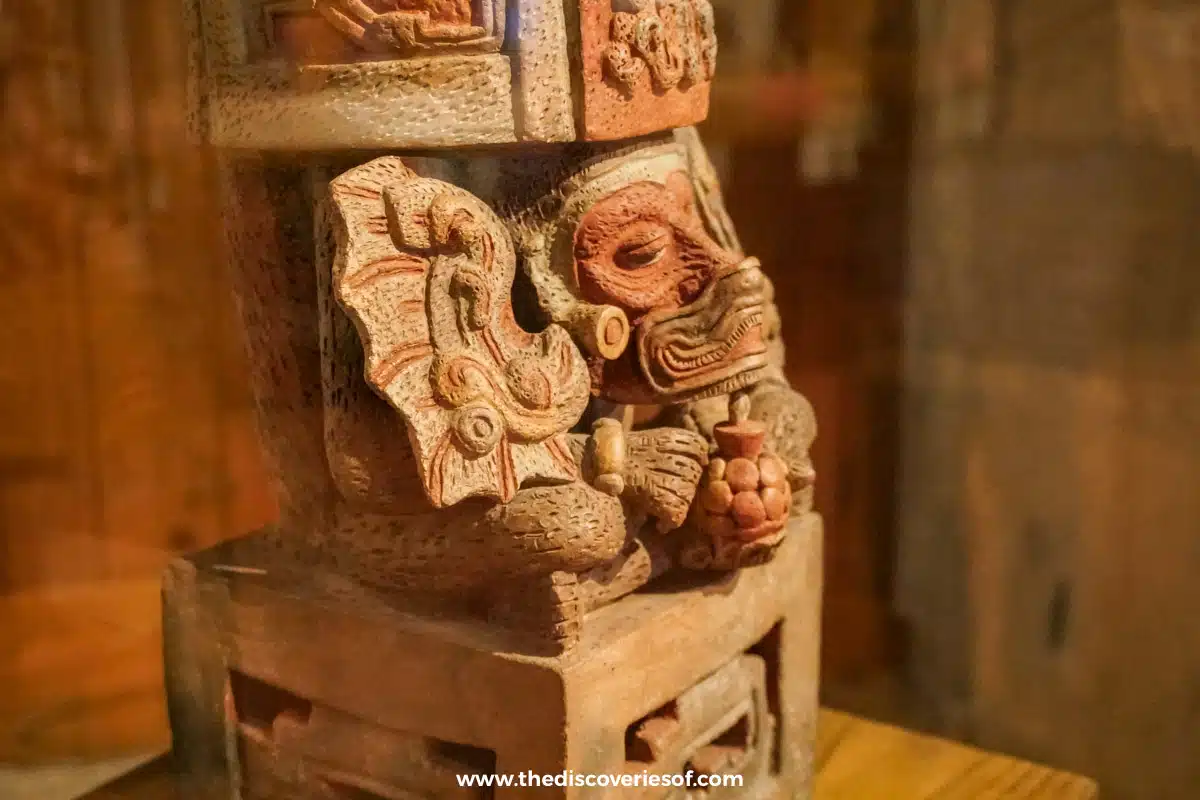
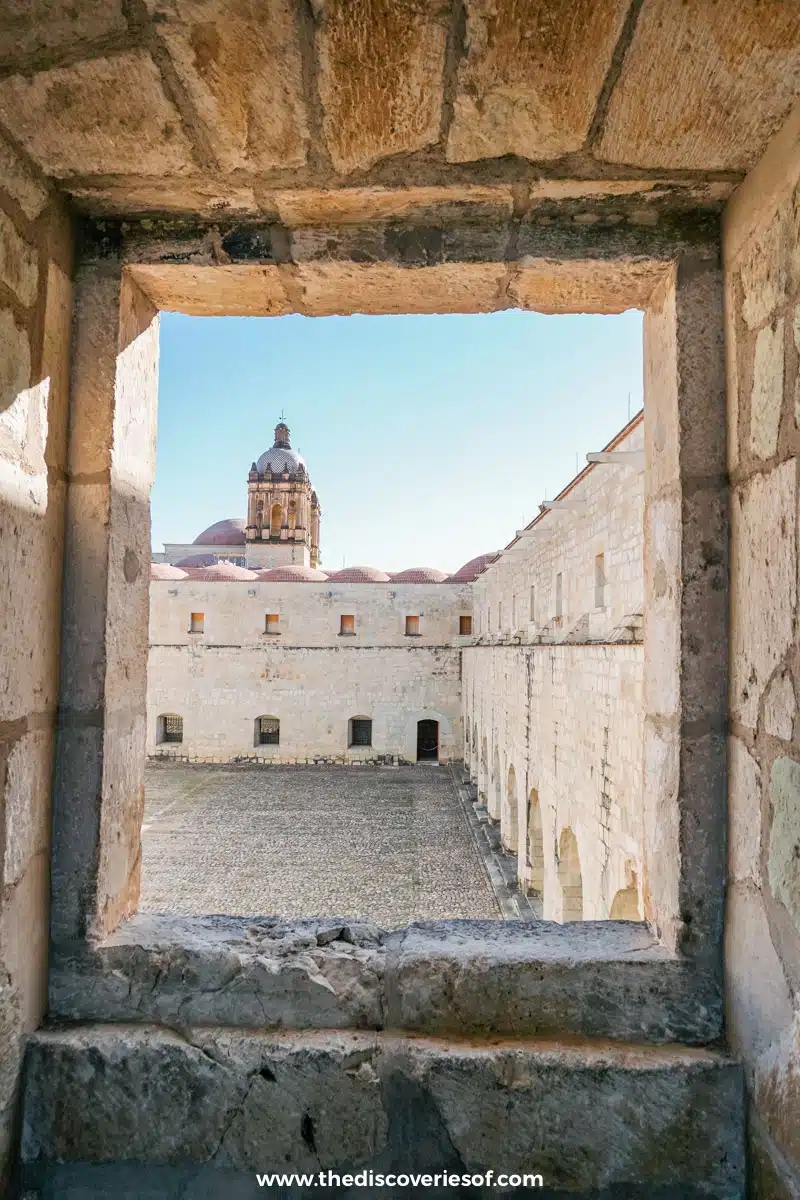
The Museum of Cultures of Oaxaca (Museo de las Culturas de Oaxaca) is housed in the former convent of Santo Domingo and is a must if you have even the remotest interest in the city’s history and culture. Its 23 permanent exhibition rooms take you on a comprehensive journey through Oaxacan history, from pre-Hispanic indigenous civilisations through the colonial period and into independence. Archaeological finds, ceremonial objects, textiles, religious art and colonial artefacts tell the story of a region shaped by extraordinary cultural depth and successive waves of conquest and adaptation.
Sometimes local museums can be a bit of a snooze, not so with this one. I spent the best part of an afternoon engrossed in the exhibits, which are spread over two floors.
Opening hours: Tuesday to Sunday, 10am to 6pm. Closed Mondays. Admission is around 51 MXN.
Top Tip
The most famous exhibit on display at the Museum of Cultures of Oaxaca is the Mixtec Treasure from Tomb 7 at Monte Albán. The collection features gold pectorals and bracelets, a skull lined with turquoise, jade earmuffs, rings, and fake nails, and polished crystal goblets.
Stroll Through an Oaxacan Street Market
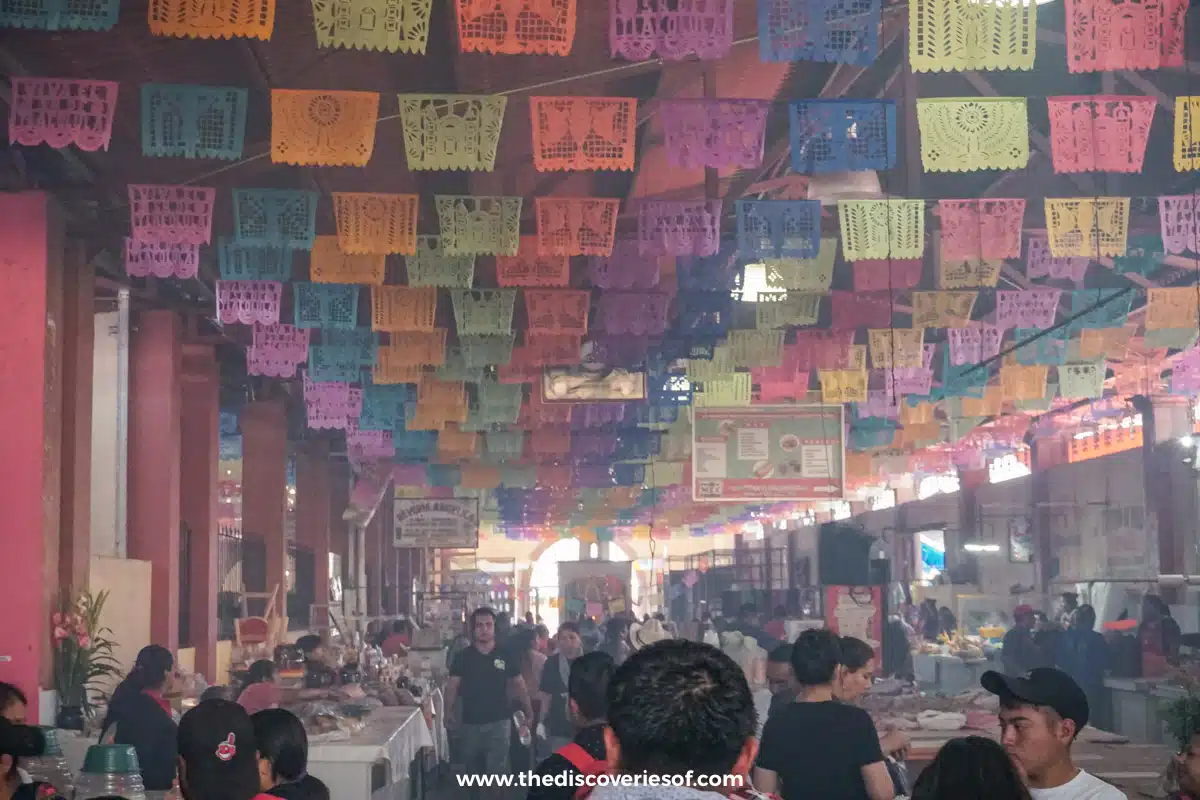
The street markets in Oaxaca are a must-visit when you’re in town. There are so many markets in the city that you’d need to be there months to work your way through all of them, but here are the top ones for your list.
Market 20th November (Mercado 20 de Noviembre)
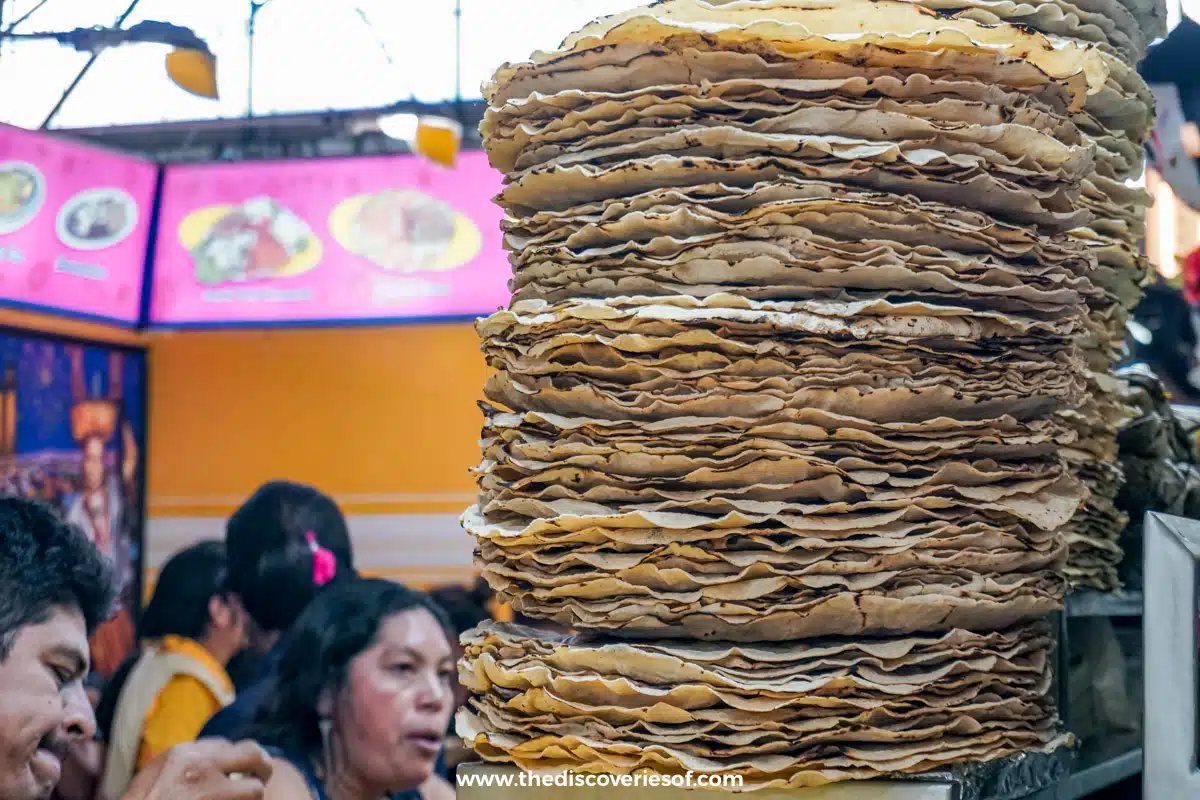
The Mercado 20 de Noviembre takes its name from the date the Mexican Revolution began in 1910, a movement that aimed to end the dictatorship of Porfirio Díaz. The market’s origins trace back to 1882, when it was inaugurated as the Mercado de la Industria, a place for selling fruit, vegetables, flowers and animals. It has since diversified into one of the most atmospheric food markets in Mexico.
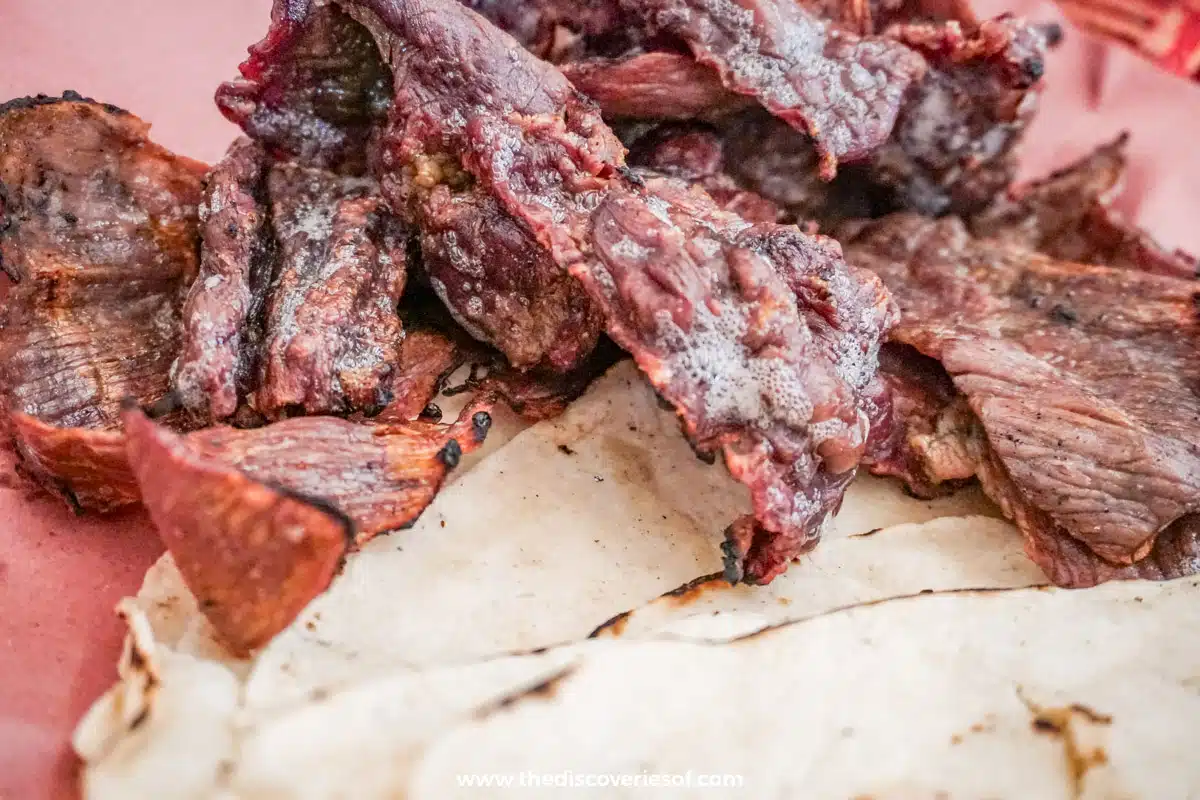
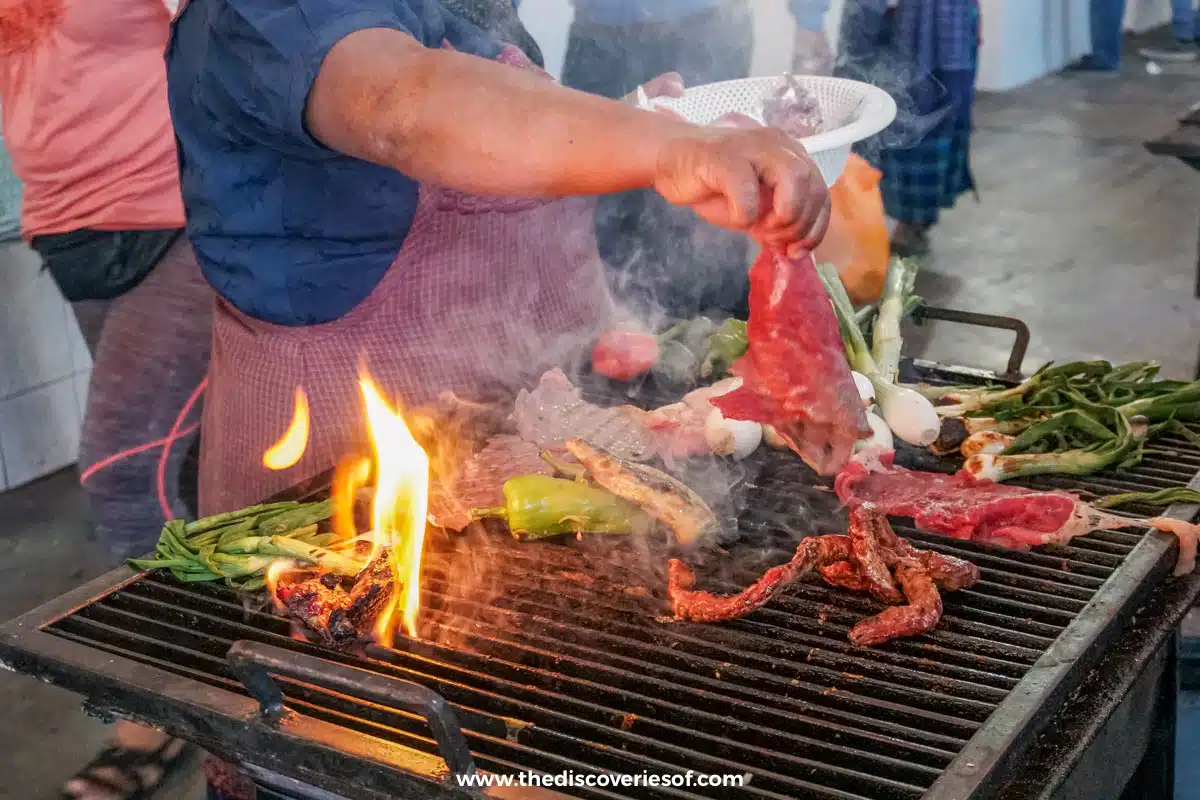
Its most famous section is the Pasillo de Humo, the smoke aisle, which operates on a system unlike anything else you will encounter. At the entrance, you receive a tray of onions and chillies. You then proceed to the meat stall of your choice, hand in your tray of vegetables, and wait while your selection of tasajo (dried beef), cecina (salt-cured pork) or chorizo is charcoal-grilled alongside your vegetables. Vendors circulate constantly with handmade tortillas, salsas and sides. The result is one of the most convivial and delicious meals you can have in Oaxaca, and it costs next to nothing.
Oaxaca Artisan’s Market (Mercado de Artesanias de Oaxaca)
Mercado de Artesanías de Oaxaca is dedicated to artisanal clothing and textiles, all handmade by local artisans in the style of Oaxaca. You will find a great variety of women’s fashion and embroidered garments, each one reflecting the weaving traditions of the specific community where it was made. This is one of the better places in the city to buy textiles with confidence that what you are buying is genuinely locally made.
Mercado de Abastos
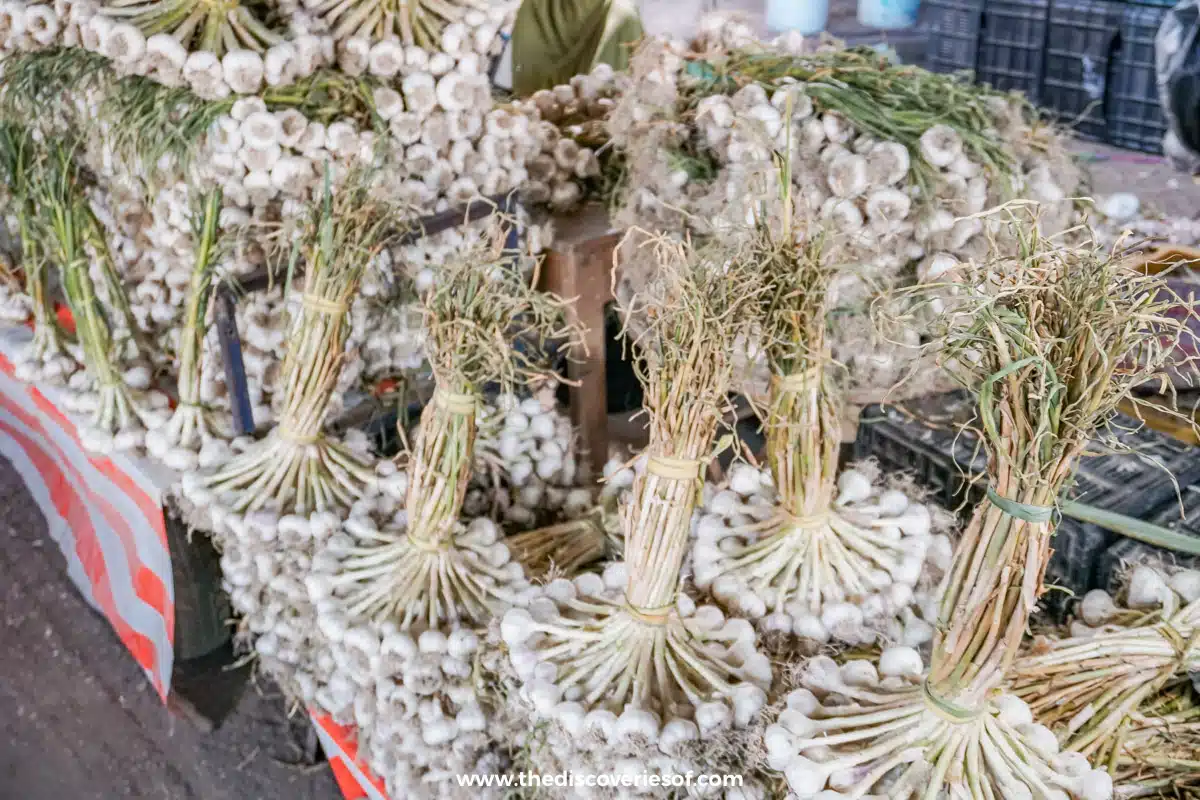
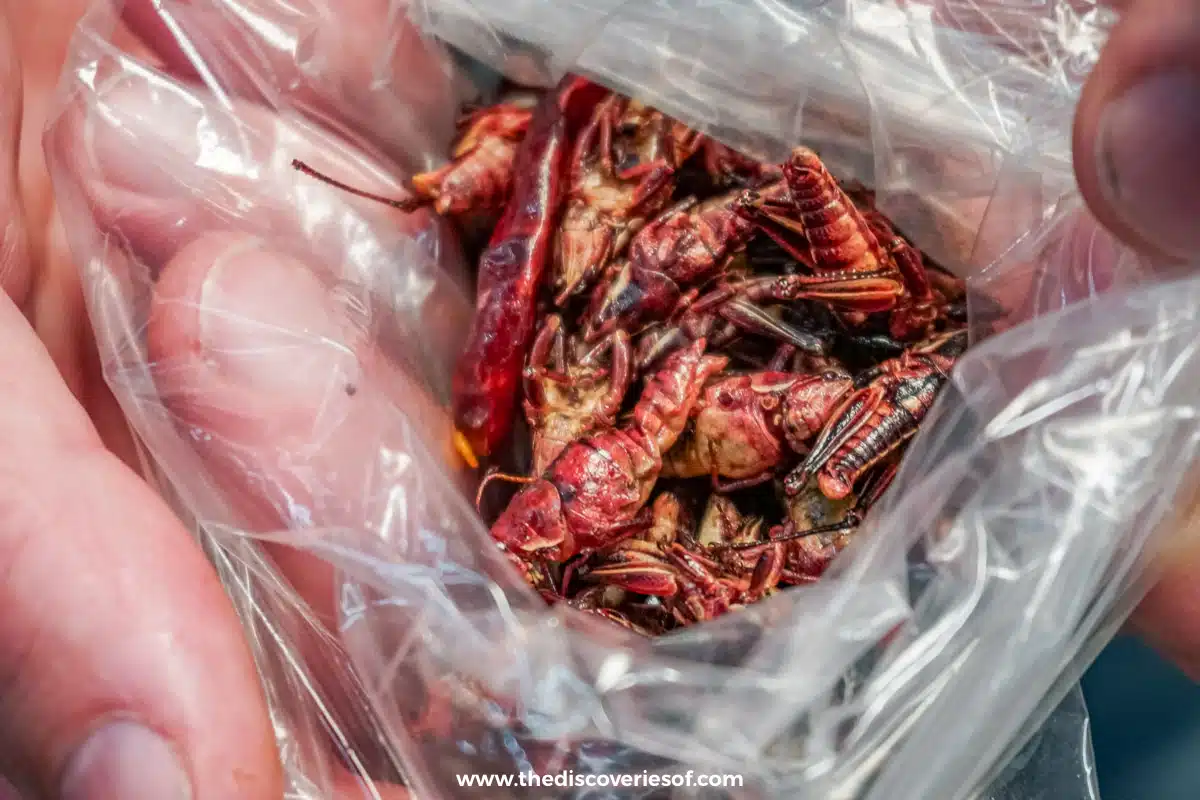
Mercado de Abastos is one of Oaxaca’s largest and most lively markets. It may lack organisation and signage, but it makes up for that with unique sights, sounds and delicious smells: everything from traditional handicrafts to chapuline (grasshopper) tacos.
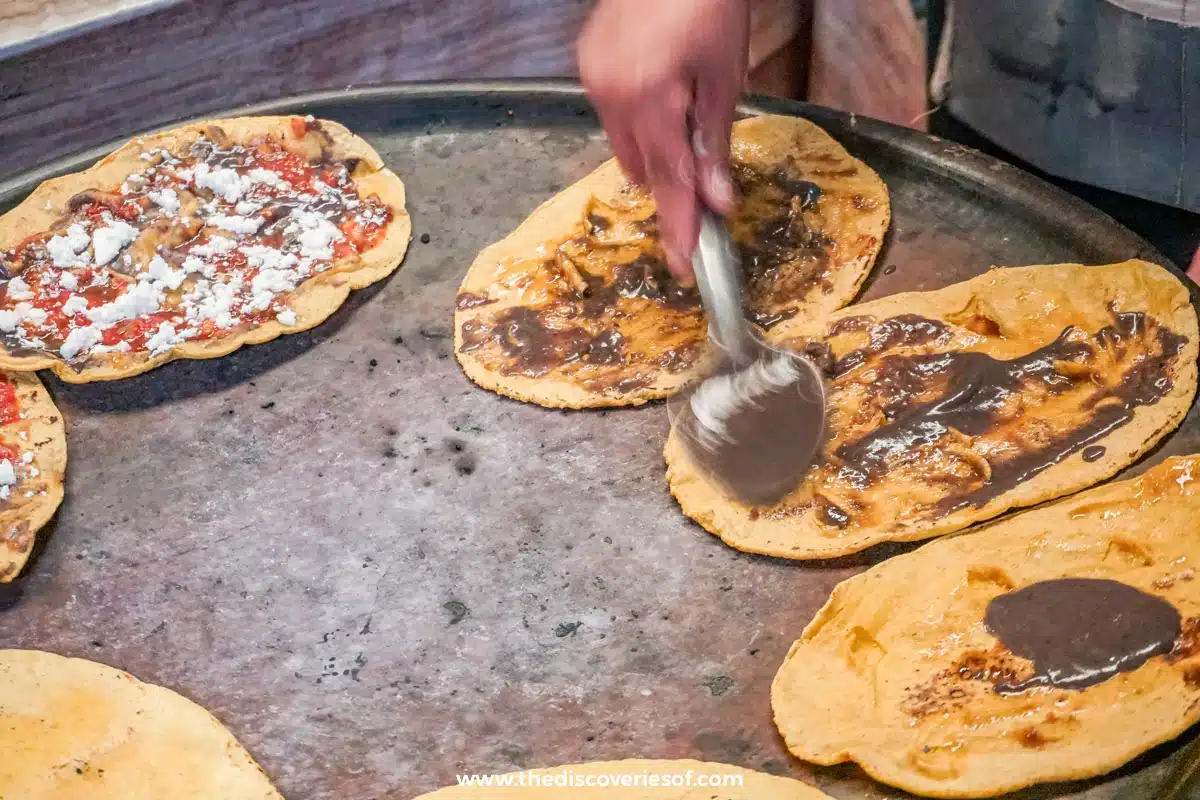
This is where local people come to do their actual shopping, which gives it an energy entirely different from the tourist-facing markets. I recommend getting there as early as possible to beat the crowds and to give yourself enough time to explore the market in its entirety.
Food + Drink
Chapulines or grasshoppers are a Oaxacan speciality – buy them roasted with lime and chilli while you’re in the market
Shop for Souvenirs at Casa de las Artesanías de Oaxaca
If you are looking for a more curated souvenir shopping experience than the street markets, La Casa de las Artesanías de Oaxaca offers a wide selection of handicrafts and artisanal products made by local artisans, organised into interconnected rooms each devoted to a different craft. Some rooms are dedicated to woollen rugs, woven on traditional foot-looms in the villages of the Oaxaca Valley. Others showcase woodcarvings, including the brightly painted alebrijes (fantastical animal figures) for which Oaxaca is famous. Several rooms are given over to ceramics, including the distinctive black clay work from San Bartolo Coyotepec. It is a genuinely good place to buy quality Oaxacan crafts with some confidence that the prices are reasonable.
Marvel at the Architecture of the Church of Our Lady of Solitude (Basílica de Nuestra Señora de la Soledad)
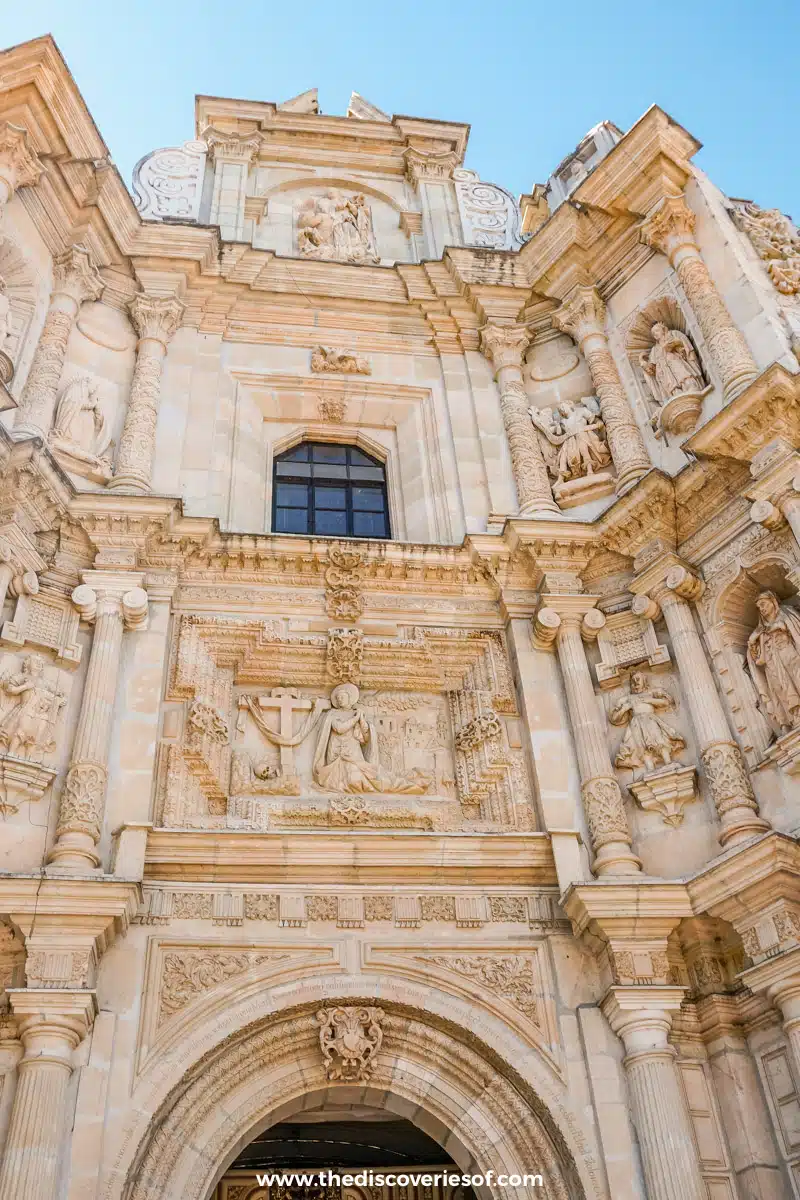
Built in 1690 and dedicated to the patron saint of Oaxaca, the Basílica de Nuestra Señora de la Soledad is a striking affair that tends to be overshadowed by the more famous Santo Domingo but rewards those who seek it out. The church was built to house the image of the Virgin of Solitude, Oaxaca’s patron saint, which according to legend appeared miraculously in 1620 inside a chest carried by a mule that had no owner and promptly died upon arrival. The image itself is encrusted with 600 diamonds and crowned with two kilograms of solid gold, which gives you some sense of the devotion she inspires.
The limestone cobbled atrium with a raised colonnade is one of the highlights of the exterior, as are the eight sculpted angels, each attached to a chandelier in a way that makes it look like they are holding them aloft in the air. There is a small museum in the back that displays the history of this church and the legend of the Virgin. If you are looking for a low-key sight with lots of history and relatively few other tourists, this is it.
Pop Into The Oaxaca Textile Museum
The Oaxaca Textile Museum, located inside Casa Antonieto, showcases the ancient art of textiles — one of the most prized and technically complex handicrafts of the region and one of the defining art forms of indigenous Oaxacan culture. Weaving in Oaxaca predates the Spanish arrival by centuries, and many of the techniques on display here have been passed down through generations of artisans in specific communities, each with its own patterns and designs that function almost like a visual language.
The museum displays nine exclusive collections highlighting unrepeatable textiles. These include the tlámachténtli (a local fabric), girdles, rebozos (shawls) from Santa María del Río, and fragments of a huipil embroidered with feathers. There are also temporary exhibitions, with free guided tours every Wednesday that include a restoration workshop. You can purchase textiles directly from the artists who display their work during these temporary exhibits, which is one of the better ways to buy something genuinely handmade in Oaxaca.
Top Tip
You can purchase textiles directly from the artists who display their works during these temporary exhibits.
Browse the Works at the Centro Fotografico Manuel Alvarez Bravo
Set in a colonial building in the centre of the city, The Centro Fotografico Manuel Alvarez Bravo is a museum of photography that’s dedicated to the late Mexican photographer Manuel Alvarez Bravo, one of the most important photographers in the history of Latin American art.
Born in Mexico City in 1902, Bravo’s work documented Mexican life and culture across the 20th century with a surrealist sensibility and a deep engagement with indigenous identity. His images influenced a generation of photographers internationally and drew comparisons with Cartier-Bresson, with whom he exhibited. Past exhibitions at the centre have included retrospectives of Man Ray, Nacho Lopez and Walter Reuter, alongside showcases for emerging photographers. The centre also hosts regular workshops and is a genuinely important cultural institution, not just a tourist attraction.
Sink a Mezcal (Or Three) in One of Oaxaca’s Many Mezcalerias
To visit Oaxaca without engaging seriously with mezcal is to miss one of the most essential things about this place. Oaxaca produces around 70% of Mexico’s mezcal, earning it the nickname Capital of Mezcal, and the drink’s connection to the region runs far deeper than geography.
The Zapotec and Mixtec peoples were cultivating and fermenting agave long before the Spanish arrived. When Spanish colonisers introduced distillation techniques in the 16th century, these ancient traditions evolved into what we now know as mezcal, creating a cultural fusion that persists in every bottle produced here today. Indigenous communities continue to revere agave as a divine gift, and traditional customs like pouring a small amount onto the earth before drinking reflect mezcal’s enduring spiritual significance.
The name mezcal comes from the Nahuatl words meaning oven-cooked agave, which describes the production process precisely. Artisanal mezcal makers cook the agave hearts in earthen pits lined with lava rocks and filled with wood and charcoal, which is what gives mezcal its distinctive smokiness. The cooked agave is then crushed, fermented and distilled in clay pots. The result is a spirit that varies dramatically depending on the agave variety used, the specific community producing it and the individual maestro mezcalero’s techniques.
Mezcalerías are all over the city, and visiting several of them is one of the better ways to spend an evening in Oaxaca.
La Mezcalerita
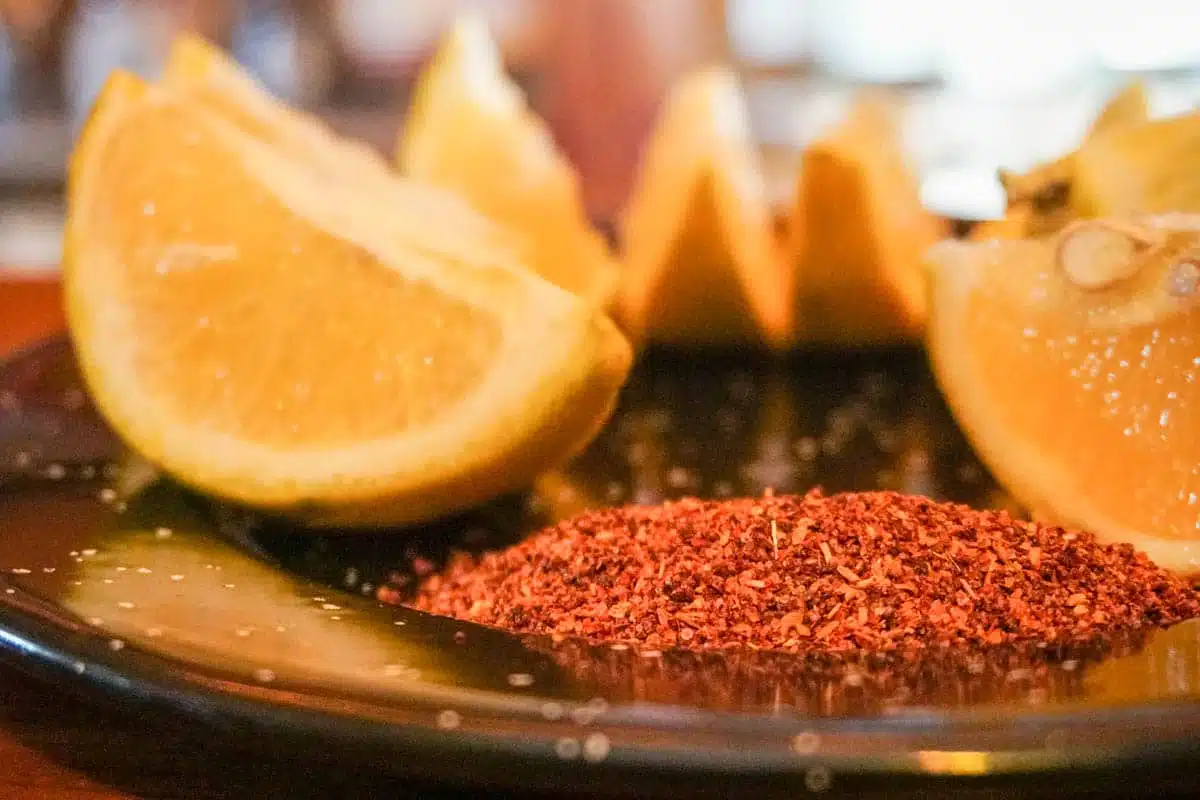
La Mezcalerita is a small, rustic mezcaleria is quite typical of the style of mezcalerias in Oaxaca. There is a bar downstairs and a trendy rooftop upstairs where you can enjoy some smoky mezcal drinks and a variety of light snacks. I highly recommend.
In Situ Mezcalería
In Situ’s dedication to the craft of Mezcal is pretty much unrivalled… with what the owners claim to be the largest mezcal collection in Mexico.
The founders of this mezcaleria are writers and editors of books on mezcal, so their knowledge of the drink runs deep. They also offer a variety of craft beers and cocktails.
Other Mezcalerias to Try
- Los Danzantes distils its own mezcal using sustainable methods and local ingredients. The vibe at this restaurant is excellent, with semi-open-air patios and quirky interior decorations, and the food is genuinely good alongside the mezcal.
- Sabina Sabe is a popular mezcalería and grill named as an ode to Mazatec medicine woman María Sabina, with an exceptional collection of mezcal and cocktails made from Oaxacan ingredients.
Where to Eat in Oaxaca
Top Recommendation: Pitiona
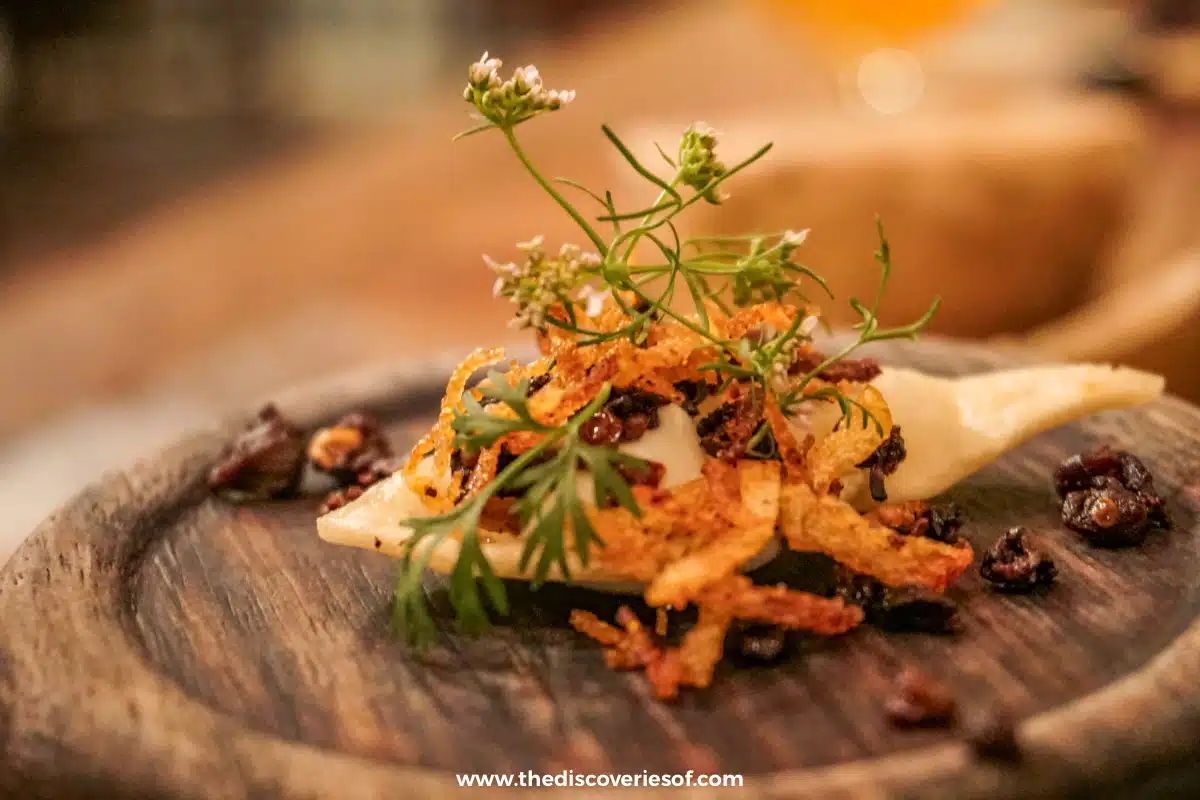
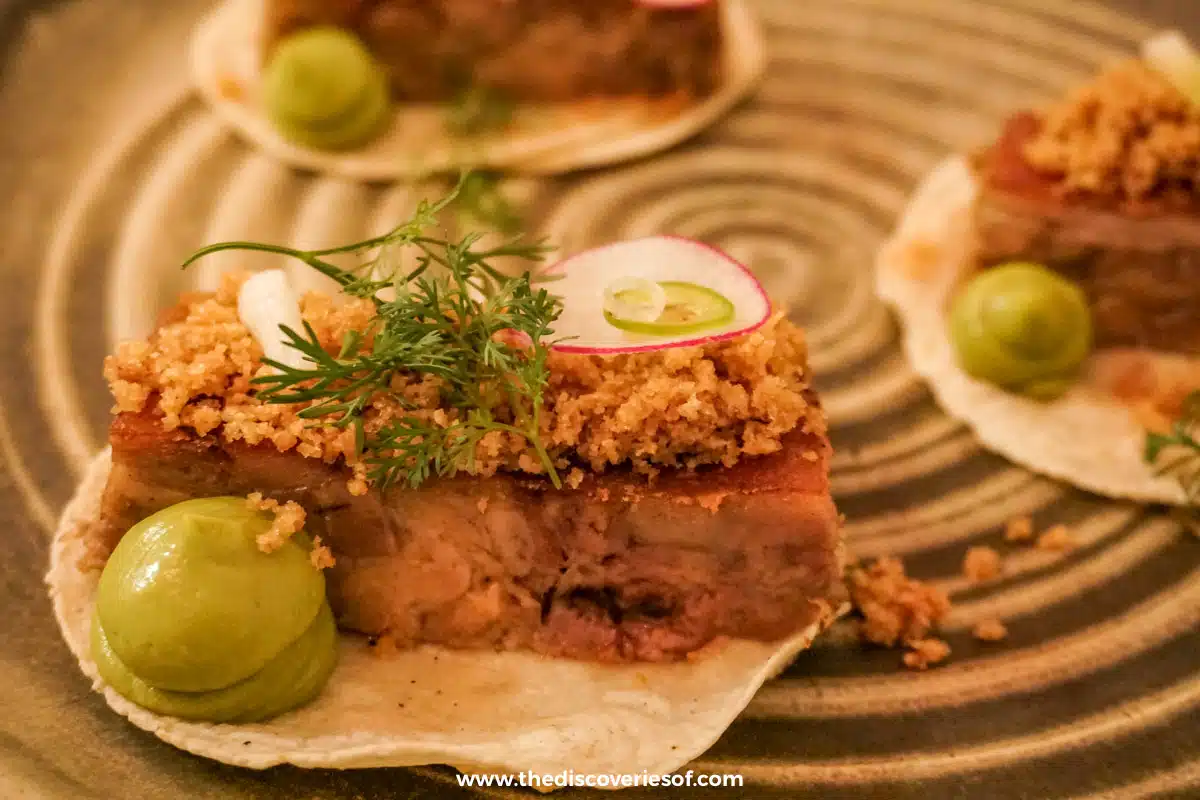
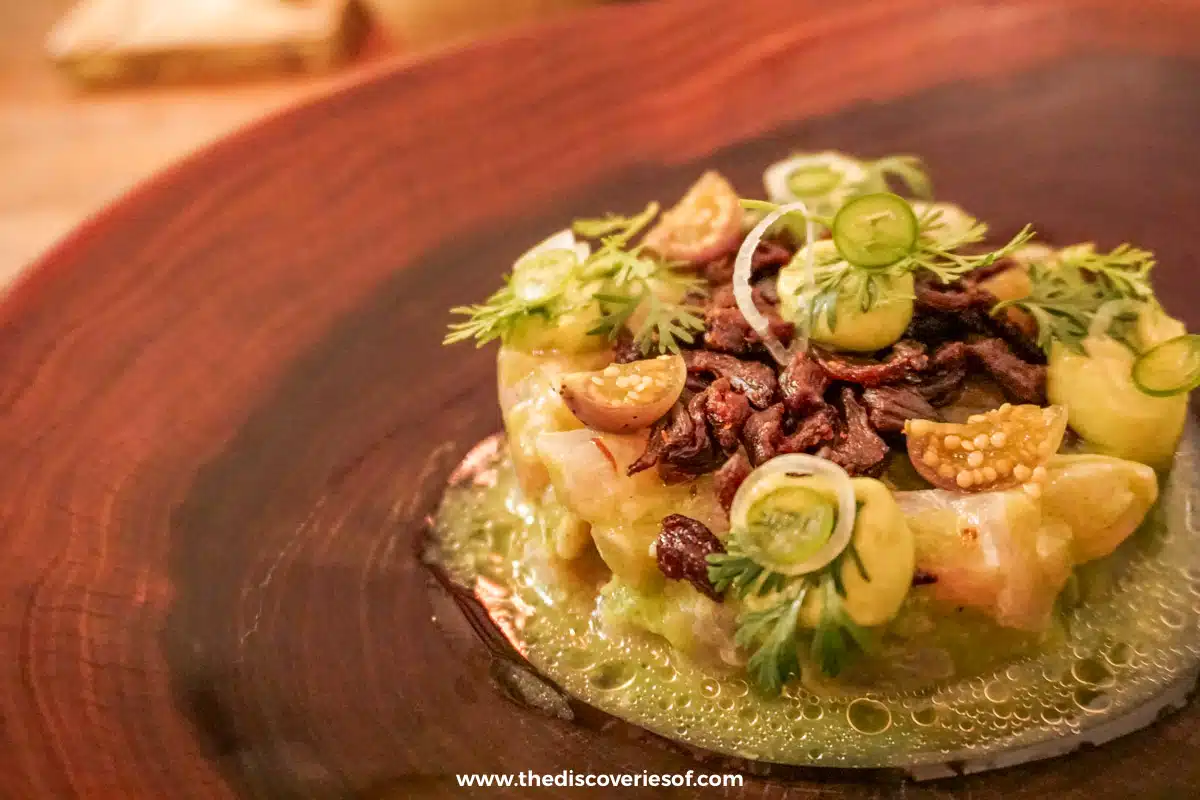
Pitiona is a rooftop restaurant where you will come for the food and drinks but stay for the view. This is an excellent place for brunches as it only opens around noon.
It’s a Mexican-European gastro bar so expect to pay a bit more than the average food stall, but you won’t be disappointed by the quality. Plus, you get to eat while taking in an aerial view of the Templo de Santo Domingo de Guzmán bell towers.
More Recommendations for Places to Eat
Café la Antigua is best known for its hearty Mexican-style breakfasts. The owners source their coffee locally and brew it using solar panels, a genuinely sustainable approach to running a café. They occasionally host live music performances. Try and nab a table in the peaceful courtyard for your meal.
La Popular is exactly what the name suggests. Get there early if you do not want to queue. If you are looking for a quick and authentic Oaxacan bite, this is the place. The soft tacos are always great. There are many antojitos (Mexican snacks) available, so don’t settle for anything too substantial and try a bit of everything instead.
Criollo is one of the most stylish restaurants in Oaxaca, established in 2016 within a bohemian UNESCO heritage house, with guests welcomed in a beautiful courtyard dining room. Their focus is firmly on seasonal and local ingredients, and the seven-course tasting menu, which always includes snacks, a salad, catch of the day and desserts, is a proper culinary event.
Pitiona is a rooftop Mexican-European gastro bar that only opens around noon, making it an excellent choice for a long, leisurely brunch. You will pay more than at a street stall, but the food is excellent and the view over the bell towers of the Templo de Santo Domingo de Guzmán makes it worth every peso.
Tacos del Carmen is the local favourite for fast, friendly and authentic Oaxacan street food. Their uniquely rolled tacos come with a homemade salsa that makes them dangerously easy to eat. They also serve empanadas, quesadillas and Mexican pizzas.
Lechoncito de Oro is the late-night institution. After a night out you will typically see people lining up at this stall for their post-party food fix: tender pork tacos topped with crispy pork rinds and spicy green salsa. Not for those on a diet, and all the better for it.
Los Danzantes. Fancy pairing your mezcal and food? Head to Los Danzantes, one of the best restaurants in the city. They distil their own mezcal using sustainable methods and local ingredients from the area. The vibe at this restaurant is great with its semi-open-air patios and quirky interior decorations.
Take a Peek at the Aqueduct Arcos De Xochimilco
One of Oaxaca’s hidden gems, the Aqueduct Arcos De Xochimilco is an arched aqueduct system that was built in the mid-eighteenth century to bring fresh water from the hillsides of Cerro de San Felipe into downtown.
There is now a modern system in place to deliver fresh drinking water, but some parts of the original aqueducts remain. It makes for a serene picnic spot, so I recommend bringing some snacks and a book if you’re looking to take a break from the city for a bit.
Cocktails at Sabina Sabe
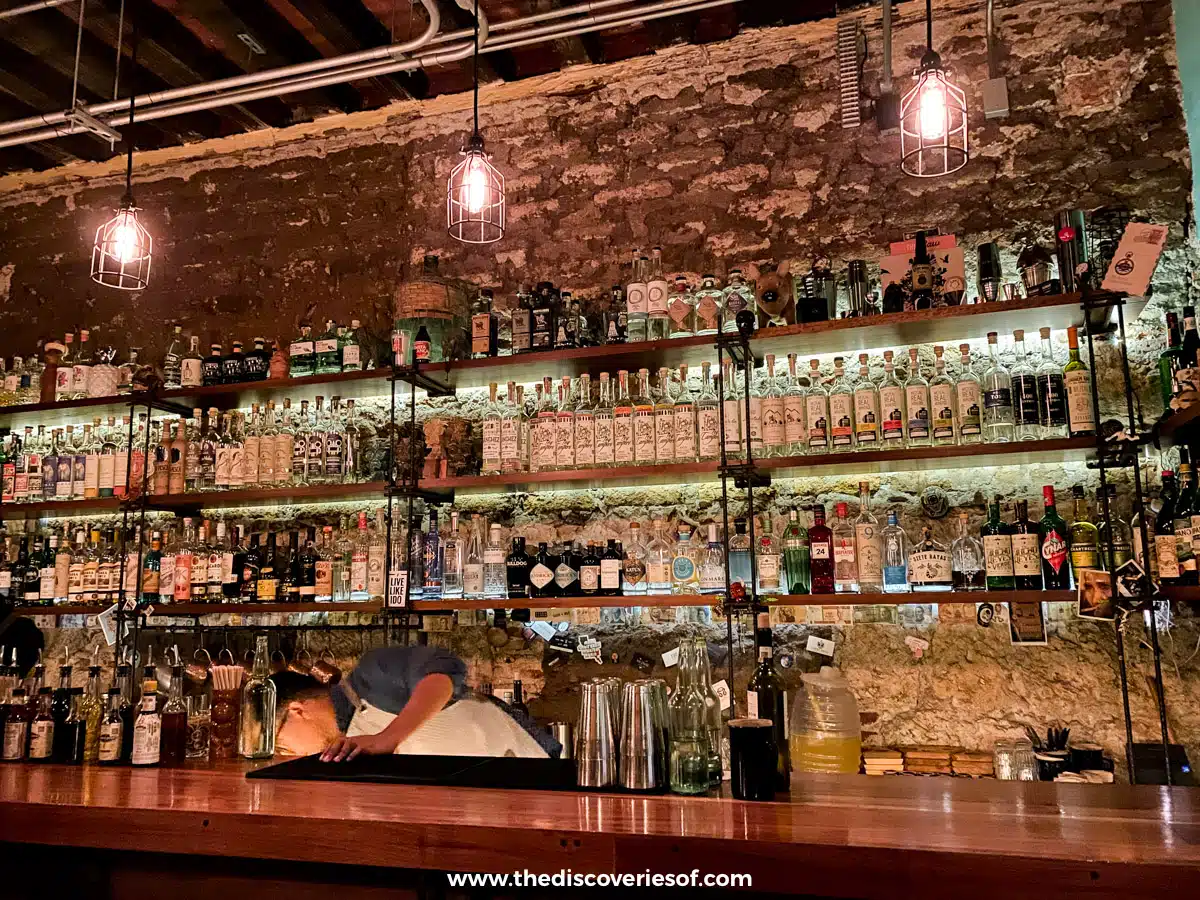

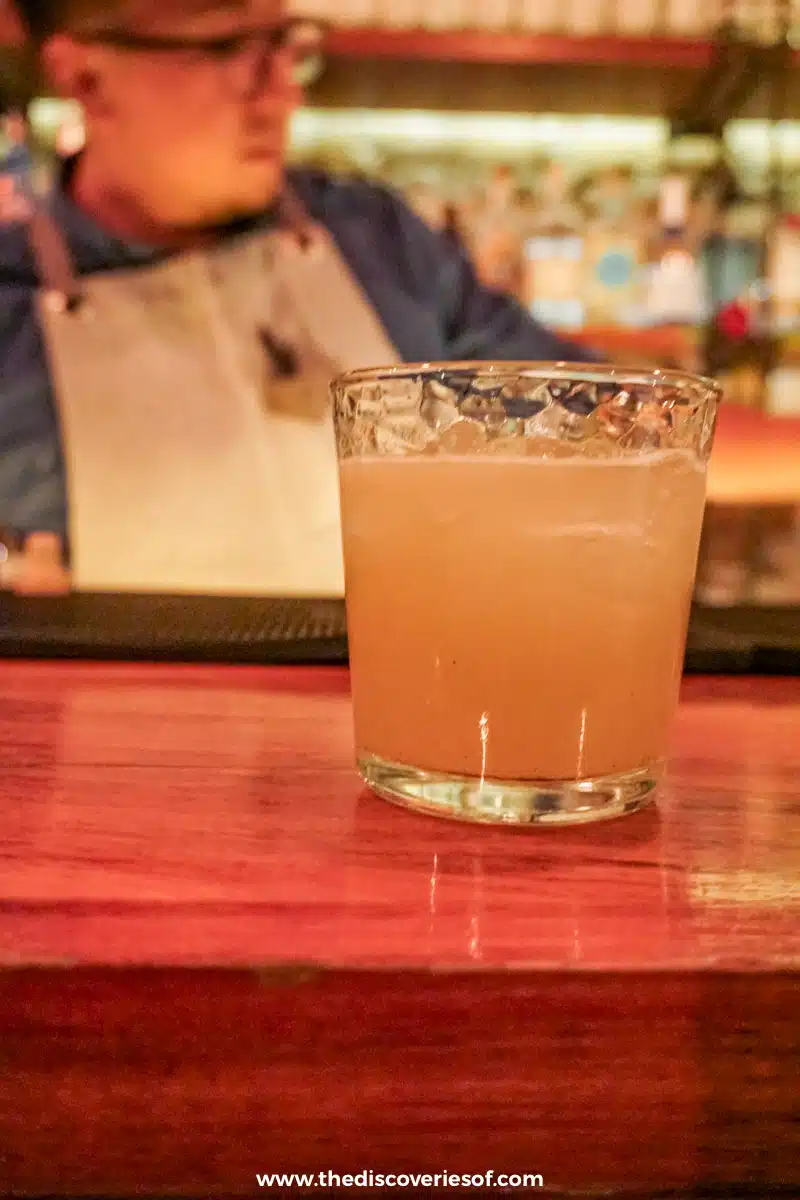
Sabina Sabe is a popular mezcaleria and grill that deserves to be high on your list of places to go in Oaxaca, Mexico. The name is an ode to Mazatec medicine woman María Sabina and their love of mezcal is evident from the wide selection available.
Apart from the exceptional collection of mezcal, they also offer cocktails made from Oaxacan ingredients. Local ingredients are at the heart of their dishes too.
Things To Do Near Oaxaca
While the city centre has much to offer, I cannot recommend getting a car and exploring the surrounding areas enough. Go forth and adventure!
Spend Sunday Morning at Tlacolula Market
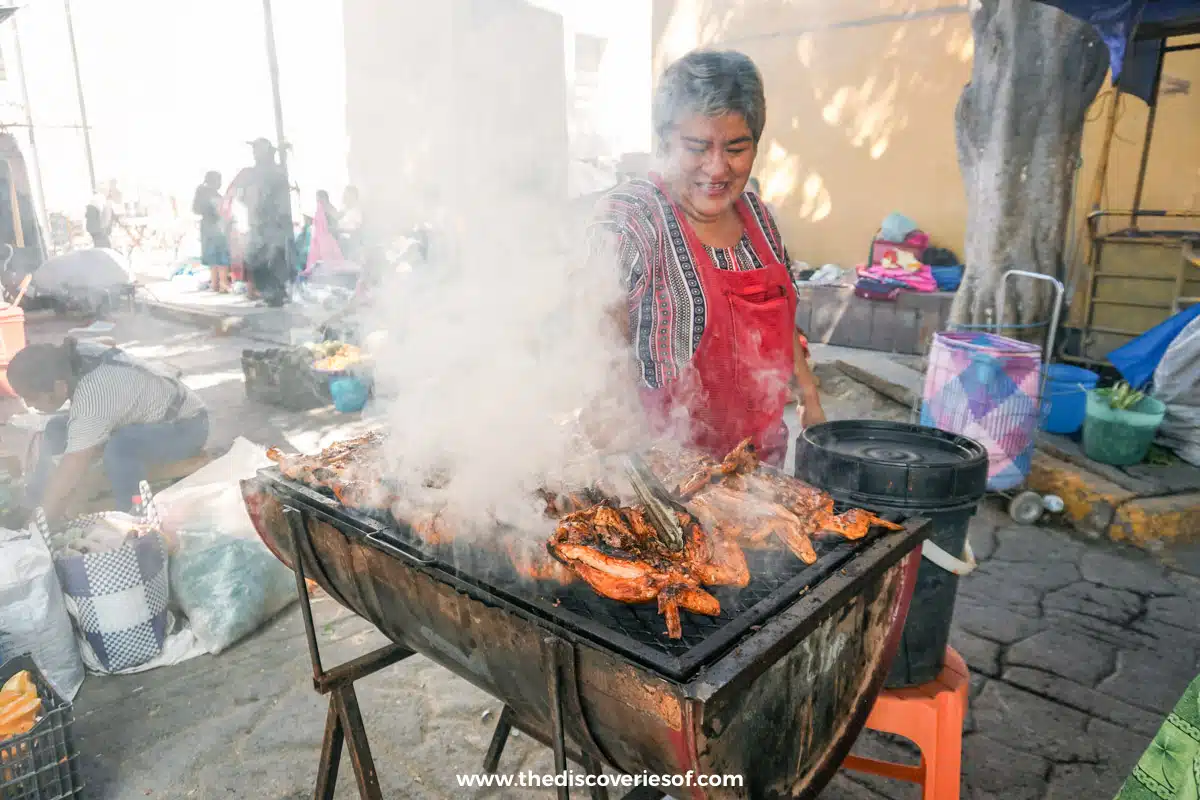
Of all the places I visited during my time in Oaxaca, I have to be honest, Tlacolula Market was up there with the best.
This sprawling weekend market takes over the small town of Tlacolula de Matamoros each Sunday, when locals from across the state and tourists alike descend to wander between innumerable stalls. It is an entirely different experience from the tourist-facing markets in the city. The people here are buying and selling in a genuine weekly market that has served this community for generations. Freshly grilled chicken, homemade cheese, dried chillies — it is a sensory exploration of Oaxacan cuisine and everyday life that you simply have to visit.
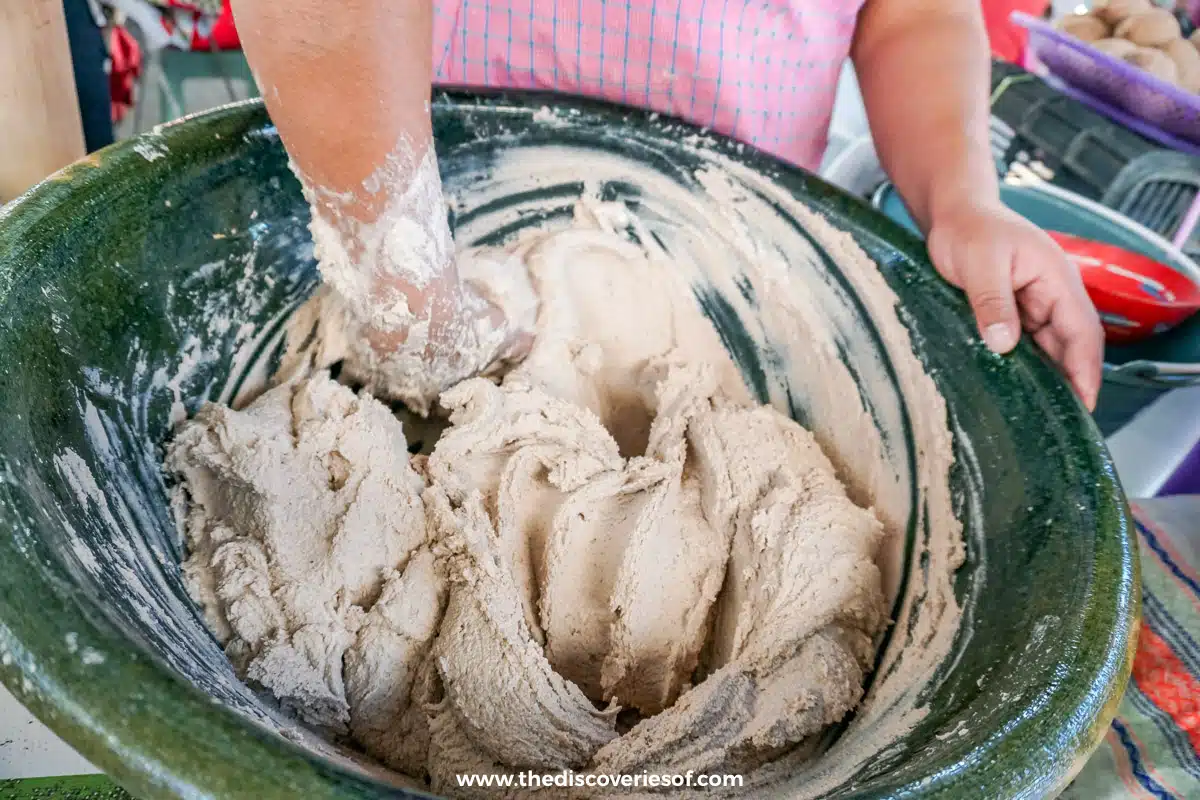
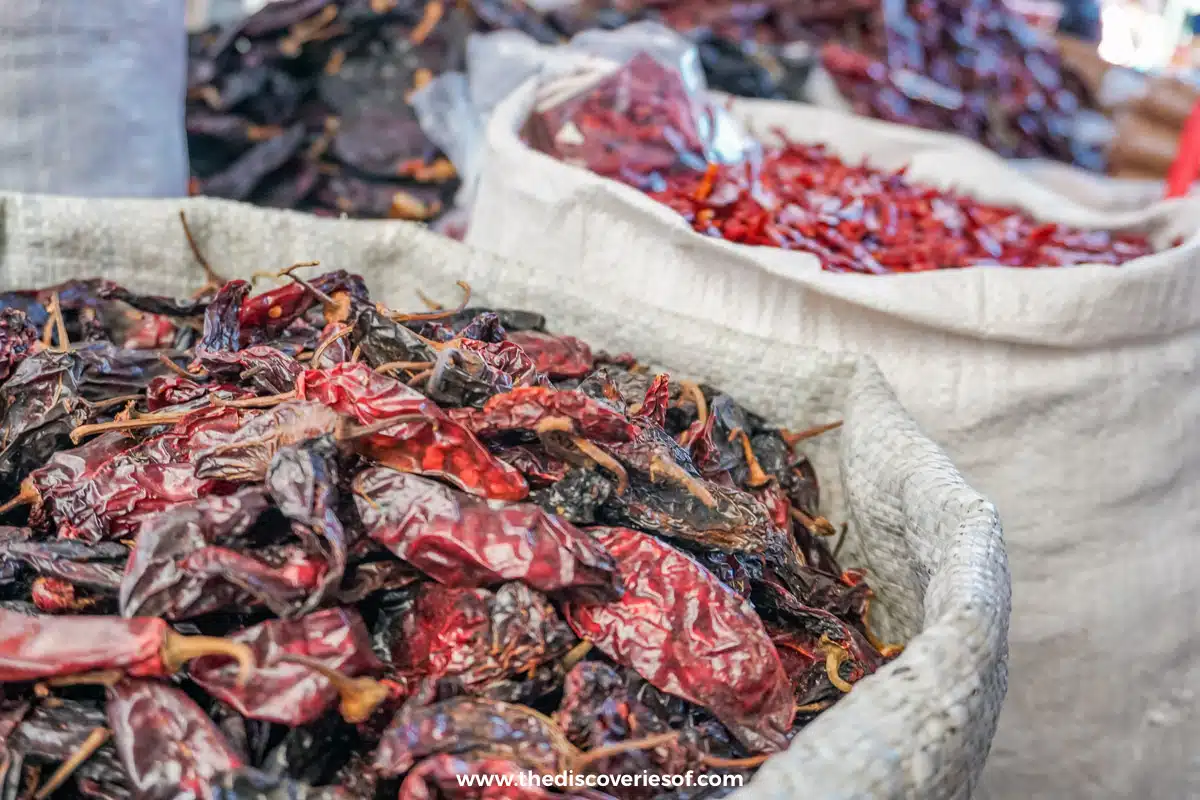
Keep an eye out for stallholders making tejate, a traditional indigenous drink that’s made using maize and cacao – you’ll spot them kneading the mixture before adding water and serving to the inevitable long line of customers.
Mezcal Tasting at Gracias a Dios Mezcal Distillery

There are plenty of cool mezcal distilleries in Oaxaca state but my pick of the bunch is Palenque Gracias a Dios Mezcal. This is not only a mezcal bar where you can do a tasting, but it’s also a working agave farm where they take you through the process of making mezcal.
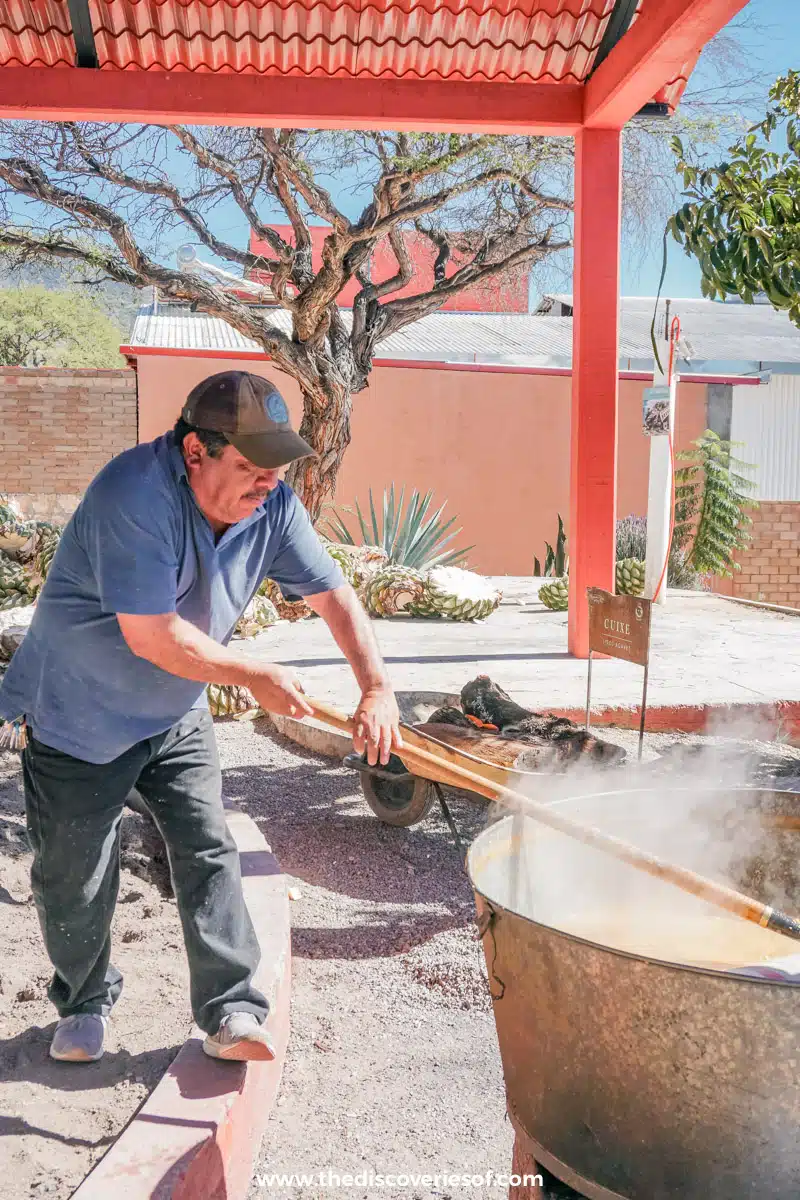
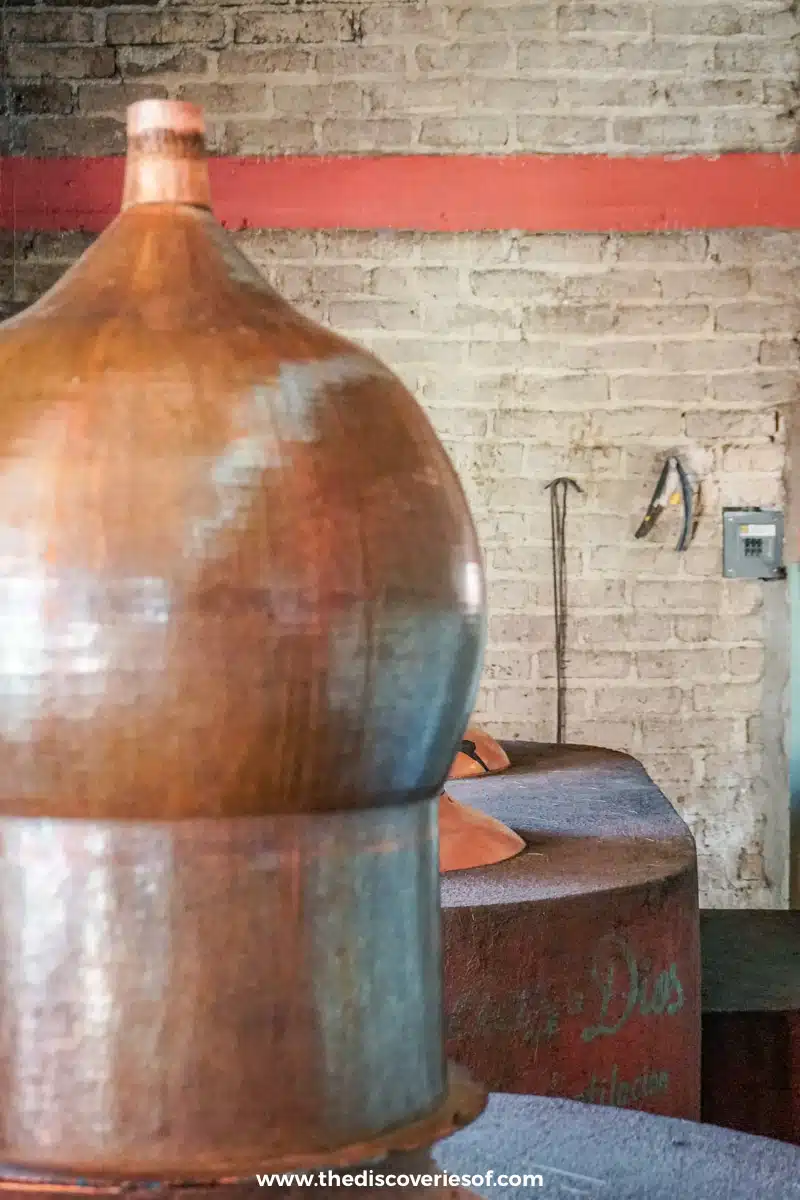
A tour guide takes you through the mezcal distillery process, from plant to product. After your tour, you can enjoy a tasting at their rustic-looking bar, where you have the opportunity to try and buy some of the rarer mezcals, like GAD Sierra Negra.
See the Petrified Waterfalls at Hierve el Agua
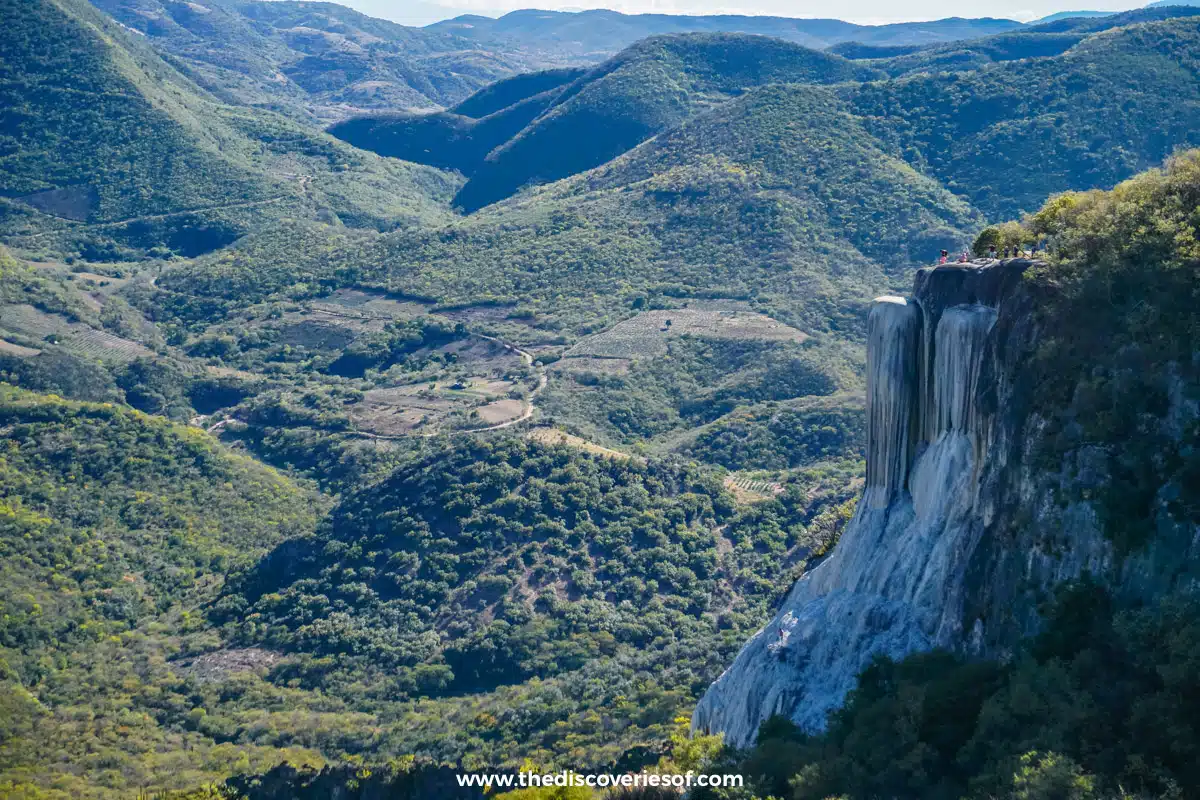
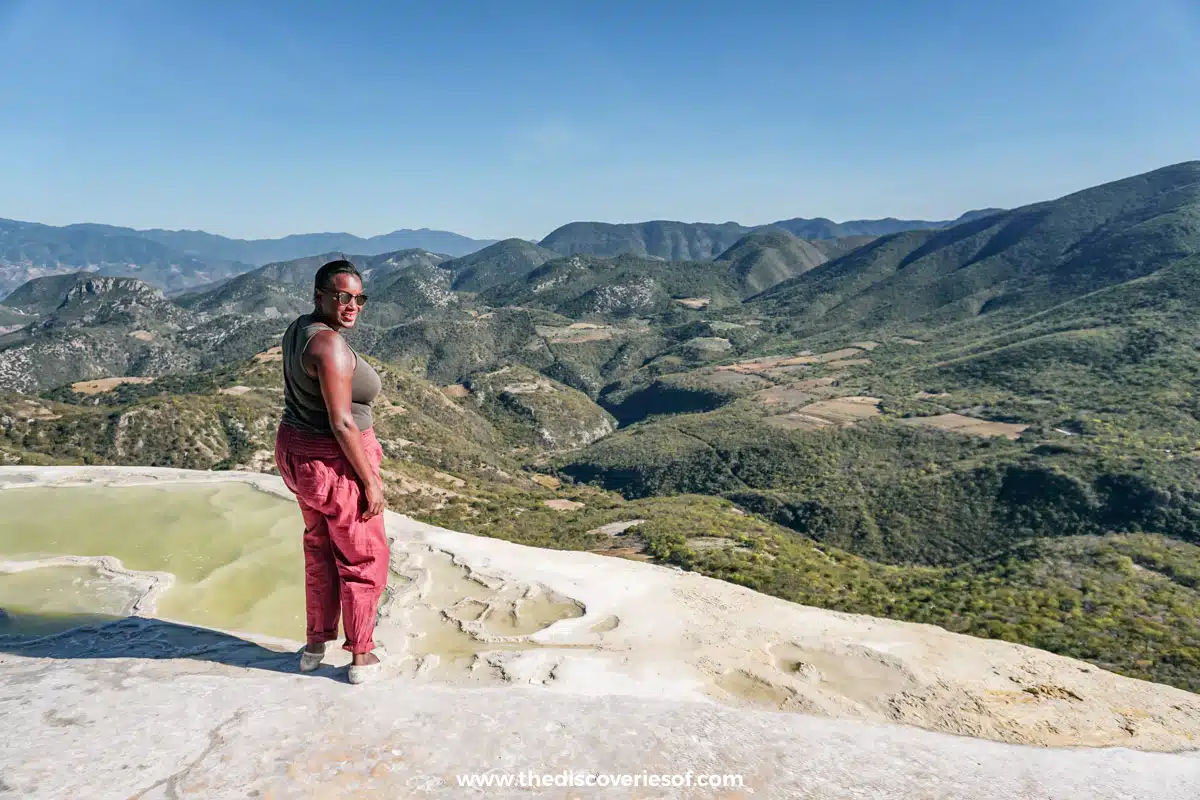
Hierve el Agua is a natural wonder and easily one of the most beautiful places in Oaxaca. Located 70 kilometres outside of the city, translated, the name means ‘the water boils’.’ But despite its name, there is no boiling water in the pools at the top of the falls.
What makes these waterfalls special is that they are petrified. The water here is extraordinarily rich in calcium carbonate and other minerals. When it flows over the cliff edge and meets the air, it calcifies on contact, depositing layer upon layer of mineral sediment over thousands of years until solid stone formations have built up on the cliff face, creating the appearance of a frozen waterfall.
The mineral pools above the falls shift between blue and lime green depending on the light and the concentration of minerals, an effect that is genuinely surreal when you are standing in front of it. There are also hiking trails beyond the main pools that lead to more secluded areas including natural caves, and panoramic views across the entire valley.
Practical information:
- Entry fee: Around 50 MXN per person for the main site, plus small community access fees collected at checkpoints on the road in (around 20 MXN per person in total).
- Parking costs around 80 MXN. Bring cash. There are no ATMs here.
- Opening hours: Opens at 7am.
- Getting there: Easiest by rental car or organised tour from Oaxaca city. It is also possible by bus to Mitla (around 35 MXN per person, roughly one hour) followed by a colectivo to Hierve el Agua (around 75 MXN per person each way), though timings can be unpredictable and you may need to wait for the vehicle to fill.
Top Tip
The best time of day to visit these falls is when the park opens at 7 am (tourists typically arrive at noon).
Day Trip to Monte Albán Archaeological Site
onte Albán is not simply one of the best day trips from Oaxaca. It is one of the most significant archaeological sites in the entire Americas, and it deserves considerably more than a passing mention.
The ancient city was the capital of the Zapotec civilisation for nearly 1,000 years, founded around 500 BCE by the cloud people, as the Zapotecs called themselves. What is remarkable is the sheer engineering ambition of the project. The Zapotecs levelled an entire mountaintop 400 metres above the valley floor — not because they had to, but because they chose a site that was politically neutral (it belonged to no single valley community), strategically defensible, and cosmically significant. The resulting city eventually housed around 25,000 people and served as the political, ceremonial and economic centre of a civilisation that dominated southern Mexico for centuries.
The city was a contemporary of Teotihuacán in central Mexico, and evidence of connections between the two has been found in the style of buildings, ceramics and murals discovered here. Monte Albán later came under Mixtec influence, and it was in a Mixtec tomb (Tomb 7) that archaeologists in 1932 found the extraordinary treasure now on display at the Museum of Cultures of Oaxaca. The site was eventually abandoned around 700 CE, for reasons that are still debated, and the Zapotec civilisation dispersed into the surrounding valleys.
Standing on the North Platform looking out over the valleys in every direction, mountains on the horizon and Oaxaca city visible far below, is one of the most beautiful panoramas in the state. The scale of the main plaza, the mystery of the carved glyphs, and the tombs that tunnel beneath the surface all combine to create a place that feels genuinely extraordinary. Get a guide if you can. Even a basic understanding of what you are looking at transforms the experience completely.
I recommend that you participate in a guided tour of Monte Albán to focus on the most important sights. Going at 8am when it opens means you have the place largely to yourself before the tour groups arrive around noon.
Practical information:
- Opening hours: Daily 8am to 5pm, last entry 4pm.
- Entry fee: 210 MXN per person, which includes the on-site museum. Children under 13 enter free. Seniors, students, teachers and visitors with disabilities also enter free with valid ID. Mexican nationals receive a 50% discount.
- Getting there: The official tourist shuttle (autobuses turísticos) runs from near the Mercado 20 de Noviembre and is the easiest option. Taxis and Ubers also make the trip. There is a walking trail from the city but it is mostly uphill, there is very little shade, and there have been reports of robberies along the route in recent years. Skip it.
- Time needed: Allow 2 to 3 hours for the site and museum.
Practical Tips for Your Trip
Where to Stay in Oaxaca?
I recommend staying in the Santo Domingo area of the city. It’s near all the sightseeing spots, bars and restaurants in the area.
Getting to Oaxaca
By plane: The fastest option from Mexico City, with flights taking around 1 hour 15 minutes into Oaxaca’s Xoxocotlán International Airport (OAX), which is just 11km from the city centre. Domestic carriers including Aeromexico, Volaris and Viva Aerobus operate this route regularly.
By bus: ADO operates comfortable long-distance buses from Mexico City’s TAPO station directly to Oaxaca. The journey takes around 7 hours and tickets start from around 700 MXN. Book the ADO GL or Platino class for an overnight bus and you will arrive rested and save a night’s accommodation.
By car: Worth considering if Oaxaca is part of a broader road trip through southern Mexico. The drive from Mexico City takes around 5 hours via the MEX-135D toll road, and the freedom to stop along the way makes it worthwhile. We came through on a road trip and would not have done it any other way.
Take a Sneak Peek at My YouTube Video on Oaxaca!
Map
Read More Mexico Travel Guides
- Mexico Travel Guide
- The Ultimate Mexico Travel Itinerary
- Cool Things to do in Merida
- Things to do in Mexico City
- The Best Time to Visit Mexico
Love This? Save and Share on Pinterest


Discover the top things to do, insider tips and hidden gems in our Mexico Travel Guide.
Read the guides →Related Posts

38 Brilliant Things to do in Mexico: Adventures, Activities and Culture You Won’t Forget
Welcome to the vibrant, sun-kissed world of Mexico, where every adventure is a fiesta. Ready to discover the best things to do in Mexico? Take…
34 Famous Landmarks in Mexico
Discover the most famous landmarks in Mexico – from ancient Mayan ruins to expansive canyons and colonial-era cities, there’s plenty to explore. Are you planning…

Everything I Got Wrong About Mezcal Until I Drank My Way Across Oaxaca
No, it’s not just smoky tequila. A first-hand journey through Oaxaca’s mezcal country: the city bars, the World Capital of Mezcal, and what nobody tells you.

3 Days in Mexico City: The Perfect Mexico City Itinerary
Making travel plans for a quick trip to Mexico City? My 3-day Mexico City itinerary is perfect to help you fit in everything you can…