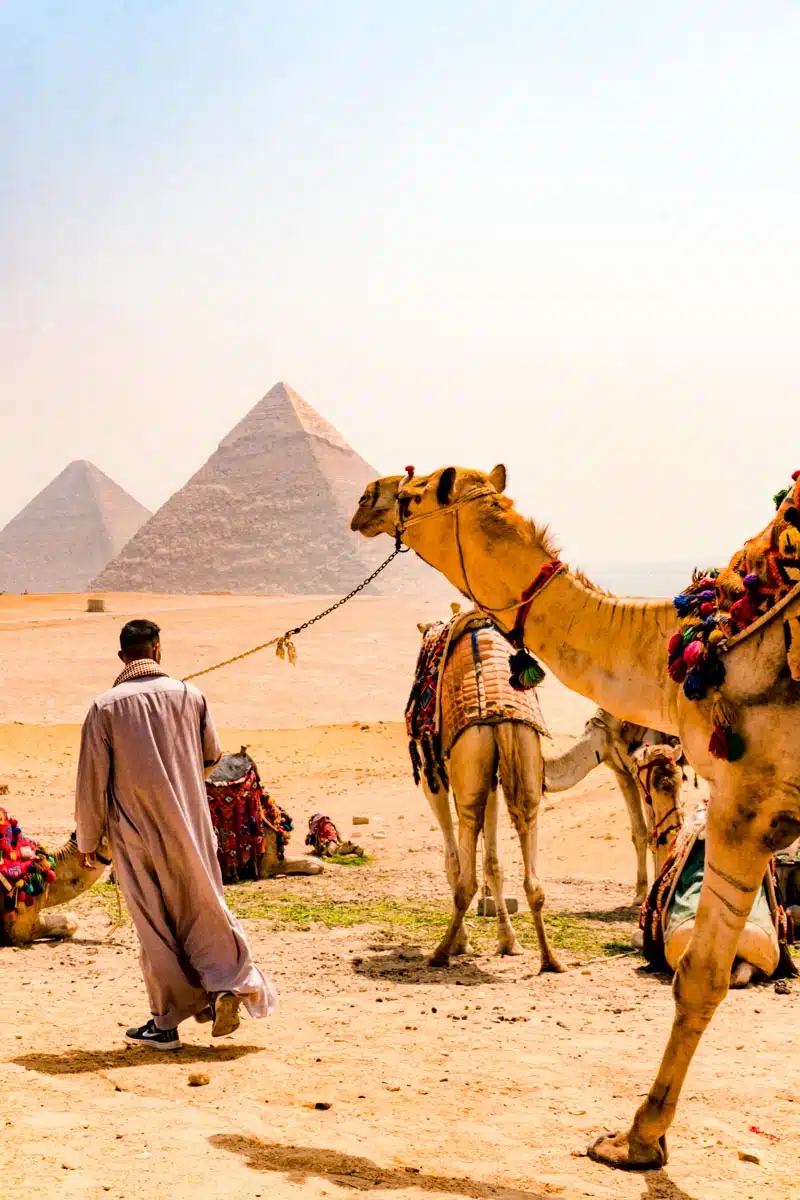
Making travel plans for a quick trip to Mexico City? My 3-day Mexico City itinerary is perfect to help you fit in everything you can in this eclectic metropolis.
Mexico’s capital city is having a moment – OK, it’s been having a moment for some time now. Gone are the days when holidaymakers passed though CDMX as an afterthought.
Frankly, it’s no surprise. Mexico City has always boasted incredible things to do dining options, hotels and hidden surprises. A place that’s constantly evolving, it boasts a rich history and cultural traditions that enchant locals and visitors alike.
So for a place with so much to do, too many fantastic restaurants to name and more museums than most cities, it might seem difficult to pack everything in over 3 days. You know what? I’ll be honest, you won’t. But I’ve visited plenty of times and can tell you, whatever you do, you’ll have an incredible time. And having a plan can help you manage your time in this sprawling urban centre – I took care of that for you.
Ready to lock in on the perfect 3-day itinerary in Mexico City?
Mexico City Itinerary Day 1: Parks, Museums & Fine Dining
Many of the most popular destinations are extremely busy on weekends, so if you arrive on a weekday, I recommend starting your trip off with the most quintessential activities in and around CDMX.
Wake Up With a Cup of Coffee in La Condesa
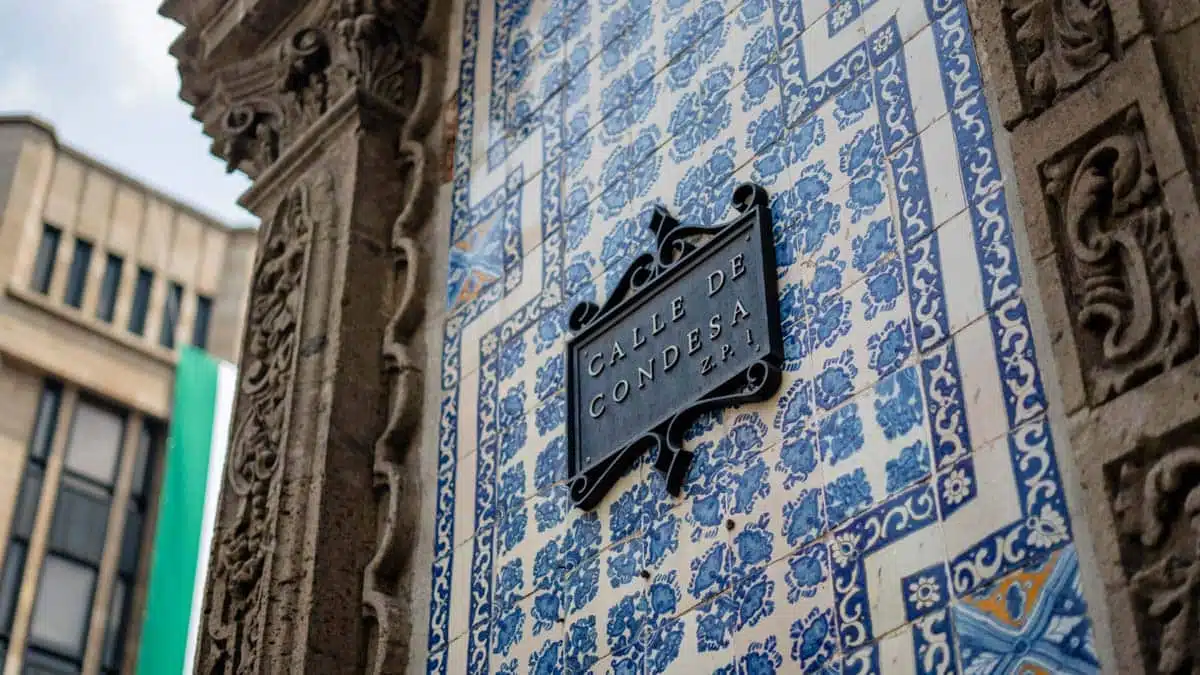
La Condesa is an impossibly charming neighbourhood in Mexico City filled with beautiful streets featuring ornately decorated mansions, boutique stores and incredible cafes. Naming one coffee shop you need to try is like telling you I have a favourite movie; it won’t happen.
Whether you want breakfast and a cappuccino at the small local chain Blend Station (order the in-house baked goods) or prefer a smaller spot closer to the park (Anvil Café de Especialidad is a popular haunt) you’re in good hands. The baristas at many of the best coffee shops in Mexico City show their skills around La Condesa.
Walk Around Chapultepec Park
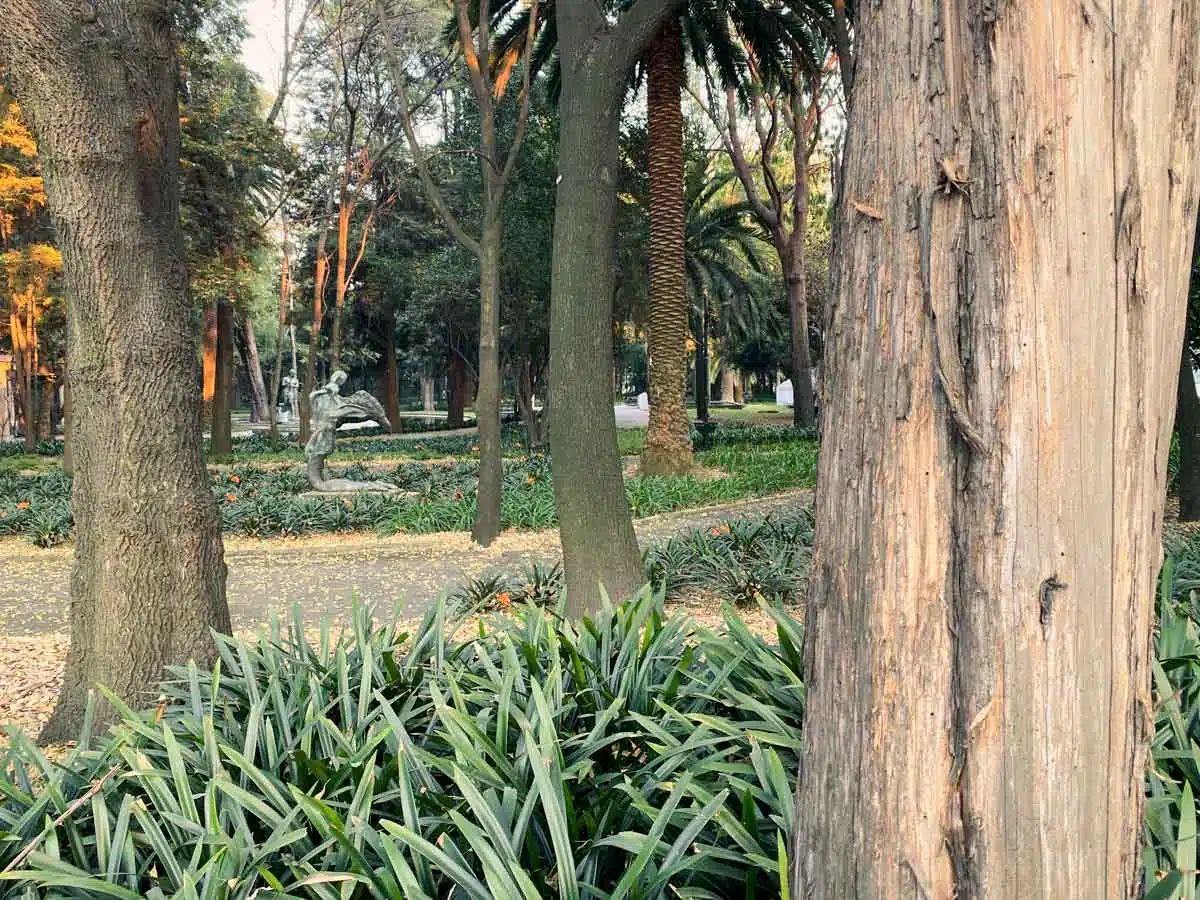
Once you have some breakfast (and too much coffee) in your system, it’s time to head to the park.
Chapultepec Park, or the “lungs of the city” as locals call it, whose name derives from the Nahuatl for “Hill of the Grasshopper”, is a massive urban park of around 2,100 acres, more than twice the size of Central Park in New York.
It has been a place of significance since long before Mexico City existed: the Aztecs considered it sacred, built royal palaces and botanical gardens here, and buried their emperors within its grounds. The Spanish recognised its value too, and it has served as a retreat, a military academy and a presidential residence at various points in its history. Today it is simply one of the great urban parks of the Americas.
Top Tip
Before heading to the main attractions, wander around, get familiar with the park, and grab lunch at the lakeside Lago Algo restaurant.
Hike up to Chapultepec Castle
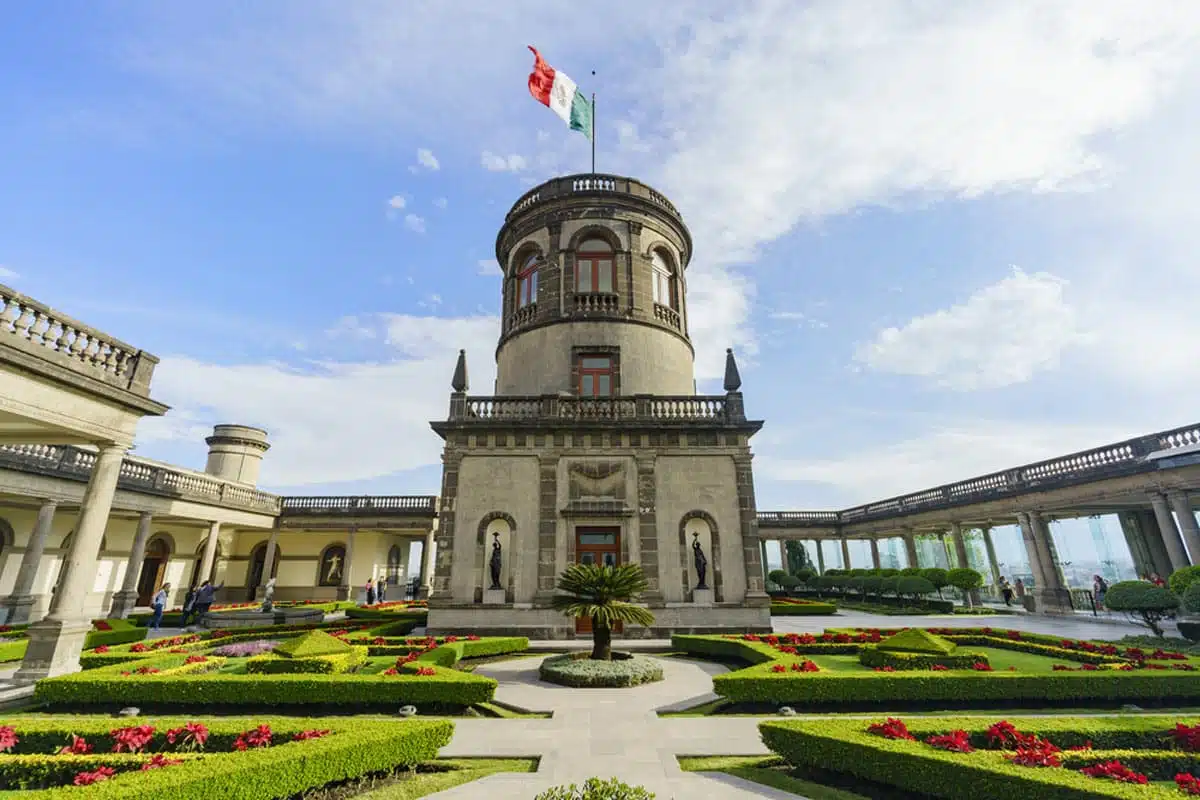
Walking the long, winding road up to Chapultepec Castle, you can’t help but feel transported in time. Construction began in 1785 as a summer retreat for the Spanish Viceroy, and the building went on to serve as a military academy before Emperor Maximilian I and Empress Carlota transformed it into their imperial residence in the 1860s, adding European-style gardens, terraces and ornate interiors under the influence of French and Austrian design.
After the collapse of Maximilian’s short-lived empire and his execution in 1867, the castle became the official residence of Mexican presidents, a role it held until 1939 when President Lázaro Cárdenas converted it into the National Museum of History that occupies it today.
The former home of Maximilian I and Empress Carlota is a stunning building inside and out, with gorgeous artwork on two different levels. Take an hour to walk the property, and be sure to head to the balcony at the back for views over the park and city below.
Top Tip
Don’t miss the stunning murals from David Alfaro Siqueiros, Jorge González Camarena and others inside.
Museo Jumex and Museo Soumaya
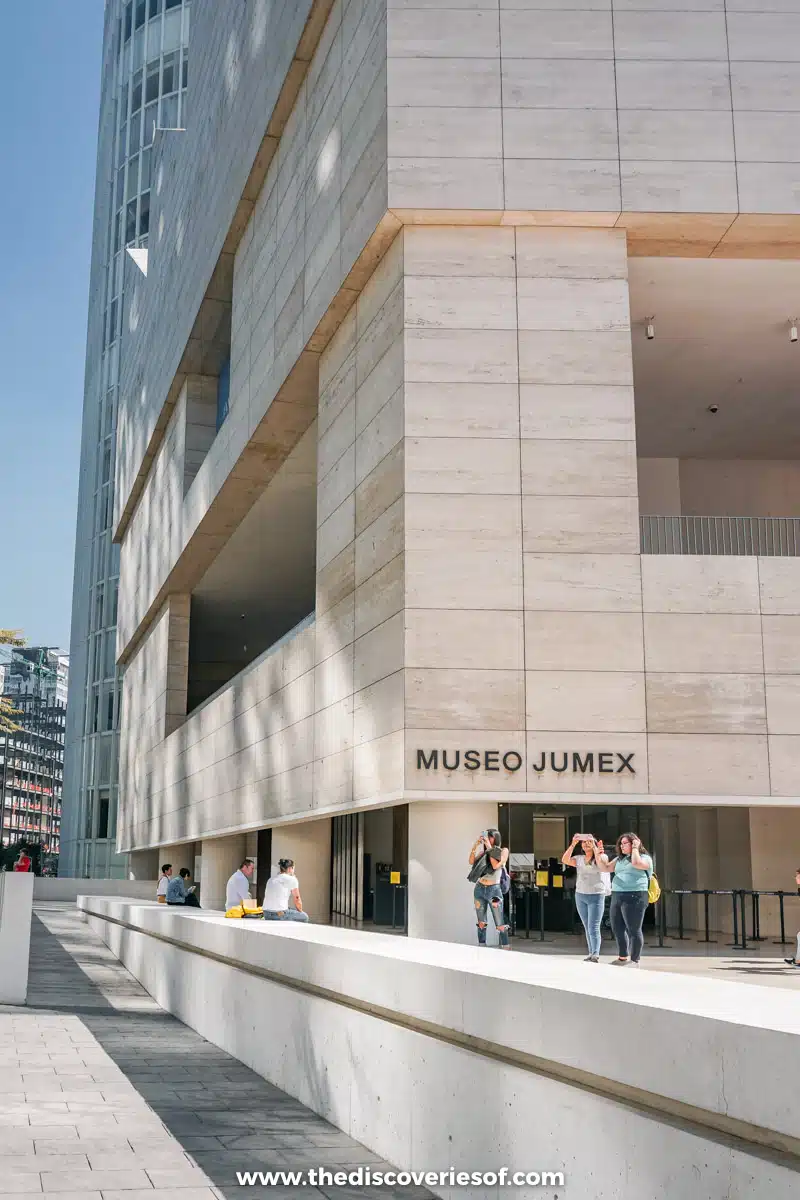
Next up is a little museum duo you do not want to miss: Museo Jumex and Soumaya.
Start by visiting Museo Jumex, one of the newest and largest contemporary art museums in the city. Designed by architect David Chipperfield, the white-concrete cube is as abstract as the art inside – by the likes of Andy Warhol, Martin Kippenberger and Damien Hirst.
Once you’ve finished at Museo Jumex, head across the square to the building tiled with thousands of silver hexagons: Museo Soumaya. With over 66,000 pieces in its collection including pieces by Diego Rivera, Rufino Tamayo, Matisse, Degas, prepare to spend longer than you planned. Entry to the Soumaya is free, which makes it one of the better deals in the city.
Museo Nacional de Antropología
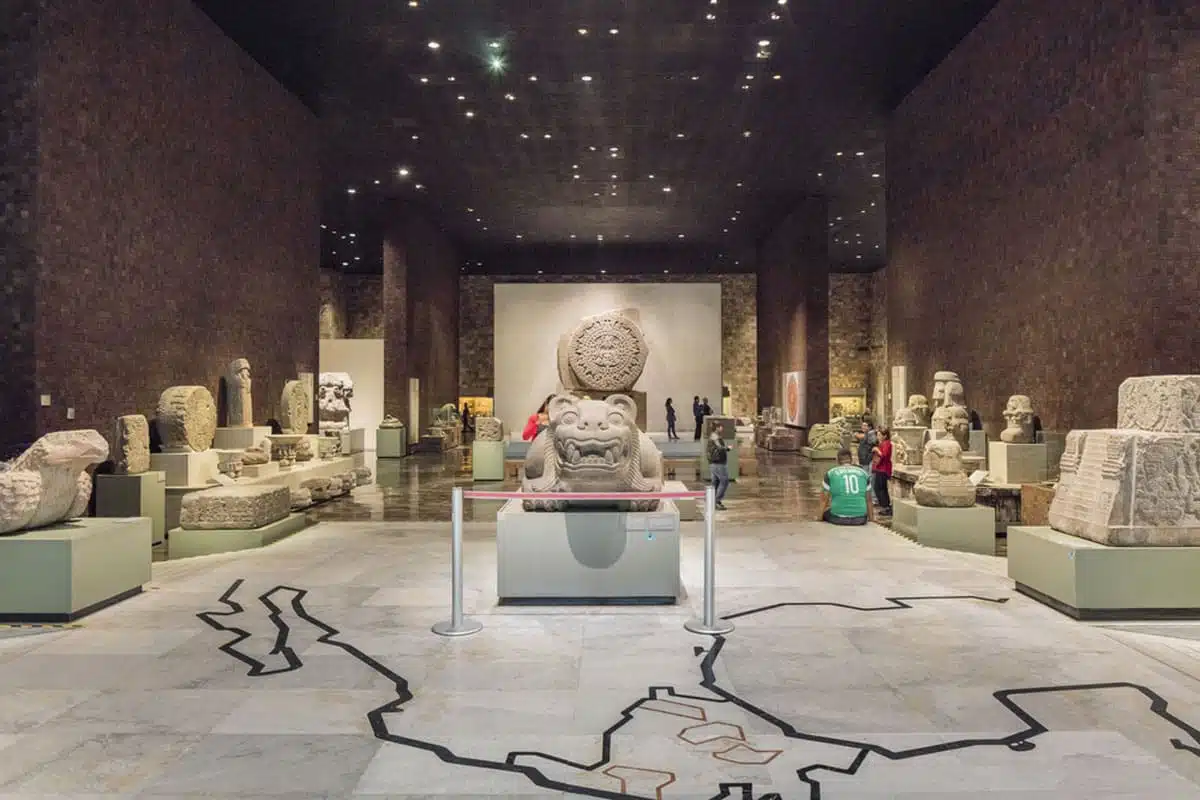
The Anthropology Museum in Mexico City is one of the best and is home to a staggering 23 exhibits with millions of archaeological and ethnological artefacts.
Prepare to explore the museum for at least a couple of hours. But take my advice and plan ahead by deciding which rooms you don’t want to miss before you head out to dinner after a long day of sightseeing.
Dine at Pujol

By now, you’re hungry. And there’s one place you cannot miss: Pujol. Traditional Mexican food meets fine dining at this celebrated spot, originally founded by chef Enrique Olvera, with Jesús Durón now leading the kitchen. The menu changes seasonally, but the signature Mole Madre, Mole Nuevo is always available: a perfect circle of fresh mole surrounded by a larger ring of mole aged for over 1,300 days, accompanied by a basket of warm tortillas. There is nowhere better to eat in Mexico City.
Read Next
Check out my video of visiting Pujol – and prepare to feel ridiculous food envy.
Mexico City Itinerary Day 2: Markets, Murals and the Historic Centre
OK, it’s day 2 – what does that mean? You’ll want to wake up early, shake off last night’s mezcal tasting or fabulously extravagant dinner at Pujol, and get ready to see some more Mexico City landmarks along with sampling some street tacos and quesadillas.
Shop With Foodies and Chefs at Mercado de San Juan
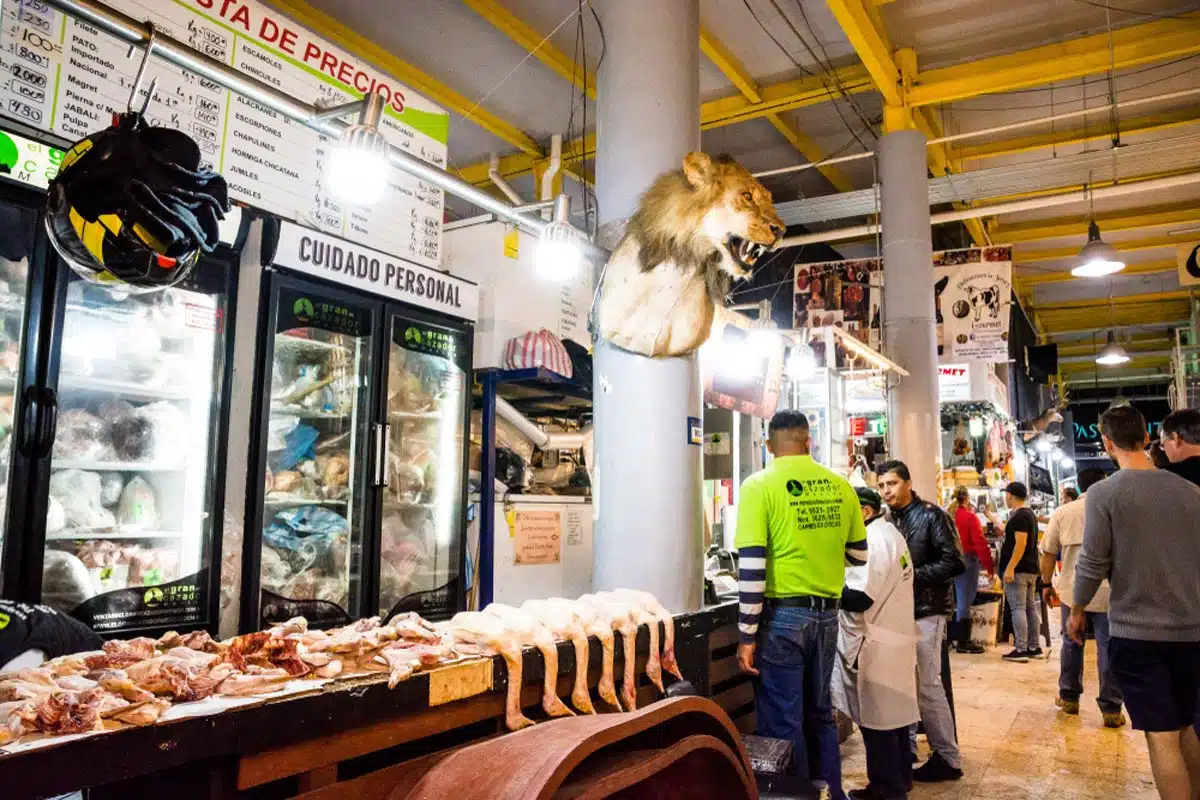
Opening at 7am, Mercado de San Juan is an absolute gem of a market for serious chefs and amateur cooks alike.
Whether you want to sample some exotic proteins (stingray anyone?), bring some fruits and veggies back to your vacation rental, or just people-watch, this market is a fascinating way to begin your day.
Try a Decadent Treat at Churrería El Moro
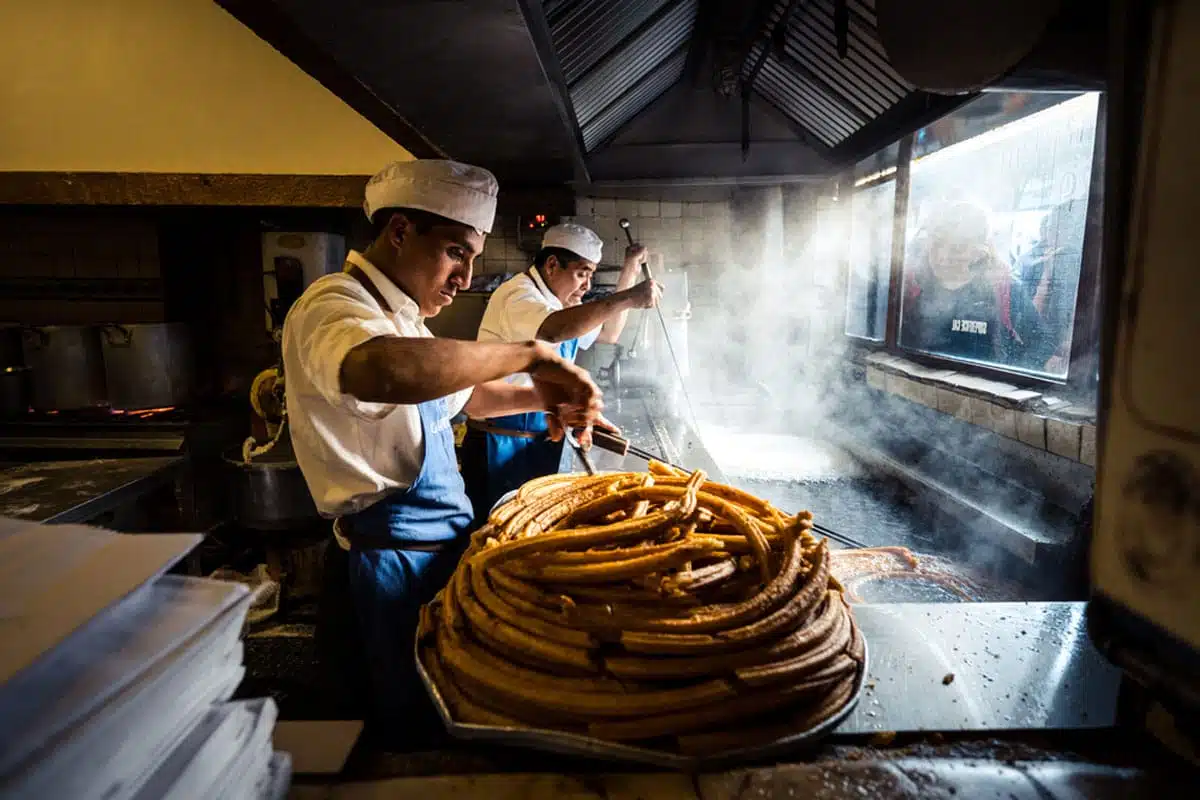
Mexico City is a place where you’ll quickly consume more calories than you can count, with delicious food options on every corner. Churrería El Moro is no exception, and they’ve been slinging metre-long spirals of deep-fried dough dusted in cinnamon and sugar for nearly 90 years.
Order a bag of churros big enough for a small family, and try one of the half-dozen or so hot chocolates on the menu. The Centro Histórico location is the original and the most convenient for a day spent exploring the city’s museums and landmarks.
Top Tip
This is also a fantastic way to wind down your evening after dinner, and the Centro Historico store is open 24 hours a day.
See the Murals at Museo Mural Diego Rivera
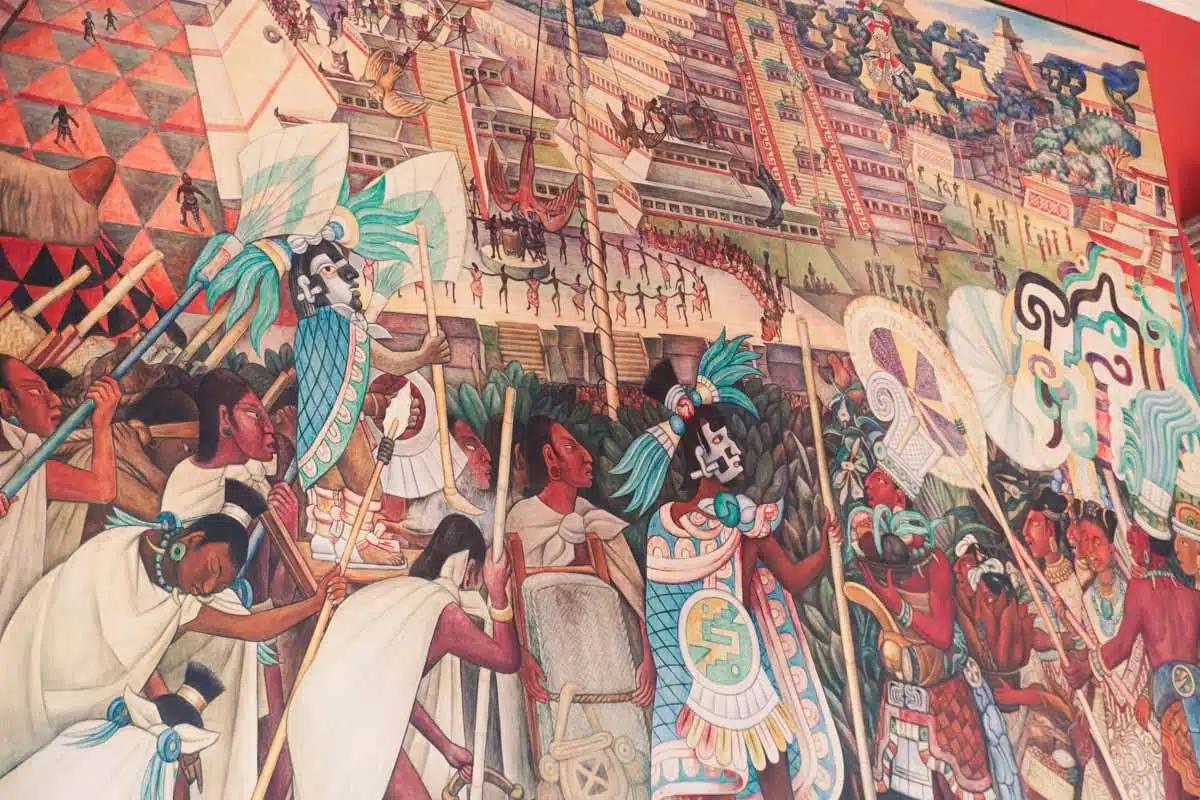
Frida Kahlo is probably the most famous artist in Mexico, but her long-time partner Diego Rivera is a very close second. Stop by the Museo Mural Diego Rivera museum early (it opens at 10 am) and see one of his most famous works, Dream of a Sunday Afternoon, in the Alameda Central. It is a sprawling, satirical panorama of Mexican history stretching from the colonial period to the 20th century, populated by hundreds of historical figures, and it is one of the most important works of public art in the country.
Palacio de Bellas Artes
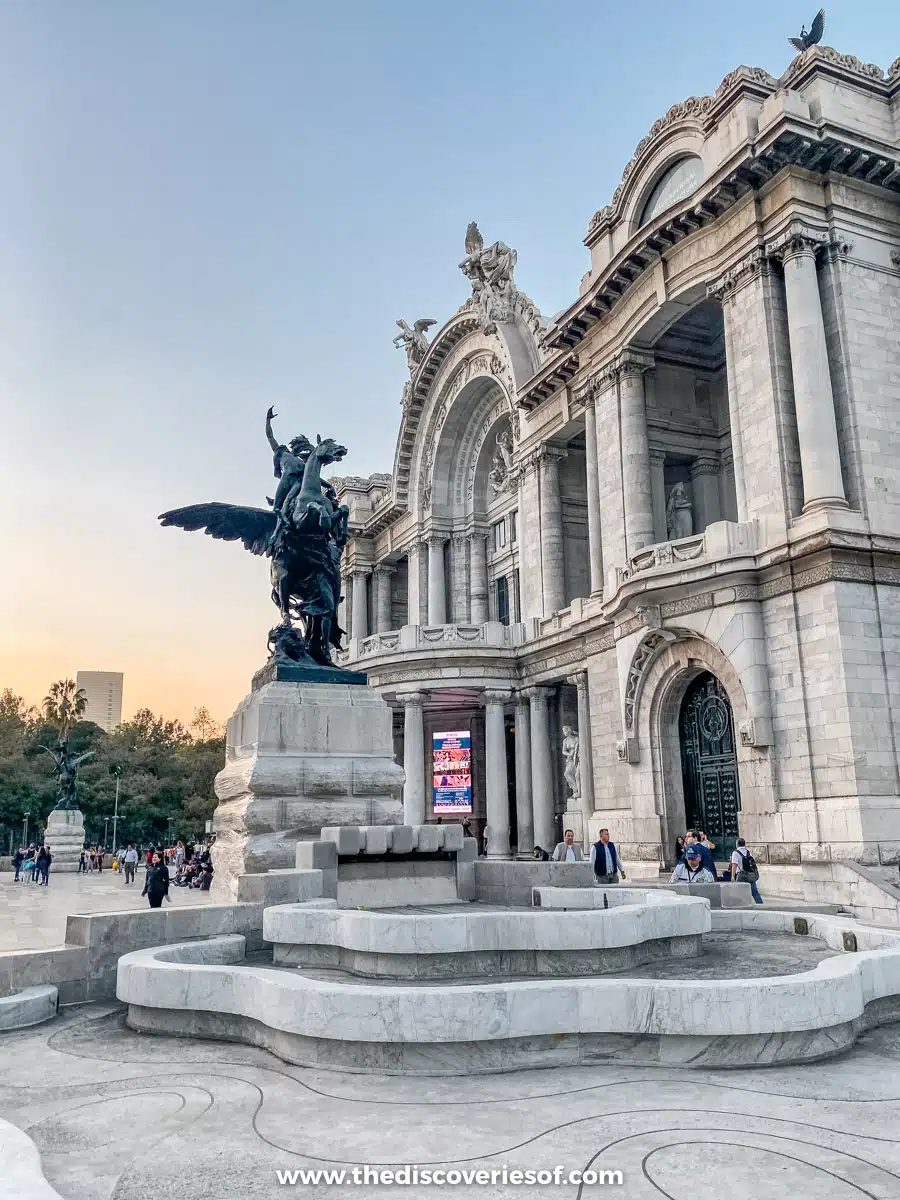
Head to the Palacio de Bellas Artes around 11am. This is my favourite spot in Mexico City: a building of extraordinary architectural ambition that took nearly three decades to complete after construction began in 1904.
The Art Nouveau exterior and Art Deco interior together create something genuinely unlike anything else in the city. Home to some of the most important events in CDMX, you can admire anything from opera to book readings in the stunning 100-year-old palace, or simply explore the murals inside by David Alfaro Siqueiros, Diego Rivera and others.
Explore Plaza del Zócalo and the Centro Historico
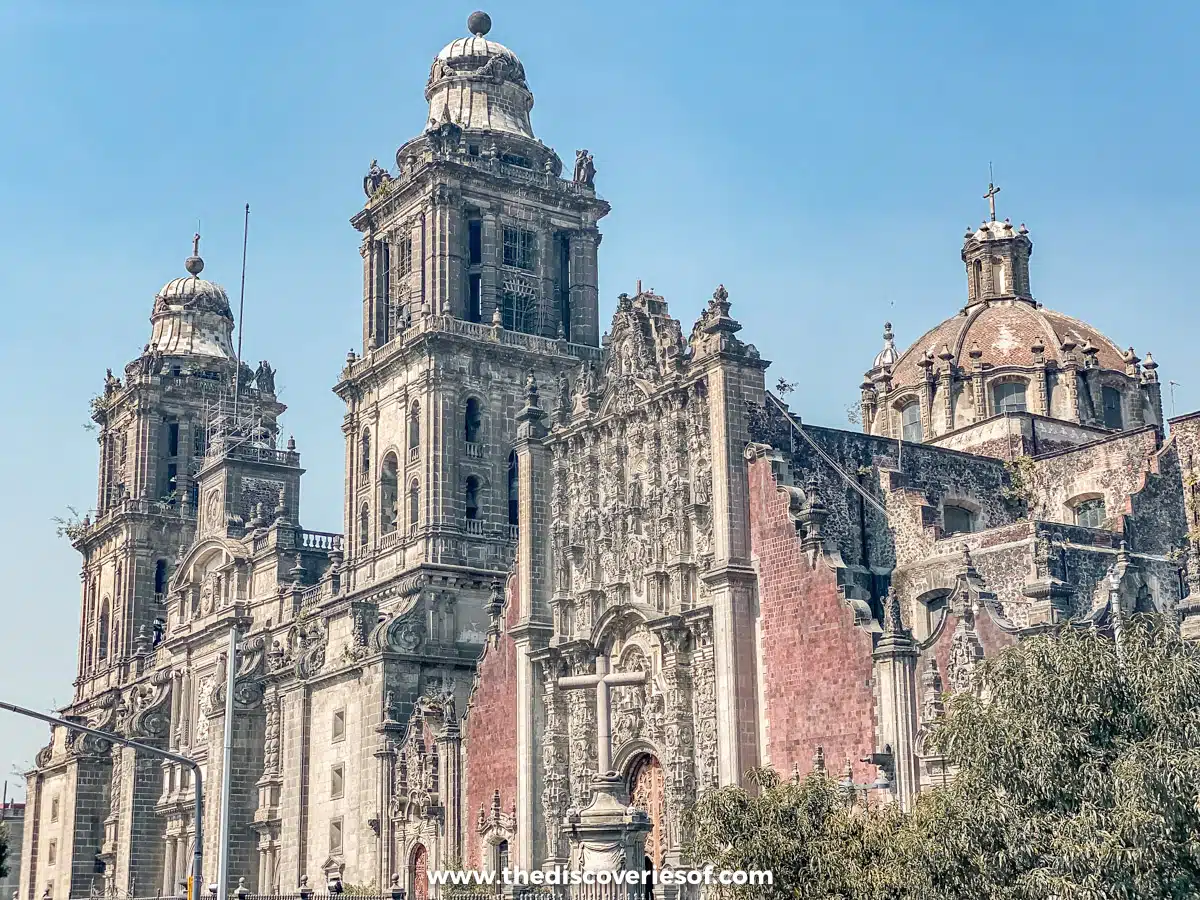
At 220 by 240 metres, the Plaza del Zócalo is one of the largest public squares in the world, and it is packed with some of the city’s most storied architecture and history. Built on the ceremonial heart of the Aztec capital Tenochtitlán (which the Spanish demolished in 1521 and built their colonial city directly on top of) the square is flanked by the Metropolitan Cathedral and the Palacio Nacional, the twin symbols of church and state authority in New Spain.
You can cover several of the top sites in a few hours from here. The Metropolitan Cathedral, one of the oldest and largest religious buildings in the western hemisphere, is worth going inside for the ultra-Baroque Altar of the Kings alone. The Palacio Nacional houses Diego Rivera’s extraordinary Mexico Through the Centuries murals: nine panels covering over 450 square metres of wall along the main staircase, depicting Mexican history from the Aztec era to the Revolution. Entry is free.
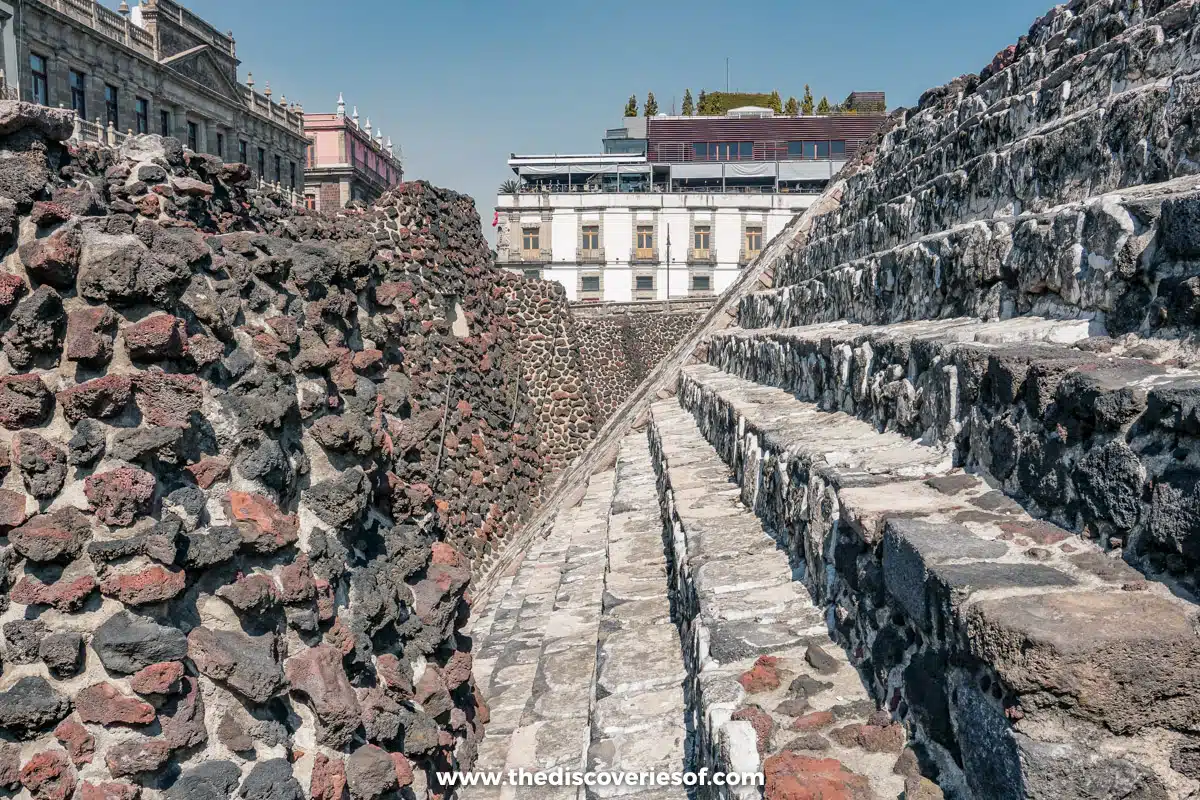
Templo Mayor is the most fascinating of all the landmarks nearby. The ruins of the most sacred temple of the Aztec Empire sit right in the Centro Histórico, rediscovered in 1978 when electrical workers struck an enormous carved stone disc depicting the goddess Coyolxauhqui. Excavations that began the following year continue to this day, and the on-site museum houses many of the extraordinary artefacts unearthed during those decades of work.

For lunch, don’t miss street tacos at Los Cocuyos. You might think you’ve had tacos before, but this small taqueria, which has been in the same spot for over 50 years, will have you revising everything you thought you knew. The longaniza sausage tacos are exceptional. There will be a queue. It is absolutely worth it.
For dinner, Café de Tacuba is a classic Centro Histórico option with live Mariachi. Or head up to Torre Latinoamericana and dine at Miralto on the 40th floor with views across the entire city, and surprisingly good food at altitude.
Mexico City Itinerary Day 3: Day Trip and the Canals
I like to save a day trip for the final morning of an itinerary for Mexico City. You’ve explored many of the famous landmarks and eaten your way through the city, so now it’s time to see what’s nearby. You can head out to Teotihuacán (which I wholeheartedly recommend) or stay within Mexico City’s limits – in this case, we’re doing both.
Visit Teotihuacán
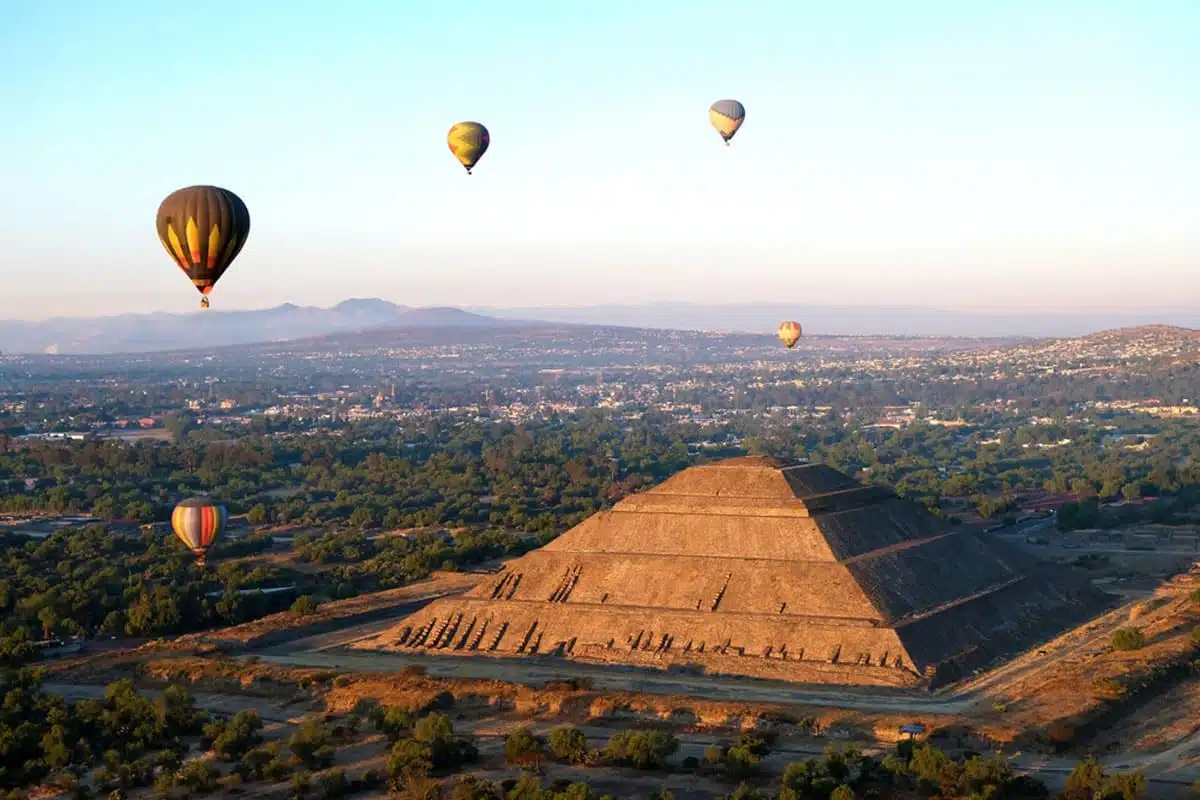
Rise early. Teotihuacán is around 50 kilometres northeast of the city and one of the most significant archaeological sites in the world. It is a common misconception that it was an Aztec city: in fact, it predates the Aztec Empire by many centuries, founded as early as 400 BCE and reaching its peak between 400 and 500 CE, when it was home to an estimated 125,000 to 200,000 people.
The builders remain unknown: it was the Aztecs who gave it the name Teotihuacán, meaning “the place where the gods were created,” when they discovered it already abandoned centuries later.
Walk the entire complex if you can. The can’t-miss attractions are the Temple of Quetzalcóatl, the Avenue of the Dead and the Pyramids of the Sun and Moon. The Pyramid of the Sun alone stands over 65 metres high with a base wider than 220 metres on each side. Get here early: by midday, there is almost no shade and the heat is punishing.
Top Tip
Grab a tamale before you enter the gates if vendors are outside, it’s one of your only chances to eat, and they’re delicious
Take a Xochimilco Boat Tour
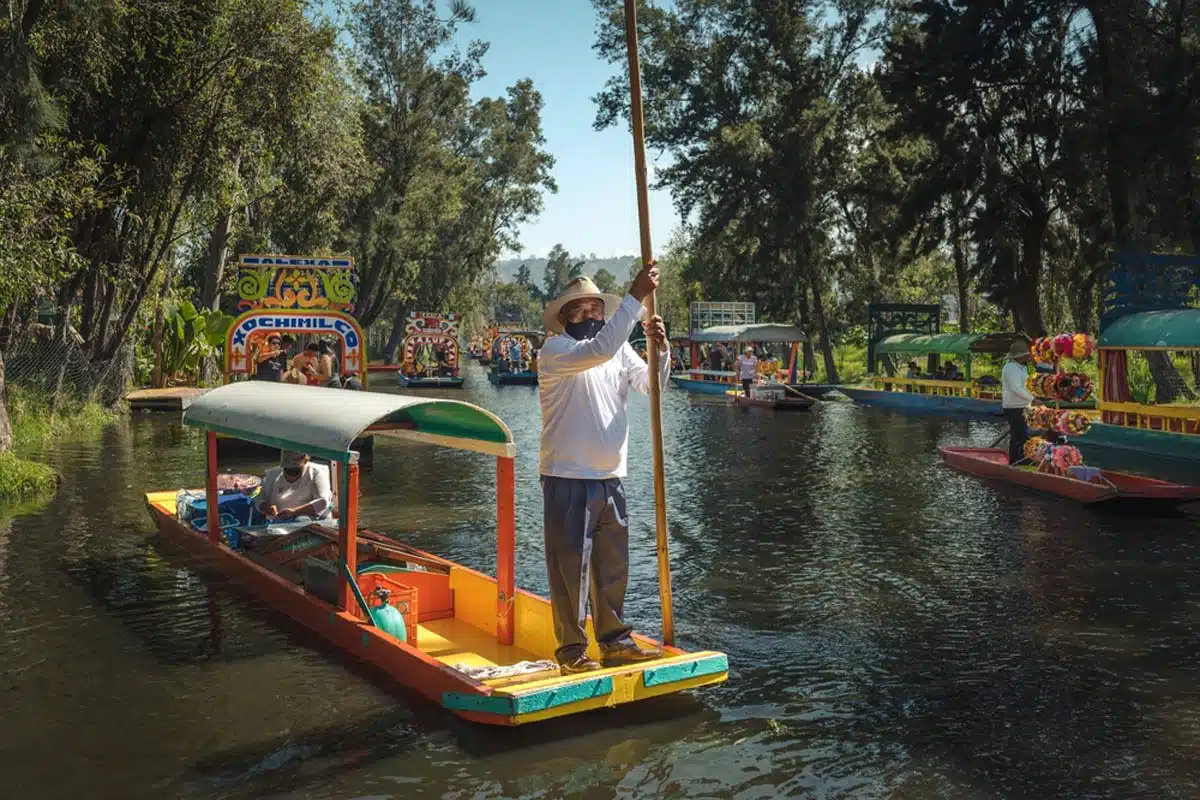
From Teotihuacán, head to Xochimilco: a UNESCO World Heritage Site and the last surviving remnant of the ancient Aztec canal and chinampa system that once fed the entire city of Tenochtitlán. The chinampas, often called floating gardens, are actually permanent artificial islands built up from lake sediment, capable of producing up to seven harvests a year. What you are floating through when you board a trajinera is a living agricultural landscape that has been in continuous use for over 500 years.
There are generally two tour departure times, with the second starting at 3pm, which works well after a morning at Teotihuacán. Sipping tequila and having a snack while floating through ancient canals is easily one of the best experiences the city has to offer.
Enjoy a Cocktail Before Dinner
By now, you’ve had a full day. Clean up, change into your best outfit, and head to Limantour — one of the most celebrated cocktail bars in the world and a consistent fixture on the World’s 50 Best Bars list. Ask the bartenders to choose your cocktail for you. Trust the process.
Dine at Contramar
End your three days with one of the best meals in the city. Chef Gabriela Cámara and her seafood-focused Contramar have been dishing out inventive takes on Mexican seafood dishes for over 25 years. Don’t miss the butterflied snapper with bright green salsa on one half, red chile on the other. One of those dishes that stays with you long after you’ve left.
Quick Info for Your Trip to Mexico City
- Time Zone: Central Standard Time (CST)
- Currency: Mexican Peso (MXN)
- Plugs: Type A and B
- Nearest Airport: Mexico City International Airport (MEX), also known as Benito Juárez International Airport. Note that Mexico City also has a second airport, Felipe Ángeles International Airport (NLU), around 50km northeast of the city centre: double-check which airport your flight uses before you arrive.
- 5 Must-See Spots: Templo Mayor, Palacio de Bellas Artes, Museo Nacional de Antropología, Castillo de Chapultepec, Frida Kahlo Museum.
- Top Tip: Plan out your can’t-miss activities before you go. Mexico City is sprawling, and many destinations are far apart, so knowing your priorities helps enormously.
What to Pack
Because of its altitude: the city sits at 2,239 metres above sea level, the weather in Mexico City is warm but not hot nearly year-round. You will get rain during the summer, and the occasional grab-your-belongings-and-run-to-the-nearest-storefront thunderstorm. But overall, it’s usually delightful.
Here’s what to pack:
- Comfortable walking shoes — you will cover significant ground each day
- A lightweight jacket for evenings, which can be surprisingly cool at altitude
- Plenty of layers if you plan to be out all day and into the night
- Something smarter for dinner — you may feel underdressed in a T-shirt and shorts at the better restaurants
Getting Around
Metro and Metrobús: Mexico City has a reliable, inexpensive public transport system. Purchase an Integrated Mobility Card (Tarjeta de Movilidad Integrada) on arrival — it works on both the Metro and Metrobús and will save you time throughout your trip. At night, especially if travelling long distances or through unfamiliar neighbourhoods, stick to Uber rather than public transport.
Uber: With low fares and transparent pricing, Uber is your best bet for convenience and safety, particularly in the evenings. Download the app before you arrive.
Official taxis: An option, but you may have trouble getting drivers to use the meter — leaving you at their mercy on pricing. Unofficial taxis are a different matter entirely, with reports of robberies and express kidnappings not uncommon. Stick to Uber.
Walking: Many of the best neighbourhoods — Roma, Condesa, Polanco, Coyoacán — are highly walkable once you are in them. Save your longer cross-city walks for daylight hours.
Driving: Not recommended. Traffic in Mexico City is famously bad, parking is tricky, and you will need to navigate the Hoy no Circula laws, which prohibit certain licence plate endings from driving at specific times on specific days. Save yourself the headache.
Love This? Save and Share on Pinterest

Discover the top things to do, insider tips and hidden gems in our Mexico Travel Guide.
Read the guides →