
When is the best time to go to Mexico? Which are the best months? This comprehensive guide will answer all of your questions and help you plan the perfect trip.
When to Visit Mexico: At a Glance
If you want the headline: November is the single best month to visit most of Mexico. The hurricane and rainy season has just ended, the southern jungles are lush and green, humidity has dropped, the weather is warm but comfortable, and the December crowds and high-season prices haven’t yet arrived. As a bonus, the extraordinary Day of the Dead celebrations spill into the first days of the month.
That said, Mexico is vast, and the genuine best time depends entirely on where you’re going and what you want to do. A whale-watching trip to Baja, a hiking trip in Copper Canyon and a beach holiday on the Caribbean coast all have different ideal windows. Below I’ve broken down specifics, both by region and month by month, so you can pinpoint the right time for your trip.
High Season vs Low Season
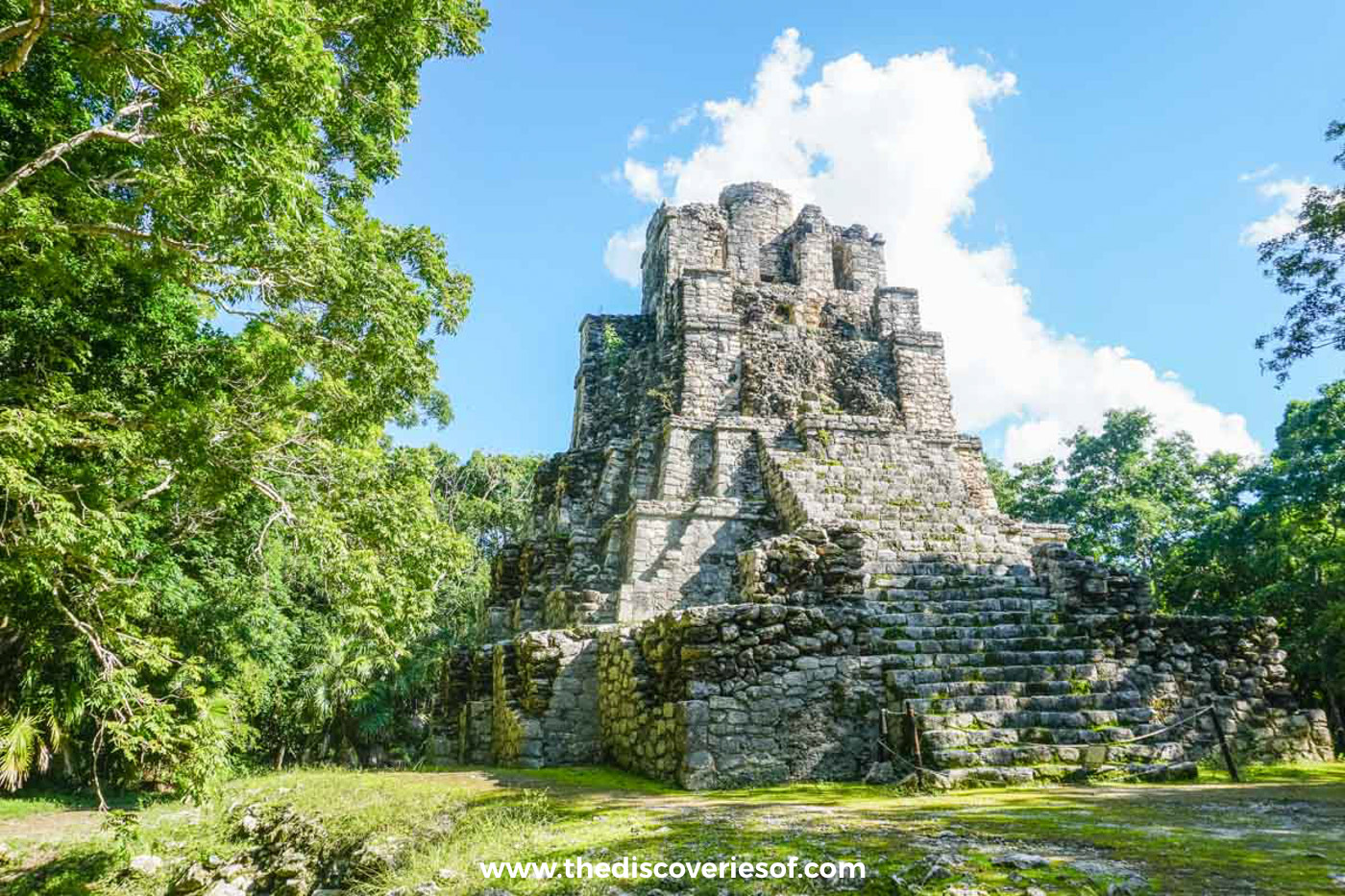
The high season in Mexico generally runs from December to April, when much of the country enjoys its driest, sunniest and most comfortable weather. It’s also the busiest and most expensive time, so expect crowded beaches and popular destinations, with prices peaking around Christmas, New Year and Easter.
The low season runs from May to November. Temperatures stay relatively warm, but you’ll find smaller crowds and far better deals on hotels and flights. The trade-off is the rainy and hurricane season across much of the south, which peaks in September. There’s also an emerging second high season in July and August, driven by European summer holidays, when coastal prices climb despite the heat and humidity.
Best Time to Visit Mexico by Region
| Region | Best Time to Visit |
| Yucatán Peninsula (Cancún, Tulum, Mérida) | December – April |
| Pacific Coast (Puerto Vallarta) | October – December |
| Mexico City | March – May, and November |
| Baja California | December – April (whales February – March) |
| Northern Mexico (Copper Canyon) | October – November |
| Oaxaca | October – November, and March – May |
| Chiapas (San Cristóbal) | November – May |
Yucatan Peninsula
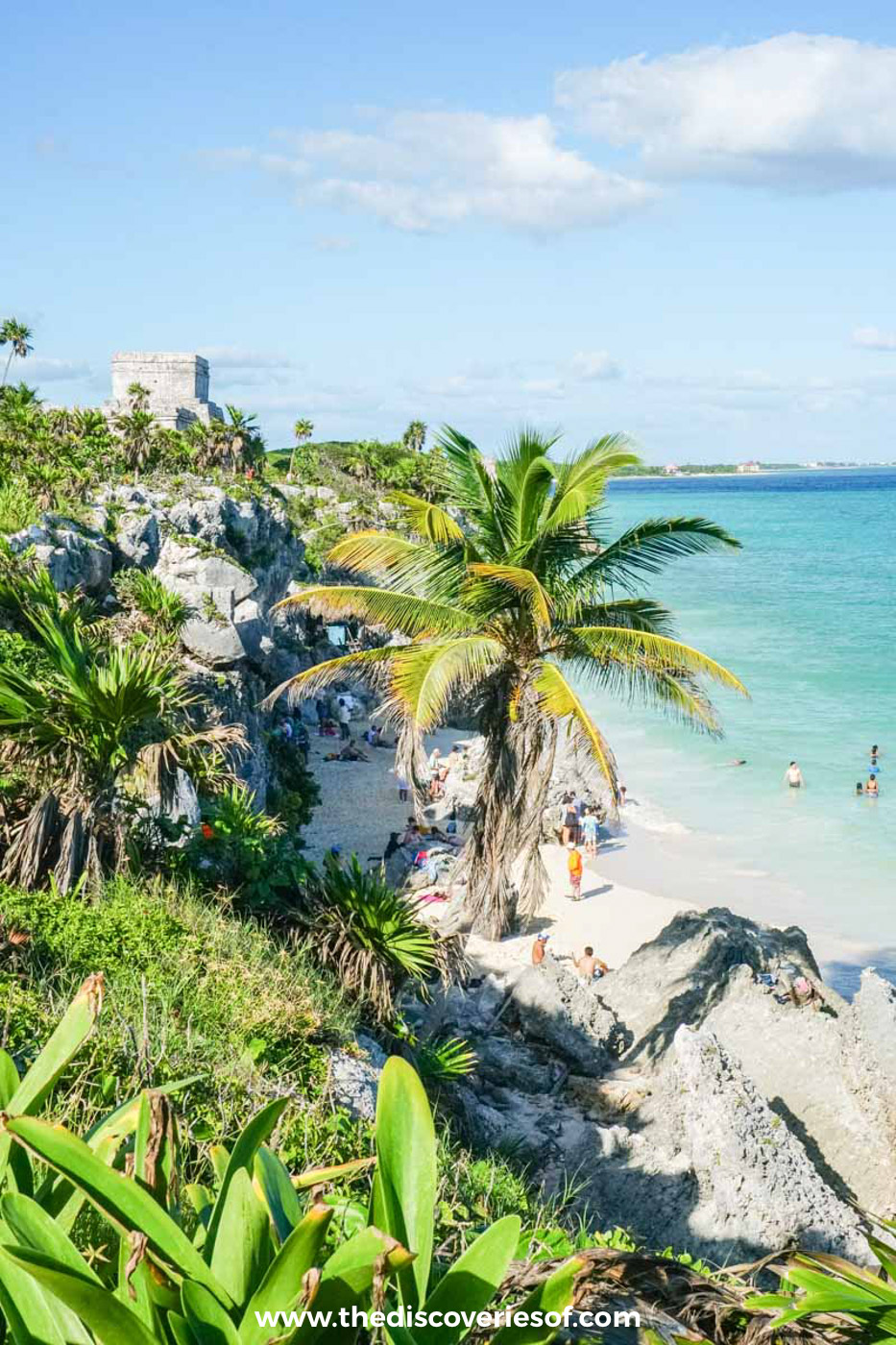
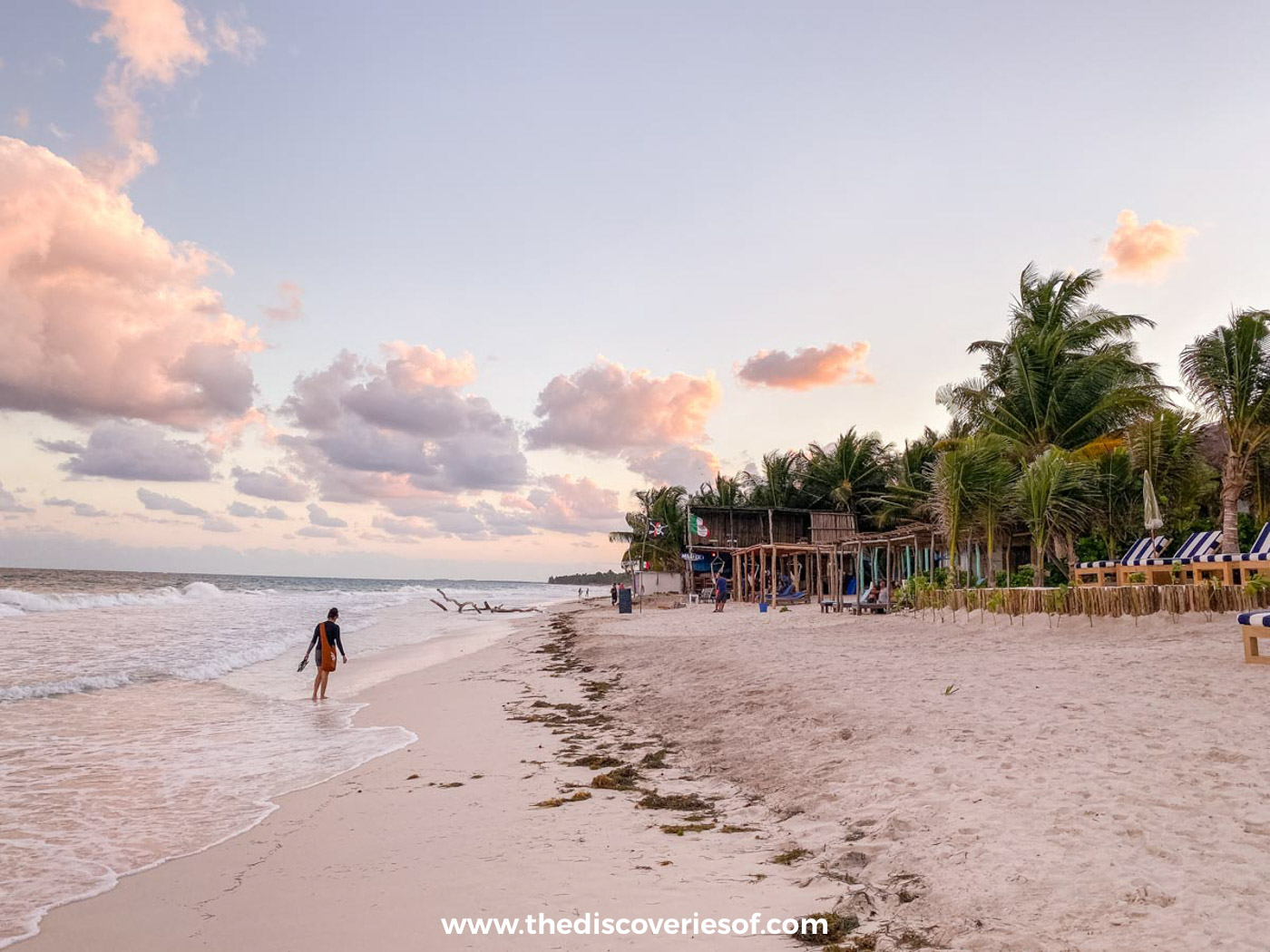
The Yucatan Peninsula has a mostly tropical climate and sees very warm and often humid temperatures all year round. The best time to visit the Yucatan area tends to be the dry winter season from December to April, when the weather is more predictable and the skies are clear.
However, from mid-February to April is also spring break time and the Riviera Maya (including Tulum) and Playa del Carmen in particular see booze-fuelled parties and high prices, making December and January the best months to visit overall.
June to October is the rainy season; July and August are extremely hot and humid, and September brings the peak of hurricane season, when days can be complete washouts.
The Pacific Coast (Puerto Vallarta)
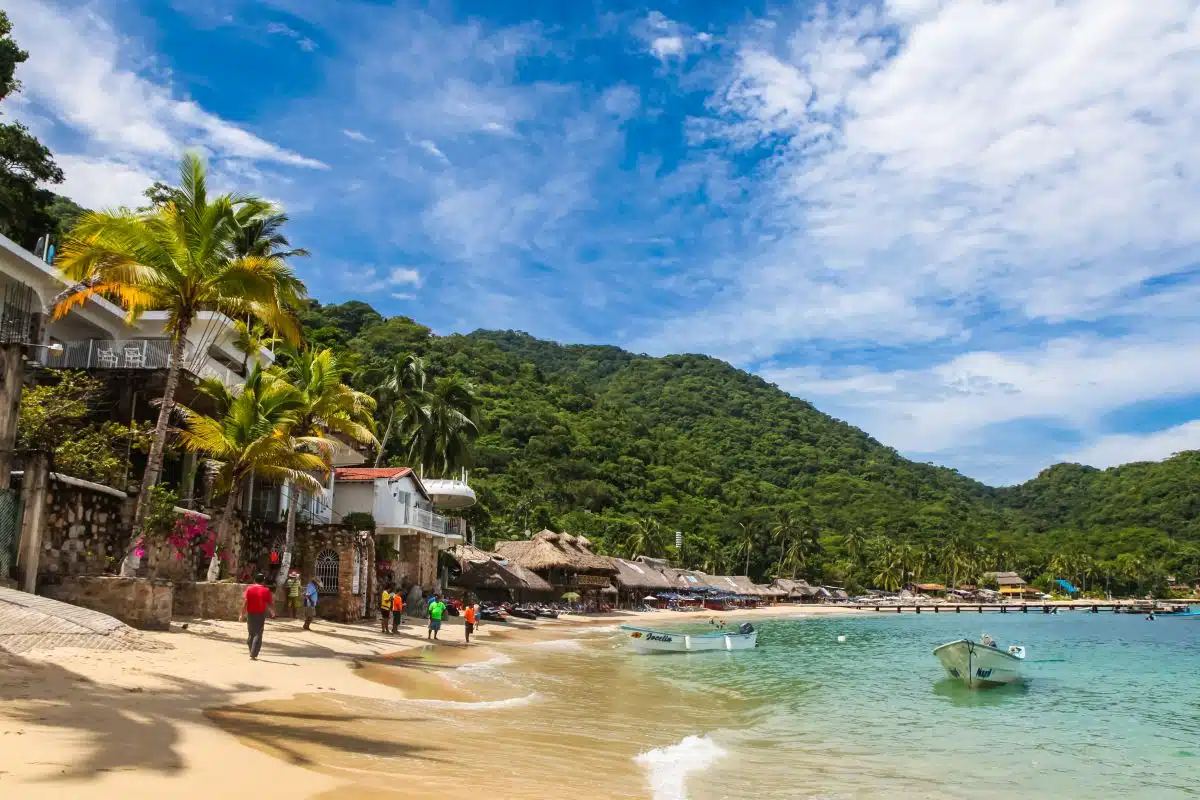
The rainy season ends around mid-October on the Pacific Coast, making October to December the ideal window, after the rains and before the big holiday crowds. From mid-December to March, much of the coast is busy as perfect winter weather sets in. Between December and February you can also see humpback whales and their calves around Puerto Vallarta, one of the coast’s great attractions.
August and September are the heart of the rainy season and the hottest, most humid period, when streets empty and prices drop sharply. It’s far from the most pleasant time to visit, but the chance of a hurricane is lower than on the Yucatán, so it can be a genuine bargain for those who don’t mind the rain.
Do
Plan your trip to coincide with the humpback whale season between December and February
Mexico City

There is hardly a bad time to visit Mexico City and the capital is certainly pleasant all year round. Southern Mexico’s high season from December to April is a good time to visit Mexico City because you can see the full festive spirit of Christmas and have the dry and cooler weather.
That said, spring is widely considered the best season. The rains don’t start until summer, the days are warm, the jacaranda trees turn the city purple, and many of the crowds have escaped to the coast. The summer months are the least appealing, with wet, humid days, and autumn is cooler.
The standout exception is November, well worth it for the warming weather and the joy of the Day of the Dead celebrations. Puebla, a popular day trip from the capital, follows the same pattern.
Northern Mexico (El Norte and Copper Canyon)
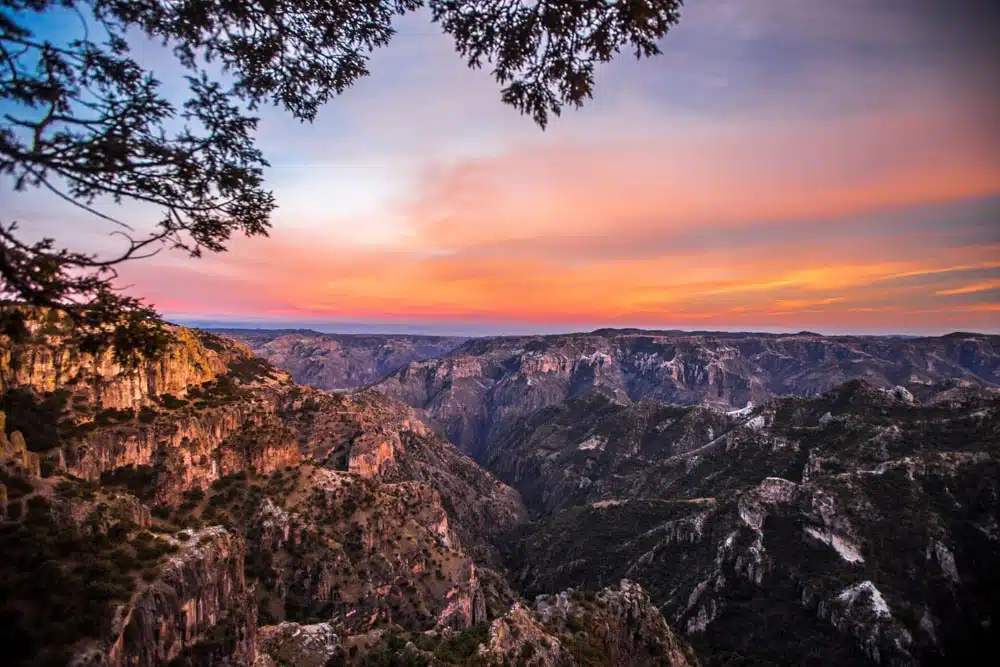
Mexico’s wild, rugged north is mostly arid desert, which means extreme weather: near-freezing winters and summers that push 40°C. The warmest months are May to September, and the coldest December to February, when you’ll even find snow in the northern mountains. Neither extreme is ideal for visiting.
The best months for the north, including Copper Canyon, are October and November, when temperatures are moderate and hiking conditions are perfect. March and April are also good, though the air can still be cold and it’s often windy around the canyons and peaks.
Baja California Peninsula
The high season for Baja runs roughly the same as southern Mexico, December to April, when the weather is most comfortable and stable. February and March are prime whale-watching season, when crowds descend to glimpse the Pacific grey whales migrating from the Arctic to give birth in the warmer waters.
The cheapest months are summer and autumn, May to September, when the rainy, hurricane season keeps crowds away, though for good reason: the conditions make many of Baja’s top actiBest Time of Year to Go to Mexico: Things to Consider Before Booking Your Mexico Trip
Mexico Month by Month
January
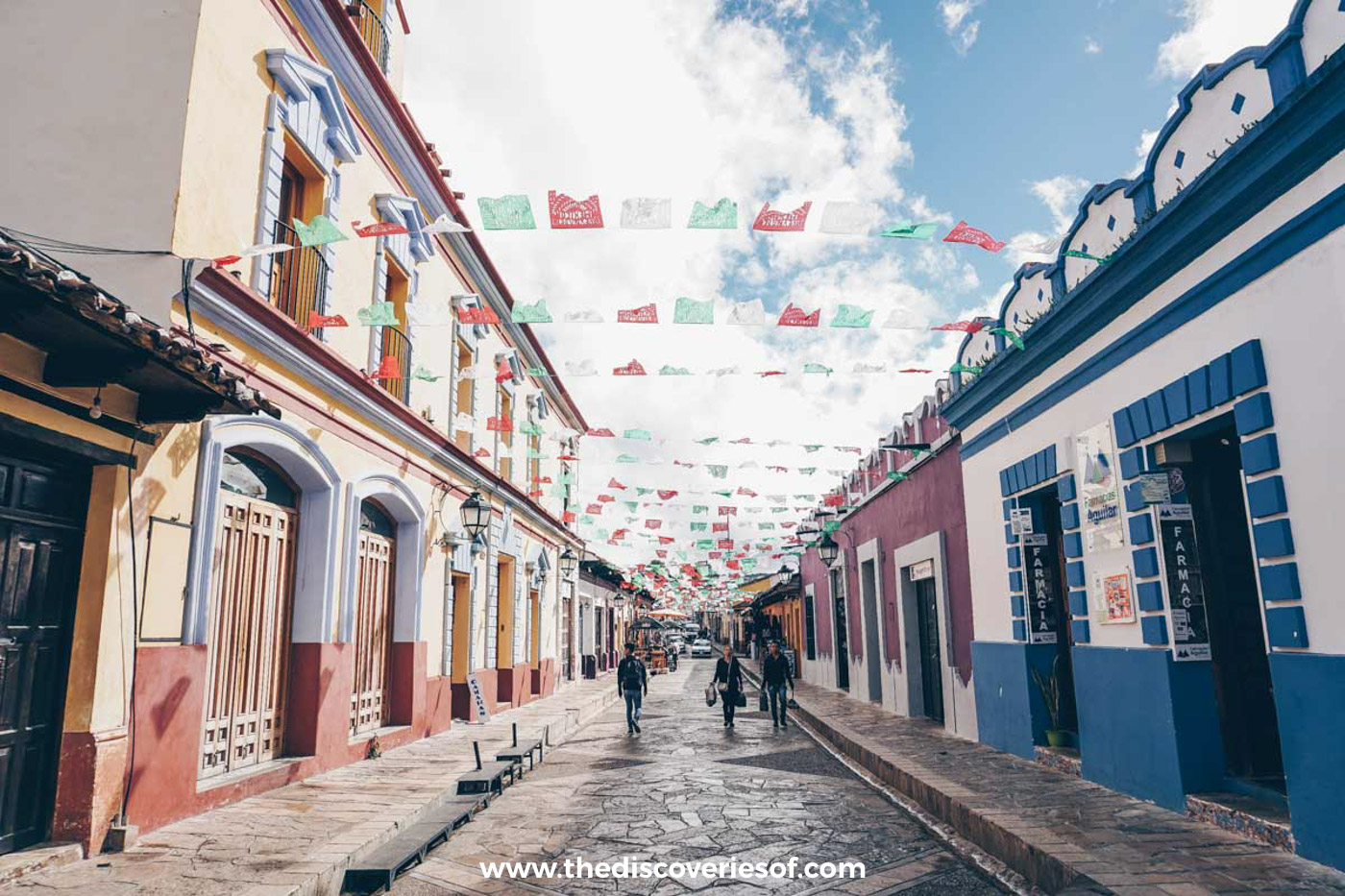
One of the best months on the coasts. The Yucatán and Pacific are dry, sunny and comfortable, and while it’s high season, the Christmas and New Year peak has just passed. Mexico City is cool and clear. A great all-round month, especially for beaches.
February

Peak whale-watching season in Baja, as grey and humpback whales arrive along the Pacific. Excellent weather across most of the country, though spring break begins to ramp up on the Caribbean coast towards the end of the month. Carnaval usually falls in February, with the biggest celebrations in Veracruz and Mazatlán.
March

Warm, dry and busy. Spring break is in full swing on the coasts, particularly Cancún and Los Cabos, bringing crowds and higher prices. Inland cities like Mexico City and Oaxaca are at their best: warm days, blossoming jacarandas and fewer crowds than the beaches.
April
The tail end of high season. Weather is still excellent and dry almost everywhere, making it one of the most reliable months, though Easter (Semana Santa) brings domestic crowds and price spikes, especially around Mexico City and the beaches. Whale watching in Baja winds down.
May
A quietly excellent month. The high-season crowds have largely gone and prices dip, but the rains haven’t yet arrived in most of the country. Hot in the Yucatán, but a lovely time for the cities and the cultural heartland before the wet season.
June
The rainy season sets in across most of the south, with hot, humid days and afternoon storms, though the north stays dry. Storms typically hit in the second half of the day, so mornings are still good for sightseeing. Pride in Mexico City (usually late June) is a huge, joyful occasion.
July
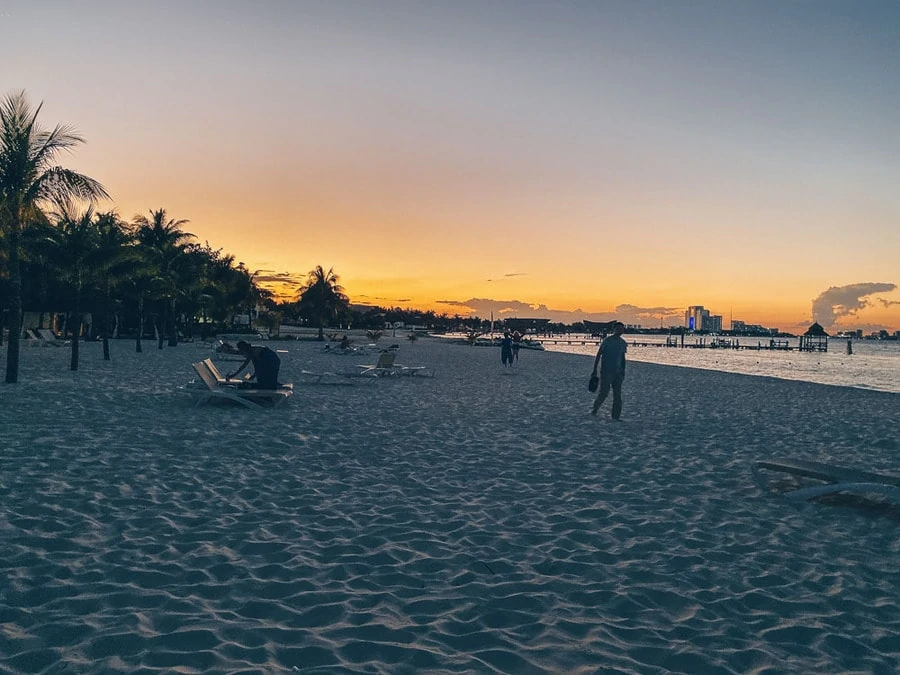
Wet and humid in the south, but an emerging second high season as European visitors arrive for the summer holidays, pushing up coastal prices. The rains can actually cool the Riviera Maya, making it more bearable than you’d expect. July is also when Oaxaca hosts the spectacular Guelaguetza, one of Mexico’s great indigenous cultural festivals.
August
The wettest month across much of the south, alongside July, and approaching peak hurricane season. Hot and humid, with frequent rain. Still busy with European summer travellers on the coast despite the conditions. The north remains relatively dry.
September
The heart of hurricane season for the southern coastal areas, and the cheapest month to fly to the coast and southern cities, with accommodation rates dropping as much as 40 percent. The trade-off is plenty of rain and limited sun. Independence Day on 16 September is celebrated with gusto, especially in Mexico City and Guanajuato.
October
The rains begin to ease and the turbulent weather peters out, leaving lush green landscapes and lower prices before the winter crowds arrive. The north hits its sweet spot for hiking. By late October, the build-up to Day of the Dead transforms markets across Oaxaca into forests of marigolds.
November
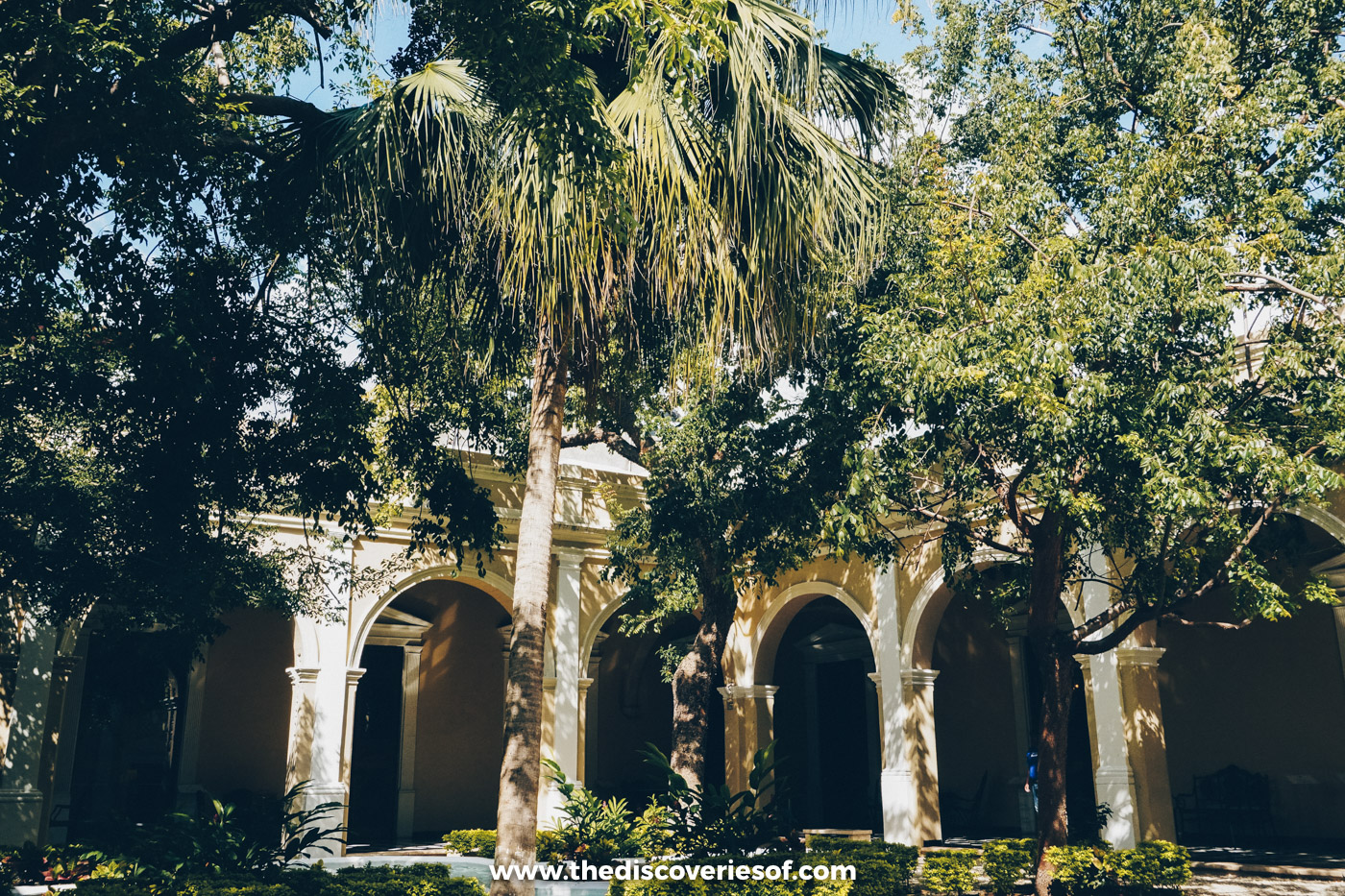
The best month to visit Mexico overall. The hurricane season is over, humidity is low, the weather is dry and warm with cool nights, and the crowds are yet to arrive. The southern jungles are lush, and it’s ideal hiking weather in the north. Above all, the Day of the Dead celebrations at the start of the month are one of the most extraordinary cultural experiences anywhere in the world (see below).
December
Peak season begins, and a wonderful time for the coasts, with dry, warm, predictable weather. The festive atmosphere is special, but Christmas and New Year bring the biggest crowds and the highest prices of the year. Whale watching begins on the Pacific. Early December, before the holidays, is the sweet spot.
Mexico by Season
Spring in Mexico
March – May
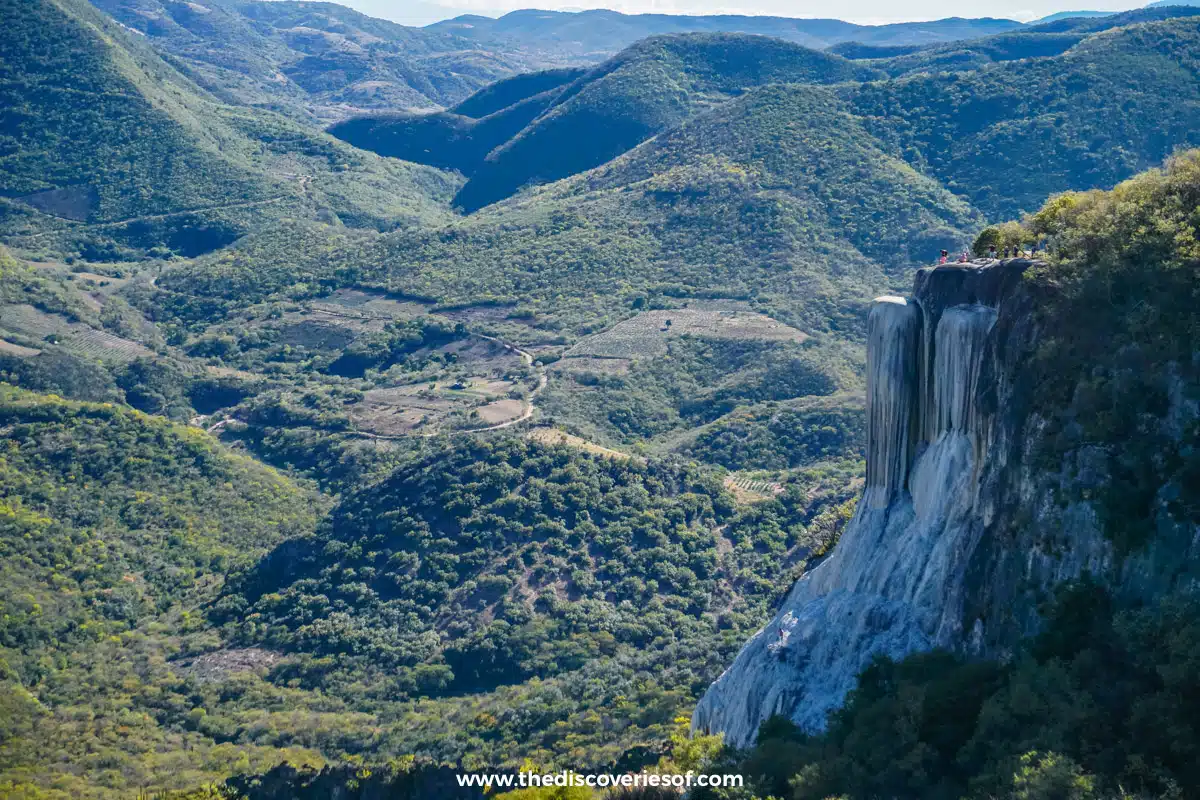
Part of the peak tourist season and Spring Break period, spring is a busy and expensive time to explore Mexico.
Easter can also present a disruption to travel plans, but May is a more pleasant time to visit the cities before the rainy season hits. There are plenty of festivals in Mexico during the spring months too.
Key Events and Things to Do in Mexico in Spring
- Whale watching in the Baja California Peninsula is in its prime until April
- Easter or Semana Santa is a special time to be in Mexico as it’s an especially important event, especially around Mexico City
- Festival Internacional de Guitarra in late March or early April is an annual guitar festival in Morelia attended by international musicians
Pros to Travelling to Mexico in Spring
- By May, most of the crowds have disappeared and the prices begin to dip lower again making it a reasonably good time to go for more relaxed and budget travellers
- Witnessing the Easter celebrations can be an extraordinary experience
Cons to Travelling to Mexico in Spring
- Spring break brings a lot of young college students to the coastal areas to party and drink for their holidays filling up many of the resorts
- It’s still high season until April for most of the country and prices are often at the premium around Easter and the spring break period
Summer in Mexico
June – August
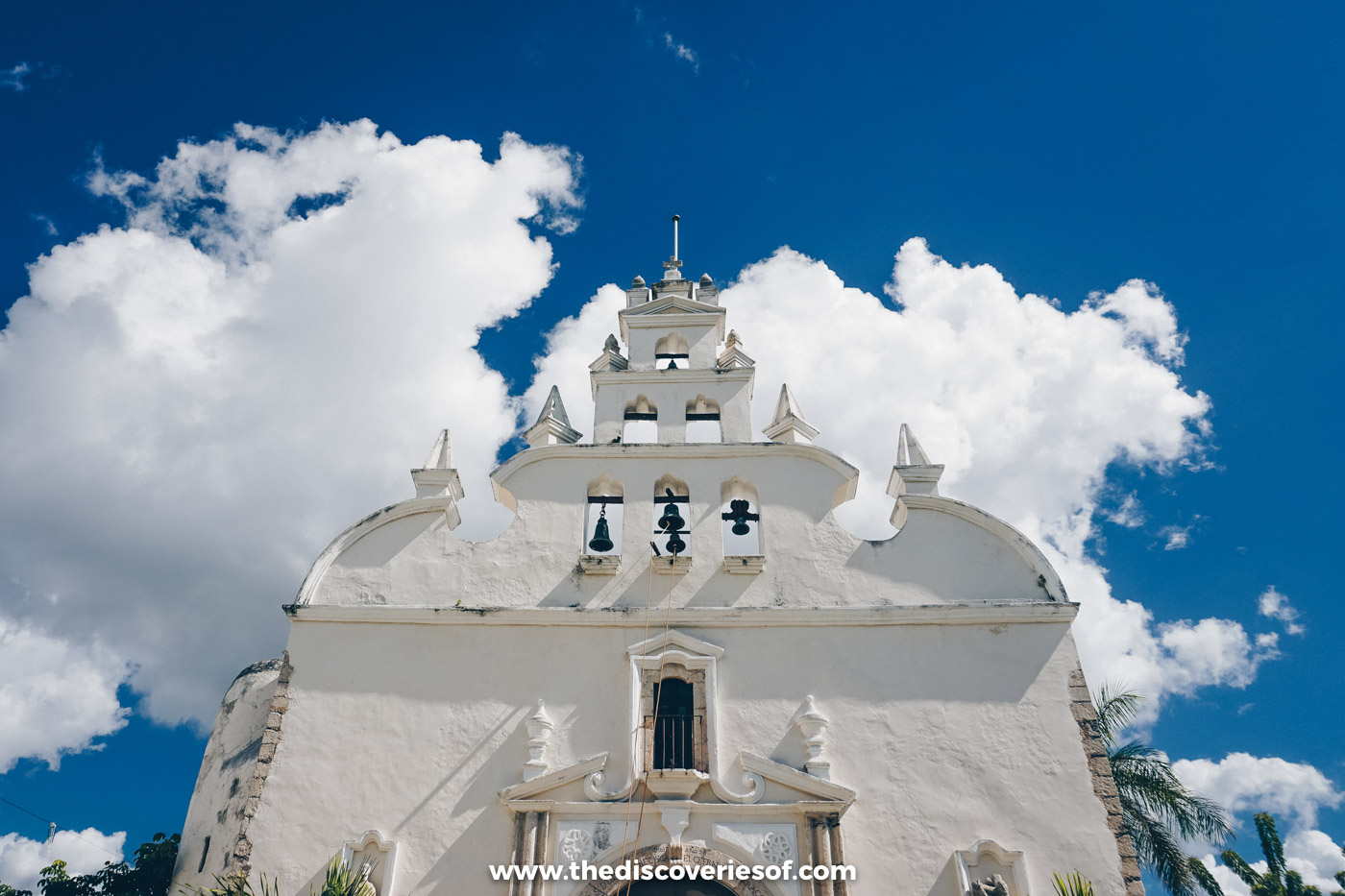
The rainy season sets in over most of the country, although the north remains relatively dry throughout.
The temperatures are hot and humid, but the summer vacations for many foreign tourists means it’s becoming a more popular time to visit Mexico.
Key Events and Things to Do in Mexico in Summer
- St John’s Day (Dia de San Juan) on 24th June is celebrated with bonfires, rodeos and water throwing across the nation
- The Gay Pride parade in Mexico City usually runs in late June and is a huge occasion for the queer community in Mexico
Pros to Travelling to Mexico in Summer
- Storms and rain generally hit in the second half of the day, meaning sight-seeing can be done for early risers before an afternoon siesta
- July is a bearable month to hit the coast, particularly the Mayan Riviera, as the rains often cool the hot temperatures
Cons to Travelling to Mexico in Summer
- The Mexico rainy season has set in by June across most of the southern half of the country and temperatures and humidity start to creep up
- July and August are the wettest months and almost the peak hurricane season in Mexico
Autumn / Fall in Mexico
September – November
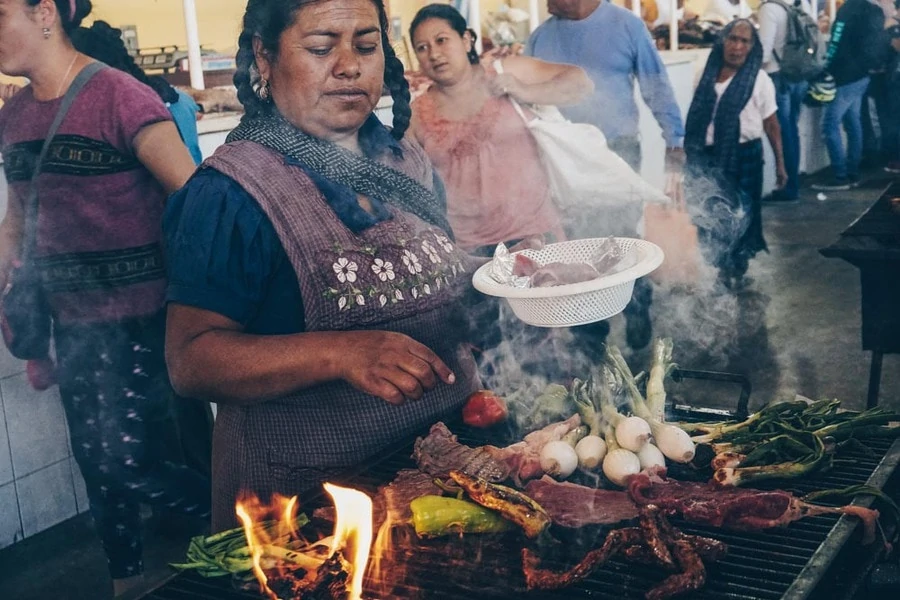
Autumn brings some of the worst weather to the coast as hurricane season peaks in September.
However, the turbulent climate tends to peter out by October and November leaving a lush landscape before the winter crowds arrive.
It also brings one of the most sought after festivals in Mexico – the Day of the Dead.
Key Events and Things to Do in Mexico in Autumn
- Independence Day on 16th September is celebrated mostly in Mexico City and Guanajuato
- Day of the Dead festival on 1st November in central and southern Mexico is when offerings are made to ancestors’ souls and people build shrines and paper mache skeletons are decorated around the streets
Pros to Travelling to Mexico in Autumn
- Lower prices and less crowds across the country, make it one of the best seasons to travel to Mexico
- November is generally considered the best month to go to Mexico, as the weather has improved substantially, and the crowds are yet to arrive
- The Day of the Dead Festival is celebrated in November and is one of the best cultural experiences you can have in Mexico
Cons to Travelling to Mexico in Autumn
- Mexico in September is peak hurricane season for most of the coastal areas in the south making for unpleasant vacations
- By October, the rains are starting to ease, but the humidity and high temperatures tend to stick around a bit longer
Winter in Mexico
December – February
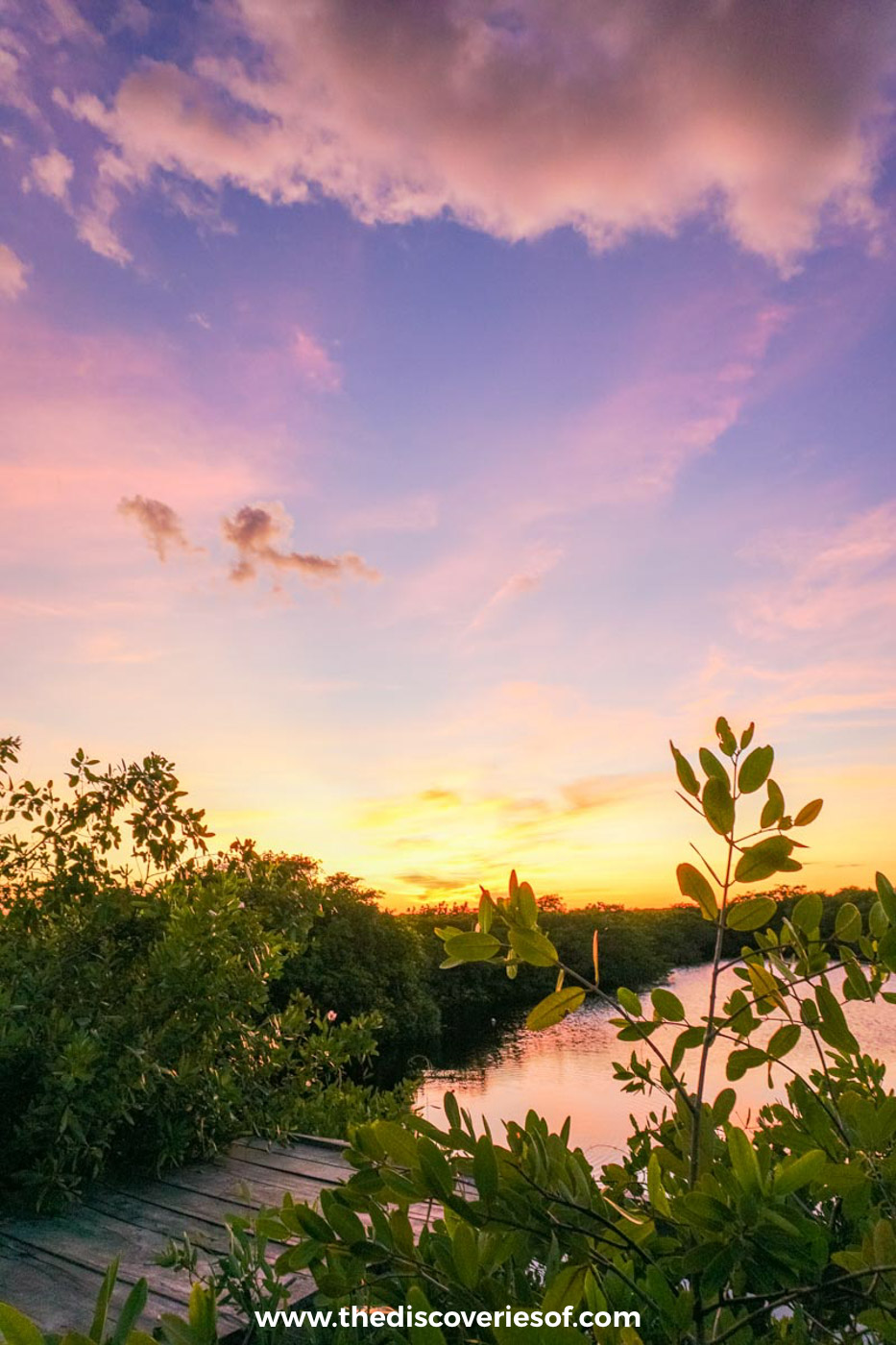
Winter is peak season for most of the country and is an especially good time to explore the coastal areas.
It’s also one of the most crowded times to visit Mexico, especially with Christmas and New Year festivities.
Key Events and Things to Do in Mexico in Winter
- Christmas and New Year are holidays in the country and particularly festive times to experience the Mexican take on traditional holidays
- Whale watching begins in February as humpbacks and blue and grey whales migrate to Mexico’s Pacific Coast
- Carnaval and Mardi Gras usually falls either in February or March and is one of the biggest fiestas in Mexico. Expect outlandish costumes, parades and dancing, particularly in Veracruz and Mazatlan
Pros to Travelling to Mexico in Winter
- The best weather in most of the country, with dry, warm and predictable temperatures
- The jungles and landscapes are lush and green after the rainfall over Summer and Autumn
- Some of the more festive atmospheres can be experienced over the winter months
Cons to Travelling to Mexico in Winter
- High season means it’s also crowded and more expensive, especially on the coastal areas
- Christmas and New Year brings more crowds and higher prices
Day of the Dead: Worth Planning a Trip Around
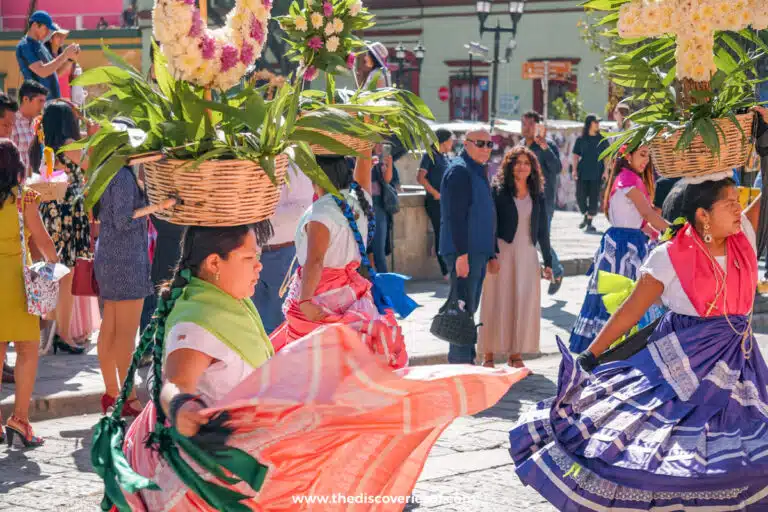
If there’s one event that justifies timing your whole trip around it, it’s Día de los Muertos, the Day of the Dead, held on 1 and 2 November with celebrations building from late October. Far from sombre, it’s a joyful, colourful honouring of departed loved ones, with marigold-strewn altars, candlelit cemetery vigils, sugar skulls and costumed street parades.
Oaxaca is widely considered the best place in the country to experience it, with its comparsas (satirical costumed parades), village cemetery traditions and markets transformed into marigold forests. The Pátzcuaro and Janitzio area of Michoacán offers a more intimate, ancient-feeling Purépecha celebration, while Mexico City and the Mixquic neighbourhood host their own moving observances. If you want to attend, book accommodation many months ahead, as the best places fill up fast.
Best Time to Visit Mexico: Frequently Asked Questions
Decide where you want to go and what you want to do first, because that, more than anything, determines the best time for your trip. A beach holiday, a whale-watching trip and a hiking adventure all have different ideal windows.
Think about your priorities. Are you here for the Baja whale migration, the Day of the Dead, or simply reliable beach weather? Specific events and goals will shape the right month for you.
If you travel in high season between December and April, book accommodation and transport as far in advance as possible, as both get crowded and expensive, especially around the holidays.
Love This? Save and Share on Pinterest!


Now You Know The Best Time to Travel to Mexico: Read More Mexico Guides

Discover the top things to do, insider tips and hidden gems in our Mexico Travel Guide.
Read the guides →