
North America
Mexico travel guide
Thinking of visiting Mexico? Plan your trip with this in-depth Mexico travel guide, packed with the best places to visit, itineraries, costs and insider tips.

Julianna BarnabyTravel and culture writer
Picture this: you are standing in a sun-drenched plaza as the smell of charcoal-grilled tacos drifts past, mariachi tuning up on one corner, the bells of a centuries-old cathedral ringing out across rooftops the colour of sherbet.
A few days later you are watching the sun rise over a Maya pyramid, or floating through ancient canals, or diving into a crystal-clear cenote in the jungle. That is Mexico, and once it gets under your skin it does not let go.
I have travelled all over Mexico, most recently spending five incredible weeks criss-crossing the country from Tulum up to Mexico City and back down again, and it remains one of my favourite countries on earth. It is vast, varied and endlessly surprising, a place where ancient civilisations, colonial history, extraordinary food and genuinely warm people combine into something you will struggle to find anywhere else.
This guide pulls together everything I have learned to help you plan your own trip: the best time to go, where to stay, the unmissable things to do, suggested itineraries, what to eat, and a hefty dose of the practical detail you need before you go. Let’s get into it.
 38 Brilliant Things to do in Mexico: Adventures, Activities and Culture You Won’t Forget
 22 Unmissable Things to do in Mexico City
 27 Unmissable Things to do in Oaxaca
When to go
Mexico is a huge country and the weather varies enormously by region, but the high season generally runs from December to April, when most of the country enjoys dry, pleasant weather. This is also the busiest and priciest time, particularly around Christmas and Easter. The wet season runs roughly May to October, which is also hurricane season on the Caribbean coast, peaking around September.
For my money, November is the sweet spot: the rains have largely stopped, the landscapes are green, and the December crowds have not yet arrived. November is also when the extraordinary Día de los Muertos celebrations take place, at their most vivid in Oaxaca and the central regions, while the Yucatán and Pacific coast are at their best in the dry winter months.
Getting there and around
- Skyscanner for Flights
- Compare Rental Car Prices with Holiday Autos
- Omio for Trains, Buses and Flights
- Airport Transfers via Booking.com
- G Adventures for Multi-Day Guided Trips
Buses are the backbone of travel in Mexico and are surprisingly comfortable and affordable. Long-distance lines like ADO range from standard to luxury classes; for longer journeys it’s worth paying for the higher class. A first-class intercity bus might cost 400 to 900 MXN depending on distance.
Domestic flights are convenient for covering Mexico’s big distances, with carriers like Aeroméxico, Volaris and Viva Aerobus connecting over 60 cities. Book in advance for the best fares, which can start from around 1,000 to 2,500 MXN one way.
Rental cars are great for regions like the Yucatán and Baja, giving you freedom to explore at your own pace, with prices from around 600 to 1,200 MXN per day. In cities, use Uber where available rather than driving.
Where to stay
Mexico is enormous, so where you stay depends entirely on which part of the country you are exploring. Here are four of the best bases for first-time visitors, each with a recommended place to stay.
Mexico City
The vibrant, sprawling capital is the cultural and culinary heart of the country and the place most trips begin. Base yourself in the leafy, walkable neighbourhoods of Roma or Condesa for the best of the city’s cafés, galleries and restaurants.
Stay at: Hotel Villa Condesa, a tranquil boutique bolthole in the heart of Condesa.
Oaxaca
A foodie paradise and one of Mexico’s great cultural cities, Oaxaca is all colour, colonial architecture and incredible cuisine, and the gateway to Monte Albán and the mezcal country beyond.
Stay at: Hotel Sin Nombre, a beautifully restored boutique property in the historic centre.
Mérida and the Yucatán
The elegant Yucatán capital is a laidback, colourful base for exploring the region’s Maya ruins, cenotes and colonial towns, with a food scene to rival anywhere in the country.
Stay at: Casa Lecanda, an intimate boutique hotel in a restored colonial mansion.
The Riviera Maya (Tulum and Playa del Carmen)
For Caribbean beaches, cenotes and clifftop Maya ruins, the Riviera Maya is hard to beat. Tulum offers boho-luxe beach style; Playa del Carmen is livelier and better connected.
Stay at: Encantada Tulum, a boutique beachfront property in Tulum.
Tulum

Oaxaca

Merida

Tours
Know before you go
Top things to do
Dive into Mexico City
The capital is a mega-sprawl that can feel overwhelming at first, but give it time and it will win you over completely. Explore the ancient Aztec ruins of the Templo Mayor, wander Frida Kahlo’s blue house in Coyoacán, eat astonishing street food, and soak up one of the world’s great food cities.
Read Next: The Best Things to Do in Mexico City
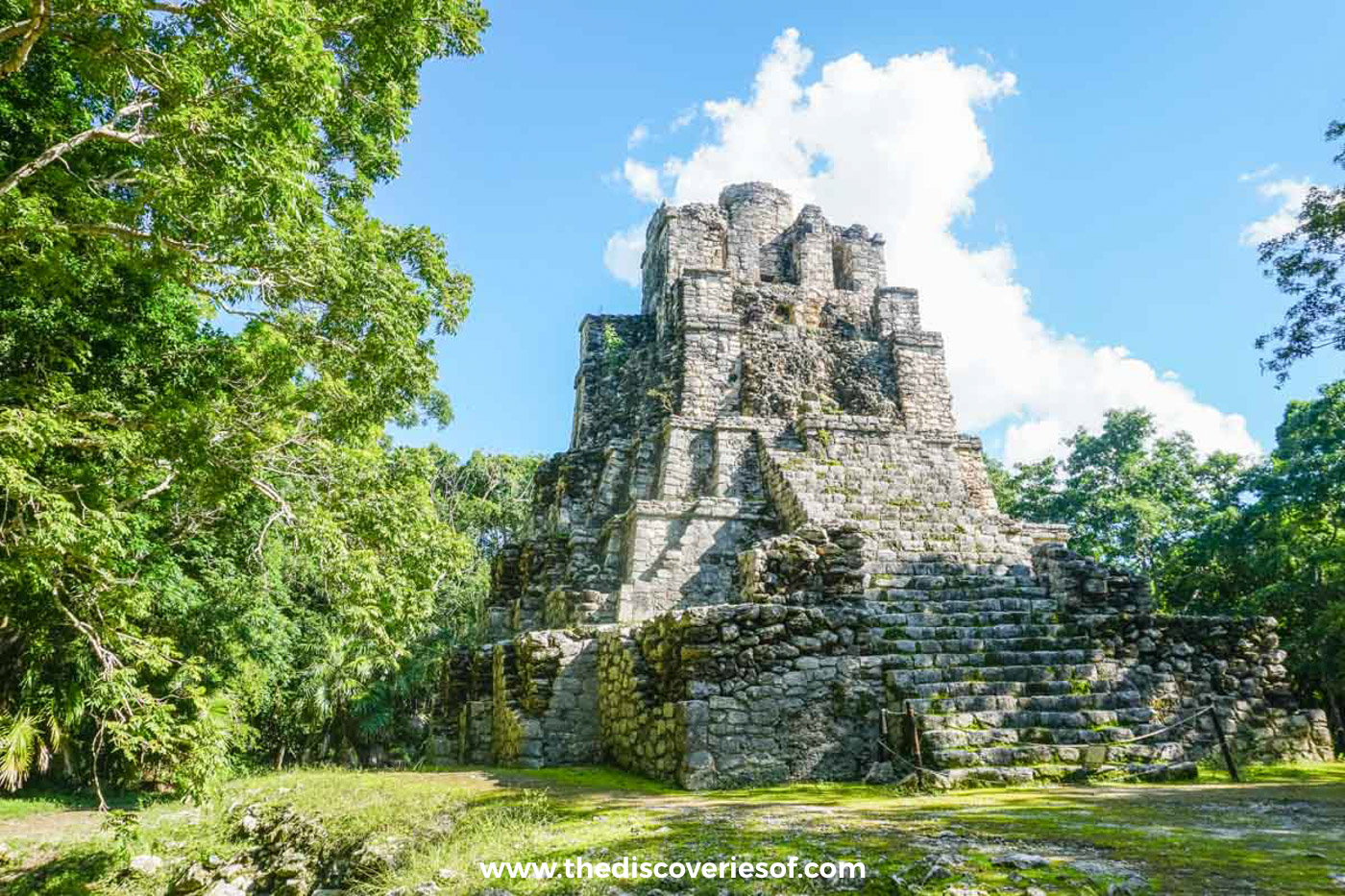
See the Maya Ruins of Chichén Itzá
One of the New Seven Wonders of the World and the most famous of Mexico’s countless Maya sites. The towering El Castillo pyramid is the headline act, but the wider complex of ball courts, temples and observatories deserves at least half a day. Go early to beat the heat and the crowds.
Read Next: The Most Famous Landmarks in Mexico
Explore Oaxaca
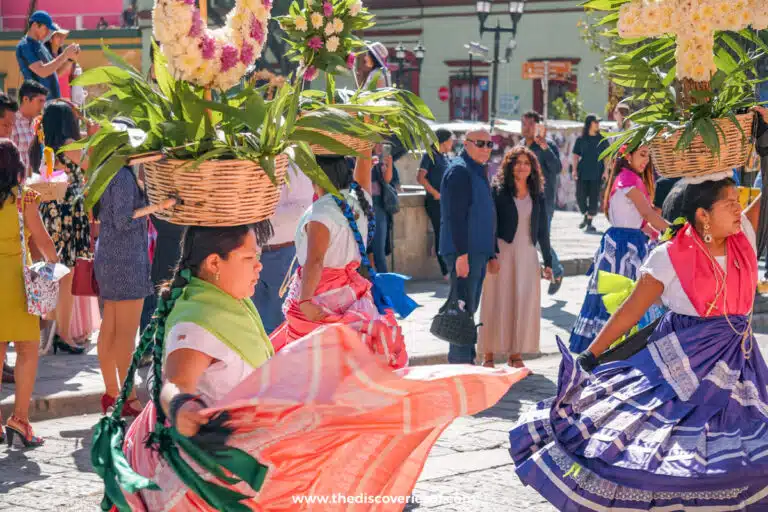
One of Mexico’s great cultural and culinary cities, Oaxaca is all colour, mezcal and the legendary moles for which the region is famous. It’s also the gateway to the extraordinary Zapotec ruins of Monte Albán and one of the best places in the country to experience Día de los Muertos.
Read Next: The Best Things to Do in Oaxaca
Discover Mérida and the Yucatán
I adore Mérida, with its colourful buildings, rich Maya and colonial heritage, and a food scene that’s quietly one of the best in Mexico. Less polished and more laidback than the Riviera Maya, it’s the perfect base for exploring cenotes, colonial towns and Maya sites like Uxmal.
Read Next: Why You’ll Fall in Love with Mérida
Relax in Tulum and the Riviera Maya
One of the Caribbean coast’s most famous spots, Tulum pairs clifftop Maya ruins with white-sand beaches and crystal-clear cenotes. Dive into the cool freshwater sinkholes, explore the ruins early, and find your own quiet stretch of coast away from the busier beach clubs.
Honour the Day of the Dead
The annual Día de los Muertos is one of the most extraordinary festivals in all of the Americas, a joyful reuniting of families with their departed loved ones held at the start of November. Costumes, altars, marigolds and parades fill the streets, especially across the central and southern regions.
Visit Teotihuacán
Just outside Mexico City lie the colossal pyramids of Teotihuacán, one of the most significant archaeological sites in the world, built by a mysterious civilisation that predates the Aztecs by centuries. Climb the Avenue of the Dead between the Pyramids of the Sun and Moon for one of Mexico’s great experiences.
Read Next: The Best Day Trips from Mexico City
Wander Colonial Guanajuato
A UNESCO-listed former silver-mining town and one of the prettiest cities in the country, Guanajuato spills up its hillsides in a riot of colourful houses, grand plazas and atmospheric tunnels. It’s a joy to wander, especially in the evening when the student bands roam the streets.
Suggested itineraries
Mexico is vast, and the cities are spread far apart, so it’s best to focus on one region or a handful of highlights rather than trying to see it all. Most trips begin in Mexico City, the main international hub. Here are four itineraries to suit different interests and timeframes.
Mexico Highlights: Mexico City, Oaxaca and the Yucatán 2 to 3 weeks Mexico City – Oaxaca City – Mérida – Chichén Itzá – Tulum The classic all-rounder, covering the capital, colonial culture, Maya ruins and Caribbean beaches. This is roughly the route I followed on my recent road trip.
The Pacific and Colonial Heartland 2 weeks Mexico City – Guanajuato – Guadalajara – Puerto Vallarta Colonial cities, tequila country and a relaxed finish on the Pacific coast.
Yucatán in Depth
10 days to 2 weeks
Cancún – Mérida – Uxmal – Valladolid – Chichén Itzá – Tulum – Bacalar
A slower exploration of the peninsula’s ruins, cenotes, colonial towns and lagoons.
Southern Culture and Cuisine
2 weeks
Mexico City – Puebla – Oaxaca City – the Oaxaca coast
For food and culture lovers, taking in two of Mexico’s great culinary cities before unwinding on the coast.
Read More: The Ultimate 2-Week Mexico Itinerary
Hidden Mexico
Puebla
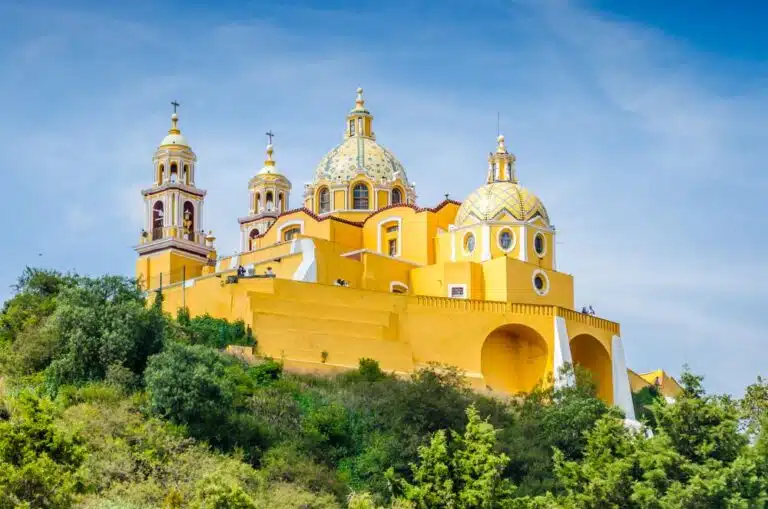
Two hours south of Mexico City, Puebla is a UNESCO-listed colonial gem famous for its Talavera-tiled facades, baroque churches and exceptional food (this is the birthplace of mole poblano). Nearby sits the Great Pyramid of Cholula, the largest pyramid in the world by volume.
Sayulita
A low-key, bohemian surf town just north of Puerto Vallarta, Sayulita has colourful streets, a relaxed bohemian vibe and gentle waves perfect for learning to surf. It’s beginning to make a name for itself but still flies pleasantly under the radar.
Taxco
A charming colonial town tumbling down a hillside not far from Mexico City, Taxco is famous for its silver and its dramatic setting. Wander the white-and-terracotta streets, browse the silver market, and try the local pozole.
Lake Bacalar
Known as the Lagoon of Seven Colours, this long, narrow lake in Quintana Roo shifts through extraordinary shades of blue and turquoise. Kayak the crystal-clear water, visit the ancient stromatolites and explore the surrounding jungle. Far quieter than the Caribbean resorts to the north.
Dishes and drinks to try
Dishes to try
- Tacos — the national obsession, endlessly varied by region, from al pastor to Baja fish tacos.
- Mole — the complex, layered sauces of Oaxaca, the land of the seven moles.
- Tamales — masa dough filled with meat, cheese or chillies and steamed in a corn husk.
- Mezcal — tequila’s smoky, artisanal cousin, best sipped slowly in Oaxaca.
- Tejate — a pre-Hispanic drink of maize and cacao, earthy and delicious, found around Oaxaca.
Must-try bars and restaurants
Mexico is one of the great food countries of the world, and these are three of the most memorable places I’ve eaten across my travels here, one in each of my favourite corners of the country.
Pujol
Mexico City
The most talked-about restaurant in Mexico, and with good reason. Enrique Olvera’s Polanco institution has long held a place on the World’s 50 Best Restaurants list, and its signature dish, the mole madre, mole nuevo, is a genuinely profound thing to eat: a circle of fresh mole surrounded by a ring of mole aged for well over 1,000 days. Book well ahead for the tasting menu. Visit the website
Criollo
Oaxaca
One of the most stylish places to eat in Oaxaca, set in a bohemian UNESCO heritage house with a beautiful courtyard dining room. The focus is firmly on seasonal, local ingredients, and the tasting menu is a proper culinary event that showcases the depth of Oaxacan cuisine. Visit the website
Costs and budgeting
Mexico is a relatively good-value destination, more affordable than its northern neighbour though not as cheap as countries further south in Central America. Expect to spend between £50 and £90 (around $70 to $120) per day per person on a mid-range basis, covering a comfortable hotel, meals out, local transport and attractions. Add around £80 to £150 ($110 to $200) per day if you’re travelling on a luxury basis. Budget travellers can get by on around £30 ($40) a day with hostels, street food and public transport. Travelling outside high season and away from the famous coastline brings costs down considerably.
Average Daily Costs
- Hotel (mid-range): £50 to £100 / $70 to $135
- Hotel (luxury): £150+ / $200+
- Food: £15 to £35 / $20 to $47 per day
- Public transport: £5 to £15 / $7 to $20 per day
- Attractions: £5 to £15 / $7 to $20 per site
- Tours: £30 to £90 / $40 to $120 per day
Safety, health and tipping
Safety
Mexico has long been associated in the headlines with drug-related crime, but the reality for most travellers is that this is concentrated in specific areas well away from the tourist trail, and foreign visitors are rarely targeted. The main day-to-day concern is petty theft and pickpocketing in larger cities, so keep an eye on your valuables, especially at night. Check current advice for specific regions and steer clear of known trouble spots near parts of the US border and certain areas like Acapulco.
Health
Check that your routine vaccinations (including measles, typhoid and Hepatitis A and B) are up to date before you travel. Mosquito-borne illnesses such as dengue exist in some regions, so use repellent and cover up at dusk; malaria risk is low and limited to specific rural areas, so check with your doctor based on where you’re going. Do not drink the tap water: stick to bottled water or, better for the environment, bring a purifier such as a LifeStraw or SteriPEN.
Tipping
Tipping is customary and appreciated. In restaurants and bars, 10 to 15 percent is standard. For hotel staff, a few pesos per bag and per night for housekeeping is normal. Rounding up the fare is fine for taxis, though tipping isn’t strictly expected.
Practical tips and info
Tips for travelling
- Learn a few words of Spanish — even basic phrases go a long way and are warmly appreciated.
- Carry pesos in cash, especially small notes, for markets, street food, tips and smaller towns where cards aren’t accepted.
- Keep your immigration tourist card (FMM) safe — you receive it on arrival and must hand it back when you leave.
- Use Uber in the cities where it’s available rather than hailing street taxis; it’s safer and removes the haggling.
- Don’t underestimate distances — Mexico is enormous, so build in realistic travel time and consider domestic flights for longer hops.
How to see the best for free
Some of the best experiences in Mexico cost nothing at all. Take advantage of the excellent free walking tours in most major cities, a great way to get your bearings with a knowledgeable local guide (a tip is expected, so do leave one).
Mexico’s markets are free to wander and offer hours of colour, atmosphere and cultural immersion, from Mexico City’s century-old Mercado de Coyoacán to Oaxaca’s bustling food halls. And in Mexico City in particular, many of the top museums offer free entry on Sundays, while landmarks like the Metropolitan Cathedral and the murals of the Palacio Nacional cost nothing to visit.
Packing
- A good reef-safe sunscreen: essential for the beaches and cenotes, and kinder to the marine ecosystem.
- A reusable water filter bottle like a LifeStraw: you can’t drink the tap water, and this saves you buying endless plastic bottles.
Comfortable walking shoes or sandals: you’ll cover serious ground on cobbled streets and at sprawling ruins. - A lightweight rain jacket: vital if you’re travelling in the wet season or heading south.
- A universal travel adapter: for keeping everything charged on the road.
Travel insurance
Travel insurance is non-negotiable, wherever you go. Over years of travelling for this job, I can tell you that things do go wrong, and comprehensive cover protects you against illness, injury, theft and cancellations. I recommend AXA Travel Insurance for reliable, comprehensive coverage. If you plan to hire a car, note that Mexican car insurance through the rental company is typically required on top of your own policy, so check it is fully comprehensive before you set off.
Suggested guidebooks
- Moon Mexico — practical, well-organised and great for trip planning.
- Lonely Planet Mexico — the comprehensive all-rounder.
- Rough Guide to Mexico — strong on history and culture.
Interesting facts
- Mexico City is one of the largest metropolitan areas in the world, home to over 21 million people in the greater area.
- The Mexican government recognises 68 official indigenous languages, with hundreds of further variations.
- Mexico has 35 UNESCO World Heritage Sites, among the most of any country in the Americas.
- The country is home to Pico de Orizaba, the third-highest mountain in North America at 5,636 metres.
Handy phrases
- Hola — Hello
- Sí — Yes
- No — No
- Por favor — Please
- Gracias — Thank you
- ¿Cuánto cuesta? — How much is it?
- ¿Dónde está el baño? — Where is the bathroom?
- No hablo español, ¿habla inglés? — I don’t speak Spanish, do you speak English?
- ¡Salud! — Cheers
Time zone
Mexico spans four time zones, but most of the country, including Mexico City, uses Central Time. The northwest uses Mountain and Pacific time, and the state of Quintana Roo (Cancún, Tulum) uses Eastern Time. Most of Mexico no longer observes daylight saving.
Electricity and adapters
Mexico uses 127V and Type A and Type B plugs, the same as the United States and Canada. Type A (two flat pins) is most common, so a universal travel adapter is the safest thing to carry.
Insider tips, straight to your inbox
All Mexico guides
 Everything I Got Wrong About Mezcal Until I Drank My Way Across Oaxaca
 Forget the Restaurants. Tlacaloula Sunday Market Is the Real Heart of Oaxacan Food
 I Get Why People Call Tulum Overrated. They Never Make It Past the Beach Clubs.
 27 Unmissable Things to do in Oaxaca
 The Best Things to do in San Cristóbal de las Casas, Mexico
 The Best Time to Visit Mexico: A Month-by-Month Guide
 Sercotel Casona 61 Review: Boutique Hotel in Mérida
 38 Brilliant Things to do in Mexico: Adventures, Activities and Culture You Won’t Forget
 12 Brilliant Day Trips from Mexico City: Ancient Ruins, Foodie Havens and Culture-Filled Cities
 3 Days in Mexico City: The Perfect Mexico City Itinerary
 34 Famous Landmarks in Mexico
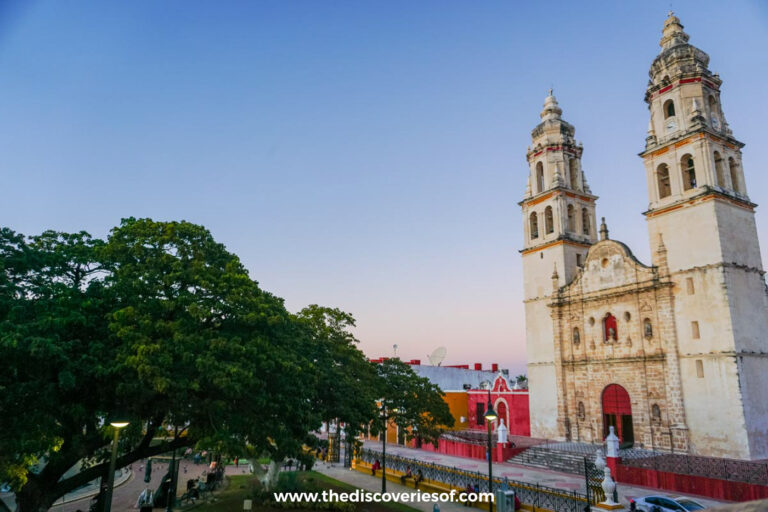 Cool Things to do in Campeche, Mexico
 2 Weeks in Mexico Itinerary – A Brilliant Mexico Road Trip
 The Best Things to Do in Mérida, Mexico: An Insider’s Guide
 22 Unmissable Things to do in Mexico City
Follow me on Instagram for travel inspiration, tips and guides.