
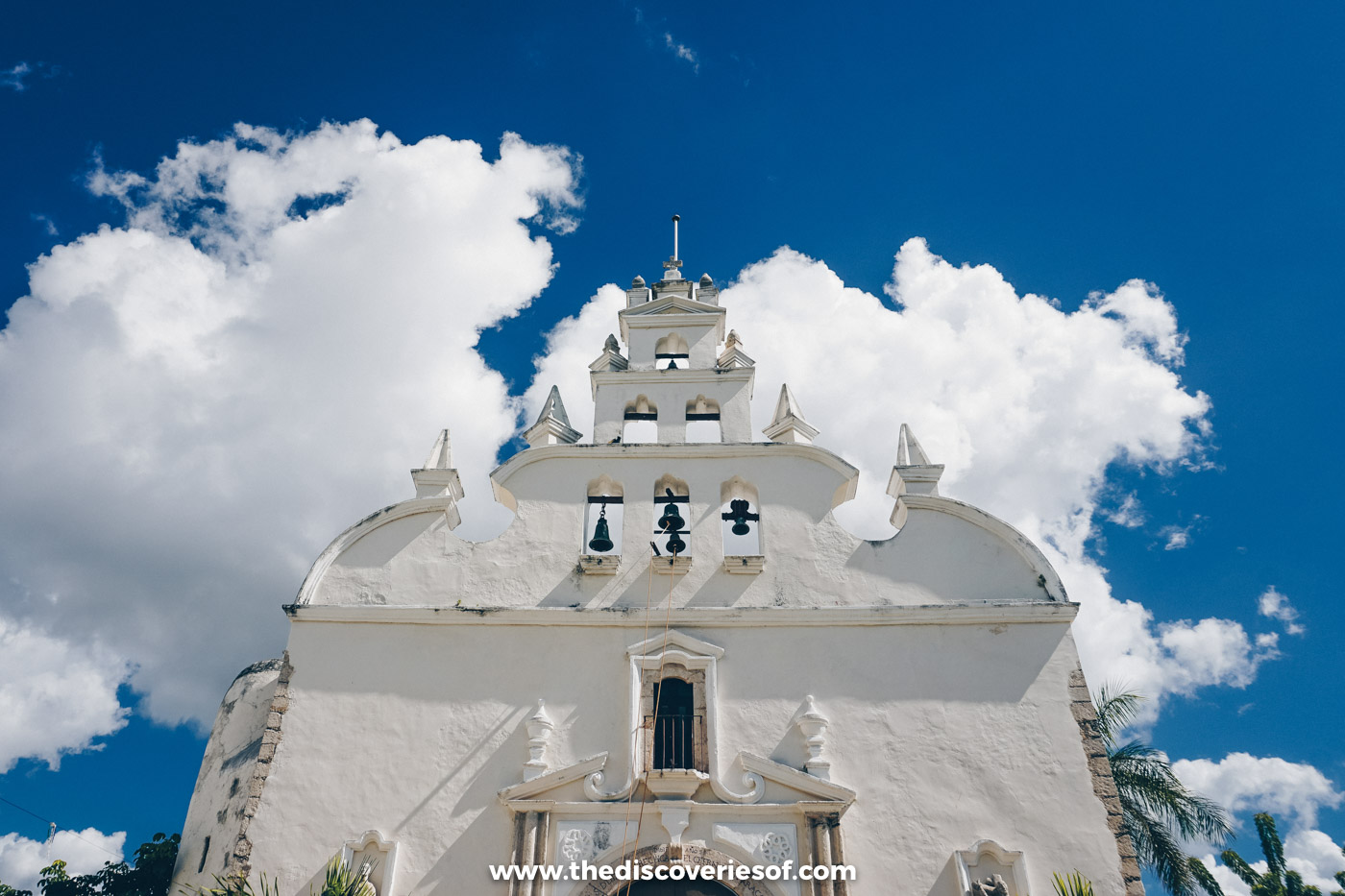

What makes Mérida worth a few days of your Mexico trip? A cathedral built from the stones of Maya pyramids, a free walking tour that unpicks it all, and tacos so cheap you can work your way through the menu. Here’s what to see, where to eat and drink, and the three places I’d skip.
Mérida is one of Mexico’s up-and-coming destinations, a chilled blend of pretty architecture, laid-back bars and cultural attractions. No wonder it’s popping onto so many travellers’ Mexico itineraries.
It’s no secret that I loved my five-week trip to Mexico. While every spot I visited had its own appeal, I actually liked Mérida so much that I went back to spend more time there. There was something about the city that, quite frankly, I couldn’t get enough of.
That’s why I’ve written this guide to the best things to do in Mérida: the sights worth your time (from the free walking tour to the cenotes and Maya cities within an easy day trip), the places I loved to eat and drink, the three I’d skip, and the practical bits on when to go, how to get there and where to stay.
The best things to do in Mérida
While much of the city’s appeal is the relaxed atmosphere, cool bars and stellar restaurants, there are a few attractions here that you shouldn’t miss.
1. Join the city’s free walking tour
I always love a walking tour as an intro to a new city. This one, hosted by the city’s tourism board, is a lovely (and free) way to kick off your time here.
Conducted in both Spanish and English, it walks you through the main attractions clustered around the central square, Plaza Grande. You won’t cover much distance, but you’ll get to grips with the city’s history in a brisk hour and a half.
My guide started with the story that explains the whole city. When the Spanish arrived in the mid 16th century, they found T’hó, a Maya city that had already been swallowed by the jungle, and decided to build right on top of it: the stone was ready to hand, and the flat land made for an easy journey to the sea. The plaza itself stands on the site of one of T’hó’s pyramids, and for about ten blocks around it, the colonial centre is built from Maya stone.
The tours are run by the city council and leave from the tourist information point at the Centro Cultural Olimpo (Calle 62 between 61 and 63) at 9.30am from Monday to Saturday, with extra evening tours at 6pm from Thursday to Saturday. Groups are capped at 25, so arrive ten minutes early. The route takes in the Palacio Municipal, Casa de Montejo, the cathedral and the Palacio de Gobierno before finishing in Parque Santa Lucía. It’s free, but do tip your guide.
Top Tip
Do the walking tour on your first morning. It covers the next three entries on this list in one go, and they make far more sense with the stories fresh in your head.
2. Visit the Catedral de Mérida
When you’re wandering the historic centre, pay special attention to the stunning Catedral de Mérida. Built between 1561 and 1598, it is one of the oldest cathedrals in the Americas, and was constructed on the site of a Maya temple using stones taken from the very pyramids the Spanish demolished. It’s often described as the oldest cathedral on the mainland of the Americas.
Beyond the history, it’s a beautiful example of austere early colonial design, with a soaring, surprisingly pared-back interior that’s all the more striking for its simplicity. On the walking tour I learned why it looks so bare. It was built to double as a fortress, hence its plain, practical lines, and the dark interior comes from the local limestone. Then, in 1915, during the Mexican Revolution, troops stripped it of most of its altarpieces and treasures, which is why it feels so empty next to other Mexican cathedrals.
Look out for the plaques marking the tombs of Spanish colonial families. The cathedral was finished for them, not for the Maya, and it once held a cemetery inside its walls. Entry is free.
3. See the Castro Pacheco paintings in the Palacio de Gobierno
On the north side of Plaza Grande, the green-fronted Palacio de Gobierno is still the seat of Yucatán’s state government, but you can walk straight in, and it’s free. The reason to do it is the art. Between 1971 and 1975, the Yucatecan painter Fernando Castro Pacheco created 27 huge paintings telling the story of the Yucatán, from the Maya creation story to the conquest and the henequen era, and most of them hang in the Salón de la Historia upstairs.
The real showstopper for me was that room of Pacheco’s paintings of Maya history. Look out for Fray Diego de Landa, the 16th-century Franciscan friar who ordered the burning of Maya books and very nearly wiped out the written Maya language.
4. Step inside Casa de Montejo
On the south side of the plaza, Casa de Montejo was the home of the Montejo family, the conquistadors who founded the city. Its carved facade dates from 1549, making it one of the first buildings finished in the new city, and it’s impossible to miss: two armoured Spanish soldiers stand on the heads of defeated Maya, a piece of propaganda carved in stone. On the walking tour, the guide pointed out fossils millions of years old in the limestone.
The family lived here for generations before the house was sold, and it eventually passed to a bank. Today Banamex runs the Museo Casa Montejo inside, with rooms furnished as they would have been in the late 19th century. Entry is free (Tuesday to Saturday 10am to 6pm, Sunday 10am to 2pm), and on Wednesday evenings at 8.30pm the facade becomes the screen for a video mapping show about the founding of the city.
5. Head to the Palacio Cantón

The city has more than its fair share of museums and galleries. The Palacio Cantón sits in a grand building on the Paseo de Montejo (more on that in a moment), built in the early 1900s for General Francisco Cantón Rosado, a former governor of Yucatán.
Inside, an ever-changing exhibition focuses on the Maya world. Packed with artefacts, it’s small but informative and engaging enough to justify a peek inside. Today it’s the Museo Regional de Antropología, run by INAH: it’s open from Tuesday to Sunday, 8am to 5pm (last entry 4.30pm), and entry is 210 pesos for foreign visitors.
6. Explore the Gran Museo del Mundo Maya

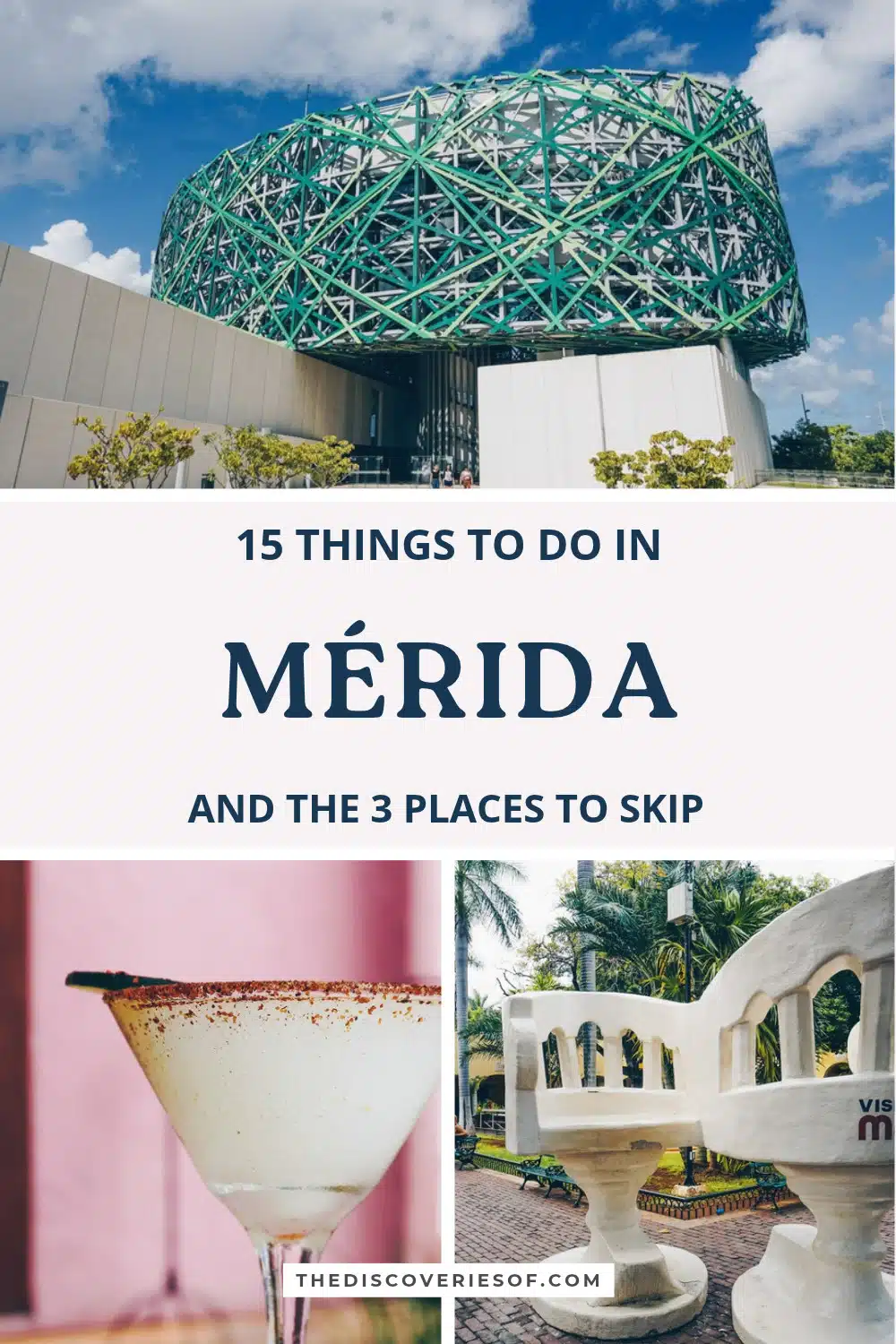
If you only have time for one museum in town, make it the Gran Museo del Mundo Maya. The first thing you’ll notice about it is its award-winning architecture. The museum, based in the north of the city, is a nest of green and silver metal against the blue sky. It represents the ceiba tree and, with it, the importance of nature in Maya life.
The museum showcases Maya culture and ways of life, past and present. At times it’s a bit dry, but there are plenty of interactive displays to liven things up a bit. I walked away with a much better understanding of the Yucatán’s heritage and would recommend that you visit.
It’s a taxi or Uber ride north of the centre. The museum opens from 9am to 5pm, Wednesday to Monday (it’s closed on Tuesdays), and general entry is 200 pesos.
7. Stroll down the Paseo de Montejo
One of my favourite streets in Mérida, and one of the most popular, the Paseo de Montejo is a grand boulevard modelled on the great avenues of Europe, the Champs-Élysées in particular.
The money that built it came from henequen. In the late 19th and early 20th centuries, the city grew astonishingly wealthy on the trade in henequen, an agave fibre known as “green gold” and used to make rope and twine the world over. At one point the city was said to have more millionaires per capita than almost anywhere on earth, and those fortunes built the grand European-style mansions that line the boulevard.
Head down here to admire the late 19th and early 20th-century architecture, and to do a little respectful snooping on how the other half once lived. Many of those palatial homes now house museums, galleries and restaurants. Come back on a Saturday at 8pm for the Noche Mexicana, a free evening of music, dancing and food stalls at the top end of the Paseo, or on a Sunday morning, when the boulevard closes to cars from 8am for the Biciruta and the city takes to its bikes.
8. Wander through Parque Santa Lucía

Back in the day, Parque Santa Lucía was where passengers boarded and alighted from the stagecoaches that travelled between Mérida and its surrounds. Those days are long gone, but it remains a hub of Méridan life, in no small part thanks to the free Thursday evening concerts held here. It’s also the spot for the obligatory cheesy photo posing in the famous white “confidente” chairs.
The Serenata de Santa Lucía still starts at 9pm every Thursday, with trova trios and Yucatecan folk dancing, and the restaurants around the edge of the square make it an easy place to grab dinner first.
9. Shop at Casa T’HŌ

The city isn’t big on the boho style in the same way that other Yucatán destinations like Tulum are, but Casa T’HŌ is the exception. This collection of bohemian boutiques is a great option if you’re looking to pick up a few pieces at not-so-unreasonable prices.
You’ll find it in a restored mansion at number 498 on the Paseo de Montejo, with independent Mexican fashion, jewellery and homeware brands sharing the rooms, plus a café and cocktail bar in the patio. It opens daily from 9am.
10. Spend a Sunday at Mérida en Domingo
Every Sunday, the streets around Plaza Grande close to traffic for Mérida en Domingo. From 10am, the square fills with stalls selling crafts, hammocks, embroidered huipiles and marquesitas (crispy rolled crêpes filled with Edam cheese), while live bands and folk dancers keep things moving through the afternoon. It’s free, and it’s the best people-watching of the week.
11. Watch a game of pok ta pok
On Friday evenings at 8pm, players in Maya dress re-enact pok ta pok, the ancient Maya ball game, in front of the cathedral. The aim is to send a heavy rubber ball through a stone hoop using only hips, thighs and elbows, and the finale is played with the ball set alight. It’s free, but arrive early if you want a spot near the front.
12. Eat your way around the Mercado Lucas de Gálvez
The walking tour guide told me that the last of T’hó’s pyramids survived until 1948, when it was pulled down and its stone used to build the city’s municipal market. Today the Mercado Lucas de Gálvez, a few blocks south of Plaza Grande around Calle 56 and 67, is the city’s busiest market, a warren of fruit stalls, butchers, hammock sellers and loncherías. Go in the morning, when it’s coolest, for a cochinita pibil torta or a plate of salbutes, and keep a close eye on your bag in the crowds.
13. Cool off in a cenote
The Yucatán has no rivers, and the Maya relied on cenotes, natural sinkholes in the limestone, for their fresh water. That’s part of the reason the Spanish settled here: there was plenty of fresh water underground. The flat country around the city is riddled with them, and the village of Homún, about an hour’s drive southeast, has dozens of family-run cenotes, from open-air pools to caverns lit by shafts of sunlight. Each charges a small entry fee, and local tricycle taxis will run you between them.
Do
No car? This day trip to four cenotes in Homún includes hotel pickup, bikes and lunch, or try a tour of Hacienda Sotuta de Peón, a working henequen hacienda with its own cenote.
14. Take a day trip to Uxmal
About 80km south of Mérida, Uxmal is the finest of the Puuc-style Maya cities, and far quieter than Chichén Itzá. The oval Pyramid of the Magician rises more than 30 metres above the site, and the Nunnery Quadrangle and the Governor’s Palace are covered in some of the most intricate stone mosaics in the Maya world. It’s about an hour and a quarter by car, and entry is 586 pesos for foreign visitors (a 105-peso INAH ticket plus the state’s fee). Pair it with the smaller site of Kabah, 20 minutes further south along the Puuc route.
Do
Book a guided tour of Uxmal and Kabah from Mérida. Chichén Itzá is about 1 hour 45 minutes east: skip the queue with a skip-the-line entrance ticket, or join a tour of Chichén Itzá, Izamal and a cenote.
15. See the flamingos at Celestún
About 95km west of Mérida (roughly an hour and a half by car), the Ría Celestún Biosphere Reserve is a mangrove-lined estuary that’s home to thousands of American flamingos. Boats leave from the beach and from the bridge into town for tours of the estuary, and the flamingos are at their most numerous between November and March. Stay for lunch: the fried fish on Celestún’s beachfront is as fresh as it gets.
Do
This Celestún flamingo, beach and seafood tour includes transport from the city, or browse more day trips from Mérida.
Best places to eat and drink in Mérida
Wayan’e

OMG, they really are as good as they say.
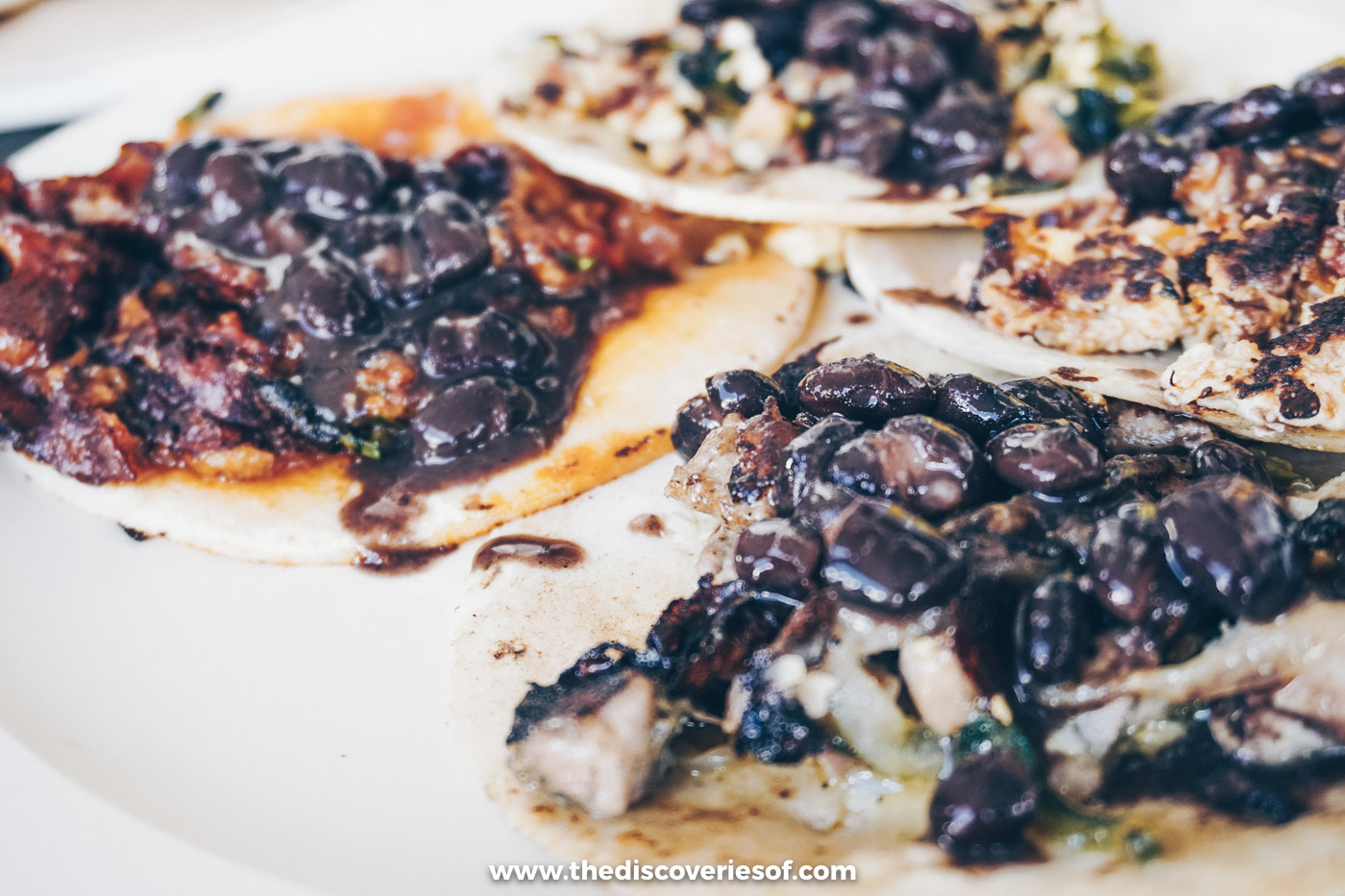
I toyed with the idea of not going to Wayan’e, since it was my last day in town and the branches are all a decent walk outside the centre. I’m so glad I didn’t let my laziness win. These were, hands down, the best tacos I had in town, and at around 25 to 30 pesos each (about £1 / $1.50), almost criminally cheap.
My advice? Order as many as you can feasibly eat. It’s hard to pick a favourite, but the huevo con chaya (egg and chaya leaves) was a strong contender, closely followed by the castacan (crispy pork belly), Wayan’e’s signature. The unctuous, fatty pork and the fire of the habanero is perfection. On second thoughts, though, it was the frijoles taco that seized the day. Who knew a black bean taco could hum with so much flavour and be so totally moreish?
Wayan’e now has a branch in Centro, on Calle 59 by Parque de la Mejorada, as well as the original out in Itzimná. It’s a breakfast and lunch spot, open from 7am to around 2.30pm (closed on Sundays in Centro), and the best fillings sell out, so go early.
Rosas y Xocolate


Ignore the fact that it’s an Instagrammer’s dream (though watching person after person strike awkward pose after awkward pose against the pink walls is entertainment in itself) and know that Rosas y Xocolate is worth the hype.
Set in a beautifully restored mansion on the Paseo de Montejo, the cocktails are great, the food is delicious and the service is impeccable. Expect a fusion of Mexican flavours with influences from further afield: they even turn a humble roast chicken into a work of culinary art. Cocktails run from around 180 to 280 pesos.
La Chaya Maya

La Chaya Maya is a hugely popular spot for Yucatecan food, so I made it my first stop after arriving in the city. It didn’t disappoint.
Opt for the breakfast panuchos, crispy corn tortillas with your choice of toppings. I went for the cochinita pibil pork, the classic shredded turkey, and the Maya (chaya leaves with onion and veg). All three were tender, deeply flavoured and a perfect contrast to the crunchy tortilla.
Avoid the juice and coffee, though: both were on the disappointing side. Mains run from around 150 to 300 pesos, and there are two branches, both by Parque Santa Lucía: the original on Calle 57 and the Casona on Calle 55.
Piña pa’ la Niña
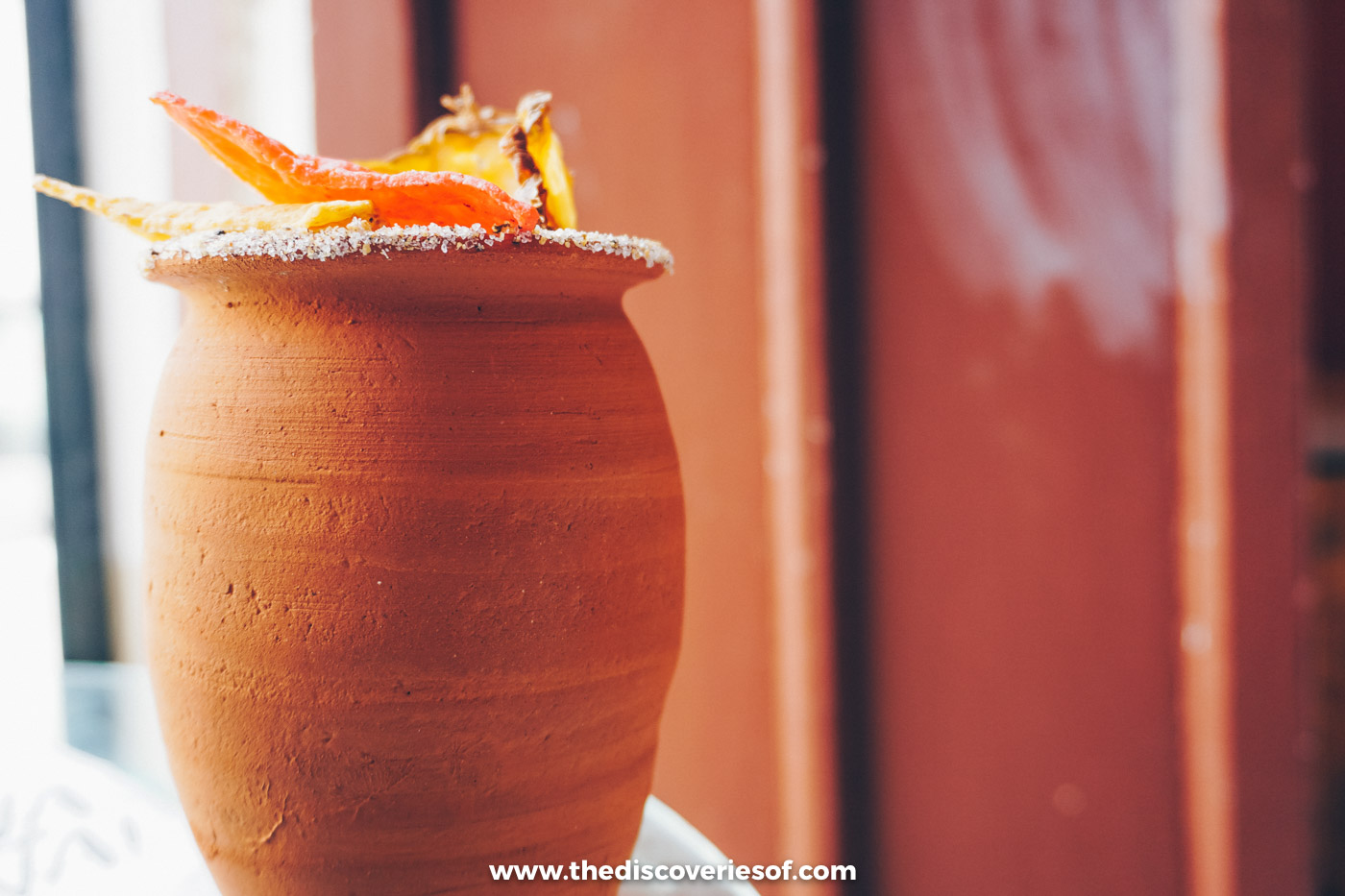
Mérida is the kind of city where you can stroll around, shooting the breeze, and stumble across a place that’s about to become your new favourite cocktail spot.
That’s what happened with me and Piña pa’ la Niña, anyway. One moment I was walking along snapping photos of the colourful buildings like that basic bitch, and the next I was ensconced in a cosy little chair drinking a caramelised pineapple cocktail that was more drinkable than ice-cold water on a hot summer’s day.
Sometimes you have to acknowledge when you’re winning at life, right? You’ll find it on Parque Santa Lucía.
Chilakillas

Haven’t come across Mexican chilaquiles yet? You’re in for a TREAT. This small breakfast and lunch spot specialises in one thing and one thing only: chilaquiles (Chilakillas, get it?).
Think crispy tortilla chips drenched in sauce and served with avocado, onions, veg and a topping of your choice. The challenge is to eat it before it goes soggy, which isn’t much of a challenge when it tastes this good.
Manifesto Coffee

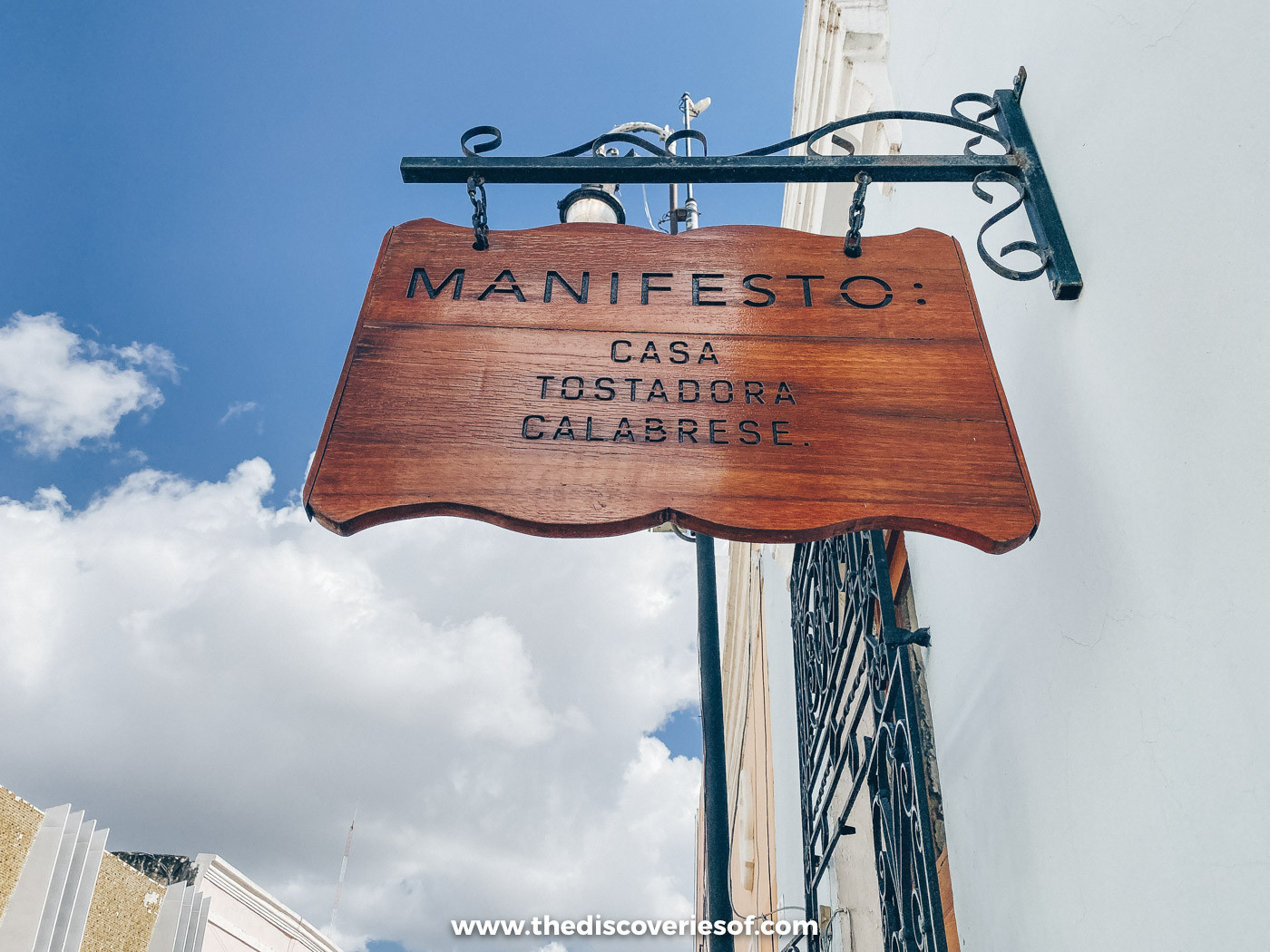
Manifesto is an independent coffee shop, the type that serves up the really good stuff. They have their own roastery, working with beans from across Mexico’s top coffee regions like Oaxaca, Chiapas and Veracruz, and it shows.
This was the best coffee I had in Mérida, and most of my days started with a flat white or two from here. You’ll see their “manifesto” on the walls: coffee made only with freshly roasted beans, with attention paid to water quality. Mildly pretentious, sure, but the coffee is so good there’s clearly something to it. You’ll find them on Calle 59 in the Santiago neighbourhood, open from 8am every day.
La Exquina
Remember I mentioned the Paseo de Montejo and how it’s lined with restaurants? La Exquina is one such place, and somewhere to sample some of the tastiest food in the city. The outside might not look quite as grand as some of its neighbours, but I guarantee you won’t find a more delicious menu nearby. Order the pork chops. You won’t regret it. It opens in the evenings only, from 6pm, and is closed on Mondays.
Three places I’d skip
Part of being genuinely useful is telling you where not to bother. These were my misses.
Museo Fernando García Ponce MACAY

Wasn’t a fan at all of this weirdly laid-out museum. There was no cohesion and only a smattering of interesting pieces among what is a relatively substantial collection.
The labyrinthine layout kept me hostage long after any vestige of interest I had in being there had long fled.
Hotel Caribe
Don’t bother: literally the worst margarita I’ve ever had. It was like drinking a snow cone where they’d forgotten the syrup or any kind of flavour.
Manjar Blanco
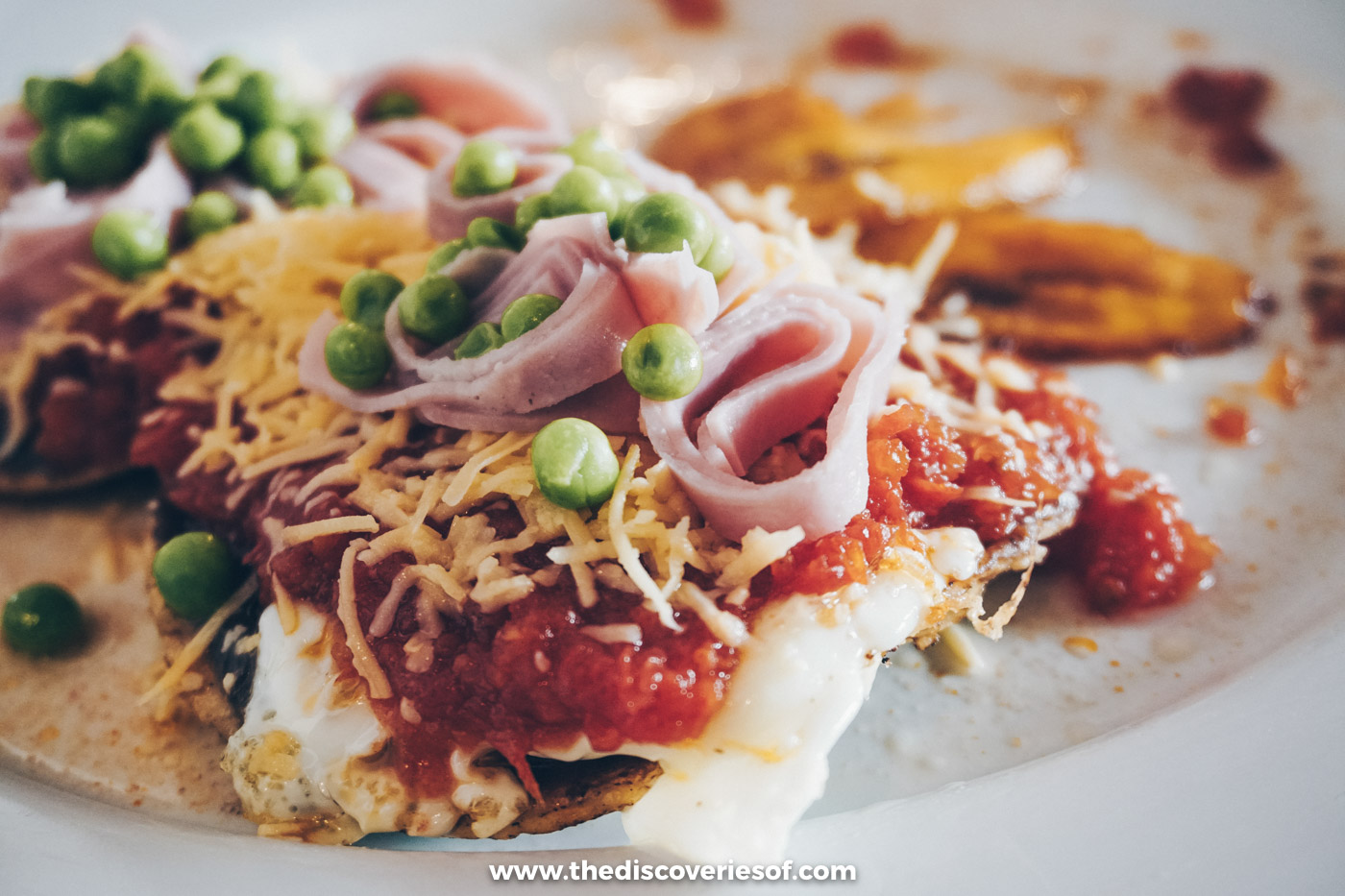
Manjar Blanco crops up on a few lists of places to eat in Mérida, but I wasn’t convinced. I visited on a Sunday for breakfast and ordered the 110-peso deal: a main, fruit, coffee and orange juice.
The huevos motuleños were a disappointment, made with supermarket ham, Edam rather than the queso fresco advertised, a bland tomato sauce and, bafflingly, heated frozen peas. It was fine, but not mind-blowing, and there are far too many great eateries nearby to settle for fine.
Know before you go
- How long to stay: Although Mérida is a large city, the historic centre is relatively small and compact. Don’t let that fool you into thinking you can whizz around the old town in a day, though. I’d recommend at least three to four days to see the best of the city and use it as a base for the surrounding Maya sites and cenotes.
- Best time to visit: It’s warm and humid all year round, with a rainy season that runs from June to October. High season is focused on the months between December and April, which tend to be relatively dry but much busier. The hottest stretch runs from April to September (May peaks at around 36°C), when it can be overwhelmingly hot, even at night. For more, see my guide to the best time to visit Mexico.
- Getting there: The city has its own airport from which you can catch local and international flights, about 20 minutes from the centre. If you’re flying to Cancún, I’d recommend catching the ADO bus (which goes straight from Cancún airport) to Mérida’s central bus station, about four and a half hours, and then hopping in a taxi or walking to your accommodation from there. The Tren Maya also links Cancún airport and Chichén Itzá with the city, but its station is in Teya, 12 to 15km outside the city: allow for the IE-Tram shuttle (45 pesos) or a 180 to 250-peso taxi into the centre, and check fares on the official site, as they have changed several times since 2025.
- Where to stay: Mérida is filled with chic boutique places to stay, and I stayed in three separate places during my time there. Base yourself in Centro, between Plaza Grande, Parque Santa Lucía and the bottom of the Paseo de Montejo, and you can walk to almost everything on this list. Sercotel Casona 61 (now Casona 61 by GuruHotel) actually ended up being my favourite hotel from the whole of my five weeks in Mexico. It’s just a short walk away from Plaza Grande, as well as many of the best bars and restaurants in the city. Where it really shines is in the uber-cool, design-led decor present throughout the property: it looks every inch the high-end boutique hotel, but prices are actually surprisingly reasonable. My room even came with its own private rooftop area and plunge pool (which obviously I had to have a few dips in). Check availability at Casona 61, or browse more hotels in Mérida’s Centro.
Top Tip
Overall, it’s best to visit between October and December, just before the start of the high season, as this is when accommodation costs less, there are fewer crowds but the weather is at its best.


Watch my Mexico travel tips video
Planning a trip to Mexico? Check out my Mexico travel tips video.
Map
That’s it, folks! I hope that you have a brilliant time in Mérida, the Yucatán’s capital. It really was one of my favourite destinations from my time in Mexico.
Any further tips or suggestions? Drop them in the comments below.
Read next
- Cenote Suytun, the cave pool near Valladolid with a stone stage in the middle
- The Discoveries Of’s Mexico travel guide: what you need to know before you go
- 2 weeks in Mexico: the perfect road trip itinerary
- Sercotel Casona 61 review: boutique hotel in Mérida
- Cool things to do in Campeche, Mexico
- Unmissable things to do in Mexico City
- 12 things to do in Tulum that still make it worth the hype
- The best time to visit Mexico
- Famous landmarks in Mexico
Love this? Save and share on Pinterest


Discover the top things to do, insider tips and hidden gems in our Mexico Travel Guide.
Read the guides →






Hi!
I didn’t see mention of swimming in the underwater cave filled with stalactites and stalagmites.
Is it worth it?
Thank you!