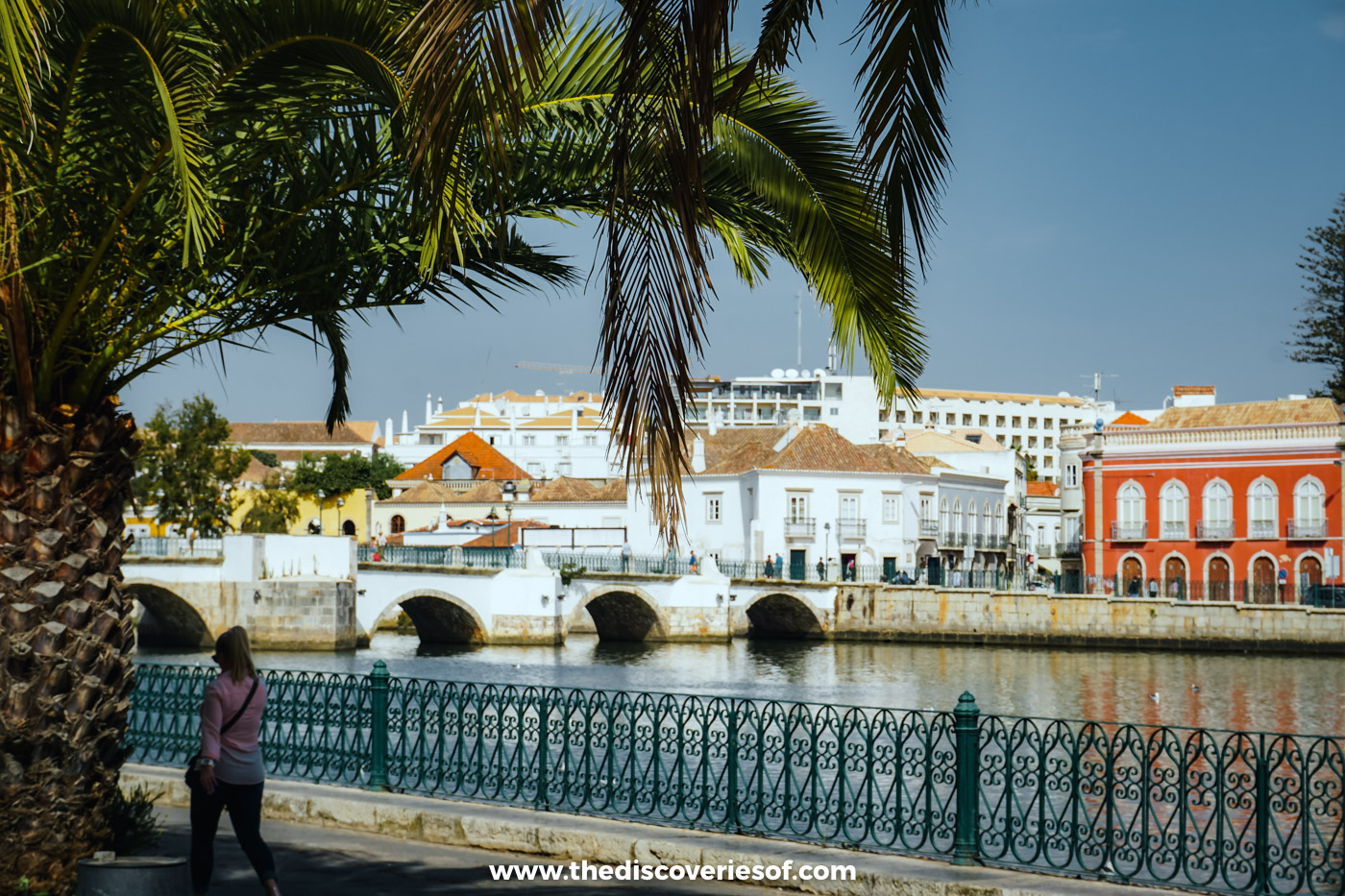
Planning a trip to Portugal? From the new passport checks and the nightly tax your hotel adds to the bill, to the cobbles that punish the wrong shoes and the little dishes that arrive at your table unasked, these are the Portugal travel tips worth knowing before you go.
If you’ve been following my travels for a while, you’ll know how much I love Portugal. I first went as a teenager, interrailing on a shoestring, and I’ve lost count of the trips since then. There was a January weekend in Lisbon, harvest time in the Douro Valley in late September, an October split between a villa at Four Seasons Fairways in the Algarve and the walking trails of the Alentejo coast, more food tours and history walks in Lisbon another October, and a villa in Lagos, where I flew my drone over the cliffs and beaches.
I still remember that first trip (many moons ago) and all the questions I had before it. When should I go? What do I need to sort out before I leave? How do I get around once I’m there?
So here are my Portugal travel tips, in roughly the order you’ll need them: the things to sort before you fly, getting around, money and food, and a few habits worth picking up once you’re on the ground. Each tip is short, with a link to the guide that goes into the detail.
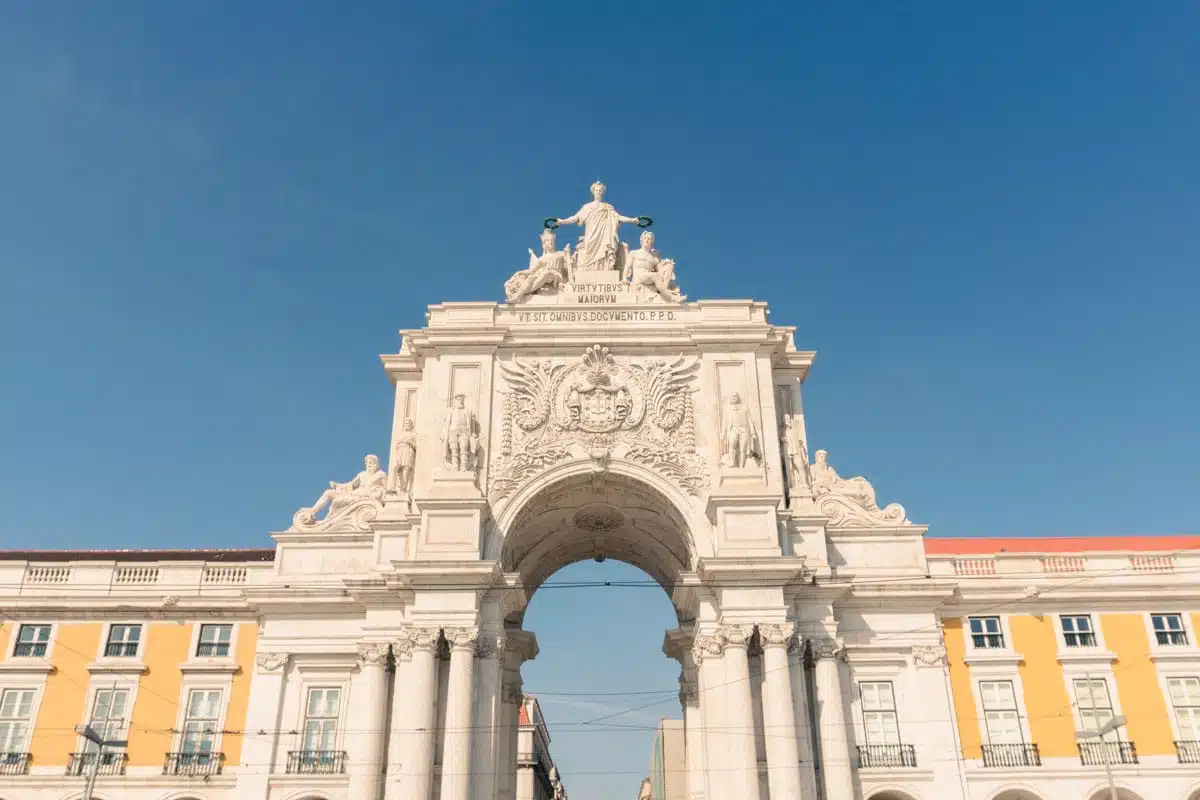
Before you fly
1. Check the new passport checks at the border
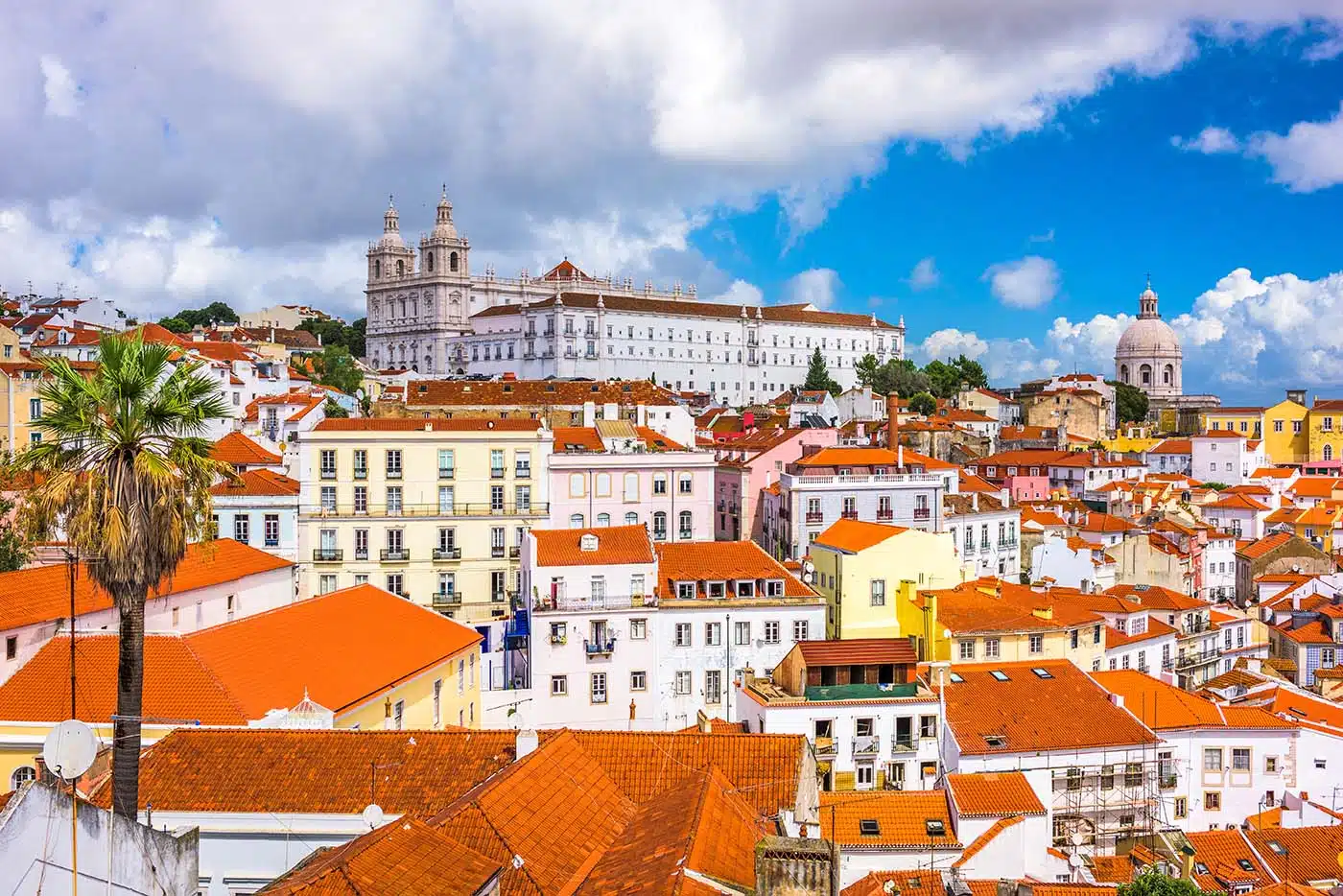
One thing I love about this country (OK, there are many things) is how easy a trip is to plan, and getting in is still simple for most visitors. Portugal is in the EU and the Schengen area, so visitors from the UK, the US, Canada and Australia don’t need a visa for stays of up to 90 days in any 180-day period across the whole Schengen area. Check that your passport was issued within the last 10 years and is valid for at least three months after the day you plan to leave.
What has changed is the border itself. The EU’s Entry/Exit System (EES) replaces passport stamps with a digital record, and it has been fully in force since 10 April 2026. The first time you arrive, you’ll have your fingerprints and photo taken at passport control. Lisbon, Porto and Faro all saw waits of well over an hour during the first busy spring, and the emergency rules that let border staff pause the checks at peak times expired in September, so leave plenty of time at the airport, especially on your way home.
ETIAS, the online travel authorisation that visa-free visitors will eventually need, isn’t running yet. The EU has dropped its “last quarter of 2026” target and is now widely expected to launch it in 2027, with several months’ notice. When it does, it will cost €20 and last three years. Until then there’s nothing to apply for, so ignore any website that offers to sell you one.
2. Pick your season for what you want to do
Some of the most valuable advice I can give you is to decide what you want to do first, and then choose when to go. The coast in August is a very different trip to Lisbon in January.
My own trips have landed in very different seasons. Lisbon in January was all short days, quiet sights and a sunrise from my hotel balcony; late September in the Douro meant the grape harvest; and October took me out to the beach on Ilha Deserta and along the clifftop trails of the Alentejo coast. July and August are hot, busy and expensive, especially on the coast. I go through the year month by month in my guide to the best time to visit Portugal.
3. Budget for the tourist tax
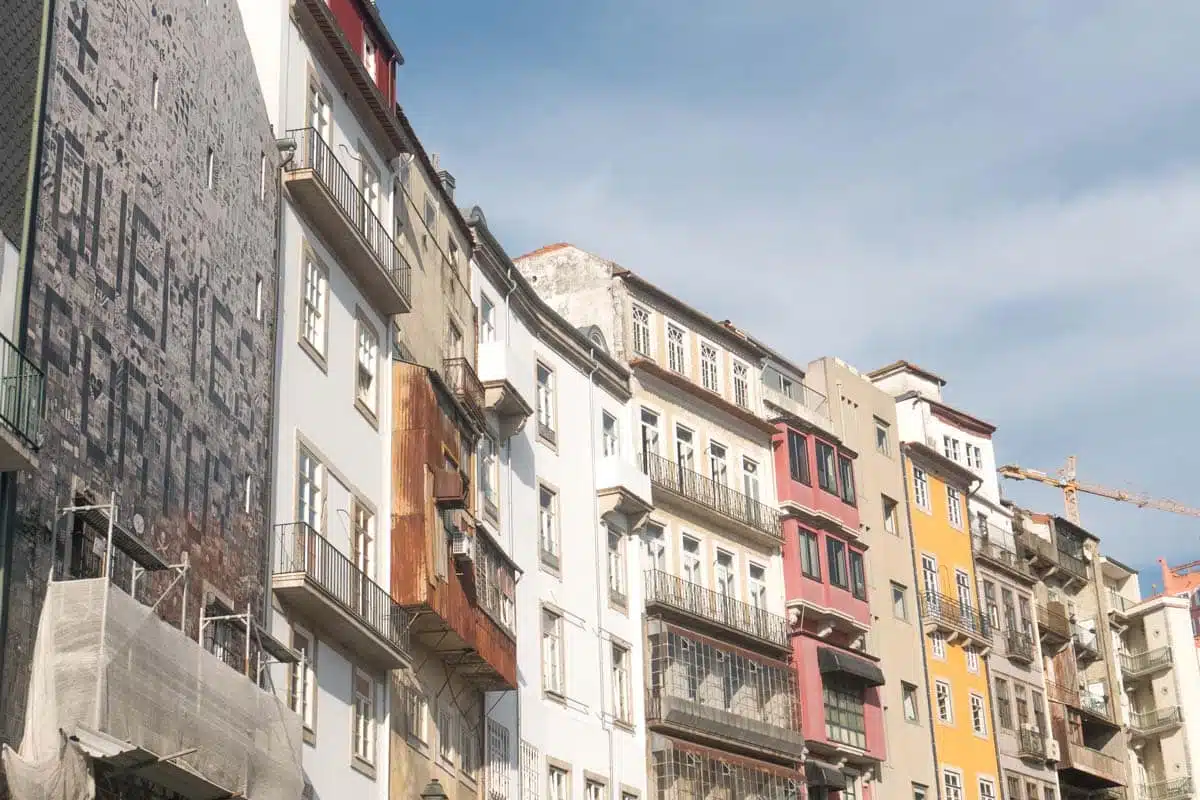
More and more towns add a nightly tourist tax to your hotel bill, paid at the hotel and often on top of anything you’ve prepaid online. In Lisbon it’s €4 a night per guest and in Porto €3, payable from the age of 13 for up to seven nights (Porto’s council is reviewing a rise). Sintra and Cascais charge one too.
In the Algarve, seven councils charge €1 to €2 a night depending on the season, among them Faro, Albufeira, Loulé and Portimão. Lagos and Tavira don’t, at the time of writing. Most of Madeira charges €2, São Miguel in the Azores €2 for up to three nights, and Évora became the first town in the Alentejo to charge, at €1.50.
4. Book the big sights before you go

The best advice I can give about what to see is to plan the headline sights ahead and leave the rest loose. Several of the most popular now sell timed tickets, and summer slots go days in advance. The Jerónimos Monastery cloister and Pena Palace in Sintra both run timed entry, and Belém Tower, which reopened in May 2026 after its restoration, lets in about 900 people a day in half-hour slots. Many museums and monuments close on Mondays, so check before you build a day around one.
For everything else, my round-up of the best things to do in Portugal will help you pick a base and plan the sights, hikes and festivals around it.
5. Book your bed early, or very late
Book six months or so ahead for summer, the Easter holidays and anywhere on the coast, and you’ll get the pick of the rooms at fair prices. That said, I’ve found some surprisingly great deals by booking at the last minute, though it’s not a strategy for the faint of heart in August. The best areas for a base are in my guide on where to stay in Portugal, and my one-week Portugal itinerary suggests a stay for each stop.
Check hotel rates on Booking.com
6. Sort your phone before you land
Since Brexit, most UK networks charge a daily fee for using your allowance in the EU, and it soon adds up over a week or two. I like to have my data sorted before I land. An eSIM is the easiest option if your phone takes one: you buy it online and switch it on as you arrive.
If you’d rather buy a local SIM, MEO and Vodafone both have desks in arrivals at Lisbon, Porto and Faro airports, with tourist packs from about €10 to €25 (MEO’s is about €15 for 15GB over 30 days). Phone shops in town tend to give you more data for your money.
7. Pack a European plug adapter
The country uses the standard European two-pin plugs (types C and F) at 230 volts. If you’re coming from the UK, the US or anywhere outside mainland Europe, you’ll need an adapter, and visitors from the US should check their chargers handle 230 volts (most phone and laptop chargers do). I love a compact universal adapter that works almost anywhere I go: there’s one in my travel gear guides.
8. Pack shoes that grip
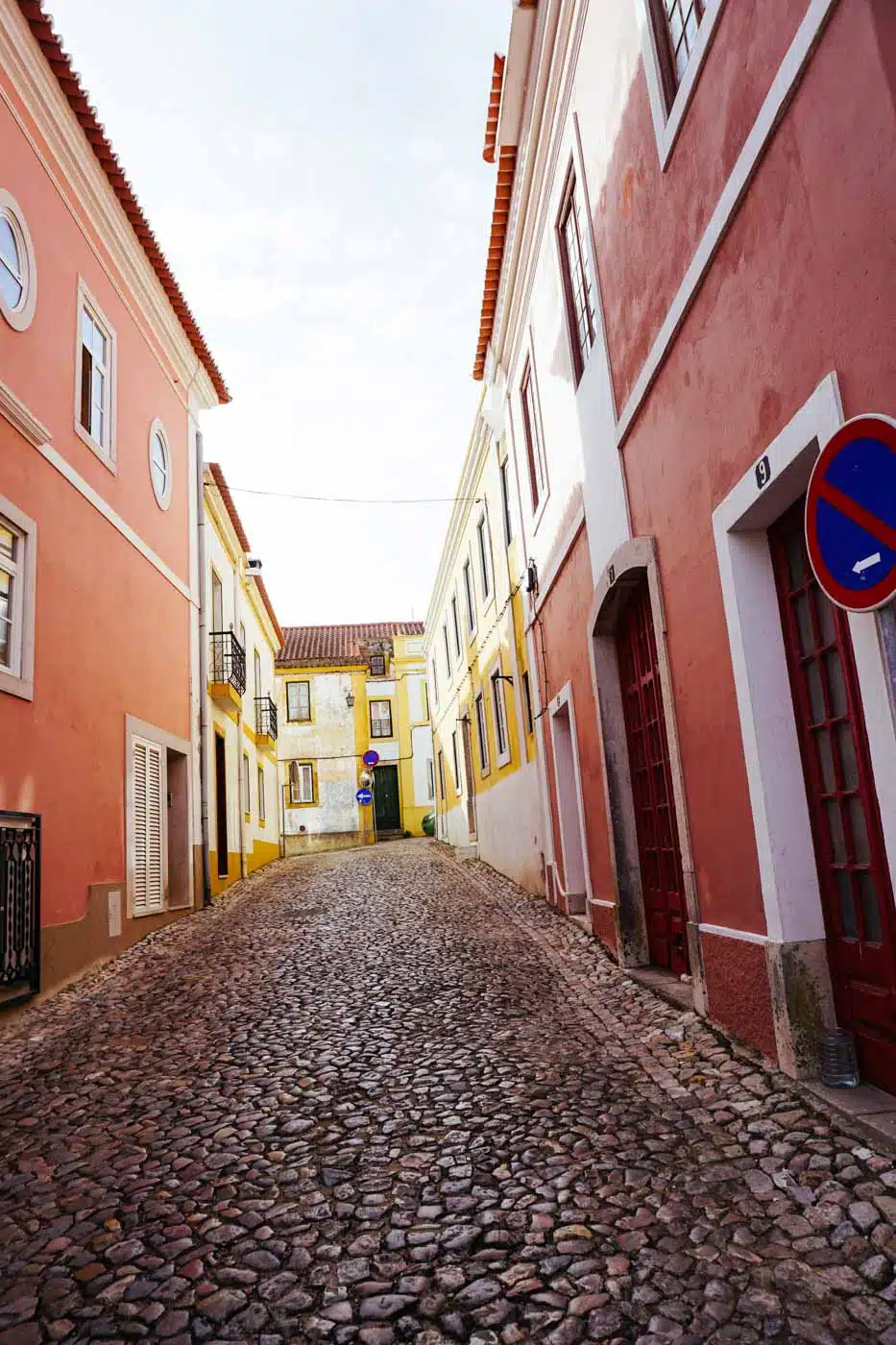
The pretty black and white cobbled pavements (calçada portuguesa) look wonderful in photos, but trust me, after a day of them your feet will know about it. They’re also polished smooth in places and turn slippery after rain, and Lisbon and Porto are both cities of steep hills. Leave the flip-flops for the beach and pack comfortable shoes with a decent grip.
Getting around
9. Get the right transport card in Lisbon and Porto
In Lisbon, pick up a reusable navegante card (€0.50) from the machines in metro stations, then top it up with Zapping credit for single journeys, or with a 24-hour pass (€7.25, covering the metro, buses, trams and funiculars). A ticket bought on board the trams costs €3.30 a ride, so the card pays for itself almost at once. The metro’s red line runs from the airport to the centre.
Porto works the same way with its blue Andante card (€0.60): a single in the central zone costs €1.40 in 2026, and the metro’s violet line runs from the airport into town in about half an hour. There’s more on the trams and lifts in my Lisbon guide.
10. Work out whether the Lisboa Card pays
If you’re in Lisbon for a few days and planning to pack in the sights, I’d recommend the Lisboa Card. As well as unlimited rides on the metro, buses, trams and the Sintra and Cascais trains, it includes free or discounted entry to dozens of sights, among them Belém Tower and the Jerónimos cloister. It costs €31 for 24 hours (€29.45 online), €51 for two days and €62 for three. Add up the entry fees you’d pay anyway before you buy: it earns its keep on a busy day in Belém, between the tower, the monastery and the Monument to the Discoveries, and much less on a lazy one in Alfama. You can buy it here, and remember to book a slot for the timed sights with your card number.
11. Let the train take the strain between cities
Trains are the easiest way between the big cities. The fast Alfa Pendular takes just under three hours from Lisbon to Porto, and the Algarve is a three to four-hour ride south, changing at Tunes for Lagos. Fares are cheap if you book a few days ahead on the CP website, and the long-distance trains have reserved seats, so they can sell out on summer weekends and holidays.
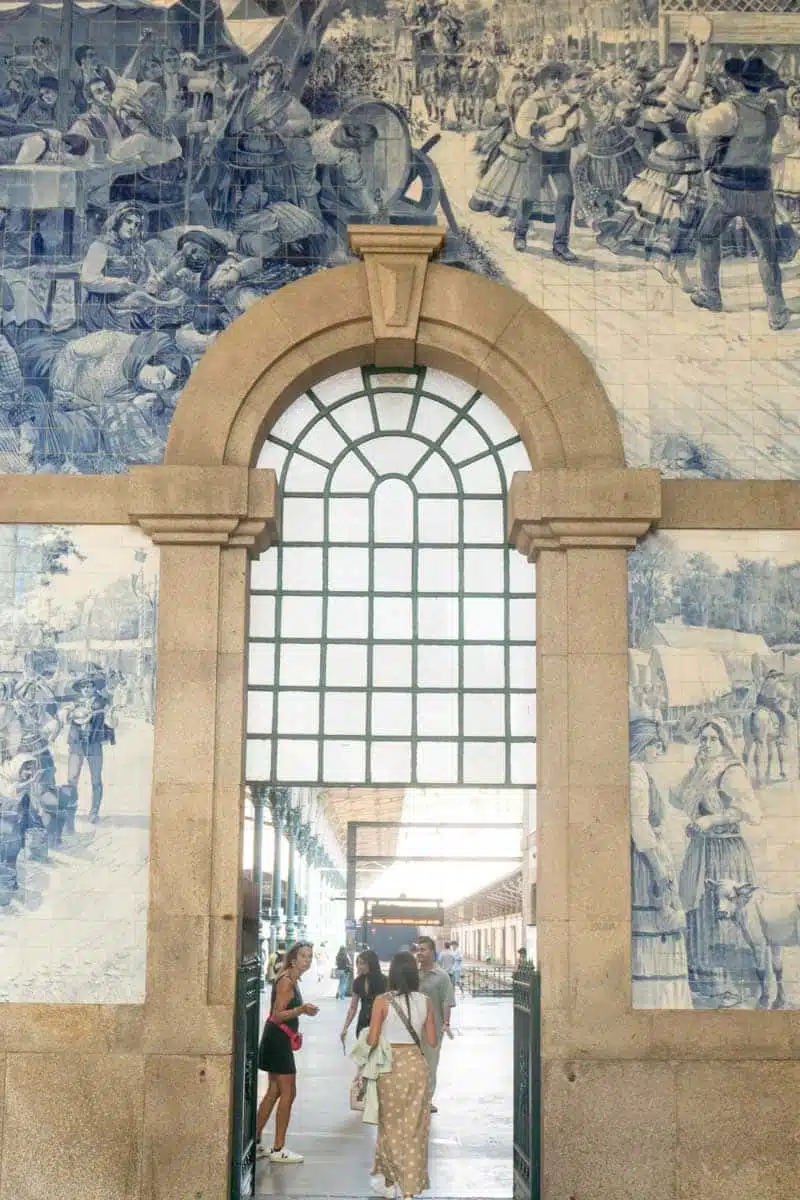
Build in time to look up at the stations, too. Porto’s São Bento is lined with some 20,000 blue and white tiles.
12. Hire a car for the Algarve and the Alentejo
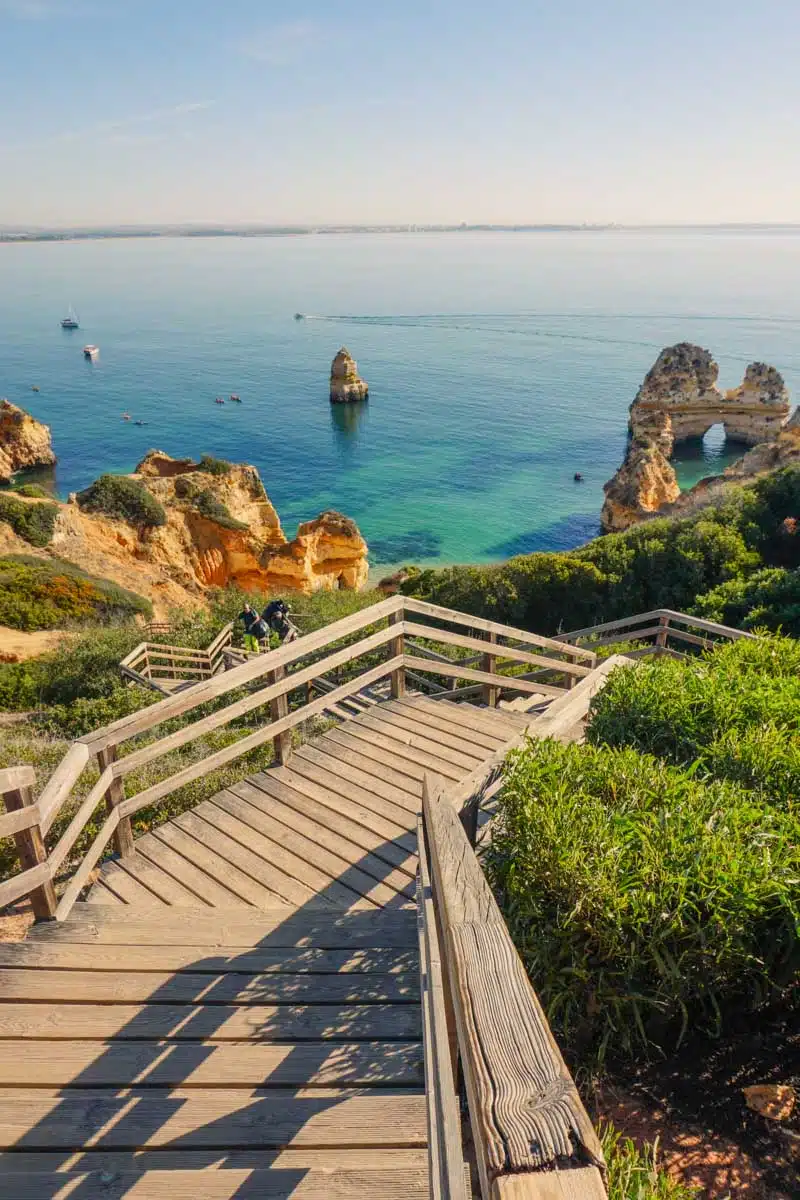
Between the cities you don’t need a car, but for the coast and the countryside it makes life far easier. I’ve never attempted getting around the smaller Algarve towns without one, and when I walked sections of the Rota Vicentina I picked up a small hire car in Faro and drove up to the Alentejo. Buses do run, but they’re slow and infrequent once you leave the main towns.
Visitors with a UK, EU, US or Canadian licence can drive on it for a holiday, though some hire companies ask non-EU drivers for an International Driving Permit as well, so check with yours when you book. Drive on the right, and leave the car keys and valuables out of sight: hire cars at beach car parks are an easy target.
13. Know how the tolls work
The motorways here mix old-fashioned toll booths with electronic-only gantries that can’t take cash or cards. The simplest fix is to ask your hire company for a Via Verde transponder, which logs every toll and charges your card afterwards (usually for a small daily fee). Driving your own car, register your number plate and card with EasyToll as you cross the border.
The good news for the south is that the A22, the motorway that runs the length of the Algarve, has been toll-free since 1 January 2025, along with several motorways in the north and the interior.
14. Expect impatient drivers on the small roads
Driving here isn’t hard, but I’ve noticed that drivers on the smaller country roads can be a bit aggressive, tailgating and overtaking on bends. Keep to your own pace, pull over to let them pass and let them get on with it. The drink-drive limit is 0.5g per litre (0.2g for drivers who’ve held a licence for less than three years), and the speed cameras are real.
15. Use a rideshare app from the airport
Taxis are perfectly fine and generally safe, but I prefer using a rideshare app: Uber and Bolt both work in Lisbon, Porto and the Algarve, the price is fixed before you get in, and there’s no haggling over luggage at the end. Late at night or with lots of bags, it’s the easiest way to get to your hotel.
Money, food and drink
16. Pay by card, but carry some cash
Contactless cards work almost everywhere now, but it’s still worth having some euros on you for tiny cafés, market stalls, tram tickets and the odd family-run restaurant that only takes cash, which you should definitely seek out. Take money out from a bank’s Multibanco cash machine rather than the standalone ones in tourist areas, which charge hefty fees, and if a card machine or ATM asks whether you’d like to pay in your home currency, always choose euros.
17. Check the couvert before you tuck in
In most restaurants, a basket of bread, butter, olives or a little dish of cheese arrives before you’ve ordered. This is the couvert, and it isn’t free. The law is on your side, though: you only pay for what you eat (or open), so if you don’t want it, just send it back or leave it untouched. It’s usually a few euros, and the cheese or the little pots of sardine pâté are often worth it.
18. Ask for tap water
The tap water is safe to drink across the mainland, and restaurants have to give it to customers eating in, free of charge, in a proper glass. Waiters will often bring bottled water unless you ask, so if you’d rather not pay for it, ask for “água da torneira”.
19. Eat when the locals eat
Lunch is the main meal for many Portuguese, served from about 12.30pm to 3pm, and plenty of tascas offer a good-value prato do dia (dish of the day) at lunchtime. Dinner starts around 7.30pm or 8pm, later at weekends. Plenty of smaller restaurants close on Sundays or Mondays, so check before you set out, and book ahead anywhere popular. If you’re starting in the capital, these are my favourite restaurants in Lisbon.
20. Sit inside at Pastéis de Belém
Pastéis de Belém, a few minutes’ walk from the Jerónimos Monastery, has been baking custard tarts to a secret recipe since 1837, and its takeaway queue can snake down the street. My trick is to skip it altogether: head inside and take a table in the tearooms instead. More often than not there’s no wait, and you’ll be tucking in within minutes, with cinnamon and icing sugar to sprinkle on top.
21. Tip lightly
This isn’t a big tipping country. Round up for a coffee or a taxi, and leave 5 to 10% for a good meal if service isn’t already included. My guide to tipping in Portugal has the detail.
Once you’re on the ground
22. Book a guided tour on your first day
History and culture are what hook me on a place, so one of the first things I do in a new city is book a guided tour. It’s the fastest way to get your bearings, and a good guide shows you corners you’d walk straight past. In Lisbon, a history walk through Alfama with a historian and a vintage sidecar ride round the hills were two of my favourite ways to get under the city’s skin.
23. Leave some time with no plans at all

As much as I love a guided tour, I always leave some free time to explore on foot and see what I stumble on. Some of my favourite restaurants, live music and open-air markets have come from wandering with no agenda beyond getting to know whichever neighbourhood I’m in. I can’t recommend it enough.
24. Learn a few words of Portuguese (not Spanish)
English is widely spoken in Lisbon, Porto and the Algarve, but less so in the countryside, and a few words of Portuguese go a long way. Start with bom dia and boa tarde (good morning and good afternoon), por favor (please) and thank you, which is obrigado when a man says it and obrigada from a woman. Whatever you do, don’t default to Spanish: the two languages sound very different, and it doesn’t go down well.
25. Watch your bag on tram 28
Whenever I plan a trip somewhere new, I like to get a sense of any safety issues first, and the good news here is that Portugal is one of the safest countries in Europe. The main thing to watch for is pickpockets on crowded trams (tram 28 in Lisbon above all), at the viewpoints and on busy shopping streets, so keep your bag zipped and in front of you. In Lisbon’s Baixa you may be offered “hash” or “cocaine” by street sellers: it’s almost always fake (often bay leaves), so just keep walking.
Beyond that, you don’t need me to tell you to use common sense, and to treat it like anywhere else: stay away from unlit, empty streets late at night and don’t overdo the vinho verde.
26. Save 112 in your phone
The emergency number is 112, as across the EU. For anything less urgent, pharmacies (look for the green cross) are a good first stop for minor ailments, and there’s always one open late in each area, listed in every pharmacy window. The national health line, SNS 24, is on 808 24 24 24. Make sure your travel insurance is sorted before you go, and UK visitors should take their GHIC as well.
Read next
- When’s the best time to visit Portugal?
- How to spend one week in Portugal
- The best things to do in Portugal
- Where to stay in Portugal
- The coolest things to do in Lisbon
- Things to do in the Algarve
- A handy guide to tipping in Portugal
Love this? Save and share on Pinterest
Discover the top things to do, insider tips and hidden gems in our Portugal Travel Guides.
Read the guides →