Visiting Iceland soon? These are the Iceland travel tips that matter, from the new border checks and the roads you can’t drive in a hire car to the beach that has claimed lives and the winter days that last barely four hours.
I’ve been to Iceland three times, in three very different seasons: a trip in early May when the snow was still on the peaks, a self-drive around the September equinox, and a few days in Reykjavik in early December. Each one taught me something I’d have liked to know before I landed.
Some lessons were small, like how little cash I needed. Others were bigger: how far a day’s driving really gets you, how quickly the weather turns, and how short the days are in winter. Add in new border rules, parking apps at almost every sight and a beach where the sea can be deadly, and there’s a lot to get your head around.
So here’s what you need to know before you go, in the order you’ll need it. Each tip is short, with a link to the guide that goes into the detail.
The Iceland travel tips to sort before you fly
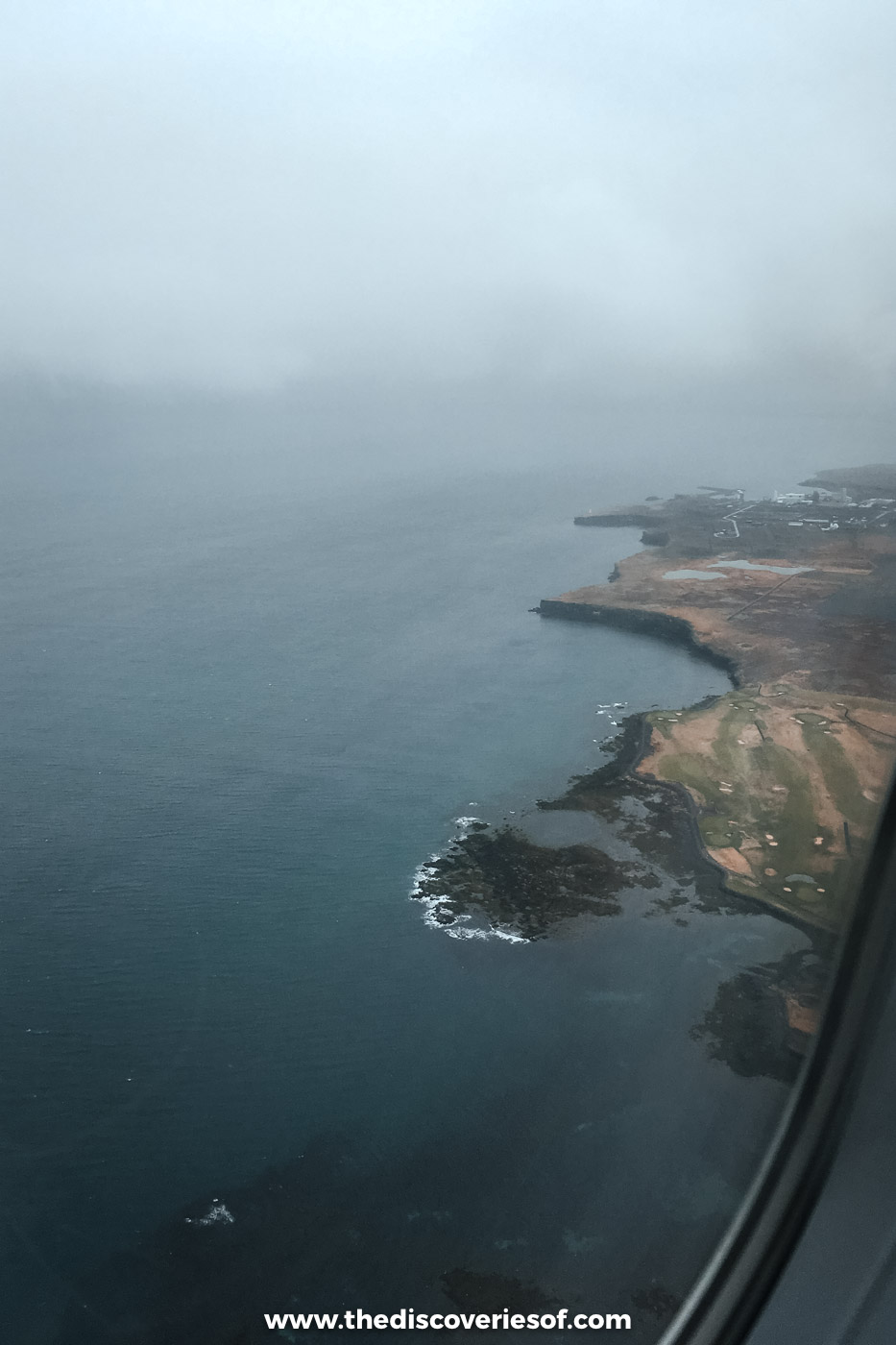
1. Check the new border rules
The country isn’t in the EU, but it is part of the Schengen area, so the same entry rules apply as for most of Europe. Visitors from the UK, the US, Canada and Australia don’t need a visa for stays of up to 90 days in any 180-day period across the whole Schengen area. Check that your passport was issued within the last 10 years and is valid for at least three months after the day you leave.
Two things have changed. The EU’s Entry/Exit System (EES) has been fully in place at the borders here since 10 April 2026. It replaces passport stamps with a digital record, so the first time you arrive you’ll have your fingerprints and photo taken at the border. Allow extra time at Keflavík, especially when several flights land together.
The second is ETIAS, an online travel authorisation that visa-free visitors will need to buy before they travel. It isn’t running yet and there’s no start date: the EU has said it will give several months’ notice. When it launches, it will cost €20 and last three years. Only ever apply through the official ETIAS site, never a lookalike agency.
If you do need a Schengen visa, apply well ahead through the European Commission guidance for your country.
2. Build in slack around your flights
My September flights were delayed in both directions, and both times I only found out once I’d been herded through to the gate with nowhere to go. That airline no longer flies from the UK to Keflavík, but the lesson stands: don’t book a tour, a lagoon slot or a long drive for the afternoon you land, and leave a buffer before an onward connection on the way home.
From the UK, easyJet, Jet2, British Airways and Icelandair fly to Keflavík, and Icelandair lets you stop over for up to seven nights on many transatlantic fares at no extra airfare. Low-cost PLAY stopped flying in September 2025, so ignore older advice that mentions it. My guide to whether Iceland is expensive has current fares.
3. Pick your season for what you want to see
It’s three different countries depending on when you go. In May I had long, light evenings, snow-capped mountains and Arctic terns, but no darkness and so no aurora. In September I had autumn colours, quieter roads and the Northern Lights two nights running. In December I had Reykjavik in its winter coat and only a few hours of daylight.
Summer (June to August) brings the midnight sun, the highland roads and the highest prices. The aurora season runs from about late September to early April, and spring and autumn give you darkness without the deepest cold. My guide to the best time to visit Iceland goes through it month by month.
4. Book your beds early, especially on the south coast
Accommodation is the biggest cost of any trip and the first thing to sell out. Vík, the area around Jökulsárlón and the country hotels near the Golden Circle fill up months ahead in summer and around the September equinox, and the choice outside the towns is small.
On the south coast I stayed at Hotel Rangá near Hella on both of my trips there, and I’d go back in a heartbeat; my Hotel Rangá review has the details. In Reykjavik I stayed at the Reykjavik Marina in the harbour. For every area and budget, see my guide to where to stay in Iceland.
5. Sort your phone before you land
Mobile coverage is good in towns and along the Ring Road, but it drops out in the highlands, some fjords and deep valleys. The country is in the European Economic Area, so EU phone plans roam at home prices; UK networks have their own roaming charges, so check yours before you go.
If you need lots of data, Síminn, Nova and Vodafone sell prepaid SIMs and eSIMs. Either way, download offline maps for your driving days and install the 112 Iceland app, which lets you call for help and send your location in one tap.
6. Don’t worry about the language
Icelandic is a beautiful language and a tricky one, but almost everyone you meet will switch to fluent English without a second thought. It’s still worth learning a couple of words: “takk” (thanks) and “góðan daginn” (good day) go a long way. Place names are the real challenge, so it helps to know that “foss” means waterfall, “jökull” glacier and “fjara” beach.
Getting around: tips for the road
7. Hire a car if you can
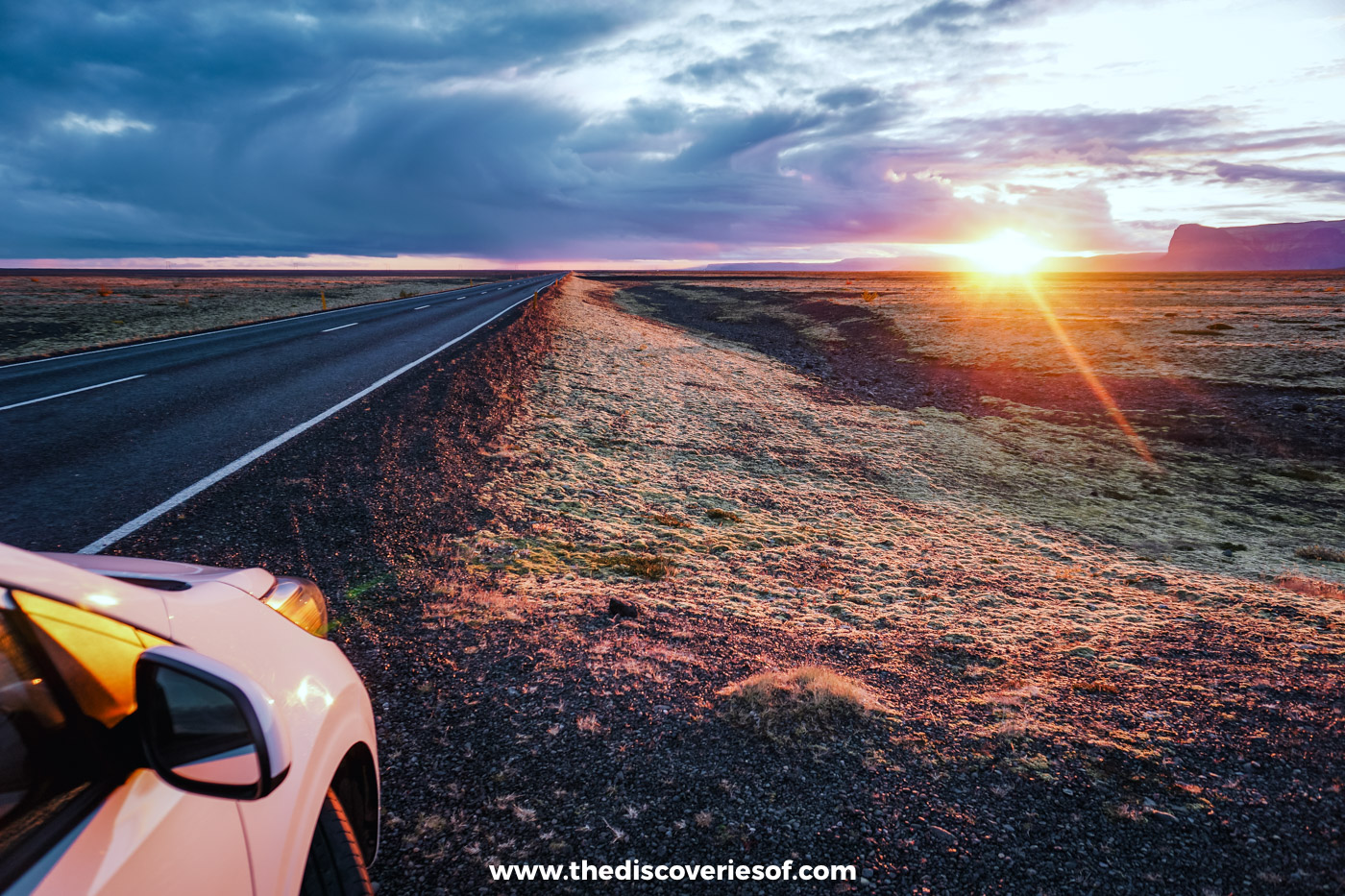
On my September trip I picked up a hire car at the airport, and it was the best decision I made. Tours are expensive and keep to someone else’s timetable. With my own wheels I could stop whenever something caught my eye, linger where I liked and keep the music going between the waterfalls. It’s how I found Stjórnarfoss, a waterfall I’d never heard of, completely by accident.
A two-wheel-drive car is fine for the Ring Road, the Golden Circle and the south coast from late spring to early autumn. In winter, choose a car with good winter tyres and be ready to change plans. Not driving? A day tour such as this Golden Circle tour with Kerið crater covers the classic loop from Reykjavik, and my Golden Circle guide shows you how to do it yourself.
8. Give the Ring Road the time it needs
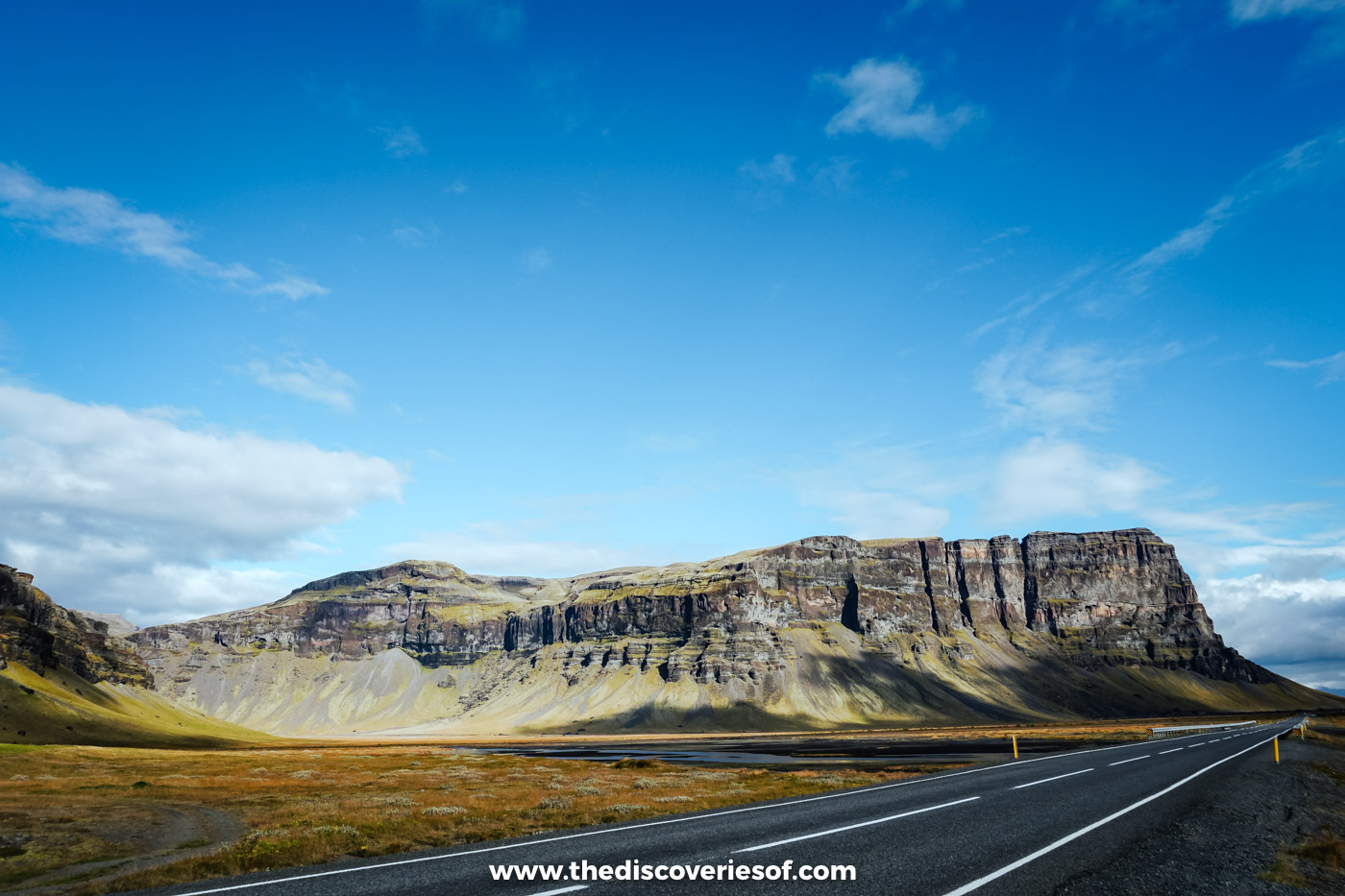
It looks small on a map. It isn’t. Route 1, the Ring Road, is 1,322 kilometres long, and you’ll want to stop every few minutes. Allow at least seven to 10 days for the full loop, and two weeks if you want to see the Eastfjords and the north properly.
I’ve kept to the south on my trips, and that taught me how far a day really goes. My drive from Hotel Rangá to Jökulsárlón and back, stopping at Skógafoss, Reynisfjara and Svartifoss, was one of the most memorable days of all my trips, but it was also a very long one, with about three and a half hours each way before any stops. If you can, spend a night out east rather than doing it in one go. Kay’s guide to driving the Ring Road covers the full circuit, and my 7 day Iceland itinerary splits the south coast into manageable days.
9. Stick to the speed limit
The limits are low and they’re enforced. You can drive at 90 km/h on paved rural roads, including most of the Ring Road, 80 km/h on gravel and 50 km/h or less in towns. Speed cameras are common, and fines run from about ISK 20,000 to more than ISK 150,000; the hire company will pass them on with a fee.
A few more rules catch visitors out. Headlights must be on at all times, day and night. The drink-driving limit is so low that you shouldn’t drink at all before driving. Many bridges are single lane: the car that reaches it first goes first. And never stop on the road for a photo, however tempting the view; wait for a proper lay-by.
10. Leave the F-roads to 4x4s and super jeeps
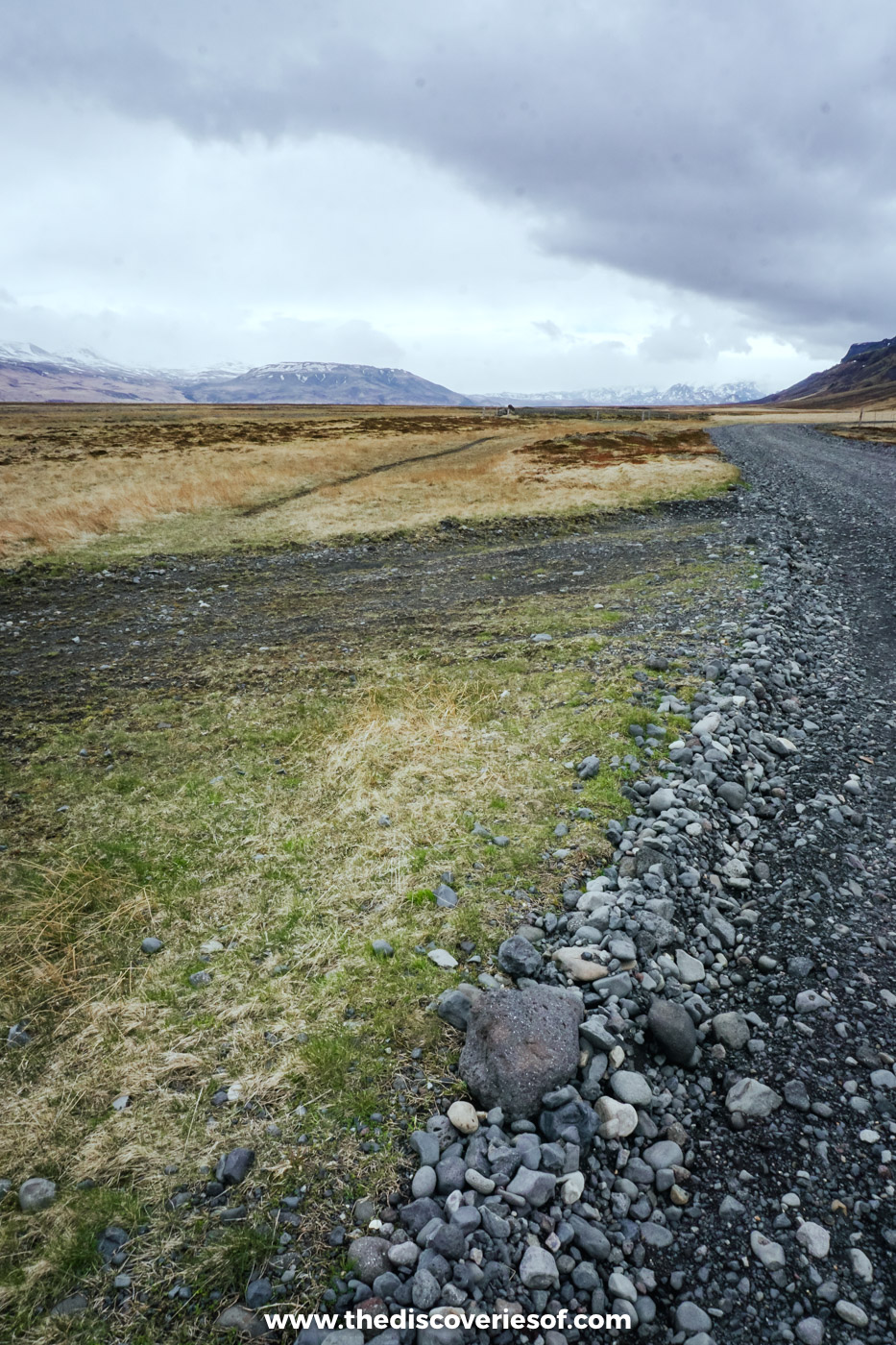
Roads with an F in front of their number are mountain tracks. By law, you can only drive them in a 4×4, and taking an ordinary car up one voids your insurance. Most open from mid to late June until some time in September, depending on snow, and many have unbridged rivers; hire insurance doesn’t cover water damage. Driving off the road anywhere is illegal and fined heavily, because tyre tracks scar the moss for decades.
If you want to see what’s up there without the stress, go with a local. My super jeep day into Þórsmörk in May, bouncing across rivers and squeezing through slot canyons, was one of the highlights of my first trip. It’s in my guide to things to do in Iceland.
11. Download a parking app
Most of the big sights are free to visit, which is one of the nicest surprises about travelling here. You pay for parking instead: usually ISK 750 to 1,110 a day at places such as Þingvellir, Geysir, Seljalandsfoss, Skógafoss, Reynisfjara and Jökulsárlón. Payment is mostly by app (Parka or EasyPark) or machine, and cameras read your number plate. Pay promptly: unpaid charges end up on your hire car bill with a handling fee on top.
12. Check three websites every morning
Before you set off each day, look at vedur.is for the weather and wind warnings, umferdin.is (it has replaced road.is) for road conditions and closures, and safetravel.is for alerts. In winter, roads can close in an hour and reopen the next morning, so build a spare day into your plans. For anything remote, leave a travel plan with Safetravel so someone knows where you are, and remember that 112 is the emergency number.
Staying safe outdoors
13. Never turn your back on the sea at Reynisfjara
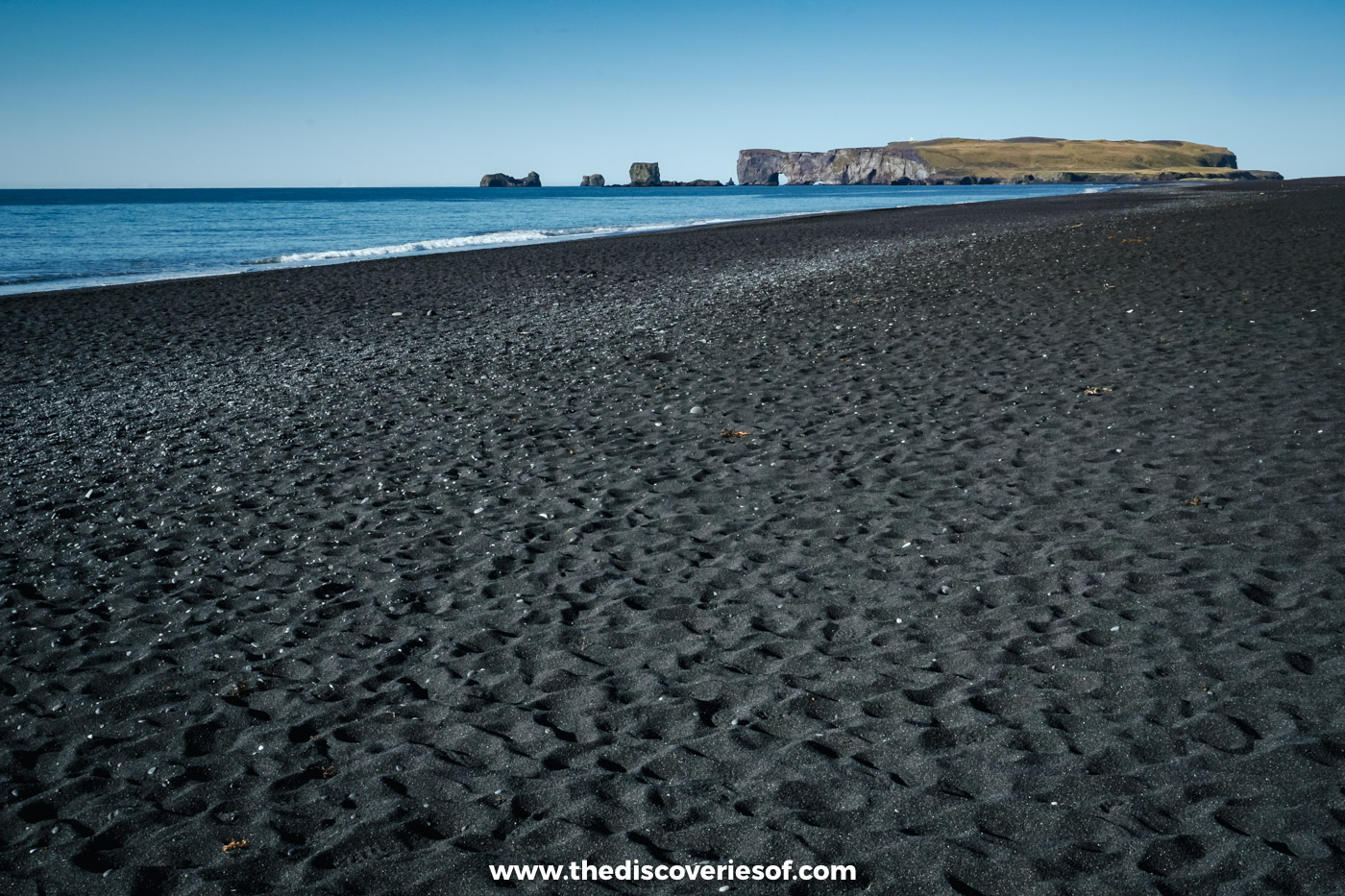
I’ve been to Reynisfjara on both of my trips to the south coast, and it’s easy to see why it draws the crowds: the basalt columns, the sea stacks and that black sand are spectacular. It’s also the most dangerous beach in the country. Sneaker waves surge far further up the sand than the ones before them, and people standing on the sand or by the columns have been dragged out and drowned, most recently in August 2025.
There’s now a warning light at the entrance. On yellow, keep well back from the water; on red, the columns and the cave are closed. Whatever the colour, keep your eyes on the waves. My guide to Reynisfjara black sand beach explains the system.
14. Expect four seasons in a day
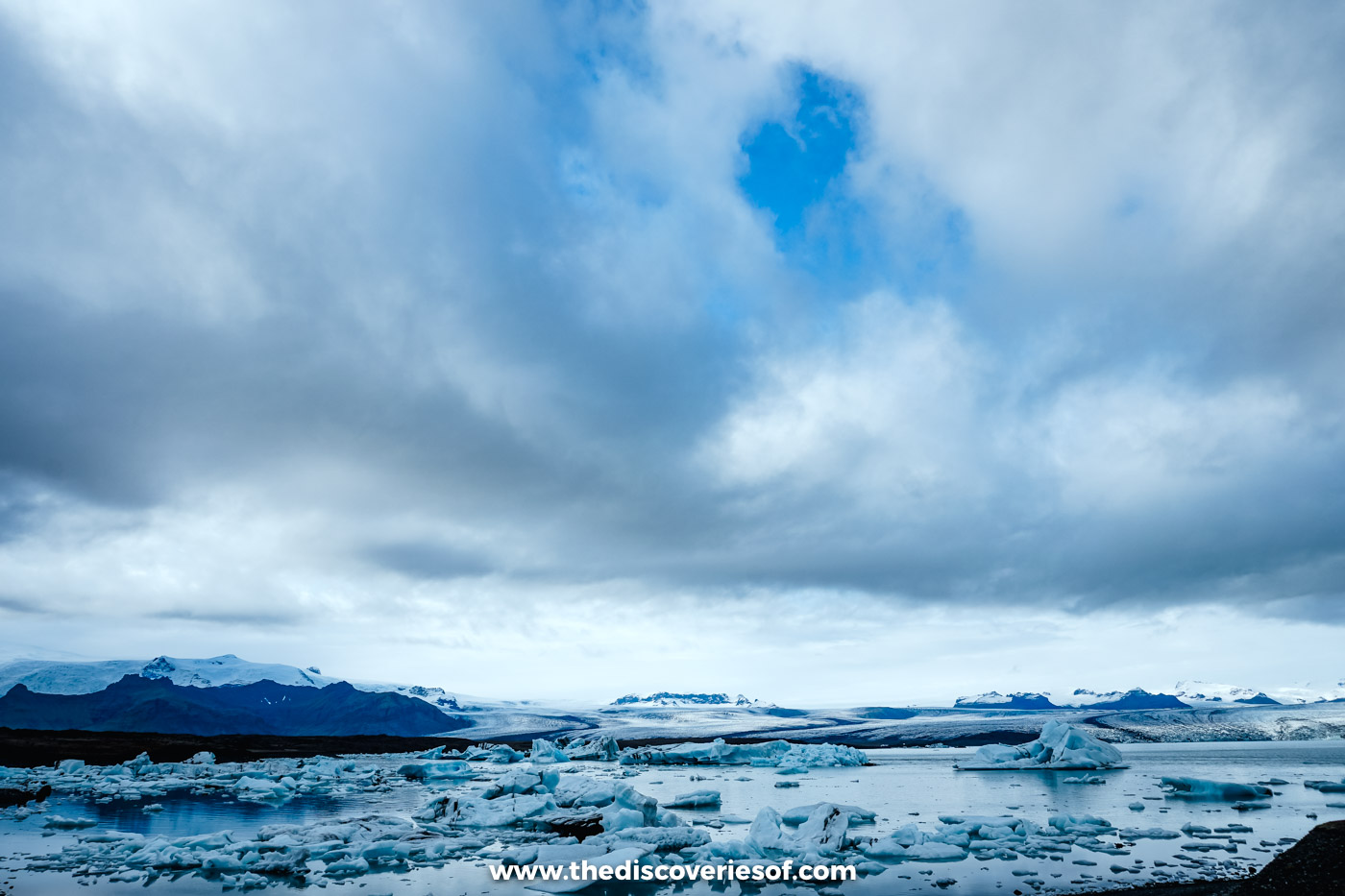
On my September drive I had blue skies at Reynisfjara, rain showers at Jökulsárlón and a pink sunset on the road home, all in one afternoon. The weather here changes fast, and the wind is often the bigger problem: gusts can rip a car door off its hinges, so park facing into the wind and hold on to the door when you open it.
Waterproofs are a must at the waterfalls, where the spray soaks you in seconds. My Iceland packing list covers what to bring for each month.
15. Stay on the path and off the moss
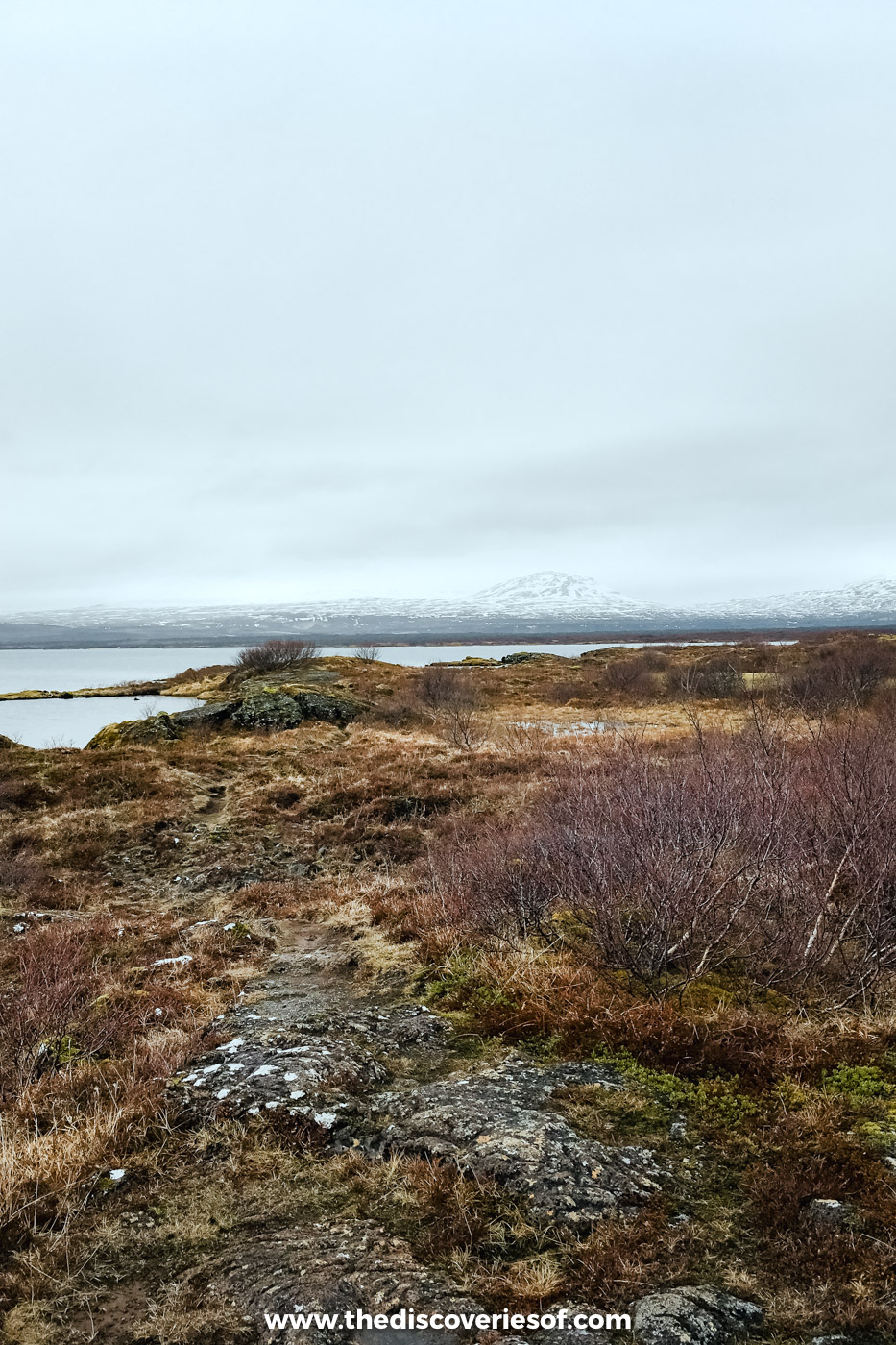
The thick green moss looks like the softest carpet you’ve ever seen, but it takes decades to grow back once it’s trampled. Keep to marked paths, don’t build stone cairns, and never climb on icebergs or wander onto a glacier without a guide. Flying a drone? Many protected sites, including Gullfoss, Geysir and Skógafoss, need permission first, so check with the Environment Agency before you take off.
Money, food and drink
16. Leave the cash at home
The country has its own currency, the Icelandic króna (ISK), worth roughly ISK 162 to the pound at the time of writing. You’ll barely need it in note form: cards and contactless payments are accepted almost everywhere, from hot dog stands to petrol stations, and Icelanders hardly use cash. A few notes are handy for honesty boxes at farm stalls, but that’s about it.
The one thing to sort is your PIN. Unmanned petrol pumps, which is most of them outside town, ask for one. If your card doesn’t have one, buy a prepaid fuel card from the station shop during opening hours.
17. Don’t worry about tipping
Tipping isn’t expected here. Service is included in restaurant bills and wages are fair, so nobody will chase you for a tip. If someone has gone out of their way for you, a guide on a long day out for example, a small tip is a kind gesture, but it’s never required.
18. Claim your tax back on bigger buys
If you live outside Iceland and spend at least ISK 12,000 on a single receipt (a lopapeysa wool jumper will easily get you there), you can claim back some of the VAT. Ask the shop for a tax-free form, take the goods out of the country within three months, and get the form stamped at Keflavík before you check in. The official tax-free guide explains the process.
19. Buy your alcohol at the airport
Alcohol is heavily taxed and tightly controlled. Supermarkets only sell beer of 2.25% or less, and anything stronger is sold only in bars, restaurants and the state-run Vínbúðin shops, which close early and are mostly shut on Sundays. The legal drinking age is 20.
The cheapest option is the duty-free shop in the arrivals hall at Keflavík, before you go through customs. Happy hours in Reykjavik bars soften the blow if you’re drinking out, and craft breweries are worth seeking out: my tasting at the Ölvisholt brewery in May was a favourite stop (it has since moved from its farm near Selfoss to Hafnarfjörður).
20. Make lunch a supermarket picnic

Eating out three times a day adds up fast. On my trips I’ve saved my money for a couple of really good dinners, and on driving days I’ve filled up at breakfast and picked up lunch at a supermarket. Bónus and Krónan are the cheapest chains, so stock up in the bigger towns before you head somewhere remote.
When you do eat out, eat what the island does best: fish and lamb. The seafood is about as fresh as it gets. My guide to whether Iceland is expensive has the current prices.
21. Drink the tap water
The tap water comes straight from springs fed by glaciers and rain, and it’s some of the cleanest in the world, so don’t waste money on bottled water. Fill a bottle from the cold tap. The hot tap is a different story: it’s geothermal and smells faintly of sulphur, which is completely harmless.
22. Swim where the locals swim
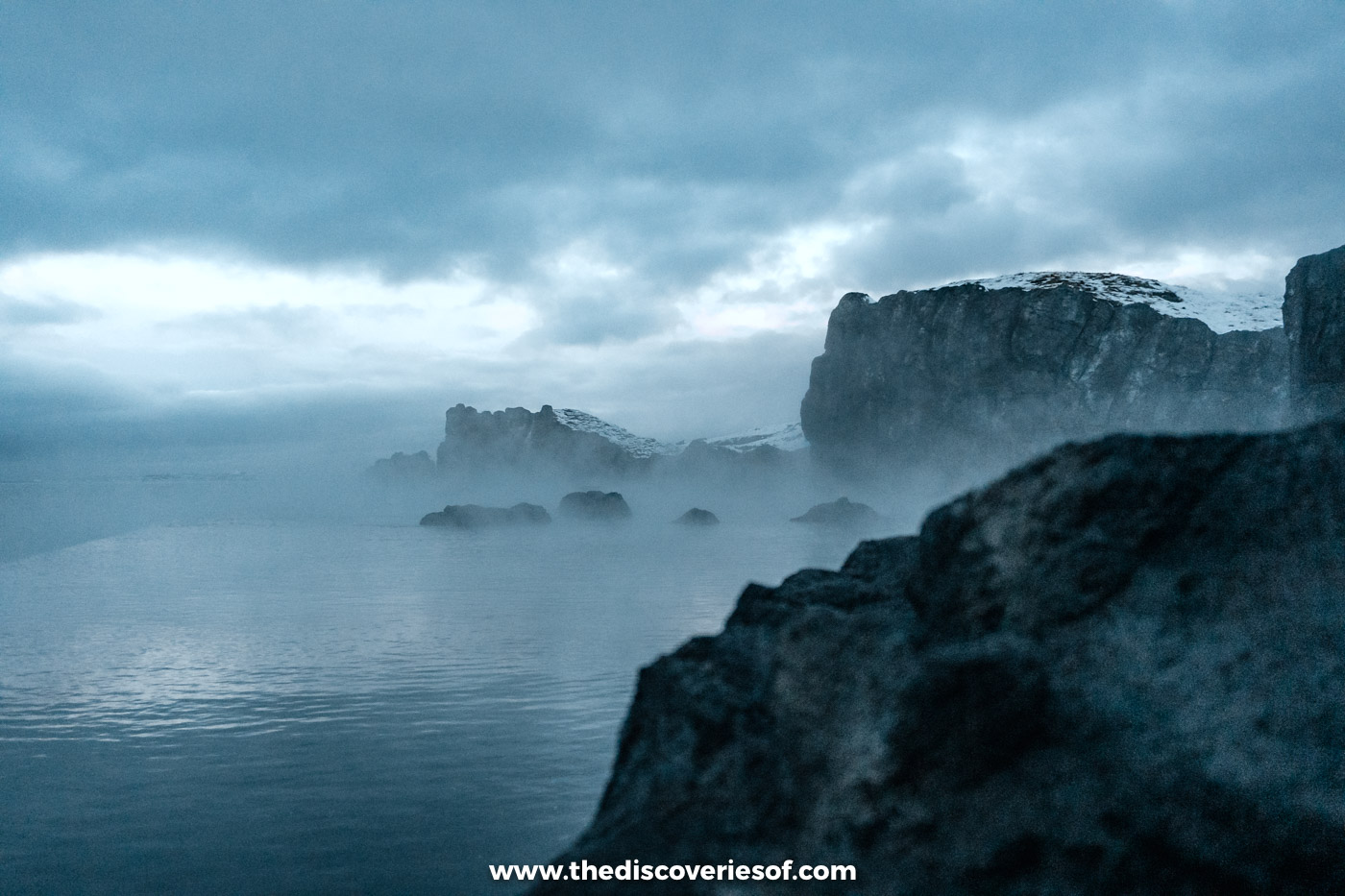
Every town has a geothermal pool with hot tubs, and a swim is the most Icelandic thing you can do. A couple of hours moving between the pools and hot tubs in Hella in May was lovely, and Reykjavik’s pools cost around ISK 1,500. There’s one rule that matters: you must shower without your swimsuit before you get in. Nobody bats an eyelid.
For a treat, the lagoons are something else. I loved Sky Lagoon, on the coast just outside Reykjavik. I’ve never been to the Blue Lagoon, so I can’t compare the two, but if you do go, know that the area around it near Grindavík has had nine eruptions since December 2023, the latest in July and August 2025. The lagoon is open but closes at short notice when the ground stirs, so book a flexible ticket and check safetravel.is before you go.
Light, seasons and the Northern Lights
23. Plan your winter days around the light
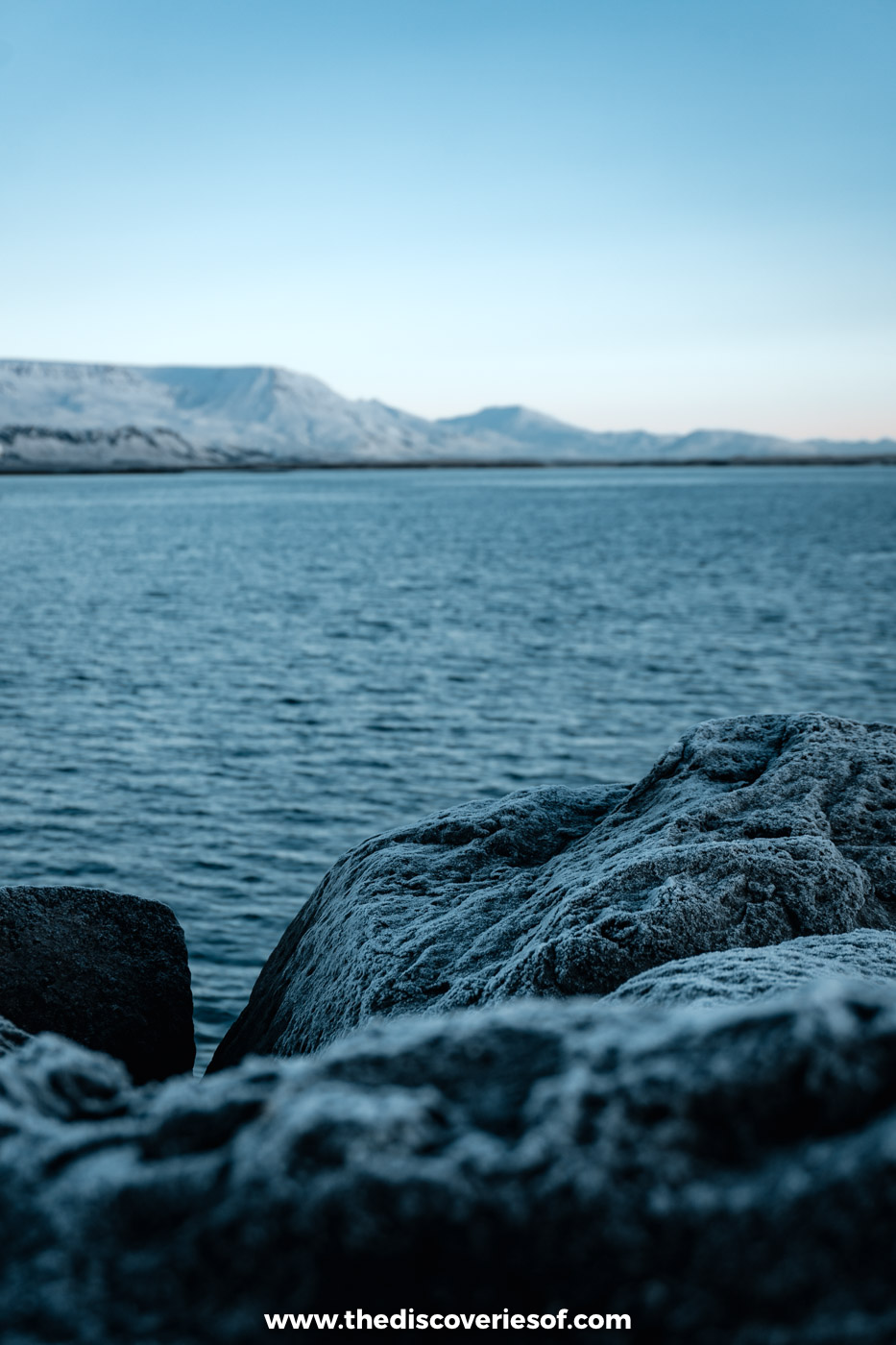
In December the sun rises at about 11am and sets around half past three, giving you four to five hours of daylight around the solstice. In Reykjavik in early December, the sun never climbed far above the horizon, and the whole day had the soft, golden light of a late afternoon. It’s beautiful for photos and a gift for the Northern Lights, but it changes how you plan.
Drive in the daylight, especially on icy rural roads, and save the city, the pools and the museums for the dark hours. I was still in Sky Lagoon to watch the sun go down, and it wasn’t even four o’clock. The things to do in Reykjavik guide is full of ideas for the long evenings.
24. See the Northern Lights without a tour
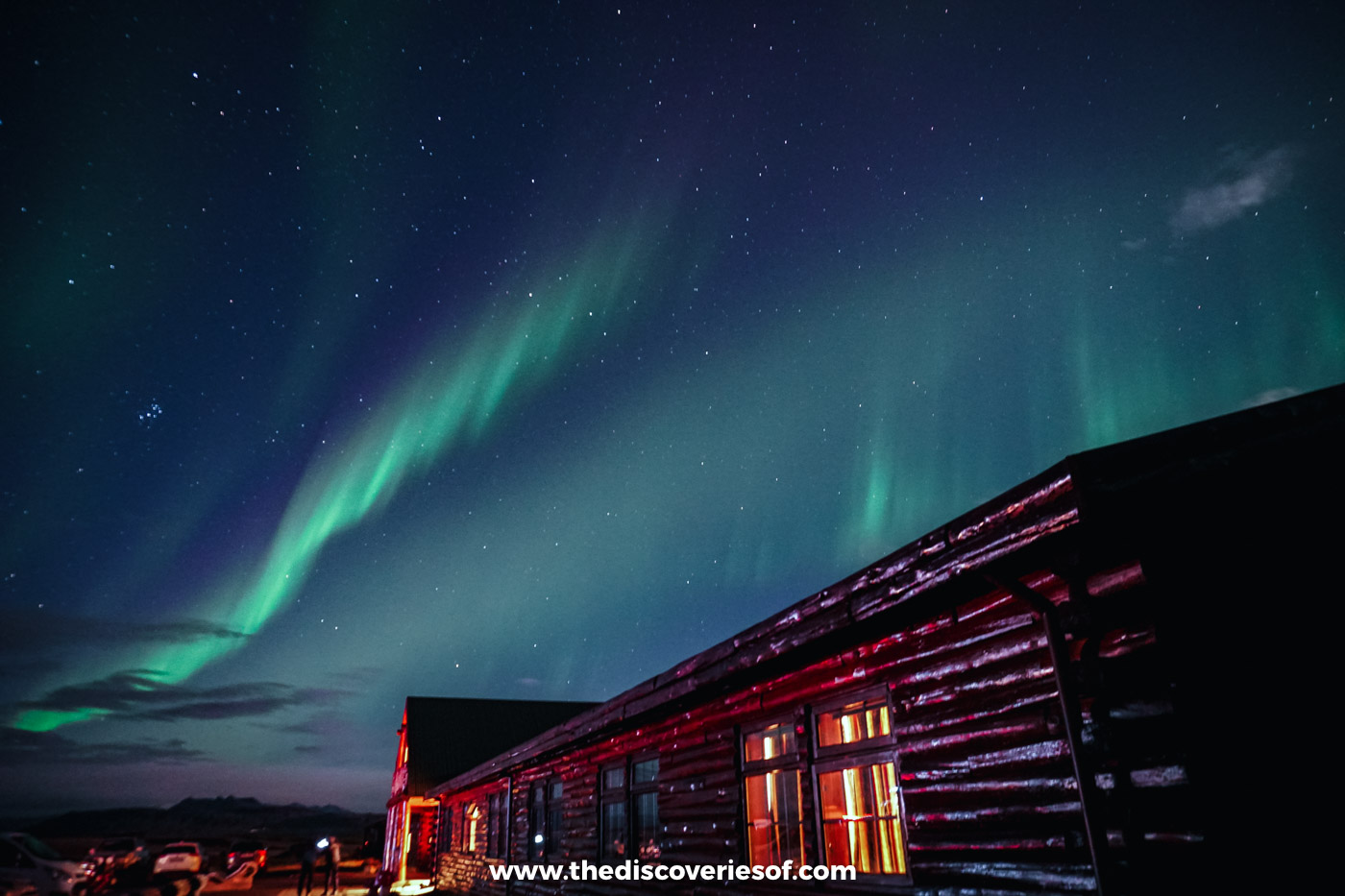
If you’ve got a car or you’re staying outside a town, you don’t need to pay for a tour. Wrap up warm, find somewhere dark and keep an eye on the cloud cover, which matters more than the aurora forecast. The Icelandic Met Office’s aurora forecast is useful, but I found an aurora app on my phone easier to follow (My Aurora Forecast is free). Don’t take either as gospel: on my trip, the night both predicted would be the weakest turned out to be the best.
Some country hotels will even wake you when the lights appear: at Hotel Rangá, I was called out of bed in the small hours, and it was worth every lost minute of sleep (the full story is in my Hotel Rangá review). For the when and where, read my guide to the best time to see the Northern Lights in Iceland.
Read next
- Is Iceland expensive?
- When to visit Iceland: season by season
- The ultimate Iceland packing list
- Brilliant things to do in Iceland
- Where to stay in Iceland
- Iceland landmarks you have to see
- How many days do you need in Iceland? What three trips in three seasons taught me
Love this? Save and share on Pinterest

Discover the top things to do, insider tips and hidden gems in our Iceland Travel Guide.
Read the guides →