
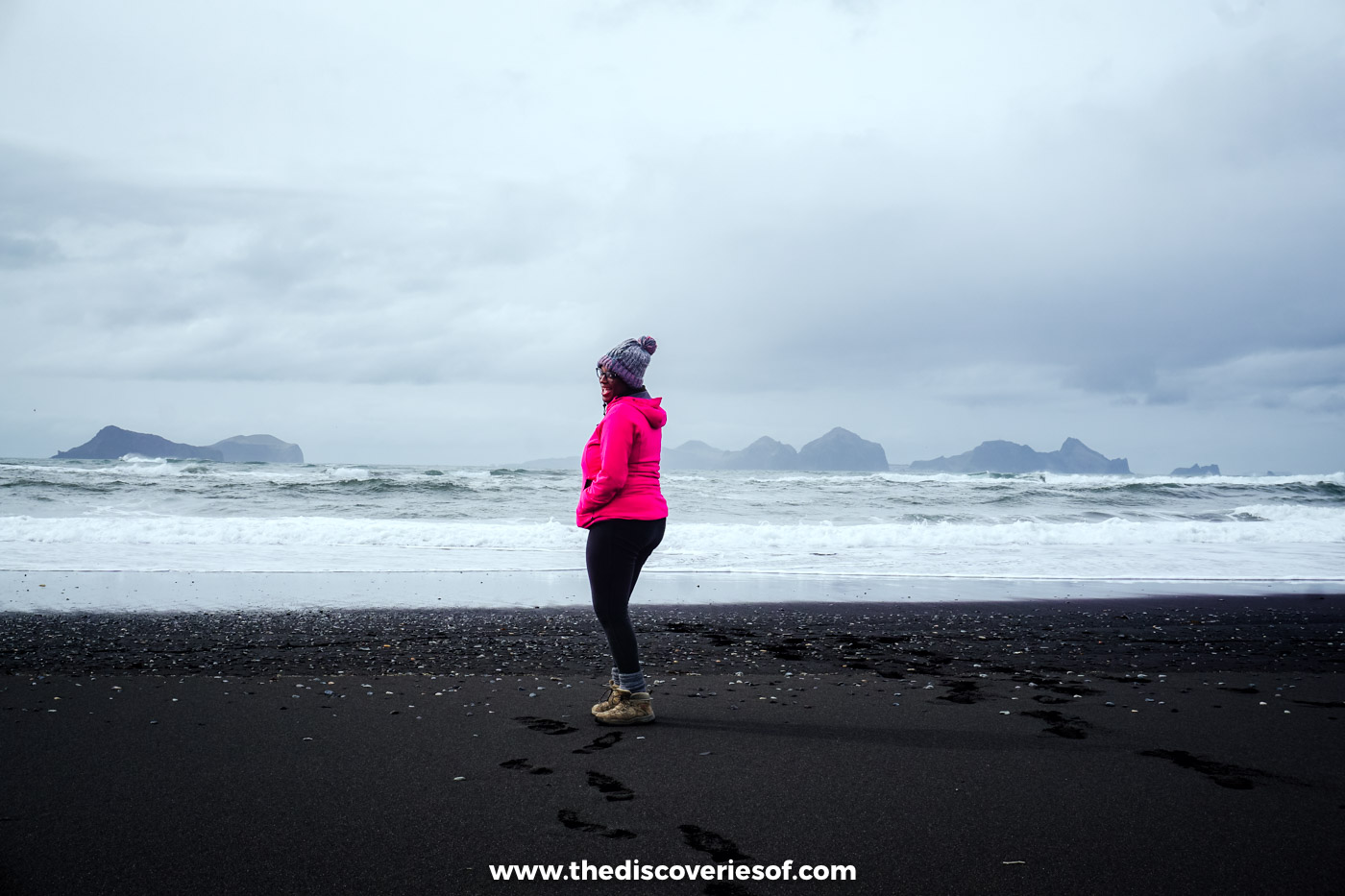

Heading to Iceland and not sure what to pack? This Iceland packing list breaks it down month by month, with the kit I actually wore and used on three trips, and the bits I wish I’d thought harder about.
So you’re heading to Iceland. LUCKY YOU. Iceland has got to go down as one of my favourite places to travel.
Landscapes, adventures, waterfalls, black sand beaches, glaciers… You name it, it has it. Well, apart from hot sunshine but you really can’t have it all.
Awesome as travel in Iceland is, it can be a bit of a nightmare to pack for. I was so confused when I was planning what to bring to Iceland. Let’s face it: this is not the place to turn up in your skimpy dress and wing it for a week.
This is a country where the forces of nature are not afraid to flex their muscles. From long, cold nights waiting for the Northern Lights to the spray at the foot of a 60-metre waterfall, this is one place where it really pays to be prepared.
I’ve now been three times, in three very different seasons: early May, around the September equinox and early December. Each trip taught me something about what to pack, from the jacket that wasn’t quite up to the job to the swimsuit I needed far more often than I expected.
I’ve created this step-by-step guide to help you plan the perfect trip: a year-round list of essentials, with what worked (and what didn’t) for me along the way, then a month by month breakdown of what to add for winter, spring, summer and autumn. Enjoy!
Iceland packing list at a glance
- Thermals: a base layer top, leggings and wool socks
- Waterproofs: a properly waterproof jacket and trousers (not just water resistant)
- A warm mid layer: a fleece, a wool jumper or a light down jacket
- Hiking boots: waterproof, with good grip and ankle support
- Swimsuit: for the geothermal pools and lagoons, in every season
- Hat, scarf and gloves: essential for most of the year
- Camera: to capture the endless postcard perfection, plus a lens cloth for the spray
- Sunglasses and sunscreen: the sun’s glare off snow, ice and water can be pretty intense
- Travel adapter: Iceland uses two-pin European plugs (types C and F)
- Refillable water bottle: the tap water is excellent, so there’s no need to buy bottled
- Winter extras: ice cleats for icy paths, hand warmers and a head torch
- Summer extras: a sleep mask for the light nights and a midge net if you’re heading to Mývatn
What to pack for Iceland in any season
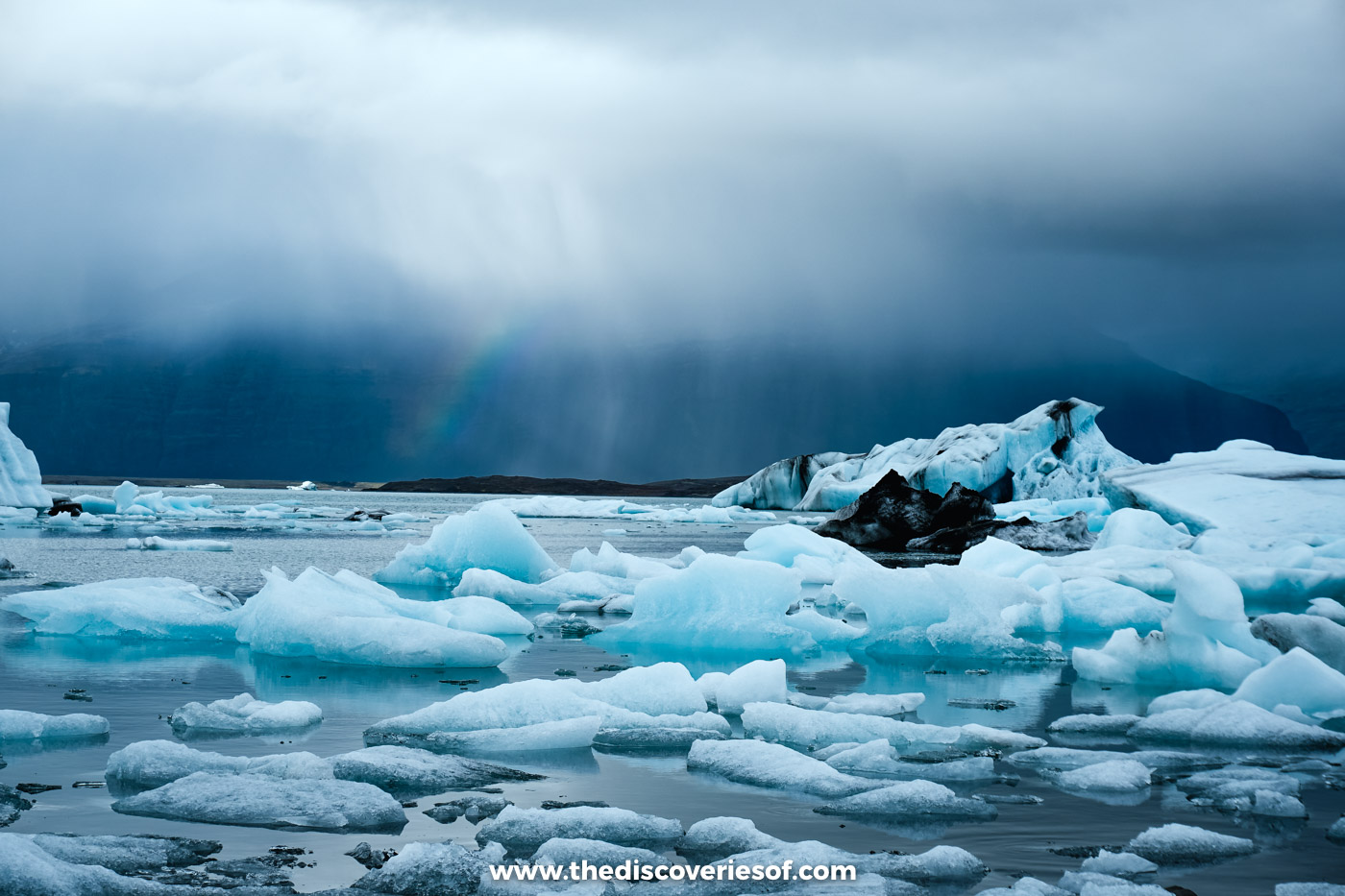
Year round, the weather can be highly temperamental, and you’ll find that you can see all four seasons in a single day while driving around the Ring Road.
One minute it’s storming, the next it’s sunny. Or as the Icelanders say: “If you don’t like the weather in Iceland, just wait 5 minutes.”
Because the weather swings so quickly, you’ll want thick, sturdy gear to stay dry and warm, and layers you can add or peel off in the car between stops. The following essential items belong on every list, no matter the season.
Clothes
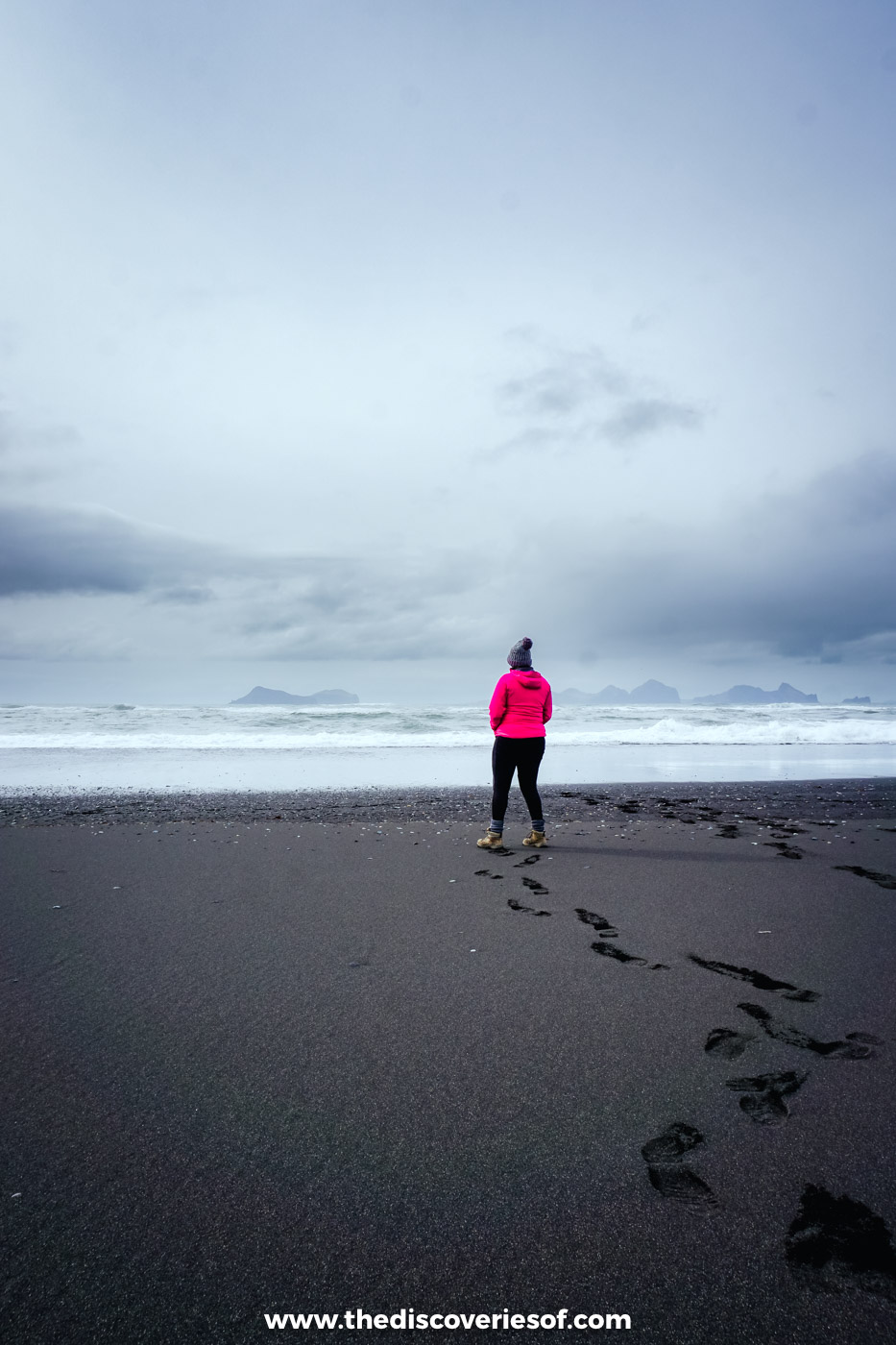
Figuring out what to bring can be pretty tough. But it’s best to pack clothes that you can layer up and which are suitable for all weather types. Think in three layers: something snug against your skin, something warm in the middle and something wind and waterproof on top.
Thermals
Now, thermals may not be the height of haute couture but should be right there at the top of your list of essentials. Trust me, those babies will save you shivering in those icy winds. I’m a cold, cold soul, so I never head anywhere chilly without thermal vests, leggings and socks, and in early May, with snow still capping the mountains, I was glad of every layer.
They’re less necessary in the summer months, but if you’re visiting in winter then they’re a must-have. To be honest, I’d bring a pair of thermals just in case, even if you’re going in the summer as the nights can still get pretty chilly.
Start with the base layer. For the base layer top, you’ll need a good, snug fit, preferably with long sleeves to keep that body heat in. Merino wool or a good synthetic is best: avoid cotton next to your skin, as it holds on to sweat and rain and leaves you colder.
Keep those legs warm too. Warm leggings for Iceland = a pair of thermal leggings. These should be warm but thin enough for you to layer other clothes on top, like waterproof trousers, travel trousers or ski pants.
As for your feet, thermal socks are the best choice to keep those toes nice and toasty. Wool socks are a great choice and you can get different weights depending on the season. Pack a spare pair in your day bag: wet socks are miserable.
Waterproofs
Waterproofs are integral to your packing, especially during the winter months. It can be pretty wet in the summer too: better to have them and not need them than need them and end up looking like a drowned rat.
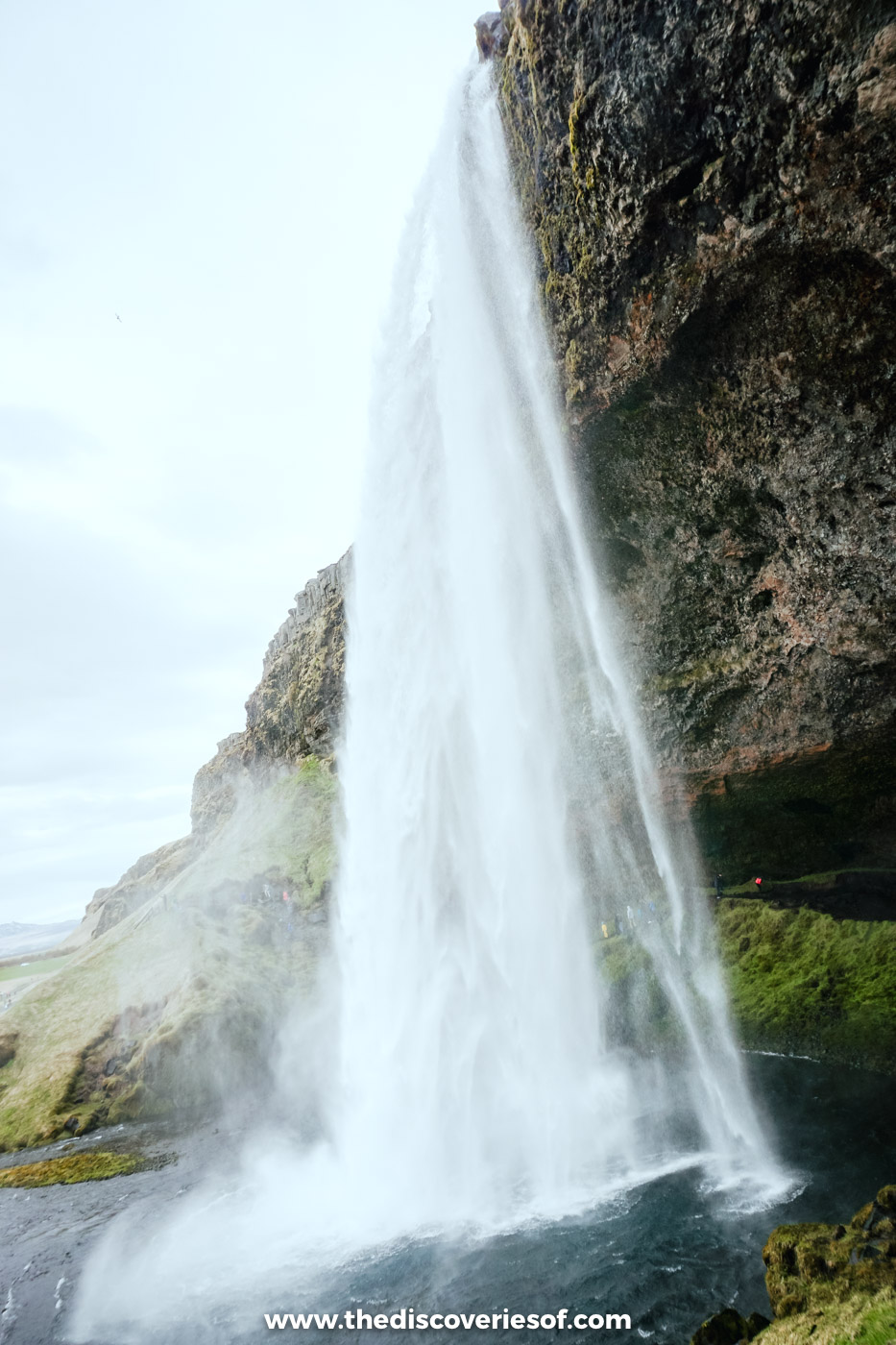
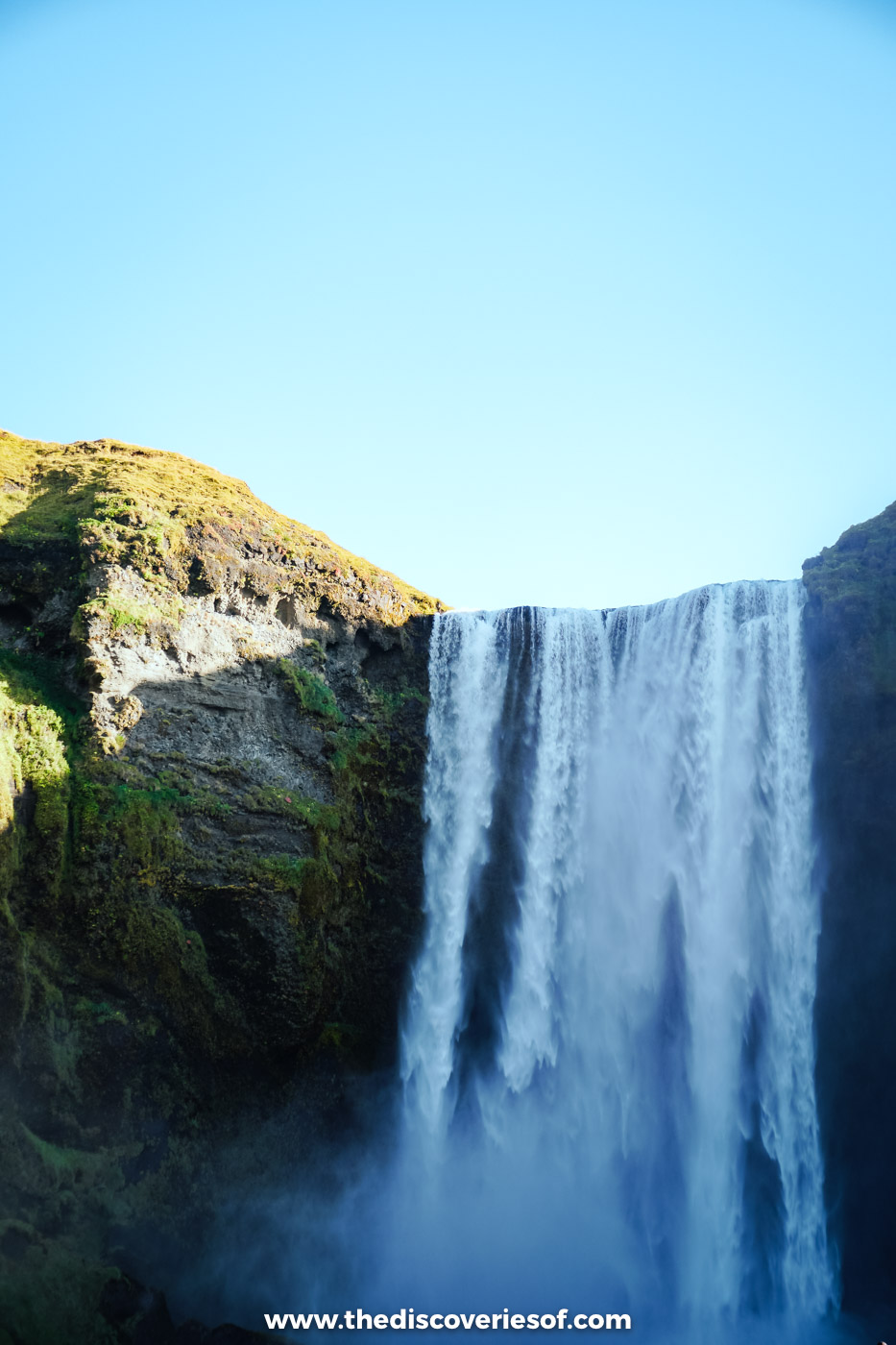
You’ll need a waterproof jacket, preferably with a hood to keep your head dry. Check the label says waterproof, not water resistant. I’m a big lover of my bright pink Berghaus softshell (it’s in almost every photo I took in Iceland), but it’s only water resistant: fine for wind and drizzle, no match for the big waterfalls. I stood at the foot of Skógafoss for a few minutes on a bright September morning and came away pretty much soaked, so on a south coast day, keep a dry layer in the car too. You can also find jackets that zip up to your nose and have an extra thermal layer inside for extra warmth.
As for trousers, jeans or standard leggings just won’t cut it. You’ll need to layer up with some waterproof trousers or ski pants. Again, not the most attractive items, but you’ll be thanking me when you’re nice and dry after walking behind Seljalandsfoss, where the path loops right through the spray.
Mid layer
A fleece or a light down jacket is the layer that does the most work. Wear it under your waterproof on cold days, and on its own in the car or a café. Down packs small, which helps if you’re travelling carry-on, but it’s useless once it’s wet, so always keep a waterproof over the top outside.
Swimsuit
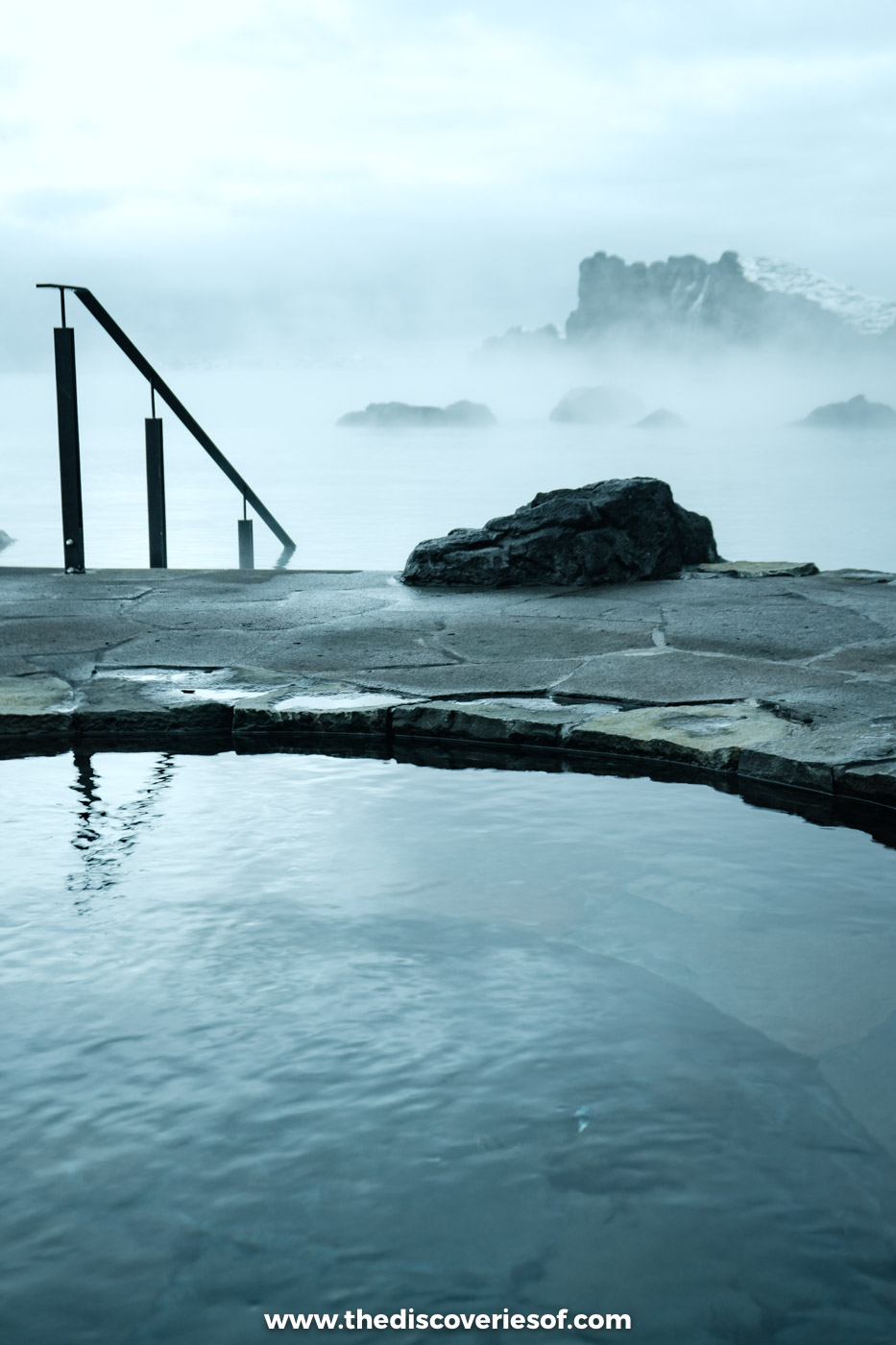
You can make like a true Icelander and take a dip in the geothermal pools any time of the year. The pools are a lovely, warm contrast to the cold climate so don’t forget your swimsuit, you’ll regret it! I needed mine far more often than I expected. At the local pool in Hella in May, I spent a couple of hours hopping between the pool and the hot tubs, and in December the warmest I got all trip was at Sky Lagoon, working through the seven-step ritual (I didn’t last long in the cold plunge, but the cold mist was my favourite part) and watching the sun set from the water. Whatever the season, the swimsuit goes in first.
Almost every town has a public pool with hot tubs, and they cost a fraction of the famous lagoons: entry to a Reykjavik pool is about ISK 1,500. One thing to know before you go: the rules say you must shower thoroughly without your swimsuit before you get in. Most pools rent or sell towels, and the bigger lagoons, like Sky Lagoon, include a towel in the ticket, so it’s the swimsuit you can’t do without.
Jumper
A jumper is an important item to keep you warm, but will also have you looking like a local!
The jumper of choice is the lopapeysa: a cosy, hand-knitted woollen jumper with a patterned yoke around the shoulders. You’ll be able to find them on sale all over the country and they make the perfect souvenir to bring home. A genuine hand-knitted one isn’t cheap: my guide to whether Iceland is expensive has current prices.
Hat, scarf and gloves
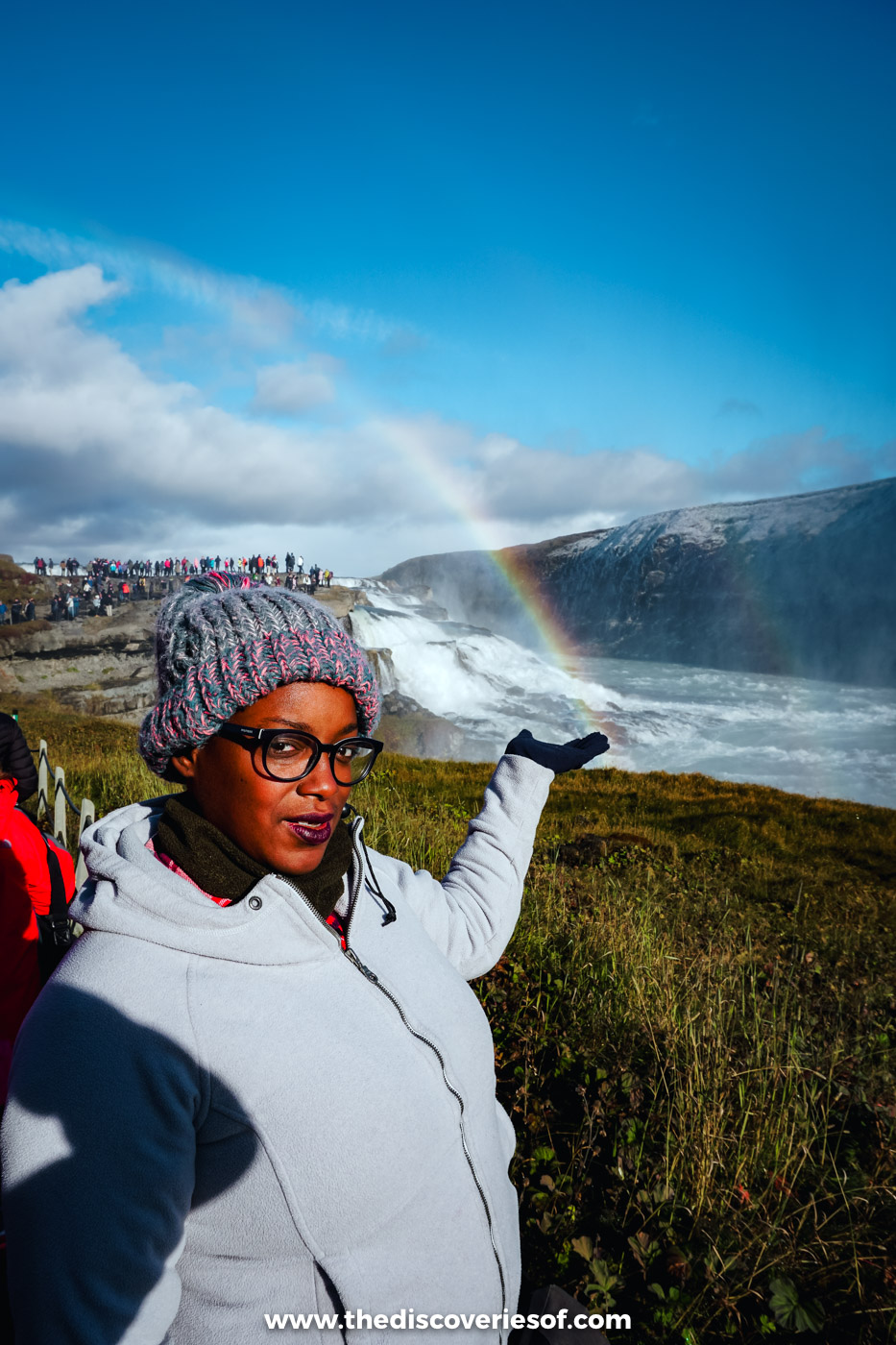
This might be self-explanatory, but if you’re bringing a coat, rain jacket, waterproof boots and layers to a place, you’ll probably want a scarf, hat and gloves too. My bobble hat came with me in both May and September.
I recommend steering toward thermal materials like wool or fleece that will help keep you as warm as possible.
For tech-addicted millennials like me, I recommend these screen-friendly thermal gloves. With these, you can use your phone without taking off your gloves, a useful tool for your Instagram game.
I’d also bring a wool beanie and a fleece scarf or neck warmer to keep your ears, head and neck out of the frosty cold.
Shoes
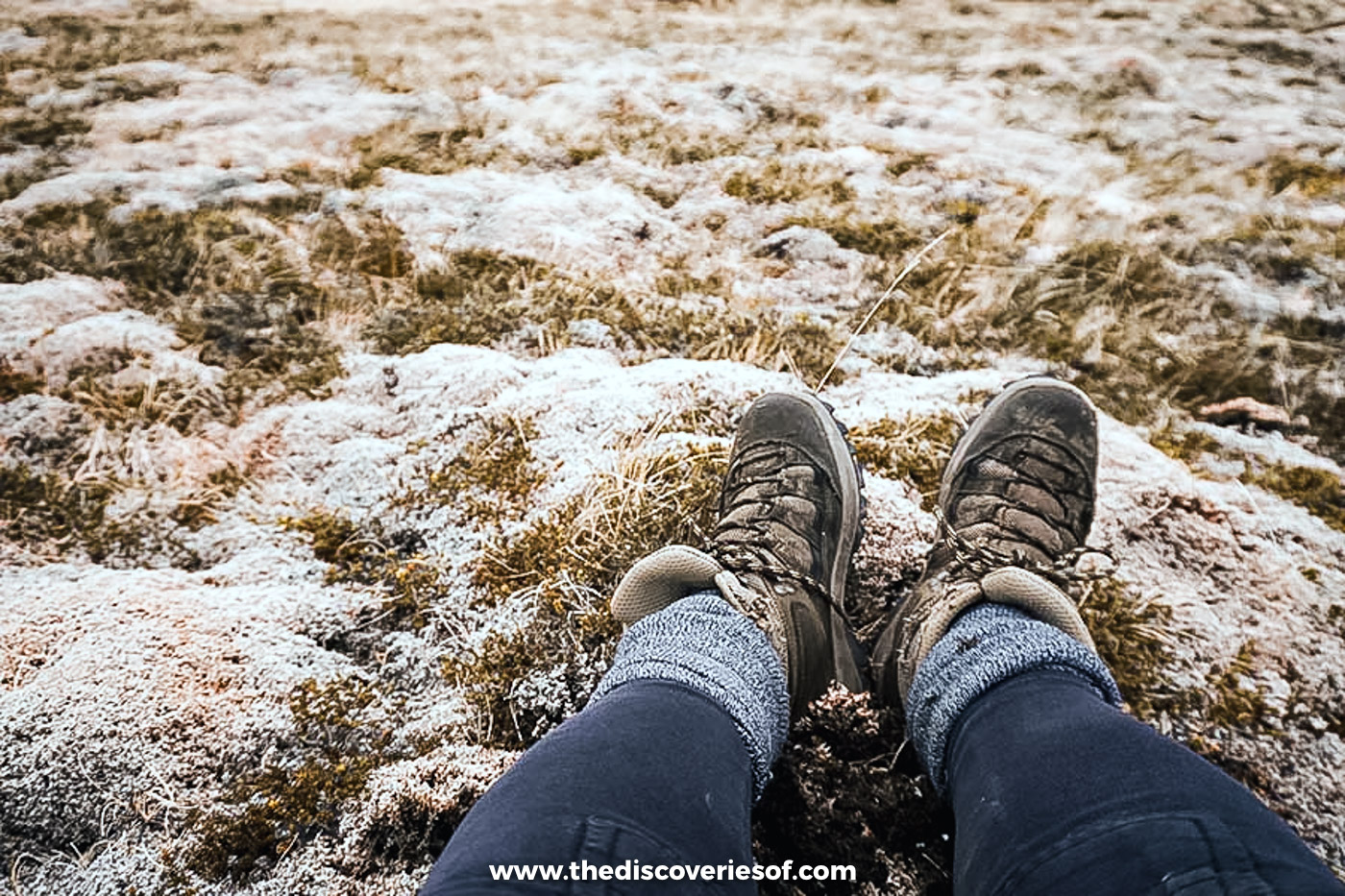
Iceland is not the place for impractical shoes. No one likes cold, soggy feet so be sure to invest in the right footwear.
Hiking boots
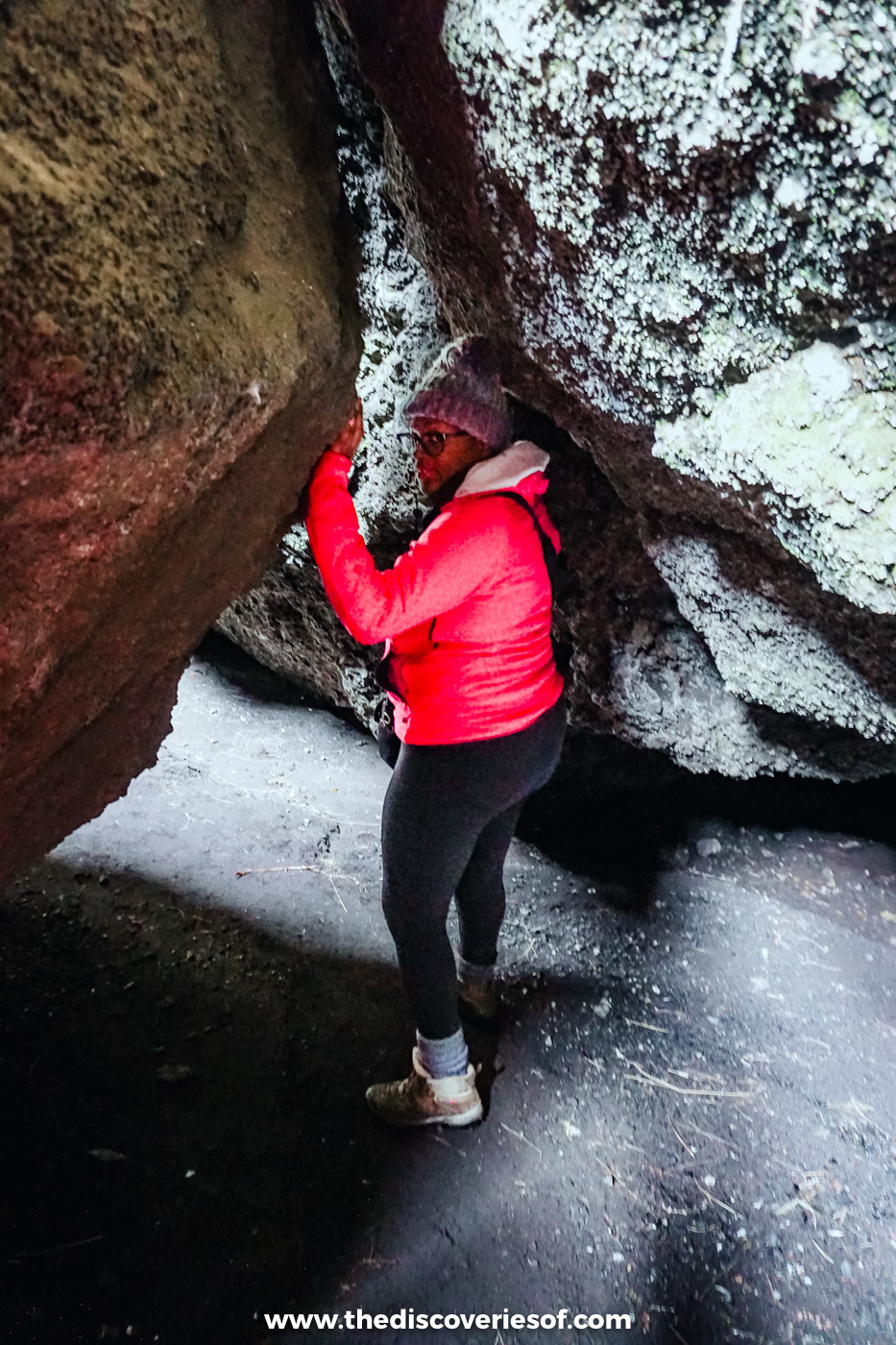
A sturdy pair of hiking boots is important for the differing terrain that you’ll be walking on. Find a pair that has good grip for rough or slippery ground: wet basalt by the waterfalls, loose black sand and icy car parks in winter.
Make sure they have good ankle support, especially if you’re planning on any big hikes. If not, trekking shoes will suffice, but it’s a no no for trainers. Wear them in before you go, and make sure they’re properly waterproof: on a super jeep day into Þórsmörk in May, I squeezed through gaps in the rock and forded an underground stream into a slot canyon in mine.
Flip flops
Flip flops or pool sliders are handy for the geothermal pools. I would definitely keep my warm hiking boots close by but these are useful for when you’re first hopping out of the pool and padding to the changing rooms.
Toiletries
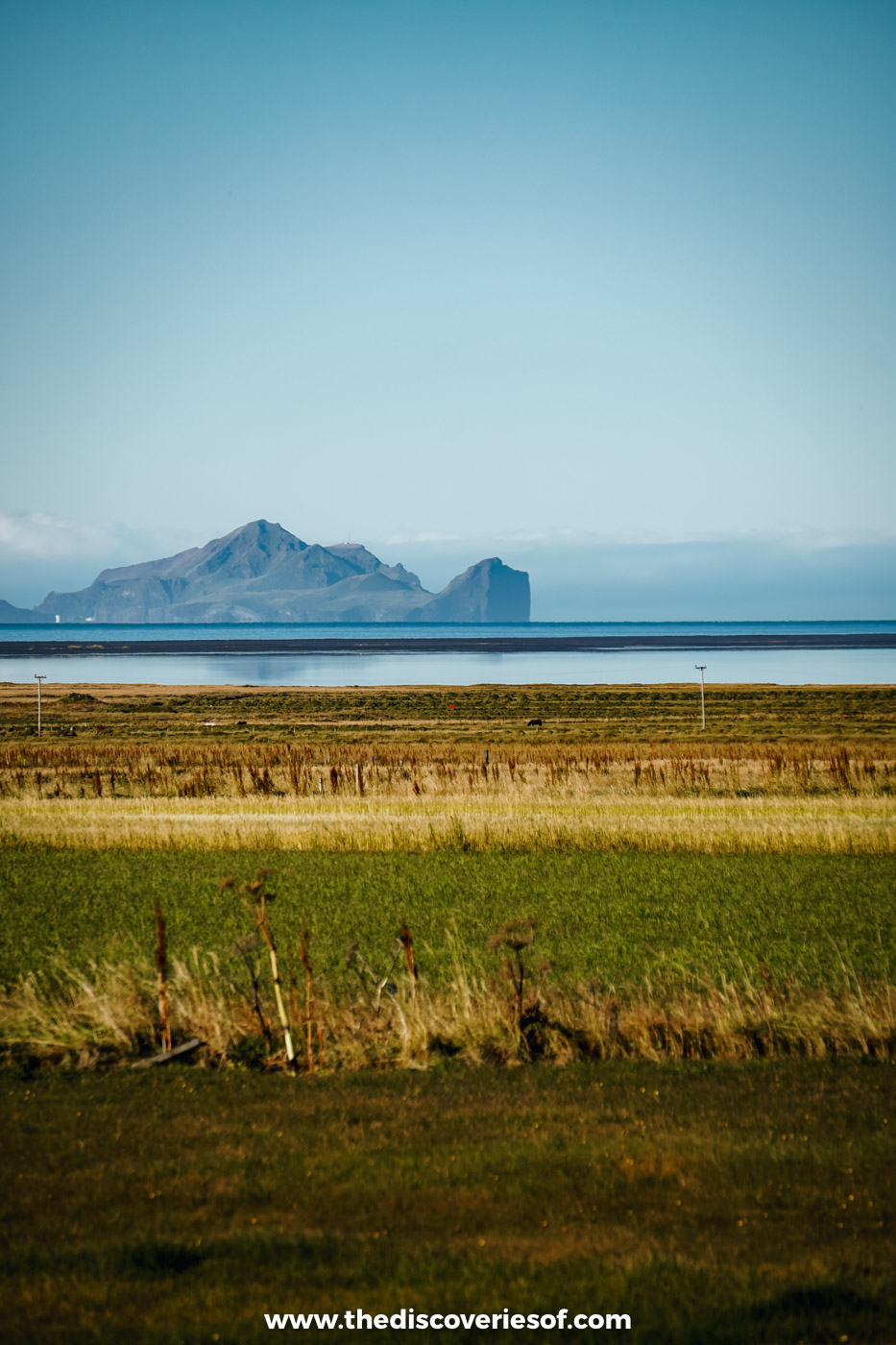
This one is an obvious entry, but there’s always that person that forgets their shampoo! So here’s a list to avoid that.
Essentials
This includes shampoo, conditioner, toothbrush, toothpaste, deodorant and moisturiser, and for the ladies, don’t forget your period supplies. If you swim a lot, a leave-in conditioner is worth packing: the pools are hard on your hair.
Medication
Be sure to take a travel first-aid kit with you, it’s always better to be safe than sorry! To start with, you need the standard pain meds, stomach medication, plasters, cold and flu tablets, anti-diarrhoea tablets, decongestants and antibacterial gel.
In case of any cuts or grazes, do take antiseptic wipes and gauze. For those long hikes, walk with blister plasters to avoid any discomfort. Travel sickness tablets are worth packing too if you’re booked on a boat or whale-watching trip, or a long day of bumpy roads.
Sunscreen
Chances are you’ll want to spend a lot of time outdoors.
Despite the fact that it’s often rainy (or snowy), you’ll still want good sun protection to make sure your skin and eyes are well covered.
When the sun’s rays hit that gorgeous white snow, it looks beautiful but can be pretty harmful to the skin. Keep a small bottle of sunscreen in your day bag to avoid getting burnt.
In your day bag, I’d also recommend bringing your favourite lip balm and hand cream, as the wind and cold can cause chapped lips and skin.
Gadgets and electricals
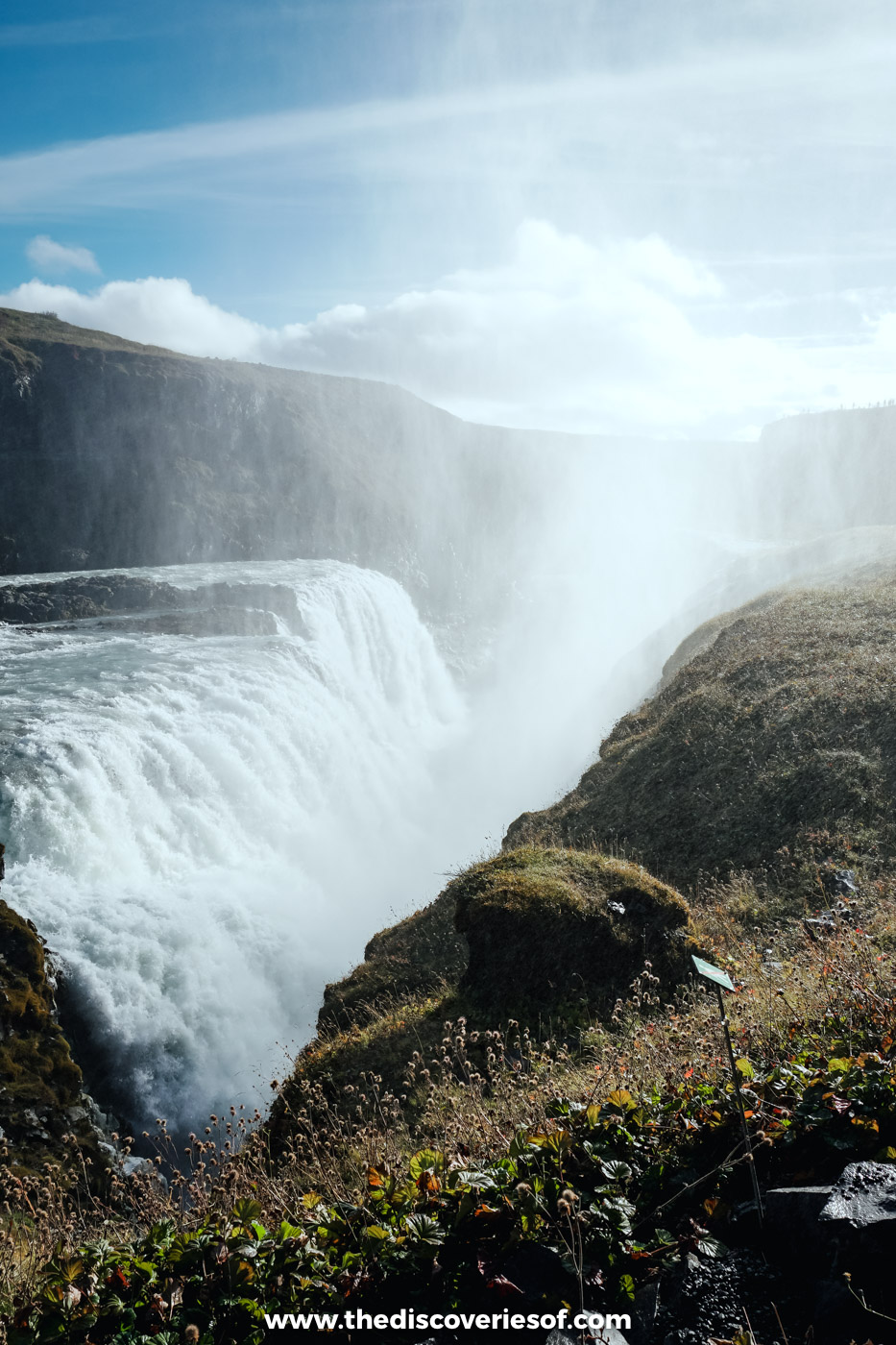
Nowadays, the modern traveller usually comes equipped with tech. It’s important to make sure you have the right tech and the right equipment to charge it all.
Camera
When you’re working out what to pack, make sure you have a decent camera on your list. You’re going to want to capture the stunning scenery and everyday Icelandic life.
Take a camera, whether that’s your smartphone, a compact, mirrorless or a DSLR. I shoot on a mirrorless Sony A6500, which I love because it’s light and easy to handle, but the mist at Gullfoss is like a dementor’s kiss for any lens, so keep a microfibre cloth in every pocket. A GoPro is a great option for documenting your wilder adventures (and it doesn’t mind getting wet).
If you’ve been thinking about getting a drone, this is the place to bring it: those black sand beaches and glaciers make for some pretty EPIC shots. Check the rules before you fly, though. Drones are limited or banned without a permit at a long list of protected sites, including Gullfoss, Geysir, Skógafoss and Dyrhólaey, and you may need a permit in Þingvellir and Vatnajökull national parks too.
To capture moments like the Northern Lights, get yourself a tripod. When photographing at night, the exposures can take a little while so a tripod will help you get crystal clear shots.
Depending on your camera, you might need a shutter release too: it stops you from shaking the camera as you press the shutter. Again, this helps you get those crystal clear images.
Lastly, don’t forget the camera accessories: spare batteries (the cold drains them fast, so keep them in an inside pocket), memory cards and a lens cleaning cloth.
Travel adapter
We’ve all had that face palm moment of getting to our destination and realising that we haven’t packed the adapter. The sockets here take the two-pin European plugs (types C and F), at 230 volts, so pack a European adapter to avoid any disappointment. Travellers from the US should check their chargers handle 230 volts (most phone and laptop chargers do).
Or get yourself a universal travel adapter that can be used in pretty much every country around the world.
If you travel with a lot of tech, a power strip can be plugged into your adapter so you can charge a few things at once. These can be pretty invaluable when there’s a lack of plug points.
Torch
A torch or head torch is handy, especially for a winter trip. It can feel like the sun never comes out in the winter, so you’ll need one outside the city. It’s useful in autumn too: watching the Northern Lights in the dark in September, I tripped over and gouged a chunk out of my shin. A small head torch with a red light setting would have saved me.
External power pack
An external power pack is super useful for anyone on the go. Get one that can power up your devices several times from one charge: cold weather, long drives and navigation apps all drain your phone faster than you’d expect.
Luggage
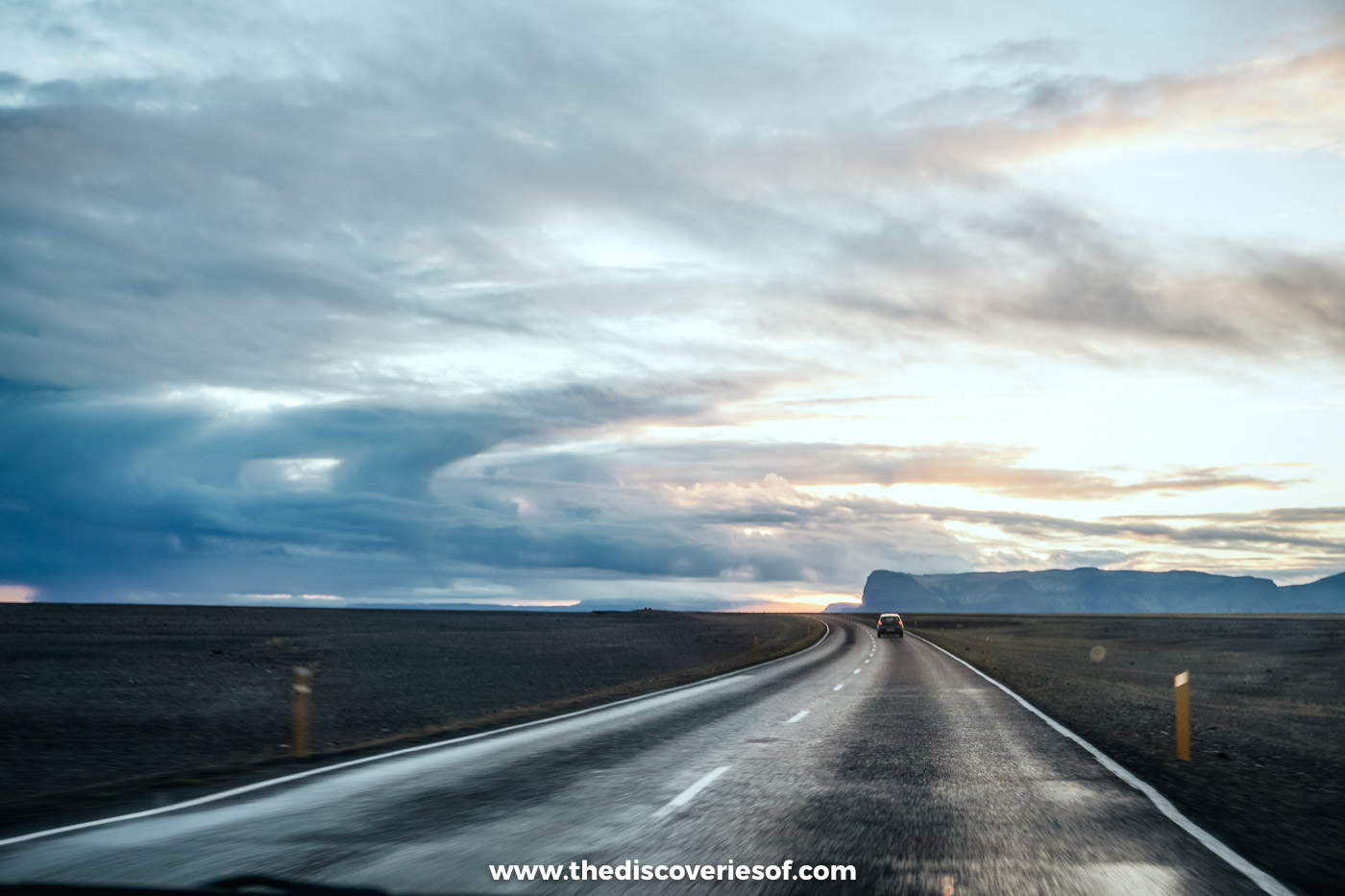
The type of luggage you need will depend on what type of trip you are planning. I’ve outlined a few options here.
Suitcase
If you’re not planning on backpacking and hostel jumping then go for a standard wheeled suitcase. If you’re hiking, take one large enough to fit your boots and thermals, and an extra bag to take with you during the day. If you’re hiring a car, a soft bag squashes into a small boot more easily than a big hard case.
Carry-on backpack

For those who are planning on backpacking, choose the lighter, more efficient option of a carry-on backpack (it will also help you avoid those pesky baggage fees on the low-cost carriers that fly to Iceland).
Make sure that your backpack is water resistant and durable enough to cope with a variety of weather conditions. Patagonia’s Black Hole backpack comes in a 32-litre size and is pretty waterproof. Alternatively, the Osprey Farpoint 40 is a bit roomier but still carry-on sized.
Whichever one you go for, your backpack should be spacious enough for all your gear but made with lightweight material so you’re not too weighed down. Look for bags that have a decent amount of padding and good support, like a waist strap.
Front loading backpacks are the best, so you don’t have to pull everything out from the top of the bag.
Day bag
It’s important to carry a smaller bag with you during the day to keep all your essentials on you. It’s likely that you will need to carry some gear with you on your day trips. You’ll need a bag big enough to hold your water, gloves, a spare layer and any other essentials you may need for the changing weather.
If you’re taking tech with you, make sure to bring your camera case and perhaps find a bag suitable for a laptop. And of course, make sure it’s waterproof, or pack a rain cover or a dry bag for anything that mustn’t get wet.
Snacks and water

The roads are often empty and vast. If you’re driving the Ring Road, there may be times when you won’t come across a shop or restaurant for an hour or more, especially in the east.
Because of this, you’ll want to make sure your car or backpack is well stocked with snacks and water. Whenever you see a supermarket, I recommend loading up on trail mix, fruit, crackers and sandwich materials for your trip. On my September drive, lunch was mostly a supermarket picnic, one of the easiest ways to keep costs down.
In terms of water, the country has some of the cleanest water in the world, and the cold tap water is safe and delicious to drink. To help keep its springs and parks clean of plastic waste, I strongly urge you to bring a water bottle instead of buying disposable plastic bottles.
You can fill your water bottle almost anywhere, from your hotel and cafés to fuel stations. There’s no need for a purification system for tap water; a filter bottle is only worth packing if you’re hiking in the highlands and plan to drink from streams.
Bonus: reusable items
This is a land of immense natural beauty, and Icelanders take great pride in keeping their environment clean. As a visitor, you should too. By bringing items with you to reduce your single-use plastic waste, you can help reduce pollution in this pristinely beautiful place.
In addition to a water bottle, here are a few items I recommend:
- A compressible coffee mug
- Reusable toiletry bottles
- Cloth shoe bags
Iceland packing list month by month
In addition to the year-round essentials, here’s what to add for each month. Temperatures are average daily highs and lows in Reykjavik (Icelandic Met Office, 1991 to 2020); the north and the highlands are colder, and the wind can make it feel much colder still. Daylight is for Reykjavik too: the further north you go, the more extreme it gets.
| Month | Average high and low | Daylight | Add to your bag |
|---|---|---|---|
| January | 3°C and -2°C | 4.5 to 7 hours | Ice cleats, hand warmers, head torch |
| February | 3°C and -2°C | 7 to 10 hours | Ice cleats, windproof hat and gloves |
| March | 4°C and -1°C | 10 to 13 hours | Winter layers, a tripod for the equinox aurora |
| April | 7°C and 1°C | 13 to 16.5 hours | Down jacket, waterproofs |
| May | 10°C and 4°C | 16.5 to 20 hours | Hat and gloves still, sunglasses |
| June | 13°C and 7°C | 20 to 21 hours | Sleep mask, midge net for Mývatn |
| July | 15°C and 9°C | 18 to 21 hours | Sleep mask, sunscreen, light layers |
| August | 14°C and 9°C | 14.5 to 18 hours | Waterproofs, a warm layer for the evenings |
| September | 11°C and 6°C | 11.5 to 14.5 hours | Waterproofs, tripod for the aurora |
| October | 8°C and 3°C | 8 to 11.5 hours | Thermals, waterproof boots |
| November | 5°C and 0°C | 5 to 8 hours | Full winter kit, casual clothes for Airwaves |
| December | 3°C and -2°C | 4 to 5 hours | Full winter kit, a swimsuit for the lagoons |
Winter: what to wear in Iceland in November, December, January and February
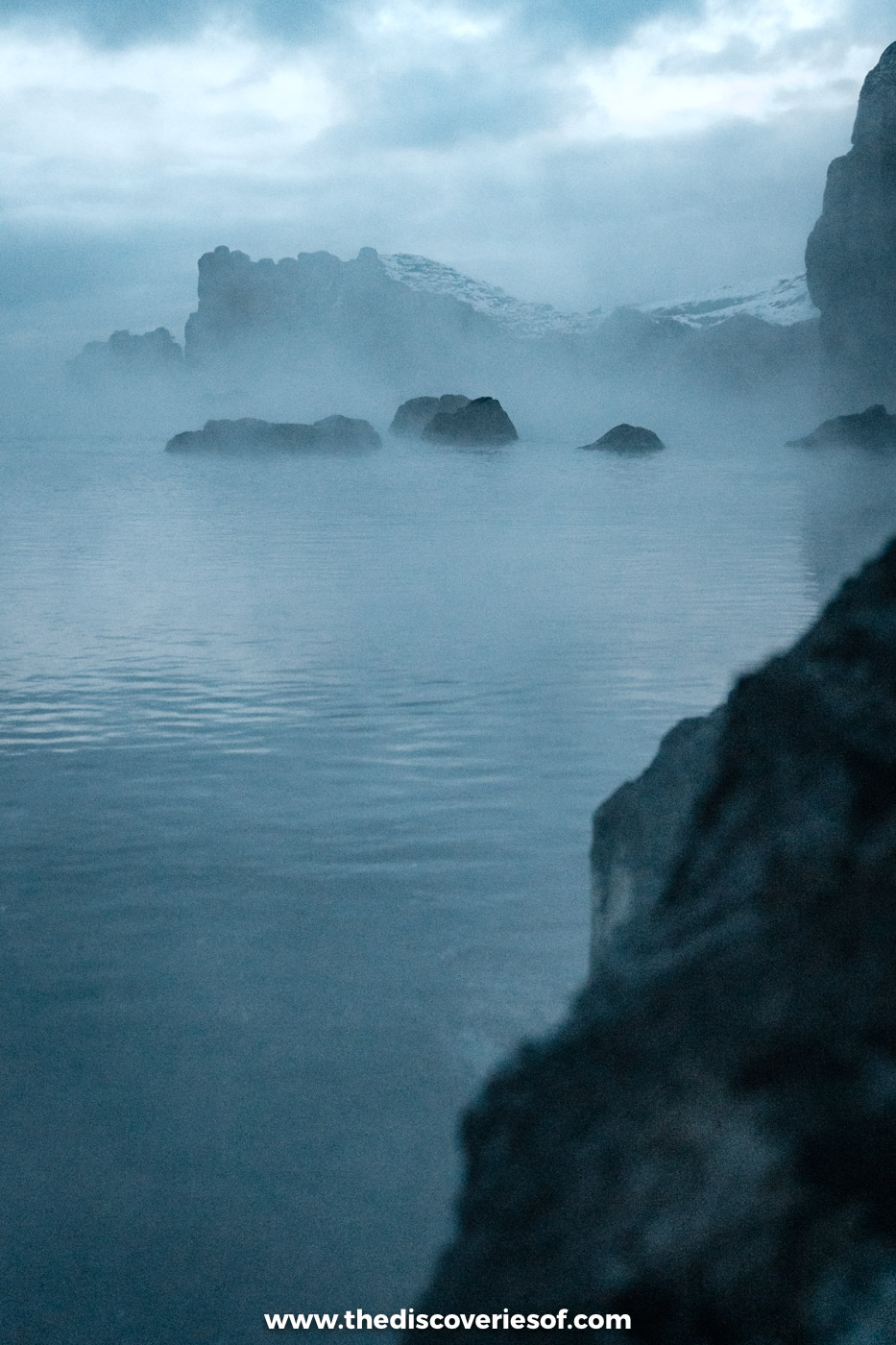
Deciding what to wear in winter can be a tough gig.
Generally the rule of thumb is wrap up as warm as possible and layer up.
The weather can be pretty brutal in the winter, so you should really come prepared. Storms close roads and the Ring Road can be icy for days, so check road.is and the warnings on safetravel.is every morning, and pack for being outside longer than you planned.
November is wet, windy and dark by late afternoon, with around five to eight hours of daylight. December is the darkest month: on my trip, the sun was already setting over the Reykjavik skyline by half past two in the afternoon. January is usually the coldest and snowiest month, and February starts to win back the light, with seven to ten hours by the end of the month.
Windproof hat
The wind can be pretty strong. Strong enough to blow your hat off your head, or at least to blow through your hat and make your head feel colder than you ever thought possible.
Be sure to get a hat that fits you well to avoid any flying hat disasters. Earflaps are a must to keep your ears nice and toasty.
Windproof gloves
Windproof gloves are also handy when Jack Frost comes biting. You can find great quality gloves that will hold in the warmth and stop those chilly breezes from getting through.
If you’re planning on using your phone, bag yourself a pair of windproof gloves with smartphone-friendly fingertips, or wear thin liner gloves under a thicker pair.
Windproof and waterproof jacket
You’ll need a warm and thick windproof and waterproof jacket. This will be your lifesaver when the icy winds blow.
Don’t go for style over substance here: make sure your jacket is windproof, weatherproof and everything else-proof to ensure a good trip. In December, I lived in warm layers under my Salomon jacket.
Winter boots

Hiking boots may work in winter but they won’t keep your feet as warm as snow boots.
If you’re planning on a longer trip during the colder months, snow boots are a good addition to your winter packing list.
Not only do they give extra insulation, but they’re also great for gripping on icy paths. They can be pretty pricey, but if you can afford them, I highly recommend them for a winter trip.
Ice cleats (and leave the crampons to the guides)
The bigger hazard for most visitors isn’t snow but sheet ice: on paths, car parks and pavements, even in Reykjavik when the roads look clear. Slip-on ice cleats (microspikes) weigh next to nothing and fit over your boots, so pack a pair for any trip between November and March.
If you’re really planning on going all out with the ice hiking, crampons are a different thing, and glacier and ice cave operators supply them with the rest of the technical kit. Don’t buy your own unless you know what you’re doing: I’d only recommend this if you are experienced enough to use them safely.
Hand and toe warmers
If it’s super cold and your thermal gloves and socks just aren’t enough, get yourself some hand and toe warmers. They’re nifty little accessories that you can tuck inside your gloves or shoes to keep yourself well insulated, and they’re brilliant for a long night waiting for the aurora.
Music festival clothes
Iceland Airwaves, the country’s biggest music festival, takes over Reykjavik’s venues in early November (4 to 7 November in 2026). If you happen to be in town during this time, I’d bring some casual (non-hiker) clothes for wearing to the concerts, plus a waterproof for queuing between venues.
Spring: what to wear in Iceland in March, April and May
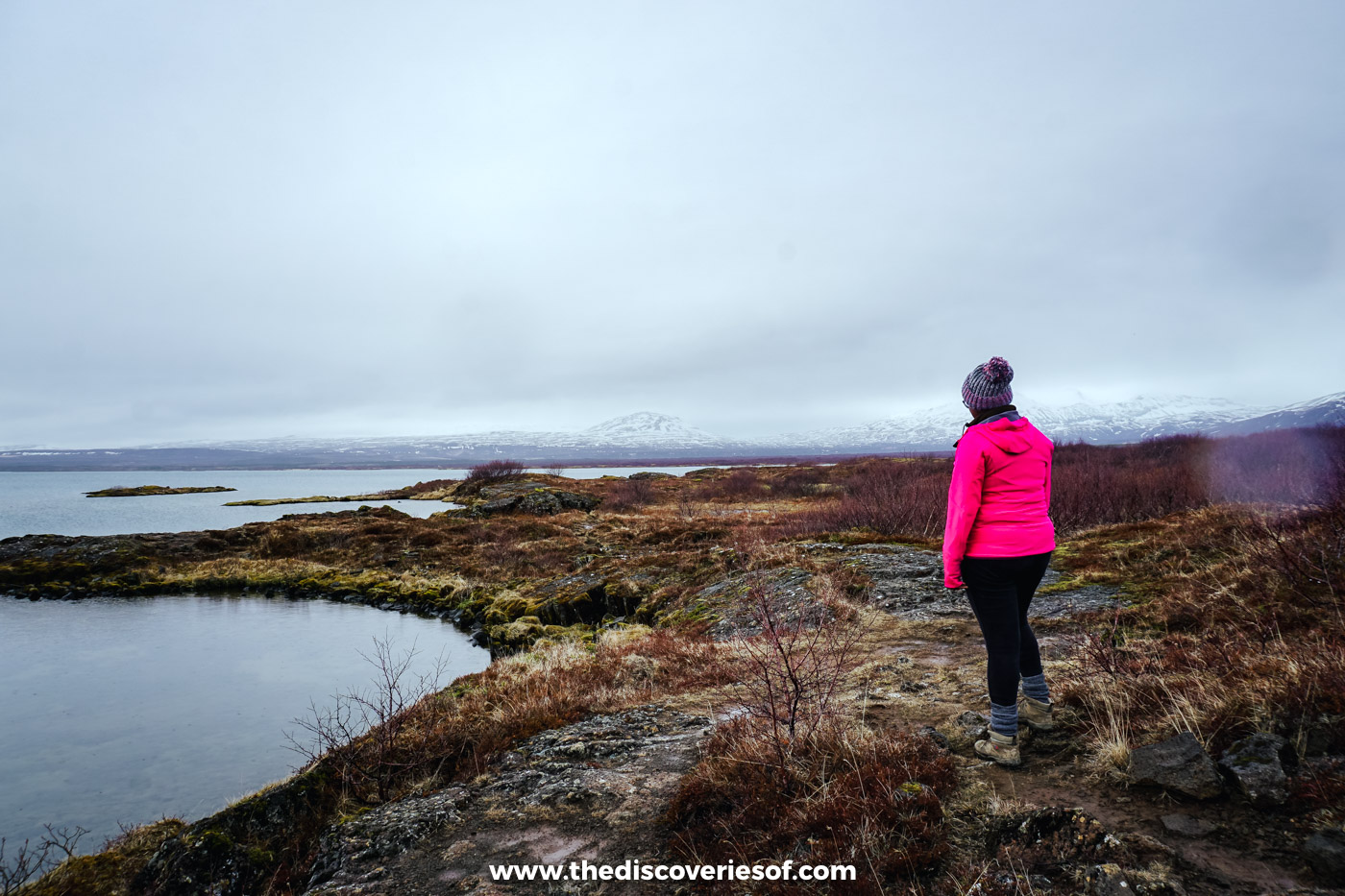
March is still winter in all but name, with snow and ice likely, though the days lengthen fast and the spring equinox is a good time for the Northern Lights. April warms up a little and is often wet. May is when spring really arrives in the lowlands, with up to 20 hours of daylight and average highs of around 10°C, but snow still lingers on the peaks and the wind is cold. On my early May trip, I wore my pink Berghaus and grey bobble hat over thermals and leggings, with walking boots: a lot more than you’d think for spring.
Down coat
A down coat is not quite warm enough to be worn on its own during the winter months. However, if you are visiting in spring you can get away with it on the slightly warmer days.
I’d definitely suggest getting one with a hood in case the weather takes a turn. Down jackets are light but warm and can be conveniently packed down into your bag.
Casual shirts
As you know, the weather can go one way or the other here, so be sure to pack some shirts that are breathable, comfortable and warm enough.
I would suggest a flannel shirt to keep you warm but also stylish. These items are also layerable, which is an important factor to consider when you’re working out what to pack.
Summer: what to pack for June, July and August
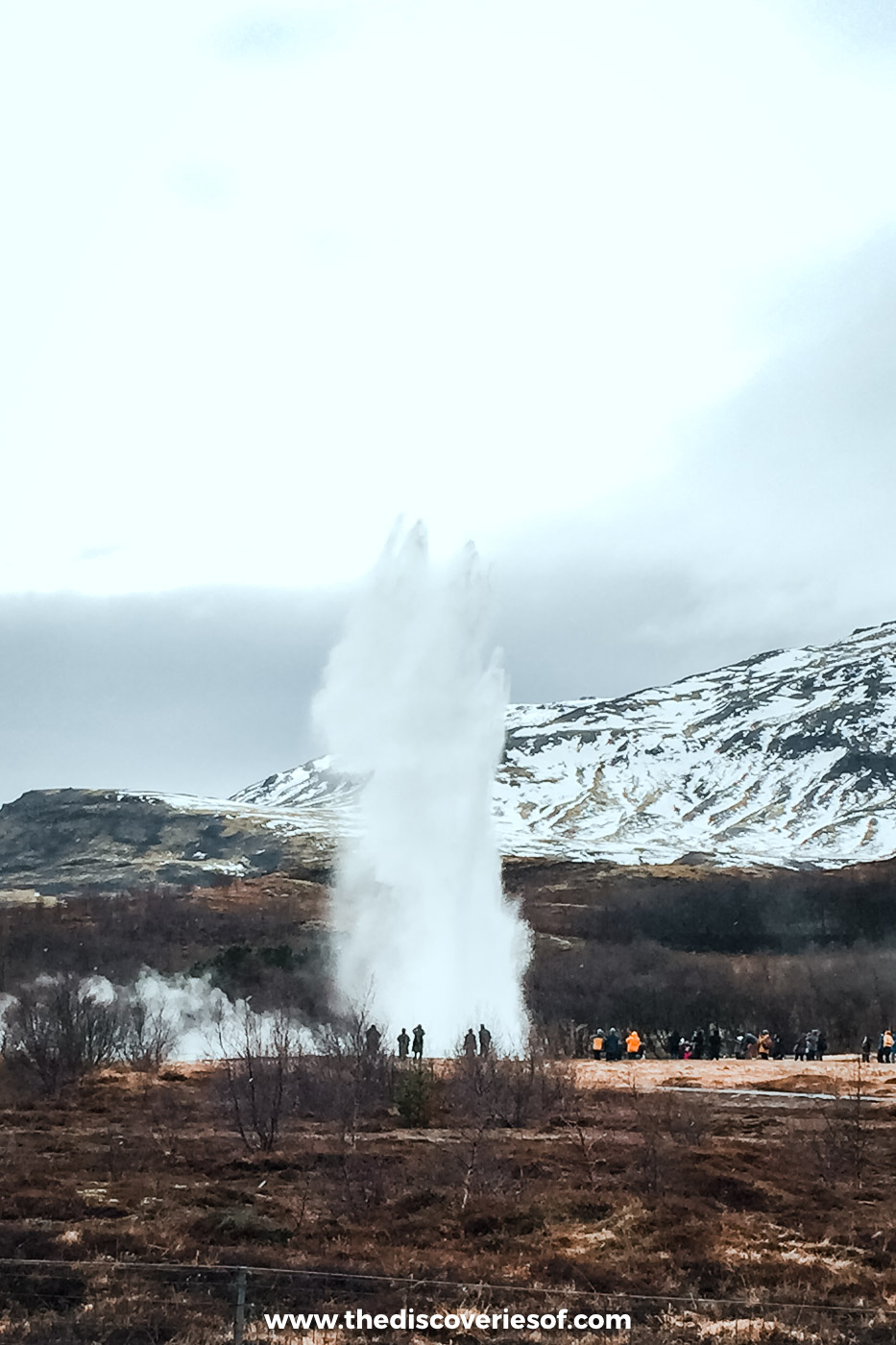
June brings the midnight sun: around the solstice, Reykjavik gets more than 20 hours of daylight and it never gets properly dark. July is the warmest month, with average highs of about 15°C in Reykjavik, and August is similar but with the first proper dusk returning towards the end of the month. Summer is mild rather than hot, so don’t leave the warm layers at home: it can still be cold and wet, especially in the highlands.
Sleep mask
An eye mask should be at the top of your summer list. Night time is not as we know it in Iceland. In June it’s light ALL day and nearly all night.
So unless you’ve got some amazing blackout curtains in your room, make sure you have a sleep mask with you.
Sun protection
When the sun is out, the glare of the rays off the snow and ice can be blinding. You’ll need to pack sunscreen to keep your skin protected.
A pair of sunglasses is essential to avoid squinting all day and a sunhat is also great to protect you from getting burnt.
Moisturiser
The harsh and ever-changing weather conditions can be a little rough on the skin. Pack a moisturiser of your choice to keep your skin hydrated.
I’d also suggest taking a mini bottle with you to pack in your day bag.
Midge head net
Iceland has no mosquitoes, but it does have midges. If you’re thinking of what to pack for Iceland in June and you’re heading north to Lake Mývatn (literally “midge lake”), I would strongly recommend a midge head net.
From late spring to late summer, these little pests come out to feast on calm, warm days around Mývatn, the highlands and other sheltered lakes and rivers, so get a net to avoid them ruining your trip. They’re cheap, weigh nothing, and you can also buy them in outdoor shops and bigger supermarkets in the country.
Allergy medication
Purple Nootka lupins grow all over the roadsides in summer, at their peak from mid-June to mid-July. If you’re sensitive to pollen, you may want to bring some allergy medication with you.
Fast drying towel
A travel towel is a useful addition, especially if you’re visiting the pools often or staying in hostels, where towels aren’t always included.
They’re easy to pack away and store and are great if you’re camping or backpacking.
Autumn: what to wear in Iceland in September and October
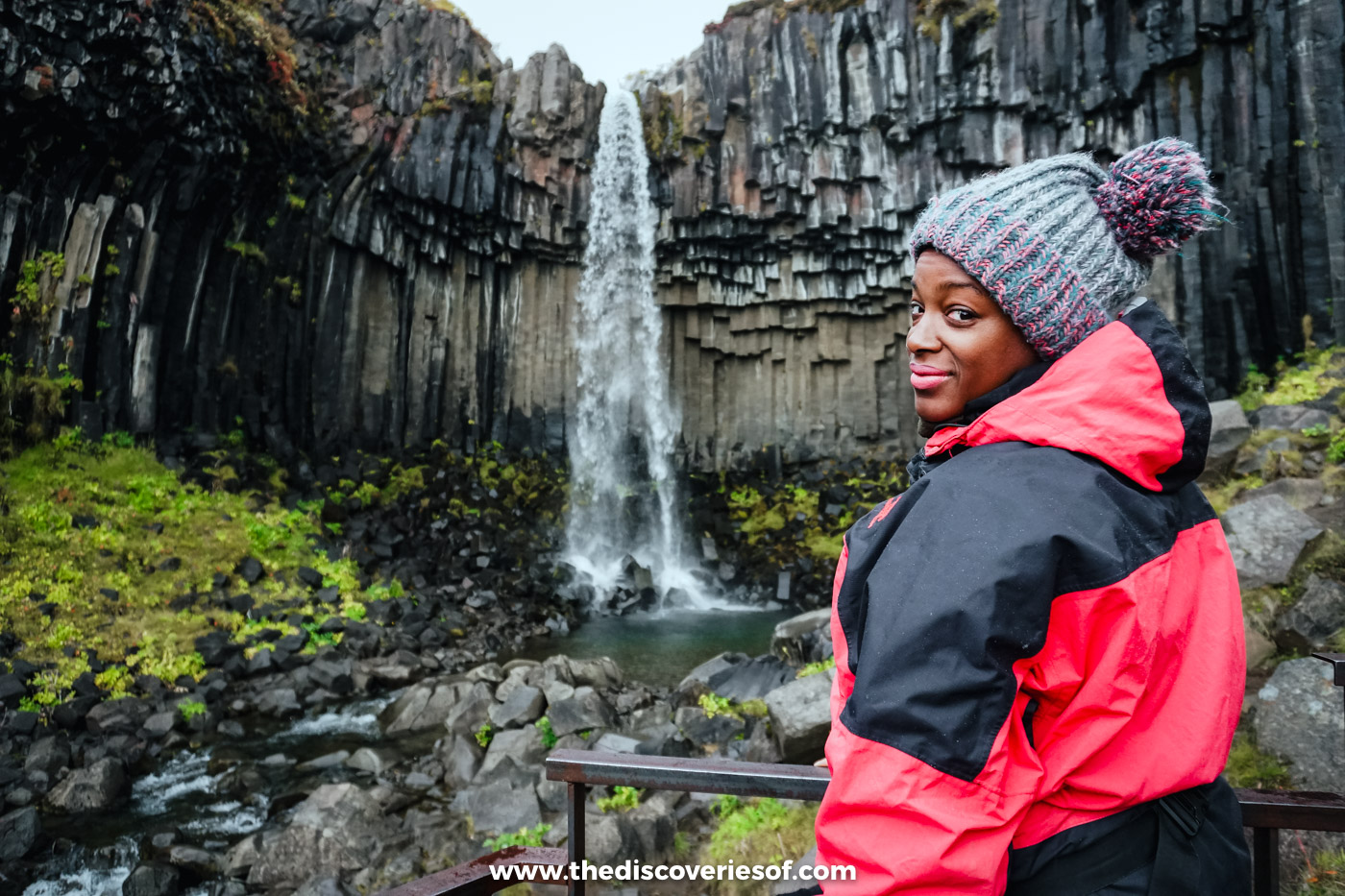
September is one of the two months I’d pick to visit (May is the other): the crowds thin out, the birch scrub in Skaftafell turns gold and red, and the nights are dark enough for the Northern Lights again. It’s also one of the wettest months, so waterproofs are a must. October is cooler and darker, with eight to eleven hours of daylight, and the first snow often arrives in the north and the highlands.
Waterproof shoes
It can be pretty wet in the autumn months so the last thing you need is soggy feet. You’ll need hiking boots that are 100% waterproof to protect your toes from the elements.
Waterproof jacket and trousers
I would really avoid jeans here and just go for waterproof trousers. Get some comfy thermal leggings and throw the trousers over the top for extra protection.
A waterproof jacket is an obvious essential but a lifesaver. It’s best to get one with thermal protection and a hood to shelter your head from the rain.
A good camera
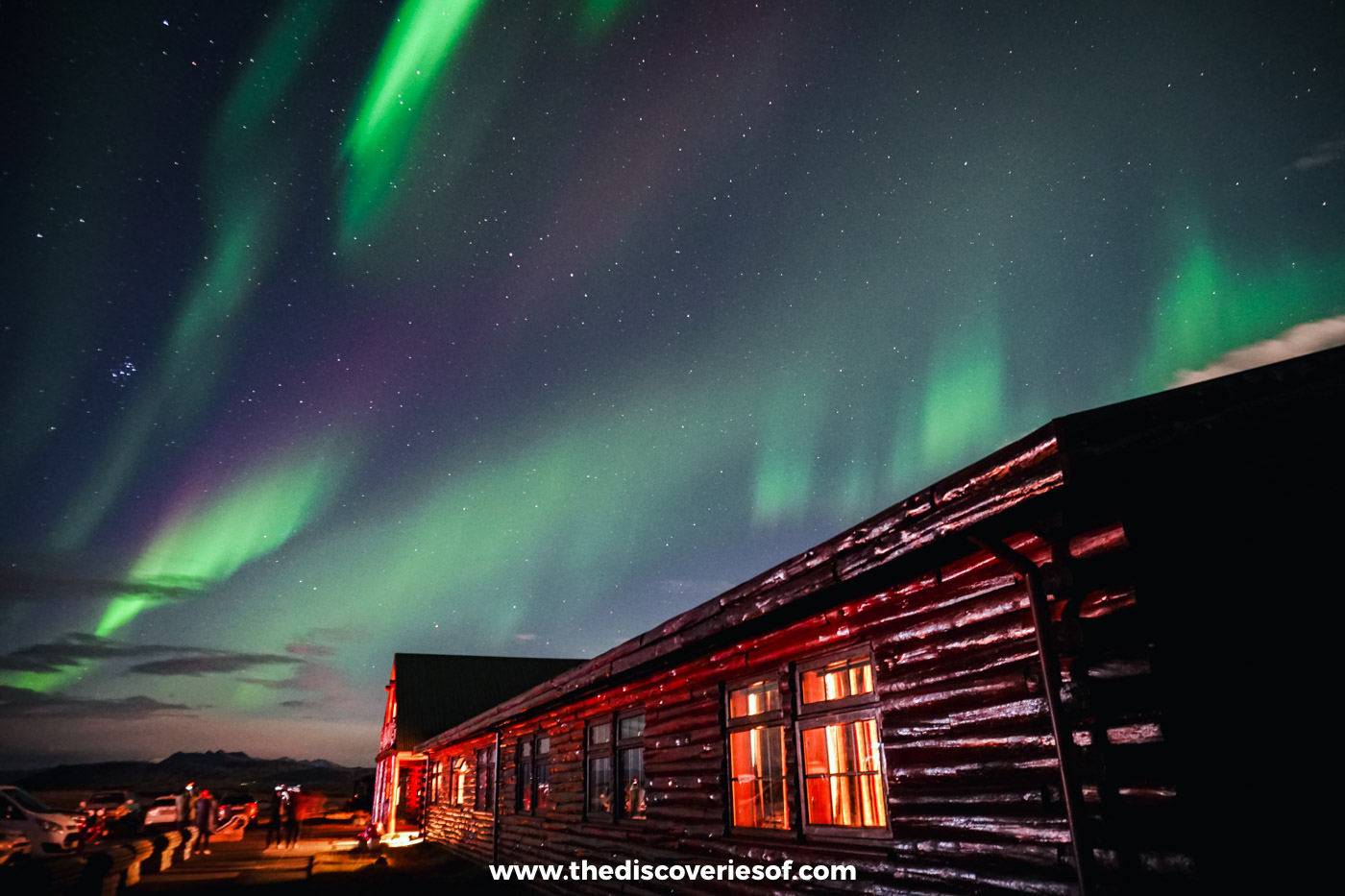
Autumn is usually the best time to see the Northern Lights, especially around the equinox, so it’s best to add a decent camera to your packing list. You’ll definitely want one on standby to capture the beauty of the Northern Lights. It’s also worth getting yourself a tripod as you may be waiting a while!
On my September trip, the aurora came out two nights running, including a night when the forecast said it wouldn’t be up to much. At Hotel Rangá, the hotel calls your room when the aurora comes out, so keep a warm layer, a hat and your boots by the door: when the phone goes, you’ll want to be outside in a minute, not five. Wherever you’re watching from, a warm hat, gloves and a spare battery in an inside pocket make the hours outside far more comfortable. My guide to when to see the Northern Lights in Iceland has the full story.
So there we have it: packing essentials for Iceland. I hope that you have an awesome trip!
Read next
- Best time to visit Iceland: long summer light, autumn aurora or winter snow?
- Is Iceland expensive? Yes, but you can do it for about £150 a day
- When’s the best time to see the Northern Lights in Iceland?
- Visiting Gullfoss waterfall
- Discovering Iceland’s hidden gems: off the beaten path
- A complete guide to visiting Jökulsárlón glacier lagoon
- Incredible things to do in Iceland
- Where to stay in Iceland
- Iceland travel tips
- Black sand, blue ice and a sky full of green: South Iceland through my lens
Love this? Save and share on Pinterest
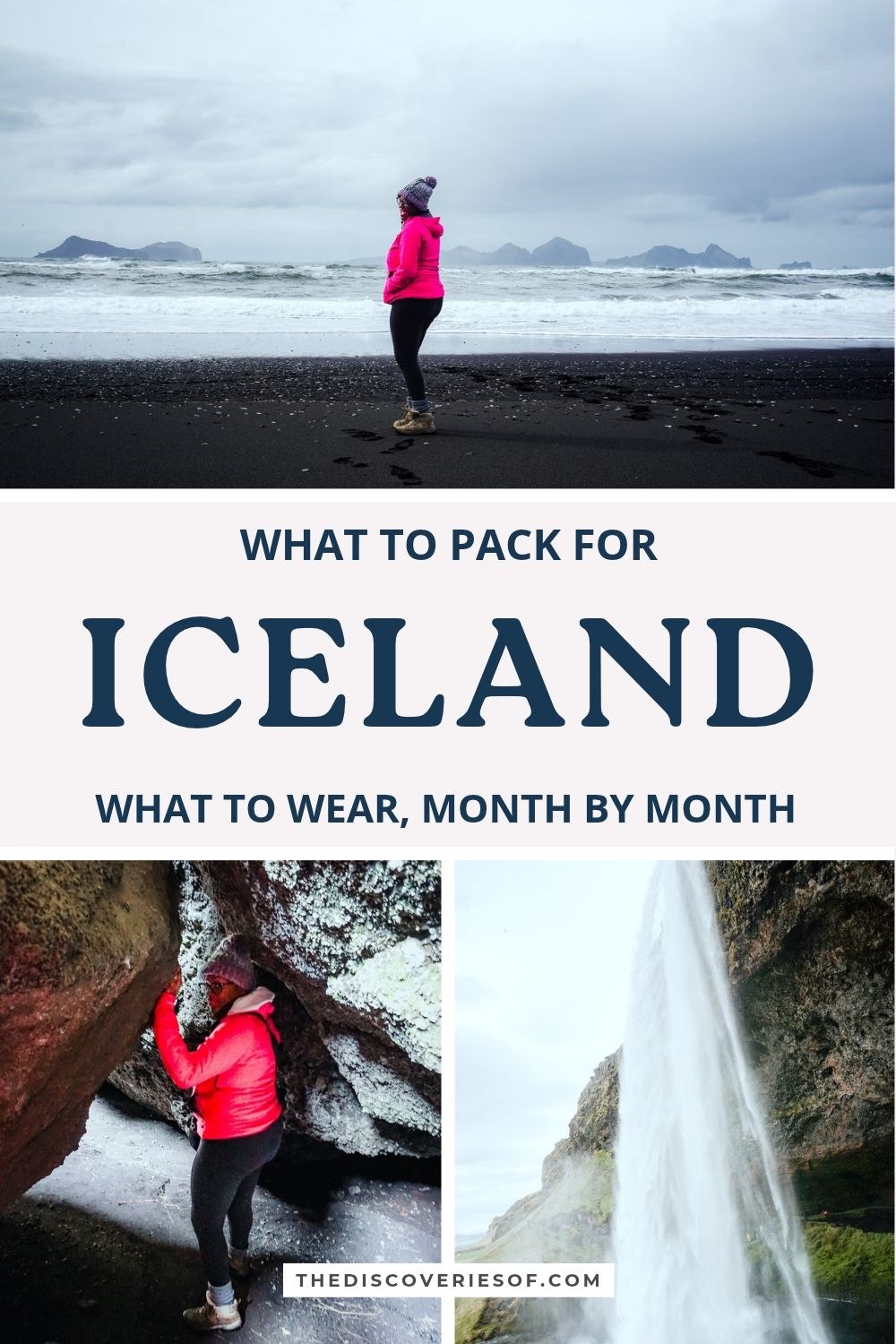

Discover the top things to do, insider tips and hidden gems in our Iceland Travel Guide.
Read the guides →




