
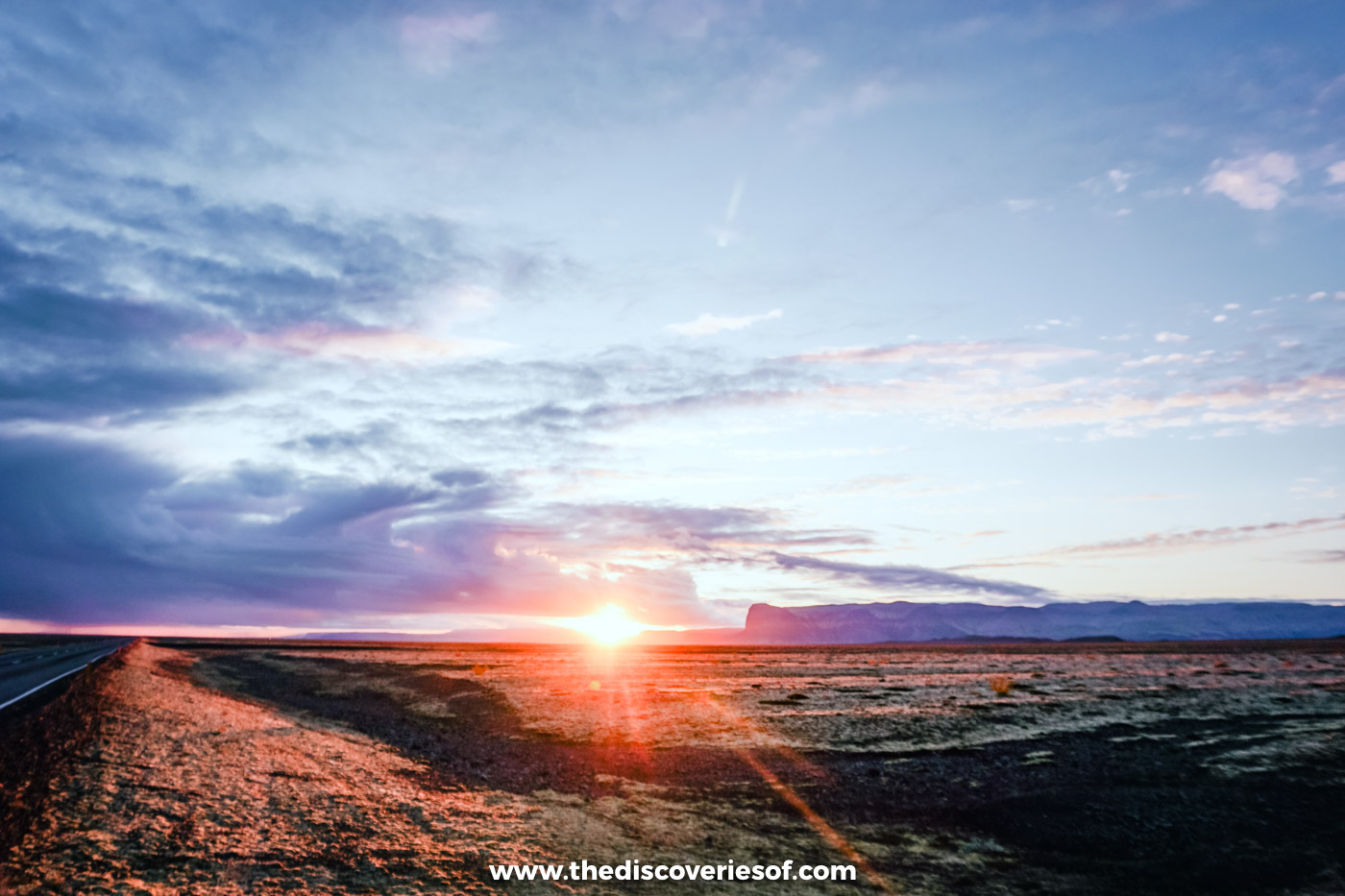

So you’re planning (or dreaming of) a trip to Iceland and you have one burning question: is Iceland expensive? The short answer is yes. But not as expensive as you might think. Here’s what things really cost right now, what a day adds up to, and how to make your money go further.
Iceland has a reputation as a fiercely expensive destination. The kind that will make your wallet cry and your bank account beg for mercy. But is it really that bad?
Not really. There are a lot of myths about how expensive the country is, as well as quite a few truths. I’ve been three times, in three very different ways: a trip in early May, a self-drive around the September equinox with a hire car and two nights at Hotel Rangá, and a few days in Reykjavik in early December. Between them, I’ve done the splurges and the savings, from a super jeep day and a lagoon ritual to supermarket lunches on the road.
Here’s a breakdown of what you can expect to pay for flights, beds, cars, food and the big-ticket activities, sample daily budgets, and 15 tips for reducing the cost of your trip.
First up, is it expensive to get there?
For the most part, no. Getting there is often the cheapest part of the trip.
From the UK, easyJet flies to Keflavík from Luton, Edinburgh and Manchester all year (with seasonal routes from Gatwick, Bristol, Birmingham and Newcastle), Jet2 runs seasonal flights from around a dozen regional airports, and Icelandair and British Airways fly from Heathrow. The flight takes about three hours. Low-season sale fares from London can drop below £40 each way, and returns from around £60 turn up in January and early spring. Summer and the school holidays cost a lot more.
From the US, Icelandair flies nonstop from more than a dozen cities, alongside Delta and United on some routes. Return fares from New York start at around $400 to $500 in the quieter months. Icelandair also lets you add a stopover in Iceland of up to seven nights at no extra airfare on most fares, which is a brilliant way to tack a few days on to a trip to Europe or North America.
One thing that has changed: PLAY, the Icelandic budget airline, stopped flying in September 2025, so there’s less low-cost competition than there used to be. Book early for summer.
Top Tip
Iceland is in the Schengen area. The EU’s Entry/Exit System is now in place at Keflavík, so allow extra time at passport control, and when ETIAS starts (no launch date yet), visitors from the UK and US will need to pay its €20 fee before they travel.
How expensive is Iceland? Prices at a glance
Not sure what to expect when it comes to costs? Check out this quick guide to typical prices right now. Conversions are rounded at about ISK 162 to £1 and ISK 121 to $1.
| Item | Icelandic krónur (ISK) | British pounds (£) | US dollars ($) |
|---|---|---|---|
| Return flight, London to Keflavík (low season) | n/a | from about 60 | n/a |
| Return flight, New York to Keflavík (low season) | n/a | n/a | from about 415 |
| Hotel room in Reykjavik (average night) | 32,600 | 201 | 269 |
| Standard double at Hotel Rangá | from 58,600 | from 362 | from 484 |
| Hostel bed (per person) | 5,000 to 18,000 | 31 to 111 | 41 to 149 |
| Small car hire, per day (winter to summer) | 9,000 to 22,000 | 56 to 136 | 74 to 182 |
| Road fee, per km driven | 6.95 | about 0.04 | about 0.06 |
| Petrol (45-litre tank) | about 12,600 | 78 | 104 |
| Parking at a major sight | about 1,000 | 6 | 8 |
| Flybus, airport to Reykjavik | 3,999 | 25 | 33 |
| Taxi, airport to Reykjavik | 18,000 to 25,000 | 111 to 154 | 149 to 207 |
| Groceries for a day (per person) | 2,500 to 4,000 | 15 to 25 | 21 to 33 |
| Hot dog from a stand | about 800 | 5 | 7 |
| Cappuccino | about 700 | 4 | 6 |
| Pint of beer in a bar (happy hour) | 1,200 to 1,600 (800 to 1,100) | 7 to 10 (5 to 7) | 10 to 13 (7 to 9) |
| Main course, mid-range restaurant | 3,500 to 6,000 | 22 to 37 | 29 to 50 |
| Reykjavik swimming pool | 1,500 | 9 | 12 |
| Sky Lagoon (Saman pass) | from 14,990 | from 93 | from 124 |
| Blue Lagoon (Comfort) | from 11,990 | from 74 | from 99 |
| Jökulsárlón amphibian boat (Zodiac) | 7,100 (16,600) | 44 (102) | 59 (137) |
| Handmade Icelandic sweater | 10,000 to 35,000 | 62 to 216 | 83 to 289 |
Currency conversions change, so you may want to check the current rates, particularly if you’re British (like me) and the pound has a habit of singing a very sad little song.
That looks pretty pricey: so what will your trip actually cost?
The short answer is… it depends. Some things are expensive in Iceland, but there are a lot of things that aren’t.
If you’re visiting, the three things that will cost you the most money are accommodation, eating out and taking tours or other activities. Car hire comes a close fourth, and since January 2026 there’s a new line on the bill: every car now pays a road fee of ISK 6.95 per kilometre driven, which rental companies pass on, either per kilometre at the end of the hire or as a flat daily charge. Fuel taxes were cut at the same time, but petrol still costs around ISK 280 a litre and diesel around ISK 330.
Check out my money-saving tips for each of them below.
What a day costs, and how I spent mine
On my September self-drive, my money went on four things: the hire car and its fuel, a room at Hotel Rangá with breakfast, a supermarket or café lunch, and dinner. What I didn’t pay for was just as telling. The day I drove east to Jökulsárlón, I stopped at Skógafoss, Reynisfjara, the Reynisdrangar sea stacks and Svartifoss, walked the shore of the glacier lagoon, and didn’t pay a single entry fee all day. Back at the hotel, I watched the Northern Lights from the grounds on two nights without booking a tour.
That pattern (pay for the bed, the car and one good meal, and let the landscape do the rest) is the cheapest way to see the country well. Here’s roughly what a day costs today for each person, with two people sharing a room and a car and driving about 200 km.
| Per person, per day | Shoestring (ISK) | Mid-range (ISK) | Splurge (ISK) |
|---|---|---|---|
| Accommodation | 10,000 (hostel or guesthouse bed) | 16,300 (half a mid-range double) | 29,300 (half a Standard room at Rangá) |
| Food and drink | 4,500 (groceries, a hot dog and a coffee) | 10,500 (café lunch, dinner and a beer) | 21,000 (lunch, three courses and wine) |
| Car hire (half) | 6,000 | 7,500 | 13,000 (4×4) |
| Fuel, road fee and parking (half) | 3,000 | 3,000 | 3,500 |
| Activities | 1,500 (a local pool) | 12,000 (a lagoon or a glacier hike) | 16,600 (a Zodiac on Jökulsárlón) |
| Total (ISK) | 25,000 | 49,300 | 83,400 |
| Total (£ / $) | about £154 / $207 | about £304 / $407 | about £515 / $689 |
Flights are on top. In summer, add a third or more to the accommodation and car lines; in winter, knock a little off.
How can I make the most of my money? 15 tips for travelling on a budget
Head for the free natural sights
One of the things that is often overlooked when people ask “is Iceland expensive to visit?” is that a lot of the best things to see are free.
A huge amount of the country’s appeal stems from the incredible landscapes and natural attractions it has to offer. The good news is that walking up to almost all of them costs nothing at all.
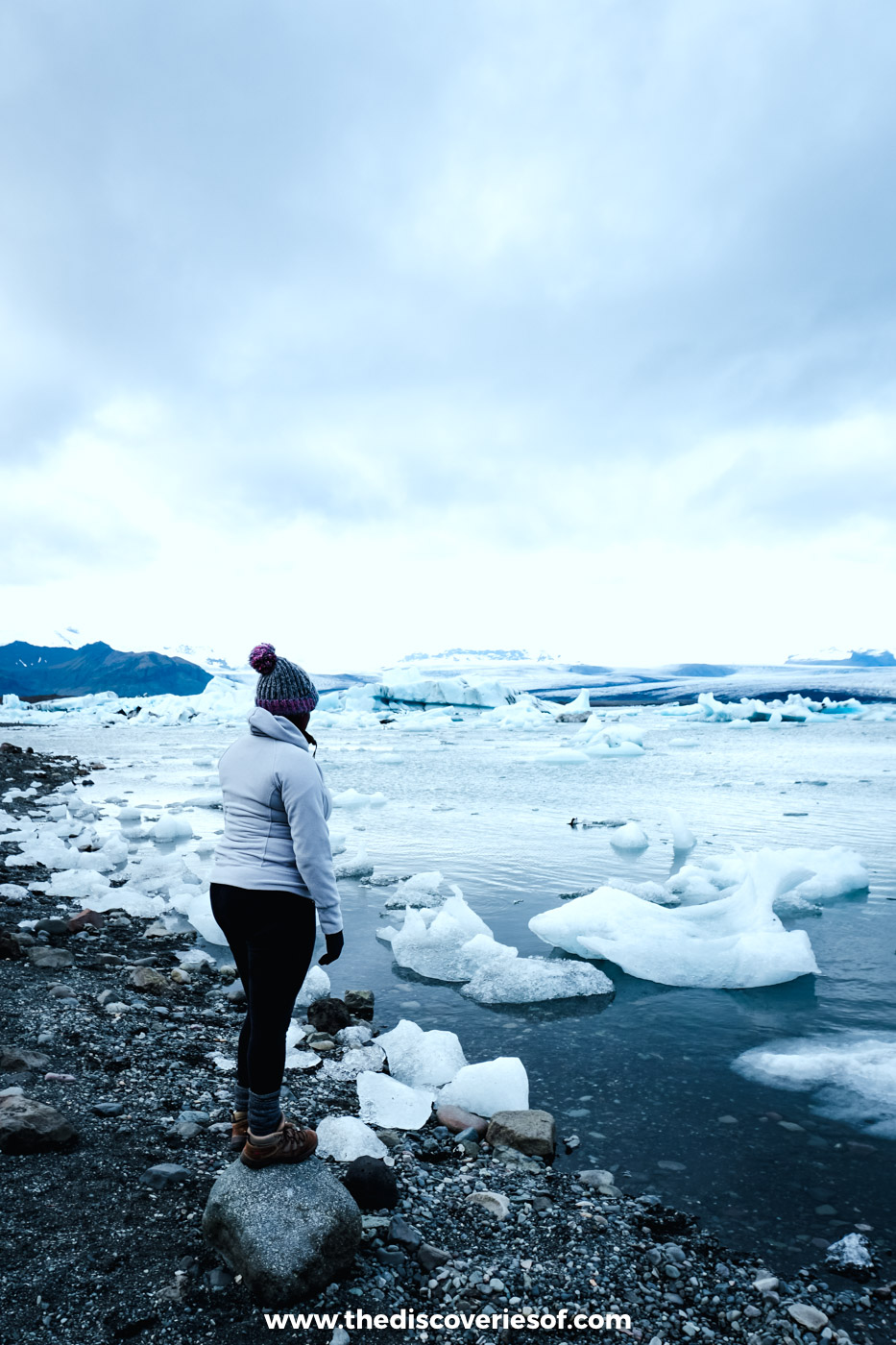
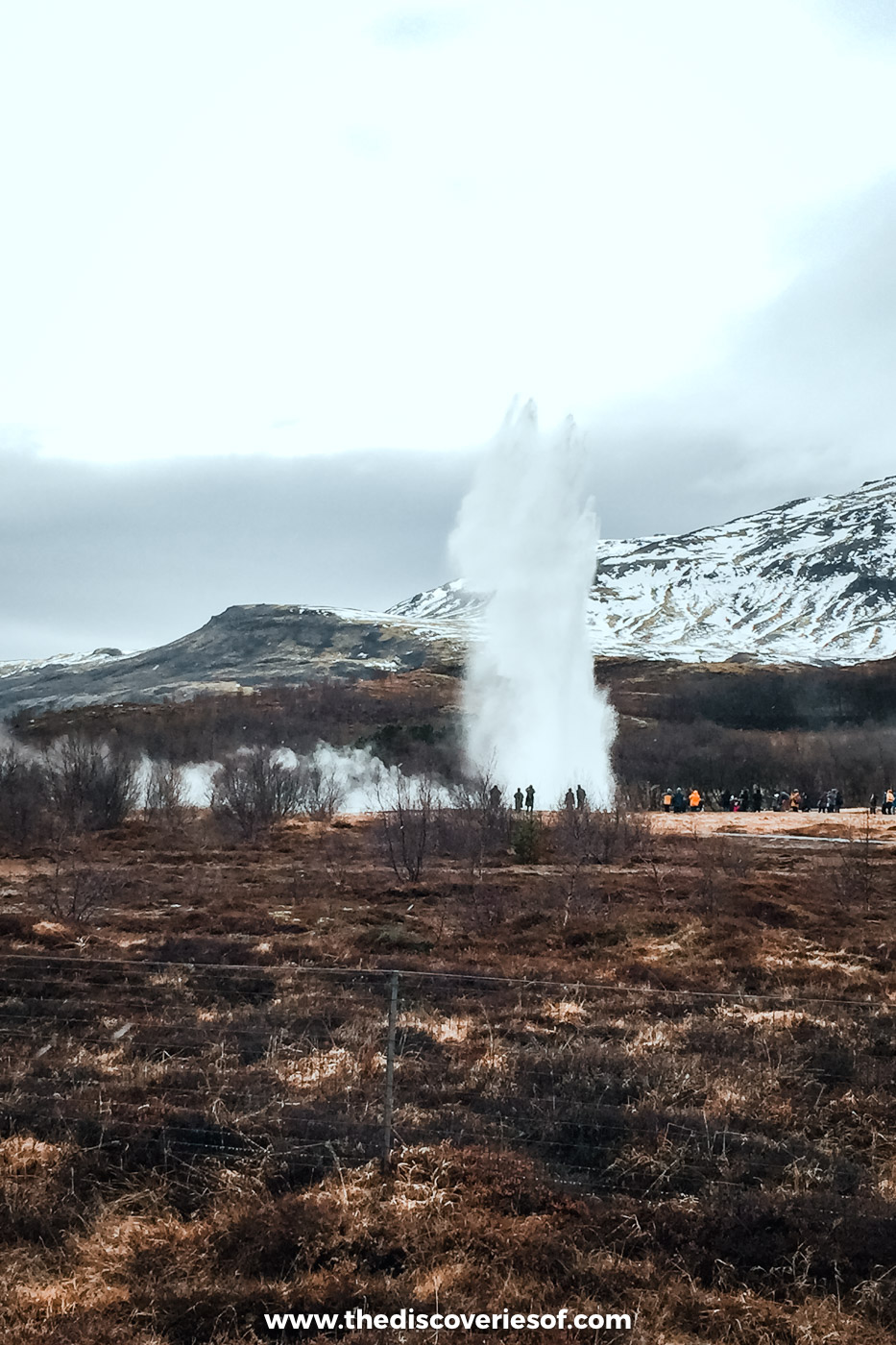
Pretty much all of the major sights are free to visit: Gullfoss Waterfall, Geysir, Jökulsárlón Lagoon, Seljalandsfoss, Reynisfjara, Svartifoss: the list could go on, and the Iceland waterfalls alone could fill a week. At Jökulsárlón I skipped the boat (I was rather tight for time) and walked along the shore instead, and a few minutes from the car park the crowds thin right out.
What you will pay for at many of them is parking. Þingvellir, Seljalandsfoss, Skógafoss, Reynisfjara, Jökulsárlón, Skaftafell and Geysir all charge, usually about ISK 1,000 per car, paid by app or at a machine, with cameras reading number plates at many sites. Gullfoss is still free to park at.
If you’re not so bothered about shelling out for things like glacier hiking or whale watching, a trip to this expensive country can be surprisingly reasonable.
Whenever people say that Iceland is really expensive, I think they often forget that a visit doesn’t have to cost the end of the earth because there are a lot of things you can do without spending any money if you travel independently.
Hire a car instead of booking tours
Tours here can be eye-wateringly expensive, particularly for the big-ticket activities like whale watching, glacier hiking, ice caving or paragliding. A guided glacier hike on Sólheimajökull starts at around $105 a person, a full-day super jeep trip into Þórsmörk with Midgard Adventure from ISK 39,000, and even a standard Golden Circle day tour from Reykjavik is around $89 a head.
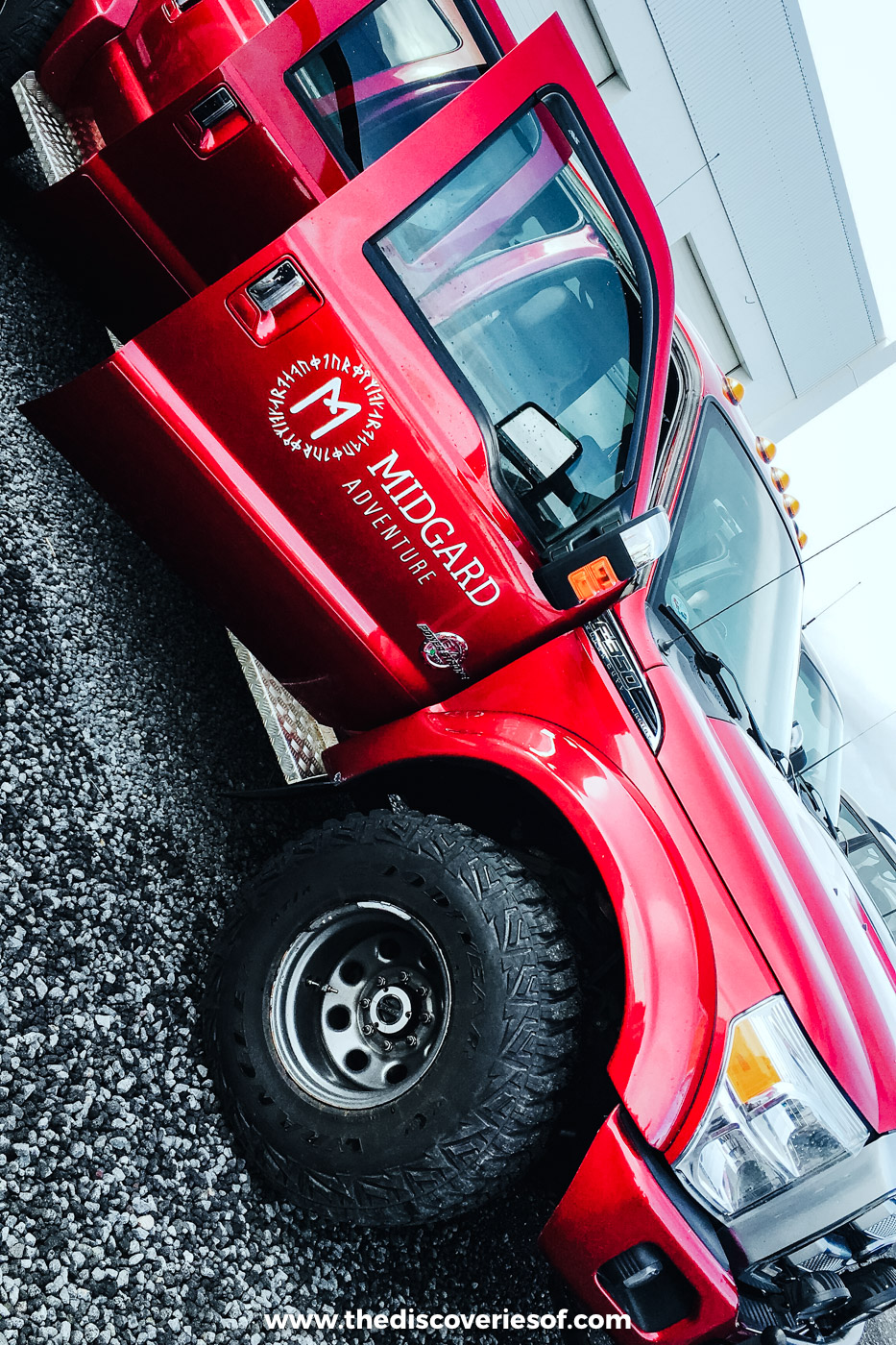
Now if you have your heart set on doing some of these activities, you don’t have much option other than to suck it up and pay the price. My super jeep day into Þórsmörk in May, squeezing through a gap in the rock and fording an underground stream to reach a slot valley, was some of the most fun I’ve had in the country.
I would totally advise against trying to do paragliding without an expert guide, and the same goes for anything involving being on a glacier or in an ice cave. However, you can drastically cut the cost of going on the more standard tours by just hiring a car and visiting destinations independently, or, if you’re in Reykjavik, follow some budget-saving tips.
Another alternative is to travel Iceland in a campervan, which saves on some of the guided tours and some of the accommodation too.
On my September trip, I simply hired a car for collection at the airport (I booked mine through Holiday Autos, which I’ve found to be reliable) and used it to visit lots of the country’s coolest spots on my own.
One of the most memorable days I had was when I drove down to Jökulsárlón Lagoon (otherwise known as Diamond Lagoon) via Skógafoss, Svartifoss, Reynisfjara and the Reynisdrangar sea stacks.
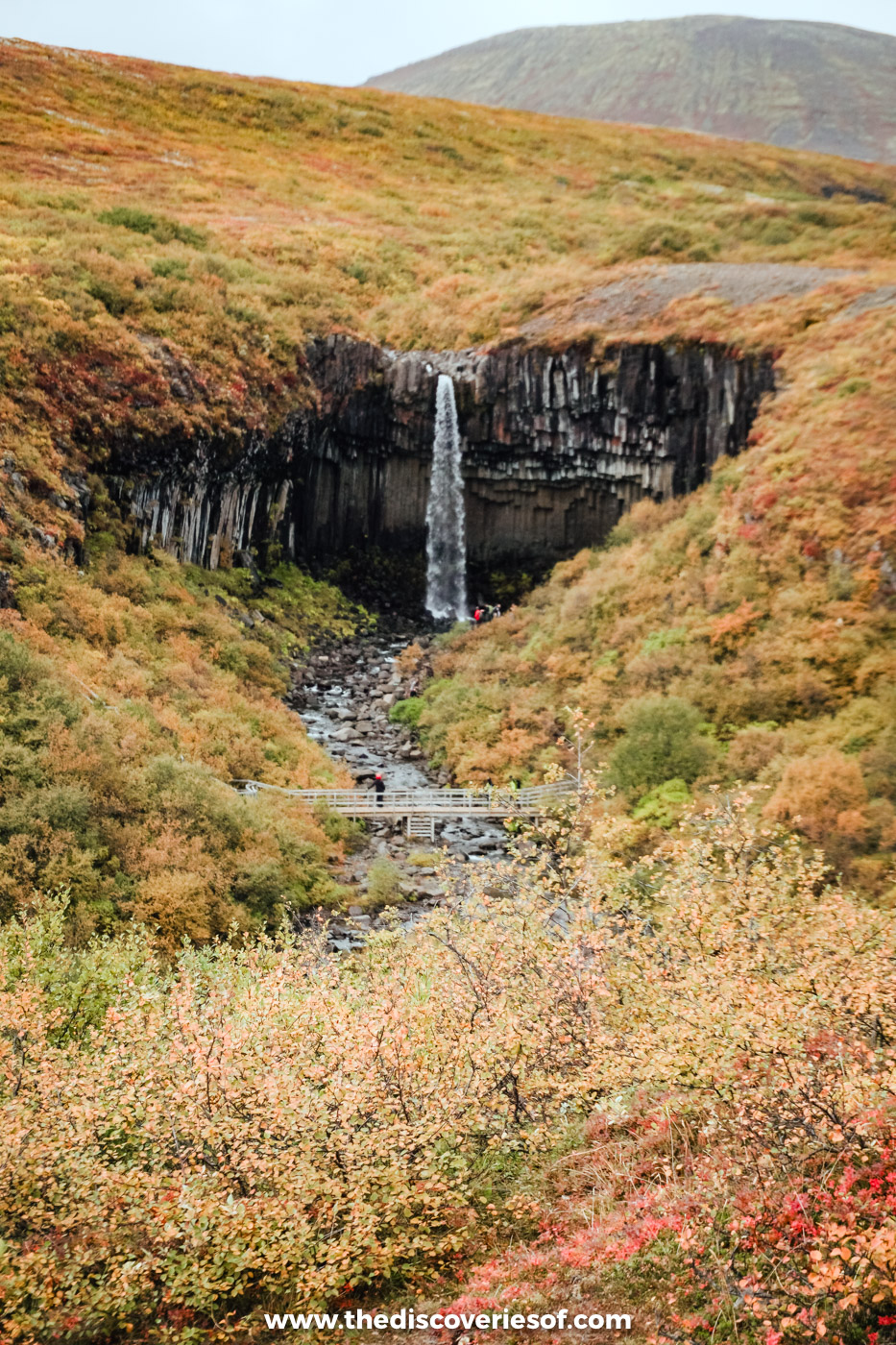
During that day, I saw some of the most spectacular natural attractions in the country for a fraction of the cost I’d have had to pay for a tour: a full-day Glacier Lagoon tour from Reykjavik runs to around $280 a person.
Add to that the fact that I was able to operate on my own schedule, stop wherever and whenever I pleased and play some banging tunes in the car in between stops, and you can start to see the appeal.
When you price up a hire car, remember the extras: the road fee per kilometre, fuel, and the gravel and sand-and-ash protection that most companies sell on top of the basic cover. A small two-wheel-drive car is fine for the Ring Road and the south coast from late spring to early autumn; the mountain F-roads legally need a 4×4.
Lower your accommodation costs
There’s no getting away from the fact that accommodation is expensive. A night in a Reykjavik hotel averages around £200, and across the country August is the dearest month to book and April the cheapest. On top of the room rate, hotels and guesthouses add a lodging tax of ISK 800 per room per night.
OK, so accommodation is expensive. All hope is lost, right? Wrong.
Choose good value (and a good breakfast) over the lowest price
So first up, I want to say that just because accommodation in Iceland costs a lot, that doesn’t mean that it can’t be good value.
Overall the quality of accommodation is high: rooms are clean, well-designed and cosy, and generally the standard is high.
That’s not going to be much comfort to you if you are looking to travel on the cheapest budget possible, but if you’re not, it’s good to know that you’re not spending all of that money on crappy digs.
Many hotels and guesthouses include breakfast and wifi, both of which can go some way to reducing the overall cost of your trip.
For example, during my stay at the gorgeous Hotel Rangá, I’d make the most of the delicious breakfast and as a result, I only needed a small lunch. My Hotel Rangá review has the full story of both my stays.
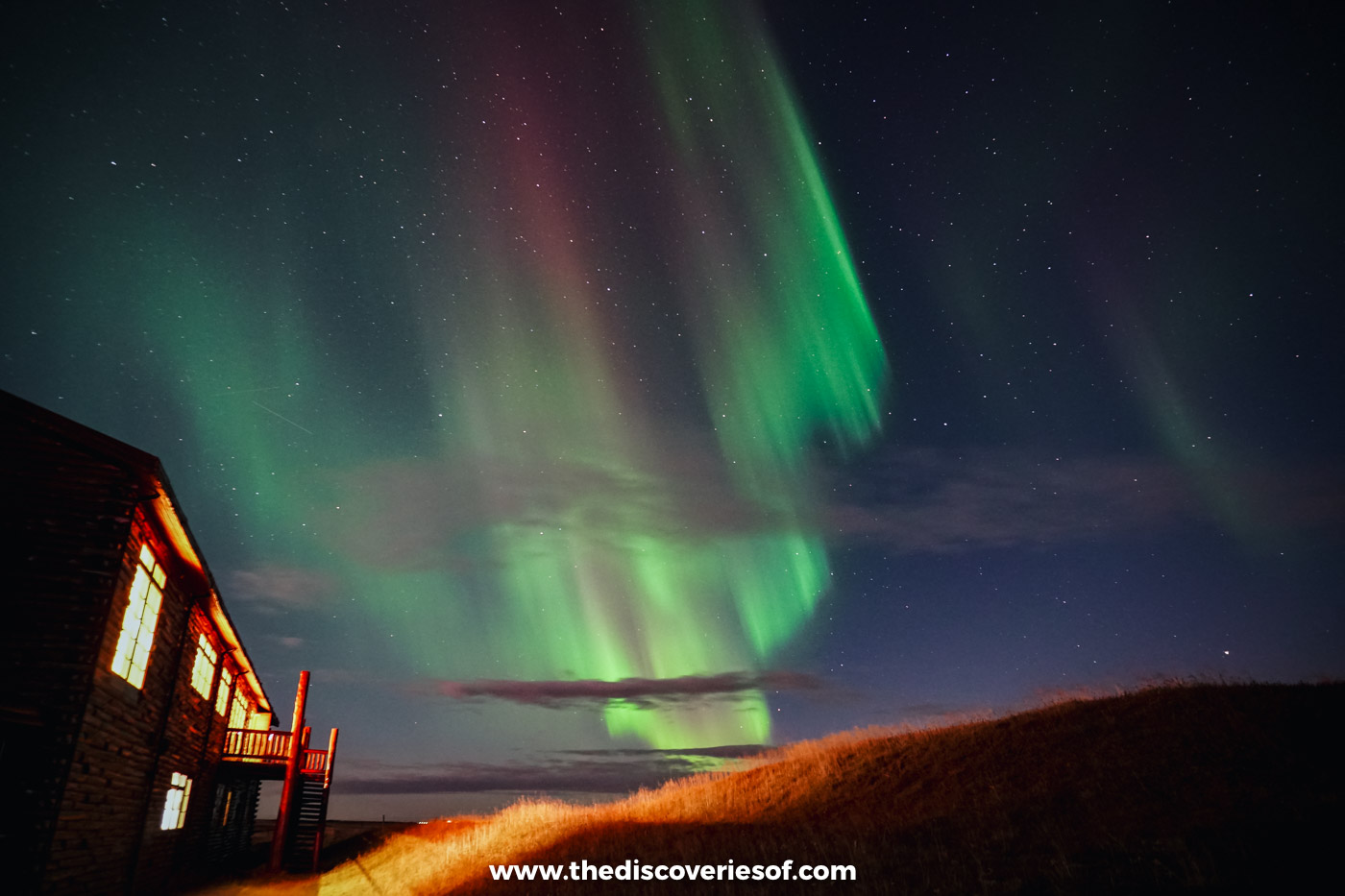
Free wifi is pretty common in most accommodation around the world, but here it’s fast and reliable. If you do have to be connected while you are in your hotel, B&B or hostel, you can use the wifi rather than relying on roaming, which UK networks now charge for in Europe again. A local or travel eSIM is usually the cheaper option for data on the road.
There are ways to cut the costs of accommodation further. The most obvious one is camping.
Think about camping (if you can face it)
Now I know that some of you are going to look at the word camping and tremble with a shiver of uncontrollable repulsion. Some people just hate camping, and that’s OK: if you’re one of them, you should probably just skip this section.
You can go camping in Iceland, though I’d tend to say that it’s a more realistic option if you are travelling for more than a couple of days.
Shorter than this and I don’t think it’s worth it, but that’s up to you to decide.
The easiest and most comfortable way to do your camping trip is to hire a campervan, get a map and head off onto the open road. Campervans cost roughly ISK 18,000 to 45,000 a day in summer, and campsites charge around ISK 1,500 to 4,000 per person per night. You can’t simply park up anywhere: overnight stays in campervans, caravans and tents are only allowed on campsites unless the landowner gives permission.
Now, I haven’t spent time camping in Iceland, so if it’s on your list, read up on the campsite rules and seasons before you book, as many sites only open from around May or June to September.
If you do decide to go camping, don’t forget to leave each place exactly as you found it. Bring your rubbish with you.
The country is crammed with magnificent landscapes and they don’t need lazy and selfish tourists messing it all up.
Buy your lunches from the supermarket
Eating out in Iceland is expensive. One of the easiest ways to cut the cost of your trip is to buy groceries for at least a couple of your meals, either as a packed lunch or to cook wherever you’re staying.
I personally love eating out when I’m in a different country but try to think ahead about which meals I want to spend my money on.
I don’t know about you, but I’d much rather spend my money on one or two blow-out three course meals of stellar quality than dribble money constantly on a stream of mediocre food.
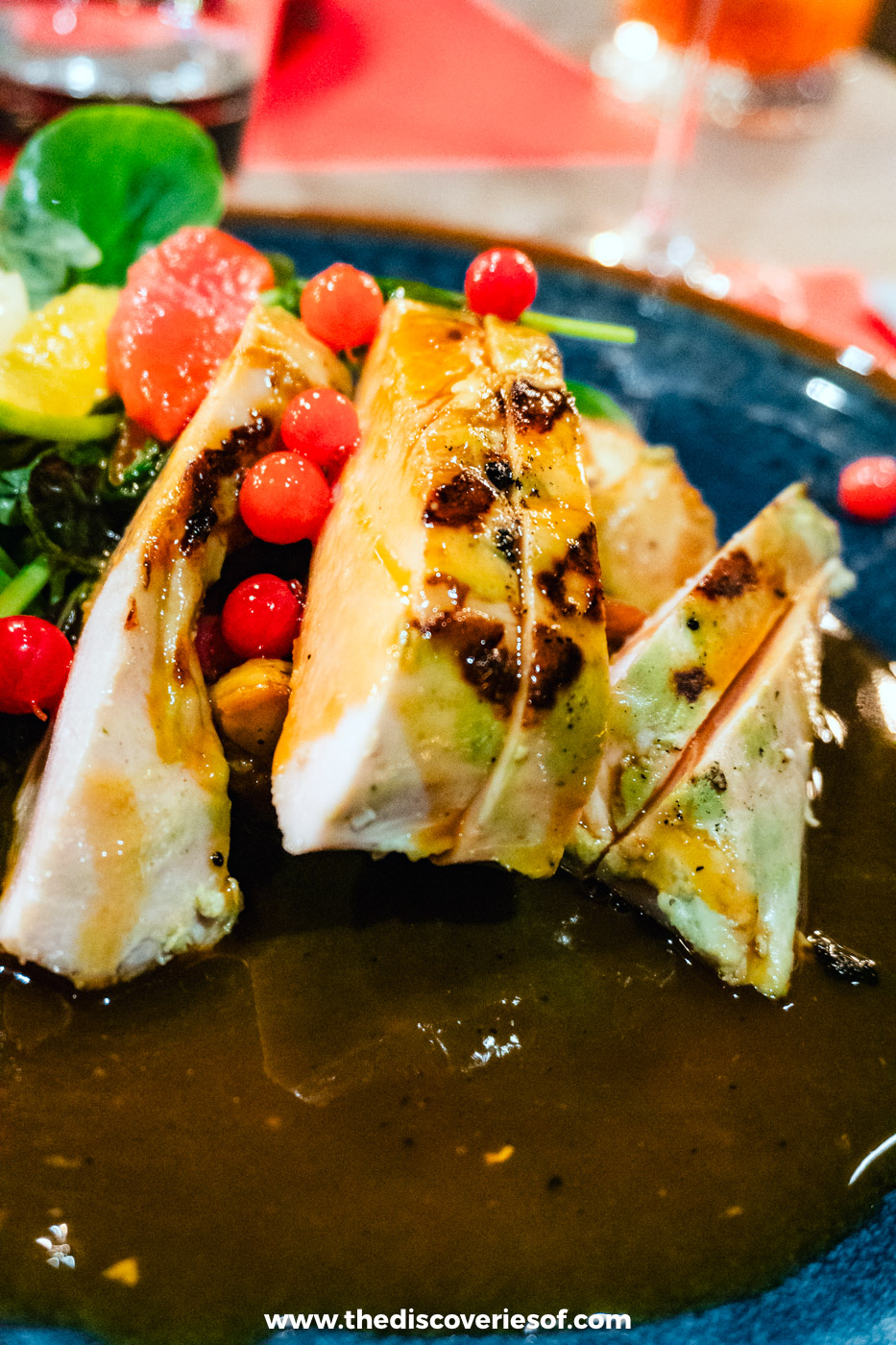
During my trips, I’ve tended to spend money on a couple of great meals and then buy packed lunches from supermarkets or cheaper cafés for the rest of the time.
The discount chains (Bónus, Krónan and Nettó) are the places to shop, and Bónus charges the same prices in every store. The catch is that they thin out the further you get from Reykjavik and the bigger towns, and the village shops and fuel station counters in between cost noticeably more, so stock up on supplies before you leave the capital or whenever you pass through a town like Selfoss, Hvolsvöllur or Vík.
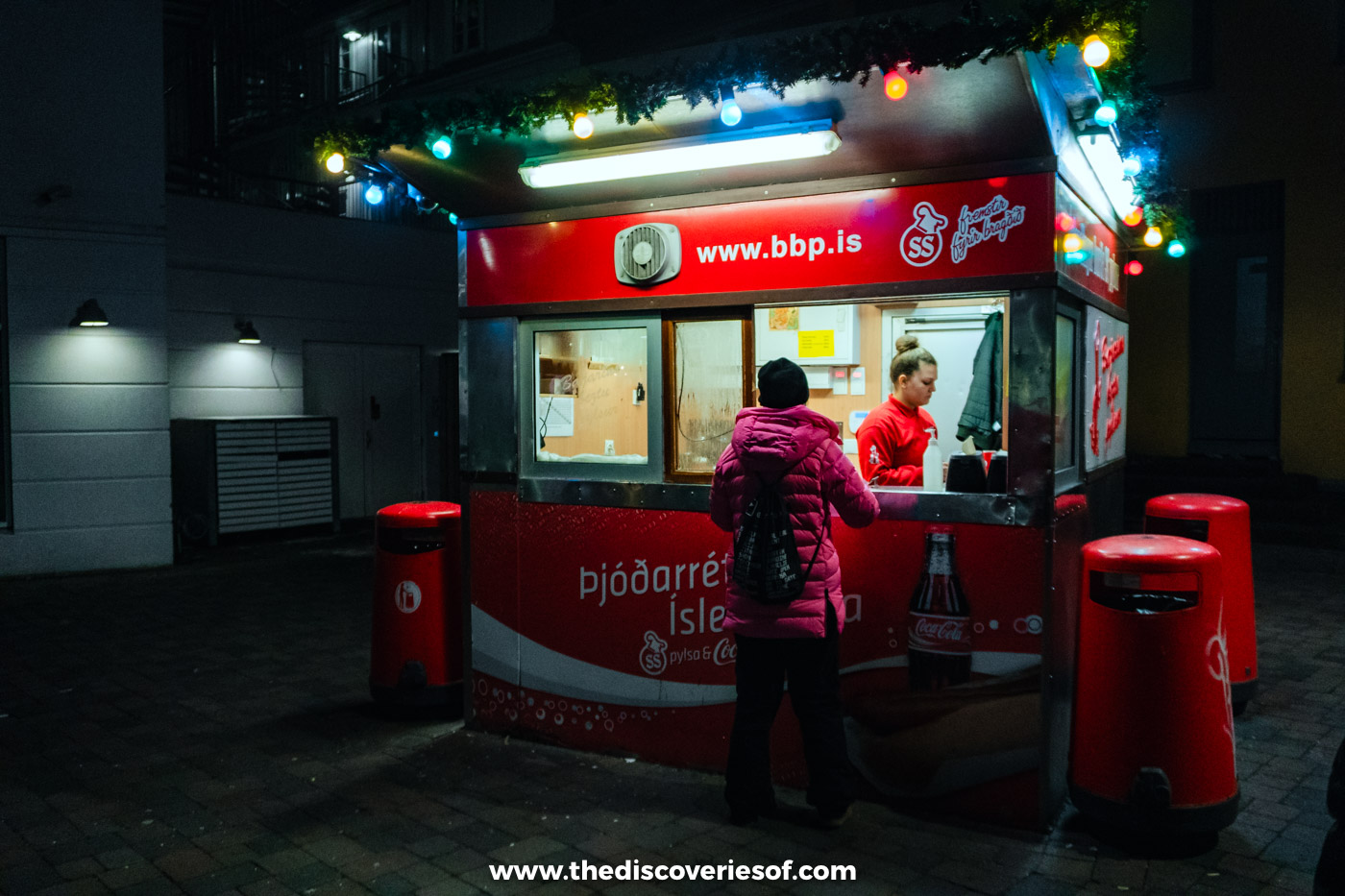
For a cheap hot meal, do as the locals do and grab a hot dog. Expect to pay about ISK 800 at a stand like the famous Bæjarins Beztu in Reykjavik.
Drink the tap water
There’s no need to buy bottled water. Tap water here is some of the cleanest in the world and costs nothing, so bring a refillable bottle and fill up at your hotel, in cafés and at fuel stations. The hot tap can smell faintly of sulphur because it’s geothermal: run the cold one for drinking.
Take the Flybus, not a taxi
Getting a taxi is a costly business. If you want to save money and won’t be renting a car, you should try and use public transport as much as possible. That starts at the airport.
Tempting as it is to hop in a cab from Keflavík Airport to Reykjavik, it’s going to cost you a lot of money: taxis generally charge ISK 18,000 to 25,000 for the 45-minute ride.
Compare that to the nifty and efficient Flybus, which costs ISK 3,999 to the BSÍ bus terminal (ISK 5,299 with a hotel drop-off), and you’ll start to get the idea.
Cut down on the booze
Boozing in Iceland is expensive. Fact. Now I’m not suggesting that you go teetotal for the duration of your trip, but you should know that alcohol is not cheap in the country.
If you are going to drink, the cheapest option is to buy what you need at the duty free shop in the arrivals hall at Keflavík as you enter the country, before you pass through customs.
The second cheapest option is to buy alcohol at the state-run shops, Vínbúðin, though this will still cost quite a bit thanks to the tax added to the cost of the alcohol. Ordinary supermarkets only sell low-strength beer, and Vínbúðin has short opening hours, especially outside Reykjavik, so plan ahead.
Other than that, I found that if you go direct to microbreweries (Ölvisholt Brewery, which started on a farm near Selfoss and is now in Hafnarfjörður, is one of the country’s gems) and buy directly from them, it’s also pretty reasonable price-wise. My tasting there in May, in the tap room in the farm’s old cowshed, was a highlight: every beer they poured got the thumbs up from me.
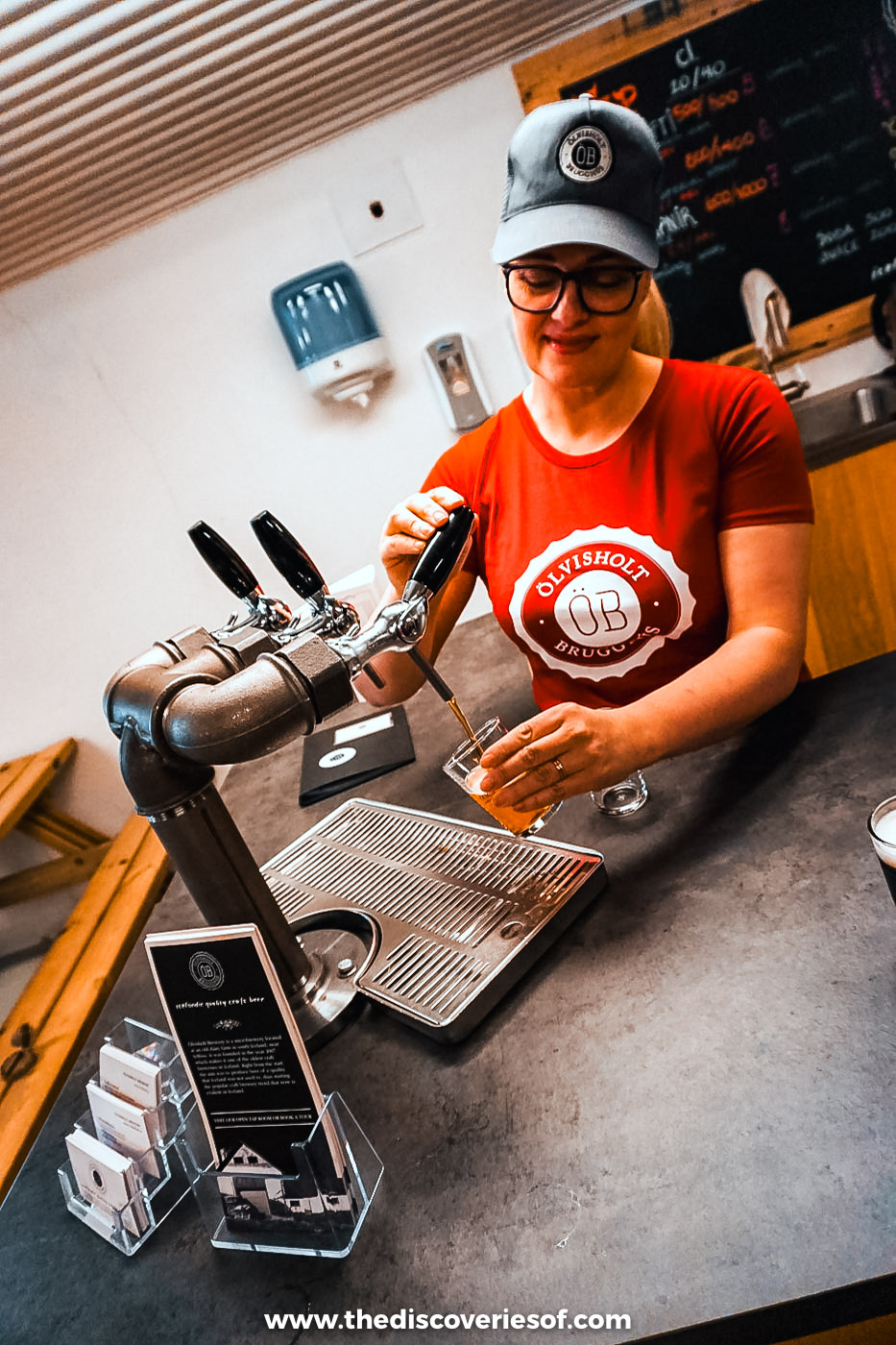
Another handy hint is that bars and pubs in Reykjavik often have happy hours where the drinks are half price or at least discounted, typically bringing a pint down to ISK 800 to 1,100. If you’re staying in Reykjavik, or even popping in for the day, you can take advantage of these.
Don’t go on a shopping spree
Shopping in Iceland is generally quite expensive.
Don’t get me wrong, there are some absolutely beautiful things to buy, like the gorgeously patterned Icelandic wool sweaters (lopapeysa), but if you’re on a bit of a budget, there are wiser ways to spend your money. A handmade one costs anything from about ISK 10,000 to 35,000.
It’s not just handmade items that cost a pretty penny either. Branded items tend to be quite expensive: in fact, there’s a reasonable chance that they’re cheaper in your home country.
Try and bring any clothing and accessories you need for your trip along with you.
Not sure what to pack for Iceland? Check out this in-depth Iceland packing list.
I know that can be tough if you’re flying carry-on only, but do it and you’ll save yourself a lot of money along the way.
It might mean that you need to pay for a checked bag, but it’s going to be cheaper than having to buy a new pair of hiking boots or a tripod when you get into the country.
But if you do, claim back the tax on bigger purchases
If you do go shopping, visitors who live outside Iceland can claim back part of the VAT on goods they take home, as long as you spend at least ISK 12,000 on a single receipt and leave within three months. On a hand-knitted sweater, that adds up to a useful refund.
Ask the shop for a tax-free form when you pay, then get it stamped at the tax refund desk at Keflavík Airport before you check in your bags, so you can show the goods if asked.
Chase the Northern Lights yourself
Now I’ve written an extensive piece on how to plan your Northern Lights trip to Iceland, and you should definitely read it if you are travelling within the Northern Lights viewing season.
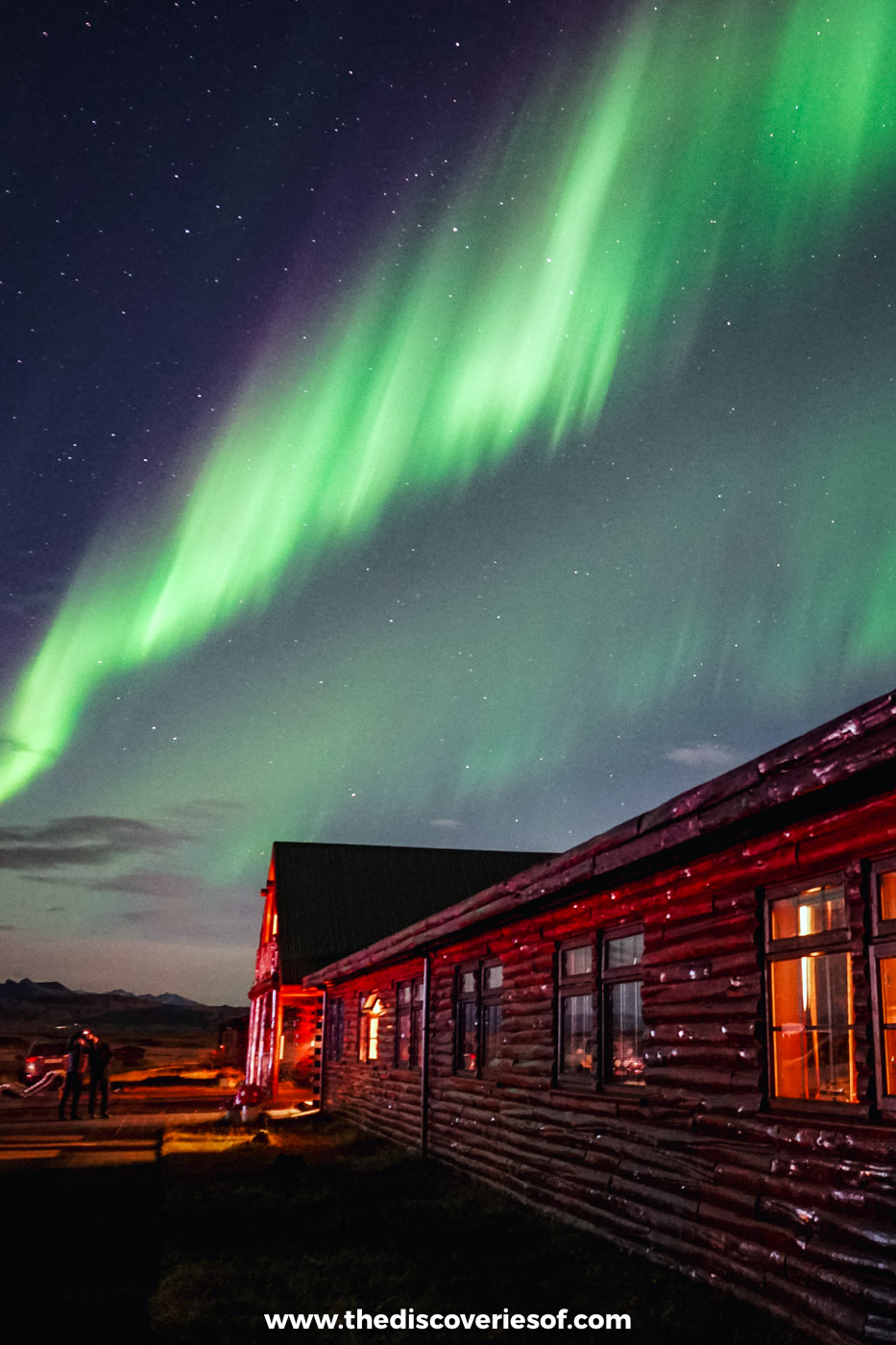
Northern Lights tours are expensive: a basic bus tour from Reykjavik costs from about $80 a person, and small-group and super jeep chases cost a lot more. But guess what? If you have a car or you’re staying somewhere remote, you don’t have to take a tour at all.
All you need to do is wrap up warm, stand outside and wait for the lights to reveal themselves.
There are a lot of things that influence whether you’ll be able to see the aurora borealis, even during the viewing season (which generally runs from September to mid-April, when the nights are properly dark).
Clouds, solar activity, the time of night: all these factors play a role in whether you can see the lights.
The handy Aurora app (My Aurora Forecast & Alerts) helps you to see what the chances are of spotting the Northern Lights in particular locations, and the Icelandic Met Office’s free aurora and cloud forecast at vedur.is shows where the skies should be clear.
The app also has a useful map of where aurora displays are visible and the strength of the display. It’s free, which is a tiny fraction of the cost of taking a tour too. My guide to the best Northern Lights forecast apps explains how to read them.
Heading to Reykjavik? Do the maths on the Reykjavik City Card
For years I hadn’t spent very much time in Reykjavik (I was 100% going to change that, and I finally did on a December trip), and if you are going to spend a bit of time there, you should consider buying the Reykjavik City Card.
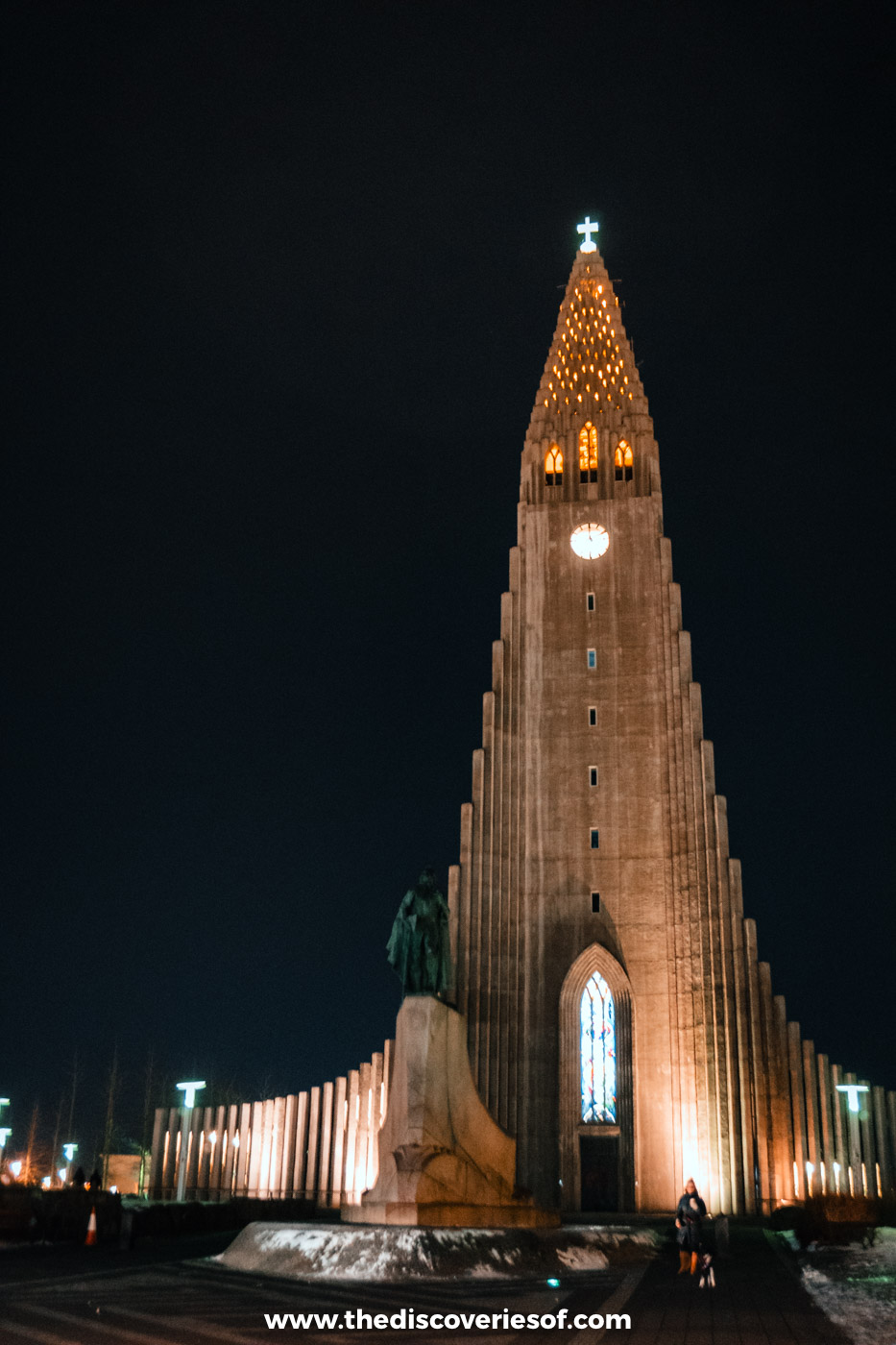
The card costs ISK 6,100 for 24 hours, ISK 8,500 for 48 hours and ISK 10,500 for 72 hours. It gives you free entry to 17 museums and attractions and eight of the city’s geothermal swimming pools, unlimited travel on the city buses (but not the airport bus) and a ferry ride to Viðey Island.
Ultimately, you need to decide how many of the attractions you will actually visit in order to work out if it’s good value for you. If you’re planning two or three museums and a swim in a day, it will usually pay for itself; a day spent wandering the streets and the harbour won’t. My guide to the best things to do in Reykjavik will help you plan.
Go to the local pool
Ok, so you’ve seen the pictures of the Blue Lagoon and the stunning Sky Lagoon. Here’s a secret: the country is full of hot springs, geothermal pools and public baths that you can visit at a fraction of the cost.
No, you might not get the iconic shot of the steam rising off the silica blue water, but you can sink in the hot water, hang out with the locals and get a taste of the real Iceland to boot. Sounds like a winner to me.
I’ve never been to the Blue Lagoon, for exactly that reason: on my first trips, paying close to £100 to sit in one of the busiest spots in the country didn’t appeal when I could go to a local pool instead. One morning in May, I spent a couple of hours alternating between the pools and hot tubs in Hella, and it was lovely. A swim at one of Reykjavik’s public pools costs ISK 1,500.
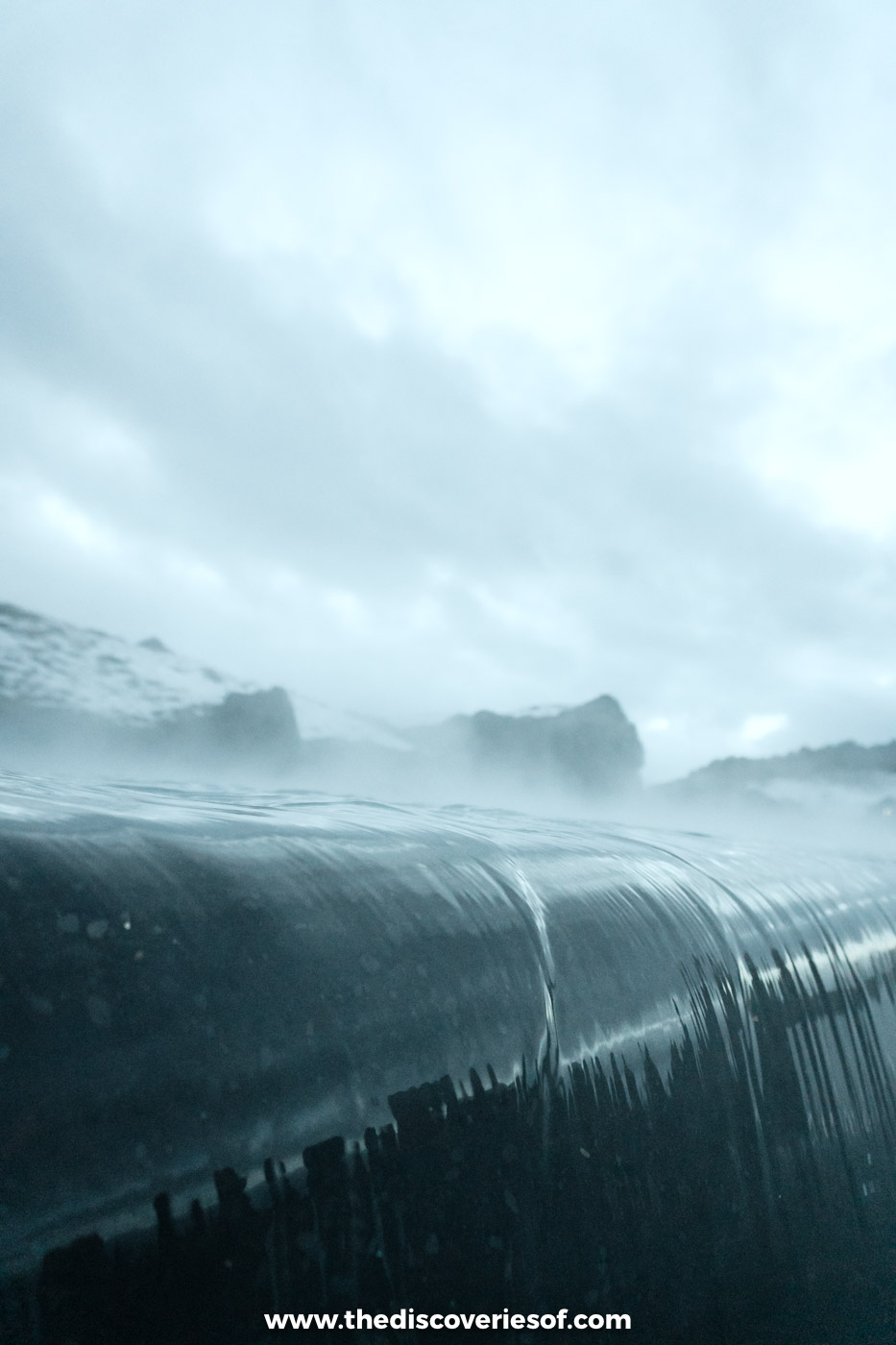
If you do want a lagoon, it’s worth knowing what you’ll pay. Sky Lagoon, on the coast just outside the centre of Reykjavik, is the one I’ve done, on my December trip, and its Saman pass with the seven-step ritual starts at ISK 14,990. Blue Lagoon tickets start at ISK 11,990 for the Comfort package and need booking ahead. The Blue Lagoon sits next to the Svartsengi volcanic system near Grindavík: there were nine eruptions nearby between December 2023 and August 2025, and the lagoon has closed and been evacuated several times as a precaution. Magma has kept building underground since, so check bluelagoon.com and safetravel.is before you go, and check the refund terms when you book.
Travel in the shoulder or low season
High season runs from June to August, and one easy way to keep costs down is to travel outside of these months, when accommodation (and some tours) are much cheaper. Hotel prices peak in August and dip lowest in spring.
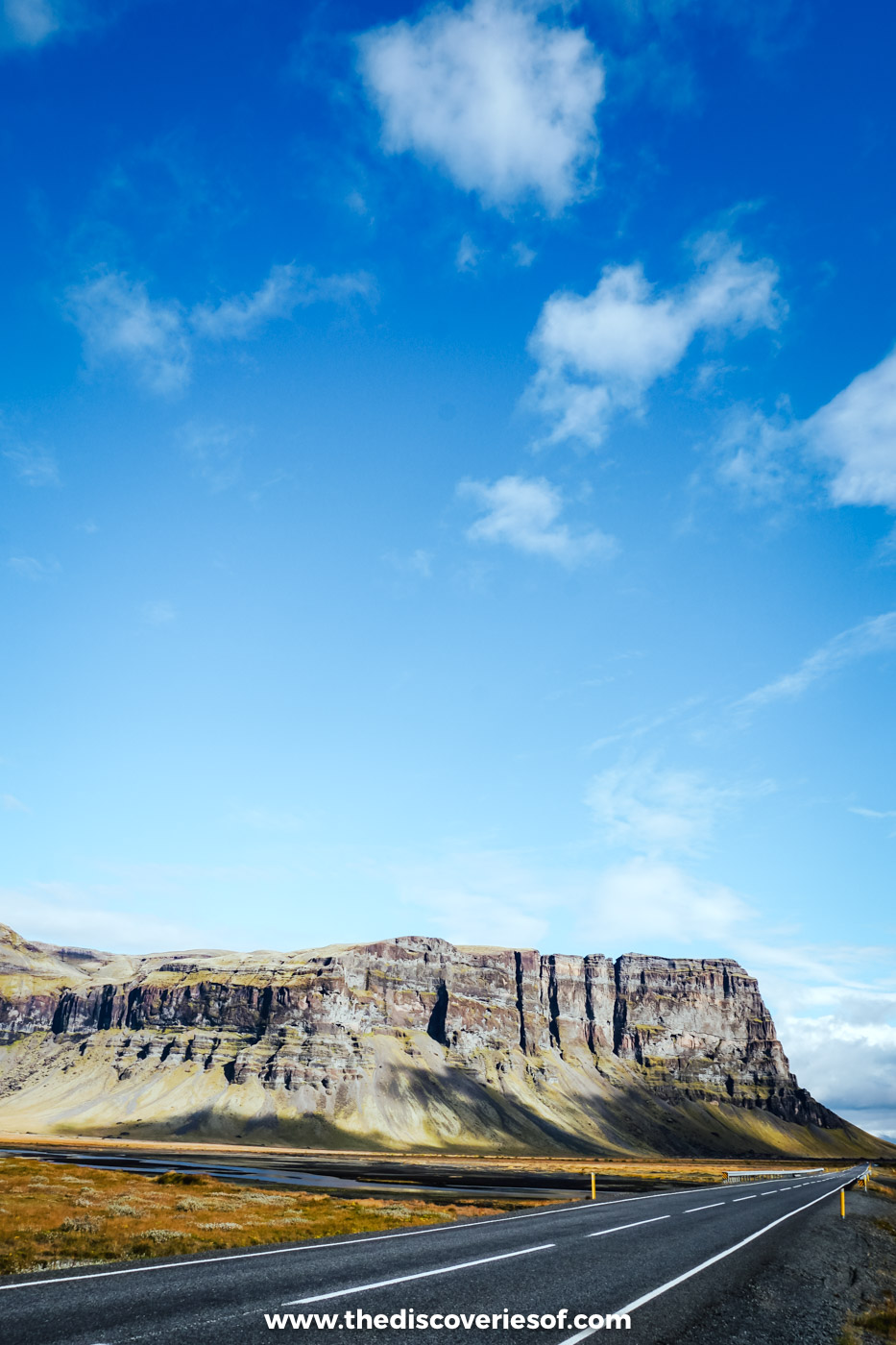
The Ring Road heading east in September: doesn’t look so bad, right?
The weather during the shoulder season (May and September) can be really nice too. I’ve been in both, and each had its own rewards: snow still on the mountains and the waterfalls in full flow in May, autumn colours and dark nights for the aurora in September. My guide to the best time to visit Iceland goes through the seasons month by month.
Use the public bus if you don’t want to drive
If you don’t want to be tied to taking tours but also are not keen on hiring your own car, the public bus network, Strætó, is the cheapest way to get around, though it’s slow and the timetables are thin.
Since January 2026, route 52 runs along the south coast from Reykjavik to Höfn four days a week, and route 51 links Reykjavik and Selfoss. Reykjavik Excursions’ old Iceland on Your Own pass now points to its highland bus instead, so for the big south coast sights without a car, a day tour is usually the more practical choice. Check the timetables at straeto.is before you plan around them.
So, is Iceland expensive to visit?
If you’re a mid-range traveller and you’re used to travelling to destinations in the UK and Europe, particularly Scandinavian countries, I say not really.
Depending on what you want to see and what you want to experience, you could reasonably take an amazing trip where the only things you spent money on were your accommodation, car hire, fuel and food (plus a few parking fees). That’s not something that you can say in a lot of places.
Now, the cost of accommodation, car hire, fuel and food can mount up, that’s true. But if you compare it with the many destinations where you have to pay to visit national parks and other attractions, it goes a long way towards balancing it out. Pick your splurges, eat lunch from the supermarket, and let the waterfalls, beaches and glaciers do the rest.
Read next
- When’s the best time to visit Iceland?
- The definitive Iceland packing list
- When’s the best time to see the Northern Lights in Iceland?
- 24 incredible things to do in Iceland
- Spectacular Iceland waterfalls you need to see
- Iceland off the beaten path: discovering the hidden gems
- Where to stay in Iceland
- Iceland travel tips
Love this? Save and share on Pinterest

Discover the top things to do, insider tips and hidden gems in our Iceland Travel Guide.
Read the guides →





Ahh!! These are very serious myths in the head of people. One thing I want to say is that you need to see it before believe it. And with real-life experiences, the myths can be reduced. Thank you for the wonderful article!!!
Hey Harry – Yes it’s true isn’t it! I hope that Iceland’s price tag doesn’t put people off going – it’s such an amazing country to explore. Thanks for your kind words.
This is really insightful! I have wanted to go to Iceland for years, this has definitely answered a few questions for me!
Thanks Craig – really glad that you’ve enjoyed. I hope you get there soon – it’s truly spectacular!
Dream vacation right here. Love the camping idea too. Always been a bit of an outdoorsman, and on top of that, cash flow is a little low. Very helpful tips.
-Isaiah
Hey Isaiah
Thanks for the kind word – so glad that you found it useful. Iceland is a dream location – I really hope you get there and try out the camping, it will be a blast. Think I’ll be heading back (AGAIN) to do the full ring road in a couple of months with a campervan.
Julianna