

Which canyon glows red at sunset, which waterfall roars loud enough to drown out conversation, and where can you ride a lift down into the heart of a volcano? The world is full of wonders, and this is my ultimate travel bucket list: 100 unmissable places to visit before you die. How many can you tick off?
By Julianna Barnaby and Sophie Ritchie
There are so many incredible places to see on this planet, but sometimes a bit of extra inspiration doesn’t hurt.
I’ve travelled to more than 70 countries, and plenty of the places here are ones I’ve stood in myself: I’ve watched the sun set over the Grand Canyon, crawled inside the Great Pyramid, trekked the W in Torres del Paine and seen the Northern Lights on all three of my aurora trips. The rest are still at the top of my own wish list. From landscapes that make your jaw drop to incredible architecture, here are 100 places to see before you die.
After all, nothing says it better than this cool travel quote from Ray Bradbury.
“Stuff your eyes with wonder, live as if you’d drop dead in ten seconds. See the world. It’s more fantastic than any dream made or paid for in factories.”
100 places to visit before you die
1. Grand Canyon, USA
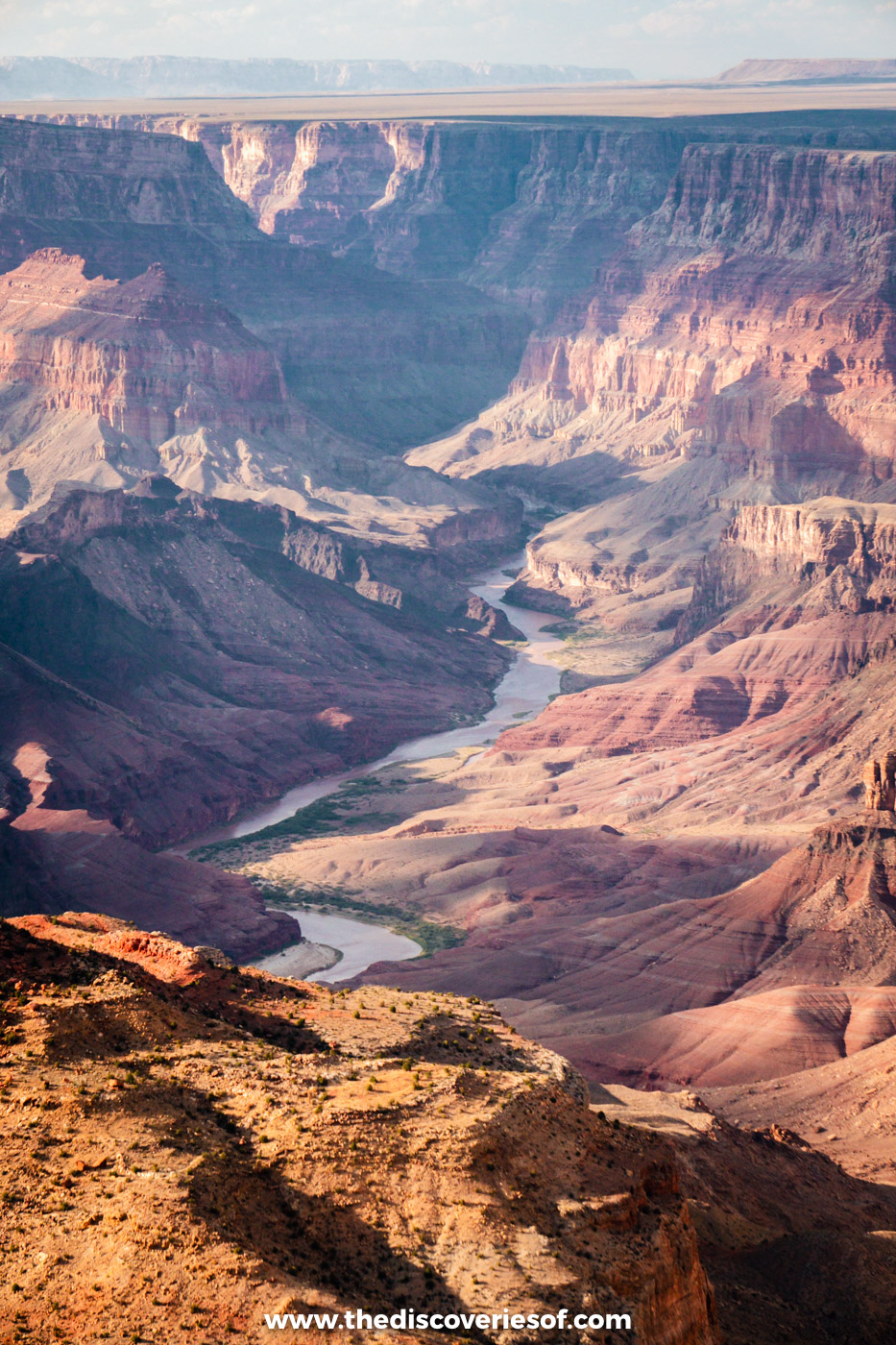
They don’t call it Grand for nothing. The Grand Canyon is a huge, steep canyon in Arizona, carved by the Colorado River: 446km long, up to 29km wide and around 1.8km deep.
I had three days on the South Rim at the start of summer, walking the Rim Trail, where the views change at every bend, and watching the sun go down from Mather Point and Lipan Point. If you’re up for the challenge, you can hike below the rim, or simply take in its scale from the lookouts at sunrise or sunset.
Entry is $35 per vehicle, and since January 2026 non-US residents pay an extra $100 each. The North Rim lost its historic lodge to the 2025 Dragon Bravo Fire.
2. The Northern Lights
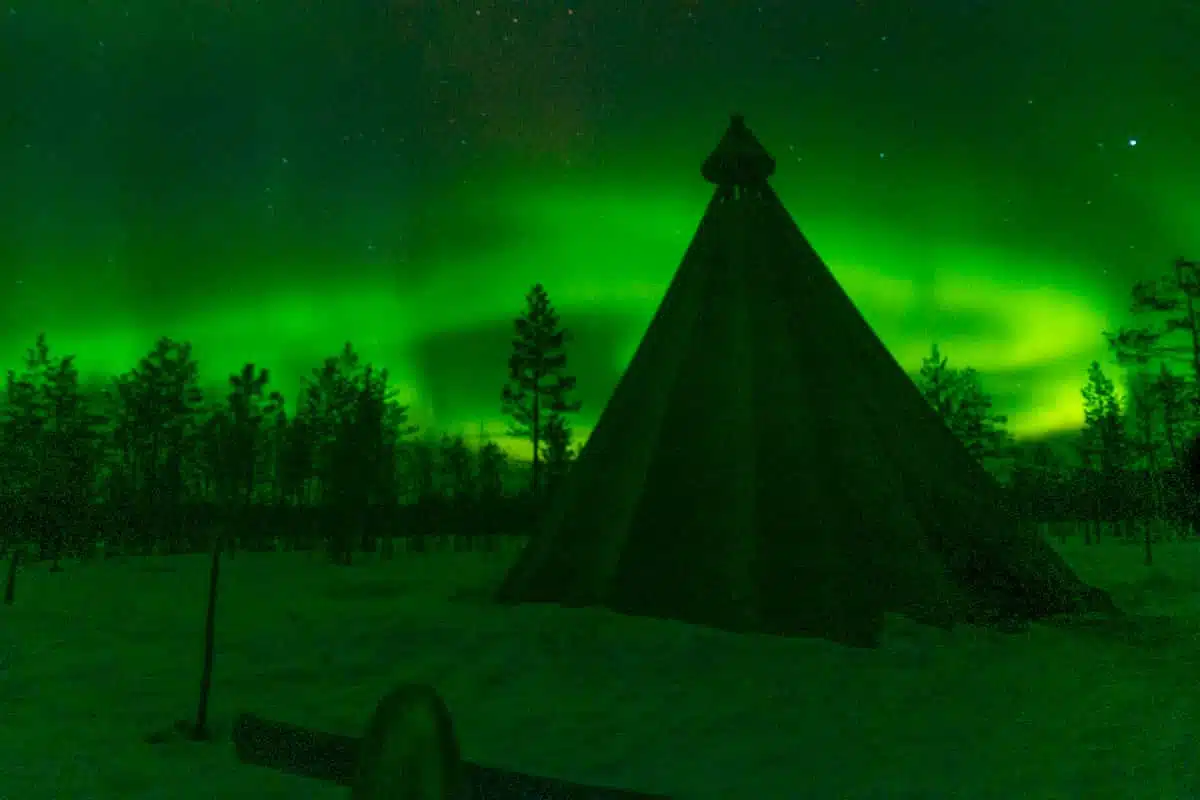
The Northern Lights are one of nature’s most incredible wonders.
Dancing across the night sky in pinks, greens, yellows and purples, the aurora borealis is the ultimate travel bucket list item. Seeing it has been on my bucket list since I wrote my first one, aged nine, and I’ve now watched it on all three of my aurora trips: in Iceland, in Finnish Lapland and in Tromsø.
Great Northern Lights destinations include Iceland, Norway, Lapland, Alaska and northern Canada. Go between September and March, and give yourself several nights.
3. Giant’s Causeway, United Kingdom
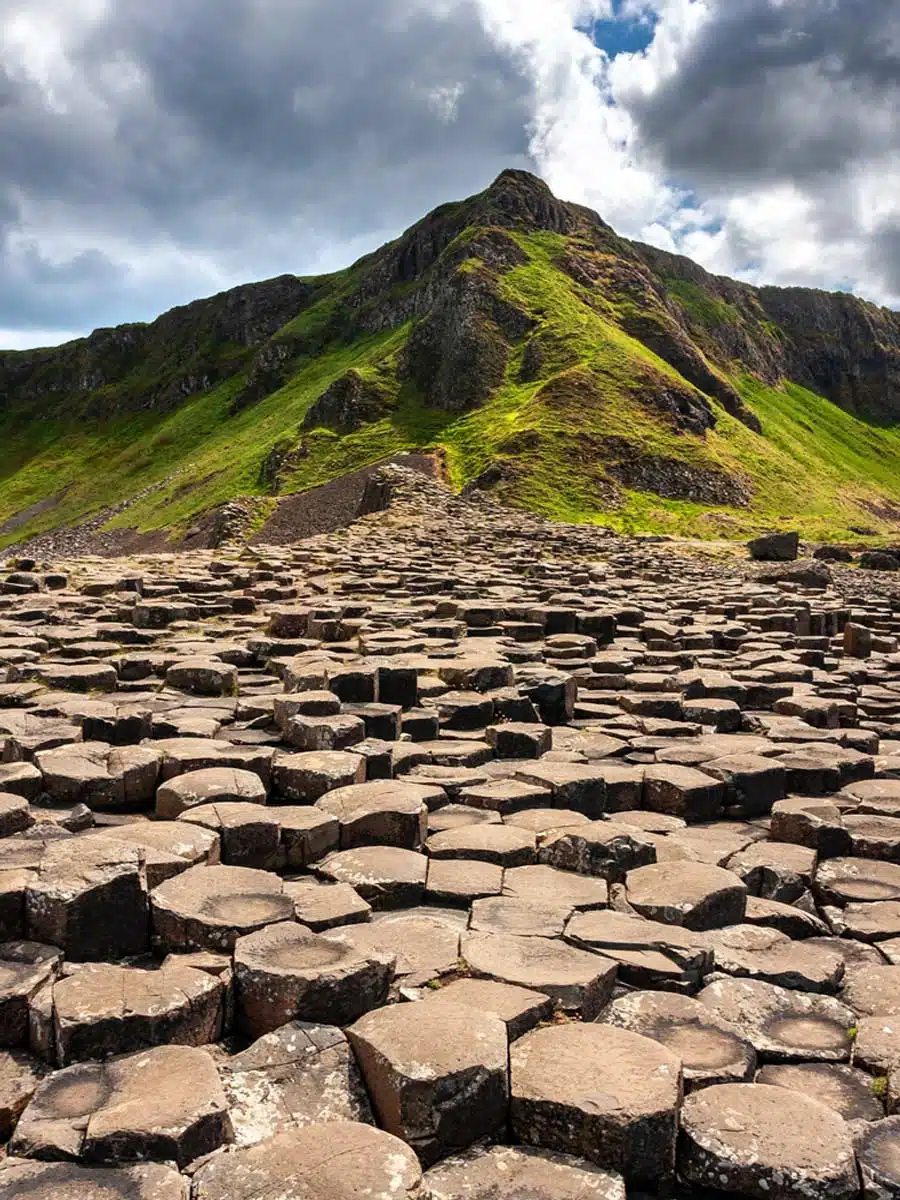
The Giant’s Causeway is a stone formation of around 40,000 basalt columns on the coast of County Antrim in Northern Ireland.
While scientists say the columns were the result of a volcanic eruption, legend has it that they were a causeway built by a giant so that Scottish and Irish giants could meet and fight. I’m going to go with the latter: much more believable. The stones are free to walk on; the National Trust charges for the visitor centre and car park.
4. Bryce Canyon, USA
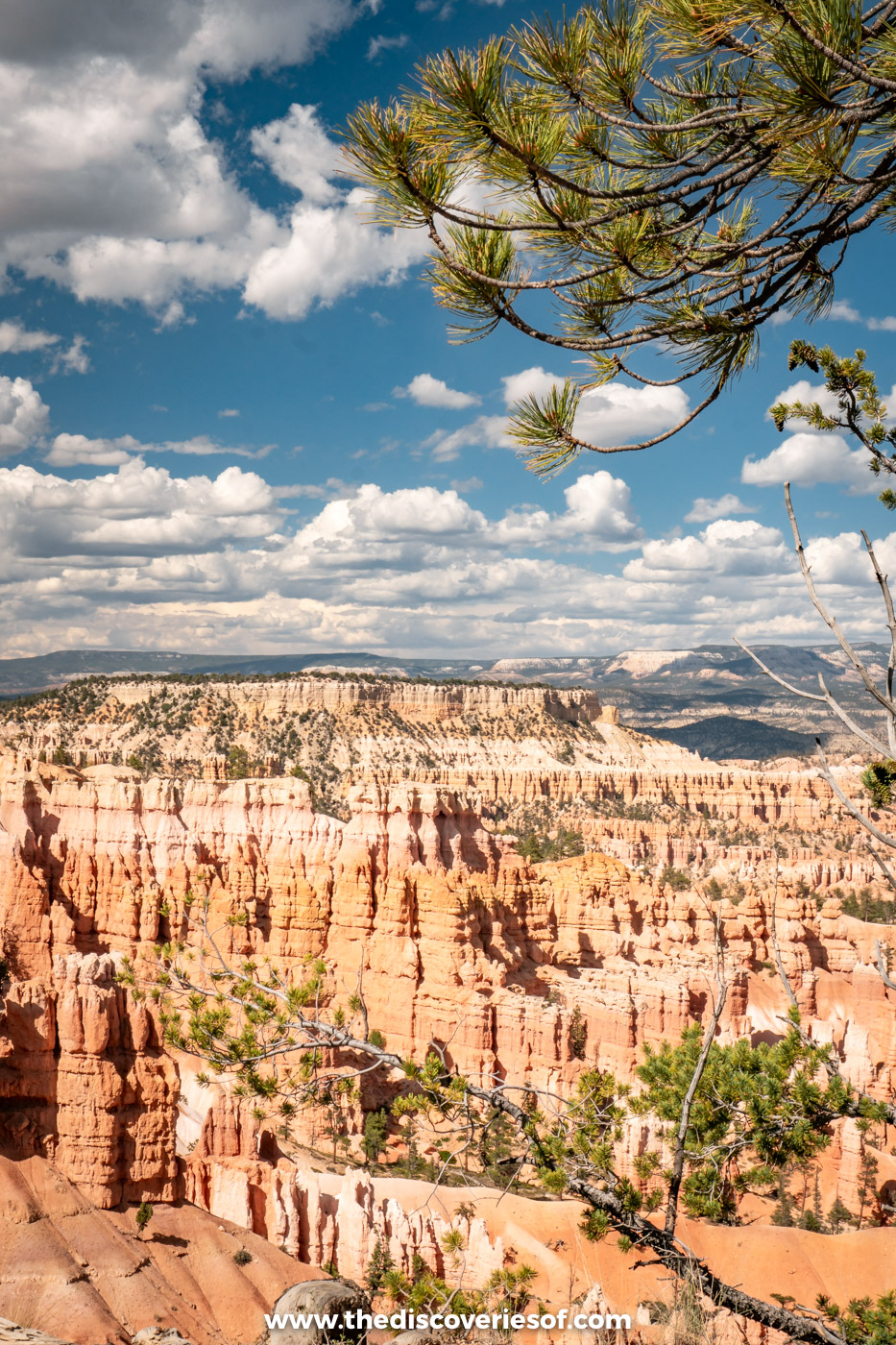
One of the US’s best-known national parks, Bryce Canyon is a collection of giant natural amphitheatres in southern Utah and one of the most beautiful natural landmarks I’ve ever had the pleasure of visiting.
Designated a national park in 1928, Bryce Canyon now receives around 2.5 million visitors a year, who come to marvel at its red, orange and white hoodoos. Walk the Navajo Loop and Queen’s Garden trails to get down among them.
5. Antelope Canyon, USA
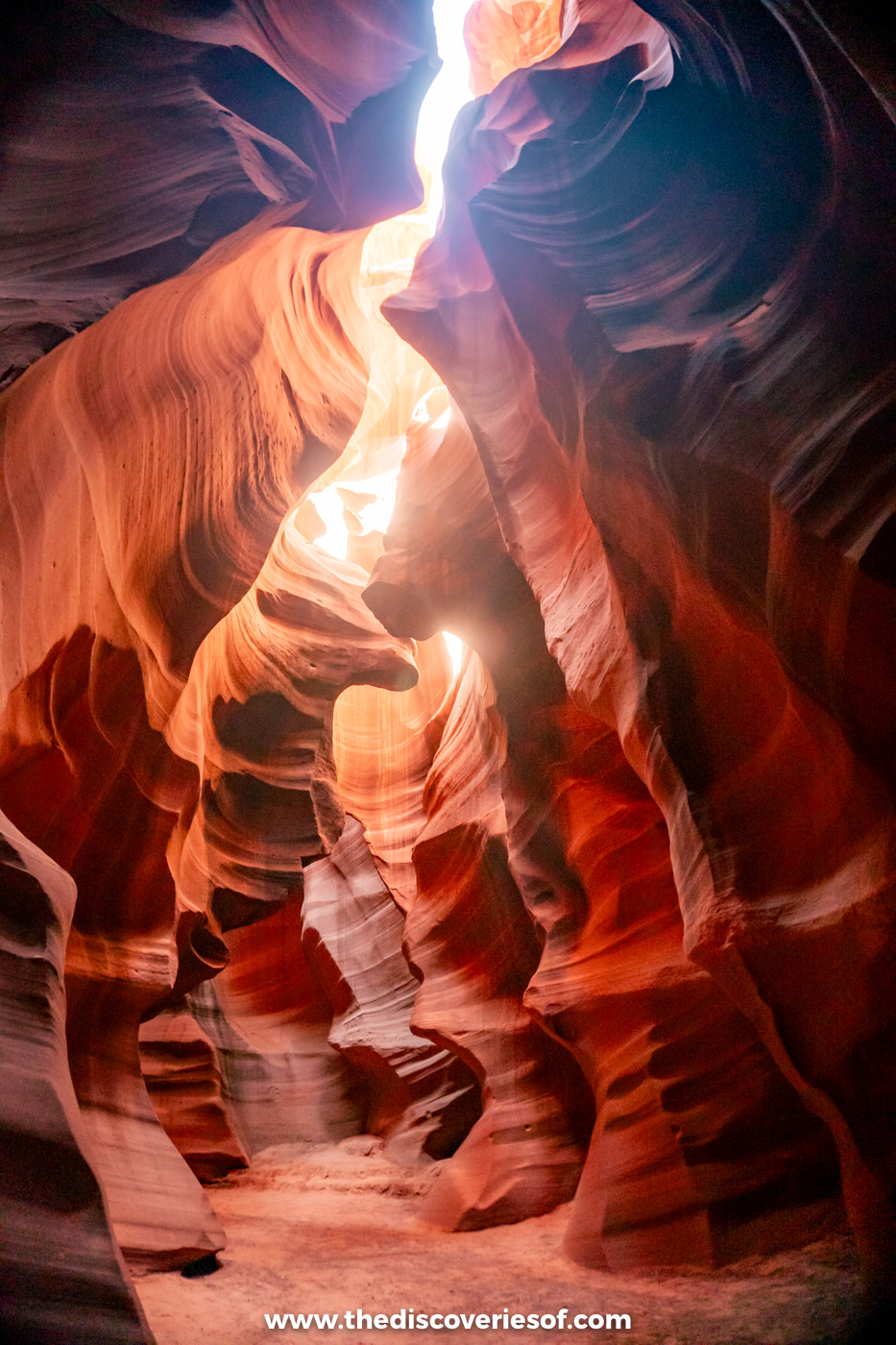
Walking through the weird curved formations of Antelope Canyon, it’s difficult to believe that it’s not man-made.
It’s not. Antelope Canyon is a slot canyon on Navajo land near Page, Arizona, carved by flash floods. My visit was a July morning walk through the Upper Canyon behind a Navajo guide, and even without the midday light beams, the walls glowed from deep red to pale cream. You can only visit on a guided tour, so book ahead.
6. Reynisdrangar basalt columns, Iceland
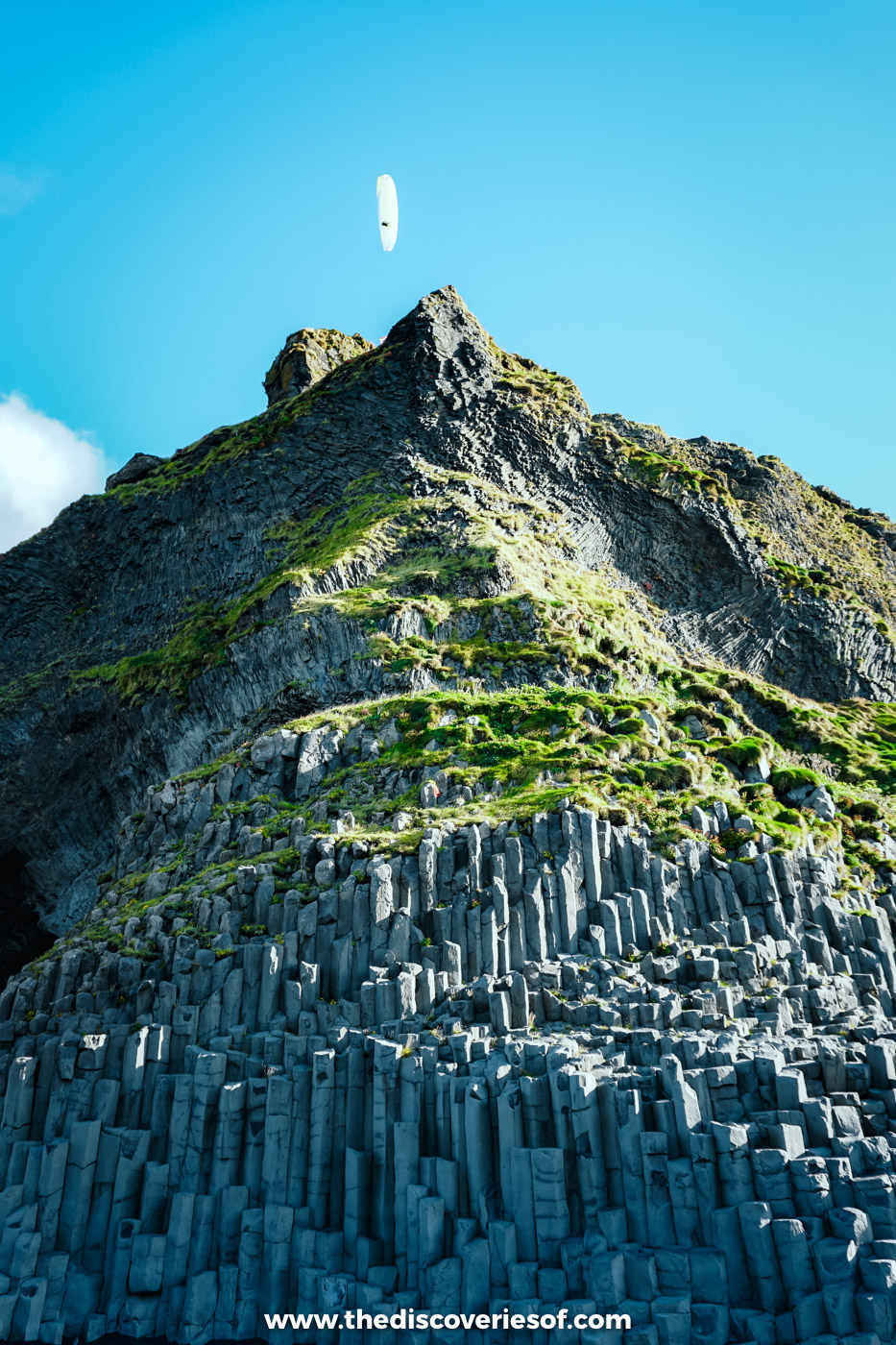
The striking Reynisdrangar basalt columns on the world-famous Reynisfjara black sand beach are one of Iceland’s most impressive natural wonders (they have tough competition).
The columns were formed by volcanic activity, the same kind that created the Giant’s Causeway. I saw them on a long September drive along the south coast, walking the beach and sending my drone up over the sea stacks. Legend has it that the stacks are trolls, frozen by the sun’s rays, an idea Tolkien used in The Hobbit.
Top Tip
Reynisfjara’s sneaker waves have swept people out to sea. Stay well back from the water and never turn your back on it.
7. Yosemite National Park, USA
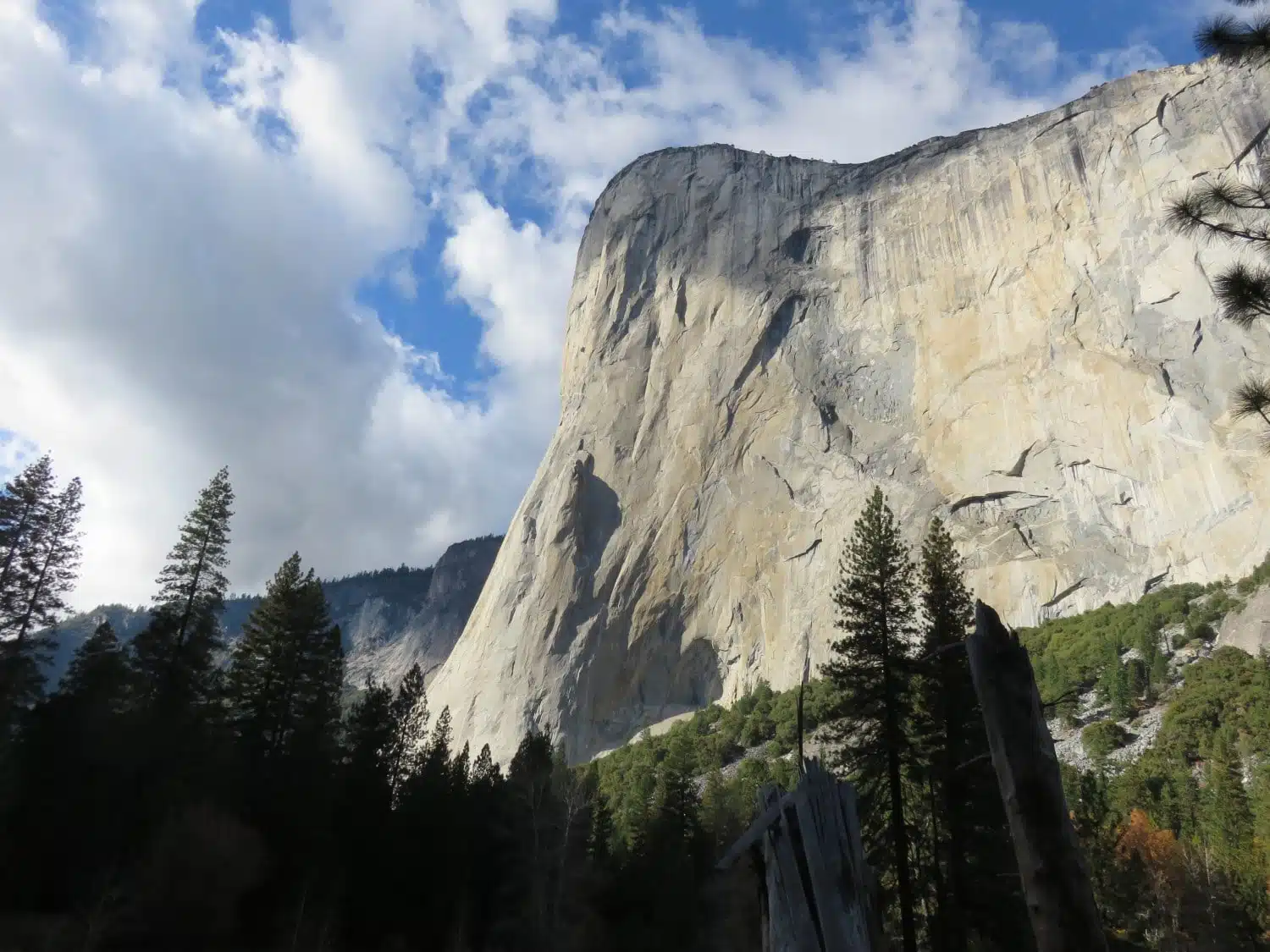
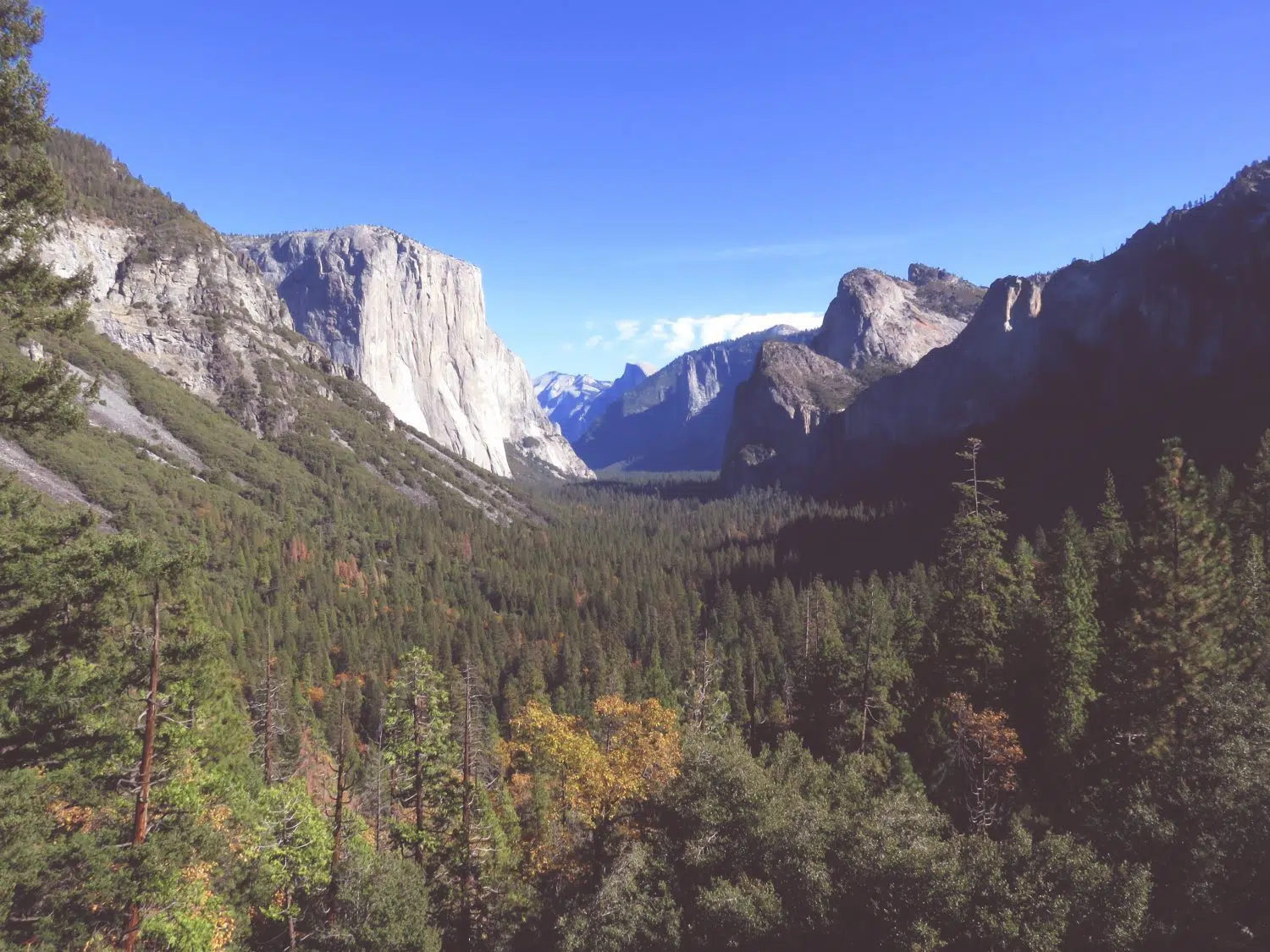
Yosemite National Park is just incredible. Set in the Sierra Nevada mountains of eastern California, it’s one of America’s most beautiful travel destinations.
Yosemite was a three-day detour on my LA to Vancouver road trip. Granite cliffs, clear streams, waterfalls and mountains: it’s no wonder that Ansel Adams loved it, and I bet you will too. There’s no entry reservation in 2026, but non-US residents pay a $100 surcharge on top of the $35 car pass.
8. The Dead Sea, Israel / West Bank / Jordan
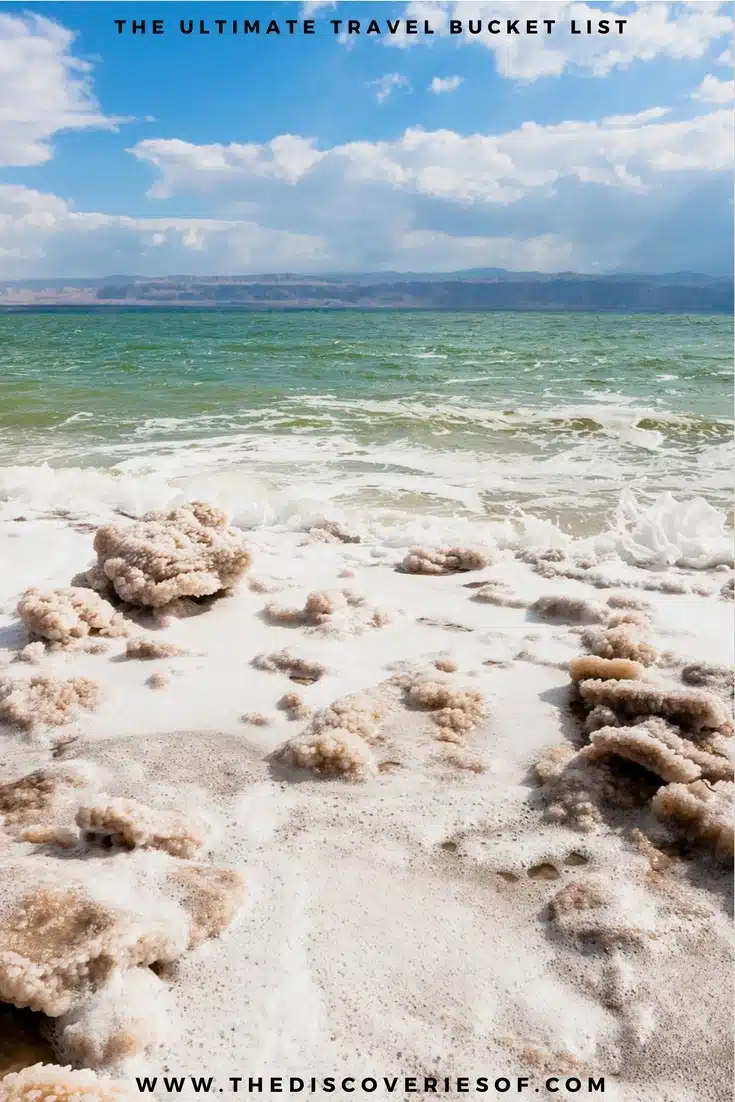
We all know that you can float on the Dead Sea. This curious natural wonder is almost ten times saltier than the ocean. Despite its name, it’s a lake, on the borders of Israel, the West Bank and Jordan.
Its shores sit more than 430m below sea level, the lowest point on dry land in the world. The Jordanian shore, about an hour from Amman, has the big resorts and is the easiest way to visit. Check your government’s travel advice first.
9. Ha Long Bay, Vietnam
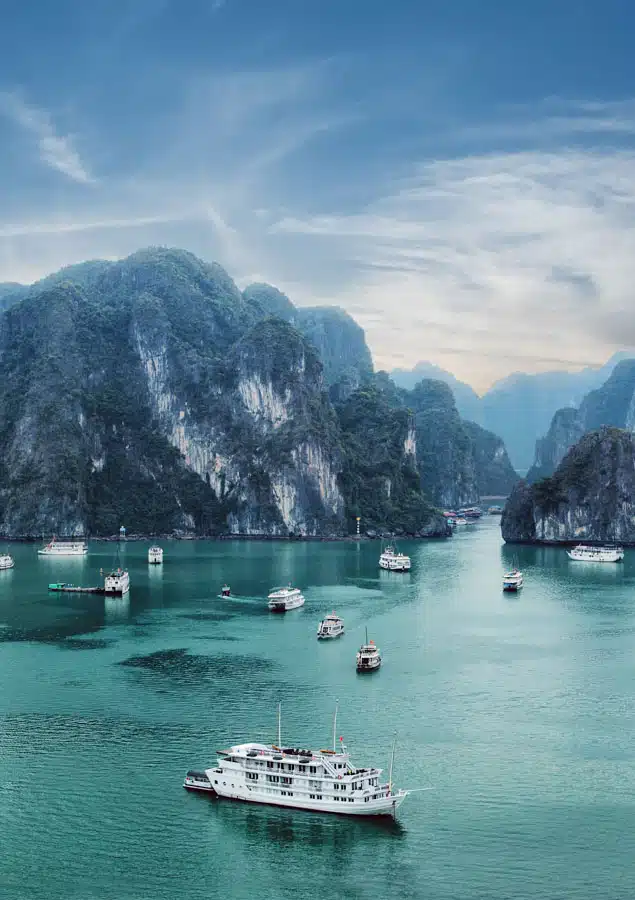
Ha Long Bay is no secret. Another place that’s arguably being loved to death, it’s enduringly beautiful.
The bay, in north-east Vietnam, stretches over 1,500 square kilometres and is scattered with around 1,600 limestone islands and islets, known for their emerald waters and jungle-topped cliffs. An overnight cruise beats a rushed day trip from Hanoi. It’s one of the best places to visit in Vietnam.
10. Jeita Grotto, Lebanon
When it comes to bucket list places to visit, the Jeita Grotto is often forgotten about. It’s a set of two separate but interconnected limestone caves in the Nahr al-Kalb valley, north of Beirut.
The lower cave channels an underground river and is seen by boat, while the upper one is explored on foot past some of the world’s largest stalactites and stalagmites. Check your government’s travel advice for Lebanon before you go.
11. Acropolis, Greece
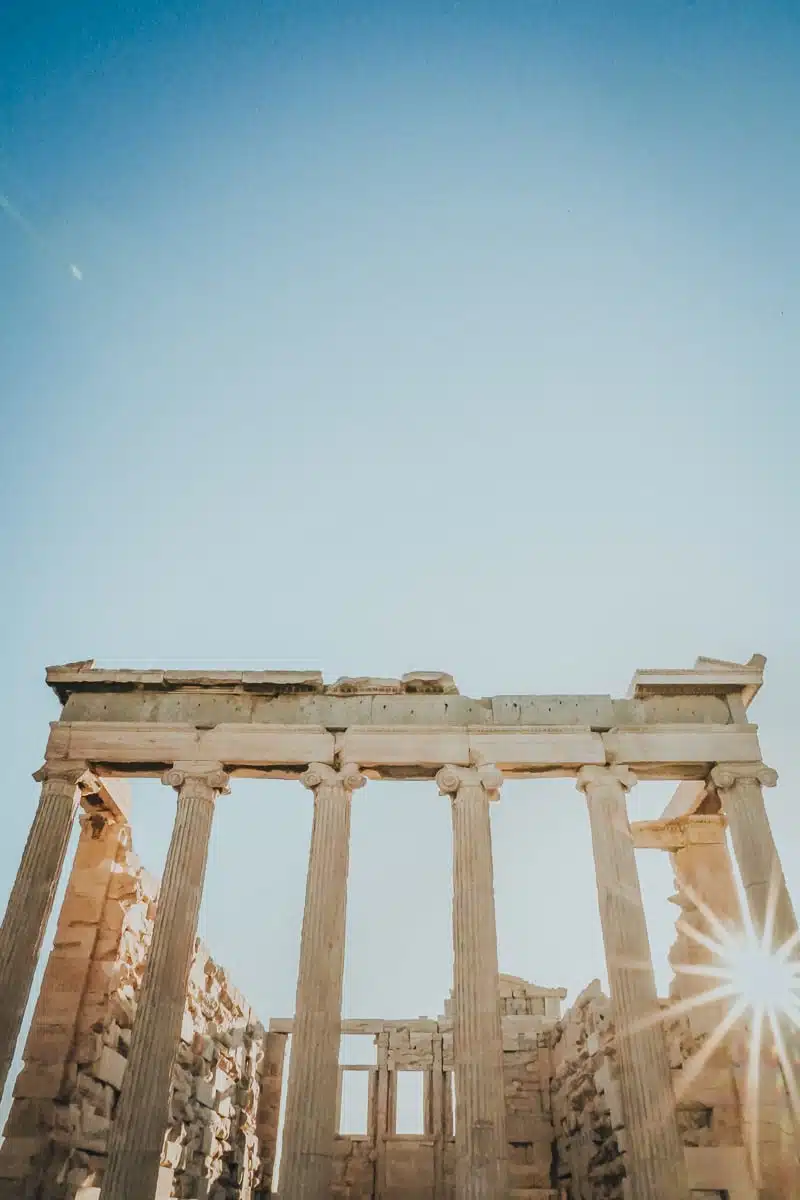
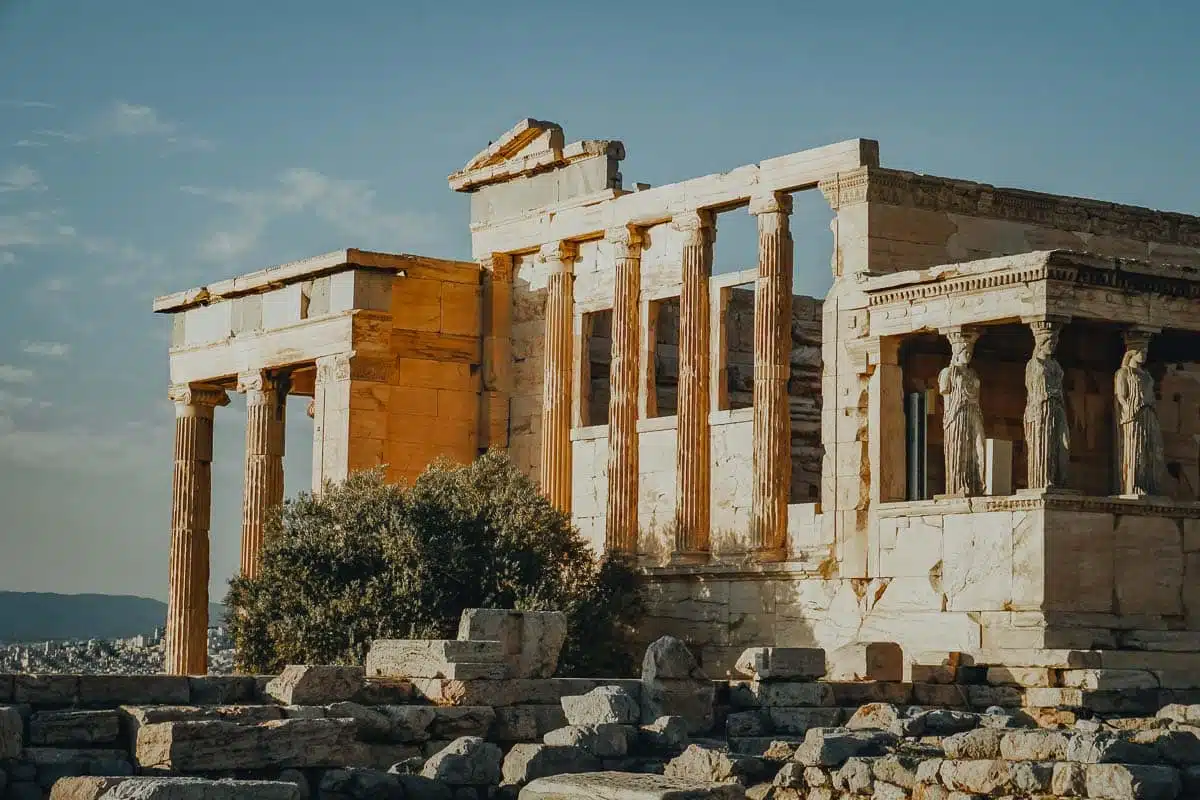
The Acropolis in Athens is an ancient citadel on a hill above the city, home to the Parthenon, the Propylaea and the Temple of Athena Nike.
Designated a UNESCO World Heritage Site in 1987, it’s the great symbol of Greek history and spirit, and if it isn’t one of the first places you go in Athens, you’re doing it wrong. Tickets rose to €30 in 2025 and are booked by time slot; go at opening time to beat the heat.
12. Angkor Wat, Cambodia
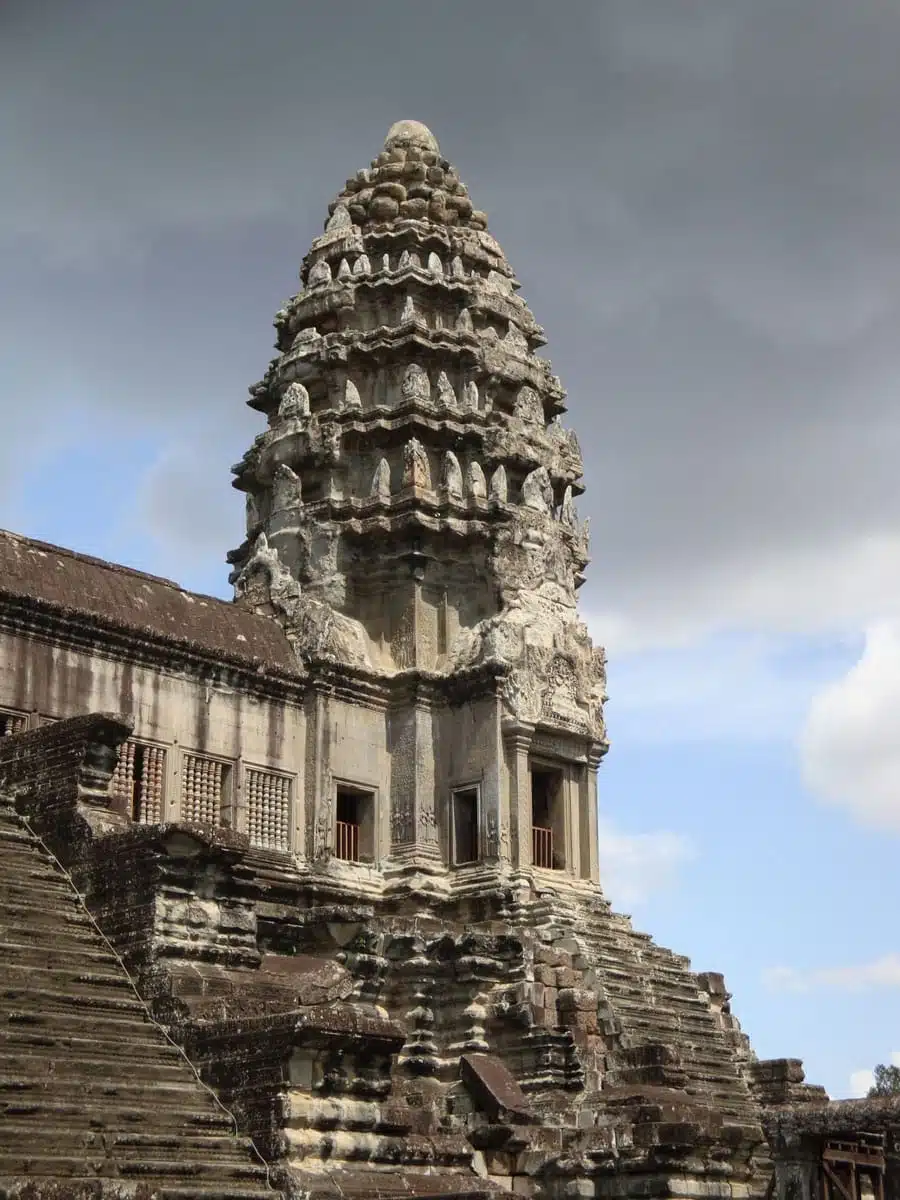
Take whatever you’ve heard about Angkor Wat, times it by 100 and it will still blow you away. Sunrise at Angkor Wat is just straight up incredible.
Angkor Wat is the centrepiece of a vast complex of temples outside Siem Reap. Designated a UNESCO World Heritage Site in 1992, it’s the largest religious monument in the world, set in an archaeological park of around 400 square kilometres. It even features on Cambodia’s flag. A one-day pass costs $37.
13. Chichén Itzá, Mexico
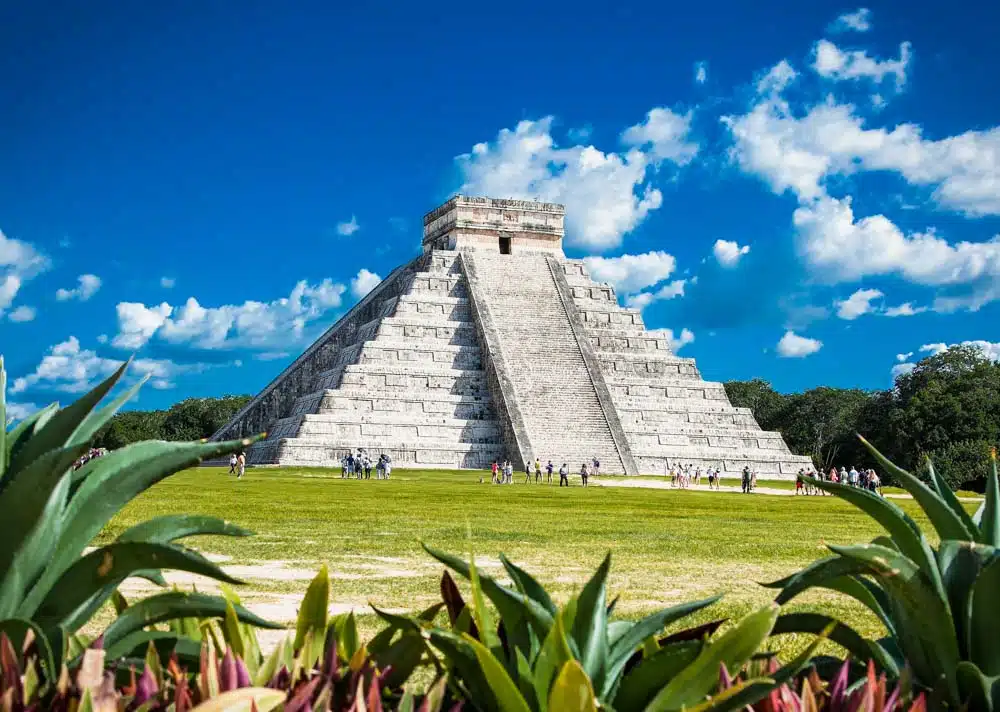
Chichén Itzá is one of the New Seven Wonders of the World, and one of the largest cities of the ancient Maya, in Yucatán state, Mexico.
Its huge pyramid, El Castillo, is the centre of the ancient city, and at the equinoxes its shadows form a serpent sliding down the steps. It was designated a UNESCO World Heritage Site in 1988. You can’t climb it any more, so arrive at opening time, ahead of the buses from Cancún, or come on a day trip from Mérida.
14. Machu Picchu, Peru
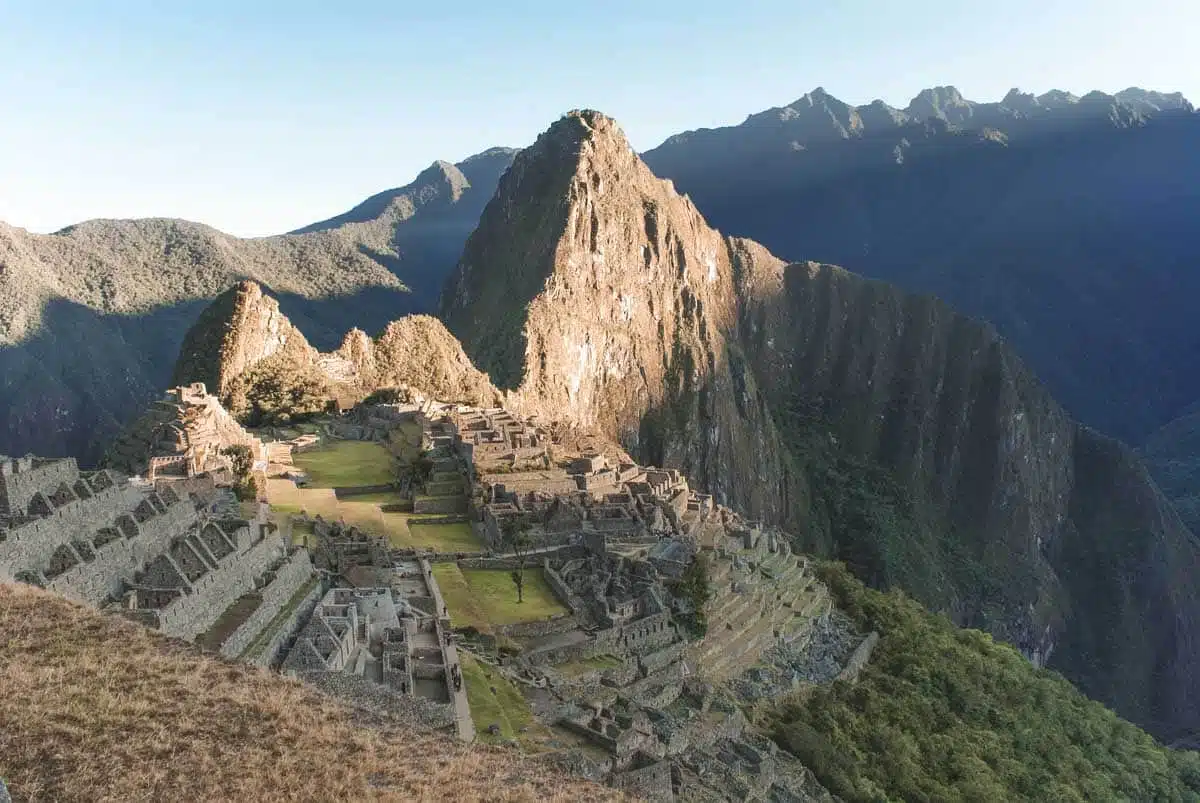
Sure, everybody raves about it, but you know what? That’s because it is incredible. Machu Picchu is the old Inca city on top of a mountain in the Cusco region of Peru, just above the Sacred Valley, brought to the world’s attention by Hiram Bingham in 1911.
IMHO it’s the best archaeological site in South America, and it definitely deserves to be at the top of your South America bucket list. I stayed at Inkaterra Machu Picchu, an eco-hotel in the town below, the perfect base. Tickets are sold only on the official site, by circuit and entry time, so book weeks ahead for May to September.
15. Pyramids of Giza, Egypt
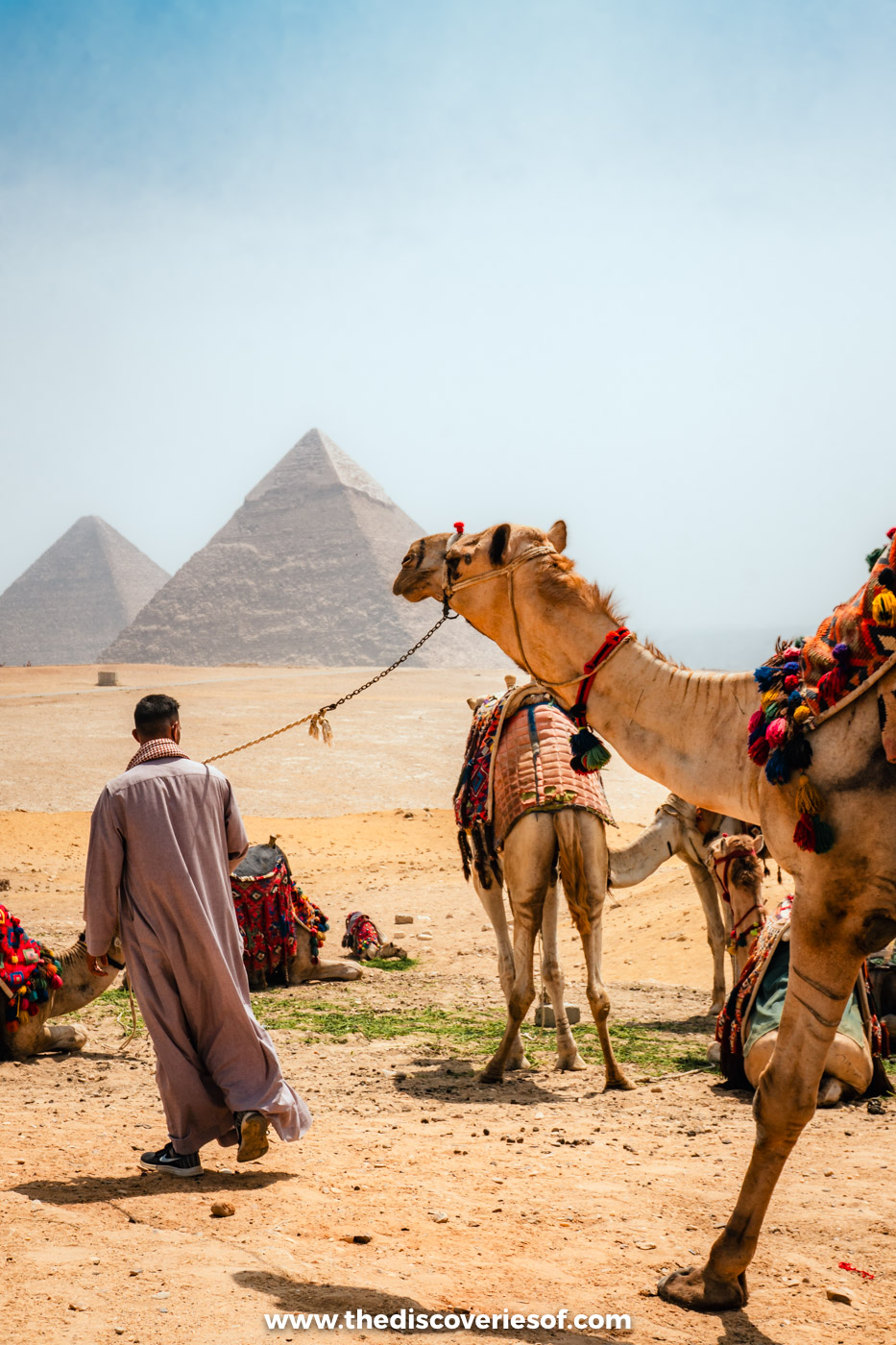
Who hasn’t dreamt of jetting off to see the mysterious Pyramids of Giza?
On the edge of Cairo, the complex holds three great pyramids, the Great Sphinx and several cemeteries. A UNESCO World Heritage Site since 1979, Egypt’s pyramids were built as tombs for the pharaohs more than 4,500 years ago.
I fell head over heels for them. I saw them in late May, at the very start of my Egypt trip, and paid extra to crawl up the passage inside the Great Pyramid to Khufu’s burial chamber. The Grand Egyptian Museum next door has been fully open since November 2025.
16. Stonehenge, United Kingdom
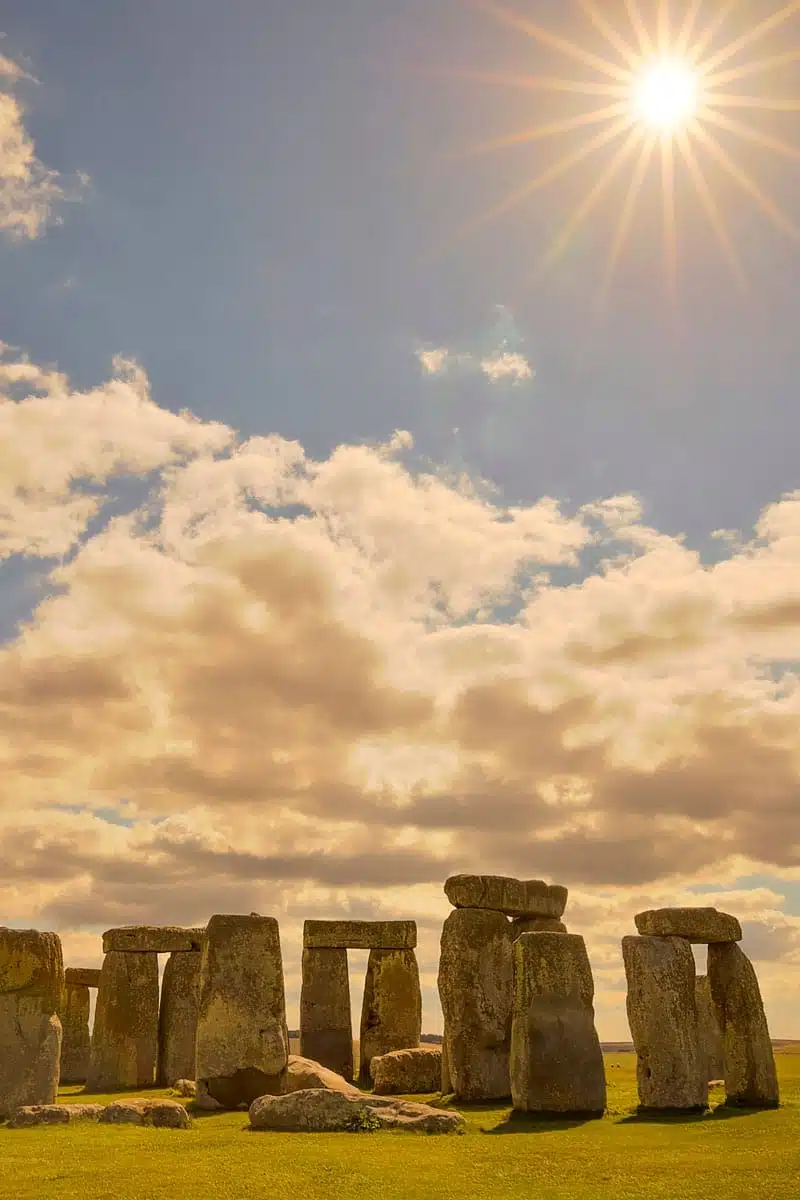
Stonehenge is a prehistoric monument in Wiltshire, England. I’ll be completely honest, I’ve never really got why everyone goes so nuts about it, but I can never resist a cheeky detour when I’m on my way to Glastonbury Festival.
The circle’s great stones, some 4 metres tall, were raised around 4,500 years ago. It’s part of a UNESCO World Heritage Site, and druids and pagans still gather here for the summer and winter solstices.
17. The Colosseum, Italy
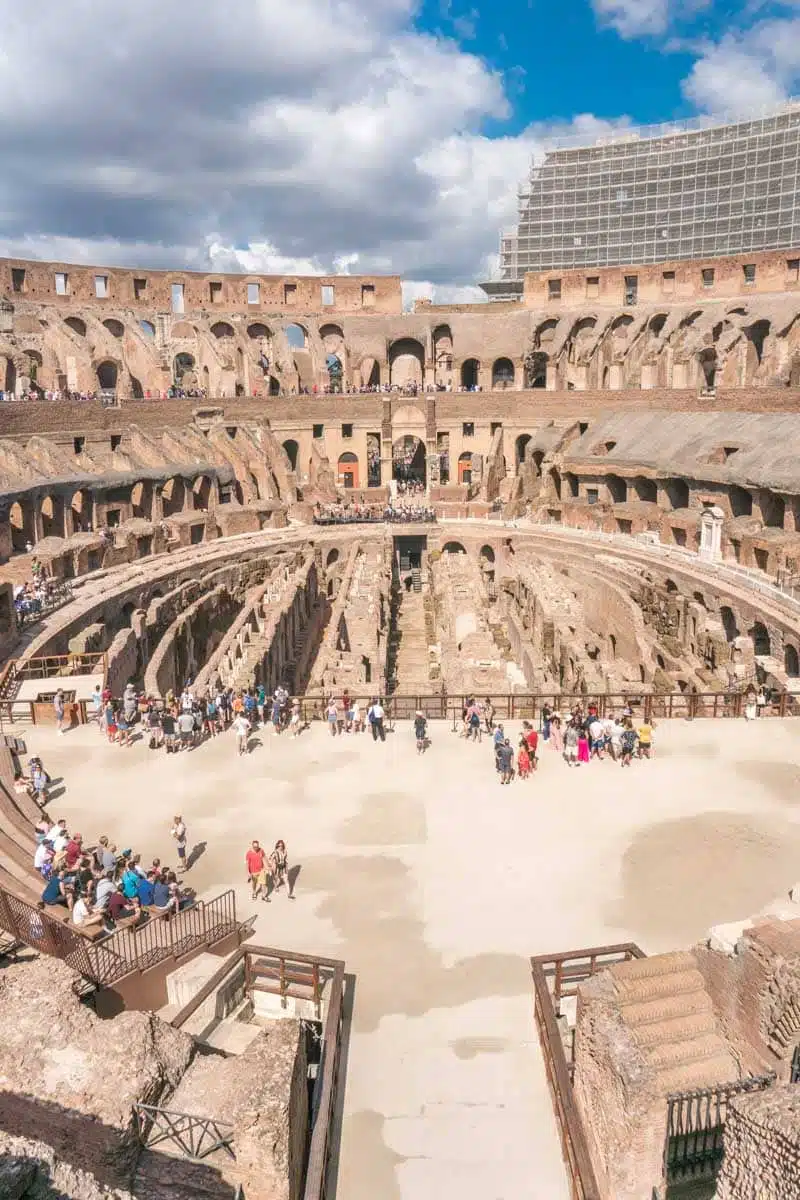
How about adding the largest amphitheatre ever built to your list of 100 places to see before you die? Yep, thought so.
The Colosseum in the middle of Rome was built to hold an estimated 50,000 to 80,000 spectators. Partly ruined by earthquakes over the centuries, it’s still the icon of Rome. Timed tickets include the Roman Forum and Palatine Hill and sell out in summer.
18. Bagan, Myanmar
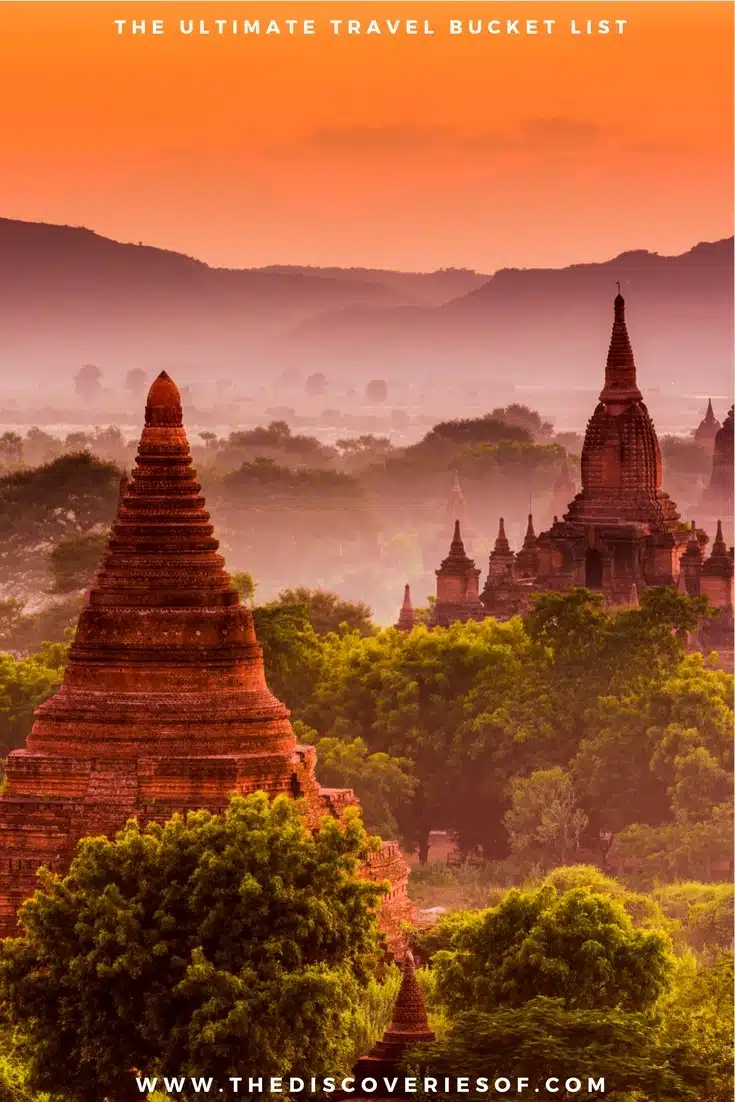
Bagan’s 2,000-plus remaining temples and pagodas spread across an extraordinary plain in central Myanmar. Sunrise over the temples by hot air balloon is one of travel’s great experiences. Important note: Myanmar has been under military rule since a coup in February 2021, with ongoing civil conflict, and the March 2025 earthquake damaged dozens of Bagan’s pagodas. Check your government’s travel advice before planning any visit.
19. Taj Mahal, India
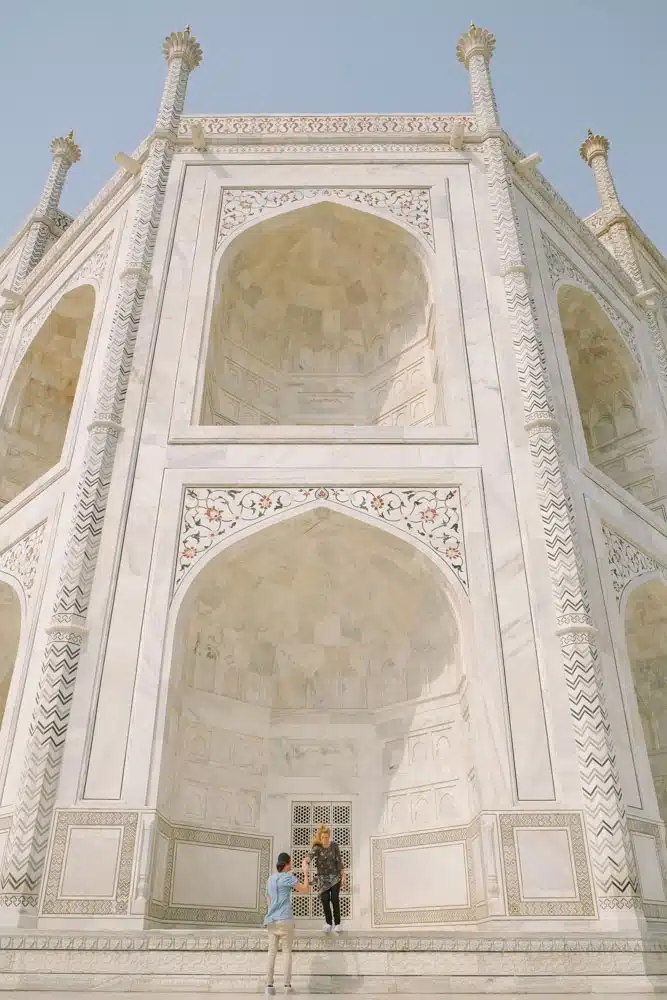
Is it the most photographed building in the world? It’s certainly the best-known mausoleum.
The Taj Mahal in Agra is a white marble mausoleum, built by the Mughal emperor Shah Jahan in memory of his wife and completed in 1653. A UNESCO World Heritage Site since 1983, it needs to be on any bucket list. Go at sunrise, and remember it’s closed on Fridays.
20. The Great Wall of China, China
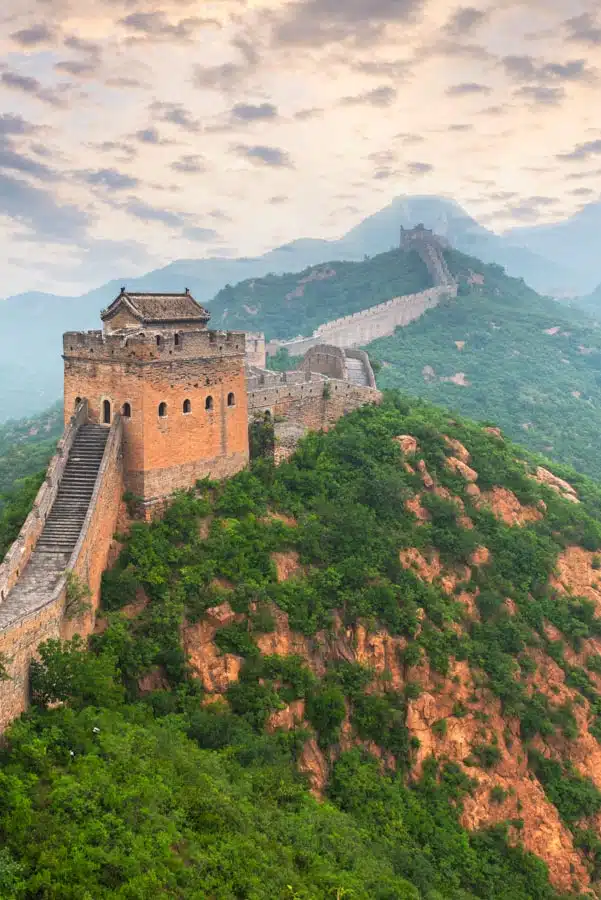
China’s most famous landmark, the Great Wall of China is testament to the incredible building skills of civilisations past.
It’s actually a series of walls built over around 2,000 years along China’s northern borders to keep out invaders. Designated a UNESCO World Heritage Site in 1987, it’s the longest structure ever built, though contrary to the myth, you can’t see it from space with the naked eye. Mutianyu is restored and less crowded than Badaling.
21. London, United Kingdom
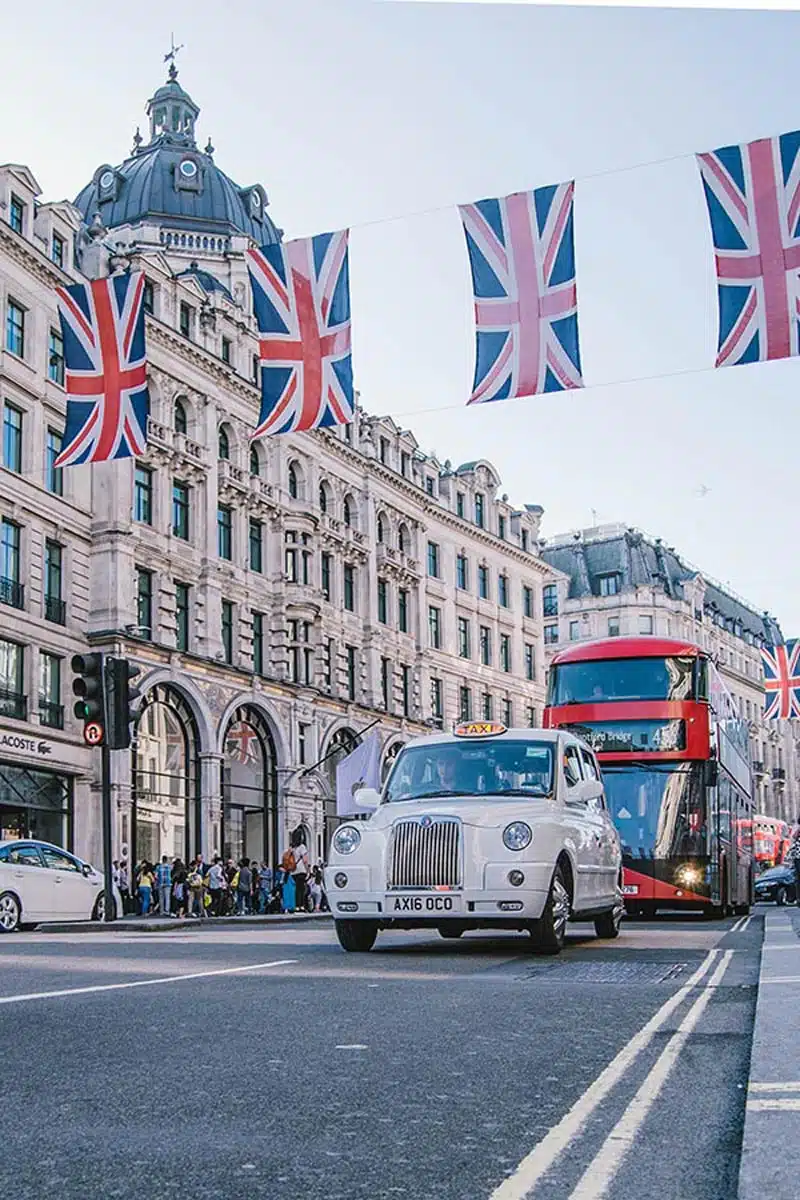
London needs no introduction. This cosmopolitan capital is crammed with cool things to do and places to see, and it’s my hometown (I worked in the London Eye ticket office as a teenager), so I might be biased.
Dating back to Roman times, London is now home to around 9 million people, including the royal family.
Head here to see some of the world’s most famous attractions, Big Ben, the London Eye, Buckingham Palace and so many other pretty places to see in London, not to mention brilliant street art and restaurants. Most of the big museums are free. Beyond the hot spots, explore neighbourhoods such as Hackney, Shoreditch, Peckham and Clapham.
22. Paris, France
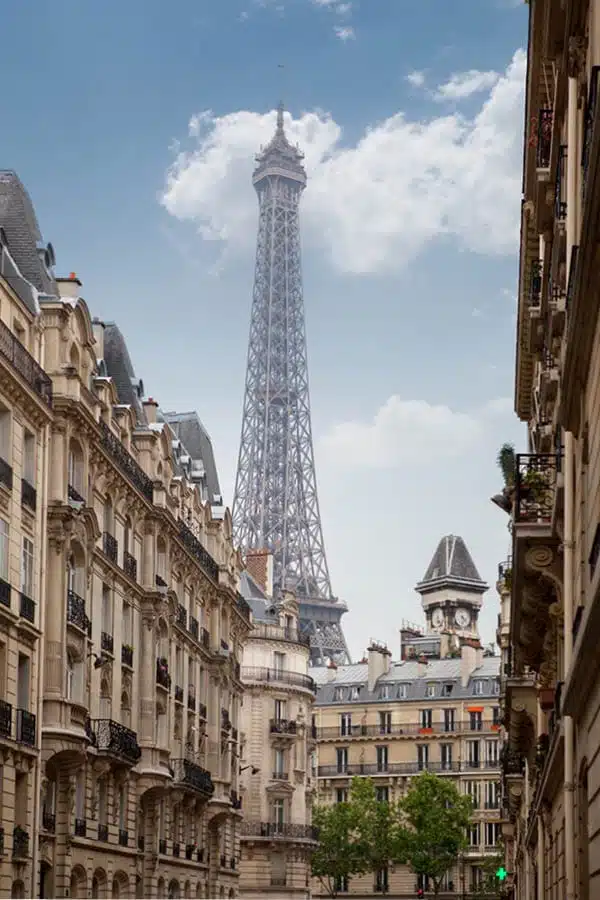
The City of Love: there’s a lot more to Paris than snuggling up for a cosy tête-à-tête.
Famed for its culture, art, cuisine and fashion, Paris is on pretty much every bucket list out there. I’ve returned more times than I can count, and every trip turns up a new neighbourhood or café. See the Eiffel Tower, the Louvre and the Arc de Triomphe, but if you only have time for one big museum, I’d make it the Musée d’Orsay. Notre-Dame reopened in December 2024. Here are my best things to do in Paris.
23. Florence, Italy
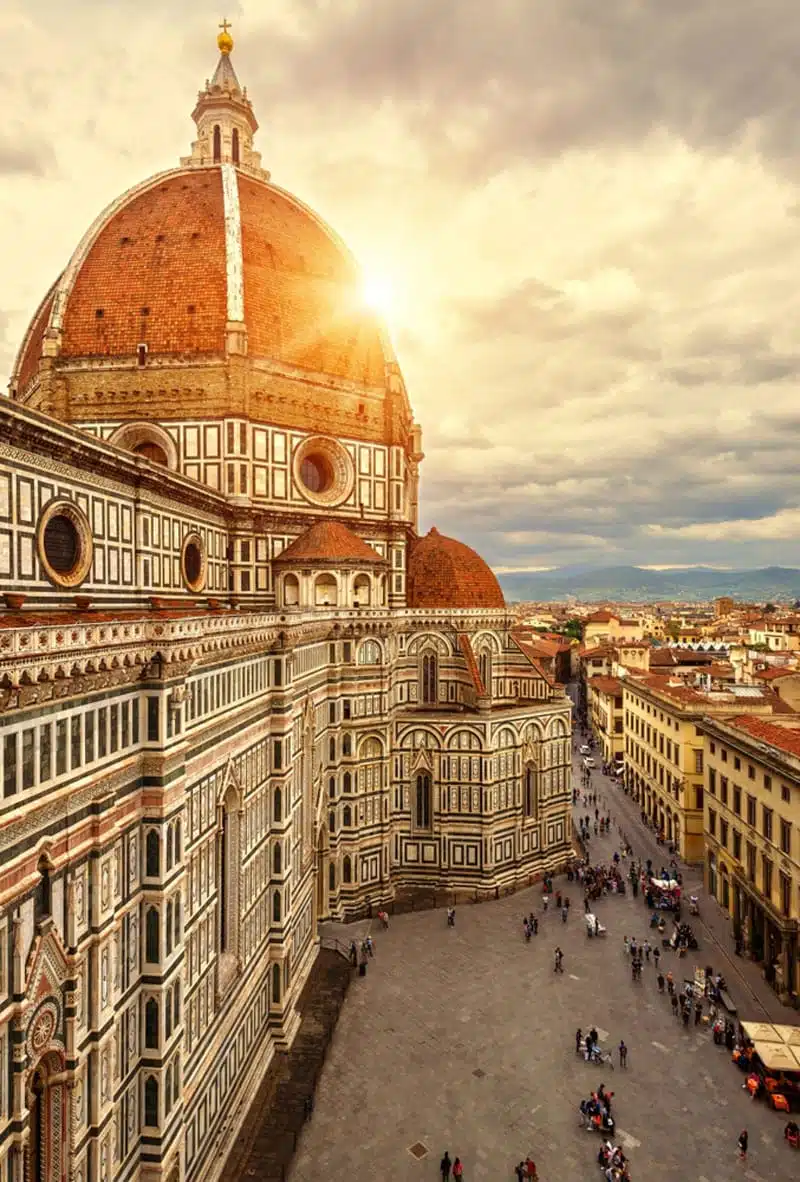
Another of Europe’s cultural hotspots, Florence is the birthplace of the Renaissance. Real talk: I think I prefer it to Rome.
Art lovers will rejoice, with works by Michelangelo and Leonardo da Vinci in the Uffizi Gallery. On my first visit I’d come prepared for the Duomo’s striking exterior, but the interior took me by surprise. The food is impeccable too: prepare to spend half your time eating, and the other half snapping photos.
Planning a trip? Check out the world-famous Italian landmarks Florence boasts, such as the Ponte Vecchio and the Boboli Gardens, then hop in a car to discover the rest of Tuscany.
24. Rome, Italy
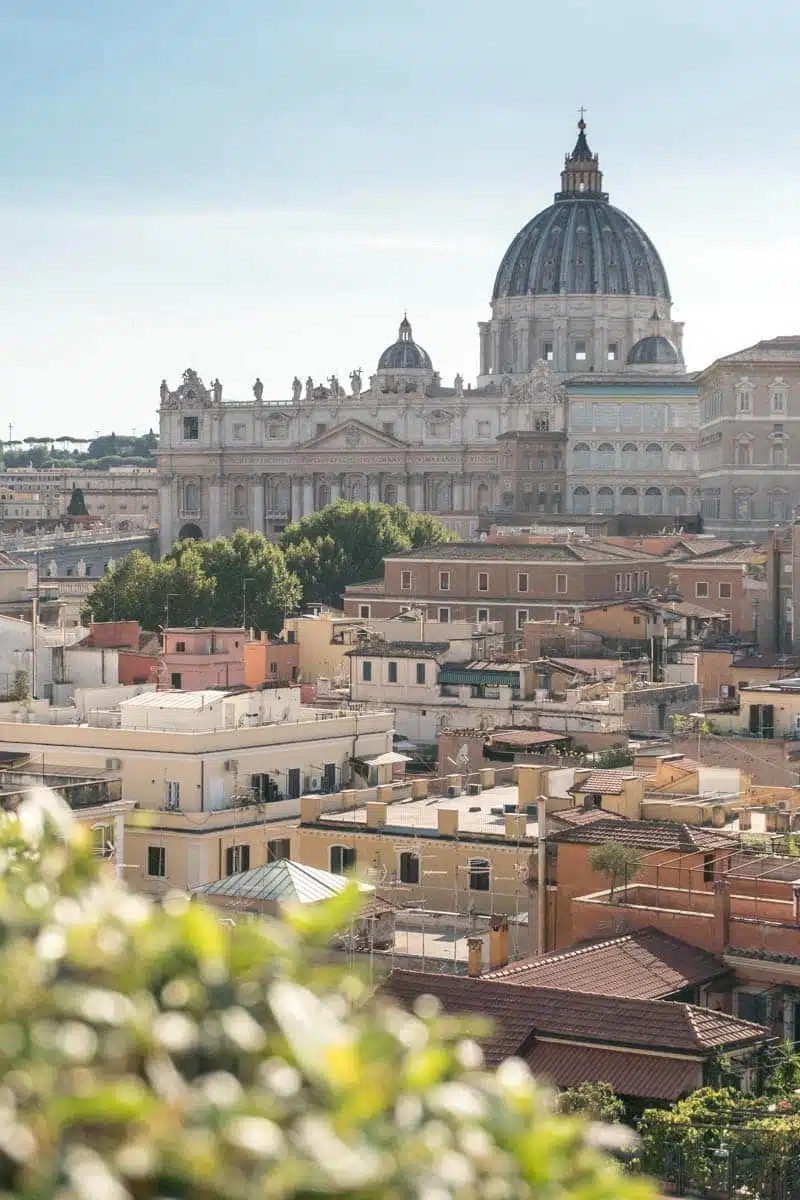
Ahh Rome, what a city. Every time you think you have seen it all, Rome comes up with something else to surprise you.
Full of architecture, art and ancient ruins, it’s known worldwide for its fashion too. Head to the Colosseum for some history, the Vatican for some culture and the Trevi Fountain to make a wish, and book the Vatican Museums well ahead. Don’t even get me started on the sheer number of brilliant places to eat.
25. Vienna, Austria
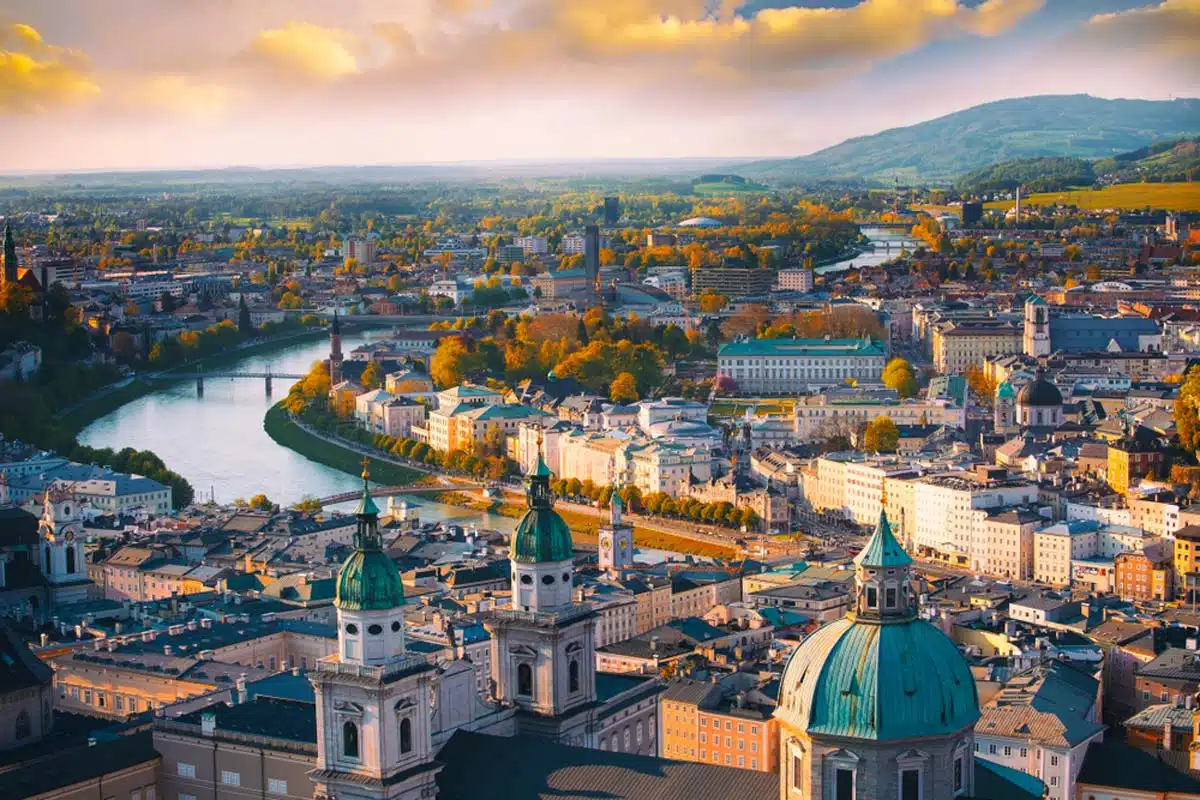
The capital of Austria, Vienna is a dream, known across Europe for its baroque architecture and its musical and intellectual legacy. Its best-known sights are Schönbrunn Palace, St Stephen’s Cathedral and the Hofburg, the Habsburgs’ palace complex.
Viennese café culture is so good that UNESCO put it on its intangible cultural heritage list. Head into one of the city’s grand coffee houses for a melange and a slice of Sachertorte.
26. Oxford, United Kingdom
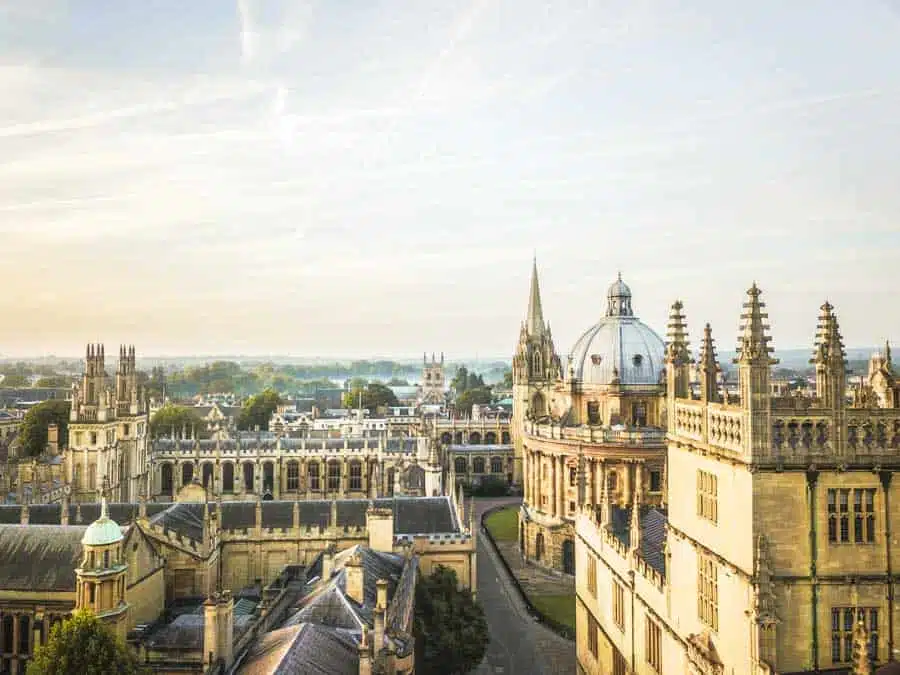
Oxford is one of the UK’s most famous cities, thanks to its prestigious university (I studied there and it was just as incredible as you would imagine).
With teaching dating back to the 11th century, Oxford is full of old architecture and beautiful scenery. See the Museum of Natural History, the Botanic Garden, the Bodleian Library and the colleges, and climb the tower of the University Church for the best view of the dreaming spires.
27. Havana, Cuba
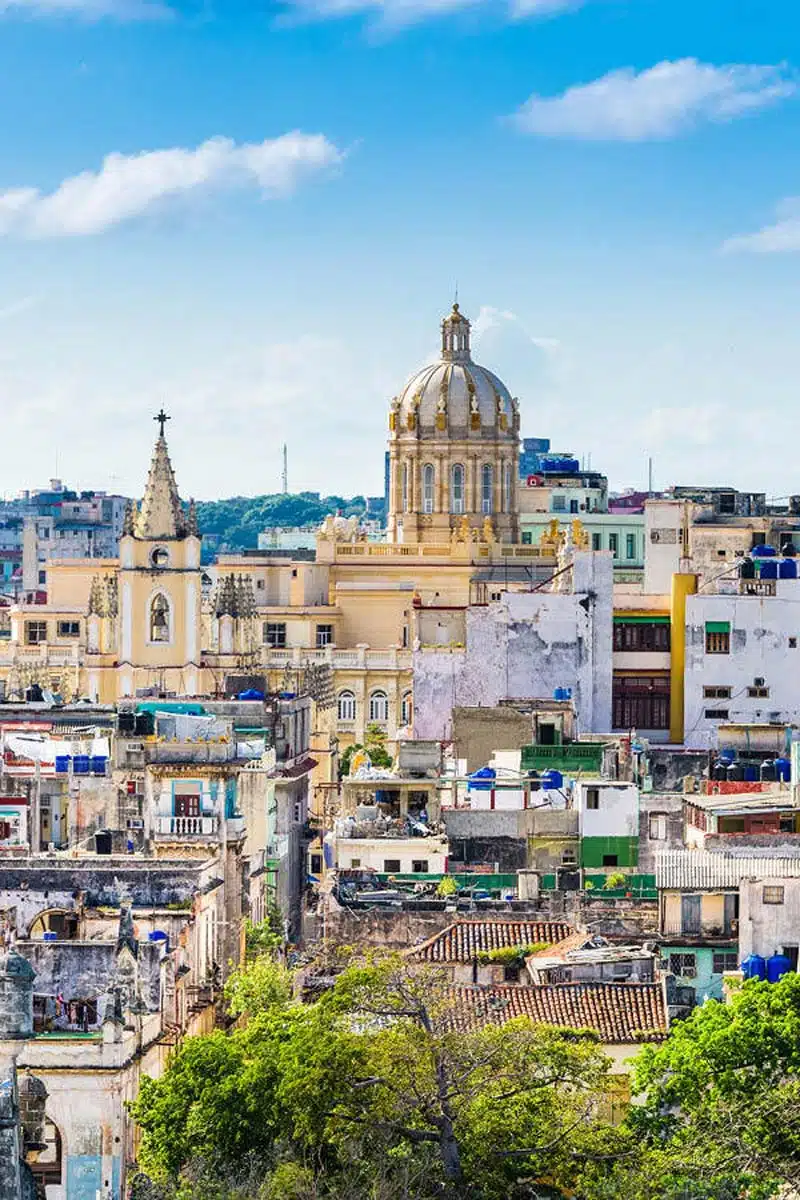
Cuba’s evocative capital is an unforgettable experience, and there’s no way I’d leave it out of my pick of bucket list destinations. I’d wanted to go for years before I finally made it, and though it’s been a while since I visited, the sights and sounds of the city will always stay with me.
Gorgeous colonial architecture, vintage American cars, music and dance, not forgetting the daiquiris! Head to Old Havana and the Museum of the Revolution. I loved exploring El Morro and La Cabaña, the two forts that watch over the harbour. Pop into El Floridita, Hemingway’s favourite bar.
Important note: since February 2026 the UK Foreign Office has advised against all but essential travel to Cuba, as fuel shortages have caused nationwide blackouts. Check the latest advice before you book.
28. Rio de Janeiro, Brazil
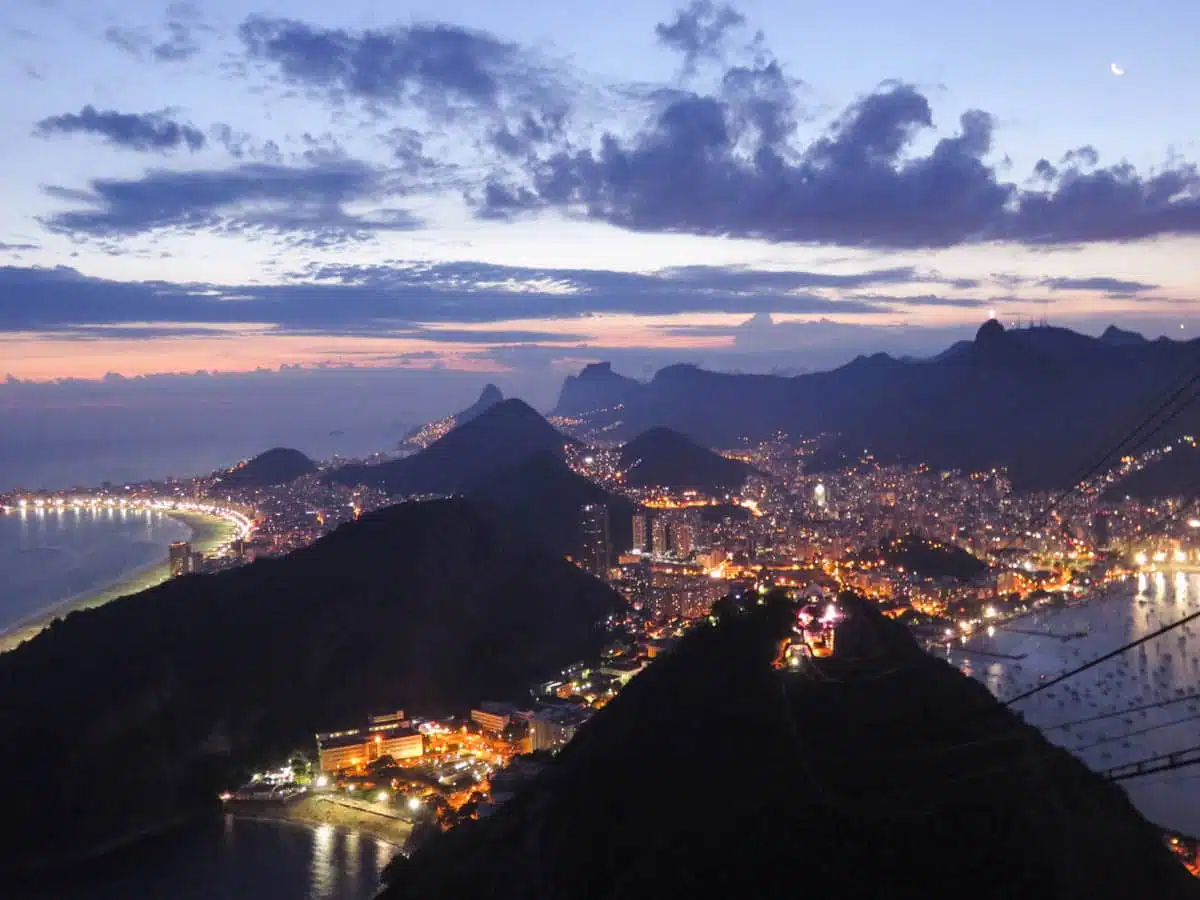
Rio de Janeiro may NOT be Brazil’s capital, but it makes up for it with culture, looks and fun.
The first time I visited Rio, I was fresh-faced and 18. Several (and I mean several) years later, I’m just as in love with Rio as when I first clapped eyes on it.
The city is best known for its forest-topped mountains, golden beaches and Carnival. See Christ the Redeemer, Copacabana and Sugarloaf Mountain, and go up Sugarloaf as evening falls to see the sun sink behind the city.
29. Venice, Italy
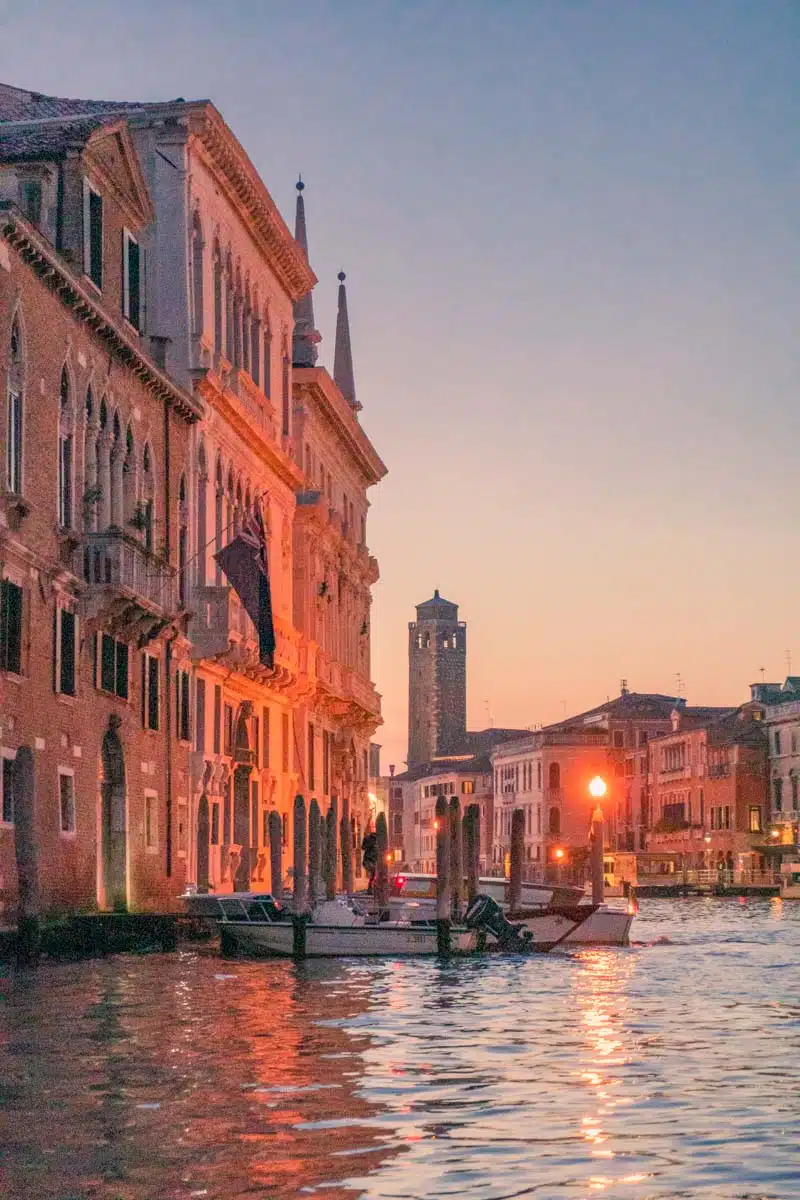
Venice might be sinking, but I still love it. It’s difficult to leave Venice off any list of must-see travel spots, BUT it suffers from serious overtourism, so come outside summer if you can, and stay the night.
Full of Renaissance and Gothic architecture, Venice has canals in place of roads, with boats and gondolas to carry people around. See St Mark’s Square, St Mark’s Basilica and the Rialto Bridge. Day trippers now pay an access fee of €5 to €10 on peak spring and summer days; overnight guests are exempt.
30. Amsterdam, The Netherlands
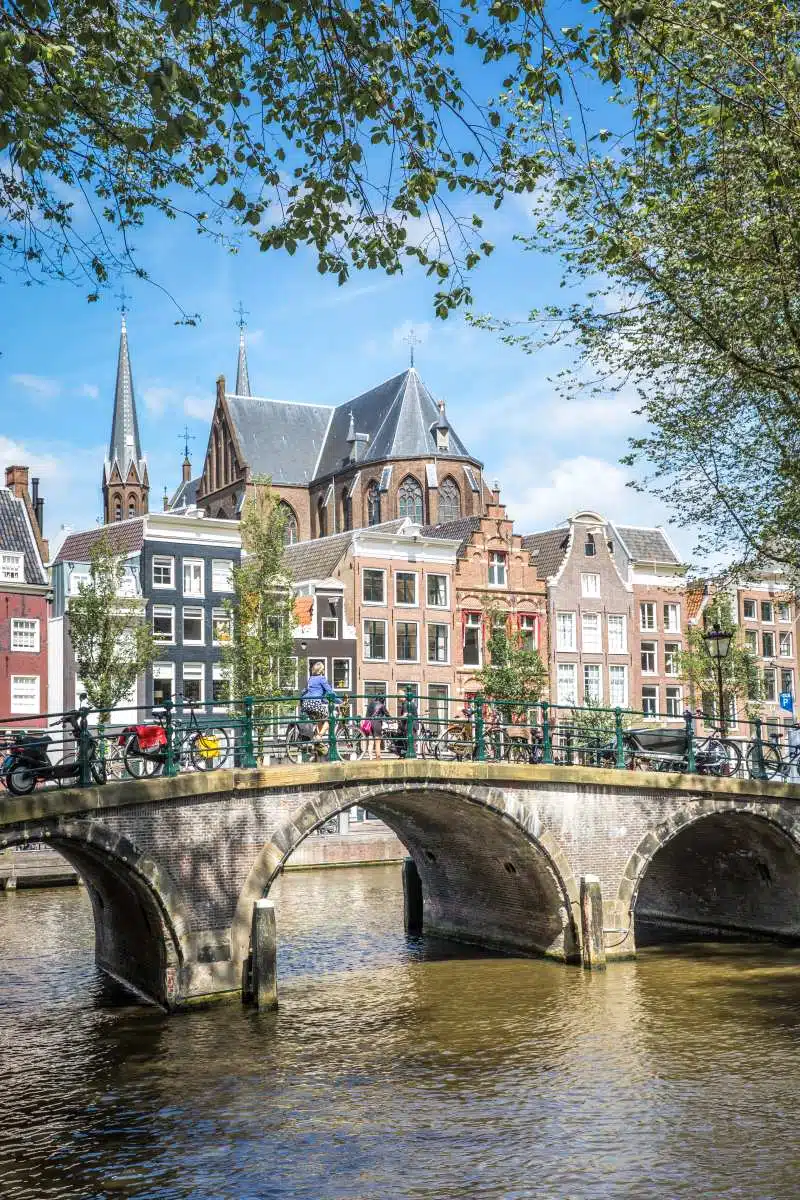
Amsterdam is more than relaxed cannabis laws and chilled-out coffee shops. It’s home to world-class museums, beautiful canals and gorgeous architecture.
Start with the Van Gogh Museum and the Rijksmuseum, book the Anne Frank House online weeks ahead, and explore the city by bike. Dutch food might not be much to write home about, but they sure know their sweet things: make it your mission to scoff as many poffertjes and stroopwafels as possible.
31. Iguazu Falls, Brazil / Argentina
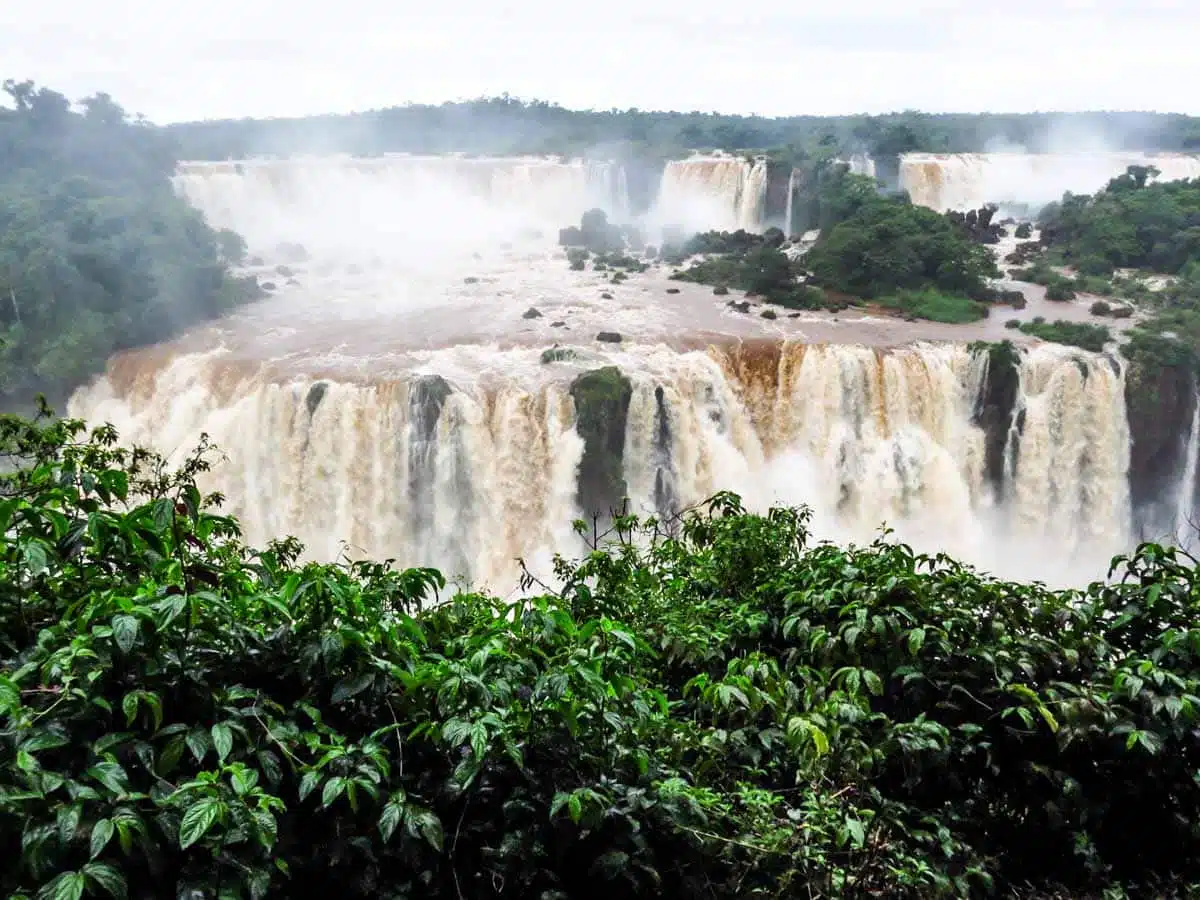
The Iguazu Falls are a chain of around 275 waterfalls on the Iguazu River, on the border of Argentina and Brazil, close to Paraguay. Up to 82 metres high and nearly 3km long, they’re the largest waterfall system in the world.
Think the view can’t get any better? Wait until you hear their roar: sight and sound, it’s almost deafening, and an absolute thrill. I’ve seen the falls from both countries, and you need both: Brazil has the big panorama, Argentina the walkways to the lip of the Devil’s Throat.
32. Victoria Falls, Zimbabwe / Zambia
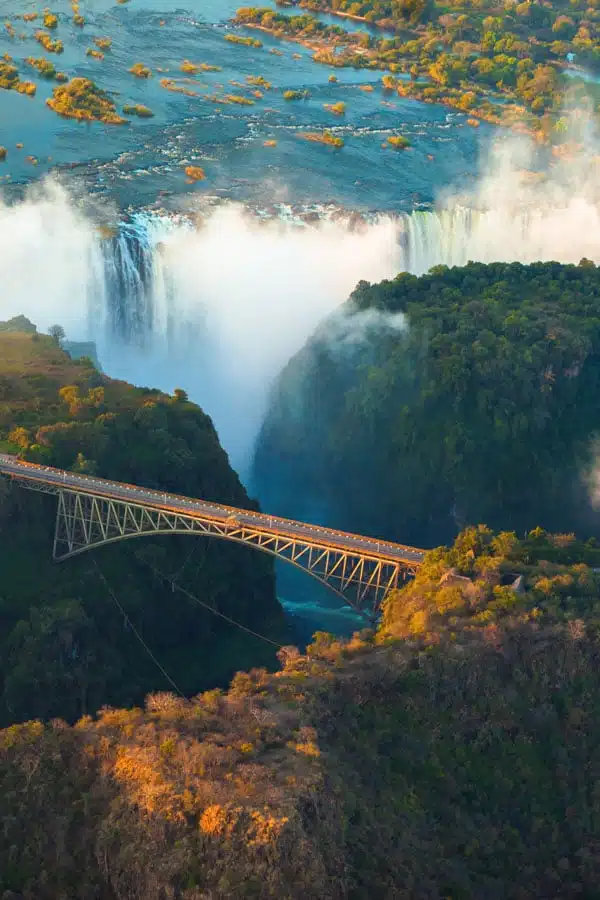
Victoria Falls is a waterfall on the Zambezi River on the border between Zimbabwe and Zambia, in southern Africa.
Often counted among the seven natural wonders of the world, it drops a staggering 108m and is the largest curtain of falling water on earth. The easiest way to visit is to fly to Livingstone in Zambia, around 11km from the falls. They’re fullest from February to May.
Or, if you’d really like to treat yourself (I approve), view the falls from above on a helicopter flight. Truly a once in a lifetime experience.
33. Niagara Falls, Canada / USA
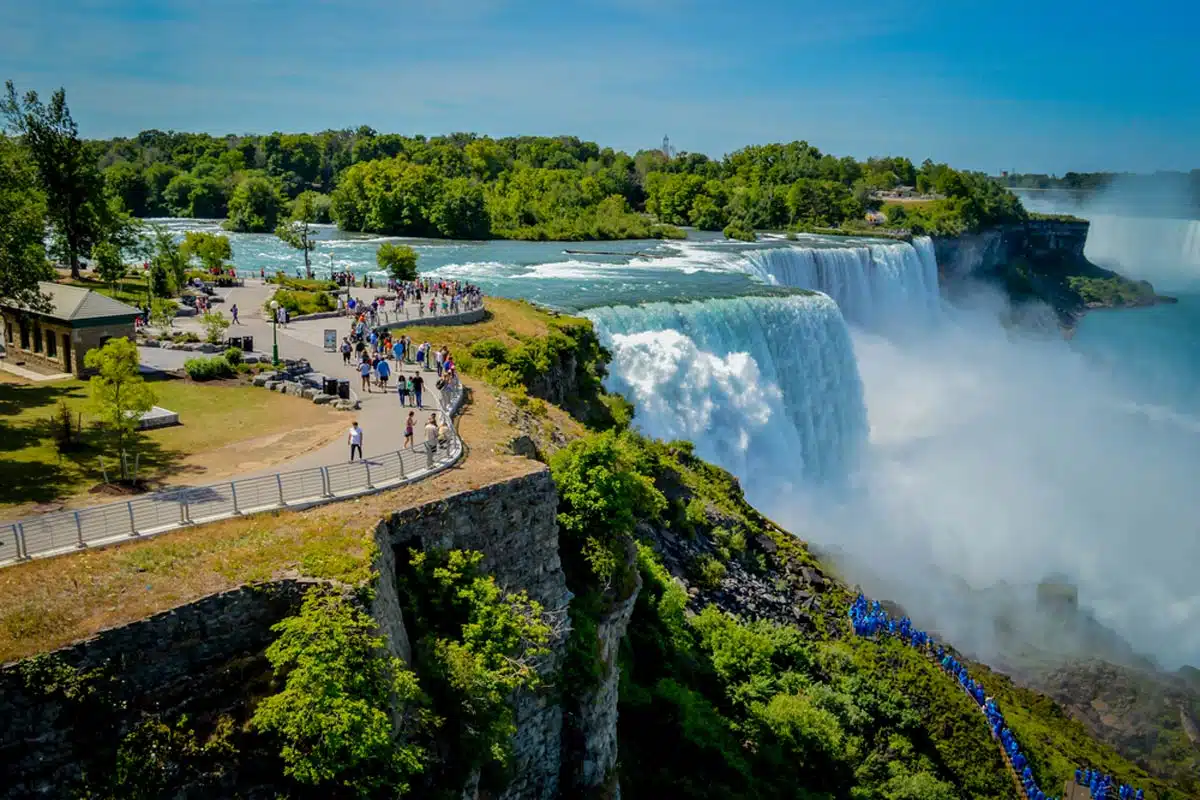
The Niagara Falls are a set of three waterfalls on the border between Ontario, Canada, and New York State: the Horseshoe Falls, the American Falls and the Bridal Veil Falls, with the Horseshoe Falls dropping around 51m.
As the most famous falls in the world, Niagara is something you’ve got to see. If you’re feeling brave, jump on one of the boat tours, which take you up close and personal to the falls.
34. Ban Gioc-Detian Falls, China / Vietnam
The Ban Gioc-Detian Falls are a pair of waterfalls on the Quây Sơn River, on the border of China and Vietnam, Detian being the Chinese name and Ban Gioc the Vietnamese one. Together they drop around 60m.
You can hop on a bamboo raft for a close-up view of the falls. They’re fullest from June to September, about six hours’ drive from Hanoi.
35. Palouse Falls, USA
The Palouse Falls is a waterfall on the Palouse River, 6km up from its meeting with the Snake River, in south-east Washington State.
The falls drop in two stages of about 6m and 60m into a deep basalt bowl. It’s Washington’s official state waterfall, and the overlooks in Palouse Falls State Park are a short walk from the car park.
36. Shoshone Falls, USA
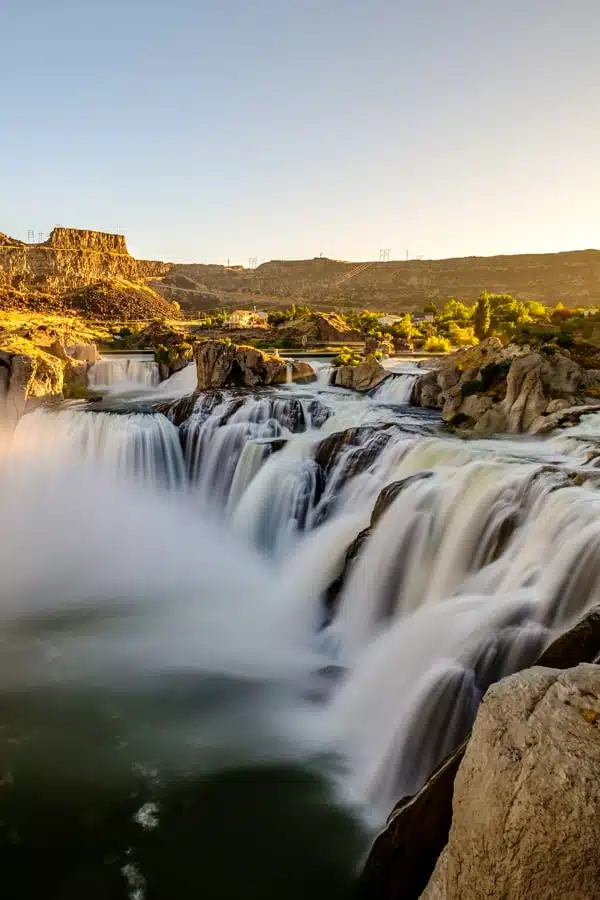
Shoshone Falls is a waterfall on the Snake River in southern Idaho. Known as the “Niagara of the West”, the falls are around 65m high (which is actually higher than Niagara) and flow over a rim about 300m wide.
They’re at their most powerful in spring, before the water is drawn off for irrigation. Bring a picnic and grab a spot in the park above the falls for a fabulous day out.
37. Blue Nile Falls, Ethiopia
Blue Nile Falls is a waterfall on the Blue Nile River in northern Ethiopia, near Bahir Dar. Known as Tis Abay in Amharic, meaning “great smoke”, the falls are around 40 metres high.
A hydroelectric plant now takes much of the water, so they’re best in the rainy season from July to October. The Amhara region has seen armed conflict since 2023, so check your government’s travel advice before planning a visit.
38. Gullfoss, Iceland
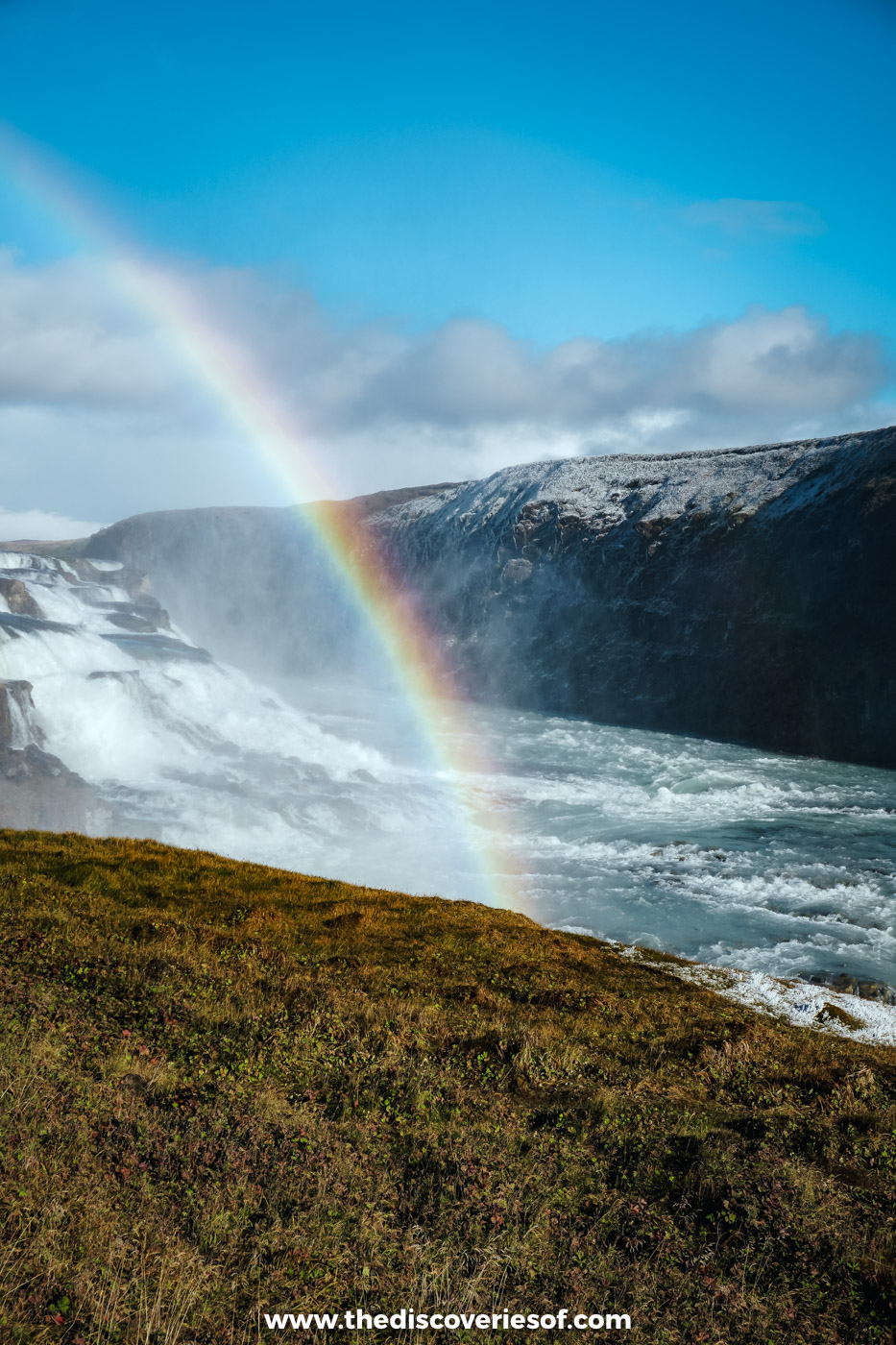
It’s hard to pick one waterfall from Iceland for this list, but Gullfoss can’t be missed. Gullfoss, meaning “golden waterfall”, drops 32 metres in two stages into the Hvítá canyon, on the Golden Circle. The name comes from the golden colour of the water in certain light, the result of sediment.
I’ve been twice. In May, under grey skies, it looked white and wild; in September the sun was out and there seemed to be a rainbow over the spray wherever I stood, so I’d recommend a sunny afternoon. Otherwise, it’s a spectacular place to see the Northern Lights in winter.
Read Next
39. McWay Falls, USA
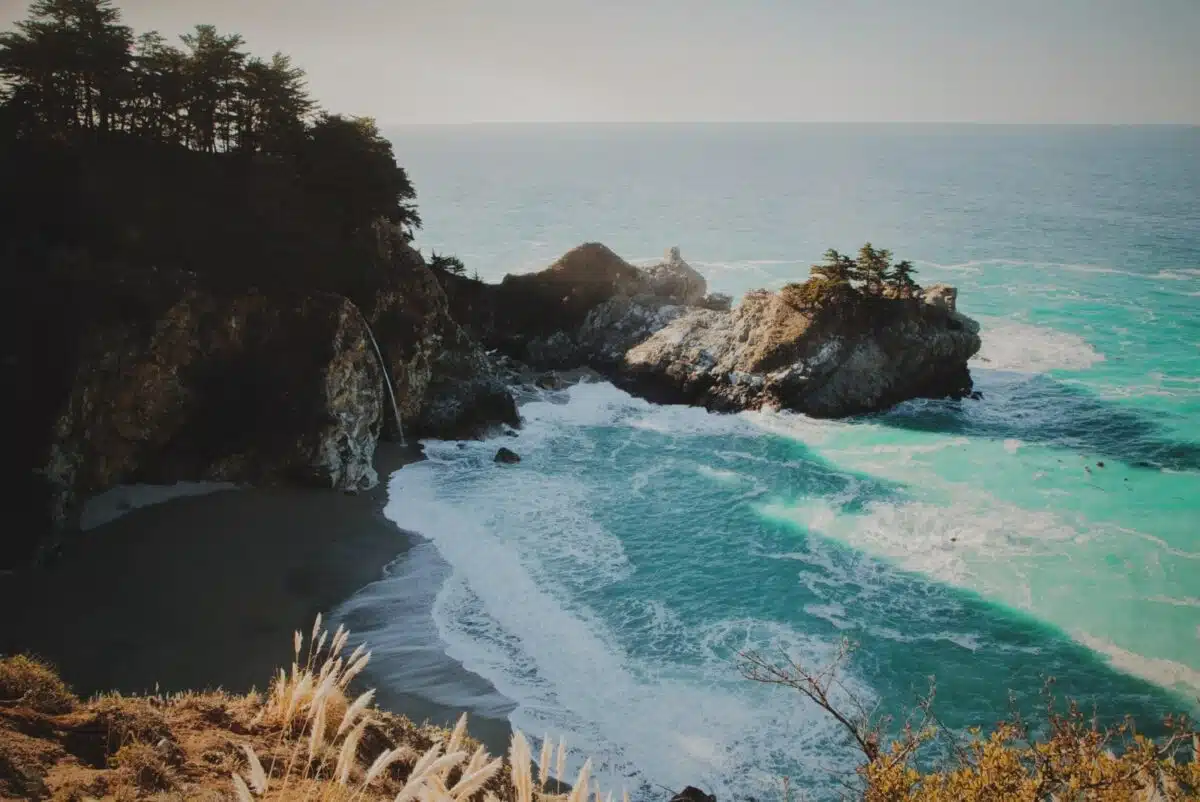
McWay Falls flows from McWay Creek in picture-perfect Julia Pfeiffer Burns State Park onto a beach in Big Sur, on the west coast of California.
The sight of the 24m falls dropping into a turquoise cove is one of Big Sur’s most iconic, and I stopped here on my Highway 1 road trip. The short Overlook Trail runs under the highway to the viewpoint; its far end is closed by erosion, the beach is off limits, and the park charges $10 a car.
40. The Maldives
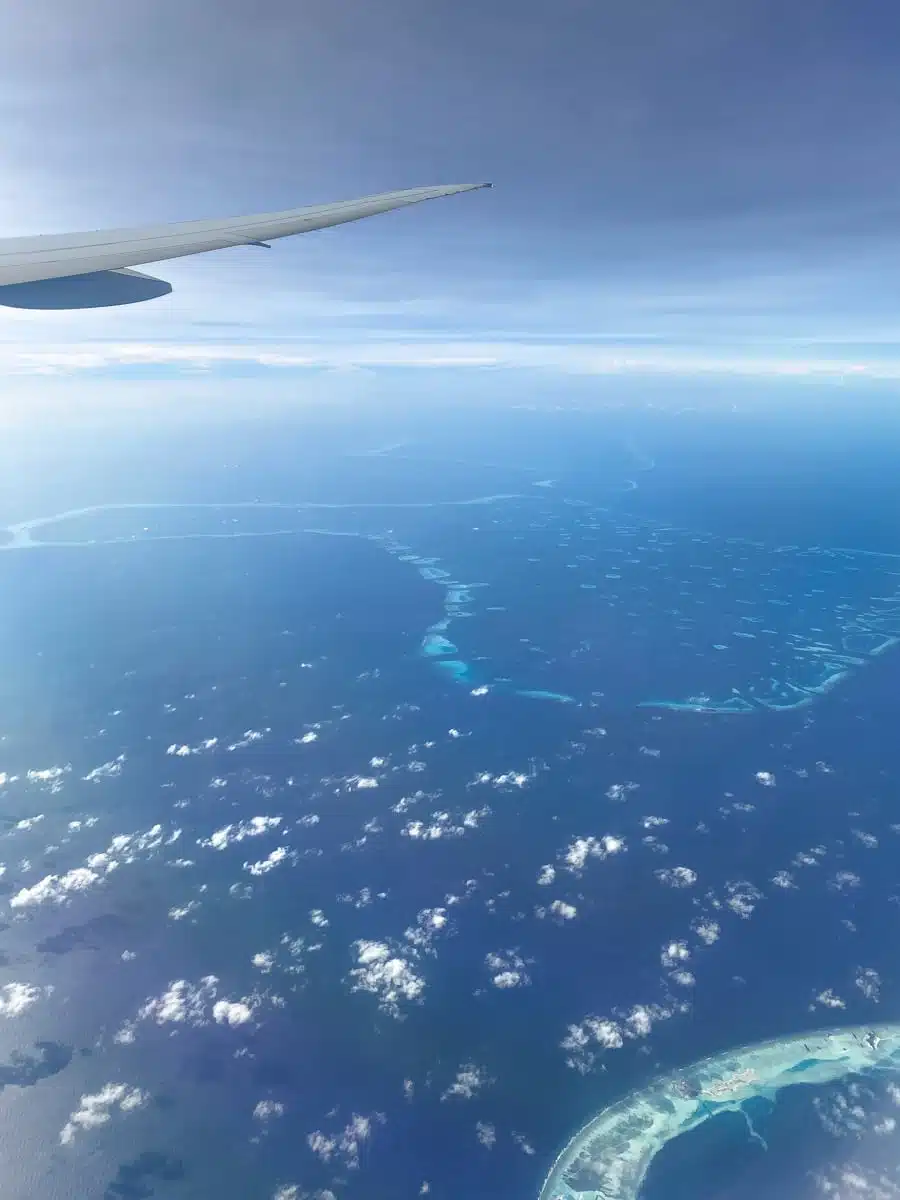
The Maldives are a chain of islands in the Indian Ocean, made up of 26 atolls: ring-shaped coral reefs holding over 1,000 coral islands.
People come from far and wide for the beautiful islands, luxury accommodation, azure waters and colourful marine life. My stay at Curio by Hilton SAii Lagoon blew me away, and whatever you do, make sure you dive or snorkel.
41. Vava’u, Tonga
The Vava’u islands are a group of one large island and more than 40 small ones in the north of Tonga, in the South Pacific. Neiafu, the main town, is well worth exploring: make sure to visit the striking St Joseph’s Cathedral.
This tropical paradise has crystal-clear waters, white sand beaches and beautiful sea life, including turtles, spinner dolphins and humpback whales, which you can swim with from July to October: a wildlife lover’s paradise!
42. Santorini, Greece
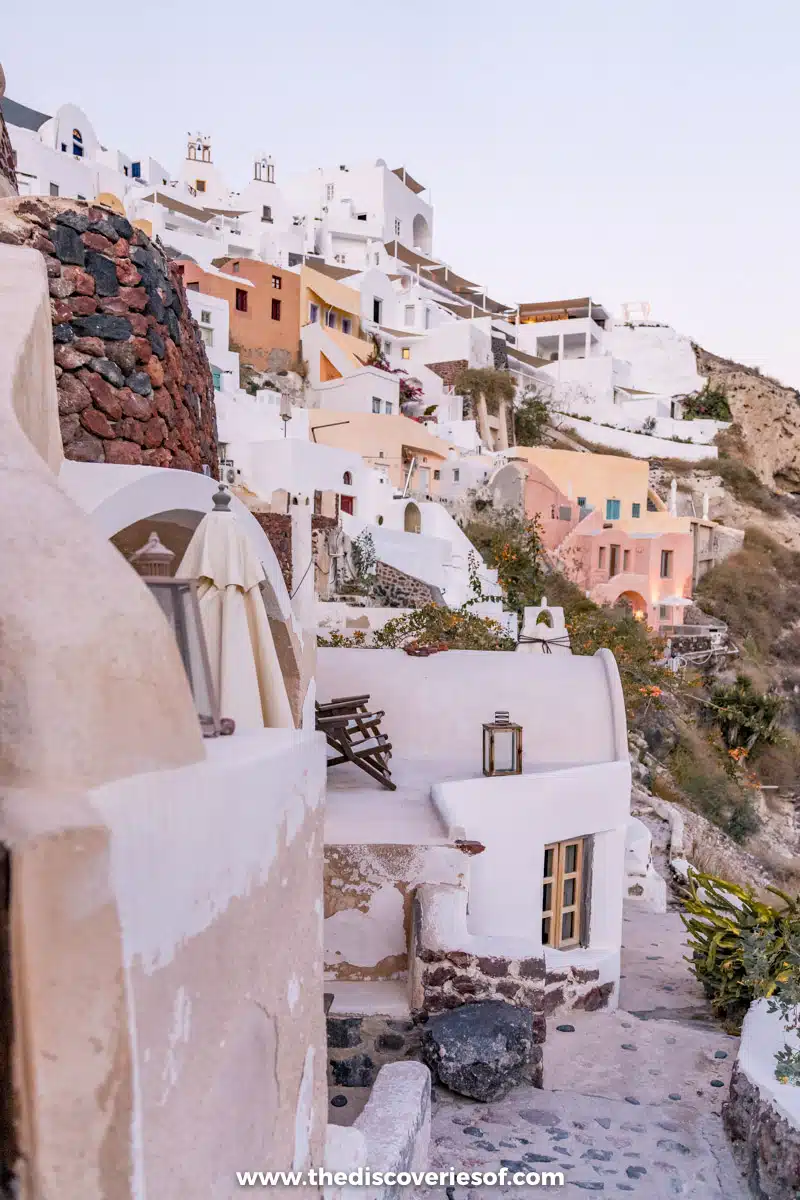
Santorini is a Greek island in the southern Aegean Sea, built on the rim of a flooded volcanic caldera.
Known as the supermodel of the Greek islands, it’s instantly recognisable by its whitewashed buildings with blue domes, multicoloured cliffs and dazzling sapphire waters.
There’s so much to do in Santorini, including exploring Akrotiri’s ruins and chilling on Kamari’s black sand beach. I spent a hefty chunk of time here on my last Cyclades trip, and honestly, Oia isn’t my favourite place on the island: its sunrise is just as beautiful as the sunset and far less crowded, and for sunset I’d head to Akrotiri Lighthouse.
43. Bora Bora, French Polynesia
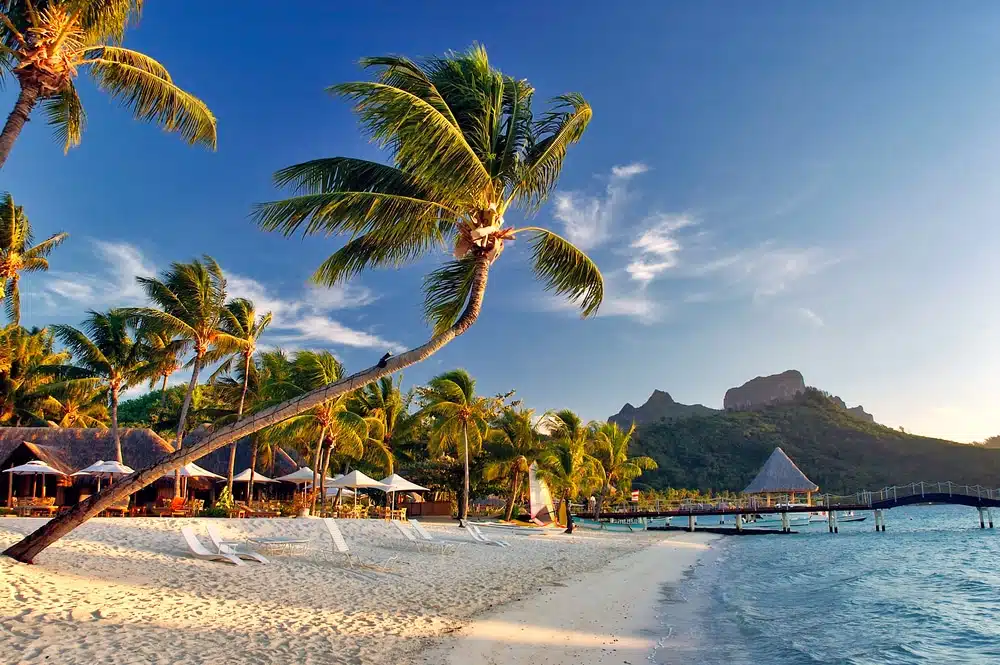
Bora Bora is a small island in the South Pacific, north-west of Tahiti in French Polynesia.
Popular with the luxury crowd thanks to its fabulous overwater bungalows, it’s surrounded by a turquoise lagoon protected by a coral reef, which is fabulous for swimming, snorkelling and diving.
44. Bali, Indonesia
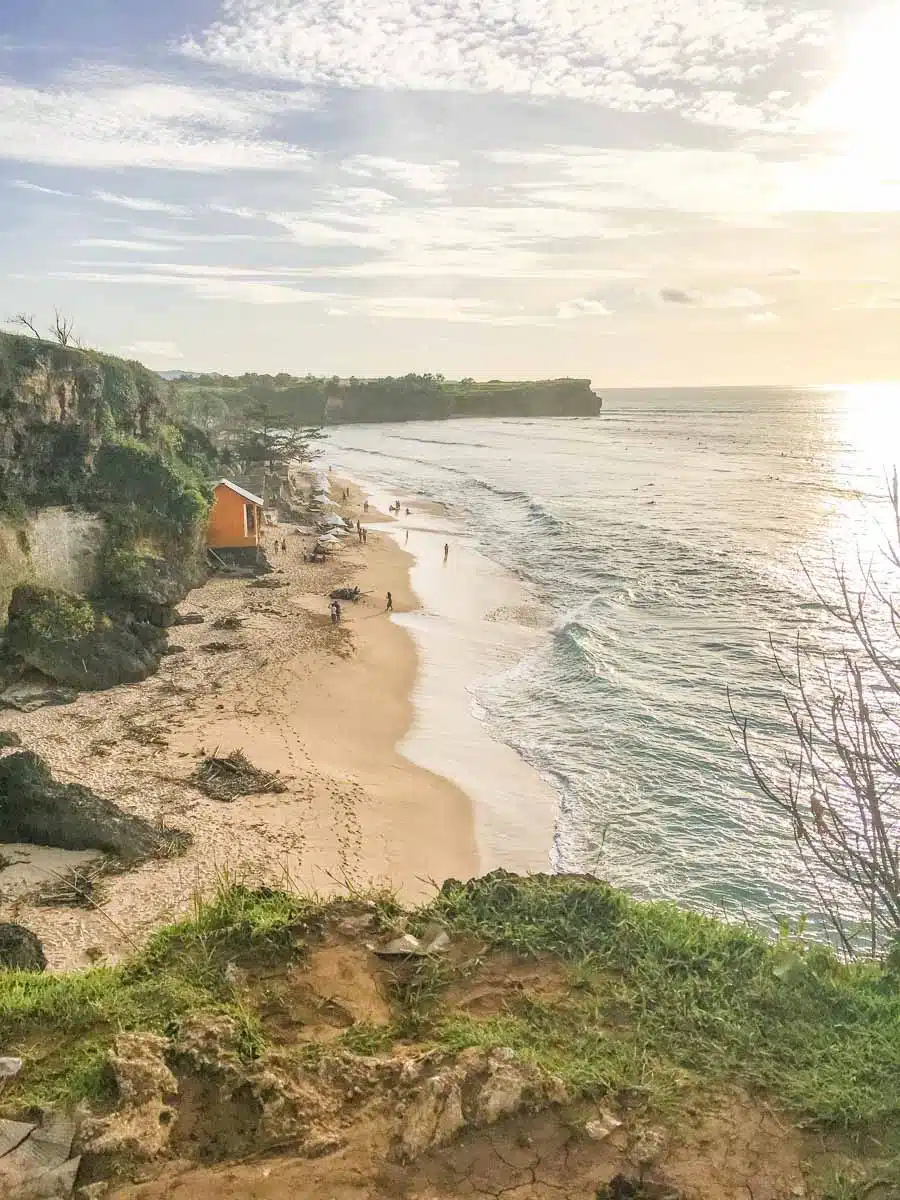
Bali is an island and province of Indonesia, popular with backpackers but with a luxury side too, full of beautiful beaches, incredible food, culture, scenery and wildlife.
Known for its surfing, yoga, diving and great resorts, the “essence of Bali” has stolen the hearts of many visitors. Seminyak is the part I love most, for its beaches and laid-back resort feel. Visitors now pay a tourist levy of IDR 150,000.
45. Fernando de Noronha, Brazil
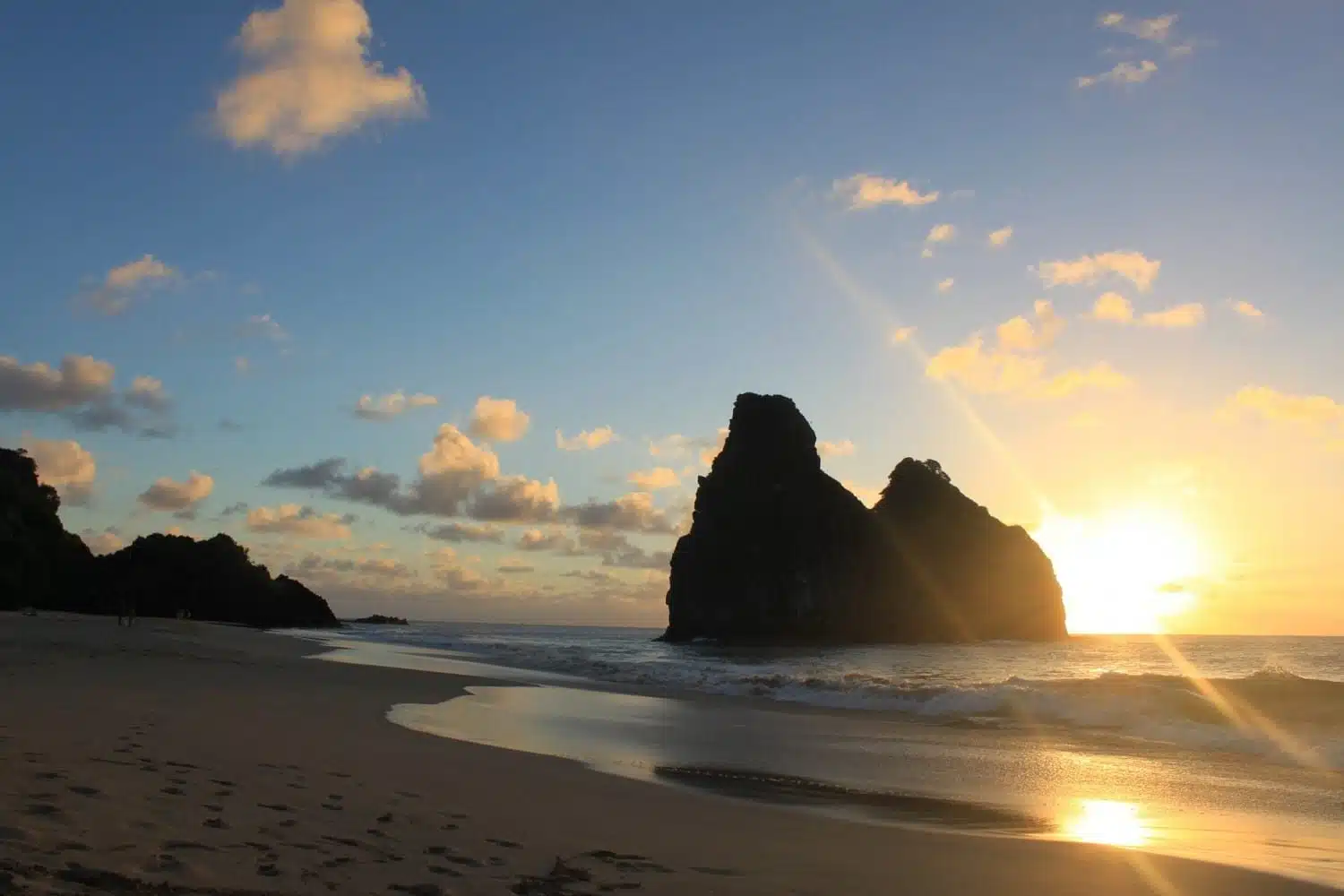
An archipelago off Brazil’s north-east coast, Fernando de Noronha is both a beach lover’s Shangri-La and an eco-wonderland, its volcanic coastline as ragged as it is beautiful.
A UNESCO World Heritage Site since 2001, it’s full of pristine beaches and stunning wildlife. Apparently, even the sharks are friendly. Visitor numbers are capped and a daily environmental fee applies, which is what keeps it unspoilt.
46. Maui, USA
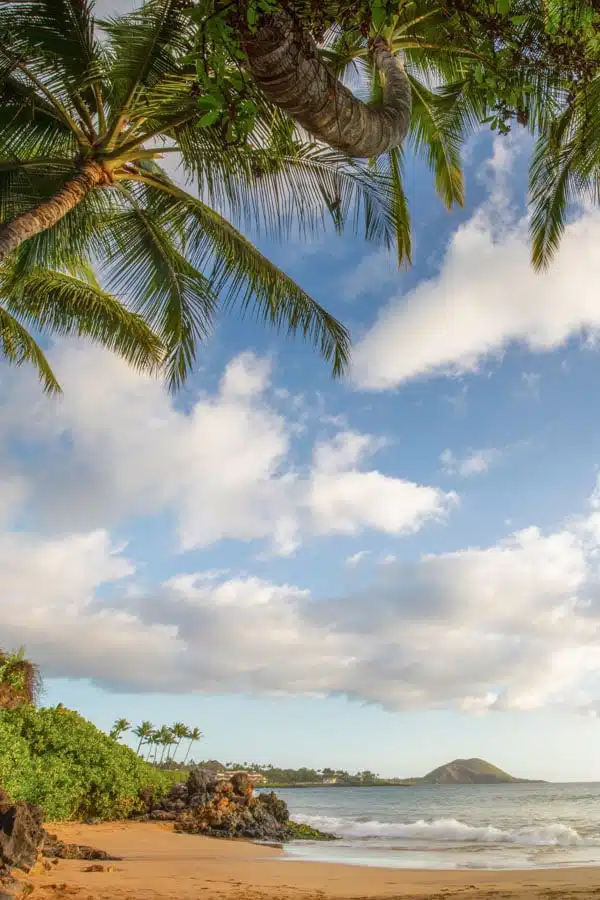
Maui is Hawaii’s second-largest island, known as the “Valley Isle” and famed for its beaches, the Iao Valley, humpback whales and the sunrise from Haleakalā (which needs a reservation).
There are as many things to do in Maui with kids as there are for a couple travelling alone. Lahaina was destroyed by wildfire in 2023 and is still rebuilding, so be respectful there.
47. Big Sur, USA
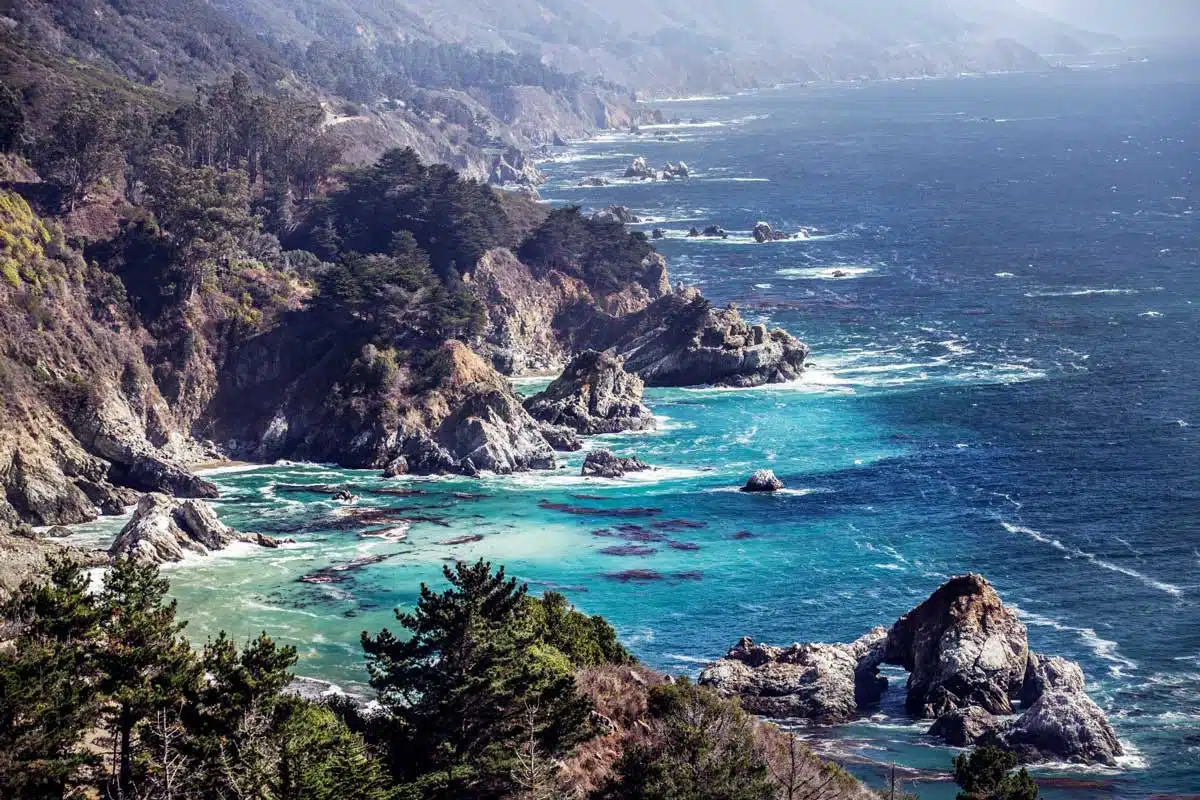
Big Sur is a stretch of California’s central coast. Forever linked with Beat writers such as Jack Kerouac, it tops many literature lovers’ bucket lists, but there’s more to its appeal than that.
Driving through Big Sur on a Highway 1 road trip is unforgettable, and I did it heading north in a red hard-top Camaro, stopping at Bixby Bridge and McWay Falls (see above). Highway 1 reopened in full in January 2026, but the August 2026 wildfires closed many trails, so read up on what to do in Big Sur before you go.
48. Ko Samui, Thailand
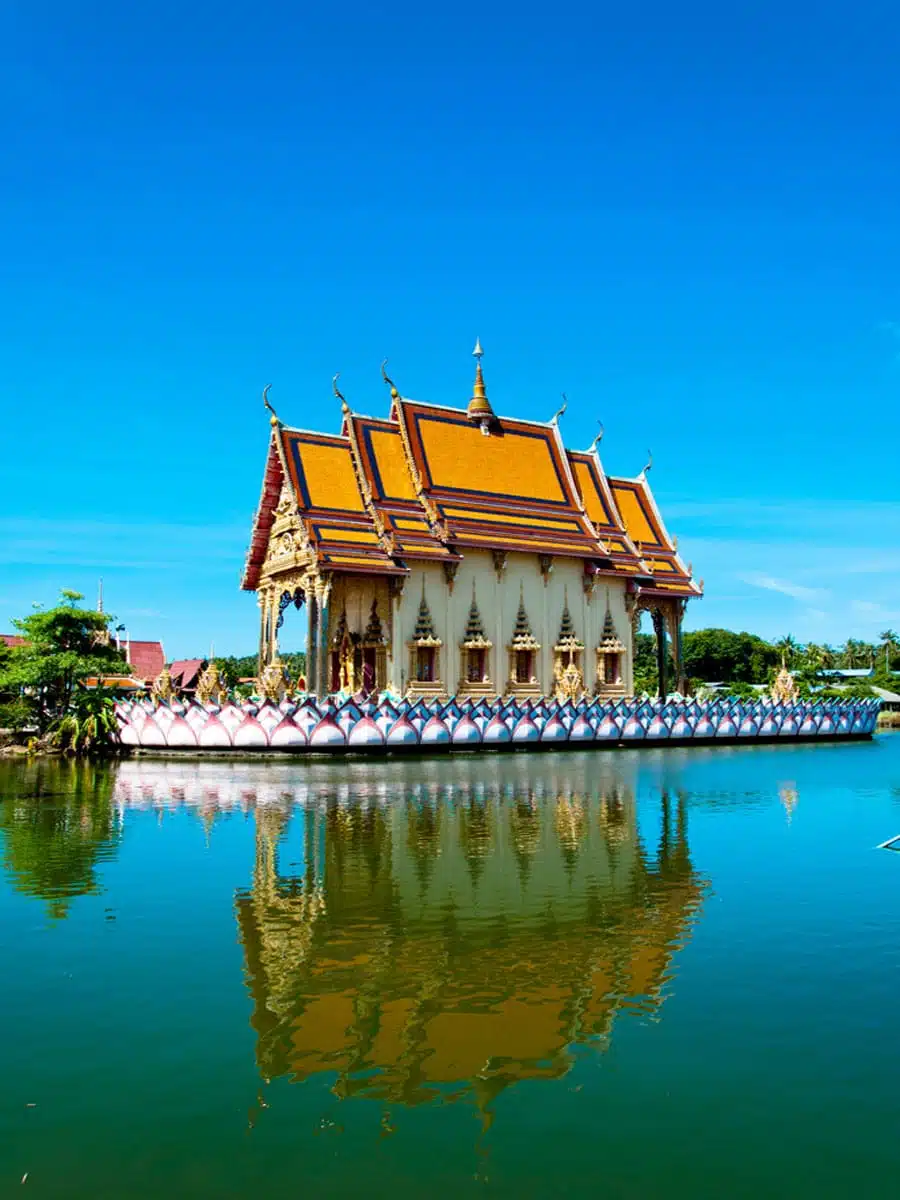
Ko Samui is Thailand’s second-largest island, in the Gulf of Thailand.
It’s home to lush rainforest, coconut palms and some of the most spectacular beaches in Thailand, such as Bang Po, Choeng Mon and Taling Ngam, which is incredible for sunset. Take a boat trip to the Ang Thong Marine National Park.
49. Krabi, Thailand
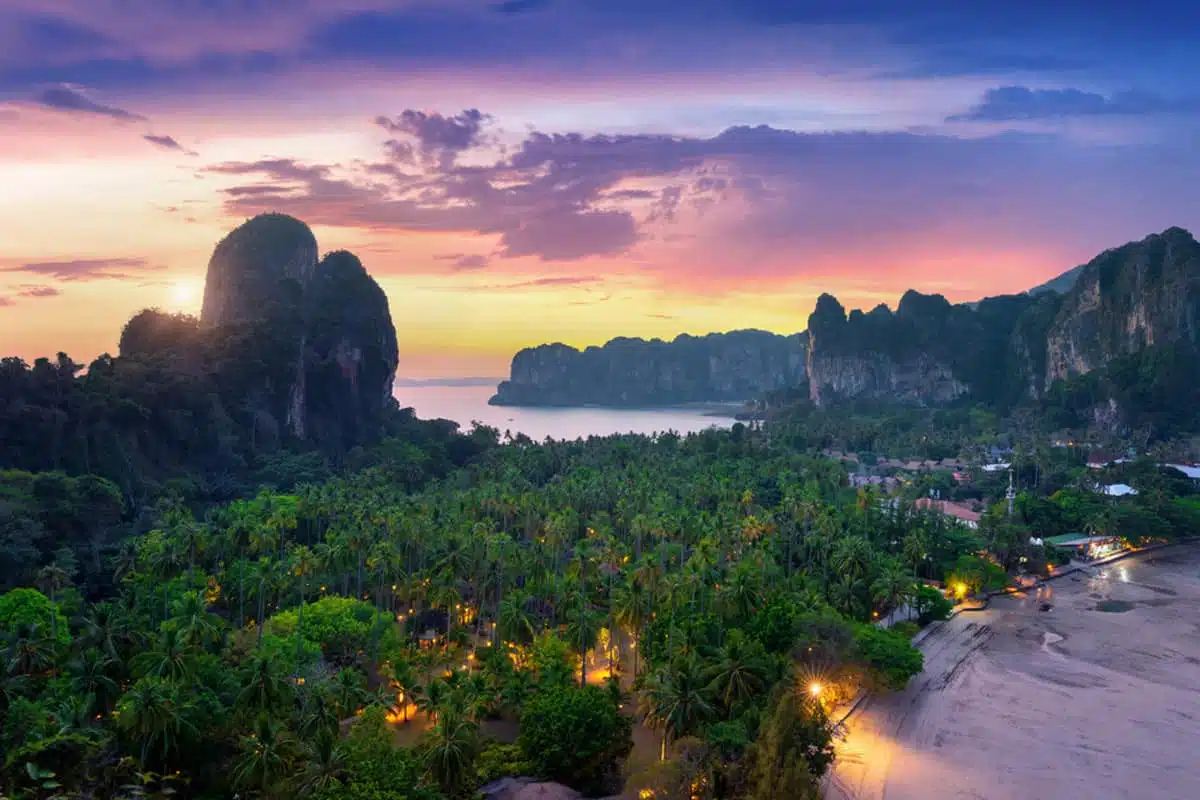
Krabi is a province of Thailand on the Andaman Sea, home to some of the best beaches and islands in South-East Asia, such as Railay Beach, a climber’s paradise, and the Phi Phi Islands, where The Beach was filmed. Its Maya Bay reopened in 2022, with swimming still banned.
With white sand beaches, crystal-clear waters and coral reefs, it’s no wonder Krabi tops most visitors’ Thailand lists.
50. Atacama Desert, Chile
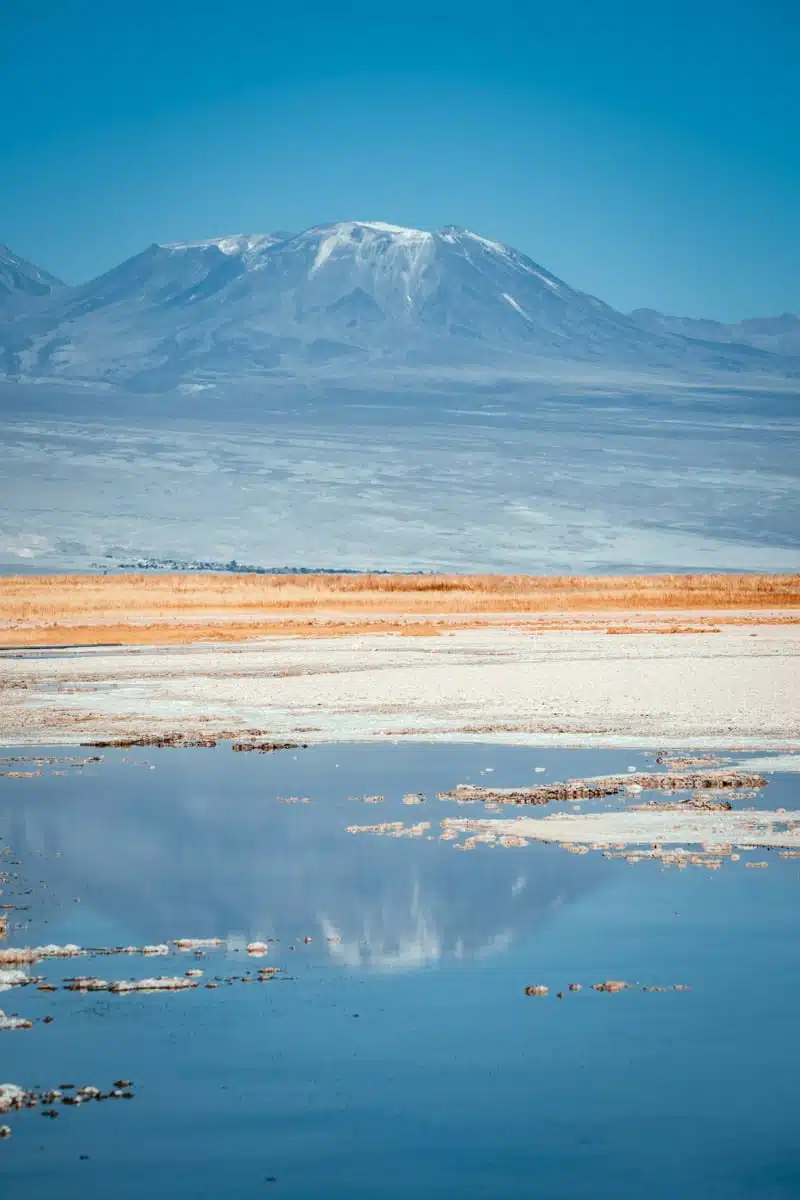
The Atacama Desert in northern Chile is one of the most surreal places on the planet.
Covering more than 100,000 square kilometres, it’s the driest non-polar place on earth. Mars-like valleys, brightly coloured lagoons, flamingos and the southern hemisphere’s largest geyser field: prepare to have your mind blown.
I hired a campervan in San Pedro de Atacama, and one evening found myself in the middle of the Salar de Atacama as the sky darkened, without a soul in sight. The silence was total, stiller than anywhere I’d been, and I loved it so much that I returned in July, in the southern winter.
51. Salar de Uyuni, Bolivia
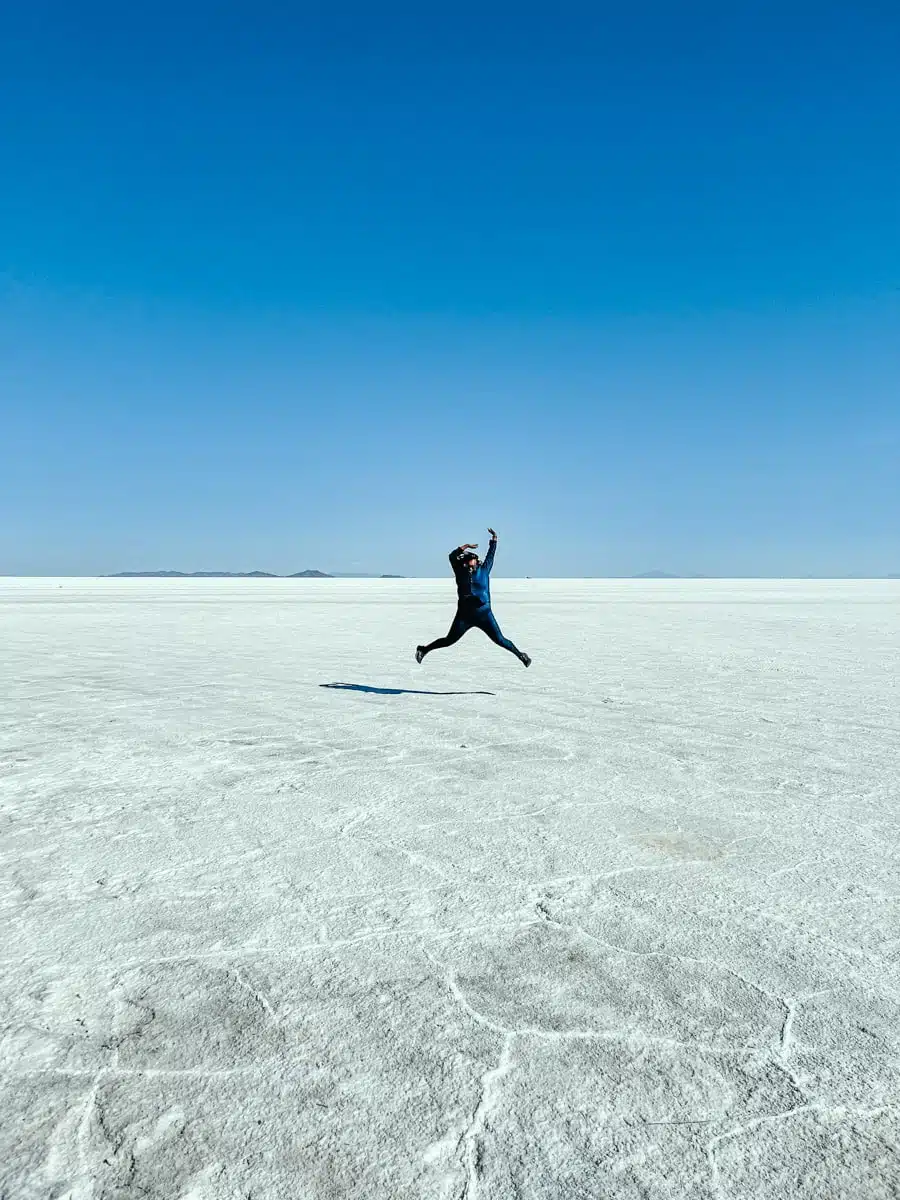
The Bolivia salt flats (Salar de Uyuni) are in south-west Bolivia, not far from the Atacama Desert.
At around 10,580 square km and 3,656m above sea level, they’re the largest salt flats in the world, left behind by prehistoric lakes now covered by a thick salt crust. Watching the sun rise over them with no one else in sight ranks among my all-time favourite travel moments. Come from January to March for the mirror effect.
52. Torres del Paine, Chile
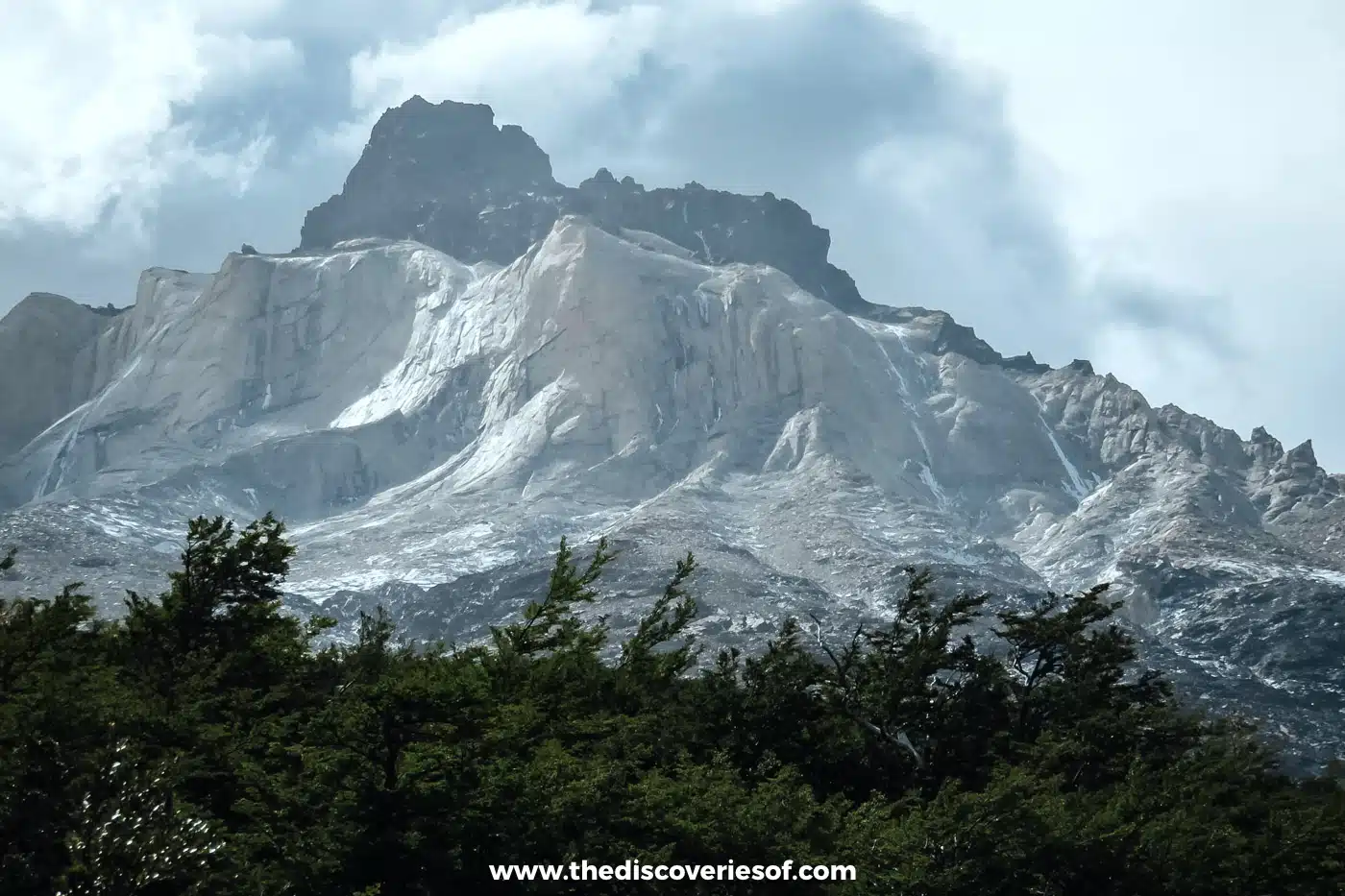
Torres del Paine National Park in Chilean Patagonia is known for its granite peaks, blue icebergs, glaciers and turquoise lakes.
If you’re fit enough, hiking the W Trek (four or five days) should be on your list of things to do before you die; feeling even more adventurous? The O Circuit takes seven to nine days. I did the W in January, on my own, and it was the biggest hike I’d done at the time.
The granite towers that give the park its name are the main attraction. It’s honestly one of the most incredible places I’ve visited and well worth the hype. Book campsites and refugios well ahead.
53. Lake District, UK
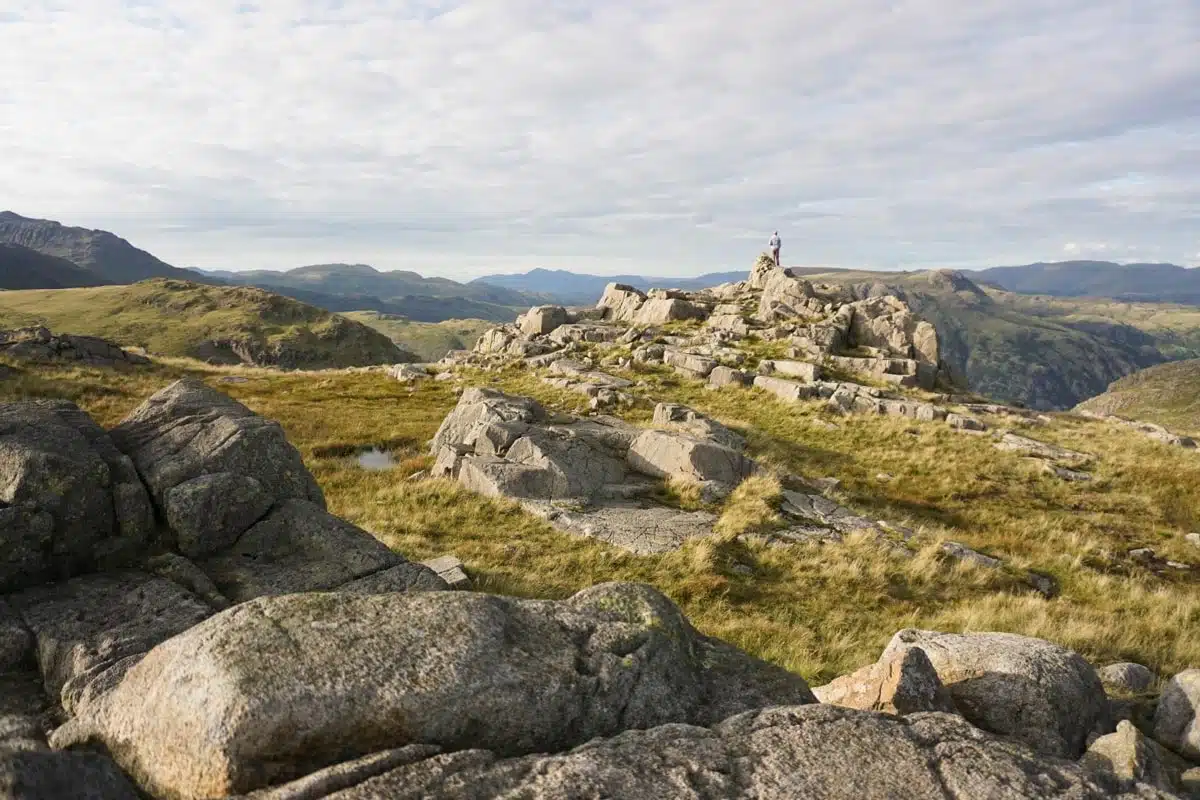
The Lake District is a mountainous area in Cumbria, in north-west England, whose fells, lakes and forests stretch over 2,362 square km.
A UNESCO World Heritage Site since 2017, it’s home to Scafell Pike, England’s highest mountain, and to its longest and deepest lakes. One of my favourite walks is what I call the cheat’s hike, up Cold Pike from Wrynose Pass, which gets you breathtaking views in an hour or so.
54. Mù Cang Chải, Vietnam
Mù Cang Chải is a rural district at the foot of the Hoàng Liên Sơn mountains in north-west Vietnam, in Yên Bái province.
Its rice terraces, recognised as a national heritage site, stretch across the mountainsides, and seeing the bright green paddies in real life is guaranteed to be a highlight of any trip to Vietnam. Go in late September, when the rice turns gold before the harvest.
55. Namib-Naukluft National Park, Namibia
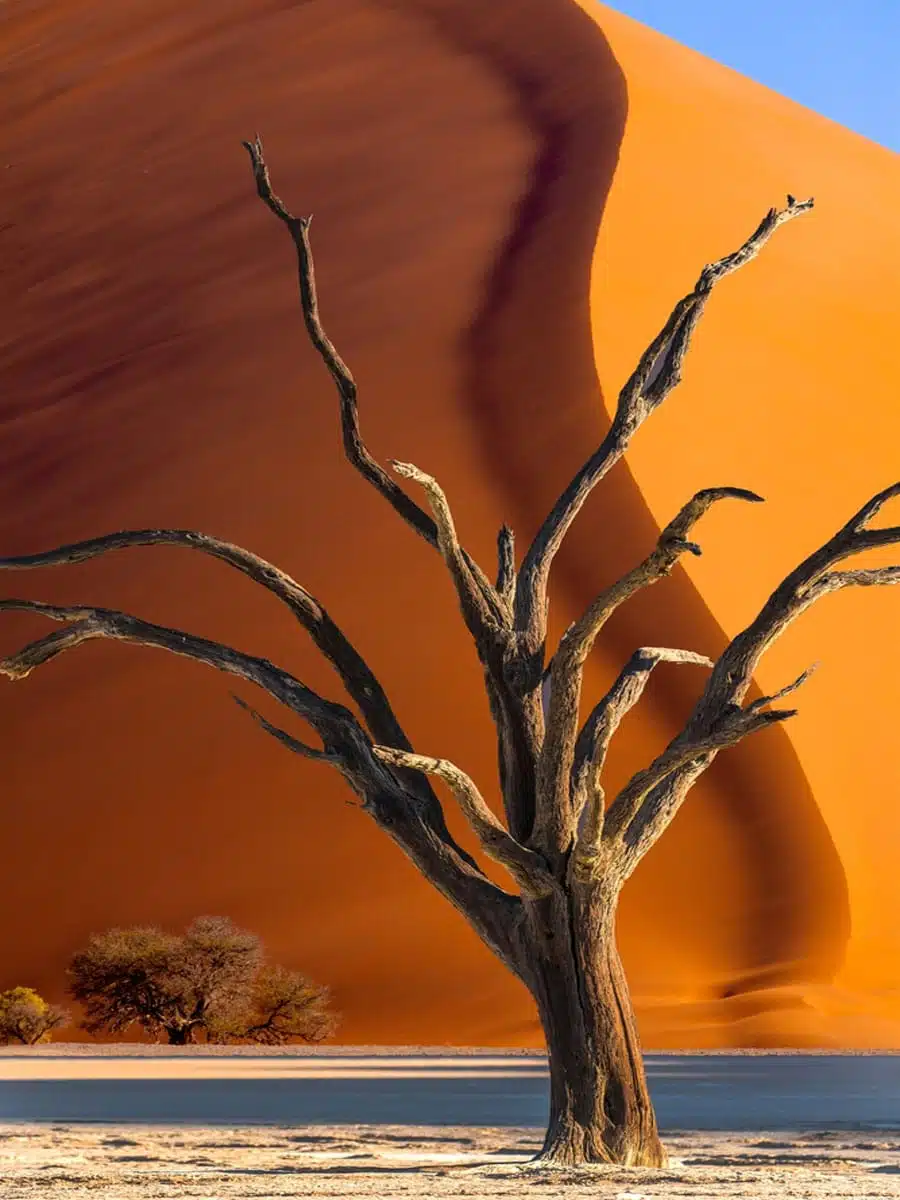
The Namib-Naukluft National Park covers a huge swathe of the Namib, often called the world’s oldest desert, and it’s one of the largest national parks in Africa. Oryx, hyenas and geckos live among its signature red and orange dunes. Don’t miss Sossusvlei and Deadvlei, where dead trees stand on a white clay pan.
56. Paro Valley, Bhutan
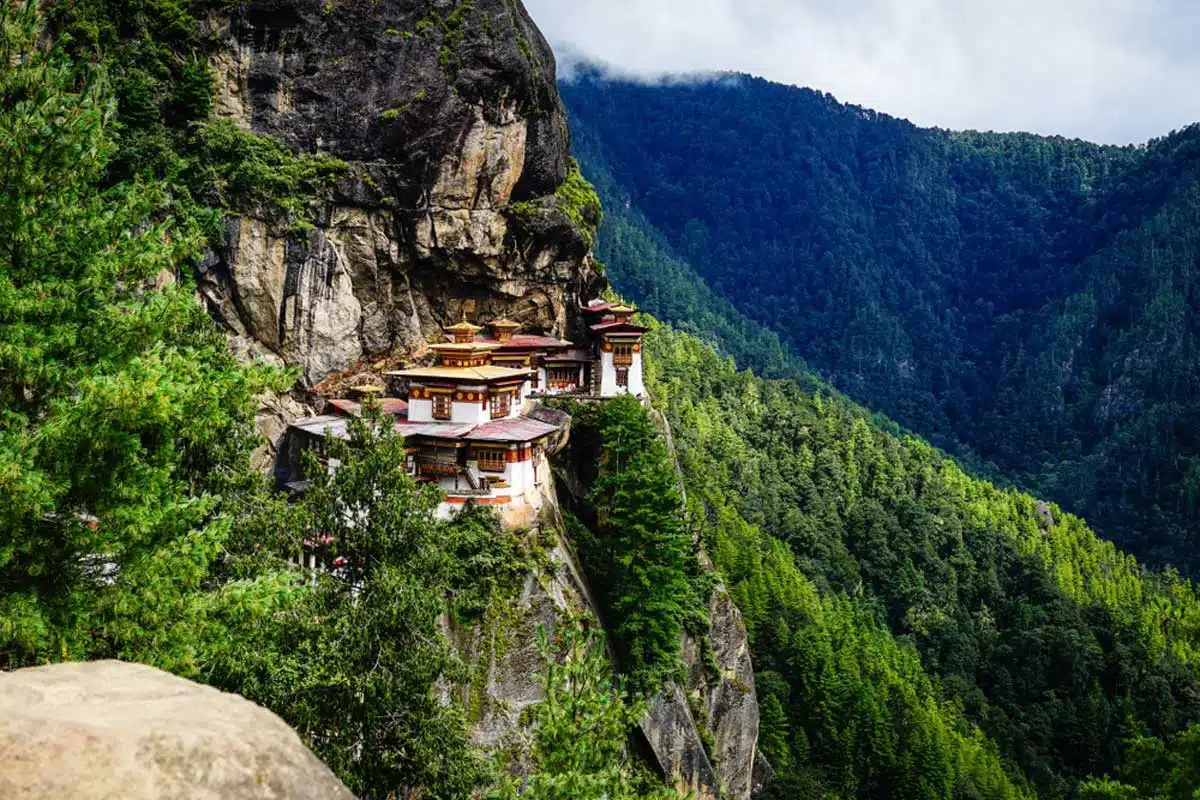
The Paro Valley is a lush valley in western Bhutan, full of culture, history and sacred sites.
If you’re visiting, you have to hike up to Paro Taktsang, the Tiger’s Nest monastery, which clings to a cliff about 900m above the valley and is one of the most sacred sites in Bhutan. Visitors pay a Sustainable Development Fee of $100 a night, halved until 2027.
57. Tuscany, Italy
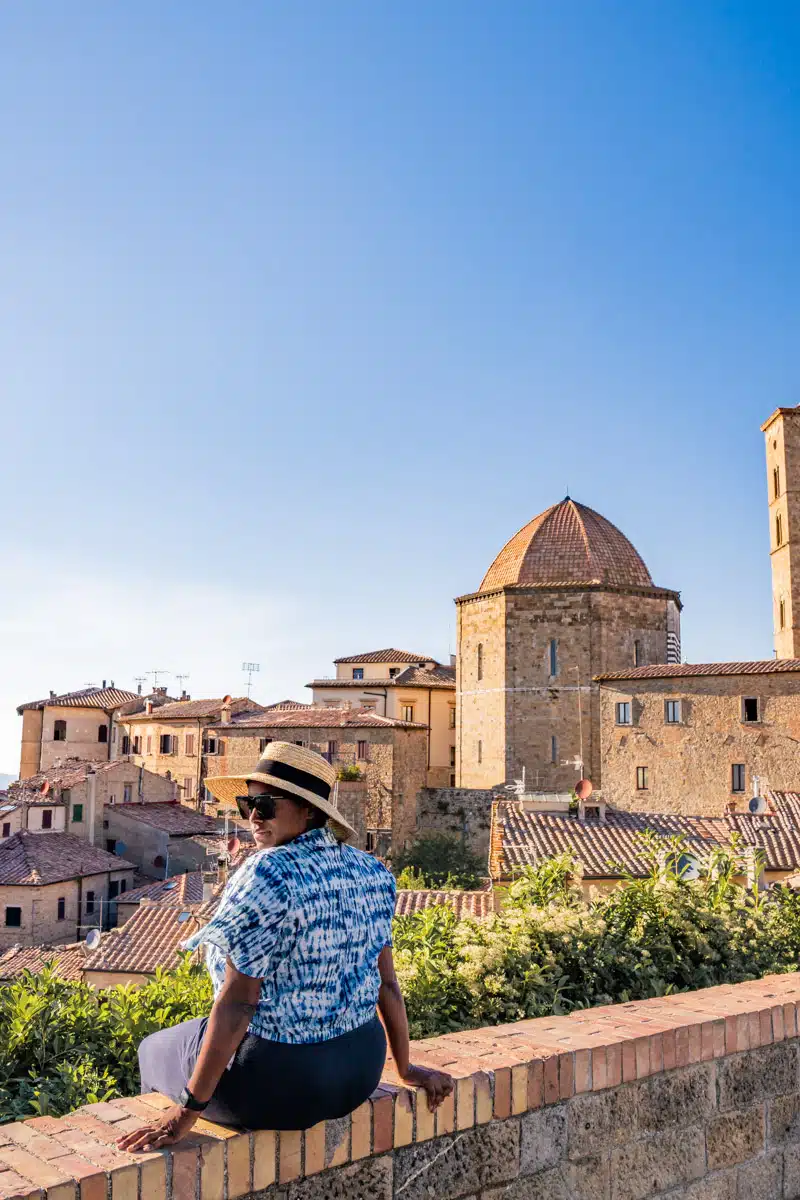
Tuscany is a region in central Italy, full of beautiful old villas, farms and wineries. As I’ve already mentioned, Florence, the capital of the region, is filled with things for art lovers to do.
Though it’s the gently rolling hills and green vineyards that make up a stunning landscape worthy of a postcard and a spot on your bucket list. Other must-visit towns include Montepulciano, Montalcino, Volterra and San Gimignano, where I’d save room for a gelato at Gelateria Dondoli.
58. Rovaniemi, Finland
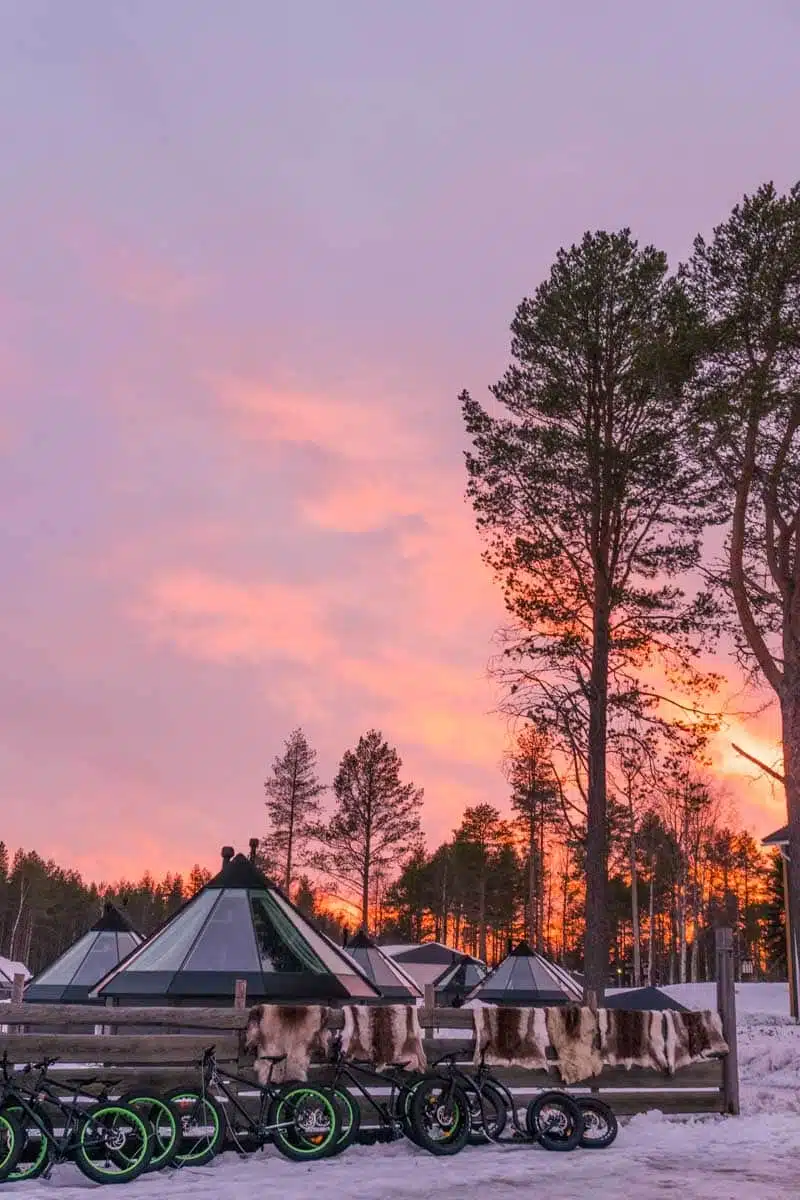
Rovaniemi sits right on the Arctic Circle in Finnish Lapland, and it’s the official hometown of Santa Claus. Santa Claus Village draws the crowds, but the real reason it belongs on this list is the sky above it.
Wide open and far enough north, Rovaniemi is one of the most reliable places on earth to see the Northern Lights, from late August to early April. I timed my March trip for the spring equinox, and Lapland delivered: a full-blown geomagnetic storm, nights under the glass roof of my Apukka suite, a snowmobile ride and a husky safari where I drove my own team.
Go between December and March for snow, proper darkness and the full Lapland experience, and pack for serious cold: we’re talking -20°C some nights.
59. Uluru, Australia
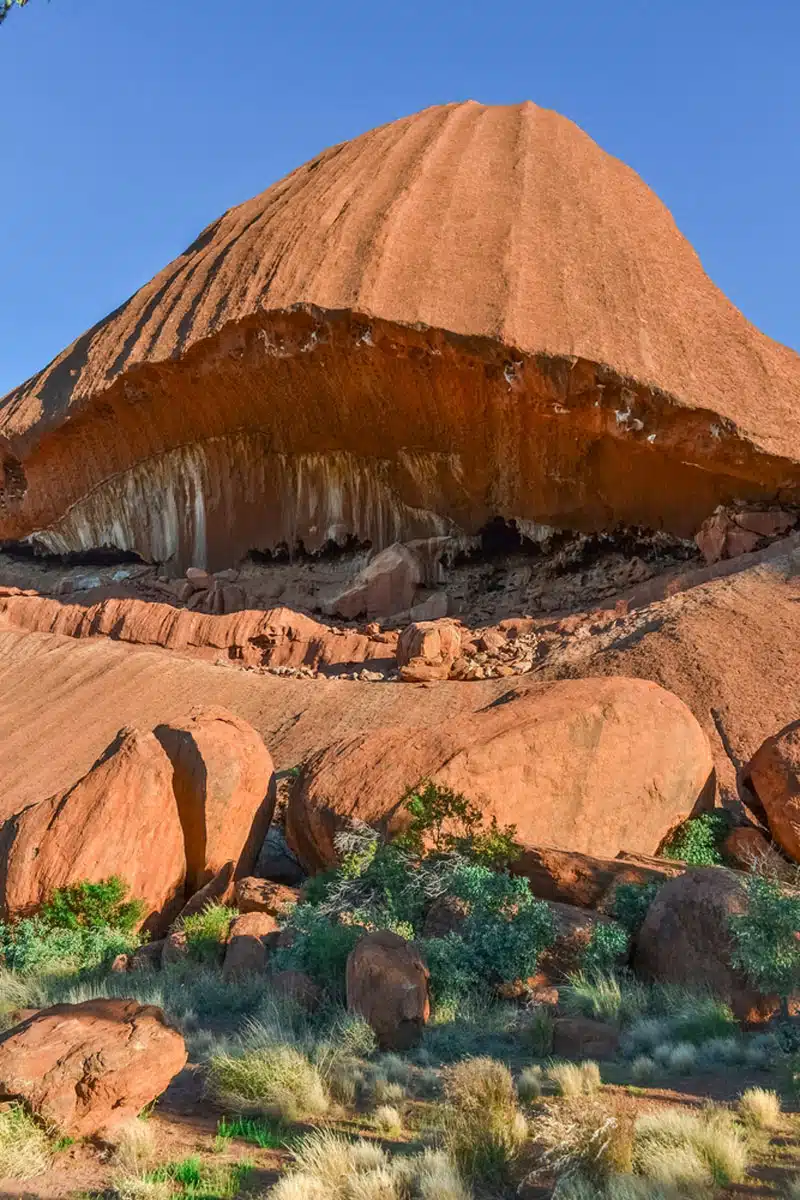
Uluru (previously known as Ayers Rock) is a huge sandstone rock in the red centre of Australia, rising around 348 metres above the plain. A UNESCO World Heritage Site since 1987, it’s home to waterholes, springs and rock art.
It’s one of the most sacred sites of the Anangu people. Climbing it has been banned since 2019, but you can still soak up its presence on the 10km base walk, ideally at sunrise or sunset.
60. Cinque Terre, Italy
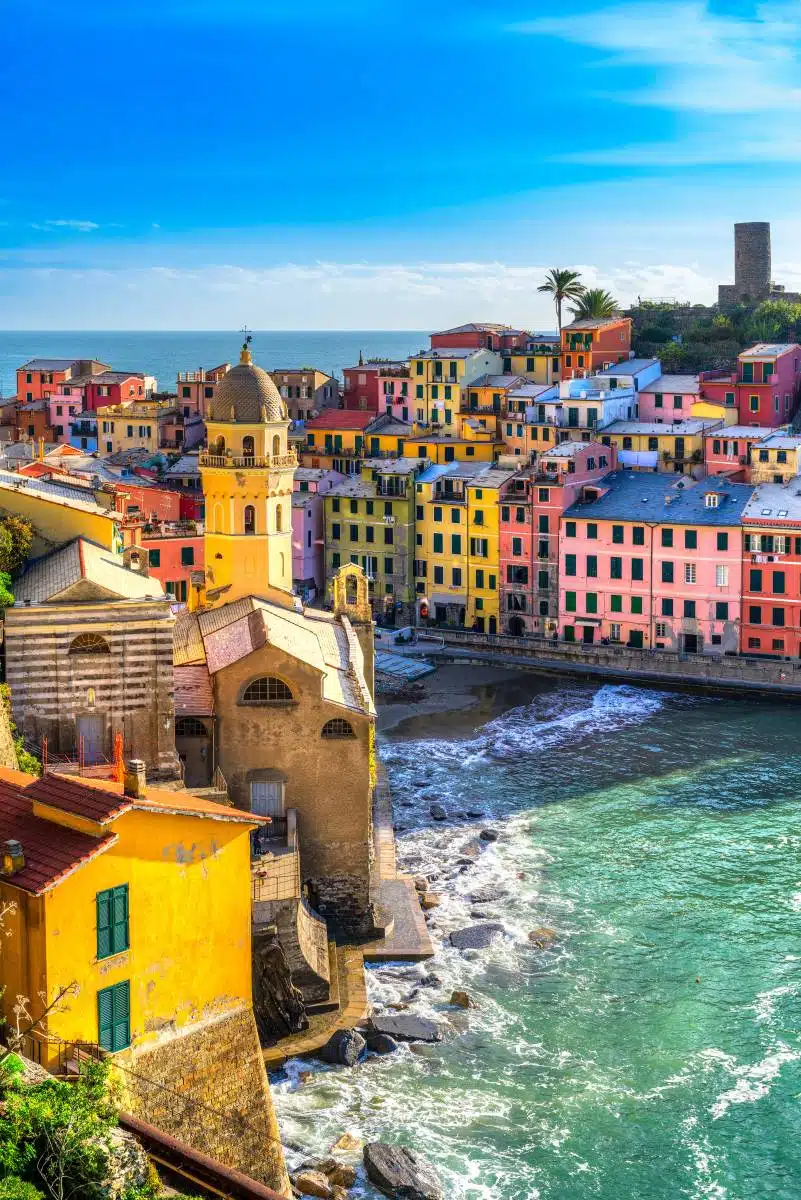
Cinque Terre is a string of five seaside villages, Riomaggiore, Manarola, Corniglia, Vernazza and Monterosso, in Liguria, Italy. A UNESCO World Heritage Site since 1997, it’s full of colourful houses, vineyards and blue harbours.
I’m betting it’s one of the most photographed places in Italy, but once you go, you can easily see why. Gorgeous views, even better wine and a chilled-out pace of life: what’s not to love? The famous Via dell’Amore path reopened in 2024 with booked, timed tickets.
61. Leaning Tower of Pisa, Italy
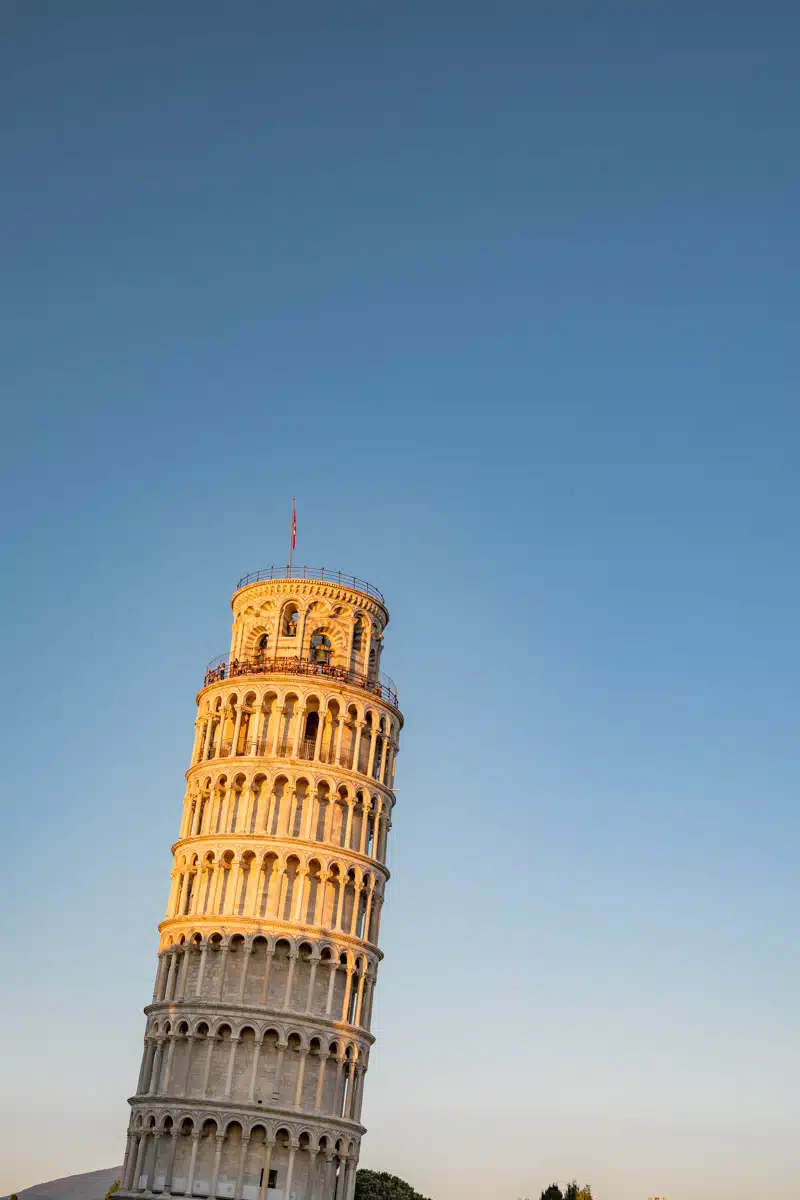
The Leaning Tower of Pisa is the free-standing bell tower of Pisa Cathedral. Completed in 1372 after almost two centuries of building, the 56-metre tower is famed for its unintended tilt, the result of the soft ground beneath it.
Take the obligatory selfie (or three: don’t miss the one where you pretend to push it over!), but don’t forget to explore the rest of Pisa, which is surprisingly quiet away from the big sights.
62. Golden Gate Bridge, USA
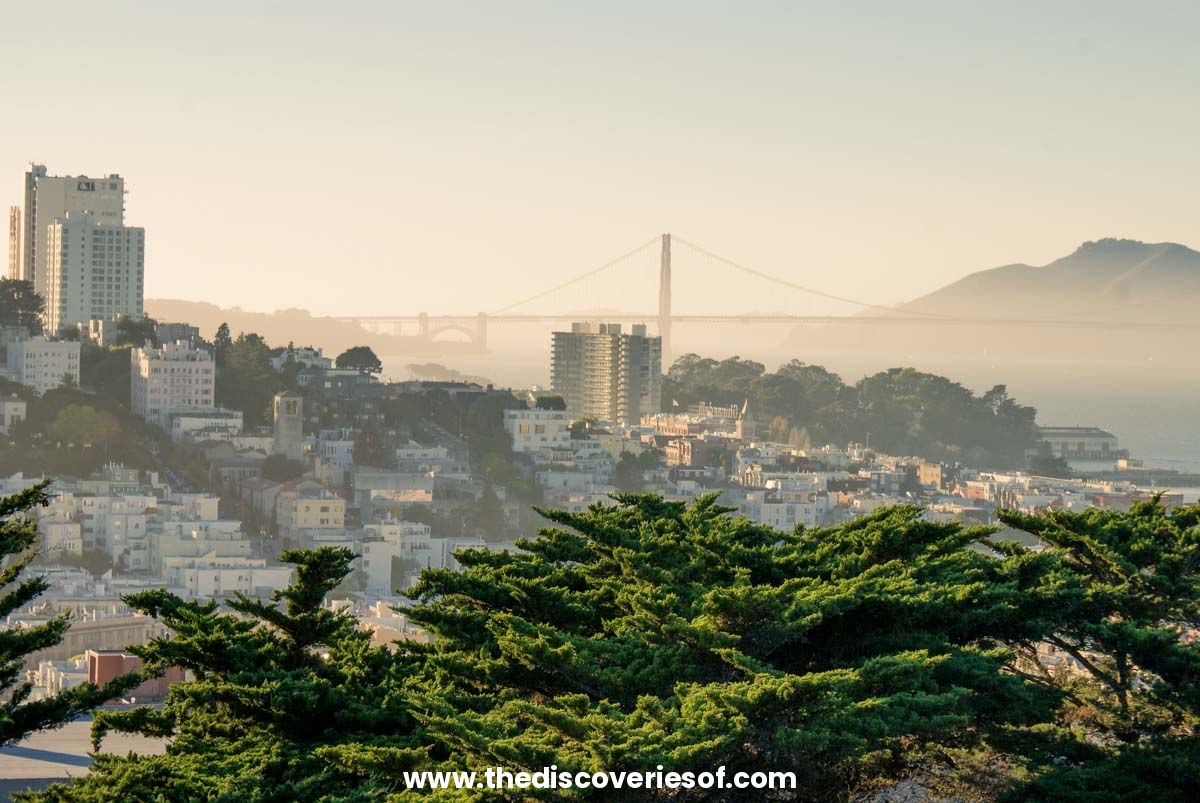
The Golden Gate Bridge is a suspension bridge with a 1,280m main span linking San Francisco with Marin County. Opened in 1937 at a cost of $35 million, it’s the icon of my favourite big American city and probably the most photographed bridge on the planet.
If you ask me, the best approach is on foot, through Golden Gate Park and along the coastal paths, glimpsing the red towers between the trees until the full span appears. Walking across is free.
63. Eiffel Tower, France
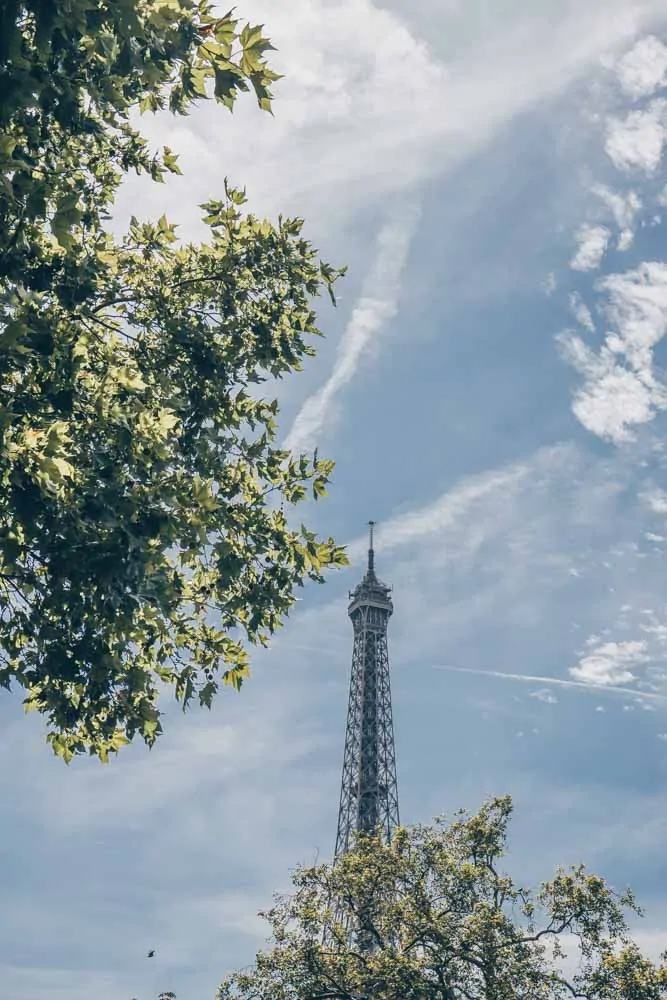
The Eiffel Tower is a wrought iron lattice tower on the Champ de Mars in Paris, built by Gustave Eiffel’s company for the World’s Fair of 1889.
At 330m tall, it’s synonymous with the City of Love. Head to the top for amazing views, booking online. On my last visit it was baking hot and heaving with people, so my tip is to see it from the Trocadéro in the evening, when it sparkles on the hour.
64. Christ the Redeemer, Brazil
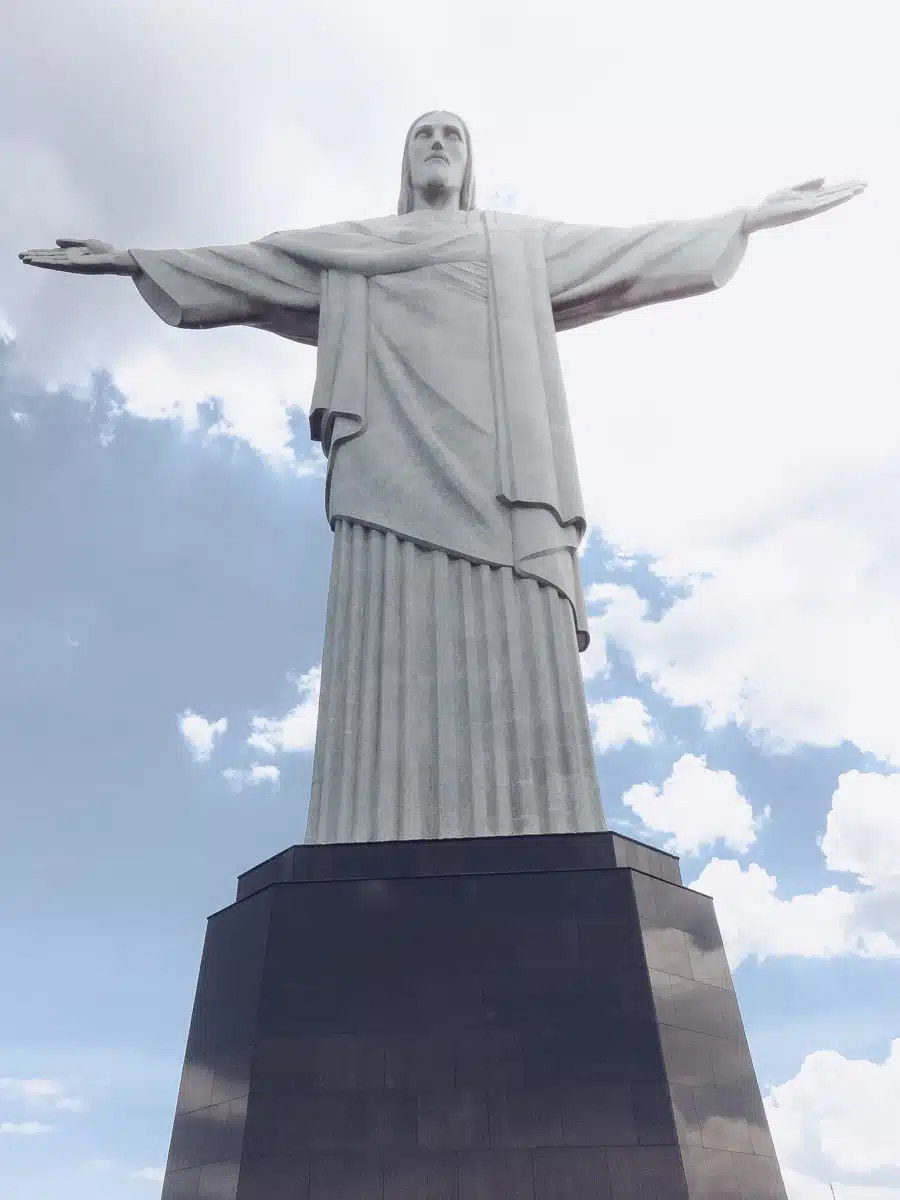
The Christ the Redeemer statue stands over Rio de Janeiro, Brazil. Completed in 1931 and designed by Paul Landowski with the engineer Heitor da Silva Costa, the 30-metre statue sits on top of Corcovado mountain, looking over the city.
You can reach it on a tough hike through the Tijuca rainforest, or by cog train or official van. Whichever way you get there, the view of the city spread out below is one of Rio’s real highlights.
65. The Palm Jumeirah, United Arab Emirates
The Palm Jumeirah is a group of artificial islands off Dubai, United Arab Emirates. It might not be the first thing that comes to mind when you think about things to do before you die, but it’s well worth the trip.
Built between 2001 and 2006, the Palm is now full of luxury hotels, restaurants and residences, one for the luxury lovers among you. It’s also home to arguably the best water park in Dubai: spend a day cooling off at Atlantis Aquaventure.
66. St Basil’s Cathedral, Russia
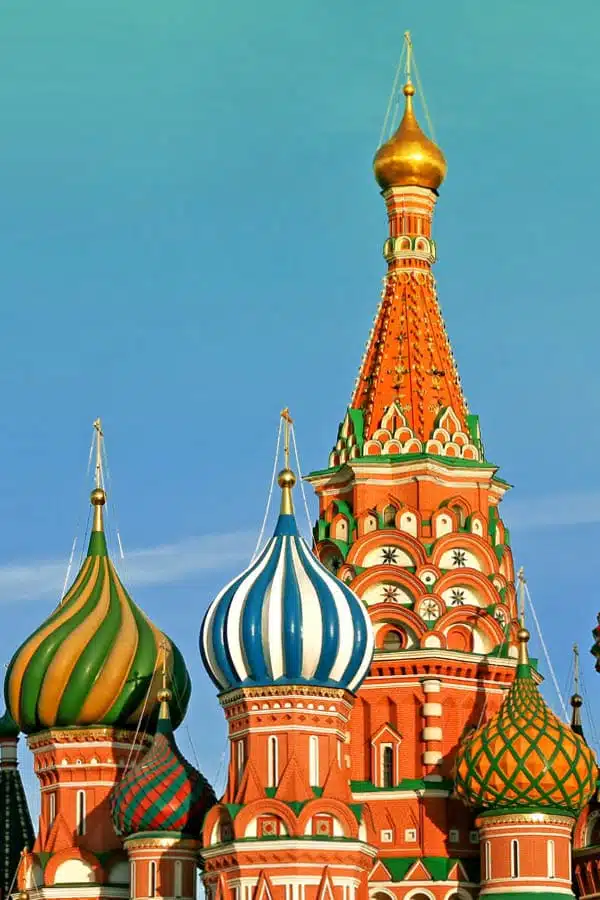
St Basil’s Cathedral on Red Square in Moscow, built in 1561 and inspired by the flame of a bonfire rising into the sky, is one of the most extraordinary pieces of architecture in the world, colourful and completely unlike anything else. Note: most Western governments currently advise against all travel to Russia. Check your government’s travel advice before planning any visit.
67. Sydney Opera House, Australia
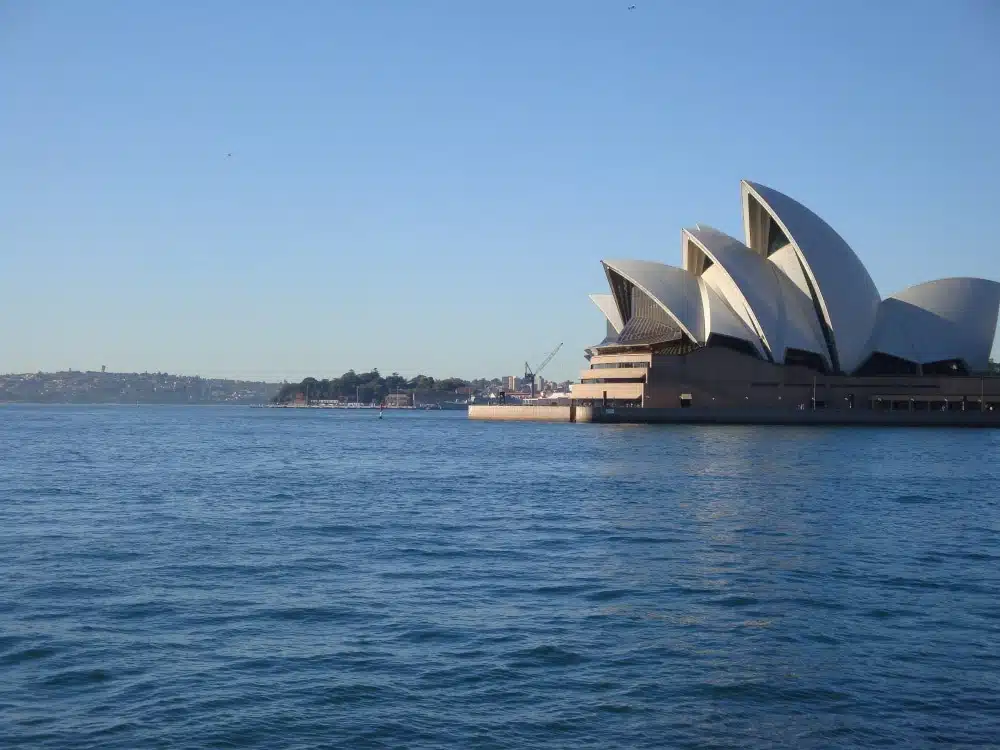
The Sydney Opera House is an arts venue on Bennelong Point on Sydney Harbour, Australia. Opened in 1973, it became a UNESCO World Heritage Site in 2007.
Its sail design, with the Sydney Harbour Bridge behind, is the iconic image of Sydney and a must on your Australia bucket list. Take a guided tour inside, or better still, catch a performance.
68. Statue of Liberty, USA
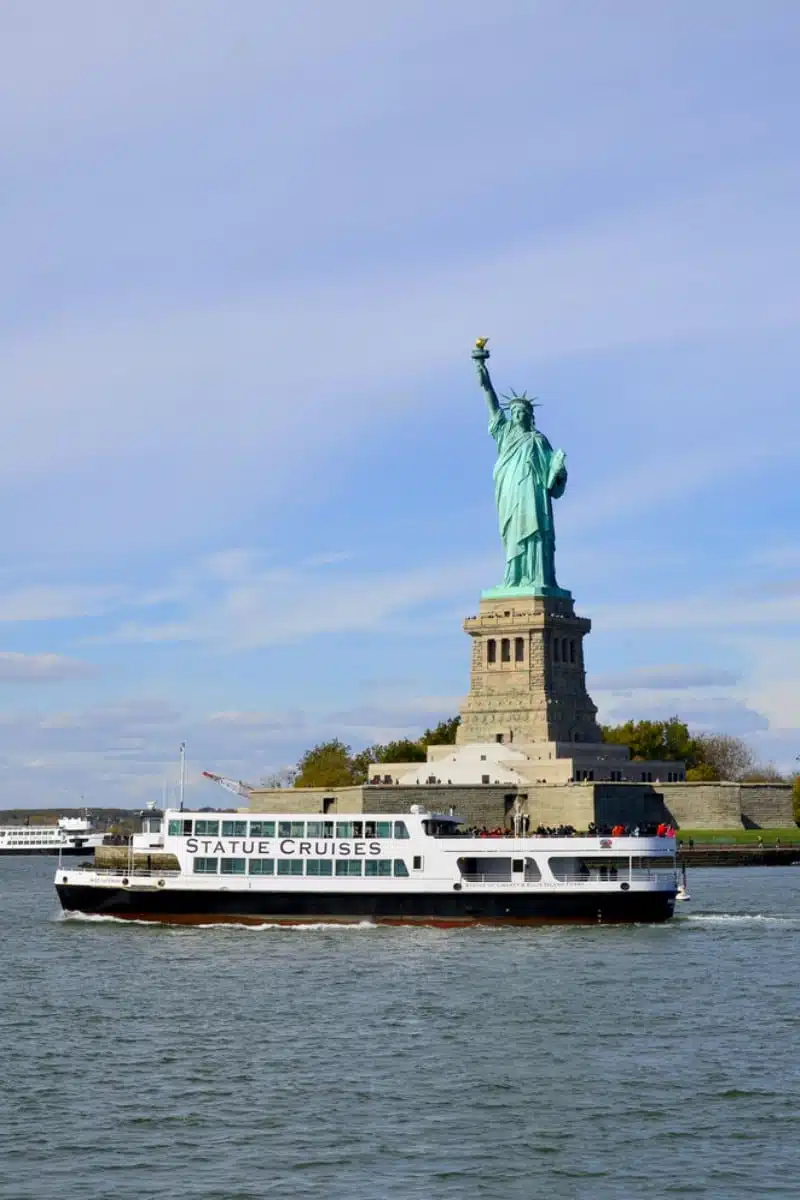
The Statue of Liberty stands on Liberty Island in New York Harbor, holding a torch and a tablet inscribed with the date of the American Declaration of Independence.
Designed by Bartholdi, with an iron framework by Gustave Eiffel, it was a gift from France, dedicated in 1886. It used to be the first sight of New York for those sailing into the city, and the boat trip is no less striking today. Book crown tickets months ahead. There’s so much more to enjoy in New York, from shopping to rooftop restaurants in New York.
69. Big Ben, United Kingdom
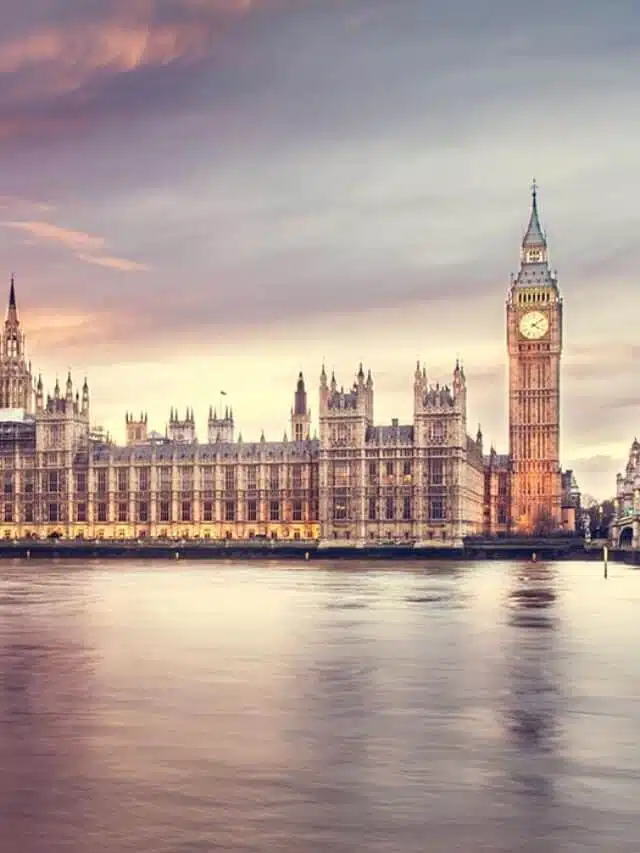
Big Ben, technically the nickname for the bell inside the Elizabeth Tower at the end of the Palace of Westminster, has been keeping time since 1859. It looks magnificent after its restoration, completed in 2022, and is best seen from a Thames boat for the full unobstructed view.
70. Empire State Building, USA
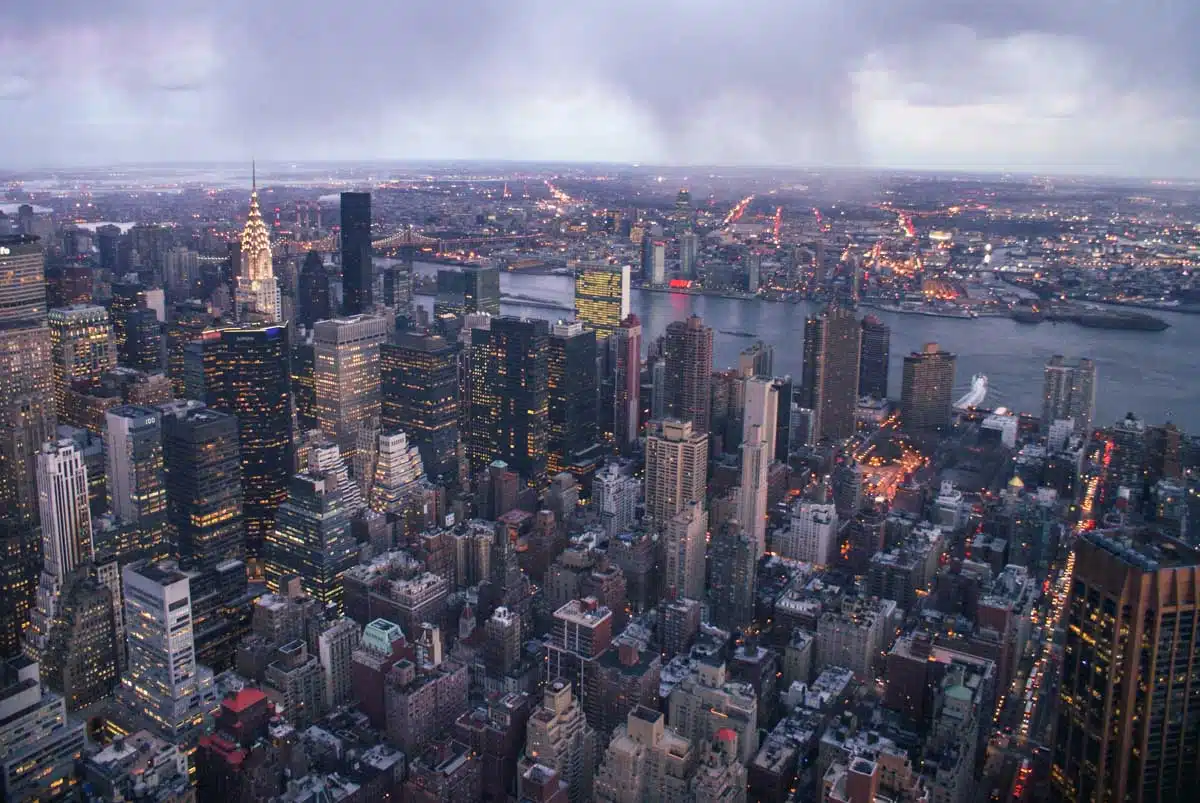
The Empire State Building is a skyscraper on Fifth Avenue in Manhattan, New York City (between West 33rd and 34th streets to be precise).
The 102-storey Art Deco tower opened in 1931, has viewing decks on the 86th and 102nd floors, and was designated a National Historic Landmark in 1986. The views are spectacular, but I’ll be honest: I’d pick the Top of the Rock, because its view includes the Empire State Building itself.
71. Mount Everest, China / Nepal
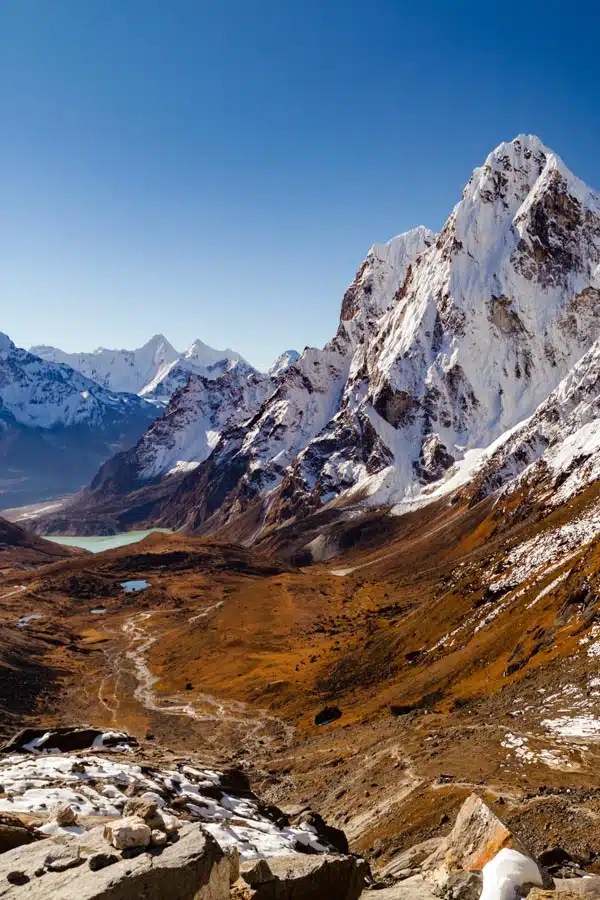
Mount Everest, in the Mahalangur range of the Himalayas, is the highest mountain on earth at 8,848.86m, with the border between China and Nepal running across its summit.
Since it was first climbed in 1953, it has drawn climbers on two main routes, from Nepal and from Tibet. A Nepali spring permit now costs $15,000, but the trek to Everest Base Camp, around 12 days, is the bucket list adventure for most of us. Do you dare to rise to the challenge?
72. Rainbow Mountain, Peru
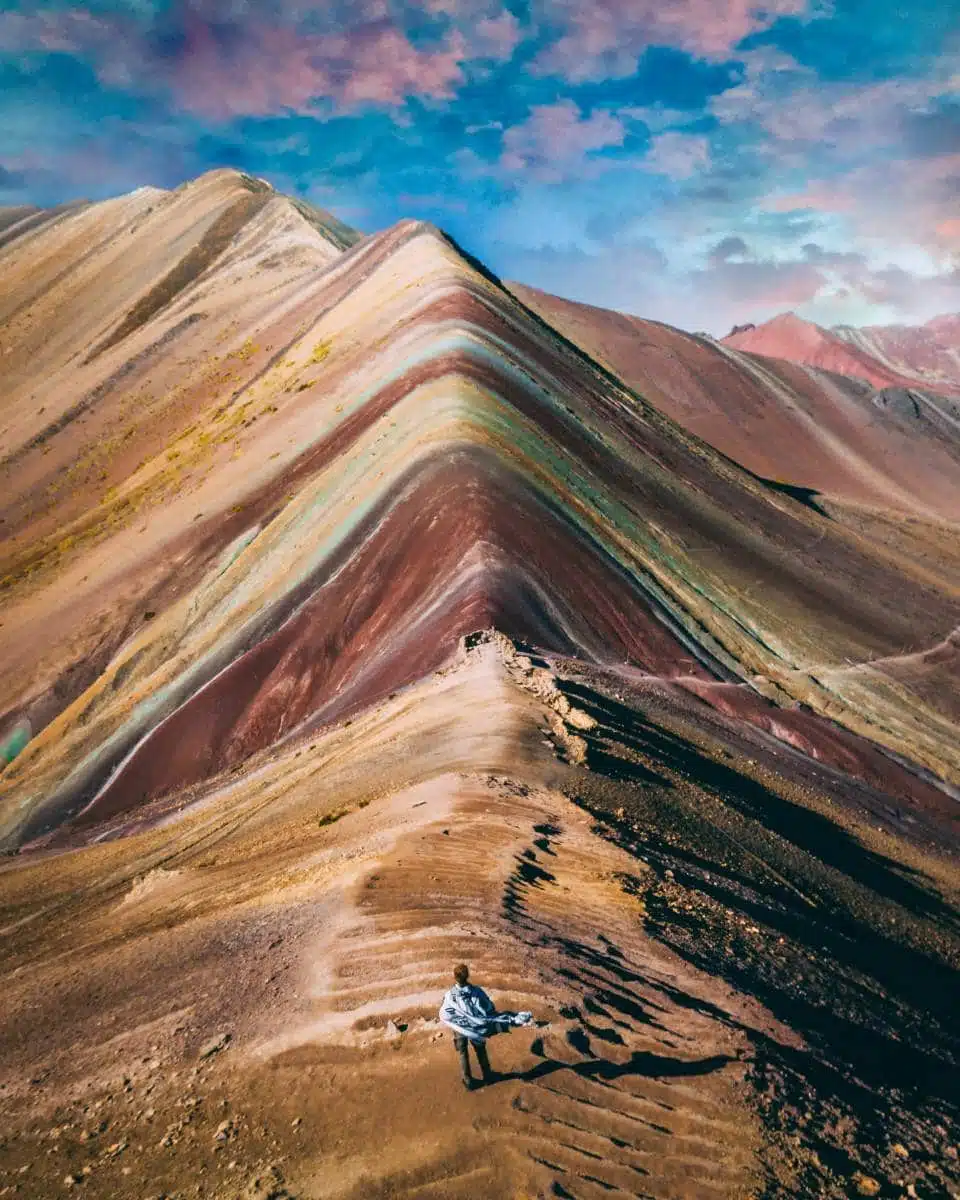
Mount Vinicunca, also known as Rainbow Mountain, is a mountain in the Andes in Cusco, Peru.
At around 5,200m, its mineral-striped slopes come with desert landscapes, snow-capped peaks and lots of alpacas! Most people go on a long day trip from Cusco, so spend a few days in the city first to adjust to the altitude.
73. Matterhorn, Switzerland
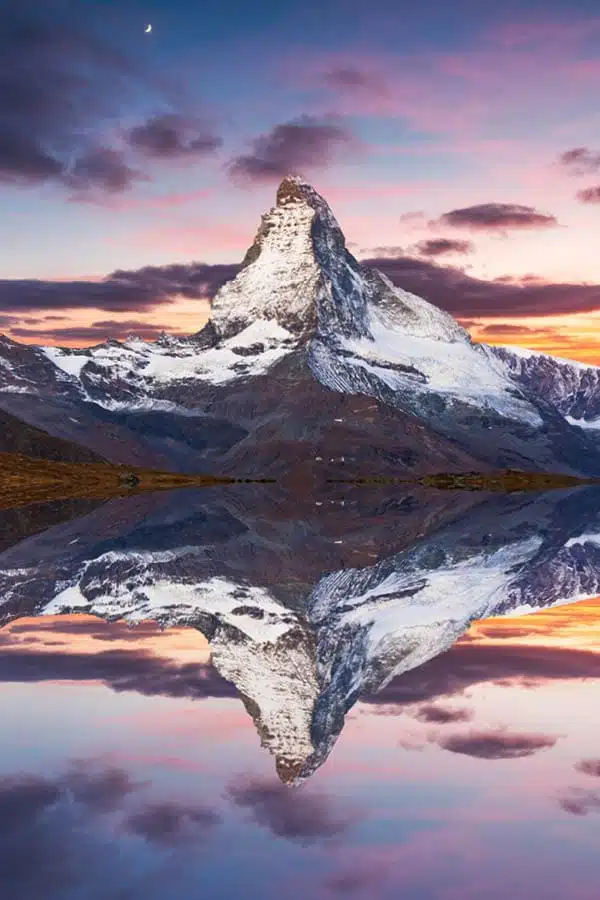
The Matterhorn sits in the Alps on the Swiss-Italian border. At 4,478m, it’s one of the highest mountains in Europe, an incredibly beautiful, almost symmetrical peak surrounded by glaciers.
Skilled mountaineers can climb it, but even if that’s not you, I pretty much guarantee you’ll be blown away by the views from car-free Zermatt and the Gornergrat railway.
74. Fitz Roy, Argentina / Chile
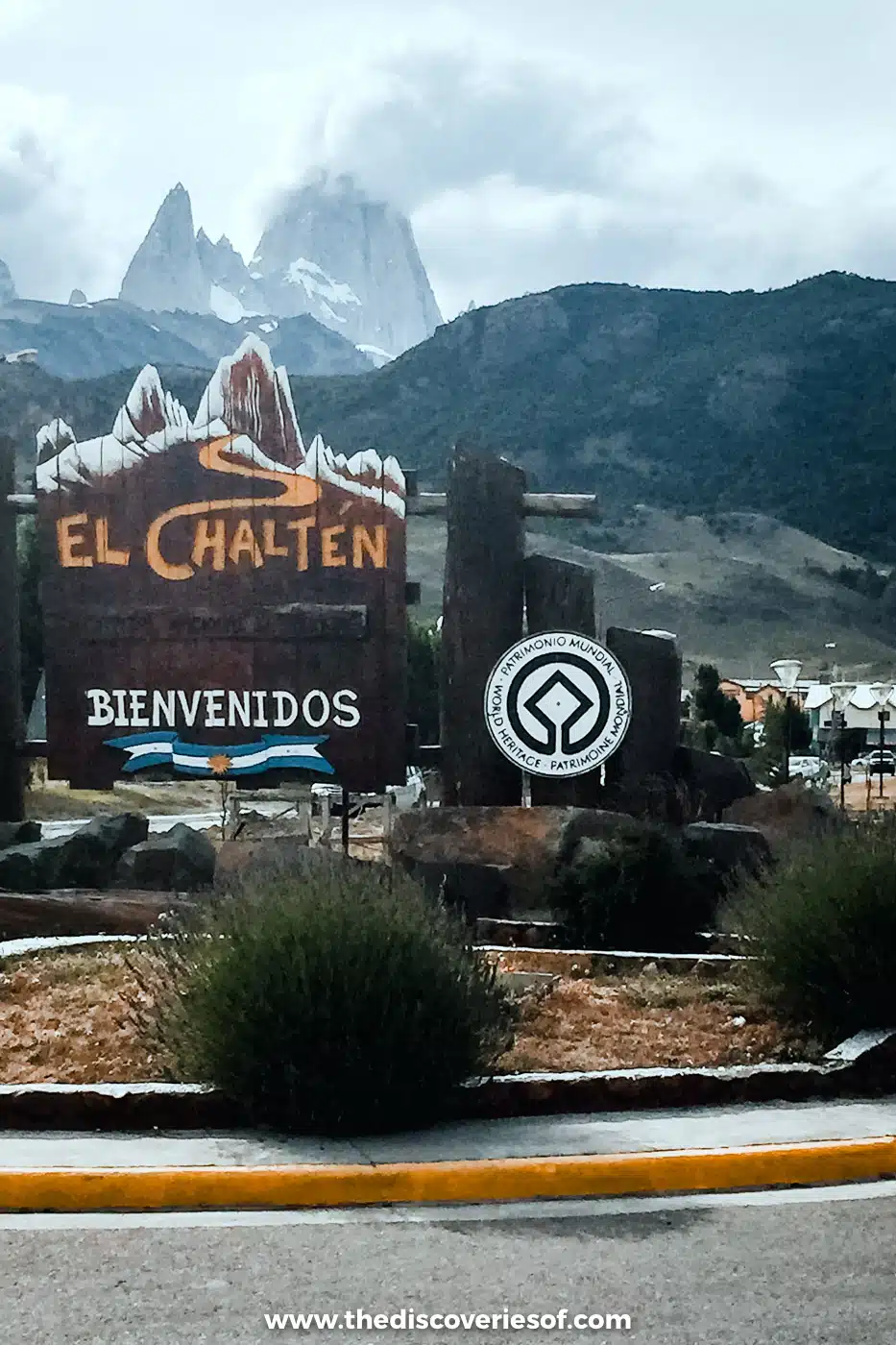
Mount Fitz Roy is a mountain in Patagonia, near El Chaltén on the border of Argentina and Chile.
First climbed in 1952, it remains one of the most challenging climbs on earth, its granite summit rising to 3,405m.
Not quite up to the challenge? You can hike to its base at Laguna de los Tres from El Chaltén, a long day with a steep final climb. El Chaltén was a day trip for me, and I hiked to Laguna Torre with Fitz Roy looming over the town.
75. K2, China / Pakistan
K2, also known as Mount Godwin-Austen, is the second-highest mountain in the world, at 8,611 metres, on the border between China and Pakistan.
Not many dare to climb K2 as it is so dangerous. It’s sometimes called the “Savage Mountain”, and for decades around one in four climbers who reached the top never made it back. The trek up the Baltoro Glacier to its base camp is adventure enough for most.
76. Table Mountain, South Africa
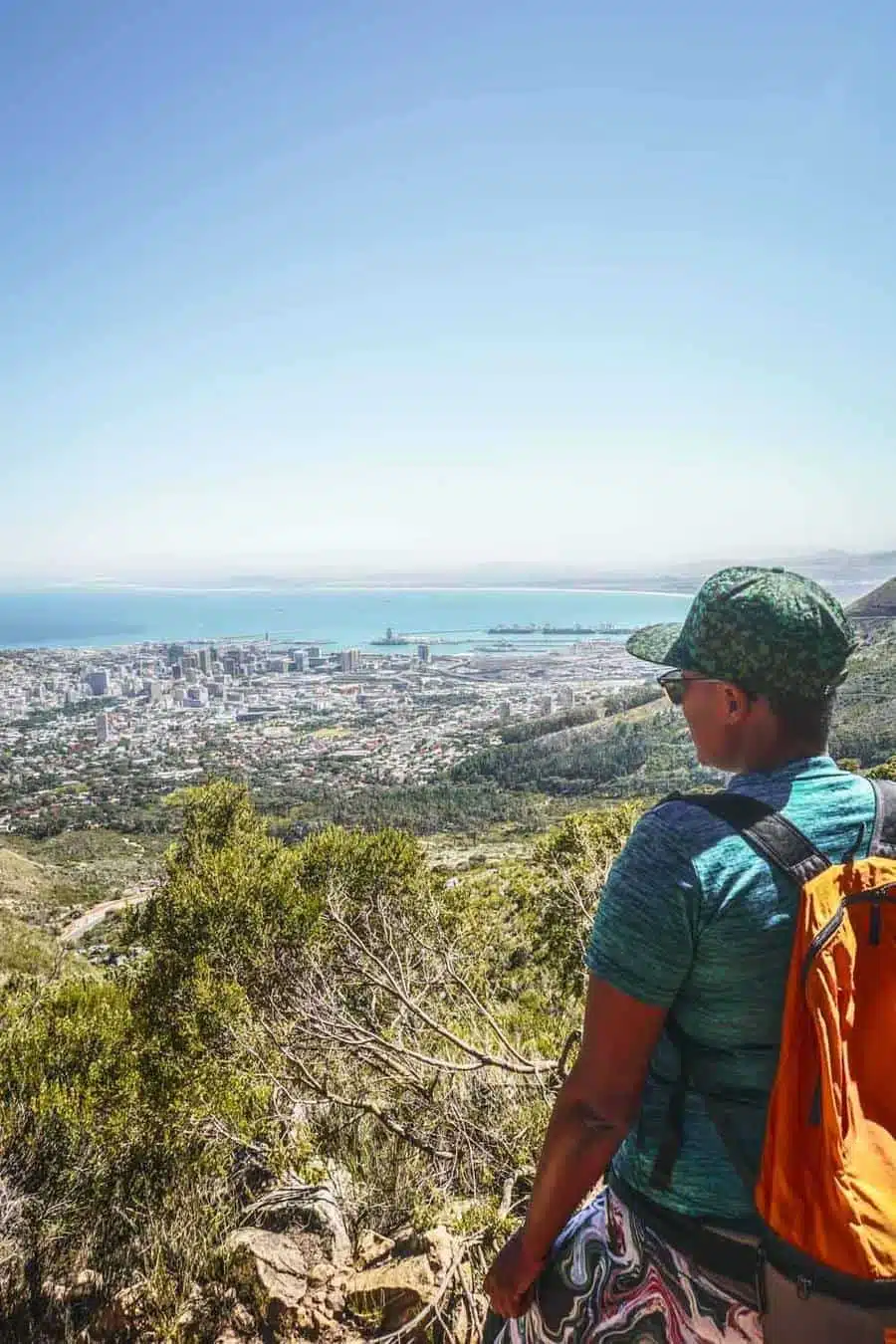
Table Mountain is a flat-topped mountain overlooking Cape Town in South Africa. It’s just over 1,085 metres tall and 3km from side to side.
Visitors either hike up or take the cable car (hint: do the hike, it’s awesome). It was one of my favourite things to do in Cape Town, though learn from my mistake and don’t squeeze in Kirstenbosch the same day. The views from the top show exactly why Cape Town is often named one of the world’s most spectacular cities.
77. Banff National Park, Canada
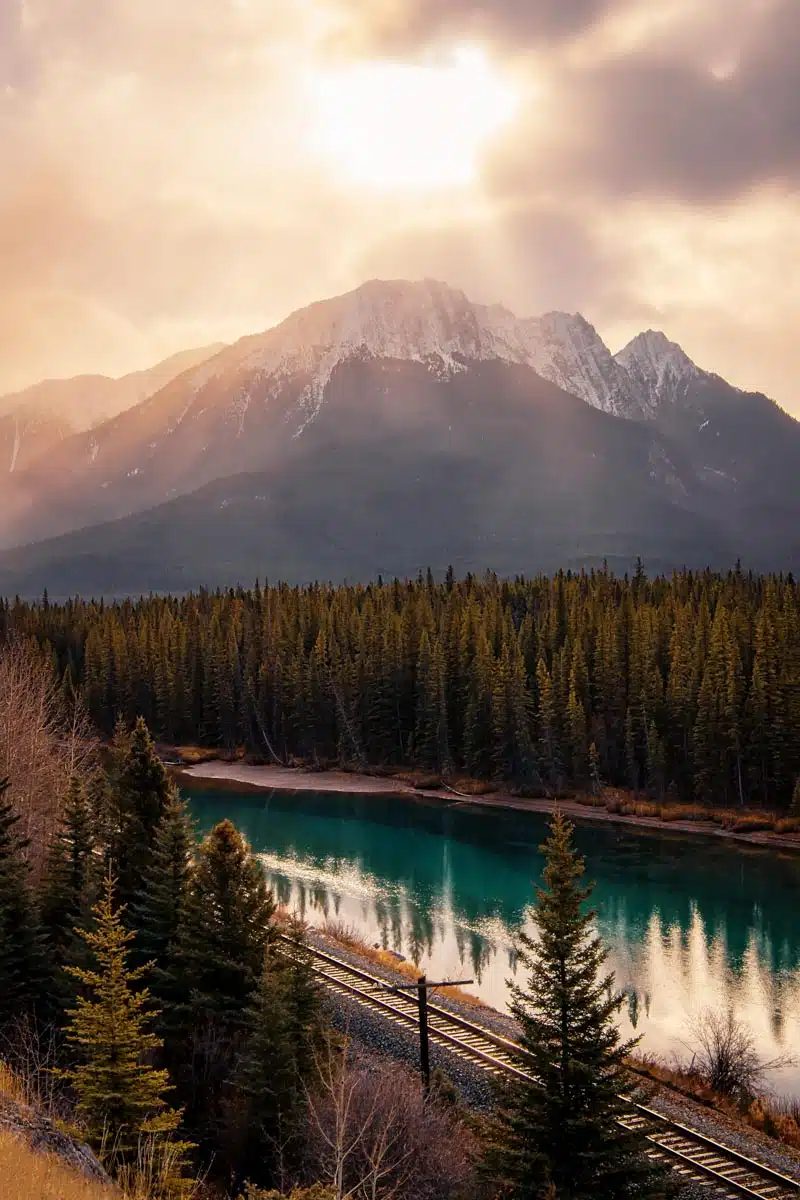
Banff National Park is Canada’s national playground. Founded in 1885 as Canada’s first national park, it’s part of the Canadian Rocky Mountain Parks UNESCO site, and its highest peak is Mount Forbes, at 3,612m.
Its snow-capped mountains, green forests and glacial lakes are too tempting not to explore. Moraine Lake is closed to private cars, so take the Parks Canada shuttle.
78. Mount Huangshan, China
Mount Huangshan is a mountain range in Anhui province in eastern China, with its highest peak reaching 1,864 metres. It’s famous for its granite peaks above a sea of clouds, twisted pines and sunrises.
Designated a UNESCO World Heritage Site in 1990, it’s known as the loveliest mountain in China. Even more reason to see it with your own eyes.
79. Atlas Mountains, Morocco
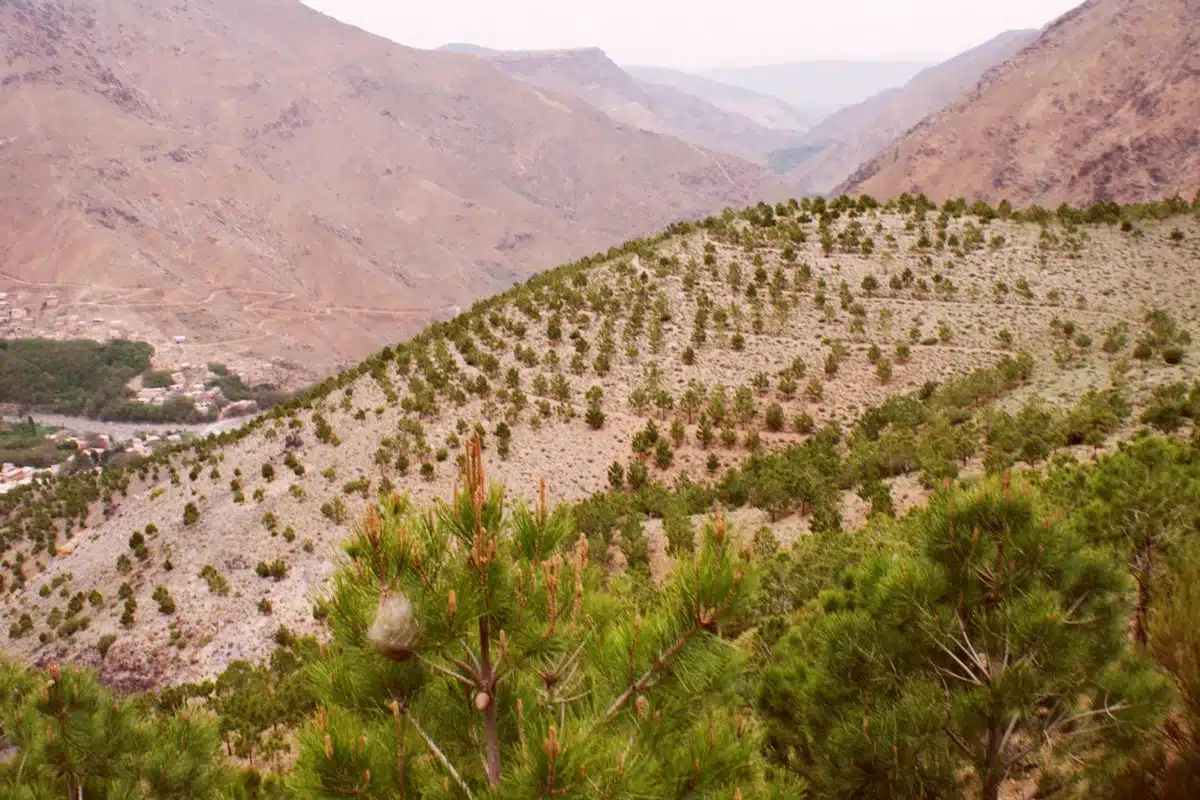
The Atlas Mountains are a range in north-west Africa. Their highest peak is Jebel Toubkal, at 4,167 metres, in Morocco.
Lush valleys, snow-capped peaks and Amazigh (Berber) villages make trekking here a fantastic experience, and Imlil, the base for Toubkal, is about 90 minutes from Marrakech. The 2023 earthquake hit the High Atlas hard, so local guides and village guesthouses help the recovery.
80. Mont Blanc, France
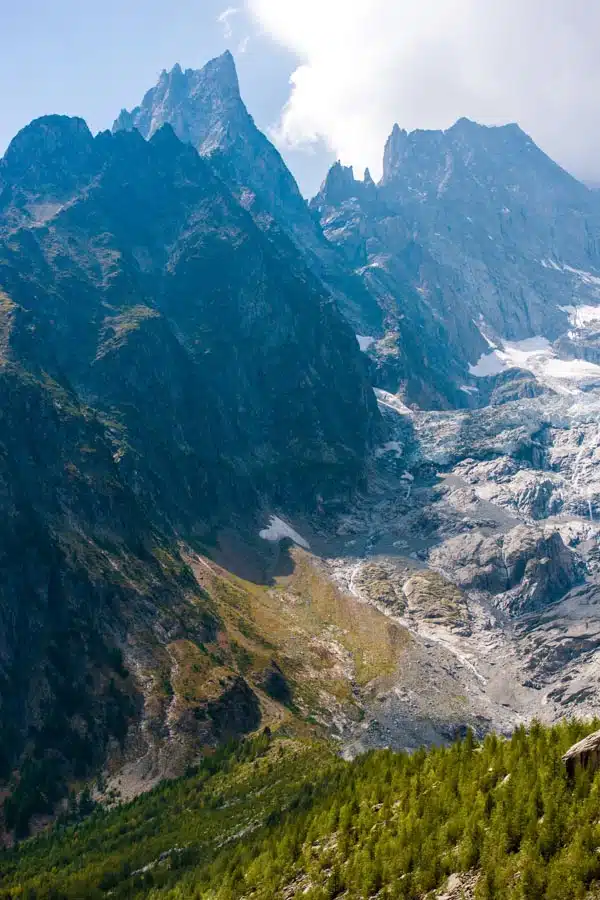
Mont Blanc (meaning “white mountain”) is in the Graian Alps, on the border between France and Italy.
At around 4,806m, it’s the highest mountain in the Alps and western Europe, popular for hiking, mountaineering and skiing. The Aiguille du Midi cable car from Chamonix lifts you to 3,842m, and the Tour du Mont Blanc is one of the world’s classic treks.
81. Yellowstone, USA
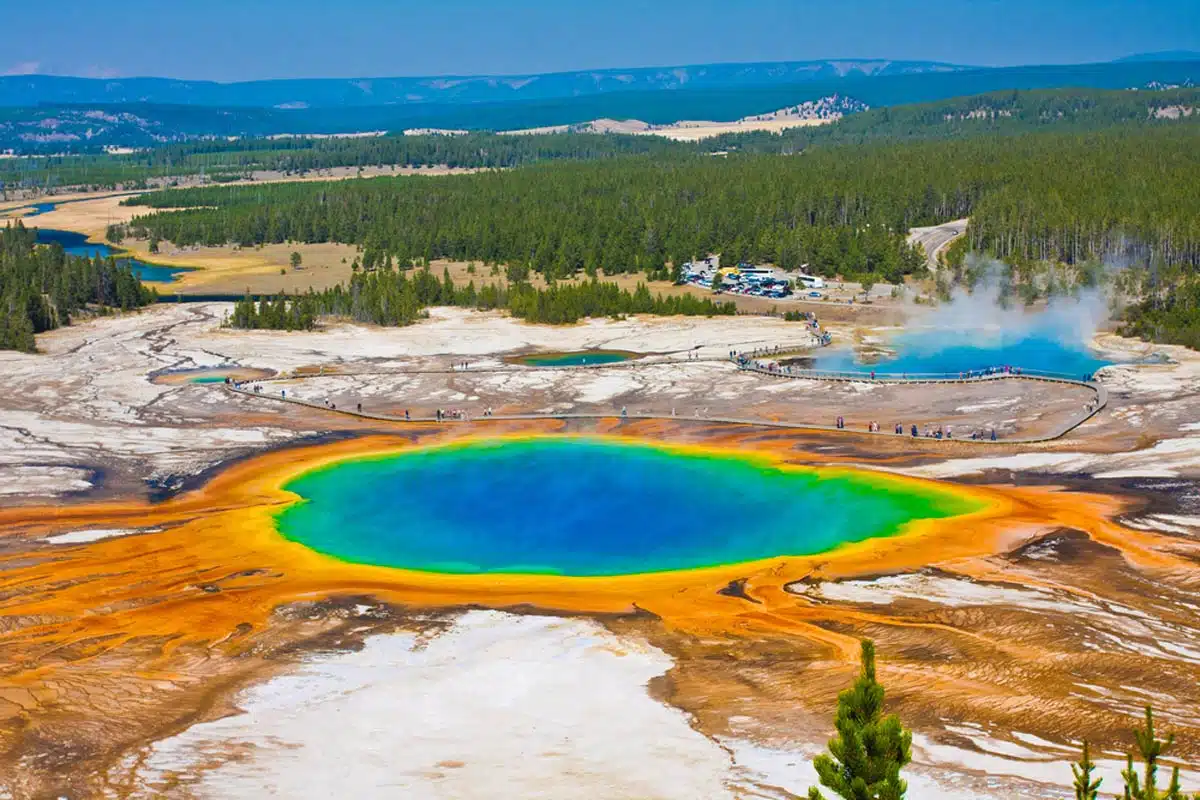
The Yellowstone supervolcano lies beneath the ethereal Yellowstone National Park, mostly in north-west Wyoming.
Known for its geysers, crazily coloured hot springs and wildlife, Yellowstone might well be the US national park highest on your list of things to do before you die (though maybe Yosemite beats it to the top spot). Non-US residents now pay the $100 surcharge here too.
82. Popocatépetl Volcano, Mexico
Popocatépetl is an active volcano where the states of Mexico, Puebla and Morelos meet, in central Mexico.
At 5,426m, it’s the second-highest peak in Mexico. Climbing it is banned because it erupts often, but you can see it from the Paso de Cortés on a day trip from Mexico City. Check the alert level before you set out.
83. Mount Vesuvius, Italy
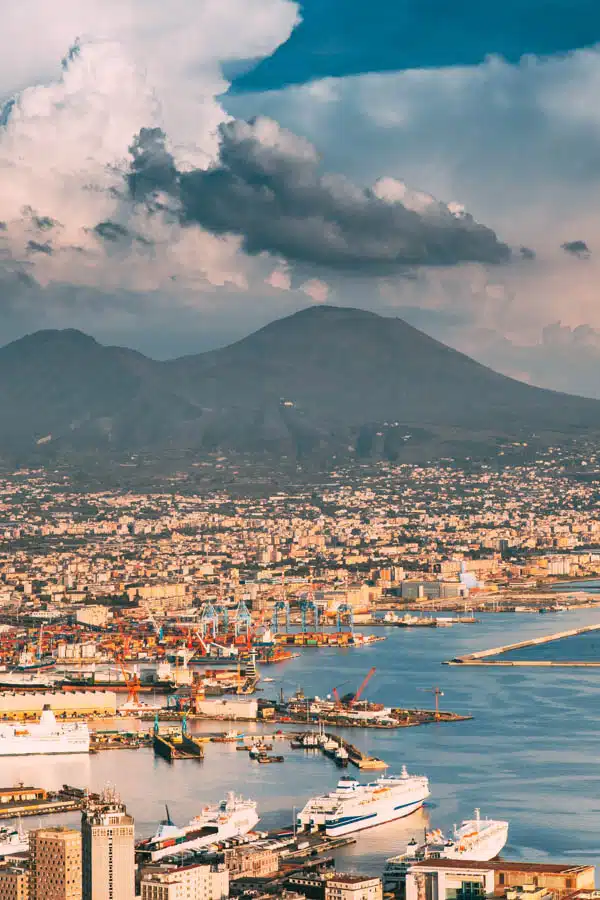
Mount Vesuvius is a volcano on the Bay of Naples in Campania, Italy. The 1,281m volcano is best known for the eruption of AD 79 that destroyed Pompeii and Herculaneum, and its slopes are among the most densely populated volcanic areas in the world.
The sight of it towering over Naples is truly amazing. Book a timed ticket online for the short, steep walk to the crater rim.
84. Mount Etna, Italy
Mount Etna is a volcano between Messina and Catania in Sicily, Italy. At around 3,350m (its height shifts with each eruption), it’s Europe’s tallest active volcano and one of the most active in the world, and it became a UNESCO World Heritage Site in 2013.
It’s a tough trek to the top, and the summit craters need an authorised guide, but the views are worth the sweat.
85. Mount Fuji, Japan
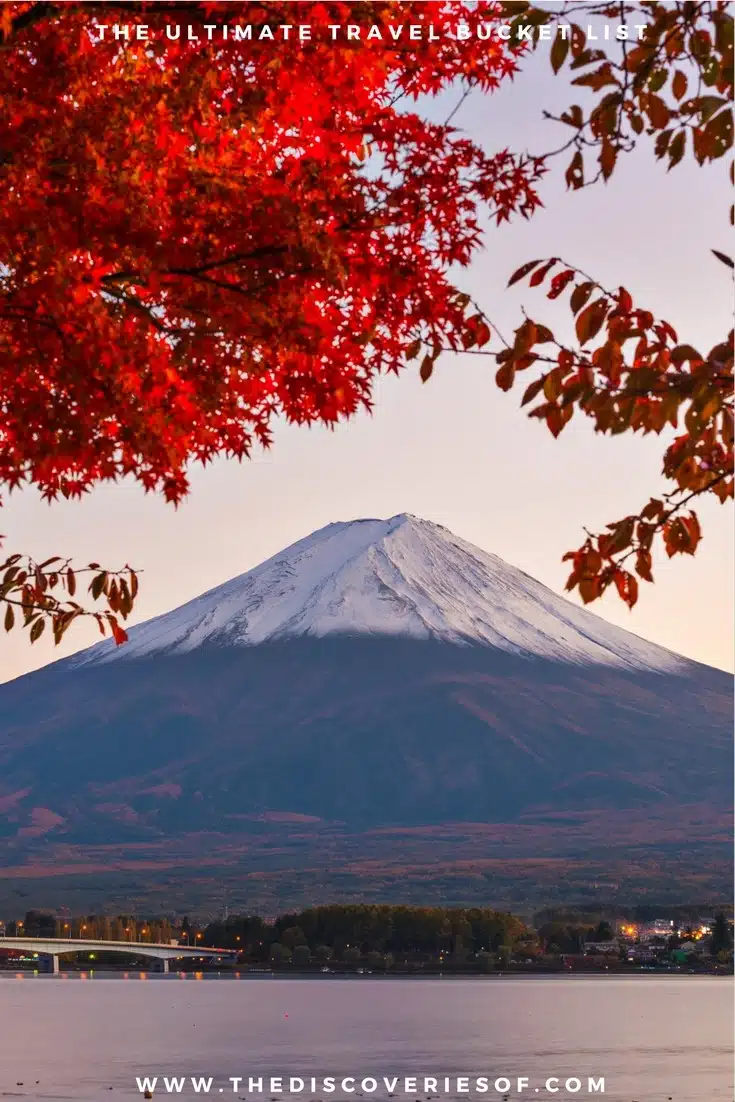
Mount Fuji is an active volcano on Honshu, south-west of Tokyo. At 3,776 metres, it’s the highest mountain in Japan.
It’s one of Japan’s sacred sites, and it’s not unusual for people to make a pilgrimage climb to the top. The season runs from July to early September, and climbers now pay a ¥4,000 fee, with daily caps on the Yoshida Trail. A UNESCO World Heritage Site since 2013, it’s best admired from the Fuji Five Lakes.
86. Mount Kilimanjaro, Tanzania
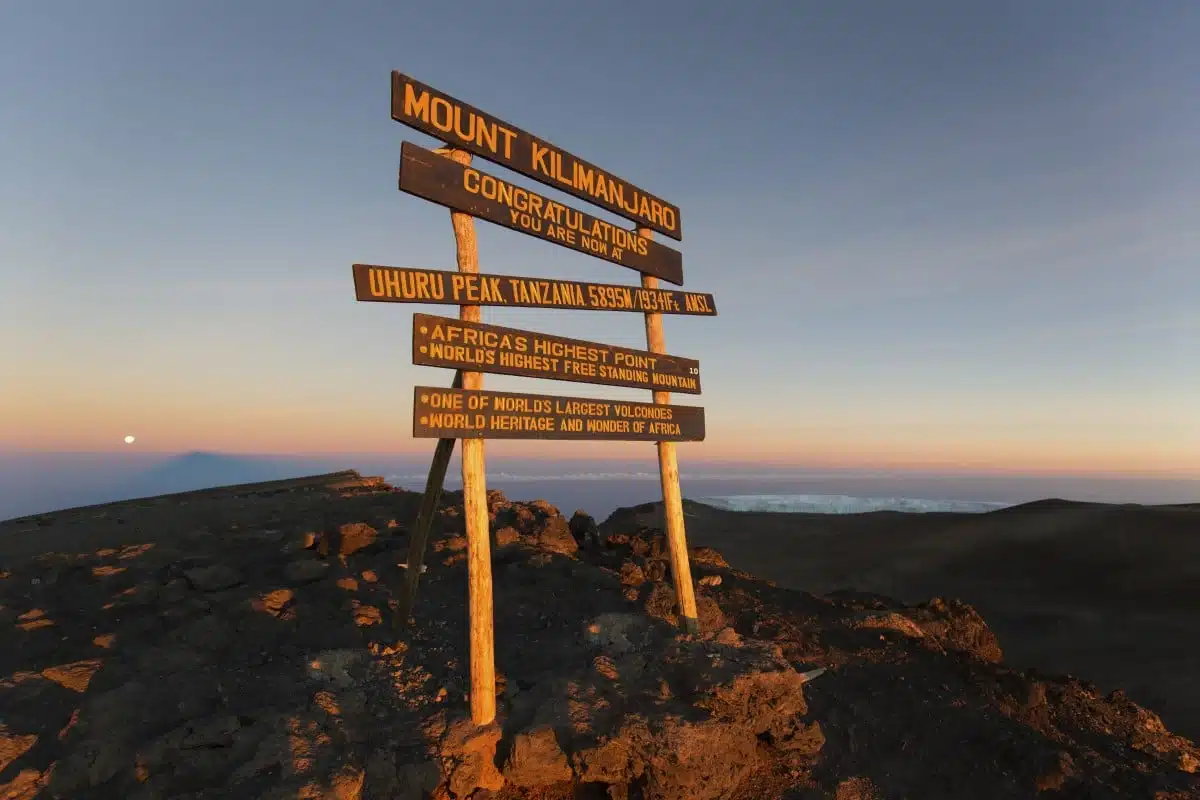
Mount Kilimanjaro is a dormant volcano with three volcanic cones, in Kilimanjaro National Park in north-east Tanzania.
At 5,895 metres, it’s the highest mountain in Africa, and the guided climb to the top, usually six to eight days, is a once-in-a-lifetime experience. The longer routes give you a better chance of reaching the summit.
87. Mauna Loa, USA
Mauna Loa is an active volcano on the Big Island of Hawaii, considered the largest volcano on earth at around 75,000 cubic km.
It has been erupting for at least 700,000 years, most recently in 2022, but its eruptions tend to be fluid and non-explosive. It’s a tough hike, even by Hawaiian standards, but when else will you get to climb the world’s largest volcano?
88. Mount Bromo, Indonesia
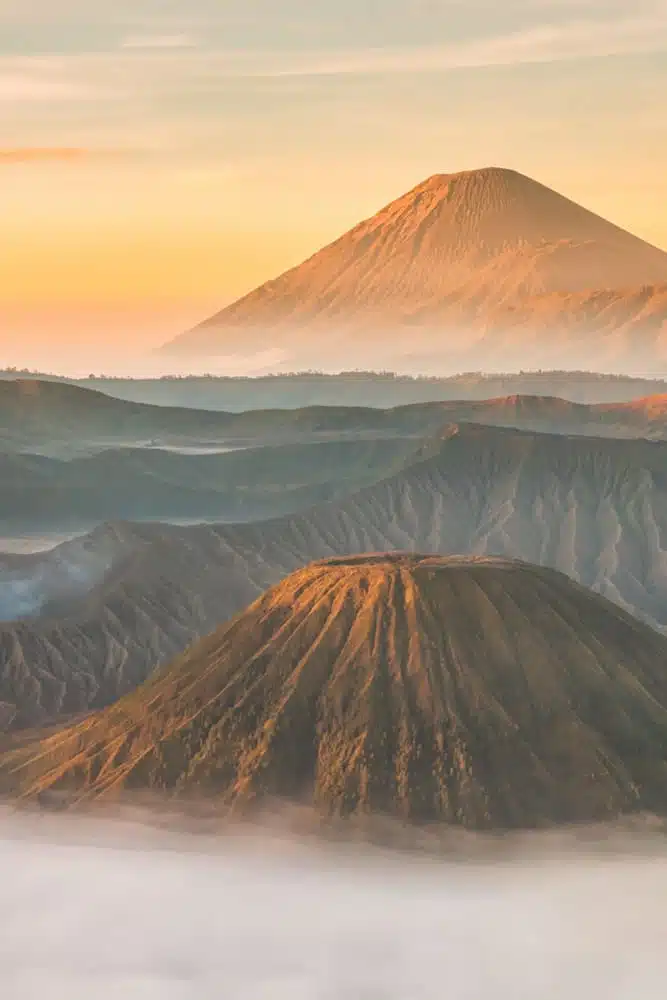
Mount Bromo is an active volcano in Bromo Tengger Semeru National Park in East Java, Indonesia.
Rising out of a vast sea of sand, the 2,329m volcano gives unparalleled views. Watch the sunrise from Mount Penanjakan, then cross the sand and climb the steps to the smoking crater rim: an unforgettable experience.
89. Thrihnukagigur Volcano, Iceland
Thrihnukagigur is a dormant volcano about 30 minutes from Reykjavík, Iceland, last active around 4,000 years ago.
Opened to visitors in 2012, it’s the only volcano in the world where you can descend into an emptied magma chamber, riding an open lift 120m down. Tours run from mid-May to mid-October. Such an incredible sight is totally deserving of a spot on your bucket list.
90. Mount St Helens, USA
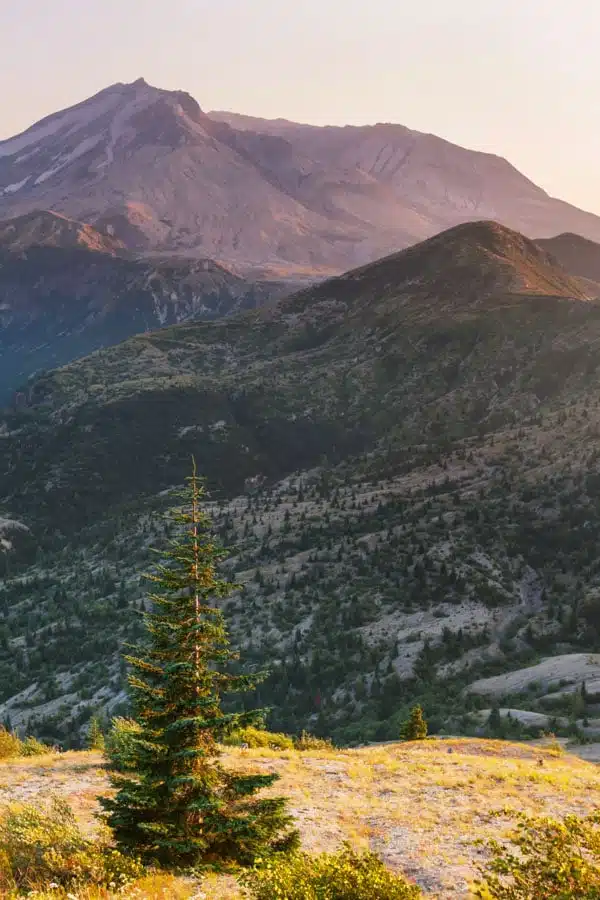
Mount St Helens is an active volcano in Skamania County, Washington State, less than 100 miles from Seattle, best known for its devastating 1980 eruption.
It’s part of the Cascade Range on the Pacific Ring of Fire, and more than 200 miles of trails surround it. A 2023 landslide cut the road to the Johnston Ridge Observatory, with repairs due to finish in autumn 2026, so Windy Ridge and the Ape Cave lava tube are the best ways to see it for now.
91. Masai Mara, Kenya
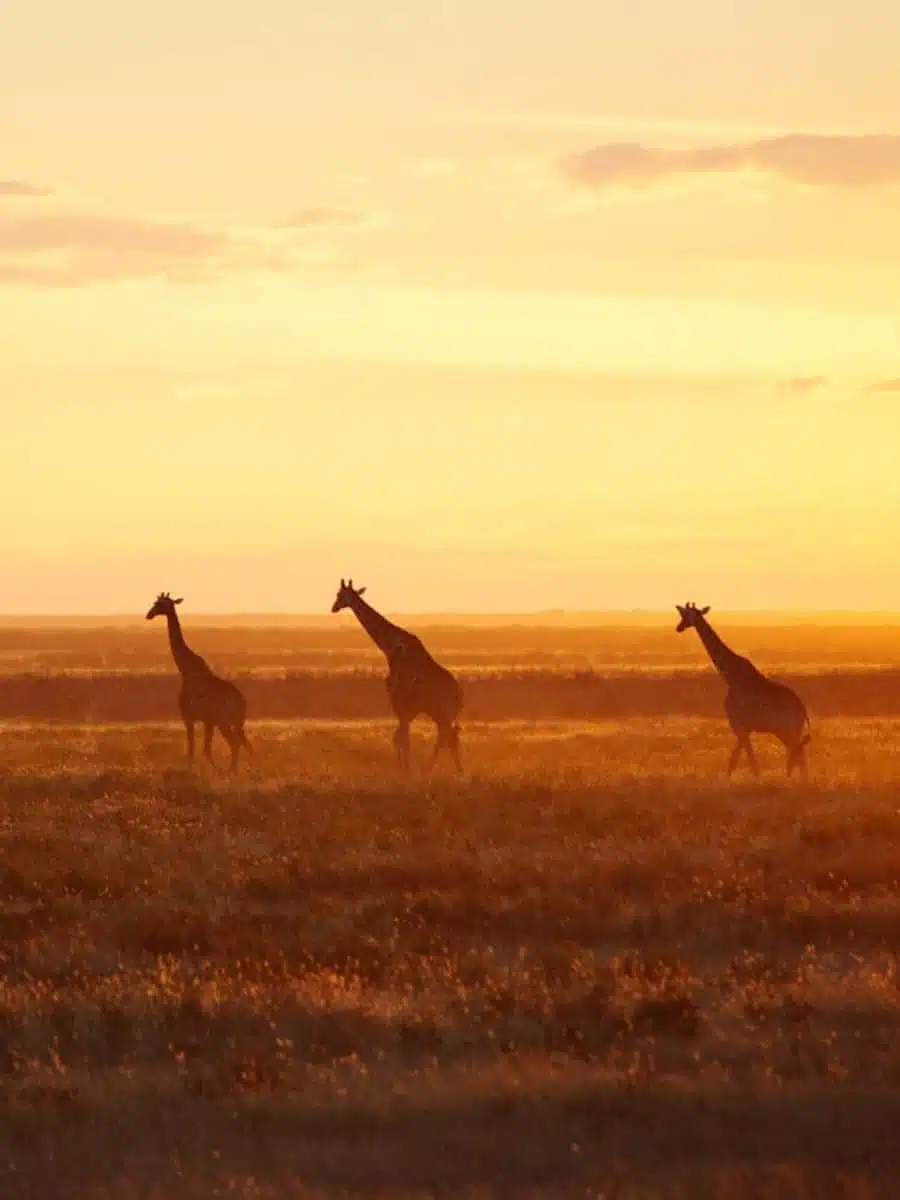
The Masai Mara National Reserve is a game reserve in Narok County, Kenya, that neighbours the Serengeti National Park in Tanzania.
It’s famous for its leopards, cheetahs, lions, zebras and wildebeest, and over 470 species of bird. From around July to October, the Great Migration crosses the Mara River. Reserve fees are $100 per adult per day from January to June and $200 from July to December. When are you going to tick it off yours?
92. Amazon Rainforest, South America
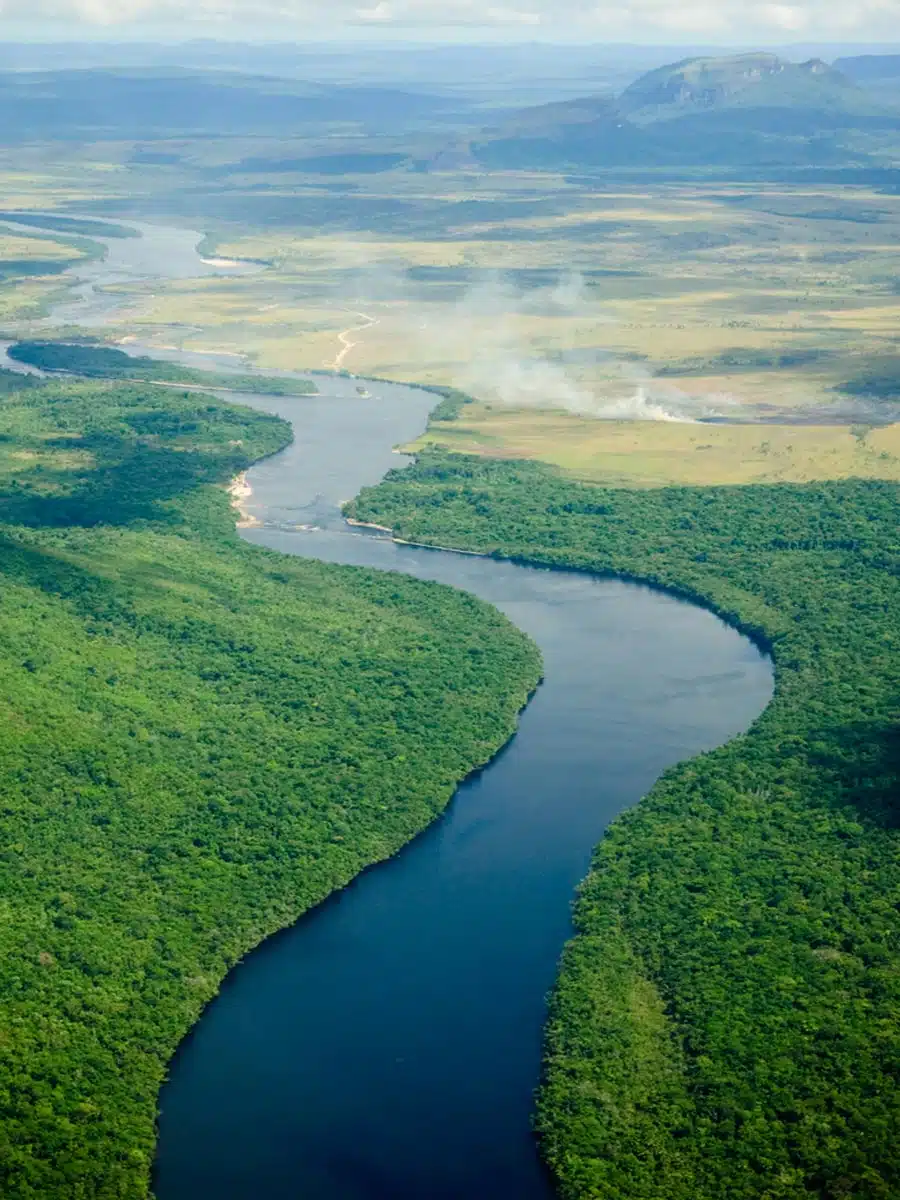
The Amazon rainforest spreads over Brazil, Peru, Colombia, Venezuela, Ecuador, Bolivia, Guyana, Suriname and French Guiana.
It covers around 6 million square kilometres and holds an estimated 390 billion trees of 16,000 species. Eco-lodges, river cruises, incredible hikes: the only problem is how much you can fit in. Manaus in Brazil and Iquitos in Peru are the main gateways.
93. The Serengeti, Tanzania / Kenya
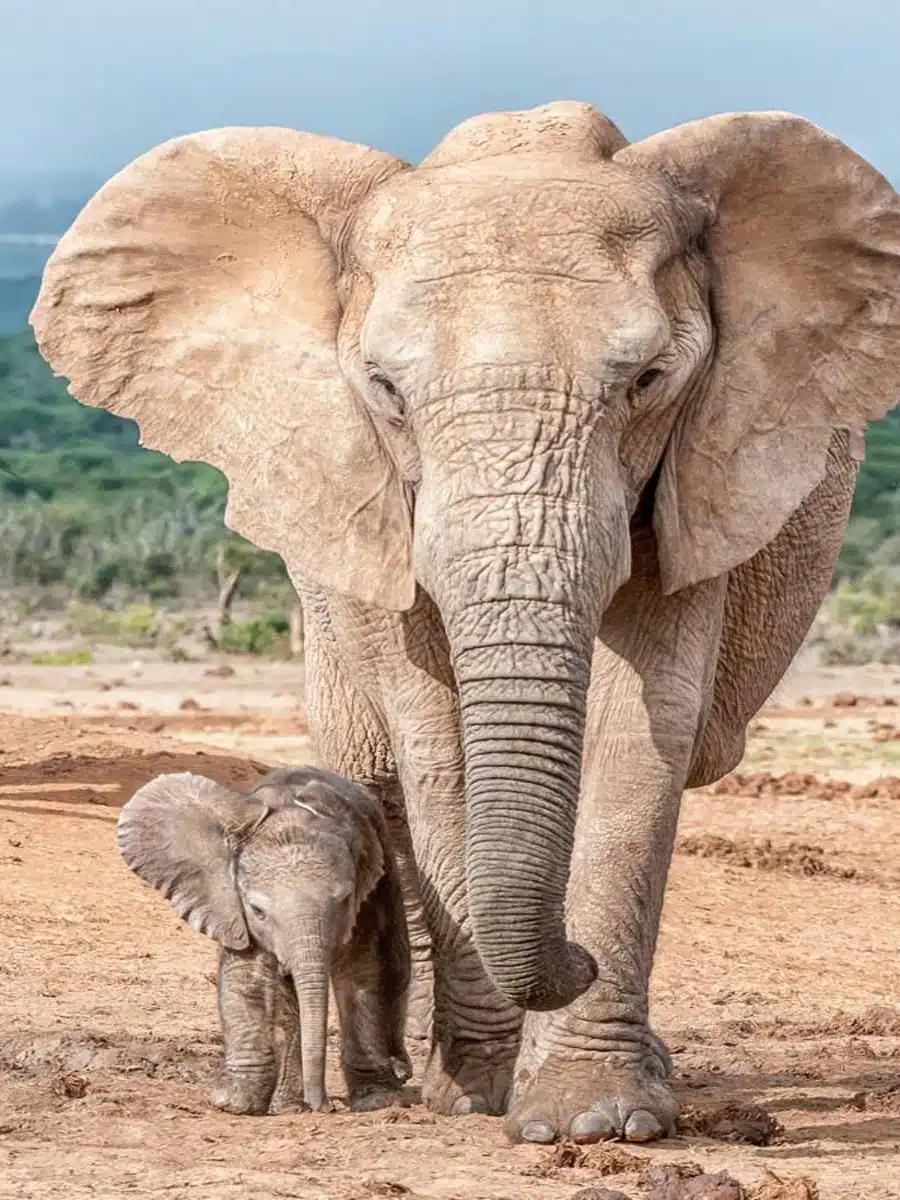
The Serengeti is a vast ecosystem in northern Tanzania that spills into southern Kenya, covering around 30,000 square kilometres.
It’s renowned for its lions and around 70 species of large mammal, and the Great Migration spends most of the year here. Tanzania sat at the very top of my own bucket list for years before I finally went. Book a safari for an unforgettable once-in-a-lifetime experience.
94. Galápagos Islands, Ecuador
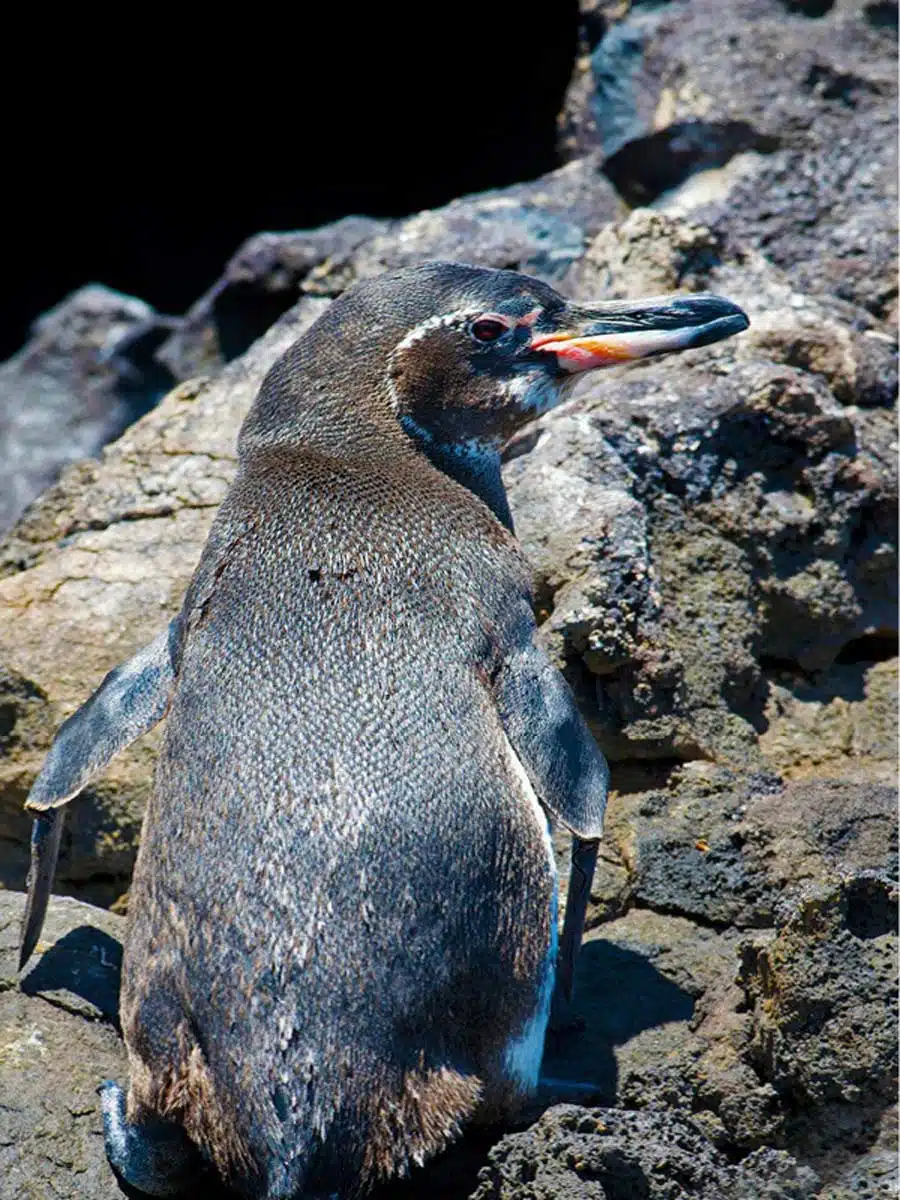
The Galápagos Islands are an archipelago in the Pacific Ocean, straddling the equator about 1,000km off Ecuador.
They’re famous for wildlife found nowhere else, including giant tortoises, marine iguanas, Galápagos penguins and blue-footed boobies. Walk in Darwin’s footsteps on a boat tour of several days. The park entry fee for foreign visitors rose to $200 in 2024.
95. The Great Barrier Reef, Australia
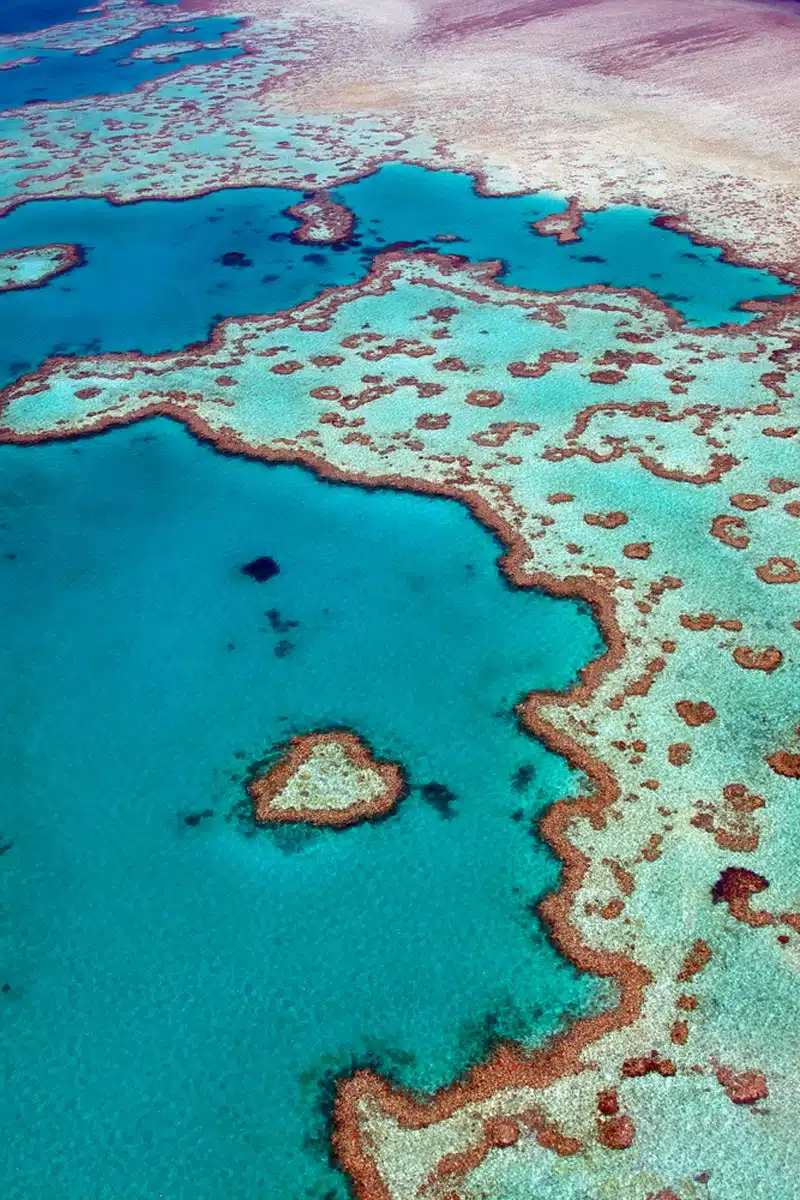
The Great Barrier Reef is the largest coral reef system in the world. 2,900 individual reefs across 344,000 square kilometres, supporting more than 1,500 species of fish and 4,000 species of mollusc. A UNESCO World Heritage Site since 1981. It is under severe threat from climate change: large-scale bleaching events are occurring with increasing frequency, including mass bleaching in 2024, and significant portions of the reef have been badly damaged. Go now, and go with an operator that prioritises conservation.
96. Komodo Island, Indonesia
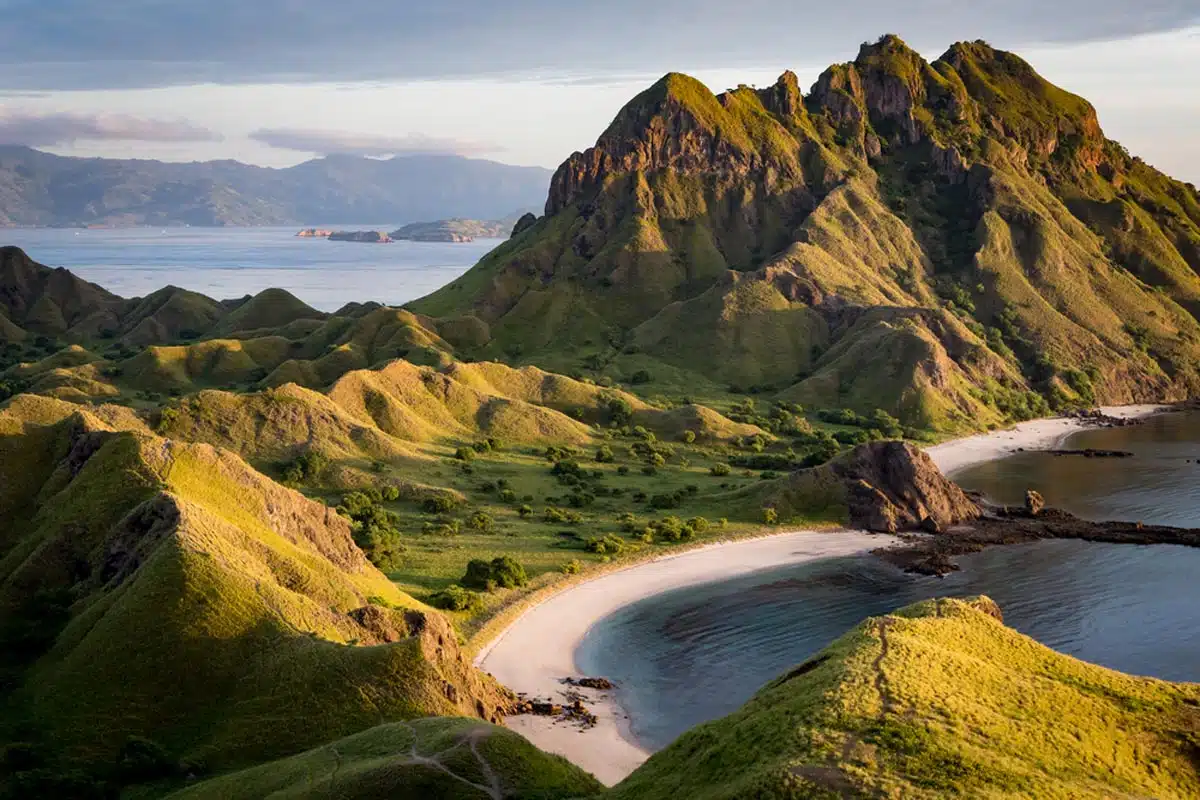
Komodo Island is a 390 square kilometre island in Komodo National Park, between Sumbawa and Flores in Indonesia.
Named one of the New 7 Wonders of Nature, it’s home to Timor deer, water buffalo and the Komodo dragon, the largest lizard on earth at up to 3m long. Komodo dragons are notoriously dangerous, but spying them with a ranger is a memorable experience. Boat trips leave from Labuan Bajo on Flores.
97. Addo Elephant National Park, South Africa
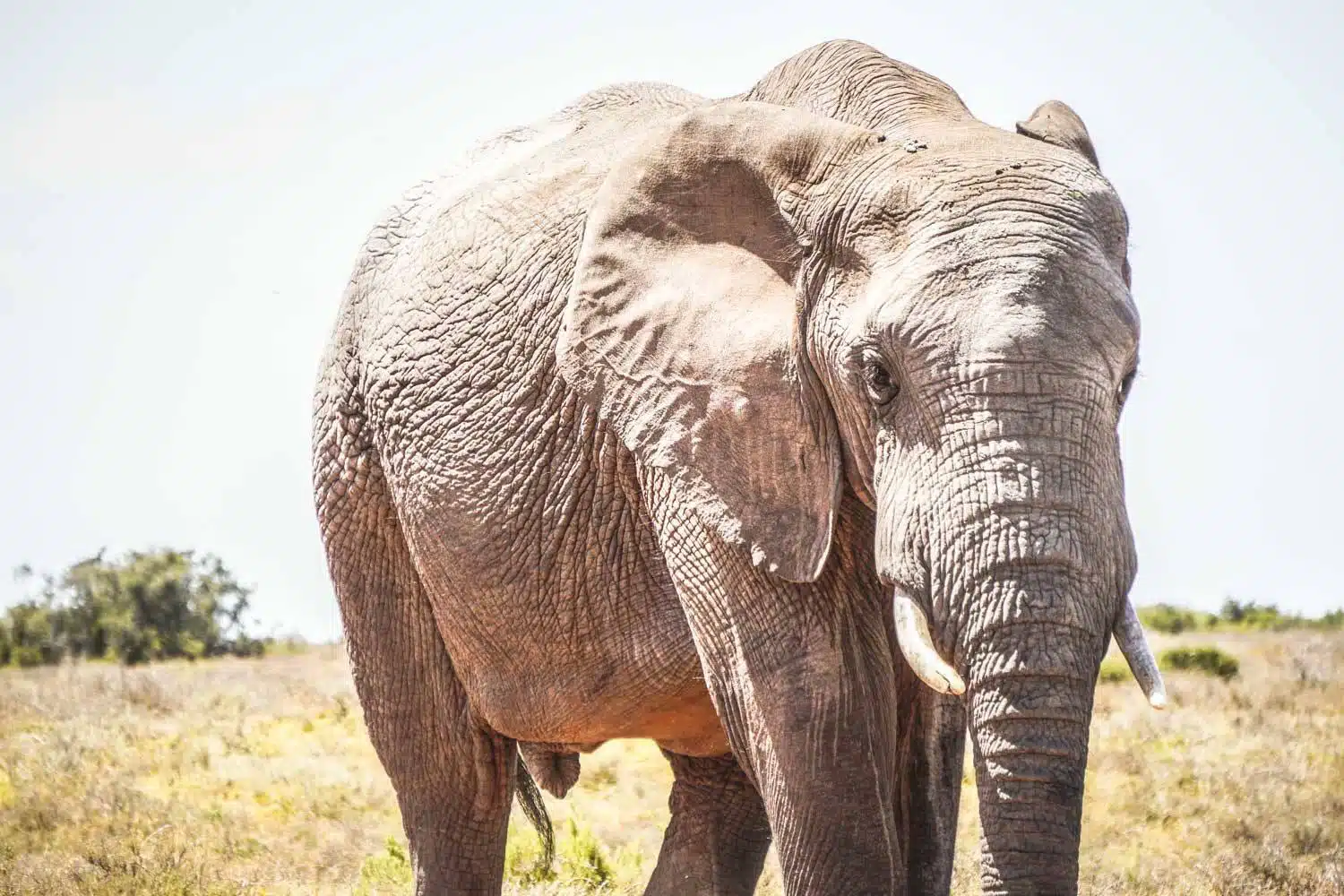
Addo Elephant National Park might not be South Africa’s best-known safari destination (that title has to go to Kruger), but it’s the one I loved the most, and one of the most memorable experiences of all my travels.
Tucked away in the Eastern Cape, it’s one of the only places in the world where you can see the Big Seven (the Big Five plus southern right whales and great white sharks) thanks to its marine area. Book a full-day game drive, and believe me, the braai lunch at Jack’s Picnic Area is something to get excited about.
Read Next
98. The Danum Valley, Malaysia
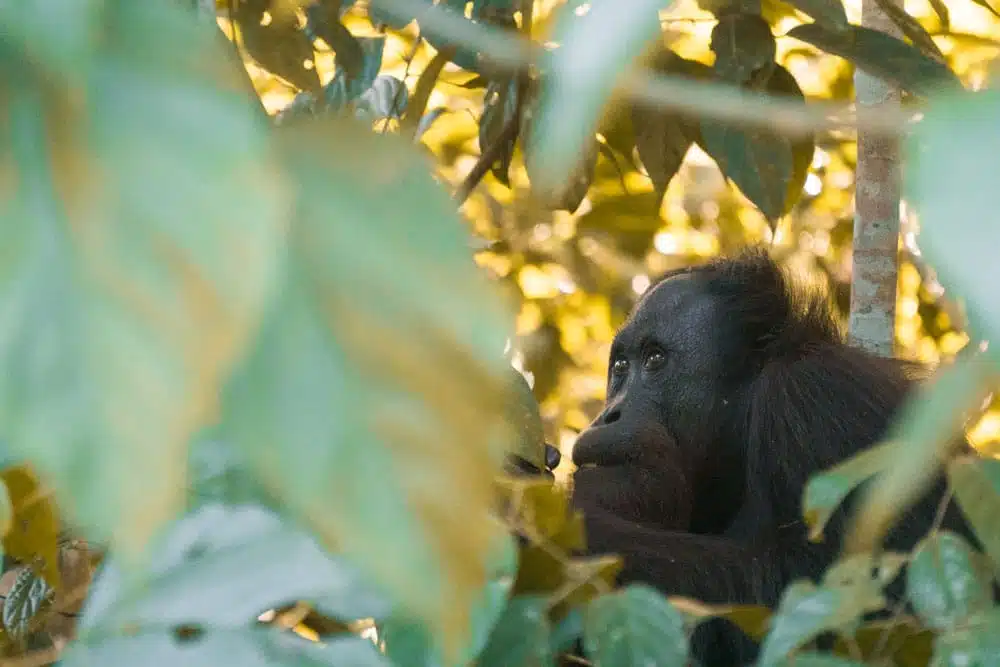
The Danum Valley is in Sabah, Borneo, Malaysia. The 438 square kilometre conservation area protects ancient rainforest known for its Bornean orangutans, gibbons, clouded leopards and 270 species of bird.
My favourite thing to do in Sabah was seeing the orangutans at Sepilok, but Danum is where you find them truly wild, on guided walks from a jungle lodge.
99. Kangaroo Island, Australia
Kangaroo Island lies off the coast of South Australia. It’s home to hundreds of species of wildlife, including its own kangaroo, tammar wallabies and Rosenberg’s goannas, as well as sea lions and koalas.
The 2019 to 2020 bushfires burned almost half the island, but the bush and wildlife have bounced back. Visit to experience its wild, rugged beauty and wildlife spotting opportunities galore.
100. Kalahari Desert, Botswana / Namibia / South Africa
The Kalahari Desert is a savannah in southern Africa that extends for over 900,000 square kilometres across Botswana, Namibia and South Africa.
It’s home to brown hyenas, meerkats, Kalahari lions and many species of reptiles and birds. A trip to the Kalahari is like stepping into another universe, one that will give you snaps (and memories) you’ll never forget.
There we are, 100 places for your travel bucket list. How many have you ticked off?
Before you tick them off
- Book the big hitters early. Machu Picchu, the Colosseum, the Acropolis, Antelope Canyon and the Anne Frank House all use timed tickets that sell out weeks ahead.
- Check the travel advice. Cuba, Myanmar, Russia, Lebanon and parts of Ethiopia all carry government warnings that change quickly, so read the latest and check your insurance.
- Budget for the fees. From Venice’s day-tripper fee to the $100 surcharge for non-US residents at the big US national parks, access costs are rising. If you’re visiting several US parks, the $250 America the Beautiful pass for non-residents soon pays for itself.
Read next
- 100 places to visit in Europe you shouldn’t miss
- 100 places to visit in South America: the South America bucket list
- UK bucket list ideas
- The ultimate USA bucket list
Love this? Save and share on Pinterest!
Discover the top things to do, insider tips and hidden gems in our Bucket List Ideas.
Read the guides →




I alway love these kinds of lists. But “100” is an arbitrary number. Better to list the top things and get a list as long or short as it turns out to be. A few conspicuous omissions from the list: Antarctica; Madagascar’s Spiny Forest; slave forts of Ghana; underground stone-carved churches of Lalibela in Ethiopia; the palace complex and surrounds in Bangkok; and maybe the floating islands on Lake Titicaca. List should include a section on tribal people and unique cultures such as the tribes of the Omo Valley in SE Ethiopia and the Inuit of Canada, etc.; famous scenic train trips; best rivers & fjords to navigate. Nevertheless, a fun list! Have seen 61 of these, plan to see 15 still on my list. 23 others are nice but I don’t plan to see. 4 of them I have no interest in. (Been to a number of the countries the items are in, but not to see the listed items.)
Thanks for the suggestions – some really interesting ones there – if we update the piece, we’ll be sure to take your additions on board.
Colosseum is in Italy, not Greece (number 19), though it does mention Rome.
Great spot – obviously a typo slipped in there. Clearly meant to say Italy as I reference Rome 4 times in the para.
Um. Yosemite, then out to Hwy 395 in the Eastern Sierra of CA.