
From the dry, orange sands of the Atacama Desert to the wind-whipped peaks of Torres del Paine, Chile is every nature lover’s paradise. These are the best things to do in Chile, built around four trips of my own, from hiking the W Trek solo to a campervan road trip across the Atacama and a month back in the country on my own.
Chile is complicated. And I mean that in the best way possible. With its mountains, coastline, deserts, and glaciers, this country is home to some of the most spectacular and tantalising landscapes on Earth.
I’ve been to Chile four times now, and I left last time ready to plan yet another trip. There are just too many incredible places to visit in Chile to do and see everything in one (or four) trips. It’s a country of extremes, stretched out over more than 4,000 kilometres from the driest desert on the planet to the glaciers of Patagonia, and it rewards you every time you go back.
I hiked the W Trek in Torres del Paine on my own in January, fleeing the pervasive greyness of the British winter. On another trip I spent a week driving around the Atacama in a campervan. Most recently I came back for a month on my own in July: my first proper time in Santiago, day trips to the winelands and the coast, a second, very different look at the Atacama, a side trip into Bolivia and a few days in the Elqui Valley.
Here’s an example of what that looks like. On that last trip I floated in a salt lagoon in the Atacama, a few days later was tasting pisco in the Elqui Valley, and finished with a 14-course dinner back in Santiago.
Below are the places I know first-hand, plus the ones I haven’t made it to yet but that belong on any list of the best of Chile. Where I haven’t been, I’ve said so. If you’re planning a route, my 10-day Chile itinerary strings the highlights together, and my guide to the best time to visit Chile will help you choose when to go. Check them out and see if you don’t start to fall in love with this amazing and diverse country.
Incredible things to do in Chile
Hike the W Trek in Torres del Paine National Park

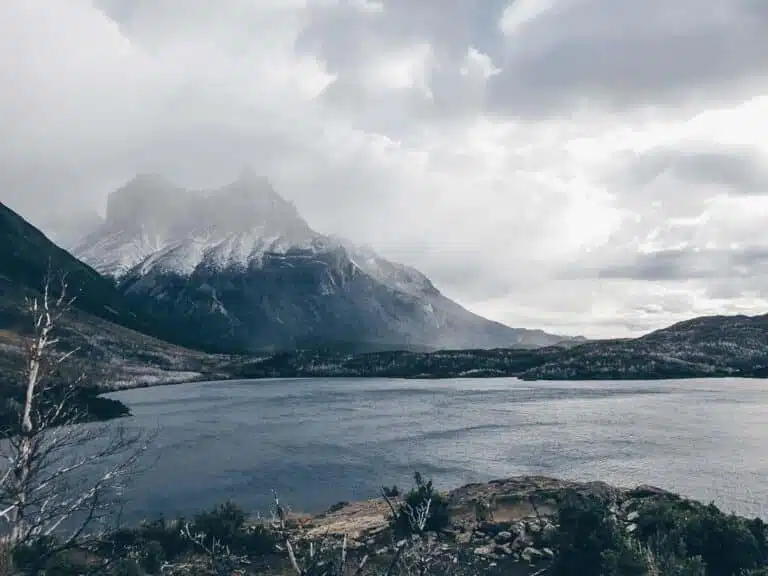
With towering, snow-capped mountains, open, green-tinged lakes, and forests dense with windswept trees, the Torres del Paine National Park is a must-see spot in Chile and should be at the top of your South America bucket list.
The park covers around 227,000 hectares of Chilean Patagonia and is one of the most visited national parks in the country.
The scenery is dominated by the Cordillera del Paine mountain range, but there’s much more to the park than that.
The Torres del Paine National Park is also criss-crossed by valleys, rivers, glaciers, and lakes including the rather fittingly named Grey Lake.
Many different varieties of flora and fauna bloom across the Torres del Paine, including Chilean fire trees, and you may well spot guanacos, condors and (if you’re very lucky) a puma.
The W Trek in Torres del Paine is one of South America’s best-known treks, thanks to the magnificent and varied scenery it offers to those who trek its path. I hiked it solo over five days, west to east, and it remains one of the most memorable things I’ve ever done.
Before I set off, I went to the free talk at the Erratic Rock hostel in Puerto Natales. I’d been feeling fairly cheerful until I heard phrases like “80 kilometres per hour winds”. The main lesson was that the weather in the park is so changeable that nobody bothers checking the forecast: you pack for every eventuality and carry it all. I also noticed that everyone else seemed to be in pairs or groups. If you’re going alone, don’t let that put you off. By the third night I knew most of the people hiking in my direction, and they ranged in age from about 20 to 75.
From Puerto Natales, I took the bus into the park and the catamaran across Lago Pehoé, then hiked to Refugio Grey. The next morning the wind was so strong that I’d take a step in one direction and get blown two paces in the other, so I skipped the long walk to the Grey Glacier viewpoint and pushed on to Paine Grande. Day three was the big one, about 28 kilometres via the Valle del Francés. The climb to Mirador Francés was worth every step for its views over Lago Nordenskjöld, though the clouds rolled in before I reached Mirador Británico. By the late afternoon I was convinced a puma was about to pounce on my tired limbs, so I stopped at a little lakeside beach and dipped my feet in the freezing water before the final push to Los Cuernos.
On day four I hiked up to Refugio Chileno and, because it was clear, went straight on up to the Torres that afternoon rather than waiting for sunrise. The last 45 minutes is a scramble over boulders, so steep that I put my poles away and used my hands. More than once I thought about turning back. Then there they were: three granite towers rising from a green lake. It started raining on the way down and was still grey the next morning, so I was glad I hadn’t waited. On the last day I walked out to the Hotel Las Torres and caught the bus back to Puerto Natales.
The W covers somewhere around 70 to 80 kilometres, depending on where you start and finish. Most people take four or five days. If you only have a day or two, there are plenty of shorter hikes in Torres del Paine. You can do the W self-guided, but you must book every refugio or campsite before you arrive: Vertice runs Grey and Paine Grande, and Las Torres Patagonia (formerly Fantástico Sur) runs Los Cuernos, Chileno and the sites around the Torres. December to February beds sell out months ahead. Buy your park entry in advance on CONAF’s Pases Parques website: a multi-day ticket for foreign adults costs CLP 48,500, or CLP 32,400 for a single day. Stick to the marked trails: in November 2025 five hikers died in a sudden storm on the far side of the O Circuit, near the John Gardner Pass, a reminder of how fast conditions here can turn.
Planning a trip? This is what you need to pack and here’s an in-depth camping guide.
Click here to read more about hiking the W Trek in Torres del Paine
See the wonders of the Atacama Desert

The grainy salt lakes, the jagged otherworldliness of the Valle de la Luna: there’s no doubt that the Atacama Desert is one of the best things to do in Chile, and it’s the part of the country I keep going back to.
A trip into the Atacama Desert is like stepping into a technicolour world: pastel pink waters, bumpy volcanoes, and fumbling flamingos contribute to the surreal effect (see my 10 awesome images from the Atacama Desert to see what I mean).
Located in northern Chile, the Atacama Desert is famous for being one of the driest places in the entire world. For this reason, the stargazing and astronomy opportunities here are unlike any others in the world, and the desert is home to several observatories and research facilities like ALMA.
The Atacama Desert is one of the oldest deserts in the world and has many highlights including the Laguna Chaxa (home to three species of flamingo), the lime green Salar de Capur and Guatín Canyon, where the cacti grow taller than humans.
I’ve seen it in two completely different ways. On my first trip, a Chilean I met on the road told me to skip the tours, hire a car and strike out on my own. I hired a campervan, nicknamed it Bruno and drove about 1,000 miles in a week, from flamingo lagoons to remote salt flats on the road to Argentina. On my July trip I did the opposite and stayed at Nayara Alto Atacama with a private guide and driver. Both had their merits: the van gave me solitude; my guide, who grew up in nearby Calama, gave me the stories behind every place.
To get here, fly from Santiago to Calama (about two hours), then transfer to San Pedro de Atacama, at about 2,400 metres. Plan the higher trips for later in your stay, as my three-day Atacama itinerary does.
Here are a few of the most popular activities in the Atacama Desert:

Summit a volcano: Dotted with volcanoes all over, it’s hard not to feel tempted to climb one while visiting the Atacama Desert. Luckily, you can! There are guided hikes to the summits of dormant and active volcanoes. Cerro Toco, at 5,604 metres, is the most popular. Láscar is an active volcano and its access depends on its alert level, so only go with a guide and check its status before you book.
Sandboard down the sand dunes: If you’re looking for a more adrenaline-inducing activity, you can strap on some boots and sandboard down the dunes of the Valle de la Muerte, just outside San Pedro. Several operators in town run half-day trips with beginner lessons.

Explore nearby salt flats and lakes: My personal favourite is the Piedras Rojas (more on that below), but the drive east along Ruta 27 to the Salar de Pujsa, the Salar de Tara and the Salar de Quisquiro took me to some of the most remote landscapes I’ve seen anywhere. At one point, driving at 4,900 metres among truckers taking every bend at full speed, I had the vague feeling that I might be dreaming. On the way back I caught a glimpse of Bolivia’s Laguna Verde peeking through the volcanoes. You’ll need a 4×4 to leave the main road for the Salar de Tara.

Visit the high lakes and the Piedras Rojas: I missed Lagunas Miscanti and Miñiques on my first trip, which was a big mistake. Miscanti’s water is an intense, dark blue, ringed with yellow grass. Further along the road to Argentina, the rust-red rocks of the Piedras Rojas give way to the turquoise Salar de Talar, one of my favourite places in the whole of Chile. Before my first visit I was told to “walk up like an old man and you’ll be able to come down like a young bull”, and it made sense about five minutes in. All three sit above 4,000 metres, the local communities charge entry, and most tours combine them with lunch in Socaire in one long day.

Watch the sun rise over the El Tatio geysers: With over eighty geysers and fumaroles, El Tatio is the third-largest geyser field in the world, and it’s at its most active at dawn. I’ve been twice. On my July trip it was minus 15 degrees Celsius when I arrived, and my guide timed it so that I was standing by one fumarole as the sun hit it and lit the steam up in a rainbow of colour. He called it “nature’s fireworks”. The field sits at around 4,300 metres and entry is CLP 15,000, so leave it until you’ve acclimatised. My guide to visiting the El Tatio geysers has the rest.
See the Valle de la Luna and Ckamur: On my campervan trip I had the Valle de la Luna to myself at sunrise. Tickets are now sold online only, through Punto Ticket (CLP 10,800), and the gates open at 9am in winter, so go as early as they allow. For sunset I’d head to Ckamur in the Valle de la Muerte next door, which was free and far quieter when I visited. Here’s my guide to visiting the Valle de la Luna.
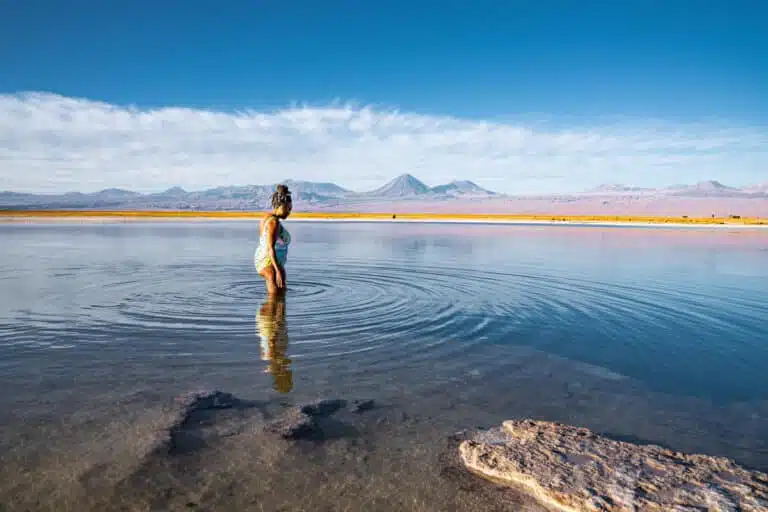
Float in Laguna Cejar: It was the first thing I did on my July trip. The water is so salty that you float like you would in the Dead Sea, and my top tip is not to get your face wet: the salt stings like crazy. Go in the early afternoon when it’s warmest, then see the Ojos del Salar and stay for sunset at Laguna Tebinquinche.
Stargaze and visit an observatory: Space geeks, rejoice! The clearest skies come in the winter months. SPACE, just outside San Pedro, runs nightly tours (CLP 45,000) except for the week around the full moon. ALMA’s public visits are suspended. At Nayara Alto Atacama’s own observatory, an astronomer showed me how to find the South Pole using the Southern Cross, and I stayed on afterwards to take some of my best night shots of the trip. Read more about stargazing in the Atacama Desert.
Cross into Bolivia: San Pedro is also the starting point for three- or four-day 4×4 trips across the altiplano to the Salar de Uyuni. I did the four-day version in July: a messy first day, then the blood-red Laguna Colorada, geysers at nearly 5,000 metres and one of the coldest nights of my life at Huayllajara. Check whether you need a Bolivian visa. Here’s a complete guide to visiting the Bolivia salt flats.
Read next: Incredible things to do in the Atacama Desert
Spend time getting to know Santiago de Chile
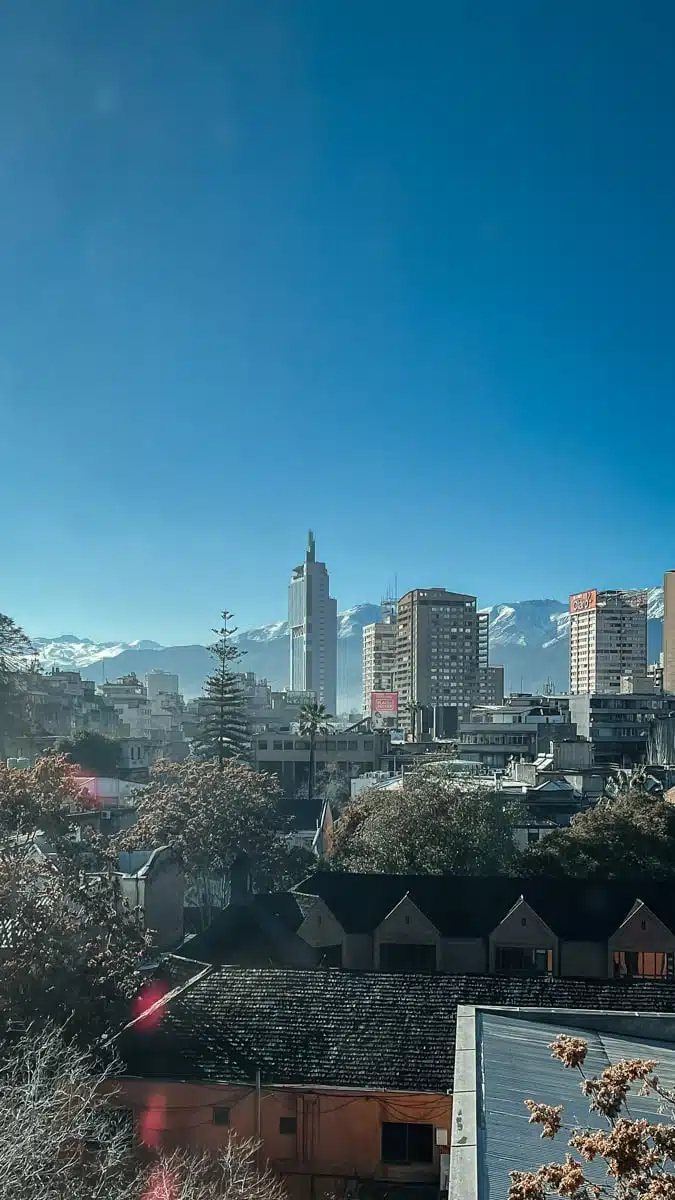
I couldn’t write a piece on the best things to do in Chile without mentioning the country’s buzzing capital, Santiago. The country’s largest airport is here, and it’s also the largest city in the country, perfect for people looking for a variety of urban experiences.
Some visitors to Chile are tempted to skip Santiago, and I’ll admit I did on my earlier trips. When I finally gave it a few days, I was glad I had. It’s a bit rough around the edges in places and it’s not one of the most picturesque places to visit in Chile, but it has huge cultural significance within the country and some brilliant places to eat and drink.
Scratch beneath the surface and you’ll find something to suit every taste: from the upscale eateries in neighbourhoods such as Vitacura to the old city “Centro”, home to the city’s oldest buildings and some of its most important sights.
I stayed in Lastarria, which is where I’d tell anyone to base themselves: it’s full of boutique hotels, restaurants and bars and is an easy walk from Centro and Bellavista. Keep a close eye on your belongings, especially in Centro, where petty theft is common. All my hotels told me to use Uber rather than street taxis, and it was cheap and easy.
With world-class museums, restaurants, nightlife, and views, Santiago is full of awesome activities. Here are a few of my favourite things to do in Santiago:
Take a free walking tour: There’s no better way to orient yourself to a new city than by taking a tip-based guided walking tour. Your guide will explain the history of the city and show you around to some of the most fabulous places to explore, including the Plaza de Armas and the Metropolitan Cathedral, which looks plain from the outside but is a gilded extravaganza inside.

Go street art hunting: Santiago’s street art scene doesn’t get much attention, but it’s thriving. I booked a tour with Santiago Street Art Tours and ended up as the only person on it, with a guide who knew the artists and the stories behind every piece. Bellavista has big murals by well-known names, while Barrio Yungay is much more political, in keeping with its left-wing roots. One of my favourites there told the story of creation according to the folklore of Chiloé.
Climb a hill for spectacular views: Santiago is a city with a ton of topography, with hills and mountains everywhere. There are two hills with stunning views that are popular with visitors: Cerro Santa Lucía, where Pedro de Valdivia founded the city in 1541, and Cerro San Cristóbal, which rises about 860 metres above sea level and is topped by a 22-metre statue of the Virgin Mary. If you’d rather not climb in the heat (I don’t blame you), take the funicular or the cable car up San Cristóbal for a few thousand pesos (both usually close on Mondays). I wouldn’t walk up San Cristóbal’s paths on your own: there have been armed robberies on them.
Learn about Chile’s history: There are tons of awesome museums in Santiago, from fine art to history and more. The Museo Chileno de Arte Precolombino was 100% my favourite museum in the city, and possibly my favourite thing I did in Santiago full stop. Its 12 galleries run from Andean textiles kept in a darkened, temperature-controlled room to monumental stone carvings, and you’ll need at least a couple of hours (CLP 8,000 for foreign visitors). The Museo Nacional de Bellas Artes is free (bring change for a locker and don’t miss the more modern work in the basement), and the Museo de la Memoria y los Derechos Humanos, which covers the dictatorship from 1973 to 1990, is free too and does a powerful job of setting that period in context. Everyone should visit.
See Pablo Neruda’s home: You can barely walk around Santiago without hearing about Pablo Neruda, the poet-politician who won the Nobel Prize for Literature in 1971. La Chascona, the house he built in Bellavista for Matilde Urrutia, takes about an hour to see, and the audio guide brings it to life, from the bar shaped like a ship’s cabin where he received guests to their private rooms upstairs. Entry is CLP 9,500 and it’s closed on Mondays.
Eat the most delicious Chilean food ever: Chilean food is surprisingly awesome. For traditional home-style cooking, try the pastel de choclo (a hearty bake of creamed corn, beef, chicken, olives and egg) at Galindo in Bellavista. It’s cheap and cheerful and very popular: I was shunted into a corner halfway through my meal to make room for more diners. For seafood, head into the middle of the Mercado Central, an ornate iron market hall that’s often (wrongly) credited to Gustave Eiffel, and skip the touristy restaurants around its edges. At Chipe Libre in Lastarria, I had oysters served Chilean style with lime and a corn and red onion salsa, and I’m a convert for life.
Drink Chilean wine where the locals do: About ten people told me to book a table at Bocanáriz, and they were right. Order a flight: I went for the white wines of Chile and a Carmenere flight, with a tiradito and a steak that were far better than wine-bar food needs to be. At Liguria, the house Carmenere was better than most of what you’ll be served in high-end London restaurants.
Push the boat out at Boragó: I ended my trip with dinner at Boragó, consistently ranked among the best restaurants in Latin America. Fourteen courses later I was stuffed, but I won’t forget the mushroom chupe in a eucalyptus broth or the nitrogen-frozen meringue that had me blasting smoke from my nose like Smaug. It’s one of the most expensive meals in Santiago, so pace yourself.
Take a day trip: Santiago is a fantastic place to base yourself for a few days while you’re exploring the surrounding areas. If you have extra time in the area, take one of the popular day trips from Santiago to see the coast, drink some wine, or go for a hike in the Andes.
Read next: The best things to do in Santiago, Chile
Chart a course across the Beagle Channel

The Beagle Channel cuts a course through the tip of South America, spanning an area from the Atlantic Ocean to the Pacific Ocean, passing through Chile and Argentina along the way.
Covering a distance of around two hundred and forty kilometres, the channel separates some of the larger southernmost Chilean islands from the mainland.
The port town of Puerto Williams, on Navarino Island, sits right on the channel and is the place to start in Chile. It’s a 1.5-hour flight from Punta Arenas on DAP’s small planes, or around 32 hours on the ferry through the fjords. I haven’t made it this far south yet, but it’s high on my list.
Boat trips and kayaks head out on the water from here, with dolphin and whale spotting if you’re lucky. If you have the time, stop off at a few of the smaller islands across the channel to explore the wildlife and untamed beauty of the landscapes. Hikers can climb Cerro La Bandera (about three hours) for views over the channel, or take on the remote Dientes de Navarino circuit, the southernmost trek in the world.
Planning a trip to South America? Take your pick of these six two-week itineraries.
See the Saltos de Petrohué

A visit to the Petrohué Waterfalls is a must when travelling in the Lake District. Located within the Vicente Pérez Rosales National Park, Chile’s oldest national park, the Saltos de Petrohué are one of the most photographed sights in the south.
The Petrohué River drains Lago Todos los Santos, and its water is tinged an extraordinary blue-green by fine glacial sediment. The rapids are often surfed by brave torrent ducks.
The falls tumble over black volcanic rock laid down by the Osorno volcano, which stands in the background of every shot with its swirl of snow. Lake Llanquihue, the fan-shaped lake below Osorno, and the colour-changing Todos los Santos lie on either side.
The falls are about 55 kilometres from Puerto Varas. Foreign adults pay CLP 8,200, with tickets sold on CONAF’s Pases Parques website, and the park is open from 9am to 6pm (last entry 5pm). Minibuses run regularly from Puerto Varas, or you can combine it with a tour of Osorno.
Visit Pucón and Villarrica Volcano

Volcanoes. Lakes. Food. An amazing destination for any type of traveller, Pucón has these and more. Pucón is located in the heart of Mapuche territory, meaning that the indigenous influence has greatly shaped the region’s food scene and culture.
As one of the most active volcanoes in South America, Villarrica is another popular tourist hotspot.
While in Pucón, you can take some time to explore nearby Villarrica, a gorgeous, snow-capped volcano that looms in the distance seemingly everywhere you look. While there are plenty of amazing viewpoints of Villarrica, the most intrepid of adventure travellers can also climb to its summit.
You can only tackle Villarrica with a licensed guide, as in bad weather the hike can be extremely dangerous. Its status changes often: the summit route reopened in late 2024 after two years of closure, and in September 2026 Sernageomin raised the volcano’s alert from green to yellow. Ascents are restricted whenever the alert goes up, so check with a Pucón operator before you plan your trip around it.
You can also get your adrenaline pumping with a variety of other adventure sports and tours. Some of these include canyoning, rafting, skiing, trekking, and wildlife watching in nearby Huerquehue National Park. Afterwards, soak in one of the many hot springs around town.
Go wine tasting and stargazing in the Elqui Valley

Located about 470 km north of Santiago, inland from the coastal city of La Serena, Chile’s Elqui Valley is an amazing place for wine tasting, hiking, and stargazing. I’d been curious about it for years and finally made it on my July trip.
Home to a dry climate, charming small towns, and amazing food and drink options, you’ll enjoy the attractions in the Elqui Valley no matter what kind of traveller you are.
The valley runs from the Pacific Ocean towards the Andes Mountains and is known for its vineyards that produce wines and pisco brandy (one of Chile’s most popular liquors). As it climbs inland, the Elqui Valley is shaped by green, terraced vines, bare rocky hillsides, and staggering mountains.
Along with the many trekking routes spiralling all over the Elqui Valley, the valley is also home to several small, tucked-away villages.
I based myself in Vicuña, a pretty town with a lovely main square and a free museum dedicated to the Nobel Prize-winning poet Gabriela Mistral, who grew up in the valley. My hotel there was fine, if a bit basic. The valley is known for its clear starry nights (part of it lies within the Gabriela Mistral Dark Sky Sanctuary, the first International Dark Sky Sanctuary in the world), vineyard-covered slopes, and spectacular views. La Serena has the nearest airport, about an hour’s drive away.
Curious to learn more? Here are a couple of awesome things to do in Elqui Valley:
Go wine or pisco tasting: The Elqui Valley is home to some of the best wine and pisco production in the country. I loved the Malbec and Grenache at Alcohuaz, a winery high up the valley beneath the Andes. Syrah does particularly well here too. For pisco, Fundo Los Nichos, near Pisco Elqui, made my favourite in the area and is one of the oldest distilleries in Chile.
Enjoy a horseback trek: With its beautiful mountains and natural areas, there’s a lot of landscape to explore in the Elqui Valley. You can hike to various areas on foot or take a horseback riding tour to catch a glimpse of this picturesque valley. I also went to see the petroglyphs at Piedra del Guanaco, where the valley’s early inhabitants carved guanacos into the rocks.
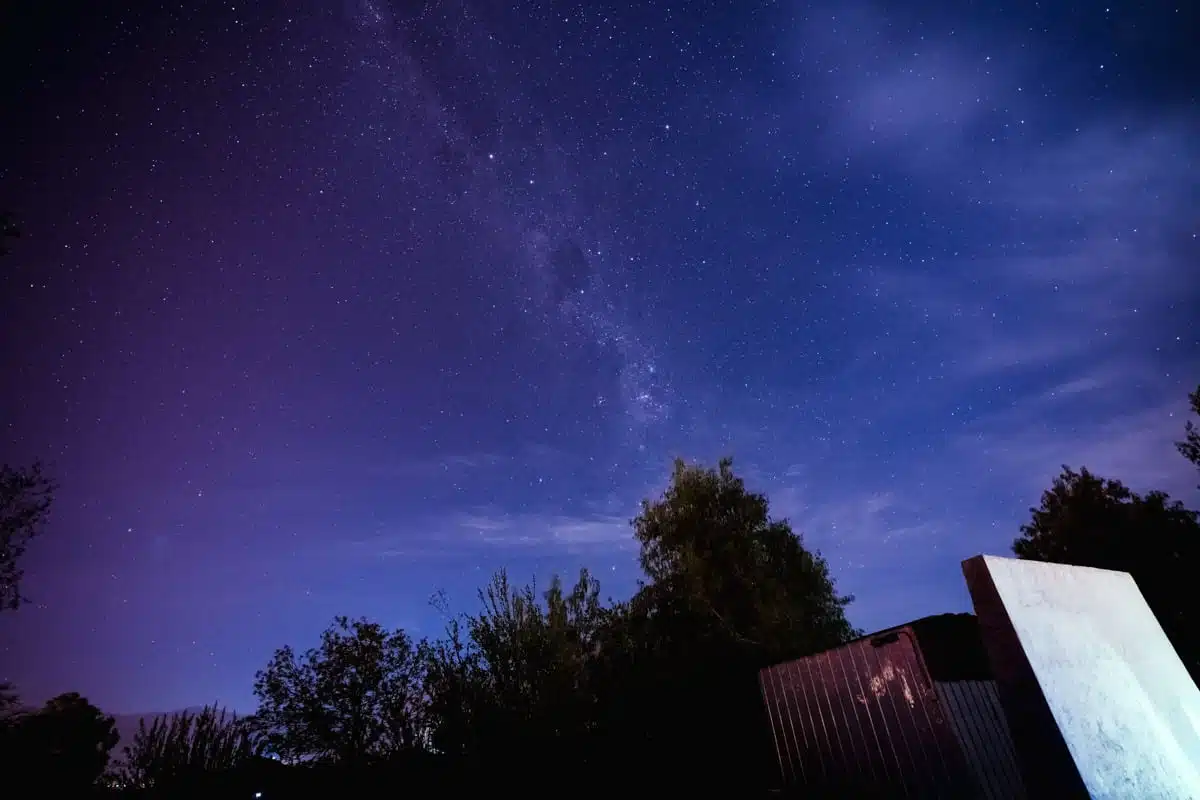
Watch the night sky: Elqui Valley is home to some pretty epic places to watch the night sky, including in your own glass dome. If you’re looking for an amazing astronomy experience, this is one of the best places to visit in Chile. I went to Alfa Aldea, just outside Vicuña, where the groups are small and the session includes a glass of wine, a 3D video tour of the galaxy and time on the telescopes.
Try solar cooking: In Villaseca, local cooks use the sun to make lunch. At Solar Elqui Donde Martita I had pollo arvejado (chicken stewed with peas) cooked in solar cookers.
Read next: My Elqui Valley travel guide
See the vast General Carrera Lake
With cool, bright blue waters, thick, tangled forests, and the Andes mountains on the horizon, General Carrera Lake is a must-see if you’re heading into Chilean Patagonia. The lake, which is shared with Argentina (where it’s called Lago Buenos Aires), is the biggest lake in the country.
The nearest airport is Balmaceda, near Coyhaique, and from there it’s a long and beautiful drive south along the Carretera Austral to the lakeside villages of Puerto Río Tranquilo and Chile Chico. Fishing, horse riding and boat trips are all popular.
And the Marble Caves

Located deep in the waterways of Patagonia, the Marble Caves are a world-famous series of caves with gorgeous blue striations carved into marble by the waters of General Carrera Lake. While many people opt to go by motorboat, I’ll be choosing a kayak tour when I go for an immersive, tranquil experience.
Tours leave from Puerto Río Tranquilo. A three-hour kayak trip costs around CLP 60,000, and boats are quicker and cheaper. Trips are cancelled when the wind whips up the lake, so leave a spare day.
You may be worried about taking such a long trek for a short, day-long excursion to the caves. Luckily, there’s a lot more to do in the region. If you’ve got a rental car, you can continue down the Carretera Austral for even more of those stunning Patagonian landscapes.
If you have more time, there’s also the option to tour nearby San Rafael Glacier. Compared to the more famous Perito Moreno or Grey Glacier, San Rafael receives a small number of visitors. It’s perfect for more intrepid travellers looking for a unique experience.
Drive the Carretera Austral

For the avid road trippers out there, the Carretera Austral is one of the most incredible highways in the world. You could spend weeks simply driving along this Patagonian thoroughfare and exploring the amazing hiking, photography, and wildlife watching opportunities it has to offer.
Beginning in Puerto Montt and extending around 1,240 km to Villa O’Higgins, this highway traverses northern Patagonia and offers some of the most picturesque stops along the way, from Pumalín Park to the hanging glacier at Queulat. Kayaking, trekking, backpacking, and wildlife expeditions await.
Parts of the road are still gravel and some stretches rely on ferries, so book those in advance in summer, carry spare fuel in the emptier sections and allow far more time than the map suggests.
Explore the Cajón del Maipo (Maipo Canyon)

Located just southeast of Santiago, the Maipo Canyon is a popular attraction for locals and tourists alike.
Its steep, jagged walls and rocky peaks make the canyon the ideal place for hiking, climbing, and trekking. There are also several camping bases set near the Maipo Canyon ideal for nature enthusiasts trading the buzz of bustling Santiago for a night under the stars.
The Maipo Canyon surrounds the Maipo River basin and is crossed by several other streams including El Volcán River and Yeso River. Thick greenery also covers the slopes of the gorge, creating a picture-perfect scene that’s too good to miss.
It’s definitely the most accessible mountain escape from the capital. At around an hour from Santiago’s city centre, the Cajón del Maipo is a perfect outdoor day trip or a short weekend getaway.
Here are just a few activities you can try in Cajón del Maipo:
Hike to a glacier: There are several glaciers in the Cajón del Maipo region, which you can hike to in a single day. The most popular is the trail through the El Morado Natural Monument, run by CONAF, to the Laguna El Morado and the San Francisco glacier. The best season is October to April, as access is often restricted by snow in winter.
Explore El Yeso reservoir: El Yeso is probably the most iconic and picturesque area of Cajón del Maipo. It’s a large reservoir at about 2,500 metres surrounded by snowy peaks. The easiest way to get to El Yeso is by driving yourself or booking a guided tour, but the last stretch is gravel and can close in winter, so check conditions before you set off.
Relax in some hot springs: Given Chile’s geothermal activity, there are a couple of hot springs you can enjoy in the Cajón del Maipo region. The best known are the Termas Valle de Colina, natural terraced pools high in the mountains where the water reaches around 50°C, perfect for chilling out after a day of hiking.
Go rafting in the Maipo River: There are a bunch of outfitters that offer rafting trips in Cajón del Maipo. These tours are a few hours in length and go through class III and IV rapids. Most operators are based around San Alfonso and El Melocotón.
Ski in the Andes

From roughly mid-June to September, Santiago has some of the best skiing in the southern hemisphere on its doorstep. Valle Nevado, La Parva and El Colorado sit high in the Andes about an hour and a half’s drive from the city, close enough for a day trip, though the hairpin road gets very busy at weekends.
Further north, Portillo is one of the world’s most famous ski resorts, a lone yellow hotel on the shore of the Laguna del Inca near the Argentine border. It’s about two and a half hours from Santiago. I haven’t skied in Chile, but if you’re visiting in the southern winter, it’s a brilliant way to see the high Andes.
Explore the Lake District

South of Santiago, on the edge of northern Patagonia, lies Chile’s famed Lake District, which is full of sweeping mountains, sparkling lakes, and incredible geographic marvels.
The Lake District spans three of Chile’s regions (Araucanía, Los Ríos and Los Lagos) and stretches for several hundred kilometres. Some of the most notable towns and cities in the area include Temuco, Pucón, Valdivia, Puerto Varas and Puerto Montt.
While here, you can explore Conguillío National Park, with its monkey puzzle forests and the Llaima volcano, or hike one of the many mountains or volcanoes that dot the area. Alternatively, enjoy the water by booking a waterfront resort or going for a boat tour across Lago Todos los Santos.
Either way, you can’t go wrong with a few days (or weeks!) in the Lake District. December to March is the driest and warmest time to go.
Punta Arenas and Tierra del Fuego

Located near the very southern tip of Chile is the city of Punta Arenas. Just look at it on the map! It looks like it’s on the end of the world.
I flew into Punta Arenas on my way to the W Trek, and landing here is eerie and beautiful at the same time. The skies are huge and the breeze is strong. Most people, like me, head straight on to Puerto Natales, about three hours north by bus, for Torres del Paine, but it’s worth lingering.
While it’s not as full of rocky peaks as its northern Patagonian counterparts, there’s a different kind of magic here. From Punta Arenas, you can hop on day tours to see the magnificent wildlife in the area. Boats run to the Magellanic penguin colony on Isla Magdalena between October and March, and on Tierra del Fuego you can see king penguins at the Parque Pingüino Rey.
For even more adventure, you can also cross into the Argentine side of Tierra del Fuego. Here, you can visit Ushuaia and see the surrounding areas, though it’s a long day on the bus.
More wine tasting in the Maipo Valley and Casablanca Valley
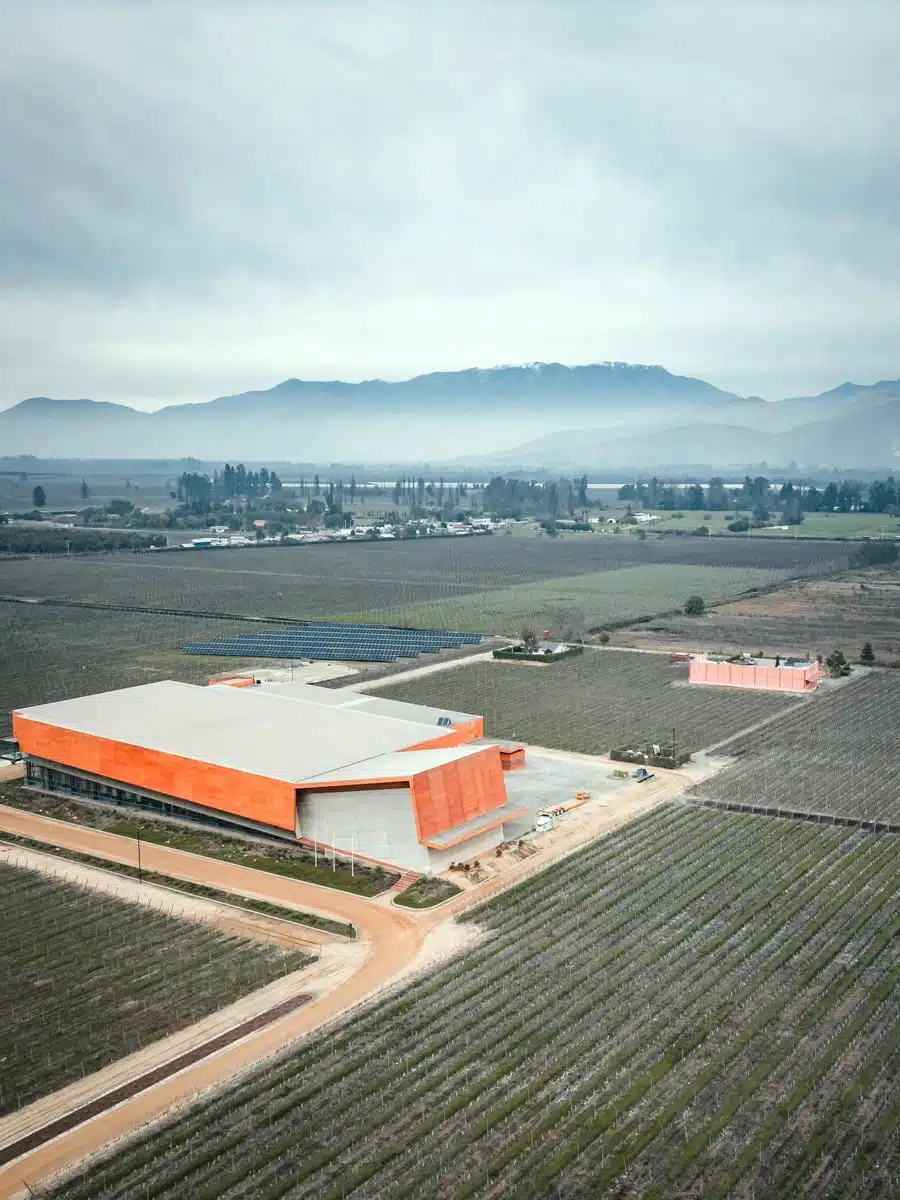
One of Chile’s prized contributions to the world is its rich and flavourful wine. In Chile, winemakers grow both red and white grapes, making for an incredible variety of tastes and flavours. Maipo Valley and Casablanca Valley are two of the dozens of winemaking regions in Chile, both within a short drive from Santiago.
While Maipo Valley and Casablanca are two very different wine regions, I’ve grouped them together here solely because of their proximity to the capital city. However, they are quite different.
For example, in Casablanca Valley, you’ll often find wines that use Sauvignon Blanc, Chardonnay and Pinot Noir grapes, while Maipo Valley commonly has full-bodied red wines on offer. Maipo’s cool mornings and hot afternoons are a big part of why its reds are so good.
It’s worth visiting each valley separately to understand the differences between them. It’s easy to spend a day or more hopping around to the different wineries in each valley. Each one has its own unique history and methodology for winemaking, which I found totally fascinating when I visited both on day trips from Santiago.
In Maipo, my tour took me to the Isla de Maipo area, about an hour from Santiago. Santa Ema, a family winery of Italian descent with a sleek, modern tasting room, was my favourite: I only wish I’d had space in my suitcase for some bottles of its Marselan and Reserve Chardonnay. La Quirinca, a former vineyard turned organic farm, does paired wines and nibbles in a beautiful tasting room, and Terramater specialises in Zinfandel, which is unusual for Maipo. Its restaurant, Zinfandel, served a skirt steak that proved Chile can do steak as well as its neighbour. Undurraga, one of the oldest wineries in the valley, was my least favourite: the tour was long and info-heavy, and the tasting felt rushed.
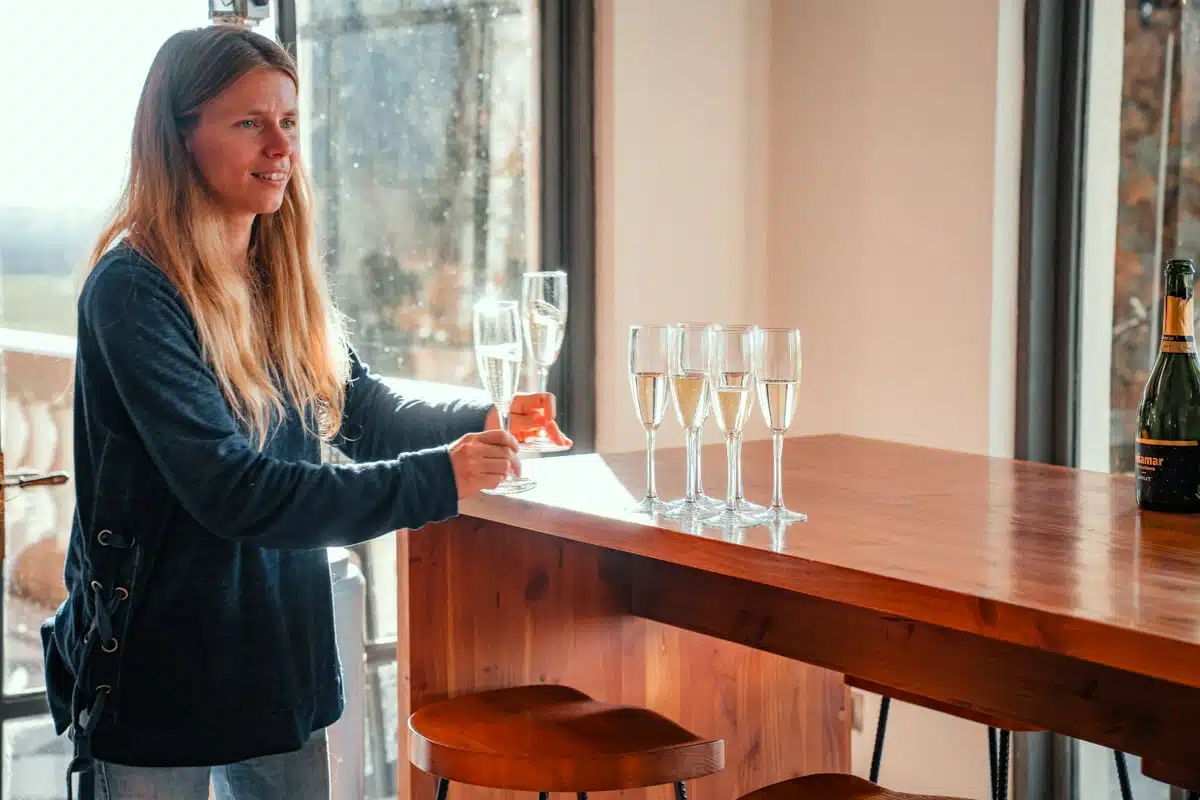
Casablanca is best known for its crisp whites and sits on the road to the coast, so it’s easy to combine with Valparaíso and Viña del Mar. I stopped at Casa Viñamar (formerly Casa Valle Viñamar), where a short but engaging tasting finished with a glass of its traditional-method Extra Brut. If you’re hungry, book a table at Macerado, its in-house bistro.
If you’re looking for a way to relax and see one of the finest Chilean exports, look no further than the vineyards in the valleys surrounding the Andes mountains.
Read next: How to go wine tasting in the Maipo Valley and visiting the Casablanca Valley
See colourful Valparaíso

Cheery Valparaíso should be at the top of any traveller’s list of things to see in Chile. This busy port has a long and colourful history that is reflected in the enchanting maze of jewel-coloured architecture typical of the city, and its historic quarter is a UNESCO World Heritage Site.
Endearingly called “Valpo” by Chilean locals, Valparaíso is a colourful city spilling down steep hillsides to the sea. You can wander for hours through the many staircases and alleys of street art (what I did), or grab a coffee and peruse the many small artisan shops, cute cafes, and galleries (also what I did).
Cerro Alegre and Cerro Concepción are the two hills to start with. If Santiago has a burgeoning street art scene, Valparaíso’s is fully fledged. Look out for the stairs that climb from Almirante Montt via Palma to Paseo Dimalow, with pieces around every corner and some good independent shops and cafes, and the piano stairs on Beethoven Street (expect to queue for a photo). Save your legs by riding the ascensores, the century-old funiculars that are still a practical way up the hills: the Ascensor Concepción, which opened in 1883, is the oldest, and the Reina Victoria is another good one to try.
Beloved by artists, poets and novelists for centuries, this slightly eccentric but endearing city boasts a wealth of things to do and see and is becoming increasingly popular with visitors looking for an alternative city to Santiago for their travels.
While Valparaíso is best for simply wandering around or relaxing on a terrace somewhere, here are some other fun things to do in Valparaíso:
Eat some seafood: Being on the seaside, Valparaíso and Viña del Mar also have amazing seafood options that local porteños boast as some of the best in the country.
Locals rate Tres Peces, on Subida Concepción, as one of the best restaurants in the city for seafood. Alternatively, head straight to the source at the Caleta Portales, where, in addition to the day’s fresh catches, you can sample freshly made ceviche and marinated mariscos. For something more traditional, I had a huge empanada de pino (beef with raisins, olives and egg) at La Conquistada that was big enough to count as a main course.
Take a free walking tour: Valparaíso has two free daily walking tours (you just tip the guide at the end) run by Tours 4 Tips: an offbeat tour at 10am and a highlights tour of Cerros Alegre and Concepción at 3pm. They’ll give you lots of historical context, as well as taking you to some of the best street art areas and miradores over the city and the ocean.
Visit La Sebastiana: Neruda had a house here too, perched high above the bay. I thought it was prettier than La Chascona.
Get out on the water: As two cities located on the seaside, there’s no better way to get amazing views of the cities themselves than by taking a boat trip around the bay.
Budget travellers can hop on one of the small local boats that leave from the Muelle Prat throughout the day for a few thousand pesos, and you’ll be sharing it with plenty of Chilean holidaymakers. Travellers who prefer a bit more comfort can opt for a longer yacht tour from the same pier.
Read next: The best things to do in Valparaíso
And neighbouring Viña del Mar
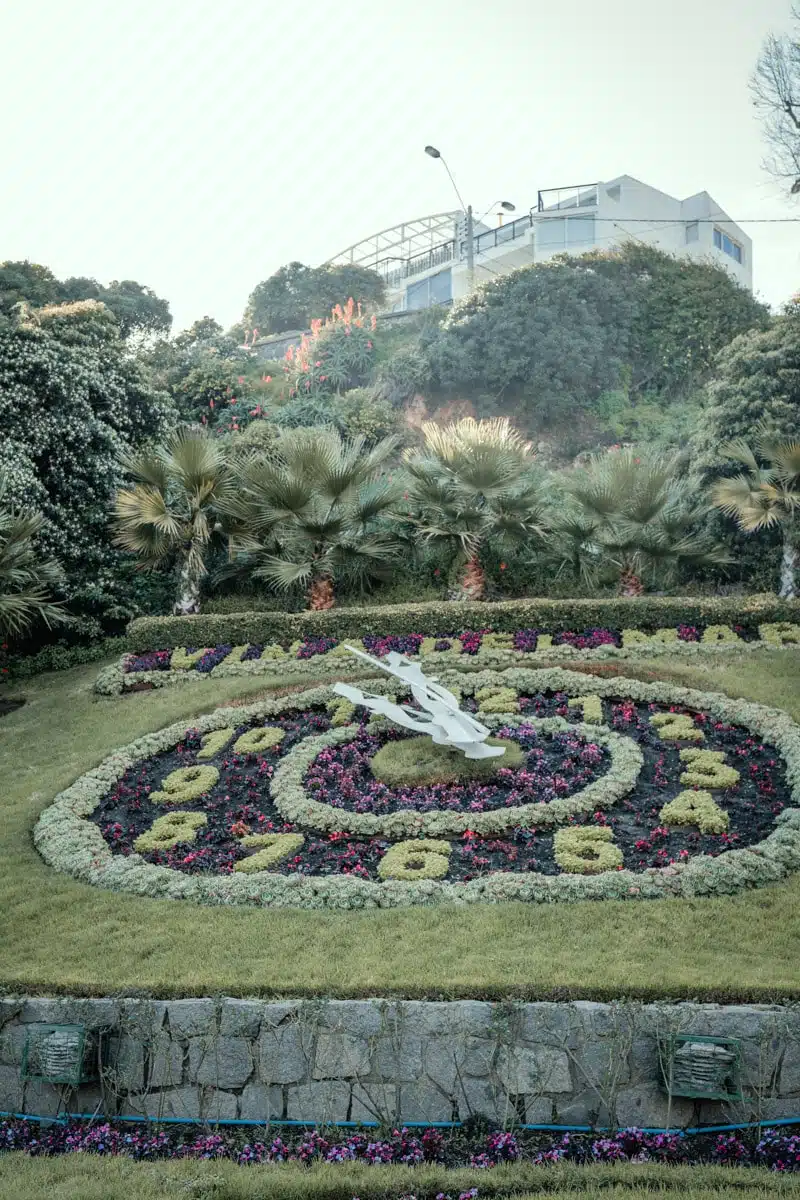
Viña del Mar is Valparaíso’s beachy counterpart. Narrow staircases give way to flatter lands with a more commercial spin.
Large beach resorts and upscale dining options collide with the city’s several miles of sand interspersed with jagged rocks and the occasional sea lion. Here, you can live your best beach life, sipping pisco sours on the sand and pretending to be a Chilean celebrity.
I stopped here on my coast day trip from Santiago. Its most famous sight is also its most unusual: the Reloj de Flores, a working clock with a face made of flowers, built for the 1962 World Cup at the foot of Cerro Castillo. Then swing by the fish market. Sure, it pongs a bit, but the sea lions, pelicans and giant seagulls waiting for their share of the catch are worth it. I spent the whole time terrified that a seagull was going to crap on me, but what’s life without a little danger?
If you can’t make the long flight to Easter Island, there’s a genuine moai from Rapa Nui standing outside the Fonck Museum.
Take a trip to Chiloé

Pristine nature, fascinating history and culture, and beautiful small towns dot the island of Chiloé. Chiloé is home to 16 wooden churches that together make up a UNESCO World Heritage Site, built by the islanders under Jesuit and later Franciscan influence. The best known is the yellow and lilac Church of San Francisco in Castro.
Other common activities in Chiloé include kayaking, hiking, exploring the colourful towns and the stilt houses (palafitos) of Castro, and learning about the fascinating legends surrounding this place. I’ve only seen Chiloé’s folklore on a mural in Santiago so far, but it’s high on my list.
There are two big protected areas on the island, Chiloé National Park and the private Tantauco Park, that provide ample opportunities for outdoor adventures or relaxation in nature. The island is a short ferry ride across the Chacao Channel from the mainland, about an hour south of Puerto Montt.
Hang out in laid-back Arica

Located on the northernmost tip of Chile on the coast, Arica is a laid-back beach city that attracts sunbathers and surfers alike.
Thanks to its location on the edge of the Atacama Desert, Arica has balmy, dry weather pretty much the entire year, making it an ideal little gem on the many kilometres of Chile’s Pacific coast.
Many people come to Arica to relax for a few days before they cross over the border to Peru. This means there are several beach hotels, resorts, and hangouts to lounge around in.
Aside from simply lounging at the beach, here are a few other things you can do in Arica:
Climb El Morro de Arica: Arica is home to a large headland, called El Morro de Arica, which is home to the best views of the city. The Morro is also home to lots of important history in Chile, on display at its Museo Histórico y de Armas, which tells the story of the 1880 battle for the Morro during the War of the Pacific against Peru and Bolivia.
See the world’s oldest mummies: The Chinchorro people were mummifying their dead around 2,000 years before the ancient Egyptians, and the Chinchorro sites were added to UNESCO’s World Heritage list in 2021. You can see mummies at the archaeological museum in the Azapa Valley, just outside the city.
Visit the Cuevas de Anzota: Just over 10 kilometres south of Arica lies a system of caves known as the Cuevas de Anzota. These jagged caves, canyons, and rock formations are a fun place to explore the unique landscape and wildlife of the area.
Try your hand at surfing or watersports: Because of its powerful waves, sunshine, and wind, Arica is a great place to learn watersports like surfing and bodyboarding, and experienced surfers come for its big reef breaks.
Visit Lauca National Park and Lake Chungará
From Arica, the road climbs from sea level to more than 4,500 metres in a few hours, and the reward is Lauca National Park, one of the most spectacular corners of the altiplano. Lake Chungará, at around 4,500 metres, is one of the highest lakes in the world, with the snow-capped cone of Parinacota volcano reflected in its water, and the park is full of vicuñas, flamingos and viscachas.
Stay a night or two in Putre, at about 3,500 metres, on the way up to acclimatise; going straight from the coast to Chungará in a day is a recipe for altitude sickness. I haven’t been to Lauca, but after two trips to the Atacama’s high lakes, it’s the next one on my list.
Explore the Humberstone saltpeter works
Inland from Iquique, the abandoned saltpeter towns of Humberstone and Santa Laura are a haunting reminder of the nitrate boom that made northern Chile rich in the late 19th and early 20th centuries. Thousands of workers lived here, and the town still has its theatre, church, school and swimming pool, slowly crumbling in the desert sun.
The two works were added to UNESCO’s World Heritage list in 2005. They’re about 45 kilometres from Iquique and easy to reach by bus or on a tour, and you can combine them with the oasis town of Pica. Go early, as there’s very little shade.
Strike out for Rapa Nui (Easter Island)

Ah, the famed Easter Island, more correctly known as Rapa Nui. It’s a beauty, isn’t it? The most iconic view of Easter Island is of the mysterious stone figures that almost everyone has seen in photos. But did you know that this baffling place is actually a territory of Chile?
Now known as one of the most isolated inhabited islands in the world, Rapa Nui was settled by Polynesian voyagers. The famed figures here, known as moai, are the main draw of the island, which now makes significant revenue from tourism.
A visit to Easter Island is neither cheap nor easy, but it’s a worthwhile endeavour to experience one of the most remote islands in the entire world. Flights take around five and a half hours from Santiago, so book far in advance to keep costs down. You’ll need to fill in an online entry form before you fly, show a return ticket and stay no longer than 30 days. Foreign visitors pay US$80 for the national park ticket, valid for 10 days, and you must be accompanied by an authorised local guide at the park’s sites. I haven’t made it out there yet, but if you’re trying to save a bit of money, camping is an option.
Love this? Save and share on Pinterest
Discover the top things to do, insider tips and hidden gems in our Chile Travel Guides.
Read the guides →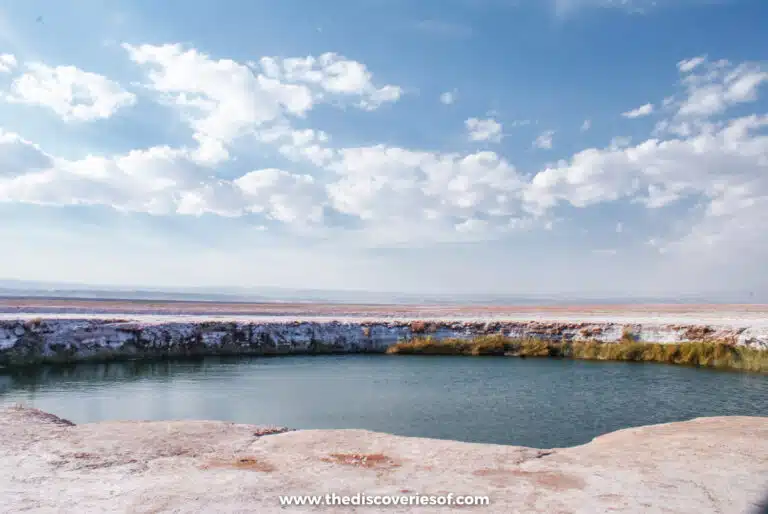


Such a beautiful country! Thank you on a detailed impressive guide! Saved your post for the future ?
Thank you – glad you found it useful