

You’re not going to see all of South America in two weeks, but you can see one corner of it properly. Here are six routes, from Bolivia’s salt flats and Patagonia’s glaciers to the Amazon, Brazil’s beaches and the Galápagos, plus the flight, border and permit details that quietly make or break each one.
By Sophie Ritchie and Julianna Barnaby
South America is such a large continent that it can be difficult to know where to start and how much to see on a shorter trip. Into beaches, jungle or mind-blowing landscapes? Whichever way, there’s a 2 week South America itinerary for you here.
I’ve been to Chile four times, crossed the Bolivian altiplano twice, hiked the W Trek alone in Torres del Paine and spent a blue-sky January day hiking to Laguna Torre beneath Cerro Torre in Argentina. I’ve wandered the catacombs of Lima’s San Francisco monastery, slept at the foot of Machu Picchu and watched the sun set over Rio. Those trips taught me the same lesson every time: distances here are enormous, and the trips that work pick one region and do it well.
That’s how these six routes are built. Each one sticks to a single corner of the continent, uses a flight wherever the alternative is a day on a bus, and leaves room to acclimatise where the altitude demands it. Where I’ve done a leg myself, I’ve said what worked and what I’d change.
Going to South America for longer? Read my step-by-step South America guide. Everything you need to know to plan your trip.
The six routes at a glance
- Salt flats and the high desert (Chile and Bolivia): Santiago, San Pedro de Atacama, the Atacama Desert, the Bolivian altiplano, the Salar de Uyuni. Best from April to November.
- 2 weeks in Patagonia (Argentina and Chile): El Chaltén, Fitz Roy, Lago Argentino, the Perito Moreno Glacier, El Calafate, Puerto Natales, Torres del Paine. Best from November to April.
- The Incan Empire and Lake Titicaca (Bolivia and Peru): La Paz, Copacabana, Lake Titicaca, Puno, Cusco, the Inca Trail, Machu Picchu, Lima. Best from May to October.
- An Amazon adventure (Brazil, Colombia and Peru): Manaus, the river to Tabatinga, Leticia, Iquitos. Good all year round.
- Beach hopping in Brazil: Santos, Guarujá, Ilhabela, Paraty, Ilha Grande, Rio de Janeiro, Salvador, Fernando de Noronha, Recife. Warmest from December to March.
- Ecuador and the Galápagos: Quito, the Mindo cloud forest, Otavalo and Cotacachi, Antisana, the Avenue of the Volcanoes, the Galápagos Islands. Good all year.
Salt flats, geysers and red lagoons: the Atacama and Bolivia’s altiplano
Destinations: Santiago, San Pedro de Atacama, the Atacama Desert, the Bolivian altiplano, the Salar de Uyuni
Countries: Chile and Bolivia
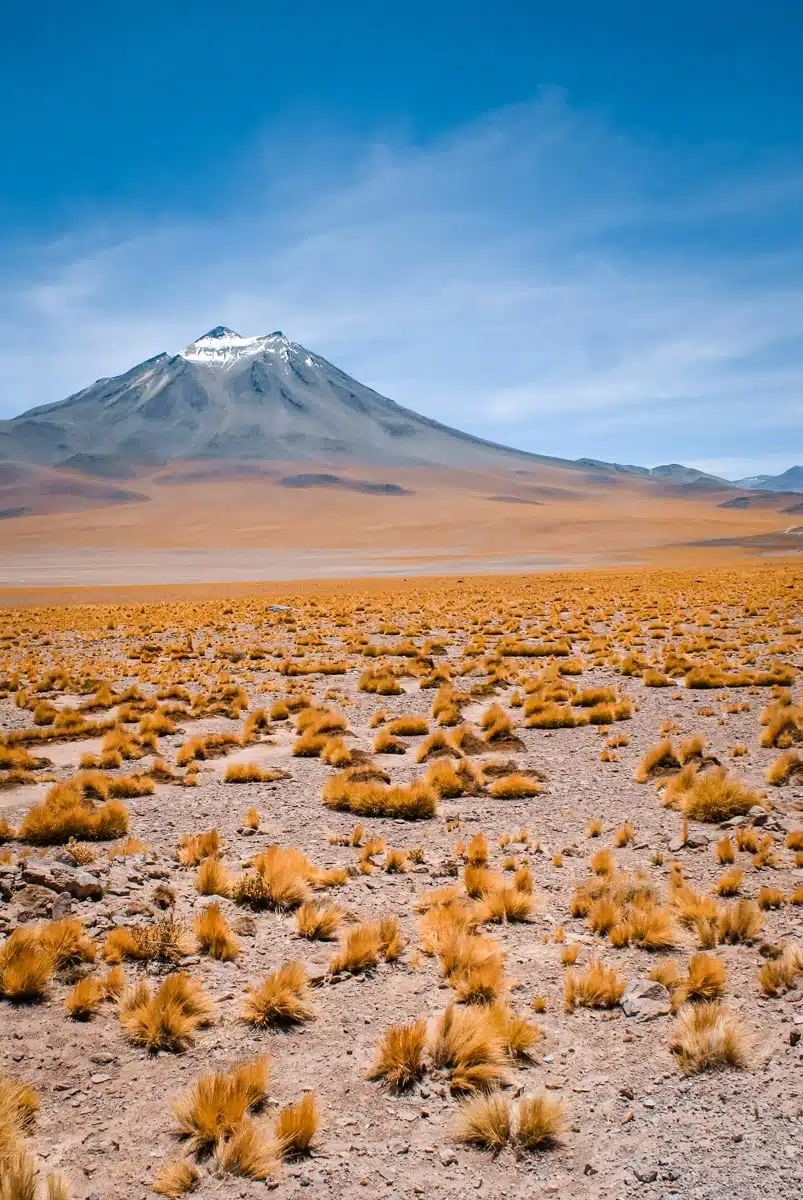
Two weeks in South America is not enough time to see everything that the continent has to offer.
This trip will take you to the very best of the continent’s incredible landscapes so you can decide on your own personal favourite.
It’s also the route I know best. I’ve driven myself around the Atacama in a campervan, come back years later in July to see it in winter, and crossed into Bolivia from both ends of the altiplano. The order below is the one I’d follow: a few days in San Pedro to get used to the altitude, then up and over the border to the salt flats and back again.
Make sure you have a trusty travel camera for this one… you’re going to need it.
Day 1: Santiago, for Andes views and pre-Columbian treasures

Where better to arrive than in Santiago, Chile’s capital city. Santiago rivals La Paz for its dramatic setting: it sits in a valley surrounded by the towering Andes mountains.
It’s a cool city, with lots of options for sightseeing, restaurants, nightlife and lots of accommodation. If you have a bit more time, spend a couple of days exploring Santiago, but you can see a reasonable chunk of the city in one day.
I recommend heading to the top of Cerro San Cristóbal for epic views over the city, as well as visiting the impressive Templo Bahá’í and spending a morning wandering around Bicentenary Park. Ride up on the funicular or the cable car rather than walking: there have been armed robberies on the hiking paths up the hill.
You also cannot visit Santiago without admiring the old colonial architecture. Cerro Santa Lucía, in particular, is stunning, where the conquistador Pedro de Valdivia founded Santiago in 1541. If you only have time for one museum, make it the Museo Chileno de Arte Precolombino, my favourite in the city, with thousands of years of textiles, ceramics and carvings from across the Americas.
Santiago was the first and last stop of my month in Chile in July. If you want more ideas for your night here, my round-up of the best restaurants in Santiago covers where I ate, from pastel de choclo at Galindo to the tasting menu at Boragó.
Suggested stay: The Singular Santiago, where I ended my trip and treated myself to its spa. Read my review of The Singular Santiago.
Day 2: fly north to San Pedro de Atacama

Fly to Calama, about two hours from Santiago, and journey to San Pedro de Atacama, where you will lodge for the night. Shared shuttles meet the flights for the transfer of about an hour and a quarter; the bus all the way from Santiago takes nearly a day.
San Pedro is pretty tiny and congested (to be honest, it’s not my favourite place) but it makes a good base for exploring the Atacama Desert by taking tours. Its food scene has come a long way, though: La Casona is still the best meal in town, and Karaván Restobar is the place for a sundowner.
If you want a completely unique experience, hire a campervan or a car to explore the Atacama at your own pace. That’s how I first saw the desert, on a week-long road trip of about 1,000 miles that I’ve written up in my Atacama road trip guide.
If you have the money, another (much pricier but also fabulous) alternative to staying in San Pedro is basing yourself in one of the high-end lodges dotted around the area such as Explora Atacama and Nayara Alto Atacama.
Perfect if you’re looking for a touch of luxe for the trip. I spent three nights at Nayara in the Catarpe valley before my second crossing into Bolivia, and its all-inclusive tours took care of the logistics for me.
Suggested stay: Nayara Alto Atacama: read my full review here
Days 3 to 7: geysers, salt lagoons and stargazing in the Atacama Desert

Spend a few days taking tours or driving yourself around the Atacama Desert. San Pedro is around 2,400 metres up, and these days are as much about getting used to the altitude as sightseeing, so start low and work your way up.
Be sure to see the highlights such as El Tatio Geyser Field and the Valle de la Luna. The Laguna Cejar, where you can float in the salt water, is another must-see. Keep the water out of your eyes and off your face, and carry on to the neighbouring lagoon, where the flamingos feed.
El Tatio is an early one: tours leave San Pedro at around 4am to reach the field, at about 4,300 metres, for sunrise, when the geysers are at their most active. It was -15°C when I was there in July, so wear every layer you’ve packed and shoes with thick soles. On my road trip, I had the Valle de la Luna to myself at dawn; it’s busier now, and tickets for a set date are sold online in advance.
Get off the beaten track in the Atacama Desert and you’ll be well rewarded… High altitude lakes such as the Salar de Quisquiro and Salar de Capur look like they’re straight off of another planet. Add Piedras Rojas, where the Salar de Talar freezes into something that looks more like turquoise stone than water in winter, and the Miscanti and Miñiques lagoons. Tickets for Piedras Rojas and the lagoons are now sold together online.
Don’t forget to bring your binoculars: the Atacama has some of the clearest night skies in the world and the stargazing is unrivalled. Nayara’s observatory sessions are where I took some of my favourite photos of the whole trip.
Read Next
Days 8 and 9: cross the border to Bolivia’s coloured lagoons

Hop over the border into Bolivia on a four-day loop from San Pedro de Atacama up to the salt flats and back. This is the one leg I’ve changed from the original version of this route, which began in Tupiza: that town is on the far side of the altiplano, near the Argentine border, and getting there from San Pedro takes the best part of two days. Starting from San Pedro uses the days you’ve spent acclimatising and brings you back to where you started.
Visitors tend to take tours along this route, though it is possible to drive a rental vehicle (this will need to be a 4×4, as the terrain is very rough, and Chilean hire companies rarely allow it across the border). A minibus takes you up to the Hito Cajón border post, at around 4,480 metres, where you switch into a Land Cruiser for the rest of the trip.
Either way, you’ll see thrilling Bolivian landscapes such as the Laguna Verde (Green Lake), the steaming Sol de Mañana geysers and the surreal Laguna Colorada (Red Lake), whose rust-red water is full of flamingos. On the second day, the road passes the stone tree in the Siloli desert, the flamingo-lined shores of Laguna Hedionda and unparalleled views of the Ollagüe stratovolcano, which was smoking when I drove past.
I’ve done this crossing twice: years ago from Tupiza to Uyuni, and again in July from San Pedro with Cordillera Traveller. The first day of my second tour was a mess (a mix-up in the office, a driver in a hurry and no lunch), but my guide was brilliant from then on. Be ready for the cold: the night I spent at Huayllajara, near Laguna Colorada, was among the coldest I’ve ever spent.
Good to know: the Eduardo Avaroa reserve charges 150 bolivianos in cash on the way in, and there are no cash machines until Uyuni, so change money in San Pedro before you leave.
Day 10: sunrise on the Salar de Uyuni

Carry on to explore the Salar de Uyuni (Bolivian Salt Flats), the world’s largest salt flat (a place I love so much I’ve written a whole guide on when to visit the Bolivian salt flats).
Most tours drive out onto the salt before dawn. On my first trip, the sun came up over the hexagons of salt with nobody else in sight, and it’s still one of my favourite travel moments. Spend the morning at Isla Incahuasi, the cactus-covered outcrop in the middle of the salar, and taking the perspective photos everyone takes.
Spend the night at the luxurious Palacio de Sal, the world’s first salt hotel, on the edge of the salt flat. Standard shared tours use simpler salt hostels, so if you want the Palacio, book a private or upgraded version of the tour that includes it.
Suggested stay: Palacio de Sal
Day 11: back across the altiplano to San Pedro
On the last day of the tour, you’ll drive back across the altiplano to the border and down to San Pedro, usually arriving early in the afternoon. Having met with the locals at the village of San Cristóbal, walk among the wind-carved boulders of the Valle de las Rocas on the way.
Bags are checked by Chile’s agricultural inspectors when you cross back, so eat up any fruit or meat first, and leave any coca leaves in Bolivia: they’re illegal in Chile.
Days 12 and 13: recover in San Pedro and catch what you missed
After four days in a Land Cruiser, you’ll want a proper bed. I checked into Hotel Desertica for a night, in one of its round, standalone rooms, and couldn’t have asked for a better place to recover.
Use these two days for anything you didn’t fit in before the tour: the Valle de la Luna at sunset, a sandboarding session, Ckamur (free to visit, and much less crowded than the Valle de la Luna) or a night at one of the observatories.
Suggested stay: Hotel Desertica
Day 14: Calama and home
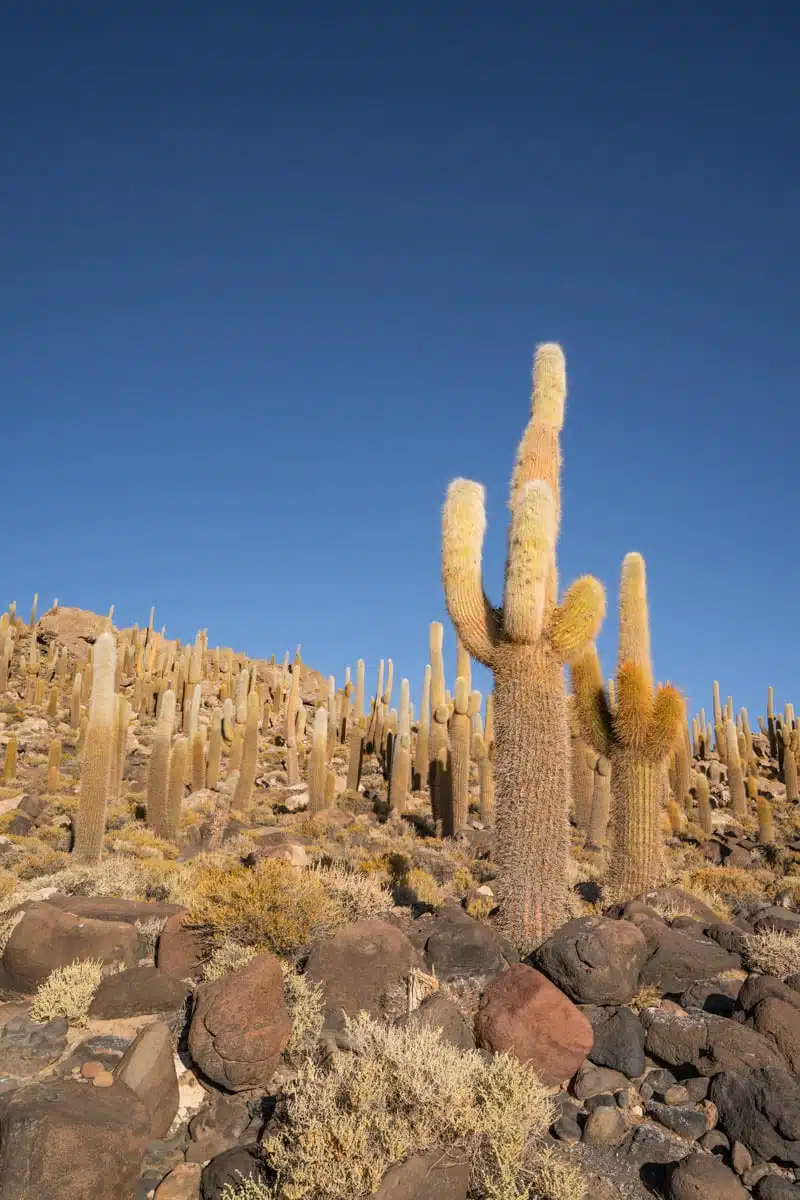
Your two weeks in South America are almost over.
You’ll return to Calama and then take a flight to Santiago for your journey home. Leave a buffer if you can: the Hito Cajón border is sometimes shut by heavy snow, especially from June to August, or by summer storms, so never plan the Bolivia tour for the very end of your trip.
Glaciers, granite spires and the W Trek: 2 weeks in Patagonia
Destinations: El Chaltén, Mount Fitz Roy, Lago Argentino, Perito Moreno Glacier, El Calafate, Puerto Natales, Torres del Paine
Countries: Chile and Argentina
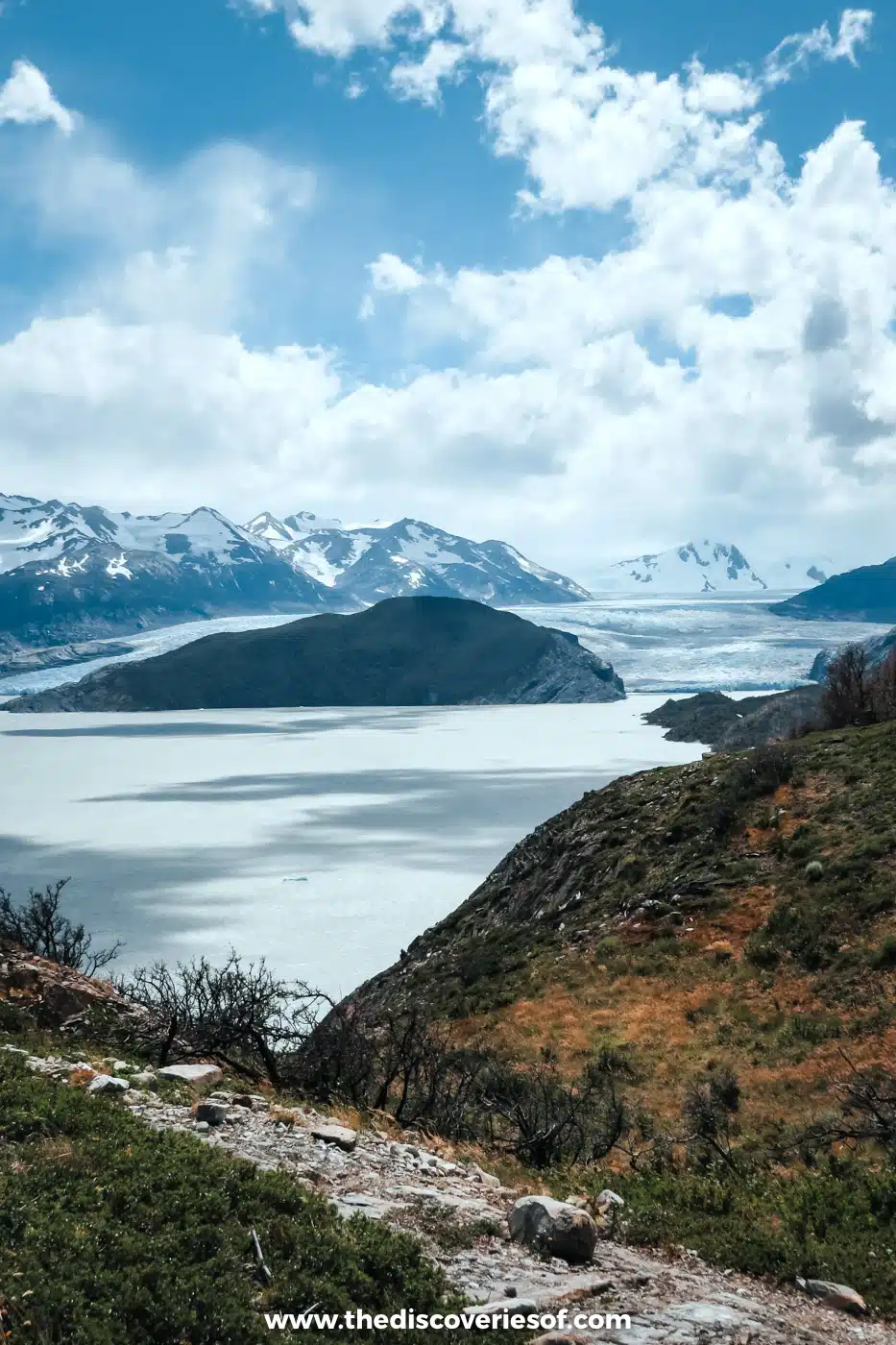
Patagonia needs no introduction: tucked away in the southernmost region of South America, its vast landscapes and barren seascapes are like something out of your imagination. Except this is definitely real life and you can go there.
Once, Patagonia was only inhabited by glaciers and wildlife, something that’s difficult to forget when you look out at empty sceneries and wide-open views.
You could reasonably spend a lot longer in Patagonia but I’ve put together the perfect Patagonia 2 week itinerary to showcase the region’s highlights. I’ve walked the W Trek on my own, visited El Chaltén on a day trip and stood on the boardwalks at Perito Moreno, so this is a route I can vouch for.
Day 1: El Chaltén, Argentina’s trekking capital
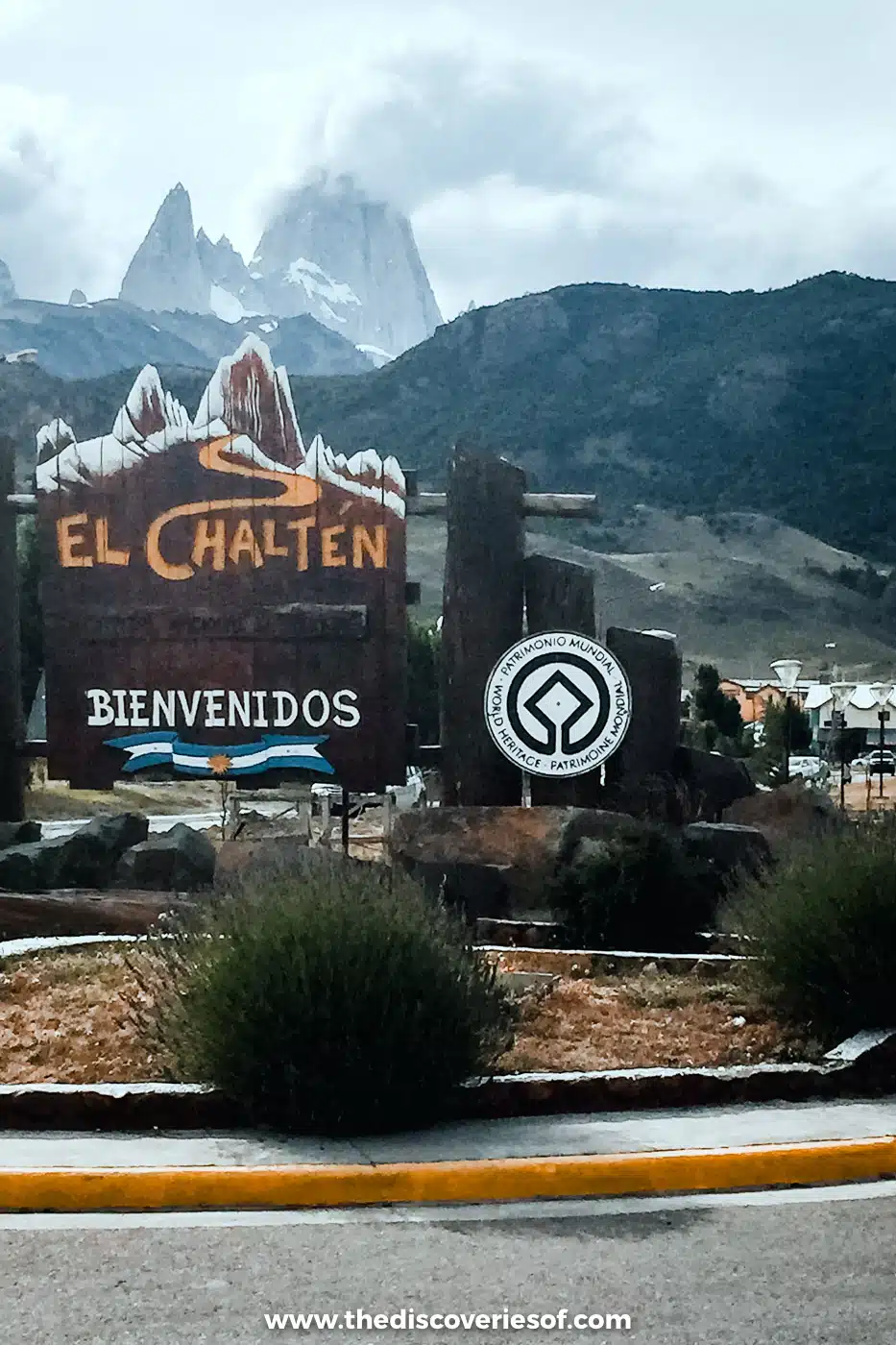
Kick off your South America two week itinerary in Patagonia in the small but thriving backpacking town of El Chaltén in Argentina. Fly into El Calafate (about three hours and 15 minutes from Buenos Aires) and take one of the buses that run north in about three hours, usually with a coffee stop at La Leona.
This tiny hamlet has expanded over recent years and now boasts some good hotels and cool restaurants and bars: make sure to check out La Tapera and Mathilda.
Travel to El Chaltén and recover from your journey: you’ll need your energy for tomorrow.
Suggested stay: Don Los Cerros Boutique Hotel & Spa
Days 2 and 3: hike to Fitz Roy and Laguna de los Tres
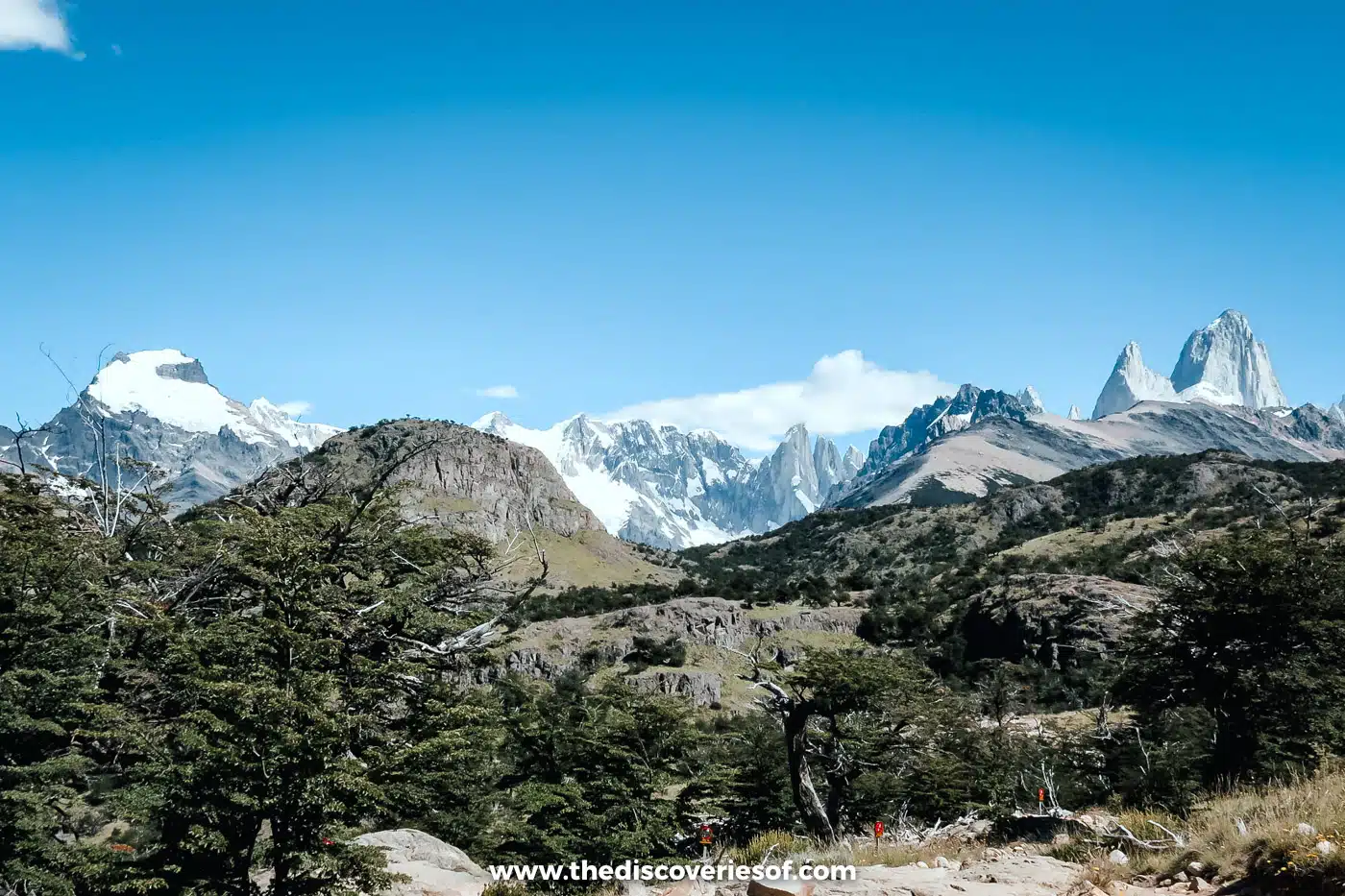
Time to roll out the big hiking legs to head on a two-day trip to Mount Fitz Roy, which takes about four hours hiking each way, setting camp at Campamento Poincenot overnight. Like every campsite in the park, Poincenot has to be booked in advance, and you’ll also need a national park ticket, bought online.
Mount Fitz Roy is on the border between Argentina and Chile and was first climbed in 1952 by Frenchmen Lionel Terray and Guido Magnone.
Expect to see stunning rocky outcrops giving way to gorgeous blue lagoons and snow-capped peaks in the near distance. From Poincenot, the final climb to Laguna de los Tres is short but steep and fully exposed, so if it’s blowing a gale at the campsite, it will be worse at the top.
After your camp, you’ll head back to El Chaltén for another night before you move on. If camping isn’t for you, do what I did and hike to Laguna Torre instead: about 9km each way, with far less climbing, to a glacial lake beneath Cerro Torre. On my January day there, chunks of ice from the glacier were drifting across the water.
Suggested stay: Campamento Poincenot
Days 4 and 5: Lago Argentino and the Perito Moreno Glacier
Stunning as El Chaltén and its surroundings are, you’ve barely scratched the surface. It’s time to transfer to Lago Argentino, partly via Ruta 40, Argentina’s most famous highway. Once there, keep driving to the Lago Roca campsite (in the Parque Nacional Los Glaciares) for the night.
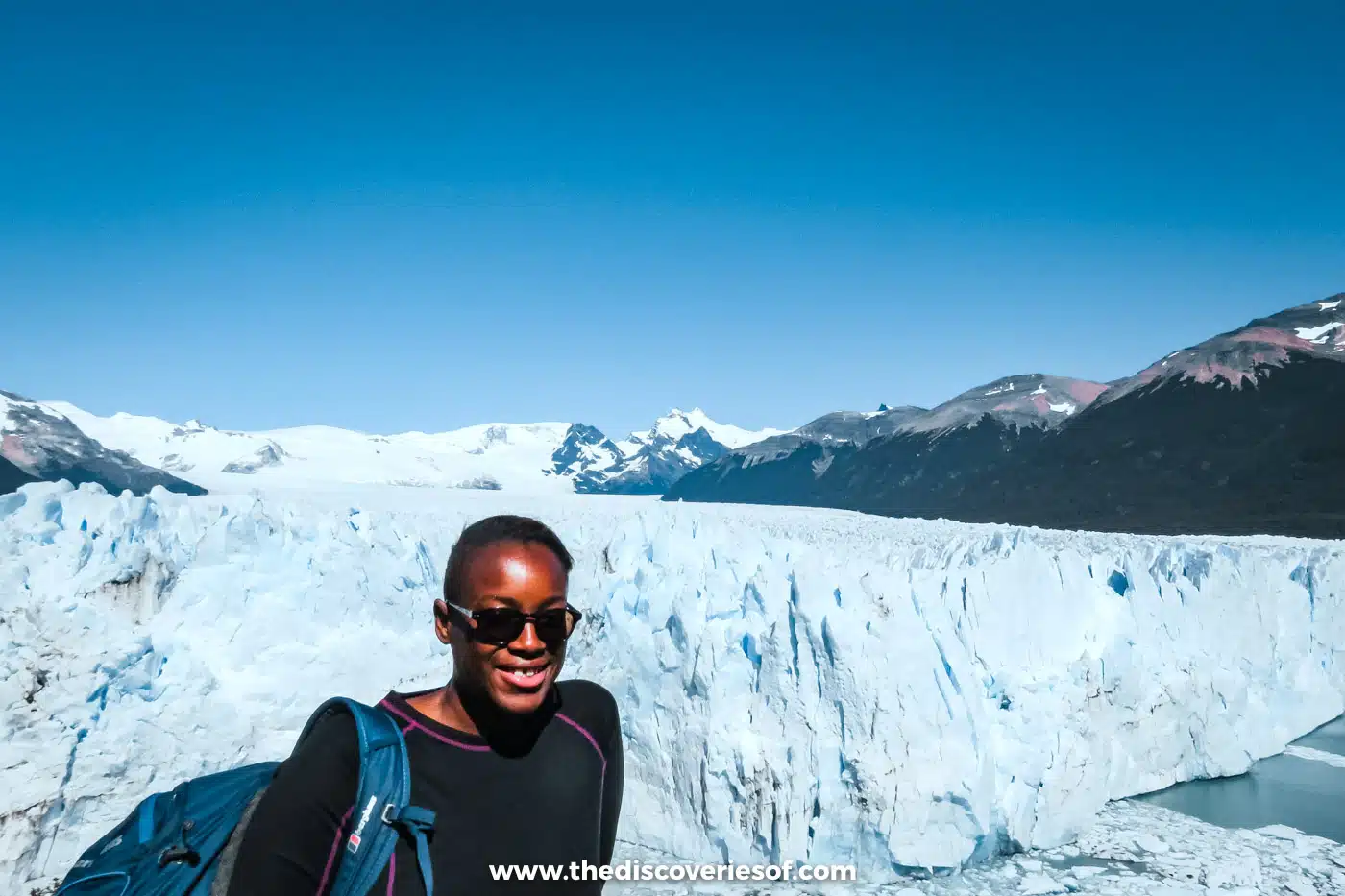
The next day you will then walk the boardwalks in front of the breathtaking Perito Moreno Glacier, one of the most beautiful glaciers in the world, before heading to Puerto Bajo de las Sombras for a boat ride to the glacier’s edge. The Safari Náutico runs along the south face for an hour, and if you’d like to walk on the ice itself, Hielo y Aventura’s Minitrekking leaves from the same port.
Have your cameras at the ready as you’ll see sights you’ve never seen before on this incredible cruise. The zoom on my small compact camera made all the difference when the ice started to fall: you hear the crack before you see the splash.
Top Tip
Be at the boardwalks for opening time. The tour buses tend to roll in mid-morning, so you’ll have the first hour or so in relative peace.
Day 6: El Calafate
Take a road trip back to El Calafate, about 50km from Lago Roca. El Calafate is well connected, making it the perfect overnight stop. I love the town, and with the glacier an easy trip away, it’s the natural base for this part of Patagonia.
The town also has a range of accommodation, from luxury hotels such as Esplendor El Calafate (now part of Wyndham), to more budget hostels and campsites depending on your budget (Hostel America Del Sur is a fabulous choice and puts on an incredible asado feast once every few days).
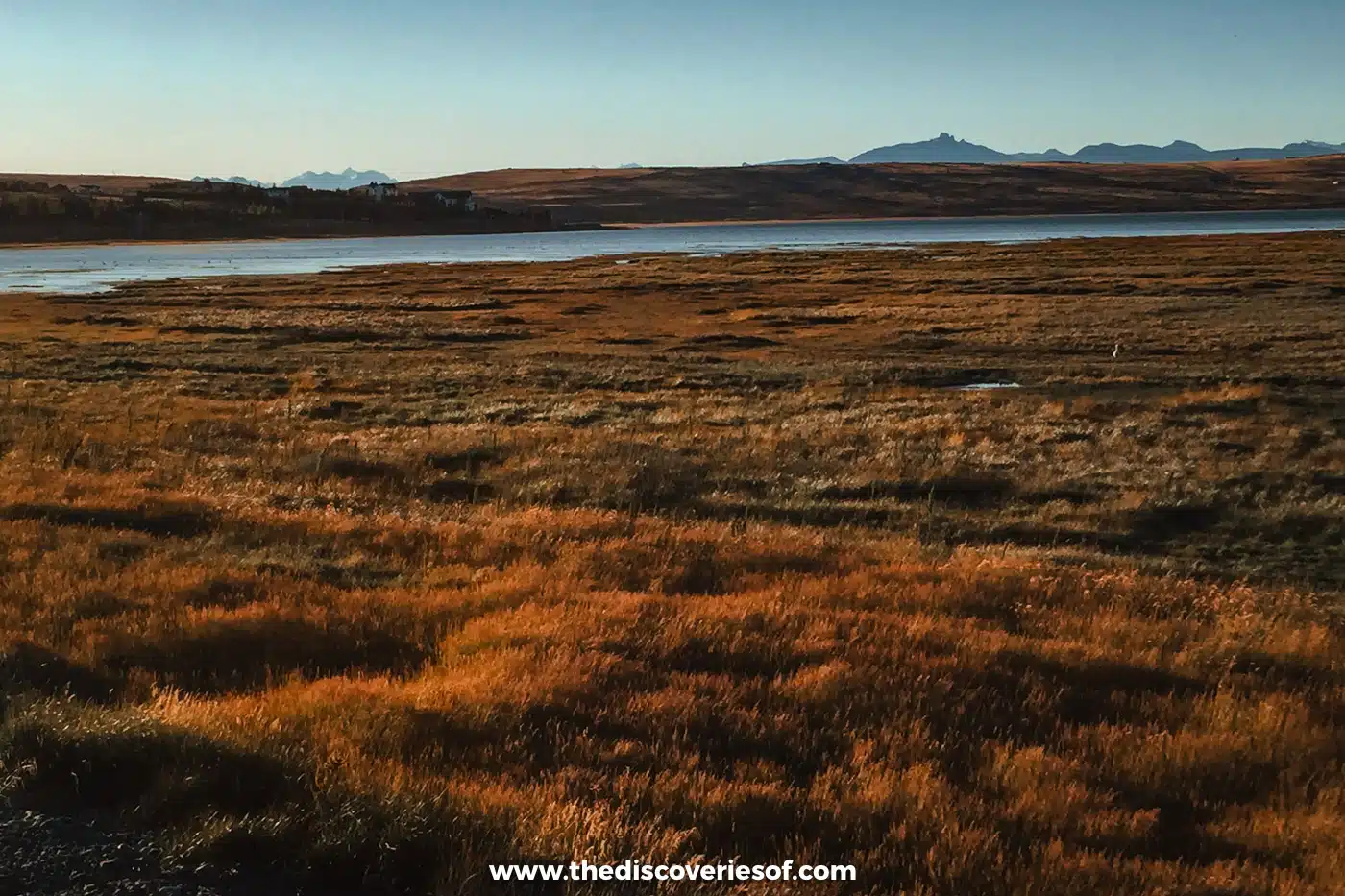
While you’re in town, take some time to walk out to the spectacular Reserva Natural Laguna Nimez: it’s a great place for spotting flamingos and other birdlife.
Suggested stay: Esplendor El Calafate or Hostel America Del Sur
Day 7: cross into Chile to Puerto Natales
Hop on a bus across the border into Chile and stop in the lively port town of Puerto Natales, where you will stay overnight. The journey takes about six hours, including the border formalities, and it’s worth booking a day or two ahead in summer.
Hostel-wise, The Singing Lamb is a long-standing favourite with trekkers; if you’re looking for something a little more upmarket, go to Hotel Indigo, or The Singular for a high-end option.
There’s not a huge amount to do in Puerto Natales: it’s a relatively quiet spot with a nice atmosphere. If you get there early enough, the free talk at Erratic Rock about the W Trek is worth attending (it’s usually at 3pm in season), as they’ll talk you through the conditions in Torres del Paine and what to expect on the hike. It was the talk where I first heard the phrase “80km per hour winds” and wondered what I’d signed up for.
Otherwise, attractions such as the Municipal Historical Museum lie in the town, which displays artefacts from the region’s indigenous population. Buy your food for the trek here, and your bus tickets to the park.
Suggested stay: The Singular Patagonia Hotel
Days 8 to 13: walk the W Trek in Torres del Paine National Park
Eep, if you’ve always dreamt of hiking in Torres del Paine National Park, today’s the day that dream becomes a reality. Take the early bus to the park, where you will then take on the five-day hike on the W Trek.
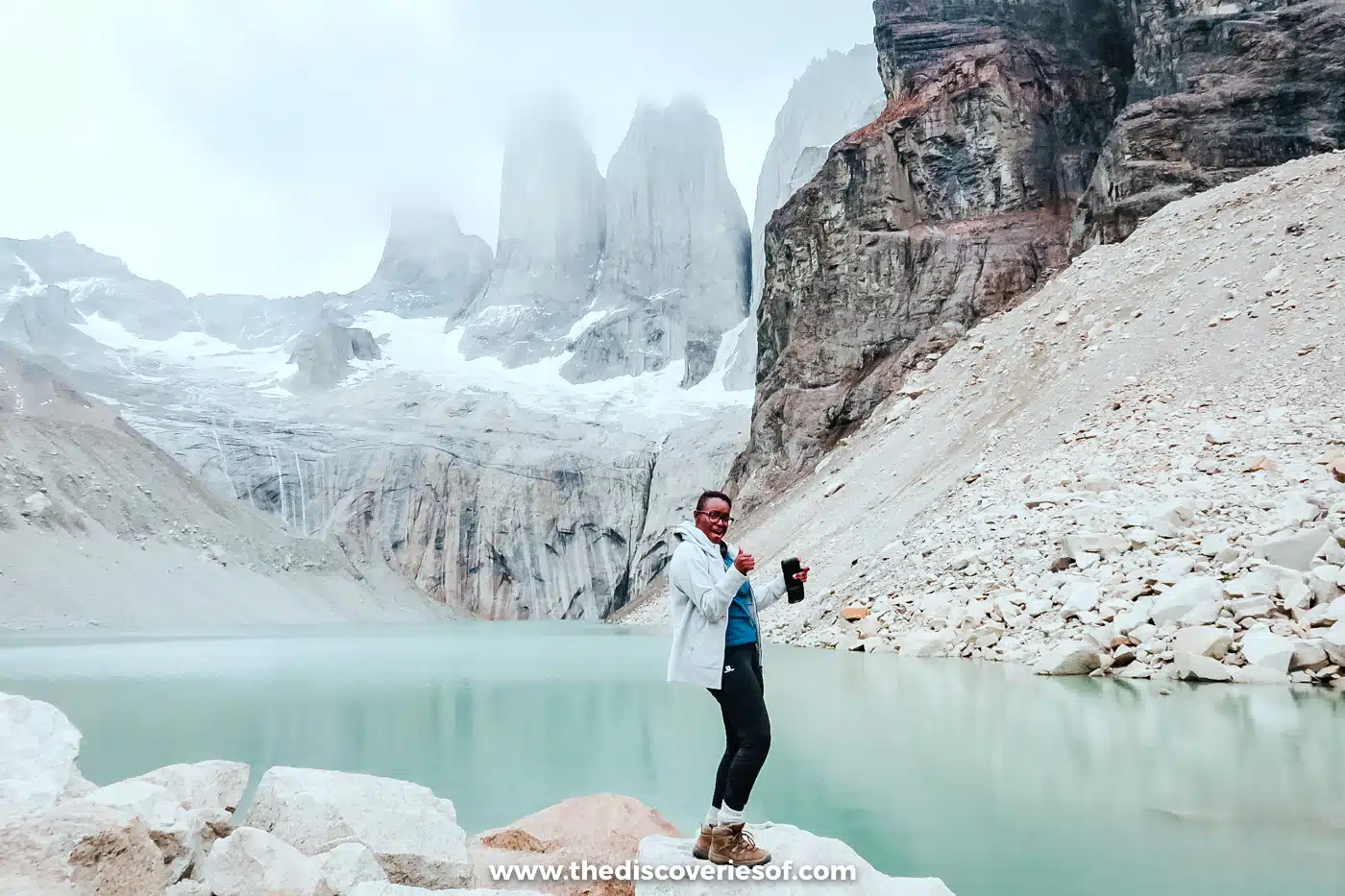
The hike is often quoted as one of South America’s best, thanks to a range of mountain, glacier and lake views, ending with the spectacular Torres del Paine themselves. I walked it alone from west to east, starting with the catamaran across Lago Pehoé, sleeping in refugios along the way (Grey, then Paine Grande, Los Cuernos and finally Chileno), and climbing to the towers on my fourth afternoon. In five days I had rain, blazing sunshine and wind strong enough to knock me off my feet.
If you have a little more than two weeks in South America, you can do the O Circuit, which takes about a week to eight days and extends the route through a quieter section of the park. It’s walked anticlockwise only, in the summer season.
You can camp or book the basic but pleasant refugios on the W Trek; if you opt for the O, you’ll mostly be camping. Either way, every night has to be booked before you arrive (with Vertice Patagonia or Las Torres Patagonia, depending on the site), and your park ticket has to be bought online in advance through CONAF’s Pases Parques. Rangers check both.
Read Next
Either way, you’ll want to check out this Torres del Paine packing list.
Day 14: back to El Calafate
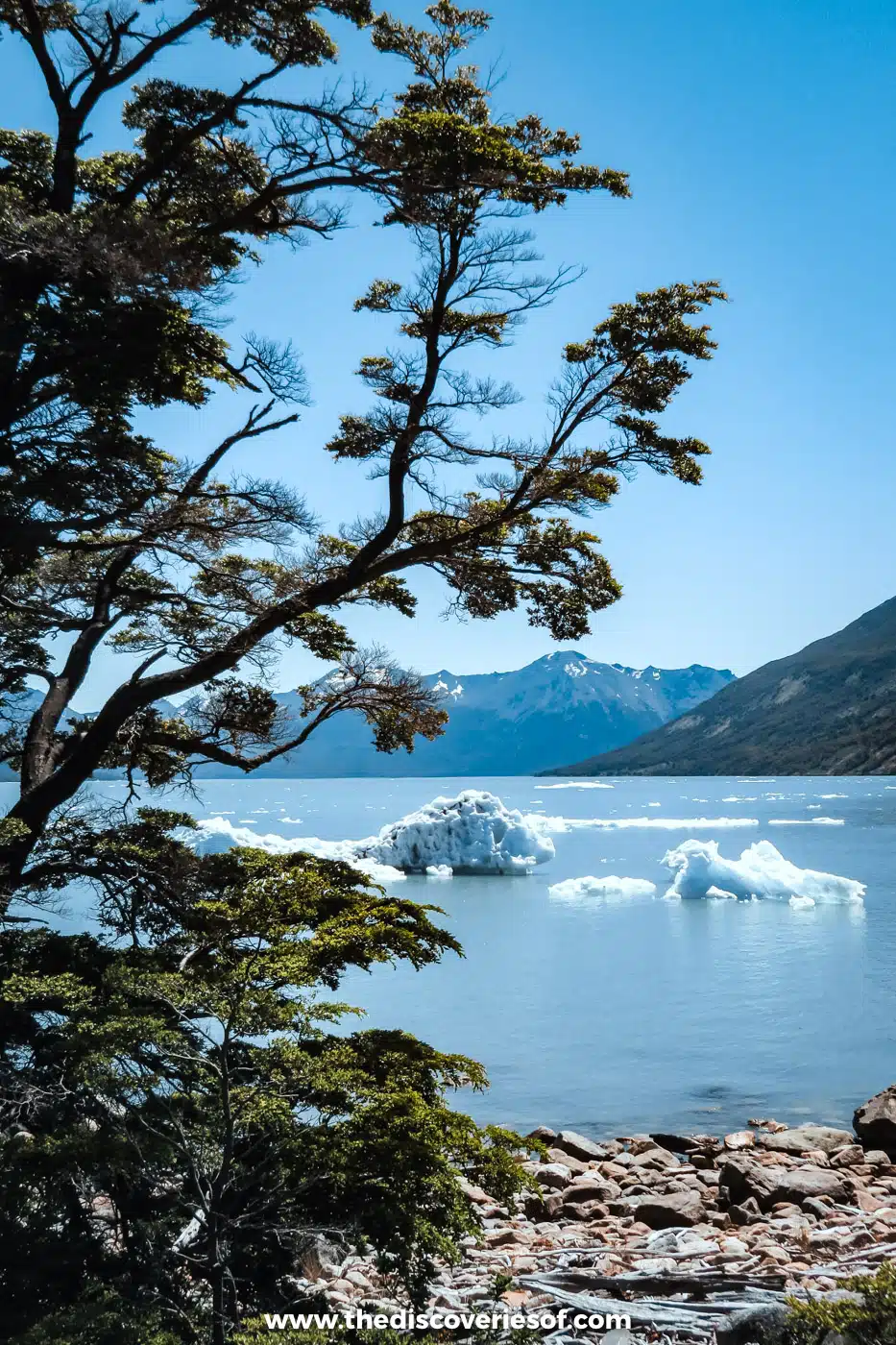
On the last day of your two weeks in Patagonia, take the bus from Puerto Natales back to El Calafate to have a rest and perhaps a night in a luxury hotel to unwind and relax (with some steak, of course) before going back to reality. If you’d rather not backtrack, fly home from Punta Arenas or Puerto Natales instead.
Suggested stay: Esplendor El Calafate or Hostel America Del Sur
Lake Titicaca to Machu Picchu: exploring the Incan Empire
Destinations: La Paz, Copacabana, Lake Titicaca, Puno, Cusco, Inca Trail, Machu Picchu, Lima
Countries: Bolivia and Peru

This itinerary for two weeks in South America takes you through the inner parts of the Incan Empire, witnessing the relics of the Quechua and Aymara nations of Bolivia and Peru.
This route not only gives you an insight into the culture of the Incan peoples, but also some incredible landscapes including Machu Picchu and Lake Titicaca, neither of which should be missed. It runs high the whole way, so take the first days slowly.
Days 1 and 2: La Paz, the city in the clouds

Arrive in La Paz, your base for the next two nights of your South America trip itinerary. La Paz sits on top of the Andes’ altiplano plateau, more than 3,500m above sea level, and boasts Mount Illimani as its dramatic backdrop.
It is also home to the world’s longest urban cable car system, Mi Teleférico, nicknamed the ‘subway in the sky’: ten lines and around 30km of cable linking the city with El Alto above it. With fabulous local cuisine, Andean music, and a range of accommodation, La Paz is a great place to stop before you begin your big adventure.
I first reached La Paz on the bus from Uyuni at the end of my first crossing of the altiplano, on a road that seemed to find every pothole going. Ride the cable car up to El Alto for the view, then browse the stalls of the Witches’ Market, selling everything from herbal remedies to dried llama foetuses.
Suggested stay: Casa Grande
Day 3: Copacabana and the Isla del Sol

From La Paz, hop on a bus to Lake Titicaca, which takes about four hours to Copacabana, including a short boat crossing of the Strait of Tiquina, and stay the night in this lakeside resort.
Take a day trip out on the lake, which also happens to be often called the highest navigable body of water on Earth, to the Isla del Sol, home to many pre-Columbian ruins. The whole island has reopened to visitors after years when the north was closed, and boats take about an hour and three quarters from Copacabana. Bring small notes for the island’s entry fees, as there are no cash machines.
Interestingly, Lake Titicaca is said to be the birthplace of the Incas and there are plenty of ruins to explore, as well as the Titicaca National Reserve which protects rare aquatic wildlife, including the Titicaca water frog.
Suggested stay: Hotel Onkel Inn Torres
Day 4: Puno and the floating Uros islands
Cross the border into Peru by bus to Puno, about three hours from Copacabana including the formalities at Kasani. From here, you can take boat trips to the totora-reed islands, man-made islands built by the indigenous Uros using totora reeds.
Then head back to Puno to see the sights, including the beautiful Cathedral Basilica of St Charles Borromeo. If you’re lucky and in town at the right time, you can enjoy one of the city’s traditional festivals featuring Peruvian music and dancing that earn it its label as Peru’s “folk capital”. The biggest is the Fiesta de la Candelaria in February.
Suggested stay: Hotel Lago Titicaca (now GHL Hotel Lago Titicaca)
Days 5 and 6: Cusco, the navel of the world

Puno to Cusco! The bus takes about seven hours, or the PeruRail Titicaca train makes a scenic day of it. Known for its architecture and history, and named the Inca ‘navel of the world’, Cusco is home to the region’s best hotels, along with exciting bars, restaurants and museums.
Two nights here is the minimum, as there’s a lot to see. Check out my pick of the best things to do in Cusco.
You’ll be about 3,400 metres above sea level here, so don’t be surprised if you feel a little out of breath at first. It takes a little while to fully acclimatise to the altitude, which is another good reason to come to Cusco after La Paz and Titicaca rather than flying straight in from the coast.
Suggested stay: Antigua Casona San Blas
Days 7 to 10: hike the Inca Trail to Machu Picchu

You will be picked up from your hotel early in the morning, and taken on a drive of around three hours to Kilometre 82, the start of the four-day Inca Trail to Machu Picchu. Rated one of the five best treks in the world, this is a 100% must for your bucket list.
The Inca Trail trek has to be booked well in advance through a licensed operator, as daily permits are limited and sell out months ahead. The trail closes every February for maintenance. If you don’t nab a space, alternative treks such as Salkantay and Lares are worth looking into.
If you don’t fancy those, explore more of Cusco and its surrounds before heading to Machu Picchu Pueblo (also called Aguas Calientes) to go directly to Machu Picchu. Entry to the citadel is by timed ticket on a set circuit, so book that in advance too.
Day 10: Aguas Calientes, or Machu Picchu Pueblo
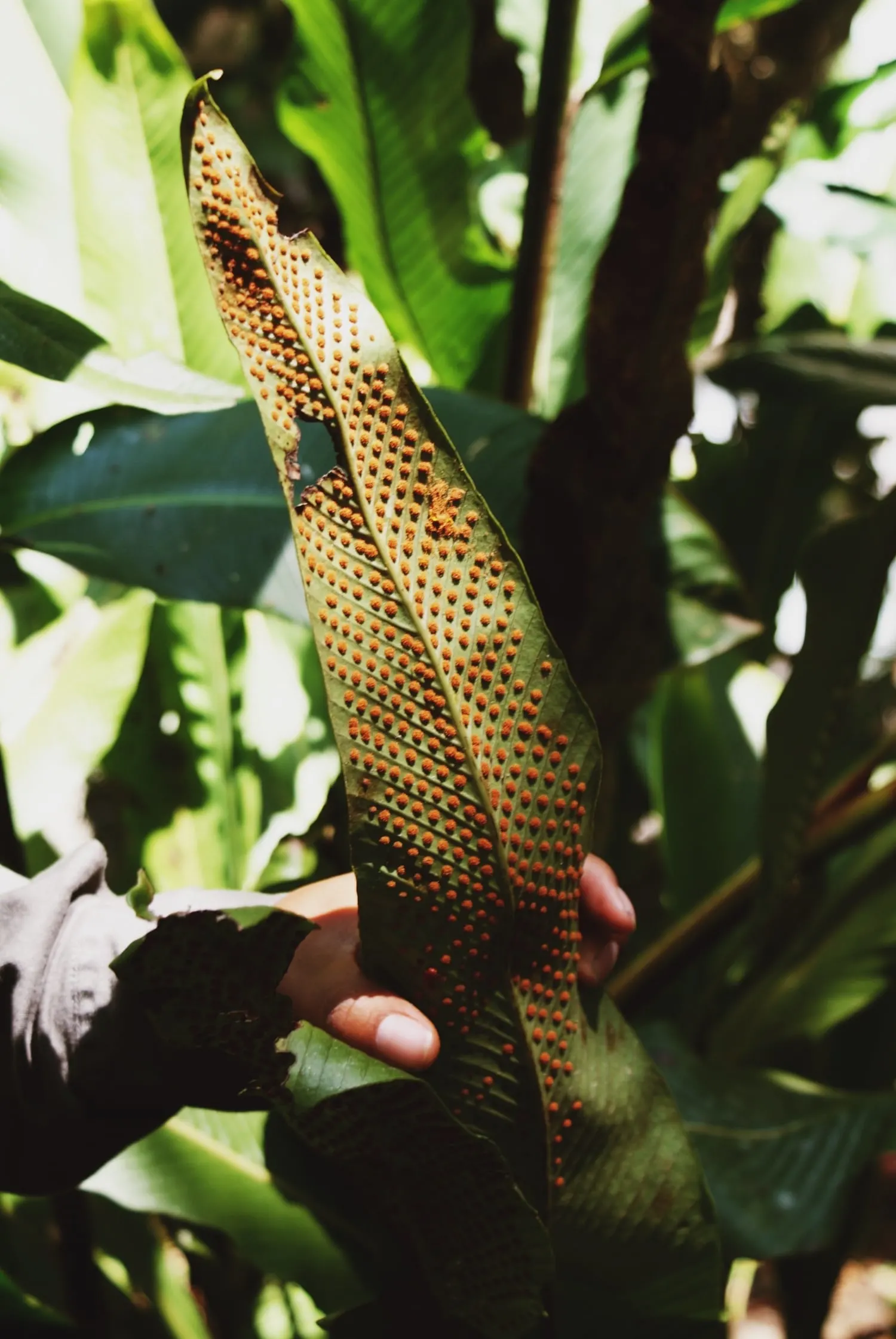
After having explored Machu Picchu, head down to Aguas Calientes, where there are a number of hotels to wind down at for the night.
Aguas Calientes isn’t the most relaxing of towns, so unless you have a burning desire to head out and sample the nightlife, take some time to decompress and relax after your strenuous hike. I stayed at Inkaterra, an eco-hotel in its own patch of cloud forest on the edge of town, and it’s the perfect base for Machu Picchu and the valley around it.
Suggested stay: Inkaterra Machu Picchu Pueblo
Day 11: the train to Poroy and a flight to Lima
Take a train from Aguas Calientes to Poroy, marvelling at the Sacred Valley on the Vistadome train or the more luxurious Hiram Bingham train. The ride takes around three and a half hours, then after a transfer of about 25 minutes, you’re back in Cusco. Fly to Lima, just over an hour.
Suggested stay: The Lot Boutique Hotel
Days 12 to 14: Lima and home

Take a whirlwind tour around Lima, the Peruvian capital. Stroll along the Malecón, visit the old town with its majestic cathedral and the striking Monasterio de San Francisco.
I didn’t expect to fall for Lima the way I did. The guided tour of San Francisco was one of the highlights of my trip, from the cloisters to the catacombs below, where the bones are laid out in strange patterns, and a painting of the Last Supper in which guinea pig is on the menu.
Street art lovers should head to Barranco, the centre point of Lima’s street art scene. Like most visitors, I stayed in Miraflores, but Barranco is the cooler neighbourhood to base yourself.
Don’t forget to try a few pisco sours and hunt out the best ceviche in Lima along the way. Ceviche is a lunchtime dish here, and the best cevicherías close in the late afternoon.
Read Next
Slow boats and pink dolphins: an Amazon adventure
Destinations: Manaus, Tabatinga, Leticia, Iquitos
Countries: Brazil, Colombia, Peru

For wildlife, this is the route to beat. People visit the Amazon for the mosaic of different plants and wildlife that can’t be seen anywhere else.
This two week South America itinerary gives you time to explore the world’s most famous rainforest and plenty of time to relax on slow boats as the time and the views pass by. It crosses three countries without a single flight in the middle, so keep your passport handy for the border stamps.
Bring plenty of insect repellent, you’ll regret it if you don’t. Yellow fever vaccination is recommended for the whole region, so get the jab at least ten days before you travel and carry the certificate.
Days 1 and 2: Manaus and the meeting of the waters

Start in the opulent city of Manaus, the capital of Amazonas state.
The city was built at the height of the rubber boom at the end of the 19th century and is a testament to the riches the industry brought to the region at that time.
Broad roads, spacious piazzas and the famous Teatro Amazonas opera house, which opened in 1896, are just a few of the relics dating back to that time. Take a one-day river trip on the Amazon to spot some wildlife and the meeting of the waters, where the dark Rio Negro and the sandy Solimões flow side by side for miles without mixing.
Other brilliant things to do in Manaus include learning about the history of the region at the Palácio Rio Negro, and visiting the CIGS Zoo to spot harpy eagles and jaguars, before picking up traditional, hand-crafted souvenirs at the Mercado Municipal Adolpho Lisboa, the city’s iron-framed market hall.
Suggested stay: Hotel Adrianópolis
Days 3 to 7: the boat journey from Manaus to Tabatinga

Book yourself onto the mammoth journey up the Amazon to Tabatinga at the Brazilian, Colombian and Peruvian border. Going upriver against the current takes around six days, sometimes seven. You can either book to sleep in a hammock on deck (bring your own, and string it up early) or reserve a private cabin.
Take some time to relax, catch up on your travel reading and generally marvel as you float through the jungle.
Make sure you have your cameras at the ready: you’ll find yourself wanting to take plenty of photos of the local wildlife and scenery as you cruise.
Days 7 to 9: Leticia and Amacayacu
Boats from Manaus generally terminate at Tabatinga, a slightly shabby border town. Leticia is just over on the Colombian side and a better choice of base for the next few days. Get your Brazilian exit stamp from the Federal Police in Tabatinga, and your Colombian entry stamp at Leticia airport, even though there’s no checkpoint on the road between them.
Take a jungle tour to the Parque Nacional Amacayacu, where you can spy pink river dolphins and hundreds of species of birds among many other things. The park reopened to visitors in 2022, with lodging, boats and guides run by the indigenous communities of San Martín de Amacayacu and Mocagua, and you’ll need accident insurance to go in.
Spend the night in a hammock in the park before returning to Leticia for your onward journey: this is where your insect repellent will come in extra handy.
Suggested stay: Decameron Decalodge Ticuna
Days 10 to 13: the slow boat from Leticia to Iquitos

Time for the second slow boat, this time from Leticia to Iquitos in Peru. Get your Colombian exit stamp at Leticia airport first, then cross by small boat to Santa Rosa, on the Peruvian side, for your Peru entry stamp.
You could take a speedboat, which will do the journey in eight to ten hours, but where’s the fun in that?
Instead, book a space on one of the cargo boats that crawl their way along the Peruvian Amazon to the large city of Iquitos, a trip of three to four days. Lie back, relax, and once again, drink in the astonishing views of this world-famous waterway at a leisurely pace.
Day 14: Iquitos and home

Disembark at Iquitos, another city that benefited hugely from the late 19th century rubber boom. It’s also the largest city in the world that you can’t reach by road, so you’ll fly out to Lima.
Check out the elegant architecture and intricate decor in buildings such as the Casa de Fierro, the Iglesia Matriz and the tiled mansions along the riverfront Malecón.
Decompress in one of the laid-back bars and savour the excellent local cuisine before heading home. Try tacacho con cecina (mashed fried green plantain with smoked pork) and juane, rice wrapped in a bijao leaf. You’ll also see sopa de motelo (turtle soup) on menus; the river turtles it’s made from are threatened, so I’d leave that one.
Suggested stay: Época Iquitos
You can also explore the Ecuadorian Amazon: read one traveller’s account of his Ecuador Amazon tour.
Brazil’s best beaches, from Santos to Fernando de Noronha
Destinations: Santos, Guarujá, Ilhabela, Ubatuba, Catuçaba, Paraty, Ilha Grande, Rio de Janeiro, Salvador, Fernando de Noronha, Recife
Countries: Brazil

Calling all beach lovers! You think you’ve seen it all? Well, you’re in for a big shock. Just wait until you see the beautiful beaches of Brazil.
You’ll spend two weeks exploring the best beaches in a country that certainly isn’t lacking in sandy spots to flop and drop. The first half is a road trip along the Costa Verde between São Paulo and Rio; the second half flies north to Bahia and Pernambuco.
Day 1: Santos and Guarujá
Arrive in Santos, in south-east Brazil, home to Brazil’s biggest port and an easy drive from São Paulo’s airports.
Ride the restored historic tram around Santos’ old centre, then spend your first night in Guarujá, a coastal resort just across the water, settling down with camarão na moranga (prawns in a creamy sauce served in a pumpkin) and a refreshing dip in the sea.
Best beach: Iporanga Beach, about 25km from the centre of Guarujá; access is controlled through a private condominium, so go early. If you want to extend your trip, there are plenty of things to do in São Paulo.
Suggested stay: Casa Grande Hotel & Spa
Day 2: Ilhabela

Drive up the coast on the BR-101 to São Sebastião, and take the ferry across to the island of Ilhabela, where you’ll spend the night. The crossing only takes about 15 minutes. Portuguese for ‘beautiful island’, Ilhabela sits just off the coast.
It boasts the perfect combination of untouched tropical jungle (most of the island is a state park, within the UNESCO-listed Atlantic Forest biosphere reserve) and pristine beaches where the young and beautiful are known to party.
Best beach: Bonete, reached by boat or a hike of several hours through the forest.
Suggested stay: Hotel Mercedes
Days 3 and 4: Paraty

Take the ferry back, and drive up to Ubatuba, where the road climbs up through the mountains of the Serra do Mar to Catuçaba. You’ll be able to grab some stunning shots here for your Insta feed.
Relax at the local ranch, and even horse-ride in the hills if you fancy. Before it gets dark, carry on your drive to Paraty, where you’ll stay two nights.
Paraty is south-east Brazil’s most picturesque town, with a quaint colonial centre combined with beautiful beaches. There’s none of the modern high-rise architecture that you’ll find in Rio or São Paulo; instead, this UNESCO-listed centre (inscribed with Ilha Grande in 2019) remains a step back in time to a quieter age.
Head to one of the local distilleries and try cachaça, a distilled spirit made from fermented sugarcane juice, island hop through the dozens of islands and beaches in the bay, or simply sit back and chill on Lula or Vermelha beach with a good book.
The hotels and dining are also terrific.
Best beaches: Lula beach and Vermelha beach.
Suggested stay: Pousada do Ouro
Day 5: Ilha Grande

Drive to Angra dos Reis, and catch a ferry to Ilha Grande, a lush green island full of beautiful beaches and forests, with no cars at all. Boats also run from Conceição de Jacareí, closer to Rio.
Beach hop or hike around the island; I love Parrot Peak (Pico do Papagaio), a hike in the forest that leads to the top of a parrot-shaped rock formation. It’s tough but well worth it for the views. Find out more about the island in my guide to the best things to do in Brazil.
Best beach: Lopes Mendes.
Suggested stay: Hotel Riacho dos Cambucas
Days 6 and 7: Rio de Janeiro

Make your way to Rio de Janeiro, about two and a half hours from Angra. Having arrived in Rio, head to the stunning beaches on its coast. The stars are Copacabana, the true city beach, and Ipanema.
Two nights in Rio gives you time to visit both of these beaches and explore the rest of the city.
For something a little different, the stunning beaches of the Barra da Tijuca neighbourhood wind their way along miles and miles of coastline, fringed with some of the city’s most upmarket bars and restaurants.
If you want to get out of the city, head to Búzios, a Riviera-esque resort only a day trip from Rio, which has been famed for its St Tropez chic ever since a bikini-clad Brigitte Bardot visited here in 1964.
Suggested stay: Vila Santa Teresa Hotel & Spa
Days 8 and 9: Salvador and Morro de São Paulo
Catch a flight to Salvador, about two hours, and spend a day exploring Bahia’s vibrant and exciting capital.
While Salvador’s beaches aren’t the best in Bahia, take the two-hour catamaran ride to the island of Morro de São Paulo for a slice of the beach life.
There are so many things to do in Salvador, from exploring the cobbled streets of the Pelourinho and the Museum of Modern Art, in a colonial sugar mill on the bay, to snacking on acarajé (black-eyed pea fritters fried in palm oil and stuffed with prawns) from the street stalls run by women in traditional Bahian dress.
The island’s enchanting beaches and laid-back attitude capture the heart of many a traveller: I wouldn’t blame you if you spent an extra few days here.
Suggested stay: Zank Boutique Hotel (now Zank by Toque Hotel)
Days 10 to 13: Fernando de Noronha

Return to Salvador and fly up to Recife, further north. From Recife, take a flight of about an hour to Fernando de Noronha, a small island archipelago that’s often named as home to Brazil’s best beaches.
If you’re feeling active, take some time to explore the rich underwater life surrounding the islands: the diving is first-class. Alternatively, take a catamaran tour around the archipelago and see some of the stunning sea life without getting wet.
Sample the nightlife at Vila dos Remédios and head up to the Fort of Nossa Senhora dos Remédios to capture some of the most stunning sunsets you’ll find anywhere.
Noronha is protected, and you pay for it: every visitor pays an environmental fee for each day on the island (R$105.79 a day in 2026), plus a national park ticket for the best beaches and trails (R$384 for foreign visitors). Pay the daily fee online before you fly.
Suggested stay: Dolphin Hotel
Day 14: Recife and home

Return to Recife. If you have a few extra days, make your way to the UNESCO World Heritage town of Olinda, one of the prettiest in the country, just north of the city.
Olinda is known as an artist’s town, and so it’s no surprise it boasts plenty of tiny art galleries and gorgeous buildings. Make sure to check out the Monastery of São Bento and its magnificent (that’s truly the only word to describe it) gilded main altar.
Otherwise, it’s time to go home.
Volcanoes, cloud forest and the Galápagos: 2 weeks in Ecuador
Destinations: Quito, Mindo, Otavalo, Cotopaxi, Santa Cruz Island, Darwin Bay, Santiago Island, Fernandina Island, Isabela Island
Countries: Ecuador
Ecuador is one of the most underrated jewels in the South American crown, often overlooked, yet one of the most beautiful and interesting countries in South America.
This cool two-week itinerary allows you to spend a week exploring the mainland before heading out to sea to explore the incomparable natural climes of the Galápagos Islands. Come away truly understanding why this incredible archipelago so wowed Charles Darwin, just as it will wow you.
One thing to know before you plan: the outer islands on this route (Genovesa, Santiago and Fernandina) can only be visited on a liveaboard cruise, not on day trips from the inhabited islands, so the Galápagos half of this trip is built around a short cruise.
Days 1 and 2: Quito’s golden churches

Arrive in Quito, the Ecuadorian capital, at about 2,850 metres, and spend a couple of days exploring this beautiful city, whose old town was one of the first places in the world to be named a UNESCO World Heritage Site.
Independence Square is home to the city’s cathedral, yet it’s the Church of San Francisco, dating back to the 16th century, and the gold-covered interior of La Compañía de Jesús that will really charm you, while the 17th-century chapel of El Sagrario is a more muted, but equally beautiful spot.
Be sure to check out the awesome street art dotted around the city, and experience a walking tour complete with culinary highlights.
Suggested stay: Vista del Angel Hotel Boutique
Day 3: the Mindo cloud forest

Make your way out to the western slopes of the Andes to visit the eco-diversity of Mindo, home to thousands of plants and animals.
Although it’s only a couple of hours out of Quito, you’ll feel as though you’ve been dropped in the middle of a tropical jungle paradise, with flora, fauna, and birds of all conceivable colours, hummingbirds and toucans among them.
Head into the stunning cloud forest to get the best of the natural surroundings, and make sure you grab a glass of the spicy boozy drink canelazo while you’re in town.
Suggested stay: Terrabambu Lodge
Day 4: Otavalo market and Cuicocha

Otavalo is the next stop, a couple of hours north of Quito and near the Cotacachi volcano. If you can wangle it to visit here on a Saturday, you can enjoy the sights, sounds, and colours of the Otavalo market at its biggest, which is an unmissable cultural experience.
Then, spend a couple of hours visiting the stunning Cuicocha Lake, which sits in a crater at the foot of the Cotacachi volcano. This gorgeous natural spot is sacred to locals, and traditional rituals are celebrated here every year.
Suggested stay: Hotel El Geranio
Days 5 and 6: Cotopaxi and the Avenue of the Volcanoes

Heading south towards the Cotopaxi province, stop off at the Antisana Ecological Reserve. This enormous protected area spans around 460 square miles and is home to a diverse range of awesome wildlife, including Andean condors.
In addition, you can marvel at, and photograph the wonderful landscape around the Antisana volcano and beautiful Mica Lake.
Then, head up to around 3,500 metres, below Cotopaxi, for your overnight stay ahead of the treats that lie ahead.
On day six, head along the Avenue of the Volcanoes, home to some of the most diverse scenery you’ll meet on this itinerary, with wild grasses intermingling with volcanoes, including Cotopaxi, at 5,897 metres one of the highest active volcanoes in the world. It’s a ride to remember, especially on horseback!
Suggested stay: Chilcabamba Lodge
Day 7: fly to Santa Cruz Island

Fly out to Baltra (usually via Guayaquil), just off the northern tip of Santa Cruz Island, and take the ferry across the narrow Itabaca Channel. Before you board in Quito, you’ll buy a US$20 transit card, and on arrival you’ll pay the US$200 national park fee that most foreign adults have paid since August 2024.
Here, you’ll meet your first of the famous animals of the Galápagos, with flamingos, iguanas and the famous bright red Sally Lightfoot crabs. Take some time to relax on the gorgeous white-sand beaches ahead of your island-hopping adventures, or board your cruise boat if it leaves today.
Suggested stay: El Arco de Darwin
Day 8: Genovesa and Darwin Bay

Sail overnight to Genovesa Island and head to Prince Philip’s Steps. Try and get up as early as you can to make the most of the visit, since you can see a stunning array of birds as you walk here, from great frigatebirds, recognisable by their inflated bright red pouches, to short-eared owls hunting among the storm petrels.
If you enjoy going underwater, take a snorkel trip where you may come face to face with sea lions and sharks, before landing at Darwin Bay, a collapsed crater lined with nesting boobies, later in the day.
Day 9: Santiago Island

Santiago Island is the next stop on this island-hopping part of the itinerary. It was once called James Island in honour of King James II of England, and while the island’s name has changed, one of its main attractions, James Bay, hasn’t.
This black-sand beach formed from volcanic ash has some incredible tidal pools to witness, along with a plethora of sea birds and jet black marine iguanas found nowhere else on Earth. This is the best spot to watch fur seals as well, just a few yards from where you stand, in the grottoes at Puerto Egas: yet another awesome addition to your Insta feed.
Day 10: Fernandina Island

Leave Santiago Island behind and head across to Fernandina Island and its lava-based landscape that’s dotted with marine iguanas in their dozens. You may have to squint to see them as they blend in nicely with the ground, sunbathing.
Then walk over the gorgeous lava flows at Punta Espinoza to see flightless cormorants nesting by the shore.
Once you’re ready to leave, head to Isabela Island, your base for the next few days.
Days 11 to 13: Isabela Island

You have three full days to explore the glorious surroundings of Isabela Island, and believe me, you’ll need every minute.
Punta Vicente Roca is a set of stunning rocky outcrops home to penguins, seals, and the blue-footed booby, then head out for a snorkel to see the sea lions and penguins too. Then wander and check out the graffiti left by whalers, pirates, and other explorers on the cliffs at Tagus Cove. Both are on the island’s remote western coast, reached by boat.
Then check out the giant tortoise breeding centre that preserves some of the most famous residents in the Galápagos before hiking up the Sierra Negra volcano, whose caldera is one of the largest in the world.
The town of Puerto Villamil, Isabela’s laid-back beach village, is a great spot to go souvenir shopping and experience some excellent Galápagos food, and a public speedboat links it with Puerto Ayora on Santa Cruz in about two hours for your flight back.
Suggested stay: Hotel Galapagos by Bar de Beto
Day 14: Quito and home

On your final day, head back to Quito and spend time ticking off anything you missed out on from your first couple of days on this itinerary before travelling to the airport and returning home.
Which is your favourite 2 week South America itinerary?
Have more time? Add these to your itinerary
- Iguazú Falls: the falls straddle the Argentina and Brazil border, and two days, one on each side, is the right amount of time. Fly in from Buenos Aires, Rio or São Paulo; it slots most easily onto the end of the Patagonia or Brazil routes.
- The Ballestas Islands and Paracas: a few hours south of Lima, this is where I saw dolphins in the wild for the first time, on a speedboat out to islands crowded with sea lions, Humboldt penguins and seabirds. Add two days to the end of the Incan route. Read my guide to the Ballestas Islands boat tour.
- The Elqui Valley: a short flight south of the Atacama to La Serena, then up into a green valley of vineyards, pisco distilleries and observatories. I based myself in Vicuña after my Bolivia tour, and it’s an easy add-on to the first route. Plan it with my Elqui Valley travel guide.
Map
Handy tips for planning your 2 weeks in South America
Top tips
- Fly the big hops: distances are vast. Santiago to Calama is about two hours by air and nearly a day by bus; Santiago to Punta Arenas is about three and a half hours; Buenos Aires to El Calafate about three hours and 15 minutes; Lima to Cusco just over an hour.
- Respect the altitude: La Paz, Cusco, Quito and the altiplano are all well above 2,500 metres. Build in easy days at the start, drink plenty of water and go slowly on your first walks.
- Book the permits first: the Inca Trail, the W Trek’s refugios and campsites, Machu Picchu’s timed tickets and Galápagos cruises all sell out. Lock them in, then build the rest of your trip around them.
- Carry cash in the remote bits: the Bolivian altiplano, Isla del Sol and the Amazon boats run on cash, and there are no cash machines on the way.
Visas and borders
UK and EU passport holders can visit all the countries on these routes without a visa for tourist stays, and US citizens no longer need a visa for Bolivia (it was dropped in December 2025). Brazil reintroduced an e-visa for US, Canadian and Australian citizens in April 2025, so apply online before the beach or Amazon routes. Your passport should have at least six months’ validity. Get every entry and exit stamp, especially on the Amazon route, where you can cross from Brazil into Colombia without passing a checkpoint. Rules change, so check your government’s travel advice before you book.
Best time to visit
Each route has its own season. Patagonia is a summer trip, from November to April. The Atacama and the altiplano are clearest from April to November, though June to August brings nights of -15°C or colder. Peru’s dry season, from May to October, is the time for the Inca Trail (which closes every February). Brazil’s south-east coast is warmest from December to March, and the Galápagos and the Amazon work all year round.
What to pack
Pack layers for every route: even the Brazil trip includes cool mountain evenings. You’ll want a warm jacket, hat and gloves for the altiplano and Patagonia, a waterproof shell for the W Trek, strong sun cream and sunglasses for the high altitude, and plenty of insect repellent for the Amazon. My Torres del Paine packing list covers the hiking kit in detail.
Read next
- Things to do in South America: the ultimate South America bucket list
- Torres del Paine W Trek: a step-by-step guide
- 10 days in Chile: the perfect Chile itinerary
- How to plan a solo trip to Chile
- 12 extraordinary things to do in Chile
- 10 days in Bolivia: the perfect Bolivia itinerary
- Stunning places to visit in South America
Love this? Save and share on Pinterest

Discover the top things to do, insider tips and hidden gems in our South America.
Read the guides →





Amazing itineraries for South America. I still haven’t been anywhere yet in SA so this will be super helpful when I finally get there! I think the Patagonia trip may be towards the top of my list! Thanks for taking the time to write these.
Thanks Mike. Just can’t get enough of South America – you’ll be totally blown away by Patagonia. Always happy to help with tips and advice!
I have only visited Chile on the list but I absolutely fell in love and I can’t wait to visit the other countries on your list. What was your favorite?
I think it’s a close call between Chile and Argentina. The hiking and sceneries in both are just astounding!
I can’t wait to see South America! Has always been a passion of mine (and I’ve never even been there haha!)
Thanks for the awesome tips and plans, your photos are amazing!
So glad we’ve helped inspire your travels! Totally should go!
Amazing itineraries! I would love to visit Brazil soon, will definitely reach out the next time I plan a South American trip — you know your stuff! x
Please do – always more than happy to help!
Omg your pictures are ridiculous! Need to go to this part of the world. Saving this post for later as reference!
Hate to pick favourites but it’s totally my favourite travel destination overall. Enjoy if you do go!
These pictures are giving me some serious wanderlust! I’ve never been to South America but some of these places have been on my radar for ages e.g. Patagonia. Loved these sample itineraries, great post!
Thank you so much Helena – hope you find them useful when you do go!
Incredible photos! I will be travelling to South America for the first time in early 2018 so this is a great resource! Bookmarked for later 🙂
Thanks Melissa – you are going to have such a great time – I’ve been so many times and can’t stop going back. Shout up if you have any questions or need tips – plus we’ve written loads of South America articles too.
Great post! I love how you have group different areas according to specific interests. South America is such and vast and rich continent that sometimes it’s hard to choose where to go first. In my case, I still have not been to the Amazon; so that would definitely be my next adventure.
Thanks – I’ve always found it really difficult to pick where to go on shorter trips so thought doing it that way would help people out! Always more adventures to have.
Great article,I love it.Thanks for sharing this article with us.
Really glad you enjoyed it – hope that you find it useful.
Thank you, Julianna! My husband and I would love to visit Patagonia, Machu Picchu, and have a couple of beach and historic city days. I’d love your thoughts to see if that could be doable in 2.5 weeks, while still being relaxing?
Hi Kate – really glad that you liked the article. You’re going to have such a great time! I would say that 2.5 weeks is going to be relatively tight to head to Patagonia, Machu Picchu, explore both and still have time to head to the beach (are you thinking a beach in Chile/ Peru?) and any city other than Cusco. You can do it if you take flights, but I don’t think that it will be that relaxing. Perhaps you could spend a week and a half exploring Patagonia, fly up to Cusco and spend a few days there before going to Machu Picchu on the train (spending a night in Machu Pichu Pueblo)? I’m actually starting to do one-off custom itineraries for South America – drop me an email on [email protected] if you’re interested.
Julianna,
I read your 2 week itinerary article and loved so many of your suggestions. You had mentioned that you are now doing one-off for a custom plan. I would be interested in this!
My son will be in Buenos Aires attending school and I plan to meet him on July 10th. We will then travel for the next 2 1/2 weeks. I have been studying our options but honestly on overload with all the choices and the distances. I am really what to make the most of out time.
We love nature, hiking, kayaking, beaching, adventure and sight seeing. For sure…. I would like to include Machu Picchu and the Galapagos….and possibly the Iguarza falls.
Please let me know if you are available? Where are you located? I am in Dallas Texas.
Thanks
Carol Stone
Hi Carol,
Thanks for getting in touch – very glad to hear that you found the itineraries useful. Unfortunately, I’m no longer doing custom South America itineraries but here are a few tips to help you along the way. I think most importantly, you want to focus on a few destinations that preferably are quite easy to travel between – the distances are far and even when you fly, it can take a lot of transit time getting from a to b (Machu Picchu being the perfect example). I’d say if you go to Machu Picchu and the Galapagos you will probably have to skip Iguazu and instead focus on Peru/ Ecuador. The first time I travelled in South America, I tried to cram way too much into a short period and ended up spending a lot of time in transit – I’d always recommend going to fewer places and seeing more in each of them.
I hope that you have a wonderful trip.
All the best,
Julianna
In 2011 I visited Colombia with my two children. We enjoyed visiting the Caribbean coastline and old town of Cartagena. Then in 2012 we went back to South America for a longer trip. We had time in Argentina, Chile, Brazil and Uruguay. One of the best things was seeing the tropical birds.
So glad to hear it Maxine – there’s so much biodiversity across the continent – absolutely incredible to see.