
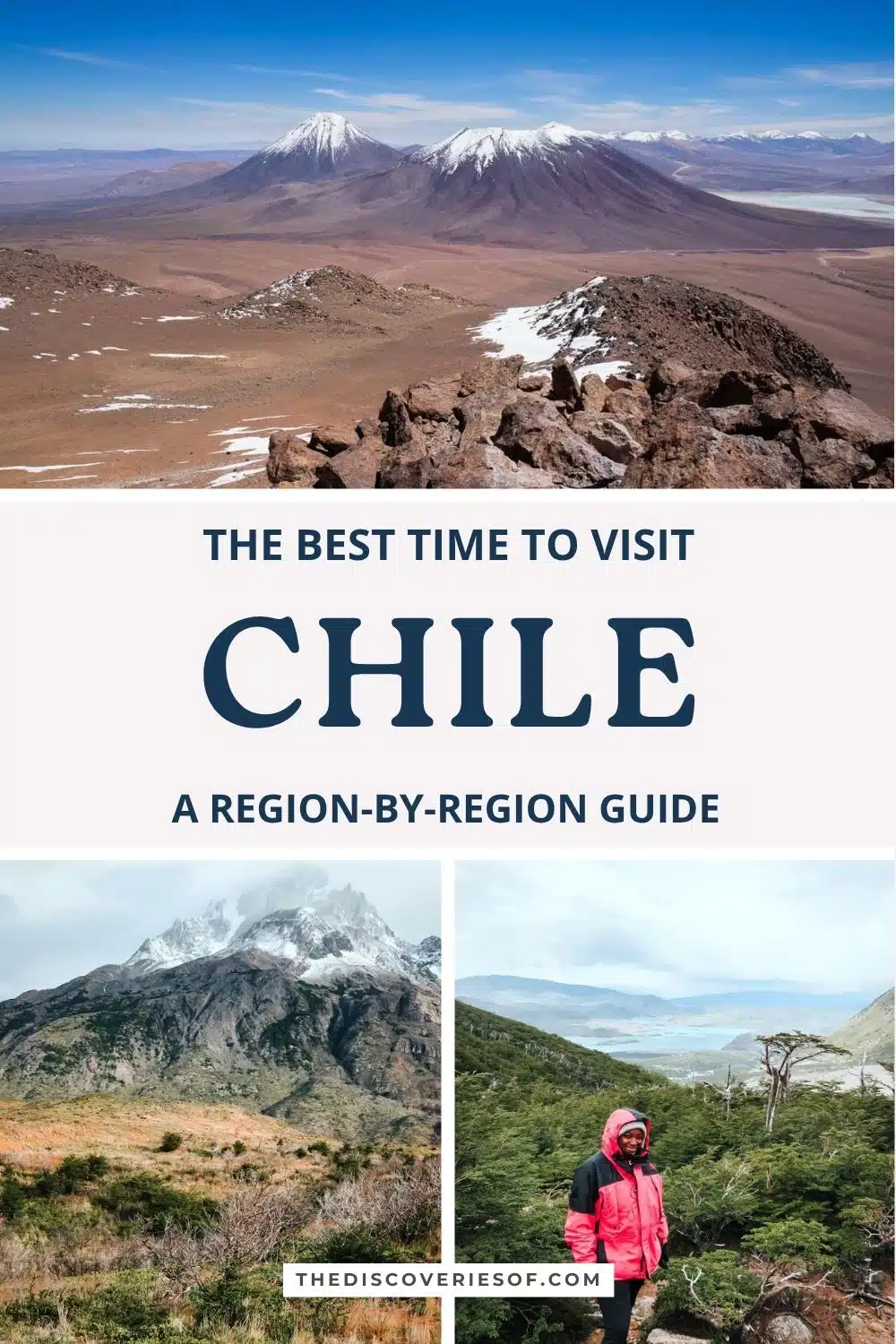
Patagonia in summer, the Atacama in winter, Santiago and the vineyards in spring and autumn. Chile is so long that there’s no single best time to visit, but there is a best time for each part of it. Here’s how I’d plan it, from the January trek and the July month on the road that taught me most of it.
So, you’re looking at the best time to visit Chile? My first question is: where do you plan to go? Chile runs for more than 4,000km from the Peruvian border to Cape Horn and is, on average, less than 200km wide, so it packs in hyper-arid desert, Mediterranean wine country, temperate rainforest and glaciers, often in the same week of a trip.
I’ve been to Chile four times, and two of those trips sit at opposite ends of the calendar. I walked the W Trek in Torres del Paine on my own in January, the height of the austral summer, having fled the pervasive greyness of the British winter. Then I came back for a month of solo travel in July, the middle of the Chilean winter, and spent it in Santiago and the wine valleys, at the frozen lagoons and geysers of the Atacama Desert and under the dark skies of the Elqui Valley.
Both trips were brilliant, and both were the right season for where I went. Head to Patagonia in July and you’ll find the W Trek closed; go to the high Atacama in February and storms can wash out the very sights you came for. So you can ski, trek, taste wine and stare at some of the clearest night skies in the world on a single holiday, but you’ll want to know which month suits each one.
Feeling overwhelmed? No need: let me jump right to it, region by region and season by season.
The best time to visit Chile at a glance
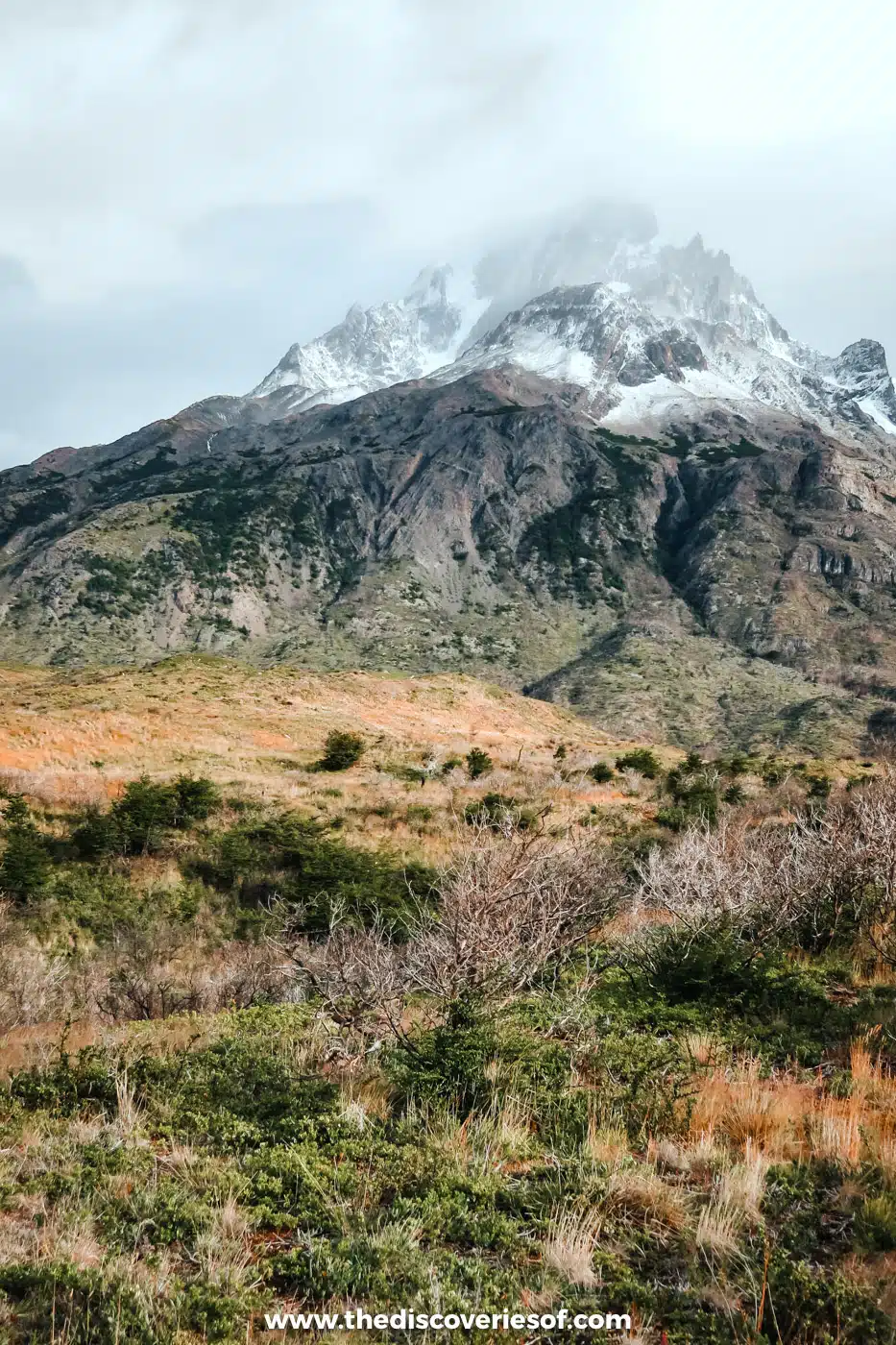
Let me be real with you: the right month depends entirely on where you’re going.
A (pretty much) failsafe choice for the middle of the country is spring or autumn, when the weather is mild and the crowds thinner, but that’s far from the only option.
Because Chile is a long country stretching from the southernmost tip of the continent, which it shares with Argentina, all the way up to Peru, it experiences many different climates at the same time of year. Here’s the short version:
- Patagonia and Torres del Paine: December to February, with November and March as quieter shoulder months. I went in January.
- The Atacama Desert: All year, but I’d pick the winter (June to August) for the clearest skies and the brightest lagoons, as long as you pack for sub-zero nights. Avoid the high sites in January and February, when the altiplanic winter brings storms.
- Santiago and the wine valleys: September to November and March to May, with the grape harvest in March and April.
- Skiing in the Andes: Mid-June to late September.
- Easter Island: Year-round, warmest from January to March, with the Tapati festival in early February.
- The Elqui Valley: Year-round, with long, clear winter nights for stargazing.
Top tip: It’s worth remembering that, as Chile is in the southern hemisphere, the seasons are reversed. Expect summer temperatures at Christmas and winter in July.
How I timed my own trips
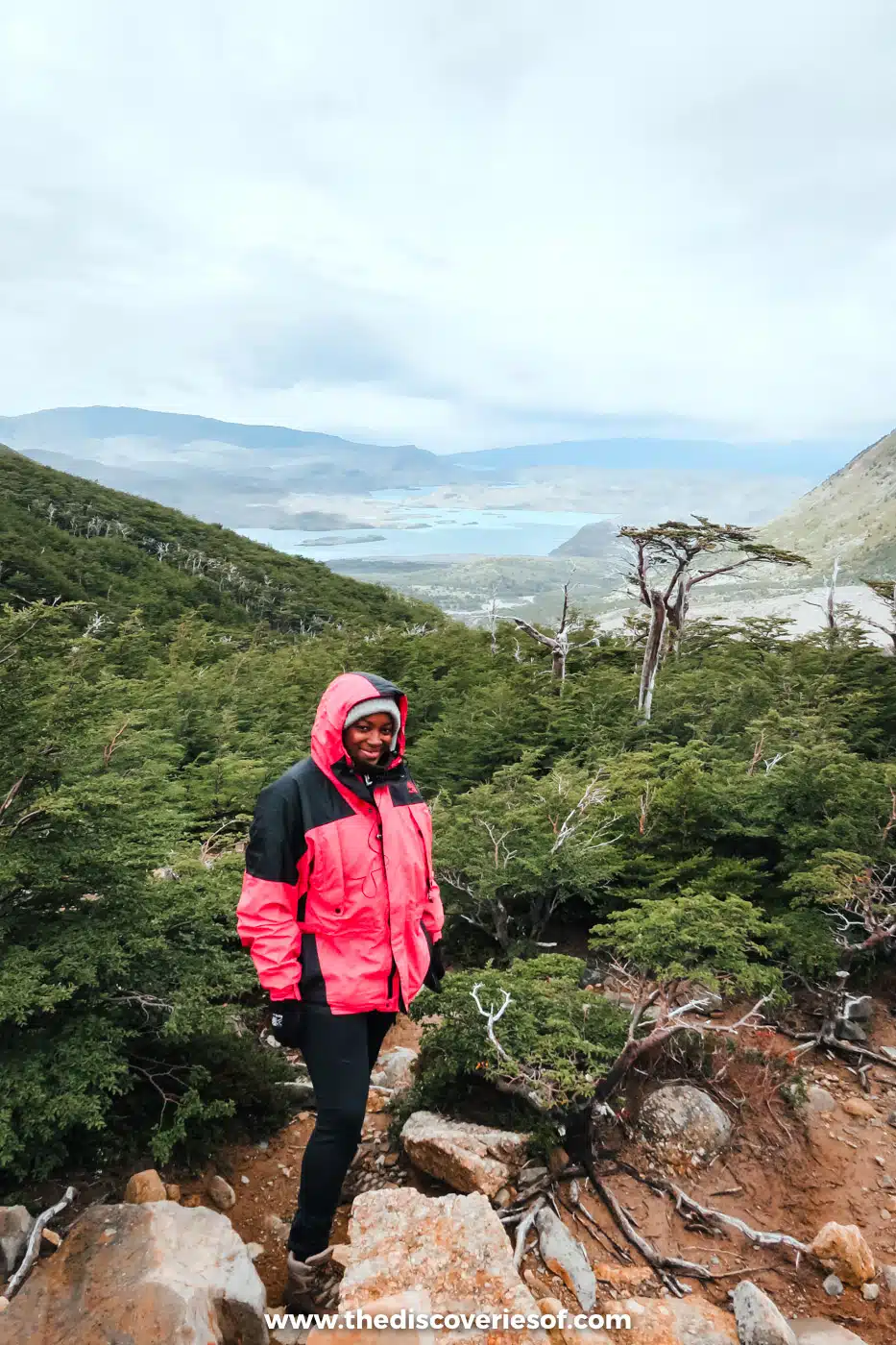
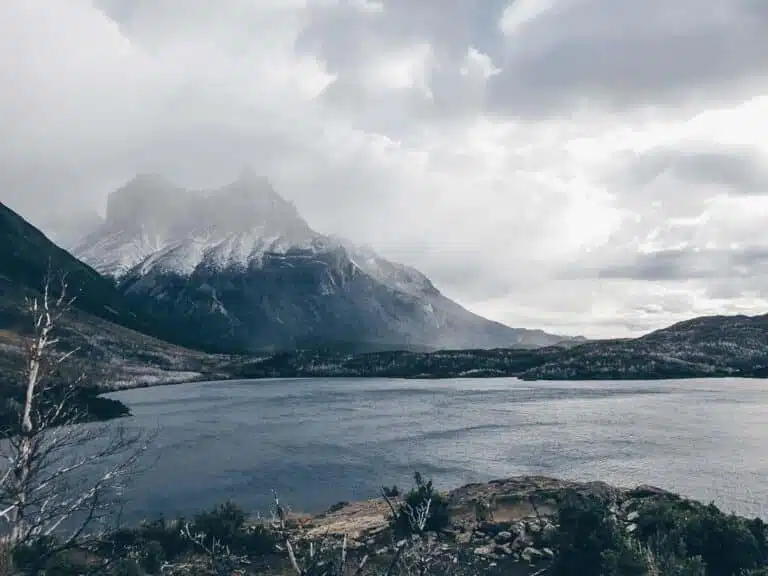
My January trek is the reason I’ll never call Patagonia’s summer “warm”. Before I set off, I went to the free talk at the Erratic Rock hostel in Puerto Natales and heard phrases such as “80km per hour winds”, and the main takeaway was that nobody bothers checking the forecast because it changes so fast. They weren’t exaggerating. On my second day the wind was so strong that I’d be walking in one direction and then be blown two paces in the other, and in the course of a single day I had rain, blazing sun, gale-force winds and snow. Then again, I was leaving Los Cuernos on a steep climb that was already very hot before 9am, and the summer sunset over the lake didn’t come until after 10pm, which meant long, light evenings on the trail.
My July trip was the opposite. In the Atacama I left San Pedro at 3am for the El Tatio geysers and it was -15°C when I arrived, and the lake at Piedras Rojas was frozen solid. But the days were bright, the skies at night were phenomenal and the high lagoons were at their most colourful. In the Casablanca Valley I found bare vines under a brilliant blue sky and quiet tasting rooms. Choose your season by your sights, and you can’t really go wrong.
When to go to Chile, region by region
What is the best month to travel to Chile?
All the average temperatures below come from Weather Spark’s climate data, so you can compare like with like. Remember that they’re for the towns; up in the mountains, it gets much colder.
Southern Chile
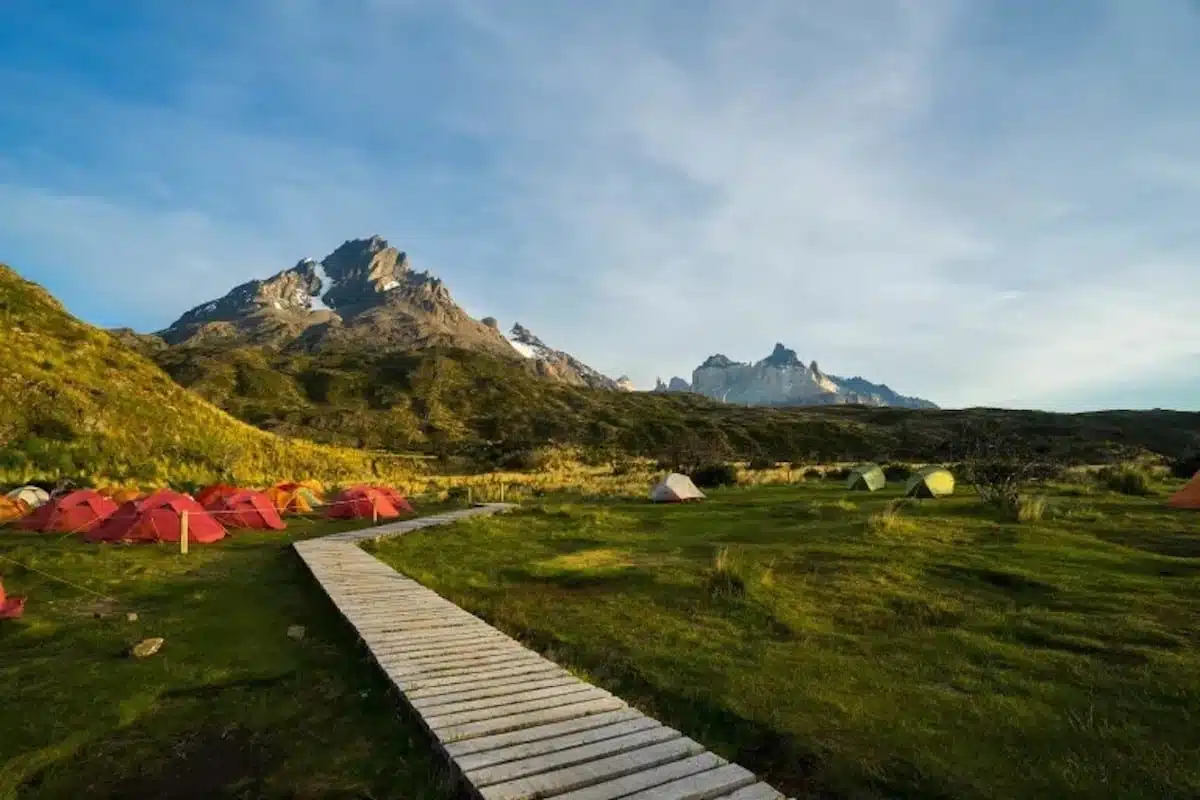
Because most people travel to the south for outdoor adventure, you’ll want to plan your trip for the summer months. Expect crowds in Patagonia and the most popular parks from December to February, when the days are longest and the trails and boats are all running.
Even then, summer here is cool. In Puerto Natales, the gateway town for Torres del Paine, January averages a high of about 16°C and a low of about 9°C, while in July highs barely reach 5°C. The other thing to plan for is wind: the windiest stretch runs from October to March, peaking in November. It’s the price you pay for the long summer days.
Further north, the Lake District is milder and wetter. Puerto Varas averages about 20°C in January and 10°C in July, and June is by far its wettest month, so December to March is the time for kayaking, volcano views and lakeside towns.
Northern Chile
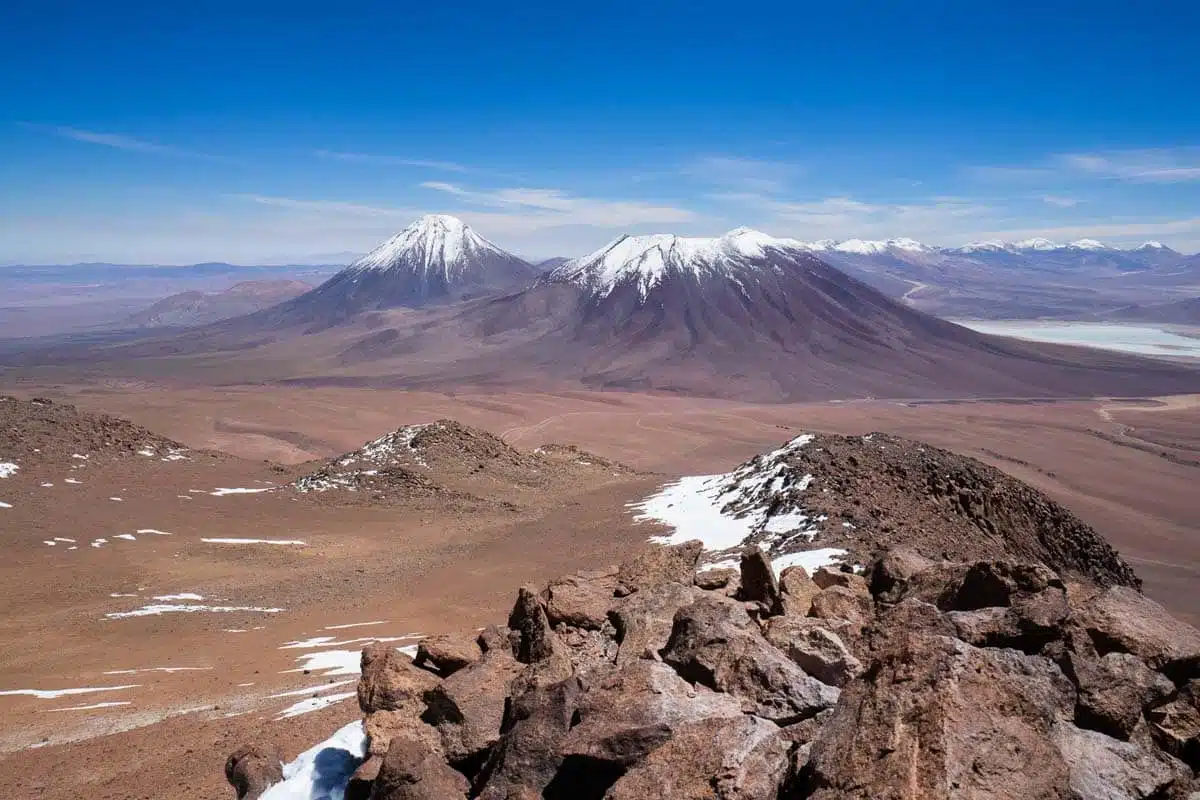
If you’re visiting northern Chile, and especially the unmissable Atacama Desert, the weather is dry and sunny for most of the year, but the two halves of the year feel very different.
In San Pedro de Atacama, January averages about 27°C by day and 9°C at night, and July about 20°C and 1°C. Those are the figures for the town at about 2,400m; the geysers, lagoons and salt flats you’ll visit on day trips sit at 3,500m to 4,300m, where winter dawns drop far below freezing. In summer (roughly December to February, sometimes into March) the altiplanic winter, also called the Bolivian winter, brings afternoon storms, cloud and fresh snow to the high Andes, even though very little rain reaches San Pedro itself.
That makes winter, from June to August, my pick for the Atacama: clear skies, cold nights and the high lagoons at their brightest. Spring and autumn are a happy medium.
Central Chile
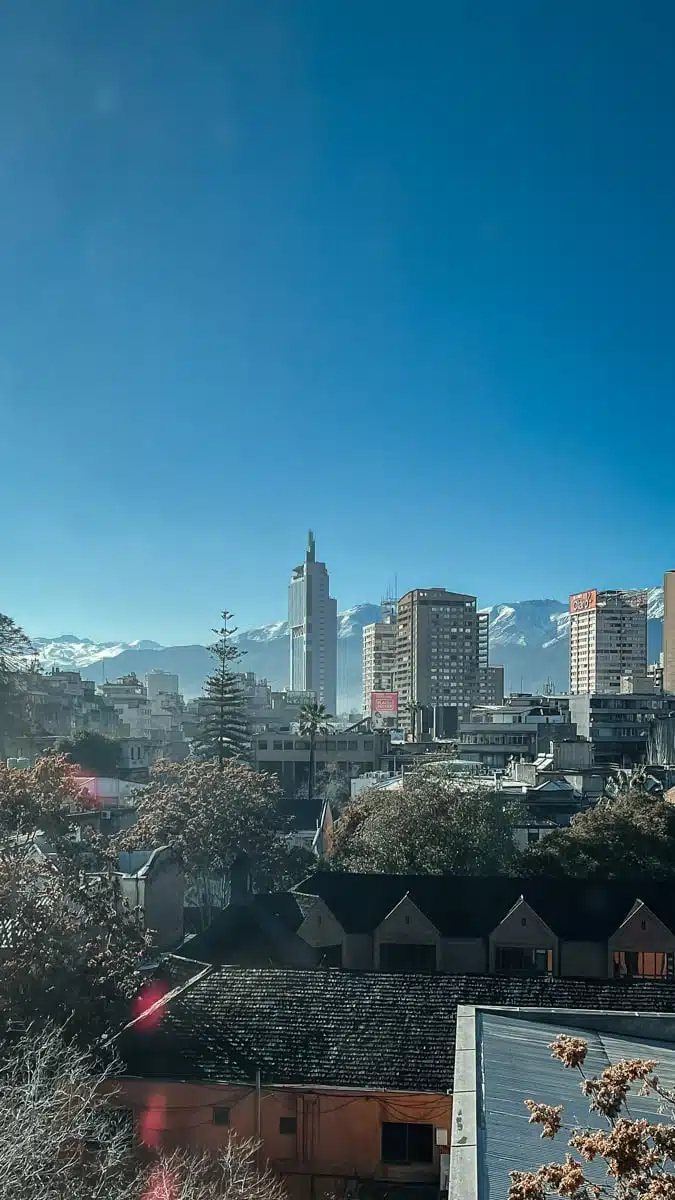
Central Chile, home to Santiago, Valparaíso and the main wine valleys, has a Mediterranean climate, with hot, dry summers and cool, damp winters. Santiago averages about 30°C in January and 16°C in July, with July nights dropping to around 3°C, and most of its rain falls between May and August, peaking in June.
The best time to go is in spring (September to November) or autumn (March to May), when it’s warm without being scorching. Summer is fine if you can handle the heat (and many Santiaguinos head to the coast in January and February, so the city empties out).
But if you enjoy skiing that ranks up there with that in the French Alps, the resorts high in the Andes above Santiago are at their best from July to September.
Easter Island
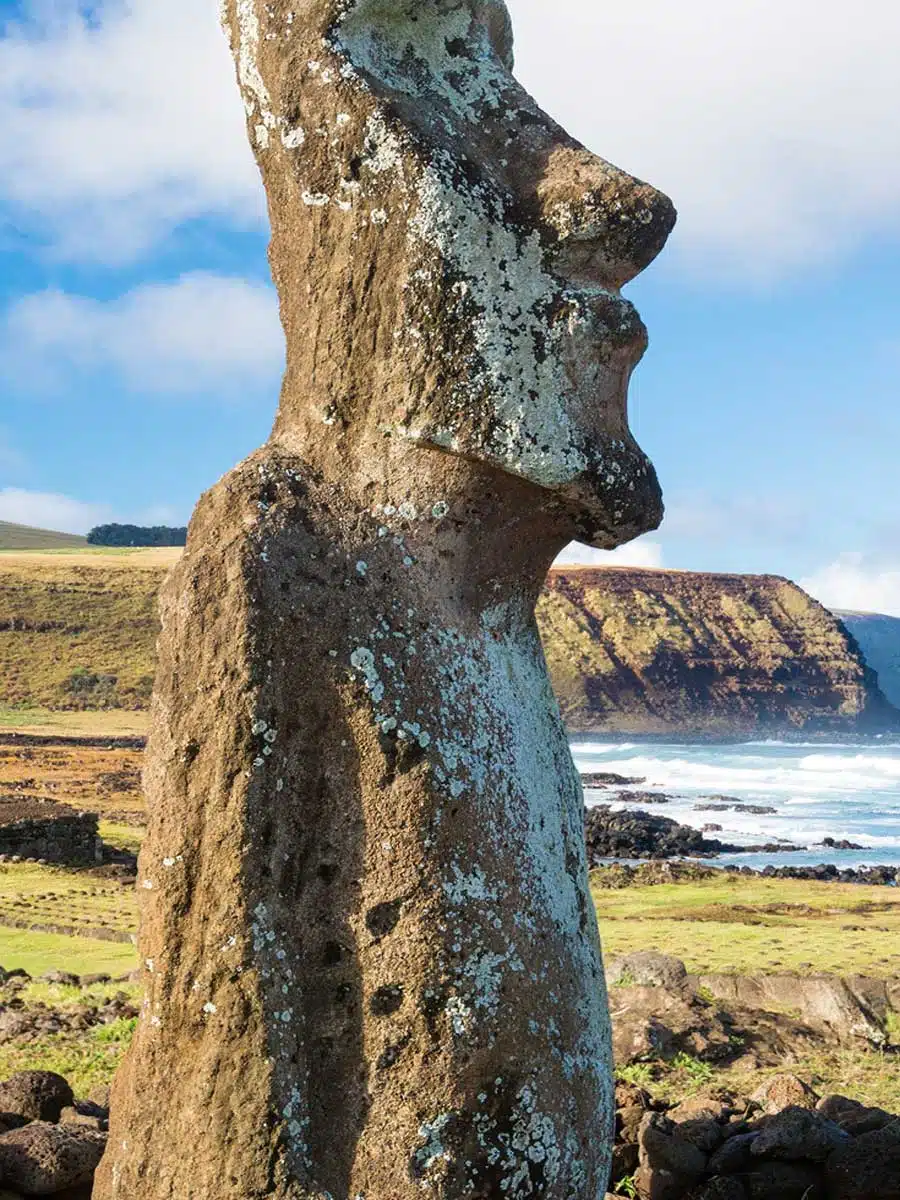
Easter Island (Rapa Nui) enjoys a subtropical climate year-round, more than 3,500km out in the Pacific. In Hanga Roa, February averages about 27°C by day and 22°C at night, while July to September cools to about 21°C and 17°C. January is the driest month and May the wettest.
For the warmest sea, go from January to March, and for the island’s biggest celebration, time it for the Tapati Rapa Nui festival in early February (see below). If you’d rather have smaller crowds and lower prices, April and November are good compromises, though you’ll want a waterproof in the autumn and winter months.
When’s the high season?
Because summer is ideal for outdoor adventure, December to February is the high season in most of Chile’s big tourist spots. It’s also when Chileans take their own holidays, so beach towns, the Lake District and Patagonia fill up, especially in January and February. Book refugios, flights and hotels for those months as early as you can.
There are other peaks too. Ski resorts are at their busiest during Chile’s winter school holidays in July, when Santiago’s families head for the slopes. And the fiestas patrias on 18 and 19 September, when Chile celebrates independence, are the biggest holiday of the year nationwide.
The cheapest time to go
When is the best time to visit Chile for affordable rates? Shoulder season can save you a good deal of money, and if you time it right, you may still get nearly perfect weather.
In the centre of the country, that means March to May and September to November, outside the summer holidays. For Patagonia, try late October or November, or late March and April, before or after the summer rush, as long as you’re happy to trade a little warmth and daylight for quieter trails. If you’re heading for the waterfalls of the Lake District or the hiking in the far south, November is a good bet, as the parks have reopened but the crowds haven’t arrived.
If you’re heading to the mountains for skiing, the cheapest weeks tend to be at the start and end of the season, in late June and September, outside the July school holidays.
Patagonia
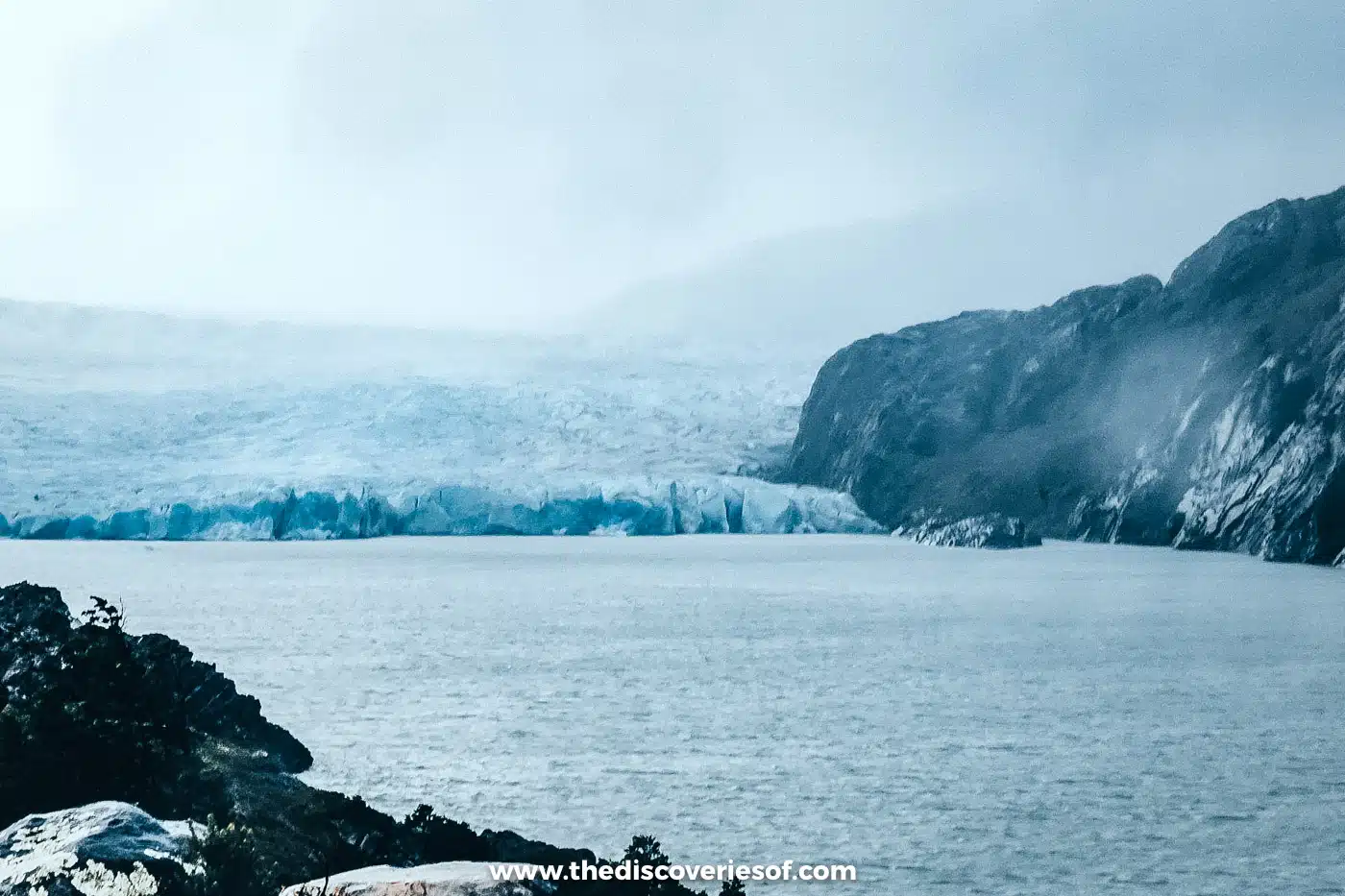
Patagonia is a beautiful part of South America, and Chile has many of the landscapes and scenery that make this area famous. To say that it’s an outdoor enthusiast’s dream destination would be an understatement.
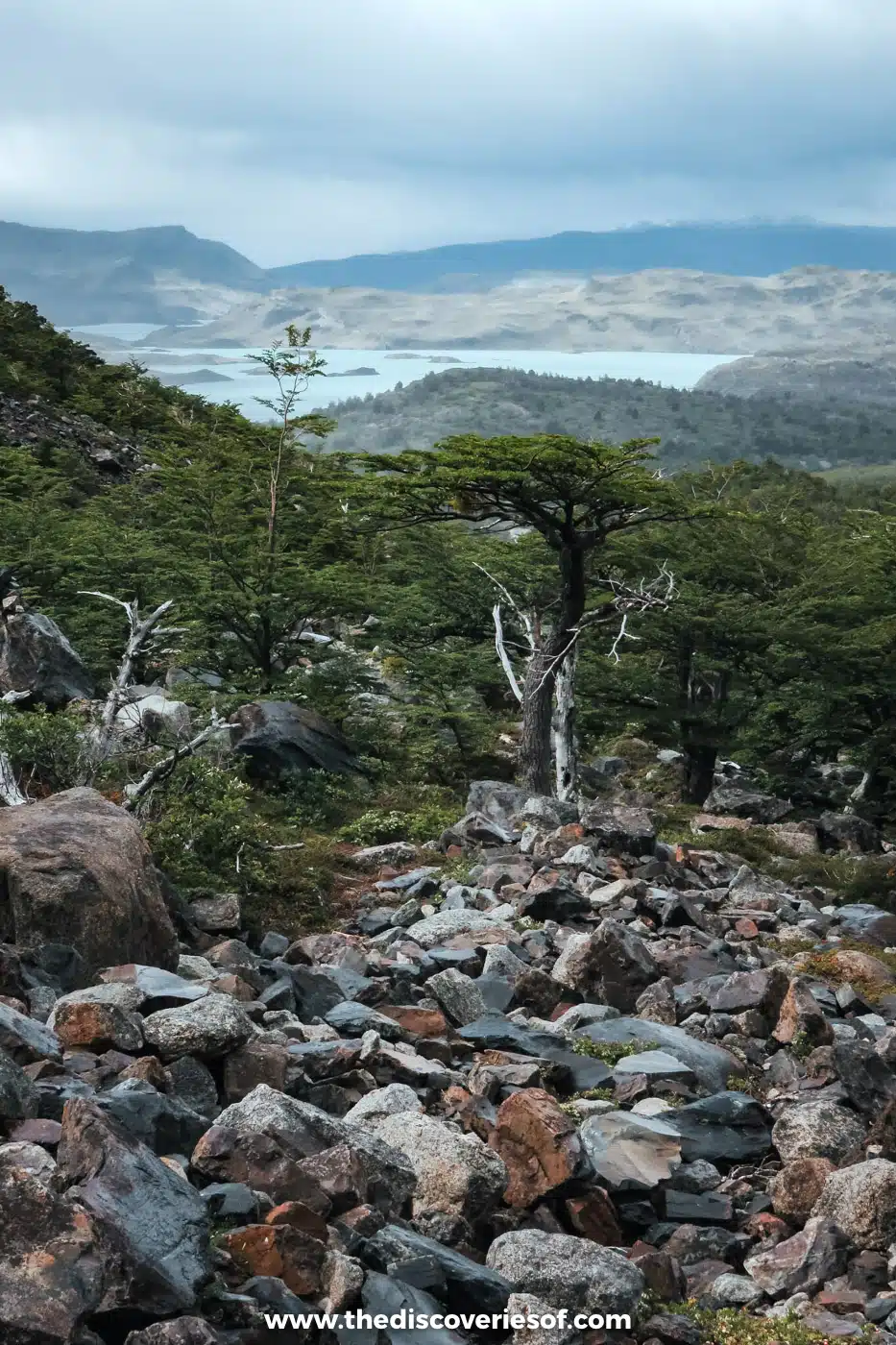
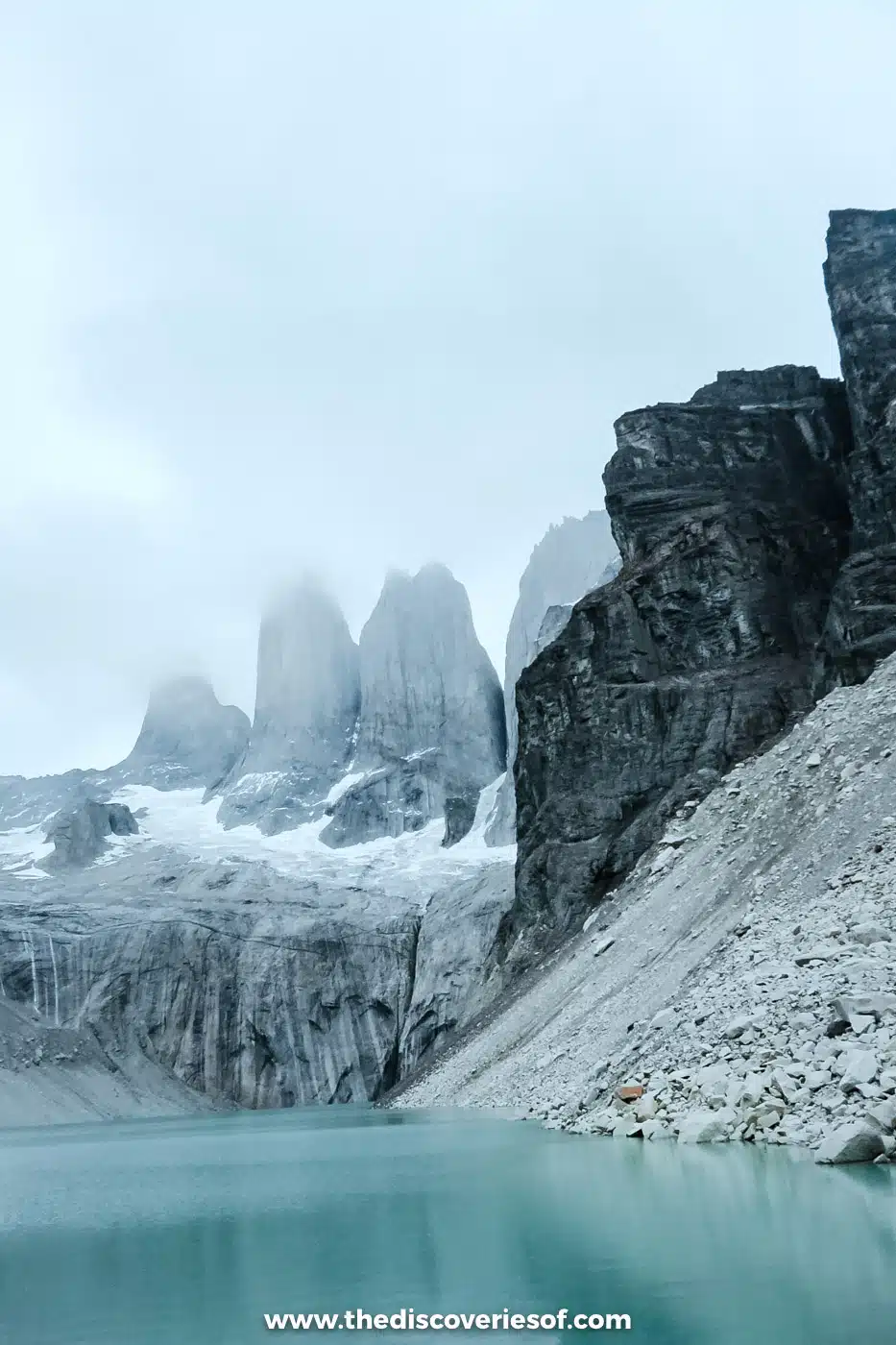
So when is the best time of year to visit Patagonia, Chile? For Torres del Paine, I’d go between December and February, as I did. The days are long, everything is open, and while you still need to pack for four seasons, your odds of decent weather are at their best. Late November and March are quieter alternatives, and in April the lenga beech forests turn red and gold, but the days are shorter and colder.
What you can do in the park depends heavily on the season, so check the current rules before you book:
- Without a guide (mid-September to late April): You can walk the W without a guide, but you have to book every night of your accommodation in advance, and rangers and refugio staff check. You also need a park ticket, bought online in advance on CONAF’s Pases Parques site, as there are no ticket sales at the gates. Since 1 May 2026, foreign adults pay CLP 48,500 for a multi-day ticket.
- The O Circuit: This only opens in summer. For the 2026/27 season CONAF kept it closed until 1 November, with the John Gardner Pass reopening only after a technical and weather assessment.
- Winter: In 2026, CONAF required an accredited guide on the W and the Base Torres trail from 27 April to 15 September, and closed the W completely in June and July, with the boats on Lago Pehoé and Lago Grey suspended. Expect similar rules each winter, and check CONAF’s notices before you plan a shoulder-season trip.
Whatever the month, read my W Trek packing list before you go, as the wind in particular needs planning for.
If you’re heading further north in Patagonia, you may wonder about the best time to visit Chile’s Lake District. I’d go in December or January, when temperatures are warmer and it’s not quite as rainy. The same goes for the Carretera Austral and the Marble Caves on Lago General Carrera, which are easiest to reach in the long, mild days of summer.
Skiing
East of Santiago in the Andes Mountains, you’ll find famous ski resorts that rival those in the USA or Europe, close enough to the city for a day on the slopes.
Valle Nevado, La Parva and El Colorado are the most popular, with Portillo, South America’s oldest ski resort, about three hours away near the Argentine border. The season usually runs from mid-June to late September, and July and August have the most reliable snow. Seasons vary with the snowfall: in 2026, Valle Nevado opened on 19 June and extended its season to 8 November, the first time in its history it has run into November, while La Parva and El Colorado planned to stay open until 18 October.
I haven’t skied in Chile myself, but even if you don’t ski, a winter trip up to the resorts is a brilliant way to see the high Andes under snow. If you’re visiting in July, remember that it’s school holiday time, so book lift passes, rental and transport ahead.
The Atacama Desert
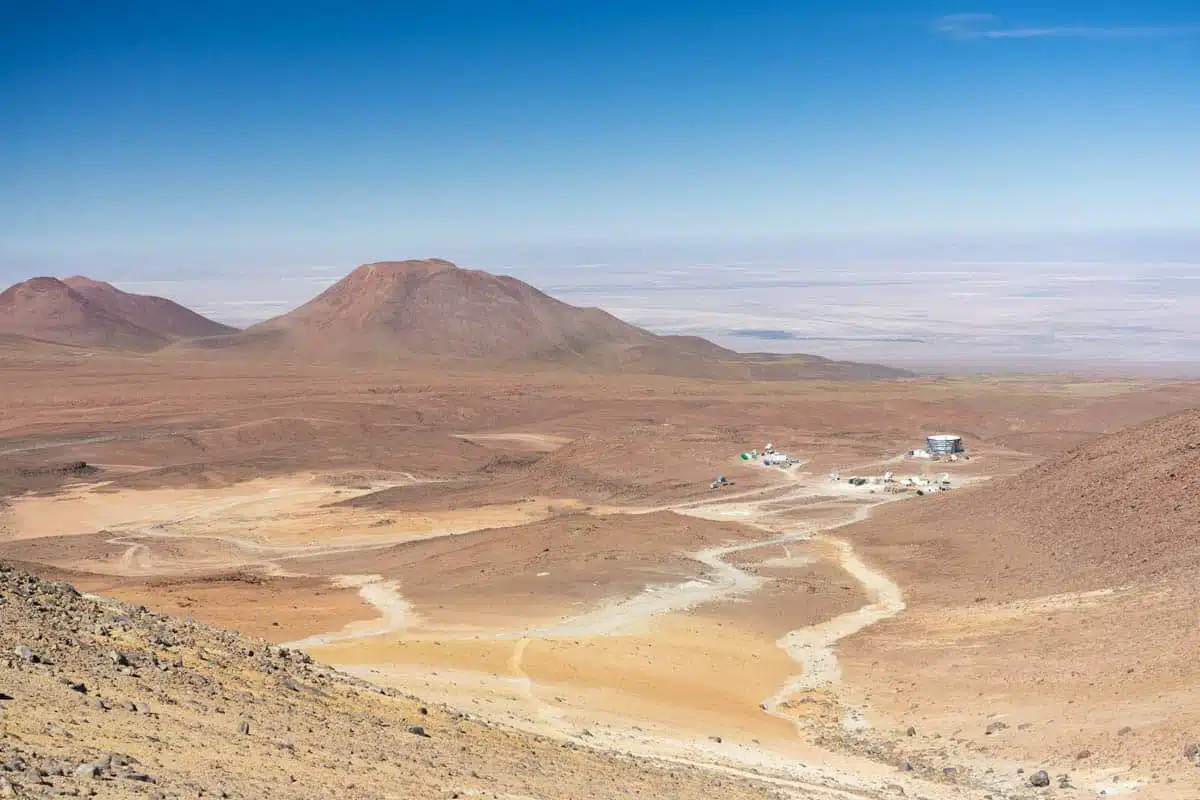
There are numerous incredible things to do in the Atacama Desert, and you can enjoy your time there for much of the year (and capture some truly amazing photos). I’ve been in two very different ways: a week-long road trip in a campervan on my first visit, and three nights at Nayara Alto Atacama with private tours on my July trip.
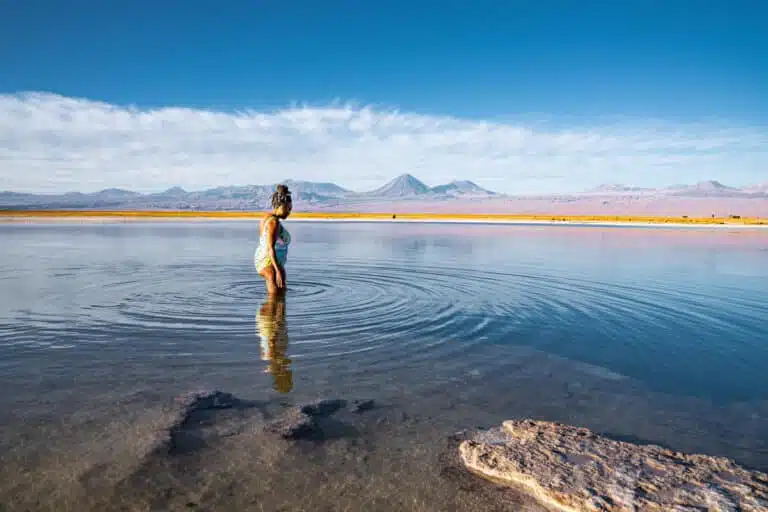
For me, winter is the sweet spot, and July was spectacular. The skies are at their clearest, which matters when stargazing is one of the main reasons to be here: Nayara runs observatory sessions twice a night, and I took some of my best photos of the Atacama skies there. Winter days in San Pedro are mild and bright, and the cold makes the high landscapes even more striking.
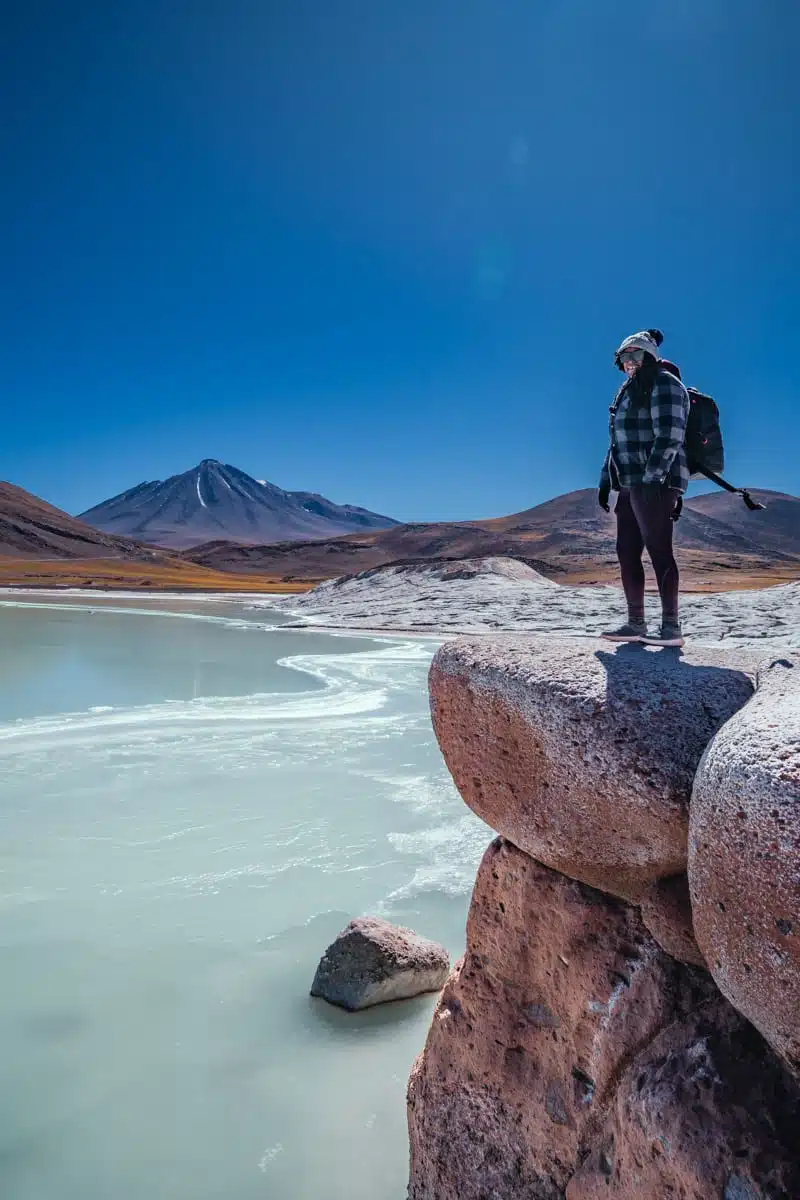
At Piedras Rojas, the lake was frozen, and it looked more like a piece of turquoise than water against the red rock. Winter is the time to see it at its brightest, too, as the water levels are lower and the minerals more concentrated. On the same day I followed the trail down to Laguna Miscanti and then climbed over an outcrop of lava to reach Miñiques, which I’d missed on my first trip (big mistake).
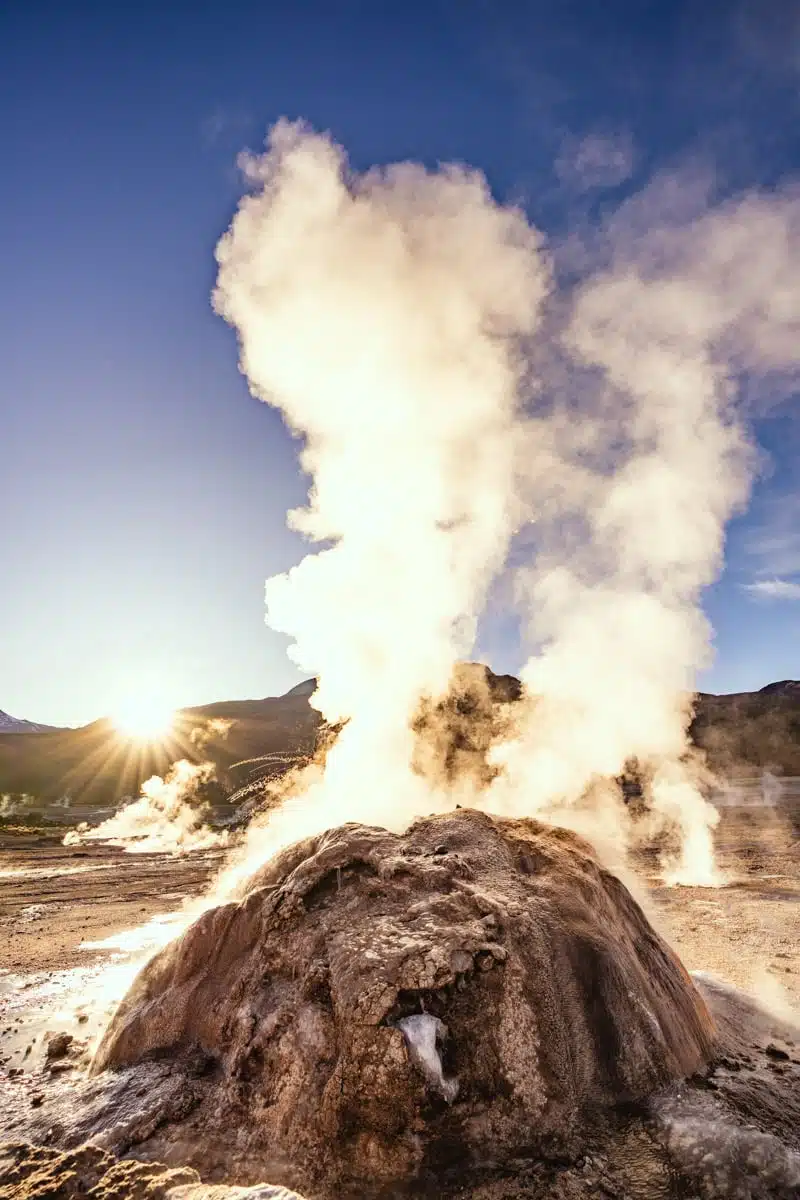
The flip side is the cold. El Tatio sits at about 4,300m and the geysers are most active at sunrise, so it’s a very early start: I left at 3am, and it was -15°C when I got there. Wear layers, a hat, gloves and shoes with thick soles, as you can feel the frozen ground through thin ones. Heavy snow can also close the highest sites, such as El Tatio and Piedras Rojas, for a day or two, so if you’re visiting in winter, leave a little slack in your plans.
From December to February (and sometimes into March), the altiplanic winter brings afternoon clouds, storms and fresh snow up high, and tours are more likely to be cancelled or turned around early, while summer storms can occasionally damage or close the roads up to the altiplano. If summer is your only option, build in a spare day or two, and do your high-altitude trips early in the day.
A few things apply all year. Tickets for most of the big sights are now sold online in advance, including the Valle de la Luna (where the trails close in the late afternoon, so you can’t be inside for sunset) and the Piedras Rojas and Miscanti lagoons. And if you’re crossing into Bolivia for the salt flats, as I did on the same July trip, know that the altiplano is brutally cold in winter: my night in a basic hostel near Huayllajara was one of the coldest of my life, and I lost my voice. Read my guide to the best time to visit the Bolivian salt flats before you decide.
Santiago
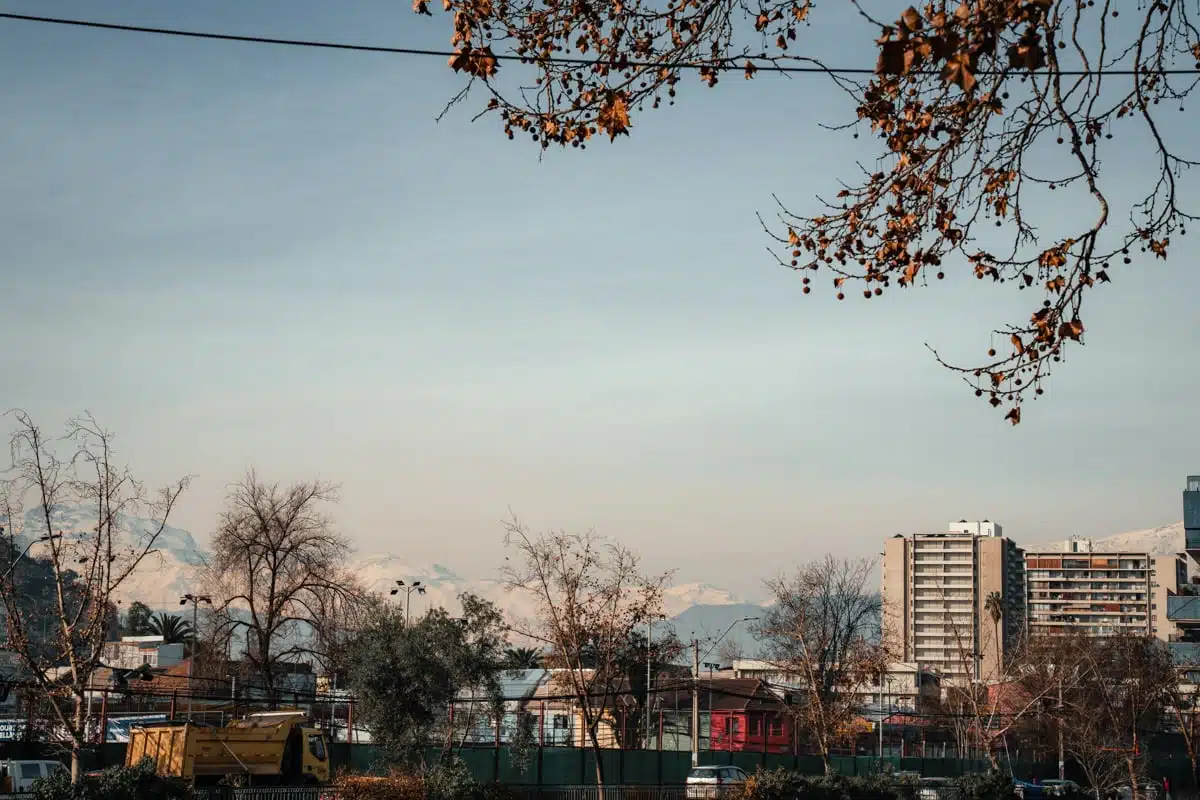
Santiago is the capital of Chile, and somewhere I encourage anyone visiting Chile to stay for at least a few nights. I’d been to Chile three times before I finally gave it the time it deserves, starting and finishing my July trip there.
Why go? It’s very walkable, the people are warm and inviting, and its food and wine scene is one of the best in South America. Book ahead for the places everyone talks about: about ten people told me to reserve a table at Bocanáriz, and they were right.
So when is the best time to visit Santiago, Chile? I’d go in March or April, when the weather is still warm, rates are a little lower after the summer holidays and the wine country is in full harvest, or in October and November, when the city’s parks are in bloom. Summer is hot, with January highs around 30°C, and the city empties out as Santiaguinos head for the coast.
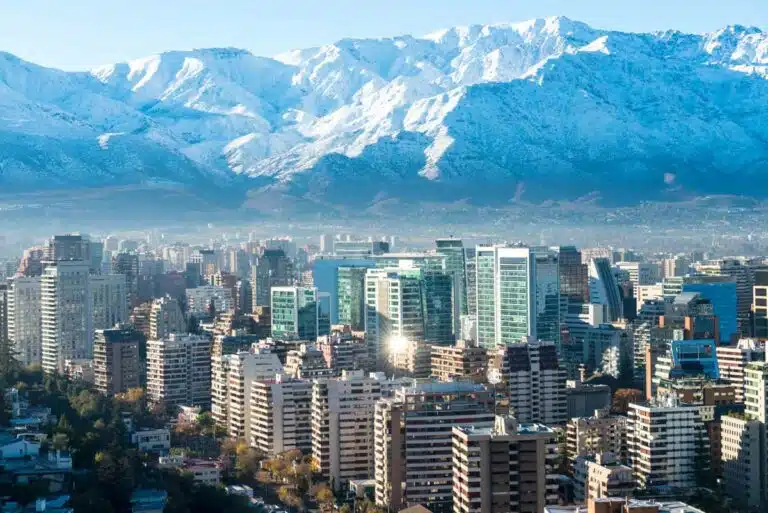
Winter is a perfectly good time to visit too, as long as you know what you’re getting. Days are cool and nights cold, and the snow-capped Andes look fantastic behind the city on clear days. But winter is also smog season, as the cold air traps pollution in the valley, so the best days for the viewpoints are clear ones after rain. Some summer spaces shut too: the rooftop terrace at The Singular, where I stayed at the end of my trip, was closed for the winter. Just remember your raincoat from May to August.
Whenever you go, all my hotels told me to use Uber rather than hailing a taxi, and I’d pass on the same advice.
Wine tasting
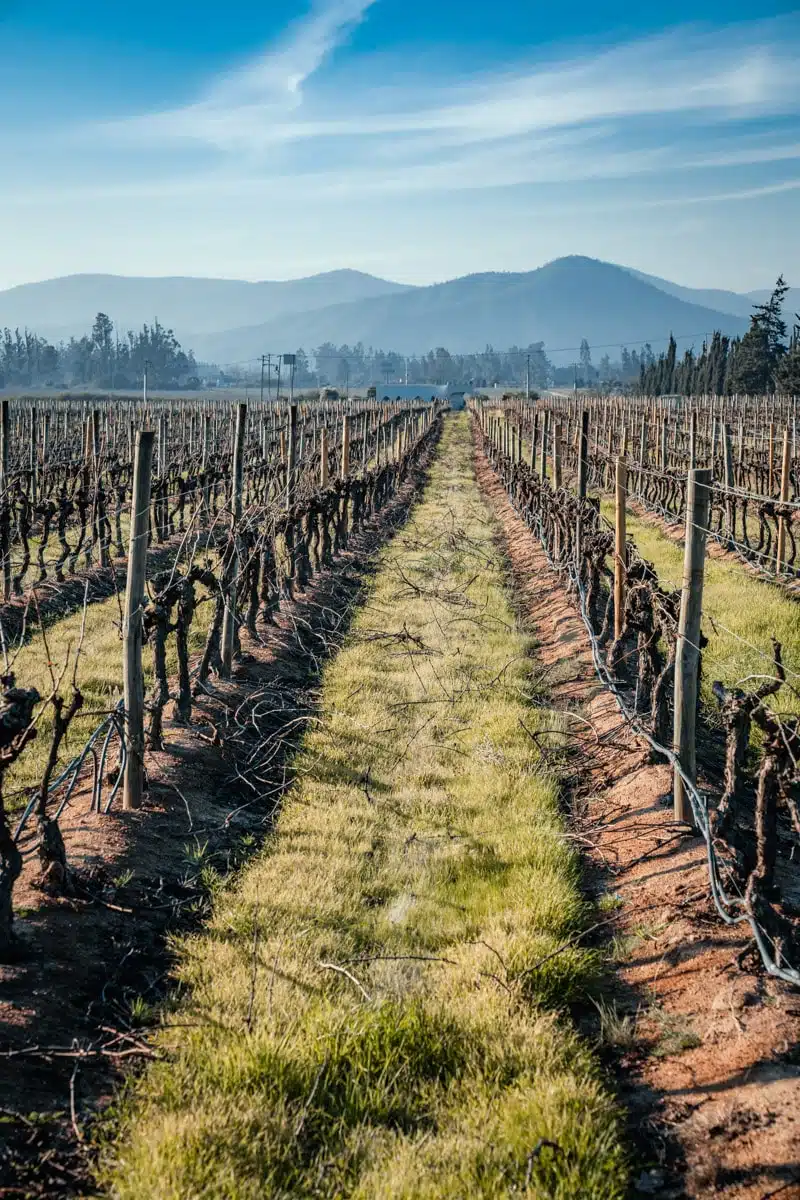
Chile’s grape harvest, the vendimia, runs from about February to May, and March and April are the busiest and most beautiful months in the vineyards. Harvest festivals are celebrated across the country, with grape stomping, local food and plenty of wine. The biggest is the Fiesta de la Vendimia de Colchagua in the main square of Santa Cruz, held on 6 to 8 March in 2026, and usually on a weekend in early March. Isla de Maipo throws its own harvest festival, usually in late March, and the Casablanca Valley has one too.
Don’t rule out winter, though. I did a day in the Maipo Valley and a coast tour through the Casablanca Valley in July. In Casablanca the vines had been pruned back to bare stumps, but I was lucky with a clear, sunny day, the tasting rooms were quiet and the light was beautiful. Bring layers for the cold mornings, and plan a long, lazy lunch at a winery restaurant.
The Elqui Valley
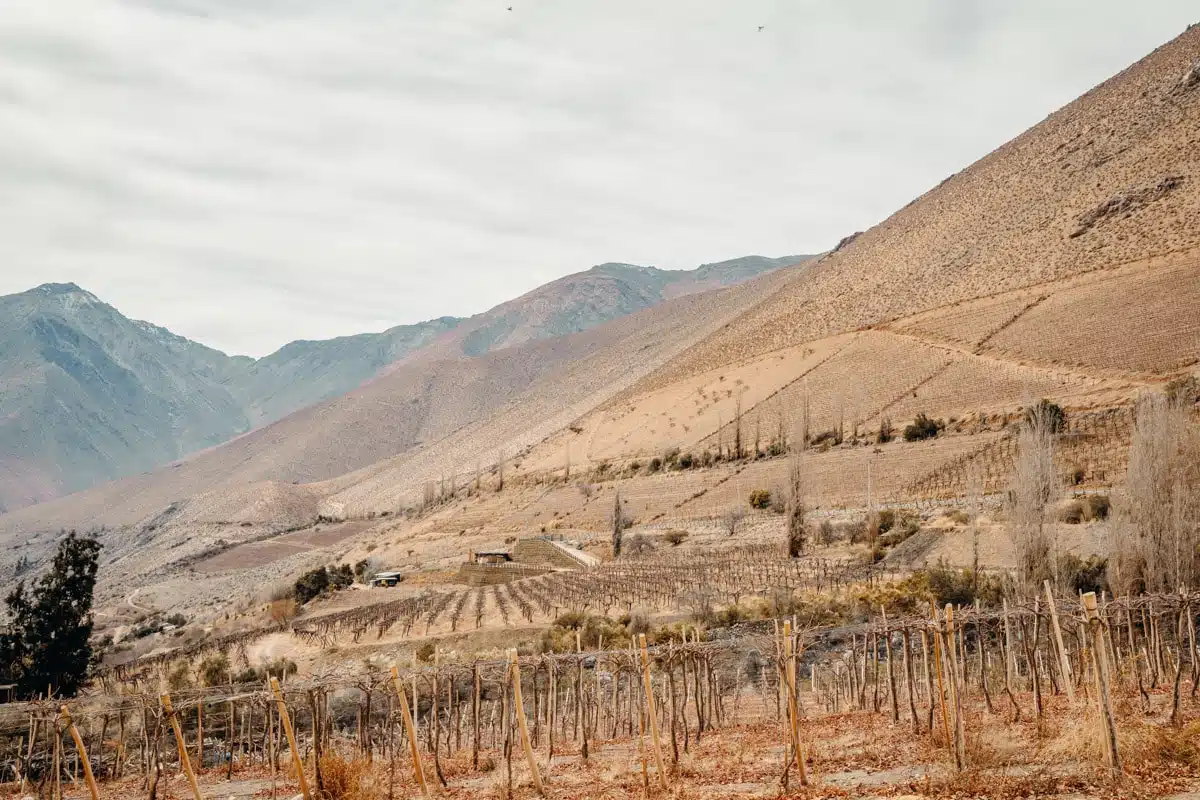
The Elqui Valley, a green ribbon of vineyards, pisco distilleries and observatories between the Atacama and Santiago, is one of the sunniest places in Chile, and it’s good to visit at any time of year. I went in July, flying down from the Atacama to La Serena and transferring up into the valley, and based myself in Vicuña.
In Vicuña, January averages about 25°C by day and 16°C at night, and July about 16°C and 7°C. The clearer part of the year runs from October to April, peaking in February, but the long, dry winter nights are especially good for stargazing, and the little rain the valley gets falls between June and August.
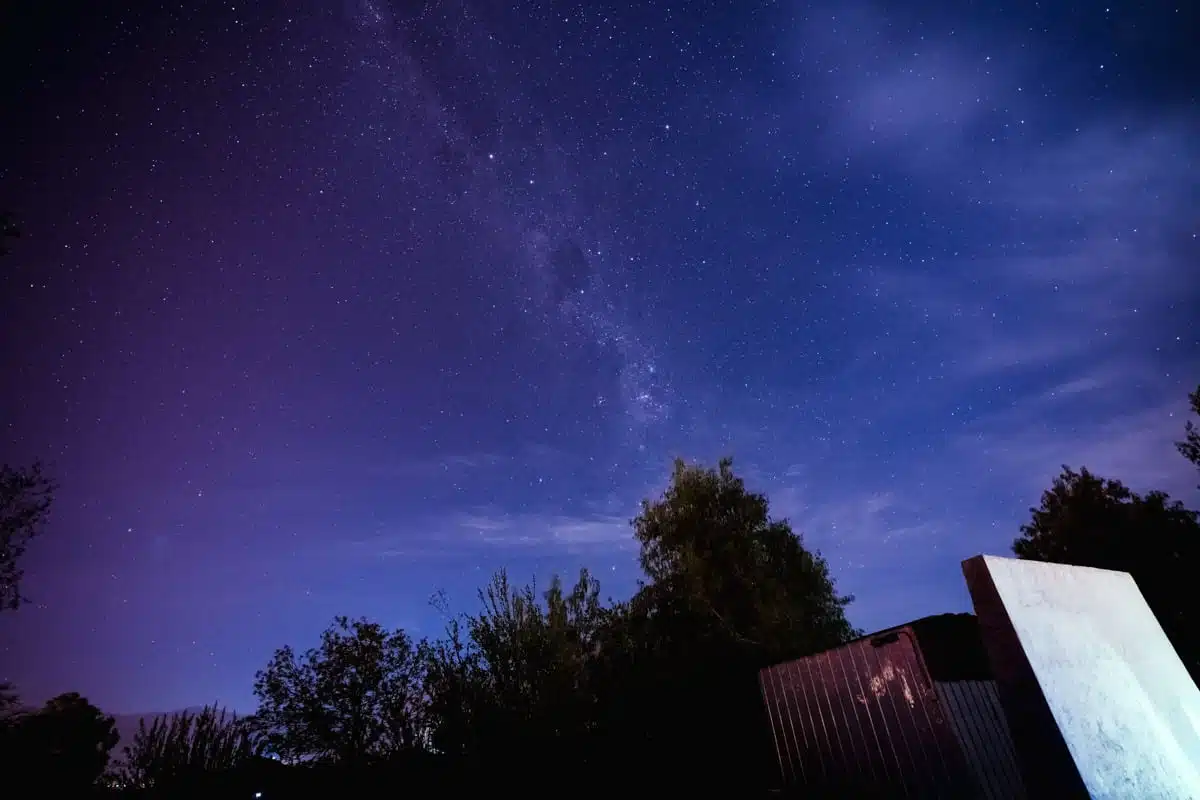
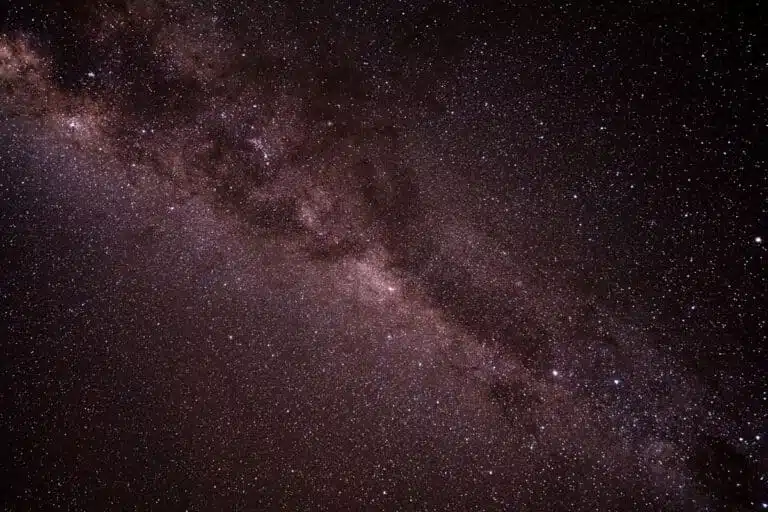
I had clear skies for my night at the observatory, but it gets cold after dark, so pack warm layers. Avoid the days around the full moon if seeing the Milky Way is a priority, and in summer, book ahead, as the valley gets busy with Chilean holidaymakers.
Chile by season
If you’re still deciding when to go, it helps to understand what each season brings across the country. Let me give you a few tidbits on each season so you know exactly what to expect.
Spring in Chile
September to November
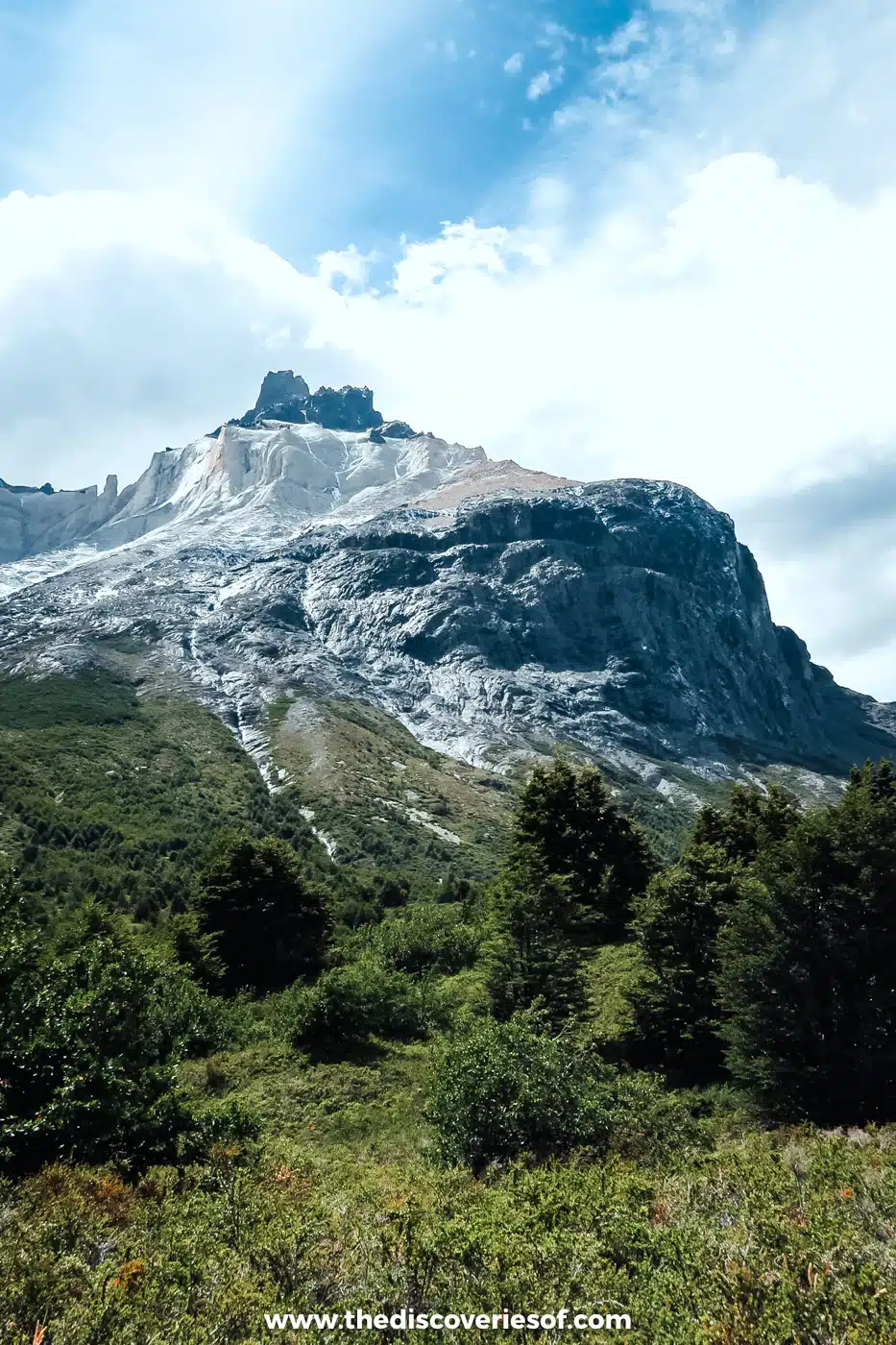
Spring in Chile is one of the best times to go to many of the most popular areas in the country. Santiago and the central valleys are warm and green, the Atacama is clear and comfortable, and the south is waking up. I lean towards October and November for a central Chile trip, for similar weather to summer and lower rates.
Top tip: You may still experience rain, snow and strong winds in Patagonia in spring, so dress the part. November is the windiest month in Puerto Natales.
Key events and things to do in Chile in spring
- Fiestas patrias: Chile’s national holidays fall on 18 September (Independence Day) and 19 September (Army Day), and the whole country celebrates for the best part of a week, with fondas (party tents), cueca dancing, empanadas and plenty of chicha. Book ahead, as Chileans travel too.
- Torres del Paine: The W reopens without a guide from mid-September, and the O Circuit opens on 1 November for the 2026/27 season, so late October and November are good for quieter trails, if not warm ones.
- Carretera Austral: For the ultimate road trip along the Carretera Austral, head out in November, when the temperatures are warming up but the crowds aren’t yet out in force on the hiking trails and the famous highway.
- Easter Island: The giant moai dotting the coast of this remote Chilean island are fascinating at any time of year, but you’ll find fewer tourists, and lower prices, in spring.
- Late-season skiing: Some years the snow lasts. In 2026, Valle Nevado extended its season to 8 November.
Pros of travelling to Chile in spring
- Hotel rates and airline fares are often lower than in summer.
- The weather is warm and pleasant in Santiago, the wine valleys and the Atacama, especially in October and November.
- Crowds aren’t at their highest yet, outside the September holidays.
Cons of travelling to Chile in spring
- Patagonia can be cold, wet and very windy, especially early in the season.
- Skiing is still possible in September, but it’s winding down for the season.
Summer in Chile
December to February
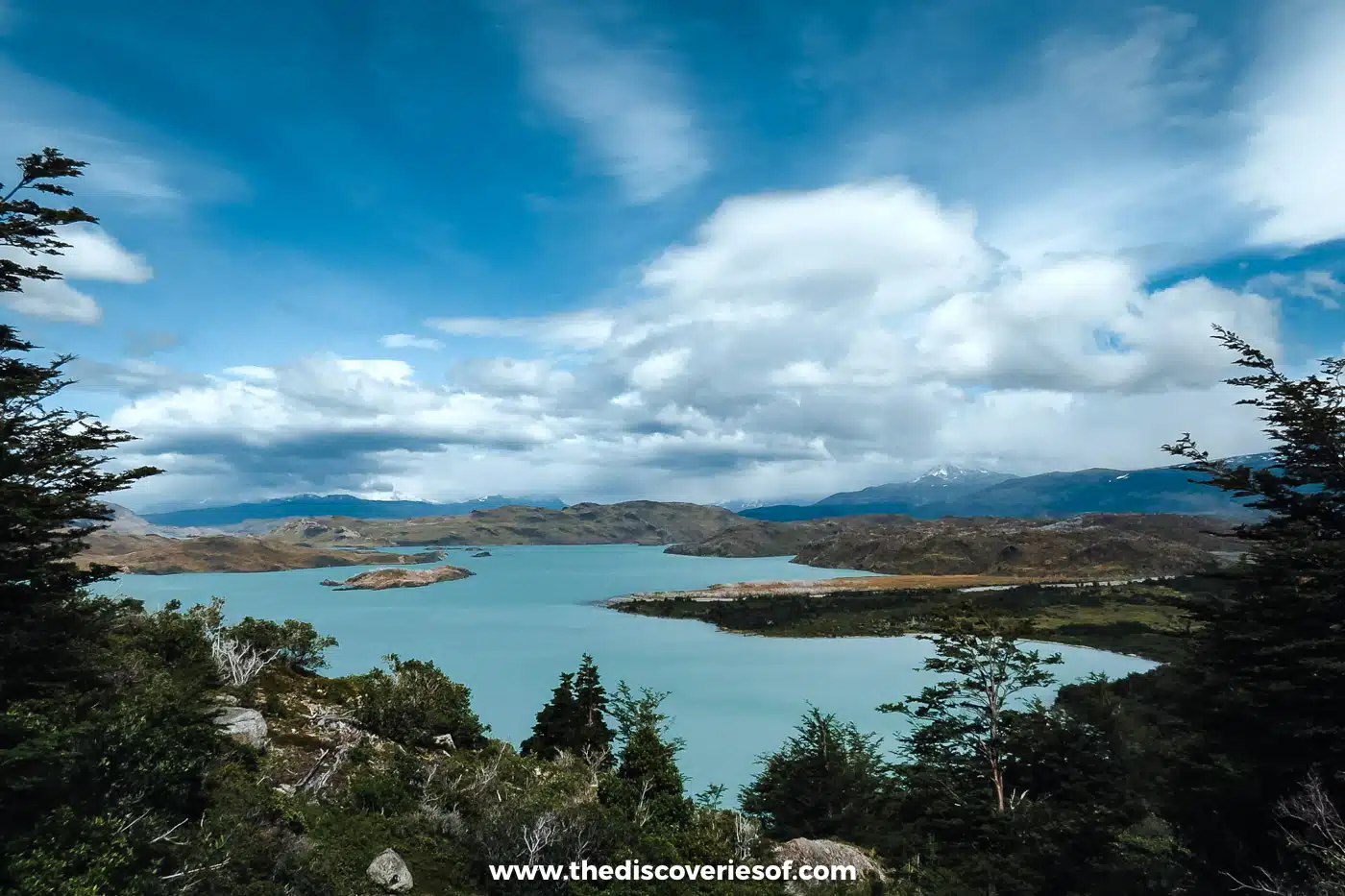
Looking for some winter sun? I have good news for you: it’s summer in Chile from December to February. That’s when I went to Patagonia, and it’s the best time to hike there.
But before you book a last-minute flight and head to South America, there are a few things to know about summer in Chile.
Key events and things to do in Chile in summer
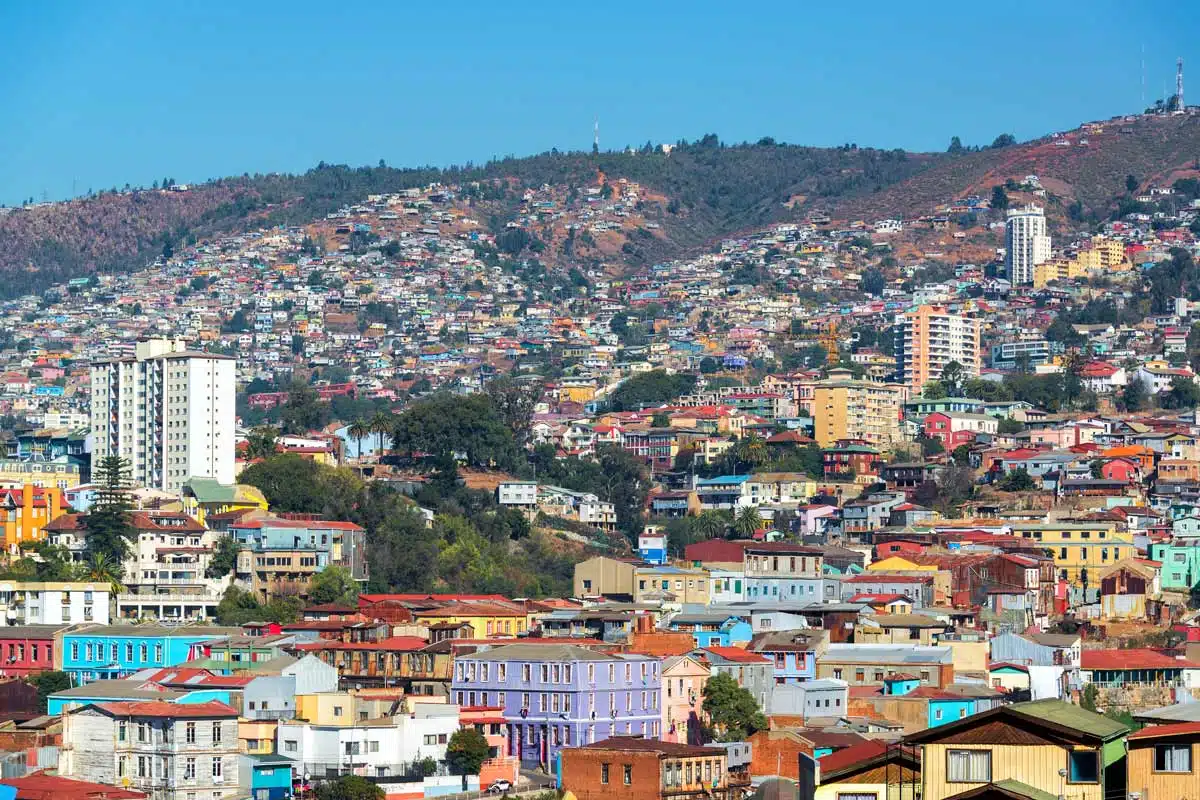
- Valparaíso: It’s no secret that Valparaíso is a charming city to visit, with its walkable streets, colourful homes and beaches nearby. You’ll have the most reliable weather for sunshine and the beach from December to February, and its New Year’s Eve fireworks over the bay are famous across Chile.
- Santiago a Mil: Santiago’s huge international theatre festival takes over stages and streets across the city every January; the 2027 edition runs from 3 to 24 January.
- Tapati Rapa Nui: Easter Island’s two-week cultural festival, with traditional sports, music, dance and body painting, is scheduled for 30 January to 12 February 2027 (check the official programme before you book, as dates can shift).
- The Lake District: The Lake District is absolutely stunning in summer, when the lakes are warm enough for kayaking and the volcanoes are clear. Further south on the Carretera Austral, a boat trip to the Marble Caves on Lago General Carrera is at the top of my bucket list, and the water conditions and sunlight are at their best now.
- Torres del Paine National Park: The most famous of Chile’s Patagonian hotspots has the best weather and conditions for viewing the glaciers, lakes and wildlife in summer. Book every night of your trek well ahead.
- Whale watching: From December to March, boat trips from Punta Arenas head out to the Francisco Coloane marine park in the Strait of Magellan, where humpback whales come to feed.
Pros of travelling to Chile in summer
- The weather is warmer throughout most of the country, and the days are long: on my W Trek, the sun didn’t set until after 10pm.
- Every trail, boat and refugio in Patagonia is open.
Cons of travelling to Chile in summer
- The altiplanic winter brings storms to the high Atacama in January and February, which can close high roads and cloud out the stargazing.
- Hikes and national parks are at their most crowded, especially in January, when Chileans take their holidays.
- Flights and hotel rates are considerably more expensive.
- Santiago can be very hot.
Autumn in Chile
March to May
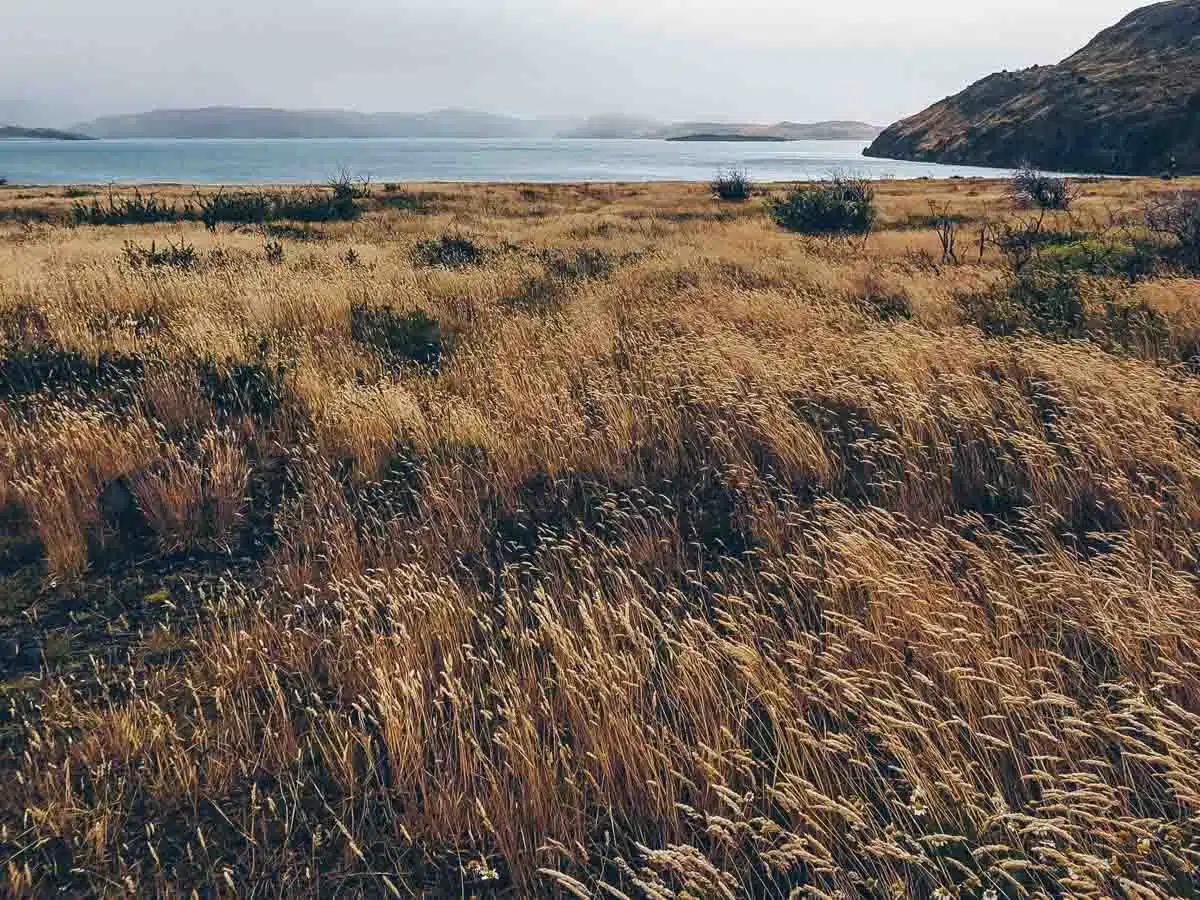
Autumn is gorgeous throughout most of Chile, and the shoulder season means fewer crowds and lower rates. The vineyards are harvesting, Patagonia’s forests turn red and gold, and the heat goes out of the summer in Santiago.
So what should you expect during autumn in Chile? Read on.
Key events and things to do in Chile in autumn
- Santiago: The capital is a joy to visit at any time of year, but cheaper hotels, pleasant temperatures and fewer crowds make autumn a perfect time to explore its many restaurants and museums. Big events push prices up, though: Lollapalooza Chile returns to Parque O’Higgins on 12 to 14 March 2027.
- Go to a wine festival: Autumn is the best time to visit Chile’s wine country. Whether you’re in the Maipo Valley or one of the other wine regions, March is harvest festival season, led by the Fiesta de la Vendimia in Santa Cruz.
- Patagonian autumn colours: In April the lenga forests of Torres del Paine turn red and gold. The days are shorter and cooler, and the winter guide rule kicked in on 27 April in 2026, so go early in the month.
Pros of travelling to Chile in autumn
- You can see the El Tatio geysers or go stargazing in the Atacama with fewer people around, after the summer storms have passed.
- It’s an ideal time to visit the seaside city of Viña del Mar, with its beautiful coastline and gardens, once the summer crowds have gone home.
Cons of travelling to Chile in autumn
- The weather can get quite cold in late autumn, especially in the south and at altitude.
- Some trails may close or become dangerous for hiking, particularly in Patagonia from late April.
Winter in Chile
June to August
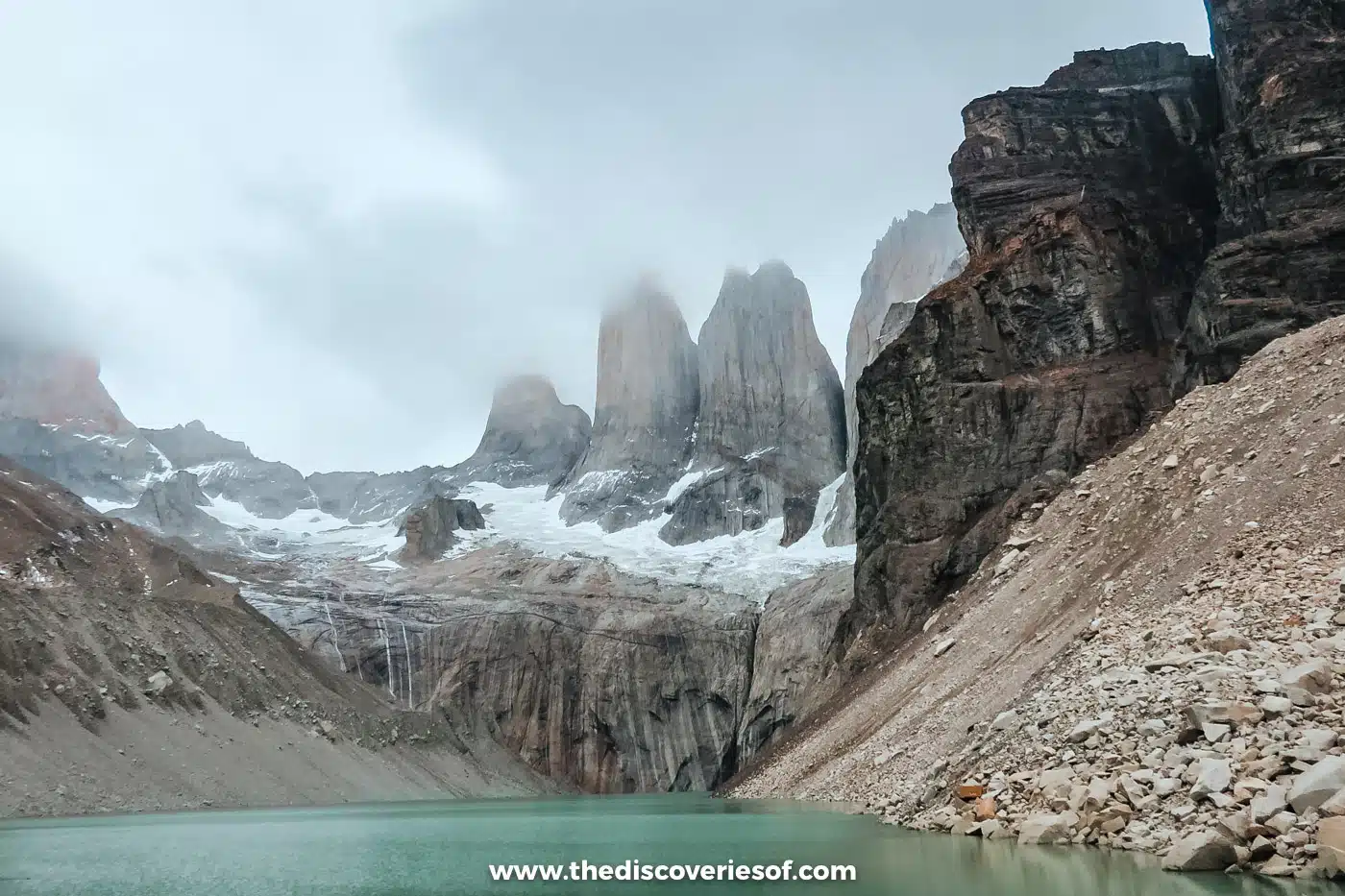
Looking for the best time to ski and snowboard? Winter is amazing in the Andes, but it’s not only about the ski resorts. This is when I spent a month travelling around Chile, and it’s the season I’d choose for the north.
Key events and things to do in Chile in winter
- Valle Nevado: OK, it’s kind of all about the ski resorts in winter. Head to Valle Nevado, La Parva or Portillo for some particularly epic runs in the Andes.
- Atacama: Head north for sunny days, clear skies and unbelievable stargazing. Days in San Pedro are mild, but the nights are well below freezing at altitude: it was -15°C at El Tatio on my July morning.
- The Elqui Valley: Long, dark, dry nights make winter a great time for the observatories, and the valley is much quieter than in summer.
- National Day of Indigenous Peoples: Chile marks the winter solstice with a public holiday, on 20 June in 2027, when Mapuche communities celebrate We Tripantu, the new year, and Aymara communities in the north celebrate Machaq Mara.
- La Tirana: Every July, the small town of La Tirana, about 72km from Iquique, hosts northern Chile’s biggest religious festival, with ten days of costumed dancers and brass bands that peak on 16 July, the feast of the Virgen del Carmen. More than 250,000 people come, so book well ahead.
Pros of travelling to Chile in winter
- Wine and dine at the most popular places in Chile with fewer crowds.
- Hotel rates tend to be quite reasonable outside the ski resorts and the July school holidays.
- The Atacama’s skies are at their clearest and the high lagoons at their most colourful.
Cons of travelling to Chile in winter
- Much of Patagonia is hard to reach or closed: in 2026 the W was closed completely in June and July, and you could only hike it with an accredited guide from late April to mid-September.
- Rain falls in central and southern Chile, snow can close the high passes and Atacama sites for a day or two, and Santiago gets smoggy, so pack your warmest winter wear.
Practical tips
- Hire a campervan in the Atacama to really get a handle on the area. Trust me: I spent a week driving about 1,000 miles around it on my first trip. Staying in a holiday rental or camping in some of the most popular areas can save you a ton of money too.
- Buy tickets online before you go. Torres del Paine (Pases Parques), the Valle de la Luna, El Tatio, Piedras Rojas and Easter Island’s national park all sell entry online, and some sell out in high season.
- Book Patagonia early. For December to February, reserve every night on the W as soon as your dates are fixed, as the rangers check.
- Pack for the extremes. Even on a summer trip, you’ll want a warm layer and a windproof for Patagonia and the high Atacama; on a winter trip, a proper down jacket, hat and gloves.
- Food in Santiago (and really across all of Chile) is seriously amazing. Bring your appetite.
- Don’t sleep on the Petrohué Waterfalls in Vicente Pérez Rosales National Park for an epic view of waterfalls set against a volcanic mountain backdrop. They’re at their best on clear summer days.
- Schedule a whale-watching trip from Punta Arenas if you visit between December and March.
Love this? Save and share on Pinterest
Discover the top things to do, insider tips and hidden gems in our Chile Travel Guides.
Read the guides →