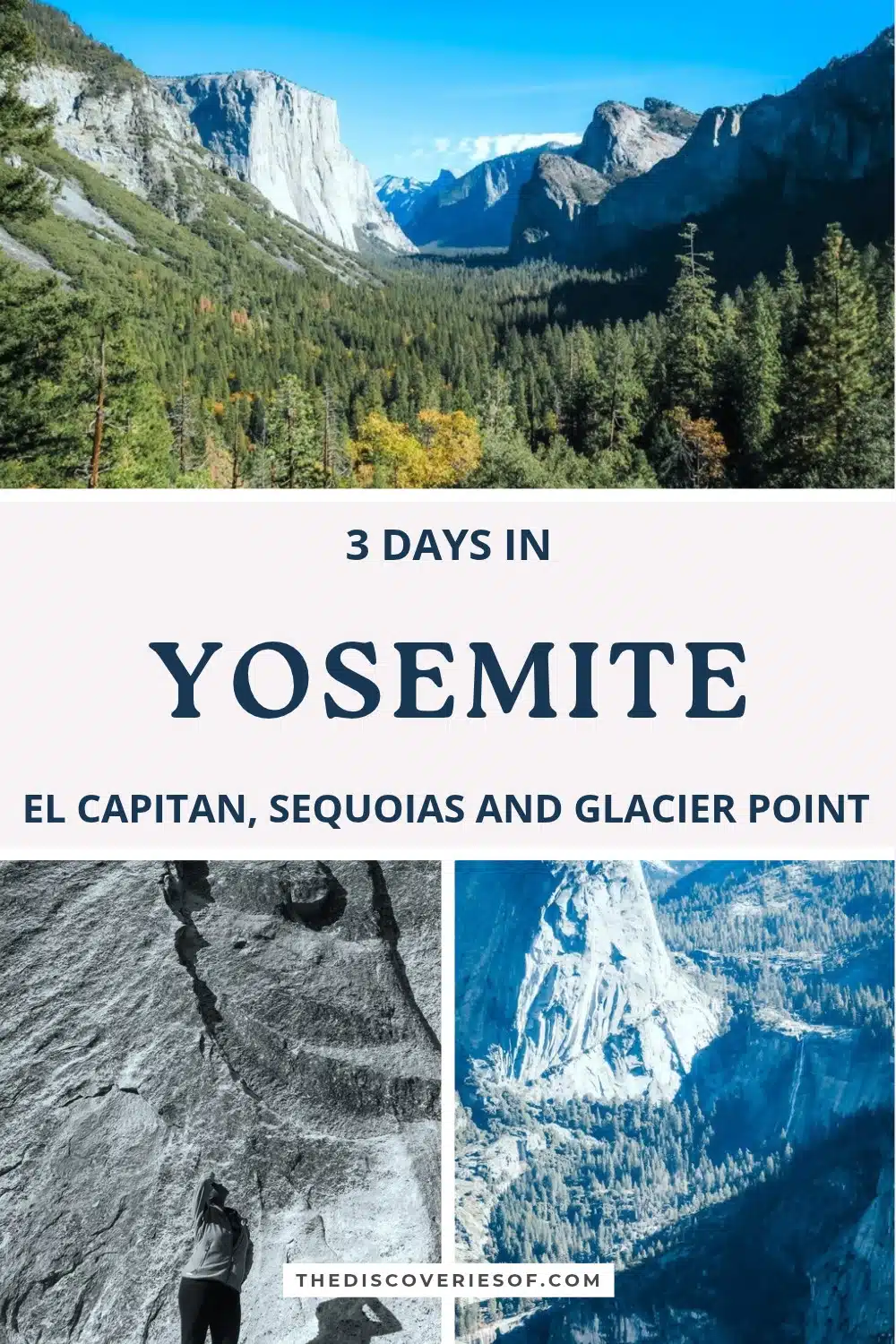
Granite walls you can walk right up to, trees that have been growing for around 3,000 years and a viewpoint that puts the whole valley at your feet. Here’s how to fit the park’s big hitters into three days, in an order that actually works on the map.
Getting geared up for an unforgettable trip to Yosemite? Well, if you’re reading this, then I’d place all my bets on your trip already being decided on. And, if you’re anything like me, having a well-planned itinerary means the difference between a mediocre trip and a brilliant one.
A definite to include in any California road trip, the park was one of the big stops on my own drive up the West Coast from LA to Vancouver. I headed there with one simple goal: indulge in the best things to do and places to see in the national park.
I spent three days in the park and quickly learned that it packs an unimaginable amount into its 3,000-odd square kilometres. After my trip, it quickly became apparent that this would forever be one of my ultimate adventures.
So allow me to let you in on my little secret: the perfect 3 day Yosemite itinerary.
The perfect 3 days in Yosemite itinerary
The plan uses one base in or near the valley and gives each day its own corner of the park:
- Day one: Yosemite Valley, Yosemite Falls and the foot of El Capitan
- Day two: Tunnel View, the giant sequoias of Mariposa Grove and historic Wawona
- Day three: Half Dome, the Mist Trail and sunset at Glacier Point
It works best from late May to October, when Glacier Point Road is open. No entry reservation is needed in 2026, but visitors from outside the US now pay a $100 surcharge: details are in the tips at the end.
Day one: Yosemite Valley, Yosemite Falls and El Capitan
Find your bearings in Yosemite Valley
Spanning roughly 11 km and running about 900 metres deep, Yosemite Valley is where your perfect adventure starts. The most iconic parts of the park are nestled within it: the massive summits of Half Dome and El Capitan and several breathtaking waterfalls, the crown jewel being Yosemite Falls.
The best way to see it all on your first morning is on a valley orientation tour, which includes the entrance fee and leaves you hours of free time on the valley floor.
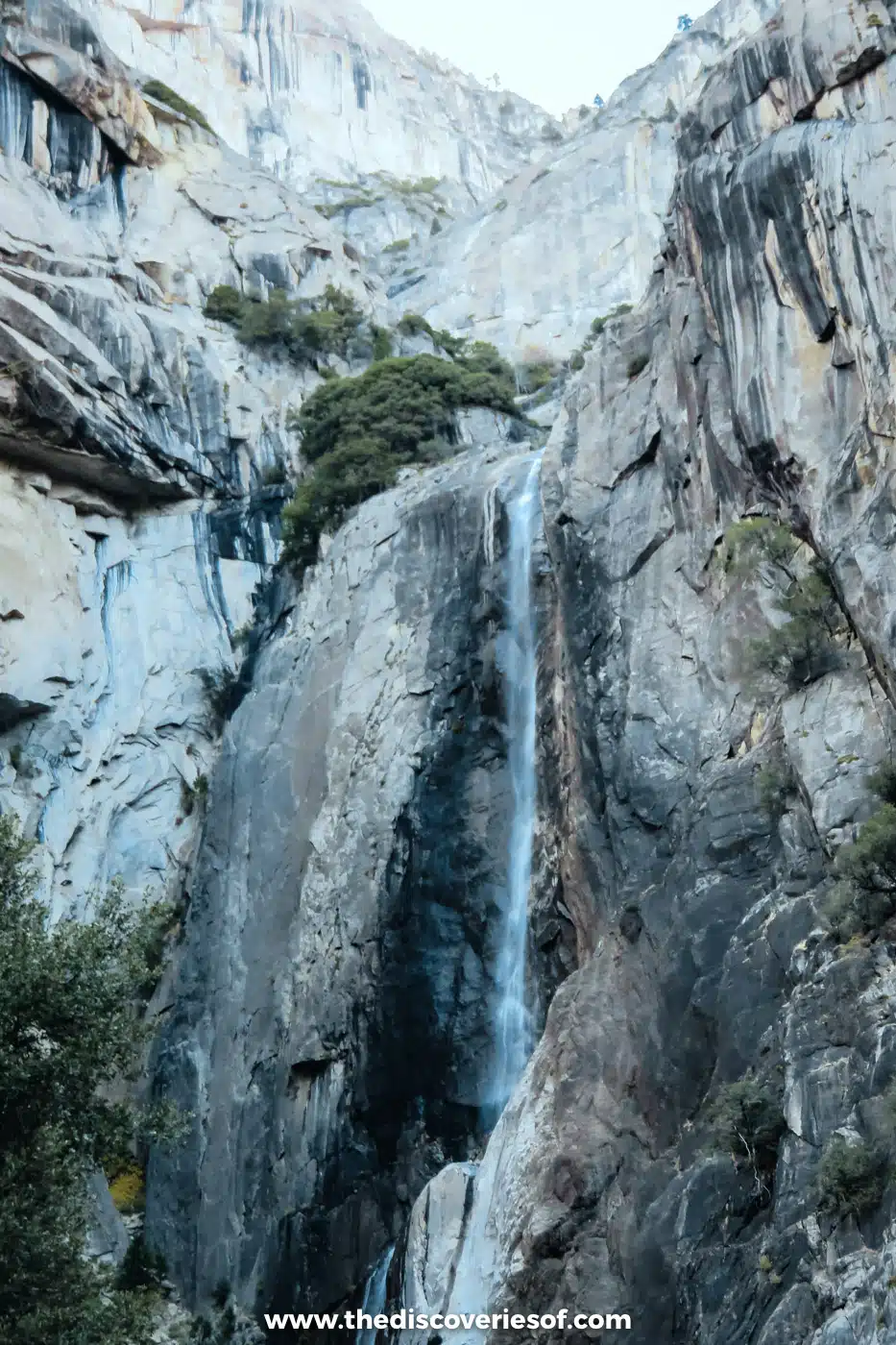
Catch a glimpse of Yosemite Falls
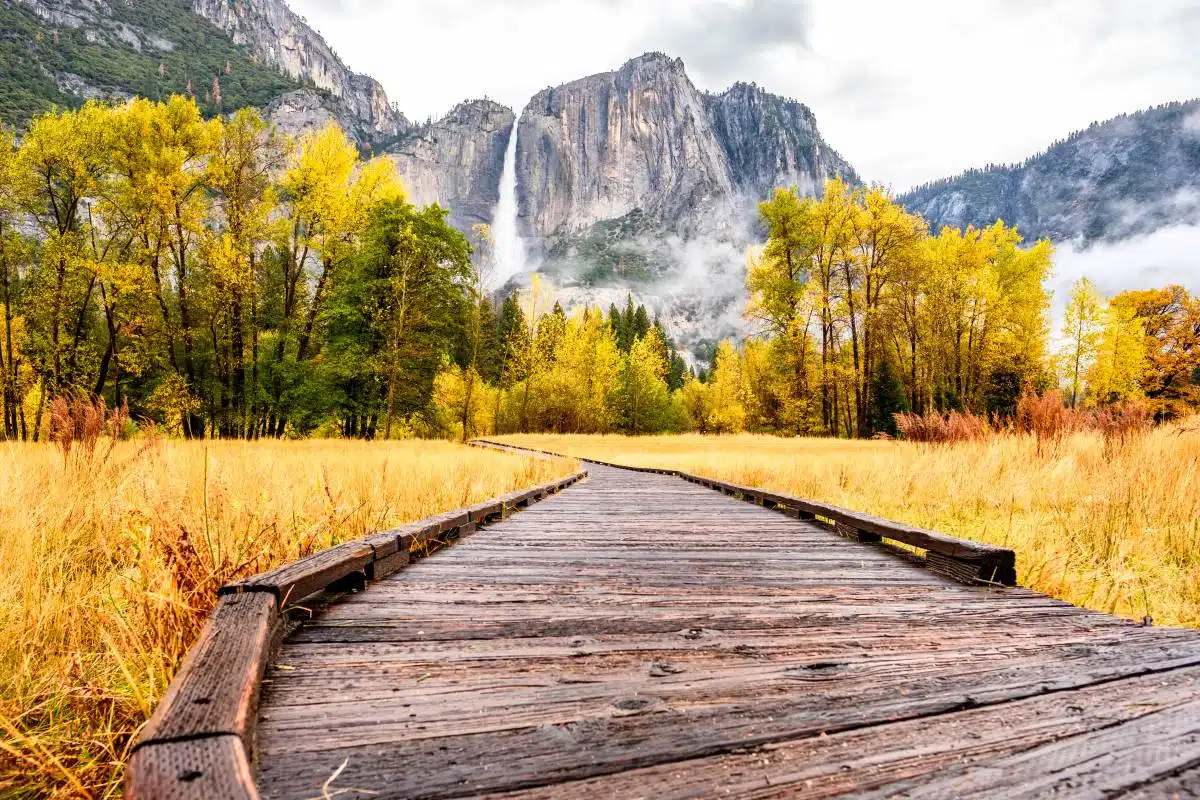
An absolute essential for your first day is getting the perfect view of Yosemite Falls. The best bit? There’s no laborious hike or scramble up a mountain needed, just a flat 1-mile loop to the foot of Lower Yosemite Fall, starting beside Yosemite Valley Lodge.
At 739 metres from top to bottom, it’s the park’s tallest waterfall and one of the tallest in North America, so you’ll catch sight of it from all over the valley. It roars in May and June with the snowmelt and is often down to a trickle by late summer.
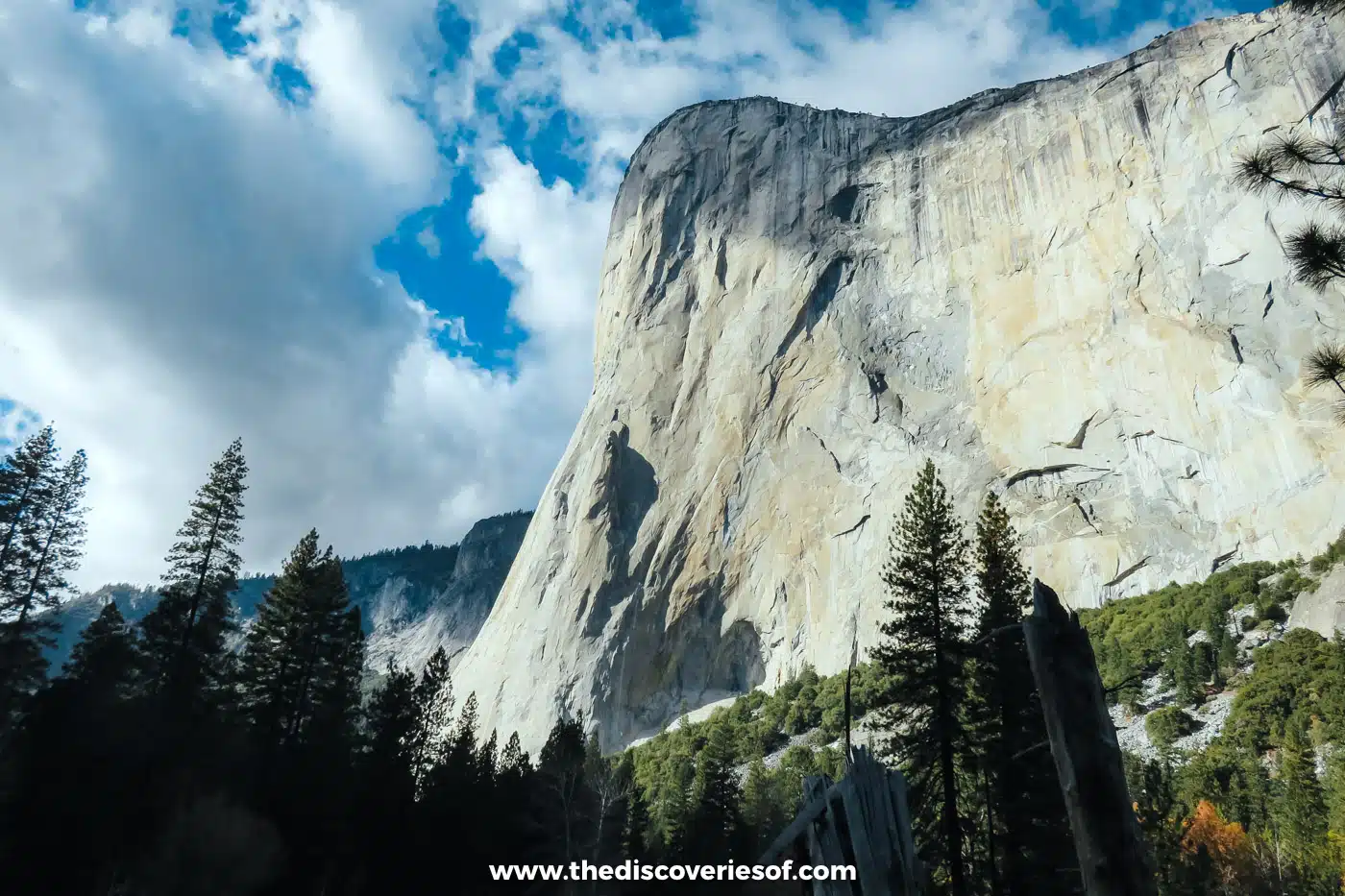
Stand at the foot of El Capitan
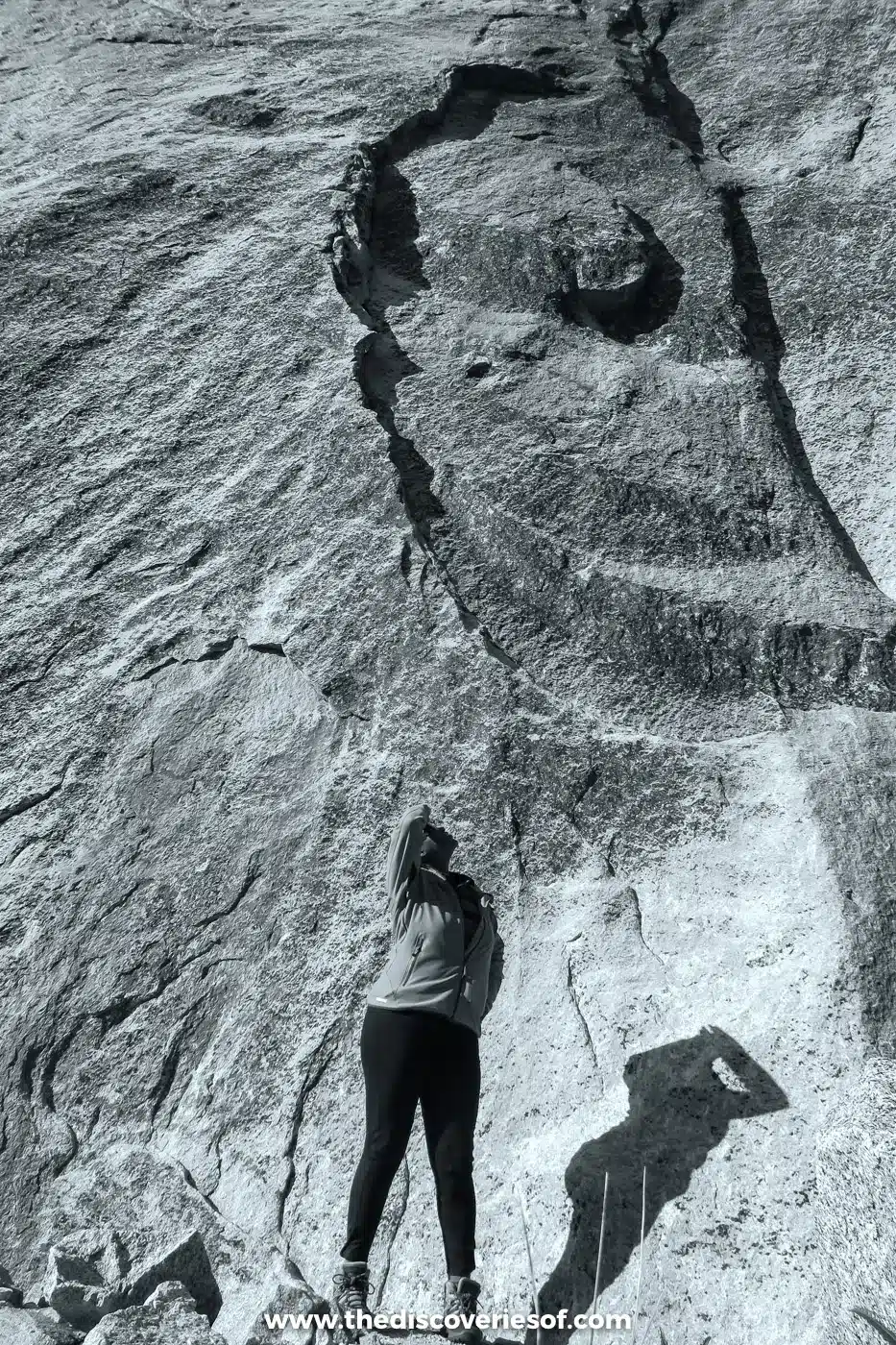
Sitting firmly on the northern side of the valley is the legendary El Capitan, about 900 metres of sheer granite. Half Dome’s summit is higher, but El Capitan’s wall beats Half Dome’s famous face by around 300 metres.
What makes El Capitan even more incredible is that you can walk (yes, walk) right up to the side of the mountain. Cross El Capitan Meadow to the base, scan the wall for climbers (binoculars help) and get those perfect Instagram-worthy selfies. Then head back as the sun sets over your first day.
Day two: Tunnel View, Mariposa Grove and Wawona
Pull over at Tunnel View on the drive south
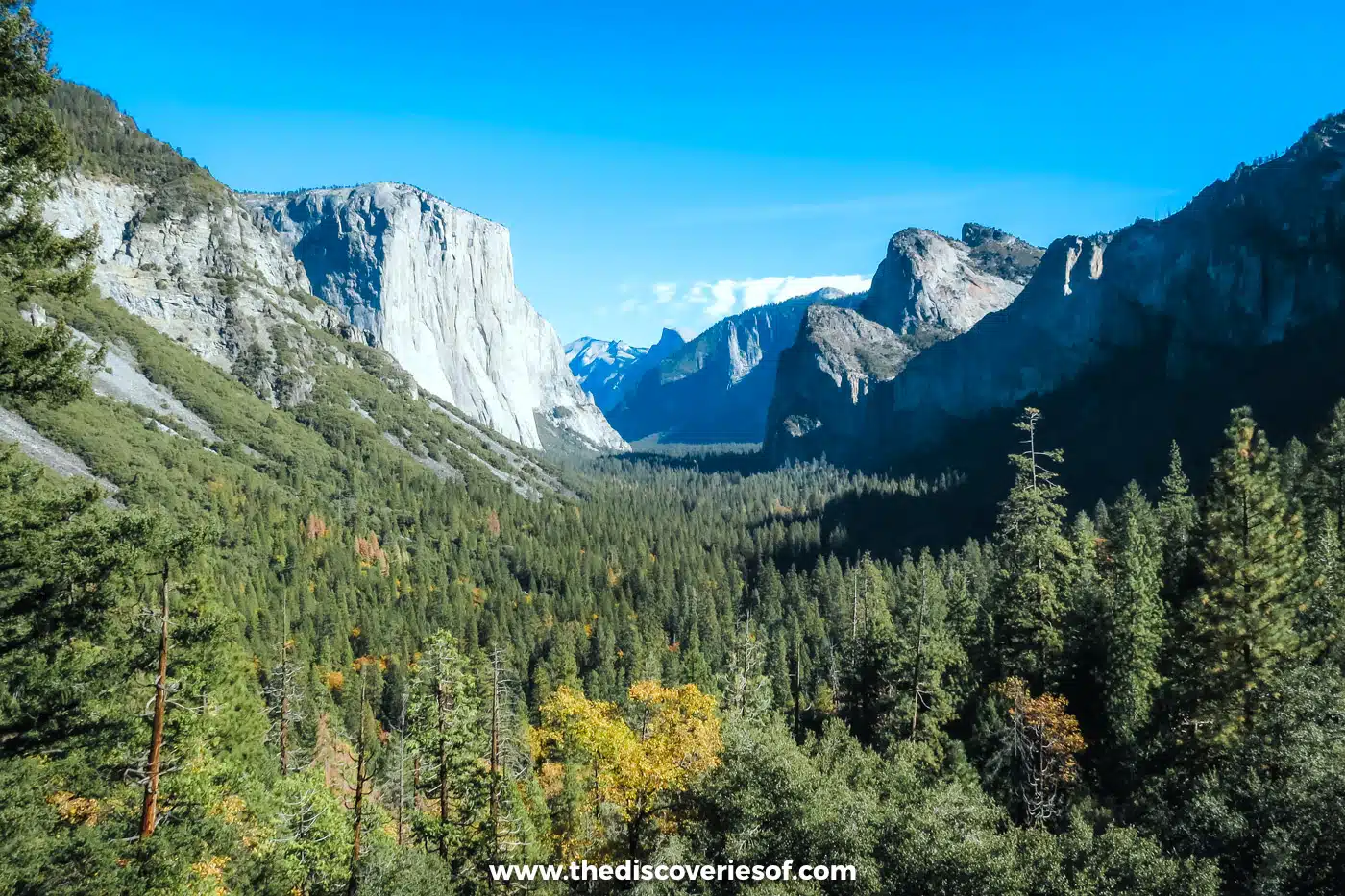
Day two heads to the south of the park, and the drive starts with its most famous view. Tunnel View sits on Wawona Road at the mouth of the Wawona Tunnel, with car parks on both sides, and frames El Capitan, Bridalveil Fall and Half Dome in one sweep. I stopped here on my way through, and it’s worth ten minutes before the hour’s drive on to the sequoias.
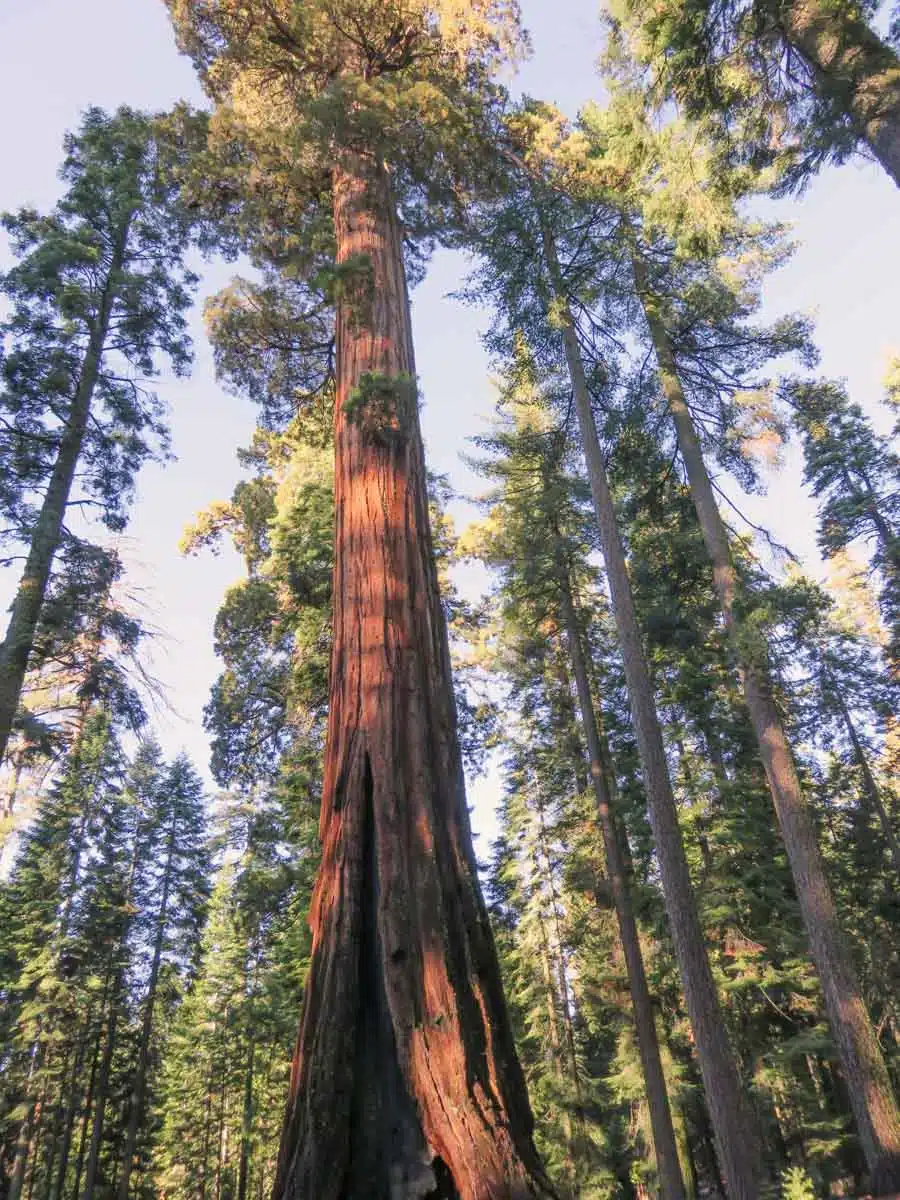
Spot the Grizzly Giant in Mariposa Grove
What’s so special about trees, I hear you ask? If you’ve ever mindlessly scrolled through your social media feeds, chances are you’ve seen these giant sequoias.
Mariposa Grove sits by the South Entrance and hosts a whopping 500-plus mature giant sequoias, the most of any grove in the park. It’s a true nature lover’s paradise, and the most famous tree, the Grizzly Giant, is thought to be around 3,000 years old.
The Grizzly Giant and the California Tunnel Tree are both on the 2-mile Grizzly Giant Loop. Both are magnificent to behold, and standing at the foot of these beasts is a surefire memory in the making.
You can’t drive up to the trees. Park at the Mariposa Grove Welcome Plaza (often full by late morning) and take the free shuttle, which runs every 15 minutes or so from mid-April to the end of November. In winter, it’s a 2-mile walk each way.
Hoick yourself up to Wawona Point
The most famous viewing point in Mariposa Grove is Wawona Point, at the end of the strenuous Mariposa Grove Trail: about 11 km as a round trip with 366 metres of climbing, so allow four to six hours.
But with great challenge comes epic rewards. From my own experience, making the hike to Wawona Point is worth every step. The trail climbs through the upper grove to panoramic views over the forest and the Wawona basin.
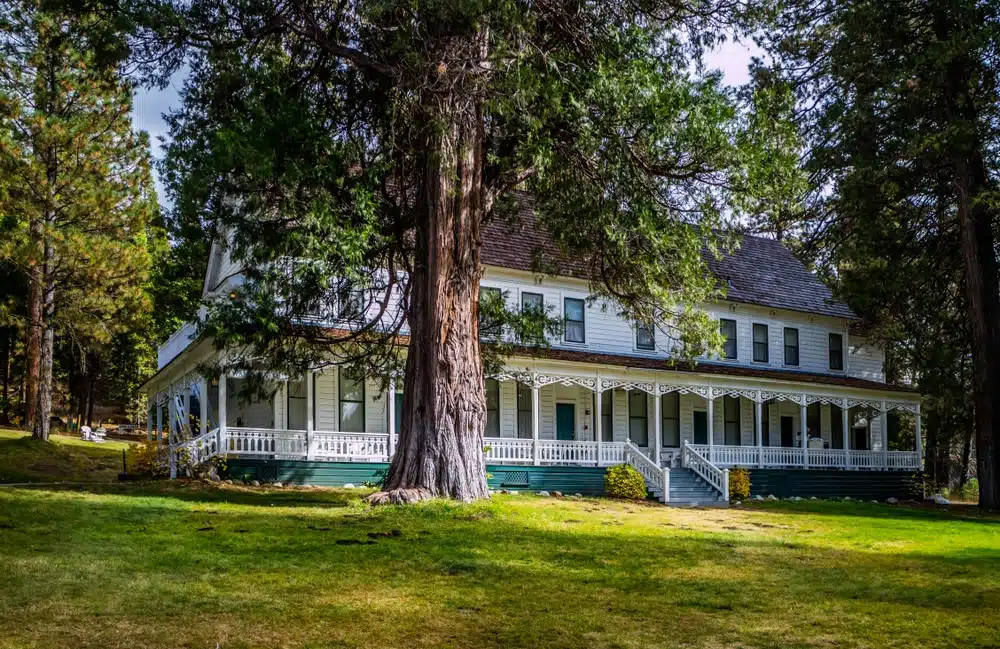
Visit the historic village at Wawona
This hidden gem is Wawona, 45 minutes from the valley. Its Yosemite History Center gathers cabins and other historic buildings moved here in the 1950s and 60s, with a covered bridge, horse-drawn wagons and, in summer, blacksmiths at the forge.
The centrepiece is the Wawona Hotel, which grew out of a 19th-century stagecoach stop. It has been closed since December 2024 for a full condition assessment, with no reopening date yet, but its white verandas still make a handsome sight from the road. Wawona is an absolute must if you’re a history buff like me.
Day three: Half Dome, the Mist Trail and Glacier Point
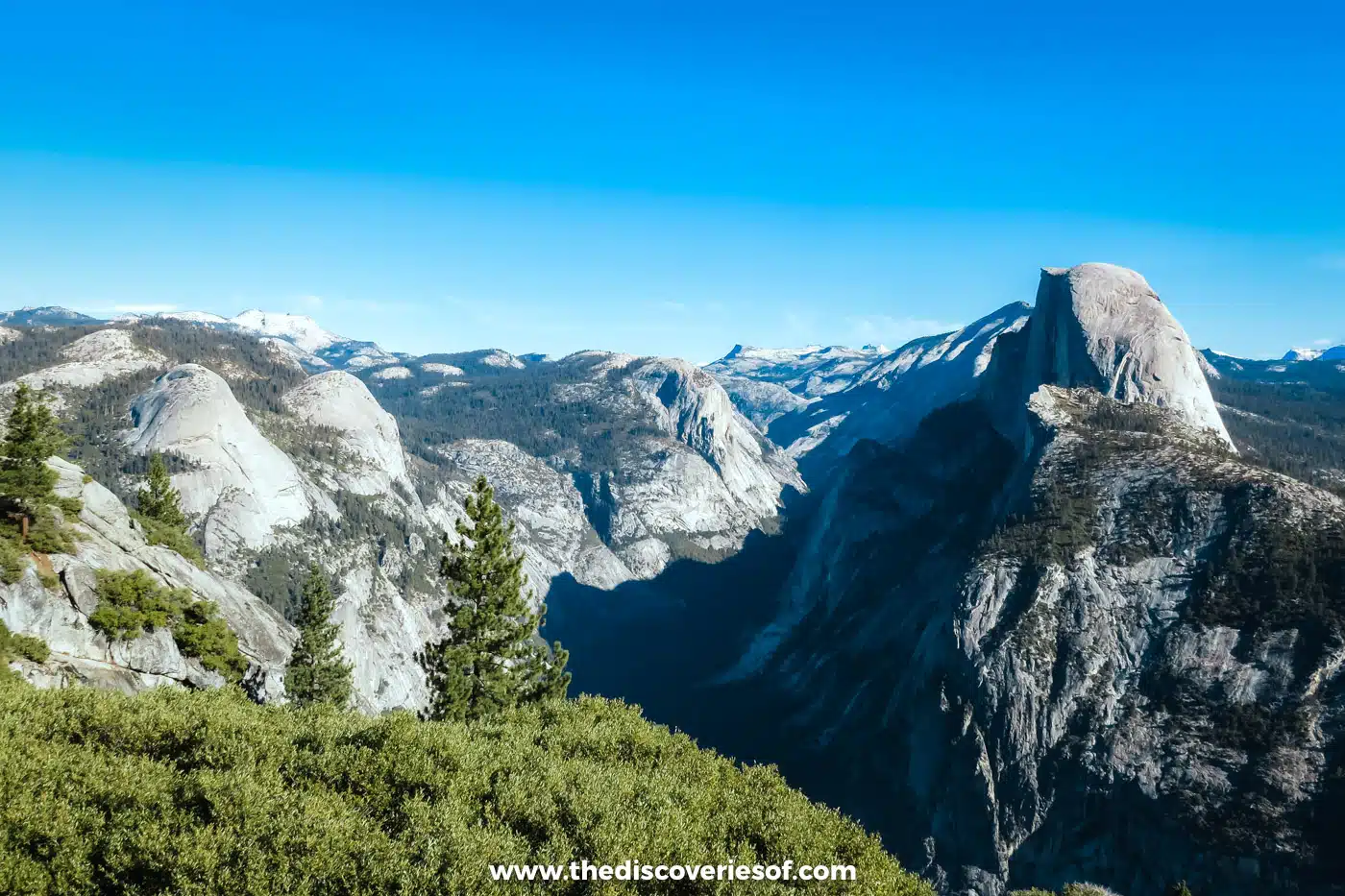
Spot the domes
Coming to Yosemite without seeing Half Dome and North Dome is akin to visiting Venice and not riding a gondola: technically legal, but it just feels so wrong.
While you don’t need to hike up them, it can make for a great experience. Fair warning, both hikes are time-consuming, so feel free to skip them if you want to make the most of your three days.
The challenging North Dome trail, 10.4 miles there and back from Tioga Road (open late May or June to around November), takes five to seven hours and delivers unparalleled views of the face of Half Dome. It’s steep in places and quick weather changes can make it dangerous, but if you get the chance to tackle it, do it.
For the Half Dome hike, you’ll need a permit and the right experience. It’s a 14 to 16-mile round trip from the valley with 1,475 metres of climbing, finishing up the famous cables, which are normally up from late May to mid-October. Permits come through a preseason lottery in March or a daily lottery two days ahead ($10 to apply, plus $10 a person if you win). A guide isn’t required, but book one if you’re new to long, exposed hikes. It’s one of the best hikes in the park, but it’s not for the faint of heart, and it takes the whole day.
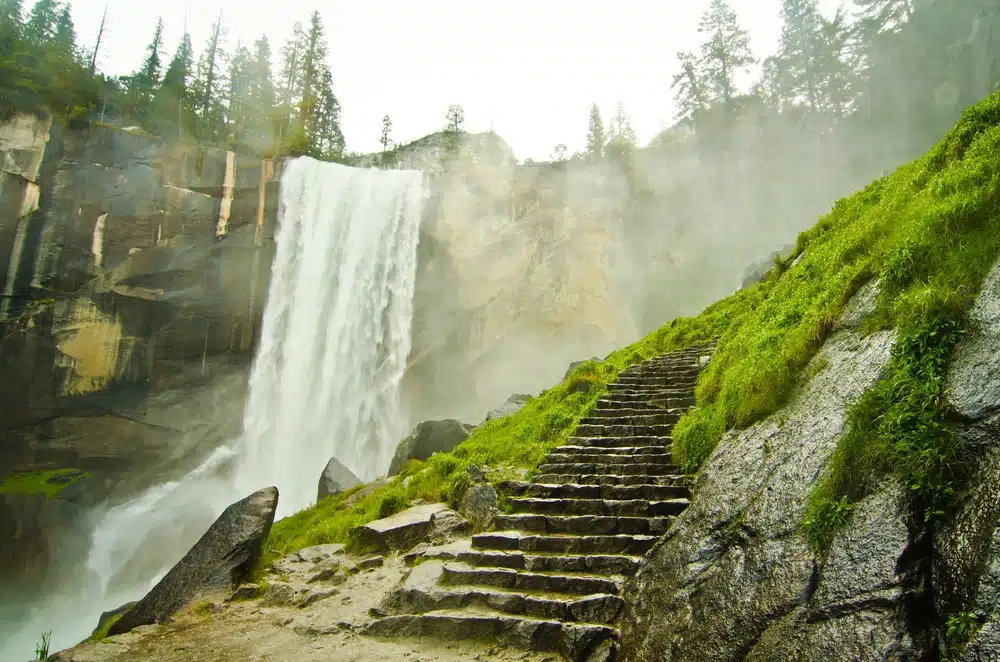
Hike the famous Mist Trail
I walked the Mist Trail, and it’s the hike in Yosemite I recommend most. It takes around three hours to the top of Vernal Fall and back. It’s no easy-moderate stroll (your calves won’t thank me later): 2.4 miles there and back with 300 metres of climbing, much of it up more than 600 granite steps beside the fall. In spring, the spray will soak you. But it still boasts mile after mile of pretty views.
The hike starts at Happy Isles (shuttle stop 16, under a mile’s walk from the Curry Village car park) and follows the Merced River upstream. Fit hikers can carry on to the top of Nevada Fall, 5.4 miles there and back. But don’t be too tempted to take on the climb to Glacier Point yet; I’ve saved that for later. The steep section beside Vernal Fall closes in winter, so take the John Muir Trail instead.
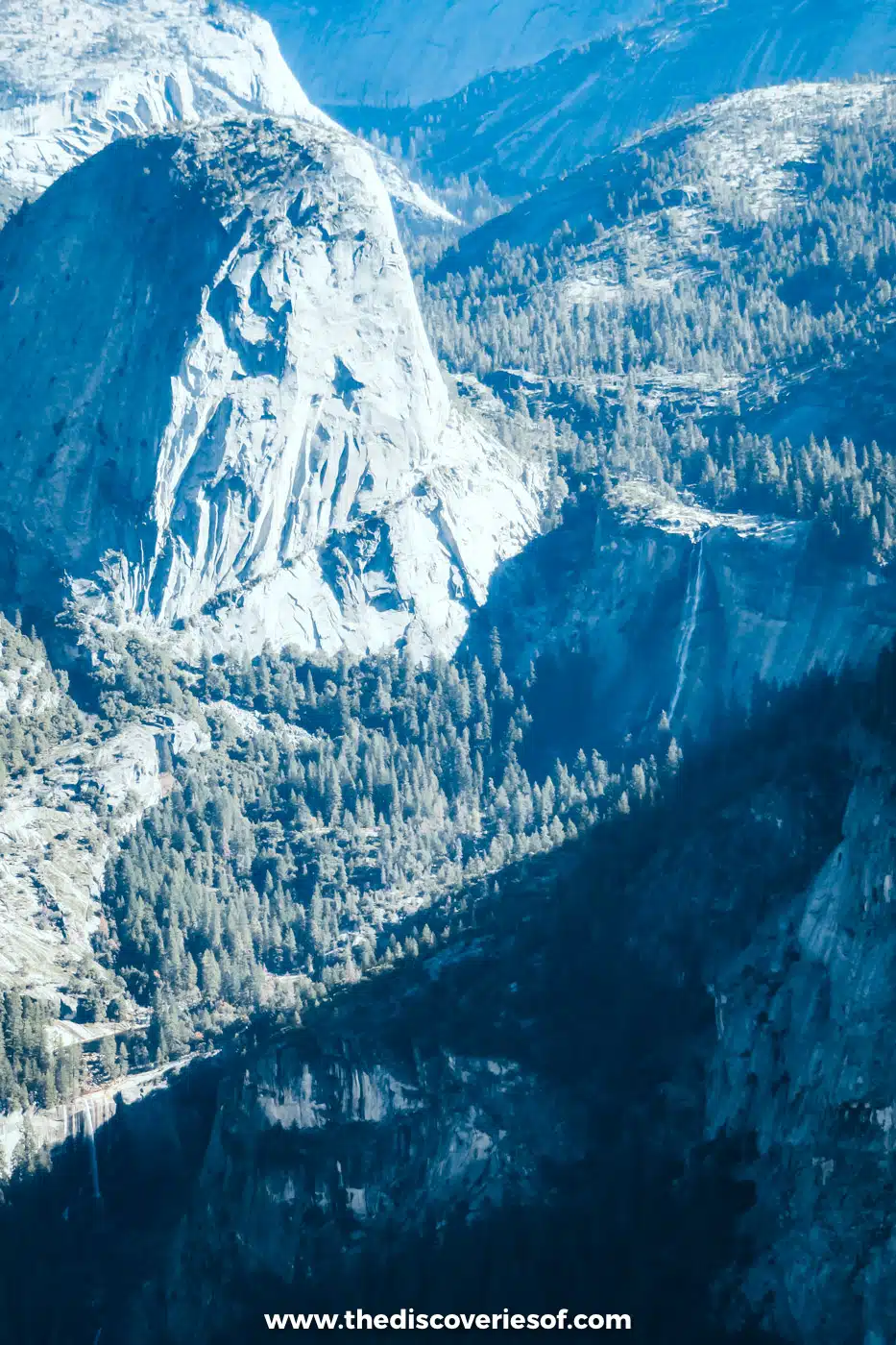
Cross the Vernal Fall footbridge on the John Muir Trail
The John Muir Trail is one of the most famous hikes in all of California, running 211 miles from Happy Isles to the summit of Mount Whitney. Don’t worry, you only need the first stretch, which shares its start with the Mist Trail, and it still delivers picturesque views.
I recommend at least making it to the Vernal Fall footbridge, a beautifully picturesque crossing 0.8 miles from the trailhead. If you go on to Nevada Fall, come back down the John Muir Trail: it’s longer, but far kinder on the knees. Snap a photo and head towards Glacier Point for the final stretch.
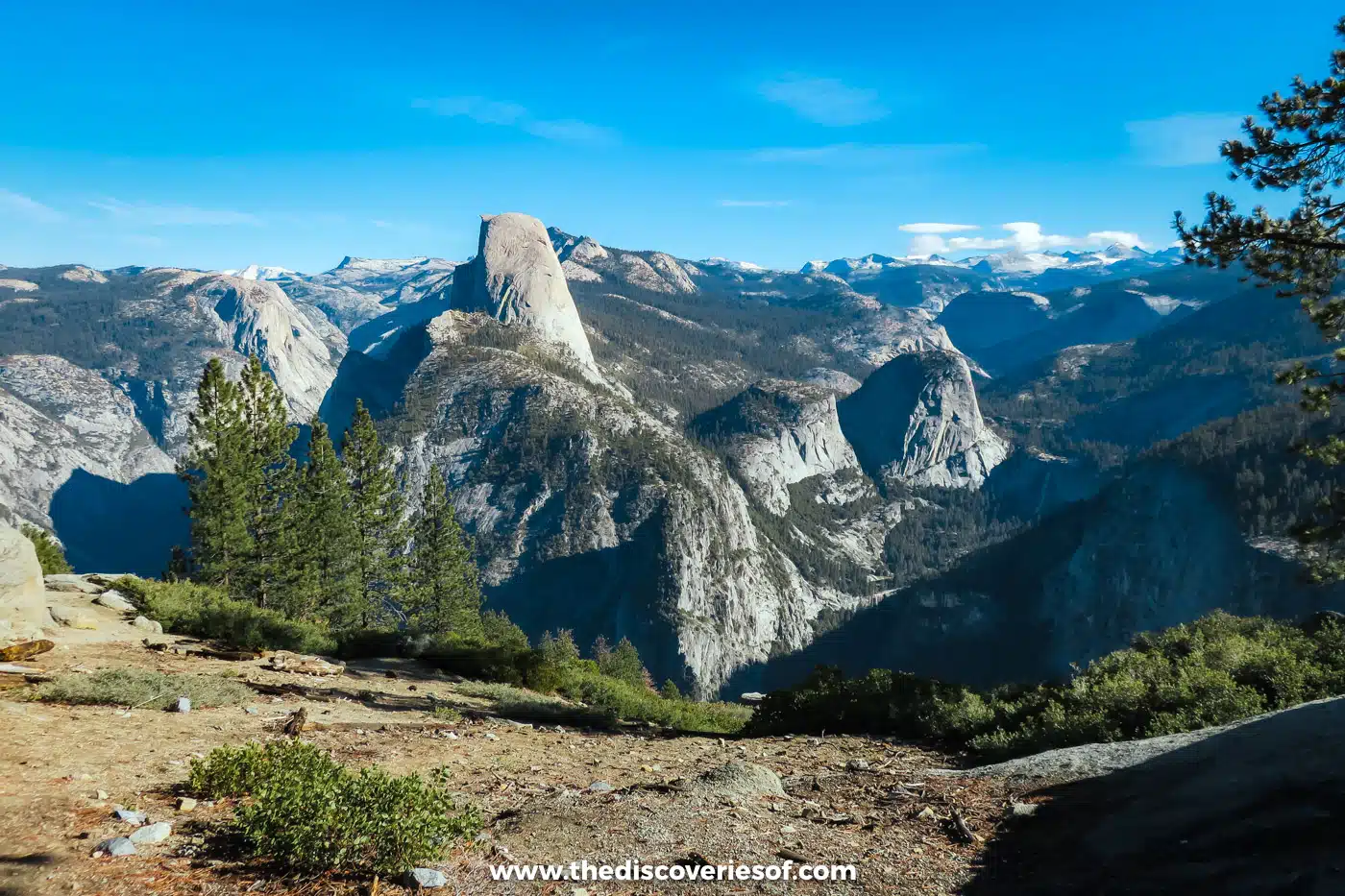
Hike to Glacier Point (and admire the view)
End your three days in style, with a late-afternoon trip up to Glacier Point. I made it up here myself, and for the ultimate views of the entire valley, no lookout point comes close: sitting 975 metres above the valley floor, it lays out Half Dome, Liberty Cap, Nevada Fall and the High Sierra in an unparalleled way.
It’s about an hour’s drive from the valley, on a road that’s usually open from late May or June until November, and the Glacier Point Tour bus will take you up if you’d rather not drive.
For those hiking fanatics looking for a good challenge, Glacier Point is the start or end of three of the most popular hikes in the park: the Four Mile Trail (4.8 miles one way, climbing 975 metres from the valley), the Panorama Trail and the Pohono Trail. If you’re tackling one of these, I suggest getting an earlier start on the day so you’re not hiking after the sun goes down. When the road is closed in winter, swap Glacier Point for sunset at Tunnel View.
Otherwise, if your legs are sore and your heart is full, head back down to your hotel to grab a final dinner before saying a teary goodbye to Yosemite.
Where to stay for three days in Yosemite
I stayed in Wawona, at the south end of the park. It’s 45 minutes’ drive from the valley, but it puts Mariposa Grove on your doorstep for day two. If you’d rather keep the driving short, stay in or near the valley instead. Rooms inside the park book up months ahead.
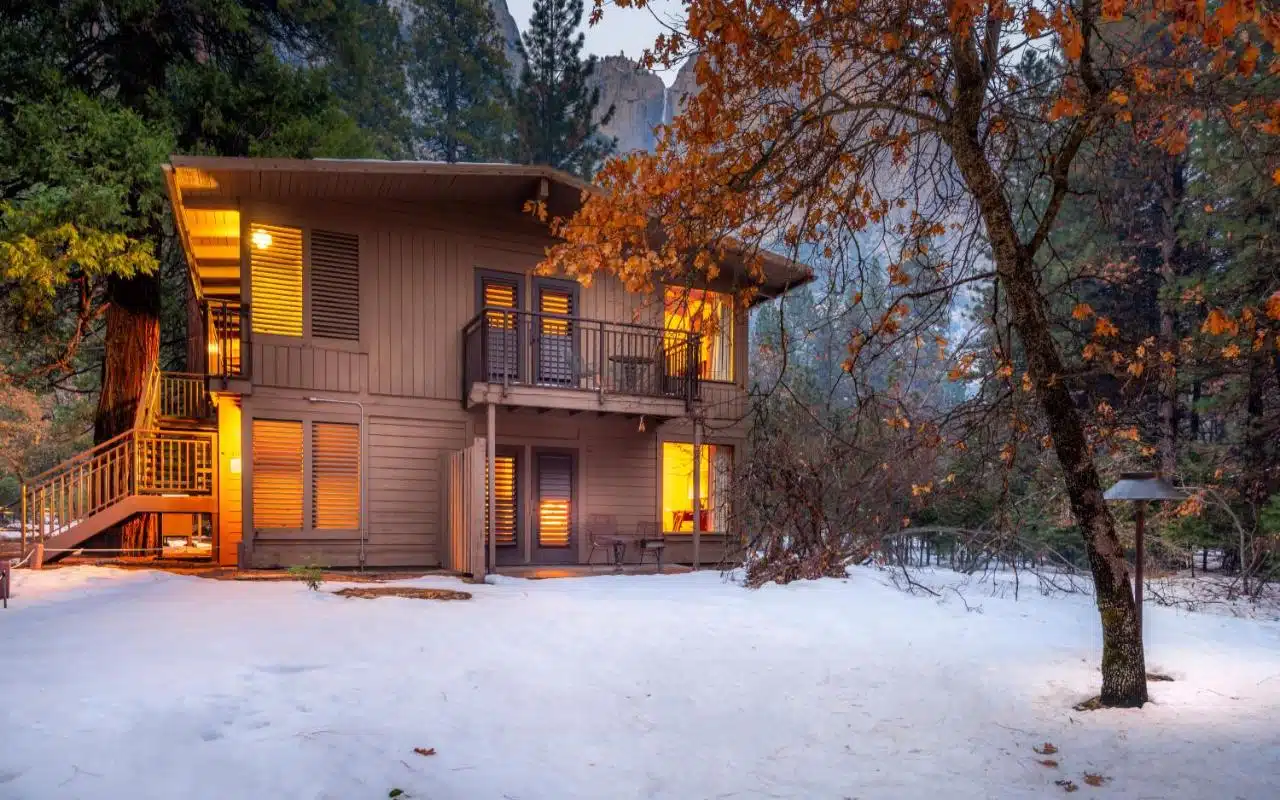
Yosemite Valley Lodge
Set within walking distance of the iconic Yosemite Falls, this eco-friendly hotel has a wide selection of rooms. Designed with a contemporary look and feel, it’s the most convenient base for this itinerary.
Wawona
With the Wawona Hotel closed, the way to stay in Wawona now is a rental cabin or house, such as those run by The Redwoods in Yosemite. It’s the base I’d choose if Mariposa Grove and Wawona Point are your priorities.
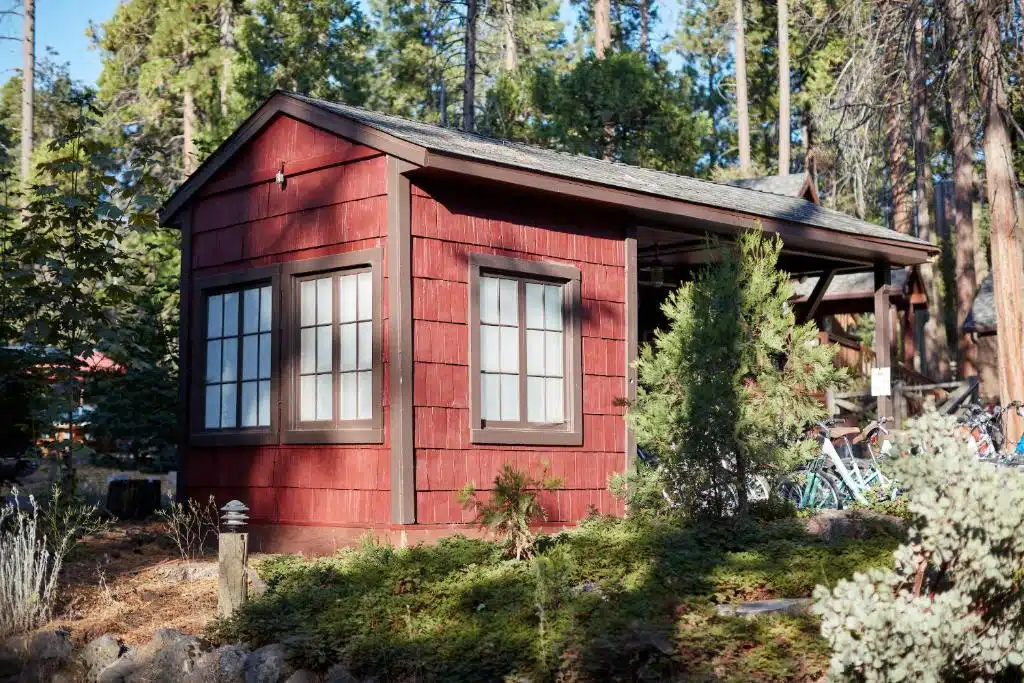
Evergreen Lodge
A rustic and timeless place to stay, the lodge offers several beautiful wooden cabins to choose from. It sits right outside the park’s western border near Hetch Hetchy, about an hour from the valley.
Camping instead? The valley’s Pines campgrounds open on Recreation.gov five months ahead, on the 15th of the month at 7am Pacific time, and sell out within minutes.
How to adapt your Yosemite itinerary if you have more or less time
The wonderful thing about Yosemite is that the park caters to any type of trip. While the above itinerary is the best way to spend three days here, feel free to adjust it to your needs and wants.
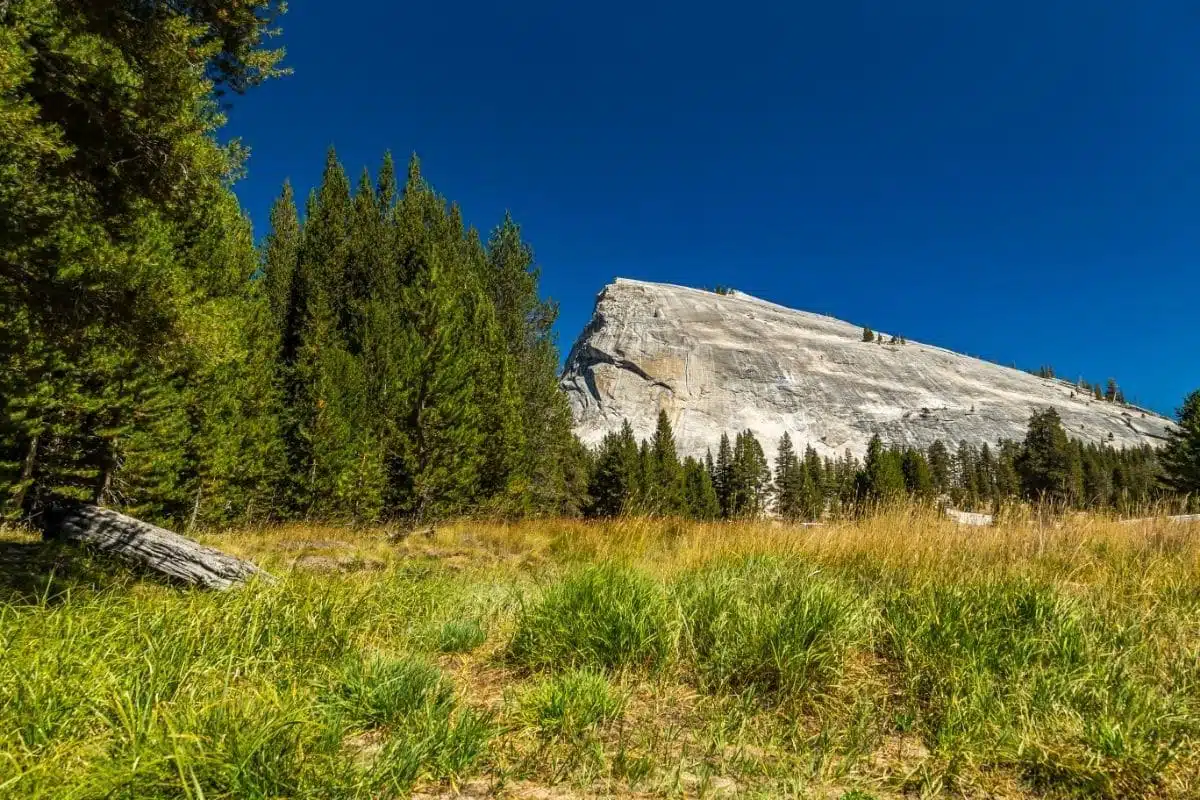
Have more time? This itinerary really only scratches the surface. Add any of these:
- Tioga Road and Tuolumne Meadows: the summer road over the Sierra passes Olmsted Point and Tenaya Lake on the way to the subalpine meadows of Tuolumne, about 1.5 hours from the valley.
- Taft Point and Sentinel Dome: two walks of about 2 miles there and back off Glacier Point Road, one to a cliff-edge view of El Capitan, the other to a 360-degree panorama.
- Hetch Hetchy: the quieter valley in the north-west, dammed to supply San Francisco’s water. The road is open from sunrise to sunset, and the walk to Wapama Falls starts across the O’Shaughnessy Dam.
- Sequoia and Kings Canyon: I’ve been to both, and they’re the natural next stop, about 2.5 hours’ drive south via Fresno. My guide to California’s national parks covers them.
Short on time? If you find yourself with only a day or two to spare, I would recommend making Yosemite Valley, El Capitan, Mariposa Grove and Half Dome (the view, not the hike) a priority: these can be done in a (very jam-packed) day. Without a car, this guided day trip from San Francisco covers the valley in a long 14-hour day.
Handy tips for planning three days in Yosemite
Entry fees, reservations and park alerts
- No reservation needed: the park has dropped its timed-entry system for 2026, so you can drive in without booking a slot. Arrive early on summer weekends, when parking fills.
- Entrance fee: $35 per car for seven days, or $20 per person on foot or by bike. Under-16s go free.
- Non-US residents: since 1 January 2026, visitors aged 16 and over who aren’t US residents pay a $100 surcharge each on top, tour groups included. The $250 America the Beautiful non-resident annual pass covers it.
The park’s conditions page has the latest closures. I recommend bookmarking it on your phone and checking for updates each morning before you set off for the day.
When to go
May and June are best for waterfalls. July and August are the warmest and busiest months, while September and October are quieter, though the falls run low. From around November to May, Tioga Road closes, Glacier Point Road stops at Badger Pass and the lower Mist Trail shuts.
Getting there and around
Fresno Yosemite International Airport is the closest with flights from across the US, about 65 miles from the South Entrance, and San Francisco is about four hours’ drive away. YARTS buses run from Merced to the valley all year.
During my trip, I found two primary ways of getting around once inside the park: in the valley, cycling and walking, and beyond it, the car. There’s no shuttle from the valley to Wawona or Mariposa Grove. Store all food in the bear-proof lockers, never in your car overnight.
Group tours or independent travel?
Going solo puts you in total control of the how, when, what and where, while a tour can be a great compromise if you want to plan your own trip (or steal mine!) but have the trickier parts ironed out by experts. Not sure where to start? Don’t fret: I’ve taken many a group excursion in my years as a traveller, so I’d like to think I know a thing or two. One of my top picks is G Adventures, in particular this 16-day USA road trip on Highway 1 through Yosemite and Utah, which takes in must-visit spots in Utah as well.
Discover the full range of USA road trips offered by G Adventures here
What to pack
Here are a few of my road trip essentials for this trip:
- The perfect pair of hiking boots: non-negotiable here.
- The right daypack makes the world of difference on the trails.
- A hat and sunscreen for those extra sunny days.
- I’d recommend at least a light jacket to keep those brisk mountain breezes at bay.
- Your camera: trust me, the park overflows with snap-worthy moments.
Map
Read next
- Explore California’s national parks
- The ultimate California road trip
- The ultimate West Coast USA road trip guide
- How to spend 48 hours in San Francisco
- My California travel guide
Love this? Save and share on Pinterest

Discover the top things to do, insider tips and hidden gems in our USA Travel Guides.
Read the guides →