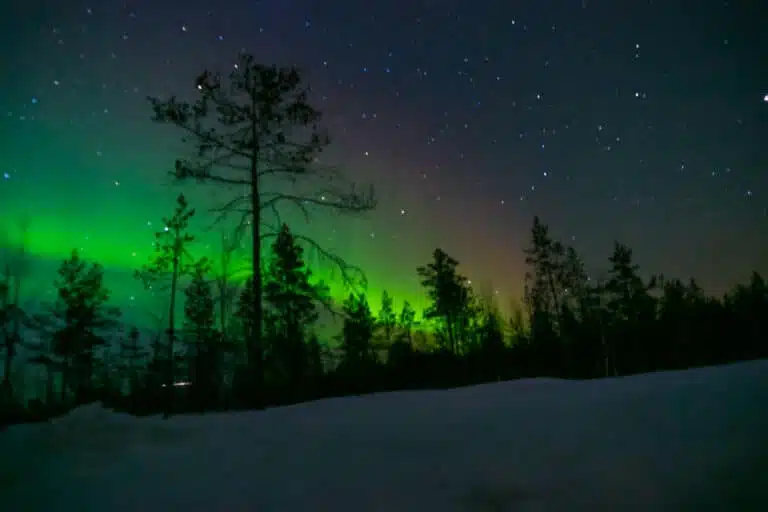
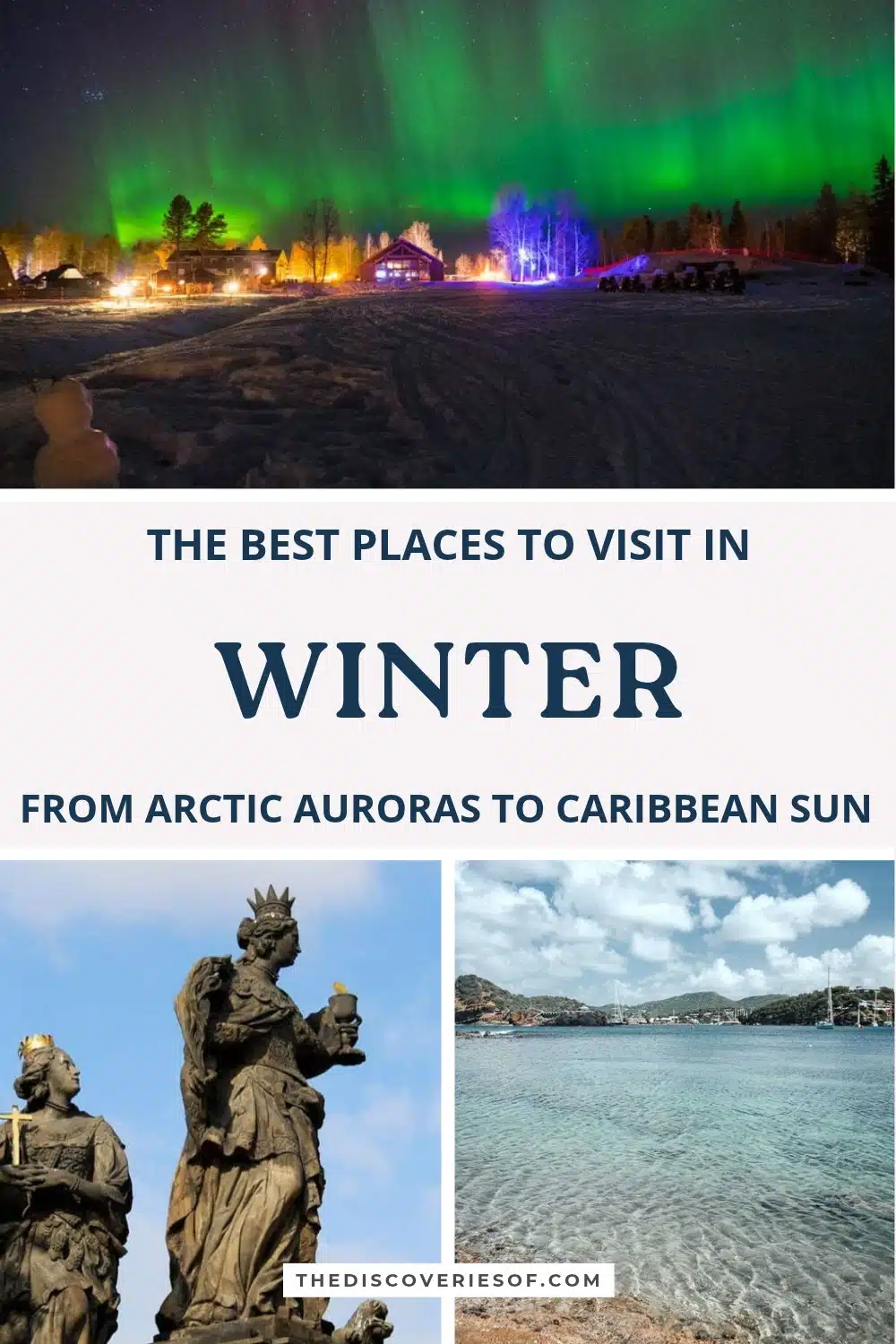
Whether you want to chase the Northern Lights, wander a Christmas market with a mulled wine or swap the grey for a beach, there’s a winter destination for you. Here are 24 of the best places to visit in winter, with why each one works between December and February, and where to stay.
Winter is my favourite time of year to travel. I’ve chased the aurora in Finnish Lapland, Norway and Iceland, learnt to ski in the Dolomites, walked across Charles Bridge in the Prague winter, and spent a November road trip in the California desert, when the heat finally lets up and the light turns gold.
This list covers both kinds of winter trip: the places that are at their best when it’s cold, and the places to escape to when you’ve had enough of it. I’ve been to most of them myself, and where I haven’t, I’ve said so and kept to the facts. “Winter” here means the northern winter, roughly December to February, so in the southern hemisphere you’re visiting in summer.
The best places to visit in winter for snow and the Northern Lights
1. Rovaniemi, Finland
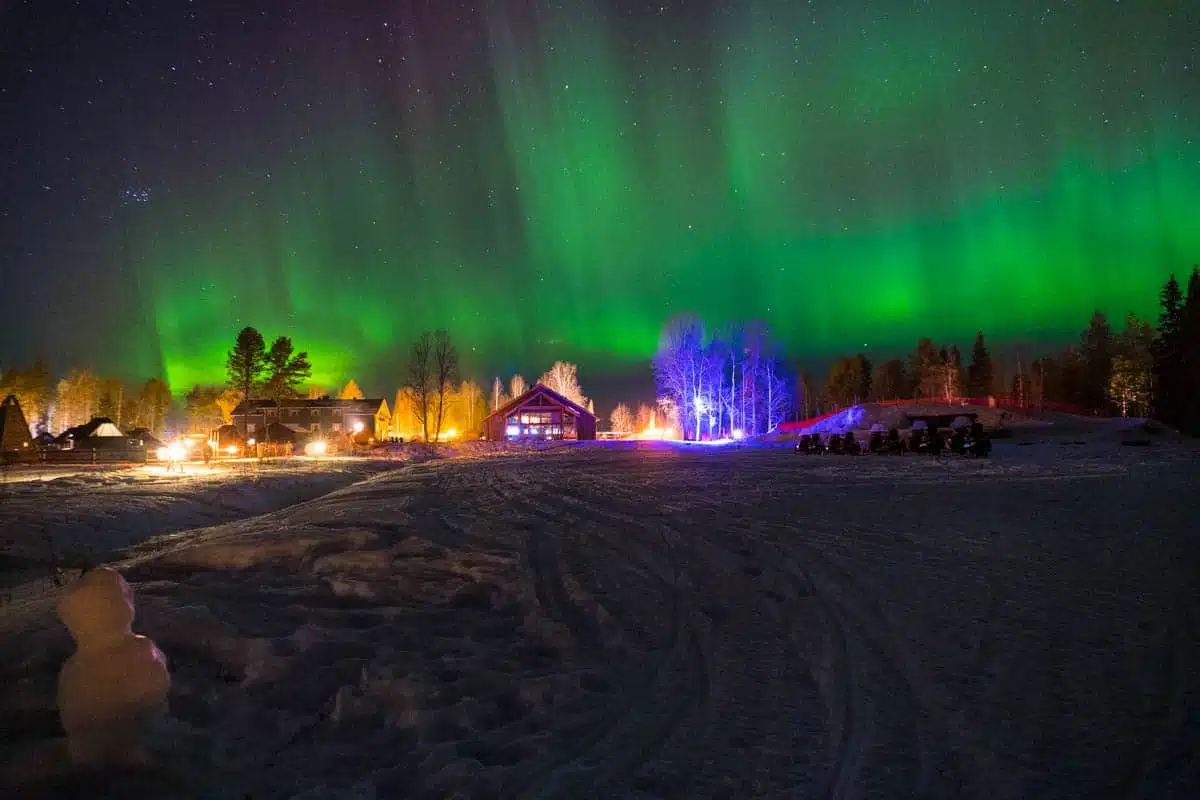
Rovaniemi is the capital of Finnish Lapland and sits right on the Arctic Circle, which runs through Santa Claus Village a few miles north of the centre. In the run-up to Christmas, it’s as festive as anywhere on earth, with reindeer sleigh rides, snow, and the man himself.
When I visited, I timed my trip for the spring equinox to give myself the best possible shot at the aurora, and Lapland delivered: a geomagnetic storm, seen from a glass-roofed suite at Apukka Resort. I also spent a day racing across the snow on a snowmobile and went on a husky safari through the forest. The aurora season runs from late August to early April, so any winter month gives you a chance.
Why it works: proper snow, long dark nights for the aurora, and Christmas at its most magical.
Stay: Apukka Resort, where I stayed in a glass-roofed suite. Read my guide to Finland in winter for more ideas.
2. Tromsø, Norway
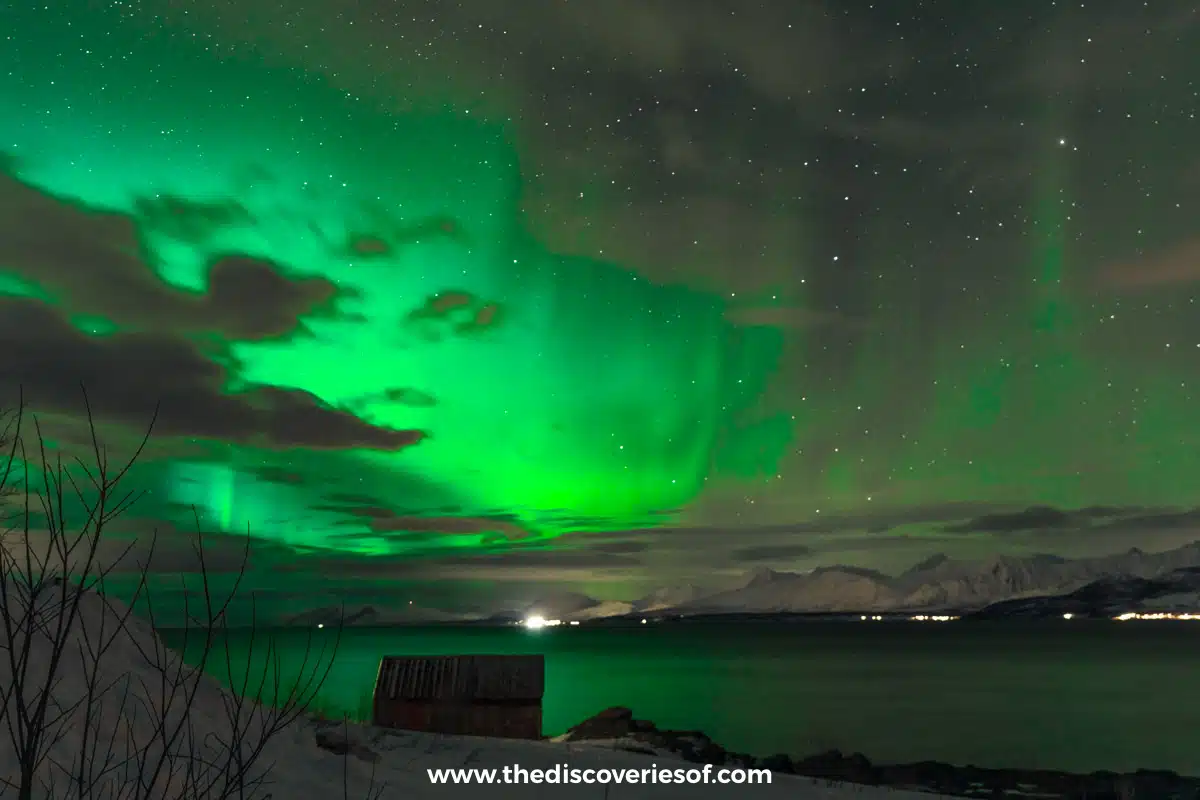
Tromsø is the biggest city in northern Norway and one of the best bases in the world for seeing the Northern Lights. From late November to mid-January the sun doesn’t rise at all, the polar night, but the soft blue twilight in the middle of the day is beautiful in its own right.
I spent five days here in February chasing the aurora, and it was crazily cloudy for most of my trip. I caught a faint green glow from the bed of my glass-roofed cabin at ÆRA on the second night, but the best display came after I added an extra night, spent the day on weather apps and drove out to Oldervik. Add dog sledding, reindeer and, from roughly November to January, a fjord cruise to look for whales, and it’s an easy place to fill a week.
Why it works: a lively city with the aurora, fjords and wildlife on the doorstep.
Stay: ÆRA, where I watched the lights from my bed. Read my ÆRA Tromsø review.
3. Lofoten Islands, Norway

The Lofoten Islands are pure drama: jagged, snowy mountains rising straight out of the sea, red fishing cabins and tiny villages clinging to the shore. Thanks to the Gulf Stream, winters on the coast are milder than you’d expect this far north, often hovering around freezing.
I’ve been twice, in October and again in February, and both times the islands blew me away. In February the snow-capped peaks were exactly what I’d come for, though the weather changes fast: on my last day it looked as if my flight home might be cancelled. Take a silent electric cruise into the Trollfjord, look for the aurora, and warm up over Lofoten’s island food, from stockfish to fish soup.
Why it works: some of the most dramatic winter scenery in Europe, with a real chance of the aurora.
Stay: Hattvika Lodge, traditional fishermen’s cabins in Ballstad.
4. Iceland
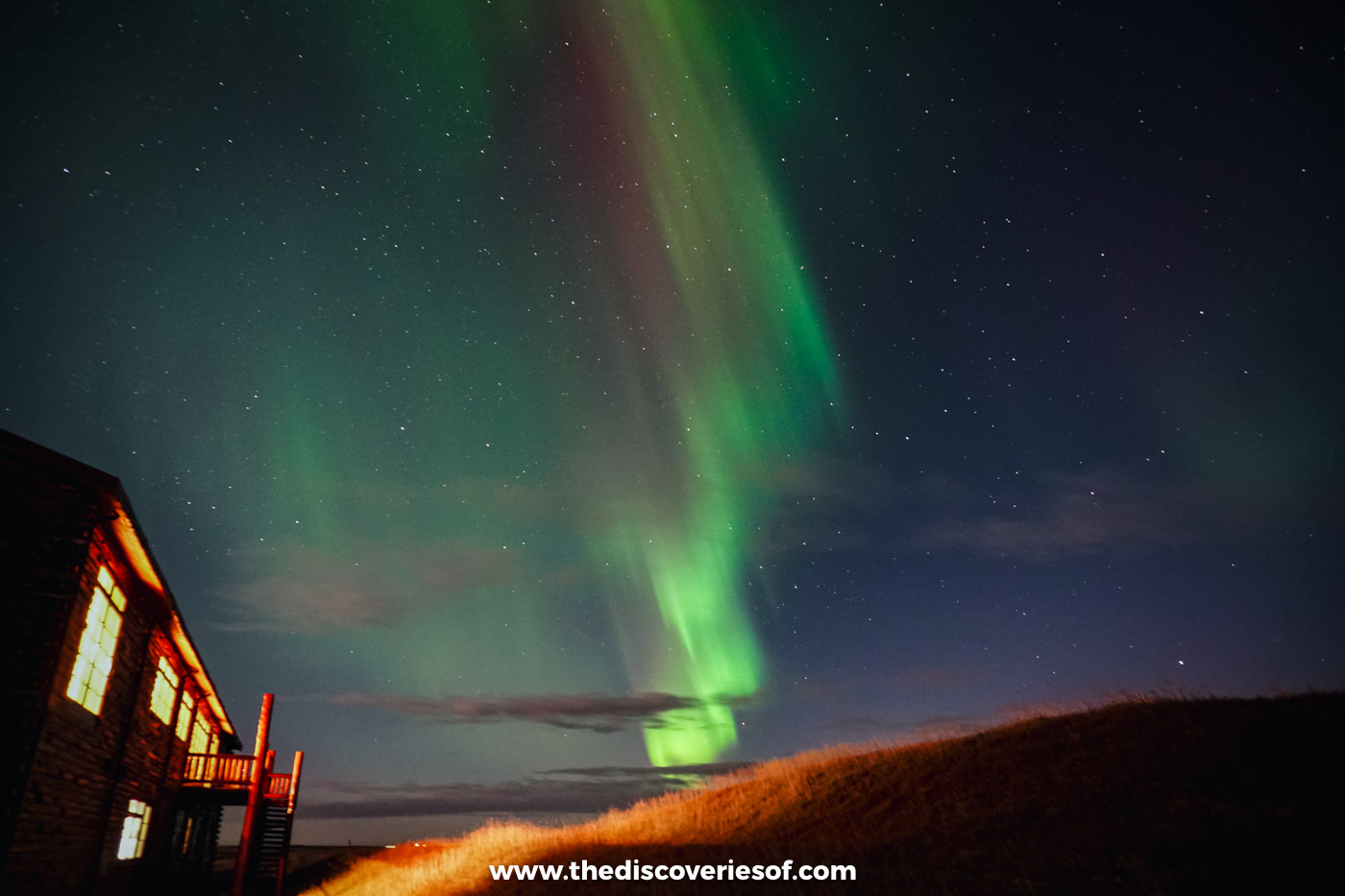
Iceland in winter is cold, dark and wonderful. Daytime temperatures in Reykjavík hover around freezing, and in late December you get only four or five hours of daylight, but the long nights are what make it one of the best places in Europe to see the Northern Lights. In between, warm up in a geothermal lagoon such as the Sky Lagoon or the Blue Lagoon, and see Iceland’s landmarks dusted with snow.
I’ve stayed at Hotel Rangá in the dark countryside of south Iceland twice, and on my trip around the autumn equinox I watched the aurora two nights in a row. If seeing the lights is the main reason you’re going, read my guides to when to see the Northern Lights, the best time to see them in Iceland and what to wear.
Why it works: long nights for the aurora, hot pools to thaw out in, and landscapes like nowhere else.
Stay: Hotel Rangá, where I’ve stayed twice. Read my Hotel Rangá review and my pick of the best Northern Lights hotels in Iceland.
Top Tip
The aurora is never guaranteed, wherever you go. Give yourself at least three or four nights, keep an eye on the cloud forecast as well as the aurora forecast, and be ready to drive to clear skies. My guide to how to photograph the Northern Lights covers the camera settings.
5. Trentino, Italy

Trentino, in the far north of Italy, sits in the Dolomites, with snowy peaks, frozen lakes and some of the best skiing in the country. The ski season usually runs from early December to early April, and the food (dumplings, polenta and hearty pasta) is made for cold days.
I spent ten days here, and I was pretty much a complete beginner. I’d skied before, but so badly that I started this trip as if I’d never been near a slope. Within an hour on the first day I was bossing the nursery slopes, and by the end of the trip I’d made it down a red run, albeit very slowly. The instructors were brilliant. Off the slopes, try a dinner at a local’s home in Trento.
Why it works: world-class skiing for beginners and experts, and Italian food to come back to.
Stay: Lefay Resort & Spa Dolomiti, a spa hotel above Pinzolo.
6. Nagano, Japan

Nagano hosted the 1998 Winter Olympics, and its mountains are still home to some of Japan’s best skiing, at resorts such as Hakuba and Nozawa Onsen, famous for their deep powder snow. It’s also the place to see the snow monkeys at Jigokudani, the wild macaques that soak in the hot springs, which are at their most photogenic when it snows.
In the city, Zenkō-ji is one of the most important Buddhist temples in Japan, and Matsumoto Castle, one of the country’s few original castles, is an easy trip away. I haven’t been to Nagano myself, but it’s high on my list.
Why it works: powder snow, hot springs and snow monkeys.
Stay: The Prince Karuizawa, at the foot of the slopes in Karuizawa.
The best winter city breaks and Christmas markets
7. Prague, Czech Republic

Prague in winter is a fairy tale: spires dusted with snow, cobbled streets, and Christmas markets in the Old Town Square and Wenceslas Square from late November into early January.
Winter was my first time in Prague, and it won’t be my last. The lack of crowds is a big part of the appeal: I won’t pretend you’ll have Charles Bridge to yourself, but you’ll have room for a leisurely walk across it. I also tried a beer spa, half expecting a tourist gimmick, and really enjoyed it; my skin came out smoother than when I went in. Warm up with hot chocolate, mulled wine and trdelník, the sugary rolled pastry.
Why it works: Christmas markets, snowy spires and far fewer people than in summer.
Stay: The Julius Prague, close to Wenceslas Square.
8. Salzburg, Austria

With the Alps as its backdrop and the fortress above the old town, Salzburg looks as if it’s stepped out of a Christmas card, especially after a fresh snowfall. The Christkindlmarkt fills the squares around the cathedral from late November to the end of December, and the village of Oberndorf, where “Silent Night” was first sung in 1818, is a short trip away.
I haven’t been to Salzburg in winter myself. It’s a good base for skiing in the Salzburger Land resorts, and Vienna and Munich are both within easy reach by train.
Why it works: one of the prettiest Christmas markets in Europe, with the Alps on the doorstep.
Stay: Arte Hotel Salzburg.
9. Ottawa, Canada

Ottawa does winter properly. When it freezes, the Rideau Canal becomes the Rideau Canal Skateway, at 7.8 kilometres (4.8 miles) the world’s largest naturally frozen skating rink, and in February the city throws Winterlude, its winter festival, with ice sculptures and outdoor concerts.
I went in December, and few places capture the spirit of the season more perfectly. If I’m honest, I skipped the skating (I’m not a fan, and the canal wasn’t frozen enough anyway), but the museums, the winter lights and the food more than made up for it. My guide to Ottawa in winter has the details.
Why it works: a capital city that embraces the cold, with festivals, skating and great museums.
Stay: Lord Elgin Hotel, right by the canal.
10. Lisbon, Portugal

Lisbon has some of the mildest winters of any European capital, with daytime highs of around 15°C, which makes it ideal for walking its hills without the summer heat or crowds. The beaches may be off the agenda, but the city isn’t: there’s street art on every corner, custard tarts to keep you going, and plenty of cosy tascas.
The first time I went to Lisbon, as a teenager, I wasn’t a fan, which I can only put down to a serious lapse in judgement. I’ve been back several times since, and I’ve fallen hard. Get to know the food on a Lisbon food and wine tasting walk, and see my guide to the best things to do in Lisbon.
Why it works: mild weather, short flights from much of Europe, and the city without the queues.
Stay: Lisboa Carmo Hotel, in the Chiado.
The best winter sun destinations in Europe and Africa
11. Lanzarote, Spain

Lanzarote, the most easterly of the Canary Islands, is a favourite winter sun escape, with daytime highs of around 21°C even in January. It’s an island of black lava fields, volcanoes, white villages and golden beaches, shaped by the artist César Manrique.
One of my favourite hikes was up to the Caldera Blanca, straight into the heart of the island’s volcanic landscape. I also loved Manrique’s Jardín de Cactus, which sounds like a snooze and isn’t, and the Jameos del Agua caves, where tiny albino crabs huddle in an underground lake like a galaxy of white stars.
Why it works: reliable winter sun, a short flight from the UK, and landscapes you won’t find anywhere else.
Stay: H10 Rubicón Palace, by the sea in Playa Blanca.
12. Cape Town, South Africa

December to February is summer in Cape Town, with long sunny days, temperatures in the mid-20s and very little rain, though the south-easterly wind, the Cape Doctor, can blow hard. It’s peak season, so book ahead.
I visited in mid-November and early December, and the weather was perfect for being outdoors. I hiked up Table Mountain, one of the New7Wonders of Nature, on my first morning, taking the shorter Platteklip Gorge route, and watched the sun set over Camps Bay. Don’t miss the Cape Winelands, an easy day trip for wine tasting and food pairings.
Why it works: summer sun, mountains, beaches and some of the world’s best wine on the doorstep.
Stay: O’Two Hotel, above the sea in Bantry Bay.
13. Tanzania and Zanzibar

January and February are calving season on the short-grass plains of the southern Serengeti, when hundreds of thousands of wildebeest give birth and the predators are never far behind. It’s one of the great wildlife spectacles, and it falls in a short dry spell between the rains. Afterwards, Zanzibar’s beaches are hot and dry from December to February.
Tanzania and Zanzibar sat at the very top of my bucket list until I finally got to go, and I spent a couple of weeks animal-spotting, soaking up the culture and lying on the beach. Head straight for the Serengeti and the first safari you can find, then wind down in Stone Town.
Why it works: the calving season in the Serengeti, then a beach to recover on.
Read next: The best places to visit in Africa
The best winter sun in the Caribbean
14. Nevis, St Kitts and Nevis

St Kitts and Nevis is a two-island nation where the Caribbean meets the Atlantic, and Nevis is the quieter, greener half. December to mid-April is high season, when the weather is dry and the temperature sits in the high 20s. On St Kitts, the National Carnival runs from late November into early January.
I visited in July for the Nevis Mango and Food Festival. Nevis Peak looms over everything; after hearing people describe the hike, I decided climbing it was beyond my pay grade, but there’s plenty to do at sea level, from plantation inns to a half-day sail and snorkel.
Why it works: a laid-back Caribbean island with none of the big-resort feel.
Stay: Golden Rock Nevis, an old sugar estate in the hills.
15. Antigua

Antigua is said to have a beach for every day of the year, and its dry season, from December to April, is the best time to see them. The sea is calm and warm, and English Harbour, with Nelson’s Dockyard, is the island’s historic heart.
I spent a week in Antigua and it blew me away with its sheer beauty and culture. Go up to Shirley Heights at least once, for the sunrise or one of its famous parties. See my picks of the best beaches in Antigua and the best things to do.
Why it works: dry, sunny winters and more beaches than you’ll have time for.
Stay: Tamarind Hills, on the west coast. Read my Tamarind Hills review.
16. Anguilla

If you want a Caribbean island that flies under the radar, try Anguilla. It’s flat, low-key and ringed by some of the best beaches in the region, from Shoal Bay East to Meads Bay. Winter is the dry season, with temperatures rarely dropping below 26°C, which makes it perfect for sailing and snorkelling.
I haven’t been to Anguilla myself; it’s famous for its beach bars and an eating scene that punches well above its size.
Why it works: quiet, upmarket and almost guaranteed sunshine.
Stay: Malliouhana, Auberge Resorts Collection, on the clifftops above Meads Bay.
17. The British Virgin Islands

The British Virgin Islands are four main islands and around 50 smaller ones, best explored by boat. They’re quieter than many of their Caribbean neighbours, with coral reefs, white beaches and lush hills, and the boulder-strewn pools of The Baths on Virgin Gorda. Winter is the dry season, with temperatures in the high 20s, and it’s prime sailing time.
I haven’t sailed the BVIs myself; it’s the trip to book if you like your beaches with a boat attached.
Why it works: island-hopping by boat in calm, warm water.
Stay: Wyndham Tortola BVI Lambert Beach Resort, on its own beach on Tortola’s east end.
Tickets
Caribbean islands get busy over Christmas, New Year and February half-term, so book flights and boat trips early. On St Kitts, this half-day sail and snorkel is an easy way to see both islands from the water.
The best places to visit in winter in the USA
18. Key West, Florida

If you’re in the US and want to escape the cold without a passport, Key West is hard to beat. The southernmost point of the continental USA is about 90 miles from Cuba, and in winter the temperature sits at around 24°C, with far less rain than in summer.
That’s perfect weather for watersports, a sunset at Mallory Square or a dolphin watch and snorkel trip. I haven’t been to Key West myself, but it’s one of the most popular winter destinations in the USA for good reason.
Why it works: tropical weather without leaving the country.
Stay: Opal Key Resort & Marina, by Mallory Square.
19. Palm Springs and Joshua Tree, California
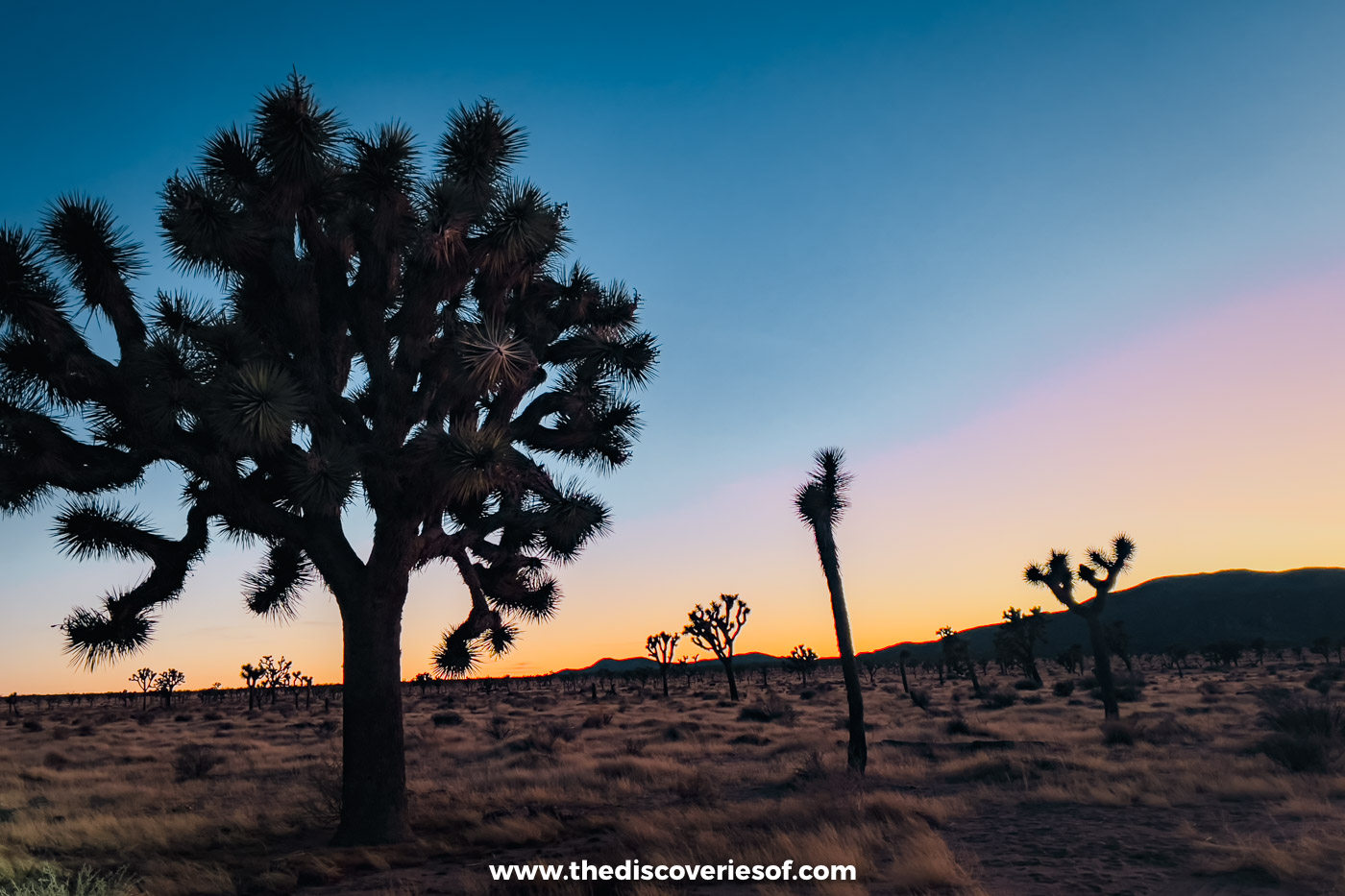
Winter is the season in Palm Springs: the summer heat drops to sunny days in the low 20s, and in mid-February Modernism Week celebrates the town’s mid-century architecture. Joshua Tree National Park is under an hour’s drive away, and cool winter days are the best time to hike it.
I spent time here in November, on a road trip around California, based at The Cole and driving out to Joshua Tree for the day. My highlight was sunrise at Keys View; I also hiked the quiet High View Nature Trail and the Hidden Valley loop and stayed out to stargaze, and in town I wandered among the cacti at the Moorten Botanical Garden. See my guides to the best things to do in Joshua Tree and the Joshua Tree hikes, or explore the canyons on an Indian Canyons 4WD and hiking tour.
Why it works: warm, dry winter days, desert hiking and mid-century style.
Stay: The Cole, the small hotel I stayed at.
20. Death Valley, California
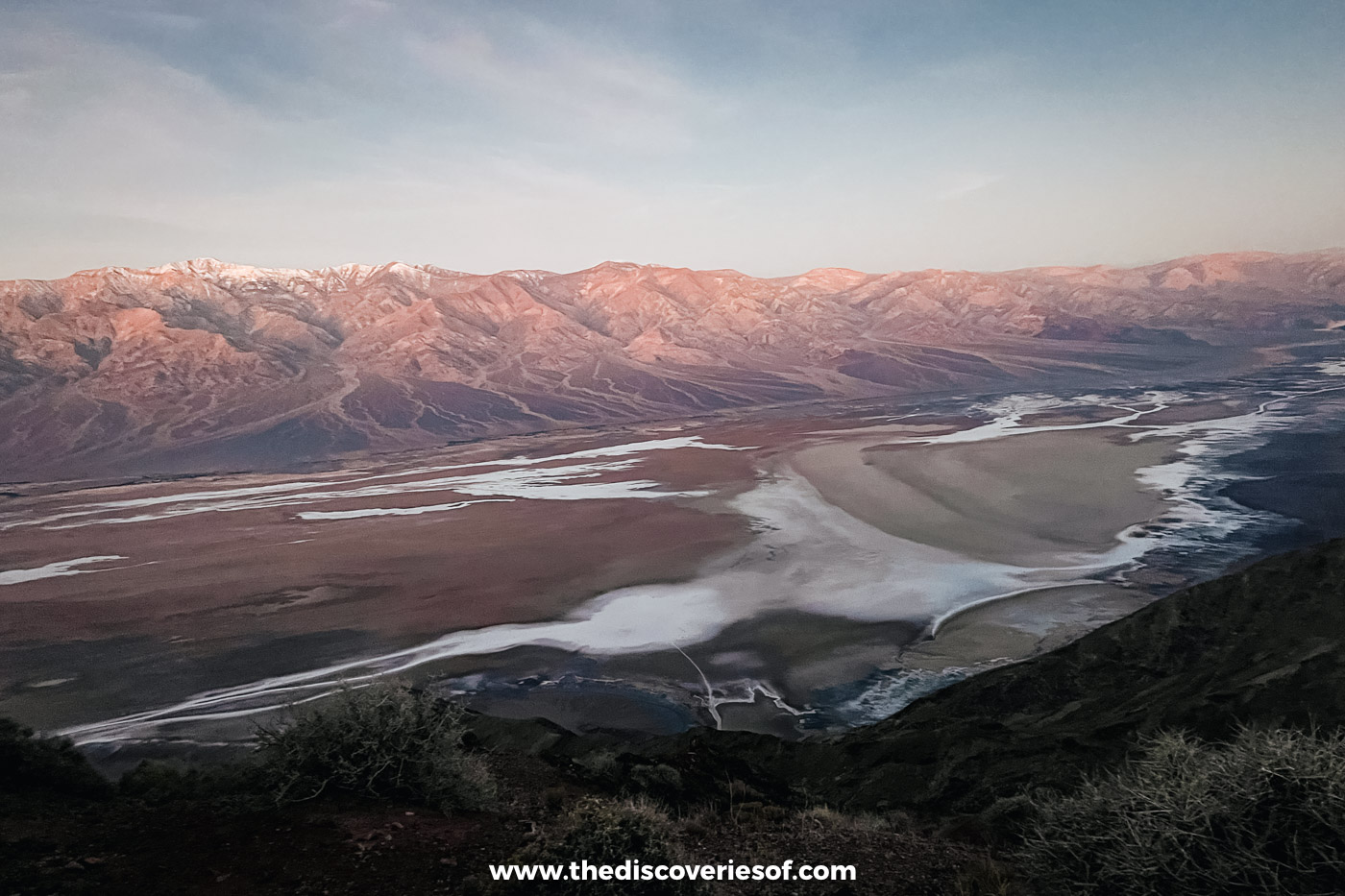
In summer, Death Valley is one of the hottest places on earth, with temperatures above 45°C. In winter, daytime highs are closer to 20°C, which turns it into one of the best national parks in the USA to visit at this time of year.
I spent three days here one November, staying across the state line in Pahrump, and crammed in everything the daylight (and the dark) allowed: an ice-cold dawn on a mountain ridge, a walk far out onto the salt flats at Badwater, two canyon hikes and the dunes both by day and by starlight. My Death Valley itinerary has the full plan, or join a small-group tour from Las Vegas.
Why it works: the desert at its most comfortable, with snow on the peaks above the salt flats.
Stay: The Inn at Death Valley inside the park, or the Holiday Inn Express Pahrump, where I stayed.
The best places to visit in winter in Asia and South America
21. Chiang Mai, Thailand

Thailand is hot all year, but November to February is the cool season in Chiang Mai, with daytime temperatures of around 28°C and cooler evenings, far more comfortable than the 40°C of April. In November, the Yi Peng lantern festival fills the sky with floating lanterns.
I’ve been to Chiang Mai four times now, and each trip has taken me a little deeper into the city. Wat Phra Singh is one of my favourite spots in Thailand, full stop; go early to Wat Phra That Doi Suthep to beat the crowds, and book a cookery class to learn northern Thai food.
Why it works: the most comfortable weather of the year for temples, markets and food.
Stay: Phra Singh Village, in the old city.
22. Rio de Janeiro, Brazil
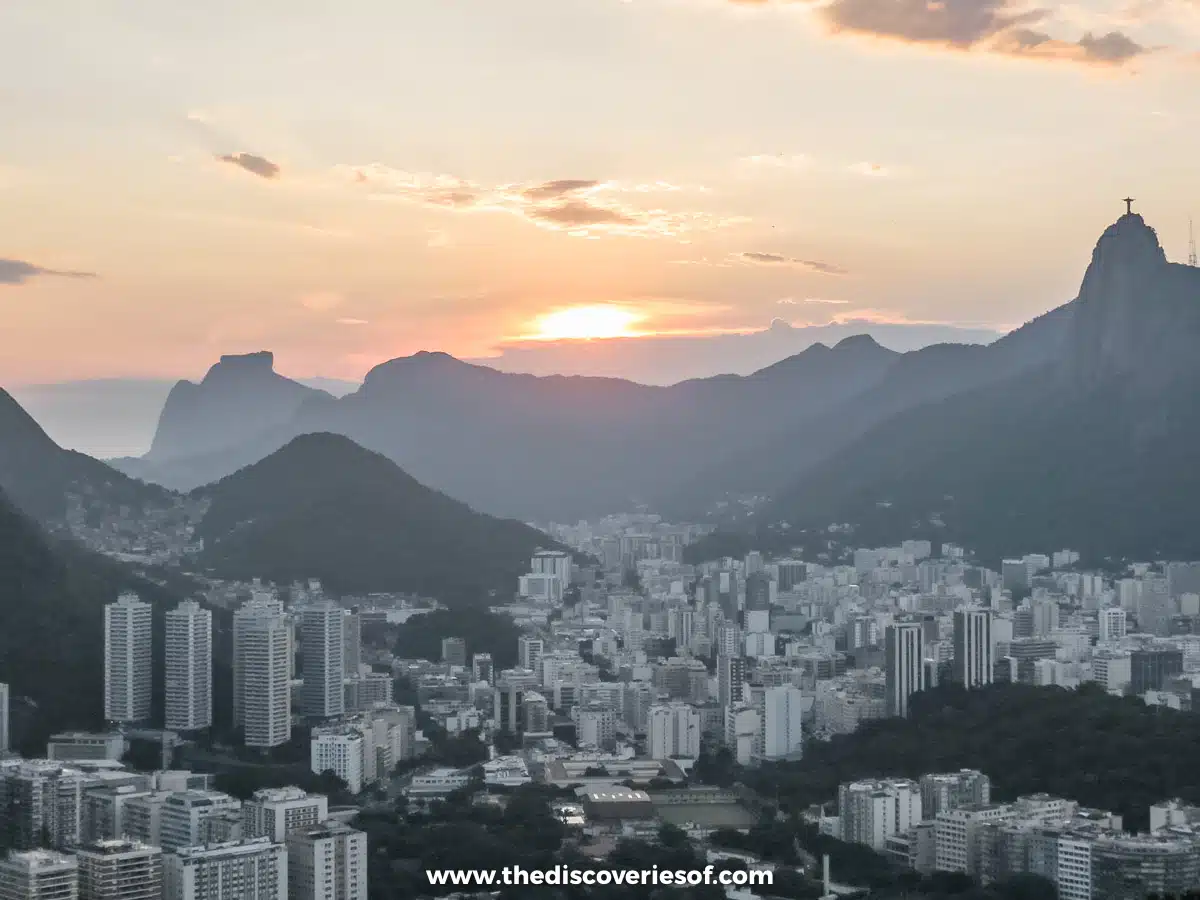
December to February is summer in Rio de Janeiro, and the city is at its liveliest: the beaches at Copacabana and Ipanema are packed, New Year’s Eve on Copacabana is one of the biggest parties on earth, and Carnival usually falls in February or early March. Expect heat (often over 30°C), humidity and afternoon storms, as it’s also the rainy season.
The first time I travelled to Rio, I had a feeling I’d like it, but I didn’t know I’d end up going back time and time again over 15 years. If you’d rather avoid the crowds and the heat, go in the shoulder season instead.
Why it works: beaches, New Year’s Eve and Carnival in the Brazilian summer.
Stay: Windsor Marapendi, by the beach in Barra da Tijuca.
23. Valparaíso, Chile

Valparaíso is a port city of steep hills, funicular lifts and some of the best street art in South America. December to February is summer here, with temperatures in the low 20s, and New Year’s Eve brings one of the biggest firework displays on the Pacific coast.
I visited on a day trip from Santiago, rode an ascensor up into the hills, walked the stair murals between Cerro Concepción and Cerro Alegre and saw Pablo Neruda’s house, La Sebastiana. That was in July, the Chilean winter, so the summer months are even better.
Why it works: street art, sea views and summer weather while Europe shivers.
Stay: Winebox Valparaíso, a hotel made from shipping containers.
24. The Atacama Desert, Chile
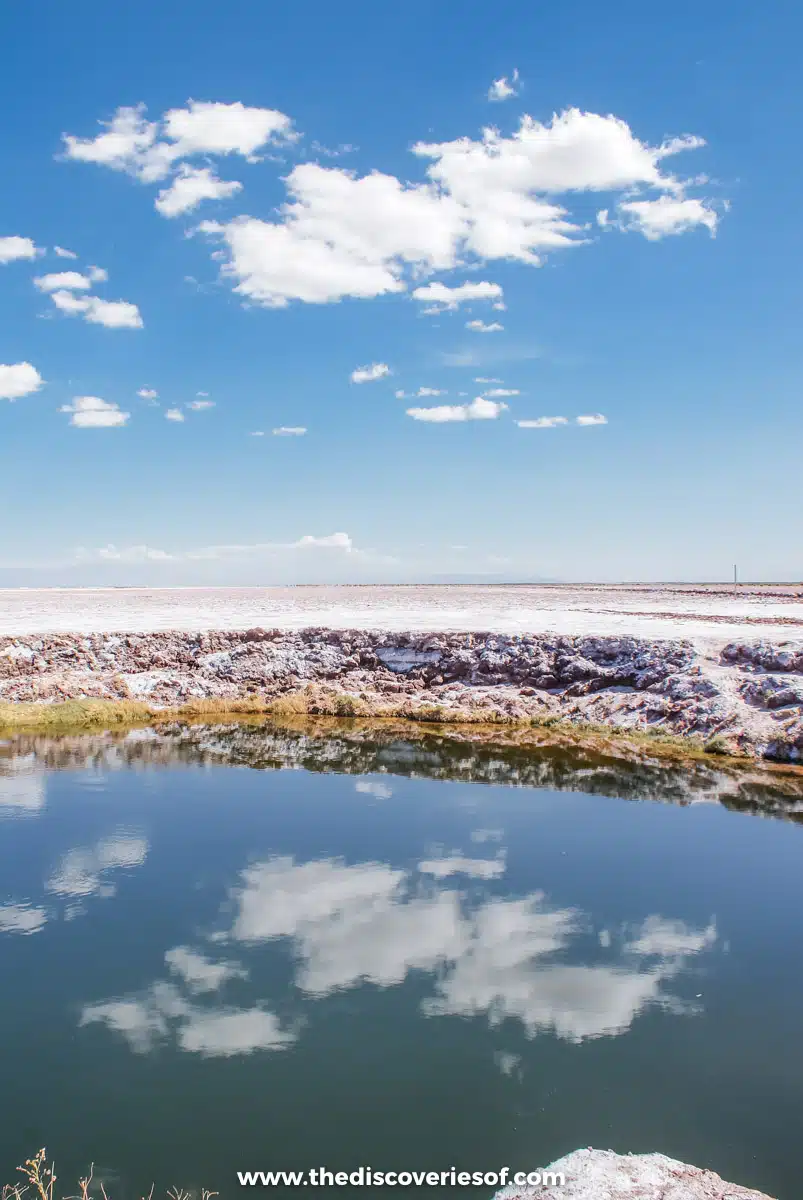
The Atacama is the driest non-polar desert in the world, with salt flats, flamingo lagoons, geysers and some of the clearest night skies anywhere. In the southern summer, days are warm, though from January to March the “altiplanic winter” can bring storms to the high plateau and close some of the higher routes, so stay flexible.
I spent a week here in February, driving around 1,000 miles in a brightly painted campervan I called Bruno, chasing lagoons across the salt flat and up onto the altiplano, and I’ve since been back in July. Read about my Atacama road trip, or see the lagoons on a Piedras Rojas and altiplanic lagoons day tour.
Why it works: otherworldly landscapes and stargazing in the southern summer.
Stay: Hotel Desértica. Read my Hotel Desértica review.
Tickets
Tours from San Pedro de Atacama fill up in the summer high season, especially the altiplanic lagoons and the El Tatio geysers. Book a Piedras Rojas and altiplanic lagoons tour a few days ahead, and allow a day to acclimatise to the altitude first.
Tips for travelling in winter
- Pack in layers. For cold destinations, thermal base layers, a warm mid layer and a waterproof outer shell beat one bulky coat, along with a hat, gloves and a waterproof raincoat.
- Check what’s open. Some attractions, mountain roads and seasonal resorts close in winter, and others run reduced hours.
- Plan around the daylight. In the far north, days are very short in December and January, so put the things you want to see by daylight first.
- Book Christmas, New Year and February half-term early. Winter sun destinations and Lapland are at their busiest (and most expensive) then.
- Remember the seasons flip. South of the equator, December to February is summer, which is peak season in places like Cape Town, Rio and Chile.
Map
Read next
- When’s the best time to see the Northern Lights?
- The best winter sun destinations
- The best winter sun destinations in Europe
- The best places to visit in Europe in winter
- The best places to travel in December
Love this? Save and share on Pinterest
Discover the top things to do, insider tips and hidden gems in our Tips & Thoughts.
Read the guides →