Want to know how to see the Northern Lights? Maximise your chances of seeing this magical spectacle with these insider tips from three successful aurora hunts.
“I was in Iceland for nine days and I didn’t see the Northern Lights once.” “I booked a Northern Lights trip to Norway and they didn’t come out.” Do you know how many times I hear stories like these? You don’t want this, do you?
Seeing the Northern Lights is not for the faint-hearted. You can spend night after night hanging out in the dark and the cold and be rewarded with nothing. Mother Nature can be stone cold like that.
Is it worth it? Yes. I’ve seen the Northern Lights on all three of my aurora-hunting trips, in Iceland, in Rovaniemi in Finnish Lapland and in Tromsø in Norway, and it wasn’t an accident. I’m a geek, and seeing the aurora was on the very first bucket list I wrote when I was nine, so I went in deep on the research before my first trip and I’ve been low-key obsessed ever since.
Never have I been prouder than on my trip to Tromsø. The conditions were so far from perfect that it took a lot of guile and planning to make it happen, and make it happen I did.
This guide is the practical how-to. It’s broken down into three parts: what you need to know before you book, the different ways you can see the lights (tours, going it alone or a Northern Lights hotel), and my must-know tips for maximising your chances once you’re actually there. If you want the deep dive on timing, read my guide to the best time to see the lights. Let’s go!
PS: Want to delve into how to plan a Northern Lights Trip? Watch this video!
What are the Northern Lights?
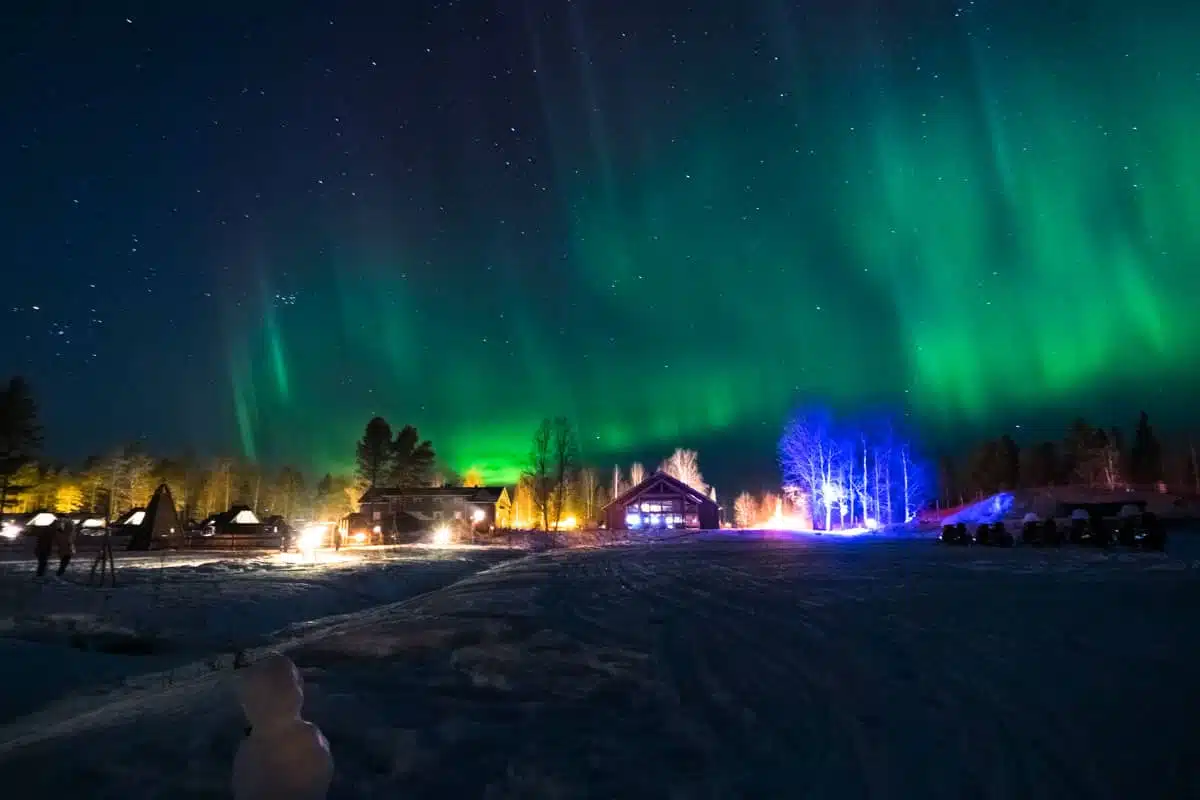
The Northern Lights or Aurora Borealis are a natural phenomenon that happens when charged particles from the sun, mostly electrons and protons, collide with the Earth’s atmosphere.
These particles, carried towards us on the solar wind and flung out in bursts by solar flares and eruptions on the sun’s surface, hit the magnetosphere, a magnetic field that surrounds the planet.
While most of the particles are deflected by the magnetosphere, some are channelled towards the poles and come into contact with oxygen and nitrogen in the Earth’s atmosphere.
When this happens, the oxygen and nitrogen release energy as photons (light particles), and these photons form the Aurora Borealis (Northern Lights) and Aurora Australis (Southern Lights). Oxygen gives you the classic green, and red at higher altitudes, while nitrogen adds blues and purples.
Before you book: what you need to know
Head north (within reason)
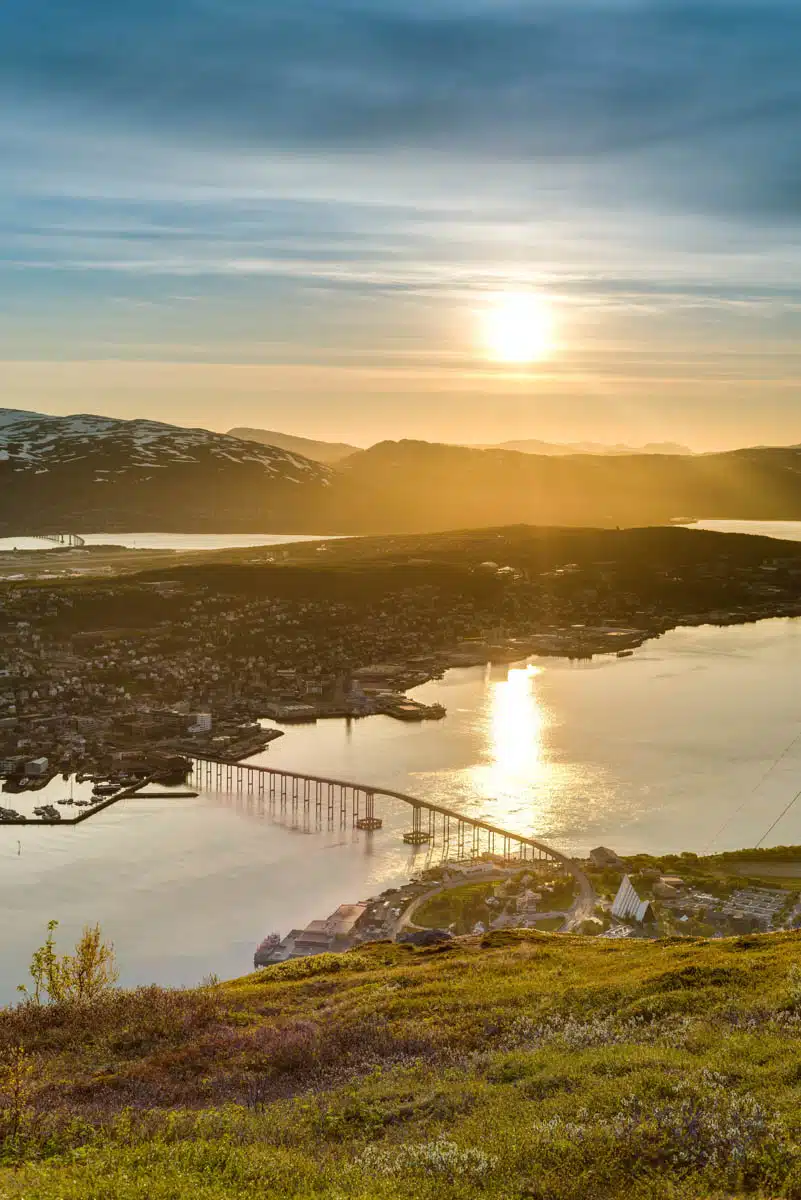
It’s no surprise that many of the Northern Hemisphere’s winter destinations also double up as top spots for seeing the Northern Lights.
The name is a bit of a giveaway: if you want to see the Northern Lights, you have to go to northerly destinations, preferably those (like Tromsø and Rovaniemi) within the Arctic Circle.
That’s because much of the activity that causes the Northern Lights happens around the Earth’s magnetic poles, with the result that the Arctic and the zones close to it are the best places to search for the aurora.
Don’t go too far north, though. The so-called “Northern Lights Belt” or “Aurora Zone” is a region between 65 and 72 degrees latitude where the Northern Lights will usually show up more frequently than in other areas. Head further north than that and your chances of seeing the lights actually diminish a bit.
That’s why places like Tromsø (69°N), Abisko (68°N), Rovaniemi (66°N) and Fairbanks (65°N) are such reliable bases. I’ve rounded up my favourite destinations at the end of this guide.
Time your visit for the equinoxes
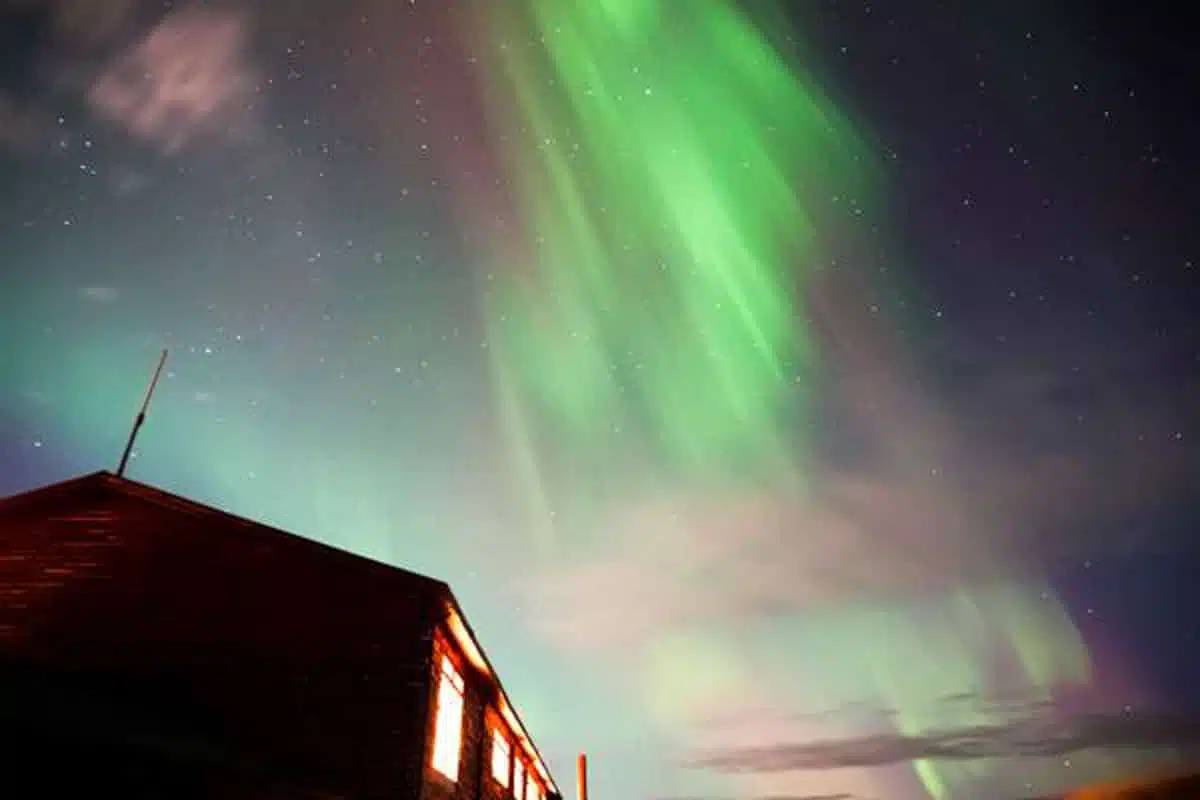
Broadly, the Northern Lights viewing season runs from the end of September to towards the end of March, stretching from late August to early April in the far north.
Technically, the Northern Lights actually happen all year, but outside of these months the skies aren’t dark enough to see them.
So when is the best time? Did you guess December? I wouldn’t be surprised if you did. After all, you need darkness to see the Northern Lights, and what is darker than the sky (and everyone’s souls) in December?
This might come as a surprise, but the absolute best times to see the Northern Lights are late September and March.
Hear me out. When I said I was travelling to Iceland in September hoping to see the aurora, a lot of people looked at me like I was crazy. “Errr, yeah, sure” was the most common response, with a few “Well, there’s lots to see in Iceland anyway” thrown in for good measure. Translation: not happening, lady, but I don’t want to crush your hopes.
Do away with that fallacy right now. Displays of the aurora borealis tend to be particularly strong around the spring and autumn equinoxes, in March and September. Geomagnetic activity runs high at the equinoxes, and geomagnetic storms mean more aurora. One well-known study of great geomagnetic storms found that, on average, twice as many happen in the equinox months as in the solstice months.
Don’t believe me? I’ve got receipts. During my Iceland trip, I spent a lot of time talking to Hotel Rangá’s in-house astronomer at the time, Sævar Helgi (what a job!), and he agreed. This man spent most nights for three-quarters of the year staring at Iceland’s night skies. We should probably listen to him.
Was it an accident that I happened to be in Iceland during the autumn equinox and in Rovaniemi during the spring equinox? No, it most certainly wasn’t. Did I see mad geomagnetic storms on both trips? Yes, I did.
It’s also warmer in September and March than in the depths of winter, and you have more daylight for everything else you want to do, so you’re winning all round.
Top Tip: The next equinoxes fall on 20 March 2027 and 23 September 2027. The full moon lands on 22 March 2027, so aim for early to mid March that spring. In September 2027, the new moon on the 30th sits just after the equinox, which makes late September 2027 a cracking window.
Check where we are in the solar cycle
The sun goes through a roughly 11-year cycle of activity, and the more active it is, the more often the aurora puts on a show. The current cycle peaked in October 2024, and activity has stayed high since, with major geomagnetic storms in 2025 and January 2026.
The good news is that the years after a solar maximum are still excellent, and the declining phase of a cycle has a habit of producing some of its most powerful storms. So the winter of 2026/27 is still a great time to go, and 2027/28 should be good too.
Ways to see the Northern Lights: tour, go it alone or stay in a Northern Lights hotel
There are three main ways to see the Northern Lights on your trip: booking a tour, doing it independently or staying in a Northern Lights hotel. Here are the pros and cons of each.
Book a Northern Lights tour
Here comes the million-dollar question: to tour or not to tour?
The pros: booking a tour can significantly up your chances of seeing the Aurora Borealis. Local guides are like aurora whisperers. They know the ins and outs, the when and the where of spotting them, and they’ve got real-time data and tons of experience on their side.
Another big win is convenience. Tours include transport, so you’re not left navigating icy roads or remote areas on your own, and that safety net counts for a lot in unfamiliar, wintry terrain. Many guides also bring professional photography gear to capture that perfect shot, something your phone might struggle with, and the better tours throw in thermal suits, hot drinks and a campfire.
The cons: tours can be pricey, although you’re paying for expertise, transport and sometimes warm gear and snacks. Then there’s the crowd factor. Popular spots can get busy, and sharing your moment with dozens of others might not be the serene experience you pictured. A small-group or private tour solves that, at a price.
In Tromsø, most chases leave the city at around 6pm and stay out for five to eight hours, driving as far as they need to (sometimes into Finland) to find clear skies. Try this small-group aurora chase from Tromsø. From Reykjavík, this Northern Lights bus tour runs for about four hours and gives you a free retry if the lights don’t show. There are specialist tours too, combining aurora spotting with snowmobiling or dog sledding.
See the lights independently
Fancy yourself as more of a lone wolf, the master of your own auroral quest? Yeah, me too. Would I recommend flying solo? Totally. There’s something undeniably magical about hiring a car and plotting your own course in pursuit of the aurora. There will be sweet highs and inevitable lows, but it’s what I did in both Iceland and Tromsø.
The pros: the biggest plus is flexibility. Want to chase every clear night? That’s your call. Fancy waiting out in the cold for the perfect shot? Go for it. And with your own set of wheels, you can pivot with the weather and move to clearer skies at a moment’s notice. That’s exactly how I found the lights at Oldervik near Tromsø when the rest of the region was buried in cloud.
The cons: navigating unfamiliar, icy roads in the remote darkness of prime aurora territory can be a real challenge. Only drive if you’re confident in winter conditions, check the road reports before you set off, and never stop on the road itself to look at the sky.
Stay in a Northern Lights hotel
Booking a stay at a Northern Lights hotel, particularly one with glass cabins or igloos, is a unique and luxurious way to experience the Aurora Borealis. Imagine lying in a cosy bed, shielded from the crisp Arctic air, gazing up through a glass ceiling as the Northern Lights dance across the sky above your head.
The pros: I won’t lie, the viewing comfort is unmatched. You can watch the Northern Lights from the warmth of your bed, which is ideal if you’d rather not brave the cold for hours on end. Staying in a glass cabin or igloo is a unique experience in itself. And these hotels are usually in areas with minimal light pollution, so you’re already in a great spot.
The cons: they come with a high price tag, and they’re popular, so they book up quickly in peak aurora season. Book well in advance. And there’s still the chance you won’t see the lights at all. You’re at the mercy of the weather, and cloud cover or low solar activity can hide the show even in the most idyllic location.
Here are the three Northern Lights hotels I’ve stayed in.
ÆRA, near Tromsø, Norway
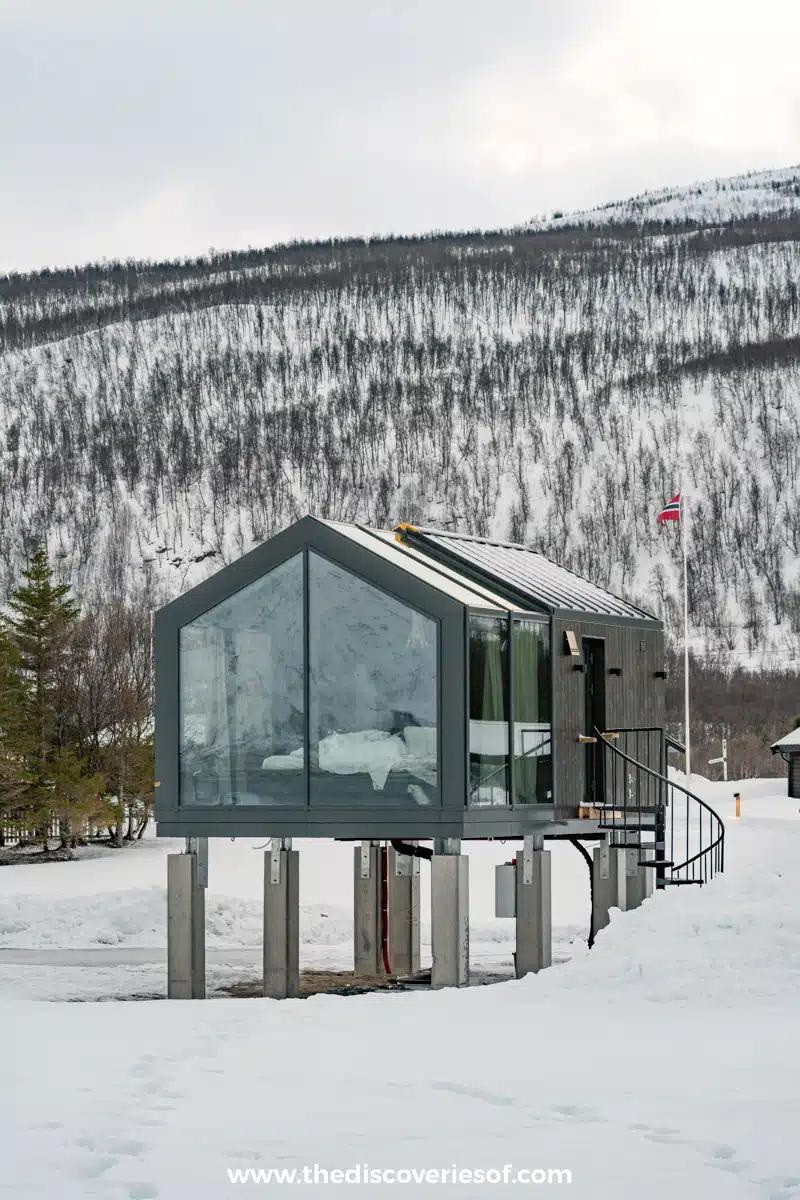
ÆRA is a great option for amazing Northern Lights away from the bright lights of Tromsø, in a beautiful lakefront location around 40 minutes’ drive from the city. I stayed in one of the glass aurora cabins and would very much recommend it. Your bed is right beneath a glass roof, so when the lights are out, it’s very cool. On my second night, I caught the green glow from the cabin before heading down to the lake for a better look.
The team also set me up with aurora alerts on WhatsApp, which made the chase a lot easier. Read my full ÆRA hotel review.
Apukka Resort, near Rovaniemi, Finland
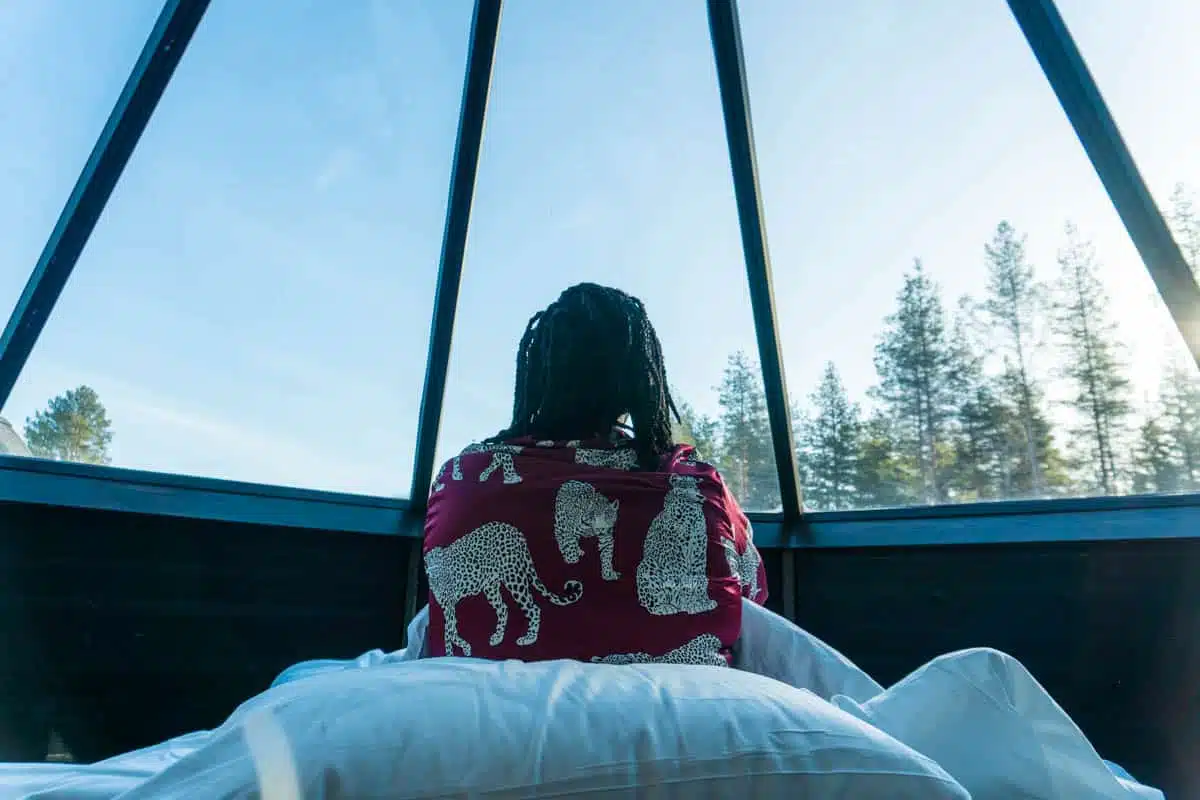
During my last visit to Finland, I stayed at Apukka Resort, about 20 minutes’ drive from Rovaniemi, and absolutely loved it. I recommend the Kammi suite (it was called the Lappish Kammi Suite when I stayed, and is now listed as a Kammi Glass Igloo Suite), a glass-topped dome filled with cosy furnishings and a roaring fire to keep you toasty. The beds were uber comfortable, which was much needed after a day of snowmobiling. Find out more in my guide to things to do in Rovaniemi.
Hotel Rangá, Iceland
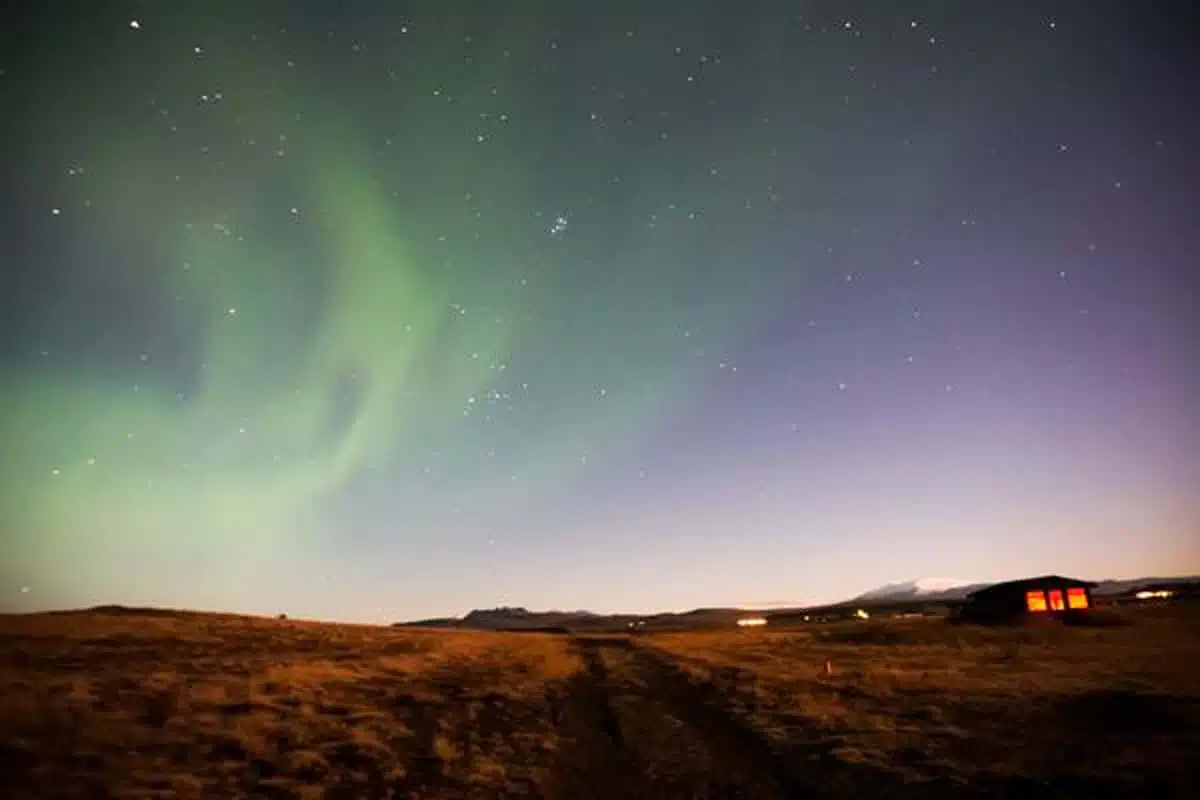
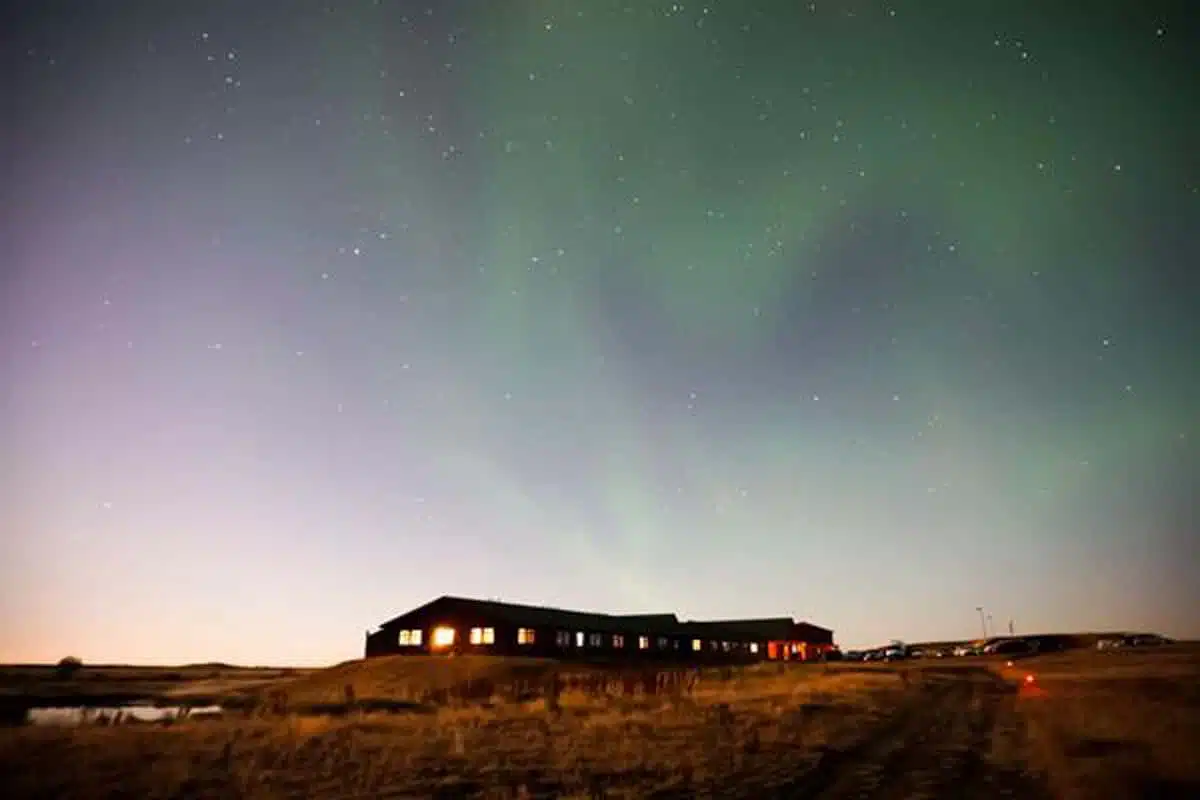
Can you spot the observatory?
Hotel Rangá is well known as one of Iceland’s best Northern Lights hotels, thanks to its relatively remote (but easily accessible) position in the south of the country and its stellar four-star accommodation.
It doesn’t have aurora cabins, but it does have a private observatory, open from September to April on clear nights, and a Northern Lights wake-up call. Simply tap the button on your in-room phone before you go to bed and they’ll wake you up if the Northern Lights come out to play. That totally beats standing for hours in the cold or sitting on a coach, right? I’ve written more about my stay in my guide to the best time to see the Northern Lights in Iceland.
On your trip: tips to maximise your chances of seeing the Northern Lights
Chase clear skies, not the lights
If you’ve planned your trip right, you’re not really chasing the Northern Lights. You’re chasing clear skies.
I imagine you’re picturing yourself as a hunter pursuing the elusive glow across the Arctic sky. But the real quest is for the clearest, most unobstructed view of the sky. The aurora takes place high above the Earth’s surface, and clouds are much lower down, so a blanket of cloud acts like a curtain. Even the most spectacular display can be totally hidden behind it.
Get to grips with the Kp index
The Kp index measures the level of geomagnetic activity (remember, that’s what causes the Northern Lights). It runs from 0 to 9, and here’s my super-brief summary of what the numbers mean:
- 0 to 2: the aurora is far north, quite dim and not very active.
- 3 to 5: the aurora moves further from the poles, is brighter, and there’s more motion and more formations. If you’re in the right place, this can look really great.
- 6 to 7: the aurora moves even further from the poles and is quite bright and very active.
- 8 to 9: the aurora moves even further towards the equator and will be very bright and very active. This is when you can sometimes see it even from London.
Inside the aurora zone, you don’t need a big number. A Kp of 2 or 3 under a clear sky can give you a lovely show, which is why the cloud forecast matters just as much.
Use the aurora forecast
While you might strike lucky and walk out of your hotel to find the lights overhead, there are many nights when a little planning goes a long way. You can play with these apps before your trip, but realistically you need to check them every evening before you head out, so you’re working with the most accurate information.
I use the Aurora app, now called My Aurora Forecast & Alerts (it’s also on Google Play). It’s free, easy to understand and easy to navigate, with a real-time Northern Lights tracker and push alerts when activity is expected to be high.
When you open the app, there’s a summary block showing the Kp index for your location, but that’s not that useful if you’re trying to plan your evening. Instead, look at the aurora map, which shows where the highest probabilities for seeing the lights currently are. Wait until they’re close before heading out, and you’ll save yourself a lot of unnecessary waiting in the cold. The forecast tab is handy too, showing the viewing probability for your chosen location over the next few hours alongside the cloud cover.
NOAA’s 30-minute aurora forecast is also a good way to keep track of the lights, and in Iceland the Met Office has its own aurora and cloud forecast.
Do bear in mind that these are forecasts, not facts. Like a weather forecast, they don’t always get it right. During my Iceland stay, the night both the app and the Met Office’s aurora forecast originally predicted to have the lowest Kp (the Friday) actually turned into a geomagnetic storm with a Kp of 8. It was spectacular, with a full display that totally lit up the sky.
Check the cloud forecast on Windy
The other app I’d recommend is Windy. You really need the paid version, Windy Premium, but when you think about how much you’re not spending on a tour, it puts the annual fee (about £23 or $25 a year) into perspective.
The name’s a bit misleading. We don’t really care about the wind. What Windy is excellent for is forecasting the cloud cover at a given location days in advance. Switch the map to the cloud layer, drop a pin, and you can see the level of cloud forecast for that exact spot hour by hour. Move the pin around the map to compare locations.
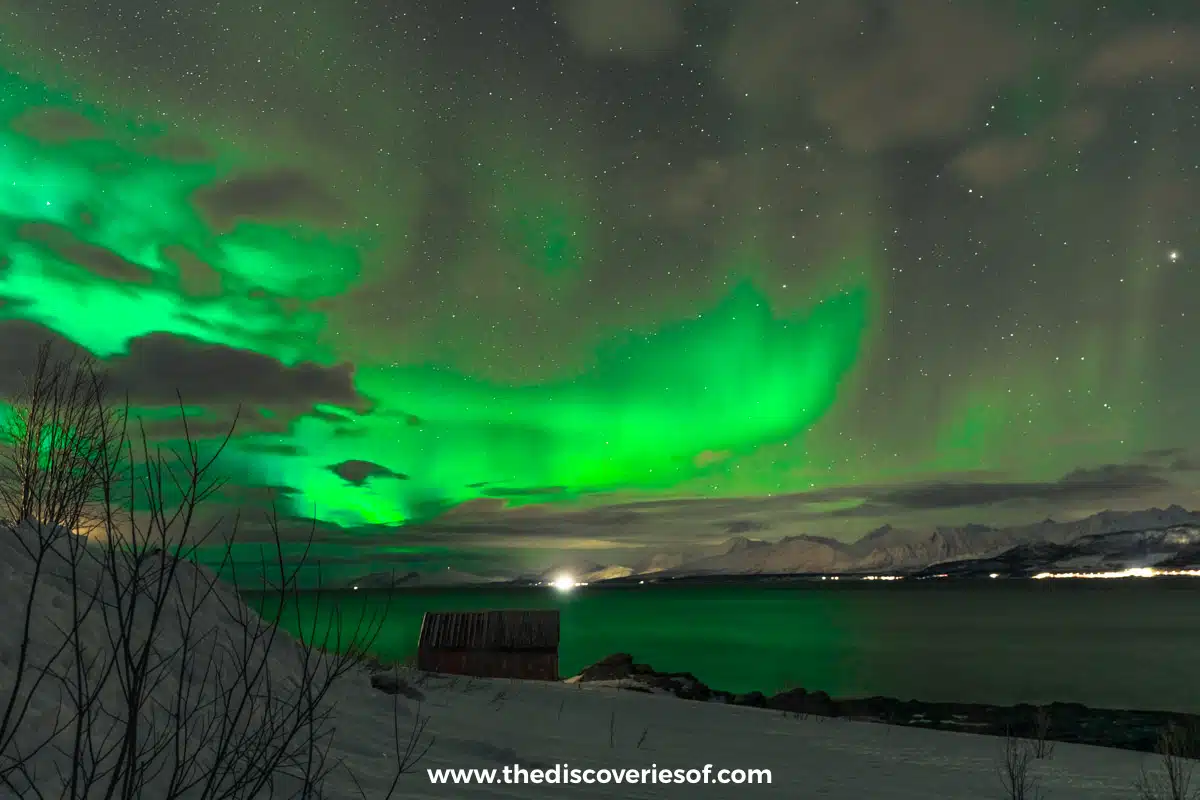
This was basically the holy grail in Tromsø. It had been crazily cloudy for days, so I spent most of a day mapping Windy’s cloud forecast against spots I’d read were good for aurora viewing. It led me to Oldervik, which wasn’t too cloudy when the rest of the region was covered (and I mean covered) in a thick blanket of cloud. I watched the lights dance for two hours and captured my timelapse. Put your faith in Windy, people. Amen.
You can watch me chase the Northern Lights around Tromsø in my vlog.
Choose your location (and avoid light pollution)
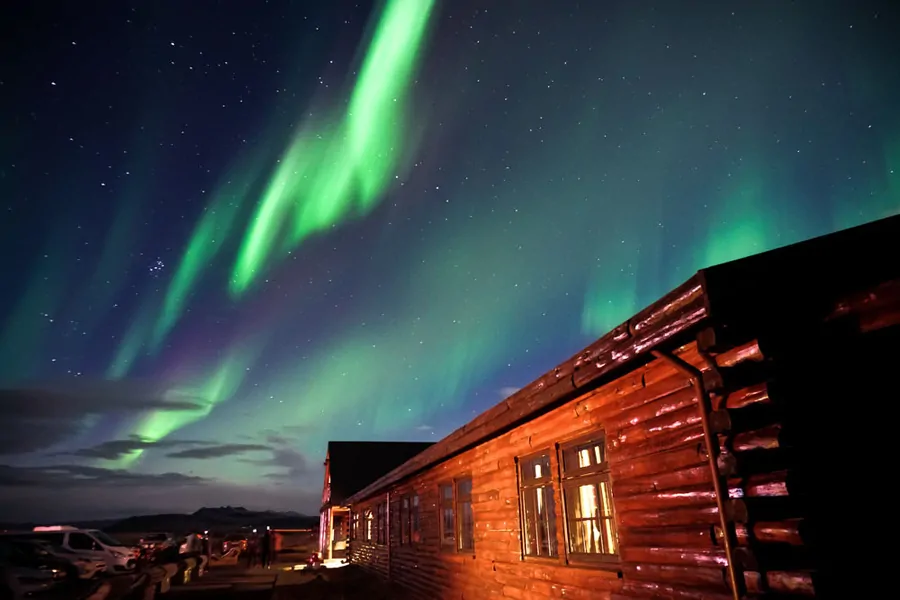
Seeing the Northern Lights anywhere is great, but choosing a great location can really amplify the experience, particularly if you’re planning to photograph them.
First and foremost, seek out spots with an unobstructed view of the sky. Light pollution is a significant obstacle to enjoying the night sky, and the same is true for seeing the aurora, so you need to get away from the lights of cities and towns. Vast, open spaces are your canvas.
Next, think about direction. In many places within the aurora zone, the lights commonly appear over the northern horizon, so a spot with a clear view to the north will boost your chances. This matters less during really strong showings, when the lights fill the whole sky.
While the aurora is undeniably the star of the show, a beautiful landscape in the foreground can turn your viewing into a scene straight out of a dream. Think of the silhouetted outlines of mountains, the serene expanse of a frozen lake, or the rugged charm of a remote forest. Local blogs and Instagram are great for finding cool spots.
If you haven’t rented a car, book yourself onto an aurora-hunting tour that ventures out into the wilderness.
Top Tip: Another option is to book a Northern Lights hotel where you can see the lights from your lodging.
Start hunting on your first night
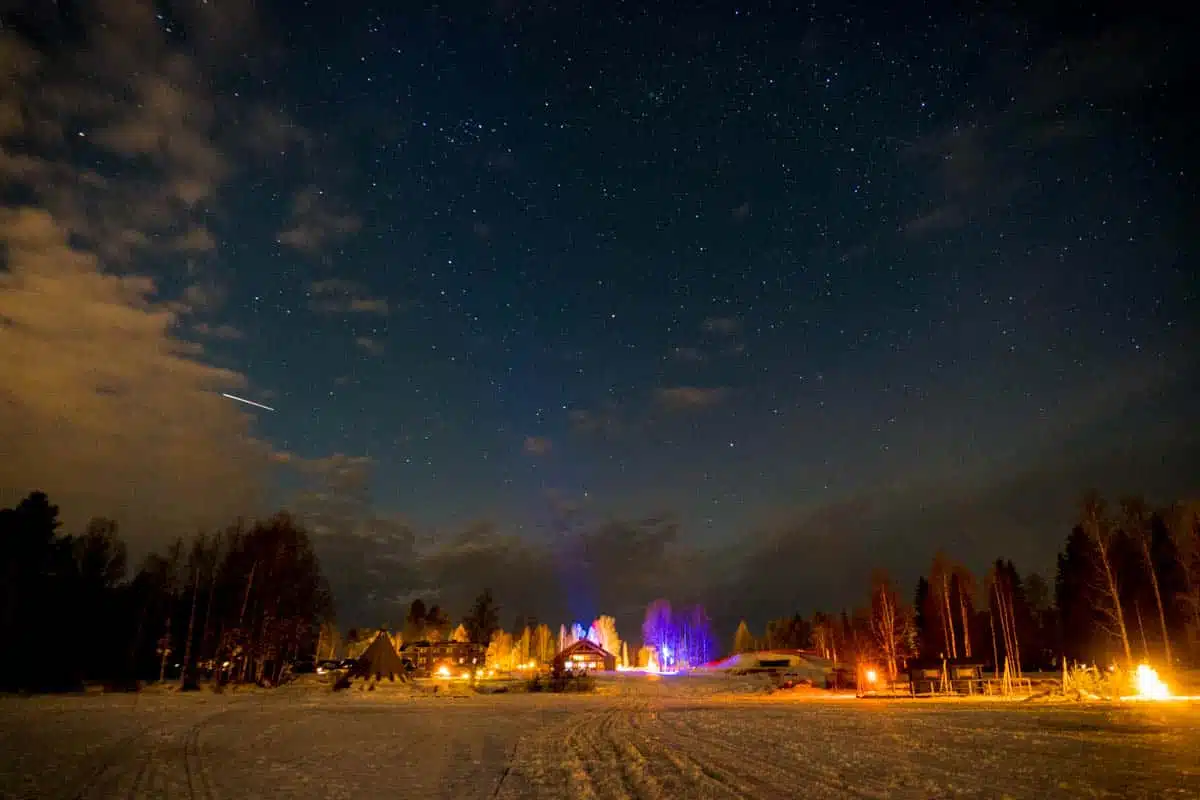
You should note that the Northern Lights either appear or they don’t.
Even when the conditions look absolutely perfect, they might still decide to miss the party.
So it figures that you should never miss an opportunity to look out for the Aurora Borealis. If seeing the Northern Lights is on your bucket list, spending every night of your trip on the hunt will greatly improve your chances of catching them! Book as many nights as you can, too. In Tromsø, I added an extra night at the last minute, and it turned out to be my best one.
Book lots of fun activities for your trip
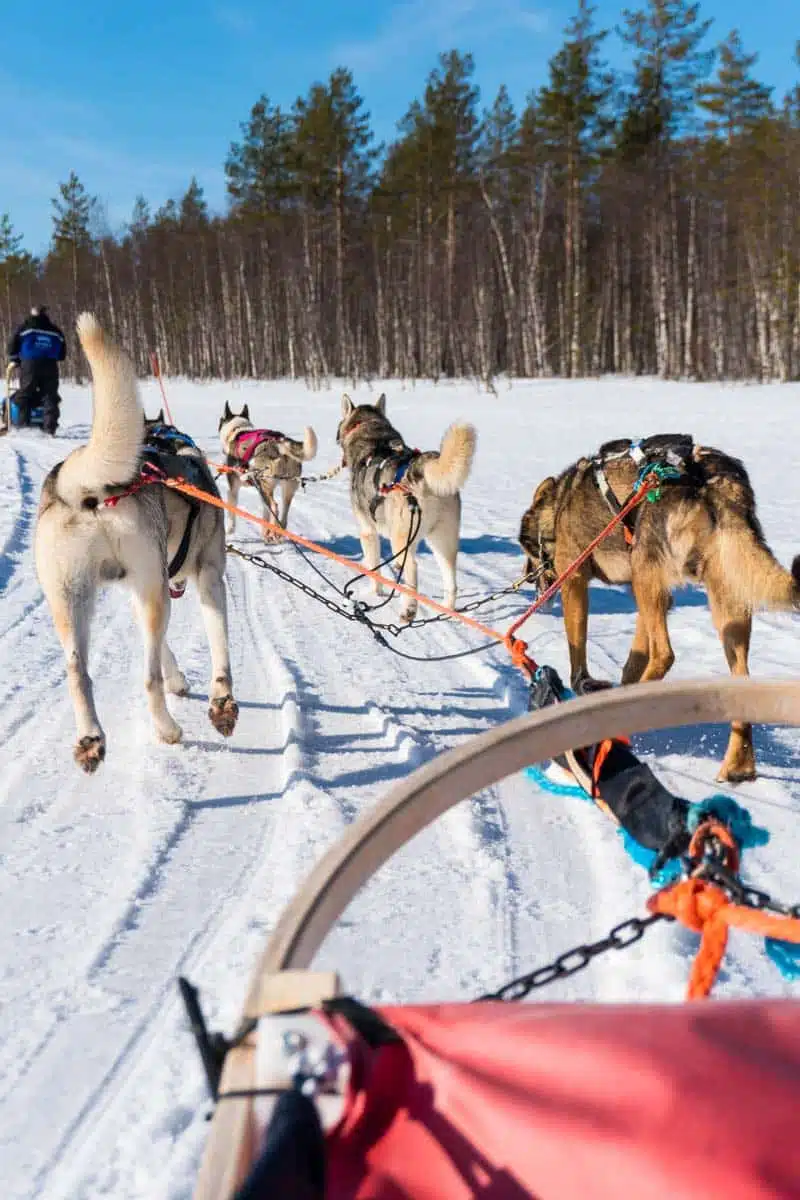
Don’t plan your whole trip around seeing the Northern Lights, because if you do, you may just come away disappointed by factors that are well outside of your control. Instead, fill your itinerary with plenty of fun winter activities.
Why not visit an ice or snow hotel? How about dog sledding with some adorable huskies, or going on an epic snowmobile ride bombing across the frozen tundra?
Most Northern Lights destinations are real-life winter wonderlands. It would be a real shame to miss out on all the fun you can have while you wait for those pesky auroras.
Avoid a full moon if you can
The moon is a natural light source in the sky, and the Northern Lights do not like competition.
If you want to increase your chances of seeing the lights, avoid the full moon. Anything over a waxing crescent or first quarter moon will interfere to some degree with seeing the lights.
Top Tip: Don’t stress if your trip does coincide with a full moon. Check what time the moon rises and sets, and plan your Northern Lights viewing outside of that. For winter 2026/27, the new moons fall around 9 November, 9 December, 7 January, 6 February and 8 March, and the week either side of each is the darkest.
Prepare for an all-nighter
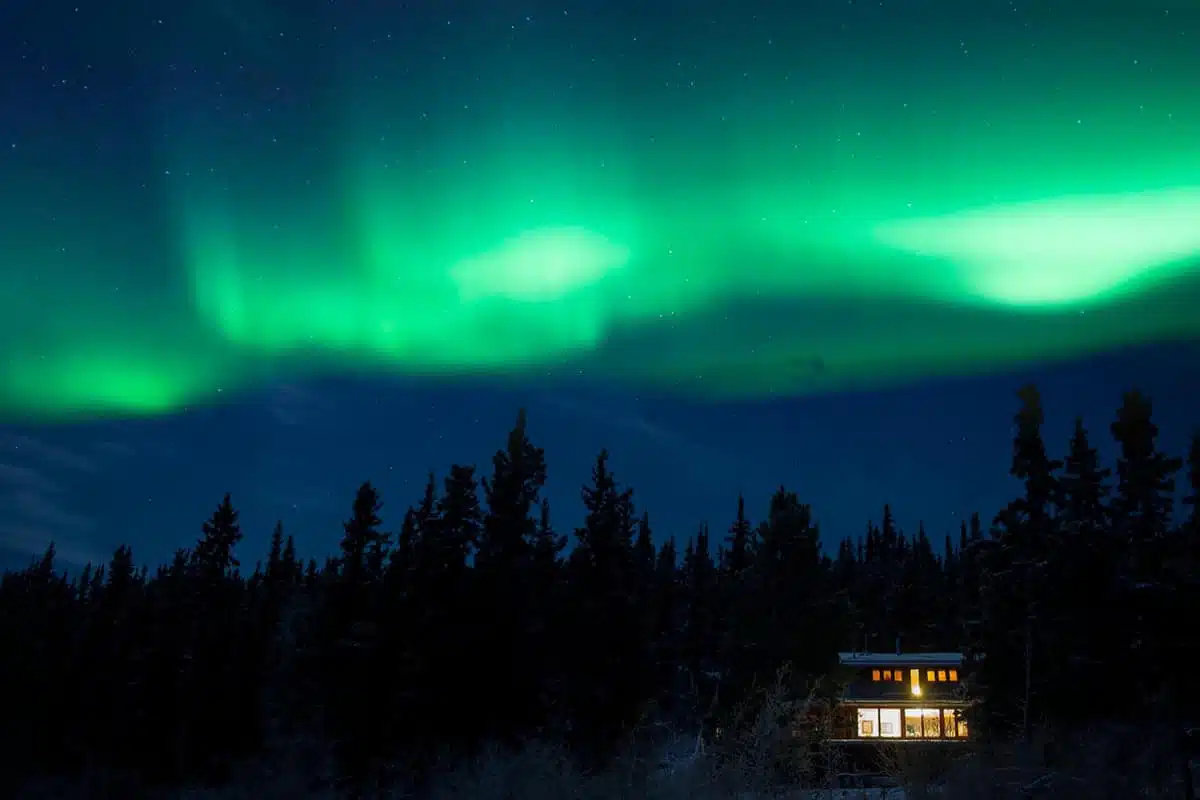
The sun sets earlier in the winter across much of Northern Europe, which is fantastic, since it gives you a lot longer to see the Northern Lights.
That said, they are most likely to show in the darkest and coldest parts of the night (of course they are).
The busiest hours are from 11pm to 2am, so most tours head out in the early evening and stay out until well after midnight. Of course, you might be lucky and catch them early, but the best views are often late at night.
Dress warmly
Make sure you have enough warm clothes and insulating layers to keep you from freezing while hunting down the Northern Lights. Think merino wool base layers, a fleece or down mid-layer and a proper parka, plus a hat, gloves and two pairs of wool socks.
Boots are also essential, as you’ll be walking a lot or standing still in the snow for hours. Pack some hand warmers too. I’ve shared my full seven-layer outfit in my guide to chasing the Northern Lights in Tromsø.
Pack a tripod
Recent phones with a night mode can pick up the lights surprisingly well, but for the best shots, bring a camera and a small tripod. I set my camera up on a tripod inside my cabin at ÆRA, which is how I caught that first faint glow. Cold drains batteries fast, so keep spares in an inside pocket.
Be patient!
There is no set schedule for when the lights will appear. You might have to wait a while, or you might be lucky and see them right after the sun goes down.
So, if you’ve followed all the above and are still waiting, allow yourself some time to just enjoy your surroundings. The lights will (hopefully) come, but you do have to be patient.
Where to go to see the Northern Lights
Iceland
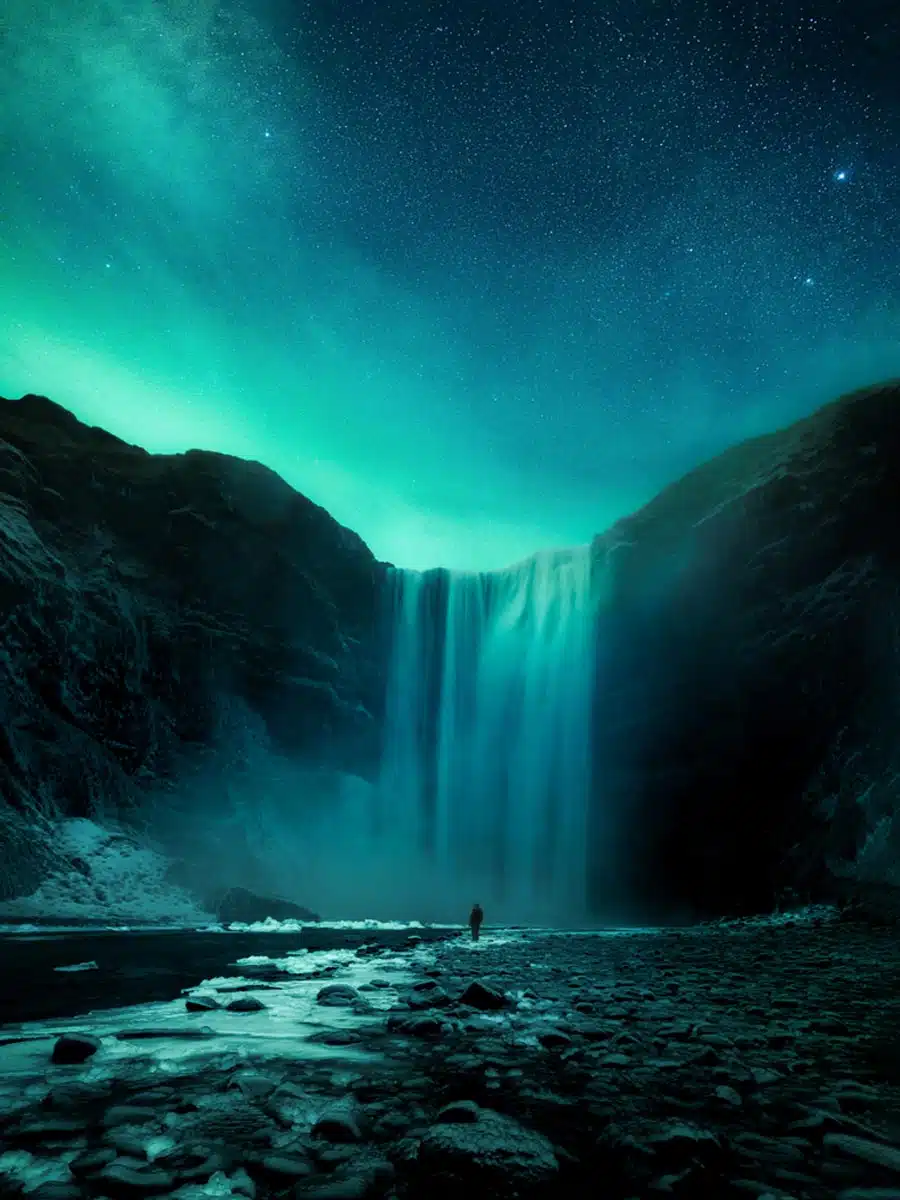
Mainland Iceland actually sits just south of the Arctic Circle, but it’s right under the aurora belt and a great place to see the Northern Lights thanks to its relatively northerly location and low levels of light pollution outside of the capital, Reykjavík.
Want to see the Northern Lights in a real show-stopping location? The Jökulsárlón Glacier Lagoon is a great spot, thanks to the fact the lights reflect off the lagoon’s waters.
More top spots include Thingvellir National Park, Kirkjufell mountain, Ásbyrgi canyon and the Westfjords.
Top Tip: Discover these spectacular Northern Lights hotels in Iceland.
Sweden
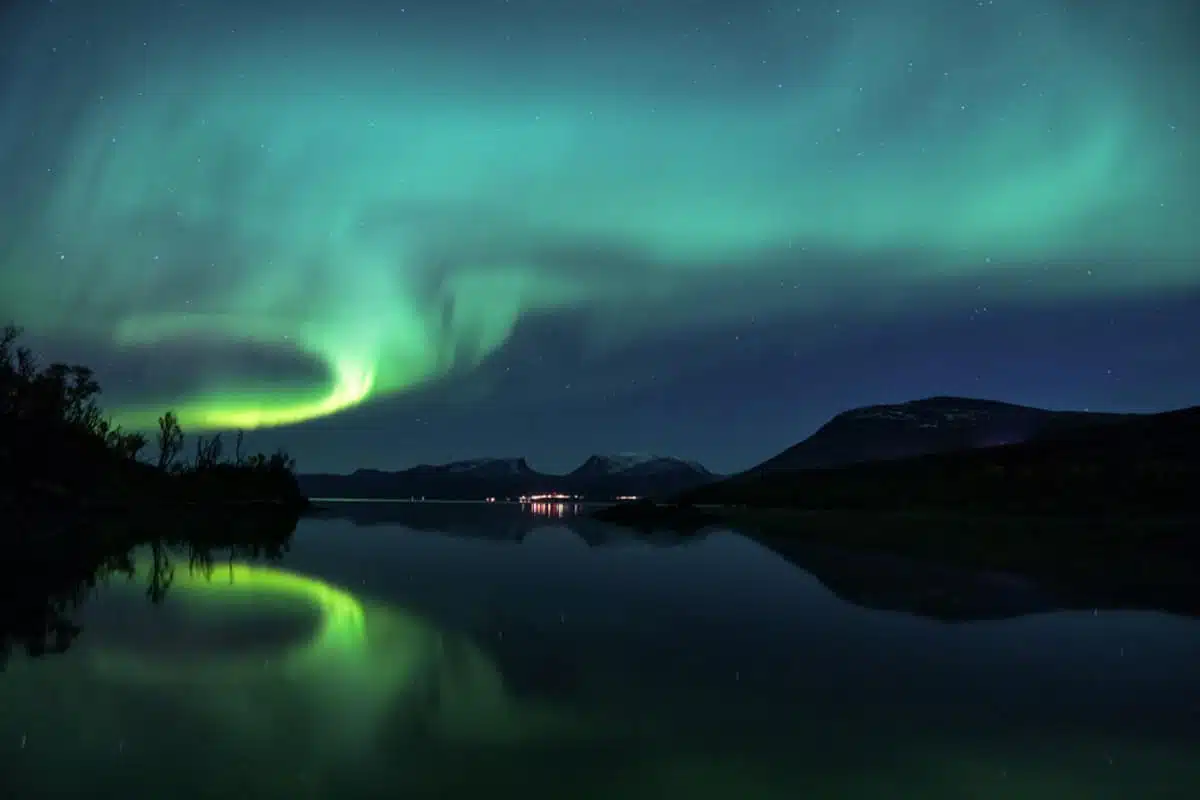
Travellers often overlook Sweden, which is a shame, as Swedish Lapland sits firmly within the aurora zone. The best places to see the Northern Lights in Sweden include Kiruna, Jukkasjärvi (home of the Icehotel) and Luleå.
Abisko National Park is also a famous Northern Lights hangout, thanks to its reputation for clear skies and the Aurora Sky Station, a viewing point reached by chairlift up Mount Nuolja. Find more ideas in my guide to Sweden in winter.
Norway
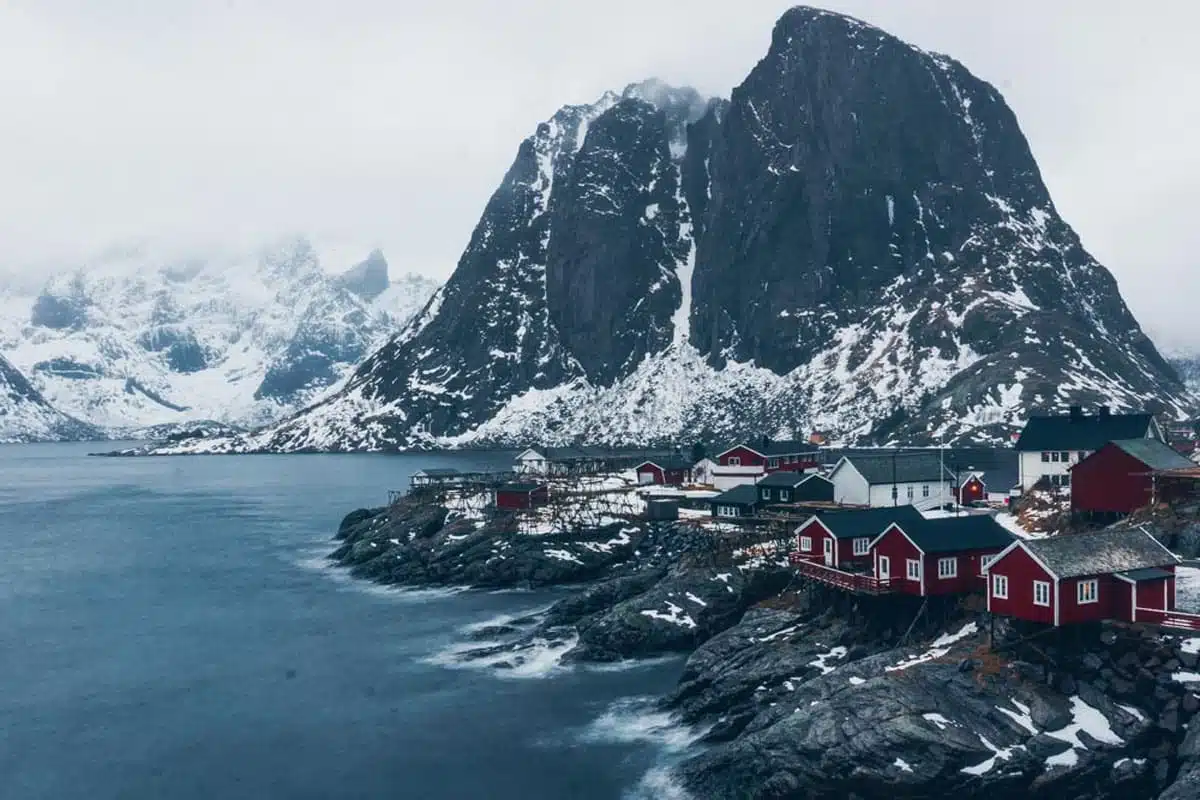
Popular places in Norway to see the Northern Lights include the Lofoten Islands, Tromsø, Alta and Kirkenes. Svalbard is further north than the aurora zone, so your odds dip a little, but during the polar night you can see the lights even in the middle of the day. To improve your chances, stay outside the city at one of the best places to stay in Tromsø for aurora hunting, and read my guide to the Northern Lights in Norway.
Finland
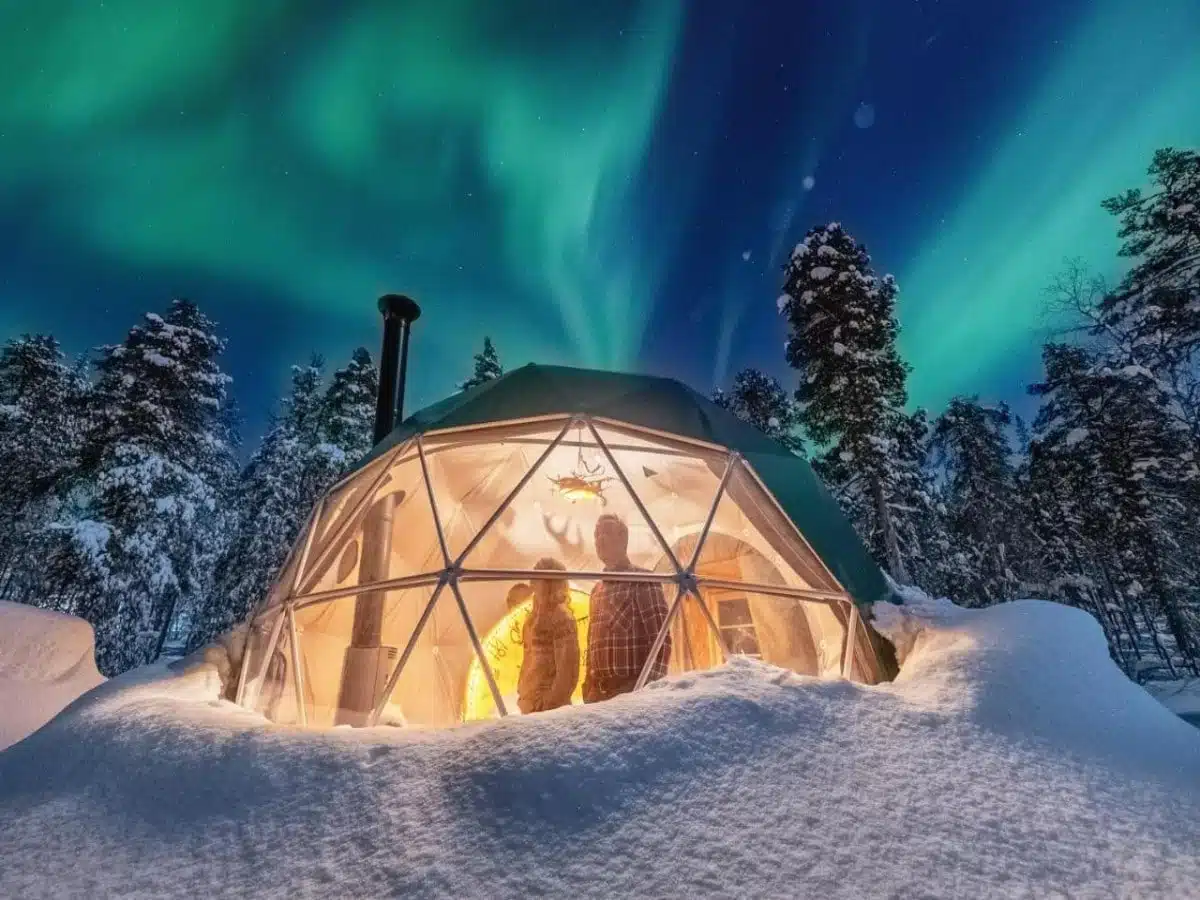
Finnish Lapland, which includes incredible destinations like Rovaniemi (a personal favourite, where I timed my trip for the spring equinox), Ivalo, Saariselkä and Levi, is where you can catch the Northern Lights in Finland. Here, you’ll also find an array of magnificent places to see the Northern Lights, from glass igloos to wilderness cabins.
Canada

You can see the Northern Lights in northern Manitoba, Yukon, Northwest Territories, Nunavut and Labrador, among other northern territories in Canada. Yellowknife and Whitehorse are the best-known bases, with seasons from late August to early April, and Churchill in Manitoba is another favourite.
Alaska
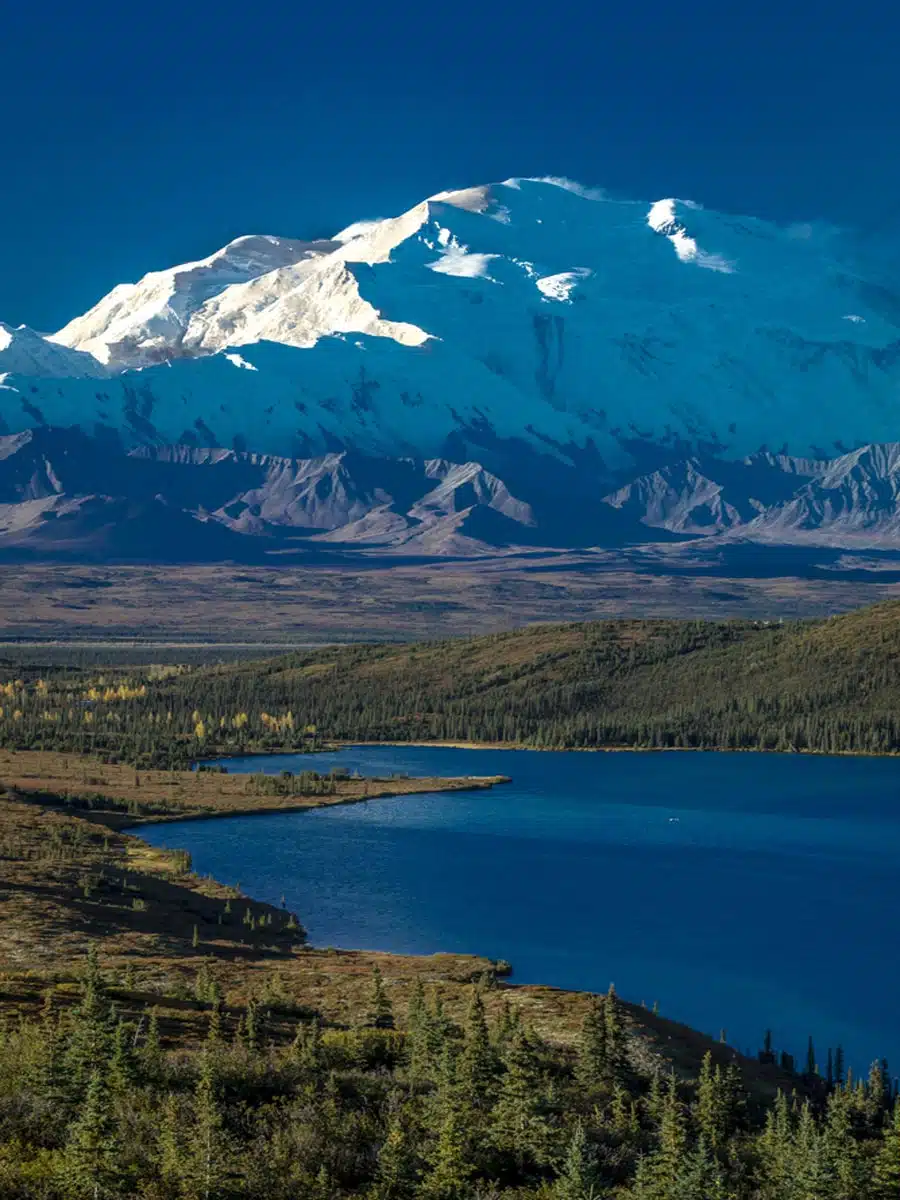
Fairbanks and Arctic territories such as Wiseman, Coldfoot, Prudhoe Bay and Utqiagvik are some of the best places to spot the Northern Lights in Alaska. Fairbanks sits under the auroral oval, with a season from late August to late April.
Scotland
Closer to home for us Brits, you can sometimes see the Northern Lights from Scotland, especially in the far north and on the islands, when solar activity is high. Find out more in my guide to the Northern Lights in Scotland.
Northern Lights viewing tips: read next
- The Best Time to See The Northern Lights
- How to Chase the Northern Lights in Tromsø
- The Best Time to See the Northern Lights in Iceland
- How to Plan a Northern Lights Trip in Finland
- ÆRA Tromsø Hotel Review
Love This? Save and Share on Pinterest!
Discover the top things to do, insider tips and hidden gems in our Tips & Thoughts.
Read the guides →