San Cristóbal de las Casas has a church on almost every corner, painted in turquoise, ochre, scarlet and canary yellow. Two of them sit on hilltops above the town, and the climb to each is the best thing you can do with a morning here.
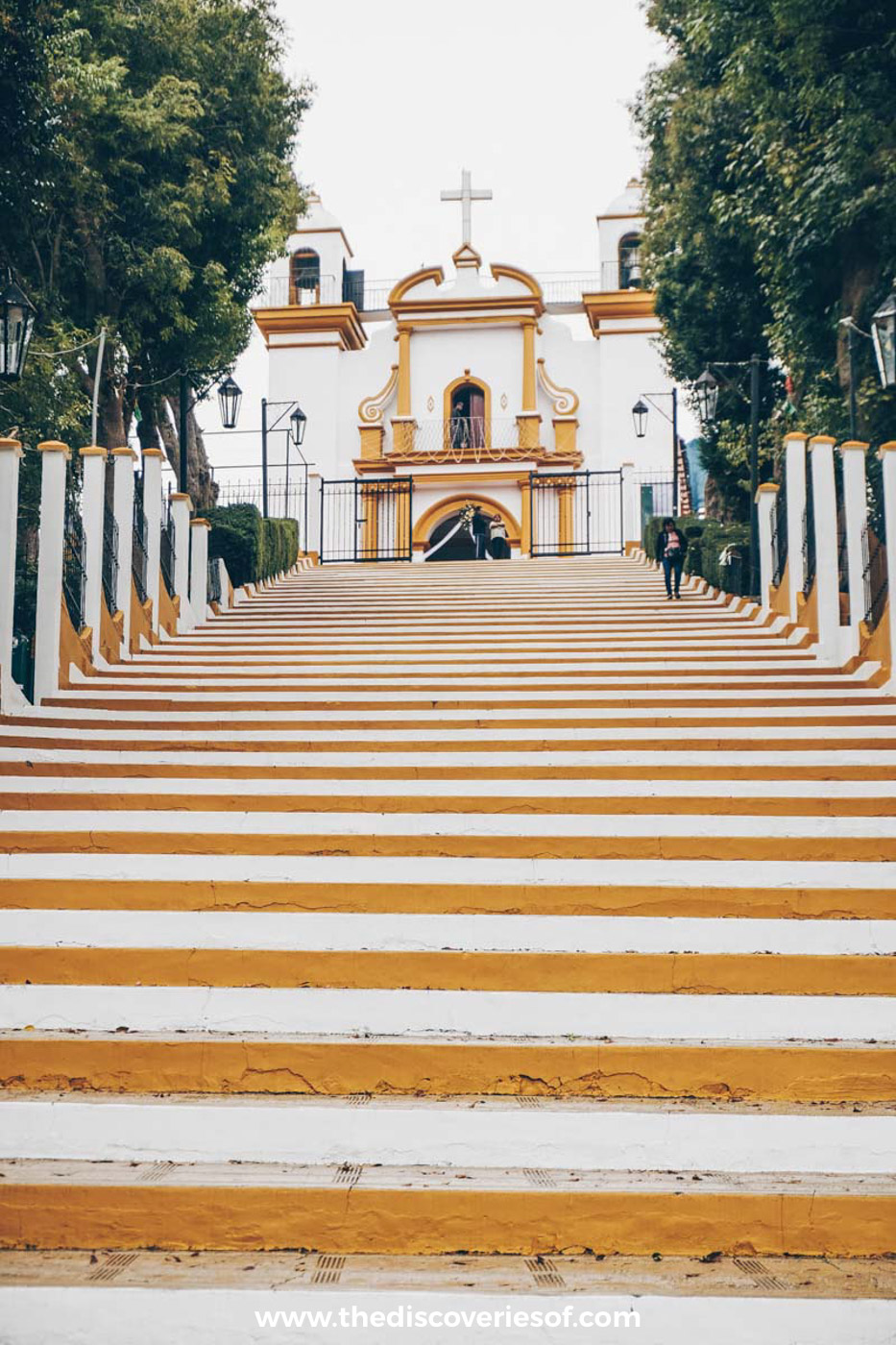
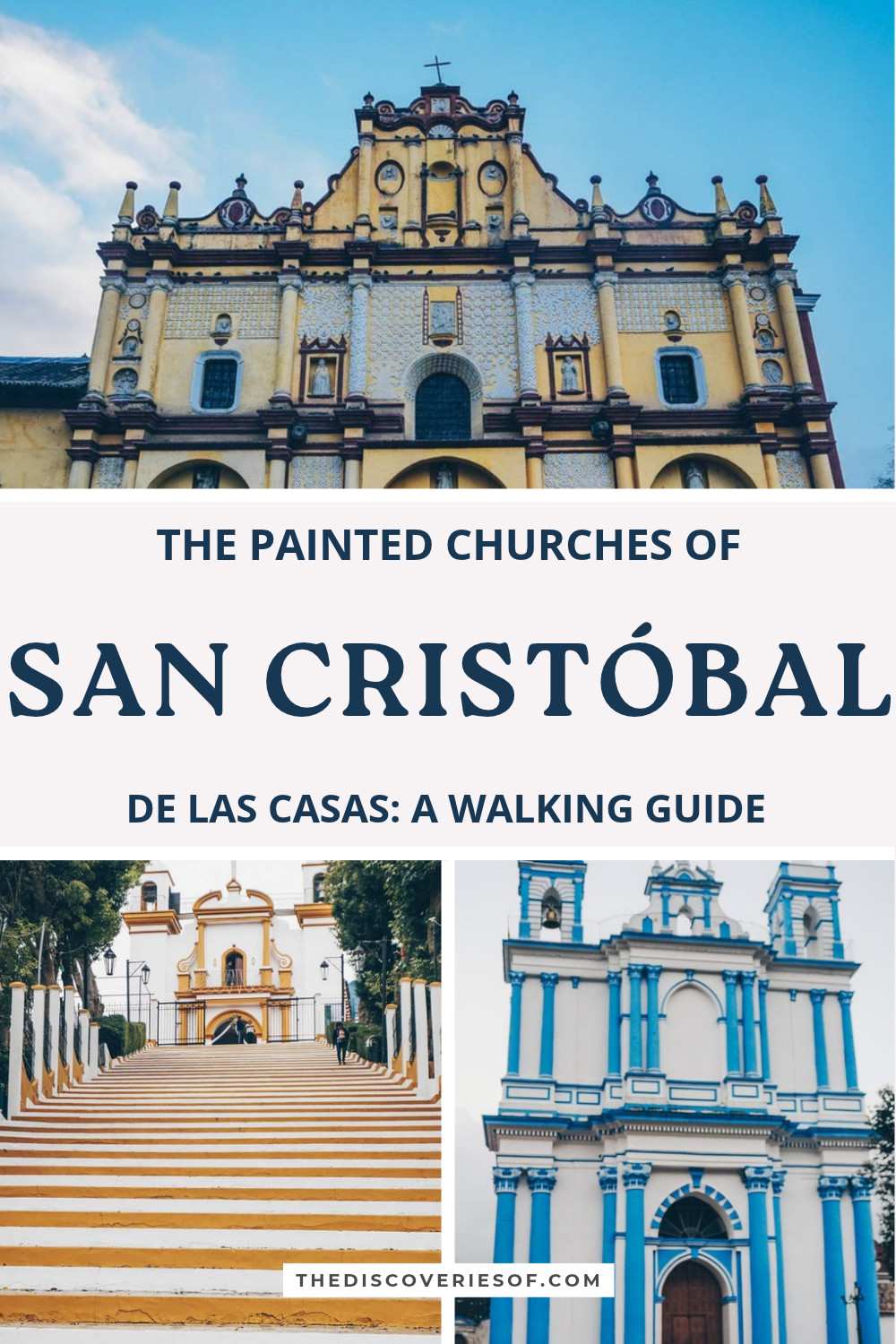
The churches are a big part of what makes San Cristóbal feel so different from the rest of Mexico. The Dominicans, Franciscans and Mercedarians arrived within a few decades of the town’s founding in 1528, and their churches now sit in the town’s old barrios, each with its own saint, its own fiesta and its own colour. My photos here are from my own wanders around town, and this is my guide to the churches of San Cristóbal de las Casas, with a walking route that strings them together.
The churches of San Cristóbal at a glance
- Iglesia de San Cristobalito: the red-and-white church on the hill to the west, for the best view in town.
- Iglesia de Guadalupe: the yellow-and-white church on the hill to the east, up 79 steps.
- The cathedral: the canary-yellow baroque facade on the main square.
- Templo de Santo Domingo: the carved pink-stone facade to the north, with the textile market outside.
- Templo de San Nicolás: the oldest unaltered church in town, just off the main square.
- Iglesia de Santa Lucía: the turquoise-and-white church east of the centre.
- The Arco del Carmen: the red brick tower and gateway at the south end of the centre.
Iglesia de San Cristobalito

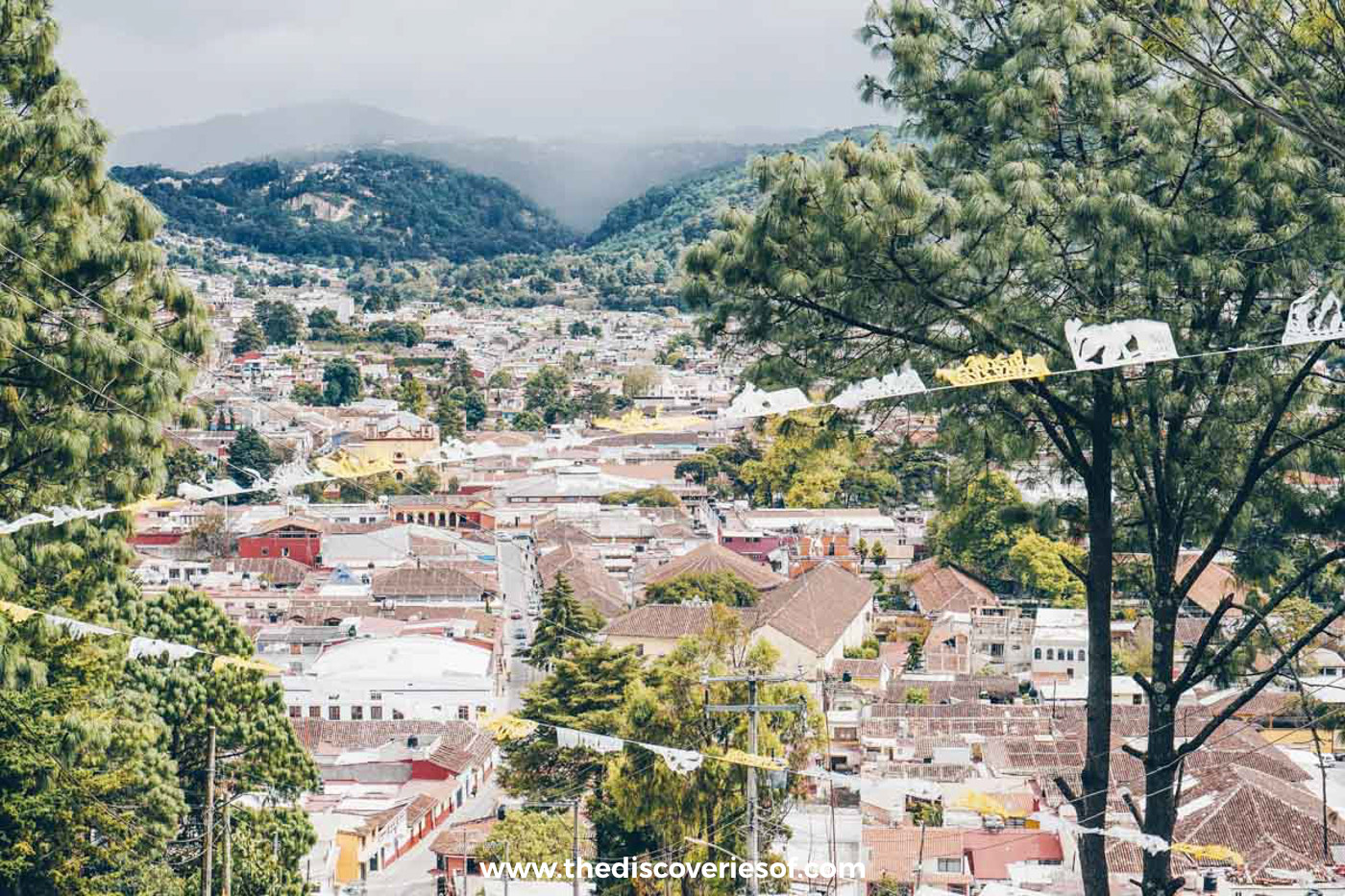
If you want to catch the best views of San Cristóbal de las Casas, climb the hills to one of the two churches perched above the town. The Iglesia de San Cristobalito is the first of these, a pretty red-and-white church dedicated to the town’s patron saint, on the Cerro de San Cristóbal just southwest of the centre.
It’s a steep walk up a long staircase, and at over 2,200 metres you’ll feel it. The church itself is small, but the views are the real draw: the red rooftops and church towers of the whole town laid out below you, with the pine-covered mountains of the Chiapas highlands all around.
Iglesia de Guadalupe
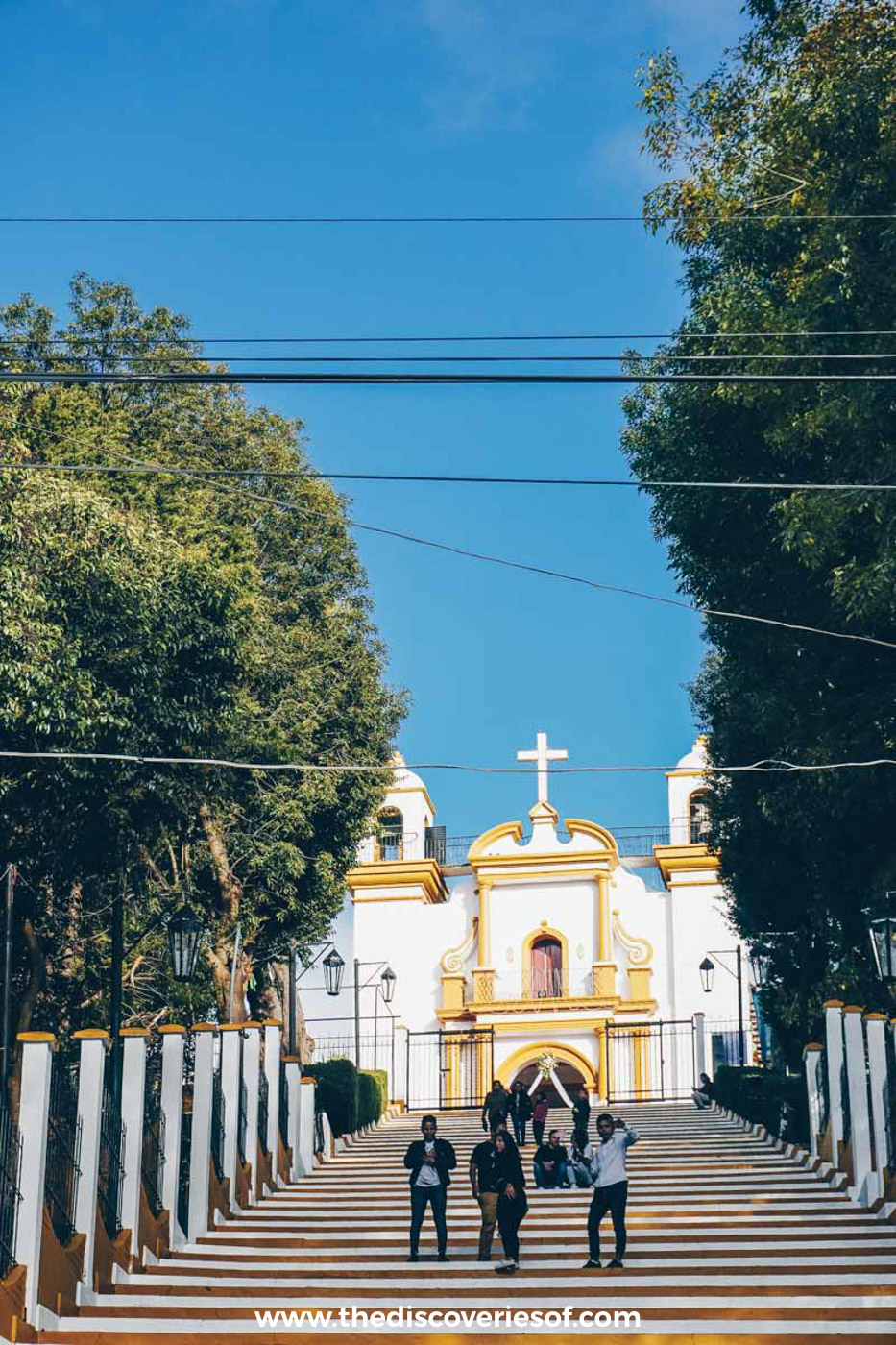
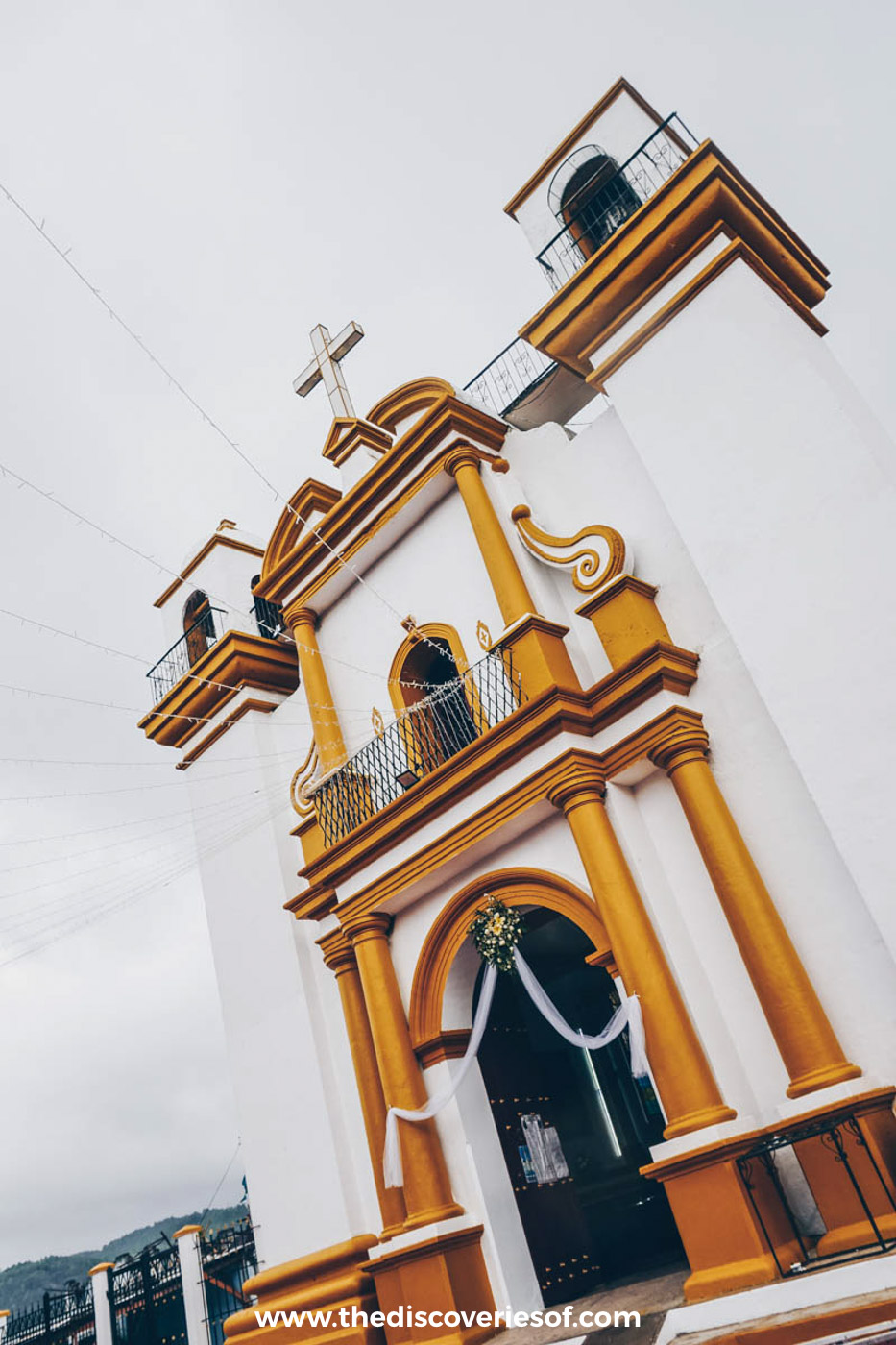
The second of the two hilltop churches is the Iglesia de Guadalupe, at the far eastern end of the long pedestrian street that carries its name. It was built in 1834, and you reach it up a painted stairway of 79 steps on the Cerro de Guadalupe.
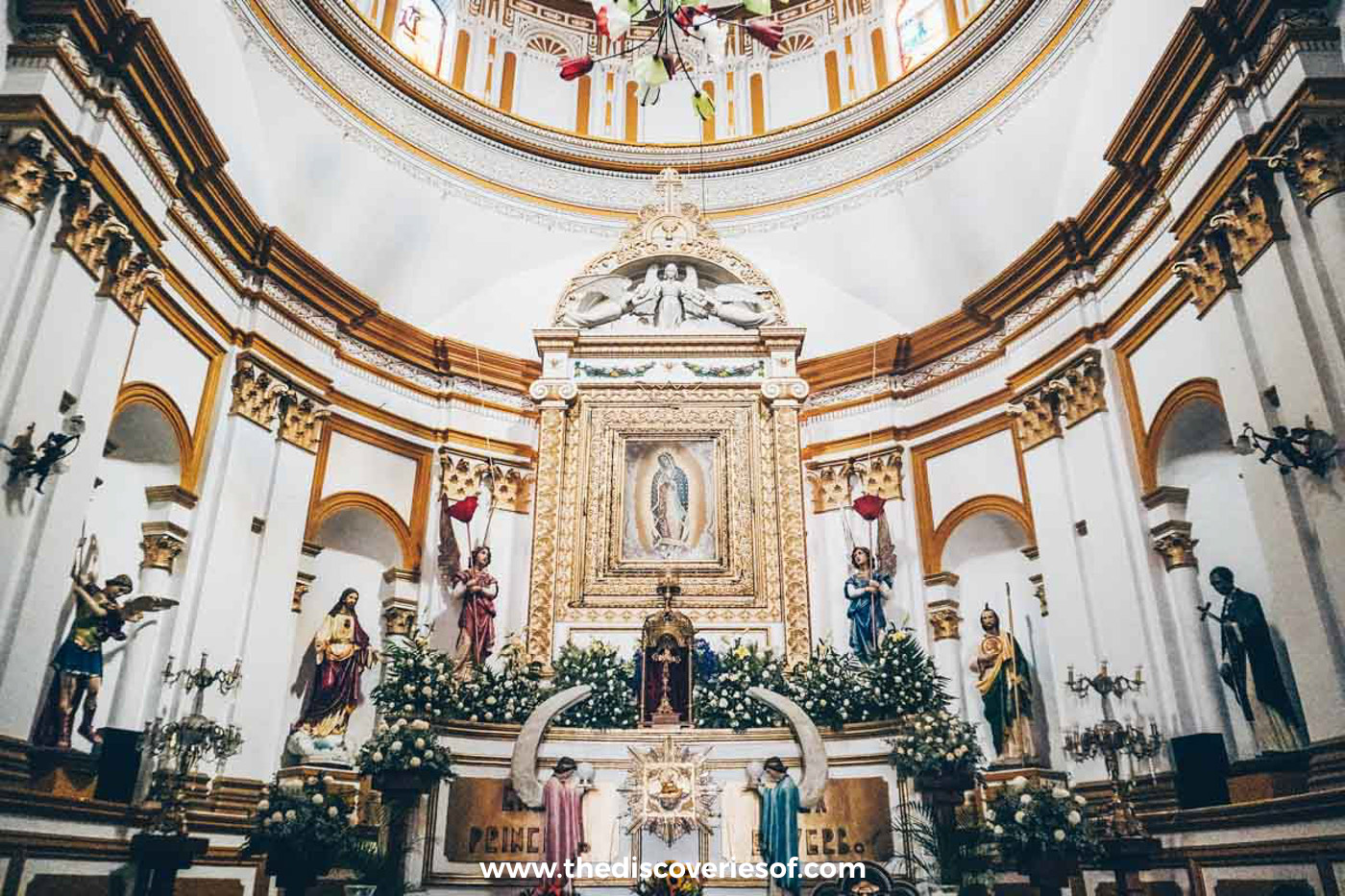
Like San Cristobalito, the biggest attraction is the view, looking back down over the town and beyond. But it’s worth going inside too: the interior is a bright white-and-gold space, with the image of the Virgin of Guadalupe above the altar.
Top Tip
The church is the focus of a big pilgrimage and fiesta for the Virgin of Guadalupe on 12 December, with processions, music and fireworks in the days running up to it. It’s a brilliant time to be in town, but expect crowds on the stairs.
The cathedral
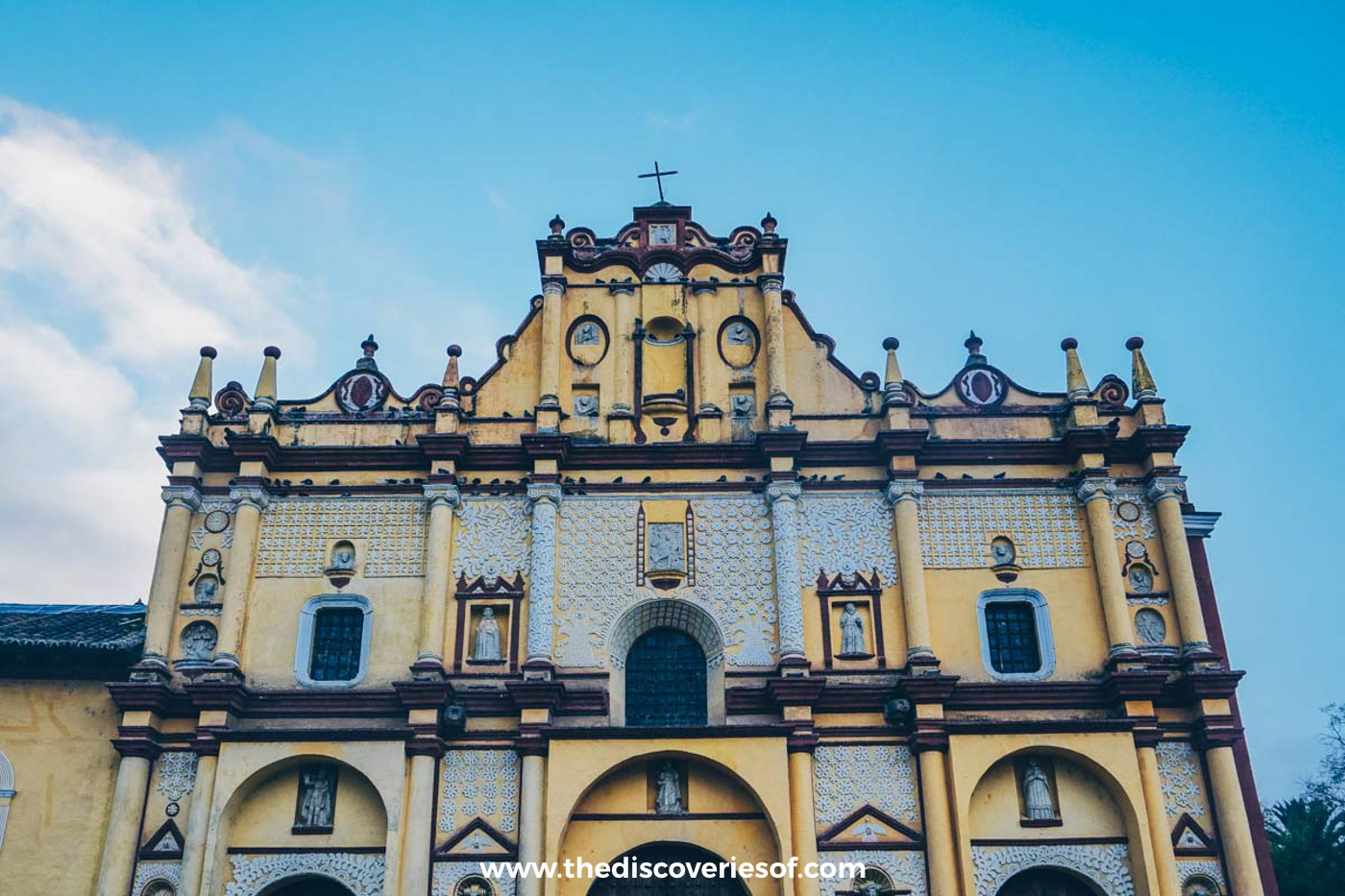
The cathedral, the Catedral de San Cristóbal Mártir, faces onto the main square, the Plaza 31 de Marzo. A modest church went up here in 1528, the year the town was founded, but it was torn down and replaced in the 17th century when Chiapas became a diocese, and the main facade was finished in 1721.
That facade is the one everyone photographs: a wall of canary yellow, picked out in white and red stucco and framed by twisting Solomonic columns. It looks at its best in the late afternoon, when the sun hits it full on.
Templo de Santo Domingo and La Caridad
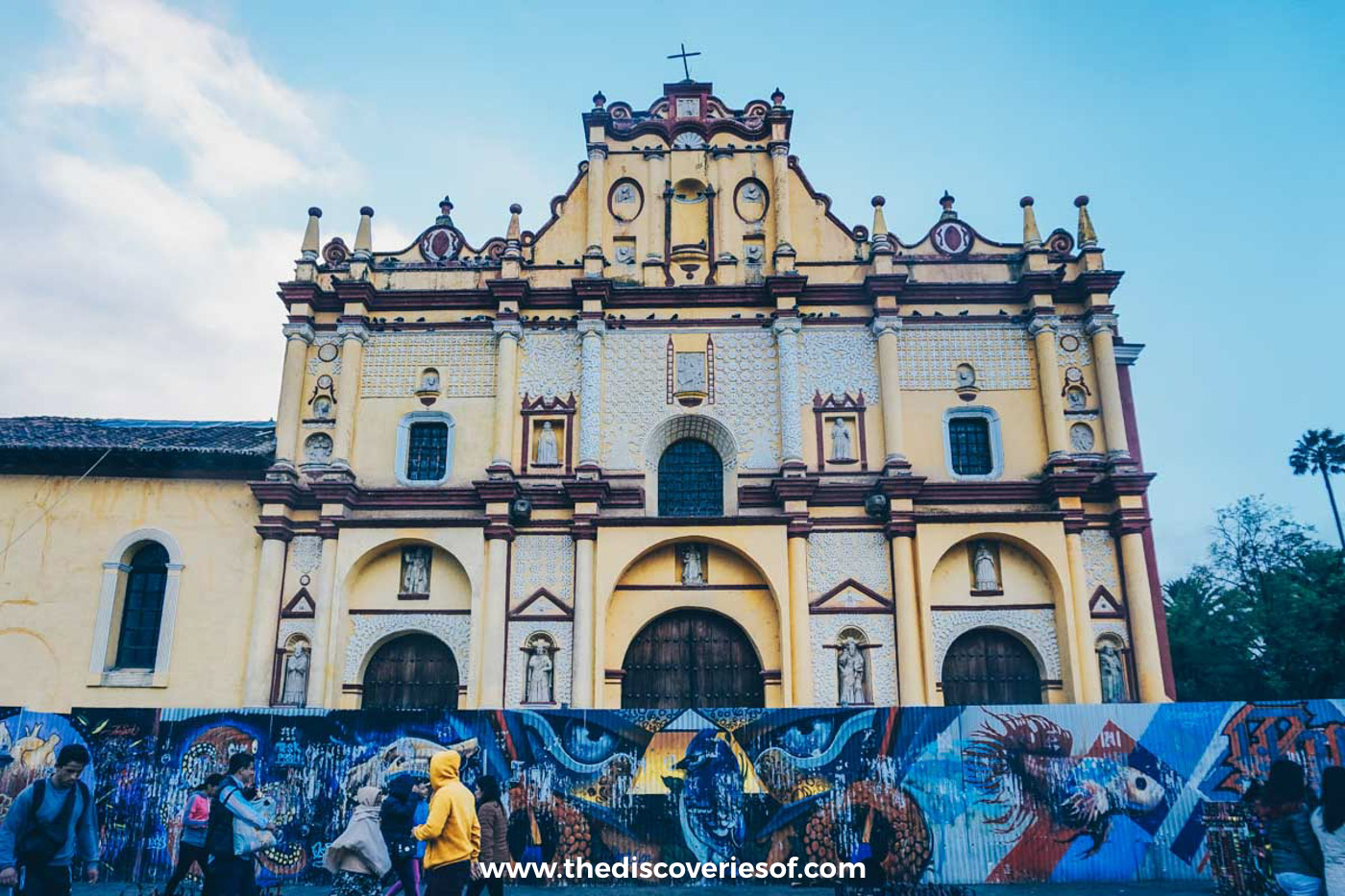
A ten-minute walk north of the cathedral, along the pedestrian Andador Eclesiástico, the Templo de Santo Domingo de Guzmán is the grandest church in town. The Dominicans laid its first stone in 1547, and its facade is a riot of carved columns, saints and plasterwork, designed to look like a giant altarpiece. Inside, the walls and altarpieces are covered in gold leaf.
Next door, the smaller Templo de la Caridad was built in 1712 as part of the town’s first hospital for indigenous people. The square in front of both is home to one of the best artisan markets in town, where Maya weavers from the highland villages sell their textiles.
Tickets
Santo Domingo is free to visit. The former convent next to it houses the Centro Cultural de los Altos de Chiapas and the Centro de Textiles del Mundo Maya, open Tuesday to Sunday, 9am to 6pm.
Templo de San Nicolás
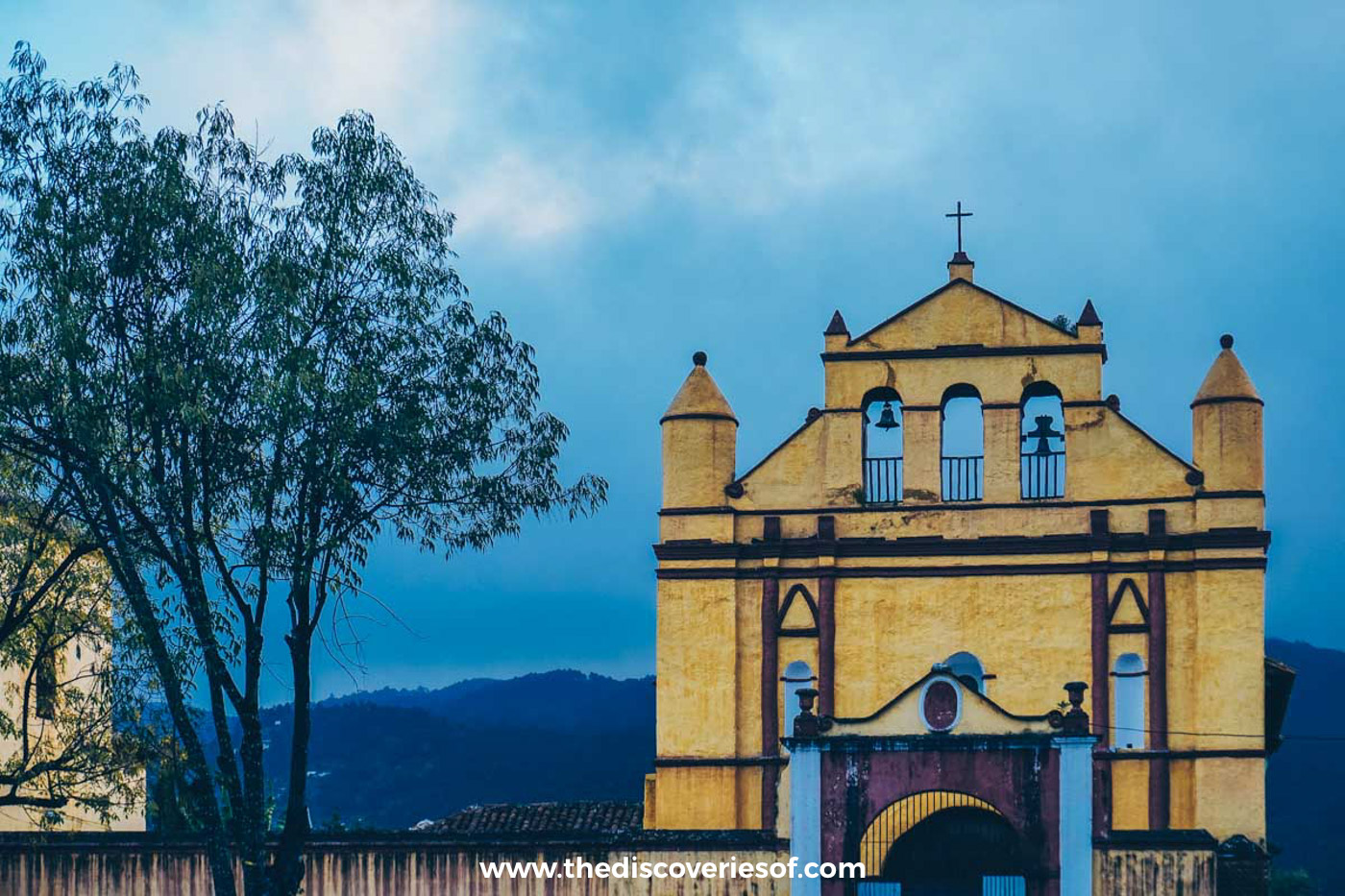
Just off the main square, the Templo de San Nicolás looks humble next to the cathedral, but it’s one of the most important churches in town. It was built between 1613 and 1621 for the indigenous population, with a steep, pyramid-shaped roof of wood and tile, and it’s the only church in San Cristóbal that hasn’t been significantly altered since it was built.
Iglesia de Santa Lucía
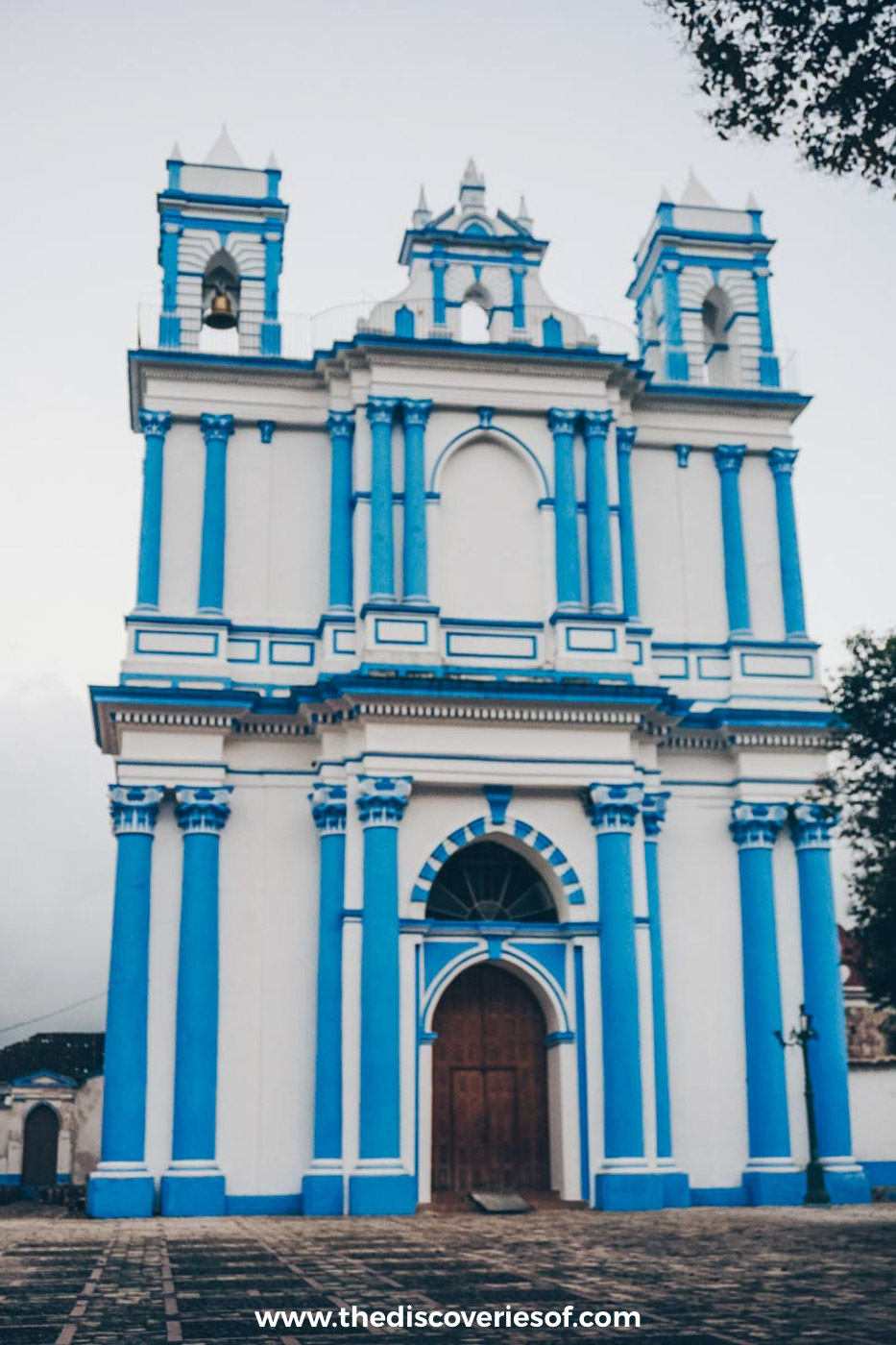
The Iglesia de Santa Lucía keeps up San Cristóbal’s habit of brightly coloured churches. This turquoise-and-white church, east of the centre, was built in 1884 over an older chapel, with a Gothic-style altar inside.
Top Tip
The barrio celebrates its saint on 13 December, when blue and white flags flutter all over the church.
The Arco del Carmen
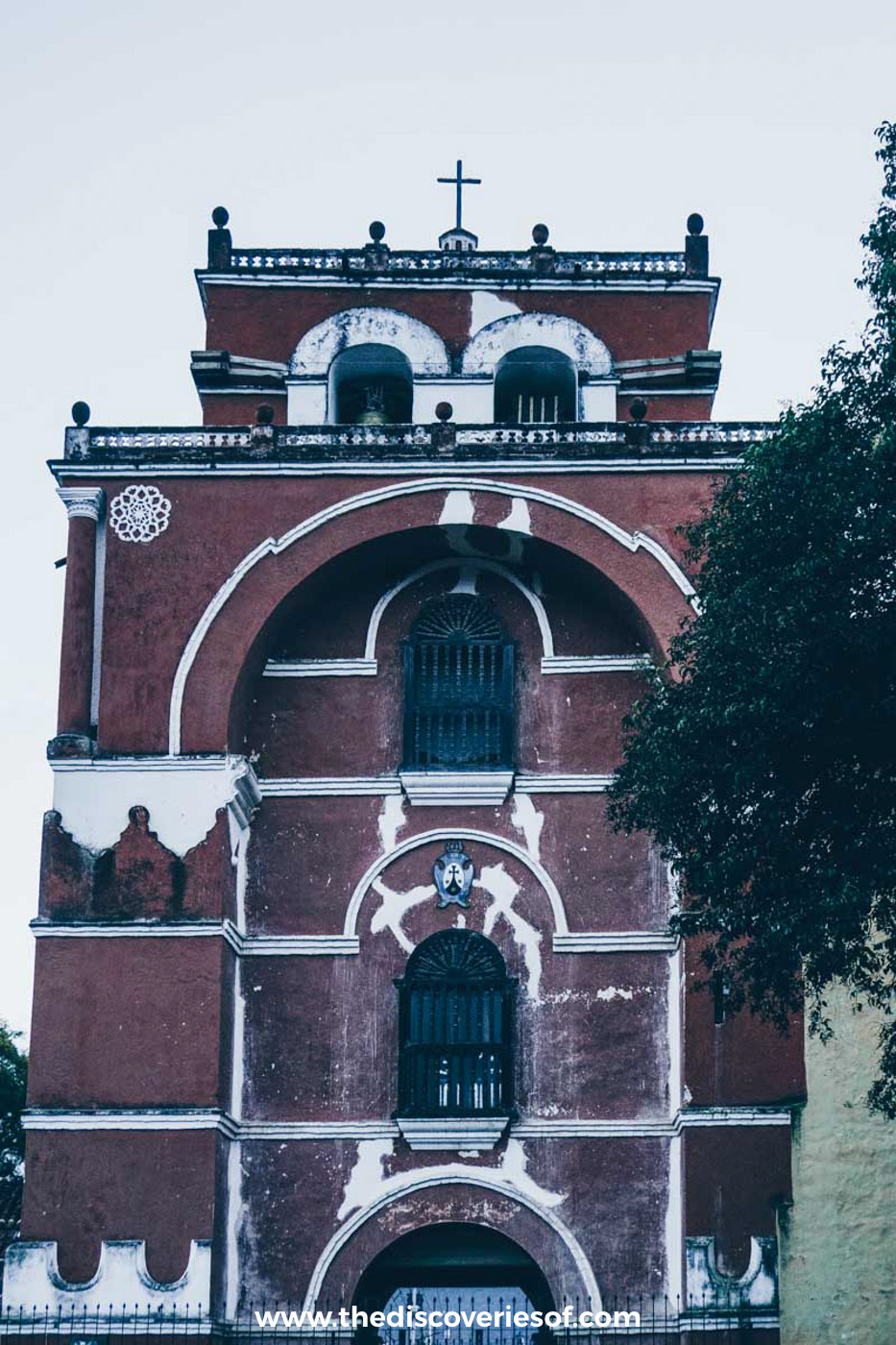
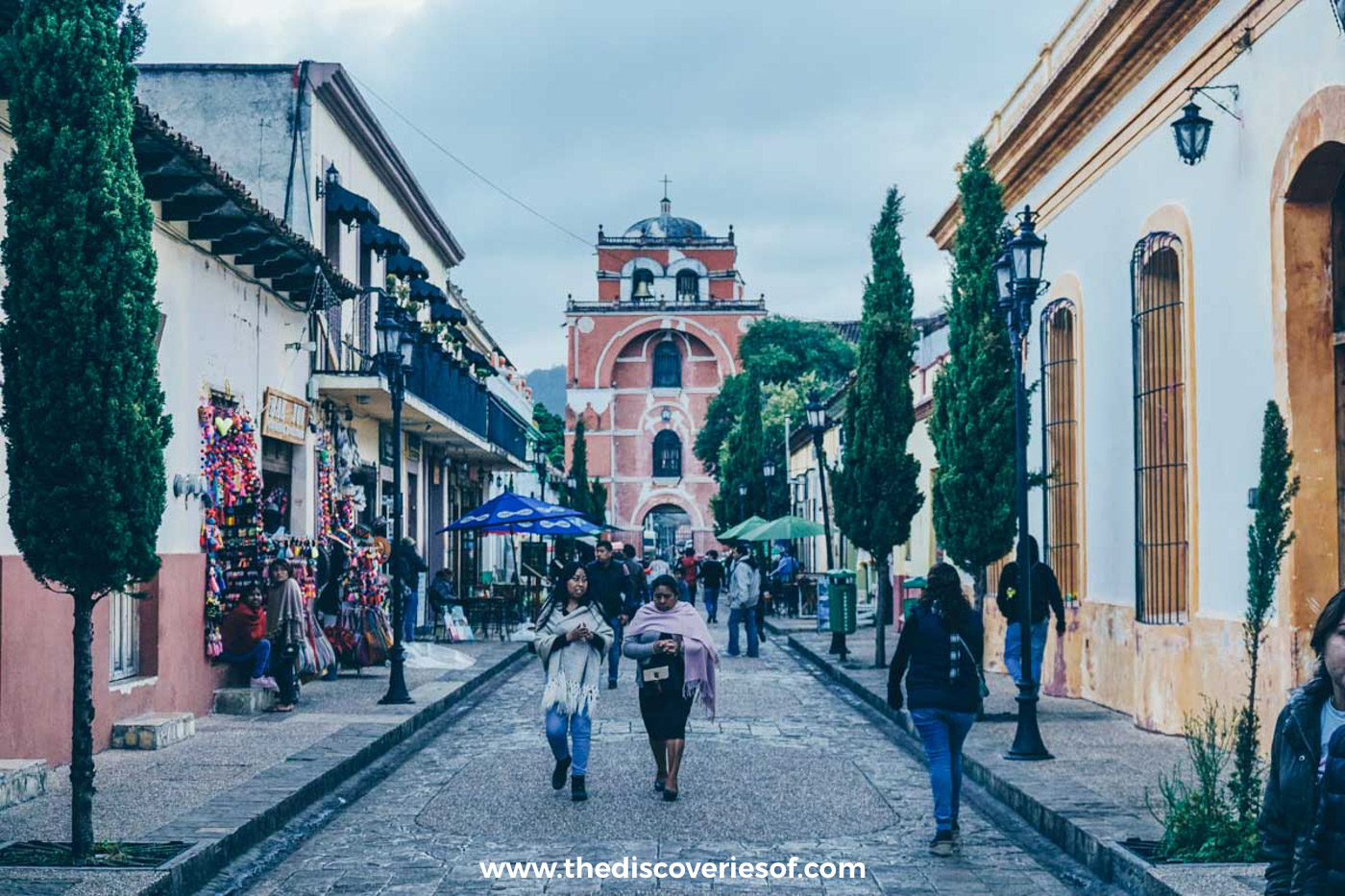
At the southern end of the Andador Eclesiástico, the street passes under a red brick tower with an arch at its base. The Arco del Carmen was built in the late 17th century as part of the convent of La Encarnación, and it’s considered one of the finest examples of Mudéjar (Moorish-influenced) architecture in Chiapas. The Templo del Carmen beside it is the only part of the convent left.
The arch also makes the best frame in town for photos looking up the street.
Beyond town: the church at Chamula
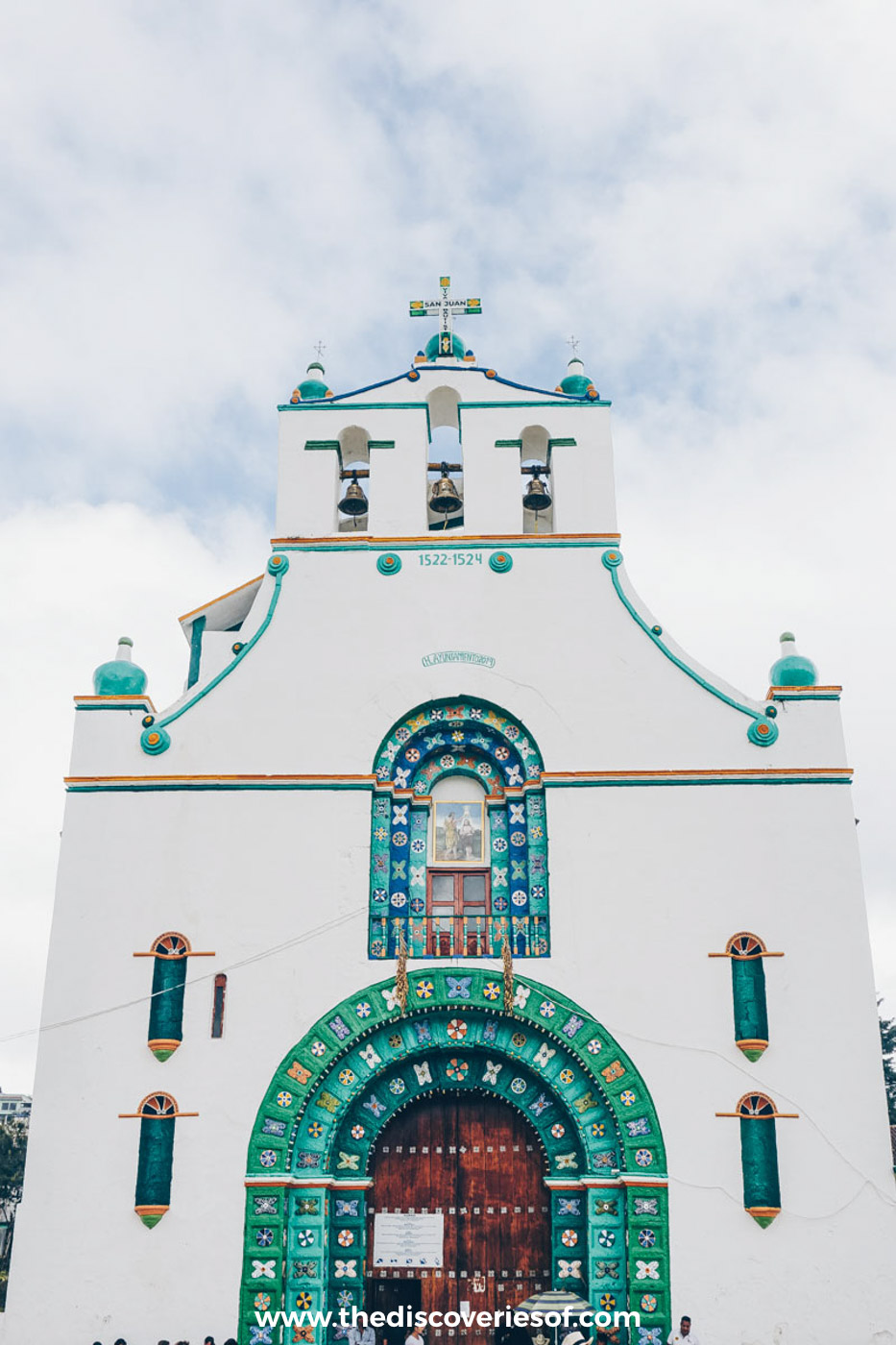
The most extraordinary church in the area isn’t in San Cristóbal at all. The Iglesia de San Juan in Chamula, about 15 minutes’ drive away, looks like a normal whitewashed church from the outside. Inside, there are no pews, the floor is scattered with pine needles and families pray among thousands of candles. Even though I’ve travelled pretty extensively, it’s one of the most memorable and certainly most unique things I’ve seen on the road.
Photography is strictly forbidden inside, and you buy your ticket at the tourist office on the square first. Next door in Zinacantán, the Iglesia de San Lorenzo is filled with flowers from the village’s greenhouses, and the two are usually visited together.
A walking route around the churches of San Cristóbal
All of the churches in town are within walking distance of each other, and you can see them all in a day. The town is compact, but it’s hilly and high, so take your time.
- Morning, Santo Domingo and La Caridad: start at the market, before it gets busy.
- Walk south along the Andador Eclesiástico to the cathedral: about ten minutes. San Nicolás is just off the square.
- Walk east along the Andador Real de Guadalupe: to the steps up to the Iglesia de Guadalupe, about 15 minutes.
- Head south to Santa Lucía: then west to the Arco del Carmen.
- Finish at San Cristobalito: it’s about a 30-minute walk between the two hilltop churches, with a steep climb at either end, and the view is the perfect end to the day.
Top Tip
Visit the two hilltop churches in daylight. The stairways are quiet after dark, and it’s best not to walk them alone at night.
Tips for visiting the churches of San Cristóbal
- Dress respectfully: cover your shoulders and take off your hat inside.
- Be discreet with your camera: these are working churches, so put it away during services and ask before photographing people.
- Pace yourself on the climbs: San Cristóbal is at over 2,200 metres, so the stairways feel steeper than they look.
- Bring a jacket: the highland mornings and evenings are cool, even when the days are warm.
- Time it with a fiesta: each barrio celebrates its saint, and December is especially busy with Guadalupe and Santa Lucía.
Map
Read next
- Things to do in San Cristóbal de las Casas, and the church you won’t forget in a hurry
- 2 weeks in Mexico: the perfect road trip itinerary
- 34 famous landmarks in Mexico that are worth crossing the country for
- Swim, eat and dance your way through the 38 best things to do in Mexico
- 3 days in Oaxaca: the perfect Oaxaca itinerary
Love this? Save and share on Pinterest

Discover the top things to do, insider tips and hidden gems in our Mexico Travel Guide.
Read the guides →