Ready to discover the best things to do in Valparaíso? From the mural-covered stairways of Cerro Concepción to Neruda’s house on the hill and a proper empanada de pino, it’s time to explore this vibrant South American port city.
The iconic port city of Valparaíso beats to its own drum, bursting with colourful streets, steep stairways, balmy beaches and empanadas galore (yum). Its inimitable charm spills out of picturesque clifftop homes and beguiling 19th-century architecture, spread across more than 40 hills above a working harbour. Its historic quarter has been a UNESCO World Heritage Site since 2003.
Santiago might hog all the attention, but if you venture out to Valparaíso, don’t be surprised if you fall head over heels for its charms.
I visited on a July day trip from Santiago, on a coast tour that also took in a winery in the Casablanca Valley and the beach city of Viña del Mar. It was the middle of the Chilean winter, but the sky was a brilliant blue. I rode an ascensor up into the hills, walked the stair murals between Cerro Concepción and Cerro Alegre, saw Pablo Neruda’s house, La Sebastiana, and stopped for an empanada de pino at La Conquistada.
Join me as I share the must-see attractions and hidden treasures of Valparaíso, along with the tips that make the city easier to explore. Let’s go!
Some links in this article may be affiliate links, which means we may receive a small commission, at no additional cost to you, if you decide to purchase through one of my recommended partners.
Top tip: Valpo is all hills, stairs and cobbles, so wear comfortable shoes with decent grip and carry small change for the ascensores (funiculars). Keep your phone and camera close in the lower town and around the port, where petty theft is common, and take a taxi or ride-hailing car back up the hills after dark.
Unmissable things to do in Valparaíso
Admire the street art and stair murals


If you thought Santiago was a street art hub, Valparaíso is the mecca.
If you know me, you’ll know I’m obsessed with exploring local street art scenes. I’d also taken a street art tour of Bellavista and Barrio Yungay in Santiago with a local guide, but if Santiago’s scene is burgeoning, Valparaíso’s is fully fledged. It’s an international street art powerhouse, and one of the best places in Latin America to see thought-provoking and challenging (but beautiful) pieces.
This is where you’ll come across some of the most touching and thought-provoking visuals and murals in Chile. Don’t forget your camera: trust me, these are worth every shot.
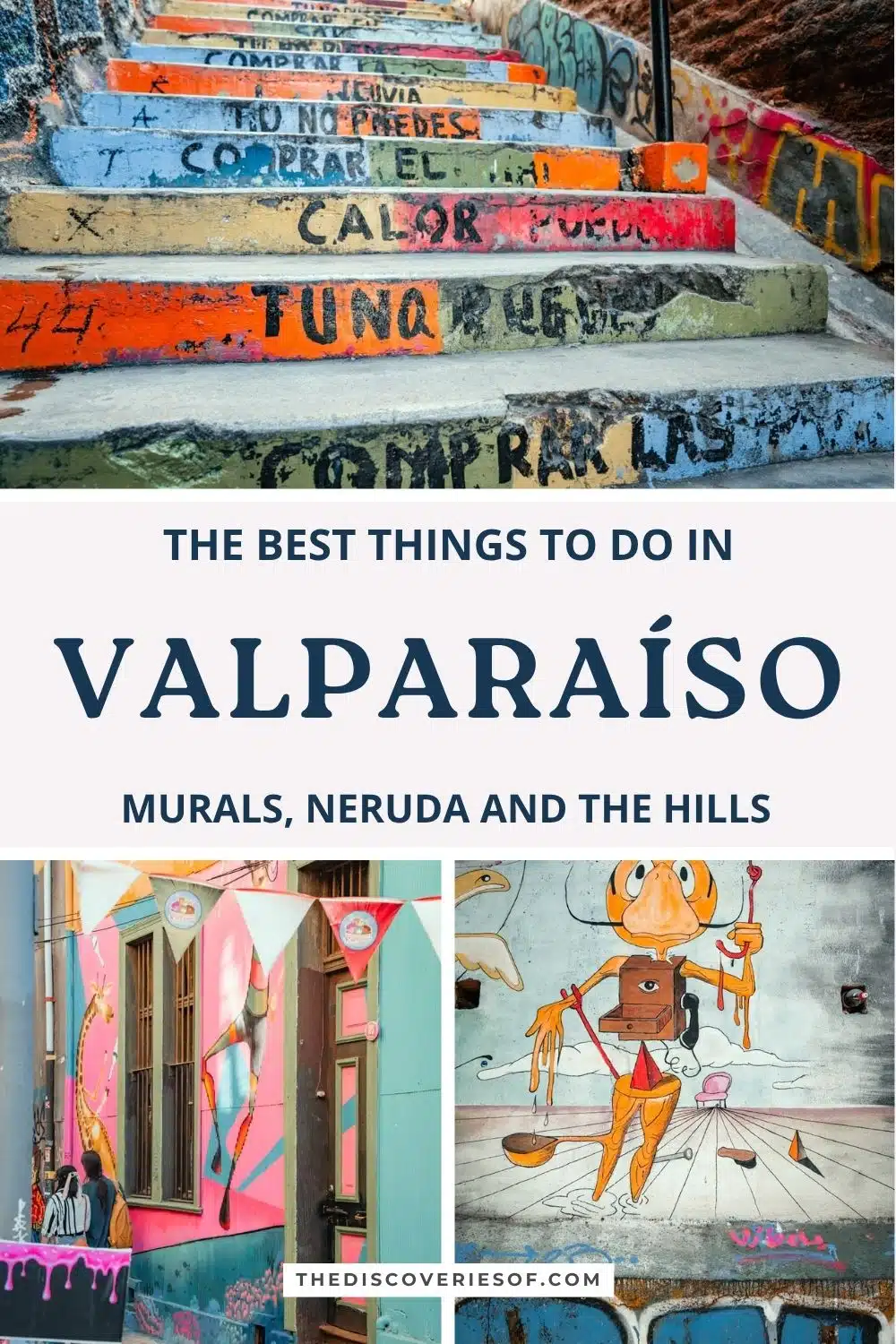
Start your street art escapade on Cerro Concepción, where you’ll find a high concentration of captivating pieces around every corner. Funky hues and psychedelic geometric shapes assault your senses, making you question reality everywhere you look.
Oh, and don’t skip the stairs from Almirante Montt via Palma to Dimalow unless you want to miss out on a cluster of street art, quirky cafés and independent shops. The route links the two hills, so it’s an easy way to see both.
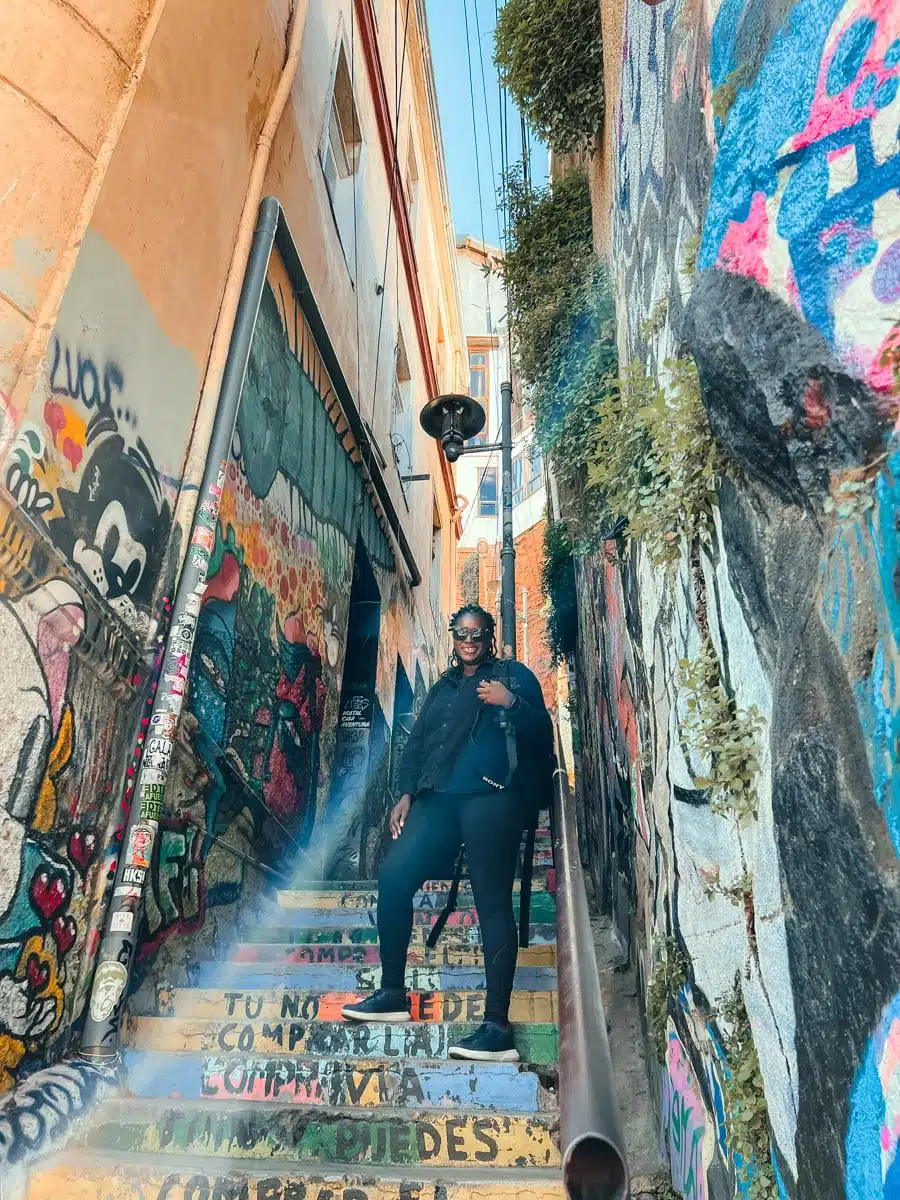
In Valparaíso, the stairways are canvases too. Climb the Escalera Fischer from Calle Urriola to Pasaje Gálvez, one of the most colourful corners of Cerro Concepción, and turn right at the top for the steps painted with lyrics from Calle 13’s “Latinoamérica”, a protest anthem about everything that can’t be bought. Across Urriola, the Escalera Apolo marks the edge of Cerro Alegre, and on Almirante Montt look up for “La mamie de Valparaíso”, a grandmother gazing out over the city from the corner of a house, painted by the French duo Ella & Pitr.
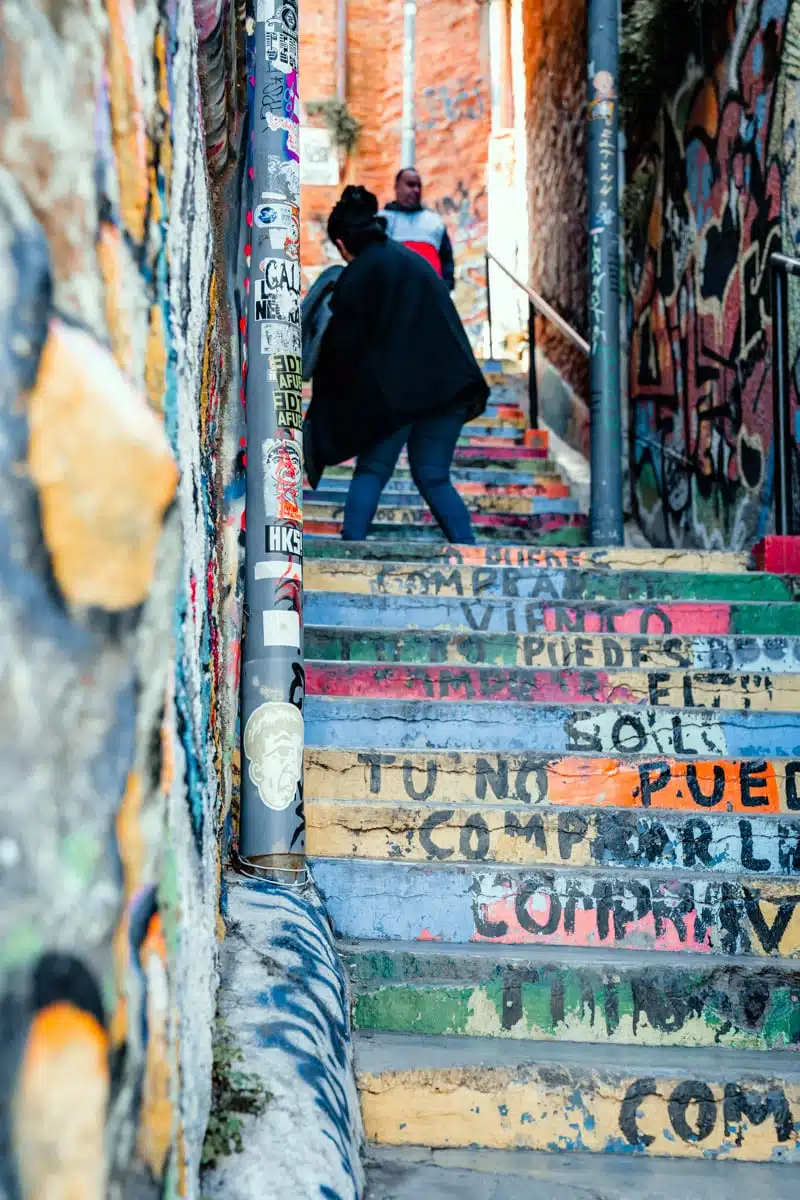
The murals change all the time, as artists paint over old work, so no two visits are quite the same. Go in the morning, before the tour groups arrive, if you want the stairways to yourself. If you’d like to know who painted what and why, a walking tour is the best way to see it (more on those below).
Hop onto an ascensor
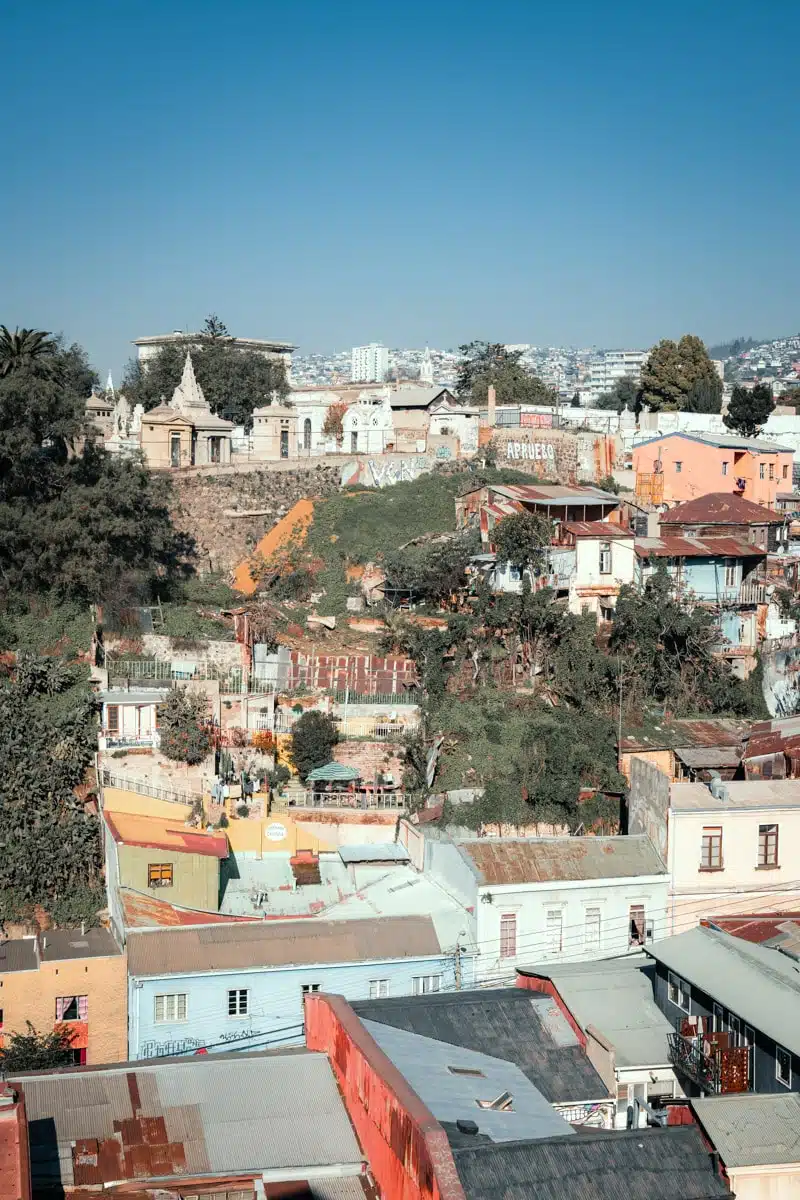
Valparaíso is well-known for its enchanting steep hillsides. While climbing these hills is rewarding for the breathtaking panoramic views, I wouldn’t want to leave you with aching feet and burning thighs. The solution? Hopping on an ascensor (funicular).
These century-old funiculars are a practical (and fun) way to conquer the city’s steep slopes. Although they’re a big part of Valparaíso’s charm, locals still use them to get to and from home every day. Locals pay CLP 200 to 300 a ride, while foreign visitors are now charged CLP 1,000 a ride on most of the city-run lifts. That’s still a bargain for the view, but have small notes or coins ready.
I recommend the Ascensor Reina Victoria if you’re near Plaza Aníbal Pinto. It climbs from Calle Elías to Paseo Dimalow on Cerro Alegre, and it’s the one I rode up into the hills. The Ascensor El Peral, which runs from Plaza de la Justicia, next to Plaza Sotomayor, up to Paseo Yugoslavo, is the easiest way to reach the Palacio Baburizza, and the Ascensor Espíritu Santo takes you up Cerro Bellavista towards La Sebastiana.
Not every ascensor is running, though. Only around eight of the city’s historic lifts currently operate, including Reina Victoria, Concepción, El Peral, Barón, Espíritu Santo and Cordillera, usually from about 7am (8am at weekends) to 9.30pm. The famous Funicular Cerro Artillería, which used to carry visitors up Artillería Hill to the Museo Marítimo, has been out of service since April 2021. A restoration of its stations is under way, but there’s no reopening date yet, so for the museum and the views from Paseo 21 de Mayo, take a taxi or walk up from the lower town.
Visit Pablo Neruda’s house in Valparaíso


If you’re into literature or Chilean political history, you’ll know how important Pablo Neruda is as a poet and a politician. He won the Nobel Prize for Literature in 1971, served as a senator for the Communist Party and as Salvador Allende’s ambassador to France, and died just 12 days after the military coup of September 1973.
Neruda’s legacy has left an everlasting imprint on Chile’s history, and you can barely walk around Santiago or Valparaíso without hearing his name.
It makes sense, then, that one of the best things you can do as a history buff is to visit Pablo Neruda’s house in Valparaíso. Known as La Sebastiana, it was built on the half-finished work of a builder called Sebastián Collado, which Neruda reshaped into an eclectic house of stairs and odd corners that seems to float above the city. Inside, it’s crammed with the curios he collected on his travels, and the study on the top floor has one of the most spectacular views of the bay.
Neruda had three houses in Chile, and I thought La Sebastiana was even prettier than La Chascona, his house in Santiago (here’s how to fit La Chascona into one day in Santiago).
Top tip: La Sebastiana (Ferrari 692, Cerro Bellavista) is open Tuesday to Sunday from 10am to 6pm, and until 7pm in January and February. It’s closed on Mondays. Tickets cost CLP 7,000 for general admission, including an audio guide in English. You can’t book ahead: entry is first come, first served, so arrive early at weekends. To get there, ride the Ascensor Espíritu Santo and walk about ten minutes up Calle Ferrari, or take a taxi.
See the piano stairs

What if I told you that one of the best things to do in Valpo involves musical steps on Beethoven Street? Crazy, right?
The piano stairs and their surroundings display colourful geometric patterns and are accessible 24/7 for free (obviously, since they’re public).
There’s a bit of mystery surrounding them too. For years nobody seemed to know who painted them, although Chile’s tourist board now credits them to a local musician who goes by Chino Atonal. The stairs sit on Pasaje Beethoven, just around the corner from the Lutheran Church of the Holy Cross, the 1897 church whose spire you’ll see on the skyline of Cerro Concepción.
Visit this famous tourist attraction by hopping on the Ascensor Reina Victoria: the stairs are a couple of minutes’ walk from its top station. And voilà, you have a backdrop for your next social media posts.
Top tip: Prepare to wait for your photo during peak times. Early morning is the quietest time to visit.
Wander the winding streets of Cerro Alegre

After taking in all the cool sights on Cerro Concepción, it’s time to explore another of Valparaíso’s charming neighbourhoods, Cerro Alegre.
Perched on one of the city’s many hills (there are more than 40), Cerro Alegre is charismatic and vibrant, which is pretty fitting for a place whose name translates as “Cheerful Hill”.
British and German merchants settled on Cerro Alegre and Cerro Concepción in the 19th century, when Valparaíso was the biggest port on the Pacific coast of South America, and their grand houses, churches and promenades still give the two hills their character. Boasting a unique concoction of history, culture and aesthetically pleasing architecture, it’s a must. Expect winding cobblestone streets dotted with colourful houses and bright murals.
Walking through this neighbourhood feels like an open-air gallery. When you need a rest, you’ll have a variety of restaurants, boutique shops and cafés to choose from, especially along Almirante Montt, Paseo Dimalow and the streets around Paseo Yugoslavo.
Go up to the Cerro Concepción viewpoint


I’ve mentioned a few scenic funiculars above, but let me introduce you to the Ascensor Concepción. Inaugurated on 1 December 1883, it’s the oldest funicular in Valparaíso. It runs from Calle Prat, opposite the Turri clock tower in the lower town, up to Paseo Gervasoni on Cerro Concepción, and locals pay CLP 300 a ride.
This old-timer is also the mode of transport that will take you to the Cerro Concepción viewpoint, where vast views over Valparaíso await. You can see the city sprawled out below you, down to the sea, with all the colourful buildings and glimpses of murals rising all the way up to the city’s highest points.
Make sure your camera’s charged to snap up gorgeous photographs of the Pacific Ocean, vivid murals and brightly coloured buildings. From Paseo Gervasoni, carry on along Paseo Atkinson, a promenade lined with old houses and cafés with balconies over the bay.
Visit the Palacio Baburizza
Ride the Ascensor El Peral up to Paseo Yugoslavo and you’ll come face to face with the Palacio Baburizza, the grand mansion you’ll have spotted on the edge of Cerro Alegre from the lower town.
It was built in 1916 for the Zanelli family, with clear Art Nouveau touches in its towers, balconies and bay windows, and bought in 1925 by Pascual Baburizza, a Croatian-born businessman who made his fortune in nitrate mining. Many of the paintings inside were bequeathed by him, and since 1971 the palace has been home to Valparaíso’s fine arts museum, reopening in 2011 after a long restoration.
Come for the European and Chilean paintings, but stay for the house itself, from its grand rooms to the views from the windows. There’s a café, too. The museum is open Tuesday to Sunday from 10am to 6pm. Tickets cost CLP 6,000 for foreign visitors (CLP 4,000 for Chilean adults), and under-12s go free.
Grab lunch or dinner at La Conquistada

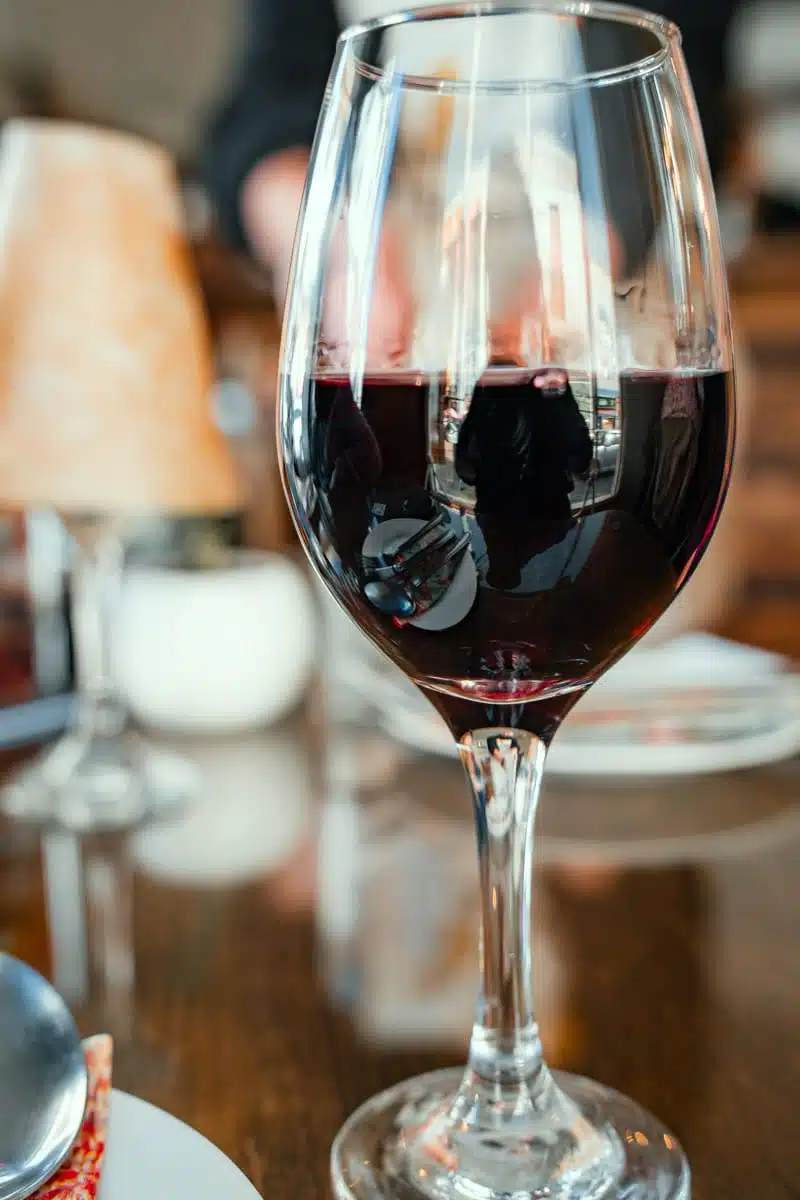
Can you call yourself a travelholic if you don’t indulge in a country’s local cuisine? I’ve got just the place for you: La Conquistada.
This is a great restaurant for traditional Chilean food, and it’s right on the walk between the two hills, at Almirante Montt 382. I opted for an empanada de pino, Chile’s classic baked beef empanada, filled with minced beef and onion along with unexpected ingredients like raisins, olives and hard-boiled egg. It was delicious, not to mention large enough to justify being a main course in itself.

Beyond empanadas, the menu covers Chilean classics like pastel de choclo (a sweet corn and meat pie), sopaipillas and fried fish, plus salads, sandwiches, beers and wines. Wash it all down with a mojito or a pisco sour, and save room for a homemade dessert like celestinos con helado or mote con huesillos, a cold drink of peaches and husked wheat that Chileans love.
La Conquistada opens daily from 12.30pm, closing at 8pm Monday to Thursday and later at weekends (9pm on Fridays and Sundays, 11pm on Saturdays). It gets busy at lunchtime, when the tour groups come through, so arrive early or late.
Hunt down the works of Un Kolor Distinto
Un Kolor Distinto is a dynamic duo in Valparaíso’s thriving street art scene: Sammy Espinoza and Cynthia Aguilera, partners in art and in life. They’re best known for their huge murals on the sides of four tall buildings in the lower town.
If you are looking for fun things to do in Valparaíso, consider tracking down these magnificent murals, each inspired by one of the astronomical turning points of the year: the summer and winter solstices and the spring and autumn equinoxes. The most famous, Solsticio de Verano (Summer Solstice), covers all 22 storeys of the Centenario building, one of the tallest in the city. In case you need the directions, here are the addresses to all four murals:
- Spring equinox: Yungay 2589
- Winter solstice: Calle Molina 531
- Autumn equinox: Avenida Pedro Montt between Rodríguez and Freire
- Summer solstice: the Centenario building, Bellavista 168, at the junction with Calle Blanco
The pair also have a small studio and gallery on Cerro Alegre, on the corner of Montealegre and Miramar near Paseo Yugoslavo, where they sell canvases and prints.
Explore the open-air museum on Cerro Bellavista
If you’re heading to La Sebastiana, give yourself time for the Museo a Cielo Abierto (Open-Air Museum) on Cerro Bellavista, just below it.
The project began in 1969 and was revived in the early 1990s, when leading Chilean artists, among them Roberto Matta, painted murals on the walls and stairways of this residential hill. It’s free and open at all hours: just ride the Ascensor Espíritu Santo up from Calle Huito and follow the murals along the streets and stairs.
The paintings are older and more faded than the newer pieces on Cerro Concepción, but the hill is far quieter, and the views of the sea are lovely. Look out for the Escalera Santa Lucía off Calle Ferrari, decorated with mosaics of Valparaíso, and the Plaza de los Poetas, whose stairways honour Chile’s poets, Neruda included.
Sip sundowners on the roof terrace at Fauna
It’s time to throw caution to the wind, and what better way to do so than sipping on a snazzy drink as you gaze upon the dazzling city skyline?
Make your way to the Fauna Hotel’s terrace bar on Paseo Dimalow in Cerro Alegre, a few steps from the top of the Ascensor Reina Victoria. Come in the late afternoon and stay for the sunset over the bay.
The restaurant and bar are open daily from 12.30pm to 10.30pm, with excellent bartending and cuisine. Expect locally crafted beers, an expansive wine list and both signature and traditional cocktails. You won’t go wrong with the local special, the pisco sour. Terrace tables go fast at weekends, so book ahead if you want a sunset seat.
See the port from the water
Valparaíso was built on its harbour, and the best way to see how the city tumbles down its hills to meet it is from the sea.
Boats leave from Muelle Prat, the pier in front of Plaza Sotomayor, for short trips around the bay. Shared boats wait until they fill up, take about half an hour and cost around CLP 5,000 a person, passing the container cranes, navy ships and, if you’re lucky, sea lions. Touts on the pier will try to sell you a private boat, so ask a few operators and agree the price before you board.
Afterwards, take a look around Plaza Sotomayor, the city’s grand main square, with the blue naval headquarters building and the Monument to the Heroes of Iquique.
Take a wine tour of the Casablanca Valley
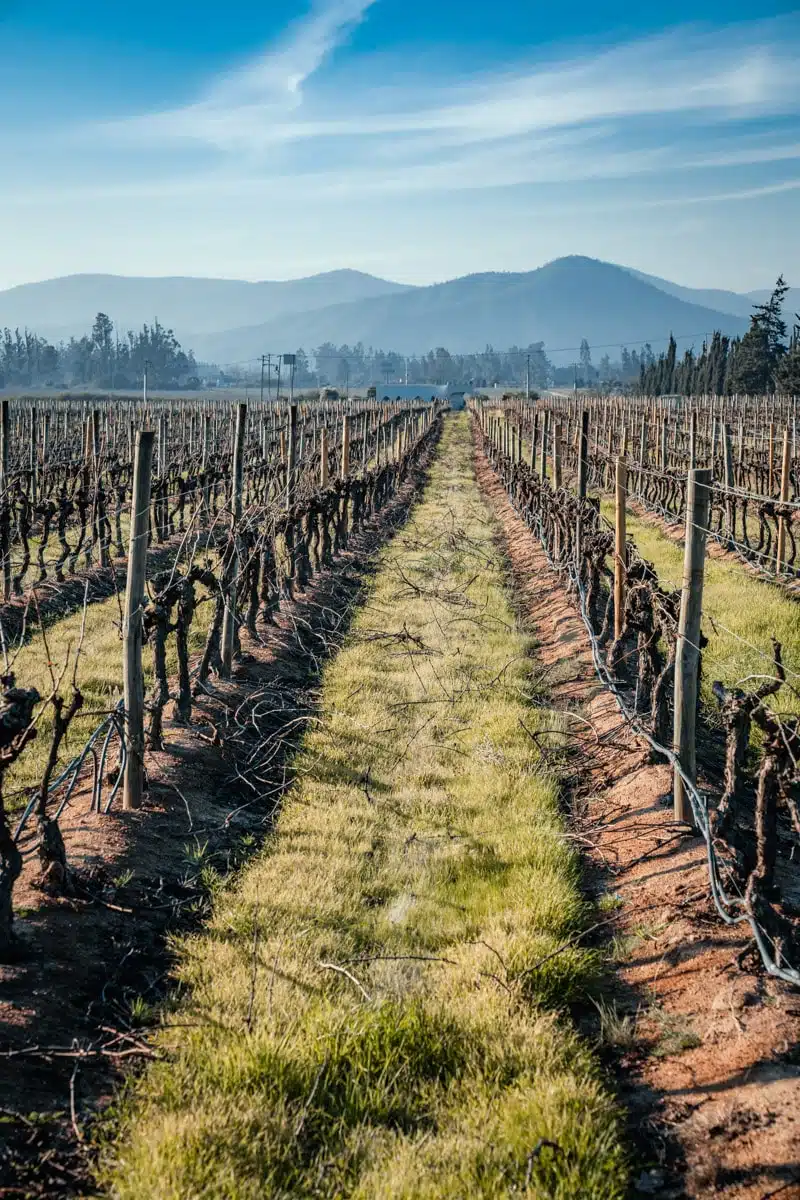
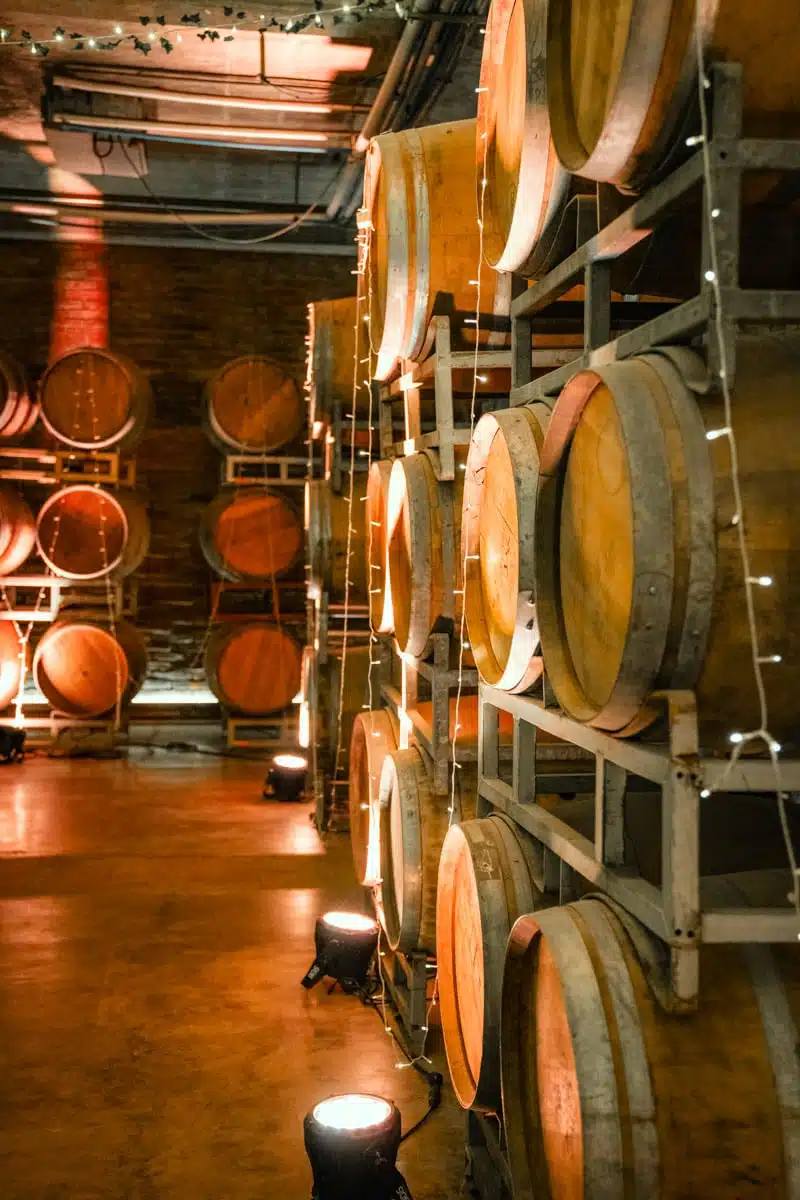
If you consider yourself a wine connoisseur, visiting Valparaíso without touring the Casablanca Valley would be an injustice.
This Chilean wine-growing region, about 40km inland on Ruta 68, is Chile’s best-known cool-climate valley. Sea breezes and morning fog from the Pacific allow winemakers to produce some of the country’s finest white varieties, like Chardonnay and Sauvignon Blanc.
This is where my coast tour started, with a relatively short but engaging tasting at Casa Viñamar that finished on a glass of its Método Tradicional Extra Brut. Here’s my full guide to visiting the Casablanca Valley.
You can tour the Casablanca Valley by yourself, but almost every winery now works by reservation, so book a day or two ahead. Tastings start at around CLP 15,000 for a short tour, with fuller tastings and premium experiences at CLP 35,000 to 70,000. Luckily, most wineries are pretty close to each other. Chile has a zero-tolerance approach to drink-driving, so if you drive, your designated driver sticks to water.
Top tip: Want the wine without the hassle? Opt for this wine-tasting tour, a full day from Santiago that combines a Casablanca tasting with Viña del Mar and Valparaíso.
Hidden gems and day trips off the beaten track
Pop over to Viña del Mar
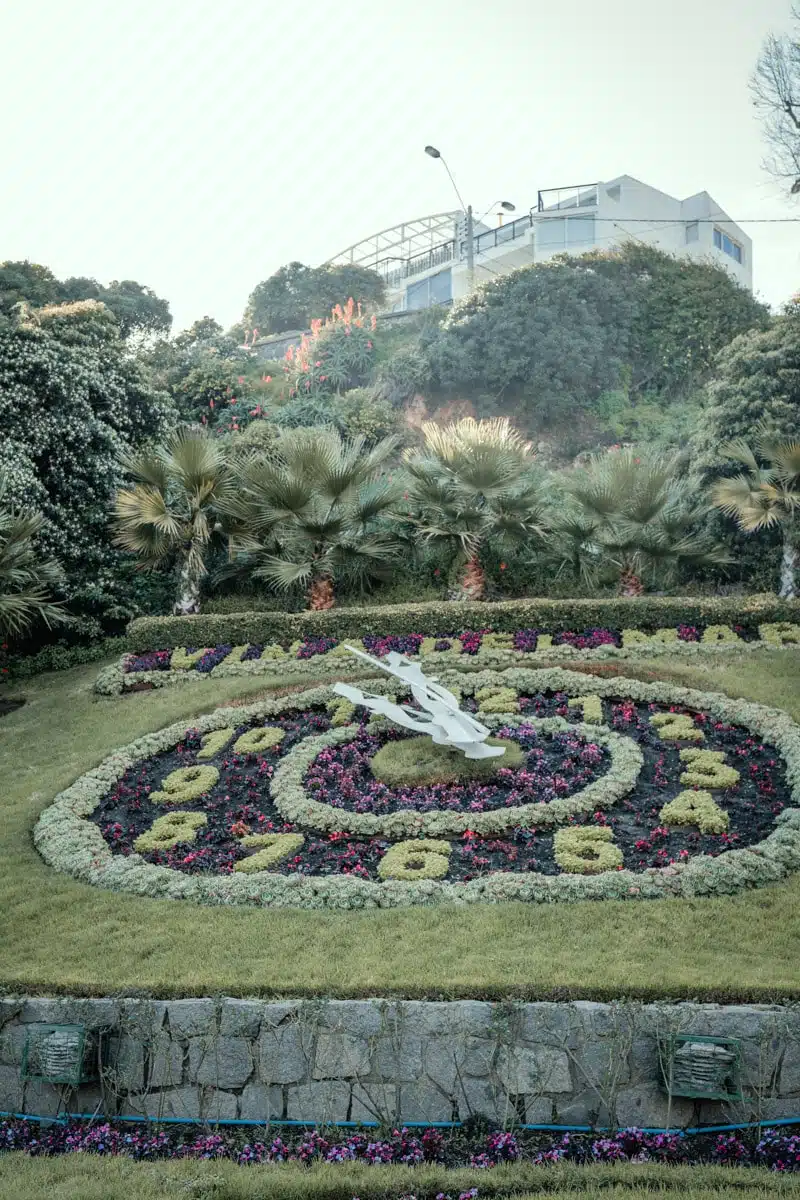
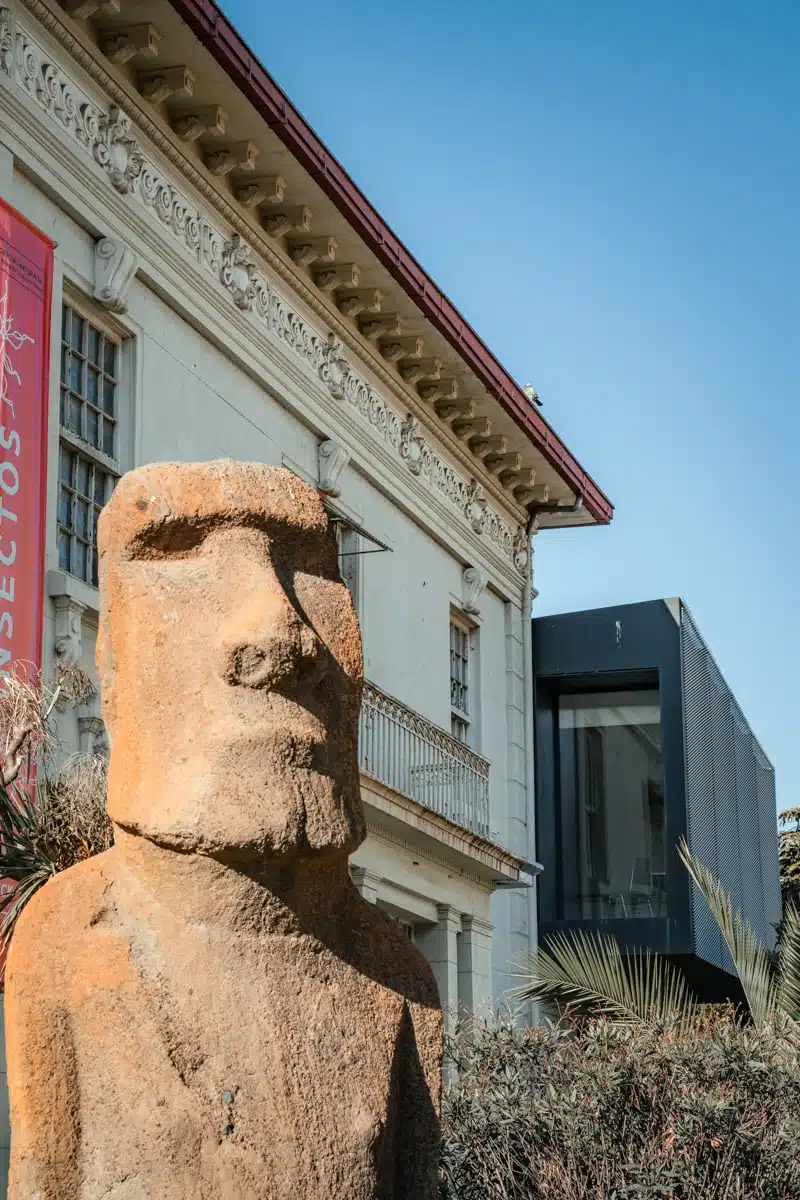
Valparaíso’s neighbour, Viña del Mar, is a classic beach resort, and the two cities run straight into each other. The Merval metro train and local buses connect them in around 15 to 20 minutes, so it’s easy to see both in a day, as I did.
One of Viña del Mar’s biggest sights is also one of its most unusual: the flower clock (Reloj de Flores), at the foot of Cerro Castillo opposite Caleta Abarca beach. It was planted for the 1962 World Cup, which Chile hosted, and its Swiss-made mechanism still keeps time while the flowers on its face change with the seasons.
Want to see a moai but can’t take the five-hour flight from Santiago to Easter Island (Rapa Nui)? One sits outside Viña del Mar’s Fonck Museum, a genuine statue brought from the island, and the museum’s collection of Rapa Nui and Indigenous Chilean artefacts is worth a look too.
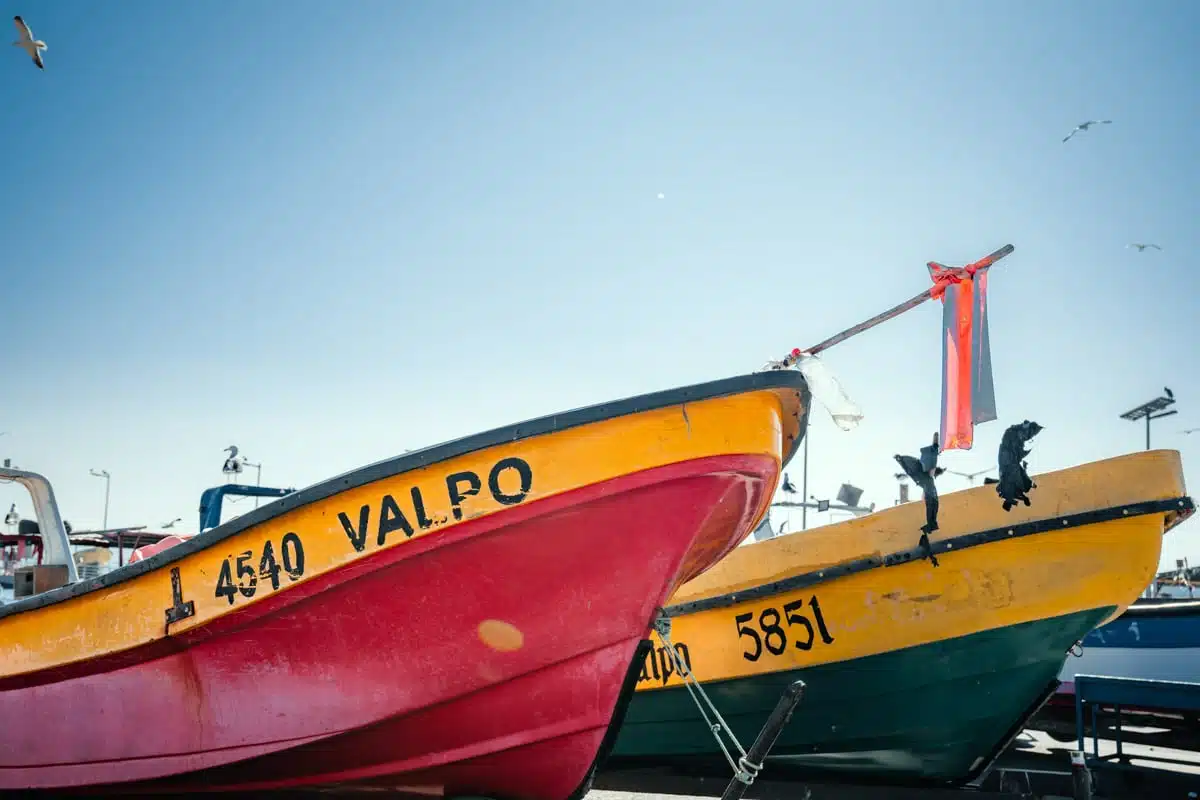
On the way, I called in at the fish market. Sure, it pongs a bit, but you have to swing by, if only to see the giant sea lions, pelicans and giant seagulls hanging out on the shore waiting for their share of the catch. Not going to lie, I spent the whole time terrified that a seagull was going to crap on me, but what’s life without a little danger?
Chill out on a secluded beach in Concón

Not all your memorable adventures need to take place in Valparaíso. Hear me out: Concón, a laid-back beach town, sits about 25km up the coast, around 40 minutes by car and a bit longer by local bus.
This beachy haven offers one of the best escapes near Valparaíso, and the best part? It’s mostly locals who know about it.
Playa Los Lilenes is a hidden gem offering seclusion in an unassuming residential area. This little cove has soft sand for sunbathing and clear water, though the Humboldt Current keeps the Pacific chilly all year, so most people stick to a paddle. There’s only street parking and no toilets or restaurants on the beach, so bring what you need.
While you’re in Concón, try the seafood empanadas the town is known for, and take a look at the huge sand dunes on the edge of town.
Catch live music at Bar Cinzano
Most people associate tango with Argentina, but Valparaíso’s old port bars have danced to it (and to Chilean boleros and cumbias) for generations.
I recommend going to Bar Cinzano, on Plaza Aníbal Pinto, which has been pouring drinks since 1896. Its walls are covered in old photos and memorabilia, and it’s still one of the most atmospheric places in the city for a pisco sour and live music, especially on Friday nights, when bands play the most popular local dance hits upstairs.
The bar opens daily from 6.30pm (12.30pm Friday to Sunday) until the early hours. Recent reviews say late nights can get rowdy, so for a gentler taste of the place, come in the early evening.
Wander through a local market

Visiting a market is one of the best ways to expose yourself to local culture and people.
Valparaíso’s bustling markets also allow you to support small businesses, strike up conversations with residents and sample traditional foods not necessarily served at restaurants.
I recommend the Mercado El Cardonal, a lively market in the lower town, overflowing with fruit and vegetables piled as colourfully as the houses on the hills, along with fresh produce and local dishes like empanadas and pastel de choclo.
A market has stood on this site since the 19th century (the old building was one of the worst damaged in the earthquake of 1906), and it still opens daily from 7.30am to 5.30pm at Uruguay 125. It’s big and chaotic, so keep a close eye on your bags.
Explore a former prison


Parque Cultural de Valparaíso, or Valparaíso Cultural Park, is the city’s old prison, where political prisoners were held during the Pinochet dictatorship.
The prison closed in 1999, when its inmates were moved to a new jail, and local artists soon filled the empty buildings with their otherworldly imaginations. Today, it’s a cultural hub with galleries, rehearsal spaces, a theatre, workshops, gardens and a café, and one of the best views of the harbour in the city.
It’s fascinating how the dark and gloomy prison has been transformed into a colourful space bursting with creativity. The park, on Calle Cárcel on Cerro Cárcel, is free to enter and open Tuesday to Sunday from 10am to 8pm (closed Mondays).
Go surfing at Reñaca beach

Looking for a surf spot within easy reach of the city?
Take on the rolling waves of Reñaca Beach, an exposed beach break that picks up swell all year, with lefts and rights. You don’t have to come here for the surf only, though: Reñaca is one of the region’s most popular beaches, lined with bars and seafood restaurants. Strong currents make it a poor spot for swimming, so stick to the sand unless you’re surfing.
The biggest, most consistent waves come in the southern winter, from about May to September, while beginners will find gentler days in summer. Either way, you’ll need a wetsuit, as the water hovers around 15°C. If you’re new to surfing, the surf schools at La Boca in Concón, a little further north, are a good place to start.
It takes about half an hour to drive to Reñaca from Valparaíso. You can drive, grab a taxi or ride one of the local buses that run up the coast road through Viña del Mar.
Complete the Neruda trio at Isla Negra

If La Sebastiana leaves you wanting more, Neruda’s third house is about an hour and a half’s drive south down the coast at Isla Negra. Packed with the things he collected, from ships’ figureheads to seashells and bottles, it’s where he’s buried there with his wife, Matilde Urrutia, on a terrace overlooking the ocean.
It keeps the same hours as La Sebastiana (Tuesday to Sunday, 10am to 6pm, and until 7pm in January and February), and tickets also cost CLP 7,000 with an audio guide. There’s no booking for individual visitors, and queues can be long, so arrive early. If you’d rather not drive, some day tours from Santiago, like this one, stop at Isla Negra, but check whether the museum ticket is included.
Make the most of your time in Valpo
Stay overnight on the hills

Plenty of people see Valparaíso on a day trip from Santiago, as I did, and a day is enough to give you a taste of the hills. But the city is at its best early in the morning and in the evening, after the tour groups have gone. Two or three nights gives you time to explore the highlights and make side trips to neighbouring towns like Isla Negra or Viña del Mar. If you prefer to explore Valparaíso leisurely, opt for four to five days.

You can visit Valparaíso year-round and still have a blast. If you’re after warm and dry weather, go from October to April; December to February is the busiest time, when Chileans head to the coast for their summer holidays. Most of the rain falls between May and August, but winter has its rewards: I had clear blue skies on my July visit, and the hills were far quieter. For more on the seasons, see my guide to the best time to visit Chile.
One date to plan around: New Year’s Eve, when huge crowds come for the fireworks over the bay and rooms on the hills book up months ahead.
The best place to stay is in the historic quarter, on Cerro Alegre or Cerro Concepción, where you’re within walking distance of the murals, ascensores, restaurants and bars. Here are two good options.
Casa Magnolia – Val Paradou (mid-range)
Casa Magnolia, now trading as Val Paradou, is a small, elegant guesthouse on Calle Higuera in the Cerro Alegre district, in a beautifully renovated house with just a handful of rooms.
The property features a rooftop terrace with gorgeous views over the bay. The owners speak several languages and are full of advice on what to do, and breakfast is included.
Augusta Hotel (luxury)
Stay at the Augusta Hotel, a chic boutique aparthotel on Cerro Alegre that boasts Instagram-worthy views and fabulous decor. Many of the apartments have balconies with sweeping views of the bay, and units come with a kitchen. Enjoy a serene room with beautiful eclectic furniture, complimentary toiletries and breakfast.
Take a walking tour
The hills are a maze of passages and stairways, so a walking tour is a great way to get your bearings on your first morning, and the guides know the stories behind the murals.
Tip-based free walking tours leave from Plaza Sotomayor most days. They’re not really free: guides rely on tips, so budget at least CLP 5,000 a person. Or book one of these:
- Street art, funiculars and port tour: a two-hour small-group walk (six people at most) from Muelle Prat, with funicular tickets included.
- From Santiago: Viña del Mar, Valparaíso, Casablanca and Reñaca tour: if you’re travelling from Santiago, you’ll enjoy this ten-hour day trip to Valparaíso, the Viña del Mar resort and the coast, with a funicular ride and entry to La Sebastiana included.
- From Santiago: Valparaíso, Viña del Mar and Casablanca Valley tour: a full day that takes in the flower clock and the moai in Viña del Mar, the El Peral funicular, the piano stairs and Pasaje Gálvez in Valparaíso, and a wine tasting in the Casablanca Valley. For more ideas, see my guide to day trips from Santiago.
Map
Love this? Save and share on Pinterest

Discover the top things to do, insider tips and hidden gems in our Chile Travel Guides.
Read the guides →