Chile is one of the most rewarding countries in South America to explore on your own, as long as you plan around its sheer length. This is how to plan a solo trip to Chile: when to go, how long you need, a route that works, where to stay, which tours to book and how to stay safe, built around the trip I took on my own in July.
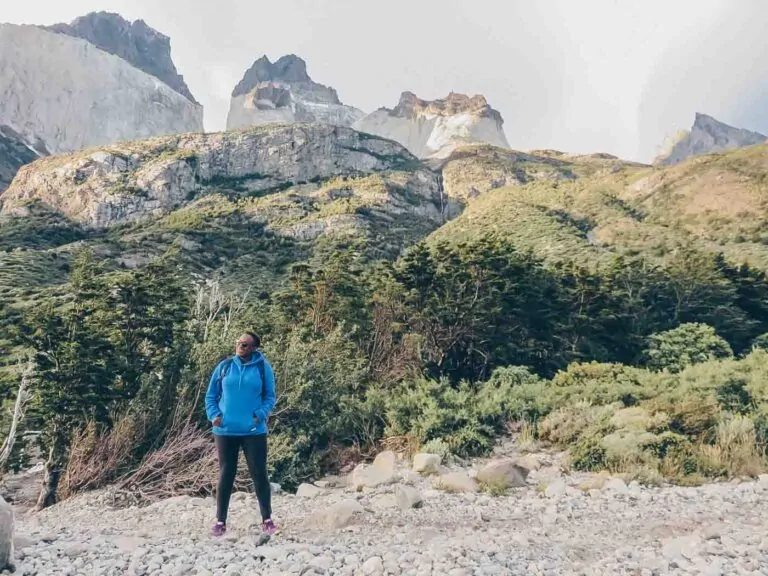
Chile is my favourite country in South America, and I’ve been four times. I’ve hiked the W Trek in Torres del Paine on my own and spent a week driving a campervan around the Atacama Desert. On my fourth trip, in July, I went back solo: to Santiago, which I’d never properly seen, to the Atacama again, over the border to Bolivia’s salt flats and on to the Elqui Valley, which was new to me.
I spent nights slack-jawed as the Milky Way lit up the sky and freezing mornings watching geysers erupt into life, and I made a few mistakes along the way. This guide uses that trip as the worked example: what I did, where I stayed, what worked and what I’d change.
Some links in this article may be affiliate links, which means we may receive a small commission, at no additional cost to you, if you decide to purchase through one of my recommended partners.
Is Chile good for solo travellers?
In a word, yes. This wasn’t my first time travelling in Chile on my own, as I’d hiked the W Trek solo, and it’s a country I’d recommend to any solo traveller who’s comfortable with a bit of planning.
What made my July trip work was mixing independence with local knowledge. I explored Santiago’s museums and neighbourhoods independently, but some of my favourite moments came from having a guide to myself: Alejandro on a street art tour, when I turned out to be the only person booked, and Rodolfo in the Atacama, who grew up in nearby Calama and knew the desert like the back of his hand. In Bolivia, I joined a small group, and the stargazing session in the Elqui Valley was small enough to feel personal.
The W Trek taught me not to worry about going it alone. At the free trekking talk at Erratic Rock in Puerto Natales, everyone else seemed to be in pairs or groups, busily discussing who would carry what, while I frantically took notes, knowing there would be no one else to remember anything I forgot. But the pleasure (and sometimes pain) of travelling solo is that you’re forced to make conversation, and on my first night at Refugio Grey, I ended up chatting to a Chilean family over dinner, who put up with my painfully slow Spanish with good humour. If you’re travelling solo, you will be fine.
The two catches are cost, as you carry the whole price of every room and private guide, and the cities, where you need to keep your wits about you. I cover both below.
When to go
Chile runs for more than 4,000km, so the best time to go depends on where you want to be.
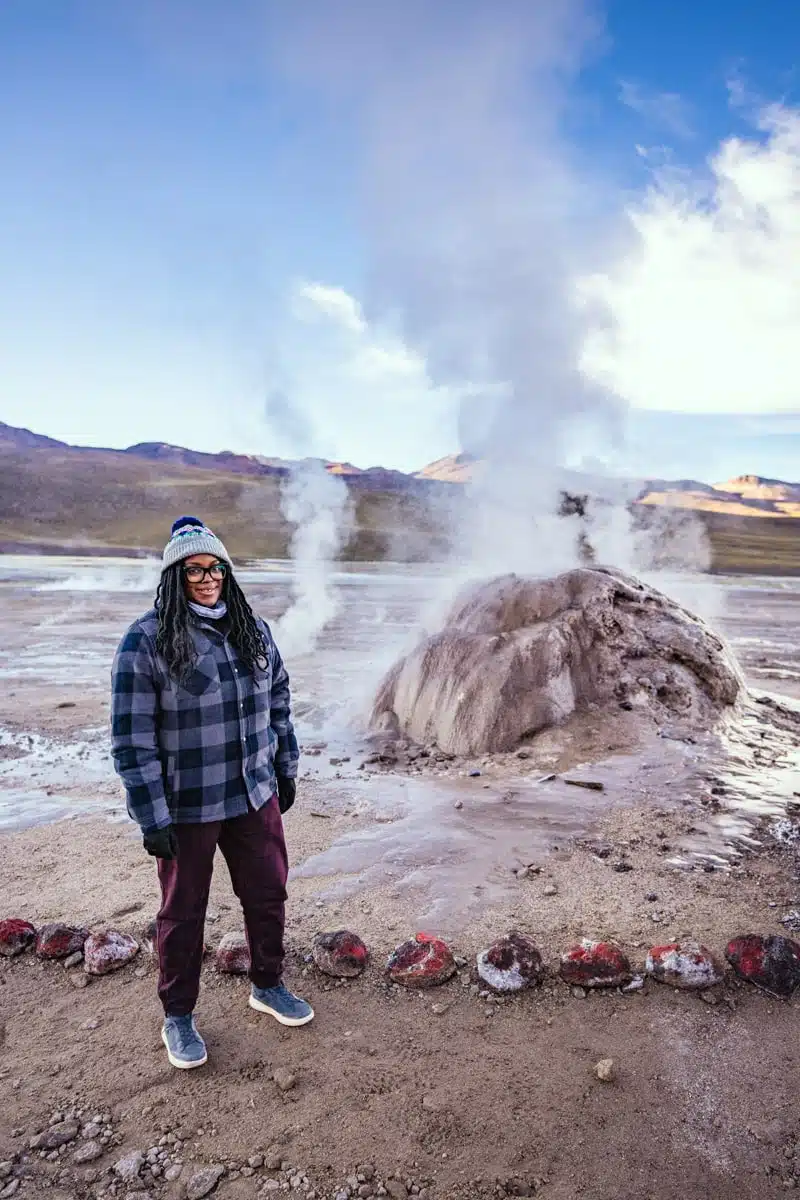
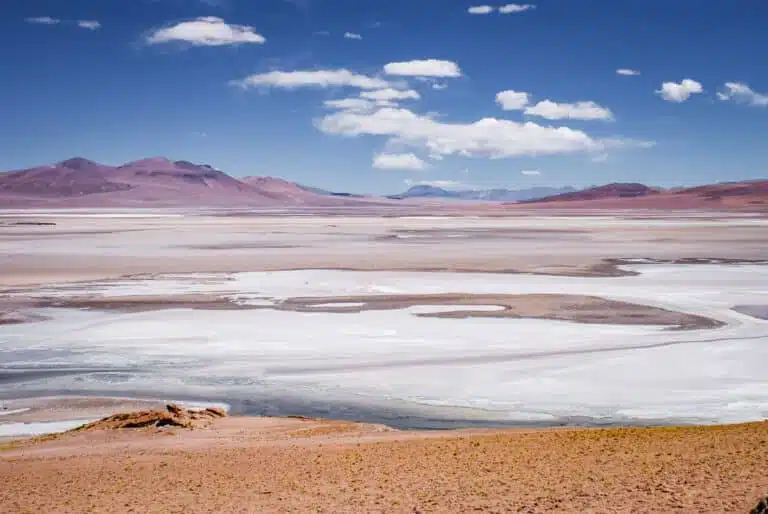
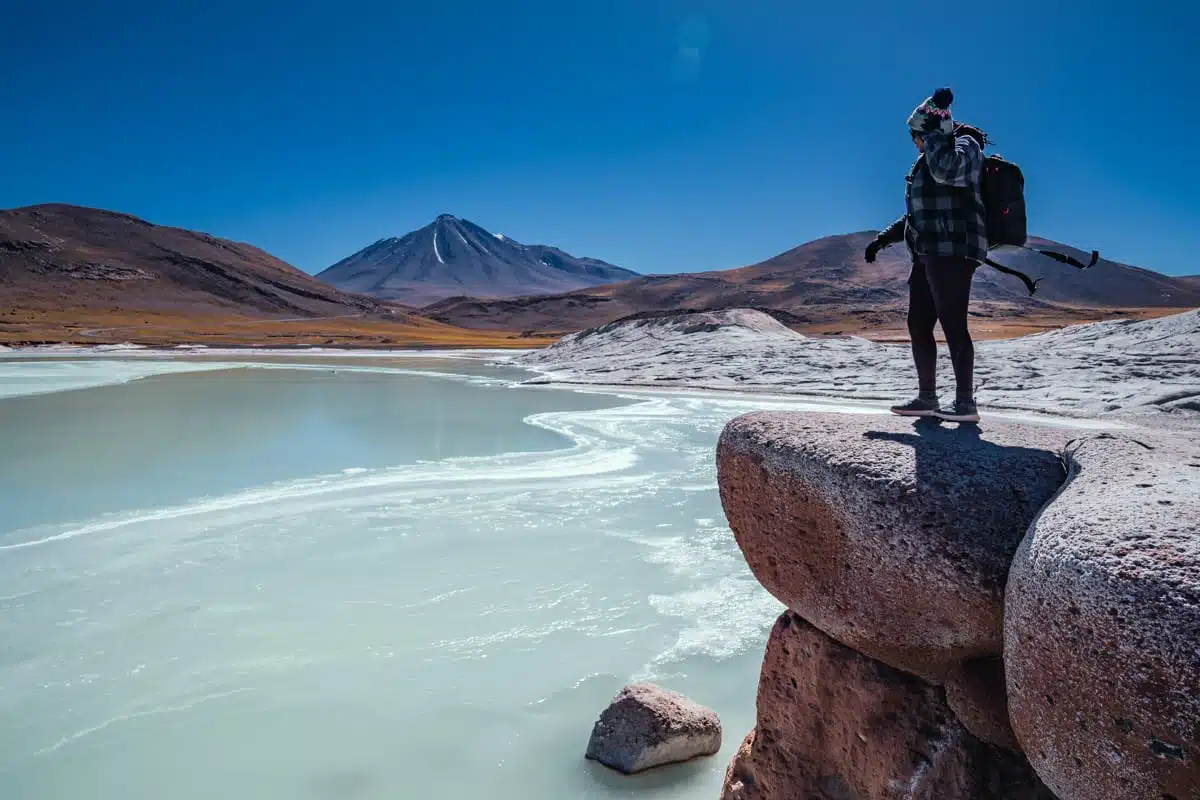
- The Atacama and the Elqui Valley work all year. July was perfect for clear skies and stargazing, and the salt lake at Piedras Rojas was frozen solid, so that it looked more like a piece of turquoise than water. The trade-off is the cold: it was -15°C at El Tatio at dawn. December to February is the busiest time in San Pedro de Atacama, so book ahead then.
- Patagonia is a summer destination. I hiked the W Trek in January; the refugios only open in the trekking season, and several lodges close from around April to October. If Patagonia is on your list, July is the wrong month.
- Bolivia’s salt flats can be visited all year, but snow can close the border crossing from San Pedro, especially between June and August, so don’t schedule the tour for the end of your trip.
My guide to the best time to visit Chile goes through it month by month.
How long you need, and a route that works
I’d allow at least two weeks for Santiago and the north. My route took 16 days and covered Santiago, the Atacama, a four-day tour into Bolivia and the Elqui Valley. With 10 days, I’d drop Bolivia and the Elqui Valley; with three weeks, I’d add Patagonia, in season.
My route at a glance
- Days 1 to 5: Santiago, four nights in Lastarria, with day trips to the Maipo Valley and the coast
- Days 5 to 8: fly to Calama for three nights in the Atacama Desert
- Days 8 to 11: a four-day, three-night tour from San Pedro de Atacama to the Salar de Uyuni and back
- Day 11: one night in San Pedro to recover
- Days 12 to 14: fly from Calama to La Serena for two nights in Vicuña, in the Elqui Valley
- Days 14 to 16: back to Santiago for two final nights, then fly home
Days 1 to 5: Santiago
Starting in Santiago gives you time to get over the long-haul flight before the altitude in the north. It’s a bit rough around the edges in places, but don’t skip it: there are some really cool spots if you know where to look.
On my first afternoon, I took a street art tour through Bellavista and Barrio Yungay. The next day, I took the cable car and the funicular up Cerro San Cristóbal (try to do both), visited Pablo Neruda’s house, La Chascona, then worked through Bellas Artes, the Metropolitan Cathedral and the Museo Chileno de Arte Precolombino before climbing Santa Lucía hill. The Precolombino was 100% my favourite museum in Santiago, so give it at least a couple of hours. That day is written up as my one day in Santiago itinerary, and there’s more in my guide to things to do in Santiago.

For lunch, Galindo, a no-frills spot in Bellavista, is the place to try pastel de choclo, a rich bake of creamed corn, meat and olives (go hungry). About ten people told me to book Bocanáriz, and it was easily one of the nicest meals I had in the city; its wine flights are perfect when there’s no one to share a bottle with. My guide to the best restaurants in Santiago has the full list.
What I’d change: I’d have breakfast out. My first hotel’s breakfast was exactly the same every day, and after four mornings, I’d completely had enough of it.
Days 5 to 8: the Atacama Desert
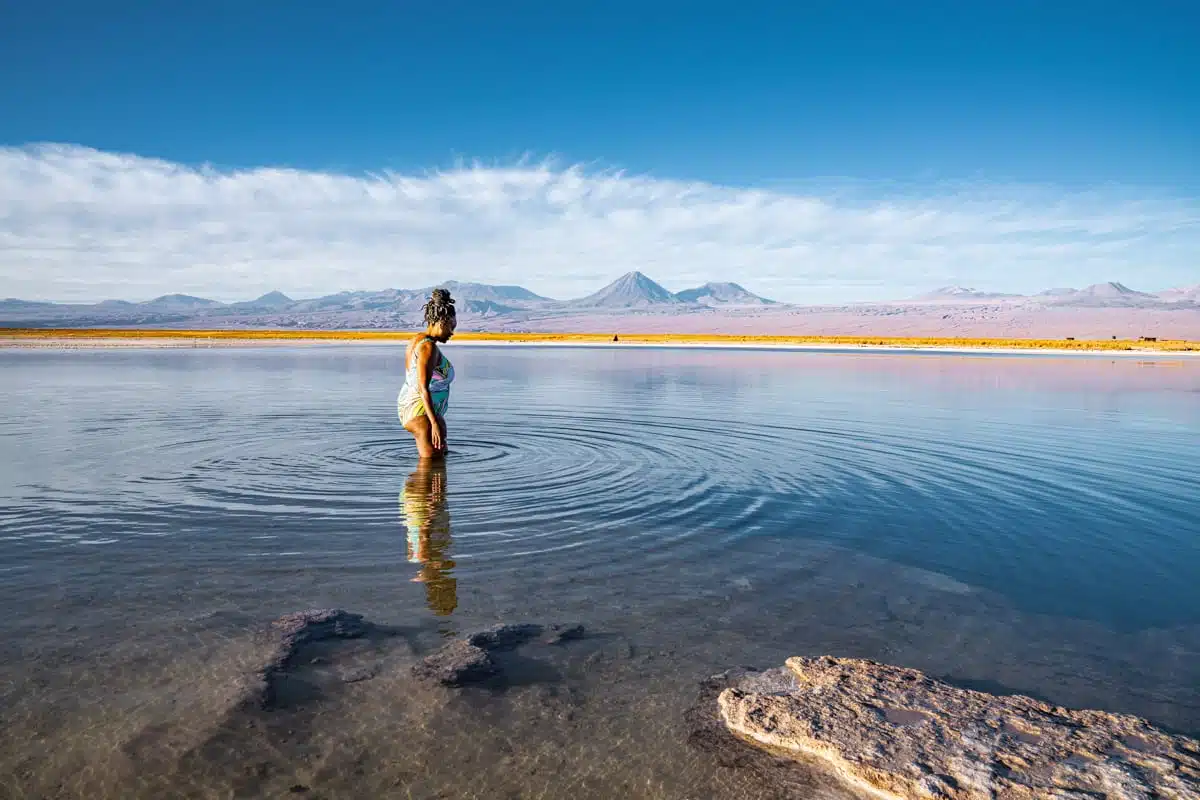
From Calama, it’s about an hour and a quarter by road to San Pedro de Atacama. Ease in at a lower altitude: my first stop, straight off the plane, was the Laguna Cejar complex, at around 2,300 metres, where you float in Laguna Piedra like a cork. Book a time slot online, and don’t get your face wet. It stings.
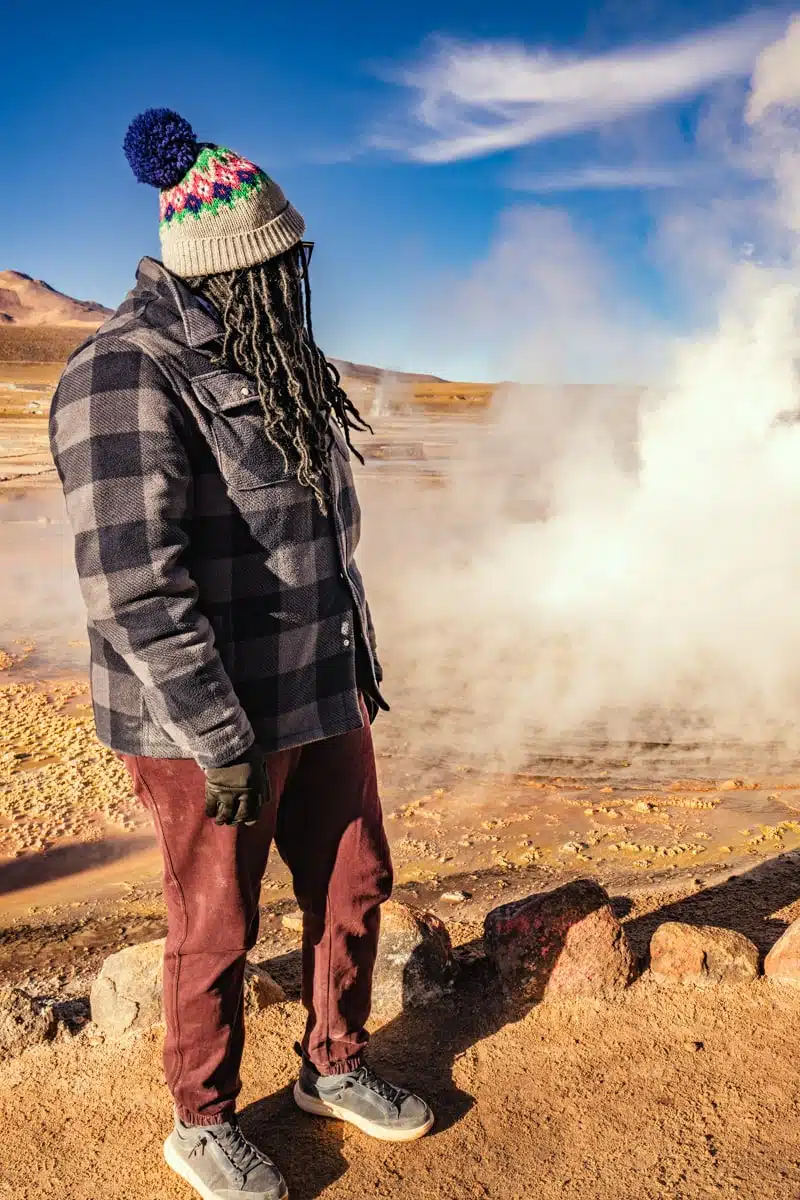
Next, go south to the high lagoons. I paired Piedras Rojas with the Miscanti and Miñiques lagoons, which I’d missed on my first visit to the Atacama (a big mistake). Then get up at 3am for El Tatio, where the geysers and fumaroles come to life one by one as the sky turns from purple to gold. For a quieter alternative to the Valle de la Luna, try Ckamur, whose rock formations you may recognise from The Mandalorian. And make time for stargazing in the Atacama Desert: seeing the whole Milky Way spread out like a pathway to the universe was unforgettable.
Three nights is the minimum I’d suggest. My Atacama Desert itinerary has more ideas.
Days 8 to 11: the Bolivian salt flats
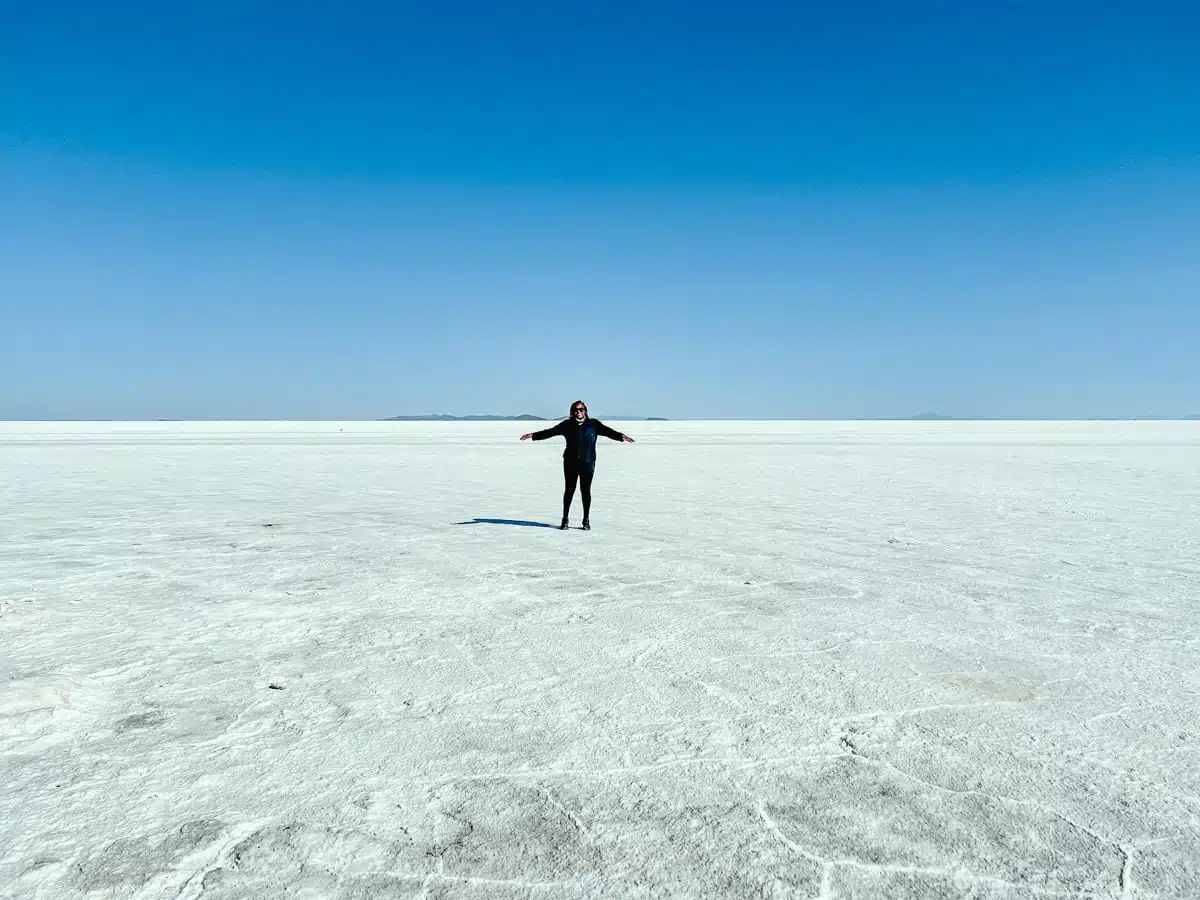
From San Pedro, I took a four-day, three-night tour over the border to the Salar de Uyuni and back. The landscapes, from the blood-red Laguna Colorada to the endless white of the salt flats, were worth every shiver. But the first day was, frankly, rubbish, thanks to a mix-up in the operator’s office, and my night in a hostel at Huayllajara was one of the coldest of my life, even with a sleeping bag.
Do it after your Atacama days so you’re acclimatised: spend at least two or three nights in San Pedro first, ideally with a trip to the high lagoons or El Tatio. Then book a comfortable bed for the night you get back. Mine was at Hotel Desertica, and it was exactly what I needed. My guide to the San Pedro de Atacama to Uyuni tour has everything you need to plan it.
Days 12 to 14: the Elqui Valley
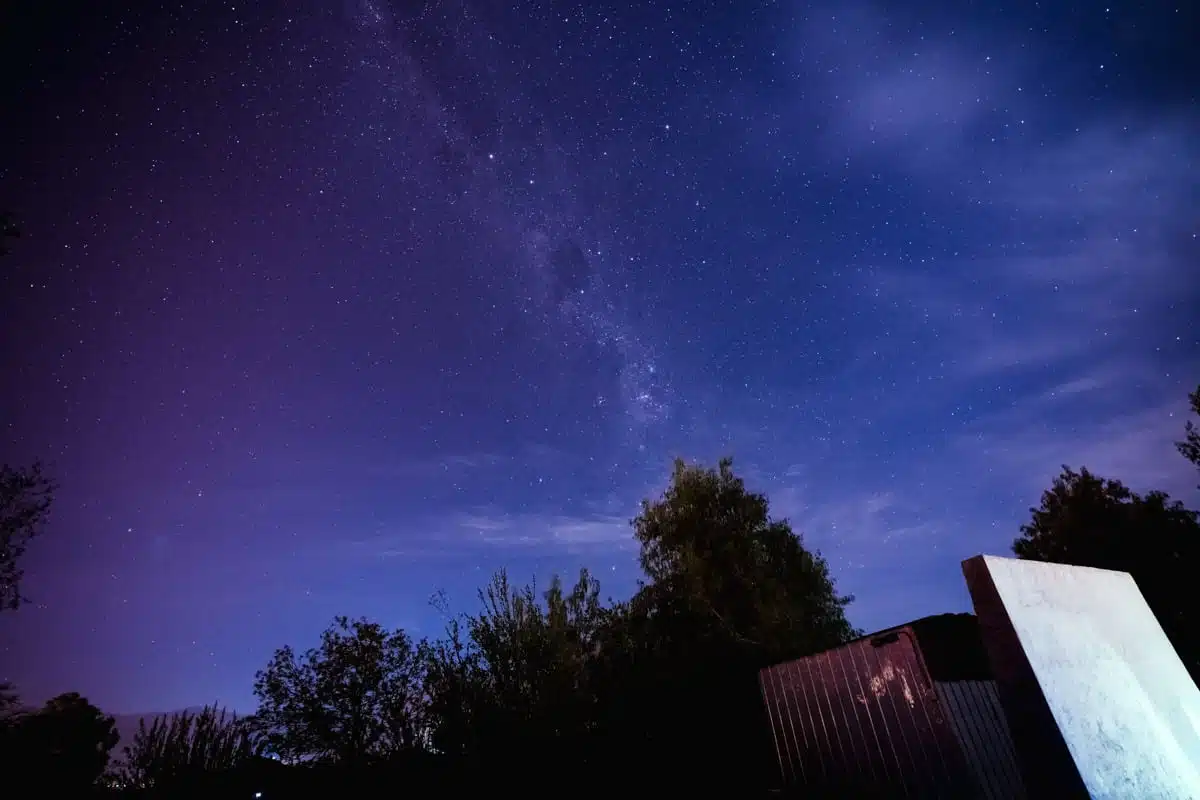
Fly direct from Calama to La Serena, about 1 hour 40 minutes, and base yourself in Vicuña, a lovely town with a gorgeous central plaza. My top recommendation is stargazing at Centro Astronómico Alfa Aldea, just outside town: a small group, telescopes, a 3D video tour of the galaxies and a glass of wine. On my second day, I explored the valley with a guide, tasting Malbec and Grenache at Alcohuaz, seeing the petroglyphs at Piedra del Guanaco and touring Fundo Los Nichos, which makes my favourite pisco in the area. My Elqui Valley travel guide has the details.
Days 14 to 16: back to Santiago
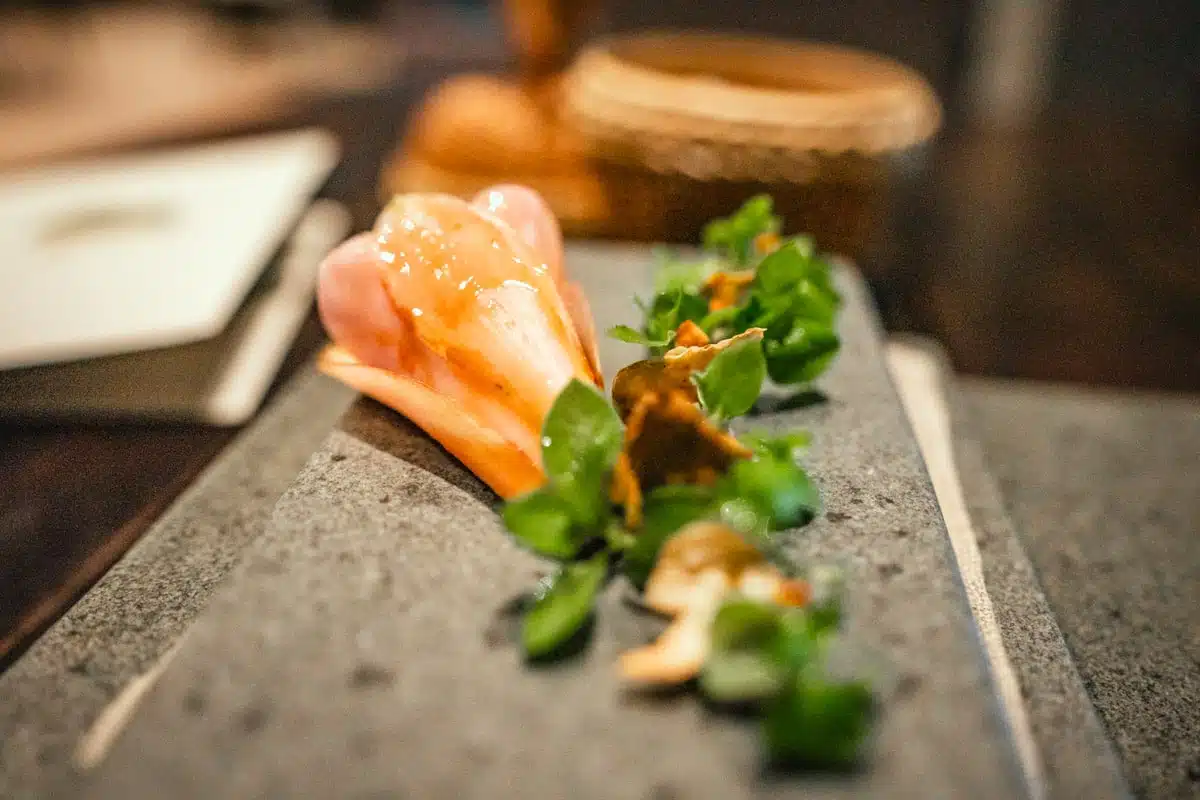
End with a treat. I moved to The Singular for my last two nights, booked a massage in its spa on my final day, and had a blow-out dinner at Boragó. Fourteen courses is a lot, so pace yourself, but it takes a lot to make me really sit up and pay attention to a meal, and this one did. Book ahead; the tasting menu is now 189,000 CLP, plus 99,000 CLP for the wine pairing. Read my full Boragó review.
Have more time?
Add Patagonia, in the summer trekking season. I walked the W Trek west to east over four nights in the refugios, with travel days either side via Puerto Natales. My 10-day Chile itinerary shows how to fit Patagonia, Santiago and the Atacama into a shorter trip, and there are plenty more day trips from Santiago.
Getting around
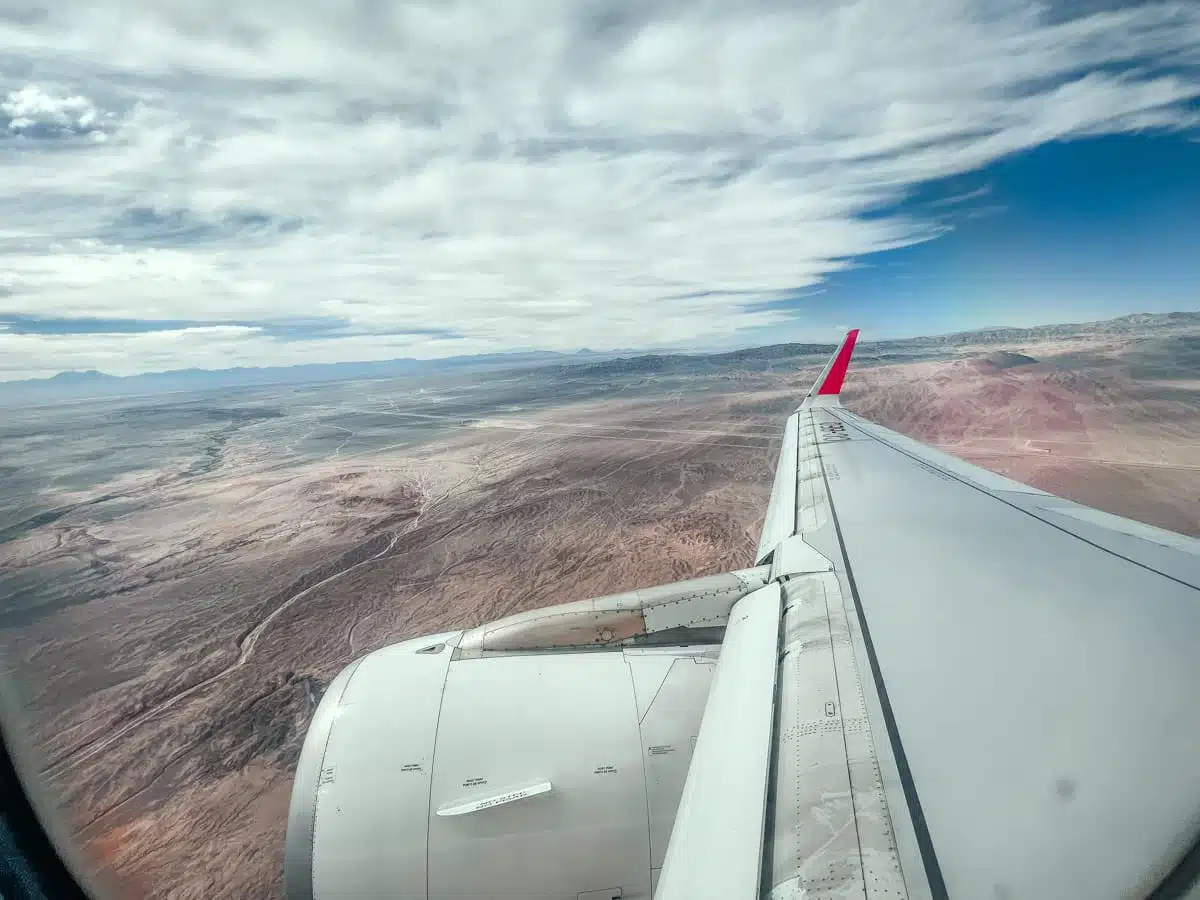
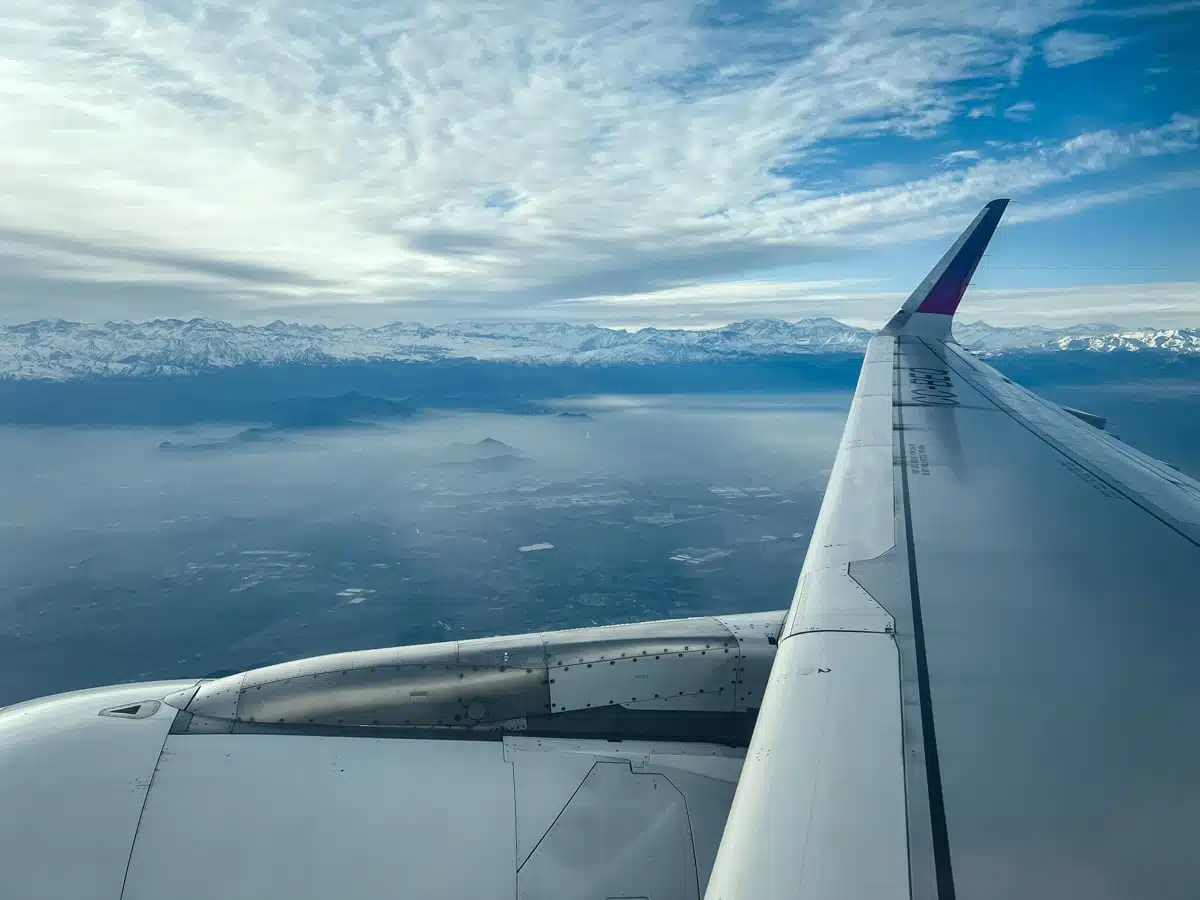
Fly the long hops. The flight from Santiago to Calama takes about two hours and ten minutes and cost me around £100. The bus takes about 23 hours, and the tickets weren’t much cheaper.
Book transfers through your hotel. Arriving alone at a small regional airport is much easier when someone is waiting for you. My Atacama lodge included transfers from Calama, and my hotel in Vicuña arranged my transfer from La Serena.
Use Uber in Santiago. Outside the metro, it’s the best way to get around: it’s relatively cheap, and you don’t have to negotiate fares. All my hotels told me to use it. At the airport, book an official taxi or shuttle inside the terminal before you go out.
Think twice about driving solo in the desert. On my first visit to the Atacama, I drove a campervan around the region for a week, and my Atacama road trip guide shows how. It’s doable, but the high roads are remote, fuel stops are few and phone signal gets patchy soon after you leave San Pedro. This time, a guide and driver took the stress out of driving remote roads at altitude, and on your own, I’d choose that or shared tours.
Where to stay as a solo traveller
In Santiago, base yourself in Lastarria. It’s walkable, full of good restaurants and bars, and within easy walking distance of Bellas Artes and Centro, which matters when you’re heading back alone at night. These are the places I stayed, all paid for myself.
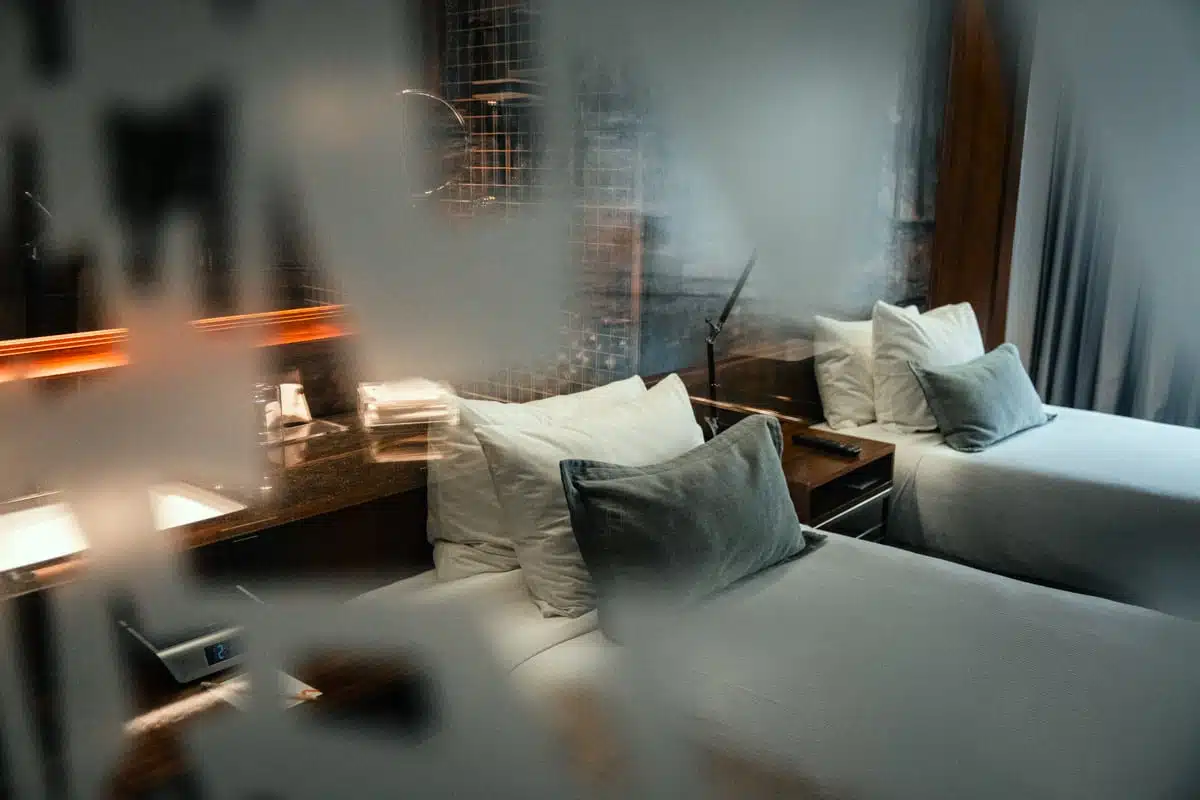
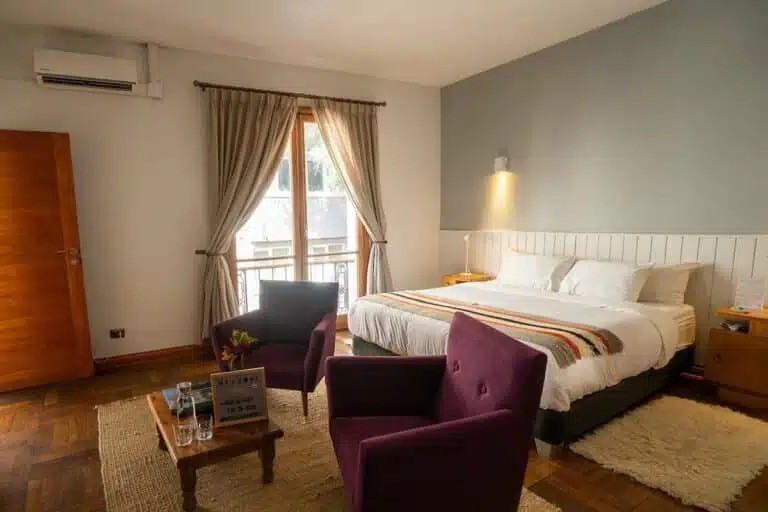
- Hotel Cumbres Lastarria, Santiago: a well-priced four-star right on Calle Lastarria, with super-friendly staff and sizeable rooms. It cost about US$130 a night when I stayed; expect closer to US$220 now. Read my Hotel Cumbres Lastarria review.
- The Singular Santiago, Santiago: a five-star in Lastarria with uber-comfortable beds. Its rooftop bar and restaurant are great for a quiet meal or a cocktail with a view, and the spa is open to non-guests. Rooms were about US$140 a night when I stayed; expect upwards of US$300 now.
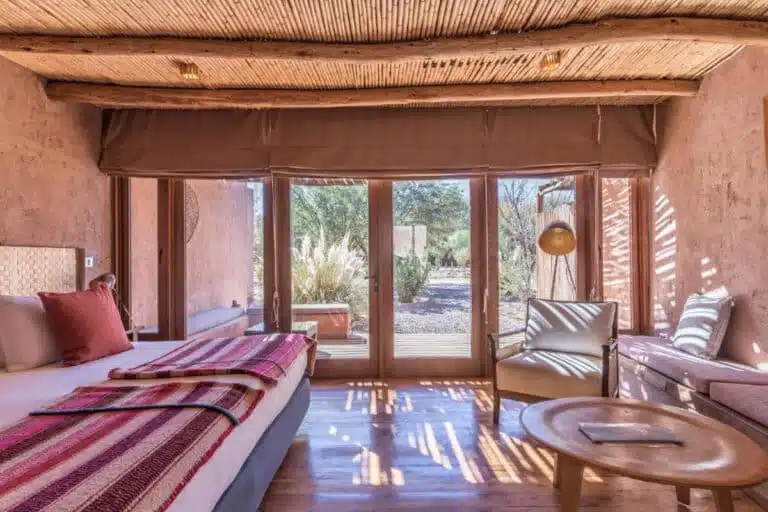
- Nayara Alto Atacama, San Pedro de Atacama: I really pushed the boat out here, booking the all-inclusive option with a private guide and driver. On your own, it takes care of everything: meals, transfers, excursions and its own observatory. There’s a three-night minimum, and all-inclusive stays start at around US$1,300 a night for two. Check rates and availability.
- Hotel Desertica, San Pedro de Atacama: a boutique hotel on the main street with standalone, circular turi rooms; mine was huge. It’s adults only, and check-in runs from 3pm to 5:30pm with no late arrivals, so time your return from Bolivia accordingly. Expect around US$315 to US$370 a night for two. Check rates and availability.
- Terral Hotel & Spa, Vicuña: an OK hotel in the centre of town with spacious rooms, if a bit on the basic side.
- The W Trek refugios, Torres del Paine: on my solo trek, I slept in four refugios, which are priced per person and have communal dining rooms, so they suit solo hikers. Book every night ahead, as the rangers check.
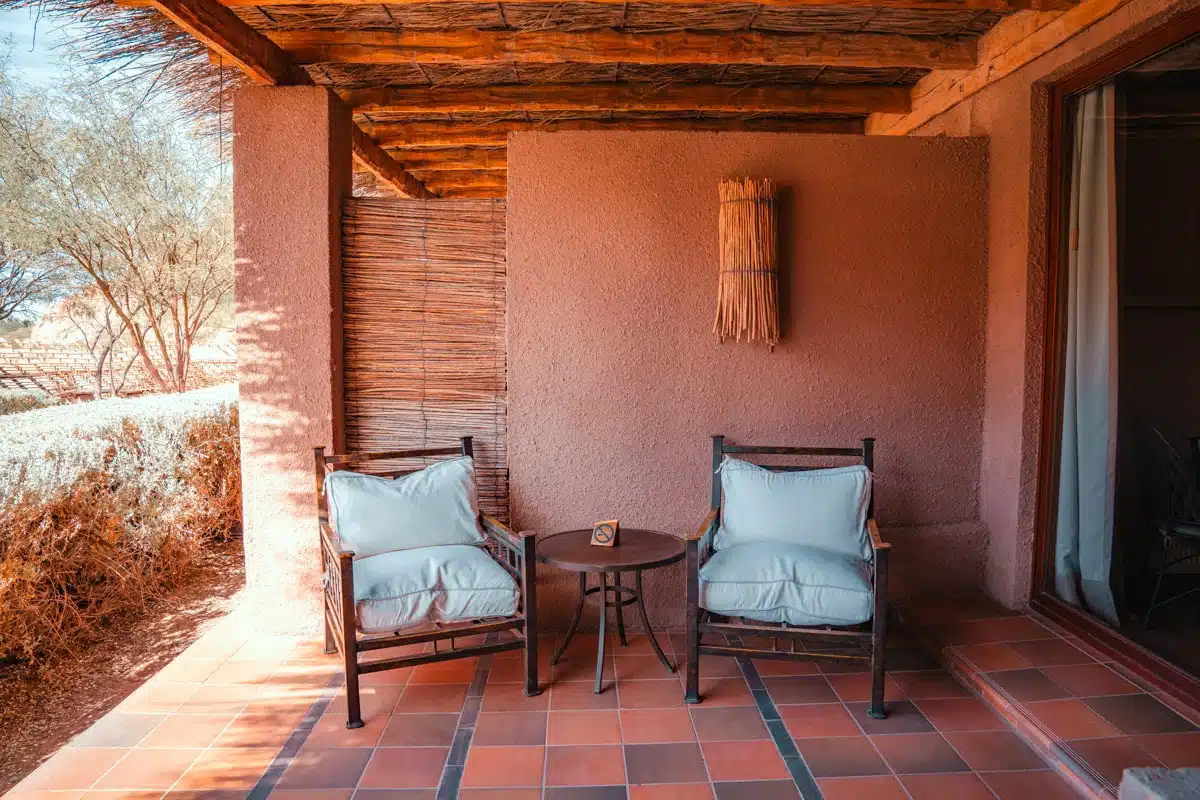
For more choice, see my guides to where to stay in Santiago and the best hotels in the Atacama Desert.
Tours and joining groups
Tours are the easiest way to get company, local knowledge and transport in one go, and I mixed private and small-group trips.
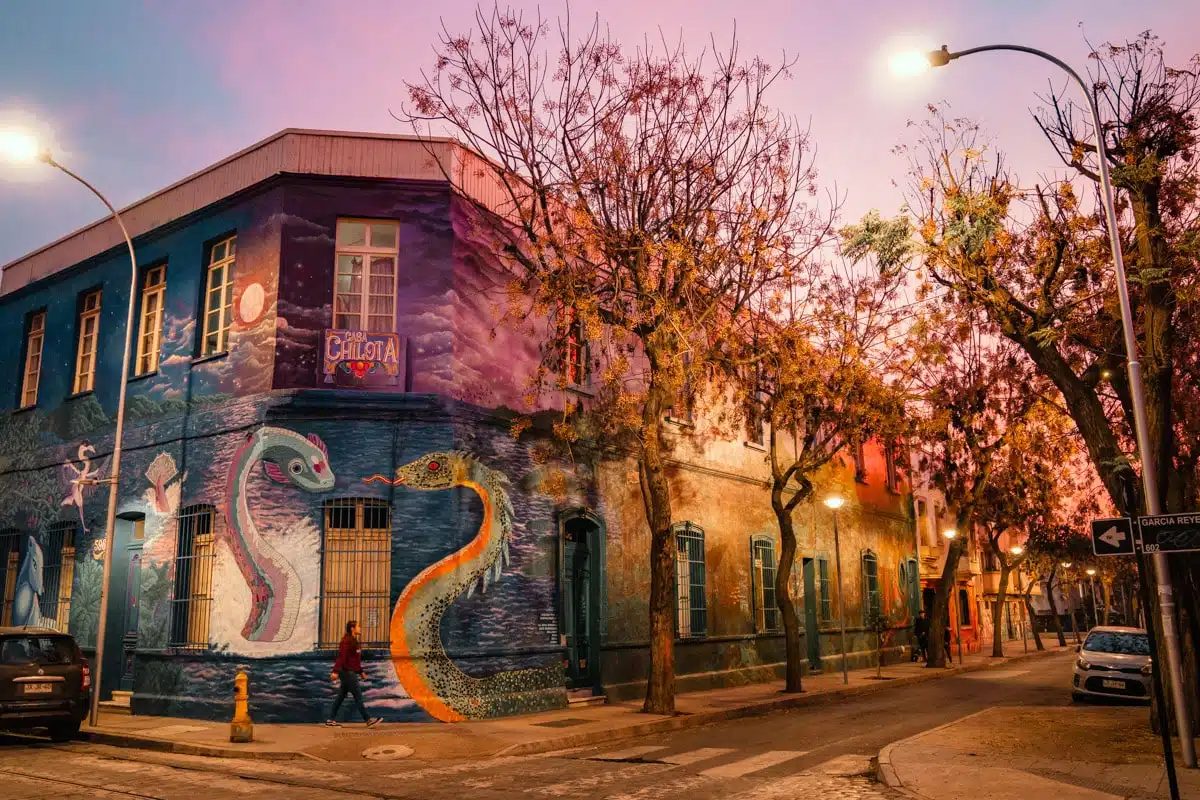
Start with a walking tour. A street art tour on my first afternoon was the perfect introduction to Santiago. I was the only person booked, and my guide ran it anyway, so I could ask as many questions as I liked. My guide to Santiago street art explains how to book one.
Use day tours for wine country and the coast. I booked two through Viator. In the Maipo Valley, Santa Ema was my favourite winery, and Undurraga my least favourite, with a long tour and a rushed tasting. This Isla de Maipo wine tour visits La Quirinca, Santa Ema and TerraMater (see my guide to wine tasting in the Maipo Valley). My coast day took in the Casablanca Valley, Viña del Mar and Valparaíso, and this Valparaíso, Viña del Mar and Casablanca Valley tour covers the same ground.
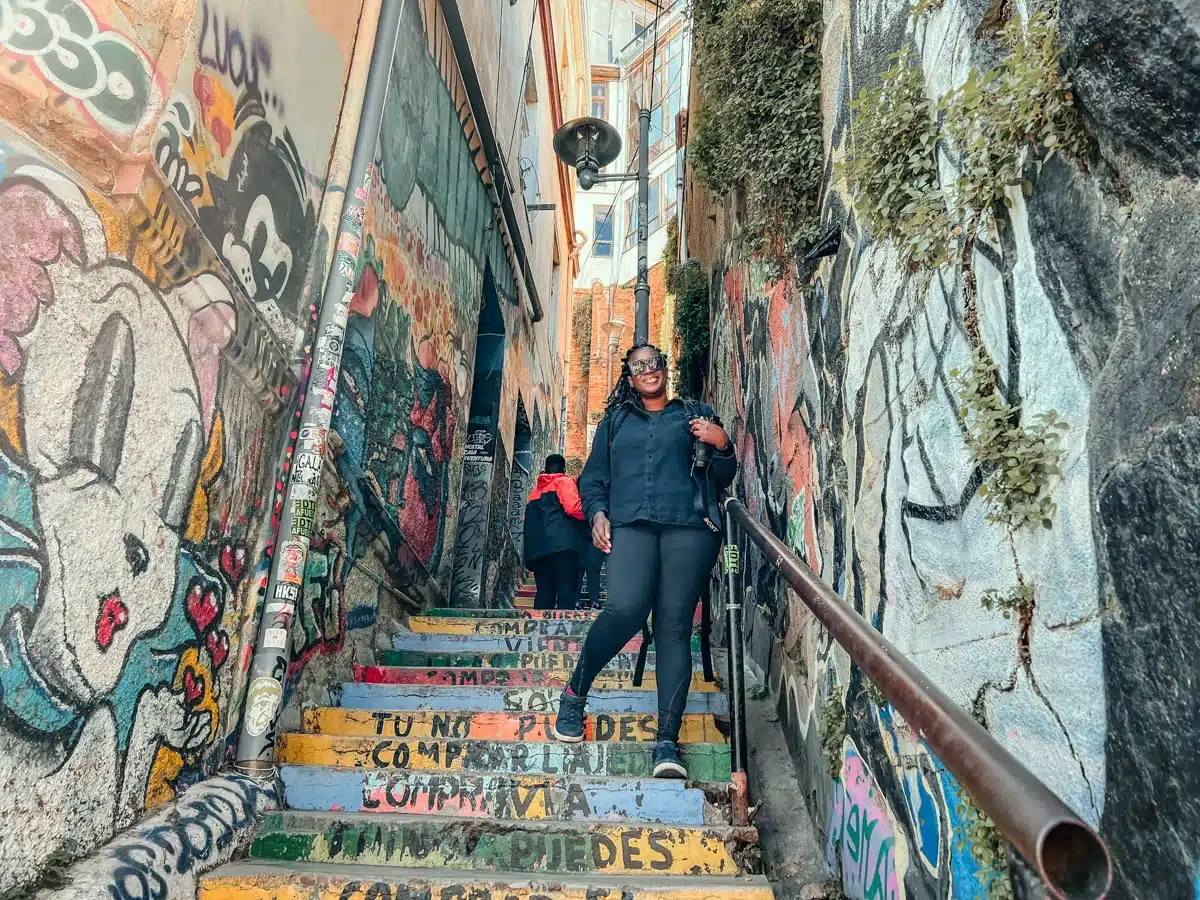
Splash out on a guide where it counts. In the Atacama, a private guide meant I could go at my own pace, to places the big tours skip. Rodolfo made sure I was in El Tatio’s southern field at just the right moment to see a fumarole light up like a rainbow, and afterwards I had breakfast in a quiet river valley with vicuñas and rheas, and nobody else in sight. If that’s out of budget, shared tours from San Pedro cover the main sights and are a good way to meet people; see my guide to the best Atacama Desert tours.
Read the small print on Bolivia tours. I went with Cordillera Traveller and paid US$250 for the shared tour, plus US$50 for an English-speaking guide and about US$40 in park fees; shared tours now start at around US$300. My guide, Walter, was absolutely brilliant, but an office mix-up put me in a car with a local driver who drove like crazy on day one. Read recent reviews, and confirm your English-speaking guide in writing. My Bolivia salt flats guide has more.
Staying safe
There’s no need to be nervous about Chile, but the cities call for the usual big-city care, and the desert needs respect.
- Watch your belongings in Centro. Petty crime is common in Santiago, particularly around the Plaza de Armas and the Mercado Central, though it’s mostly non-violent. Keep your phone out of sight. Muggings in Santiago and Valparaíso are increasingly armed, and the UK government’s advice is not to resist.
- Take the cable car up Cerro San Cristóbal. There have been armed robberies on the paths, so don’t hike up alone.
- Explore in daylight and take an Uber back. Barrio Yungay is quiet after dark, so see the street art in the afternoon.
- Watch your drink. The UK government warns about spiked drinks in bars and clubs in Bellavista and the Suecia area.
- Respect the altitude and the cold. Acclimatise in San Pedro before going higher, and pack layers, a hat, gloves, a buff and thick-soled shoes for the desert in winter. After my night at Huayllajara, I lost my voice, and it still hadn’t come back two weeks later.
- Tell someone your plans. Share your tour details and dates with someone at home before you head into the desert or over to Bolivia.
- Keep your tourist card safe. UK citizens can visit Chile for up to 90 days without a visa. You’re given a tourist card on arrival, and you’ll need it when you leave.
My guide on how to travel alone has more general advice.
Money and staying connected
Budget for the solo premium. Rooms and private guides cost much the same for one as for two, and the all-inclusive lodges charge per person, so ask for a single rate rather than halving the price for two. The Atacama lodge was by far the biggest cost of my trip.
Don’t pay the VAT. Foreign visitors don’t pay Chile’s 19% VAT on hotel stays if they pay in foreign currency and show their passport and tourist card. When you’re paying for a room alone, that adds up, so check whether the rate you’re quoted includes it.
Carry some cash. Bring small notes for tips on tip-based walking tours, and pesos for Atacama entry fees, which some tours ask you to pay to the guide in cash.
Expect to go offline. Signal drops away soon after you leave San Pedro, and on the Bolivia tour, don’t pay for the hostel wifi. It doesn’t work. Download offline maps, and let people at home know you’ll be out of contact for a few days.
Map
Read next
- 10 days in Chile: the perfect Chile itinerary, from Santiago to Patagonia and the Atacama
- 22 extraordinary things to do in Chile, from Patagonia to the Atacama
- 3 days in the Atacama Desert: my perfect Atacama itinerary
- The San Pedro de Atacama to Uyuni tour
- Elqui Valley travel guide: stargazing, pisco and villages in Chile’s mystical valley
- Where to stay in Santiago, Chile: the best areas and hotels
- Torres del Paine W Trek: a step-by-step guide to hiking the W in Patagonia
- How to travel alone
Love this? Save and share on Pinterest

Discover the top things to do, insider tips and hidden gems in our Chile Travel Guides.
Read the guides →