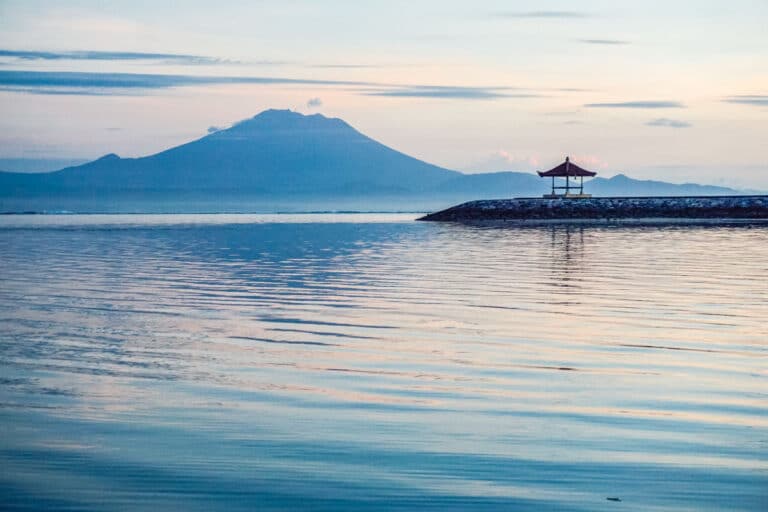
Raja Ampat is expensive, a long way from anywhere and hard work to reach. It’s also home to some of the healthiest reefs I’ve ever seen. Here’s my honest verdict on whether it’s worth it, with what my week cost, what it took to get there, what went wrong and who I think should go.
Raja Ampat was ten years in the making for me. I’d wanted to go for about a decade before I finally made it, in May, for a week at Papua Paradise Eco Resort on Birie Island. I went to dive, and by the end of the week I’d done 11 dives in six days, more than I’d managed in the twelve years since I qualified.
It was also the most expensive and most complicated leg of a long trip through Asia, and my first dive there was one of the worst of my life. So when people ask me whether Raja Ampat is worth it, the honest answer has a few conditions attached.
Some links in this article may be affiliate links, which means we may receive a small commission, at no additional cost to you, if you decide to purchase through one of my recommended partners.

The short answer
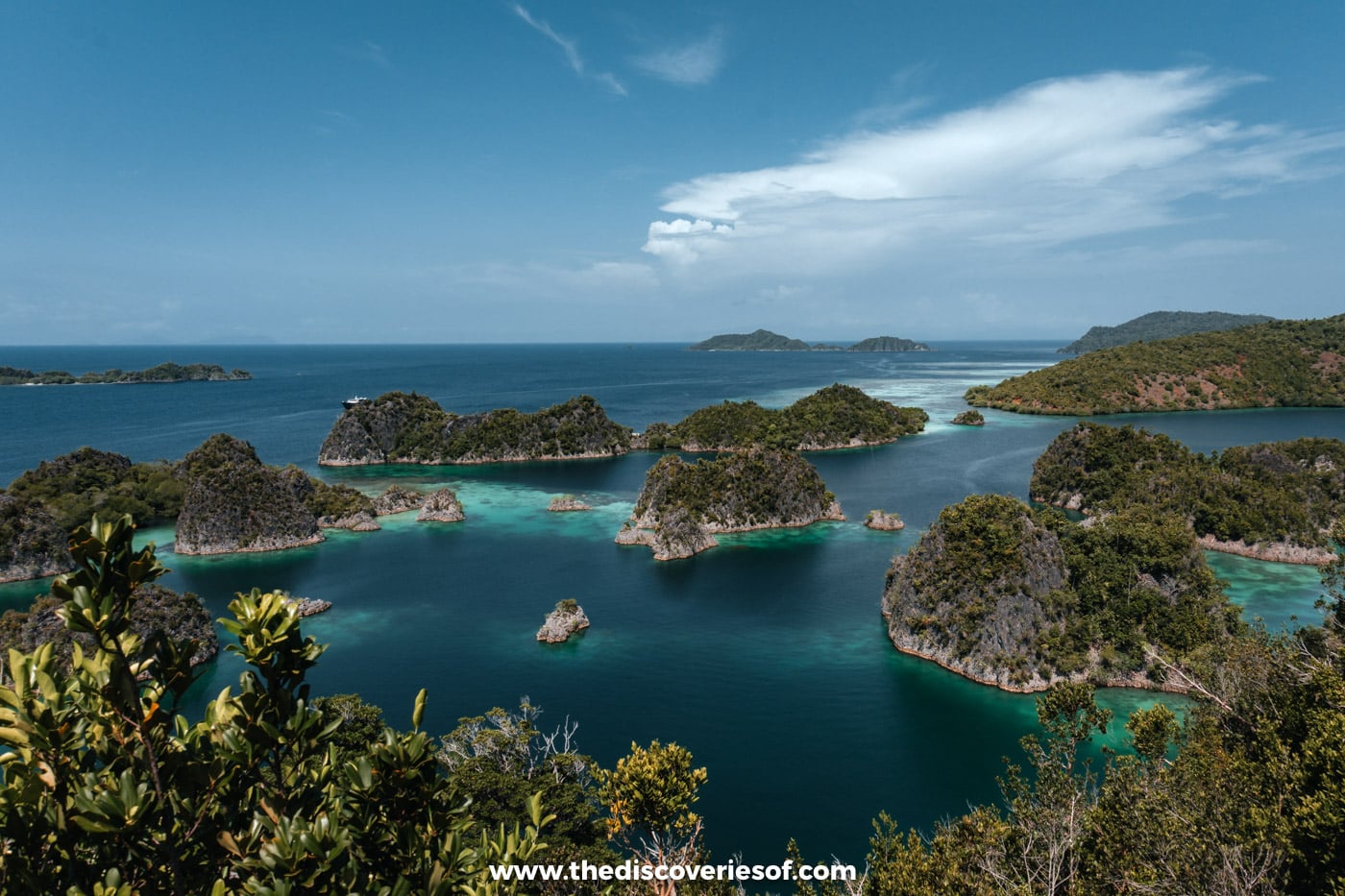
Yes, if you dive (or snorkel seriously), you can afford it and you have at least a week. The reefs are extraordinary, the wildlife above the water is a bonus, and Piaynemo really does live up to the photographs. If you don’t dive, are on a tight budget or are a nervous beginner, I’d think carefully first. The rest of this guide explains why.
What it cost me
I paid for my trip myself. The Raja Ampat leg came to roughly £4,100 all in, travelling from Singapore. Here’s where the money went:
- Papua Paradise Eco Resort: about £2,350 for the week for me alone, all inclusive except diving, with the boat transfers prepaid
- Diving and extras: about £1,000
- Flights between Jakarta and Sorong: about £490 return in total
- Airport hotels: a few hours at the Anara Airport Hotel at Jakarta’s Terminal 3 on the way out, and a night at the Aston Sorong with breakfast (about £55) on the way back
On top of that, every foreign visitor pays two fees: a regency tourist levy of IDR 1,000,000 and a marine park fee, officially IDR 700,000 and reportedly now IDR 1,000,000. Resorts often arrange both. My guide on how to get to Raja Ampat explains how they work.
Is £4,100 a lot for a week? Yes. Most of it went on the resort and the diving. Homestays bring the accommodation cost down, but you still need boats to reach anything, and the flights and fees are the same for everyone.
What it took to get there
The cost isn’t only financial. To reach Papua Paradise, I flew from Singapore to Jakarta, waited out a long layover, took a midnight flight to Sorong that landed at 6am, killed time in a day-use room until the resort boat left at 2pm, and then spent another 90 minutes on the water. I’d be lying if I said I was excited about the effort it was going to take. By the time I arrived, whatever progress I’d made on my jet lag had gone.
Getting home was easier but no quicker: a 7:30am boat back to Sorong, a night in a hotel there and a flight to Jakarta the next day. If you’re coming from Europe, that’s a lot of travel for a week, and it’s why I’d say a week is the minimum that makes sense.
What I got for it
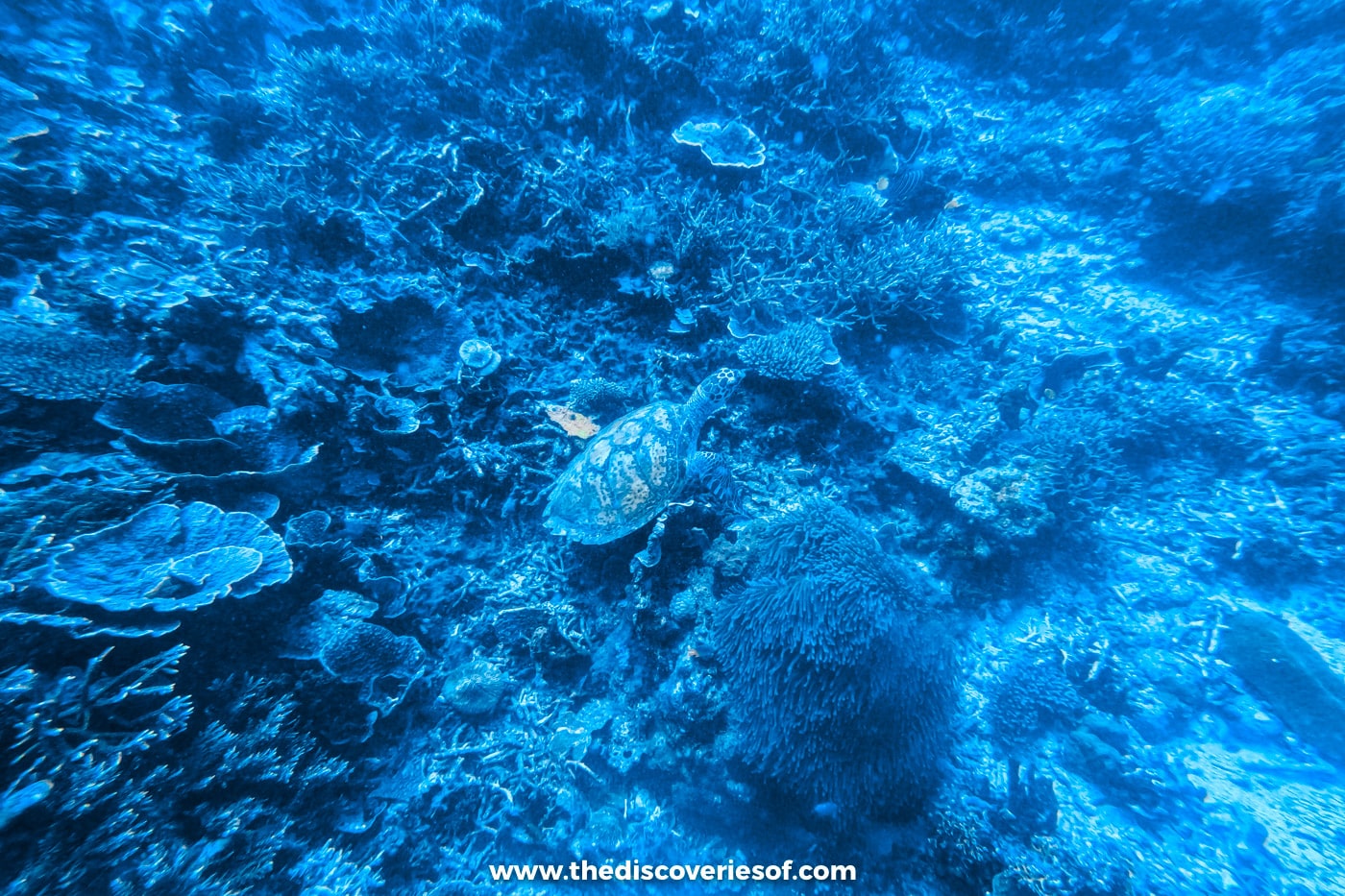
The diving was everything I’d hoped for and more. On the house reef, I swam along a tunnel of coral to a corner full of bigger fish, with rays and a blacktip shark along the way. At Sawandarek, off Mansuar, I saw four turtles on one dive and was surrounded by huge balls of fish. My third dive that day was through a coral forest so colourful and so healthy that I honestly didn’t think coral still looked like that anywhere in the world. My favourite dive of the trip was Sawandarek, a village jetty site off Mansuar, with turtles and a shallowest section of around 5 metres.
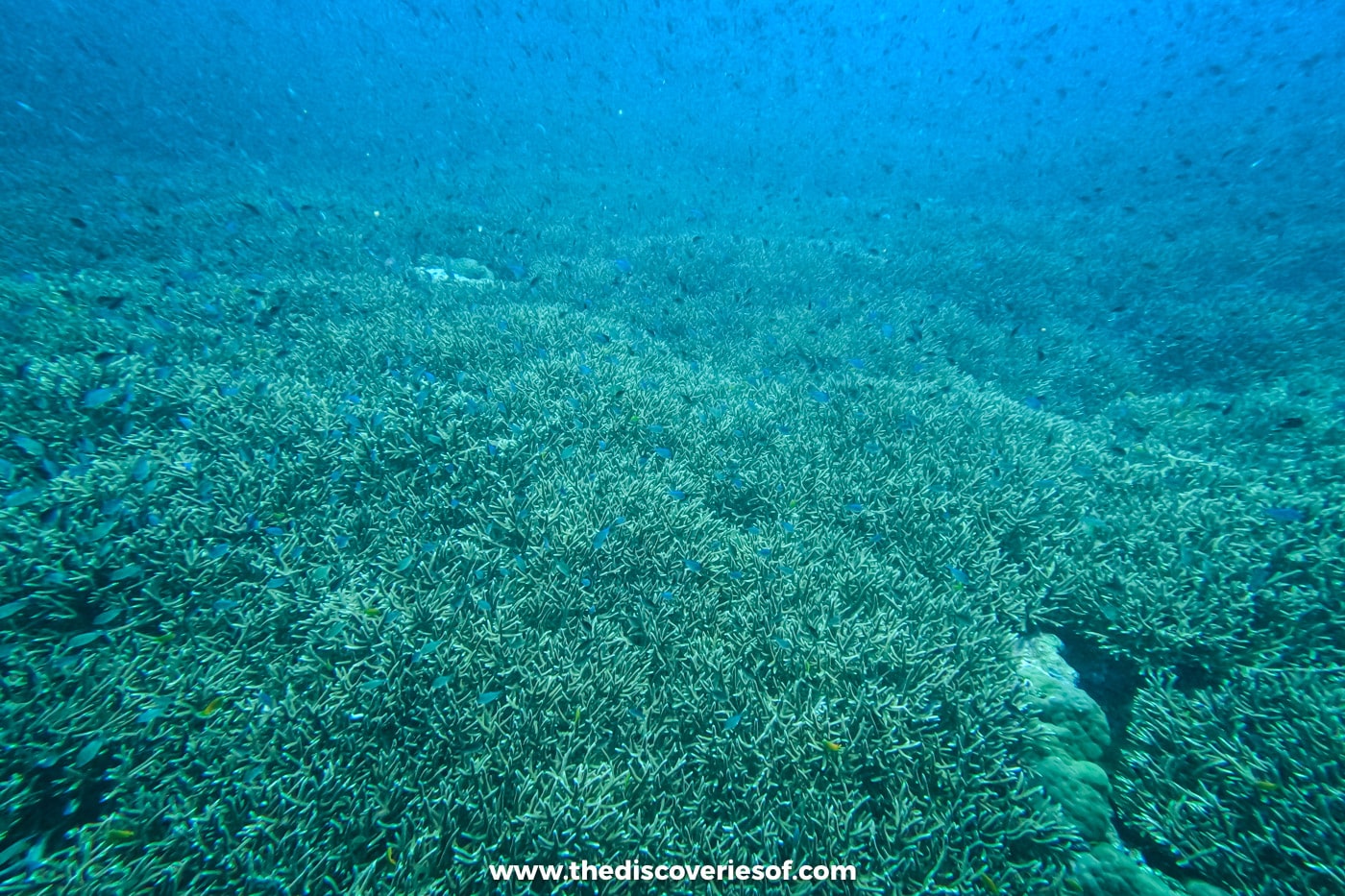
On my last morning, I found wobbegong sharks curled up beneath the rocks and counted four more turtles on a calm, sloping reef crammed with life. My guide to diving in Raja Ampat goes into all of it in more detail.
Above the water, the hornbill sunset cruise was one of the highlights of my whole trip. I saw parrots and cockatoos in the mangroves and then well over 100 hornbills flying in to roost as the sun went down. And at Piaynemo, after a hot climb of around 300 steps, the view looked better than the postcard. I didn’t think that was possible.
The downsides
The cost and the distance. See above. Neither is a small thing.
My first dive. On my first open-water dive in about five years, I ran out of air a metre or two from the surface after the spare regulator I was given kept flooding. It was the most stressful minute and a half of my life, and afterwards I seriously thought about not diving again. I’m glad I did, but the lesson stuck: even on a guided dive, you need to know how to get yourself out of trouble. Medical facilities in Raja Ampat are limited, and serious cases are likely to be evacuated a long way, so dive insurance that covers evacuation isn’t optional.
Construction next door. When I arrived, I found building work going on right next to my room, which hadn’t been mentioned when I booked. I really wish hotels would say on their websites when there’s construction and which rooms it affects. It’s worth asking before you book anywhere.
Being a solo traveller. On my first night, I had dinner with some of the other guests and found it a bit awkward. By the end of the week, though, the guests felt like a lovely little community, and the resort ran the hornbill cruise just for me when I was the only person who’d signed up.
May is a shoulder month. The best time to go is October to April, when the sea is calmest and the visibility at its best. May is good but changeable, and I was lucky with the weather. From June to September, strong winds make the sea rough, especially in July and August.

Is it worth it if you’re not an advanced diver?
I learned to dive with PADI on Ko Tao years ago, but I’d only logged a dive or two every couple of years since, and I hadn’t been in the sea for about five years when I arrived. I was genuinely unsure whether I should leave Raja Ampat until I had more dives under my belt. In the end, there was loads for me to do without being Advanced Open Water or having 50 or 100 dives behind me.
There were limits, though. The dive centre steered me away from Cape Kri because they thought the currents would be too strong, and I struggled with the current on the Fam Islands dives. Operators match sites to your ability, but if you’ve got Advanced Open Water and a few dozen logged dives, you’ll get more out of it. If you’re rusty, book a refresher first, as I did. My diving guide covers this in depth.
I wrote about facing that fear, and running out of air on my first dive, on Instagram:
Who it’s worth it for
- Divers, above all. This is what you’re paying for, and you’ll see it from the first day.
- Wildlife lovers who’ll get as much from hornbills and cockatoos as from turtles.
- Anyone who’s dreamed of going for years. Some of the guests I met had been back seven times, and I can see why.
Who should skip it
- Non-divers. You can snorkel the house reefs, take the bird cruise, visit Piaynemo and book the spa, and my one-week itinerary shows how. But most of what you’re paying to reach is underwater, and the cost is hard to justify if you won’t spend time in it.
- Tight budgets. There’s no way around the flights, the boats and the fees.
- Nervous beginners. If you’re not comfortable in the water yet, or you haven’t dived for years and won’t do a refresher, build your confidence somewhere closer and cheaper first.

My verdict
Raja Ampat was worth it for me. It cost a lot and took a lot of effort to reach, and my first dive could hardly have gone worse. But I came away with 11 dives, the best coral I’ve ever seen, a sky full of hornbills and the kind of confidence underwater that I’d never had before. By the end, I was sad to leave, already sure I’d be back, and so hooked on diving that I decided to keep going in the Philippines.
If you dive and you can afford it, go. If you’re staying at Papua Paradise, my review has everything you need to know.
Read next
- One week in Raja Ampat: my itinerary
- Diving in Raja Ampat
- My Papua Paradise Eco Resort review
- How to get to Raja Ampat
- Piaynemo and the Fam Islands
- Read all my Raja Ampat guides
Love this? Save and share on Pinterest

Discover the top things to do, insider tips and hidden gems in our Indonesia Travel Guide.
Read the guides →