
Indonesia
Raja Ampat travel guide
Everything you need to plan a trip to Raja Ampat, from getting there and the two entry fees to when to go, where to stay and how much diving experience you need, plus every guide I’ve written to the islands.

Julianna BarnabyTravel and culture writer
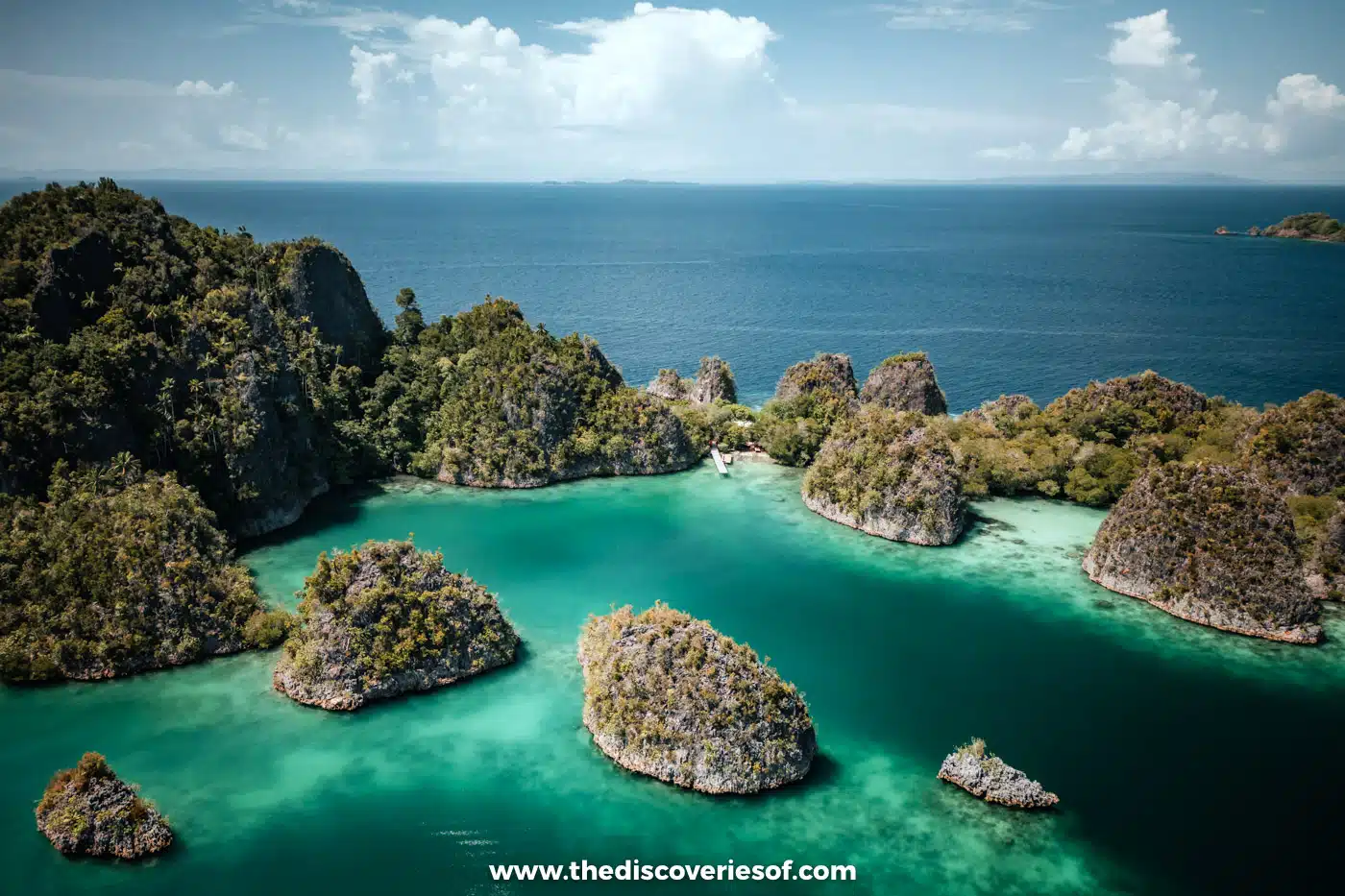
Raja Ampat was ten years in the making for me. I’d wanted to dive there for about a decade before I finally spent a week in May at Papua Paradise Eco Resort, on tiny Birie Island off Batanta. I paid my own way, logged 11 dives, swam with turtles over some of the healthiest coral I’ve ever seen, watched well over 100 hornbills fly in to roost at sunset and climbed the steps to the Piaynemo viewpoint, which looked even better than the postcards.
It’s also one of the most remote places I’ve ever travelled to, and it takes real planning: an overnight flight, boats that run to fixed times, two separate entry fees and a sea that changes with the seasons.
This page brings together the essentials, with links to my detailed guides, and every Raja Ampat article on the site is listed below.
Some links in this article may be affiliate links, which means we may receive a small commission, at no additional cost to you, if you decide to purchase through one of my recommended partners.
 Diving in Raja Ampat: the practicalities behind planning your dream diving trip
 Is Raja Ampat worth it?
 How to get to Raja Ampat: flights, boats, visa and fees
When to go
October to April is the best time to go, with the calmest seas and the best visibility, and January and February are the peak months. From roughly June to September, south-easterly winds make the sea rough, worst in July and August, when some areas close and even the resorts that stay open may cancel dives.
I went in May, a shoulder month that’s good but changeable, and had bright, clear weather for most of the week. My Raja Ampat diving guide goes into the seasons for divers in more detail.
Getting there and around
Raja Ampat is an archipelago of more than 1,500 islands, cays and shoals off the western tip of New Guinea, in Indonesia’s Southwest Papua province. Its name means “four kings”, after its four largest islands: Waigeo, Batanta, Salawati and Misool. It lies in the heart of the Coral Triangle, and most of the diving, resorts and homestays are around the Dampier Strait, between Waigeo and Batanta.
Sorong, on the mainland, is the gateway. There are no public boats between the islands, so you pick one base and let its boats take you out each day.
Fly to Jakarta or Makassar, then on to Sorong. From Jakarta, that usually means an overnight flight that lands early in the morning, in good time for the afternoon boats, though flights are often retimed.
From Sorong, resorts run their own speedboats: the Papua Paradise boat leaves at 2pm, so your flight needs to land by noon. If you’re staying at a homestay, take the Express Bahari public ferry to Waisai, about two hours, and your hosts will meet you there by boat.
I flew from Singapore to Jakarta, slept for a few hours at an airport hotel inside Terminal 3, took the midnight flight to Sorong and was on the resort boat that afternoon. My guide on how to get to Raja Ampat covers every leg step by step, along with the e-VOA for UK passport holders.
Where to stay
Where you sleep decides which reefs you can reach. A dive resort gives you a comfortable base, a house reef and the freedom to take days off; a liveaboard reaches far-flung areas such as Misool; homestays are the budget option. I chose a dive resort, and I’d recommend one to anyone getting back into diving or travelling solo. These are the three places I stayed, all paid for myself.

Know before you go
Top things to do
Raja Ampat is a diving destination first, but you don’t need to be an expert. I hadn’t been in open water for about five years before this trip, and there was plenty I could do, because dive centres match sites to your ability. Currents are common and can be strong, though: the dive centre steered me away from one of the famous current-swept sites, and I found the Fam Islands wall dives hard work. If you’re rusty, book a refresher before you go. My favourite dive of the week was Sawandarek, a village jetty site off Mansuar with turtles. My diving guide covers every site I dived.
Non-divers can snorkel the house reefs, take a sunset cruise to watch the hornbills fly in to roost, climb to the Piaynemo viewpoint and book a massage, and my one-week itinerary shows how to fit it all in. But most of what you’re paying to reach is underwater, so if you won’t spend time in it, read my honest verdict on whether Raja Ampat is worth it first.
Costs and budgeting
Every foreign visitor pays two fees. The regency tourist levy is IDR 1,000,000 per visit, and you need to be registered for it online through the SIPARI system before you arrive. The marine park fee is officially IDR 700,000, reportedly raised to IDR 1,000,000 from August 2026, and is valid for 12 months. Together, that’s about IDR 1.7 million to 2 million per person. Many resorts arrange both for you, but carry some rupiah in case.
Raja Ampat isn’t cheap: my week came to about £4,100 from Singapore, most of it on the resort and the diving. Is Raja Ampat worth it? breaks down where the money went.
Safety, health and tipping
Health
Whatever your level, dive insurance with evacuation cover is essential. Medical facilities in Raja Ampat are limited, and serious cases are likely to be evacuated to Darwin. My first dive, when I ran out of air near the surface, taught me that even on a guided dive you need to know how to get yourself out of trouble.
Map
Insider tips, straight to your inbox
All Raja Ampat guides
 Is Raja Ampat worth it?
 7 days in Raja Ampat: the perfect Raja Ampat diving itinerary from an island base
 Diving in Raja Ampat: the practicalities behind planning your dream diving trip
 How to get to Raja Ampat: flights, boats, visa and fees
 Piaynemo and the Fam Islands, Raja Ampat: a day trip guide
 Papua Paradise Eco Resort review: a remote Raja Ampat dive resort



Watch on YouTube
See the places before you go
Short films from the places in my guides, so you can see what a destination really looks and feels like before you go.
Subscribe on YouTube youtube.com/@thediscoveriesof