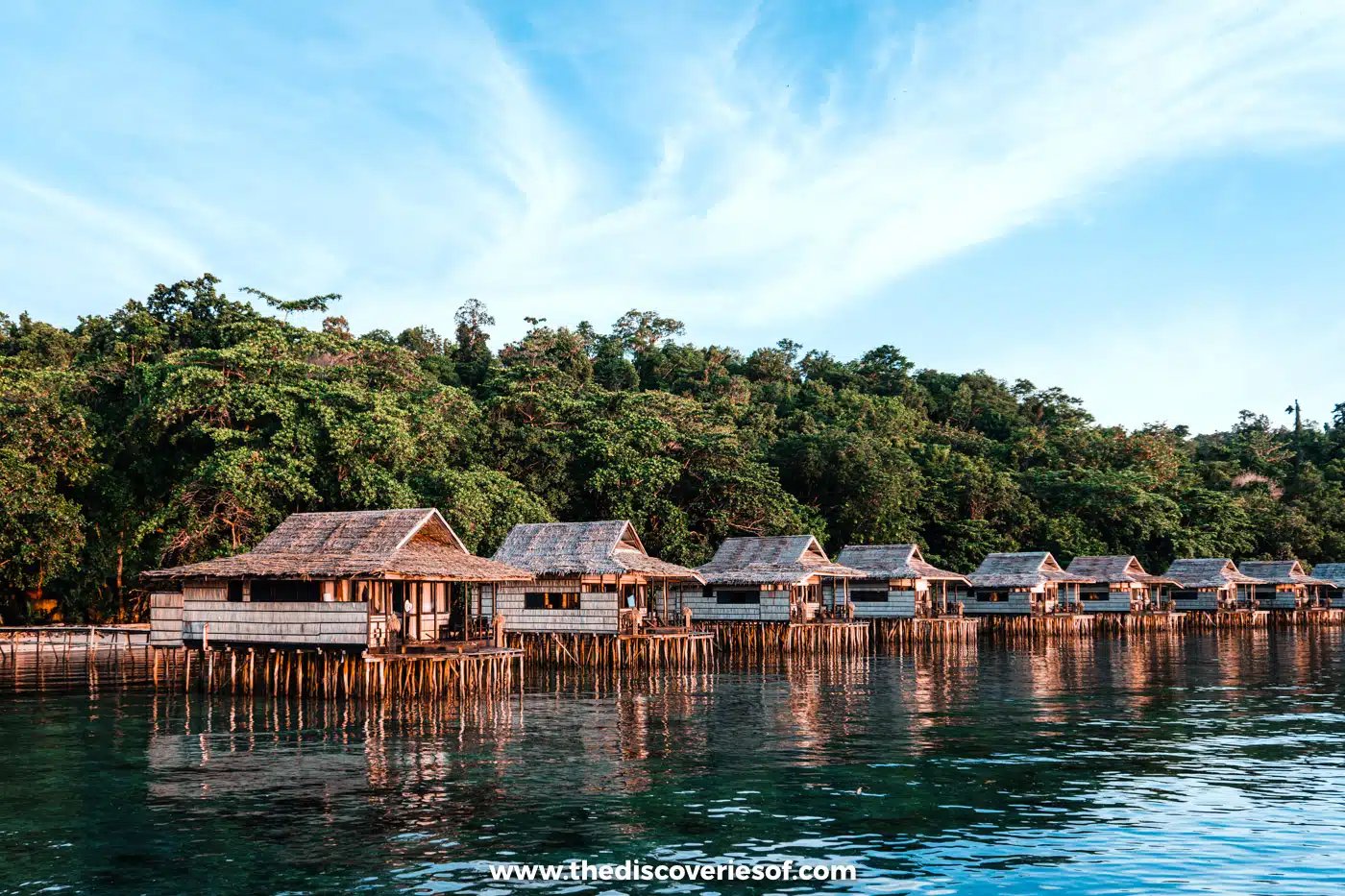
Papua Paradise Eco Resort sits on tiny Birie Island, off Batanta in Raja Ampat, with thatched bungalows built out over the water, a house reef that rivals the big-name dive sites and a spa I didn’t expect to find this far from anywhere. I spent a week there in May, paid my own way and dived almost every day. This is my honest review, from the bungalows and the diving to the building work nobody mentioned.
Raja Ampat had been ten years in the making for me. I’d wanted to go for so long that when the boat finally pulled in at Papua Paradise, after a flight to Singapore, another to Jakarta, a midnight flight to Sorong and a speedboat across the strait, I could hardly believe I was there. The first thing I noticed was the view from the bungalows: wide, open and completely calm, with sea life moving in the water right below the deck.
I came to dive. I’d done a refresher in a very deep London swimming pool not long before, but it was my first time in open water in about five years. By the end of the week I’d logged 11 dives, more in one stretch than at any point in the 12 years since I qualified.
The resort is now part of the Lotus Hotels & Resorts group, so you may also see it marketed as Lotus Papua Paradise.
Some links in this article may be affiliate links, which means we may receive a small commission, at no additional cost to you, if you decide to purchase through one of my recommended partners.
Quick verdict
Papua Paradise is for divers, nervous or rusty ones included, and snorkellers who want a remote base with a superb house reef right off the jetty. Choose it for the setting, the team and the diving on its doorstep, and accept that getting there takes a while.
My rating: 4 out of 5. The setting, the staff and the diving were close to perfect, but building work next door to my bungalow that wasn’t flagged before I arrived cost it a point.
- Where: Birie Island, off the coast of Batanta, Raja Ampat, Southwest Papua, Indonesia
- Rooms: about 25 thatched bungalows over the water
- Diving: on-site dive centre (Gangga Divers, a PADI 5 Star centre) and two house reefs
- Getting there: the resort’s own speedboat from Sorong at 2pm
- What I paid: about £2,350 for my stay as a solo traveller, all inclusive apart from diving
Where it is
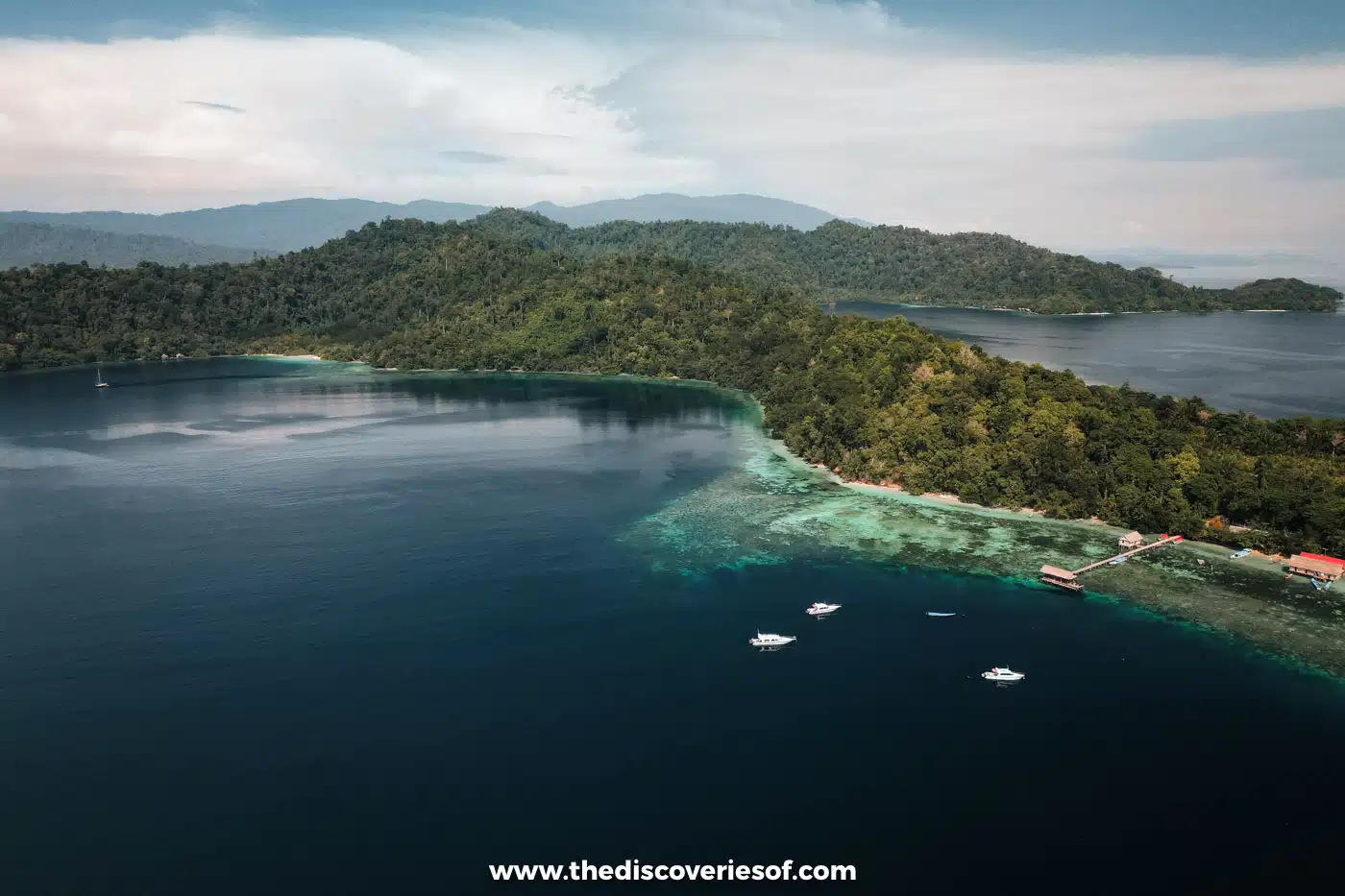
Birie is a small, almost private island just off the north-east coast of Batanta, a couple of hours by boat from Sorong and away from the cluster of resorts and homestays around Kri and Mansuar. The bungalows line one side of the island, facing the water. The other side is jungle, with a trail through it to a second house reef. The big days out are by boat: Mansuar was a day trip, and the Fam Islands, home to the Piaynemo viewpoint, took about 90 minutes each way.
My stay
The bungalows
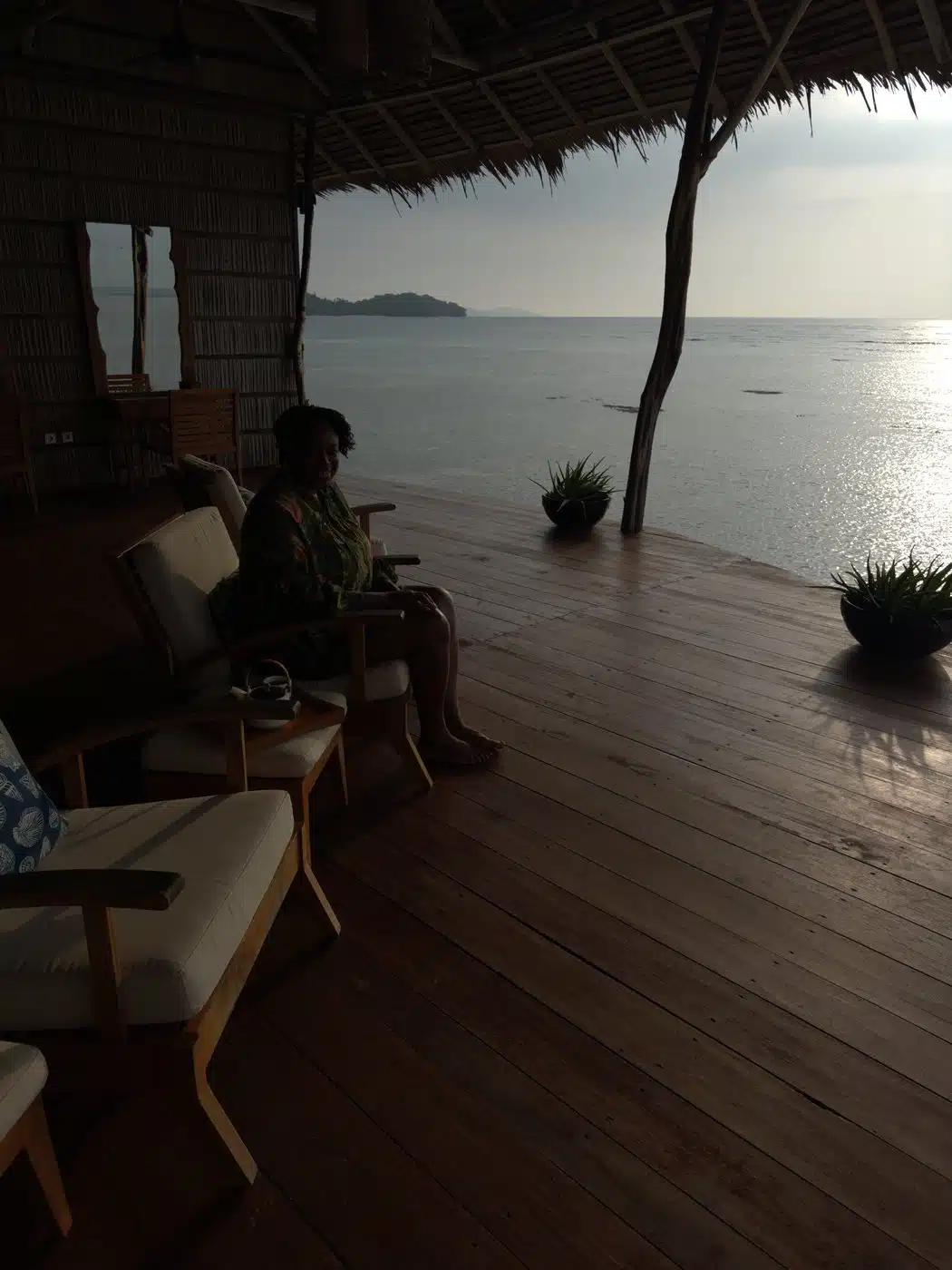
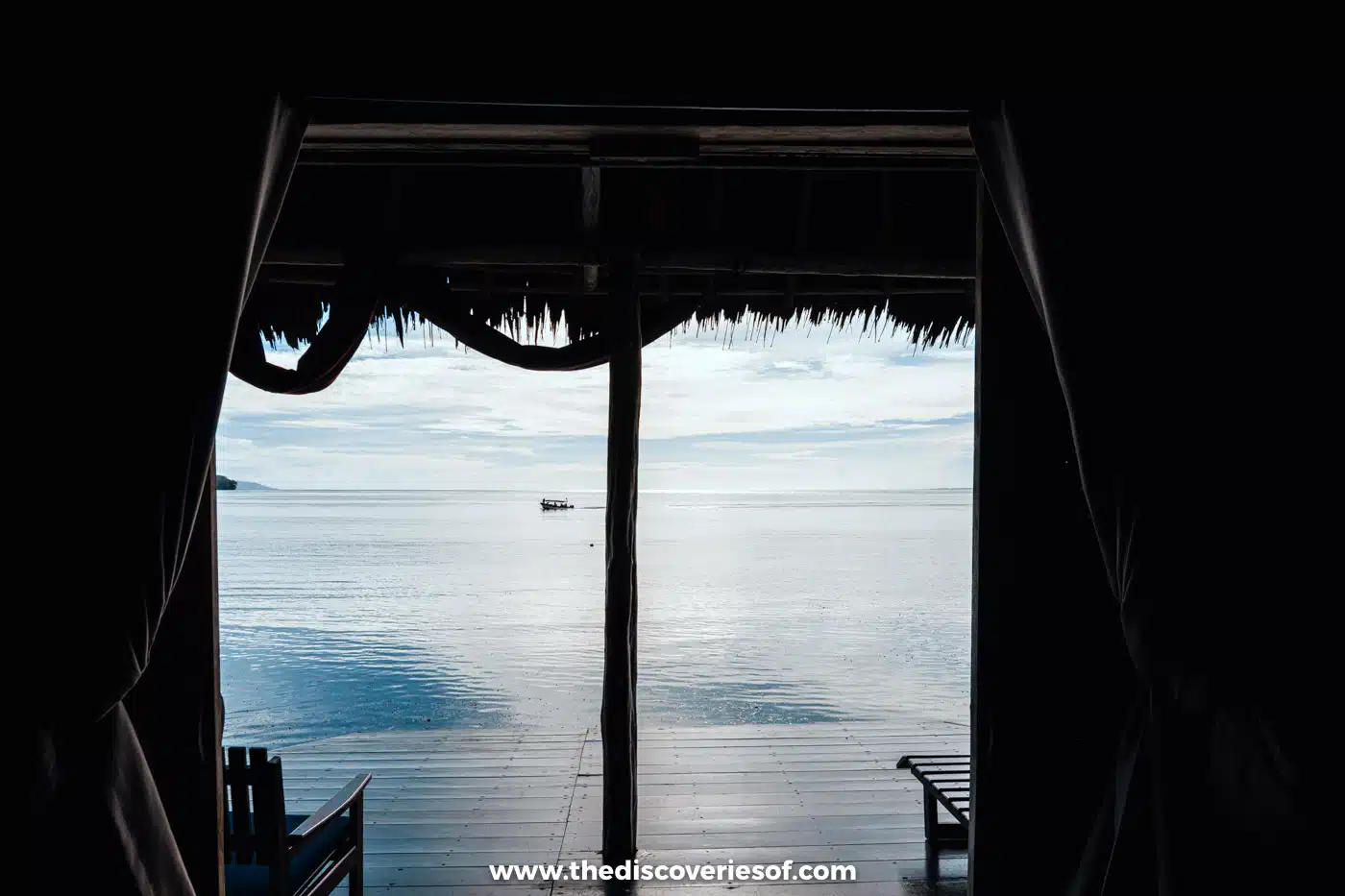
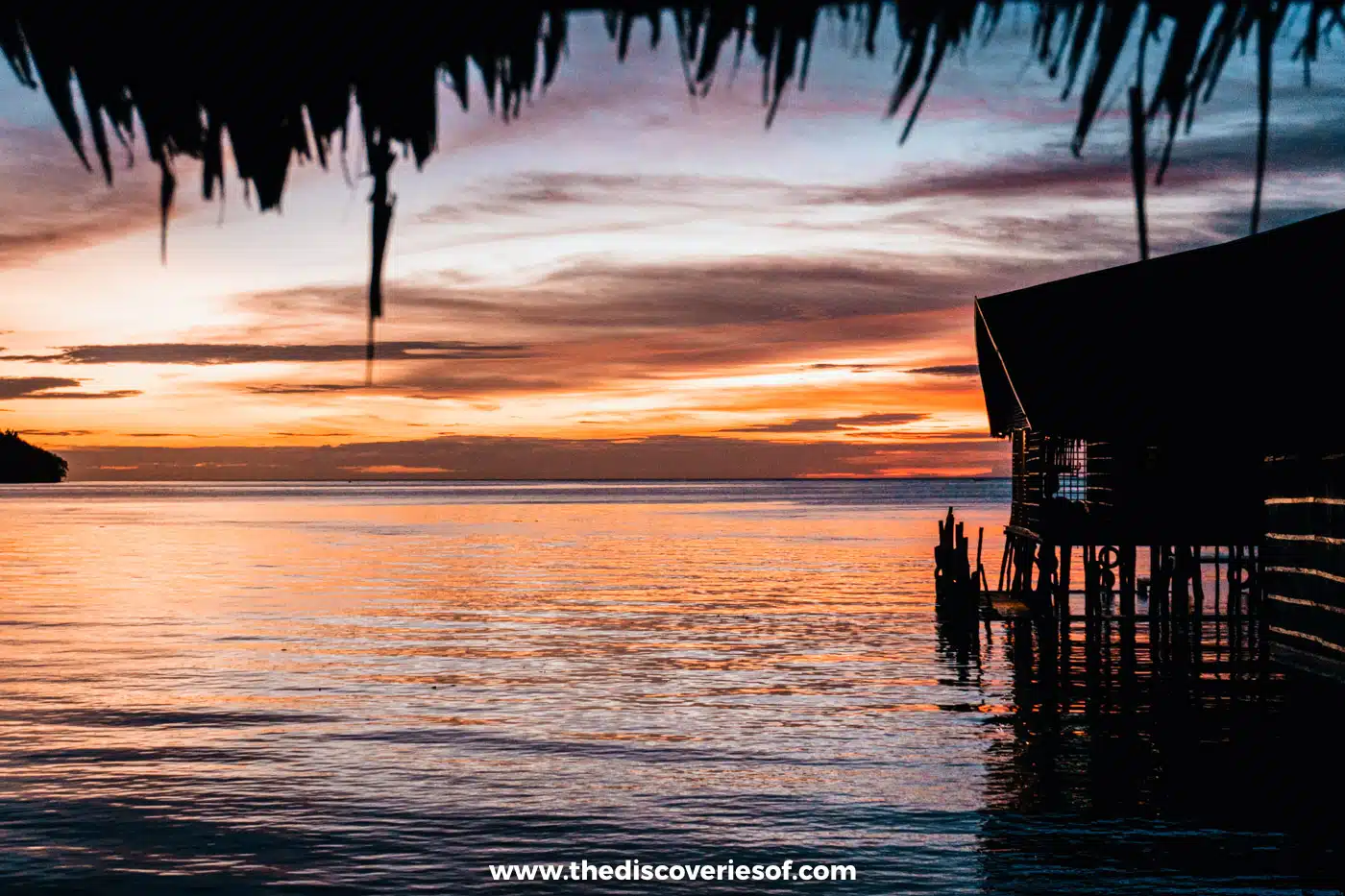
The bungalows have a lovely eco-chic feel and are genuinely spacious, with thatched roofs, wooden decks and views that stretch right out across the strait. I arrived to find a welcome spelled out in leaves and hibiscus flowers on the bed, under a white mosquito net and a ceiling fan.

What I remember most is the sound. The waves ran under the bungalow all night, and every time I woke up, I thought how delightful it was. On my first evening, I could already see fish moving in the water around the deck, and after long days of diving, I’d lie in bed under the fan going back over everything I’d seen. There’s a hammock too, and after my first good morning of diving, I decided it had my name on it.
Diving from the resort
On my first evening, I had a dive briefing and kit fitting, and talked the team through my experience so they could pick a first site with no currents.
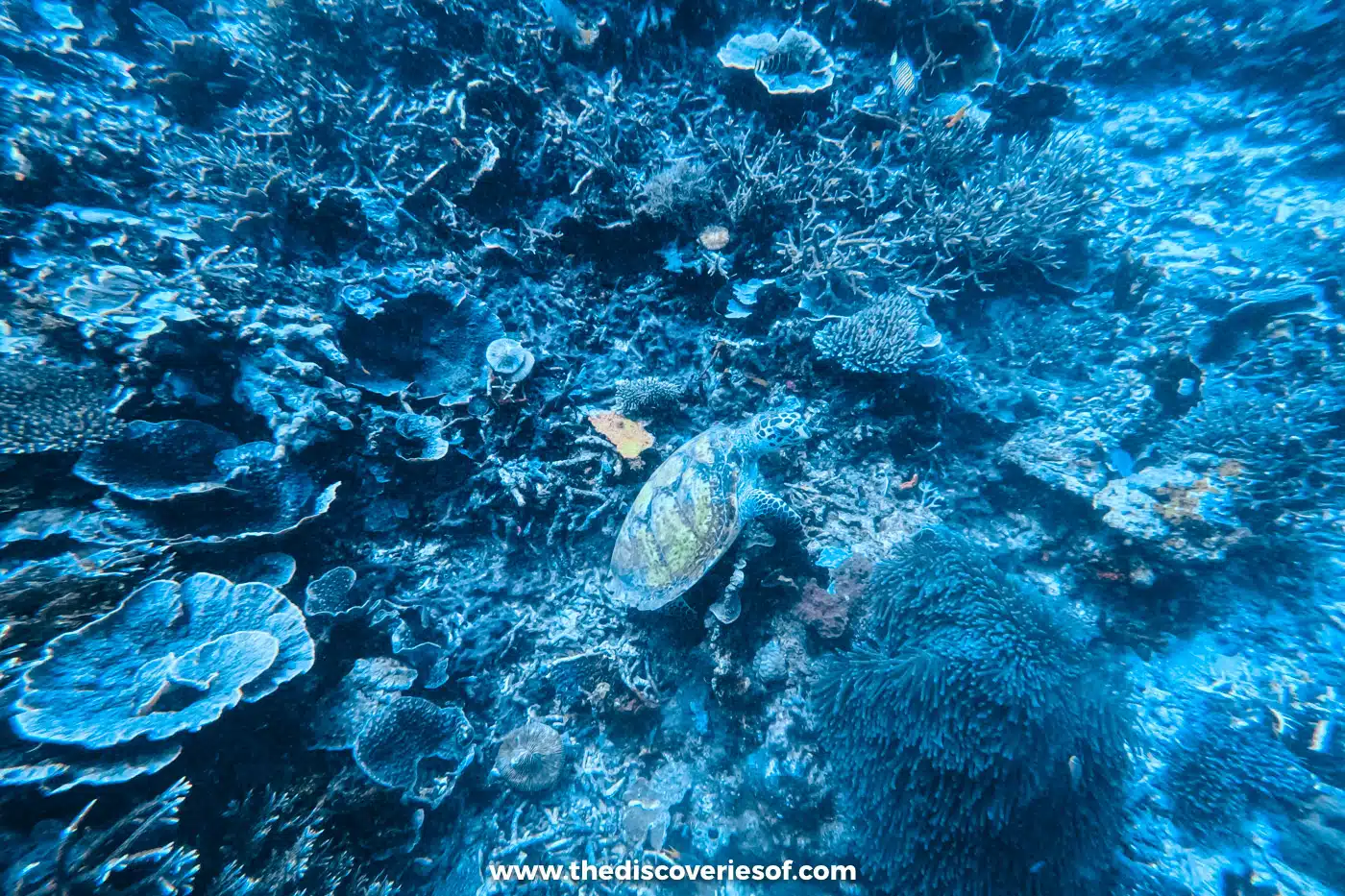
That first dive went badly wrong, which I’ve covered in the caveats below and in my guide to diving in Raja Ampat. The next morning, I did a gentle confidence dive on the house reef with a different guide and a bigger tank, and it was amazing: rays, quite a big blacktip shark, schools of fish and some of the healthiest coral gardens I’ve ever seen, with mushroom-shaped corals and long, frondy ones lining a tunnel that ran for about 20 metres to a corner where the bigger fish hung out. People can be sniffy about house reefs, but this one is the real thing.
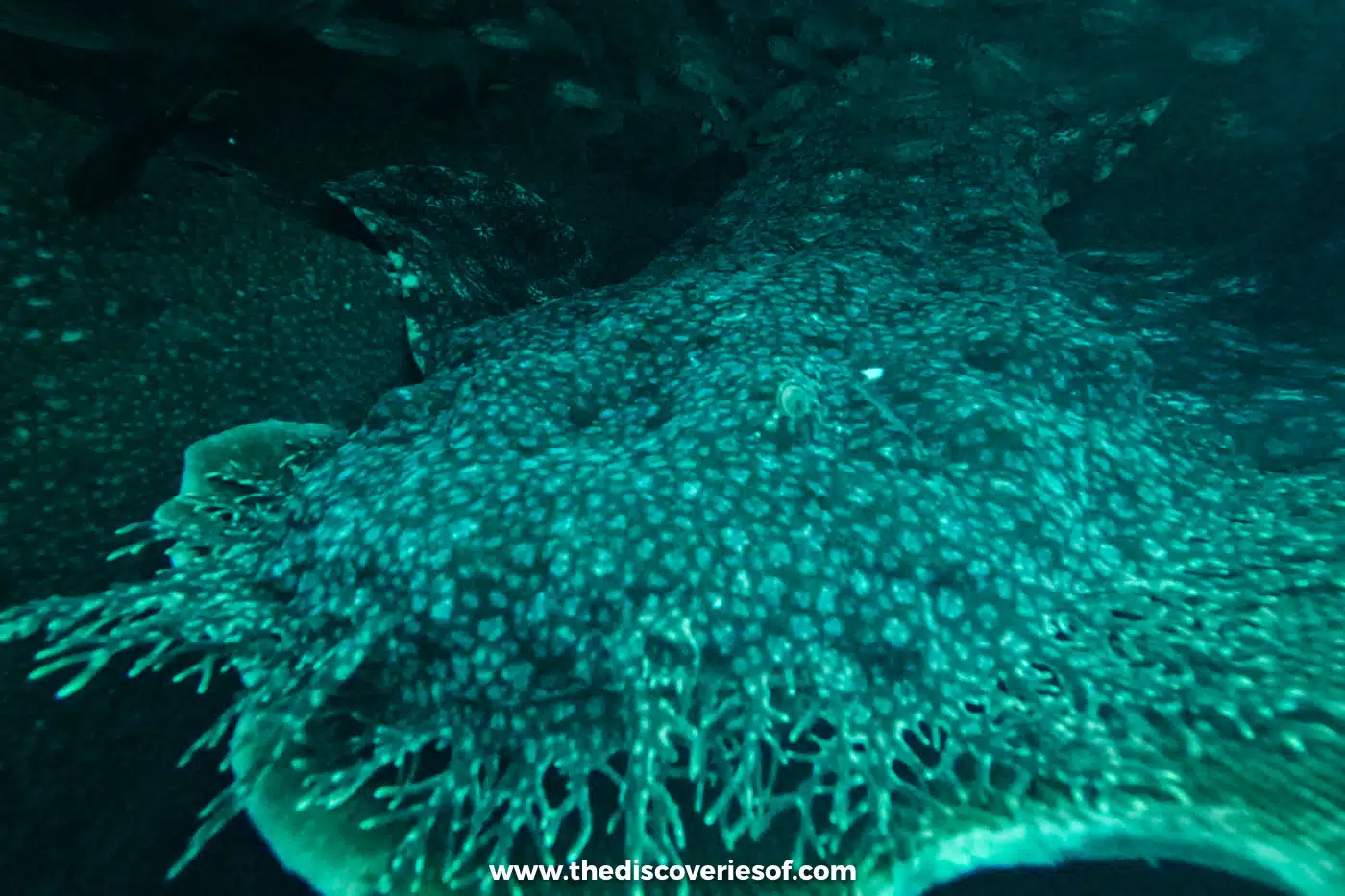
From there, every day got better. At Mansuar, I did three dives in a day for the first time ever, two of them at Sawandarek, a reef with huge balls of fish and four turtles. On the Fam Islands day, the currents tested me, but my guide, Welson, kept an eye on me the whole time. My last two dives stayed close to the resort, with turtles, rays and wobbegong sharks tucked under the rocks.
Lunches, dinners and the other guests
On the Mansuar day, the boat came with a lovely packed lunch from the kitchen, and I said on camera that Papua Paradise had smashed it out of the park on everything. I stand by it.
Dinner on my first night with some of the other guests felt a little awkward, but by the end of the week the people were one of the things I’d miss most. There’s a real community of travellers here, and some keep coming back: I met people who’d returned seven times, and I can absolutely see why. The management and the team are wonderful.
Days off the dive boat
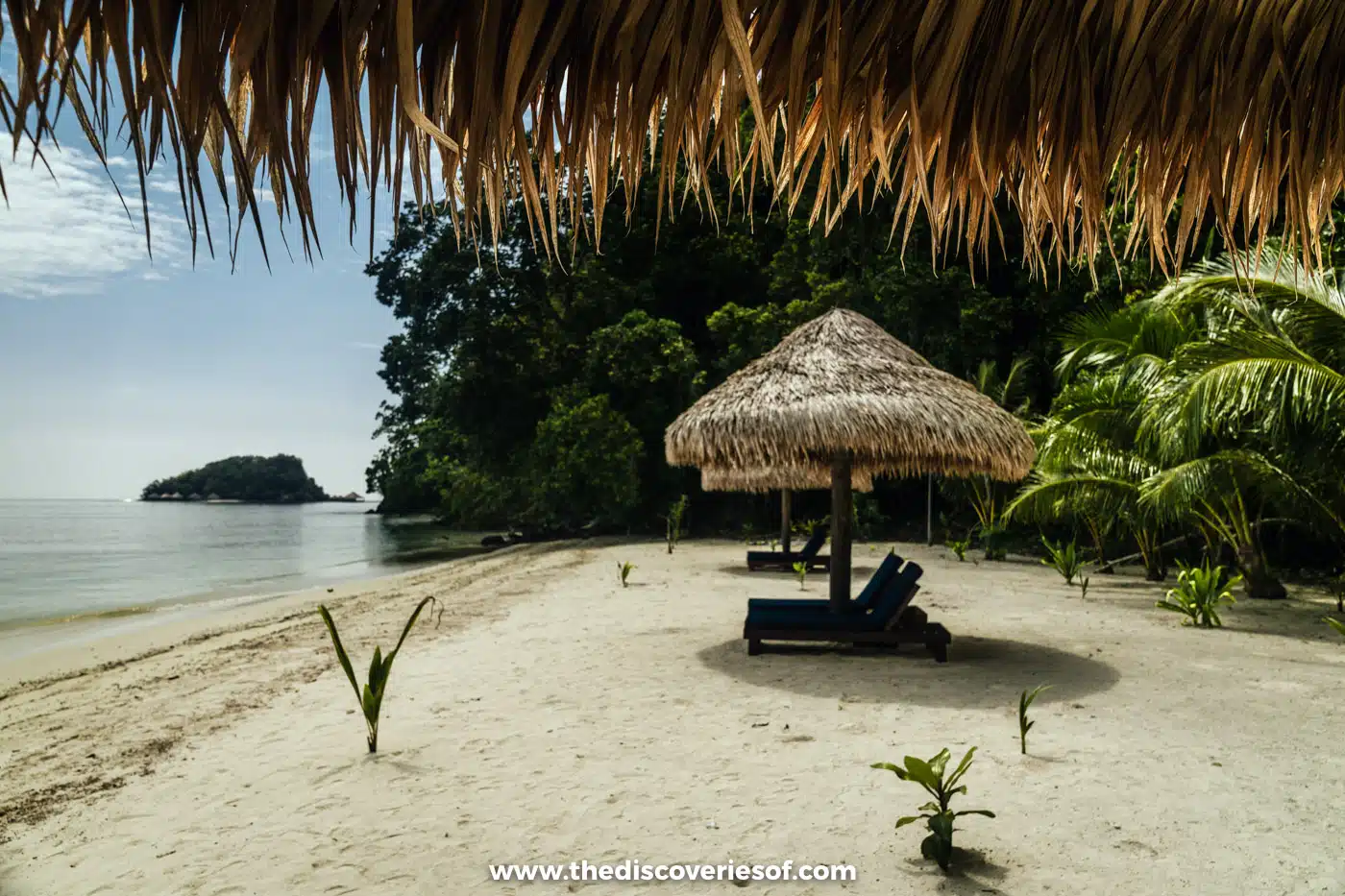
Halfway through the week, I took a rest day, and it became one of my favourite days of the trip. I followed the trail through the jungle to the far side of Birie, where the second house reef sits on a wide stretch of water between two islands that feels almost like a lagoon. It felt like a completely different place, with clear, cerulean water, fish leaping out of the surface and hardly anyone around, and I flew my drone until I’d run through my spare batteries.
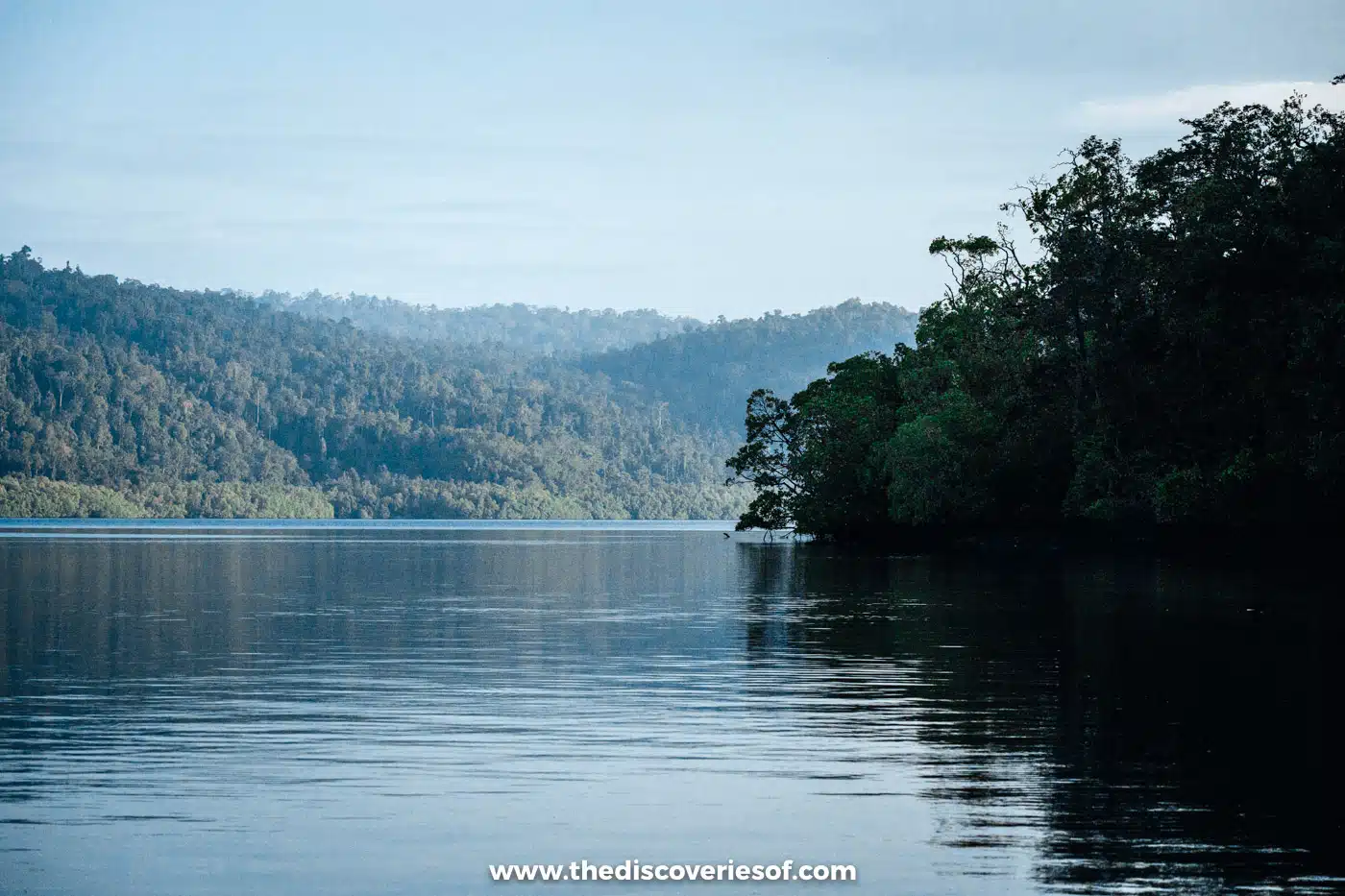
That evening, I went on the hornbill sunset cruise, and I was the only guest on it. As a solo traveller, I’ve often found trips like this need a minimum number of people, so I really appreciated the resort running it just for me. With the engine off in the mangroves, I watched parrots, cockatoos and pigeons as the birdsong built around me. Then the boat moved on to Hornbill Island, where the hornbills fly in at dusk from the jungle where they feed to roost for the night. I’d been told it would take a little luck, but well over 100 of them flew over at sunset, raucous and loud, and I had my 100 to 400mm lens ready.
And then there’s the spa. It had closed during COVID, so it was a happy surprise when it came up in the welcome talk. I booked a traditional massage, a blend of Javanese and Balinese techniques with really firm pressure and good work on the pressure points. After days of diving, the backs of my legs and my neck were knotted, and I came out feeling like jelly. I booked more than one treatment before the week was out.
What I loved
- The setting. Waves under the bungalow all night and a sunset off the deck every evening.
- The house reef. Coral in better condition than I knew still existed, minutes from my room.
- The team. Wonderful management and staff, from the packed lunches to running a sunset cruise for one.
- The spa. A proper massage after a day of diving, on a remote island.
- The atmosphere. A small, friendly crowd of guests and plenty of repeat visitors.
Honest caveats
Building work next door. When I arrived, there was construction going on literally next door to my bungalow, and nothing on the website had warned me. I really wish hotels would say on their sites when building work is under way and which rooms it affects, because nobody wants that surprise. Ask the resort directly before you book.
My first dive. I got through my air far faster than I expected on my first dive. I’d flagged problems to my guide twice, the spare regulator I was given kept flooding, and I ran out completely a metre or two from the surface. It was terrifying. The resort’s response was the right one, a confidence dive the next morning with a different guide, and the rest of the week was fantastic. But it taught me that even on a guided dive, you always need to know how to get yourself out of trouble: watch your own gauge, signal clearly and early, and never assume anyone else is tracking your air.
Wildlife comes indoors. One night I was sure I could hear wings flapping inside my bungalow. I wasn’t imagining it: the next day I found bird droppings all over my iPad and asked the team to check the room. On a jungle island, that comes with the territory, as does the small cockroach I found in my dive bootie one morning. Check your booties.
Not every site suits a rusty diver. Currents can be strong. The team ruled out Cape Kri for me because of them, and I found the Fam Islands wall dives hard work, but there was still loads for me to do.
Practical information
Rooms
There are about 25 bungalows over the water, in three categories on the resort’s official rooms page: 14 Superior, 9 Deluxe and 2 Premier. Each has a king bed, ceiling and pedestal fans, a hot shower, a mini fridge, a safe and a two-level veranda with a daybed. I slept under the ceiling fan, so if air conditioning matters to you, check which category has it before you book.
Price
Rates aren’t published, so ask the resort for a quote. My stay cost me about £2,350 as a solo traveller, excluding diving, on an all-inclusive basis with my transfers paid in advance.
Diving and what’s included
The dive centre is Gangga Divers, a PADI 5 Star centre with ten boats. The resort’s unlimited diving package covers up to four dive slots a day, free nitrox (about 32%), free snorkelling on the house reef, an hour of free kayak use, and hot drinks and snacks on the morning boats. It doesn’t include transfers, soft drinks or beer, gear rental, the Raja Ampat fees, private guides, longer-range trips (which carry a surcharge) or tips.
There’s a maximum of four divers per guide and a 30m depth limit. A dive computer and dive insurance with evacuation cover are mandatory, gloves are banned, and you’ll need to complete a medical statement. The water is 28 to 30C, with visibility of 10 to 20m.
Transfers
The resort’s speedboat leaves Sorong at 2pm every day. It’s about 15 minutes by road to the boat, and the resort quotes about two hours on the water, although my crossings took about 90 minutes. Your flight needs to land by noon, or you’ll spend a night in Sorong.
On the way back, the boat leaves the resort at 7am (mine left at 7:30am), and the earliest flight you can make is around 10:30am, so an earlier flight means a night in Sorong first.
Fees
Every foreign visitor pays two fees: the regency tourist levy of IDR 1,000,000 per visit, which needs you registered online through the SIPARI system before you arrive, and the marine park fee, officially IDR 700,000 and reportedly raised to IDR 1,000,000 from August 2026. The resort can add the regency levy to your bill.
Wi-Fi
There’s Wi-Fi, pitched as good enough for email: enough to stay in touch, not to stay online.
For everything else on the islands, start with my Raja Ampat travel guide.
Map
Read next
- 7 days in Raja Ampat: the perfect Raja Ampat diving itinerary from an island base
- Diving in Raja Ampat: the practicalities behind planning your dream diving trip
- How to get to Raja Ampat: flights, boats, visa and fees
- Piaynemo and the Fam Islands: a day trip guide
- Is Raja Ampat worth it? My honest verdict
- Read all my Raja Ampat guides
- 16 fabulous things to do in Indonesia beyond just Bali
- 2 weeks in Bali: the perfect itinerary
Love this? Save and share on Pinterest

Discover the top things to do, insider tips and hidden gems in our Indonesia Travel Guide.
Read the guides →