20 brilliant Atacama Desert tours for unforgettable adventures, from sunrise at El Tatio to the Bolivian salt flats, including the private excursions and the Uyuni tour I took myself.
Let me cut to the chase. Chile’s Atacama Desert is incomparably beautiful.
Imagine walking along the tranquil salt lakes as the jagged landscape of purple-hued mountains creates an ethereal atmosphere. Add some of the clearest night skies on the planet, with around 300 clear nights a year, and you’re in for a real treat.
I’ve been to Chile four times and explored the Atacama twice: first on a self-drive campervan road trip, and then in July, when I based myself at Nayara Alto Atacama with a private guide and driver before crossing into Bolivia on a four-day tour to the Salar de Uyuni. Both ways of seeing the desert have their merits, but unless you’re confident driving at 4,000 metres on gravel roads, a good tour is the easiest way to reach the frozen lakes of the altiplano, the El Tatio geysers at dawn and the darkest stargazing spots.
How does wandering through the geothermal hot pockets at El Tatio’s geysers sound? Or maybe a jaw-dropping sunset near the Valle de la Luna? Whatever the case, these Atacama Desert tours will make your getaway a touch more memorable. Almost all of them leave from San Pedro de Atacama, and most include pick-up, though usually only from hotels inside the town itself, so read the details before you book.
Some links in this article may be affiliate links, which means we may receive a small commission, at no additional cost to you, if you decide to purchase through one of my recommended partners.
Ready or not, Atacama awaits!
The best Atacama Desert tours


Uyuni salt flats and San Pedro de Atacama 3-day tour

How does a Salar de Uyuni and Atacama Desert tour all in one go sound? This 3-day tour ticks all the boxes, from the Salar de Uyuni itself to the emerald green Laguna Verde, and it finishes in San Pedro de Atacama, so it’s ideal if you’re travelling from Bolivia into Chile.
The first day is a Bolivian whirlwind. You’re picked up in Uyuni at 10:30am, then soak up Bolivia’s industrial past at the Train Cemetery, browse the salt workshops of Colchani and head out onto the flats, with a visit to cactus-covered Isla Incahuasi and a sunset producing a myriad of colours reflecting off the pure-white salt. The first night is in a salt hostel.
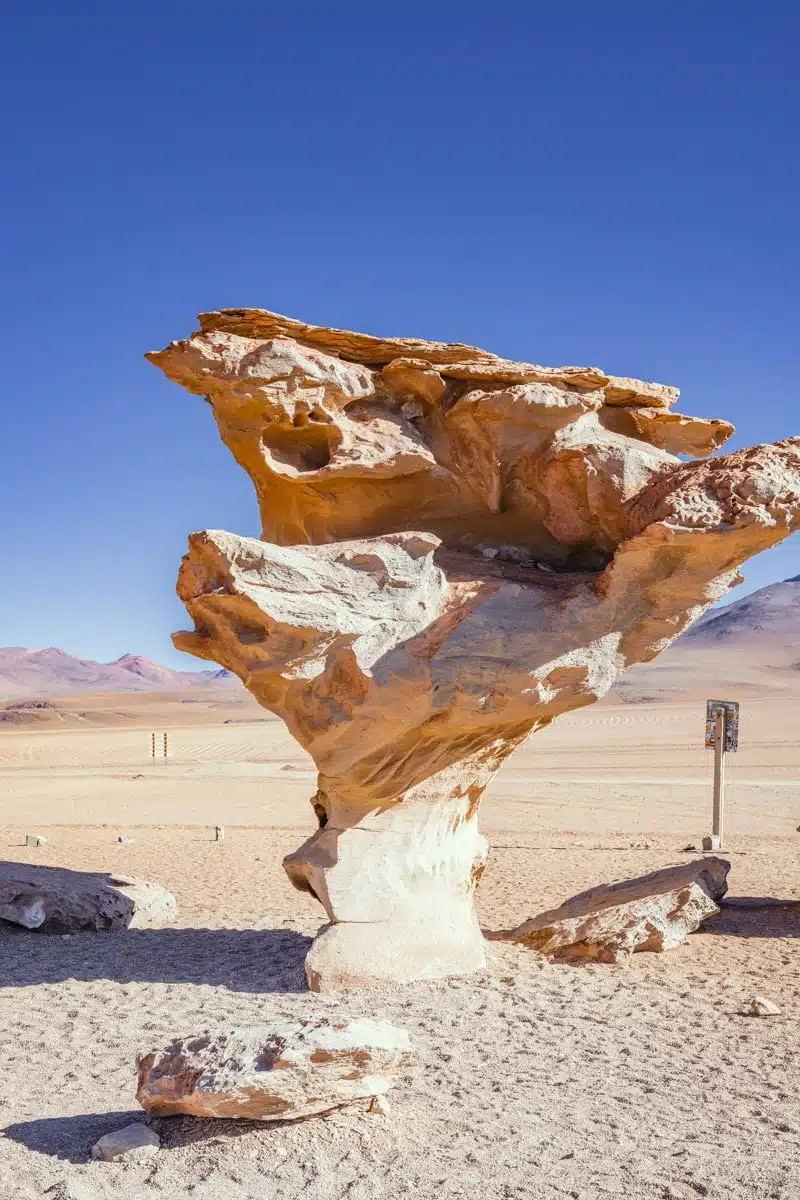
How about popping over to the flamingo-filled waters of Laguna Cañapa? Day two is a procession of high lagoons (Cañapa, Hedionda, Chiarcota and Honda), the unique tree-like rock formations of the Siloli Desert and the blood-red Laguna Colorada. Look out for the Ollagüe volcano on the border too: it’s active, and I could see it smoking when I passed, which is both thrilling and the tiniest bit worrying at the same time.
On day three, you’re up before dawn for the Sol de Mañana geysers, a dip in the Polques hot springs, the Dalí Desert and Laguna Verde, before crossing into Chile at Hito Cajón and reaching San Pedro around lunchtime. The operator is On Experiences, and the tour costs from around US$450 per person, with an English- or Spanish-speaking guide, shared rooms and all meals.
You should note that the listing is vague about which park fees are covered, so bring Bolivian cash: the operator suggests around 400 bolivianos. The Eduardo Avaroa reserve alone charges around 150 bolivianos. The second night is spent in a shared dormitory near Laguna Colorada, and when I stayed at Huayllajara, it was one of the coldest nights of my life, so pack thermals. Hito Cajón can close in bad weather, mostly between January and March and June and August, when the route switches to the longer Ollagüe crossing. Most nationalities, including UK and US passport holders (Bolivia dropped its visa for Americans in December 2025), can visit without a visa, but check before you go. My guide to the Bolivian salt flats has everything else you need.
Piedras Rojas, altiplanic lagoons and salar full-day tour
{{IMG:5}}This Atacama Desert day tour is brimming with flora, fauna and picturesque lakes. It’s one of the best-reviewed tours in San Pedro, run by Ruta Chile in small groups of up to 14, and it takes about 10 hours, with pick-up at around 6am and back in town by about 4pm. Expect to pay from around US$86, including breakfast, lunch and the park fees (around CLP 29,000).
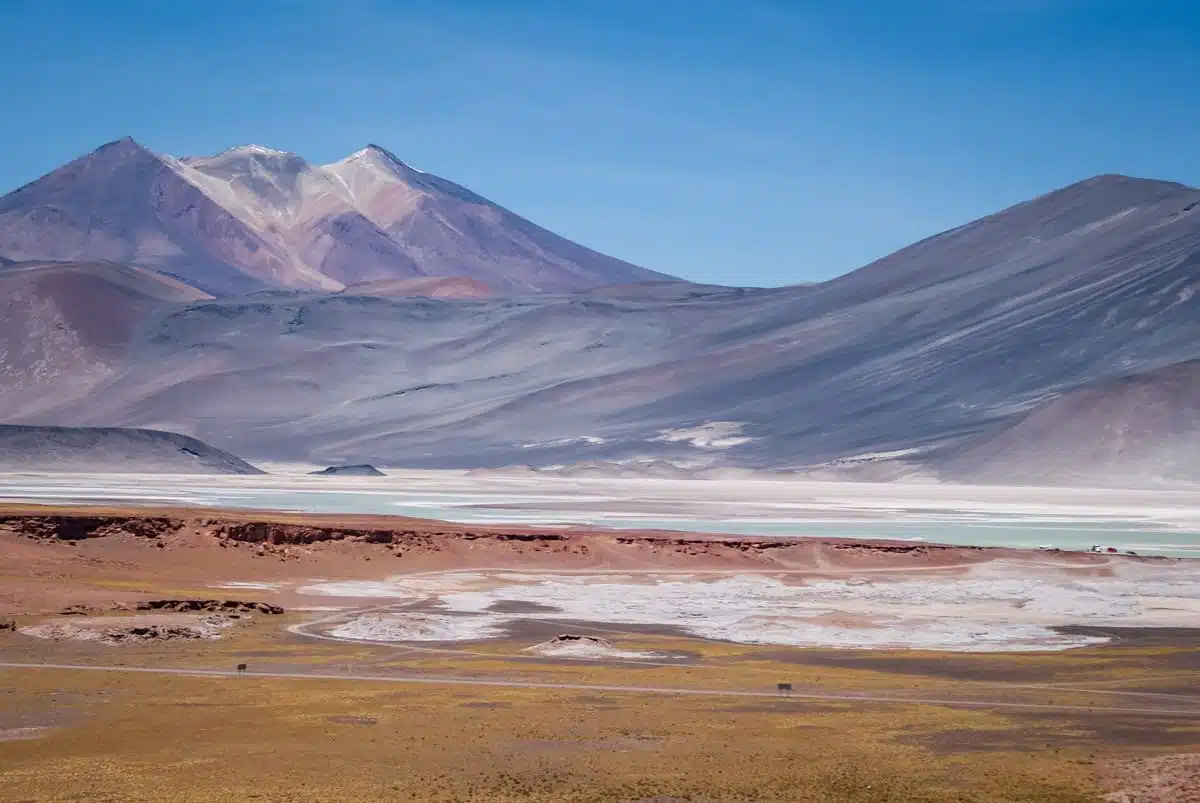
Start your journey with breakfast in the altiplano before the sulphur-lined Lagunas Miscanti and Miñiques. Volcanoes surround the two lakes, creating a colossal atmosphere, and you climb over an outcrop of lava to get from one to the other. I missed them on my road trip and regretted it, so I made sure to see them on my second visit.
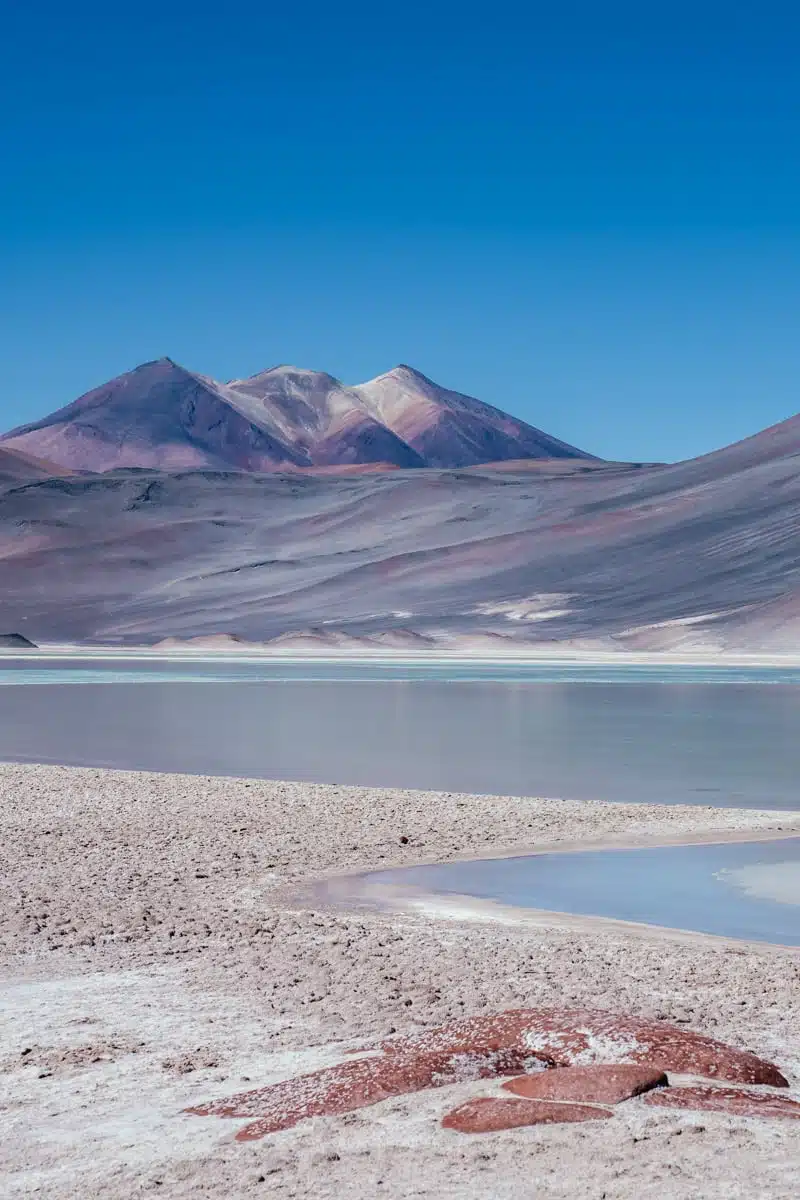
Next up, the lake at Piedras Rojas, on the Salar de Talar, offers an unimaginable cacophony of colours due to the variety of minerals within the water. It can freeze over in winter, which makes a cool contrast: when I visited in July, it was frozen solid and looked more like a piece of turquoise than water. These days, a path built by the local community leads down to the shore. It takes about an hour, because at over 4,000 metres you have to move slowly, and the scenery changes all the way.
Top tip
Visit Piedras Rojas in winter, as the lake’s lower water levels make the colours even more vivid.
And if that’s not enough, you’ll also pop past Chile’s largest salt flat, the Salar de Atacama, with stops in Socaire, Toconao and Laguna Chaxa. If flamingo spotting is on your bucket list, you can definitely tick it off here, as the Atacama is home to three species: the James, Andean and Chilean flamingo. Spend a couple of days in San Pedro before you go, to get used to the altitude.
Stargazing and Andean astronomy tour
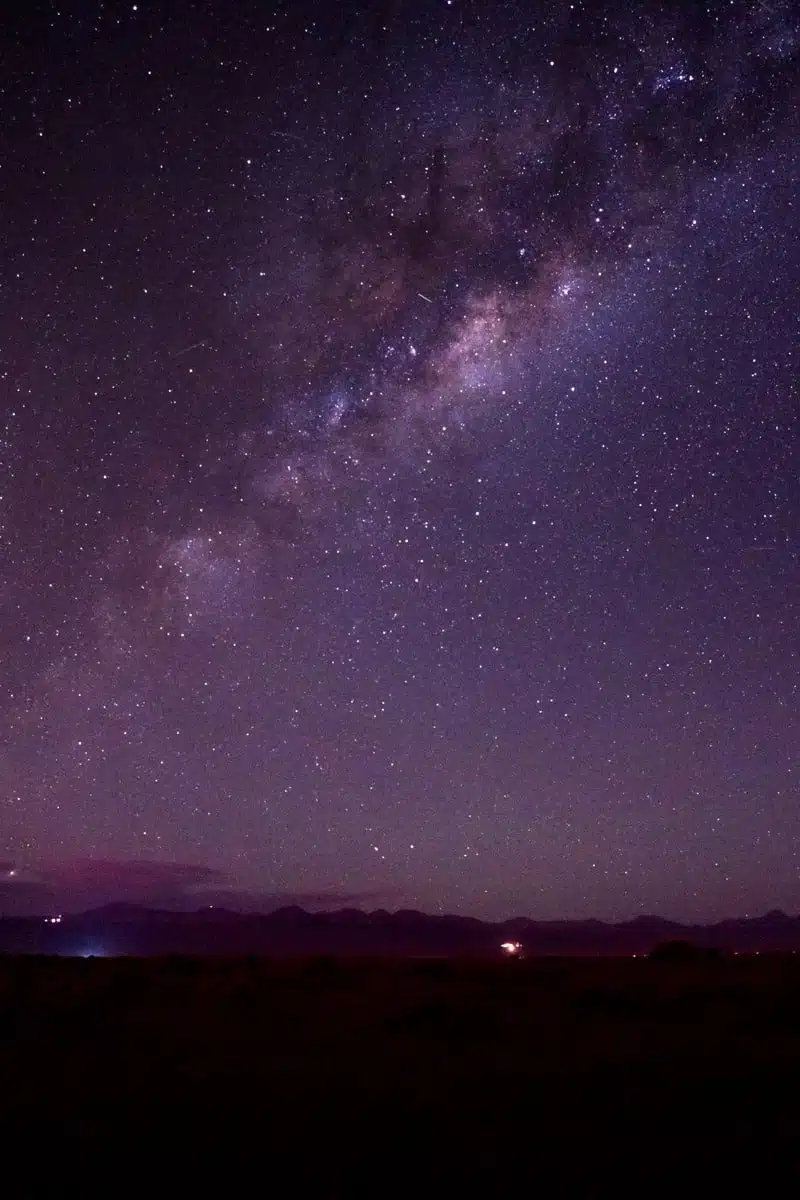
No Atacama experience is complete without a night gazing into the starry sky above. So, get the most out of the Atacameño sky on this astronomical tour with the Licanatay observatory, a 15-minute drive from town.
Start off by getting a deeper scientific understanding of the universe. Get ready to understand the cosmos and how to differentiate a planet from a star. And don’t worry, you’re not just blindly looking up. There are professional telescopes to help guide you, a poncho to keep you warm, and a glass of red wine, tea or coffee.
Top tip
Visit between April and September for the best stargazing conditions. It’s also when you can see the Southern Cross at its best.
Science isn’t the only perspective you’ll learn more about, and your guide will also explain how the desert’s ancient inhabitants read the stars. It lasts about two and a half hours, costs from around US$30 and comes with a free photo of you under the night sky. On my July trip, the astronomer at my hotel showed me how to find the south celestial pole using the Southern Cross, a trick I still use whenever I’m in the southern hemisphere. Wrap up warm, as desert nights get bitterly cold, and check the moon phase: the sky is at its darkest around the new moon.
Valle de la Luna sunset tour

There’s only one thing that beats seeing Valle de la Luna, and that’s seeing this magical landscape at the end of the day.
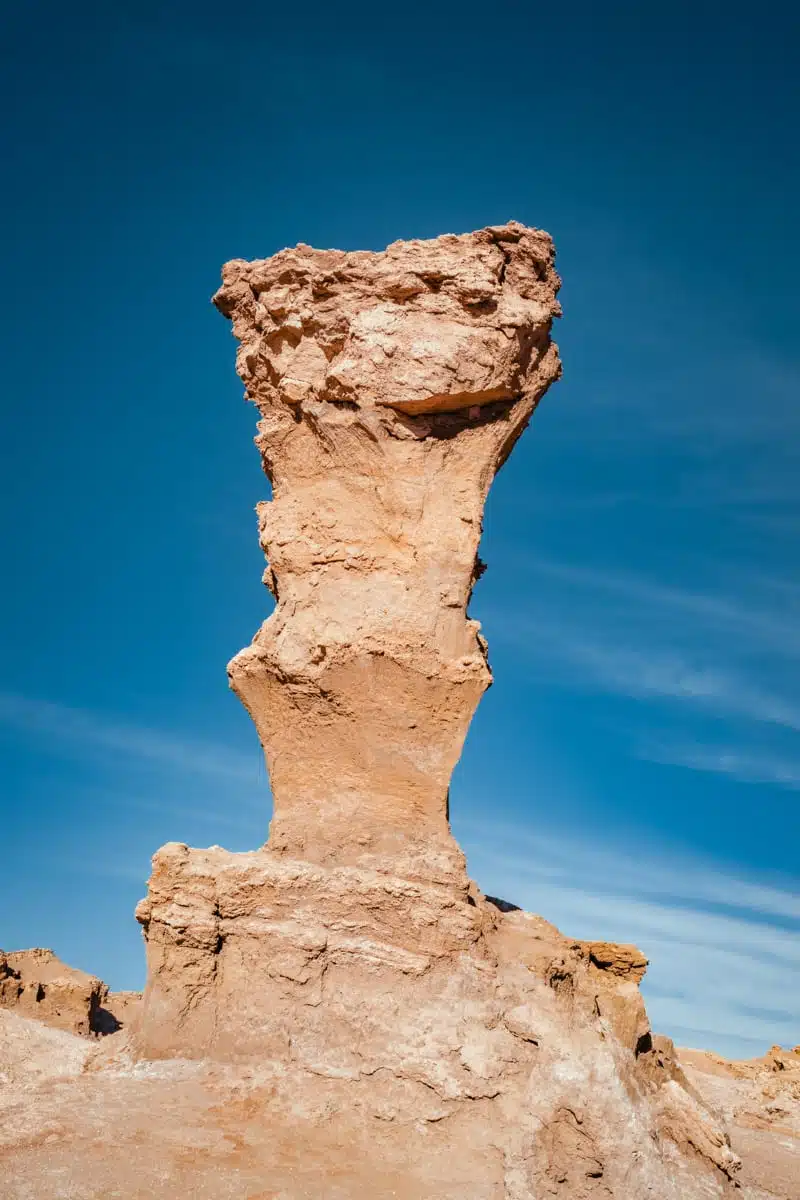
This Moon Valley tour allows you to explore a land where the wind carves the Martian-like landscape into ethereal formations. It’s one of the most popular tours in San Pedro, with more than 900 reviews, and takes about four and a half hours with hotel drop-off, from around US$78.
Watch the Great Dune ripple in the wind and gaze at Las Tres Marías as the late sun casts them in a golden glow. There’s also a secret stop with a cocktail before sunset. Visiting Valle de la Luna at sunrise is how I had it to myself on my road trip, but that’s no longer possible: the reserve doesn’t open until 8am (April to August) or 9am (September to March), and the trails inside close in the late afternoon, so sunset is watched from outside the valley. The tour usually heads to the Mirador de Ckari for it, but that viewpoint has been closed until further notice since late May 2026 for a safety review after an earthquake, so ask where they’re going instead.
The CLP 10,800 entry ticket is included for bookings made from 1 October 2026 (it wasn’t before, so check your confirmation), and it’s only sold online for a set date. If you’d rather go first thing in the morning, when it’s quieter, this shared Valle de la Luna tour costs from around US$32. And if it’s the sunset crowds you want to avoid, Ckamur, in the Valle de la Muerte next door, was free to enter and far quieter when I visited.
Best of Atacama: 4 tours in 3 days

Pack four of the Atacama’s top tourist attractions into a 3-day experience like no other. Each tour departs from San Pedro de Atacama, so accommodation isn’t included, but pick-up from your hotel in town is. It’s run by Pukarumi, costs from around US$370 and has a 4.7 rating from more than 300 reviews.
From a geyser that erupts every six minutes or so to the Putana valley and its flamingo lagoon on the way back, El Tatio is a bubbling world of sulphur awaiting discovery. The second day takes you up to Piedras Rojas and the Miscanti and Miñiques lagoons, the third to a sunset tour of the Valle de la Luna, with a walk of about 40 minutes, and the last to the hidden lagoons of Baltinache. What more could you ask for?
The listing names the park fees (CLP 28,800 for Chaxa, the lagoons and Piedras Rojas, CLP 10,800 for the Valle de la Luna, CLP 15,000 for El Tatio and CLP 12,000 for Baltinache), but it also asks you to pay the El Tatio and Baltinache tickets at the agency in advance, so check what your price covers. Children under nine aren’t allowed at El Tatio.
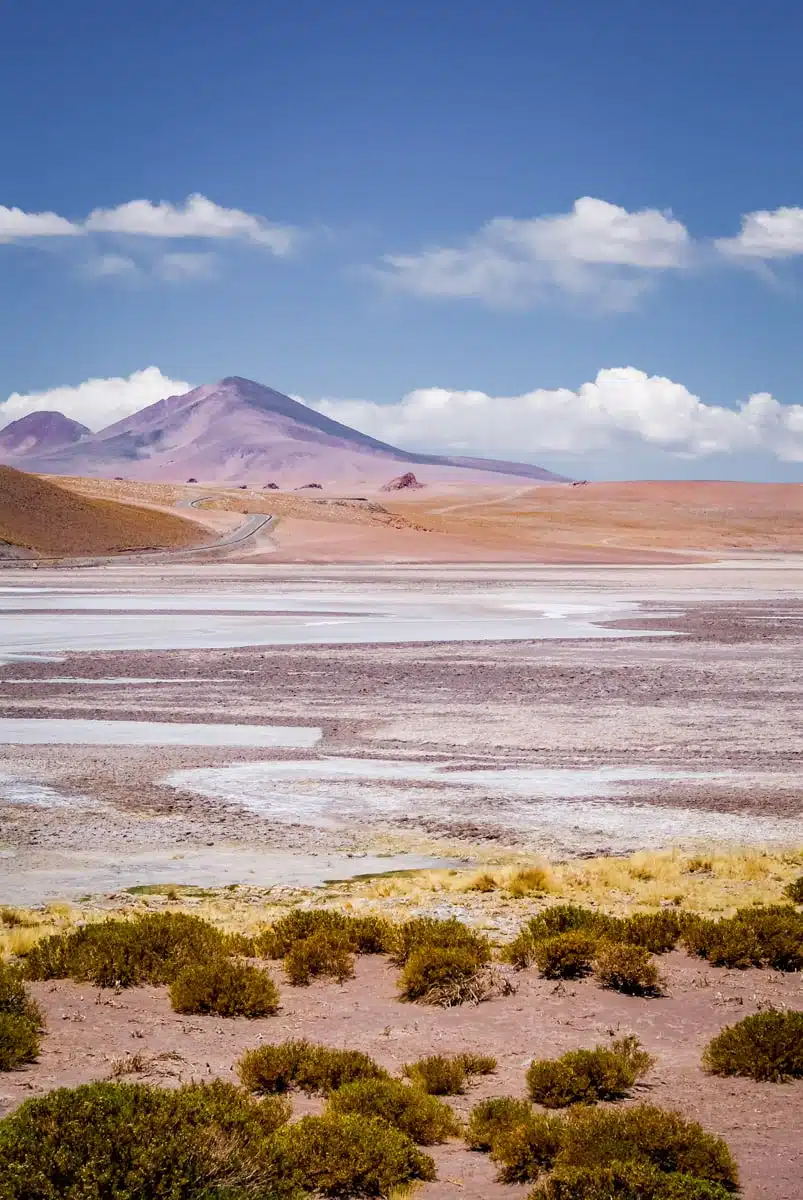
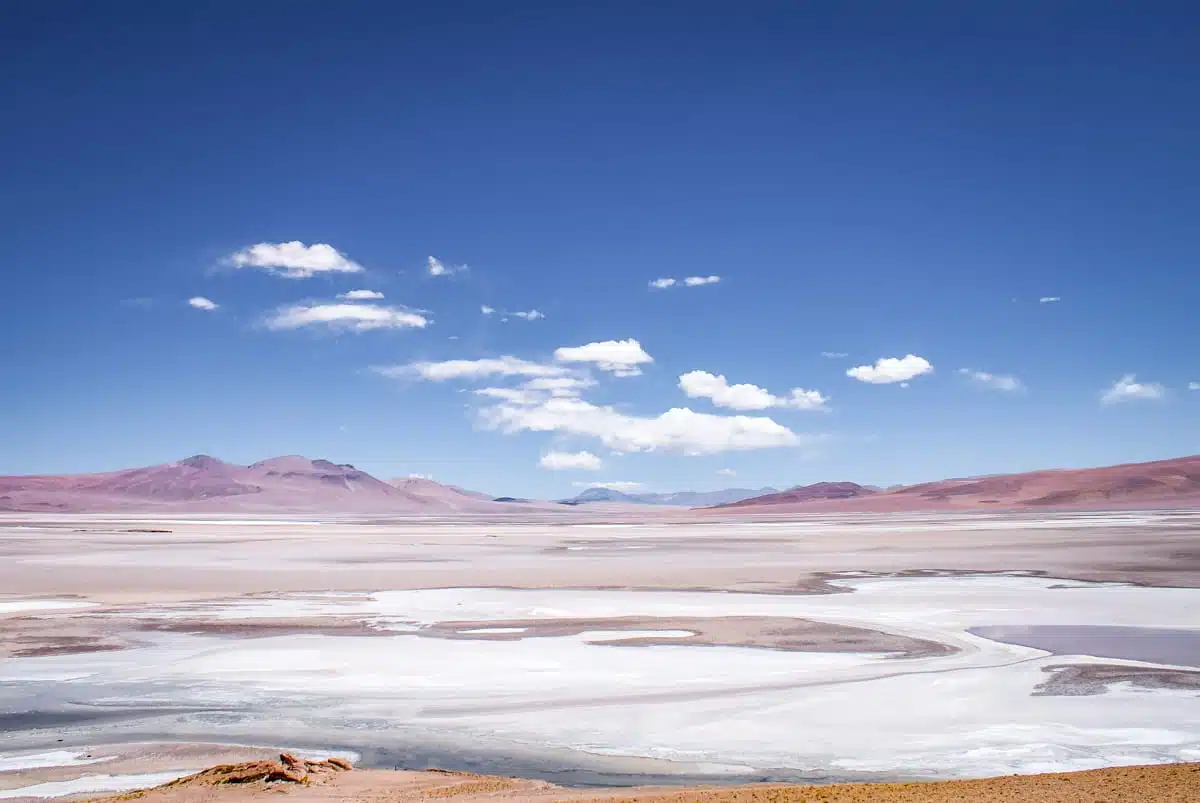
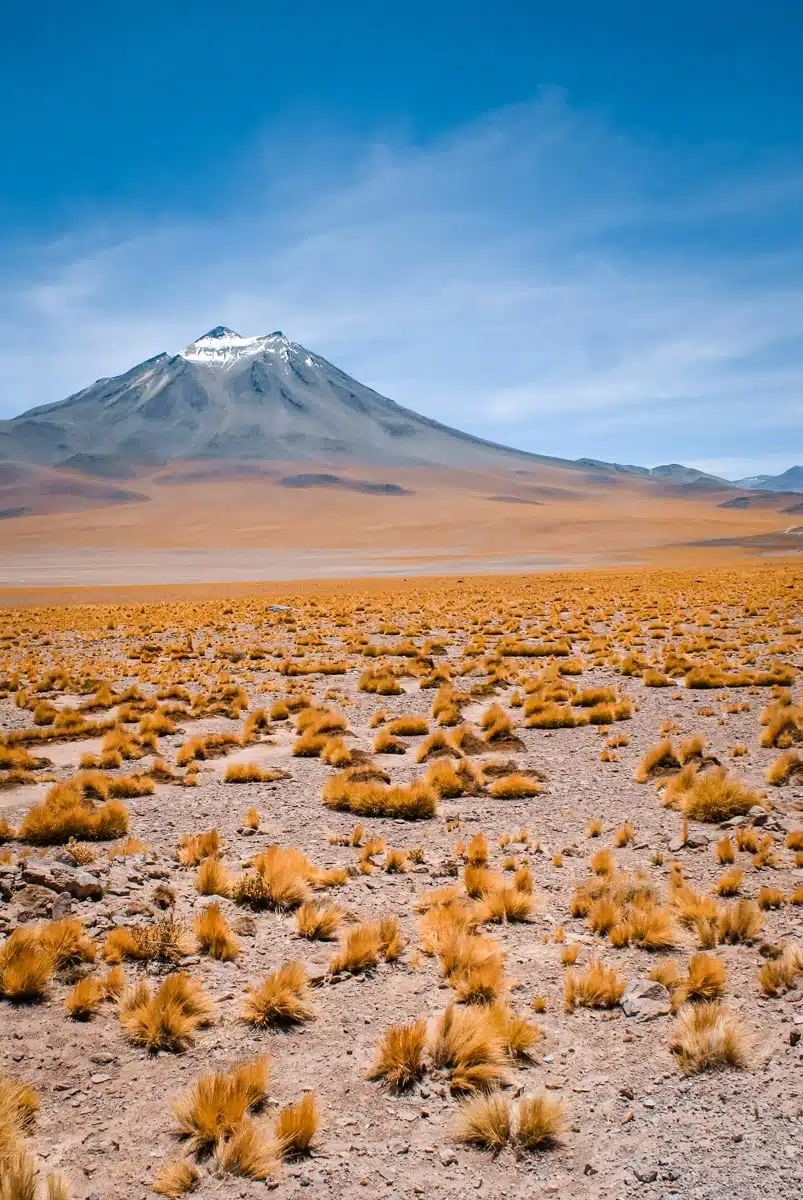
The salt flats in these photos, Pujsa and Quisquiro, sit far out along Ruta 27 towards Argentina, and you’ll only reach them on a private tour or in your own 4×4. They gave me some of my favourite views of the whole Atacama, and the sheer size and solitude of Quisquiro beat everything else I saw.
Read next
Hidden lagoons of Baltinache tour
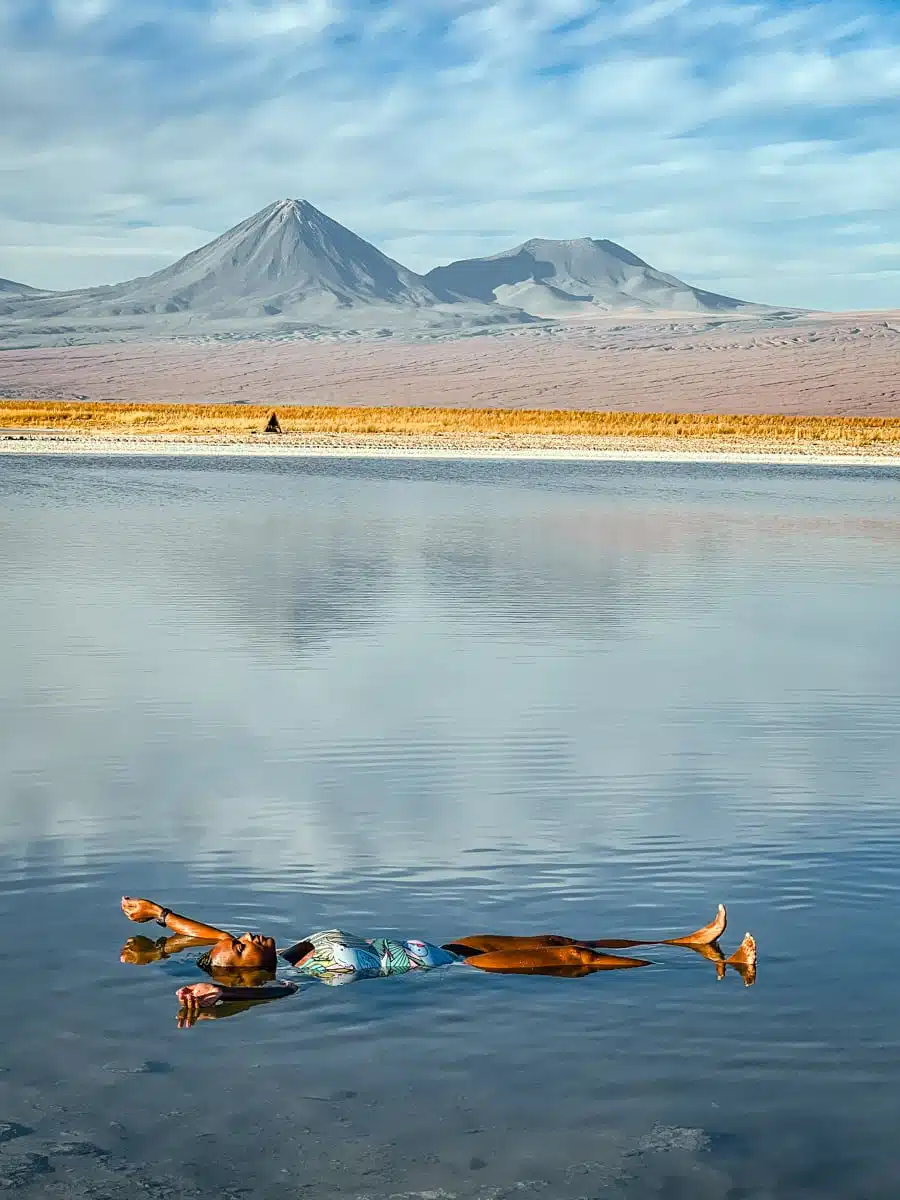
You’ve probably seen those epic videos of someone walking into the turquoise waters of a small lagoon as the sky offers a tapestry of colour. Do you wonder where on earth you can find these picturesque lagoons?
Wonder no more, because this Baltinache tour will take you to the seven remote lagoons every Instagram model tries to photograph, about an hour from San Pedro on a scenic route past rock and salt landscapes. It takes about four and a half hours and costs from around US$67, with transport, a bilingual guide and hotel pick-up included. Entry to the lagoons (CLP 12,000) isn’t included and is paid in cash at the agency before you go.
One big change: swimming and floating at Baltinache have been stopped, so the lagoons can recover (the tour listing says from 29 September). It’s still worth the trip for the colours, and the operator is adding a stop at the Magic Bus, the old bus abandoned in the desert that’s become a photo favourite. If floating like a cork in salty water is what you’re after, book the Laguna Cejar tour further down this list instead.
Guided buggy tour through the Atacama Desert

If you’re an adrenaline seeker looking to take on the Atacama’s rugged terrain, then this buggy tour is the one. Be it sand, mountains or rivers, nothing will stop your buggy in this seemingly never-ending landscape.
Want to pair a little adventure with some cultural significance? Your buggy tour will stop at two archaeological sites and an oasis, and you can try, but your GPS won’t find these hidden destinations.
All in all, you’ll cover around 50km (31 miles) of sand dunes, steep mountain tracks (if you can call them roads), trickling riverbeds and the salt mountains of the Cordillera de Sal, in about three hours. It’s run by On Safari Atacama in groups of no more than four, costs from around US$150 and comes with hotel pick-up, a helmet, gloves and goggles. Riders need to be at least 120cm tall and no more than 95kg.
San Pedro de Atacama sunrise hot air balloon ride
Start your day early with unprecedented views of the Atacama Desert from above on this sunrise hot air balloon ride.
Watching the reddish glow of the sun begin to peek from behind the volcanoes of the Andes, Licancabur among them, is a sight few get to enjoy. And it’s even better when you’re floating high above the desert floor.
Your chariot of the sky (humour me) rises over the Salar de Atacama, the vast basin between the Andes and the Cordillera Domeyko. As the sun kisses the ground below with rays of light, you’ll see the salt flat stretching away beneath you and the line of volcanoes along the Bolivian border. The flight lasts about an hour, out of a total of three and a half hours with hotel pick-up and a safety briefing over coffee.
And just before you think the start of the day couldn’t get any better, it does. After landing, you’ll sit down to breakfast out on the salt flat. Flights are run by Atacama Balloons, a certified operator, and cost from around US$350. They depend on the weather, so build in a spare morning. Children under seven can’t fly, and leave the shorts and skirts at home.
El Tatio geysers half-day tour from San Pedro de Atacama

Get ready to see what my guide Rodolfo called nature’s fireworks: the El Tatio geysers at sunrise. This half-day tour offers you a short but sweet opportunity to admire the glistening minerals in the bubbling and steaming waters of El Tatio’s fumaroles, at about 4,300 metres above sea level.
The tour starts with a guided walk of about two hours around the geyser field. The bouts of steam and twinkling minerals throughout the walk are sure to knock you out of your early-morning drowsiness. The southern field has the most geysers and the northern field the biggest fumaroles, so split your time between them if you can. When I went in July, I left at 3am and it was -15°C on the field, so wear layers, a hat, gloves and thick-soled shoes, as the ground is freezing.
After breakfast, the tour stops at the traditional Andean village of Machuca, a tiny cluster of adobe houses at the foot of the mountains, where you’ll learn about the communities that still live in this harsh landscape. It takes about six hours, is run by Ruta Chile and costs from around US$50, with pick-up, breakfast and the entry ticket listed. It has far fewer reviews than the big names, though, and if you’d rather go with the crowd favourite, this El Tatio sunrise tour has a 4.8 rating from more than 1,100 reviews and costs from around US$73, with breakfast and the CLP 15,000 entry fee (paid in cash at the agency in advance).
Atacama Desert tour with canyoning and trekking
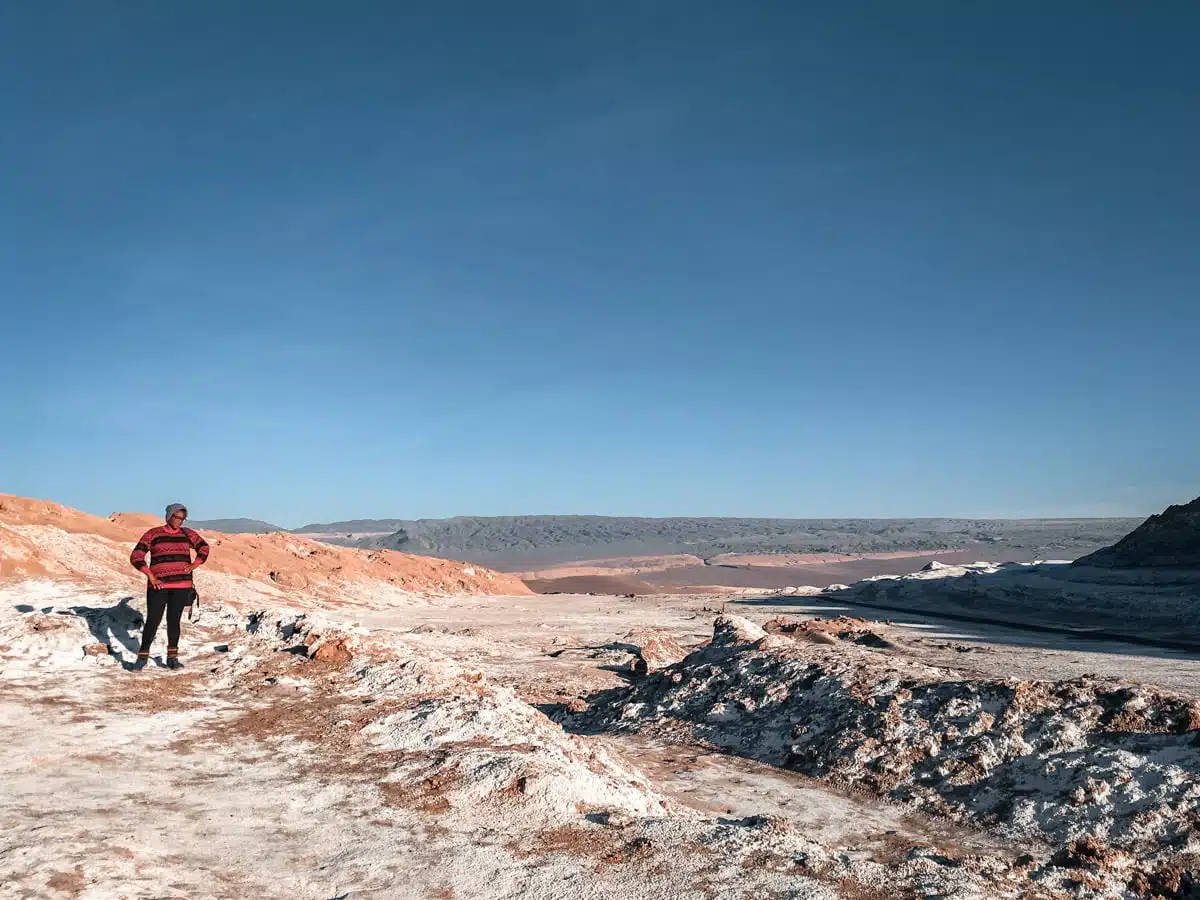
Are you looking to build up a sweat and test your limits? Then one of the best tours for you has to be this canyoning experience.
Get ready to descend a towering cliff face with a waterfall alongside you. I know it sounds pretty dangerous, but it’s sure to get your adrenaline pumping. You’ll do four abseils during the day, down waterfalls and cliffs, with jumps into the pools below. And don’t worry: a qualified mountaineering guide will help you every step of the way, with a helmet and harness provided.
The day starts about 25 minutes from San Pedro with a walk along an archaeological trail, then your abseiling lesson. In between the descents, you can rest on the sandy beach by the waterfall or dip in the refreshing, albeit cold, water. It takes about six hours, is run by Ride Atacama and costs from around US$190. It has a perfect rating, though from only a handful of reviews so far, and you need to be at least 15.
Atacama red rocks and altiplano lagoons day trip

Book this altiplano day trip to cross the Tropic of Capricorn and venture into the red-laden landscape around Piedras Rojas. You’ll spend about an hour and a half walking past the iconic red rocks.
Breakfast is at the Tropic, which is mostly just a sign, but look for the poker-straight line of the old Inca road running diagonally from it across the salt flat. During the trip, you might spot the rainbow of colourful minerals cascading down Volcán Capur, at times brilliantly white, at others purple and basalt grey. You’re also guaranteed a visit to the most iconic lakes in the area, including Chaxa, Miscanti and Miñiques.
On the way back from Piedras Rojas, you’ll stop in Socaire village. Here, you can snap some photos of the adobe church and the ancient terraced fields, where locals still grow potatoes and quinoa, watered through irrigation channels used for centuries. It takes about 10 hours and costs from around US$123, with breakfast, lunch and warm clothes included. It’s run by Pukarumi and has a 4.9 rating. The tour climbs to about 4,200 metres, so save it until you’ve acclimatised.
Atacama Desert astrophotography tour

Atacama Desert stargazing is always on the agenda, especially when you consider it’s a region at the forefront of astronomical research. With observatories like ALMA and Paranal, taking an Atacama Desert stargazing tour only makes sense.
This astrophotography tour with Astrotour Chile is the perfect way to admire the night sky and snap some memorabilia at the same time. You’ll look through high-end telescopes at a site a few minutes from San Pedro, warm up with a coat, blankets and an aperitif, and take home a professional photo of yourself beneath the stars. Could you ask for much more?
It lasts about two and a half hours and costs from around US$38, with hotel pick-up. If you’re a keen photographer yourself, stay on when the talk finishes and shoot the sky from there: that’s how I took some of my best photos of the Atacama skies.
Atacama fat biking tour

While everyone is heading to the usual tourist attractions, how about a guided bike ride through the dunes of the Atacama? You won’t see the bubbling geysers at El Tatio or the calming lakes of the altiplano, but you’ll experience the land at your own speed.
This one is a long way from San Pedro: it departs from Iquique, on the coast around 500km to the north, so it suits a separate stop on a longer trip through northern Chile. You’re picked up in the afternoon and driven about three hours into the desert, arriving just before sunset. This provides the perfect light and temperature for about two hours and 16km (10 miles) of riding, mostly downhill over the dunes.
The tour is run by Místico Outdoors, takes about nine hours and costs from around US$100. These days, it includes a meal, drinks, the bike and helmet, and entry to the dune site, and as far as ways to explore the Atacama go, it’s one of the most unusual.
Multi-day tour in San Pedro de Atacama
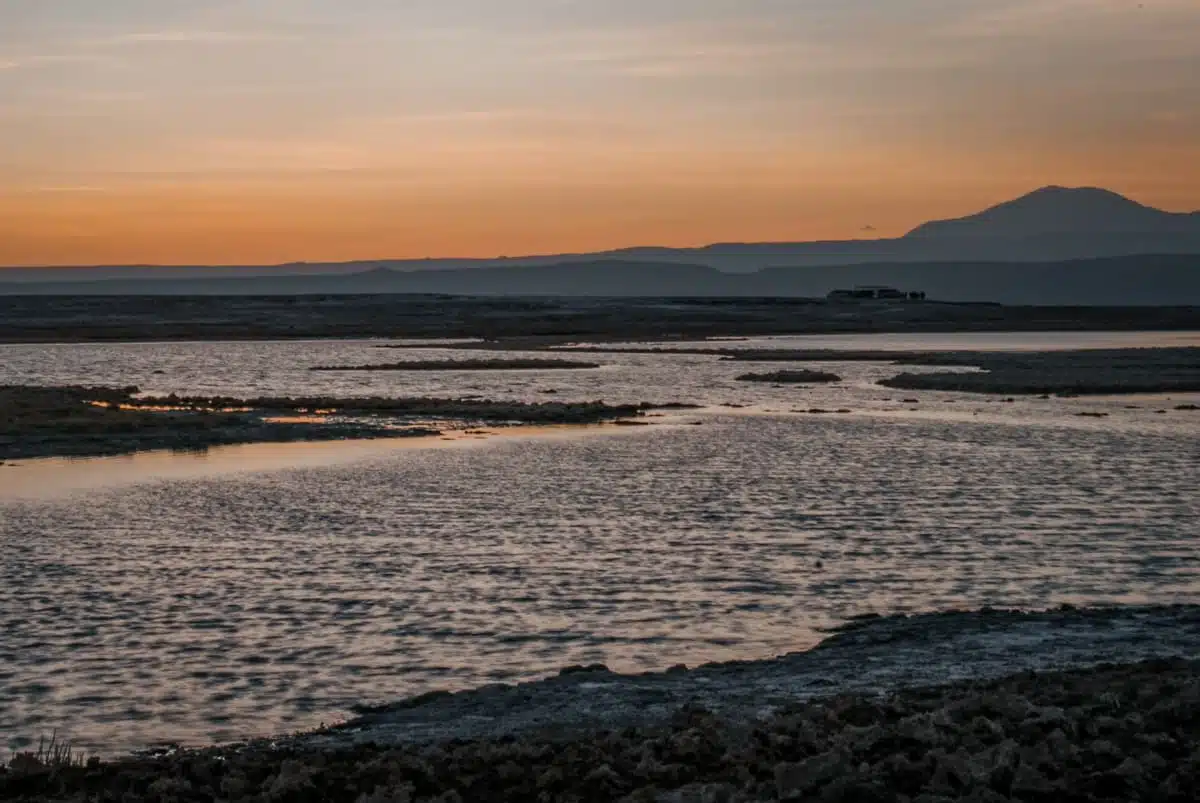
If you want to enjoy all the best things in the Atacama Desert without a worry in the world, then this multi-day tour is for you. The adventure spreads across four days, with pick-up from your hotel each day.
Day one is the Valle de la Luna, followed by an astronomy tour at Solor. Day two takes in the Rainbow Valley, Laguna Cejar, the Ojos del Salar and Laguna Tebinquinche, where the vast lake captures the fiery sunset skies to the point where it feels like you’re surrounded by molten lava. Day three is the altiplanic lagoons and Piedras Rojas, and on day four you’re up early for the El Tatio geysers.
The tour is run by Turismo Chile Tours, in groups of up to 12, and costs from around US$520. Breakfasts and lunches are included on the days that list them, along with most of the park entrance fees, but accommodation and the other meals aren’t, so budget for dinners in town.
Salar de Uyuni and altiplano tour with Cordillera Traveller
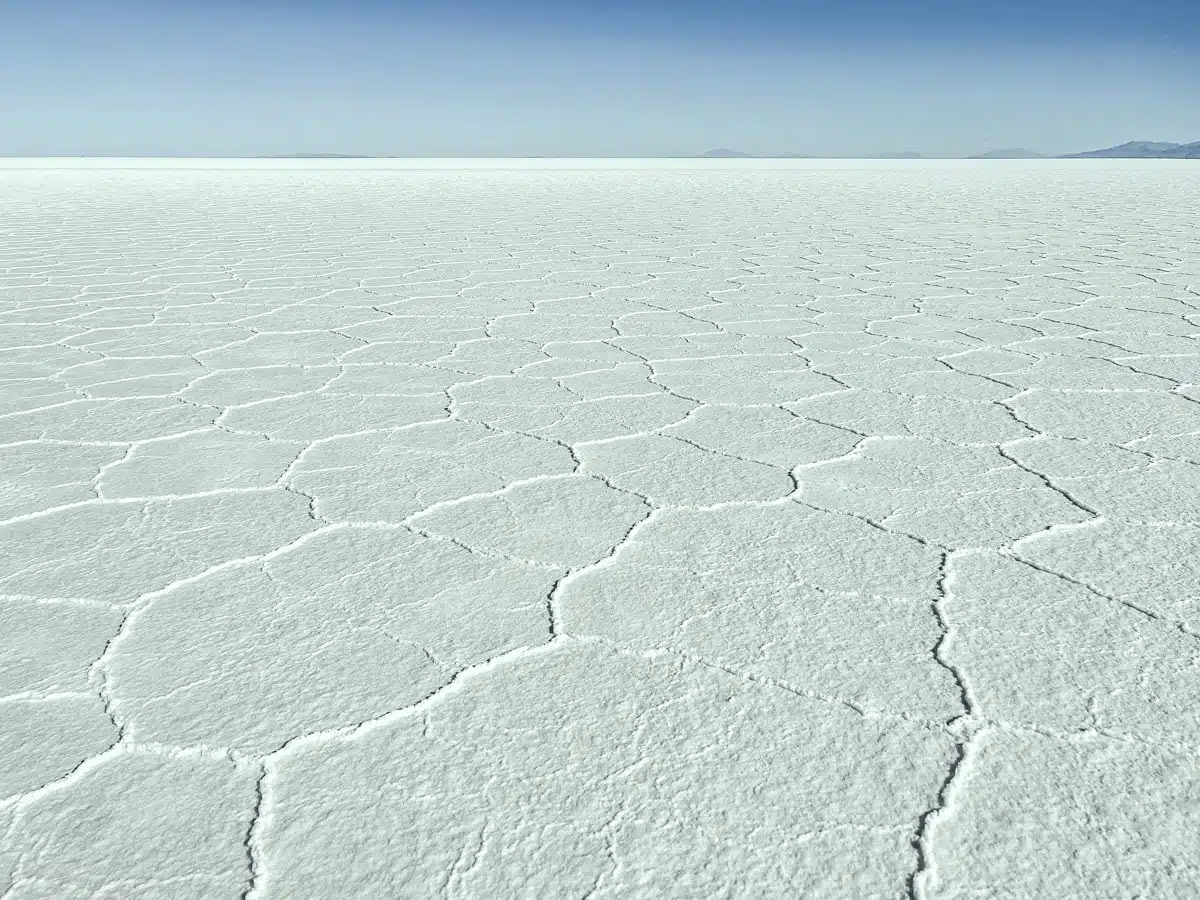

This is the tour I took when I crossed the border into Bolivia from San Pedro on my July trip: four days and three nights with Cordillera Traveller, from San Pedro to the Salar de Uyuni and back again. My guide, Walter, was absolutely brilliant. But there was a bit of a mess-up in the office, which meant I spent the first day in a car with a local driver who drove like crazy, and there was no lunch at the lunch stop. The first day was rough, but the rest of the tour was great.
By all accounts, none of the operators are perfect, so take this as an honest recommendation rather than an unreserved one.
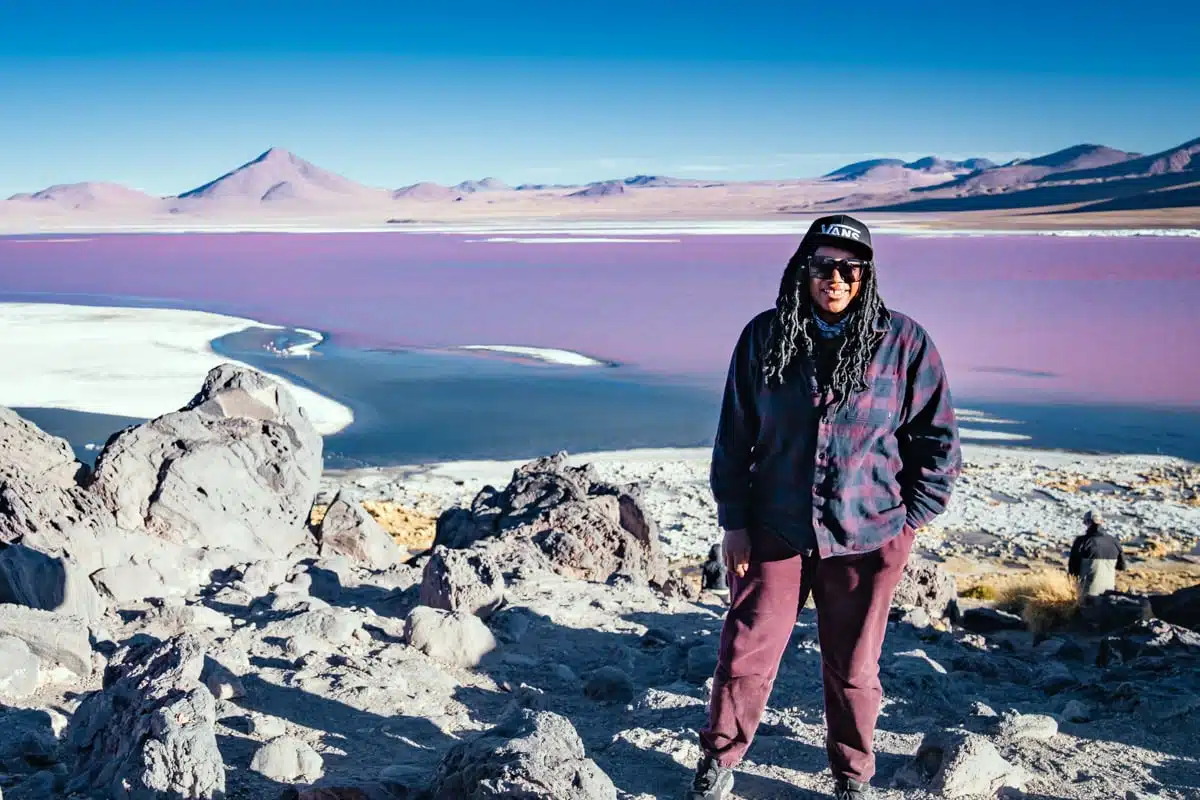
The tour focuses on the Bolivian altiplano, where the Andes are at their widest. You’ll see Laguna Verde and Laguna Blanca beneath Licancabur, the volcano on the border, which even has Inca ruins at its summit. Then come the Sol de Mañana geysers at nearly 5,000 metres, the Dalí Desert and the blood-red Laguna Colorada, one of the best places in the world to see flamingos, before you reach the salt flats themselves.
The hostel at Huayllajara was one of the coldest nights I’ve ever spent, even with a sleeping bag. I lost my voice the next day. On the plus side, you can hop into the thermal baths under the stars, but don’t pay for the wifi, as it doesn’t work.
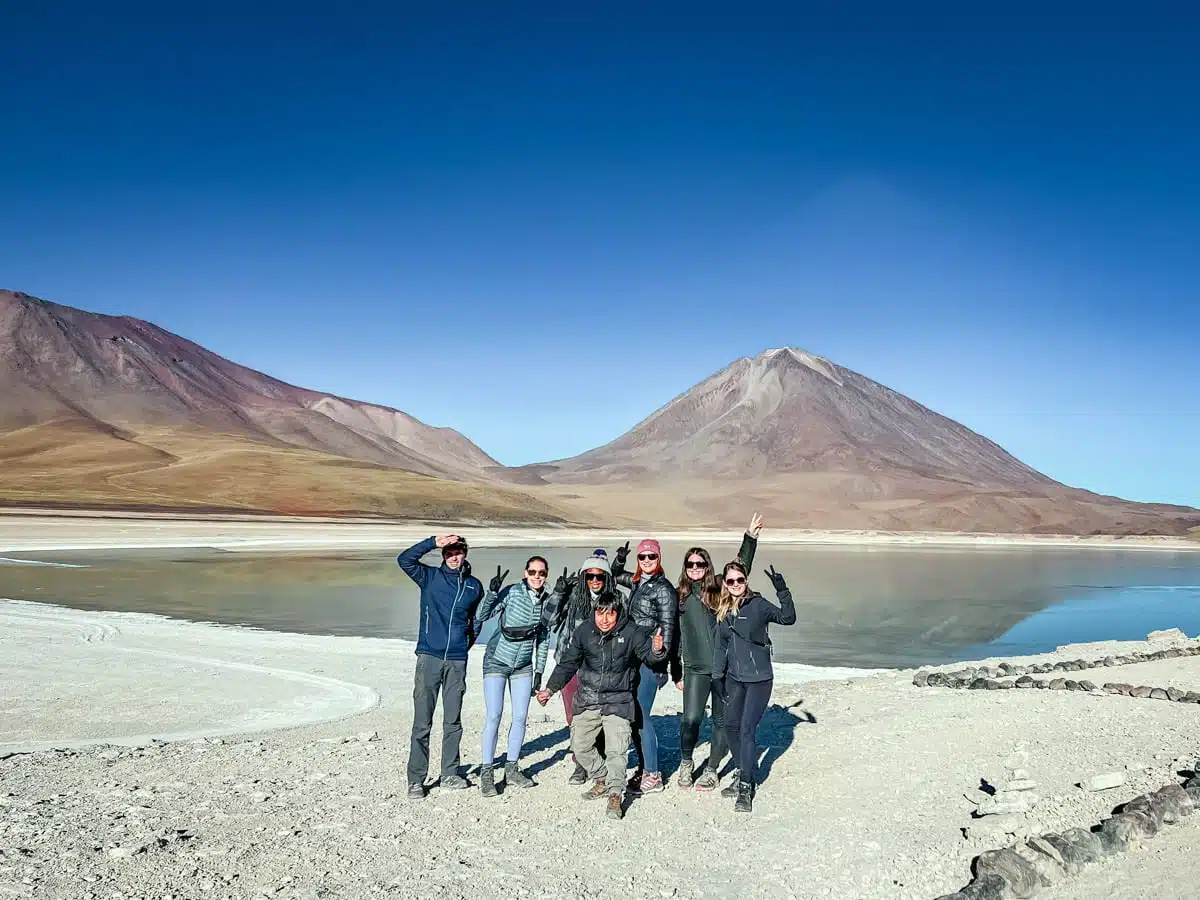
When I booked, the shared tour cost US$250 per person, with US$50 extra for an English-speaking guide and around US$40 in park fees on top, so ask for a current quote. Cordillera Traveller now runs shared and VIP versions, as four-day tours back to San Pedro or three-day tours ending in Uyuni, and its office is on Calle Caracoles in San Pedro. If you’d rather book online, this 4-day Uyuni salt flats tour follows a similar loop, from around US$352 with the Bolivian park fees included, though its guides speak Spanish only.

After four days on the road, I spent a night at Hotel Desertica, in one of its standalone circular rooms, and it was exactly what I needed.
Private excursions with Nayara Alto Atacama

If you want the Atacama without the tour buses, base yourself at a hotel that runs its own excursions. On my July trip, I stayed at Nayara Alto Atacama on the all-inclusive package with private tours, and it was an incredible way to explore. My guide, Rodolfo, was a font of knowledge who grew up in nearby Calama. There wasn’t anything he didn’t know about the region’s geography and culture, and the driver, Eric, navigated the difficult conditions with ease.
On the altiplano day, they took me up past Socaire to Piedras Rojas and on to Miscanti and Miñiques, with a picnic on the way back: Thai chicken curry, rice, quinoa and cauliflower soup with croutons, with drinks and desserts. Luxury means different things to different people, but to me, there’s no greater indulgence than a stellar meal in the peace and quiet that only comes from being in the middle of nowhere.
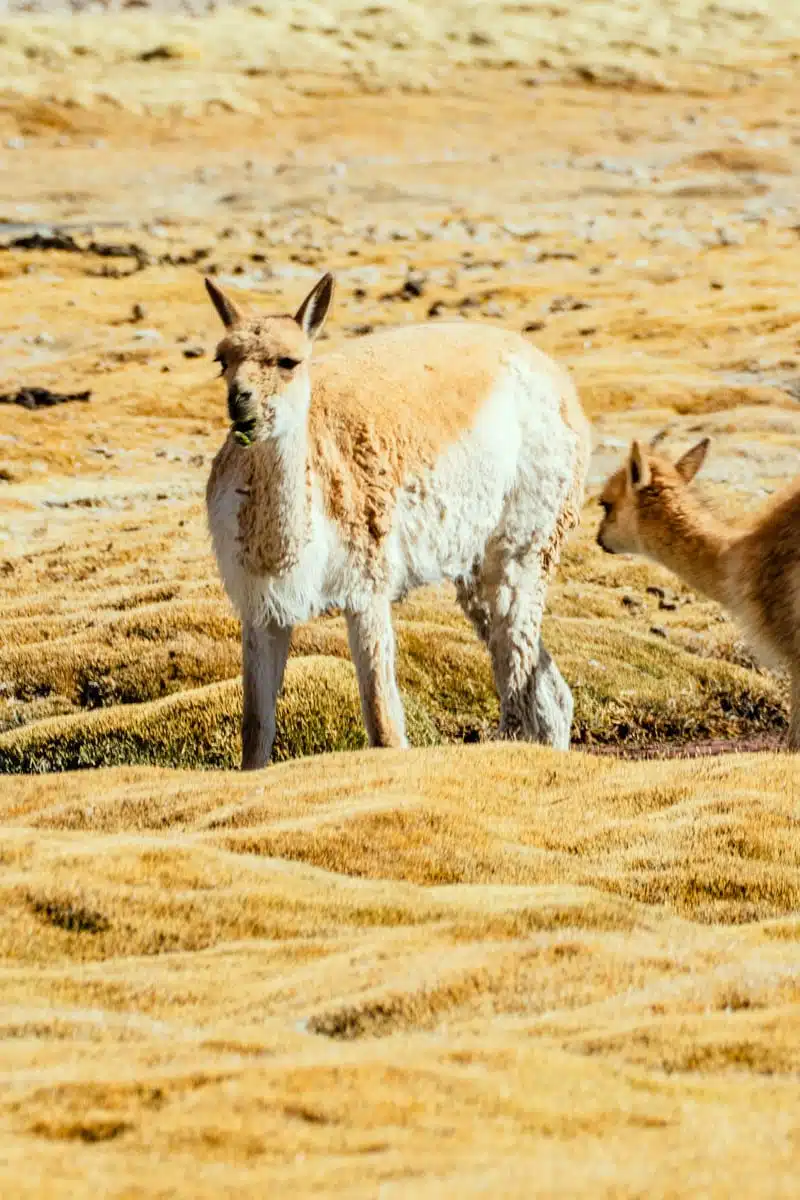
For El Tatio, I left at 3am and reached the geysers well before sunrise. Rather than heading straight back to San Pedro, Rodolfo drove me to a quiet river valley for breakfast, with vicuñas and rheas for company and nobody else in sight. Back at the lodge, the observatory ran guided stargazing sessions in the evenings.
The all-inclusive programme comes with one full-day or two half-day excursions for every night you stay, shared with other guests, or you can book it with private excursions, as I did. There are more than 15 to choose from, and the highest trips, such as El Tatio and the altiplano lagoons, wait until you’ve had two days to acclimatise. There’s a three-night minimum, and none of it is cheap: expect from around US$1,300 a night for two in quieter months, and more for private excursions. But as it covers your meals, drinks and tours, it’s better value than it first looks.
Check rates and availability on Booking.com
Laguna Cejar, Tebinquinche and Ojos del Salar tour

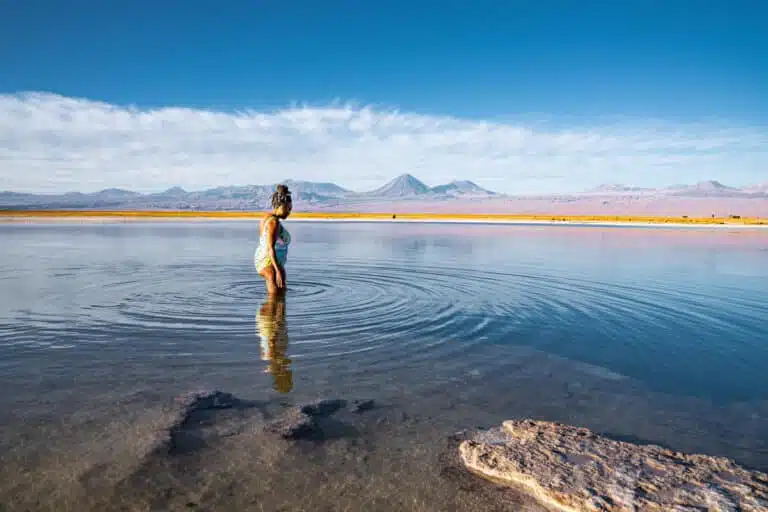
Laguna Cejar was my first stop in the Atacama on my July trip, and it’s still the place to float in the desert. Most of the Atacama’s salt lagoons are off-limits for swimming, but here you can bob about in water so salty that you’ll never make it down to the bottom, no matter how hard you try. Don’t get your face wet, as the salt stings, and carry on past the swimming lagoon to the one next door, which is a favourite with the local flamingos.
This Cejar, Tebinquinche and Ojos del Salar tour packs in the swim, the two round freshwater pools of the Ojos del Salar and sunset at Laguna Tebinquinche, with a pisco sour and snacks. It takes about four and a half hours, is run by Feel Atacama and costs from around US$39. The park fees (CLP 21,000 on this tour) aren’t included and are paid in cash to the guide, so bring pesos, your passport, swimwear and a towel. Cejar has been closing on Tuesdays, so check the day before you book.
Rainbow Valley and Yerbas Buenas petroglyphs tour
Rainbow Valley (Valle del Arcoíris) is one of the Atacama’s newer attractions, even though it’s been here for millions of years. It’s about an hour and a half from San Pedro, and the hills are streaked red, orange, green and yellow by different minerals, with more plant and bird life than you might expect.
This Rainbow Valley tour combines about two hours of walking in the valley, with breakfast, and a stop at the Yerbas Buenas petroglyphs, where you can see rock carvings of animals left by the desert’s early inhabitants. It takes about six hours, is run by Whipala Expedition and is one of the cheapest tours in town, from around US$32. The two sites charge around CLP 5,000 each, in cash, and the tour needs at least six people to run, so book it early in your stay in case it’s merged with another group.
Sandboarding in the Valle de la Muerte
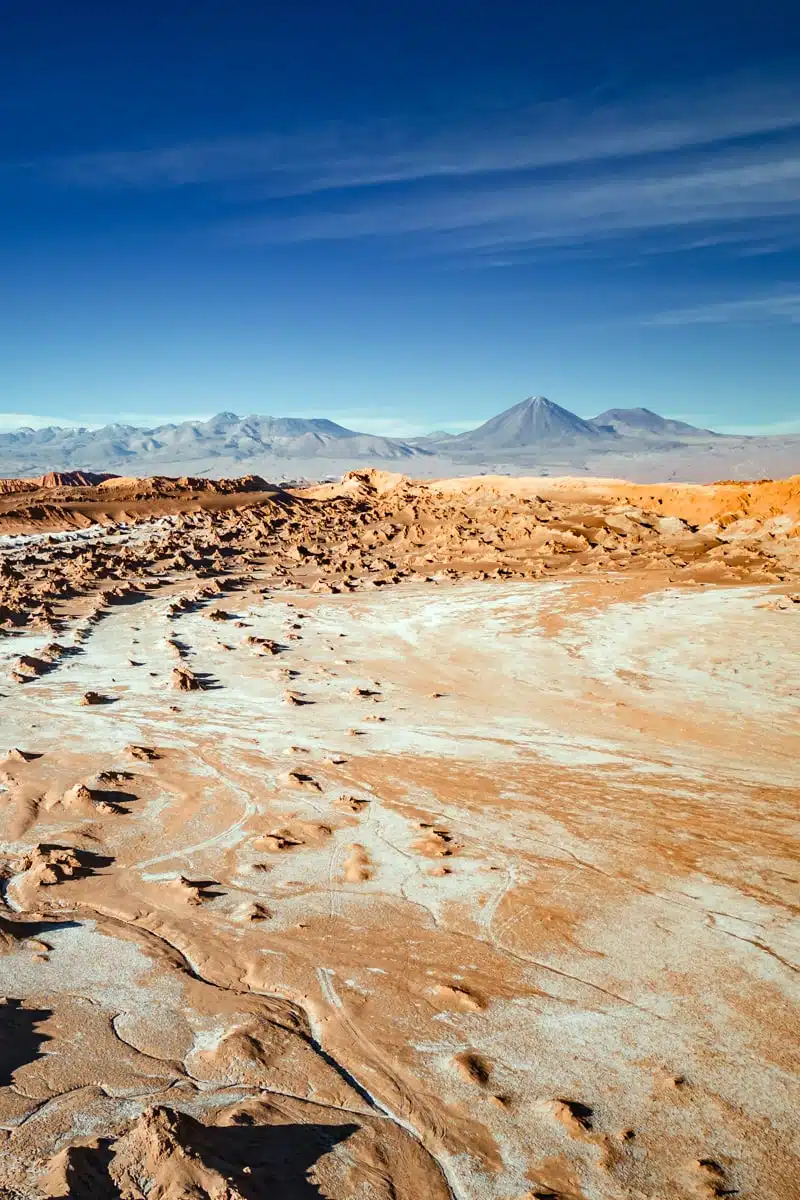
If you’re looking for something more adrenaline-inducing than a viewpoint, strap on some boots and sandboard down the dunes just outside San Pedro. This sandboarding tour is one of the highest-rated in town, with a 4.9 rating from more than 130 reviews.
It’s a 20-minute drive to the dunes, with an optional half-hour lesson in how to stand, steer and stop, then about two and a half hours on the sand. There’s no lift, so every run ends with a slog back up, which is harder work than it looks at 2,400 metres. The board, boots, helmet and goggles, a snack, water, the park entrance and videos of your runs are all included. There are morning (8am) and afternoon (3pm) sessions, in groups of up to six, from around US$89, and the minimum age is 10. Go in the afternoon for the softer light, and take sunscreen whichever you choose.
Cerro Toco ascent with a guide
If you want a summit, Cerro Toco is one of the few volcanoes near San Pedro that you can climb without technical gear. The top is at 5,604 metres, with views over the ALMA telescopes on one side and into Bolivia on the other, and the climb starts high up on the road to the Argentine border, so it’s far shorter than the altitude suggests.
This Cerro Toco ascent takes about seven hours, with around four hours of climbing, in small groups of up to six with a qualified mountain guide, radios, a satellite communicator, extra warm clothing and walking poles. It costs from around US$110. Only attempt it once you’ve spent two or three nights in San Pedro and done at least one trip above 4,000 metres, such as El Tatio or the altiplano lagoons. Read my guide to the Cerro Toco hike before you go.
Read all guides to San Pedro de Atacama and the Atacama Desert
Tours of the Atacama Desert: read next
- San Pedro de Atacama travel guide
- Top things to do in the Atacama Desert
- Explore the Atacama with this three-day itinerary
- The best hotels in the Atacama Desert
- Nayara Alto Atacama review
- El Tatio geysers: how to see them at sunrise
- Stargazing in the Atacama Desert
- A complete guide to the Bolivian salt flats
Love this? Save and share on Pinterest
Discover the top things to do, insider tips and hidden gems in our Chile Travel Guides.
Read the guides →