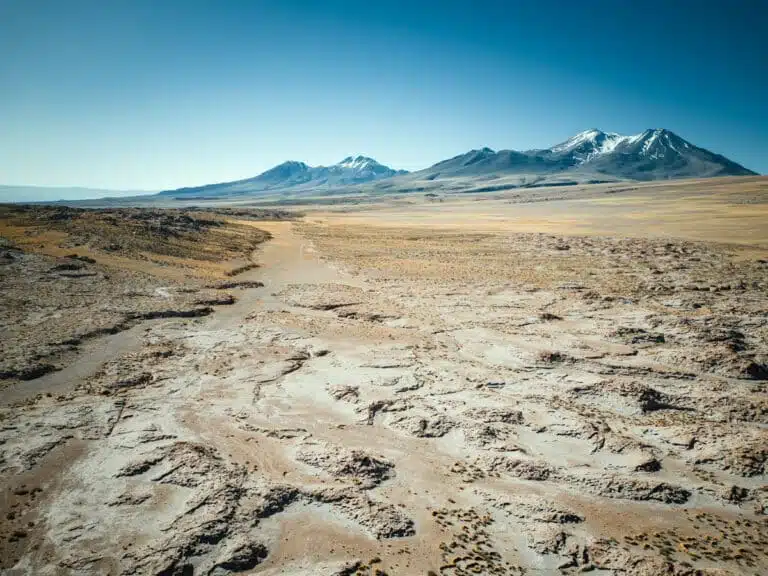
Not yet been to the winemaking region of Casablanca Valley in Chile? Between the rolling hills, the crisp white wines and how easy it is to reach from Santiago and the coast, it’s time to plan your visit.
The Casablanca Valley wine region sits in Chile’s coastal hills, about 40km from Valparaíso and Viña del Mar and around 80km (50 miles) from Santiago. Ruta 68, the main road from the capital to the coast, runs straight through the middle of it, so the vineyards line the roadside for mile after mile as you drive to the sea.
I visited on a day trip from Santiago in July, on a coast tour that started with a tasting at Casa Viñamar before carrying on to Viña del Mar and Valparaíso. It was the middle of the Chilean winter, so the vines were bare, but the sky was a brilliant blue and the hills around the valley were sharp against it. If you’re based in Santiago and want one day that combines wine and the coast, this is the one.
But what makes this Casablanca wine valley so special? For starters, it’s young by Chilean standards. The first vines only went in during the 1980s, when a winemaker called Pablo Morandé gambled on planting in what was then sheep-farming country, and the valley quickly became Chile’s best-known cool-climate region for white wine. Chardonnay and Sauvignon Blanc are the stars, with Pinot Noir and cool-climate Syrah close behind.
The valley’s proximity to the Pacific Ocean is what makes those wines possible. Cool sea breezes and morning fog roll in from the coast and temper the summer heat, which gives the grapes a longer, slower season to ripen and build flavour while keeping their freshness. The soils are a mix of clay and sand, with decomposed granite on the hillsides.
With some incredible wineries that offer an array of wines and traditional Chilean gastronomy, like Casa Viñamar, and fabulous hotels like Hotel Casablanca, I’m sure you’ll fall in love with this valley.
So what are you waiting for? Here’s what the valley has to offer, where to taste, and how to get there.
Some links in this article may be affiliate links, which means we may receive a small commission, at no additional cost to you, if you decide to purchase through one of my recommended partners.
Why visit the Casablanca Valley?
Winemaking tradition
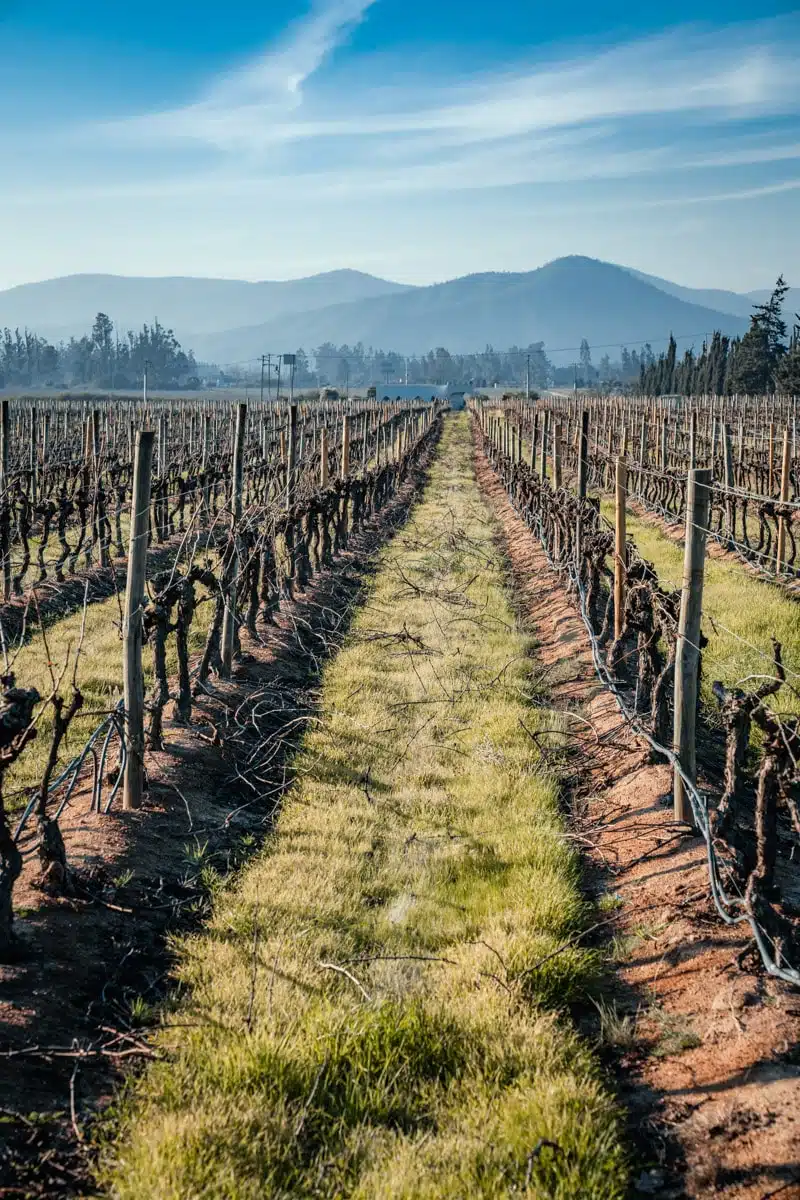
I think it’s safe to say the top motivation for visiting the Casablanca Valley is its wine, and for good reason. But where did this tradition come from?
Chilean winemaking dates back to the 16th century, when Spanish missionaries planted vines to make wine for Mass, and it has been an essential part of the culture ever since. Over the last few decades there’s been huge growth in the industry, and Chile is now one of the world’s ten biggest wine producers and one of its largest exporters, largely thanks to its ideal climate and soils.
Casablanca is a much newer chapter in that story. Until the 1980s, conventional wisdom said the valley was too close to the sea and too prone to frost for vines. The first experimental vineyard was wiped out by frost in its first year and had to be replanted, but once the Chardonnay came good, other wineries followed. Today more than 20 wineries open their doors to visitors along the valley’s wine route.
Stunning landscapes
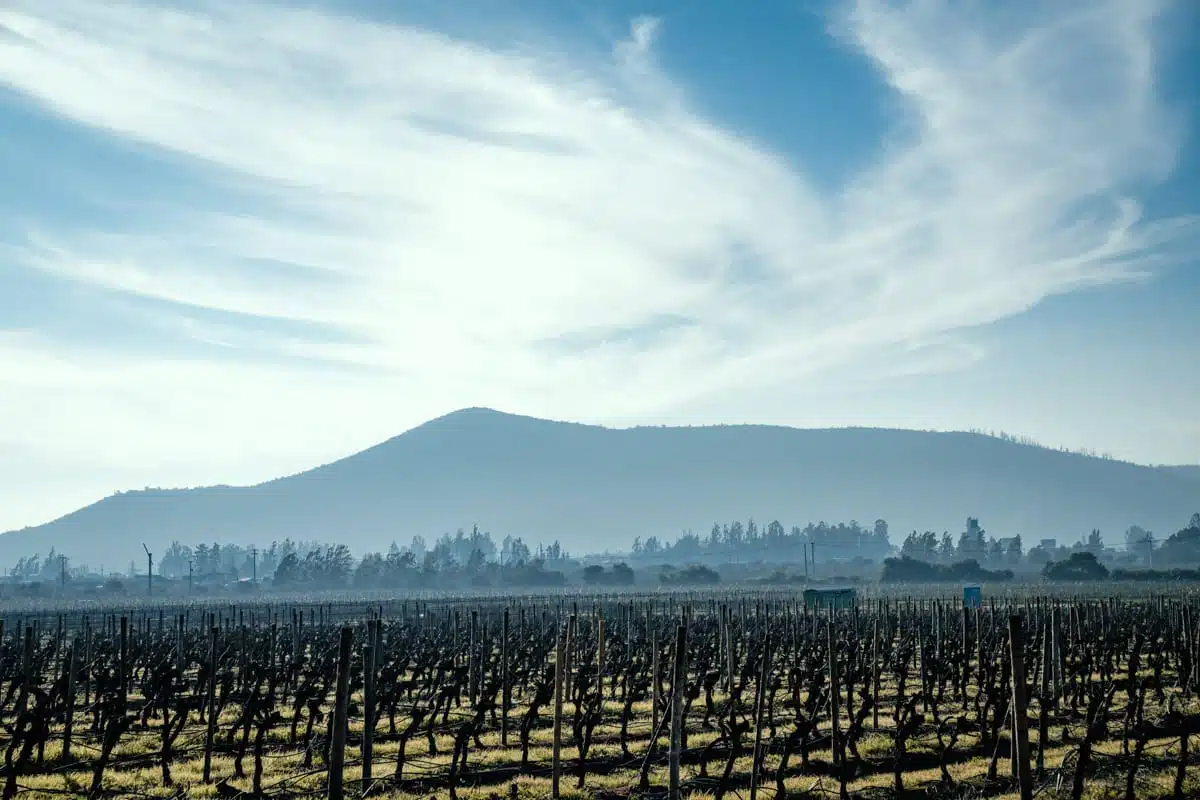
The breathtaking views here are hard to miss. The Casablanca Valley runs for roughly 30km (19 miles) east to west through Chile’s Coastal Range, the line of lower mountains between Santiago and the Pacific.
The rows and rows of vines stretch as far as the eye can see, and the looming hills along the valley are the perfect perch to glimpse those gorgeous sunsets and sunrises. In spring and summer, everything is a lush green. On my winter visit, the vines had been pruned back to bare stumps and the grass between the rows was still green, which made for a surprisingly pretty, wintry scene.
Cultural attractions
The valley offers more than just wineries. The town of Casablanca itself was founded in 1753 as the Villa de Santa Bárbara de la Reina de Casablanca, named in honour of Queen Barbara of Portugal, wife of Spain’s King Ferdinand VI. Its pretty Santa Bárbara Church sits on the Plaza de Armas, the town’s leafy main square, and it’s worth a wander if you stop in town for lunch or to catch a bus.
There are some cultural events to enjoy, too. Grape harvest festivals (vendimias) are celebrated across the country between February and May, including the Casablanca harvest festival, with grape stomping, local food and plenty of wine. Every February, Casablanca also hosts the International Meeting of Payadores, which celebrates the improvised sung poetry of Chile and Latin America and is now past its 30th edition.
One event to plan around rather than for: every year around 8 December, hundreds of thousands of pilgrims walk along Ruta 68 to the Lo Vásquez sanctuary, near Casablanca, for the Feast of the Immaculate Conception. Expect road restrictions and heavy traffic on the days around it.
Top wineries in the Casablanca Valley
Most wineries here open for visits all year, but almost all of them now run tours and tastings by reservation only, so book ahead, especially between December and March. Prices below are per person and change often, so check the winery’s own website before you go.
Casa Viñamar
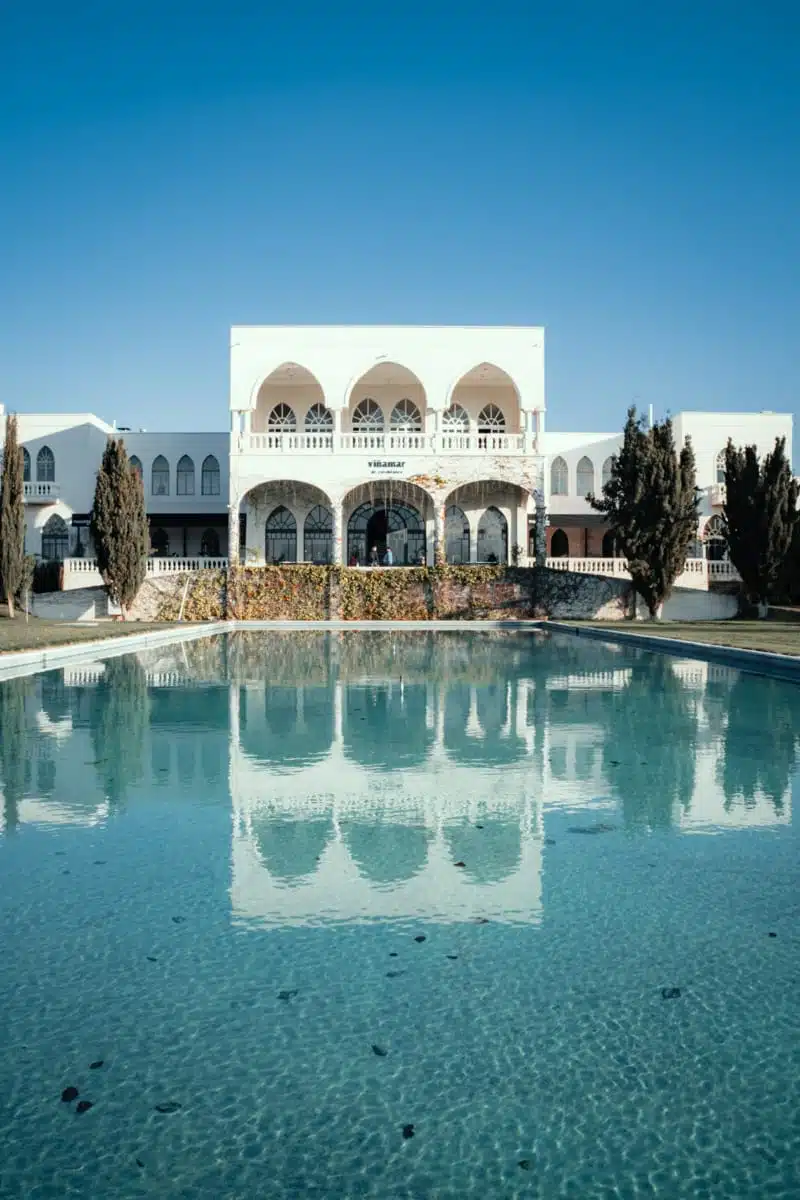
This award-winning winery is undoubtedly one of the best wineries in the valley, and it’s the one I visited. You can’t miss it from Ruta 68: the house is a white, Moorish-style mansion inspired by the Palacio Vergara in Viña del Mar, with a long reflecting pool out front. It has picked up several Best of Wine Tourism awards from the Great Wine Capitals network, including a regional award for innovative wine tourism experiences in 2026. You’ll still see it called Casa Valle Viñamar in a lot of guides, but it now goes by Casa Viñamar.
Casa Viñamar offers a selection of wine tastings and unforgettable experiences, whether that be a picnic in the vineyard, the Game of the Senses (a guided tasting that works through smell, taste and touch) or the Winemaker Experience, where you make your own blend, then bottle, cork and label it and take the bottle home.
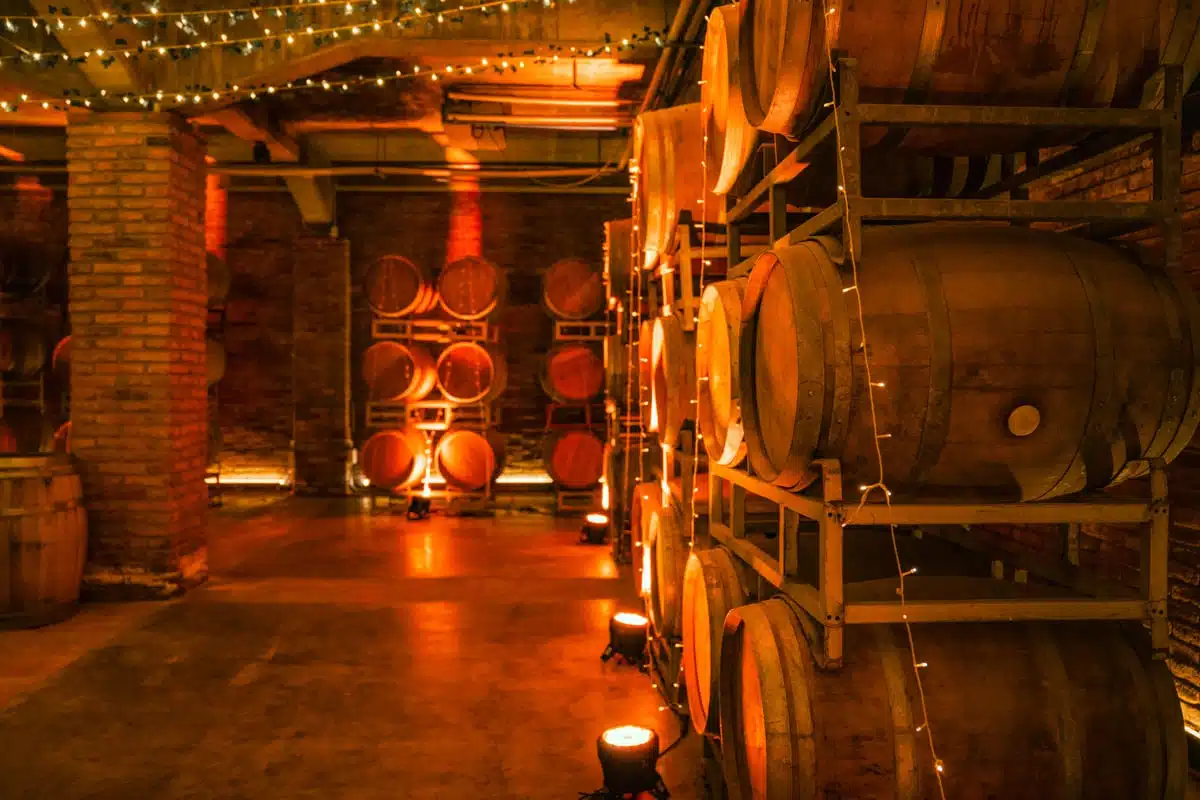
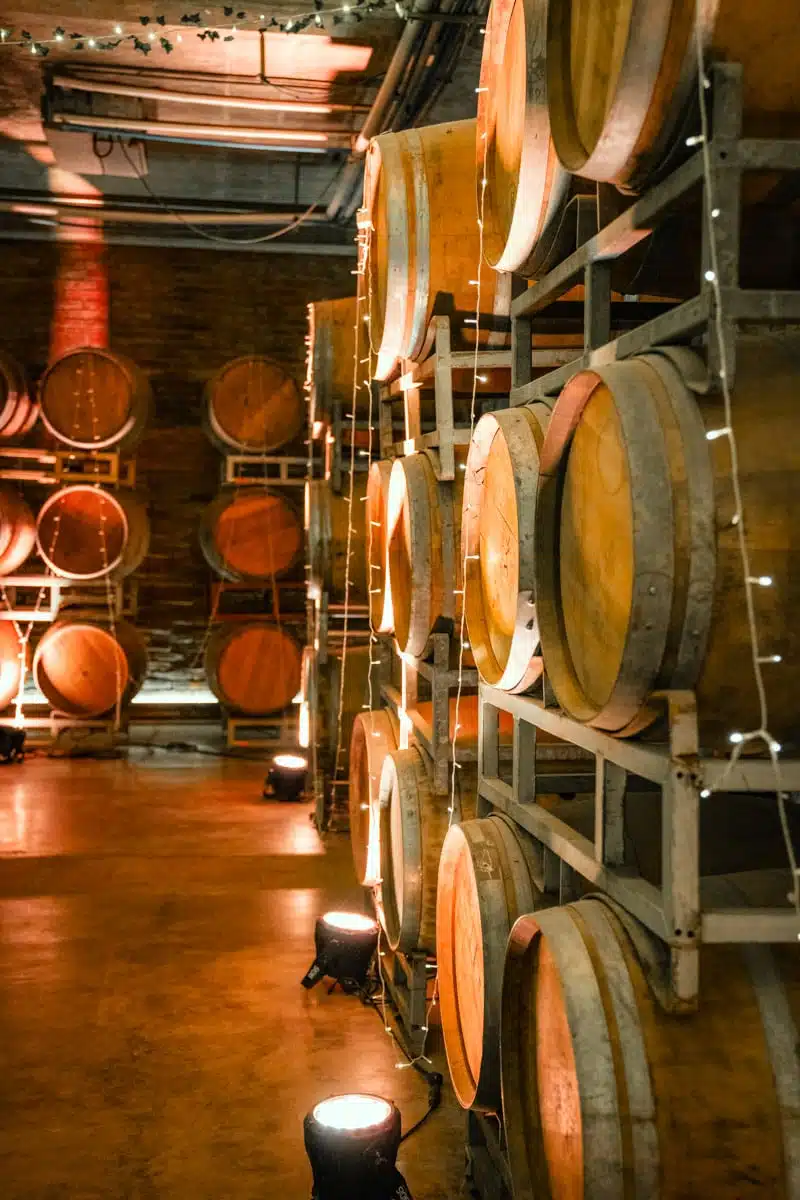
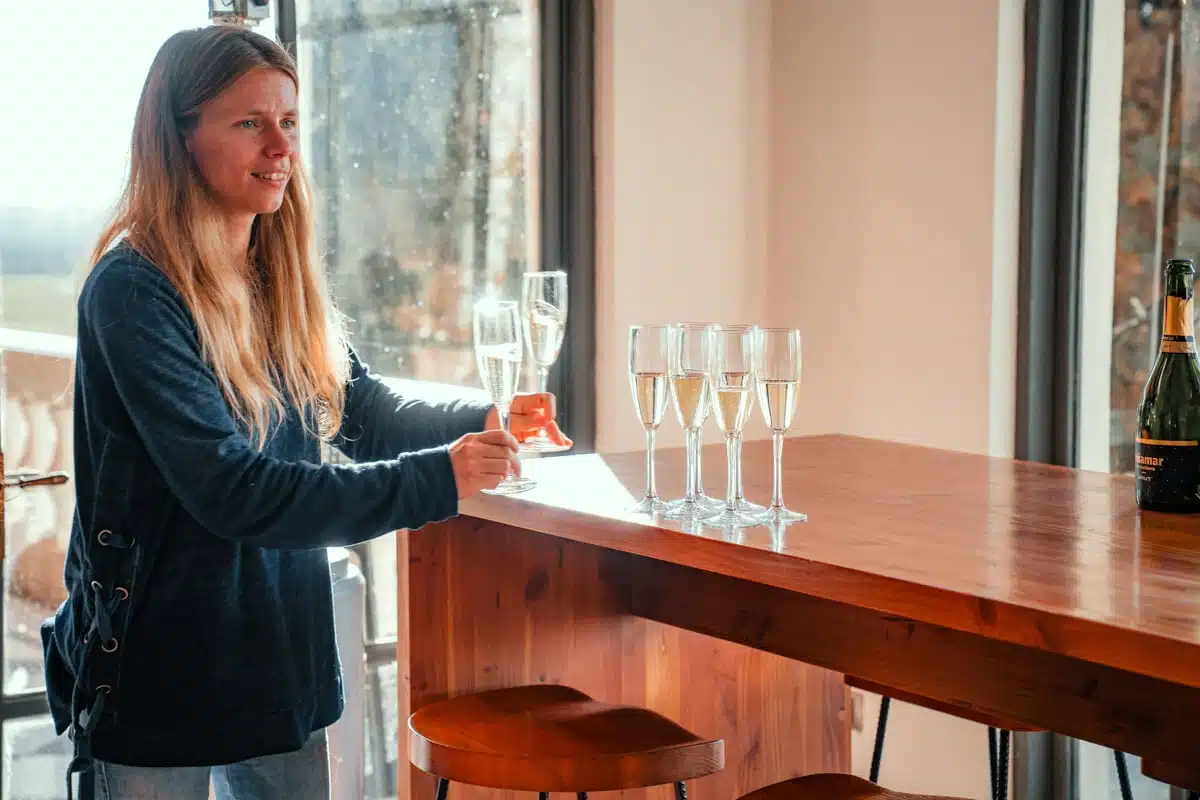
My experience there was relatively short but engaging nonetheless, showcasing plenty of their wines. Viñamar is best known for its sparkling wines, and the tasting finished with a glass of its signature Viñamar Método Tradicional (Champenoise) Extra Brut, made in the same way as Champagne. It was shorter than my winery visits in the Maipo Valley, but it never dragged, which is more than I can say for one of those.
Macerado, the in-house bistro, serves what it calls origin cuisine: Chilean dishes built around local ingredients and vegetables from the winery’s own organic garden, served on crockery made by Casablanca artisans. Macerado was named Chile’s best regional restaurant by the country’s circle of food critics in 2013, and today it sits on the terrace at Casa Viñamar, with four-course menus designed to pair with Chilean wines and a fully vegan menu, Chile Vegetal. Book a table when you book your tasting.
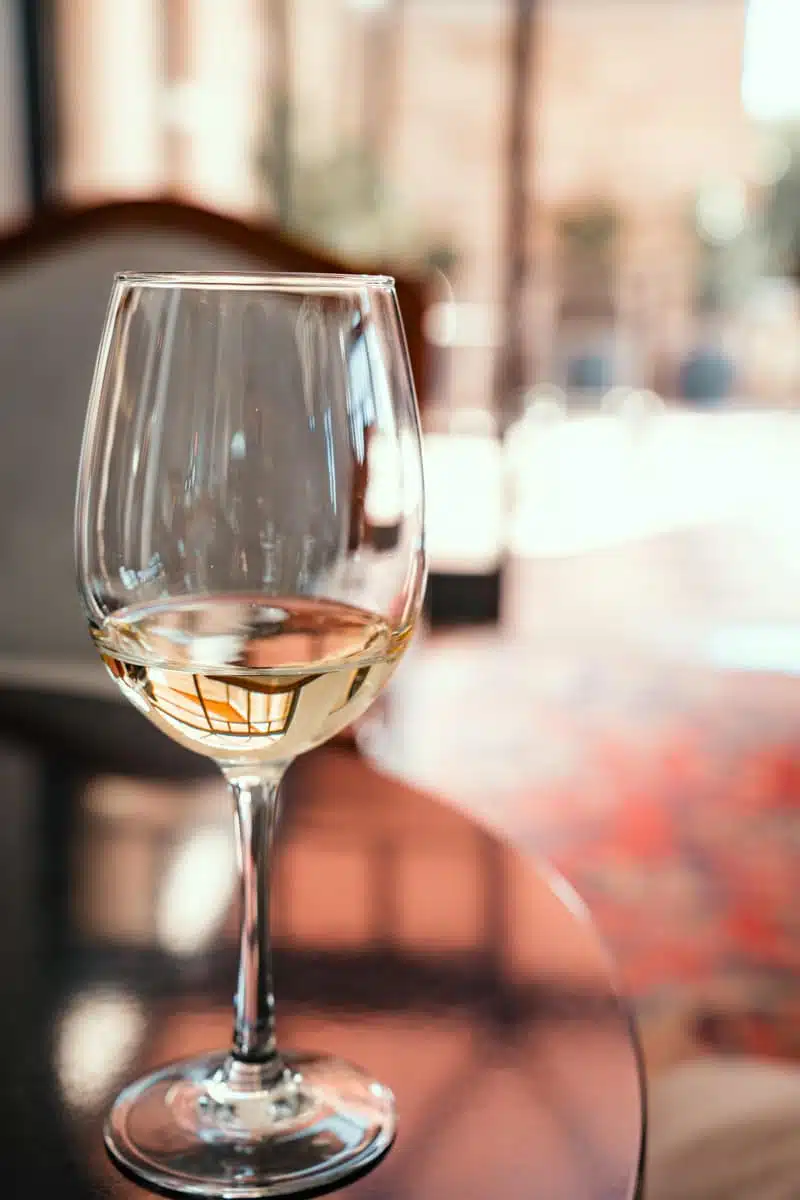
Before you leave, visit the shop to pick up a bottle or two of the sparkling wine.
Hours: 10am to 5.30pm in winter and 10am to 6.30pm in summer.
Booking: request tastings and experiences through the contact form on the Viñamar website, and book Macerado separately by phone.
Address: Camino interior Nuevo Mundo, Ruta 68 km 72, Casablanca.
Viña Casas del Bosque
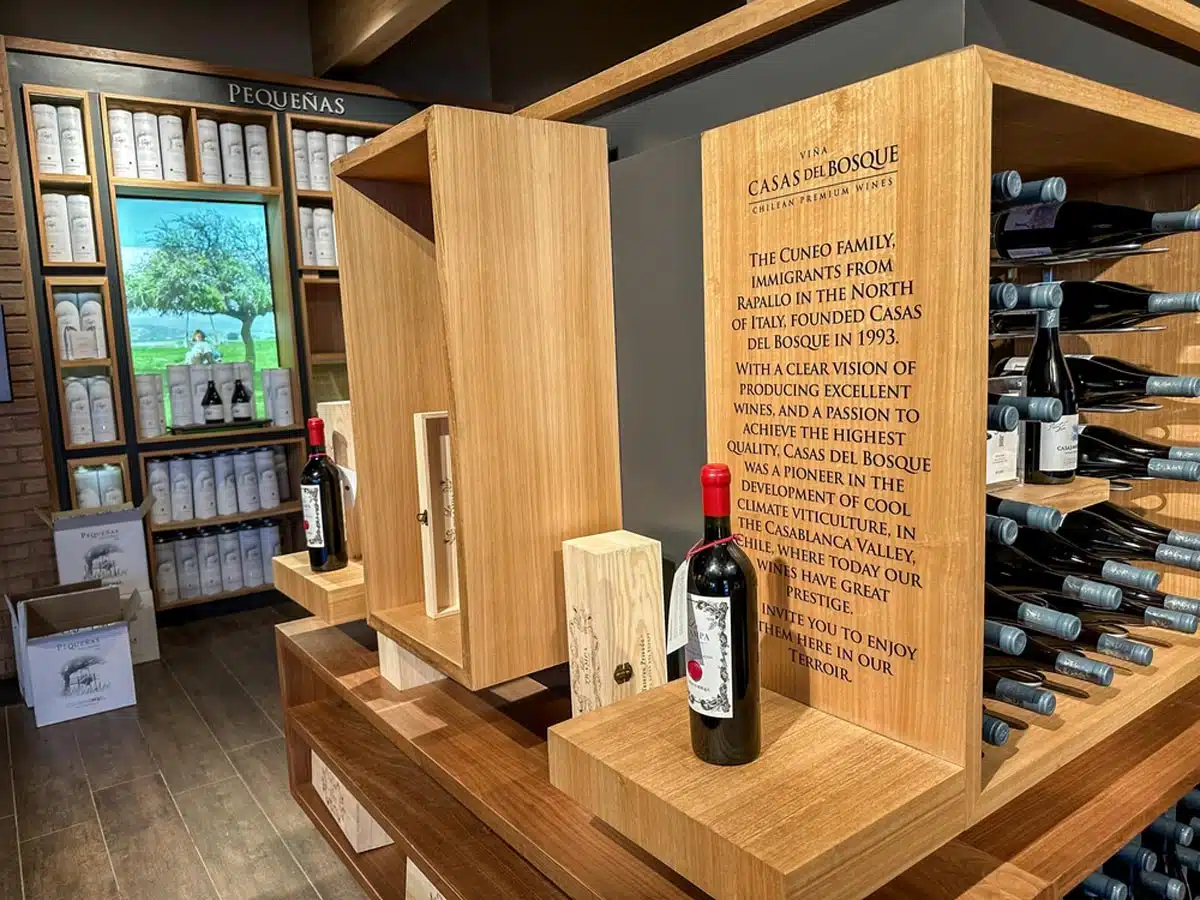
Another spectacular winery in the emerald-coloured valley is Viña Casas del Bosque, one of the best-known names in Casablanca and a stop on many of the tours from Santiago. It was founded in 1993 by the Cuneo family, whose roots are in Rapallo in northern Italy, and was one of the early pioneers of cool-climate wine here.
This winery boasts incredible views of the surrounding valley and delectable wines (as you’d expect). Look out for the Pequeñas Producciones range of small-batch Chardonnay, Pinot Noir, Sauvignon Blanc and Syrah, and the La Trampa icon wine.
You can choose from a whole menu of tours and tastings. The Aromas Wine Tour (CLP 38,000) is the classic introduction, the La Trampa Premium Wine Tour (CLP 48,000) adds the icon wine, and the Mirador Premium Wine Tour (CLP 71,000) takes in the hilltop viewpoint. There are also picnics (CLP 55,000), guided bike rides through the vines (CLP 45,000) or a self-guided route (CLP 28,000), and harvest and winemaker-for-a-day experiences in season.
And when you’ve had your fair share of touring, choose one of the in-house restaurants: Tanino for long lunches with wine pairings, Botánico, or Casa Mirador, which serves a nine-course tasting menu paired with the winery’s wines. Keep an eye out for Bo, the winery’s sparkling wine, too.
Booking: reserve online or through the winery’s tourism team; visits inside the vineyard are by reservation only.
Address: Ruta 68 km 60, Casablanca.
Bodegas RE
Bodegas RE aren’t afraid to do things a little differently in a lot of ways.
First, there’s the distinct nod to traditional winemaking techniques that sees them use clay pots and amphorae alongside stainless steel tanks during the process. Some of the wines are made in old family clay tinajas from the Maule region, the way wine was made in Chile’s countryside for centuries. It runs in the family, too: the owner and winemaker, Pablo Morandé Debordes, is the son of the Pablo Morandé who planted the valley’s first vineyard.
Then there’s their penchant for creating unique blends of grapes that result in compelling wines you can’t find elsewhere, like Chardonnoir, a white made from Chardonnay and Pinot Noir. Make space for this on your itinerary.
Tours take you through a garden of heritage grape varieties, the rooms where the winery makes its own liqueurs and balsamic vinegars, and an underground cellar full of tinajas and barrels. The basic Tour RE costs CLP 15,000, and tastings with a pairing board run from CLP 35,000 for three wines to CLP 60,000 for seven. From September to April there’s also a picnic option.
Hours: Monday to Saturday 10am to 6pm, Sunday 11am to 5.30pm. Book through the website and wait for confirmation before you pay.
Address: Camino Lo Ovalle km 1, Casablanca, just outside town.
Kingston Family Vineyards
Proving that small can indeed be mighty, Kingston Family Vineyards is a boutique winery that focuses on quality over quantity, resulting in some stellar Pinot Noirs and Syrahs in a region that’s better known for white wine production.
The story behind it is a good one. CJ Kingston, a copper miner from Michigan, came to Chile in the early 1900s looking for gold. He never found any, but he did end up with a huge farm in the hills at the western end of the valley, which the family ran as a cattle ranch and dairy for generations before planting vines in the 1990s. Many of the wines are named after the family’s horses.
Visiting feels like you’ve stumbled across a well-hidden secret, and one in an idyllic setting at that: you turn off a quiet country road onto a palm-lined drive to a tasting room that looks out over the valley. Every experience is private, from the Casablanca Essentials Tasting (US$55 plus VAT) to wine-paired lunches (US$115) and cooking classes (US$150), so reserve before you go.
Emiliana
If you’re interested in how wine is made as much as how it tastes, put Emiliana on your list. It’s one of the leading organic and biodynamic producers in South America, and its Casablanca estate is a working showcase of how that looks in practice, with an organic vegetable garden, a biodynamic preparations area and animals that help to keep the vineyard healthy.
The Tour Orgánico (CLP 42,990) is a walk through the vineyard explaining organic and biodynamic farming, followed by a tasting of four wines. The Gê tour finishes with Gê, the estate’s flagship red. Tours run Tuesday to Saturday at 10.30am, 12.30pm and 2.30pm and can be booked online.
Address: north side of Ruta 68, km 60.7, Casablanca.
Viña Matetic
Just south of the main valley, in the little Rosario Valley near Lagunillas, Matetic is a family-owned, organic and biodynamic winery known for its cool-climate Syrah and its striking modern winery, built into the hillside. It also has a restaurant and its own boutique hotel, La Casona, in a restored hacienda, which makes it a good base if you want to stay among the vines. Visits are by reservation through the winery’s website.
Veramonte
Veramonte, on Ruta 68 on the Santiago side of the valley, has a tasting room, wine shop and restaurant, and as well as tastings it has run bike tours through the vineyard followed by a tasting of its premium wines. Check its website for current tours and book ahead.
Plan your visit
Getting there
From Santiago: it’s about an hour’s drive west along Ruta 68, a toll road, to the heart of the valley. Buses from Santiago to Valparaíso and Viña del Mar run every few minutes from the city’s main bus terminals, and many stop in Casablanca town; the ride takes about an hour and costs around CLP 3,500 to 5,500. Turbus and Cóndor Bus both run the route.
From Valparaíso and Viña del Mar: Casablanca is only about half an hour’s drive inland, and buses heading to Santiago stop in town.
Getting around: there’s no public transport between the wineries, which are spread out along Ruta 68 and the side roads off it. If you come by bus, take a taxi from Casablanca town or arrange a transfer through the winery. If you hire a car, have a designated driver: Chile has a zero-tolerance approach to drink-driving, and most wineries will happily give drivers something soft instead.
Tours
Unless you have a designated driver, a tour is the easiest way to visit. I went on a coast tour from Santiago that combined a Casablanca winery with Viña del Mar and Valparaíso, and it’s a great way to see all three in one (long) day.
- Full-Day Tour From Santiago: travel through the port of Valparaíso and Viña del Mar and see the glorious countryside, with a wine tasting in Casablanca, a ride on one of Valparaíso’s historic funiculars and hotel pickup. It’s one of the best-reviewed day trips from Santiago.
- Wine Tasting: this small-group Casablanca Valley wine tour takes in three wineries, including Casas del Bosque and Bodegas RE, with 11 wines to taste and pickup from your accommodation. It’s a good choice if you’re based on the coast.
- Casas del Bosque with lunch: a six-hour trip from Santiago with a tasting at Casas del Bosque and a three-course paired lunch at its Tanino restaurant.
Make a day of it on the coast
If you’re coming from Santiago, it would be a shame not to carry on to the coast, as my tour did. In Viña del Mar, I stopped at the flower clock, saw the moai that stands outside the Fonck Museum, and called in at the fish market, where sea lions, pelicans and giant seagulls hang around waiting for scraps. I spent the whole time terrified that a seagull was going to crap on me.
In Valparaíso, ride an ascensor (funicular) up into the hills and wander the street art of Cerro Concepción and Cerro Alegre. Neruda’s house there, La Sebastiana, is even prettier than La Chascona in Santiago. Here’s my full guide to the best things to do in Valparaíso, and more ideas in my guide to day trips from Santiago.
Itinerary ideas
Wine route from Santiago to Casablanca
See some of the best vineyards and otherworldly views that the valley offers, and end up in Casablanca to explore the town. Two or three wineries is plenty for one day, as most tastings take an hour or more.
Santiago – Viñedos Veramonte – Casa Viñamar – Bodegas RE – Casablanca
Coast to capital: road trip to Santiago
No Chile itinerary is complete without a trip from the coast to explore some must-see areas around the valley, ending in the Chilean capital, Santiago. With a car and a designated driver, you can carry on past Santiago to the Maipo Valley wineries around Puente Alto and Pirque in the Andes foothills; here’s how to go wine tasting in the Maipo Valley.
Valparaíso – Viña del Mar – Casablanca Valley – Puente Alto – San Bernardo – Santiago
Suggested hotels and accommodation
Most visitors come for the day from Santiago or the coast, but staying a night or two means you can take your time over the tastings and enjoy the valley once the tour buses have gone.
Hotel Casablanca Spa & Wine
Looking for a relaxing stay with gorgeous views and amenities? You can’t go wrong with Hotel Casablanca Spa and Wine. This small hotel sits right on Ruta 68 near some fantastic wineries, and its 20 rooms all have a balcony and a jetted tub. It also has a pool, sauna and restaurant. You can even head to the spa for some wine therapy. What better way to celebrate being in a Chilean wine hotspot?
Hotel Boutique BC Wine Casablanca
Hotel Boutique BC Wine is in Lagunillas, a quiet village in the south of the valley. This quaint hotel has just ten rooms and offers a pool, two wood-fired hot tubs and a sauna for ultimate relaxation, and the team can help you book wine tours. When you get hungry, try the onsite restaurant for Chilean dinners.
Best time to visit
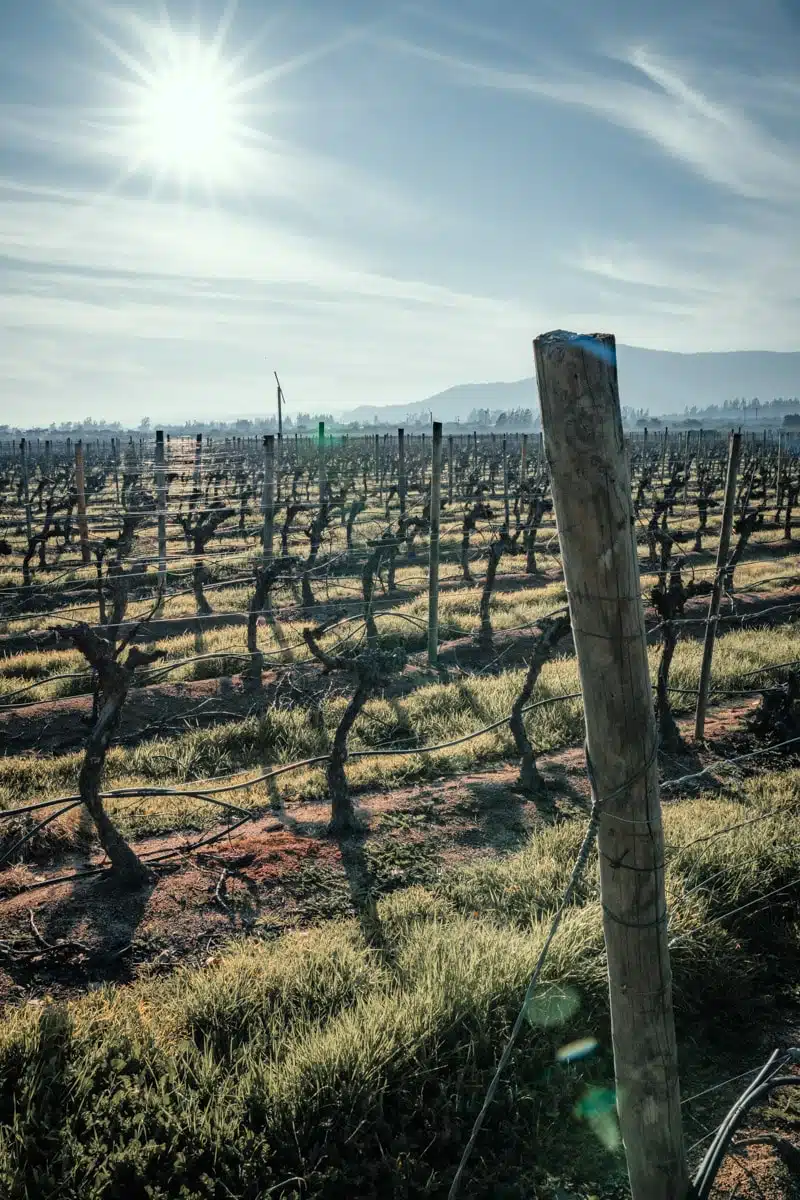
The great thing about the vineyards here is that they’re open all year, so you’ll have a wonderful experience no matter when you visit. But let’s be honest: most people want to see the valley green and lush, in warm weather with little rain. That’s why spring (September to November) and the harvest season are the best time to visit Chile’s Casablanca Valley.
Summer (December to February) is warm and dry, with morning fog that usually burns off by lunchtime, and it’s the busiest time for tours. The harvest runs from about February to April, when the vines are heavy with grapes and the harvest festivals take place.
Don’t rule out winter, though. Most of the rain falls between June and August, but I was lucky with a clear, sunny day in July. The vines are bare and the mornings are cold, so bring layers, but the tasting rooms are quieter and the light is beautiful.
Map
Love this? Save and share on Pinterest

Discover the top things to do, insider tips and hidden gems in our Chile Travel Guides.
Read the guides →