Fourteen courses, seven wines and a meringue that had me breathing smoke like a dragon: this is my honest Boragó review, from the mushroom chupe I’m still thinking about to the dish that didn’t work, with what dinner costs now and how to book.
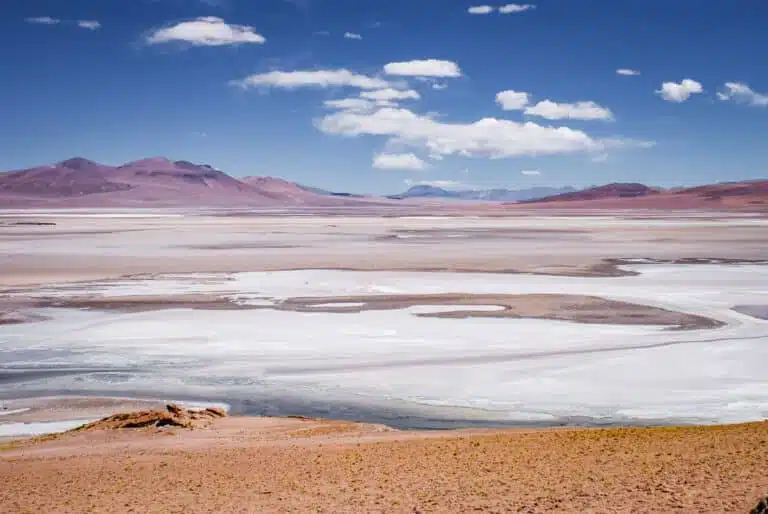
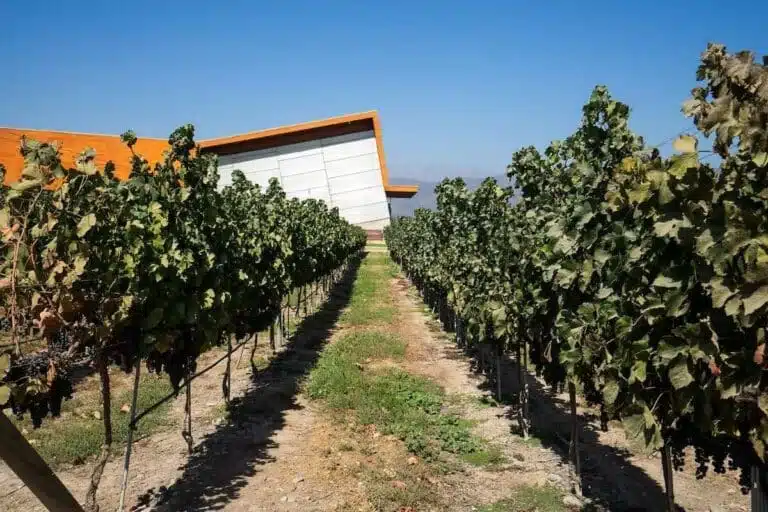
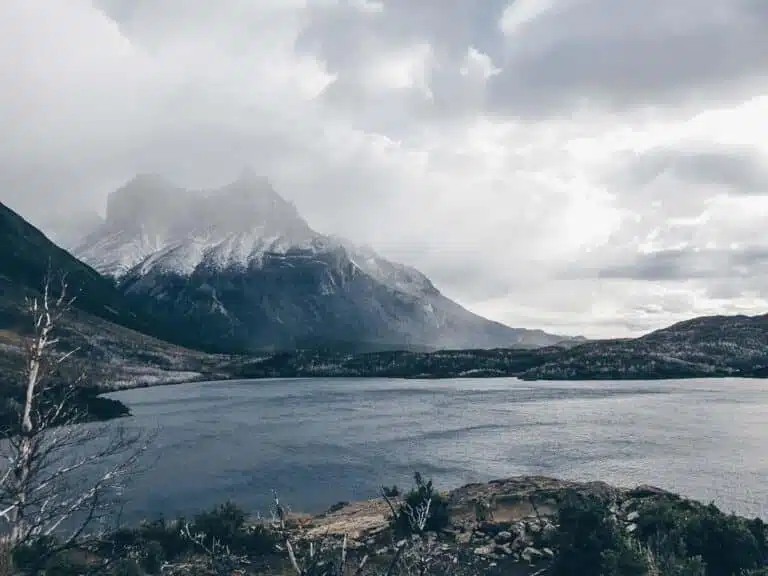
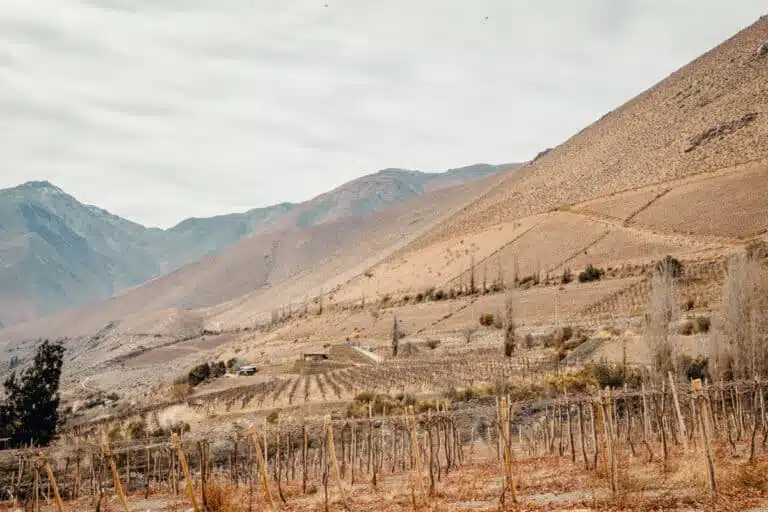
After two weeks on the road in Chile, from the wineries around Santiago to the Atacama Desert, the Bolivian salt flats and the Elqui Valley, I had one last thing planned before my flight home: dinner at Boragó. I’d saved it for the very end of my fourth trip to Chile, and it felt like the right way to finish.
Chef Rodolfo Guzmán has spent two decades building his menus out of Chile’s native ingredients, and Boragó is the highest-ranked restaurant in the country on the latest Latin America’s 50 Best list. It’s expensive, it’s theatrical and it isn’t flawless. But the food is superb, and it’s hands-down some of the best cooking in the city. Here’s everything I ate, what I thought of it and what you’ll pay now.
Some links in this article may be affiliate links, which means we may receive a small commission, at no additional cost to you, if you decide to purchase through one of my recommended partners.
Boragó at a glance
- Where: San José María Escrivá de Balaguer 5970, Vitacura, about 20 to 30 minutes from Lastarria by Uber, depending on traffic
- Chef: Rodolfo Guzmán
- The menu: Endémica, a seasonal tasting menu of 12 to 18 dishes. My winter menu ran to 14 courses, plus a closing sequence of sweets
- Price now: CLP 199,000 per person, plus CLP 99,000 for the wine pairing or CLP 49,000 for the juice pairing
- What I paid: CLP 148,000 for the menu and CLP 80,000 for the wine pairing, plus a 10% tip
- Open: dinner, Tuesday to Saturday, from 5.15pm
- My verdict: a theatrical, often brilliant meal that’s worth doing once, as long as you go hungry and pace yourself
What is Boragó?
Guzmán trained as a chef and worked in top restaurants in Chile and Europe before opening Boragó in 2006. His idea was to cook only with what Chile itself produces, and he and his team have spent years documenting the country’s endemic larder, from desert flowers and Patagonian seaweed to ancient Mapuche foods. They work with more than 200 small producers and wild foragers around the country and buy straight from the fishermen, and even the water on the table comes from Patagonian rain.
The menu changes with the seasons, and so does the wine. There’s no wine list: instead, Boragó works from a pool of wines chosen to match each menu.
The awards have followed. Boragó came sixth on the 2025 Latin America’s 50 Best Restaurants list, the highest of any restaurant in Chile, and Guzmán received the list’s Icon Award the same year.
The setting
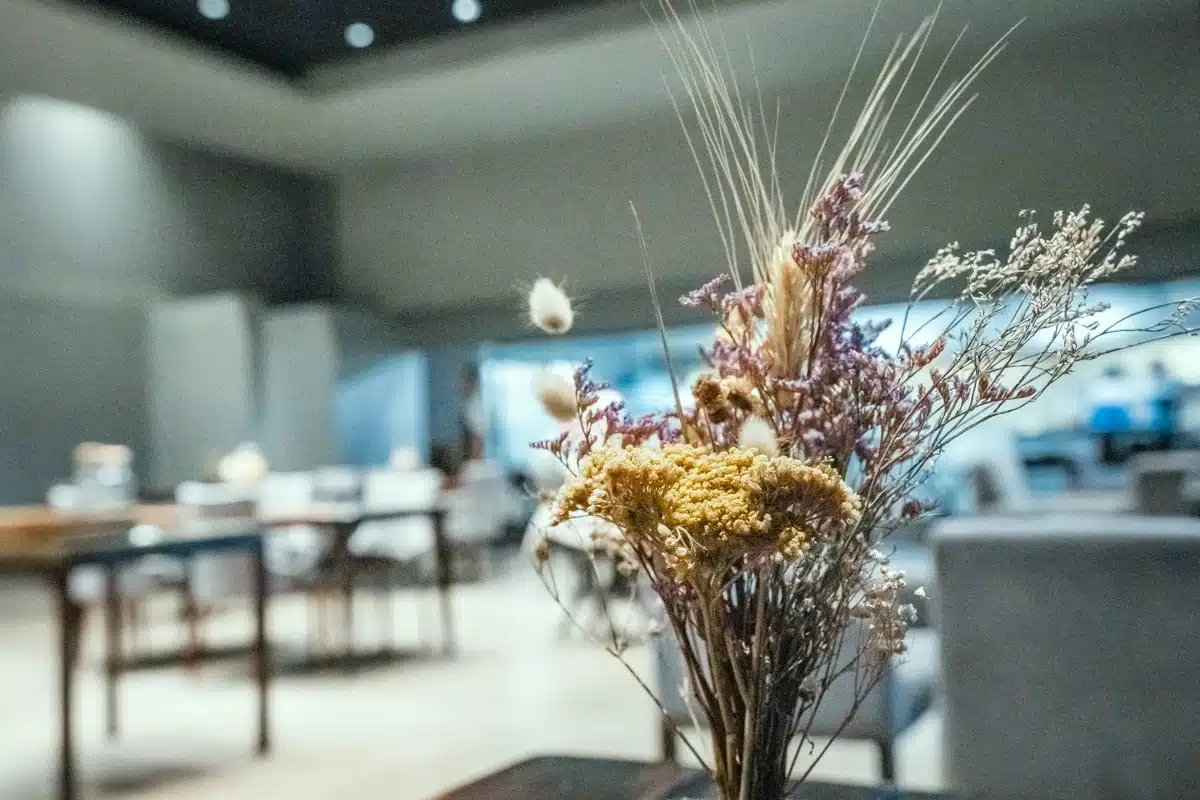
The vibe here is contemporary chic. The dining room is a cavernous space, an enclave of clean lines and grey concrete, and it all looks very impressive, but it errs on the side of majestic rather than atmospheric. On the night I went, the diners were a mix of well-heeled locals, businessmen and tourists curious to see what the hype was about.
The menu, course by course
My menu was the winter edition of Endémica, and I kept the card. These are the dishes as it listed them, with my notes where I made them. Expect a different line-up when you go, as the menu follows the seasons, but the style will be the same.
From the forest
The menu opened with copihue, tepa and topinambour. The copihue is Chile’s national flower, tepa is a tree of the southern rainforest and topinambour is the Jerusalem artichoke. Next came three trees of pitra, pewén and peumo, a nod to three native trees (pewén is the Mapuche name for the monkey puzzle), and then changle from the Valdivian native forest with Chilean truffle, changle being a wild fungus from the southern forests.
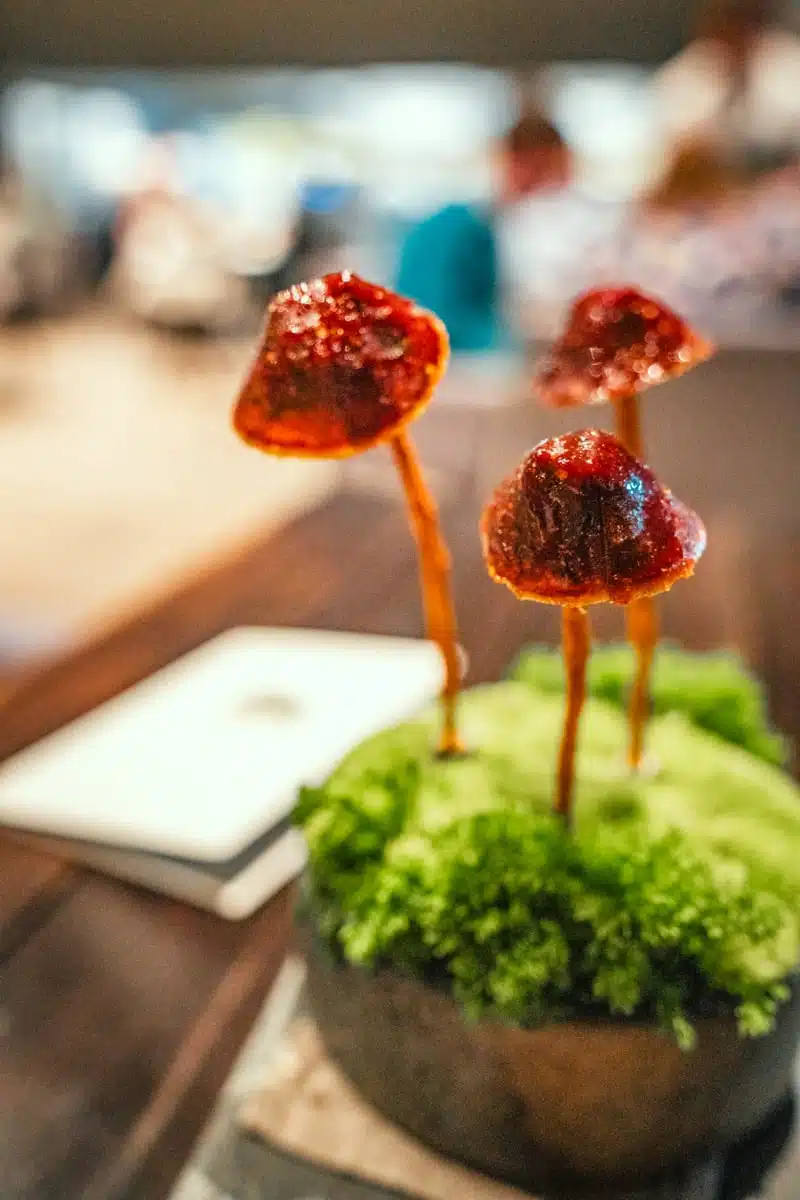
Then came my favourite course of the night, a chupe of mushrooms, chestnut and loyo cooked over the embers. Chupe is a thick Chilean stew that’s traditionally made with seafood, but here it was all about mushrooms: the ultimate umami blast. It came with a eucalyptus bud broth that was more delicate than it sounds and perfectly balanced the mushrooms.
From the sea
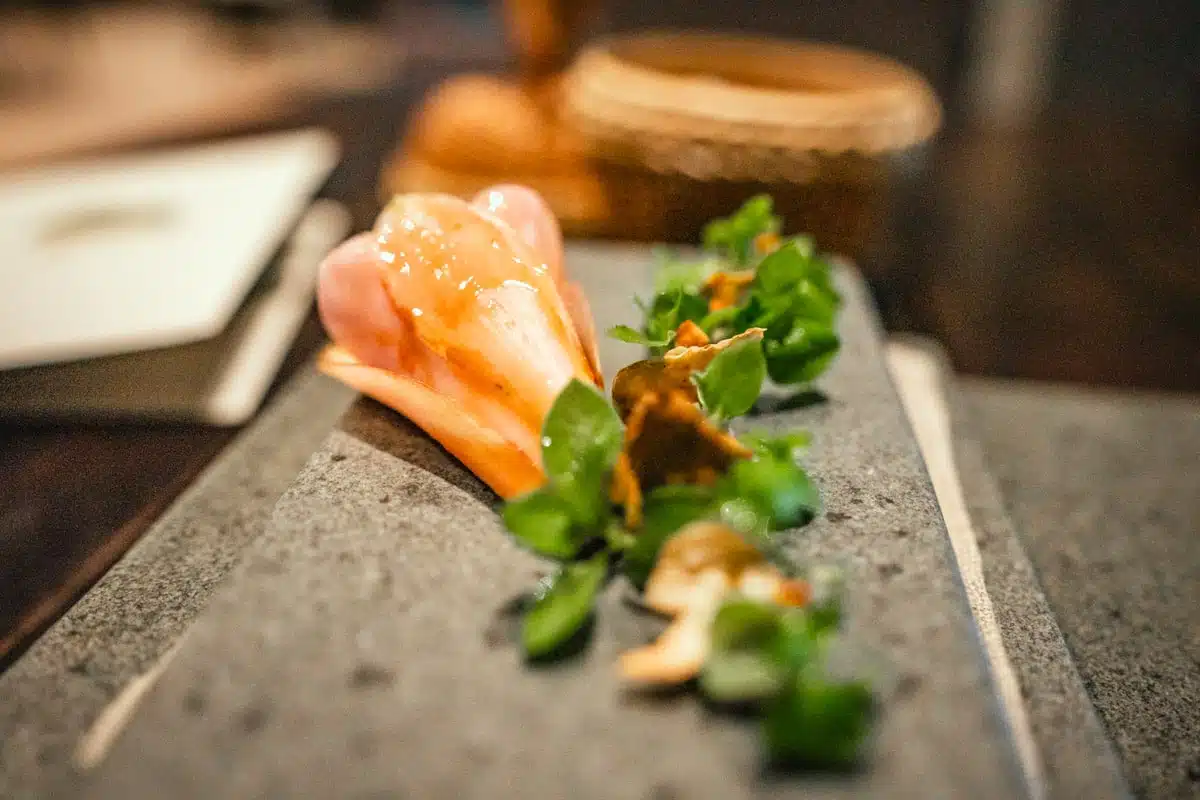
The “sea sunstar” of jibia, Chile’s giant Humboldt squid, came as a starfish made from seafood with a touch of lemon, sitting in a seafood broth on “sand” made from bread. It was followed by pulmay smoked in tepú: pulmay is a shellfish feast from Chiloé, and tepú is a shrub from the south.
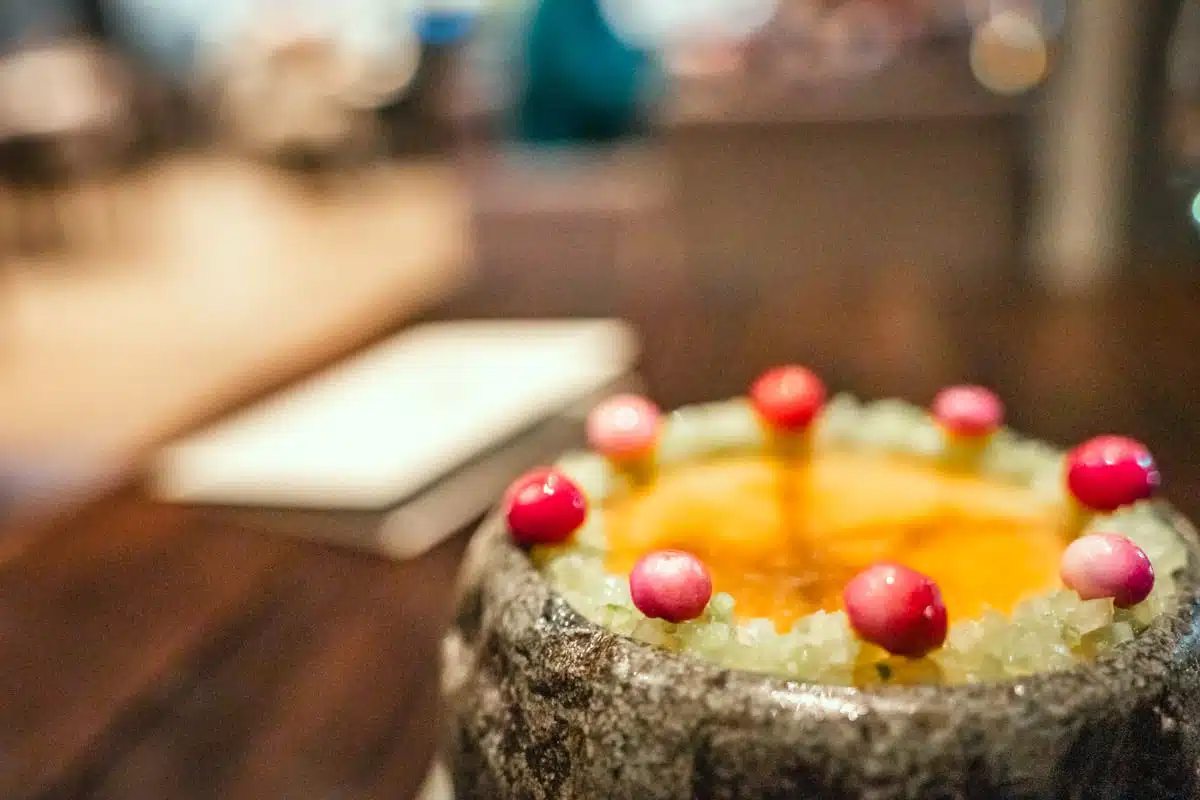
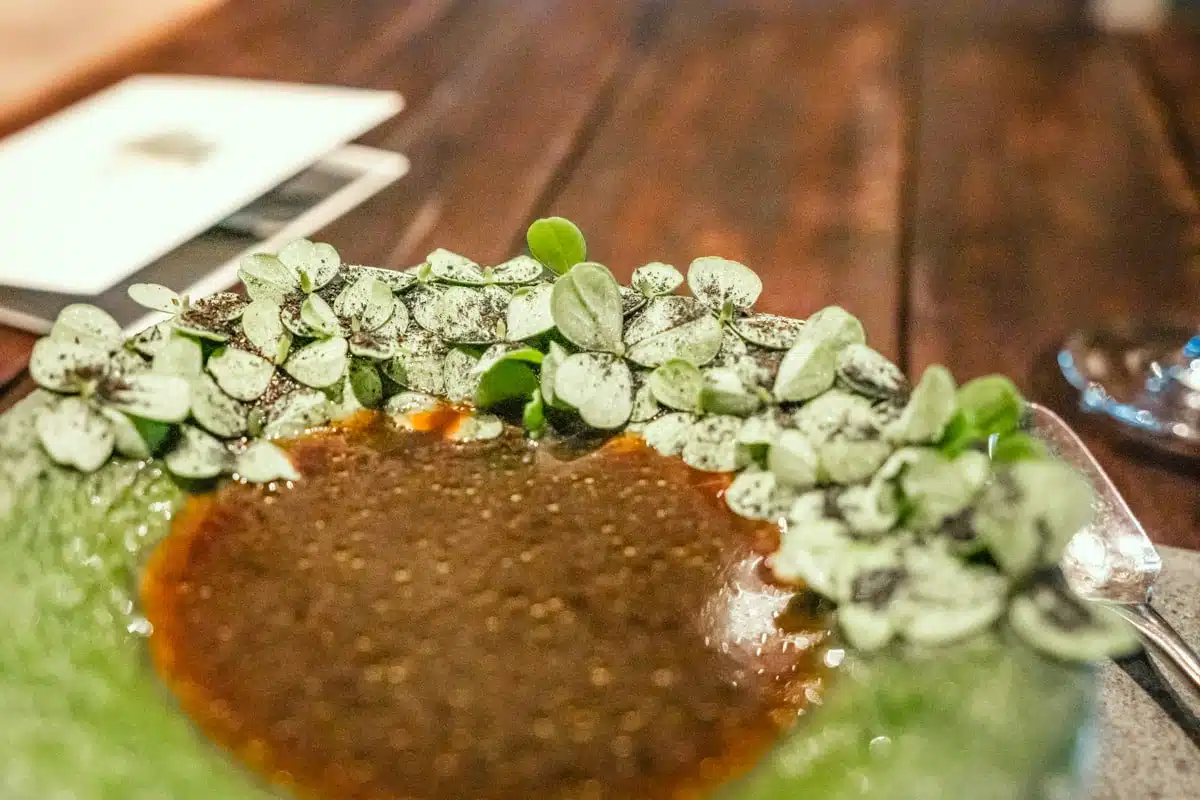
The ice brûlée of machas, pink clams and wild apples from Patagonia was the one course that didn’t work for me. It was an inventive idea, but the ice made it very cold, and it contrasted with both the preceding course and the wine. Next came a kollof root broth with seaweeds and rock plants, kollof being the Mapuche name for cochayuyo, the giant kelp that washes up along Chile’s coast.
Over the embers
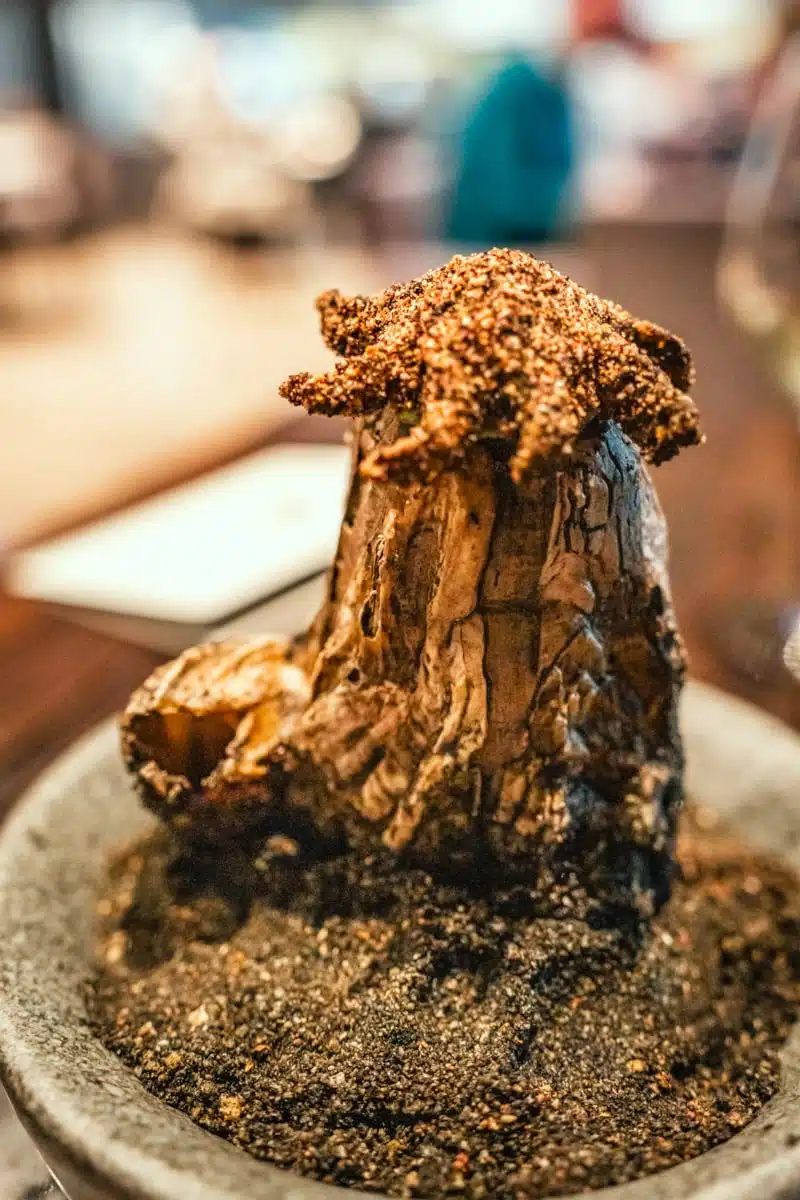
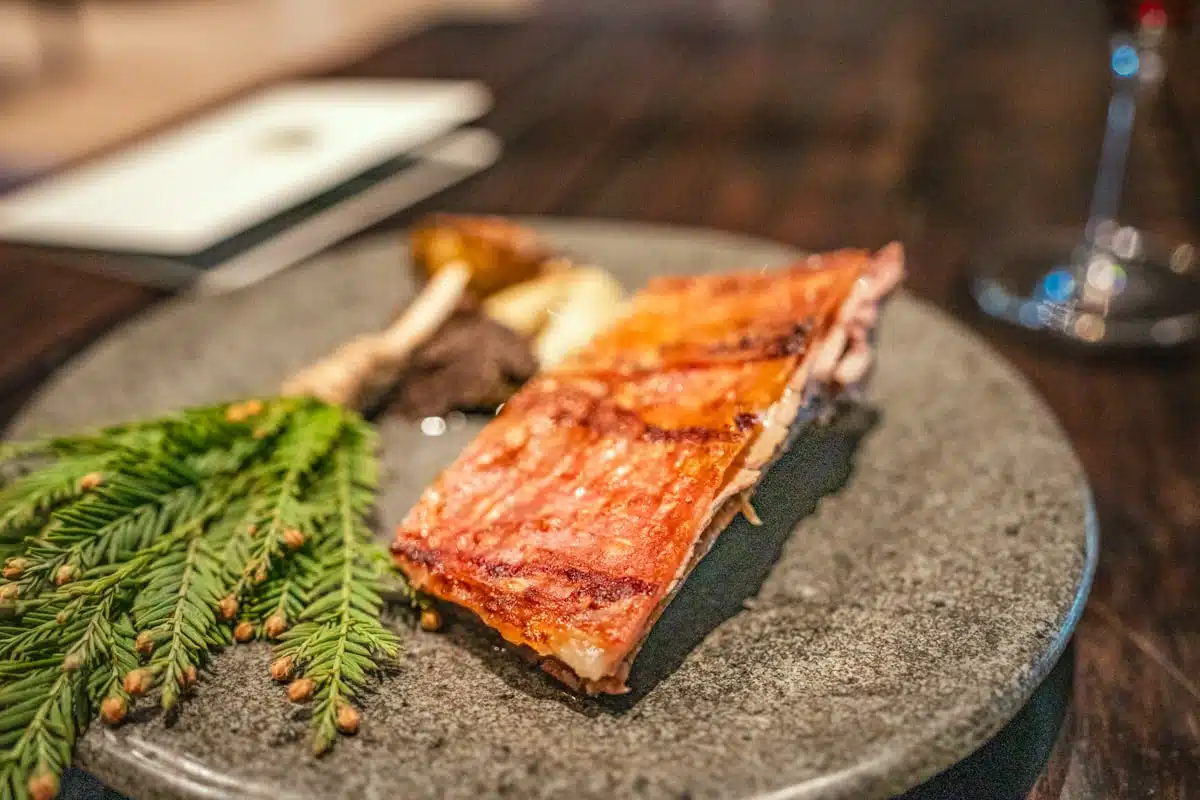
The heartier courses came next. Milcao cooked “al rescoldo”, in the embers, with pajarito butter was a Chiloé potato bread served with butter made from pajarito, a fermented milk a lot like kefir. After that came a sea carrot custard cream with pink tomato in the embers, king crab from Patagonia cooked on a seaweed bladder and finally Patagonian lamb cooked “a l’inverse” and a year around the fig tree.
Dessert
Dessert was a series rather than a single plate. A blue apple tartelette with pajarito yoghurt came first, then Chilota sheep’s milk ice cream with murtilla and rhubarb, murtilla being a small native berry.
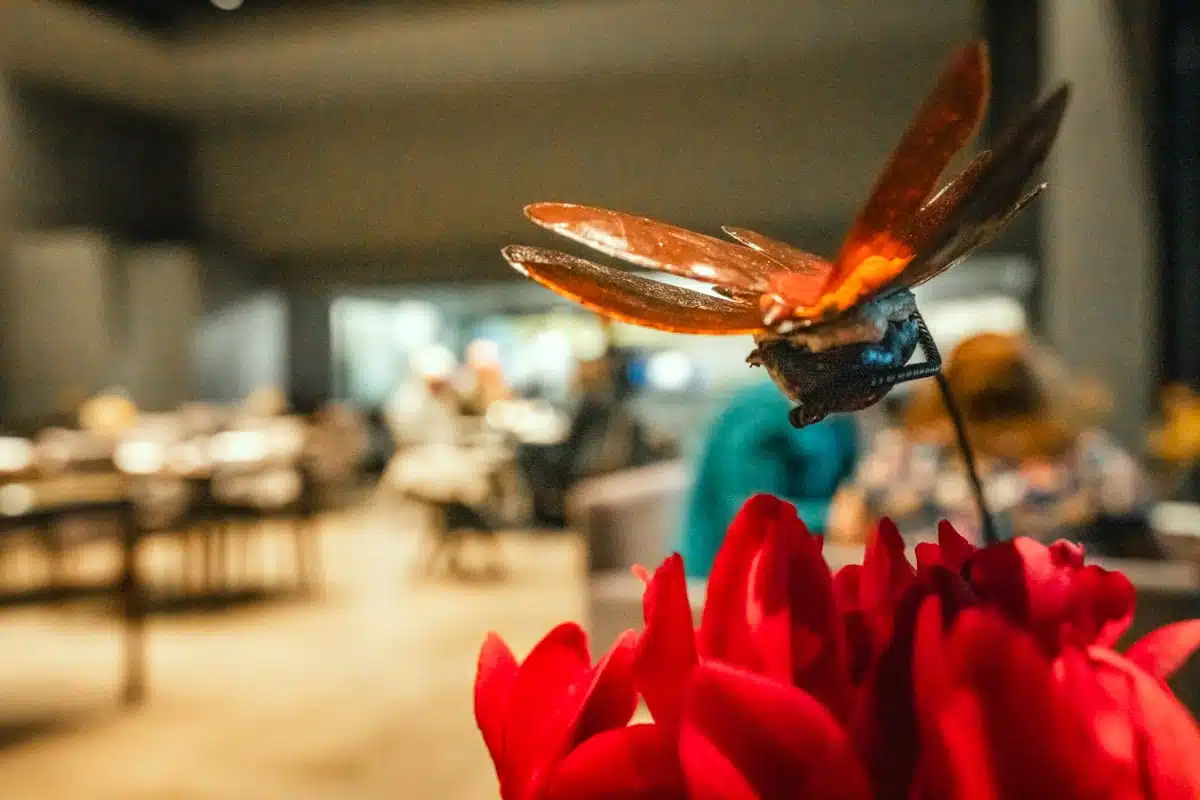
Then came what the card called the Flourish Desert of Atacama sequence, a nod to the years when rain brings the Atacama into bloom: a semifreddo of the Atacama Desert’s “rose of the year”, tucked amid a cyclamen; loyo, seaweed and maqui wild fruit; and a cold glacier. To finish, there was a nitrogen-blasted meringue with lemon. Expect to make like a dragon when you eat it: I blasted smoke from my nose like Smaug.
The wine pairing
My pairing ran to seven wines, and it was a tour of the country, from the Huasco and Limarí valleys in the north to Osorno in the south:
- Ribera Pellín Chardonnay and Pinot Noir, Osorno, 2017
- Coteaux de Trumao Pinot Noir, Bueno Valley, 2021
- De Martino Viejas Tinajas red blend, Maule Valley, 2014
- JP Martin De Mai Chardonnay, Huasco Valley, 2021
- De Martino Quebrada Seca Chardonnay, Limarí, 2009
- Quebrada de Macul Domus Aurea Cabernet Sauvignon, Maipo Valley, 2008
- La Reserva de Caliboro Erasmo País, Maule, 2017
The pairing now runs to five or six glasses and costs CLP 99,000. If you’re not drinking, there’s a juice pairing of the same length for CLP 49,000.
How much does Boragó cost?
When I went, the menu cost CLP 148,000 and the wine pairing CLP 80,000. With a 10% tip on top, that made it about CLP 250,800, pretty much the most expensive meal you can order in Santiago.
It’s gone up since. The Endémica menu now costs CLP 199,000 per person (about US$200) and the wine pairing CLP 99,000 (about US$105), so dinner for one with the pairing comes to CLP 298,000 before the tip, or about CLP 328,000 with it. Water and coffee aside, that’s your whole bill, as there’s no wine list to tempt you further.
My verdict
Ultimately, a trip to Boragó is as much about the theatrical wonder as it is about dinner. It’s not the place to go for a simple, unfussy meal: expect everything, including the unexpected. Most of the dishes were superb, the mushroom chupe was one of the best things I ate in Chile, and the whole menu reads like a map of the country, from the southern forests to the Atacama.
It isn’t perfect. The ice brûlée didn’t work, the dining room feels more majestic than atmospheric, and 14 courses, no matter how small and exquisite, is a lot of food. I walked away stuffed, verging on uncomfortably so. Pace yourself in the early stages so you can make it through in one piece.
If you love tasting menus and want to understand how Chile eats beyond pastel de choclo and pisco sours, it’s worth doing once. If you’d rather a relaxed dinner and a great bottle of wine, book Bocanáriz instead.
Booking Boragó
- Book online. Reservations go through the booking system on Boragó’s website. For dates more than 90 days ahead, email [email protected] or call +56 2 2953 8893.
- Know the cancellation rules. You’ll need a credit card to hold your table. Cancel at least 24 hours ahead or you’ll be charged US$100 per person, and if fewer people turn up than you booked for, the missing diners count as no-shows. Tables are released after 30 minutes.
- Ask about dietary needs early. A vegetarian menu (including eggs and dairy) is available if you request it at least 24 hours in advance.
- Leave the children at home. There are no high chairs, and it’s a long dinner.
- Groups can book the private room, which seats up to 12.
- Eat a light lunch. Pace yourself through the first few courses, as the best is spread right through the menu.
Read next
- The best restaurants in Santiago, Chile: where I ate on my trip
- One day in Santiago, Chile: my hour-by-hour itinerary
- 17 things to do in Santiago, Chile
- Where to stay in Santiago, Chile: best areas and hotels
- Maipo Valley wine tasting: best wineries, tours and how to get there
- Chile itinerary: 10 days in Santiago, Patagonia and the Atacama
- Read all my Santiago guides
Love this? Save and share on Pinterest

Discover the top things to do, insider tips and hidden gems in our Chile Travel Guides.
Read the guides →