
Chile
Santiago, Chile travel guide
Santiago is a vibrant place full of things to do no matter when you visit. Learn how to plan your trip to Chile’s capital city in this handy guide.

Julianna BarnabyTravel and culture writer
Visiting Santiago is a bucket list trip full of surprises. Tucked between the Andes Mountains and the Pacific Ocean, Santiago has a rich history and culture that has pulled me back on more than one occasion.
On my last visit, a month travelling solo in July, I based myself in Lastarria, toured the murals of Bellavista and Barrio Yungay with a local guide, lost hours in the Museo Chileno de Arte Precolombino and ate my way from a bubbling pastel de choclo at Galindo to a 14-course dinner at Boragó.
If it’s your first time travelling to Santiago, Chile, I have news for you: you’re in for a treat.
First order of business? Immerse yourself in the vibrant Centro. You’ll see colonial architecture, thriving marketplaces, and timeless cafes serving up delicious food and wine nonstop.
Now you’re ready to explore the endless street art, museums, and parks of Barrio Yungay and Lastarria.
In short, there’s a tonne for you to do on your Santiago, Chile, travels. I wrote this Santiago travel guide to help you navigate the bustling capital of Chile and make the most of your holiday.
Top Tip: Looking for somewhere to stay in Santiago? The Singular Santiago is my favourite hotel in the vibrant Lastarria neighbourhood: read my review, or check availability.

 How to go wine tasting in Maipo Valley, Chile
 One day in Santiago, Chile: the perfect Santiago itinerary
 Where to stay in Santiago, Chile: the best areas and hotels
When to go
Summer in Santiago is the best time to visit, as you may run into some smog in the winter months.
The spring (September to November) is a good time to visit art festivals. And day trips to Maipo Valley are best in Autumn/Fall (March to May) for wine festivals.
I visited in July, mid-winter, and had bright, clear days: cold mornings, but the perfect time to combine Santiago with stargazing in the Atacama.
Getting there and around
- Use Skyscanner for the best rates on flights to Santiago
- Compare Rental Car Prices with Holiday Autos When You Visit Santiago, Chile
- Try Recorrido CL When Booking Bus Travel in Santiago, Chile
- Omio for Trains, Buses, and Flights From Santiago, Chile
- Airport Transfers in Santiago via Booking.com
- G Adventures for Multi-Day Guided Trips From Santiago, Chile
- Check Out Bodega Wine Tours for Visiting the Best Vineyards With Smaller Groups
Santiago has a pretty reliable local transportation system, with reasonable fares for most trains and buses. Expect to pay around £.80 ($1) for a ticket on the train with a bus transfer.
You can easily also walk around to most of the landmarks and museums in this Santiago, Chile guide.
But you’ll want to take Uber at night, especially if you travel longer distances from the busier areas.
Every hotel I stayed at recommended Uber over taxis. From the airport, book an official taxi or shuttle inside the terminal.
Where to stay
Lastarria
Centrally located, safe, and packed with things to do – Lastarria is the best all-around area to stay on your holiday in Santiago. The Singular Santiago boasts luxury amenities and 5-star service at reasonable rates. I stayed at Hotel Cumbres Lastarria, a well-priced four-star, and at The Singular.
Barrio Yungay
If you want to check out the thriving street art scene and left-wing politics at local spots like Cafe Brazil, Barrio Yungay is a perfect area to stay. I like Matildas Hotel Boutique for affordable rooms in a former palace.
Las Condes
Las Condes offers a more luxurious holiday in Santiago with plenty of 5-star hotels. But also check out the underrated Museo Interactivo Las Condes (MUI) for audio-visual galleries and exhibits before trying locally made charcuterie at Fiambrería La Tabla. Enjoy the outdoor pool and rooftop bar at W Santiago when you’re ready to relax.
Bellavista
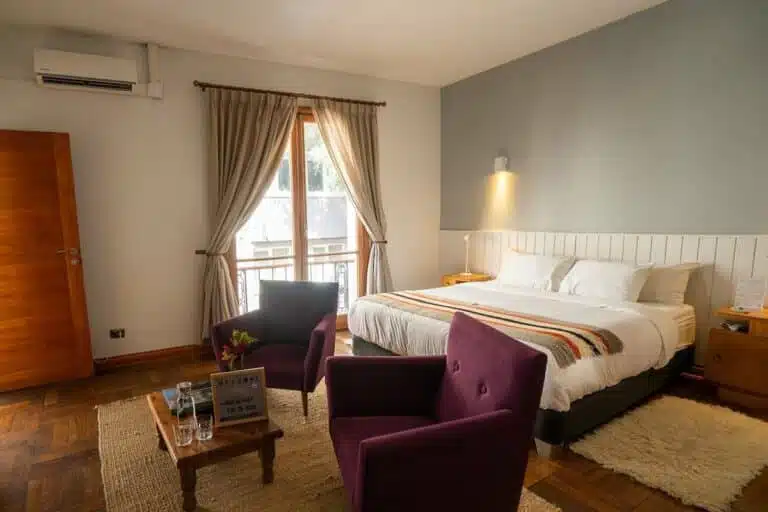
Any Santiago, Chile travel guide should mention Bellavista as a spot for nightlife, shopping, and dining. Stay at Casa Noble (read the review), just across the river in Lastarria, and walk over to Patio Bellavista for a meal at Vendetta and a nightcap at Red Luxury Bar.

Tours
Know before you go
Top things to do
Museo Nacional de Bellas Artes
Take a couple of hours to walk around inside this gorgeous Neoclassical and Baroque-style building to see works of Latin American art, with a large collection from Chilean artist Israel Roa. Also, head downstairs to the basement to see more modern artwork.
Take the Cable Car Around San Cristóbal Hill
Check out one of the highest points in Santiago from the historic Funicular de Santiago and cable cars. Take a break at the Tupahue Station, and you can swim at Tupahue Pool or explore the Mapulemu Botanical Garden on a nice afternoon. Try to do both the cable car and the funicular, and don’t hike up the paths alone, as there have been armed robberies. You can purchase a ticket in advance with a hop-on hop-off bus tour here.
Tour the Metropolitan Cathedral of Santiago de Chile
If you find yourself in the main city square (Plaza de Armas), take some time to explore the Metropolitan Cathedral of Santiago de Chile. The 18th-century cathedral combines Gothic and Baroque architecture to great effect. Book this guided tour, and you’ll learn about the history and climb the bell tower for the best views.
Explore Santa Lucía Hill
High up on Santa Lucía Hill, you might recognize the park and Hidalgo Castle if you ever watched The Amazing Race. It’s a steep climb, so you’ll want to do it early in the day to wander the cobbled pathways around palm trees, gardens, and elaborate fountains.
Museum of Memory & Human Rights
Located in Barrio Yungay, the Museum of Memory & Human Rights focuses on the dark period of Chile’s past during the Pinochet dictatorship. The museum reminds us of the horrific human rights violations during this tragic period through photos and letters written by victims and political prisoners.
Visit La Chascona
You can’t get very far in Santiago without hearing about Pablo Neruda (the Nobel Prize-winning Chilean politician and poet). La Chascona was the home he built for his 3rd wife, and you can visit this beautiful residence in Bellavista on a self-guided audio tour.
Museo Chileno de Arte Precolombino
The Museo Chileno de Arte Precolombino isn’t your run-of-the-mill archaeological museum. Not only is it impeccably designed and organised, but it has Precolumbian artefacts like Andean Textiles and Olmec Heads you simply won’t see at many other museums. It was 100% my favourite museum in Santiago, so give it at least a couple of hours.
See the City From Sky Costanera
Towering 300 metres in the air, the tallest skyscraper in Latin America (Torre Gran Costanera) is well worth visiting. You can book a ticket to the observation deck or grab some surprisingly excellent cocktails at SKY 300 BAR. Be sure to grab a table by the window; it’s worth the wait.
Take a street art tour
On my first afternoon, I toured the murals of Bellavista and Barrio Yungay with a local guide; my Santiago street art guide explains how to book one.
Suggested itineraries
Must-See Santiago in 1 Day
Follow it stop by stop with my one day in Santiago itinerary.
1 Day
San Cristobal Cable Car & Funicular – La Chascona – Lunch at Restaurant Galindo – Bellas Artes – Metropolitan Cathedral – Museum Arte Precolombino – Santa Lucía Hill — Dinner at Bocanáriz
2 Day Santiago Itinerary Exploring Street Art, Museums, and Restaurants
2 Days
Street Art and Culture in Barrio Yungay – Museums and Landmarks around Centro – Shopping in Lastarria – Sightseeing in Bellavista – Dining in Las Condes
1 Week Itinerary in Santiago, Chile, With a Day Trip to Maipo Valley
1 Week
Cable Car & Funicular up San Cristóbal Hill – Belles Artes – Lastarria – Centro – Barrio Yungay – Las Condes – Day Trip to Maipo Valley
Plan the wine day with my guide to Maipo Valley wine tasting.
Hidden Santiago, Chile
Check Out the Street Art
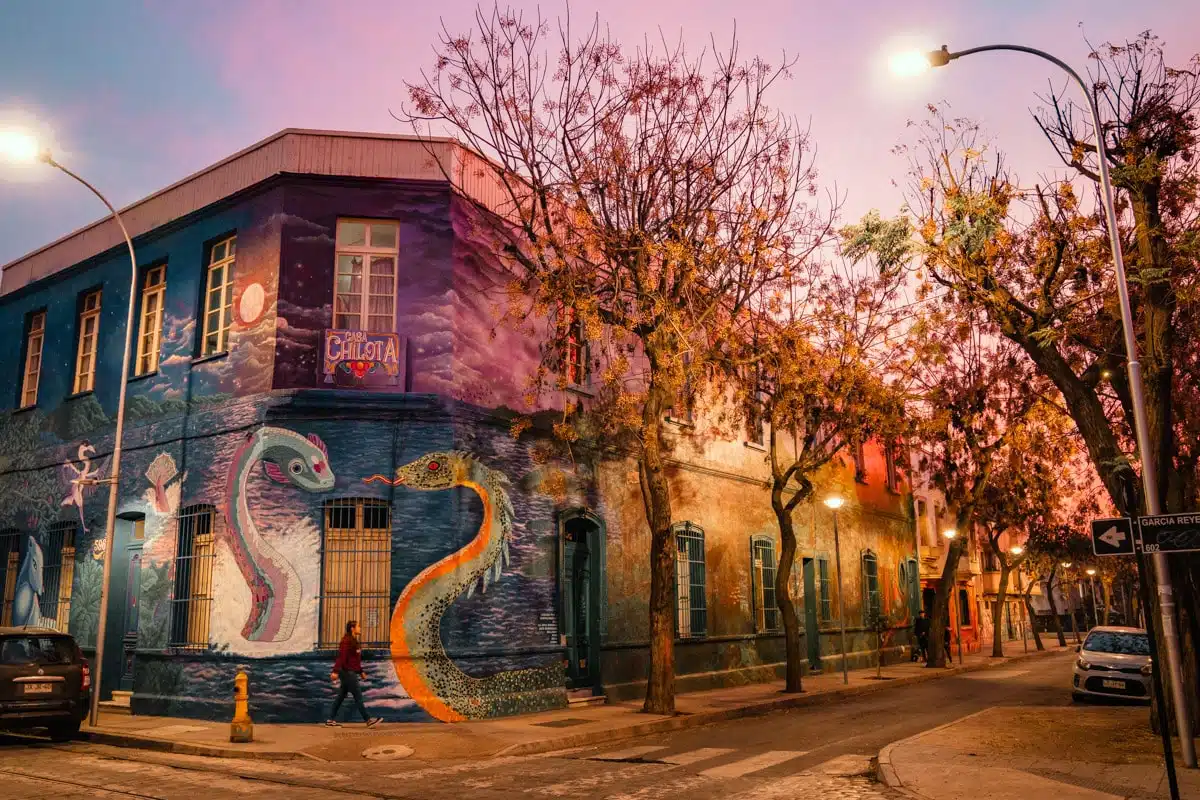
Walk through the neighbourhoods of Bellavista, Barrio Yungay, and Barrio Franklin to see why Santiago has made quite a name for itself with its street art and murals.
Many of the pieces (especially in Yungay) have political overtones, keeping with the area’s left-wing roots. It helps to go on a guided tour like this one to learn the history from a local like Alejandro, who took me round on my own when I turned out to be the only person booked.
Walk Through Lastarria Street Market
Lastarria is my favourite neighbourhood in Santiago. Take a walk through the Lastarria Street Market on Calle José Victorino and see why. Shop for jewellery, art, beauty products, and clothes from independent producers – or (whisper it) a little treat for yourself.
Take a Day Trip to Maipo Valley
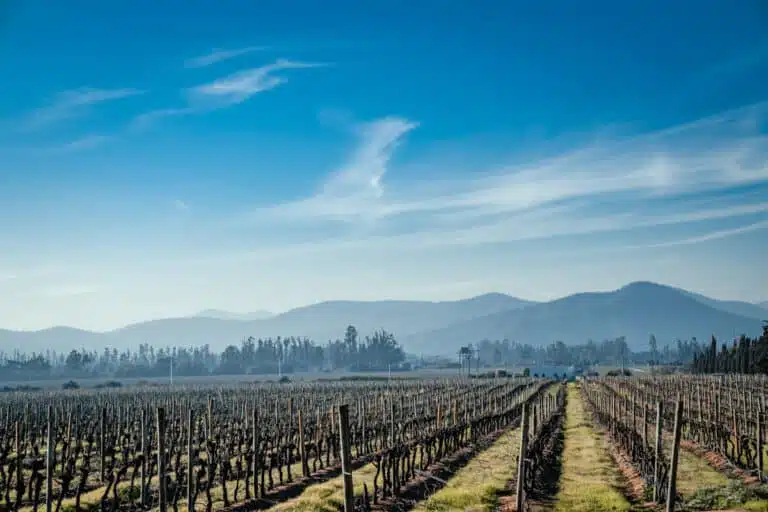
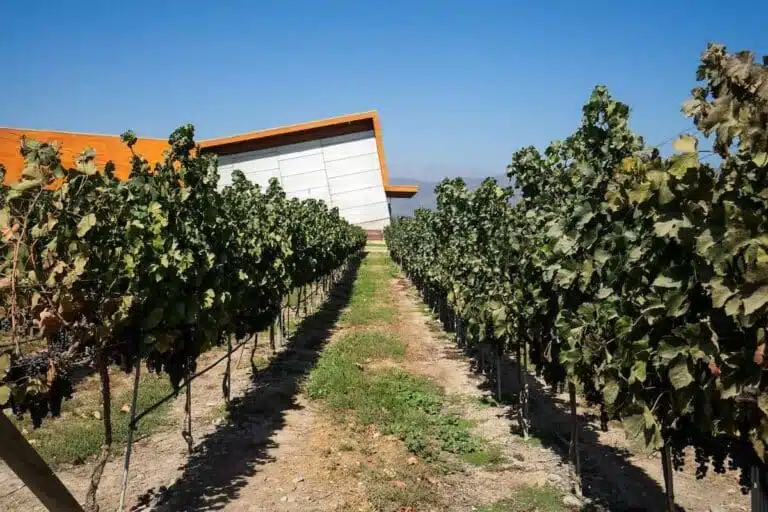
When you travel to Santiago, Chile, add a day trip to Maipo Valley. The unique geography of Isla de Maipo resembles an island due to how the Maipo River wraps around the valley. Taste the excellent wine on this guided tour, or hire a driver and visit a charming villa like Alyan Family Wines.
Must-try bars and restaurants
Restaurant Galindo
Restaurant Galindo offers an opportunity to try traditional homestyle Santiagan cooking in a no-fuss dining room.
Try the Pastel de Choclo, a popular combination of corn, olives, chicken, and ground beef that’s addictive but super filling, so arrive hungry.
Bocanáriz
Bocanáriz is small and fills up quickly. Do yourself a favour and follow the advice of about a dozen people I ran into on my last trip to Santiago – reserve a table at this wine bar come restaurant in advance.
You can choose from several wine flights (I loved the Carmeneres Flight) that pair well with the tapas plates; they’re perfect when there’s no one to share a bottle with.
Chipe Libre – Independent Republic of Pisco
Chipe Libre – Independent Republic of Pisco doesn’t try to get into the middle of the debate about the true origins of Pisco (the fiery yet versatile grape-based spirit). All the better.
They diplomatically serve both brandies from Peru and Chile, complemented by excellent dishes like oysters topped with a corn-based salsa.
Boragó
If you want a splurge meal in Santiago, head to Vitacura and try the destination restaurant Boragó; read my Boragó review.
It’s probably the single most expensive meal in the city, but the 14 courses featuring highlights like the ultimate umami blast of the mushroom-based Chupe and the majestic decor are well worth the price of admission.
More in my guide to the best restaurants in Santiago.
Costs and budgeting
Is Santiago, Chile worth visiting? Absolutely, and you can do it on a budget, too.
Expect to spend between £125 and £260 ($160 and $330) per day with accommodations on a mid-range basis. Add £275 to £355 ($350 to $453) if you’re travelling on a luxury basis in Santiago. The Singular cost me about US$140 a night when I stayed; expect upwards of US$300 now.
Average Daily Costs
- Hotel
- Mid-Range – £55 to £79 ($70 to $100) per night.
- Luxury – £118 to £236 ($150 to $300) per night.
- Food – £5.50 to £31.50 ($7 to $40) per meal.
- Local Public Transport – £.80 ($1) per ticket.
- Attractions – £0 to £7 ($0 to $9) for tickets.
- Tours – £28 to £118 ($35 to $150) per tour.
Safety, health and tipping
Safety
Santiago is relatively safe, but petty crime has steadily increased over the past few years.
On my most recent visit, I noticed quite a few tourists complaining about pickpocketing – so keep your belongings close by and avoid walking around too late at night.
Keep your phone out of sight around the Plaza de Armas and the Mercado Central.
Health
Infrastructure is generally good in Santiago, and tap water is perfectly safe to drink. However, once you head out for day trips, bring bottled water, as many smaller towns don’t always have potable water.
If you’re up-to-date on your standard vaccinations, you should be OK visiting Santiago.
Tipping
A 10% tip is the norm in Santiago – but double check it’s not already on the bill. Many restaurants add it to the bill.
Round up to the nearest 500/1000 CLP when tipping taxis, hotel staff, or at gas stations.
Practical tips and info
Tips for travelling
- Uber is a much better choice than local taxis, as the prices are more transparent, and you shouldn’t have to negotiate the fare.
- You’ll receive a Tourist Card when you visit Santiago (or anywhere in Chile). Don’t lose this; you’ll need it to leave the country after your holiday.
- Many museums in Santiago are free, but you may have to fill out an online form at some, like Museo Nacional de Bellas Artes.
- Most people speak Spanish in Santiago. I’d recommend learning the basics before you go.
- Parking is relatively easy, but traffic can be stressful if you haven’t driven in busy cities in South America.
How to see the best for free
Take the official Santiago Free Walking Tour to enjoy a four-hour guided journey through the city centre, with a much-deserved empanada break halfway through.
Alternatively, Strawberry Tours offers a Barrio Yungay tour to learn more about this lively neighbourhood’s murals, restaurants, and poetry.
You can visit plenty of museums, like the Museum of Memory & Human Rights and Museo Nacional de Bellas Artes, for free. Or if you’d rather spend the day outside, walk around Santa Lucía Hill and relax near the fountains at the lovely hillside park.
Packing
- Osprey Daylite Daypack – A great way to keep your sunscreen, water bottle, and guidebooks handy.
- Outer Shell – A lightweight jacket is key for windy or rainy days.
- Allbirds Tree Runners – Bring comfortable walking shoes for urban hikes and sightseeing when visiting Santiago, Chile.
- Passport and Documents – Pack your passport and hold onto your Tourist Card for your flight home.
- Thermal Leggings – You’ll be happy you have them when hiking on colder days.
Travel insurance
AXA Travel Insurance has helped me on more than one trip, and because Chile is full of adventure and unpredictable weather, it may be wise for you to add, too.
I suggest buying it right after booking your flight to protect against lost luggage costs, flight cancellations, and any potential medical bills when you travel to Santiago, Chile.
Suggested guidebooks
- The Locals Travel Guide For Your Trip to Santiago (Chile): Santiago, Chile Travel Guide 2023
- Lonely Planet: Chile & Rapa Nui (Easter Island) 12
- Lord K2: Street Art Santiago Chile
Interesting facts
- Over ⅓ of Chileans live in or around the capital city of Santiago.
- Incas lived in Santiago nearly 100 years before colonisation.
- Santiago sits almost evenly between the Pacific Ocean and Andes Mountains.
- Gran Torre Santiago (Torre Gran Costanera) is the tallest skyscraper in Latin America.
Handy phrases
Spanish is by far the most common language in Santiago, Chile. Here are some essential words and phrases.
Hello – Hola
Goodbye – Chao
Yes – Sí
No – No
Please – Por favor
Thank You – Gracias
How Much Is – Cuánto es
Where is – Dónde es
Good Morning – Buenos días
Good Afternoon – Buenas tardes
Good Evening – Buenas noches
Cool – Buena onda
Time zone
When travelling to Santiago, Chile, you’ll need to set your clock to the Chile Standard Time or Chile Summer Time (UTC – 4, UTC – 3), as they observed daylight savings here.
Electricity and adapters
Bring your universal travel adaptor, on your Santiago trip. You’ll find C and L Plugs throughout the city.
Map
Insider tips, straight to your inbox
All Santiago, Chile guides
 The Singular Santiago review: a five-star treat in Lastarria
 Hotel Cumbres Lastarria review: a well-placed four-star in Santiago
 Santiago street art tour: Bellavista and Barrio Yungay
 Boragó review: 14 courses at Chile’s top-ranked restaurant
 The best restaurants in Santiago, Chile: where I ate on my trip
 Visiting the Casablanca Valley, Chile: wineries, tours and tips
 Santiago’s cutest hotel hideaway: a review of Casa Noble Boutique Hotel
 How to go wine tasting in Maipo Valley, Chile
 Where to stay in Santiago, Chile: the best areas and hotels
 13 unforgettable day trips from Santiago, Chile
 17 brilliant things to do in Santiago, Chile
 One day in Santiago, Chile: the perfect Santiago itinerary



Watch on YouTube
See the places before you go
Short films from the places in my guides, so you can see what a destination really looks and feels like before you go.
Subscribe on YouTube youtube.com/@thediscoveriesof