

Crawl inside the Great Pyramid, sleep on the deck of a felucca, float over Luxor at sunrise and meet the pharaohs face to face: these are the best things to do in Egypt, and how to actually do them.
If you’re planning (or even just dreaming of) a trip to Egypt, I have some sage advice for you… book it.
We’ve all heard tell of this fabled land, one filled with pyramids, ancient tombs and stone-built temples, carved lengthways by the sinuous Nile. Well, it’s all true. The country really does live up to its reputation.
I spent a little over a week travelling from Cairo to Aswan and back up the Nile to Luxor on my first ever group tour, and (I don’t say this lightly) it was one of my favourite trips ever. I crawled up a tunnel inside the Great Pyramid, rode the overnight sleeper train south, flew to Abu Simbel, slept on a felucca and floated over the Valley of the Kings in a hot air balloon. Every day was stuffed with something that made my jaw drop.
This guide walks you through the experiences you shouldn’t miss, from the big-hitters to the desert oases and dive sites, with how to book them, what they cost and the tips that’ll save you time and money. Each one links to a fuller guide if you want to go deeper. Let’s dive in. Hold on to your hats!
The best things to do in Egypt
Go inside the Great Pyramid of Giza
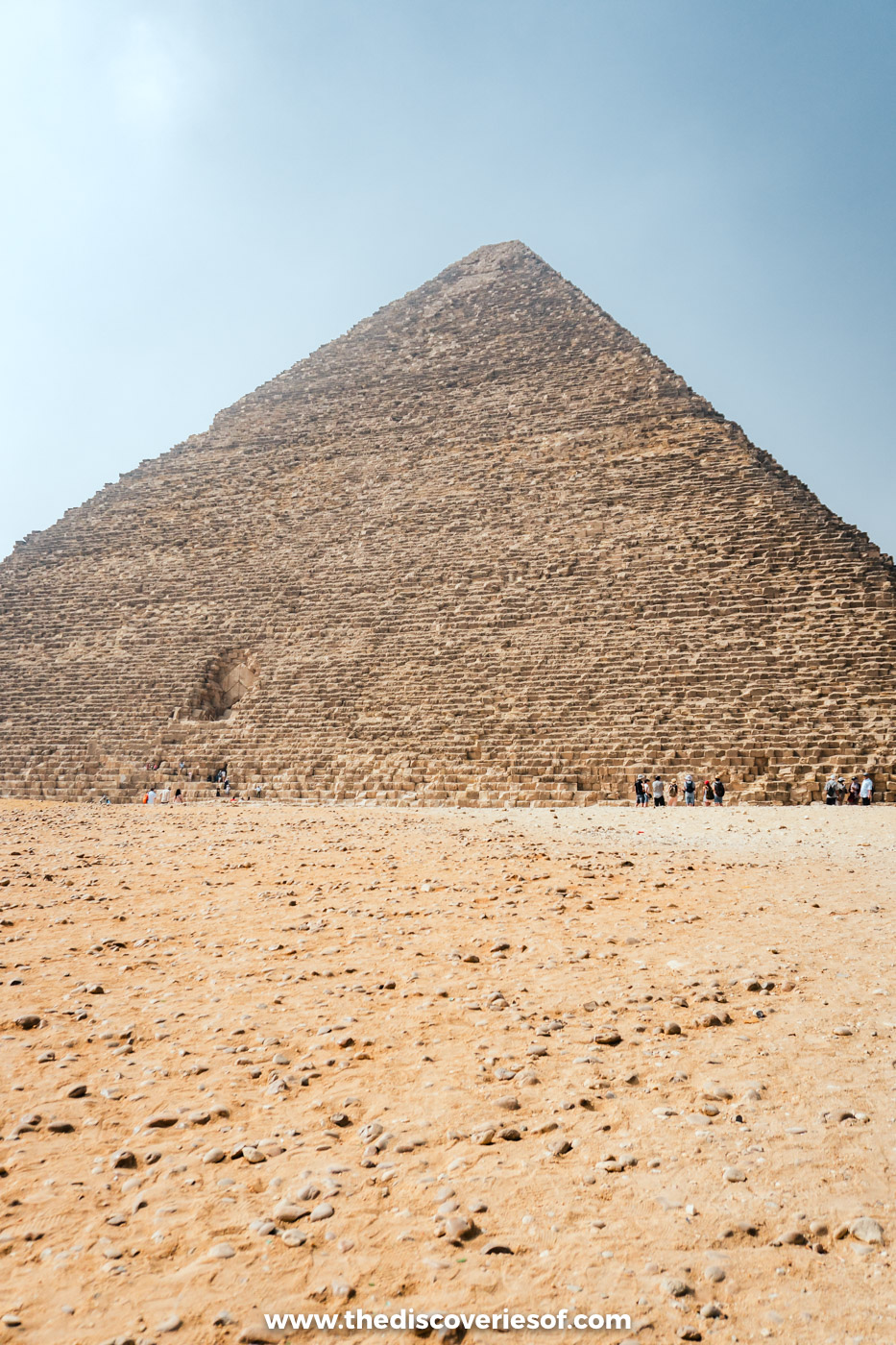
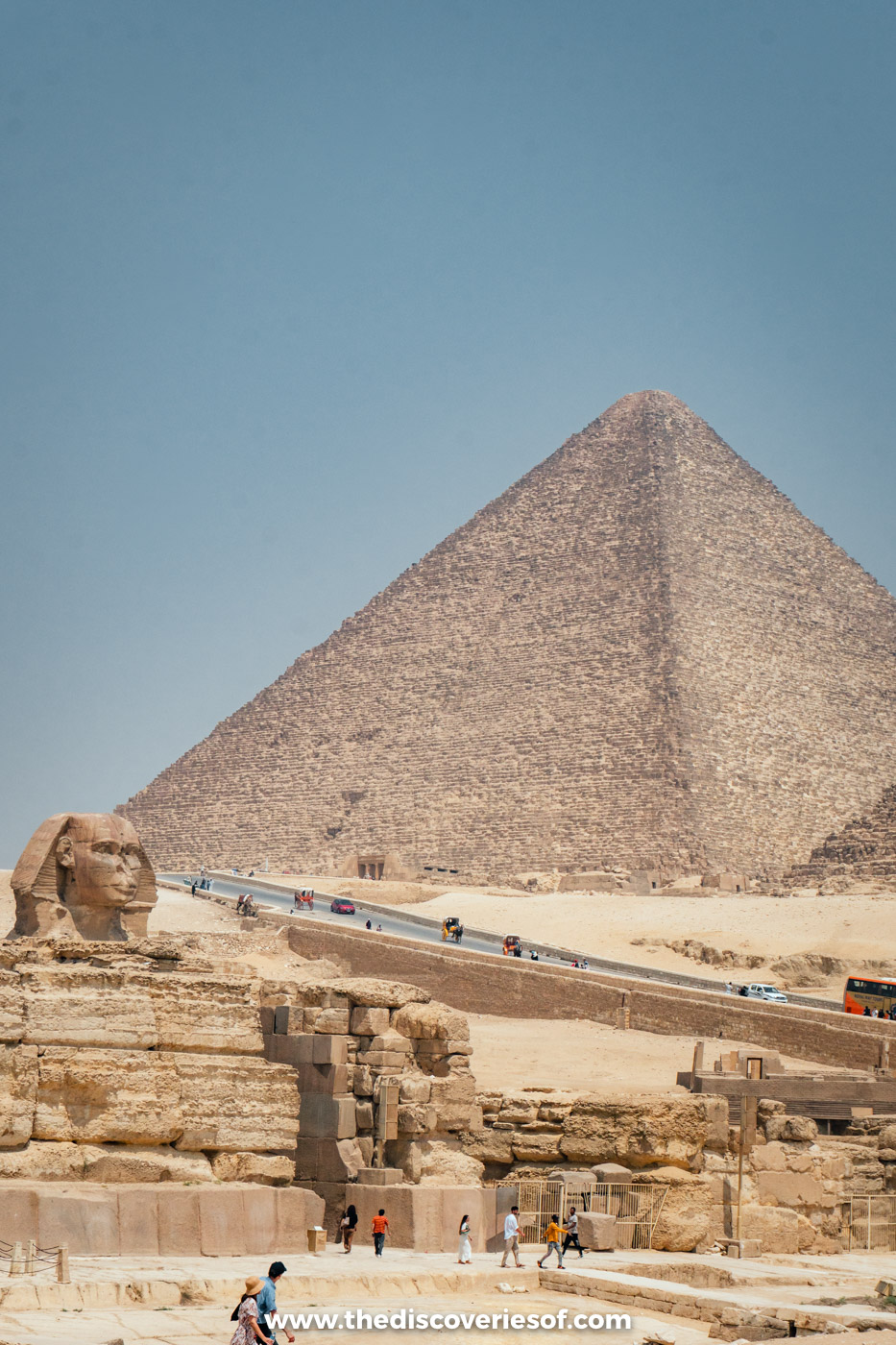
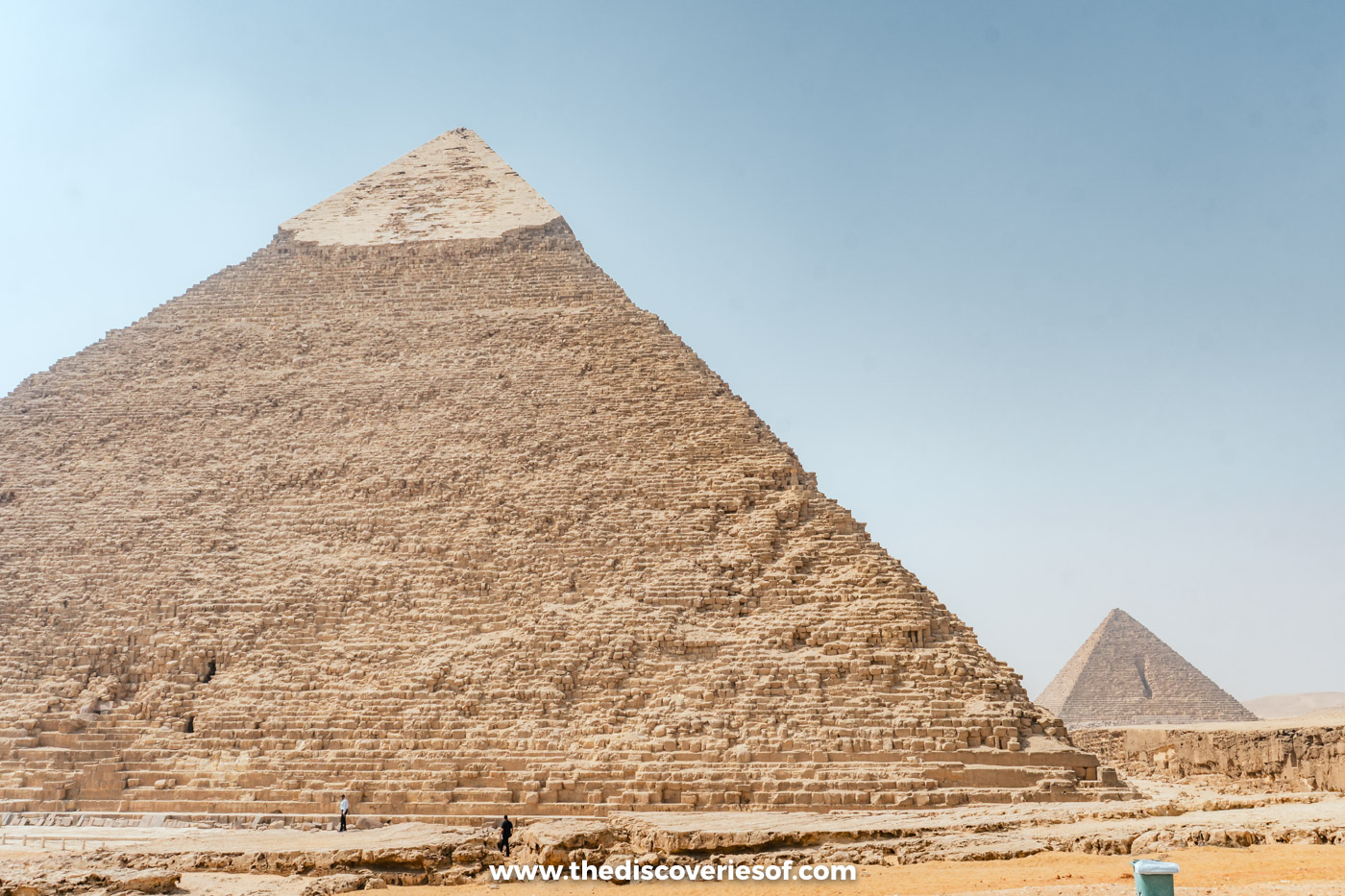
Undeniably at the top of any list, the mighty Pyramids of Giza are a symbol of ancient Egypt’s architectural prowess. As if the three aren’t stunning enough, the Great Pyramid is the last remaining wonder of the ancient world.
I have to say, I almost burst with excitement seeing them up close and personal. Together they’re a striking triumvirate that I’m not ashamed to say I lost my sh\t over.
If I only give you one tip, it’s to pay extra to go inside the Great Pyramid. There isn’t a tonne to see, but doing it is actually kind of crazy: you crawl upwards through a tunnel that’s about 1 metre by 1 metre in the sweltering heat, before you emerge into the soaring Grand Gallery and then the King’s Chamber with its long-empty granite sarcophagus. It’s probably not one for the claustrophobic. Here’s a sneak peek of what to expect.
So what’s the deal with the pyramids? They were built as tombs for three pharaohs of the Fourth Dynasty, Khufu, Khafre and Menkaure, in that order, starting around 2560 BC. There were no iron tools: the workers cut and shaped the stone with copper chisels, hard stone pounders, wooden sledges and ramps, and a lot of manpower. And they weren’t slaves. Papyri found at Wadi al-Jarf in 2013 record crews of paid labourers shipping limestone to Giza for Khufu’s pyramid.
The site ticket costs 700 EGP and the Great Pyramid interior another 1,500 EGP, paid by card. Head to the panoramic point in the desert for the view of all three pyramids together, and ignore anyone who pretends to be an official and asks for extra money for photos: it’s one of the oldest scams on the plateau.
Do
Learn all about the pyramids on this half-day tour by camel or horse carriage, or book a half-day private tour of the pyramids and the Sphinx.
See Tutankhamun’s treasures at the Grand Egyptian Museum
The Grand Egyptian Museum (GEM) opened fully in November 2025, about 2 kilometres from the pyramids, and it’s now the natural second half of a day in Giza. It’s the largest museum in the world devoted to a single civilisation.
A colossal statue of Ramses II greets you in the atrium, the Grand Staircase climbs past dozens of royal statues to windows framing the pyramids, and a dedicated gallery holds Khufu’s 4,500-year-old cedar boat, found beside the Great Pyramid. The star, though, is Tutankhamun: for the first time, all of the more than 5,000 objects found in his tomb, including the golden death mask, are displayed together.
Tickets are timed and sold online, at around 1,450 to 1,600 EGP for a foreign adult. The galleries open from 9am to 6pm, with late opening until 9pm on Wednesdays and Saturdays, and you’ll want at least three hours.
Do
Combine the pyramids, the Sphinx and the GEM on this guided tour with lunch.
Spend a morning in the Egyptian Museum
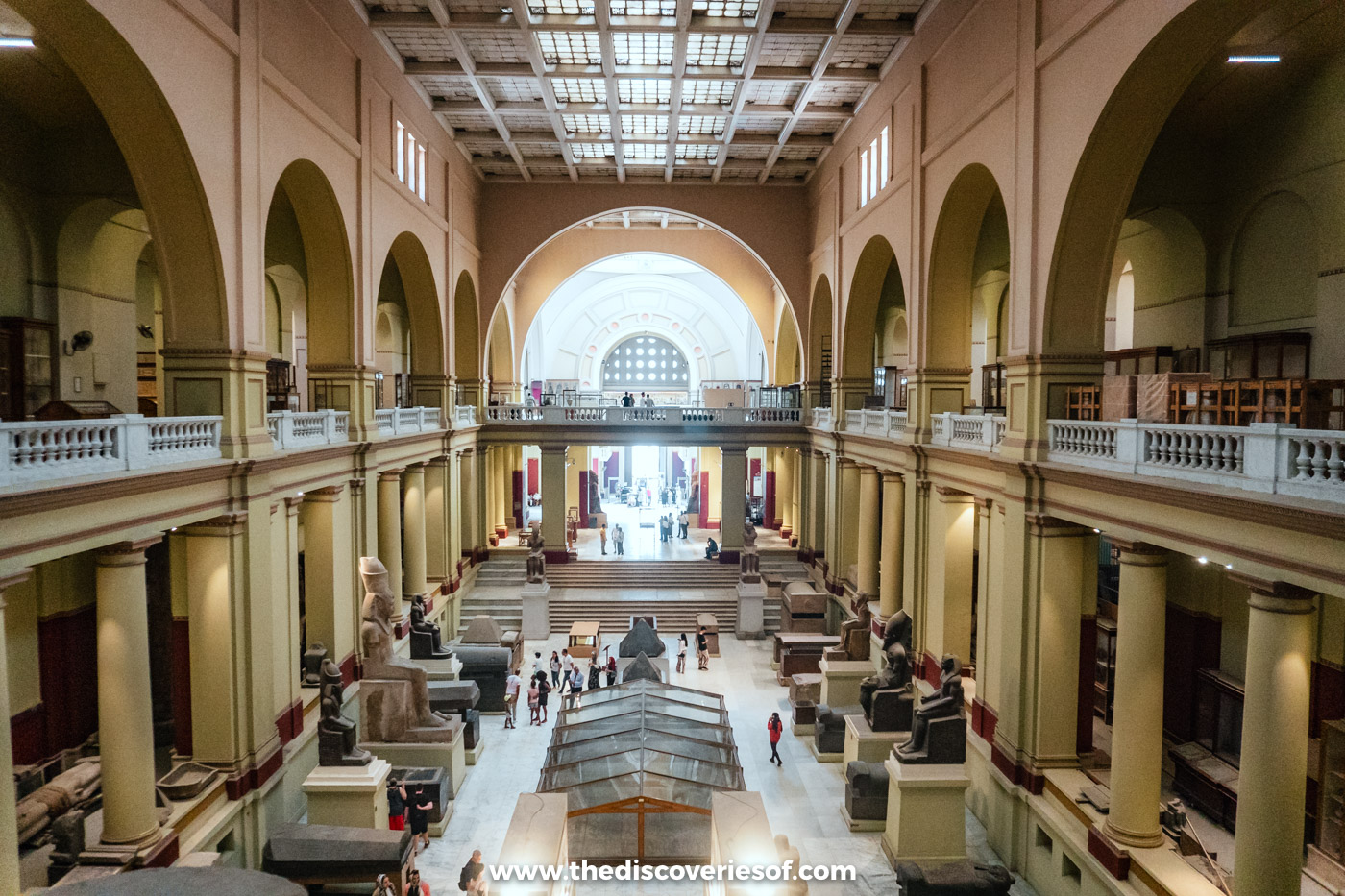
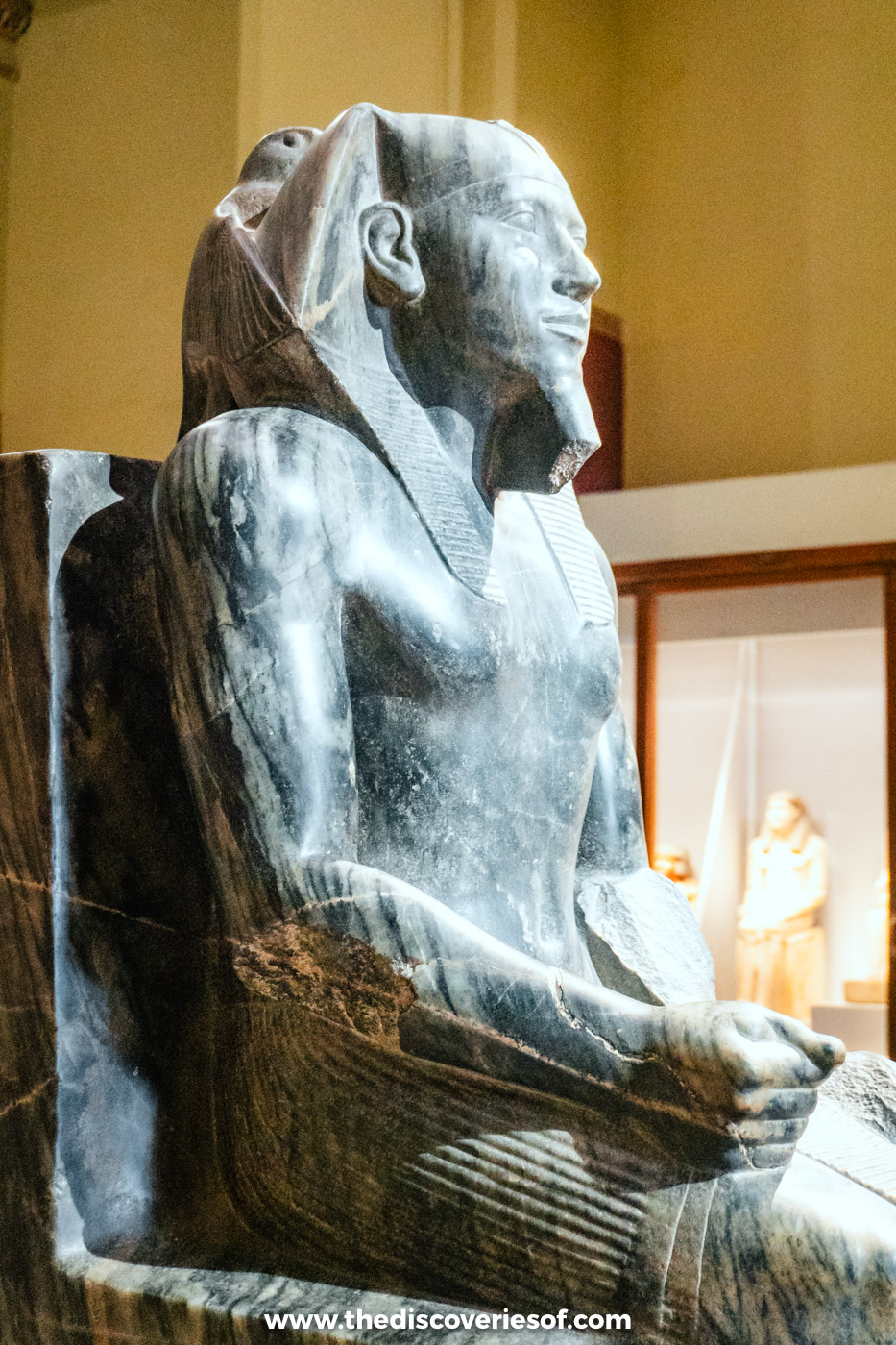
Don’t let the GEM put you off the original. The Egyptian Museum, the neoclassical pink building on Tahrir Square, opened in 1902, and it still holds more than 120,000 objects, from the Narmer Palette (one of the earliest historical documents in the world) to the gold mask and silver coffin of the pharaoh Psusennes I and the mummies of Yuya and Thuya.
I spent about three hours here, and I’d say that was about right, but you could easily spend a whole day and only scratch the surface. Tickets cost 550 EGP. It also makes a perfect stop on a walking tour of downtown Cairo. My guide to the best museums in Cairo compares the three big ones.
Do
Make sense of the collection on this private tour of the Egyptian Museum.
Come face to face with the royal mummies
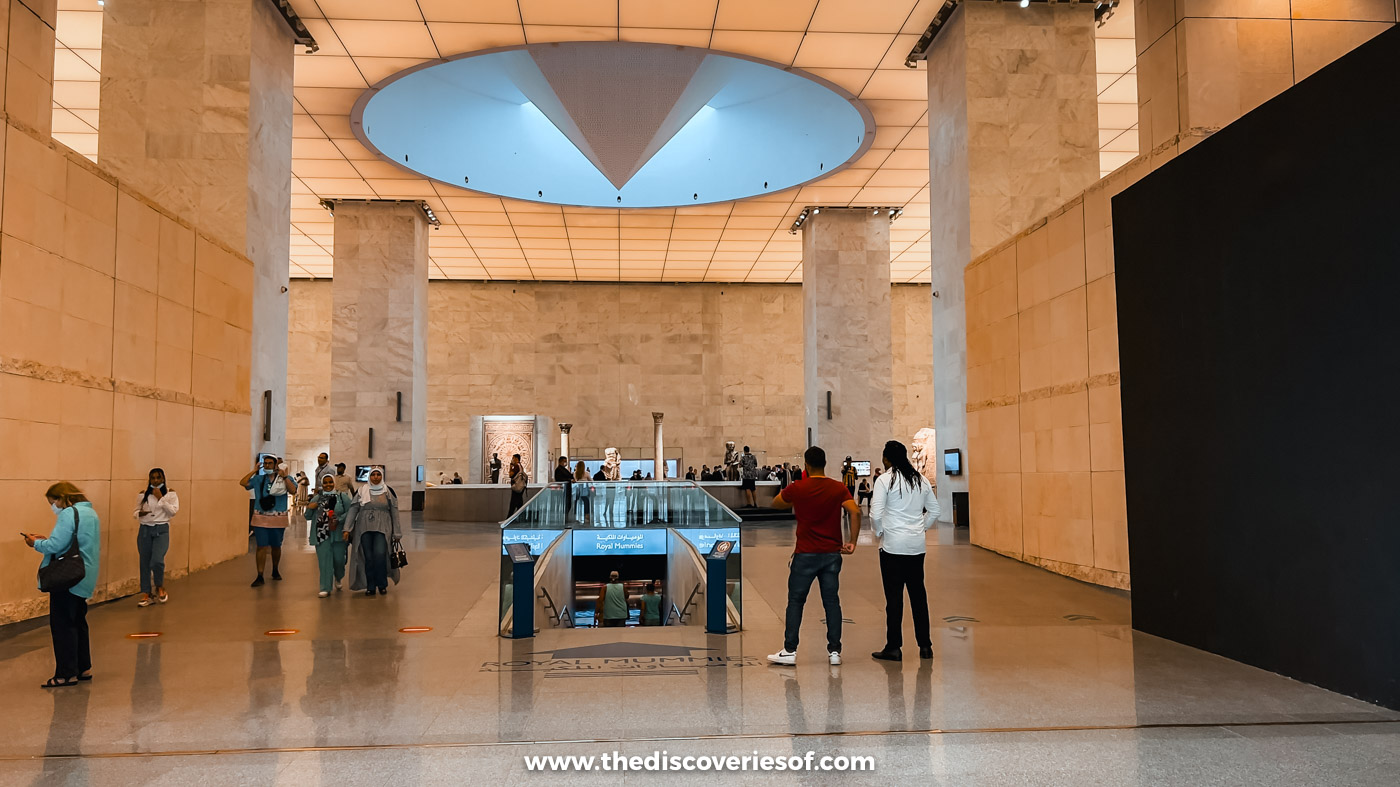
I have to be honest: after the Egyptian Museum, I wasn’t sure whether the National Museum of Egyptian Civilisation (NMEC) would really be worth the effort. It is. The two museums are vastly different, and it’s worth spending time in both.
In the old city of Fustat, the NMEC tells the story of the country’s civilisation from prehistory to the present day. Its showstopper is the Royal Mummies Hall, a dark, hushed space that holds 22 royal mummies, 18 kings and four queens, among them Ramses II and Hatshepsut. They were moved here from Tahrir in the Pharaohs’ Golden Parade on 3 April 2021. Tickets cost 550 EGP, and the museum opens from 9am to 5pm.
Do
Pair it with the Citadel and Old Cairo on this guided tour.
Haggle your way through Khan el-Khalili
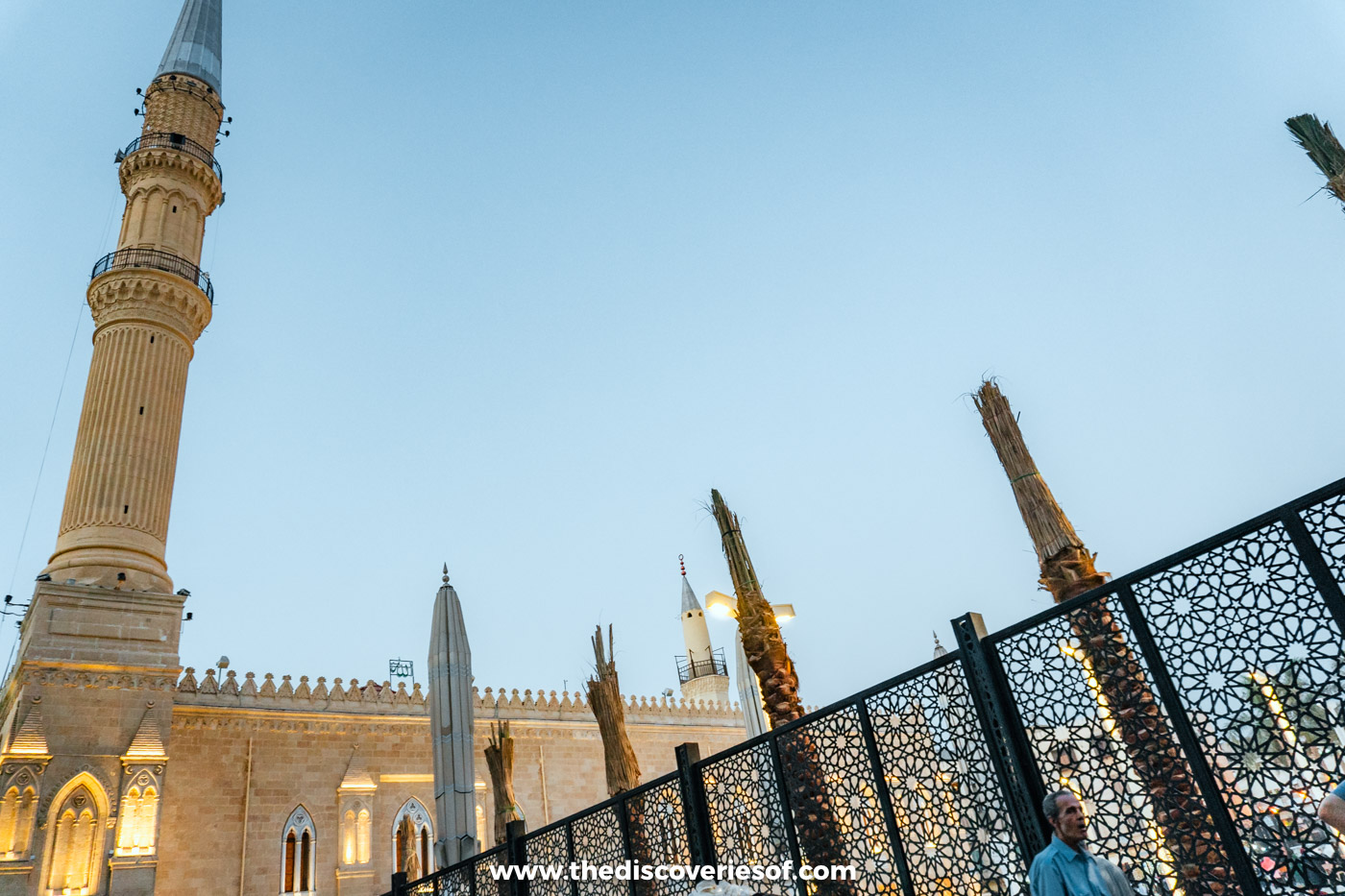
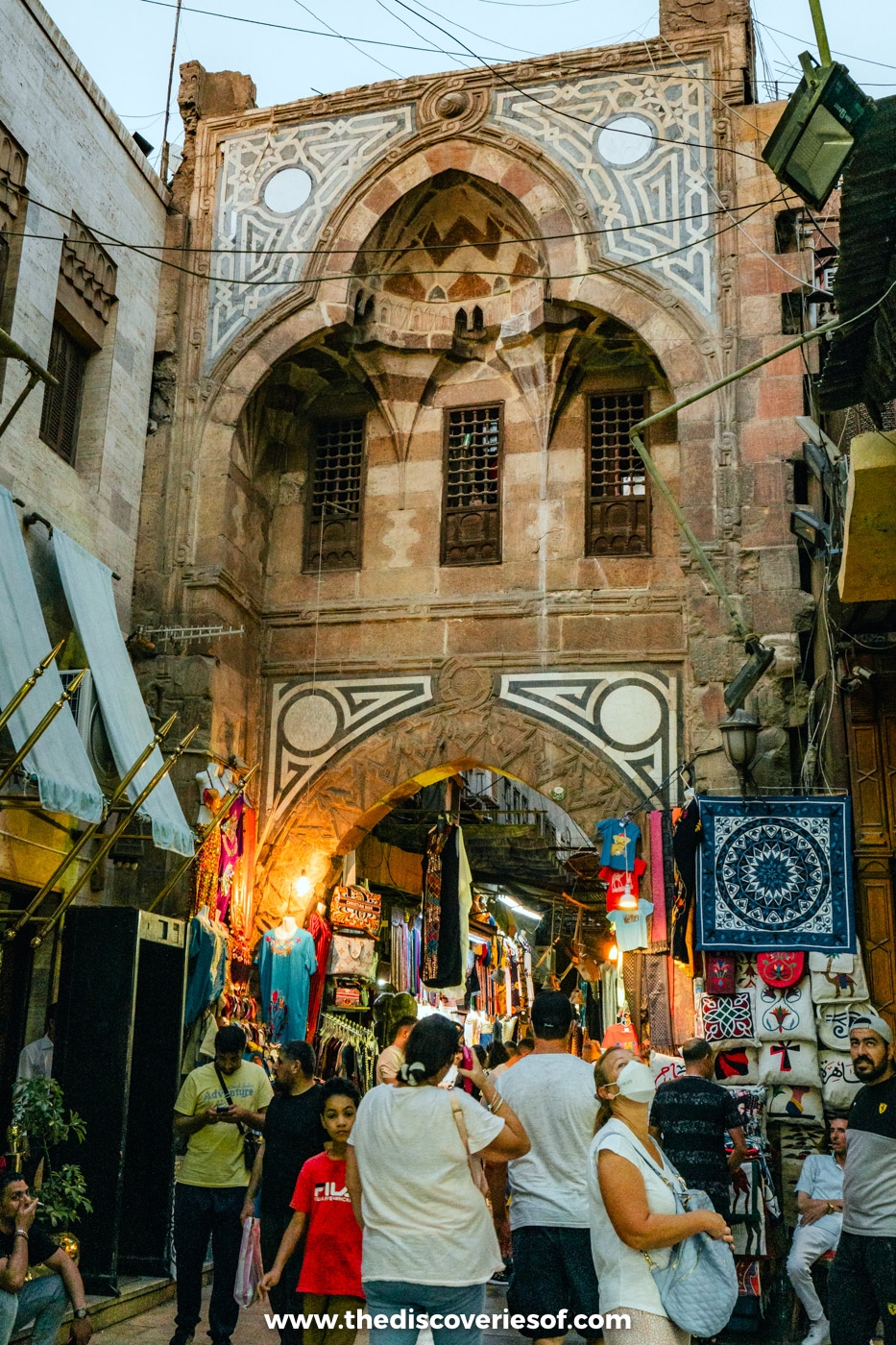
Among the many conquests of Egypt, the Arab armies who arrived in the 7th century brought Islam, now the religion of most of the country. Later dynasties built a series of new capitals, and the walled city the Fatimids founded in 969 is the heart of what’s now known as Islamic Cairo, full of dome-topped mosques, madrasas and medieval gateways.
I spent my first evening here, and if you land in the afternoon, it’s an easy way to ease in. Khan el-Khalili has been trading since 1382, when the emir Jaharkas al-Khalili built a caravanserai, and it has grown into a maze of lanes selling lanterns, spices, brass and textiles. It’s very touristy, but it’s the ultimate place to stock up on gifts. Just be prepared to haggle. Hard. Bring cash: the bazaar runs on it.
From the bazaar, walk up Al-Muizz Street, one of the finest collections of medieval Islamic architecture in the world, then finish with mint tea at El Fishawy, the city’s most famous café, which has been serving customers since the 18th century.
Do
See the highlights of Islamic and Coptic Cairo in a day on this Old Cairo tour with lunch.
Climb up to the Citadel
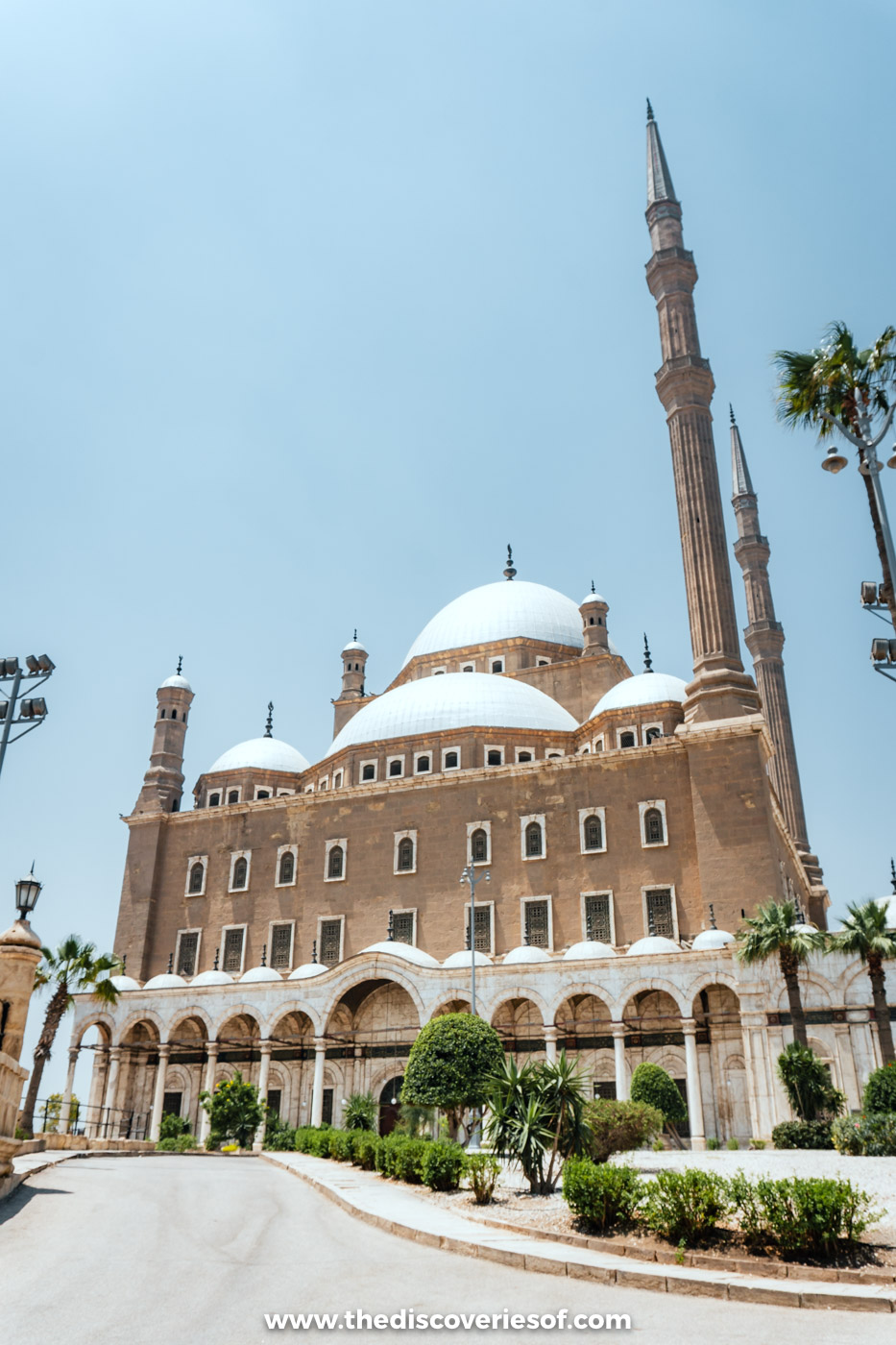
High on a spur of the Muqattam Hills, the Citadel of Salah al-Din was built from 1176 to protect the city from the Crusaders, and it was the seat of Egypt’s rulers for nearly 700 years. Its skyline belongs to the Mosque of Muhammad Ali, an Ottoman-style mosque finished in the mid-19th century, with soaring pencil minarets, an alabaster-clad courtyard and a clock tower given by the French king Louis-Philippe (in return for the obelisk that now stands in the Place de la Concorde in Paris).
From the walls, the view stretches across the city to the minarets of Sultan Hassan. The Citadel’s museums, which I wandered round, are honestly a bit underwhelming, so give your time to the mosques instead, including the older Mosque of al-Nasir Muhammad with its green-tiled dome. Tickets cost 550 EGP. Read my full guide to the Cairo Citadel.
Step back in time in Coptic Cairo
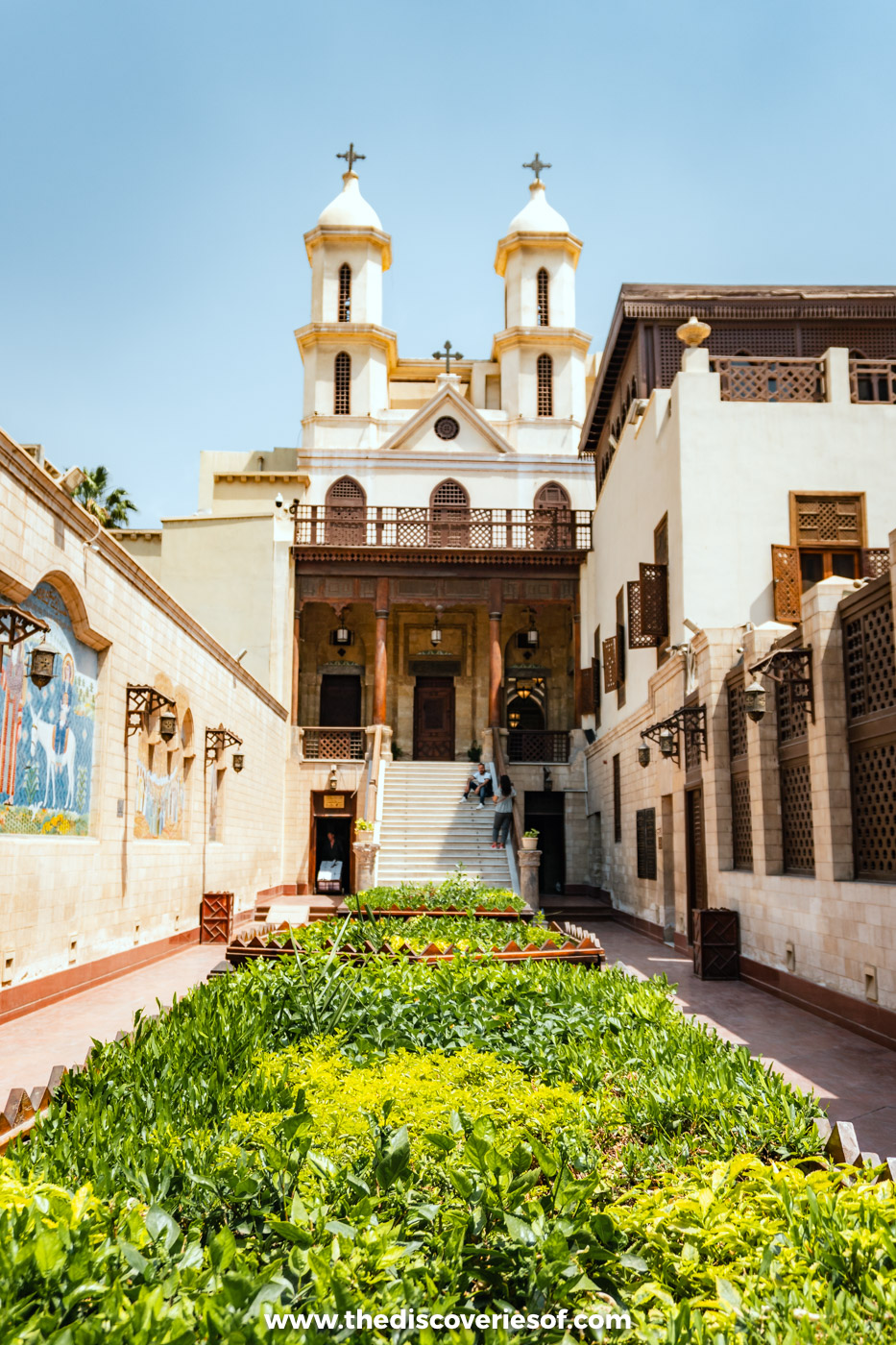
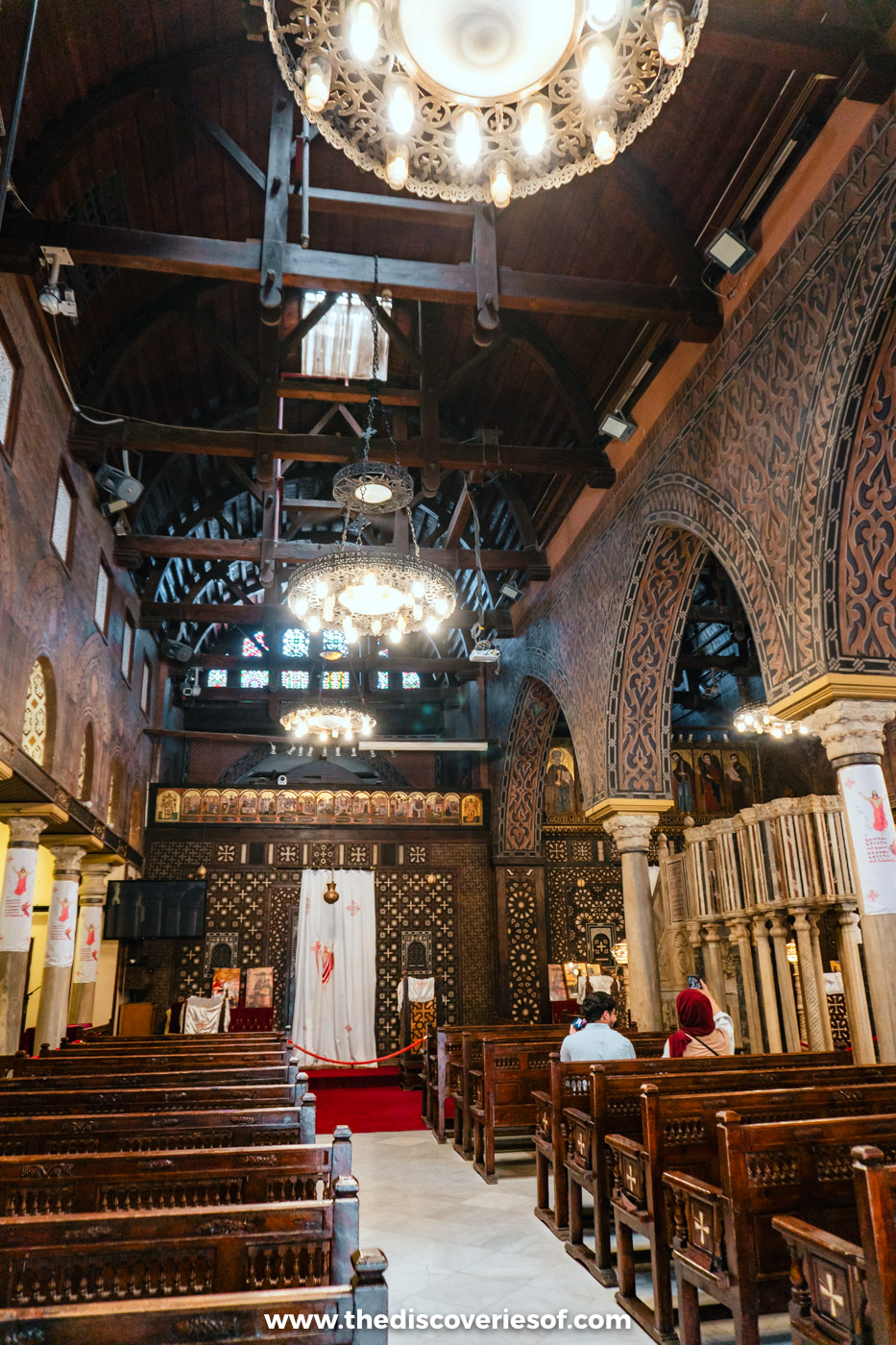
Egypt is more than pyramids and deserts. It also has a profound Christian history dating back to the 1st century AD, and nowhere is it more visible than in Coptic Cairo, a compact maze of centuries-old churches inside the walls of the Roman fortress of Babylon.
The Hanging Church is built over the fortress’s gatehouse, hence the name, and the Church of St Sergius and St Bacchus stands over the crypt where the Holy Family is said to have sheltered on their flight into Egypt. I went into the Ben Ezra Synagogue, where a vast hoard of medieval documents (the Cairo Geniza) was found in the 19th century, and the round Greek Orthodox Church of St George, too.
The Coptic Museum (280 EGP) is understated but has a wonderful collection of early Christian art, so don’t skip it. This stronghold of Christianity makes it one of the best things to do in Cairo, no pyramids involved.
Watch the sun set from the Cairo Tower
The country isn’t all about its ancient history. On Gezira Island in Zamalek, the 187-metre Cairo Tower was completed in 1961, and its concrete lattice is said to have been inspired by a lotus plant.
I went up the tower, and its open-air observation deck has a 360-degree view over the Nile and the city. On a clear day, you can make out the pyramids on the horizon. Go just before sunset to see the city in daylight and as the lights come on. My two days in Cairo itinerary shows how to fit it in.
Take the overnight sleeper train to Aswan
Want the quickest way south? Fly. But if you’re OK with something slower (and a bit more rattly, if we’re honest), take the overnight sleeper train. I took it from Giza to Aswan, and back from Luxor at the end of the trip. I enjoyed it, but once you’ve done it one way, I’d recommend flying for the other.
The sleeper trains are run by Abela. They leave Giza in the evening and reach Aswan around 13 hours later, so you save a night’s accommodation and wake up in the south. Cabins sleep one or two, dinner and breakfast are included, and you book on the Abela website or app by card. Recent fares have been around US$95 per person in a double cabin and US$137 in a single, one way.
Top Tip
Tourists can only book the designated trains that leave from Giza station, not Cairo’s main Ramses station, so triple-check before you book. Get there an hour to an hour and a half early, and expect delays: it runs on Egyptian time, as my guide put it. My guide to the Giza to Aswan sleeper train has the rest.
Catch a boat to Philae Temple
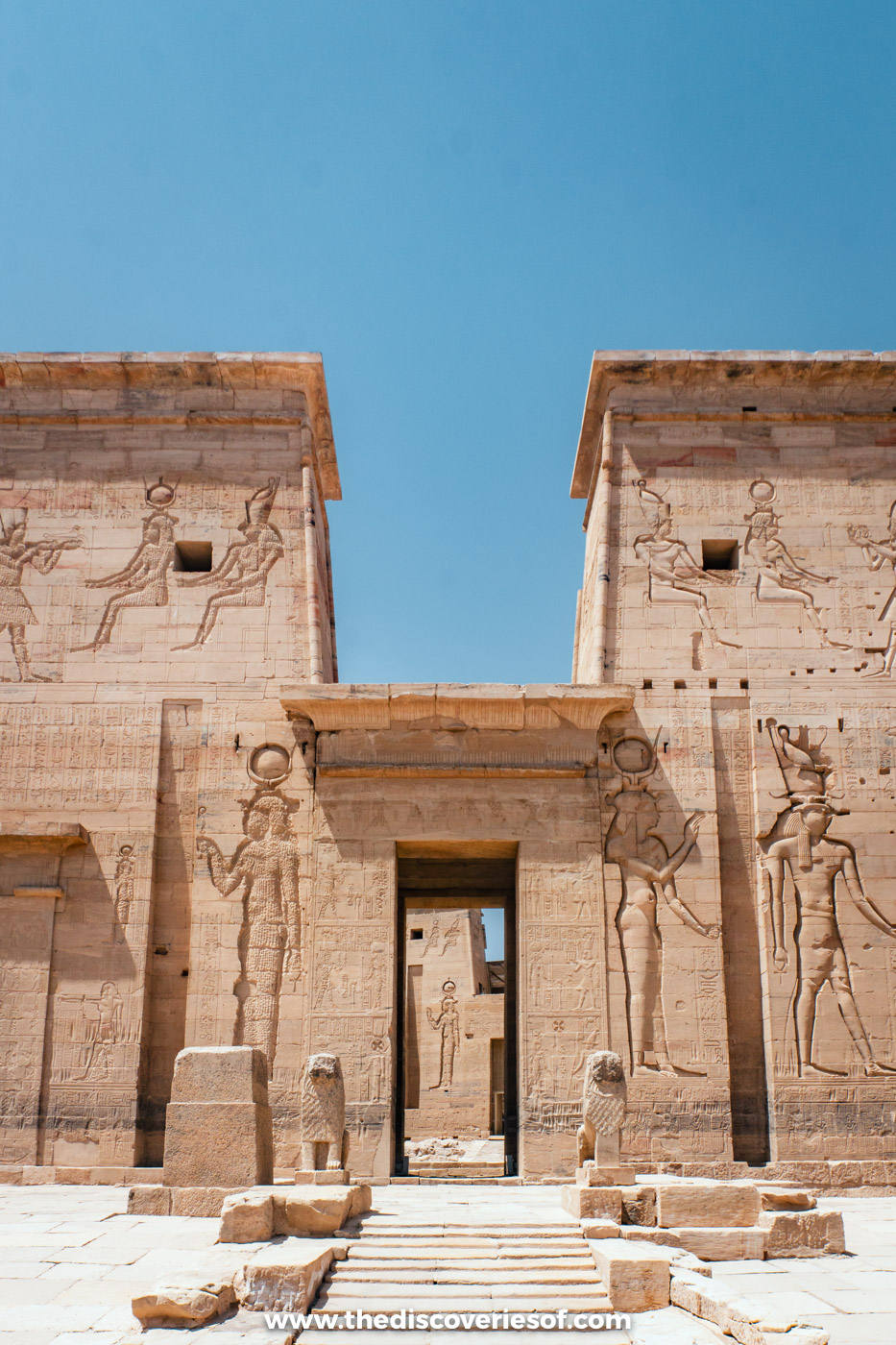
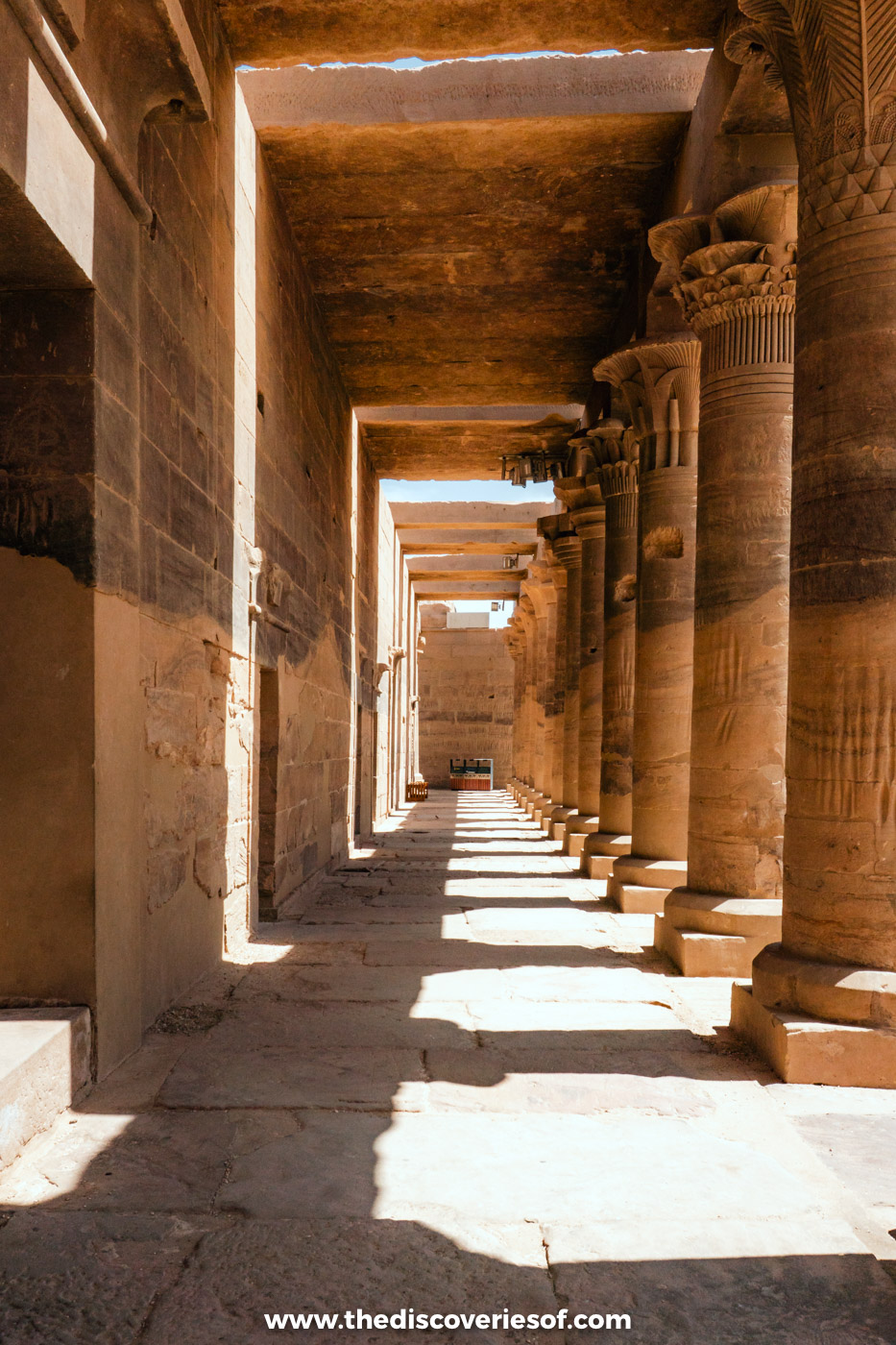
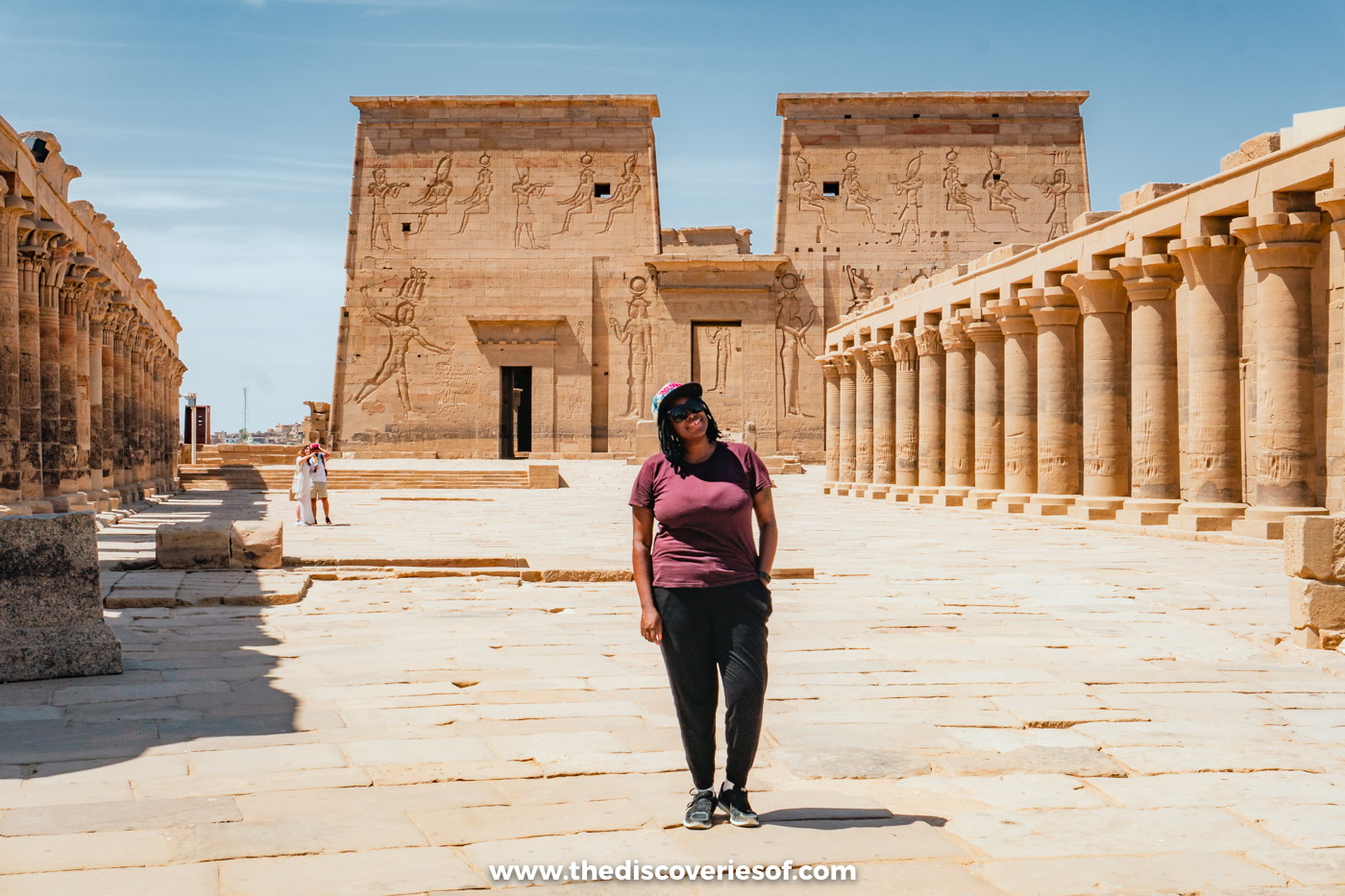
I hate to play favourites (OK, I kind of love it), but Philae Temple really is one of the most beautiful temples you’ll find in Egypt, and one of my own personal favourite sights.
The only way to reach it is by boat, and I promise the first glimpse of Philae, its golden columns surrounded by the striking blue of water and sky, will be one to remember. It was dedicated to Isis, the great goddess of magic, motherhood and healing (not the moon, as you’ll sometimes read), and most of what you see was built under the Ptolemies and the Romans. When the Aswan dams threatened to drown it for good, UNESCO moved the whole complex, block by block, to the higher island of Agilkia between 1977 and 1980.
Take a walk around this monumental storybook and pay close attention to the tales it tells: the walls depict Isis bringing her husband Osiris back to life and giving birth to their son Horus. Tickets cost 550 EGP, plus the boat from the Philae pier, which you’ll need to negotiate.
Do
Book this guided half-day tour of Philae.
Fly to Abu Simbel for the day
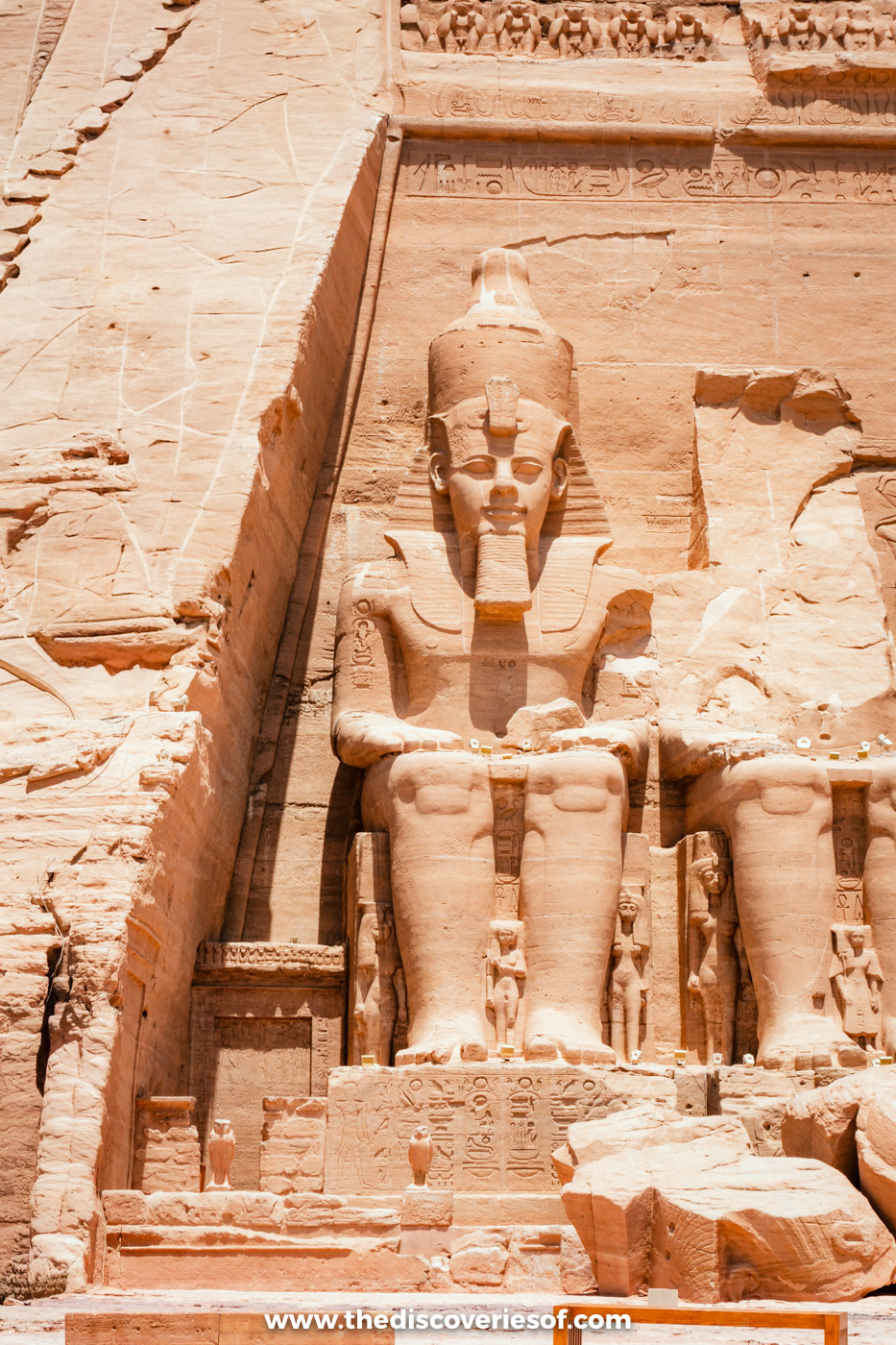
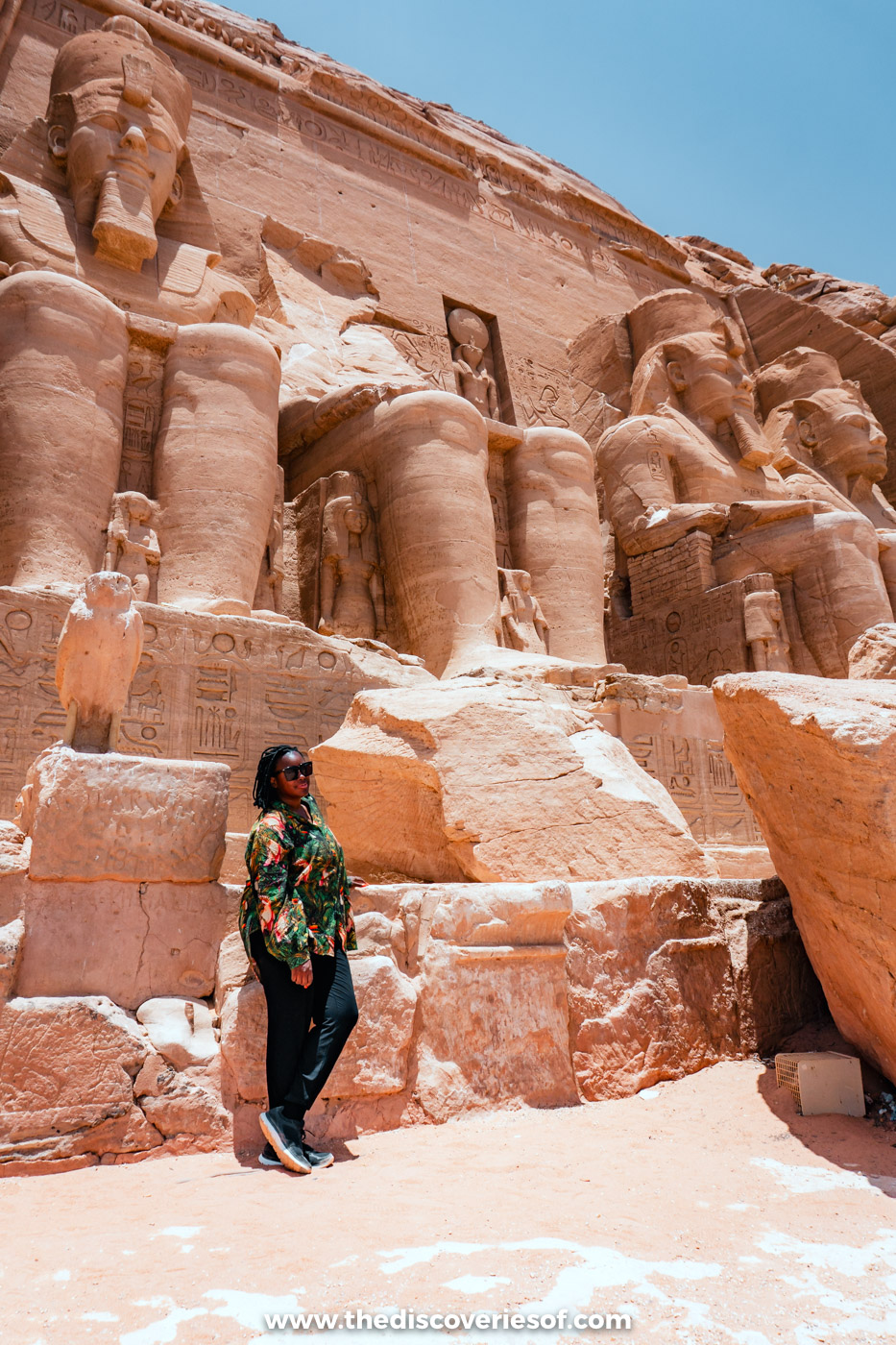
Built by Ramses II in honour of himself and his favourite wife, Queen Nefertari, the temples of Abu Simbel are also dedicated to the gods Amun-Ra, Ptah and Ra-Horakhty. Frankly, the pharaoh built them to intimidate his enemies and ordain himself as a god. What a brag!
Sure, the main temple feels a little bit like an ego-trip, with four 20-metre statues of the king at its entrance and so many carvings of his exploits inside that it’s impossible to keep track. But my god, it’s stunning. You can’t quibble with the result: two glorious temples glinting in the sun above the vast waters of Lake Nasser. In the 1960s, they were cut into more than 1,000 blocks and rebuilt 65 metres higher to save them from the rising lake.
Adding it to my trip felt like a no-brainer. A day trip from Aswan means either a horrendously early start or a kind of early start, depending on whether you go by road (about three and a half hours each way, leaving around 4am) or by plane (about 45 minutes), which is how I went. Tickets cost about 800 EGP. Twice a year, on 22 February and 22 October, the rising sun reaches the statues in the sanctuary. Read more about the Great Temple of Ramses II.
Do
If you go by road, this Abu Simbel day trip with hotel pickup is the simplest option.
Share dinner with a Nubian family
Aswan has a significant Nubian population, whose culture, language and food are distinct from the rest of the country’s, and the colourful Nubian villages across the river from the city are packed with jewel-toned homes, cafés and craft shops.
I spent an evening having a traditional dinner at a Nubian family’s home, which I’d recommend if you can. Even a short stroll around one of the villages makes for an interesting contrast with the city centre. Most visits go by boat to the villages on the West Bank, such as Gharb Soheil, and it’s best arranged through a local guide or your hotel.
Do
Visit the villages on this Nubian village tour by motorboat.
Slow down in Aswan
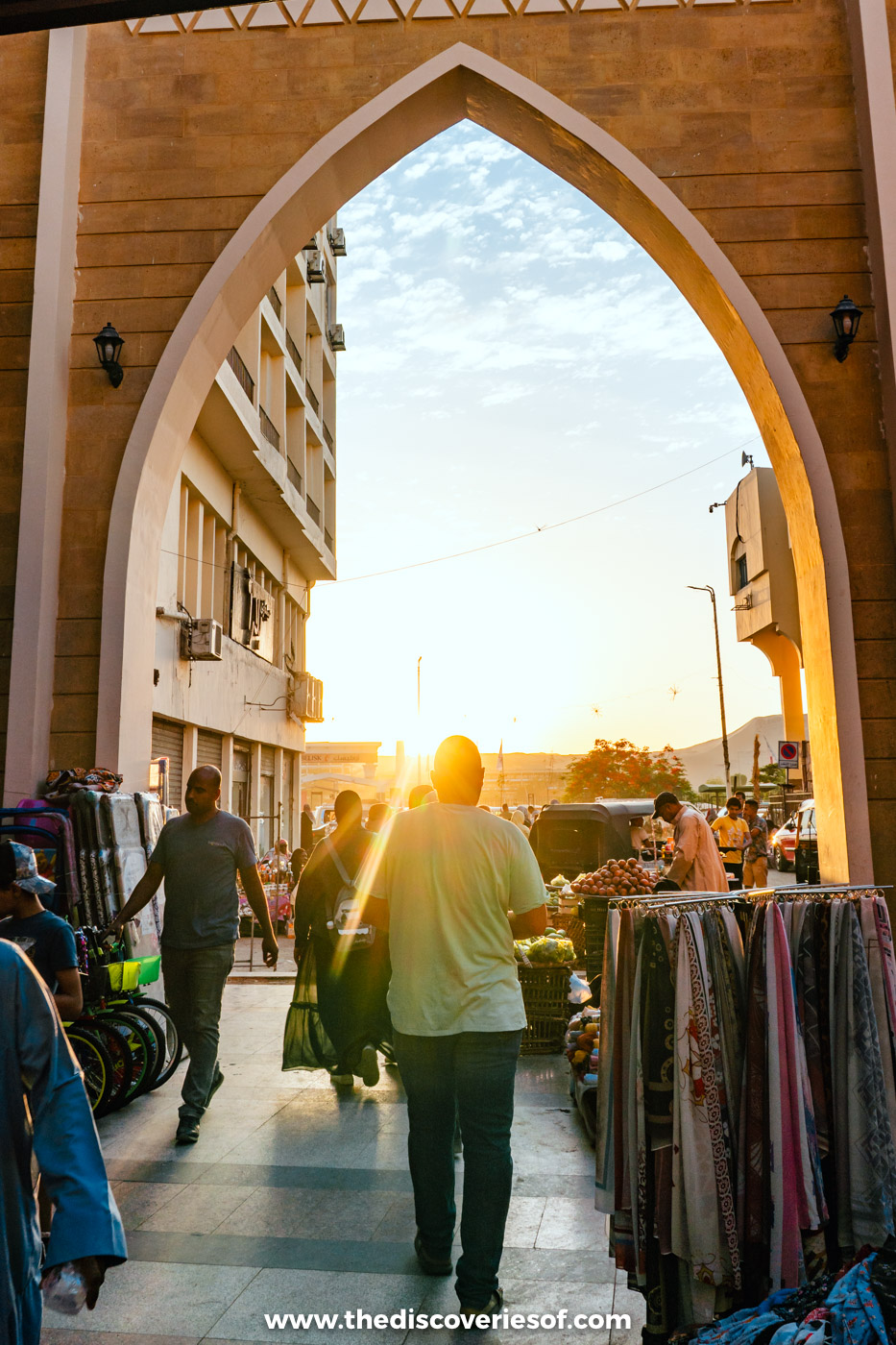
Don’t be surprised if Aswan becomes your favourite city in Egypt: you certainly won’t be the first person it’s happened to. It was a close contender for mine. It’s smaller, slower and a lot hotter than Cairo, and Philae is just the beginning.
Chances are, you learnt something about the ancient Egyptians at school, but what about the Nubians? I’ll forgive you if you draw a blank. I certainly did before I visited the Nubian Museum, which opened in 1997 and tells the story of Nubia from prehistory to the villages drowned by Lake Nasser. Tickets cost 400 EGP.
Then stop by the Unfinished Obelisk, which would have been the largest the ancient Egyptians ever carved had it not cracked in the quarry. All 41 metres and nearly 1,100 tonnes of it still lie in the granite. I’d rate it as quite interesting on a scale of boring to must-see, so it’s worth popping into if you have a spare hour. Across the river, the rock-cut Tombs of the Nobles sit high in the cliffs of the West Bank, and the Corniche is made for a sunset stroll.
Read Next
Hop across to the Botanical Garden
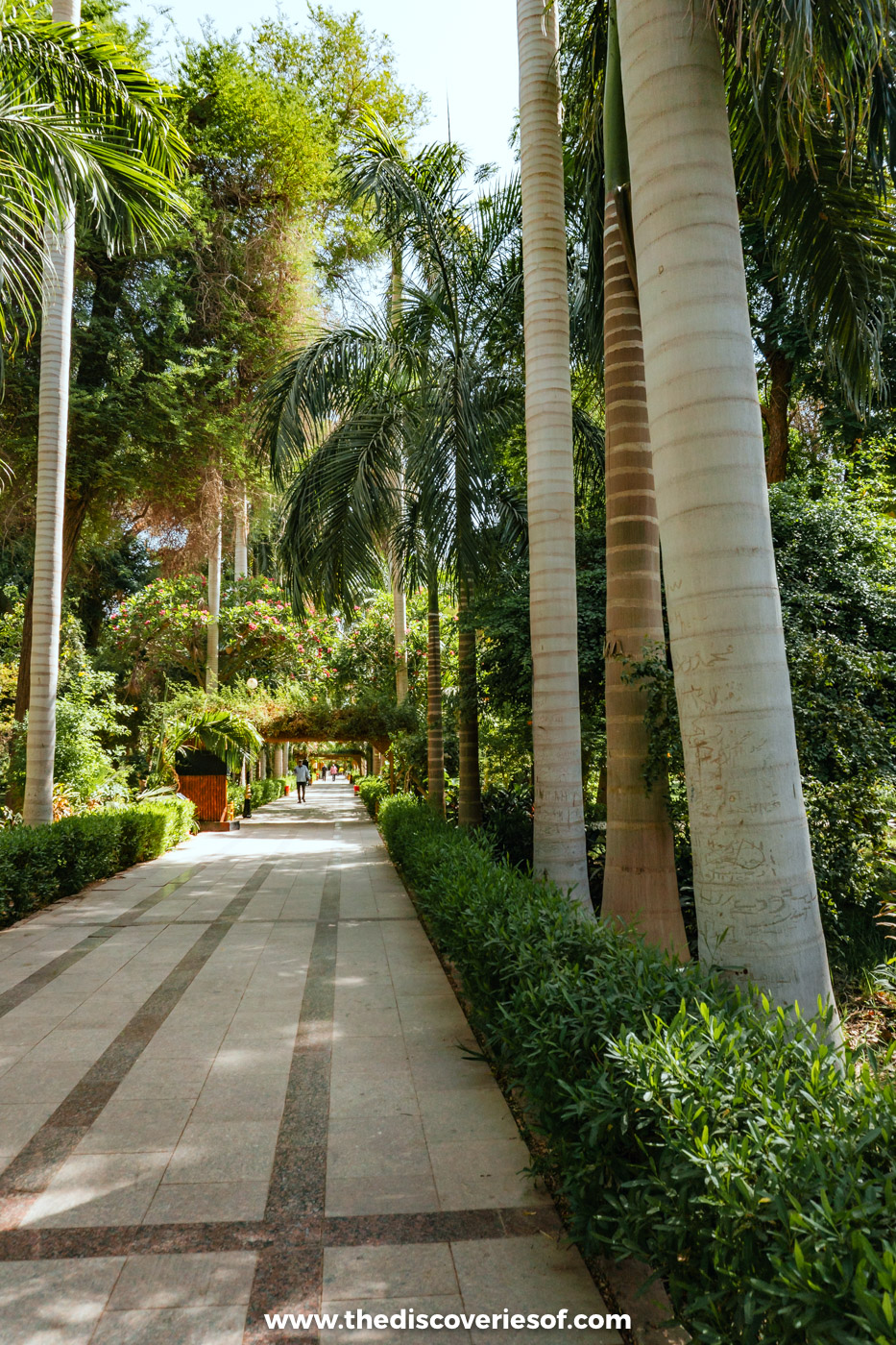
Aswan’s southerly location means it’s nothing short of sweltering, so the lush green of the Aswan Botanical Garden comes as even more of a surprise. It fills Kitchener’s Island, which was given to Lord Kitchener in the 1890s, with hundreds of species of plants from across Africa and Asia.
I didn’t find many people recommending it, but I went on my own one morning. You’ll need to catch a boat: the most popular jumping-off point is the jetty next to McDonald’s on the Corniche. Check how much you should pay with your hotel before you go, as you’ll have to barter to agree your fare. Entry costs about 50 EGP, in cash.
Spend a night on a felucca on the Nile
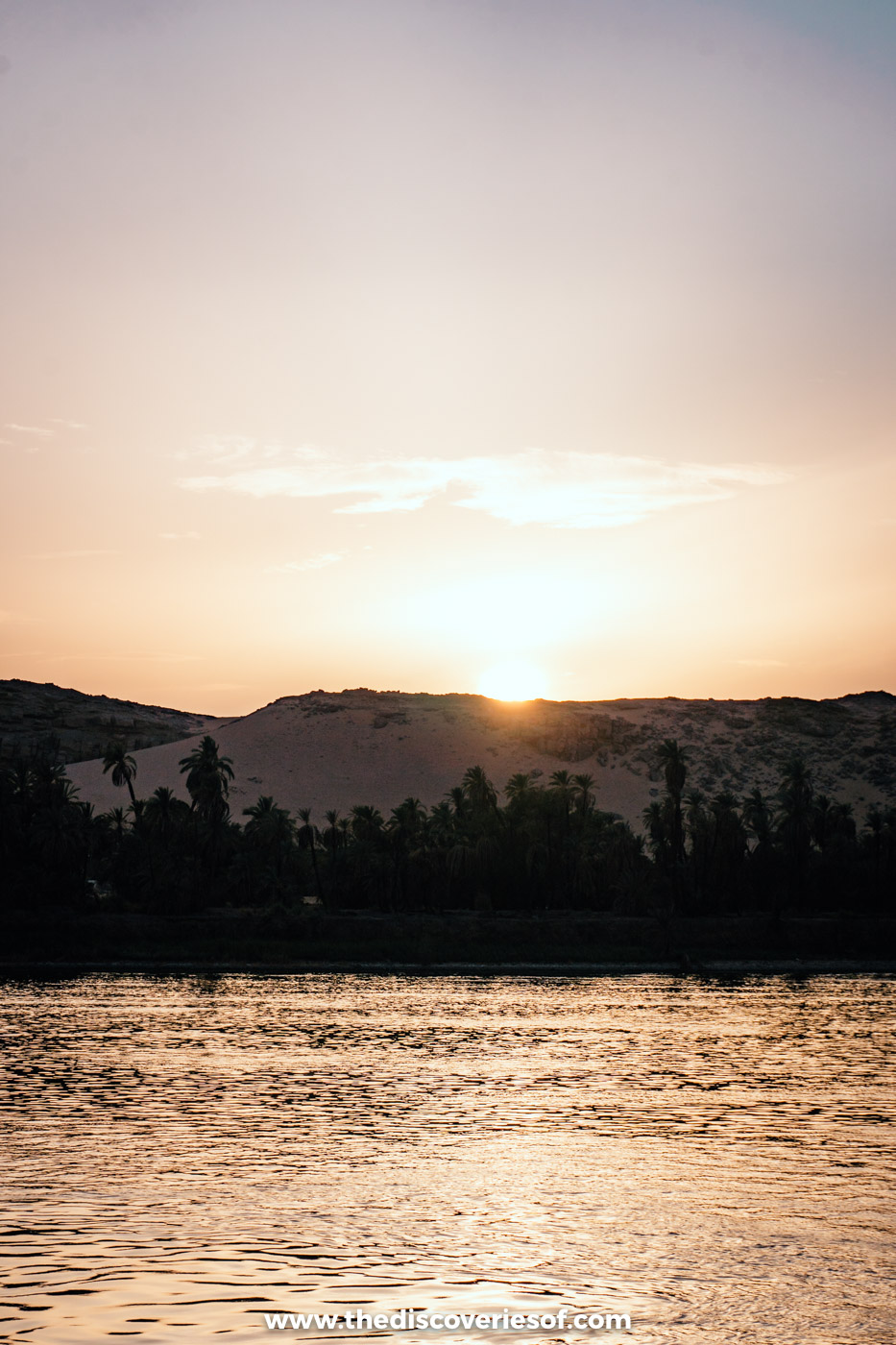
Perhaps the most famous sight in the country after the pyramids, the 6,650-kilometre Nile is its lifeline. How better to explore it than on the water?
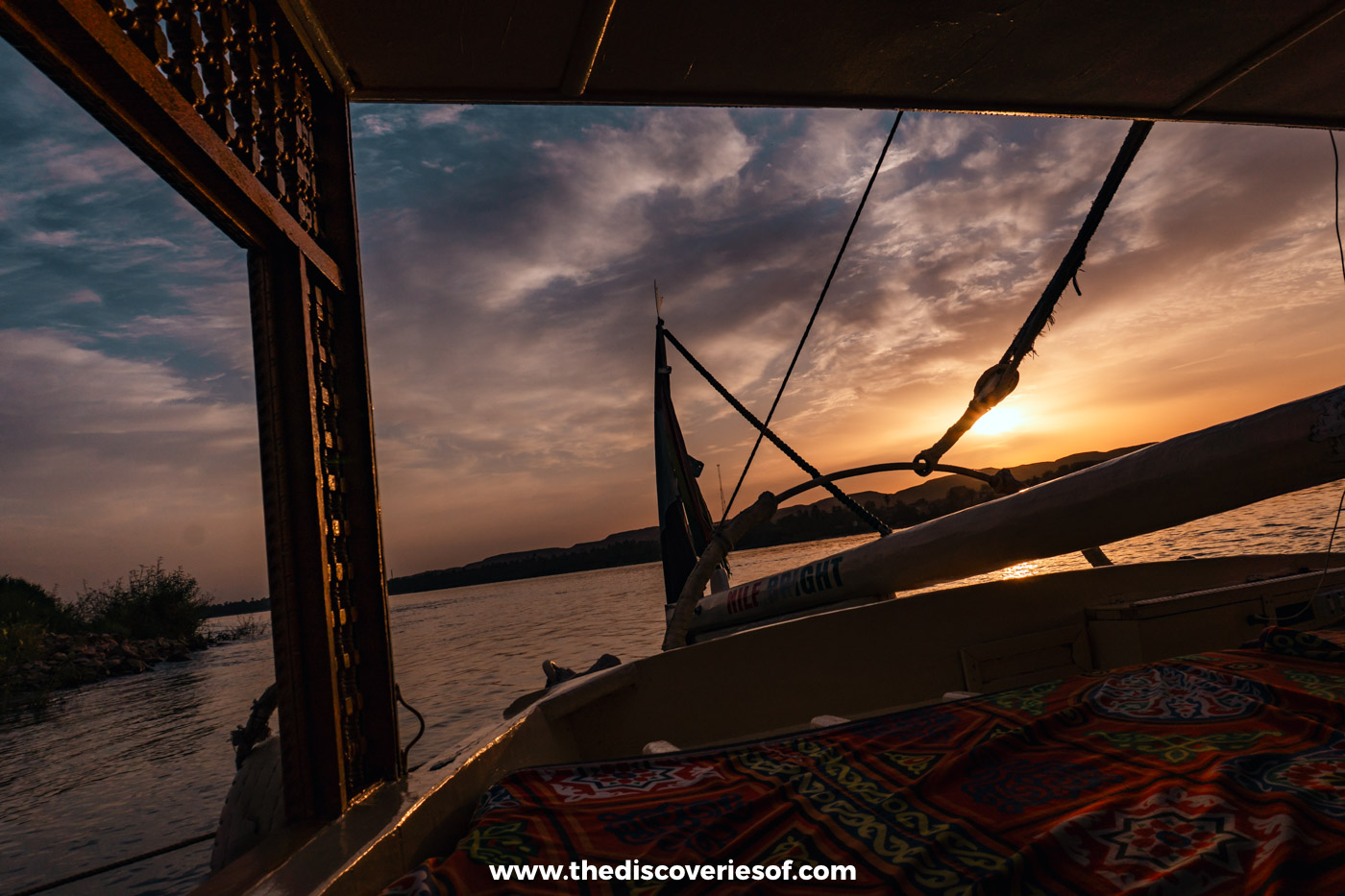
I sailed north from Aswan on a felucca, a traditional wooden sailing boat, and spent the night on deck. Waking up on a remote part of the Nile as the sun rises over the desert is worth the trip alone. Feluccas aren’t allowed through the Esna Lock, so trips stop short of Luxor and finish with a minibus transfer for the rest of the way, often with stops at the temples of Kom Ombo and Edfu.
If you’d rather have a cabin, cruise ships and dahabiyas (smaller, sail-powered boats) ply the section between Aswan and Luxor in three or four nights, stopping at Kom Ombo, Edfu and Esna. Not sure which to book? My guide to choosing a Nile river cruise compares them all.
Top Tip
Check the facilities and the reviews before you book a felucca, preferably for a boat with a Nubian crew. Short on time? Take a felucca ride with an Egyptian meal in Aswan, or a dinner cruise on the Nile in Cairo.
Float over Luxor in a sunrise hot air balloon
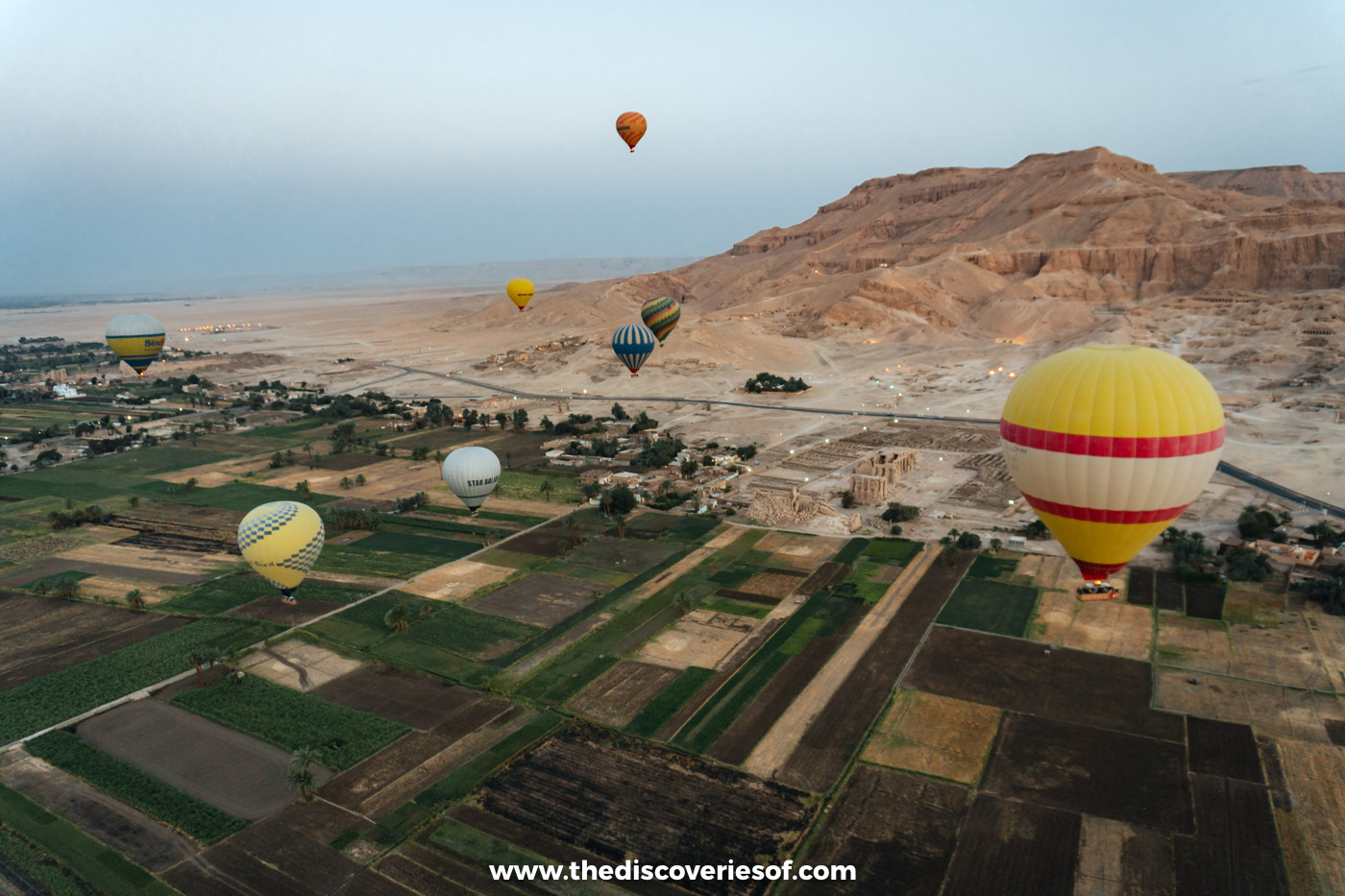
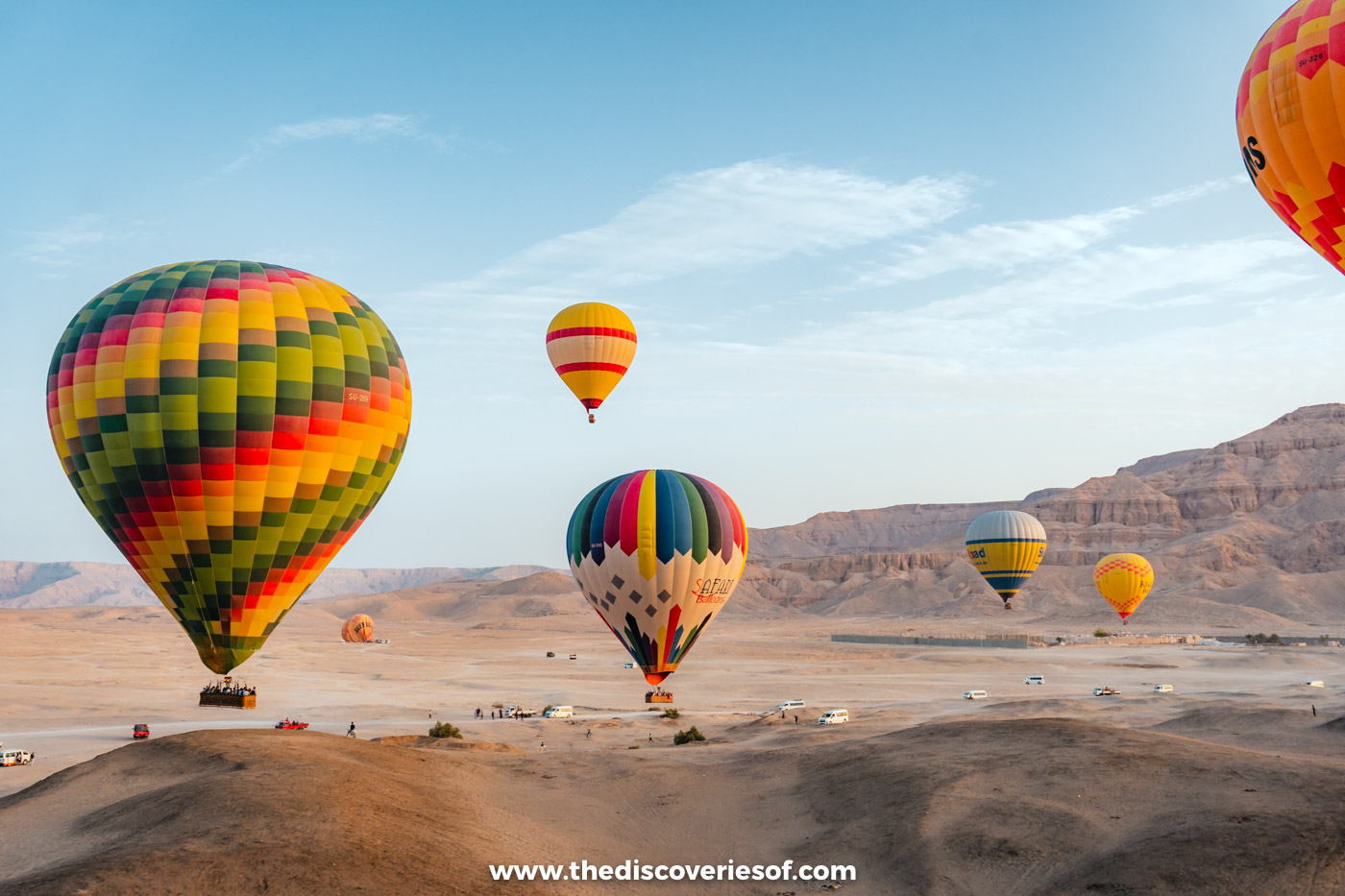
Luxor is a modern city built on the site of the ancient capital of Thebes, and the region is dotted with temples, monuments and royal burial valleys. Taking a hot air balloon ride is hands down the best way to see it. Not only was it one of the highlights of my time in Luxor, it was one of the highlights of the whole trip.
I had to wake up at 3am and it felt terrible, then took a boat across the Nile to the West Bank and a van to the take-off site. But put your qualms aside, because it is beautiful. You’ll drift over the Valley of the Kings and the Queens as the sun comes up, with the Mortuary Temple of Hatshepsut, the Colossi of Memnon and the rolling hills of the desert thrown in for good measure.
Flights cost from about US$95 to US$120 and include hotel pick-up and the boat crossing. They’re grounded when it’s windy, and in recent years they’ve been suspended in the hottest summer months, so check before you travel.
Do
Book a sunrise hot air balloon ride and read my guide to the Luxor hot air balloon first.
Choose your tombs in the Valley of the Kings
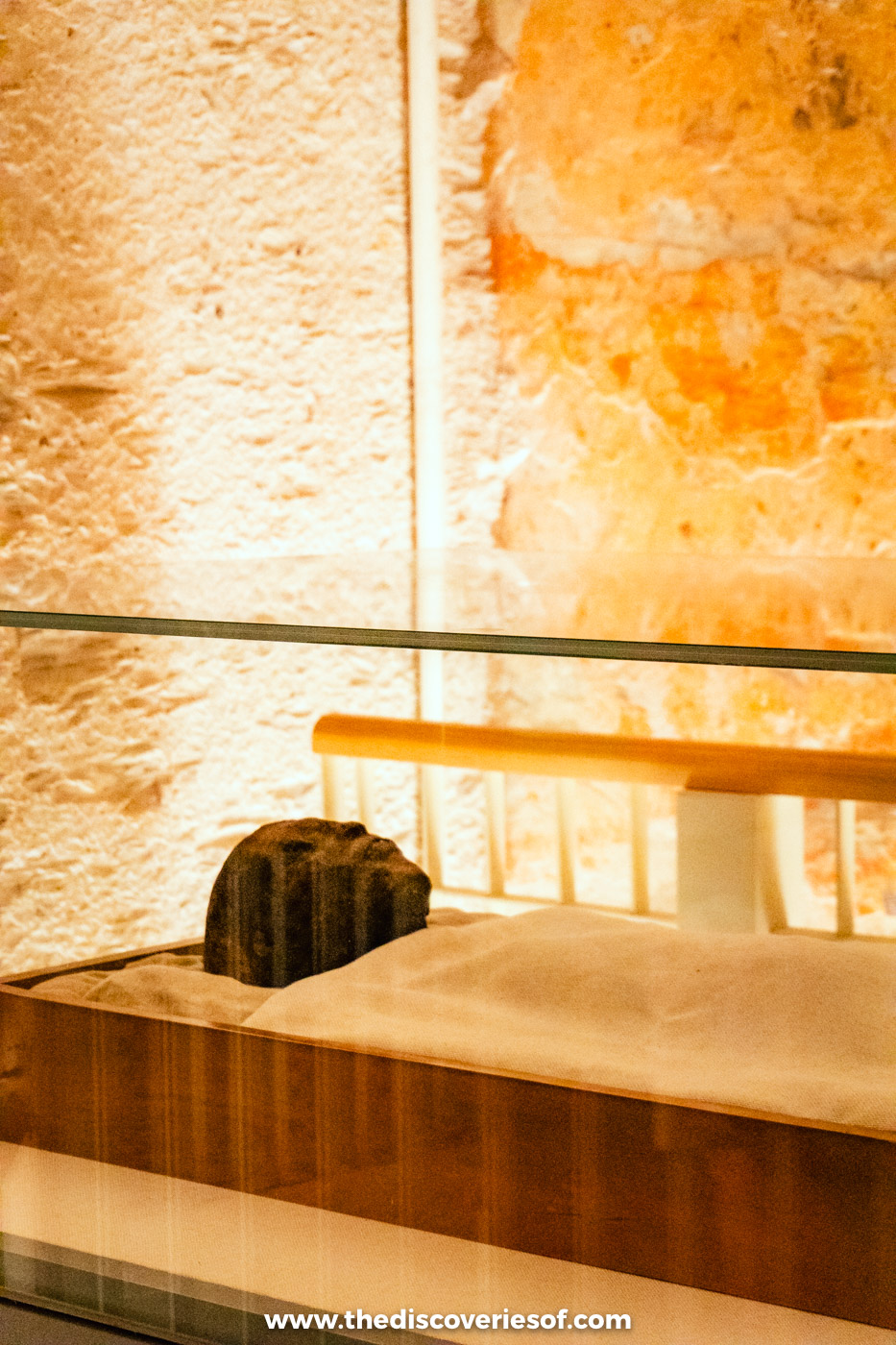
The world’s best-known necropolis (wait, is that even a thing?), the Valley of the Kings holds the royal tombs of the 18th, 19th and 20th Dynasties, the New Kingdom. They’re decorated with ornate painted reliefs, and when they were sealed they would have been filled with treasures for the afterlife. Hidden in the hills, they were meant to keep robbers out. Most failed.
The standard ticket (750 EGP) gets you into three of the open tombs. I chose Ramses IX, Merenptah, and Tausert and Setnakht, and KV14 was actually my favourite: its location at the top of the valley also meant it was the quietest tomb I visited. I paid extra (700 EGP now) for Tutankhamun’s tomb. It’s not the biggest, but it’s the only one with its mummy still inside. Seti I’s tomb, the most richly decorated in the valley, costs 2,000 EGP.
Do
See both valleys with an Egyptologist on this full or half-day tour of the East and West Banks.
Find the quiet in the Valley of the Queens
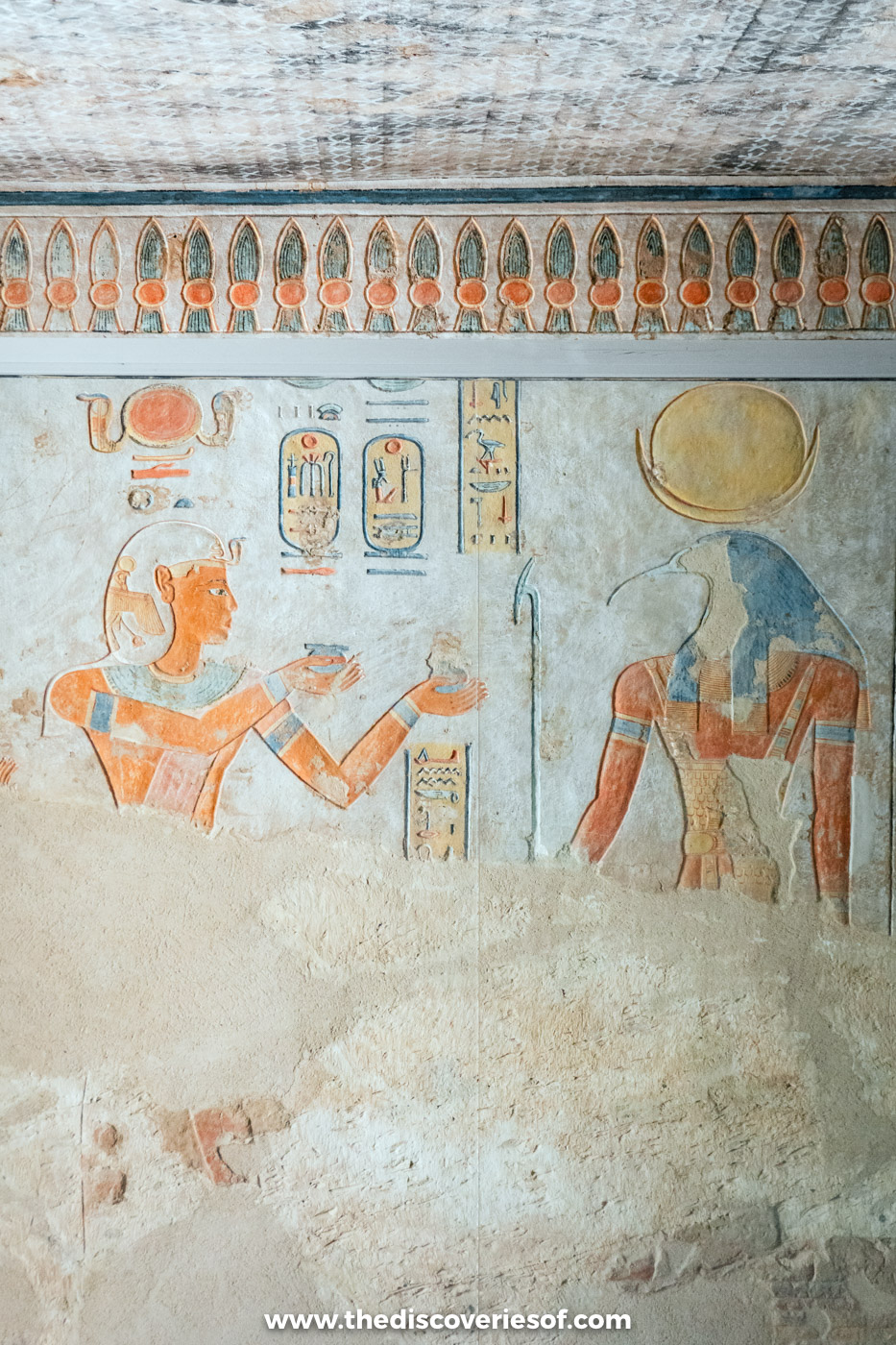
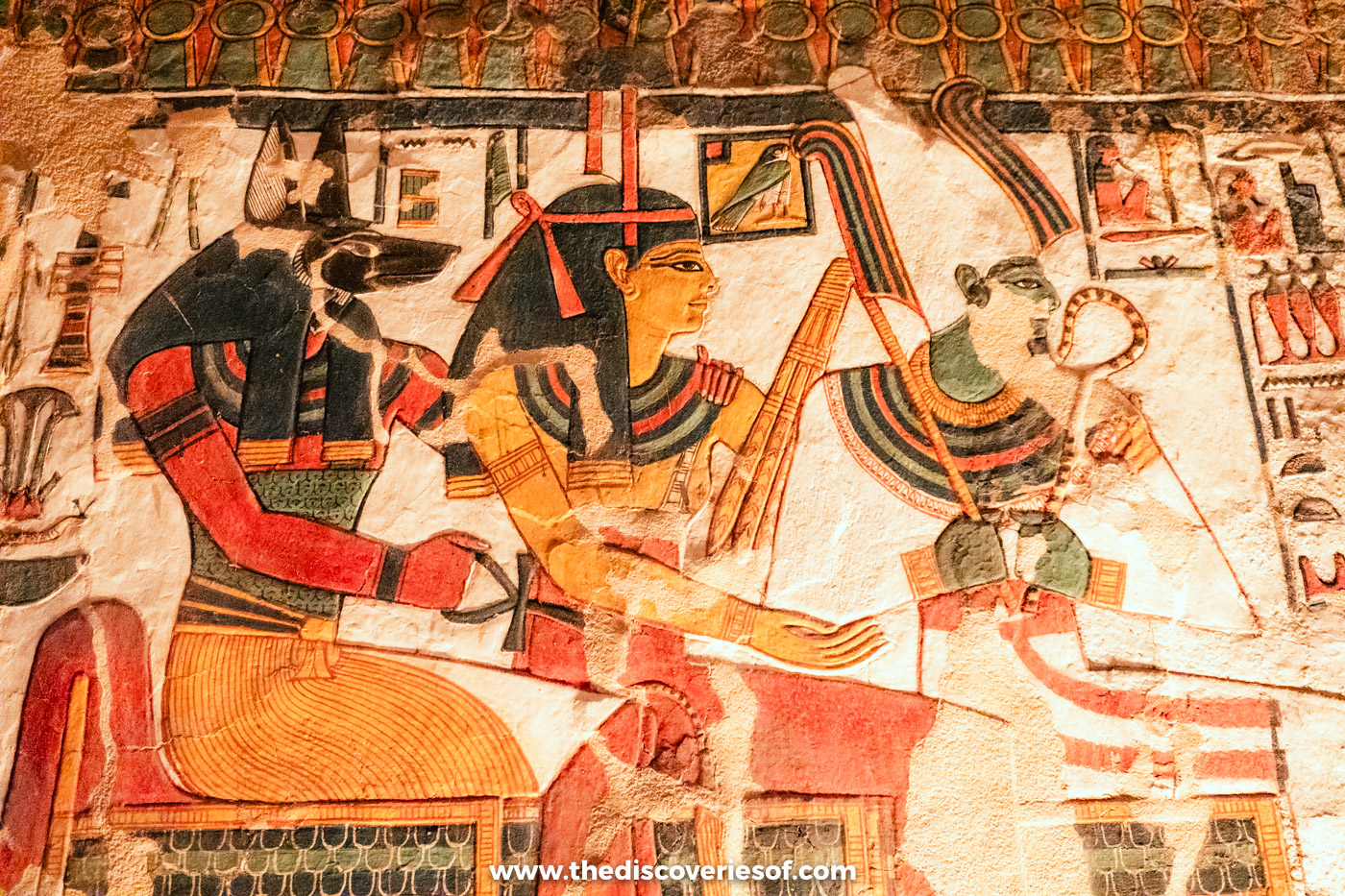
Only a short distance from the Valley of the Kings, the Valley of the Queens doesn’t make it onto nearly as many visitors’ radars, which is a total win for you. It was empty when I visited.
Its jewel is the tomb of Queen Nefertari, Ramses II’s first and most beloved wife, nicknamed the Sistine Chapel of Ancient Egypt. I saw a lot in Egypt that blew my tiny freaking mind, but Nefertari’s tomb was something else. Sadly, it has been closed indefinitely since March 2024, with no word on if or when it will reopen. Meanwhile, the 220 EGP ticket covers the open tombs, including the bright tomb of Khaemwaset (QV44), the son of Ramses III.
Get lost among the columns at Karnak
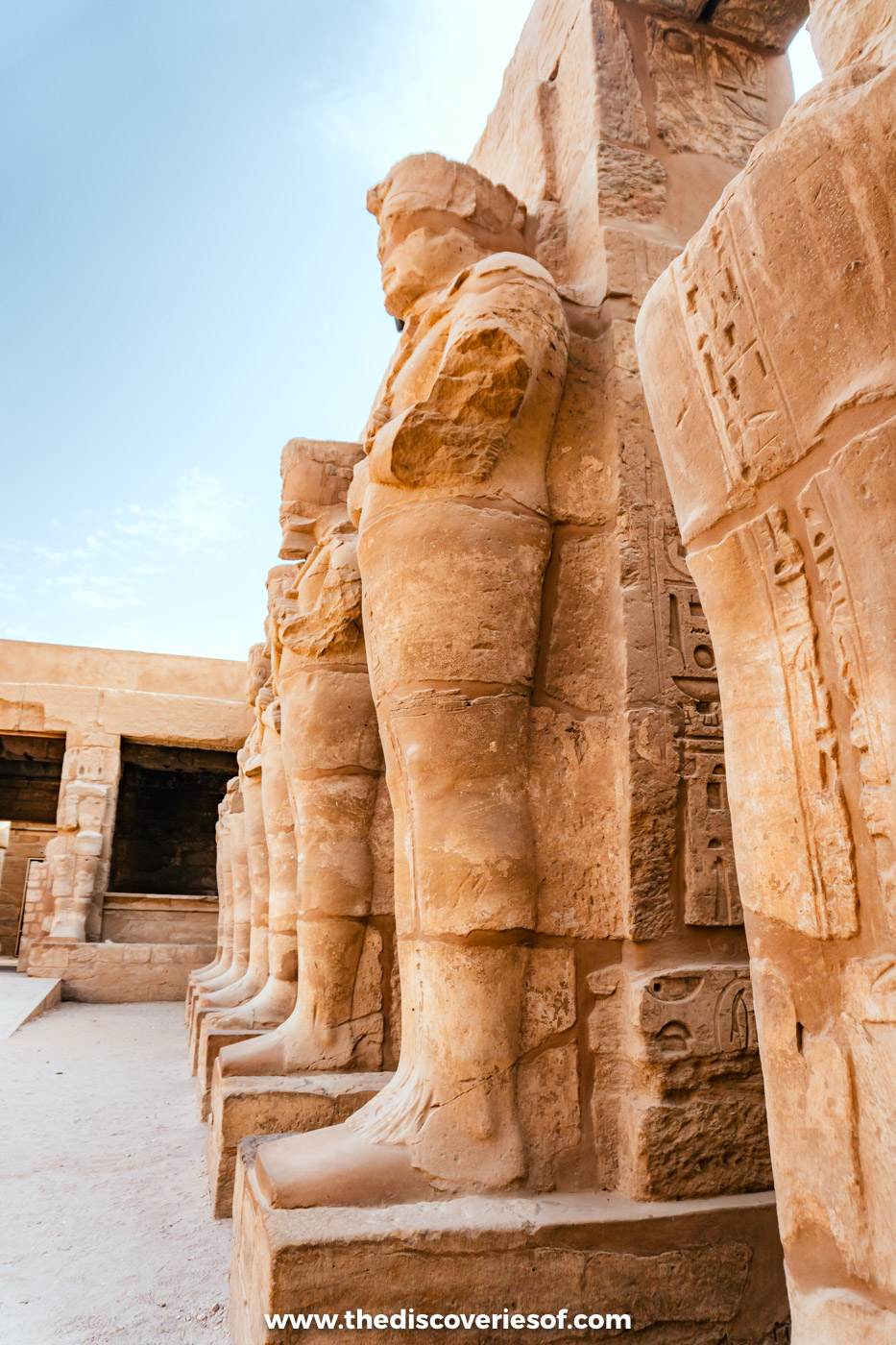
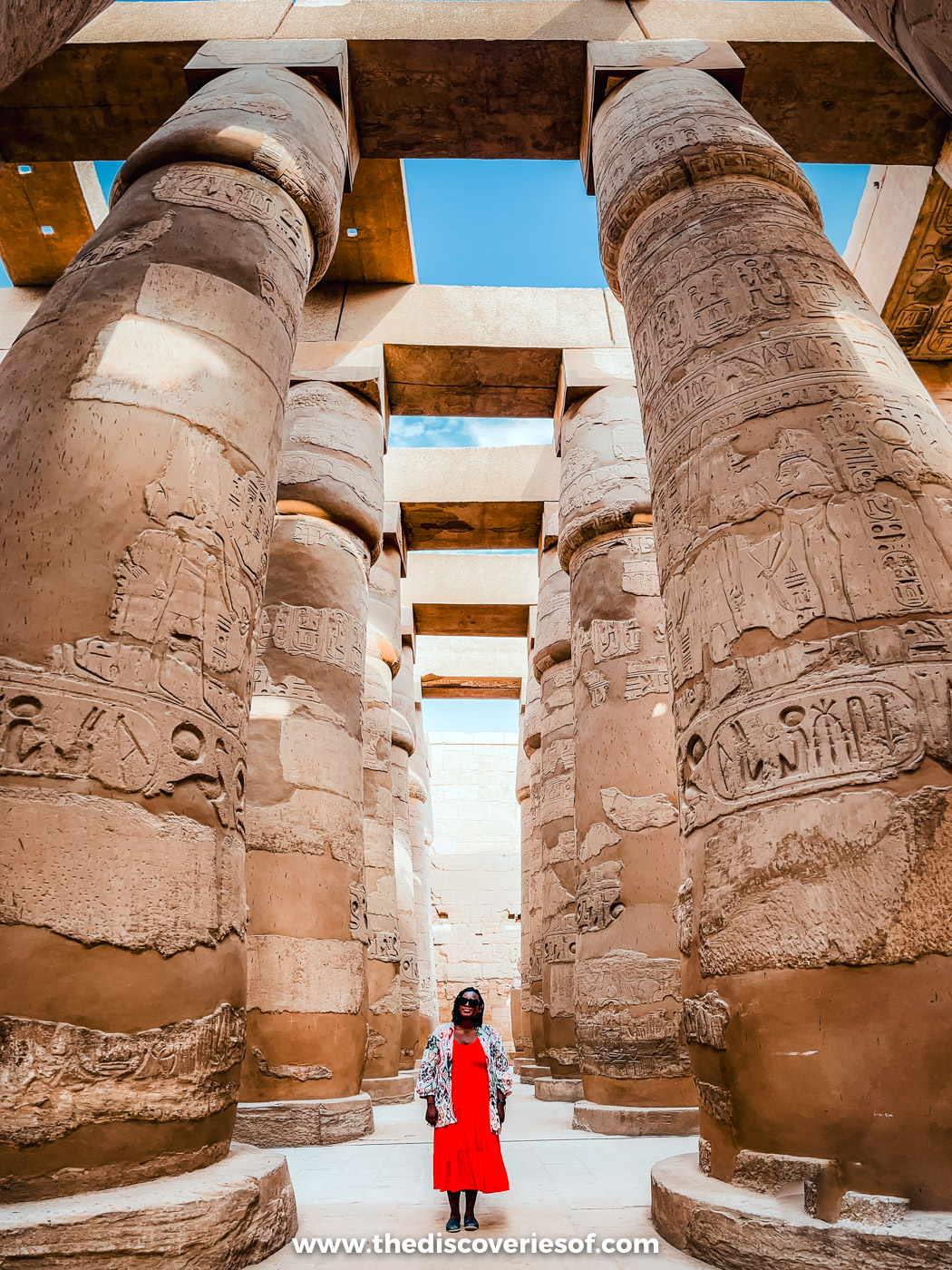
The country is full of temples, and the wonders of each one never cease to amaze me. But Karnak Temple stands head and shoulders above the rest. It. Is. Vast. If you’re going to skip anything, Karnak is not it.
Built and added to by some thirty pharaohs over around 2,000 years, it was the great religious complex of Thebes, where Amun-Ra was worshipped with his wife Mut and their son Khonsu. Set aside at least a couple of hours (preferably half a day), and don’t miss the Great Hypostyle Hall, with its 134 gargantuan columns. Wear a hat and bring plenty of water. Tickets cost 600 EGP.
Climb the terraces of Hatshepsut’s temple
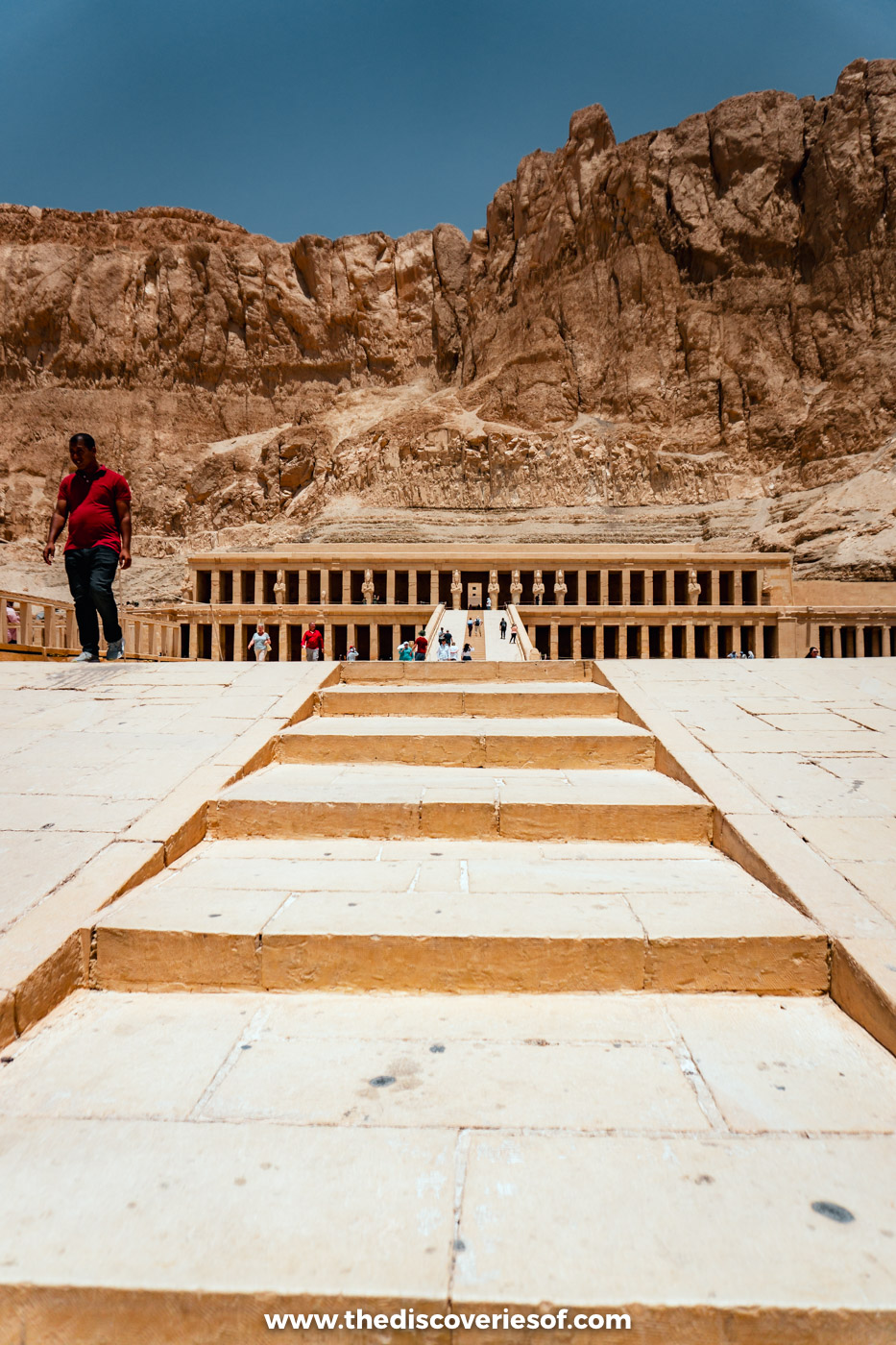
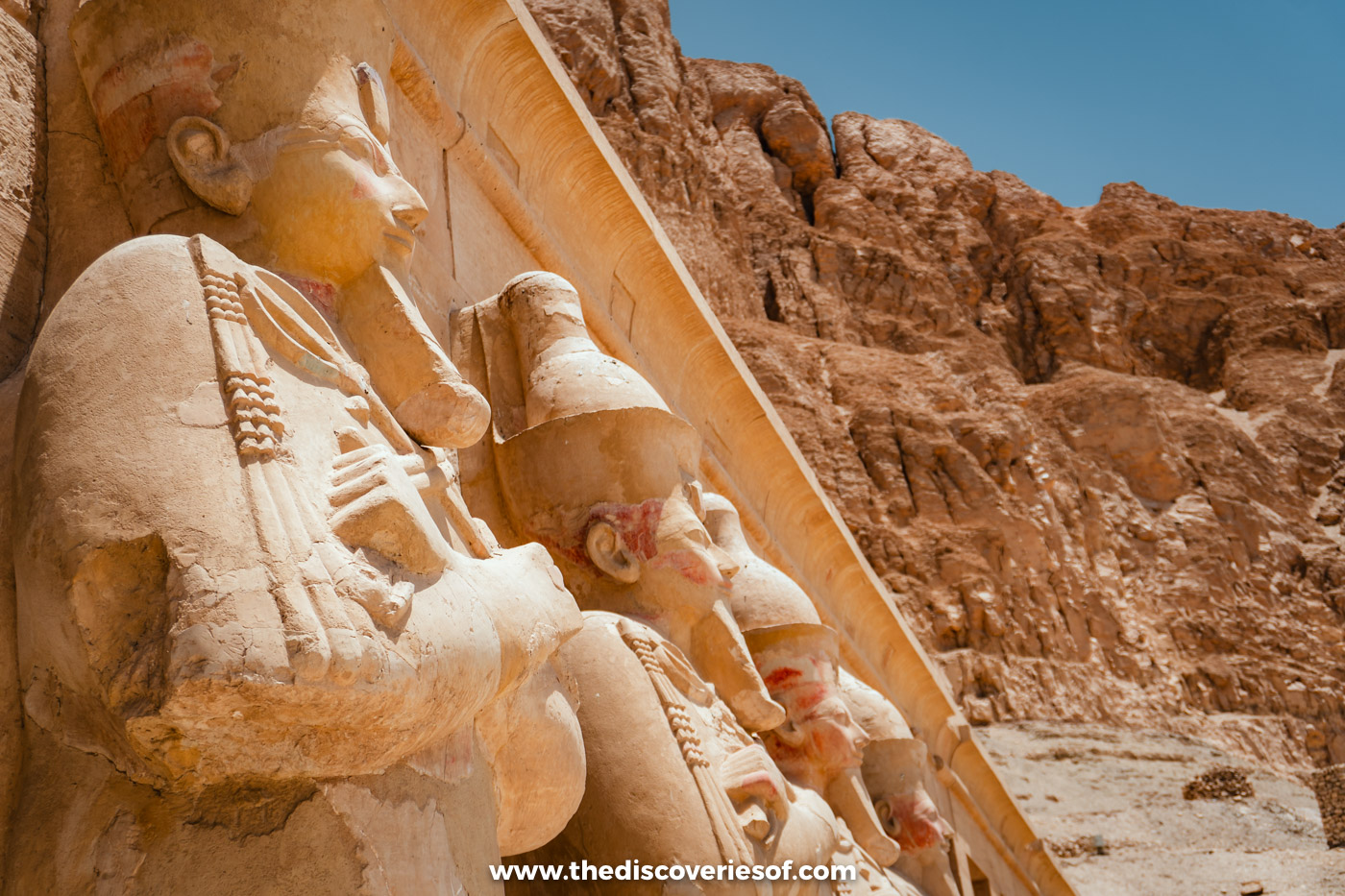
At this point, you’ll have realised that the country isn’t shy of temples and tombs, but each is unique. To put it quite bluntly, the Mortuary Temple of Hatshepsut is exceptional.
It honours Hatshepsut, one of the few women to rule Egypt as pharaoh in her own right (can someone say girl power?), and its three terraces rise against the cliffs of Deir el-Bahari. Don’t go expecting a tomb: she wasn’t buried here. Her mummy was identified in 2007 and is now in the Royal Mummies Hall at the NMEC in Cairo. I stopped here on my tour of the West Bank, between the two valleys. Tickets cost 440 EGP.
Stand beneath the Colossi of Memnon
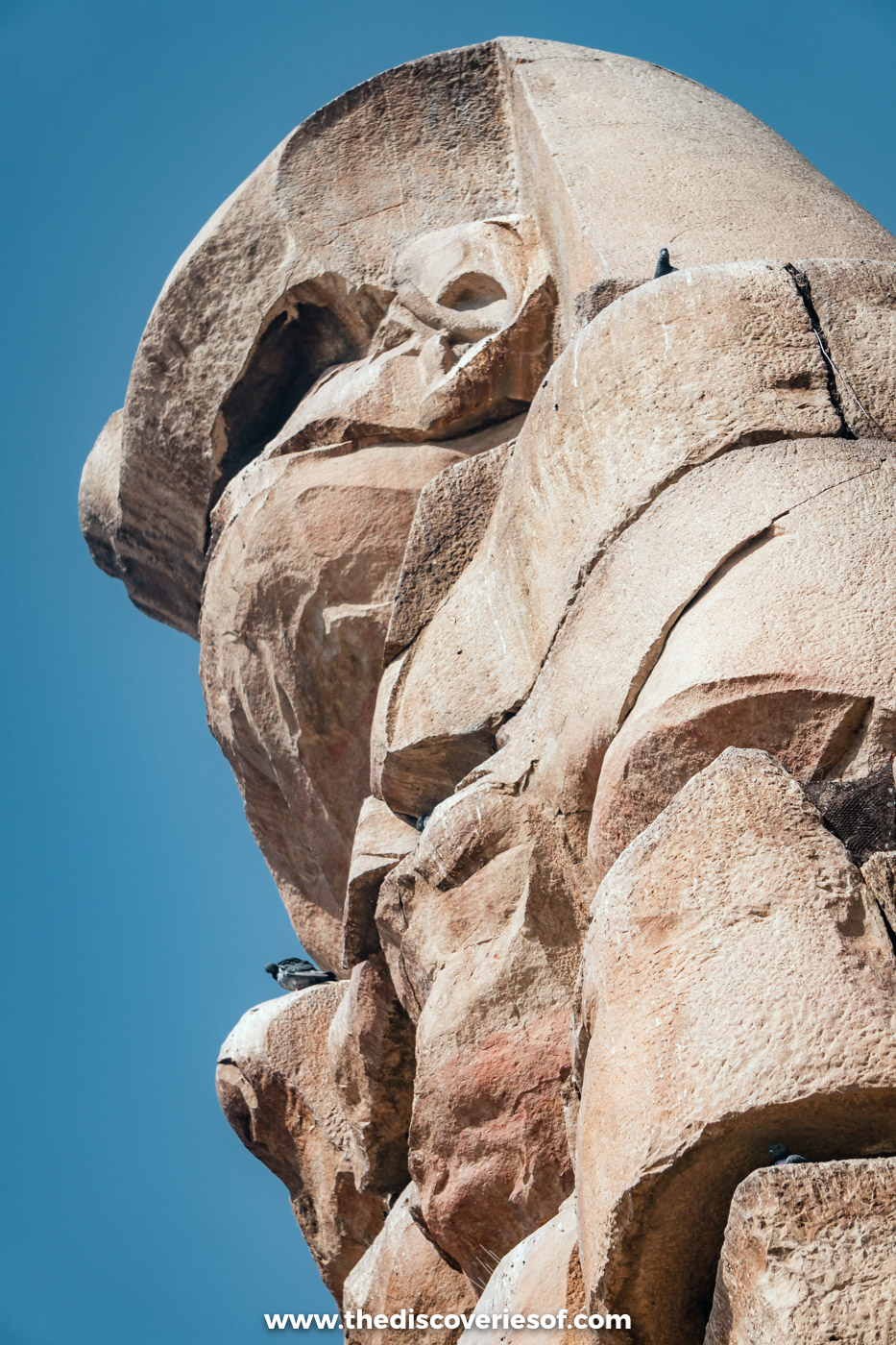
The ancient Egyptians built towering statues to guard their temples, and these are two of the biggest survivors. The twin seated figures of Amenhotep III, about 18 metres tall, have stood on the West Bank for some 3,400 years, guarding the entrance to his long-vanished mortuary temple, and they’ve survived floods, invasions and earthquakes.
After an earthquake in 27 BC, the northern statue was said to “sing” at dawn, which drew Roman tourists from far and wide. They’re free to see and right by the road, so I stopped here straight after my balloon flight. Read more in my guide to the things to do in Luxor.
Eat your weight in falafel
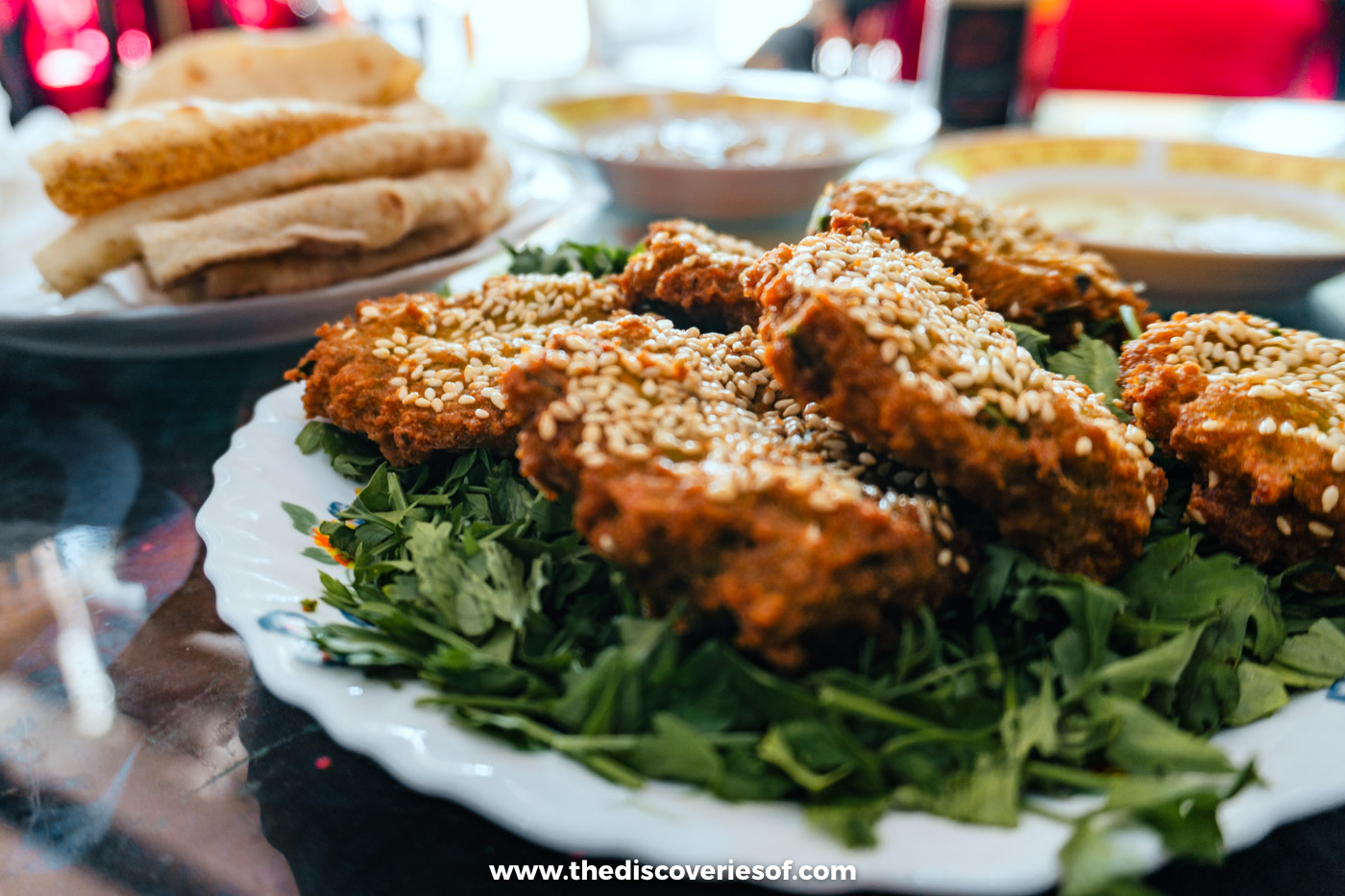
THE FALAFEL. Drool. Egyptian falafel (ta’ameya) is made from fava beans rather than chickpeas, which makes it greener and fluffier inside, and it’s sold hot from street stalls for next to nothing.
Try ful medames (stewed fava beans) for breakfast, and koshari, the national dish of rice, lentils, pasta and chickpeas under a spicy tomato sauce and crispy onions, which costs a pound or two from a local koshari shop. Chances are, if there’s a crowd of locals at a stall, you’re in for a tasty meal.
See Luxor Temple lit up after dark
Right in the centre of Luxor on the East Bank, Luxor Temple was built mainly by Amenhotep III and Ramses II and dedicated to the rejuvenation of kingship. Unlike most ancient sites, it stays open into the evening, and it’s floodlit after dark.
Go at sunset to see it in daylight and lit up. From its entrance, the 2.7-kilometre Avenue of Sphinxes, reopened in 2021, runs all the way to Karnak. Tickets cost 500 EGP.
Head north to Dendera and Abydos
Two of the finest temples in the country lie north of Luxor and see a fraction of the crowds. At Dendera, about 60 kilometres away, the Temple of Hathor is one of the best preserved, with colourful astronomical ceilings and a copy of the famous Dendera zodiac (the original is in the Louvre).
At Abydos, about 160 kilometres away, the Temple of Seti I has some of the most delicate reliefs in Egypt and the King List, which names 76 of the pharaohs who came before him. Most people see both on a long day trip from Luxor. Read more in my guide to ancient Egyptian temples.
Pop into the Temple of Horus at Edfu
On the west bank of the Nile, roughly halfway between Aswan and Luxor, the town of Edfu is home to the Ptolemaic Temple of Horus, the falcon-headed sky god. It was built between 237 BC and 57 BC, and because it lay buried in sand and silt for centuries, it’s now one of the most complete temples in the country, right down to its roof.
Most Nile cruises stop here. From Aswan, this day tour of Edfu and Kom Ombo drops you in Luxor at the end of the day. Tickets cost 550 EGP.
See the double temple at Kom Ombo
For something more unusual, the double temple of Kom Ombo, on a bend of the Nile north of Aswan, is one for the books. Built mainly under the Ptolemies, it’s two temples in one, with twin entrances, halls and sanctuaries for the crocodile god Sobek and for Horus the Elder.
It’s best known for its mummified crocodiles. Around 40 were found in the area, and 22 of them are on display in the Crocodile Museum next door, which opened in 2012. Tickets cost 450 EGP.
Explore Saqqara and the Step Pyramid
Saqqara (also spelt Sakkara) is hands down one of the richest archaeological sites in the country, a vast burial ground for the kings and nobles of Memphis.
Its highlight is the Step Pyramid of Djoser, designed by the architect Imhotep about 4,700 years ago and often called the oldest large-scale stone building in the world. It’s the ancestor of the pyramids at Giza, and it reopened to visitors in 2020 after a long restoration. Explore it, and the painted tombs of the nobles around it, on a full-day private tour with Giza.
Discover the ancient capital of Memphis
Another noteworthy ancient capital and one of the most underrated sights in Egypt, Memphis was founded around 3100 BC and was the capital for much of the Old Kingdom.
This millennia-old city has long lost its grandeur, but there’s an incredible story in its remains. Today they’re gathered in an open-air museum at Mit Rahina, where the most intriguing sights are a giant limestone statue of Ramses II, lying on its back, and an 8-metre sphinx carved from a single block of calcite (Egyptian alabaster). Combine it with Saqqara on this day tour of the pyramids, Saqqara and Memphis.
Walk through the City of the Dead
If you’re up for a spooky adventure, the City of the Dead is one of the world’s largest cemeteries, a sea of domed tombs stretching along the eastern edge of Cairo. It has grown since the Arab conquest in the 7th century, and among its family tombs stand some of the city’s finest monuments, such as the mausoleum of the Mamluk sultan Qaitbay, built in the 1470s.
It’s also where the dead genuinely live among the living: thousands of people make their homes between the tombs, many of them caretakers whose families have tended them for generations. Parts have been demolished in recent years to make way for new roads, and it’s best visited with a local guide.
Top Tip
If you have a touch of necrophobia, perhaps it’s best to skip this one.
Find the Nilometers
The Nile’s annual flood could mean life or death for the ancient Egyptians, so they built Nilometers to measure the river’s height and predict whether the year would bring a good harvest or famine. The readings also set the year’s taxes.
The most impressive is on Roda Island in Cairo, built in 861 under the Abbasid caliphs: a deep stone well with a marble measuring column at its centre. In Aswan, a stairway down to the river on Elephantine Island still has its ancient markings.
Snorkel or dive in the Red Sea
Still think Egypt has nothing but pyramids? The Red Sea, between Africa and the Arabian Peninsula, is one of the world’s busiest shipping lanes, but it’s also home to more than 1,000 species of fish and hundreds of species of coral, with some of the best dive sites in the world.
The resorts of Hurghada, Marsa Alam, Dahab and Sharm el-Sheikh are the main bases, and you don’t need to be a diver: the snorkelling can be superb just off the boats. From Hurghada, this sailing trip to Orange Bay includes snorkelling stops and lunch, and beginners can try an introductory dive.
Sleep under the stars in the White Desert
You can’t go to Egypt and not go on a desert tour, but this one is like no other. In the Western Desert, about 500 kilometres south-west of Cairo, the White Desert is a protected area of chalk formations that the wind has carved into giant mushrooms and other odd shapes, and the nearby Black Desert is strewn with dark volcanic hills.
Most trips start from the Bahariya Oasis, and the best way to experience it is to camp overnight and sleep under the stars. This private Black and White Desert tour from Cairo packs it into one long day if you’re short on time.
Explore the Shali Fortress in Siwa
The sensational Shali Fortress, in the Siwa Oasis far out in the Western Desert near the Libyan border, is a labyrinth of mud-brick buildings that once rose several storeys high and sheltered the whole community.
It was built in the 13th century from kershef, a mixture of rock, salt and clay, and heavy rain in the 1920s did serious damage. A restoration completed in 2020 has shored up the old town using traditional materials, so you can get lost in its maze of alleys once more. Siwa is a long trip from Cairo, usually via Marsa Matruh on the Mediterranean coast, as the UK Foreign Office advises against the desert road from Bahariya.
Hike the Coloured Canyon in Sinai
One thing you’d never expect to see in the desert is a canyon of kaleidoscopic rock. In the mountains of Sinai, about 30 minutes by 4×4 from the Red Sea town of Nuweiba, the Coloured Canyon is a narrow slot up to 30 metres deep, with walls striped in reds, yellows and purples.
A circular hike of about 3 kilometres squeezes through passages less than a metre wide, and visits are by guided tour from Dahab, Nuweiba or Sharm el-Sheikh. Check the latest UK Foreign Office advice first: it advises against all but essential travel to the inland area north of the St Catherine to Nuweiba road, where the canyon lies.
Tips for planning your trip
- How long do you need? A week to ten days covers Cairo, Aswan, Abu Simbel and Luxor. My trip was a little over a week, and my 10 days in Egypt itinerary shows how to fit it all in.
- When to go: October to April is the most comfortable time, though December to February is peak season, when prices and crowds are at their highest. I went in late May and early June, and there were points in Luxor and Aswan where I was so hot I didn’t know what to do with myself, but it was quieter and cheaper. My Egypt travel tips cover the seasons in full.
- Pay by card: the ticket offices at the major sites are now cashless, so bring a card for tickets and cash for tips, taxis and markets.
- Consider a guide: I took my first ever group tour, Intrepid’s eight-day Egypt Adventure, because I wanted an expert at every site. Read my Intrepid Egypt review, and my guide to how much a trip to Egypt costs.
Watch my Egypt video
Subscribe on YouTube and discover new destinations.
Where to stay
Stay by the Nile in each city: Garden City or Dokki in Cairo, the Corniche in Aswan, and either bank in Luxor.
- Kempinski Nile Hotel Garden City (Cairo, luxury): where I spent my last night, a welcoming high-end hotel on the Nile with a stunning rooftop pool and spa. Read my Kempinski Nile Hotel review and my guide to where to stay in Cairo.
- Obelisk Nile Hotel (Aswan, mid-range): where I stayed in Aswan, on the Corniche by the Nile, with an outdoor pool.
- El Mesala Hotel (Luxor, budget): where I stayed in Luxor, on the West Bank by the ferry landing, close to the tombs. See my guide to where to stay in Luxor.
Map
Read next
- The ultimate Egypt travel guide
- 10 days in Egypt: an Egypt itinerary by train and felucca
- Egypt’s most famous landmarks
- Things you should know before travelling to Egypt
- How (and what) to pack for an Egypt trip
- Unmissable things to do in Cairo
- The places you have to see in Luxor
- Your go-to guide for visiting Aswan
Love this? Save and share on Pinterest

Discover the top things to do, insider tips and hidden gems in our Egypt Travel Guide.
Read the guides →




