Crowning a spur of the Muqattam Hills, the Cairo Citadel was the seat of Egypt’s rulers for nearly 700 years. Here’s what to see inside, from the domes of the Mosque of Muhammad Ali to the best views in the city, what you can safely skip, and how to plan your visit.
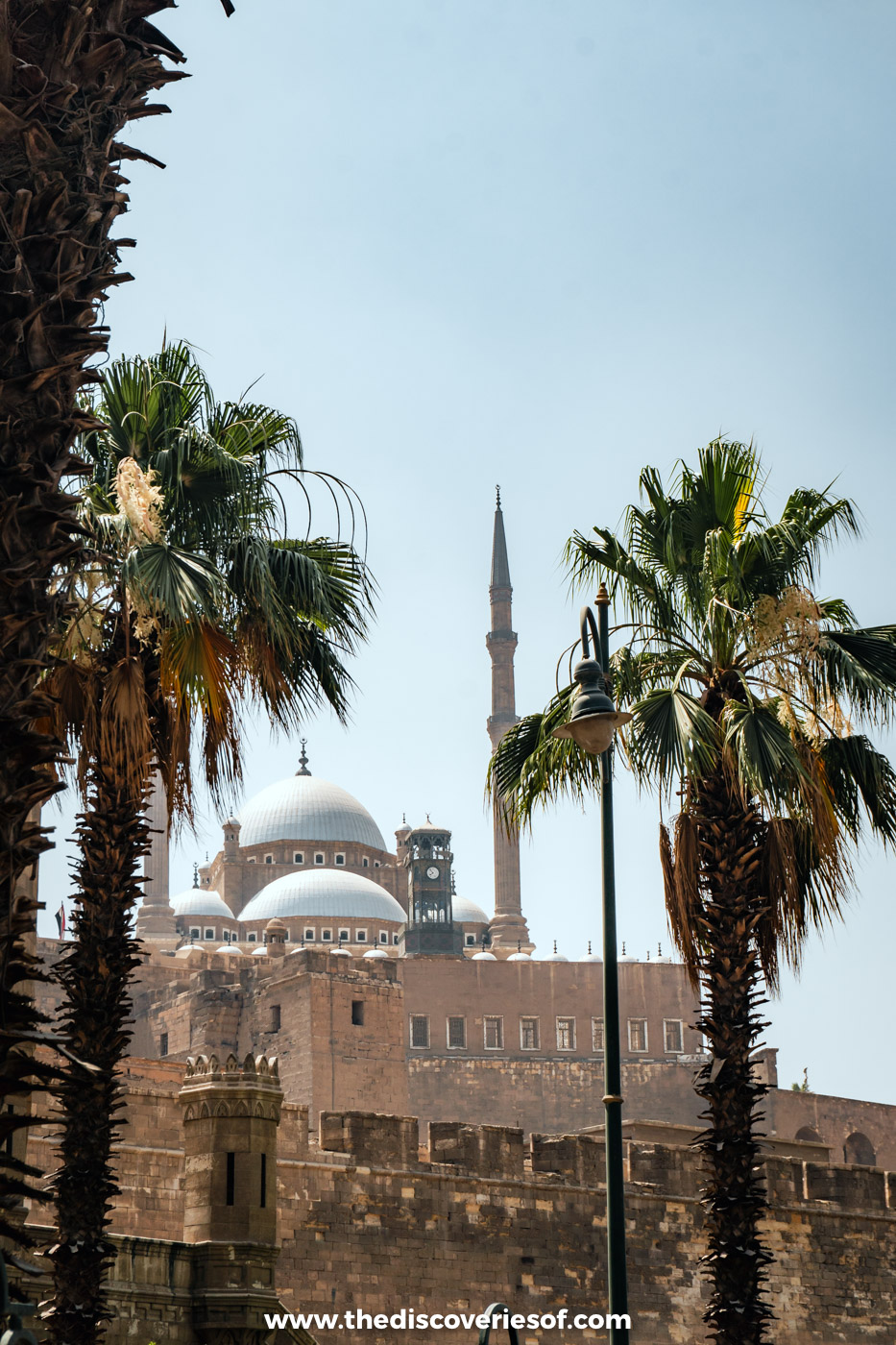
You can see it from all over the city: a cluster of silvery domes and two pencil-thin minarets floating above the rooftops of Islamic Cairo. The Mosque of Muhammad Ali is the Citadel’s crowning glory, and the fortress around it has been home to sultans, pashas and kings since Salah al-Din (Saladin) began building it in 1176.
I went on my last morning in the city, after the overnight sleeper train back from Luxor. I started down in Salah al-Din Square, craning my neck at the Mosque-Madrasa of Sultan Hassan, then headed up the hill to spend the rest of the morning wandering the Citadel’s walls, courtyards and mosques before heading to Coptic Cairo for lunch.
My verdict? Go to explore the interesting buildings and the views, though I’d give the underwhelming museums a miss. This guide covers what’s worth your time, a little of the history that makes it so fascinating, and the practical details you need before you go.
The Citadel at a glance
- Where: on the Muqattam Hills above Salah al-Din Square, on the eastern edge of Islamic Cairo. The visitor entrance is on the Salah Salem road side.
- Opening hours: daily from 8am to 5pm (shorter hours can apply during Ramadan).
- Tickets: 550 EGP for foreign adults and 275 EGP for students, paid by card. The ticket covers the mosques, the terraces and the museums inside.
- Time needed: two to three hours.
- Dress code: shoulders and knees covered to enter the mosques. Women should bring a scarf to cover their hair, and everyone takes their shoes off at the door.
- Photography: allowed throughout, including inside the mosques (avoid prayer times).
A fortress that ruled Egypt for 700 years
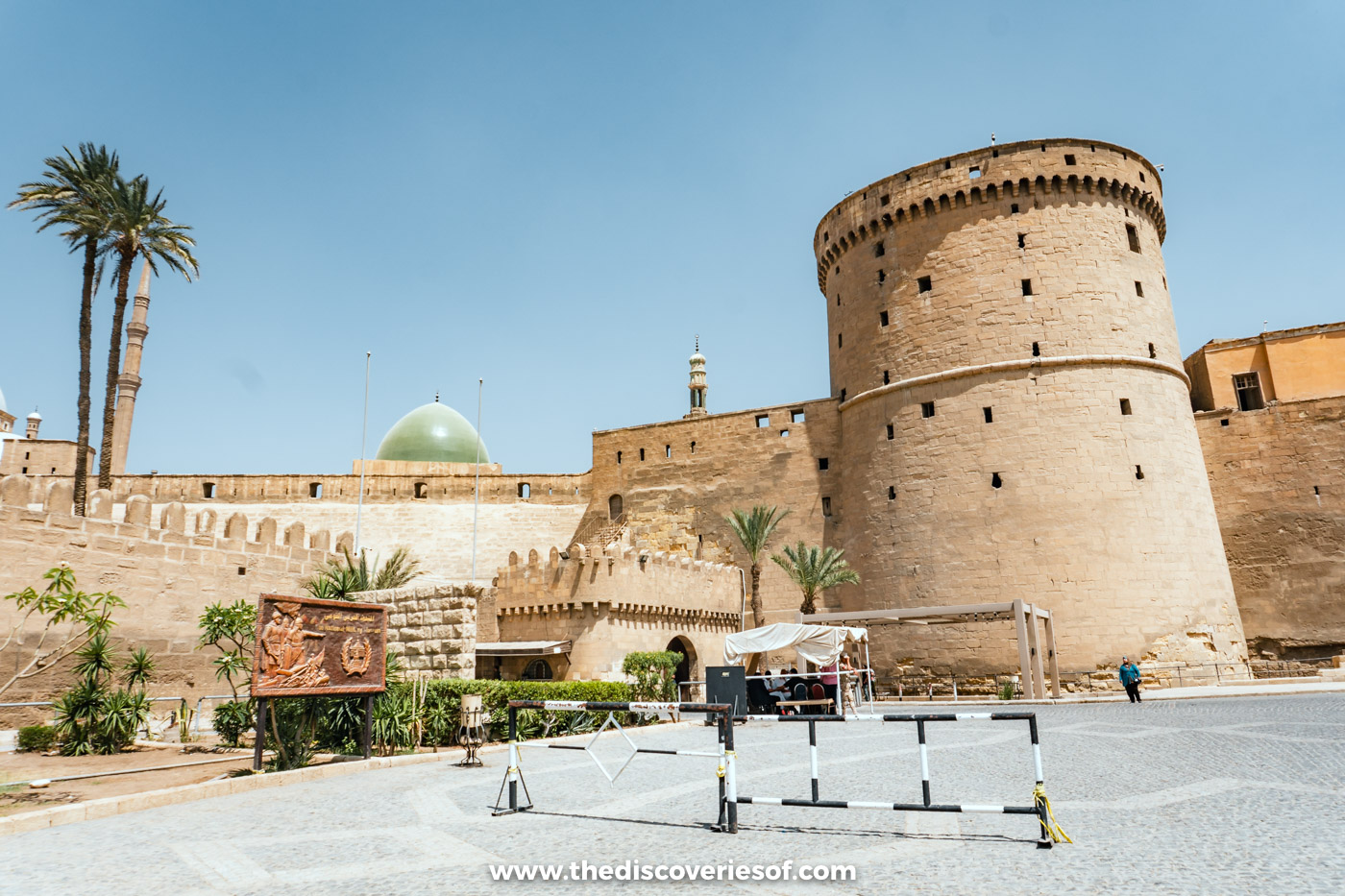
Salah al-Din, the sultan best known in Europe for fighting the Crusaders, began the Citadel in 1176 to defend his capital, and his minister Baha al-Din Qaraqush oversaw the work. A sign at the entrance proudly calls it the largest citadel in the Islamic world. Much of the stone is said to have come from the smaller pyramids at Giza, and to supply the garrison with water, Salah al-Din’s builders dug Bir Yusuf, a spiral well around 87 metres deep, through the solid rock.
The Mamluk sultans who followed made it their royal city, filling it with palaces and mosques. Under the Ottomans, it was the seat of the governors of Egypt, and in the early 19th century it became the power base of Muhammad Ali, the Albanian-born commander who is often called the founder of modern Egypt.
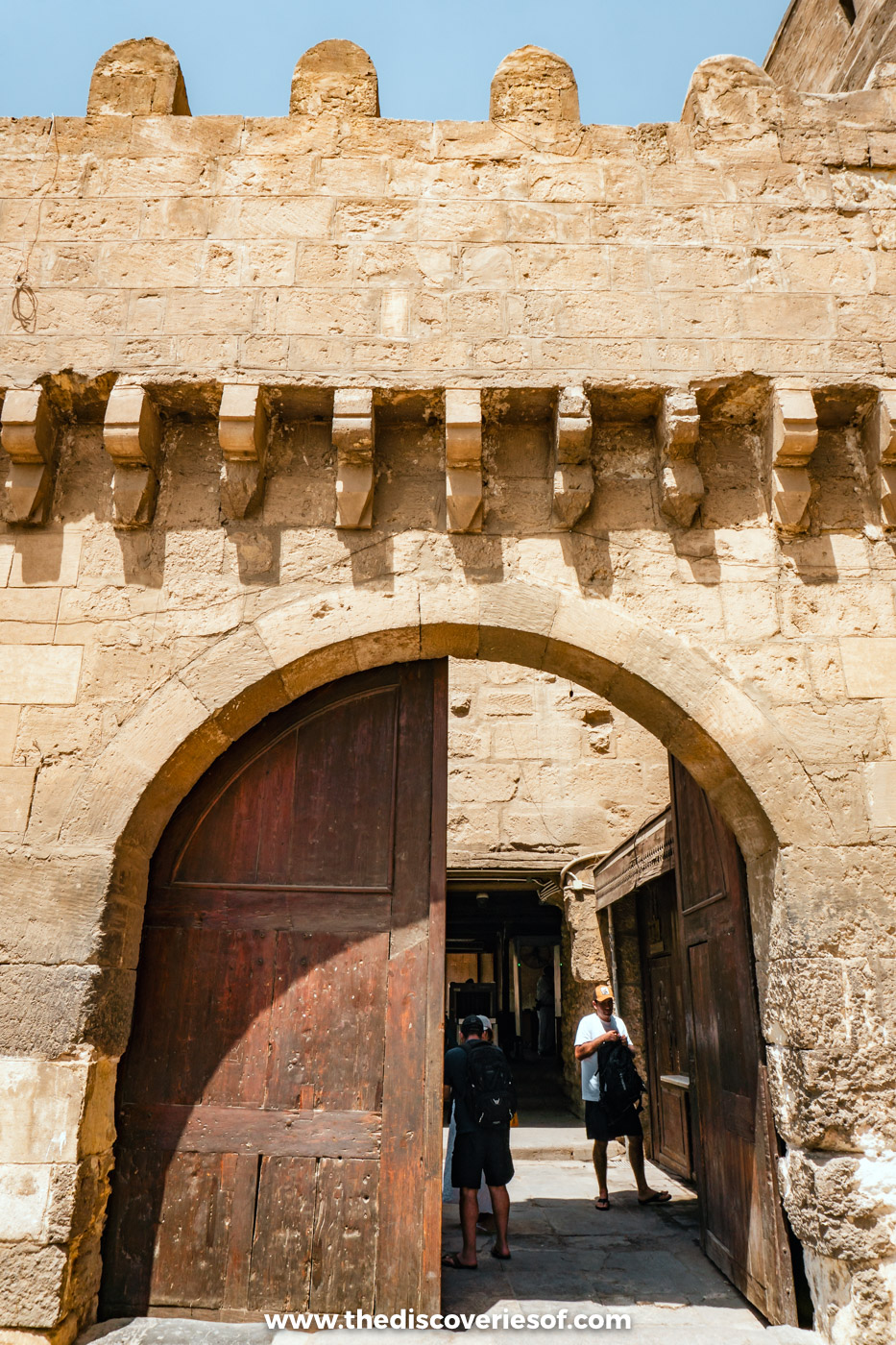
It was here, on 1 March 1811, that Muhammad Ali invited the leading Mamluk beys to a celebration and had them killed as they rode down the narrow lane to the Bab al-Azab gate, ending their centuries of power. He then tore down many of the old Mamluk palaces and built the mosque and palaces you see today. Egypt’s rulers lived here until the Khedive Ismail moved to the new Abdeen Palace in 1874, and British troops occupied the fortress until 1946.
What to see inside the Citadel
Gaze up at the Mosque of Muhammad Ali
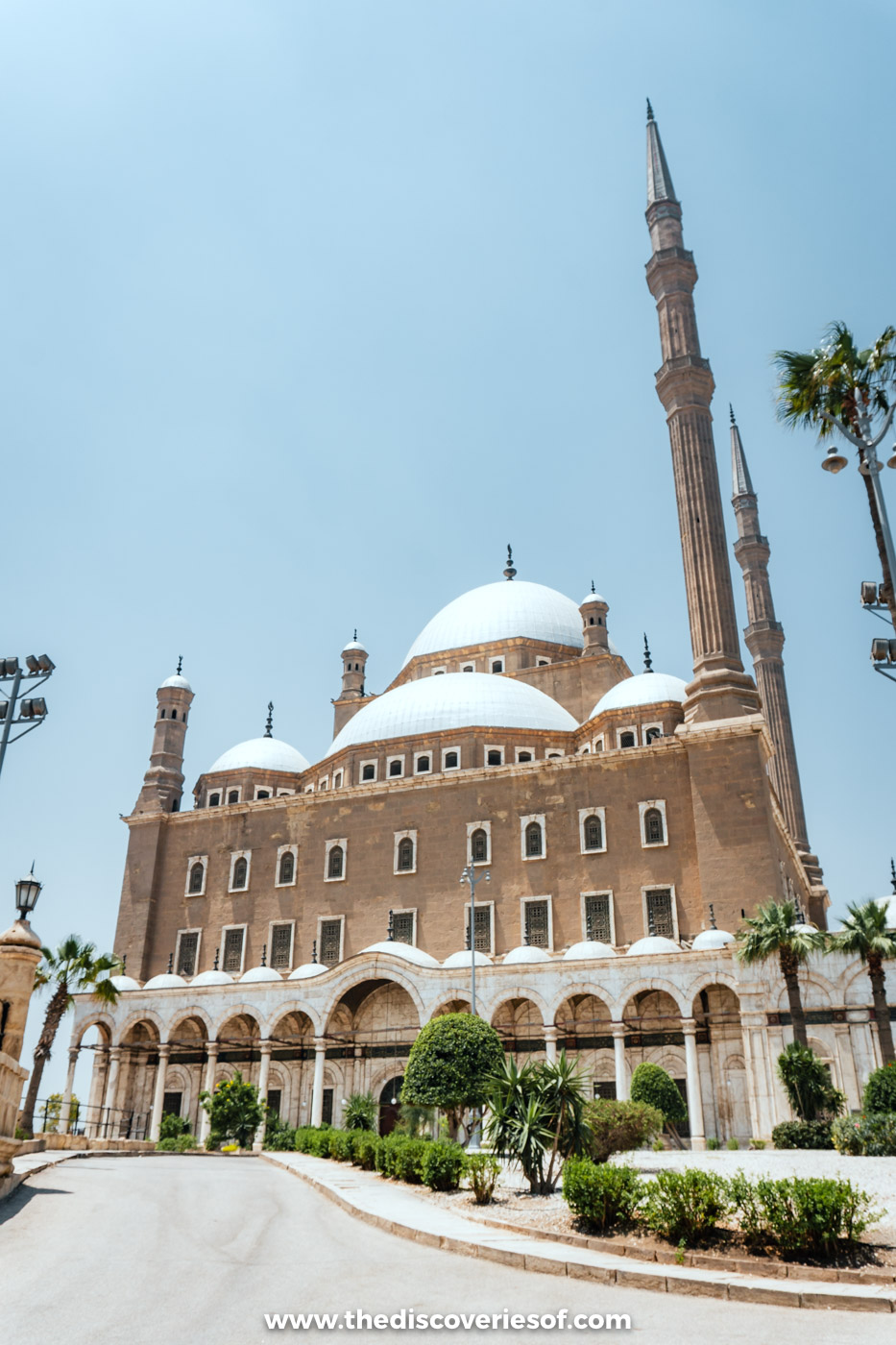
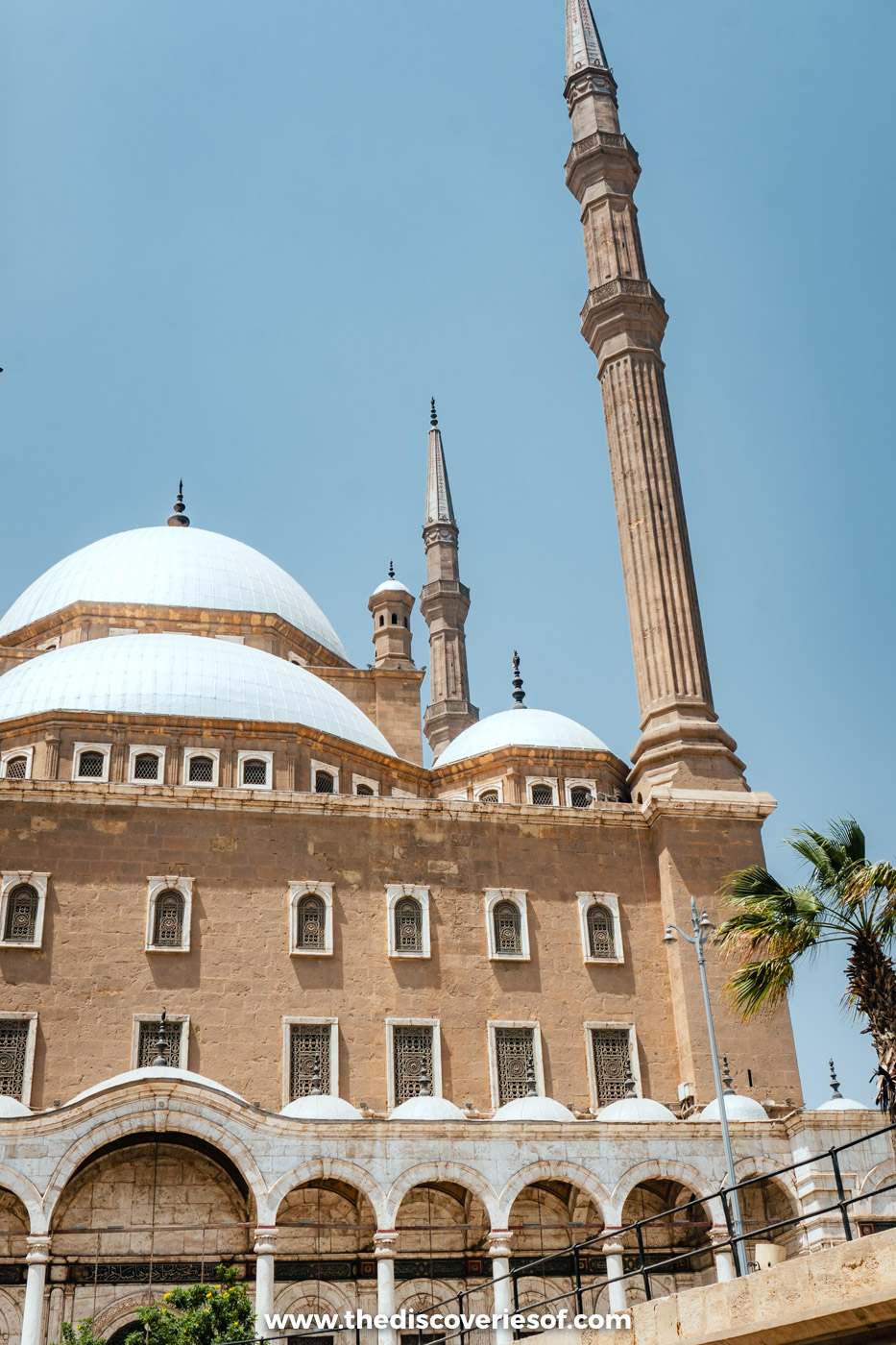
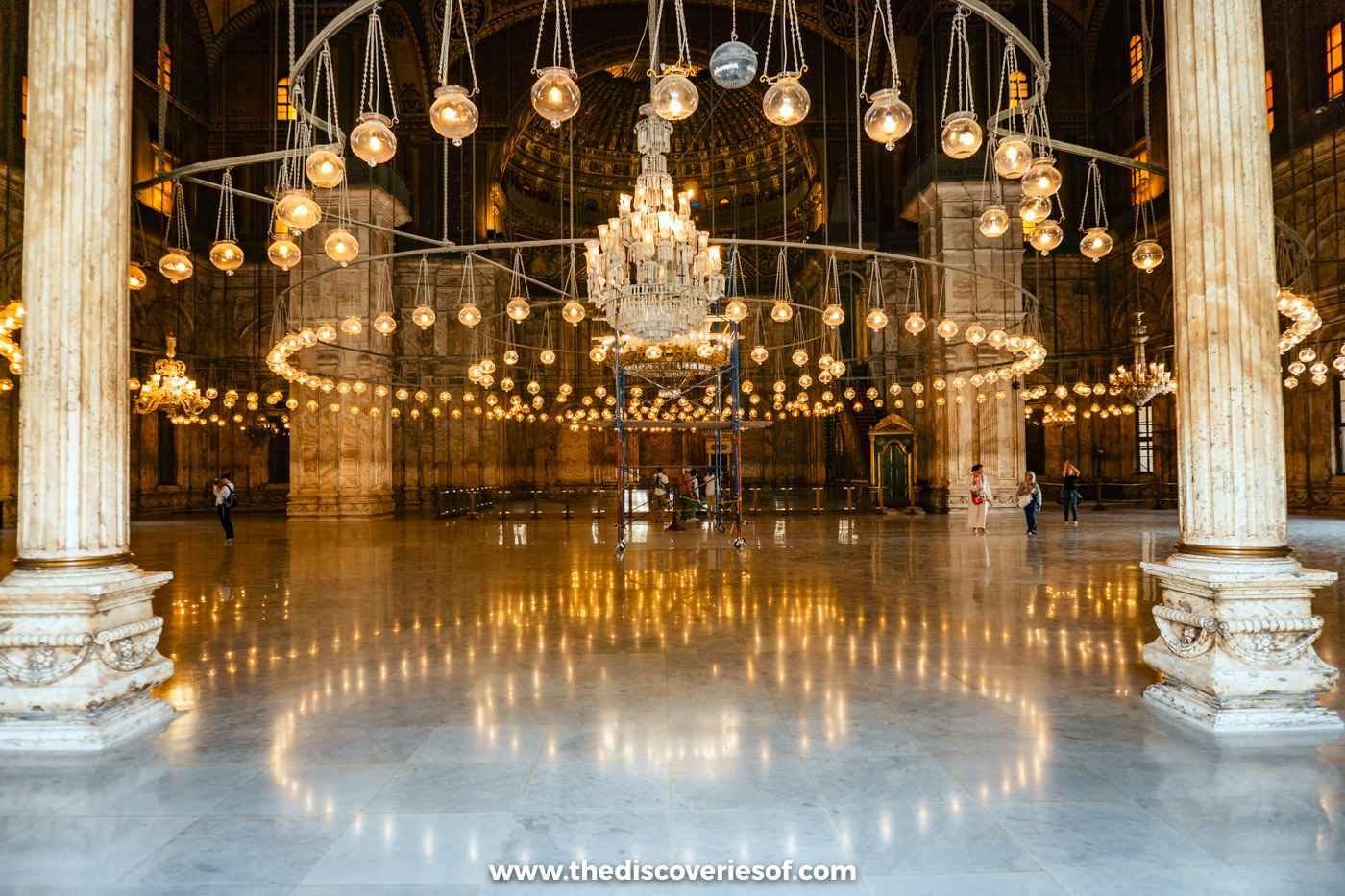
The Mosque of Muhammad Ali, nicknamed the Alabaster Mosque for the creamy stone that lines its walls, is the reason most people come. Muhammad Ali began it in 1830 as a statement that Egypt was a power to be reckoned with, and he deliberately broke with the city’s Mamluk traditions: instead, the mosque follows the Ottoman imperial mosques of Istanbul, with a cascade of domes and half-domes and two minarets more than 80 metres tall. The main structure was largely finished by the time he died in 1849, and the decoration was completed in 1857.
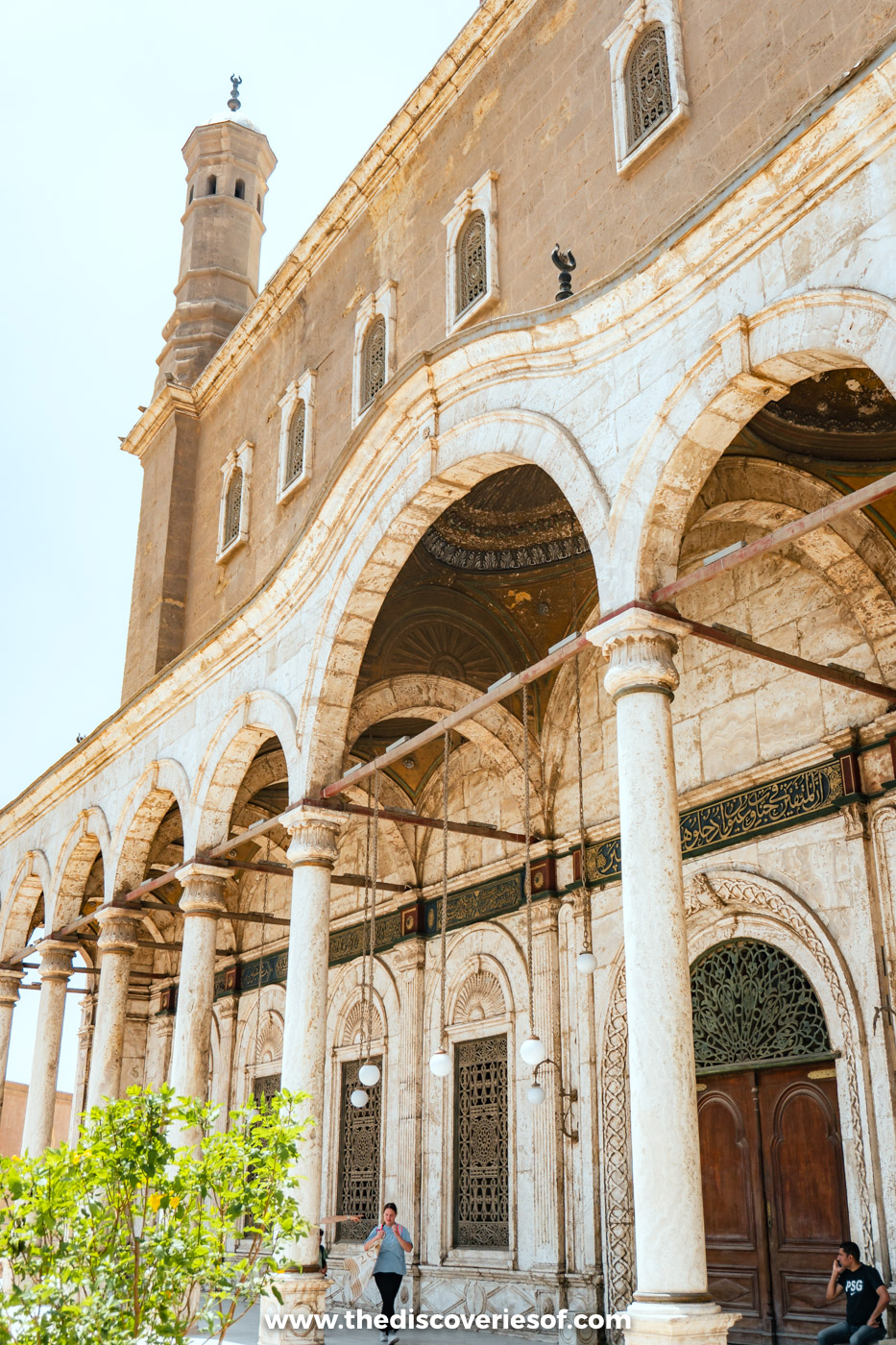
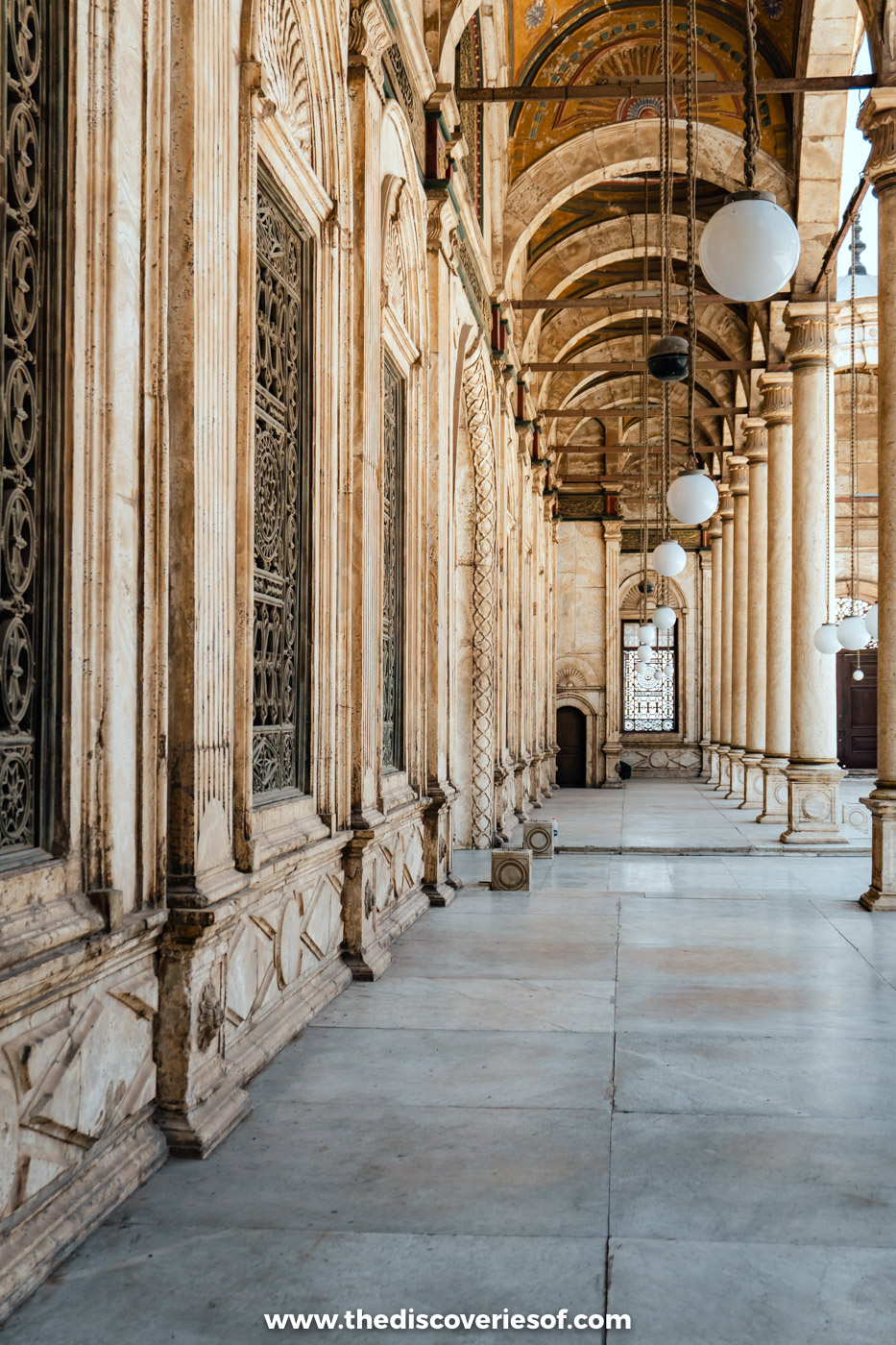
You enter through the courtyard, ringed by arcades of marble columns with small domes above. In the middle is a carved marble ablution fountain under an ornate wooden canopy, and at the far end stands an iron clock tower, given by King Louis-Philippe of France around 1846 in exchange for the obelisk from Luxor Temple that now stands in the Place de la Concorde in Paris. Egypt arguably got the worse end of the deal: the clock is said never to have worked properly.
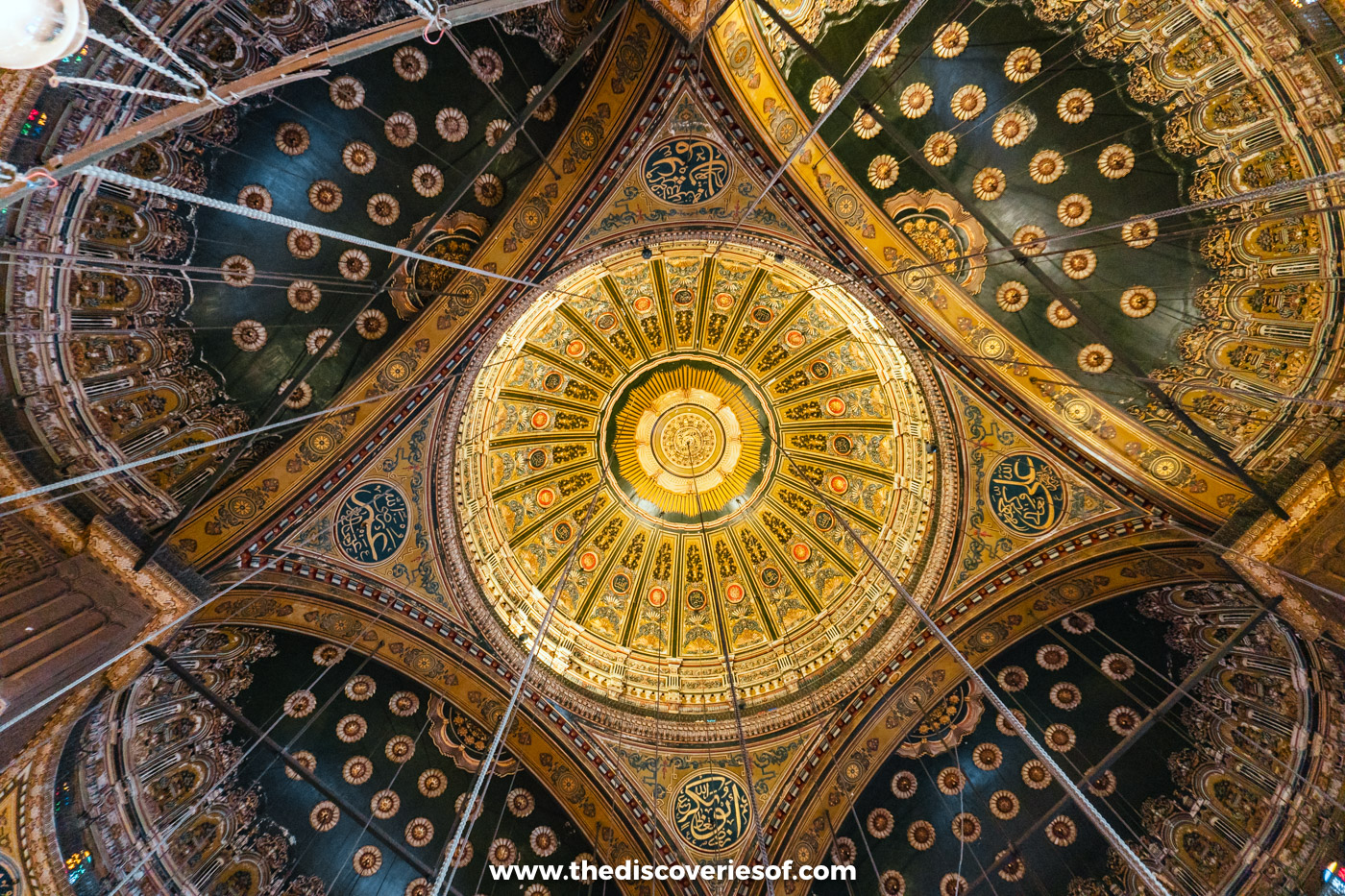
Take your shoes off to step into the prayer hall, and look up. The central dome rises about 52 metres above the carpet, painted and gilded, with hundreds of lamps hanging in great rings beneath it. Muhammad Ali himself is buried here, in a white marble tomb behind a bronze screen to the right of the entrance.
Find the quieter Mosque of al-Nasir Muhammad
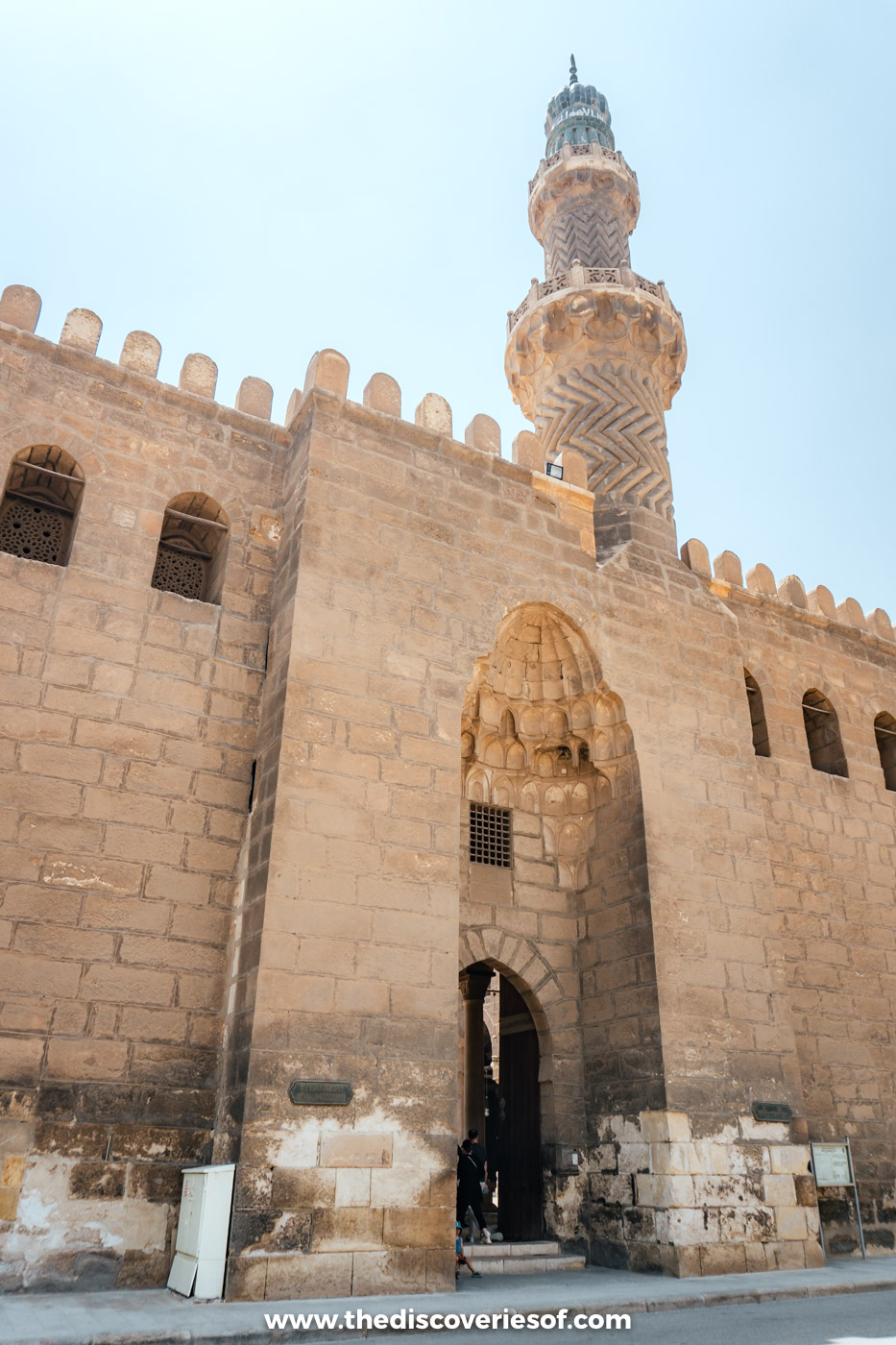
Across the square from Muhammad Ali’s mosque, and far older, the Mosque of al-Nasir Muhammad was built in 1318 and enlarged in 1335 as the royal mosque of the Mamluk sultans. Most visitors walk straight past it, which is a shame, because it’s one of the most atmospheric corners of the Citadel.
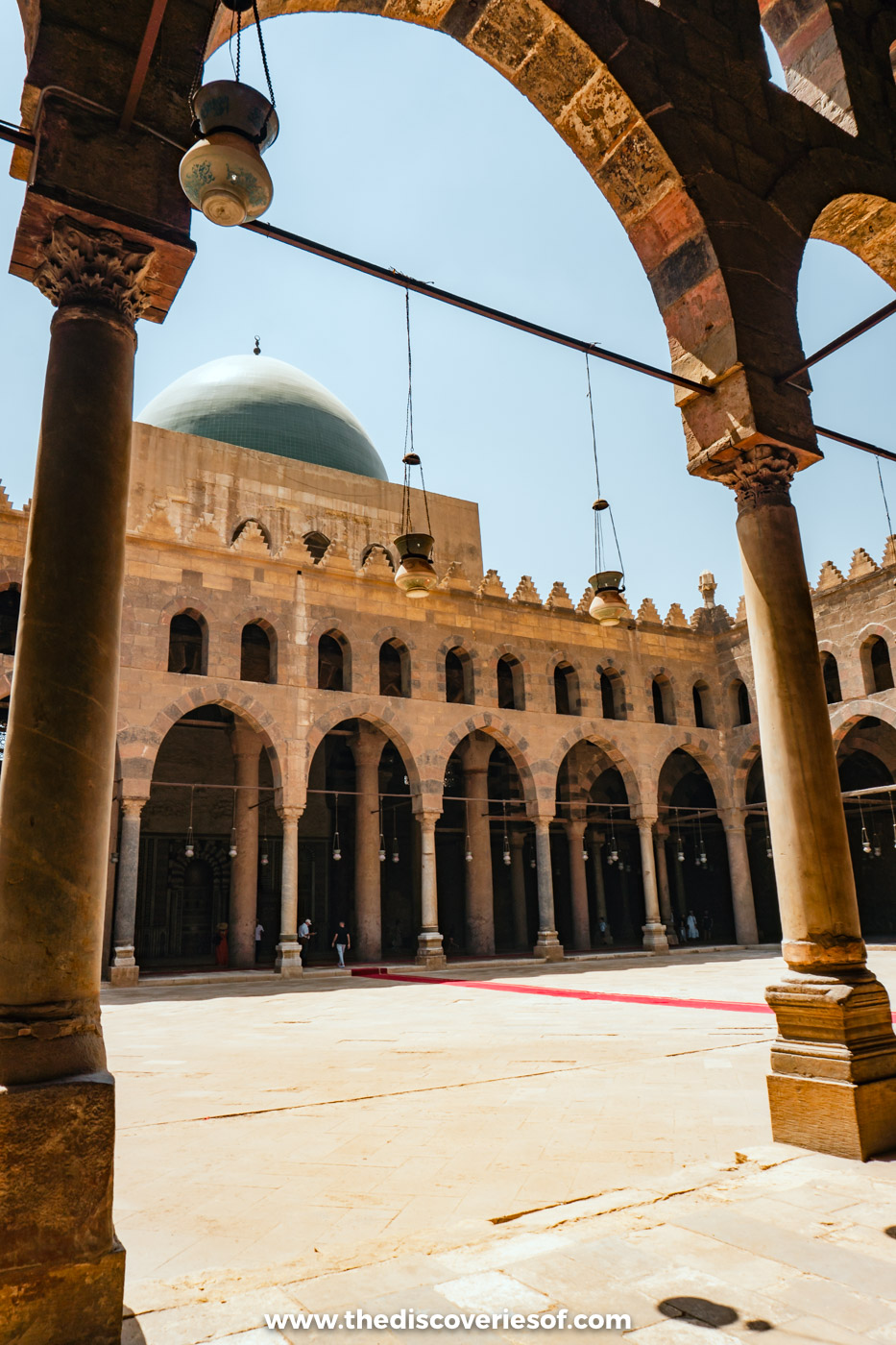
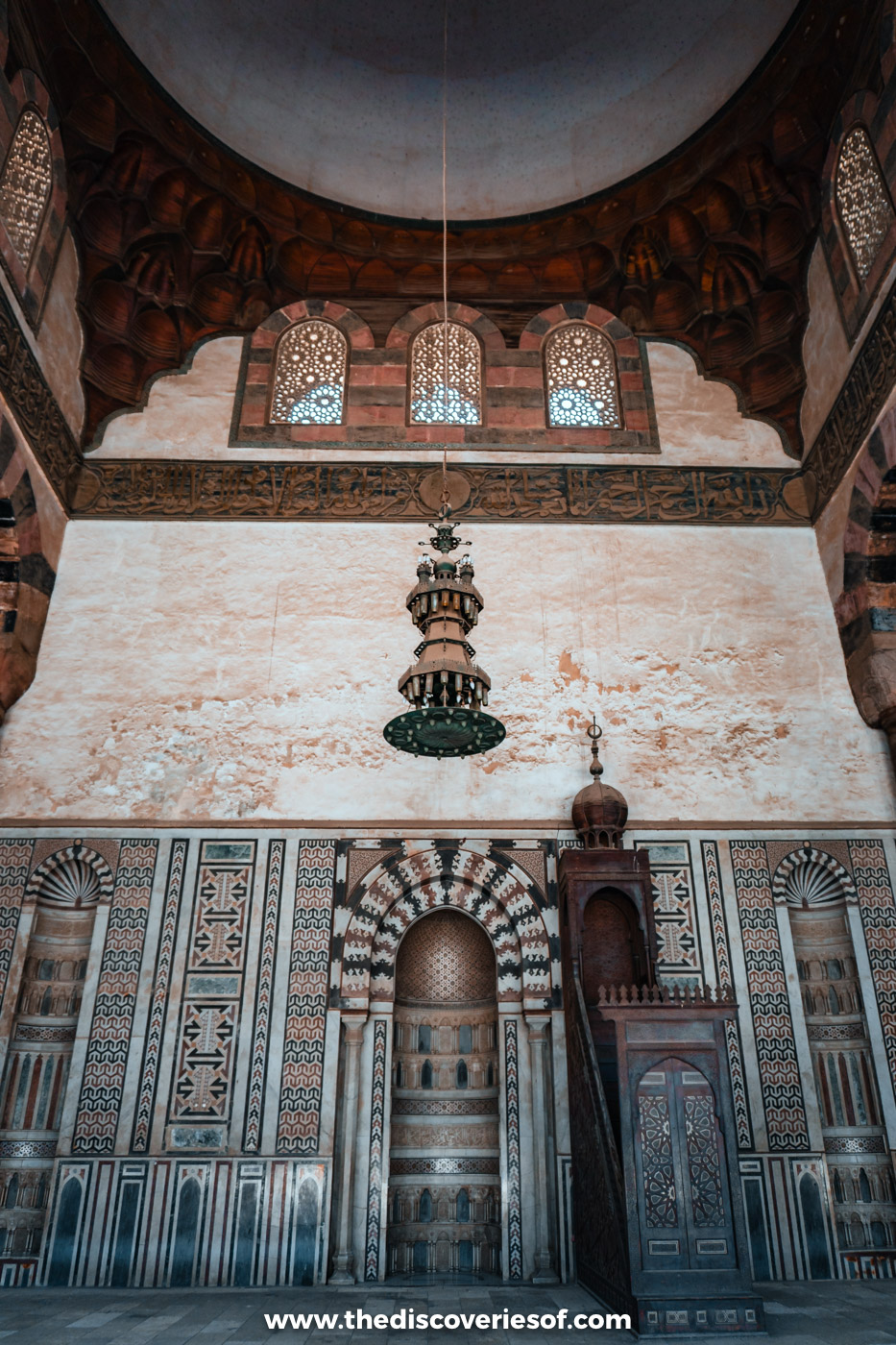
Look for the two minarets topped with green faience, a style thought to have been brought by craftsmen from Tabriz in Persia, and for the columns in the courtyard arcades, many of them recycled from older pharaonic, Roman and Christian buildings. From the courtyard, the arches frame the domes and minarets of the Mosque of Muhammad Ali beautifully, so have your camera ready. The Ottomans stripped the marble panelling from the walls and took it to Istanbul, but the mihrab is still a lovely sight.
Look out over the city from the terraces
The Citadel also has some of the best views of the city. Hop onto one of the terraces to see it sprawling for miles beyond: directly below are the great mosques of Sultan Hassan and al-Rifa’i, and beyond them, a sea of minarets and rooftops stretching towards the Nile. On a clear day, you can make out the pyramids on the horizon, though Cairo’s haze means that’s the exception rather than the rule.
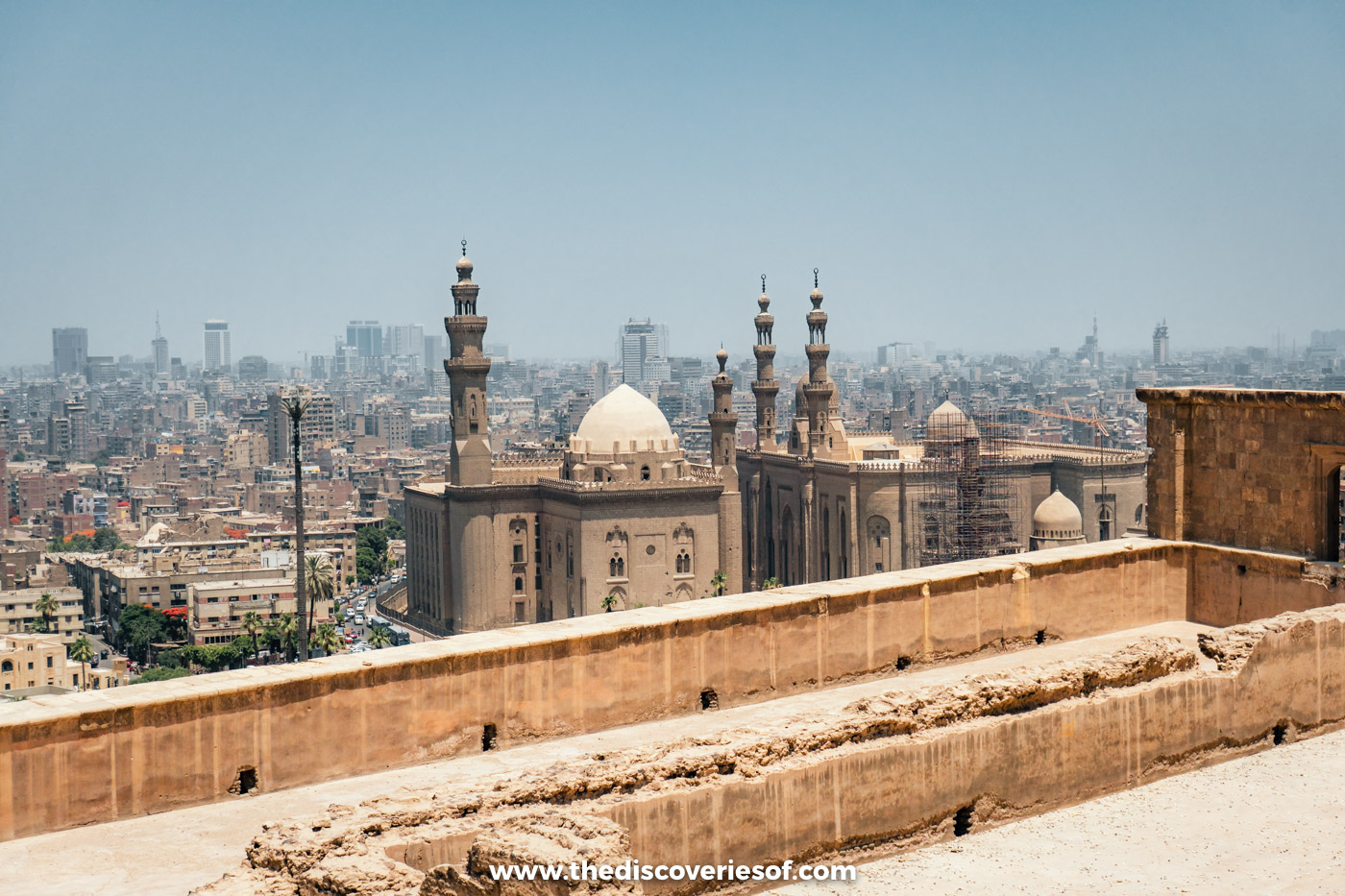
The terrace beside the Mosque of Muhammad Ali looks straight down on them. Late afternoon, before closing, brings the softest light.
Spot the first Ottoman mosque in the city
In the northern enclosure, the small Mosque of Suleiman Pasha, also known as Sariyat al-Gabal, was built in 1528, just a few years after the Ottoman conquest of Egypt, making it the first mosque in Cairo built in the Ottoman style. Its pencil-shaped minaret and the painted decoration inside its domes make it worth the short detour, and it’s usually blissfully quiet.
Peek into al-Gawhara Palace
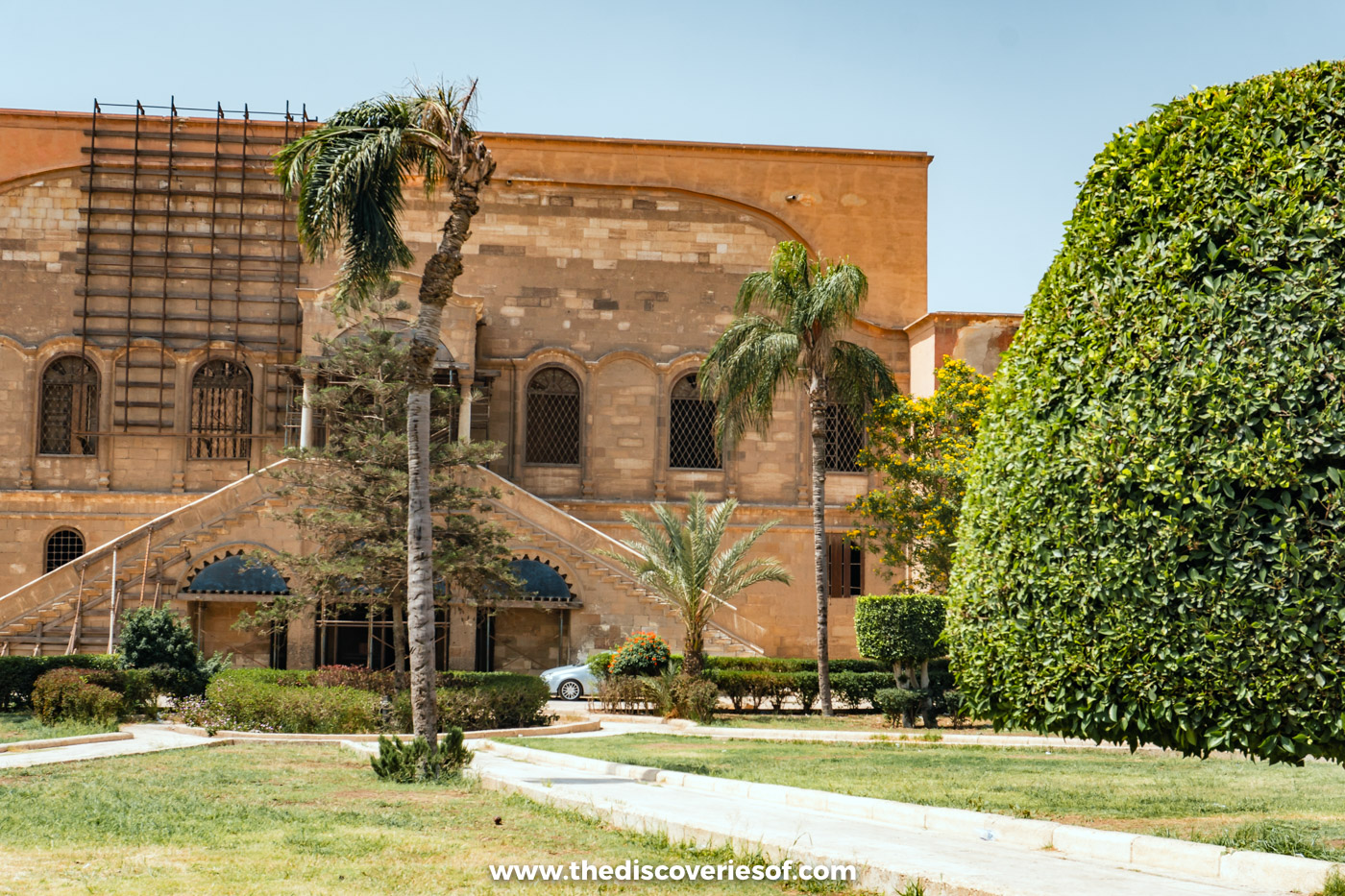
Next to the Mosque of Muhammad Ali, al-Gawhara Palace (the Jewel Palace) was built by Muhammad Ali in 1814 as his residence and reception palace. It now holds a small museum of 19th-century royal furniture, chandeliers and portraits, which gives you an idea of the court life of the dynasty that ruled Egypt until 1952.
Skip the museums (unless you love tanks)
The Citadel’s museums are where it falls down. The National Military Museum, in Muhammad Ali’s former Harem Palace, is the biggest, with uniforms, weapons and dioramas of Egypt’s battles, and there are smaller museums of royal carriages and of the police. They’re included in your ticket, and I went into some of them, but I found them underwhelming, and with limited time, the mosques and the views are a much better use of it. Opening of the individual museums can vary, so check on the day if there’s one you have your heart set on.
Below the Citadel: Sultan Hassan and al-Rifa’i
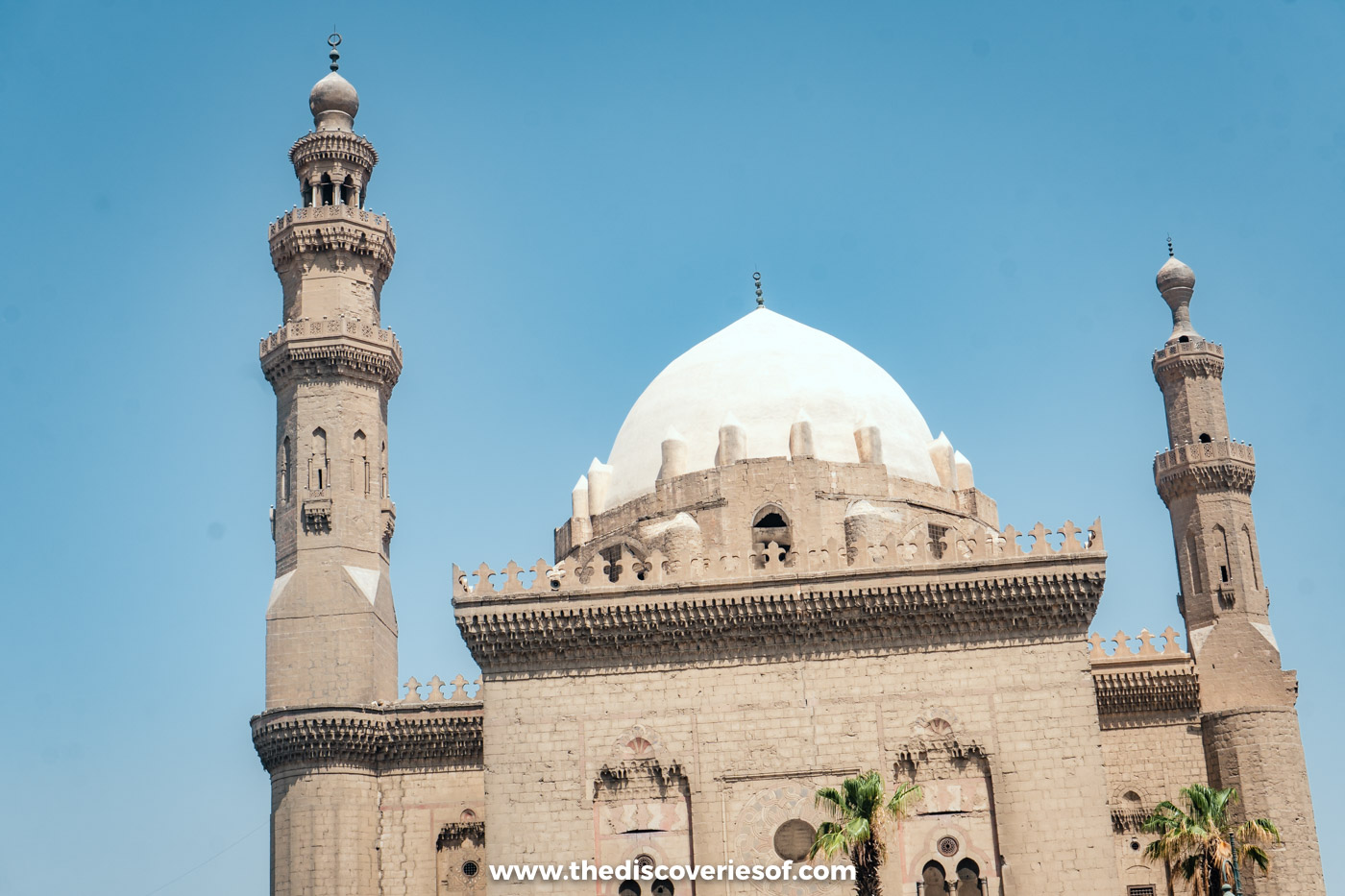
Don’t leave without visiting the two great mosques right below the Citadel on Salah al-Din Square. The Mosque-Madrasa of Sultan Hassan, built between 1356 and 1363, is one of the largest and most impressive mosques of the medieval world. Step inside its vast courtyard and you’ll see four great vaulted halls (iwans), one on each side, where the four schools of Sunni Islamic thought (Hanafi, Hanbali, Maliki and Shafi’i) were taught.
Directly opposite, the al-Rifa’i Mosque looks medieval but was completed in 1912. It holds the tombs of members of Egypt’s royal family, including King Farouk, and of the last Shah of Iran. Both charge a separate entry fee, and it’s an easy walk from the square up to the Citadel entrance, or a short taxi ride round to the Salah Salem gate.
How to get to the Cairo Citadel
There’s no metro station close by, so the easiest way to reach the Citadel is by Uber, Careem or taxi: ask for the Citadel (al-Qal’a) entrance on Salah Salem road. From Downtown or Garden City, it takes 20 to 30 minutes, depending on the traffic.
It’s easy to combine with other sights in the area. The Mosque of Ibn Tulun and the Gayer-Anderson Museum are about 15 minutes’ walk west, the Museum of Islamic Art is a short taxi ride north, and Al-Azhar Park, with its sunset views back towards the Citadel, is just to the north-east. If you’d rather have a guide, this private tour of the Citadel, Old Cairo and Khan el-Khalili covers the Citadel and Coptic Cairo in a day.
Tips for visiting
- Go early: the Citadel opens at 8am, and the mosques are calm and the light is clear before the tour buses arrive mid-morning. It’s very exposed, so bring water and a hat in summer.
- Bring a card: the ticket office is cashless, but have small notes for the shoe attendants and toilets.
- Dress for the mosques: cover shoulders and knees, and bring a scarf.
- Prioritise: if you’re short on time, do the Mosque of Muhammad Ali, the terrace views and the Mosque of al-Nasir Muhammad, and leave the museums.
Watch my Egypt video
Subscribe on YouTube and discover new destinations.
Where to stay
Garden City and Downtown are the most convenient bases for Islamic Cairo, about half an hour from the Citadel by car. I spent my last night at the Kempinski Nile Hotel Garden City (read my Kempinski Nile Hotel review), and my guide to the best places to stay in Cairo has options for every budget.
Map
Read next
- The best things to do in Cairo, from royal mummies to medieval bazaars
- 2 days in Cairo: a Cairo itinerary from pyramids to bazaars
- Best museums in Cairo: from royal mummies to Tutankhamun
- Coptic Cairo: a walking route through its churches
- Pyramids of Giza: how to visit (and whether to go inside the Great Pyramid)
- The best day trips from Cairo
Love this? Save and share on Pinterest


Discover the top things to do, insider tips and hidden gems in our Egypt Travel Guide.
Read the guides →