The overnight sleeper train is the classic way to travel the length of Egypt: you board in the evening in Giza and wake up beside the Nile in the deep south. Here’s how the Cairo to Aswan sleeper train works, which station to use, what the cabins and fares are like, how to book, and whether it beats flying.
If you’re OK with something slower (and a bit more rattly, if we’re honest) than a domestic flight, the sleeper train is a brilliant way to get between Egypt’s big sights.
I took it twice on my trip in late May and early June: south from Giza to Aswan after my first days in Cairo and Giza, and back north from Luxor at the end. I enjoyed it: it was really comfortable, and it was lovely waking up to those views when I was almost in Aswan. It also saves you a hotel night, it doubles up as travel and experience, and you wake up at your next stop instead of losing half a day to airports.
Would I do it both ways again? No. Take the sleeper one way and fly the other, and you get the experience without spending two of your nights on a train.
Here’s everything you need to know to plan your journey.
At a glance
- Operator: Abela Trains, which runs the sleeper service for Egyptian National Railways.
- Route: Cairo Upper Egypt (Bashtil) station, then Giza, Luxor and Aswan, plus the same route in reverse.
- Journey time: about 13 hours from Giza to Aswan, about 10 hours from Giza to Luxor and about nine and a half hours from Luxor back to Giza.
- Departures: daily, in the evening, with breakfast served before you arrive the next morning.
- Fares: from about US$110 per person in a shared two-berth cabin, or about US$150 for a cabin to yourself, one way, including dinner and breakfast.
- Booking: online with Abela or its app, through an agent, or at Abela’s station offices. Book early, as cabins sell out.
- Best for: travellers who’d rather wake up at their next stop than lose half a day to airports.
How the sleeper train works
Egypt’s sleeper trains belong to Egyptian National Railways, which contracts out the running of them. Abela, which first ran the service for decades, took it back in 2023 from Watania Sleeping Trains, so you’ll still see the Watania name on older blogs and booking sites. The carriages themselves are veterans, built in the early 1980s, and Abela has been refurbishing a growing number of them as Elite cars.
The sleepers run every evening between the capital and the south. They make their first big stop at around 6am and reach the end of the line in the middle of the morning. The return trains leave in the late afternoon, pick up more passengers along the way in the evening and arrive back around dawn.
Top Tip
The trains run on what my guide called “Egyptian time”. They can leave and arrive earlier than the timetable says, as well as later, so get to the station an hour to an hour and a half before your departure.
The current timetable
These are the regular southbound trains. Times can change, so check them when you book.
- Train 86 (daily): Cairo Upper Egypt 19:45, Giza 20:15, Luxor 06:10, Aswan 09:25.
- Train 82 (daily): Cairo Upper Egypt 21:10, Giza 21:40, Luxor 07:50, Aswan 11:10.
And the regular northbound trains:
- Train 83 (daily): Aswan 16:20, Luxor 19:45, Giza 05:10, Ramses 05:30.
- Train 87 (daily): Aswan 17:15, Luxor 20:35, Giza 06:05, Cairo Upper Egypt 06:25.
Extra trains run on some days and as demand requires, including a service to and from Alexandria twice a week.
Which station? Giza, not Ramses
This is the bit that catches people out. The sleepers don’t leave from Ramses, the city’s main station in the centre. When I went, tourists had to board their designated train at Giza station, and that’s where I caught mine. Today, southbound sleepers start at Cairo Upper Egypt station, also known as Bashtil, a newer station on the west side of the river, and call at Giza around half an hour later.
Giza is the easier of the two to reach from the city centre, as it’s on the metro (Giza station, on line 2), and it’s the natural choice if you’re staying near the pyramids. Whichever you choose, triple check the station on your ticket before you set off, as it’s an expensive mistake to turn up at the wrong one.
When I visited, tourists were only allowed to book certain trains, with tourist police on board, and even a ticket for a non-tourist train wouldn’t get you on it. Foreigners can now buy tickets for the ordinary day and night trains too, at foreigners’ fares in US dollars, but they can’t be booked on the national railway’s website, so the sleeper is still by far the simplest option.
Cabins, beds and bathrooms
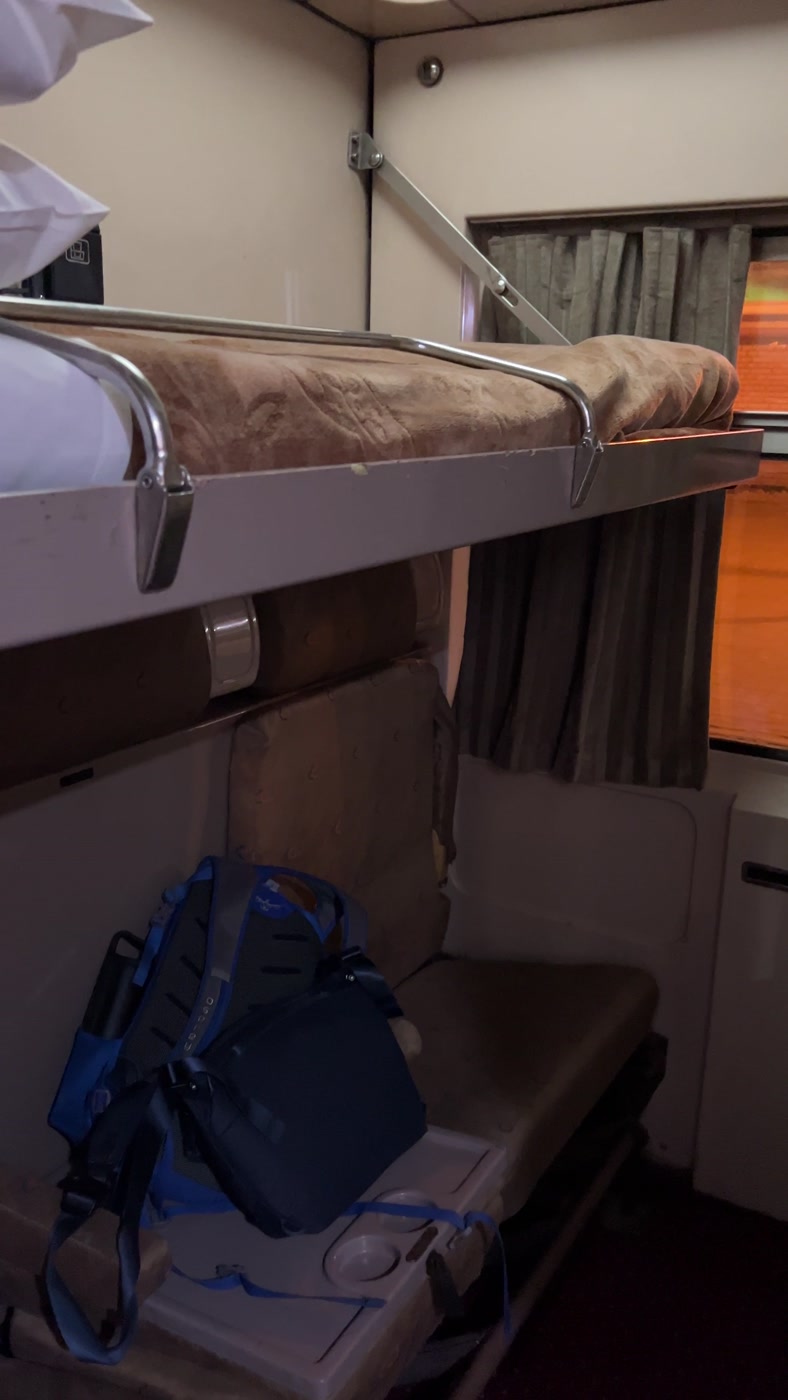
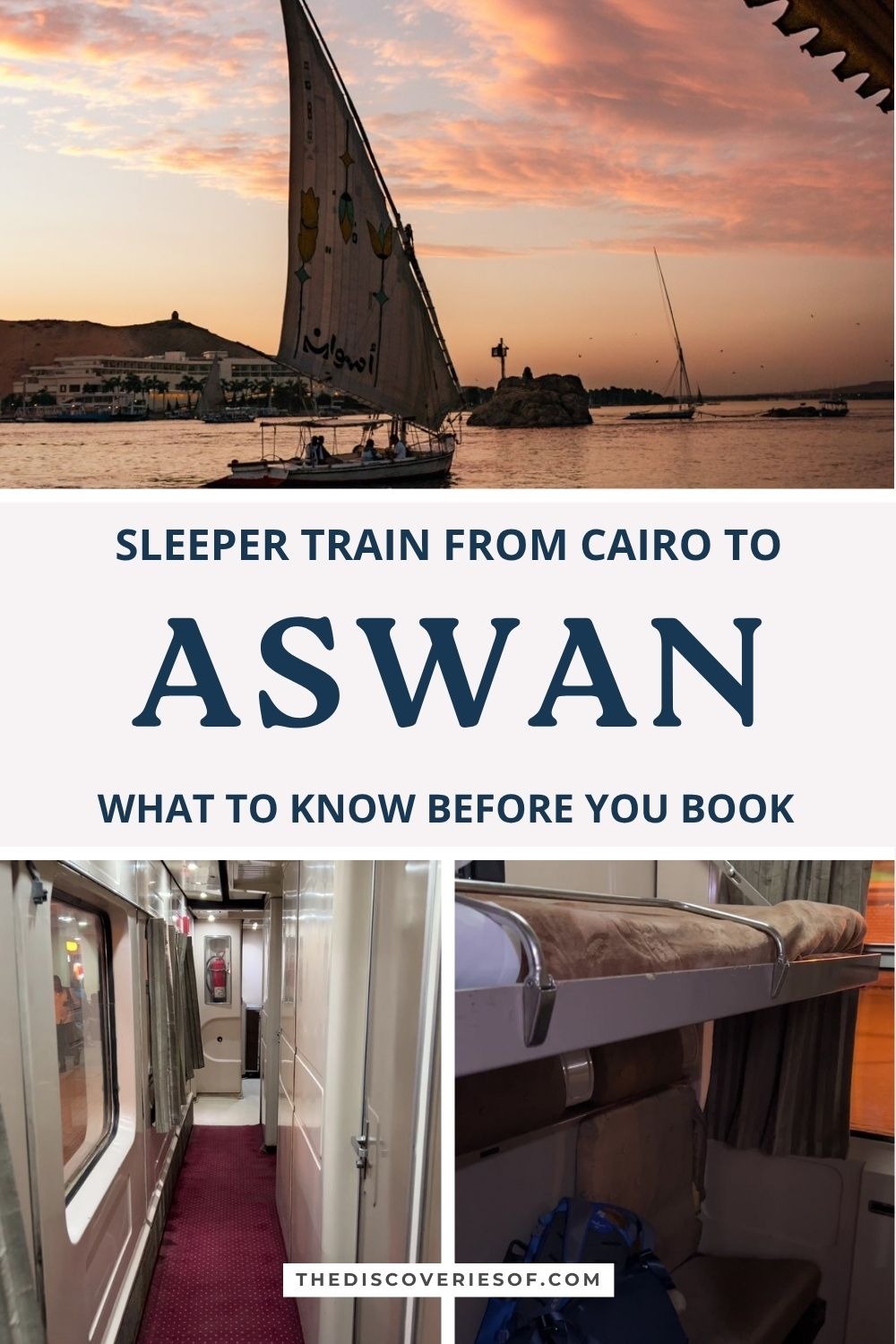
Every cabin is a lockable two-berth compartment with a washbasin in the corner, soap, towels and clean bedding. In the evening the beds are made up as bunks; during the day the lower berth folds away into seats, with a fold-down table between them. When I boarded, the top bunk was already made up, with the seats below still out for the evening. Your luggage goes in a large recess above the door, so a medium-sized case or a backpack is easier to manage than a huge suitcase.
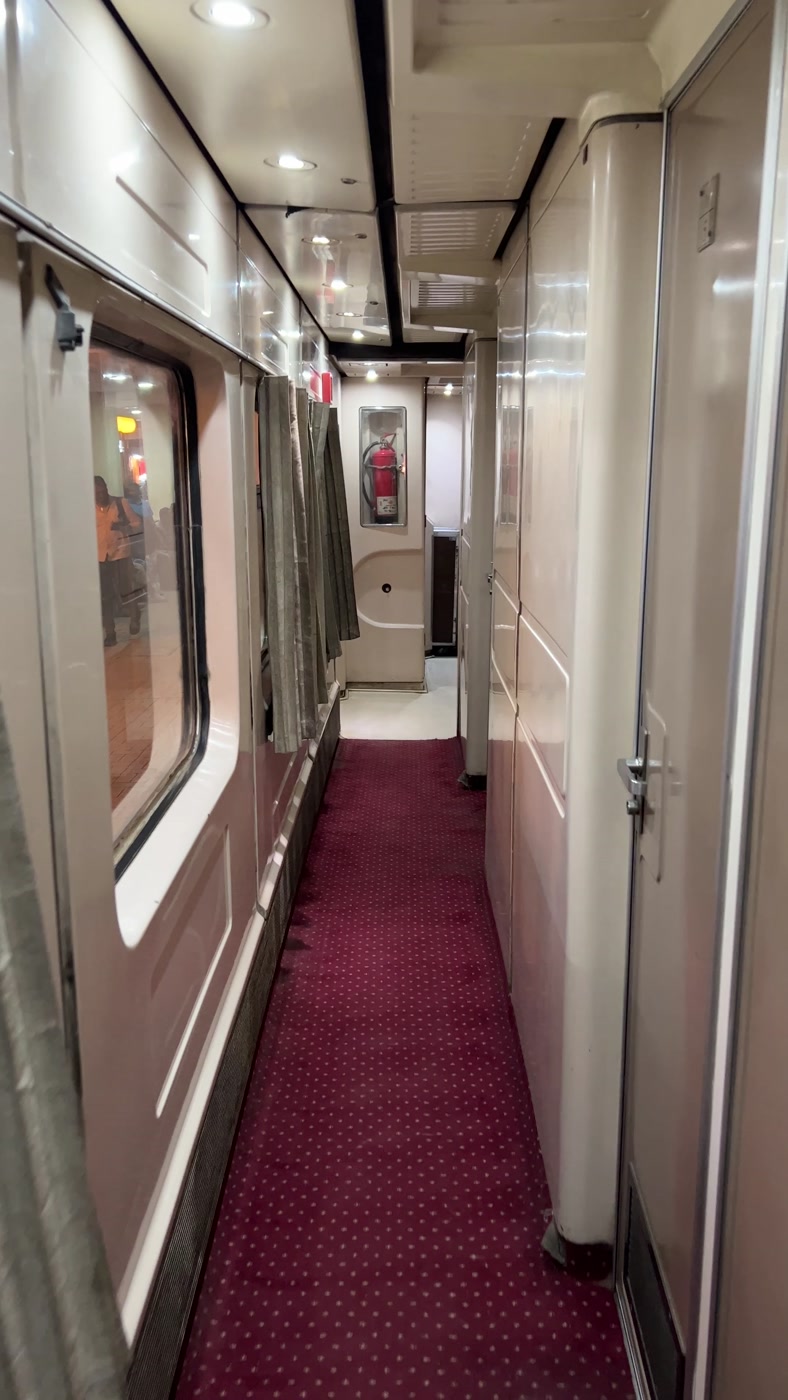
There are two classes, and the difference is the state of the carriage rather than the layout:
- Elite: the refurbished cars, with a charging socket near each berth.
- Standard: the older cars, with the same cabins but more wear and tear.
The toilets are shared, with two at the end of each carriage, and there are no showers. The toilets are cleaned at intervals through the journey, so they’re at their best soon after departure and before the breakfast rush. There’s no Wi-Fi on board, and smoking is only allowed in the vestibules between carriages.
If you’re travelling alone, you can either pay for a cabin to yourself or book a single berth in a shared cabin, in which case you’ll be paired with someone of the same gender.
Dinner and breakfast on board
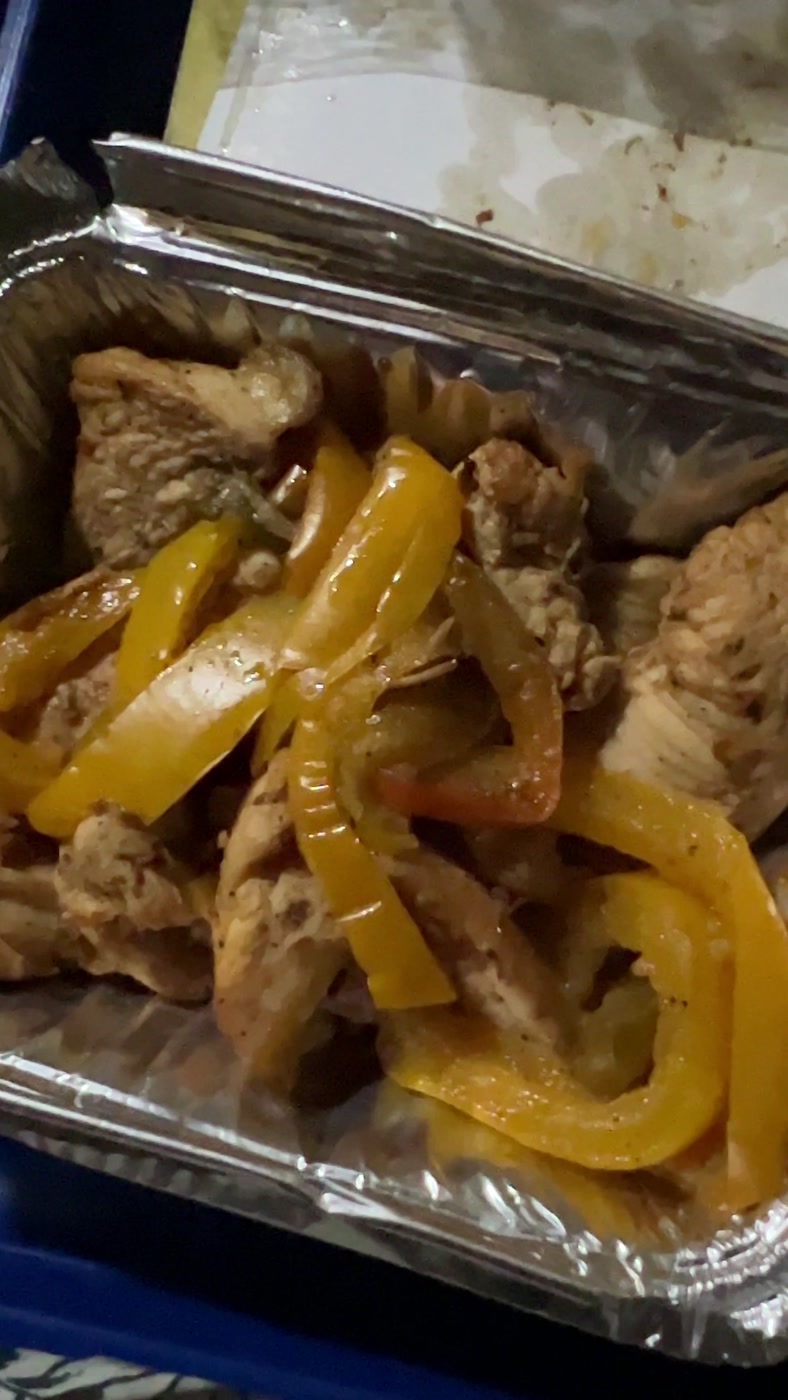
Your fare includes dinner and breakfast, both served in your cabin. Dinner is a tray meal that you choose when you book, and breakfast, usually an omelette with tea or coffee, arrives about an hour before you reach your stop.
There’s also a club car near the middle of the train, with tables and chairs, where you can buy tea, coffee and soft drinks. It doesn’t serve alcohol, so bring your own water and snacks for the evening.
What the sleeper costs
The sleeper is priced in US dollars for foreigners, and the fare is the same whether you’re going to Luxor or Aswan. Abela’s current one-way fares per person are about:
- Standard: US$110 sharing a two-berth cabin, or US$150 for sole occupancy.
- Elite: US$125 sharing, or US$170 for sole occupancy.
- Children: about US$70 for ages 4 to 9; under-4s travel free but don’t get their own berth.
A return trip is simply two one-way fares. Agents add a mark-up, and some don’t make it clear whether you’re buying Elite or Standard, so check before you pay.
Top Tip
If you’re planning a trip around the total solar eclipse on 2 August 2027, when Luxor is on the path of totality, book the sleeper as early as you can. Fares for that week are far higher than usual, and cabins will go fast.
How to book your cabin
Booking usually opens four to five months ahead, and the most popular dates (the cooler months from October to April, and Egyptian holidays) sell out well in advance. Your options:
- Abela’s website or app: the direct route. Choose “Bed Elite class” or “Bed Standard class”, pay by card and you’ll get an e-ticket by email. The site can be slow and quirky, so give yourself time.
- An agent: sites such as Trains Egypt, 12Go and Bookaway sell sleeper tickets in pounds, euros or dollars, with a mark-up. Note that Trains Egypt sells from Cairo Upper Egypt, not Giza.
- In person: Abela has offices at the main stations on the route, and you can pay in US dollars, euros or pounds sterling.
- On a tour: many group tours build the sleeper into the itinerary. Mine did, on Intrepid’s Egypt Adventure, which took the train south to Aswan and back north from Luxor.
Keep your e-ticket on your phone, or print it, so you can show it on the platform.
Arriving at your stop
If you’re going all the way to Aswan, there’s no danger of missing your stop: it’s the end of the line. The station is on the northern edge of the city centre, a short taxi ride from the Corniche and most hotels. You’ll arrive in the middle of the morning, which leaves most of the day free: on my first day in the south, I headed out by boat to Philae Temple, which is a gorgeous way to start.
If you’re getting off at Luxor, be packed and ready early. The train pulls in at around 6am and doesn’t hang around.
On the platform, don’t show your ticket or give your name to anyone offering to help. A common scam is to note your details and arrange for someone to “meet” you at your destination with an overpriced taxi or a hotel you didn’t book.
Coming back: Luxor to Giza
The northbound sleeper is just as easy to use as a way back to the capital at the end of your trip. I took it from Luxor on my last night in the south, after a day that started with a hot air balloon at dawn, and arrived in Giza early the next morning in time for a full last day of sightseeing.
It works, but having done it both ways, this is the leg I’d swap for a flight. After a week of early starts, a proper bed and a one-hour flight are a better end to the trip than a second night on the rails. If you’re starting your trip in the south instead, flip it: fly down, and take the sleeper north.
Sleeper train or flight?
You can get between the capital and the south by bus, plane or train, and for most people it comes down to the sleeper or a flight.
- Fly if you’re short on time. EgyptAir’s flights to Aswan take about an hour and 20 minutes, and to Luxor about an hour, and fares are reasonable if you book ahead. Remember to add the time it takes to get to and from both airports.
- Take the sleeper if you’d like to save a hotel night and wake up at your next stop, and you don’t mind a bit of a rattle. It’s also the more memorable way to cover the distance.
- Do both, as I’d recommend: the sleeper one way and a flight the other.
A Nile cruise or a felucca is the other classic way to travel between Aswan and Luxor, though not from the capital. My guide to Nile cruises covers the options.
Tips for a comfortable journey
- Arrive early: an hour to an hour and a half before departure, as the trains can leave early.
- Pack a small overnight bag: keep your toothbrush, a change of clothes, a layer in case the air conditioning is chilly and your chargers to hand, so your big bag can stay in the recess above the door.
- Bring earplugs and an eye mask: the train is a bit rattly, and you may be sharing a carriage with early risers. My Egypt packing list has my picks.
- Bring water and snacks: the club car sells hot and soft drinks, but there’s no alcohol and not much food beyond your meals.
- Carry toilet paper and small notes: handy for the train, the stations and the rest of your trip.
Watch my Egypt video
Subscribe on YouTube and discover new destinations.
Map
Read next
- 10 days in Egypt: an Egypt itinerary by train and felucca
- Intrepid Egypt Adventure review: is a group tour worth it?
- Things to do in Aswan: temples, Nubian culture and the Nile
- 23 best things to do in Luxor, from sunrise balloons to painted tombs
- Egypt travel tips: 25 things to know before you go
- How much does it cost to travel to Egypt?
Love this? Save and share on Pinterest

Discover the top things to do, insider tips and hidden gems in our Egypt Travel Guide.
Read the guides →