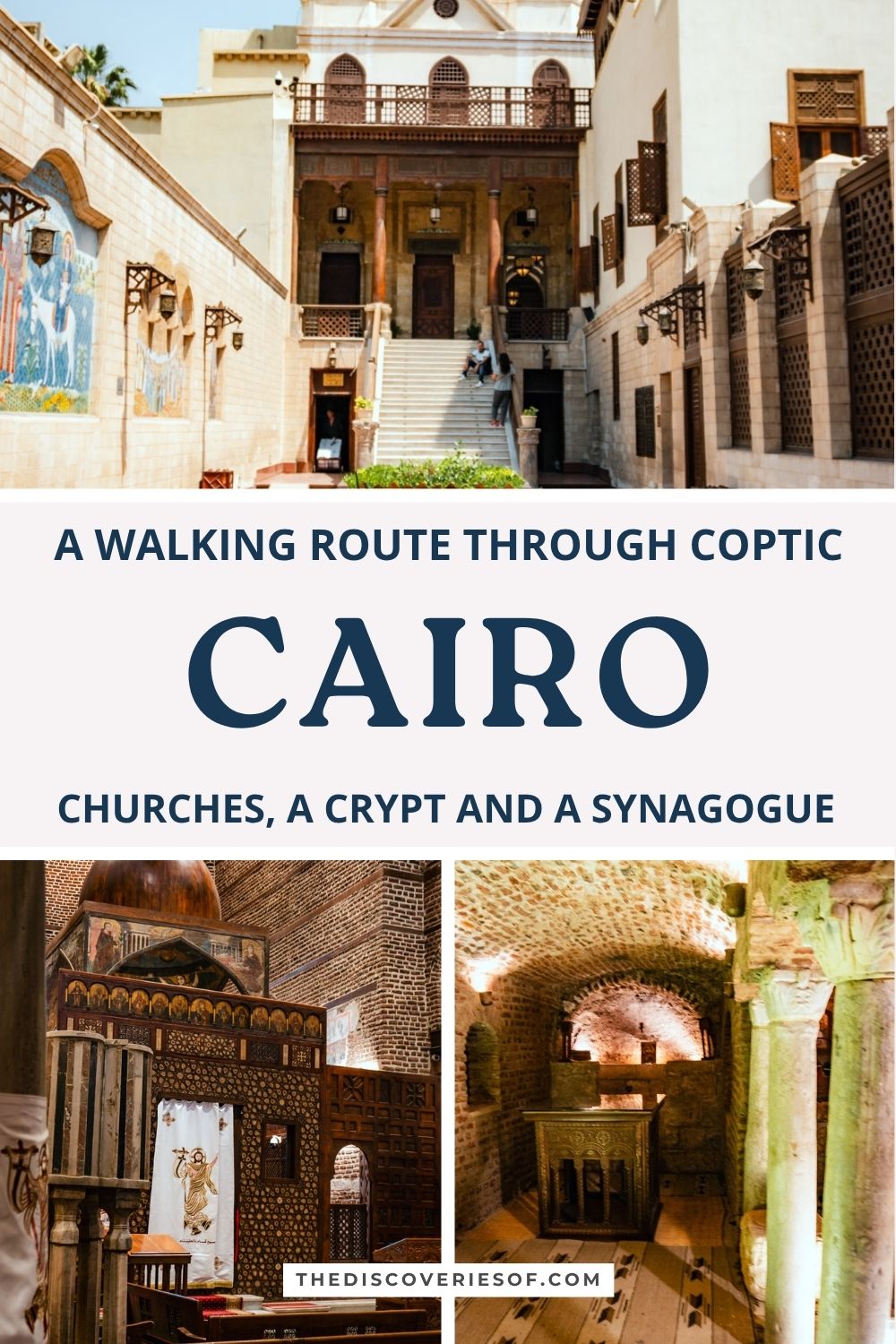
Hidden inside the walls of a Roman fortress, Coptic Cairo packs churches, a synagogue, a world-class museum and a crypt where the Holy Family is said to have sheltered into a few quiet lanes. Here’s a walking route through the highlights, with what to look out for at each stop and how to plan your visit.
Step off the metro at Mar Girgis and the roar of the city drops away. In front of you are the round towers of a Roman fortress, and behind them, a maze of sunken lanes, high walls and church domes that has been the heart of Egypt’s Christian community for more than 1,500 years.
Coptic Cairo, part of the area known as Old Cairo, was one of the last places I explored in the city. On my final day, after a morning at the Citadel and a falafel lunch, I spent the early afternoon wandering between the Church of St George, the Church of St Sergius and St Bacchus, the Ben Ezra Synagogue, the Coptic Museum and the Hanging Church, before heading on to the National Museum of Egyptian Civilisation, a short ride away.
It’s compact enough to see in a morning or an afternoon, but there’s a lot of history packed into it, and it’s easy to walk past the best bits without realising. So here’s a route that takes in the main sights in a logical order, with the history behind each one.
At a glance
- Where: Old Cairo, about 5 km south of Downtown, on the east bank of the Nile.
- Getting there: take metro line 1 to Mar Girgis station, which is right outside, or an Uber or taxi (around 20 minutes from Downtown, traffic permitting).
- Opening hours: the churches are generally open from about 9am to 4pm or 5pm, and the Coptic Museum from 9am to 5pm. Services take priority, so visit quietly if one is under way.
- Tickets: the churches and the synagogue are free (donations are welcome); the Coptic Museum costs 280 EGP, paid by card.
- Time needed: two to three hours, or half a day with the museum.
- Dress code: cover shoulders and knees; a scarf is useful.
- Photography: allowed in the churches and most of the museum, but not inside the Ben Ezra Synagogue.
A little history
Long before there was a Cairo, there was Babylon. The Romans built a fortress here beside the Nile, guarding a canal that linked the river to the Red Sea, and around AD 300 the emperor Diocletian rebuilt and expanded it. Its walls became the shelter of one of the oldest Christian communities in the world, the Copts, who trace their church back to St Mark in the first century.
According to Coptic tradition, the Holy Family came here too, on their flight into Egypt, and sheltered in a cave on the spot where the Church of St Sergius and St Bacchus now stands. The fortress held out for about seven months against the Arab army of Amr ibn al-As before it fell in 640, and the new city of Fustat grew up around it, the first Islamic capital of Egypt and the ancestor of today’s Cairo.
The churches inside the walls survived fires, floods and centuries of rebuilding, and today they share the old enclosure with a synagogue and the Coptic Museum, which is why the area is sometimes called the Religions Complex.
A walking route through Coptic Cairo
1. The towers of the Babylon fortress
Coming out of Mar Girgis station, the first thing you’ll see is a pair of massive round towers, the best-preserved part of the Roman fortress. The canal from the Nile once ran between them, which shows how far the river has shifted since: the riverbank is now several hundred metres to the west.
The round building on top of the northern tower is the Greek Orthodox Church of St George, one of the most unusual churches in the city, and I went inside before heading into the lanes. Much of the old quarter behind it sits below today’s street level, so you’ll find yourself stepping down into the past as you explore.
2. The Hanging Church
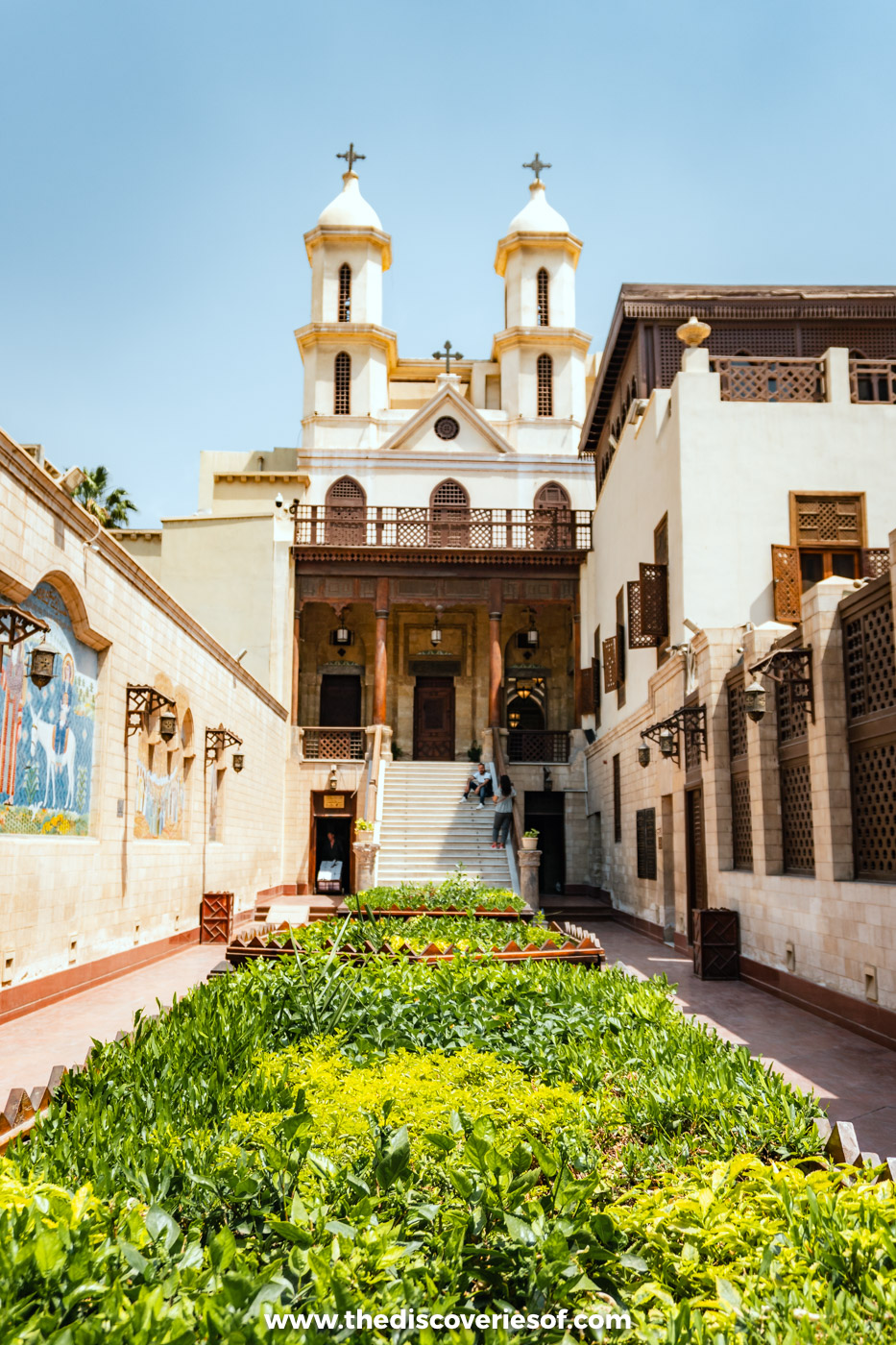
A few steps south along the main street, the Church of the Virgin Mary is better known as the Hanging Church (al-Muallaqa), because it was built on top of the southern gatehouse of the fortress, so its nave is suspended above the old passage below. Look for the glass panels in the floor that let you peer down into the gate.
There’s been a church here since at least the seventh century, and possibly earlier, though most of what you see dates from a rebuilding by Pope Abraham in the 970s and later restorations, the most recent completed in 2011. From 1047, it was the seat of the Coptic Pope, after the patriarchate moved from Alexandria.
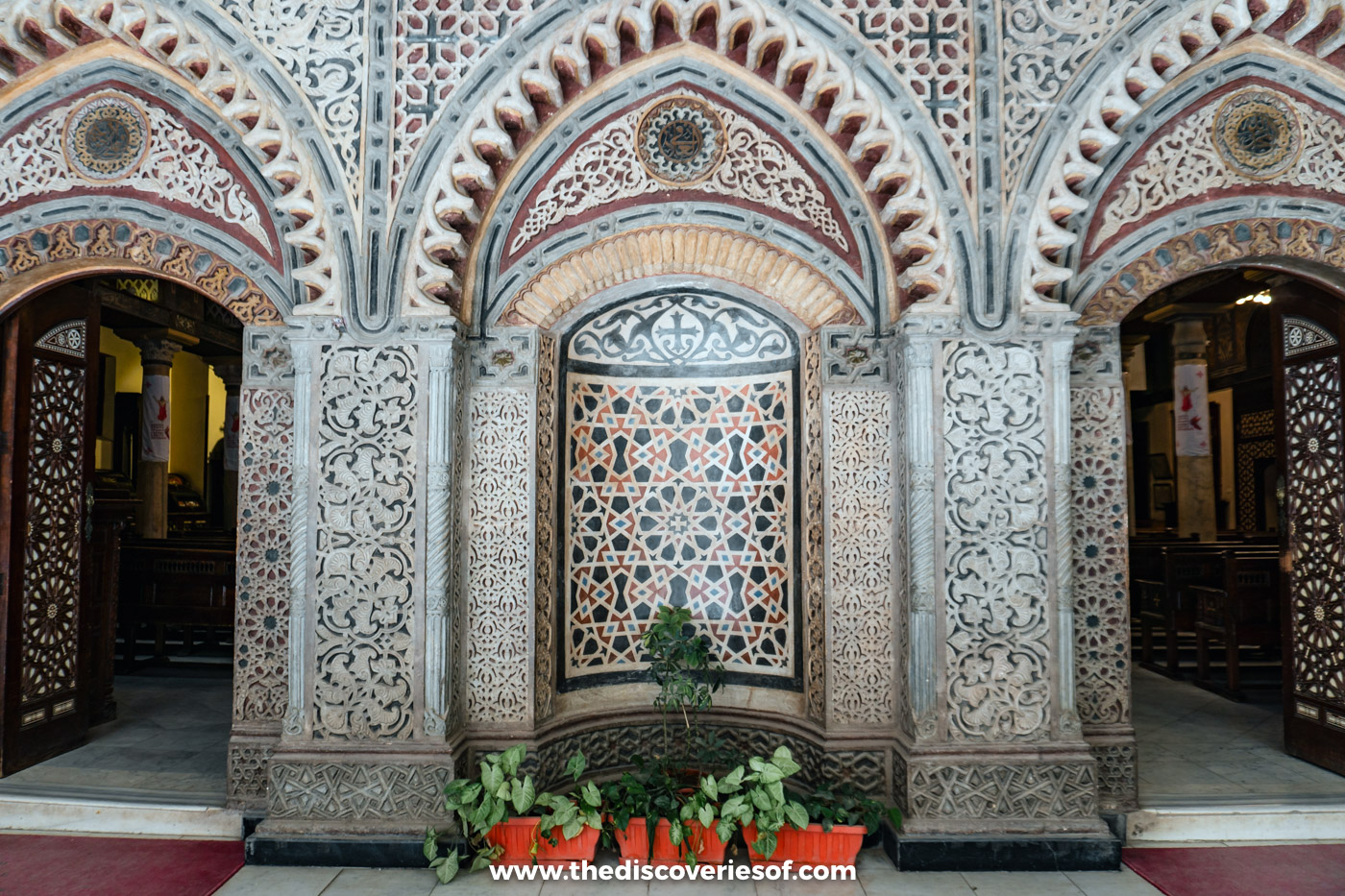
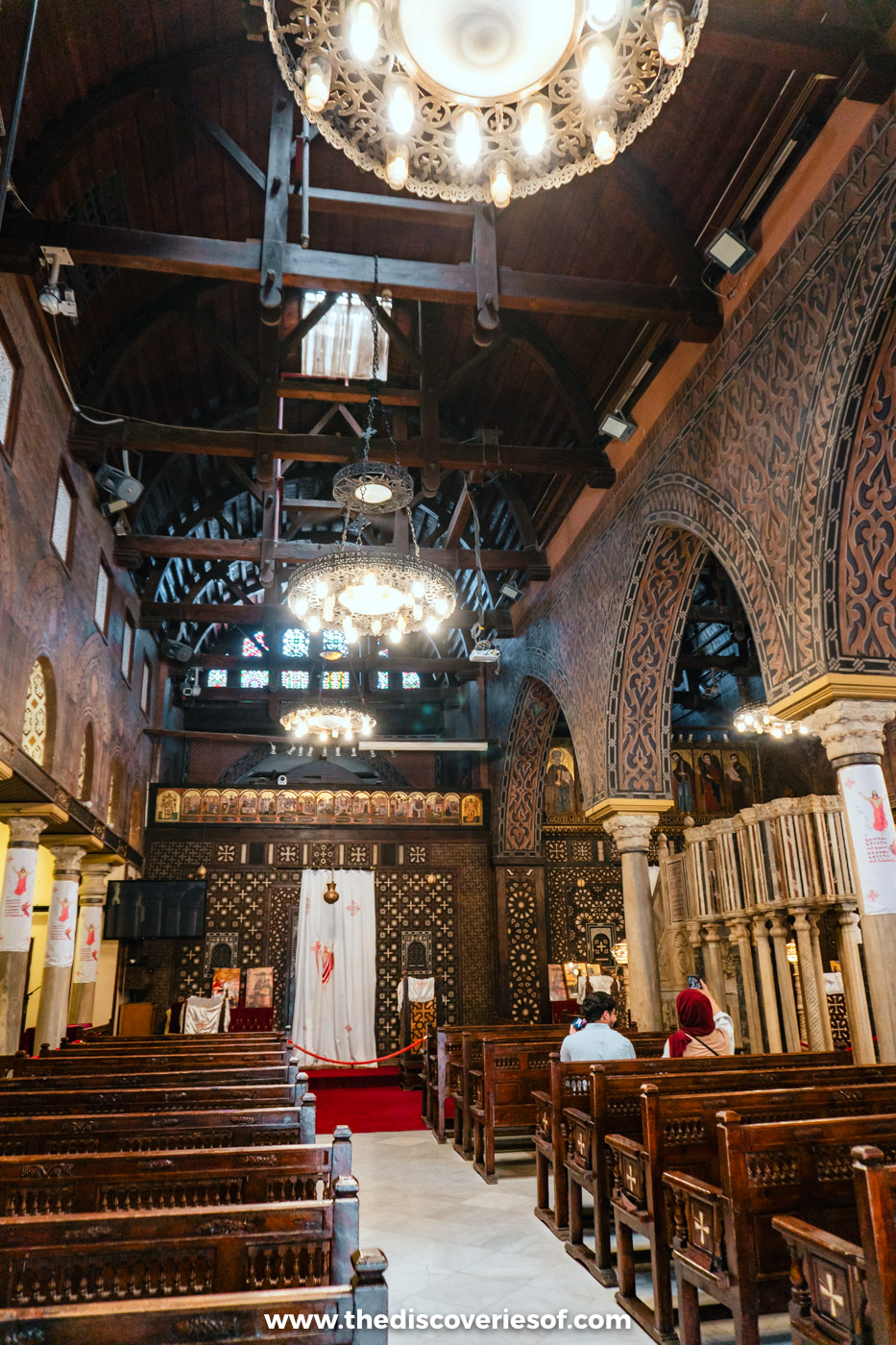
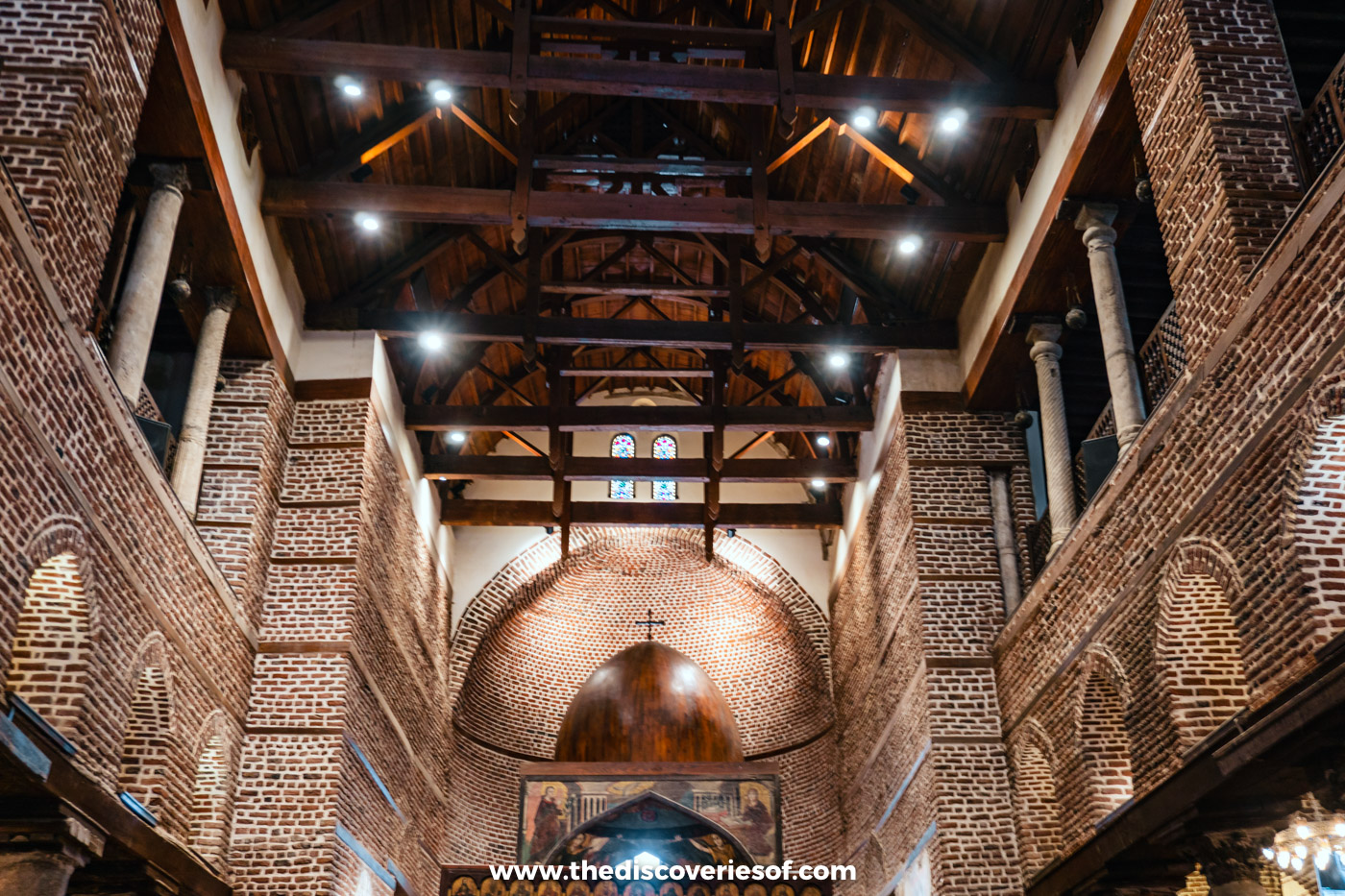
Climb the 29 steps through the courtyard to the carved facade. Inside, pay particular attention to the wooden roof, which is said to resemble Noah’s Ark, the marble pulpit raised on slender columns, and the screens of inlaid wood in front of the sanctuaries. The church has around 110 icons, the oldest from the eighth century.
3. The Coptic Museum
Right next door, the Coptic Museum has the world’s largest collection of Coptic Christian art, around 16,000 objects in all. It was founded in 1910 by Marcus Simaika, a Coptic notable who was determined to save the treasures of Egypt’s Christian past, and it sits within the walls of the Babylon fortress itself.
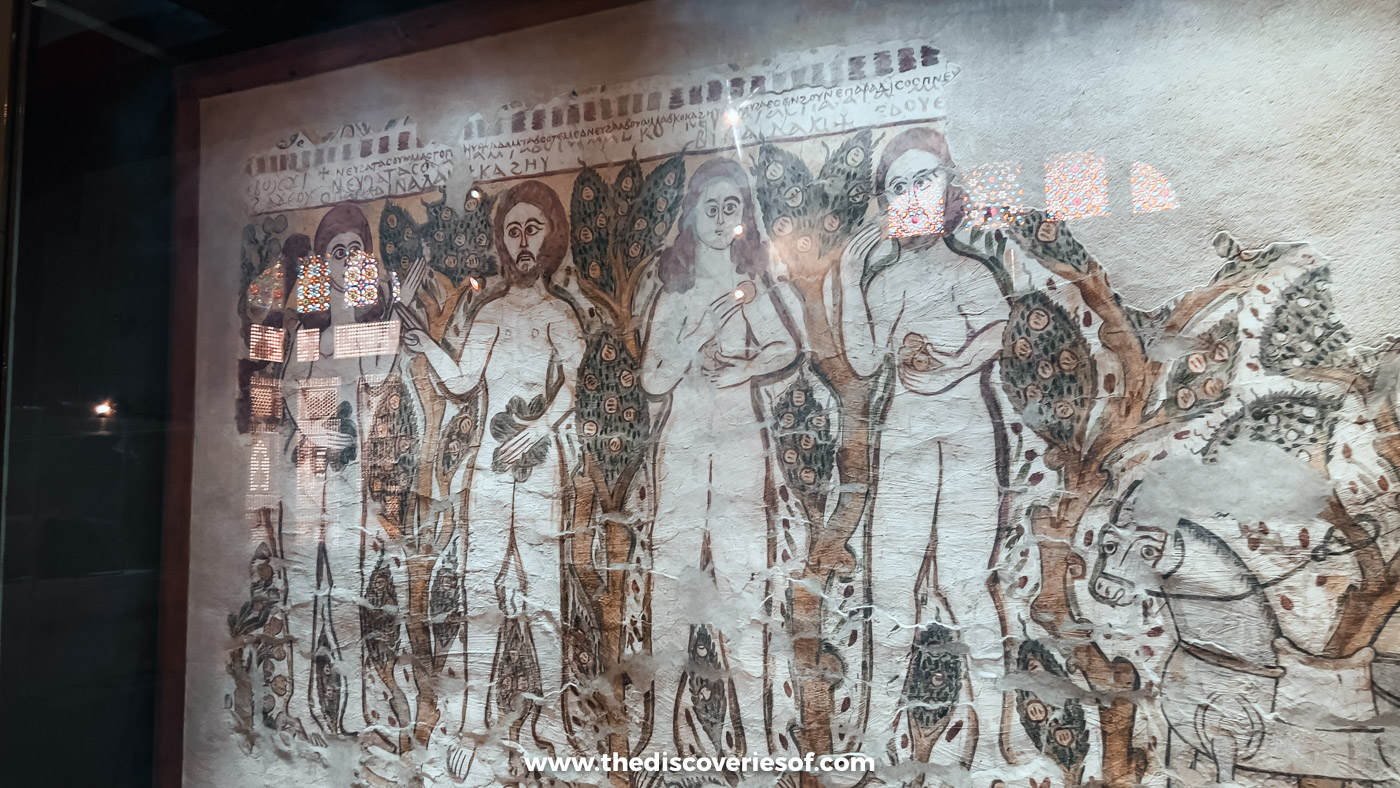
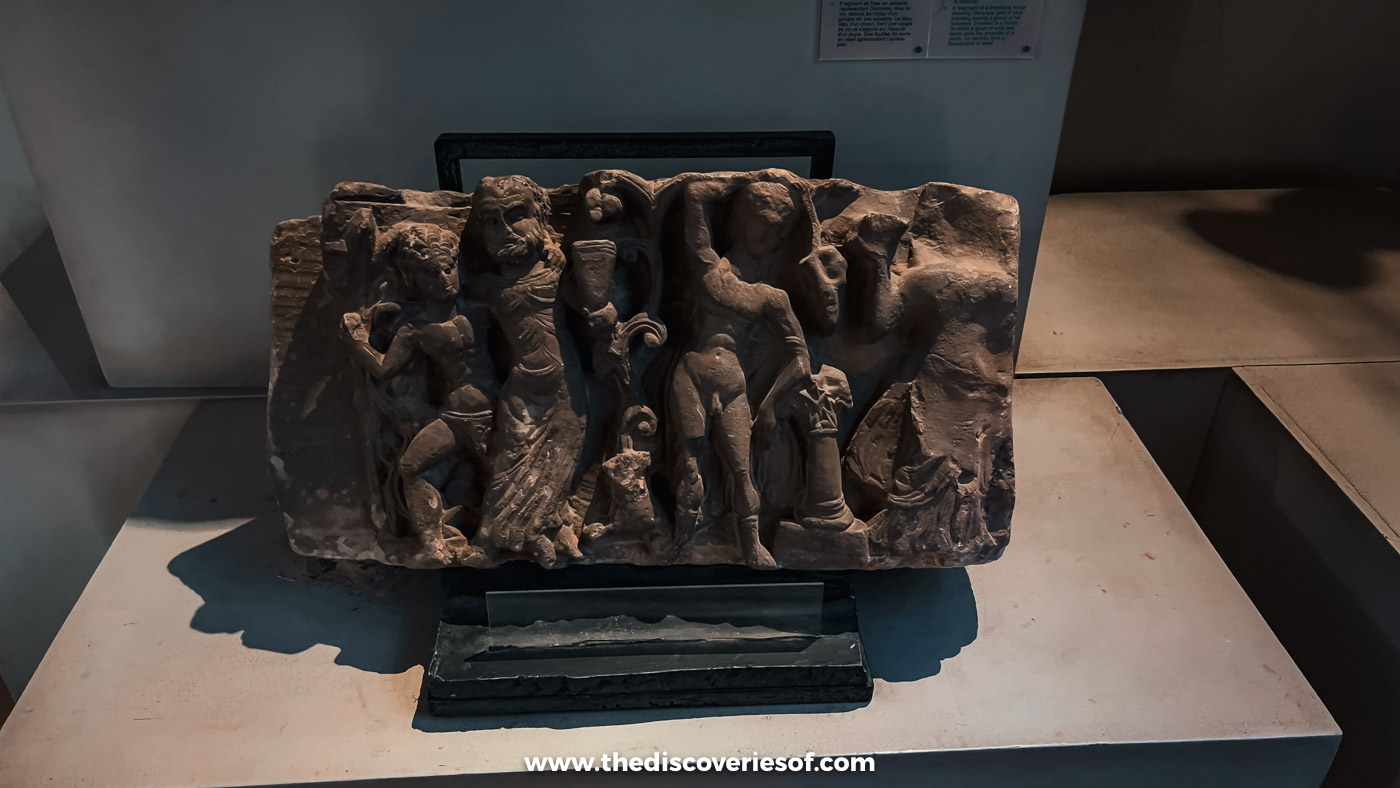
The galleries cover the centuries between the pharaohs and Islam, when Egyptian art took on Greek, Roman and Christian influences: carved stone friezes, textiles, icons, manuscripts and metalwork. Look out for the painted apses from the monastery of Bawit, with Christ enthroned above the apostles, and the 10th or 11th-century wall painting of Adam and Eve from a monastery church at Tebtunis in the Fayoum, which shows them eating the fruit and then covering themselves with leaves.
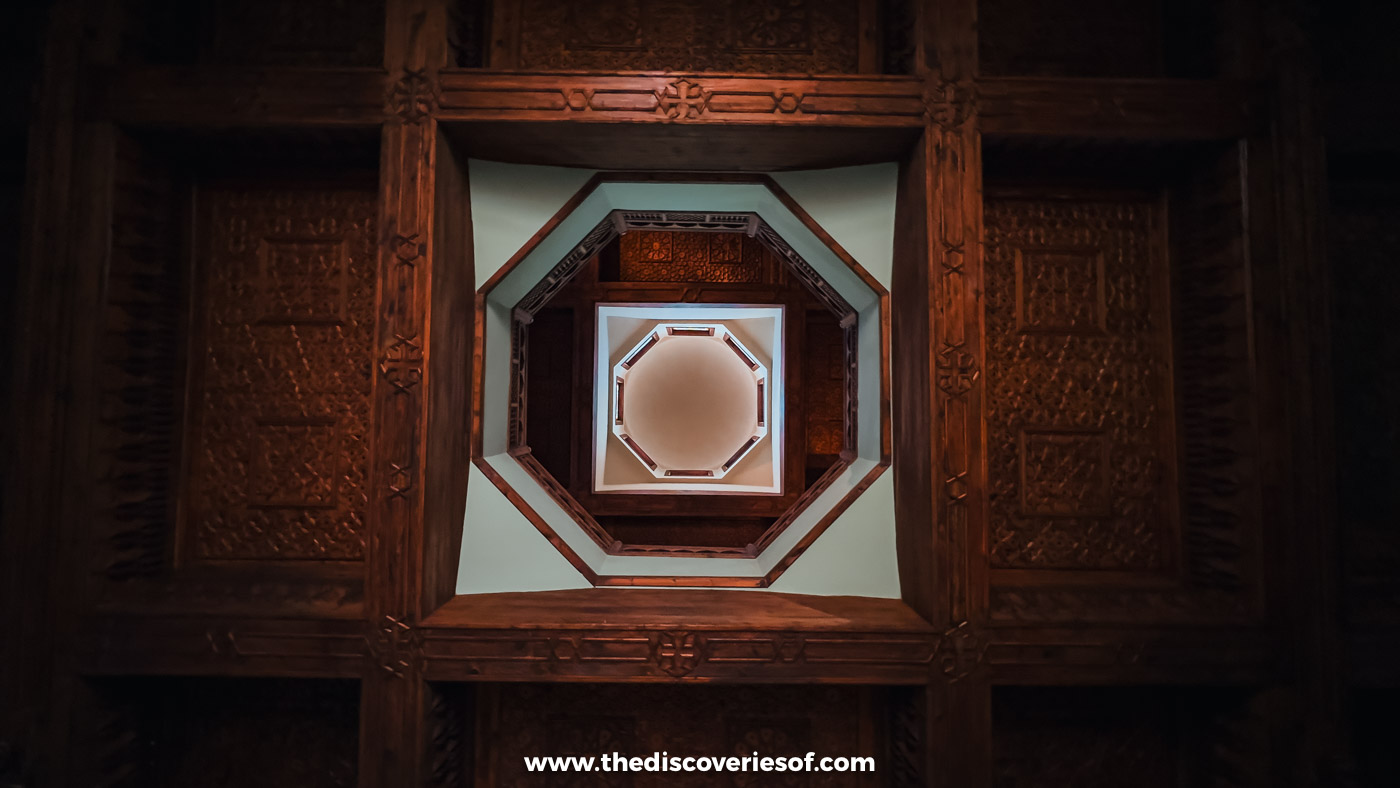
The building itself is worth a look too. Its carved wooden ceilings and mashrabiya screens were salvaged from old Cairene houses, and the garden is a calm place to sit. Tickets cost 280 EGP, and you’ll want at least an hour, or longer if you love early Christian art.
4. The Church of St Sergius and St Bacchus
From the main street, a flight of steps leads down through a gateway into the old Coptic quarter, a warren of narrow, sunken lanes. A few minutes’ walk in, the Church of St Sergius and St Bacchus, known as Abu Serga, is one of the oldest churches in the city. It’s named after two Roman soldiers martyred in the fourth century for refusing to renounce their faith.
Parts of the church may date back to the fourth or fifth century, though it was badly damaged in the great fire of Fustat in 750 and rebuilt several times since. Between the seventh and 11th centuries, several Coptic patriarchs were chosen and enthroned here.
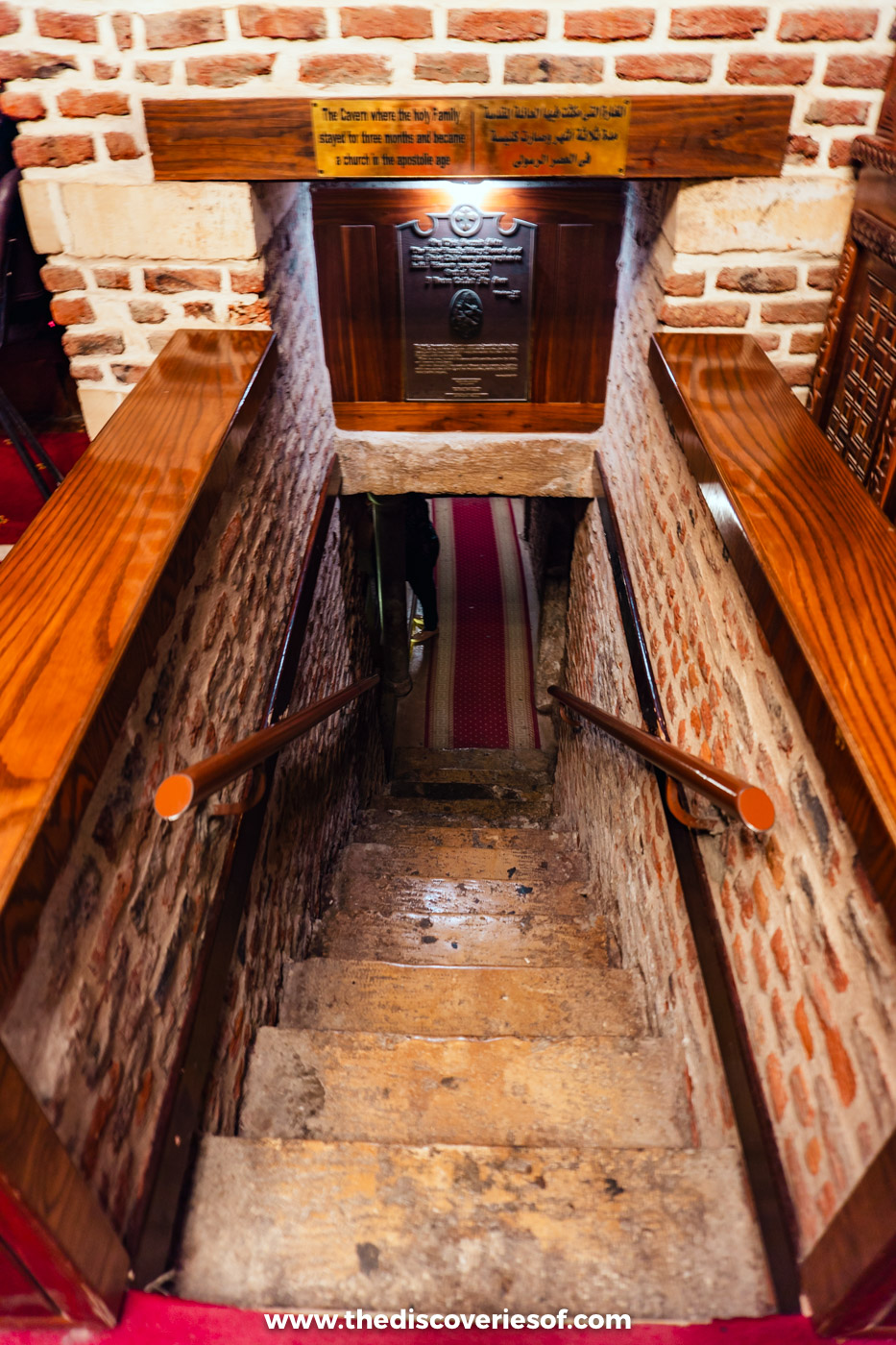
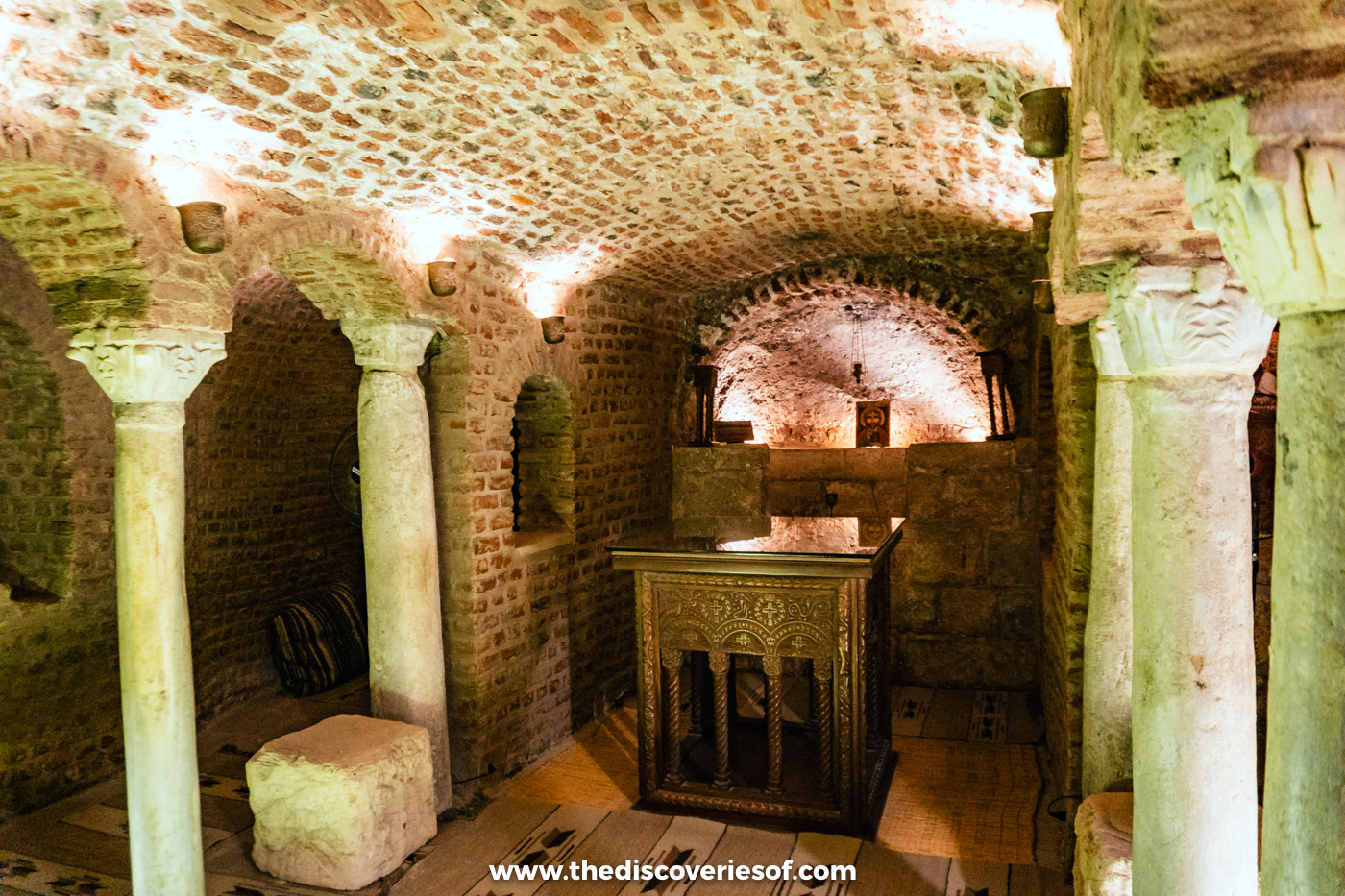
The real draw is underneath. Below the altar, steps lead down to the crypt where, according to tradition, the Holy Family sheltered for around three months at the end of their journey into Egypt. Rising groundwater has flooded it in the past, and conservation work in the early 2000s and in 2016 was needed to keep it dry.
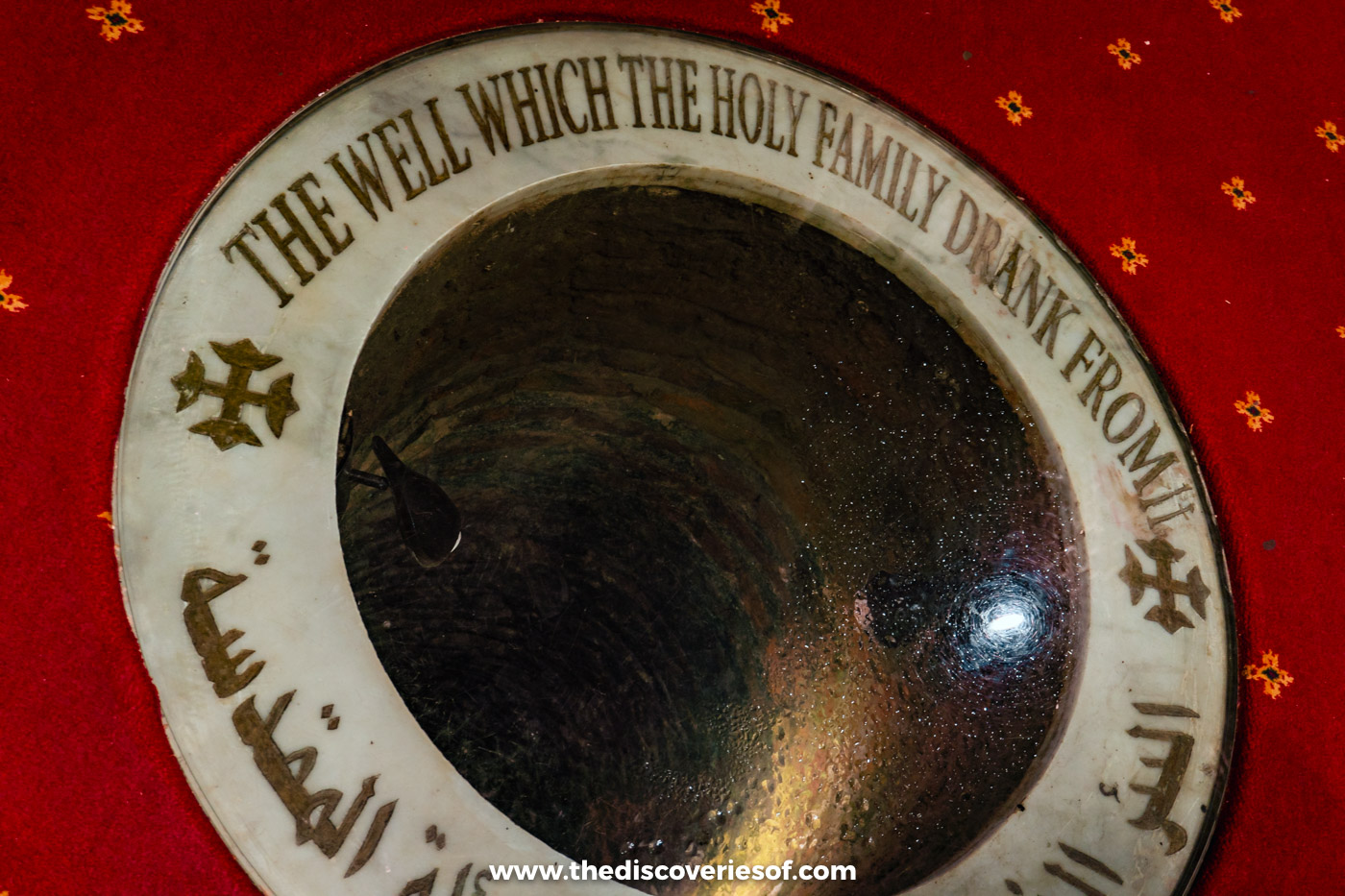
Before you leave, look for the well marked “the well which the Holy Family drank from”, set into the floor.
5. The Church of St Barbara
A short walk further along the lane, the Church of St Barbara is dedicated to a young woman said to have been martyred by her own father for her faith, and it’s said to hold her relics. It’s quieter than its neighbours, with fine woodwork and icons, and makes a peaceful stop between Abu Serga and the synagogue.
6. The Ben Ezra Synagogue
At the end of the lane, the Ben Ezra Synagogue is one of the most important Jewish sites in Egypt. According to local tradition, it stands near the spot where the infant Moses was found among the reeds, and the building that stands today goes back to a rebuilding in the 11th century, with major restorations in the 1890s and the 1980s and 1990s.
It’s famous for the Cairo Geniza, a storeroom where for centuries the community placed worn-out documents that bore the name of God rather than throwing them away. When scholars, including Solomon Schechter of Cambridge, uncovered it in the 1890s, it held some 300,000 manuscript fragments, a treasure trove that revealed centuries of everyday life in the Mediterranean world. I went in, but photography isn’t allowed inside, so you’ll have to take my word for it.
Top Tip
If you’d like a guide, this Old Cairo walking tour with street food brings the history to life, with plenty of snacks along the way.
7. Extend your walk: the Mosque of Amr ibn al-As
About 10 minutes’ walk north of the fortress, the Mosque of Amr ibn al-As stands on the site of the first mosque built in Egypt, founded in 641 or 642 by the general whose army took the fortress. It has been rebuilt and enlarged many times, so little of the original survives, but its vast courtyard and forest of columns are a striking contrast with the churches you’ve just seen.
From here, it’s a short taxi ride to the National Museum of Egyptian Civilisation and its Royal Mummies Hall, which is exactly what I did. The two pair perfectly in a day.
Where to eat
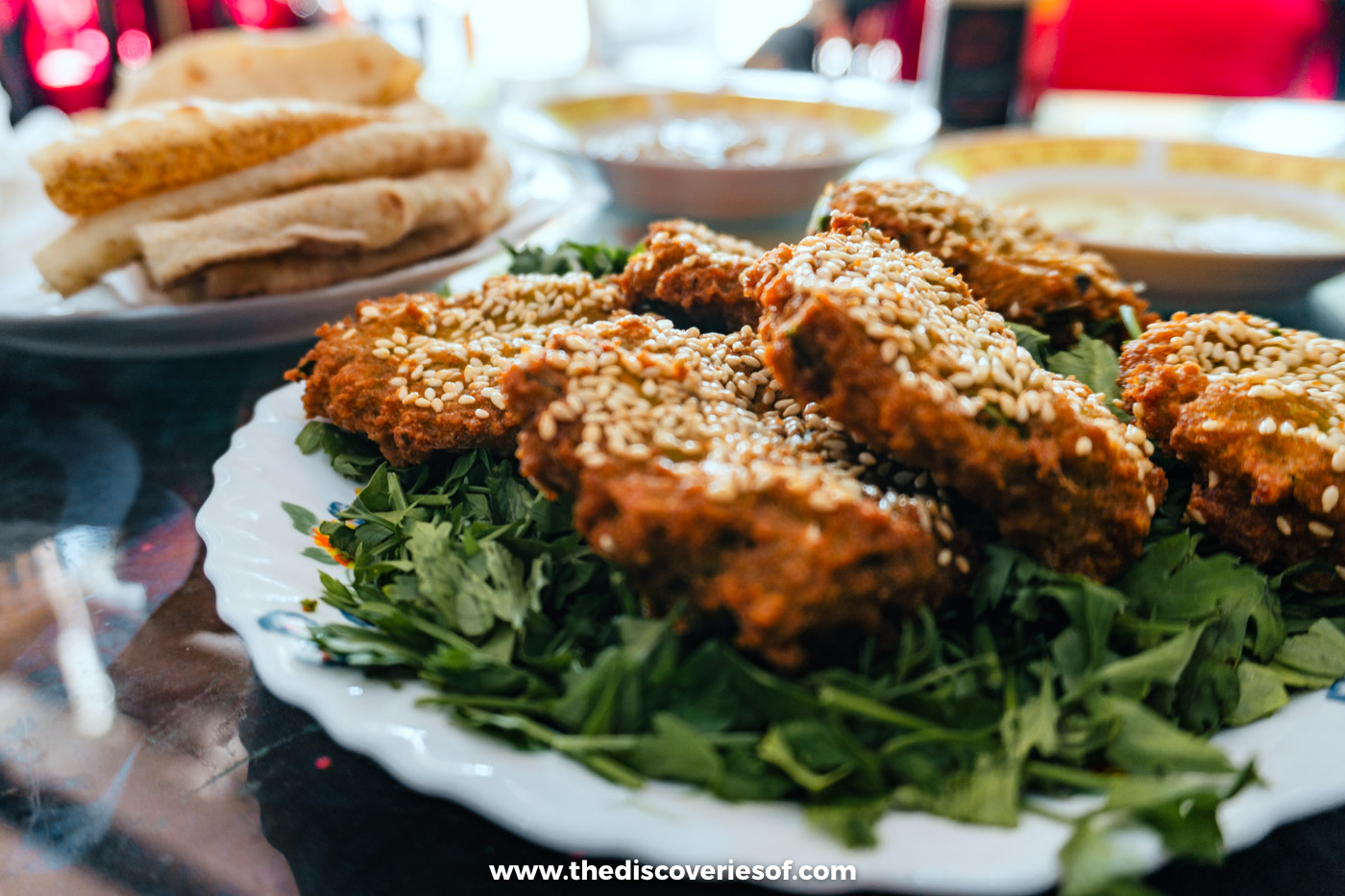
One of the best ways to get under a country’s skin is through its food, and on that front, I have three words for you: THE FALAFEL. Drool. Here it’s made with fava beans rather than chickpeas and called ta’ameya, and I had a plate of it with bread and dips for lunch before exploring. Don’t leave the city without trying koshari, too: rice, lentils, pasta and chickpeas under a spicy tomato sauce and crispy onions.
Tips for visiting
- Go in the morning: the lanes are quietest early on, before the tour groups arrive, and you can pair Coptic Cairo with NMEC in the afternoon.
- Expect security checks: there are bag checks at the entrances to the quarter and to some of the churches, so travel light.
- Respect services: the churches are places of worship, so keep your voice down, avoid flash, and don’t wander in front of the altar during a service.
- Carry small notes: entry to the churches is free, but you’ll want change for donations and for the toilets.
Watch my Egypt video
Subscribe on YouTube and discover new destinations.
Where to stay
Stay in Garden City or Downtown for easy access by metro or taxi: both are about 20 minutes away. I spent my last night at the Kempinski Nile Hotel Garden City (read my Kempinski Nile Hotel review), and my guide to the best places to stay in Cairo has more options.
Map
Read next
- The best things to do in Cairo, from royal mummies to medieval bazaars
- Best museums in Cairo: from royal mummies to Tutankhamun
- Cairo Citadel: the Alabaster Mosque, views and what to skip
- 2 days in Cairo: a Cairo itinerary from pyramids to bazaars
- Pyramids of Giza: how to visit (and whether to go inside the Great Pyramid)
- The best day trips from Cairo
Love this? Save and share on Pinterest

Discover the top things to do, insider tips and hidden gems in our Egypt Travel Guide.
Read the guides →