
Ready to discover the best things to do in Iceland? Ride a super jeep across an empty black beach, squeeze through a slot canyon, feast with Vikings and soak in a lagoon on the edge of the Atlantic: these are the experiences worth building a trip around.
Look, I’ll level with you. Some places are overhyped but Iceland is not one of them.
This beautiful country is home to some of the most stunning landscapes in the world, and no, I’m not exaggerating. From glaciers and volcanoes to waterfalls and hot springs, there’s plenty to see. But when I think back over my three trips, in early May, around the September equinox and in early December, it isn’t the viewpoints I remember first. It’s the things I got to do in between them.
So this guide is about doing, not just looking. I’ll start with the experiences I loved most and follow them with the big ones every first-timer asks about, from whale watching to snorkelling between two continents. If you’re after the sights themselves, the waterfalls, canyons and churches, my guide to Iceland’s landmarks has you covered.
So what are you waiting for? Let’s go!
The best things to do in Iceland
Ride a super jeep across the black sands to Landeyjafjara
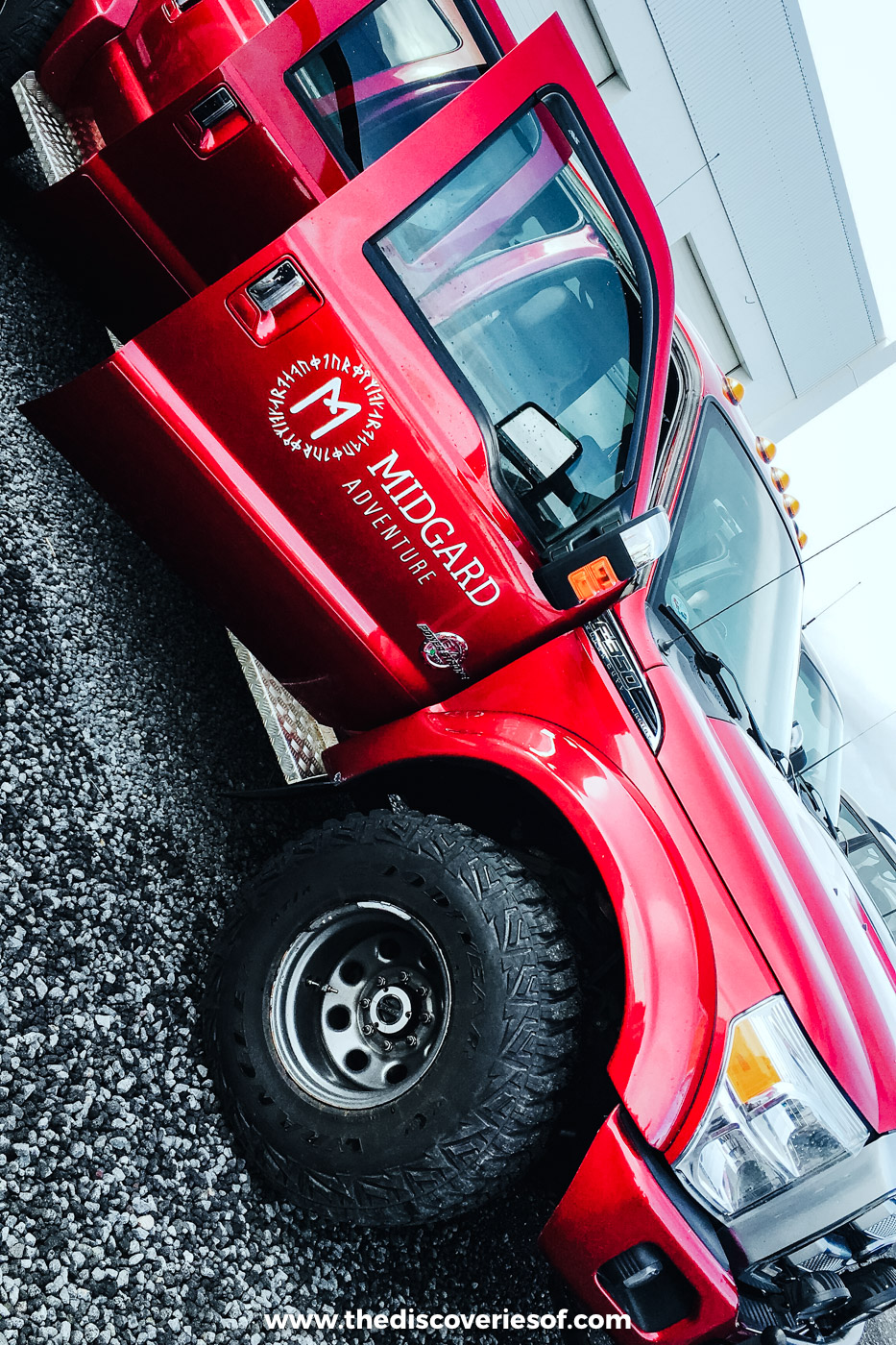
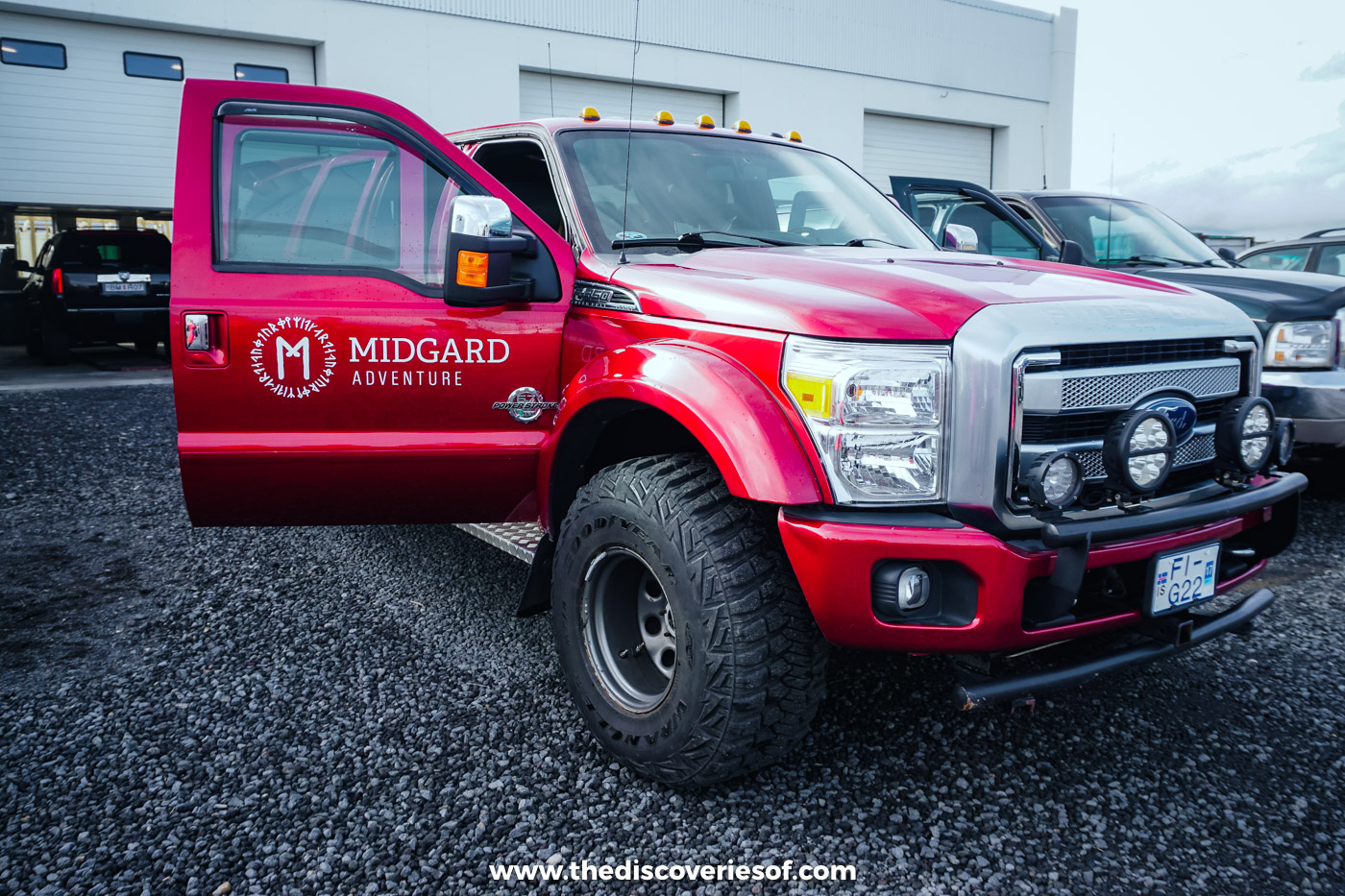
You could spend a whole trip on the south coast without leaving the tarmac, and plenty of people do. Climb into a super jeep, though, and a different country opens up. These monster-wheeled 4x4s are built for the places a hire car can’t reach: over sand dunes, across glacial rivers and up rough mountain tracks.
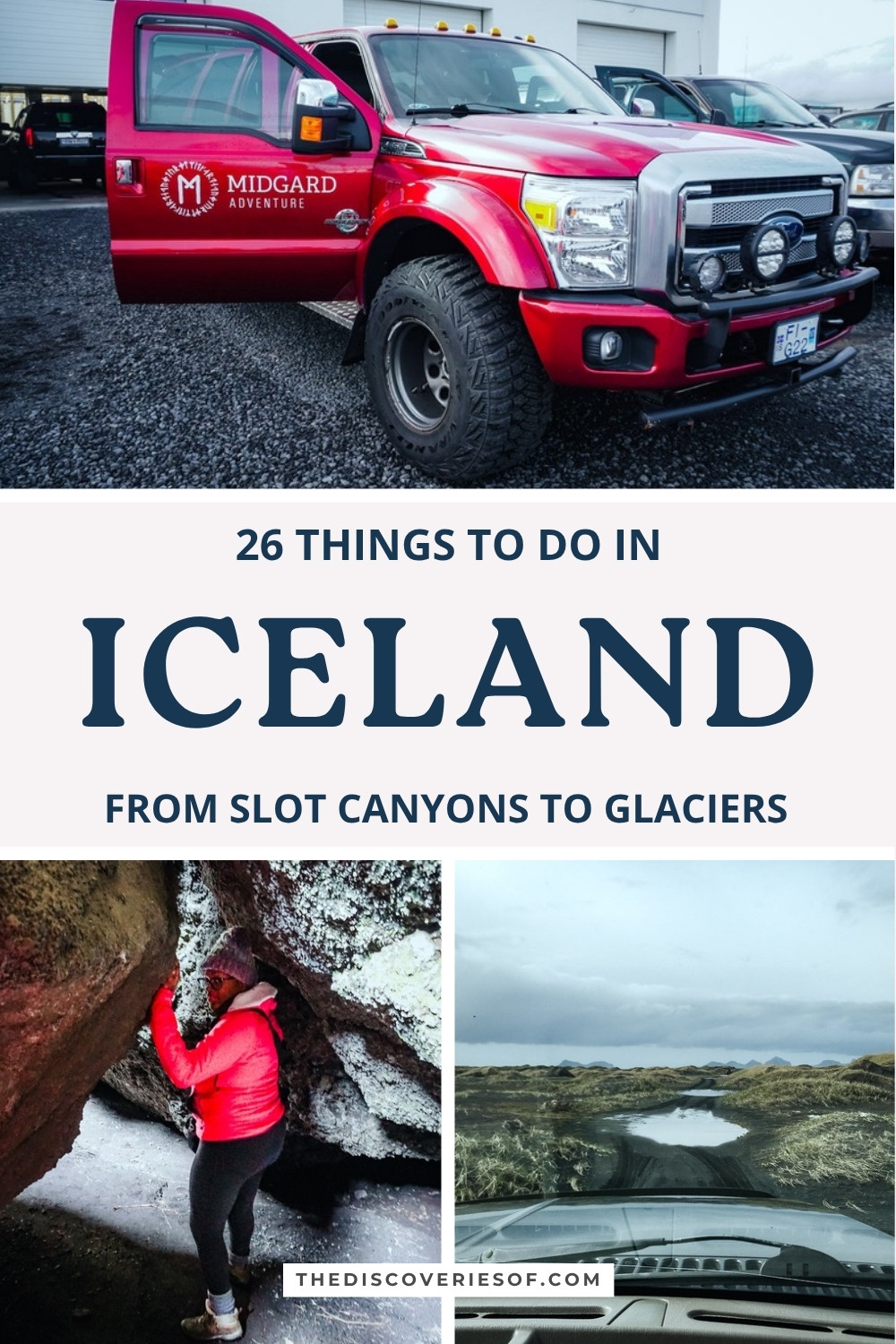
My day with Midgard Adventure, a local outfit based in Hvolsvöllur, started with the kind of promise that makes you sit up. My guide, Addi, said he was taking me to a beach that hardly anyone visits. Reaching it was half the fun: a quarter of an hour of lurching over dunes and ploughing through streams and deep pools, which is exactly my idea of a good morning.
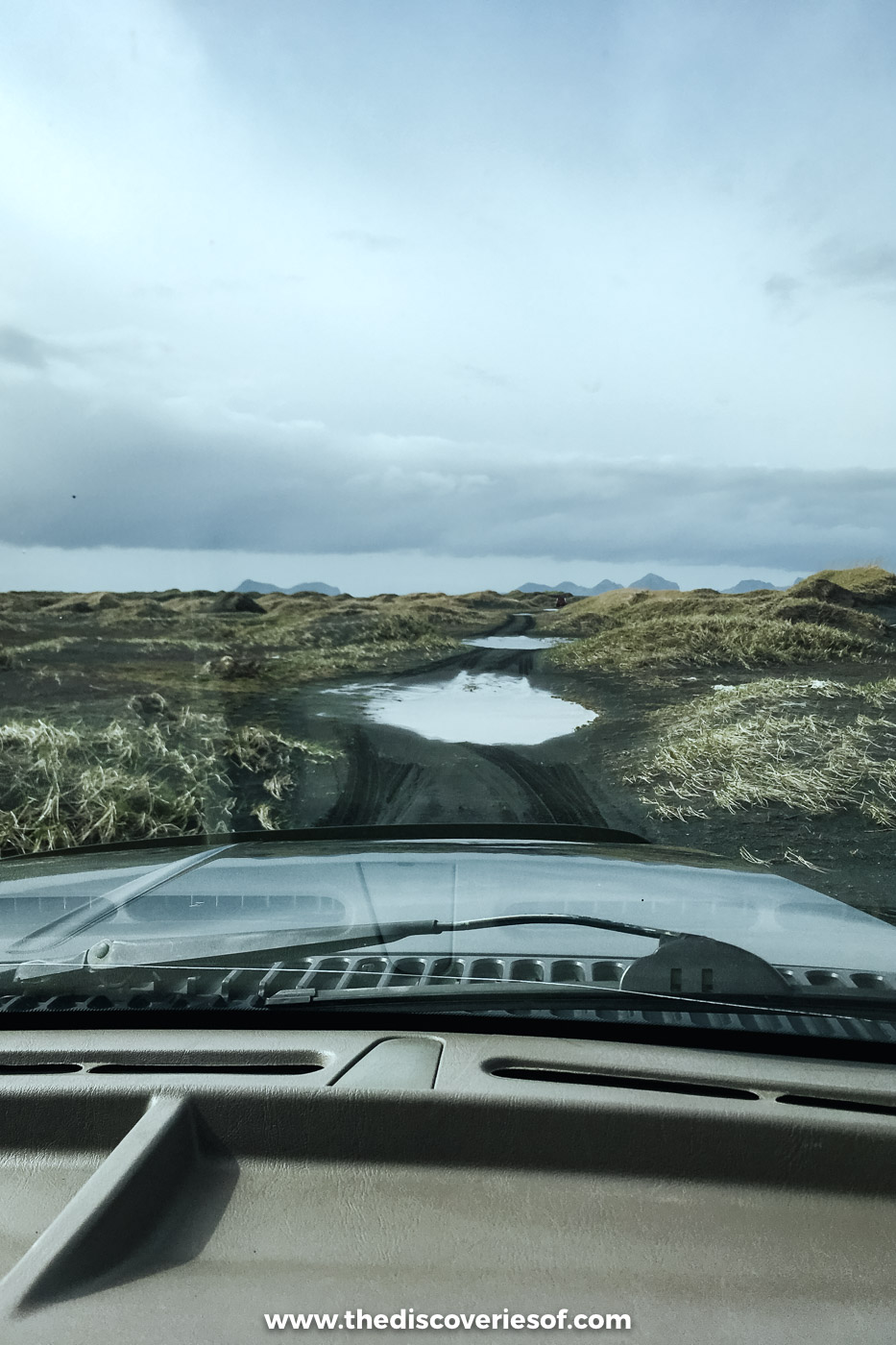
Then the dunes fell away and there it was: Landeyjafjara, a huge sweep of black sand with the Westman Islands hanging on the horizon in a haze of sea mist. The scale and the colours stopped me in my tracks. There was barely another soul on it, flocks of birds were flying in from their migration, and a couple of seals bobbed about offshore. Of all the black sand beaches I’ve walked in the country, this is my favourite.
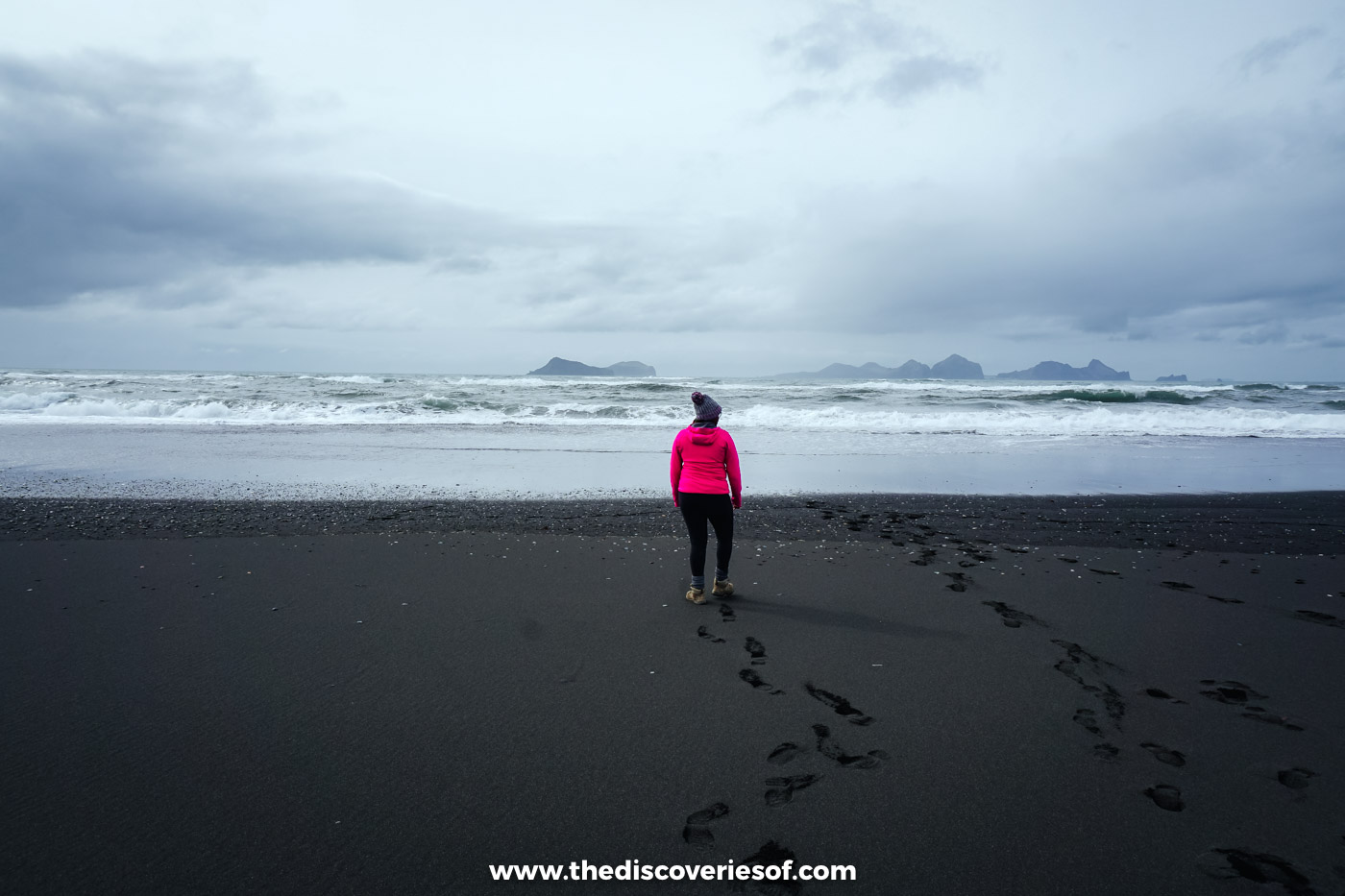
Most of this stretch of coast is only reachable by 4×4, so it’s a place for a guided trip. There’s more on the day in my guide to Iceland’s hidden gems, and the famous black beach further east has its own guide to Reynisfjara.
Do
My day was arranged privately by Midgard Adventure. Its scheduled Þórsmörk super jeep day tour runs all year from its base camp in Hvolsvöllur, lasts six to eight hours and costs from ISK 39,000.
Squeeze through the slot canyons of Þórsmörk
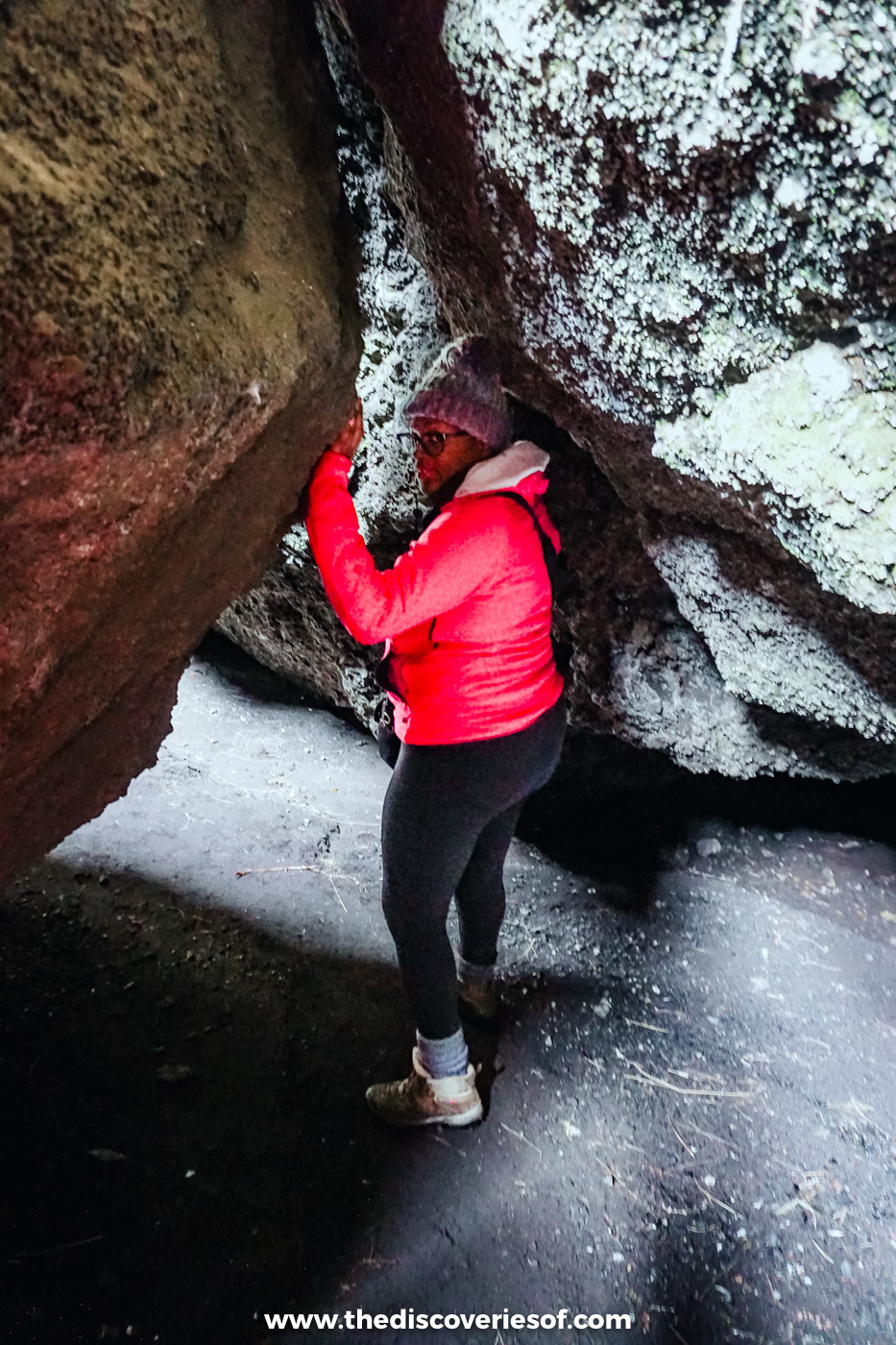
The same super jeep carried me on towards Þórsmörk, the Valley of Thor. Tucked between three glaciers (Eyjafjallajökull, Mýrdalsjökull and Tindfjallajökull), it’s a wild valley of birch woods, braided rivers and mossy ravines, and you can only reach it by crossing a string of unbridged rivers. That’s what keeps it special: you need a high-clearance 4×4, a highland bus or your own two feet to get in.
I’ll be honest, I was a little wary of wedging myself between huge slabs of rock in a country that has earthquakes. Was it worth it? Totally. With a guide who knew every hidden corner, I peered into caves, edged sideways through a crack in the cliff and waded up an underground stream until the walls opened out into a slot valley. It was one of the highlights of all my trips, and some of the most fun I’ve had anywhere in the country.
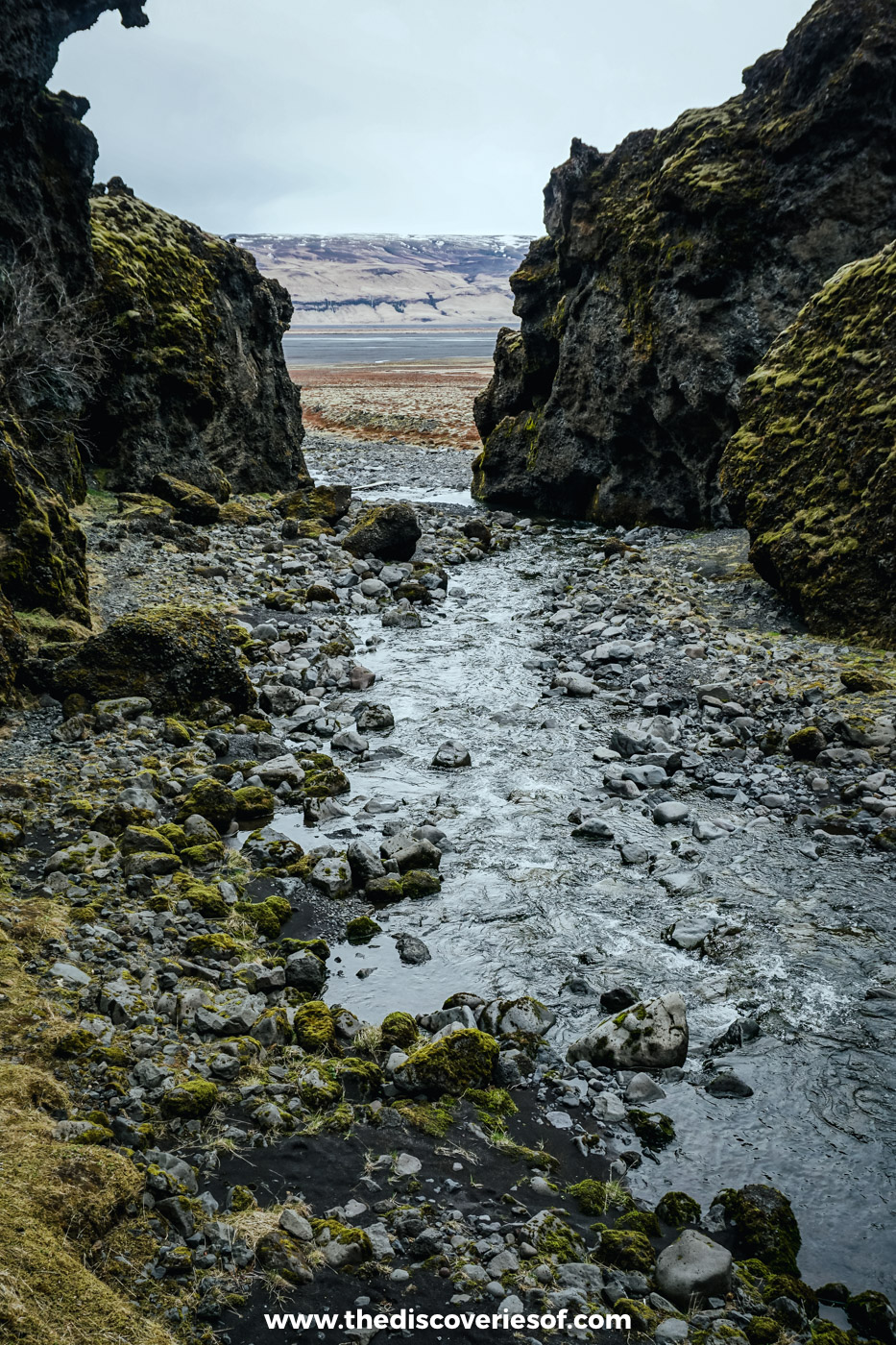
Lunch was a proper hiker’s affair: hot dogs loaded with onions, mustard and relish, eaten in the open air. Then it was on to a second spot, where the path to a secret waterfall turned into a scramble of hopping, balancing and climbing. Full confession: I didn’t quite make it to the falls. I’m famously clumsy and the final stretch needed some serious balance, so I stayed put and used the time to take photos instead.
If you’d rather hike in, Þórsmörk is the end point of the Laugavegur trail from Landmannalaugar (about 55 kilometres over four days, usually walkable from late June to early September) and of the Fimmvörðuháls pass from Skógafoss, which climbs between two glaciers. My guide to the best hikes in Iceland covers both.
Getting There
Don’t attempt the F249 into Þórsmörk in a hire car: the river crossings regularly defeat ordinary 4x4s, and hire insurance doesn’t cover water damage. Take a super jeep tour or the summer highland bus instead.
Drive the south coast to Jökulsárlón in a day
If there’s one day from my trips I’d happily repeat, it’s this one. In September I collected a hire car at the airport, and one morning I set off east from Hotel Rangá with the glacier lagoon as my goal and a playlist to keep me going between stops.
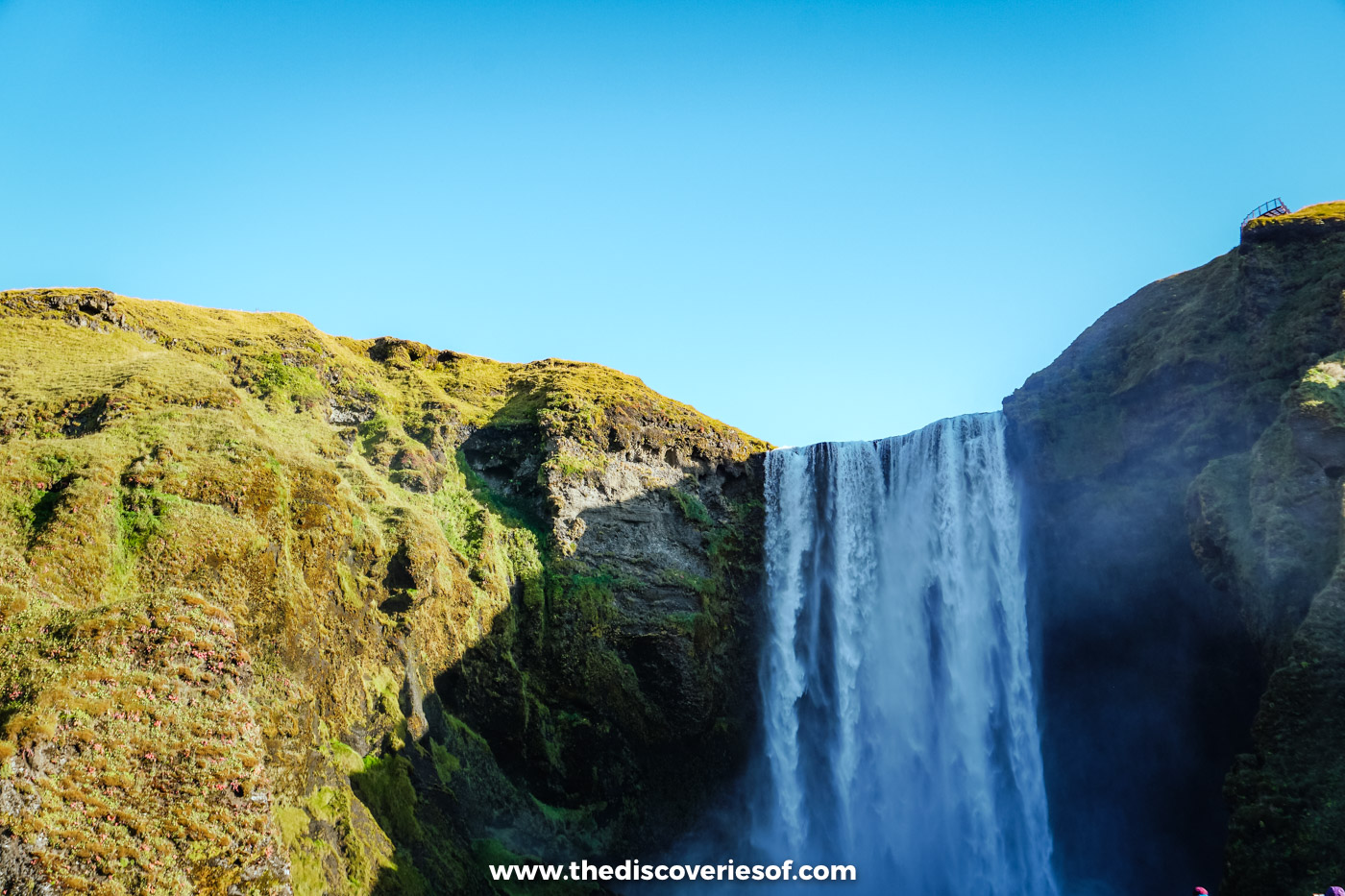
The south coast packs more into one road than most countries manage in a lifetime. I got drenched in the spray at the bottom of Skógafoss within a few minutes of arriving, walked the black sand at Reynisfjara beneath the Reynisdrangar sea stacks, and stumbled on Stjórnarfoss, a waterfall I hadn’t even planned to see. Then came the long miles across the sandur, the flat outwash plains below Vatnajökull, with glaciers spilling down the mountains to the north.
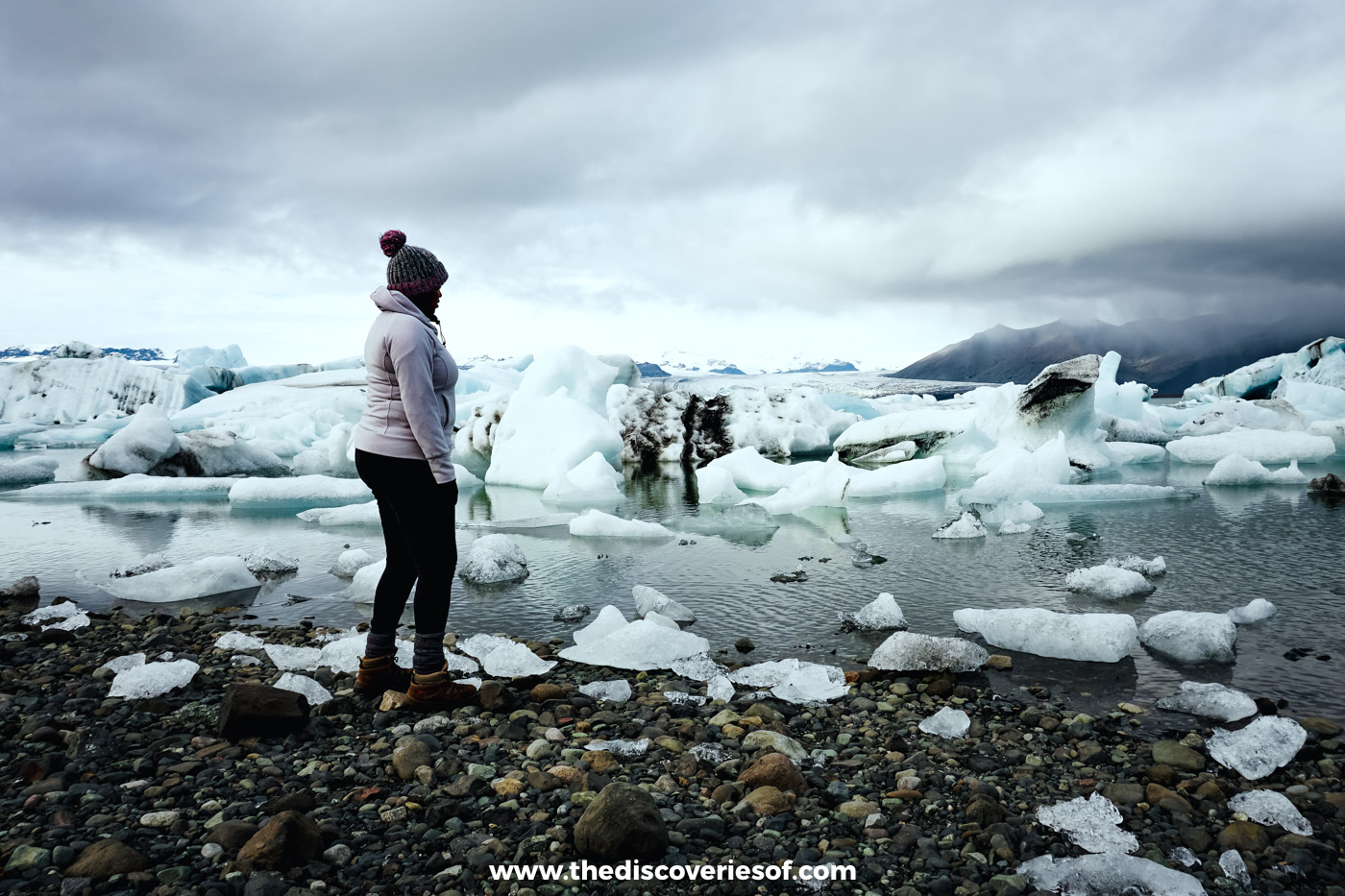
Jökulsárlón was the prize. Icebergs calved from Breiðamerkurjökull drift across the lagoon, white and electric blue and streaked with black ash, before floating out to sea. I was short of time, so I skipped the boat trip and walked the shore instead, and a few minutes from the car park the crowds thinned to almost nothing. I didn’t spot a single seal, but the creak and crack of the ice more than made up for it. By the time I wandered over to Diamond Beach, late in the day, only a scattering of ice was left on the sand.
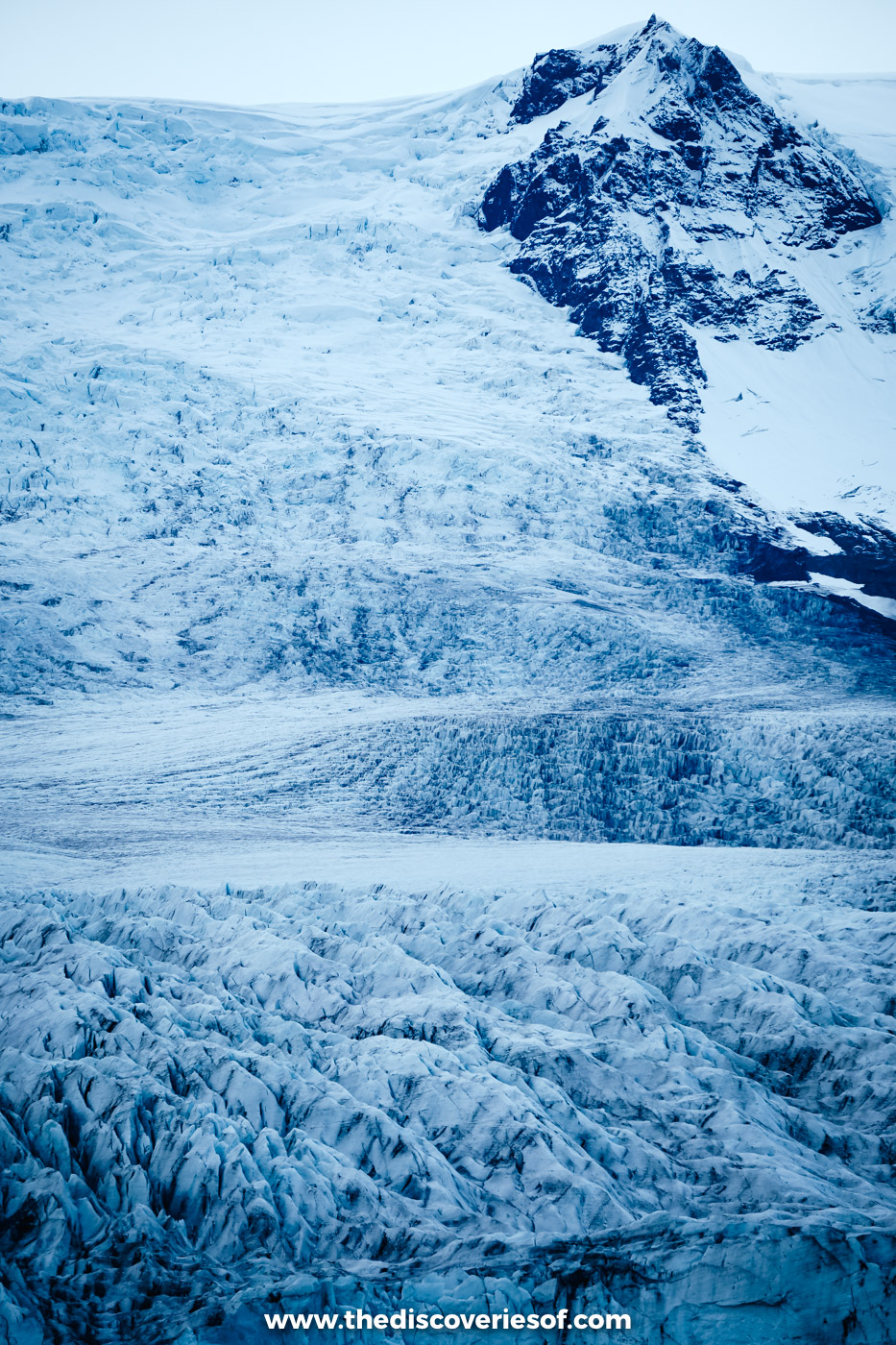
Heading back west, I pulled in at Fjallsárlón, a smaller lagoon where the glacier tumbles almost to the water’s edge, and then at Svartifoss in Skaftafell, which is still my favourite of all Iceland’s waterfalls. The last stretch back towards Rangá was lit by a pink sunset over the sandur.
Do
Jökulsárlón is about four and a half hours’ drive each way from Reykjavik without stops, so it’s a very long day; staying on the south coast makes it far easier. If you’d rather not drive, this Jökulsárlón tour does the round trip from Reykjavik in about 14 hours (from £152), and this south coast tour covers Seljalandsfoss, Skógafoss and Reynisfjara in 10 hours (from £87).
Watch the Northern Lights from a countryside hotel
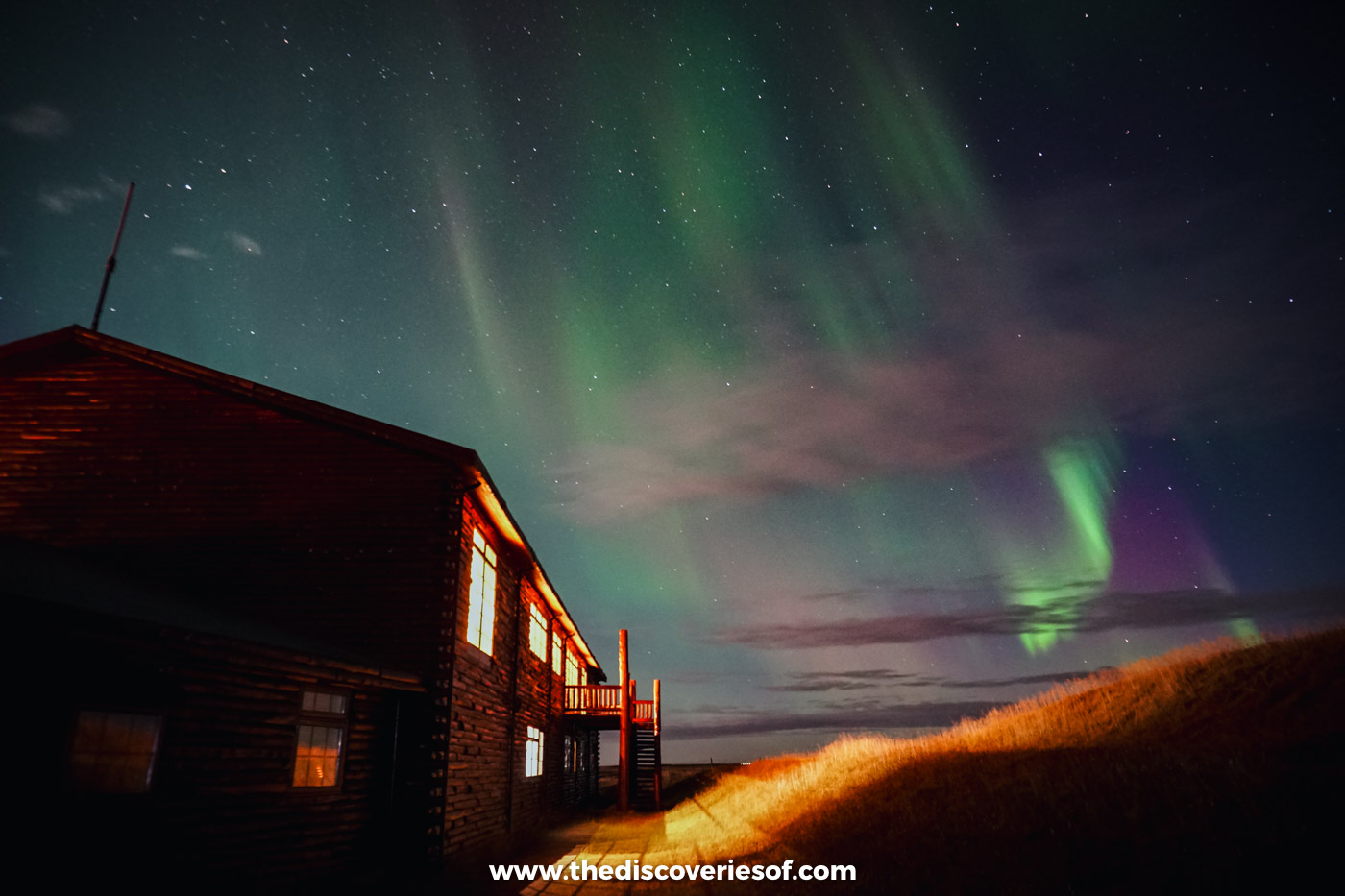
Seeing the Northern Lights was on the first bucket list I ever wrote, so when I went back in September, it was no accident that I timed the trip for the autumn equinox. I booked into Hotel Rangá, a timber lodge in the dark countryside near Hella, and kept my fingers and toes crossed all the way there.
It paid off, twice. At one point the whole sky lit up in greens, pinks and yellows, and on the first night I barely went to bed. The hotel has its own observatory and a resident astronomer, who shared his tips for photographing the aurora and pointed out constellations and faraway galaxies through his giant telescope. Honestly, I can’t think of a better job.
The aurora is caused by charged particles from the sun colliding with gases in the Earth’s atmosphere, and on a good night you can see it all over the country, even from Reykjavik. The season runs from about September to April; in summer, the nights simply aren’t dark enough. Clear skies matter as much as solar activity, so stay somewhere rural, keep an eye on the forecast and be ready to head out at short notice. Rangá will even ring your room when the lights appear.
My guide to the best time to see the Northern Lights in Iceland has the timing tips I learned along the way, my Hotel Rangá review has the full story of the stay, and there are more places to sleep under the aurora in my pick of Northern Lights hotels in Iceland.
Do
No car? This Northern Lights bus tour leaves Reykjavik in the evening and heads wherever the skies look clearest (about four hours, from £60). Be sure you pack your camera, and a tripod if you really want to do them justice.
Loop the Golden Circle’s geysers and falls
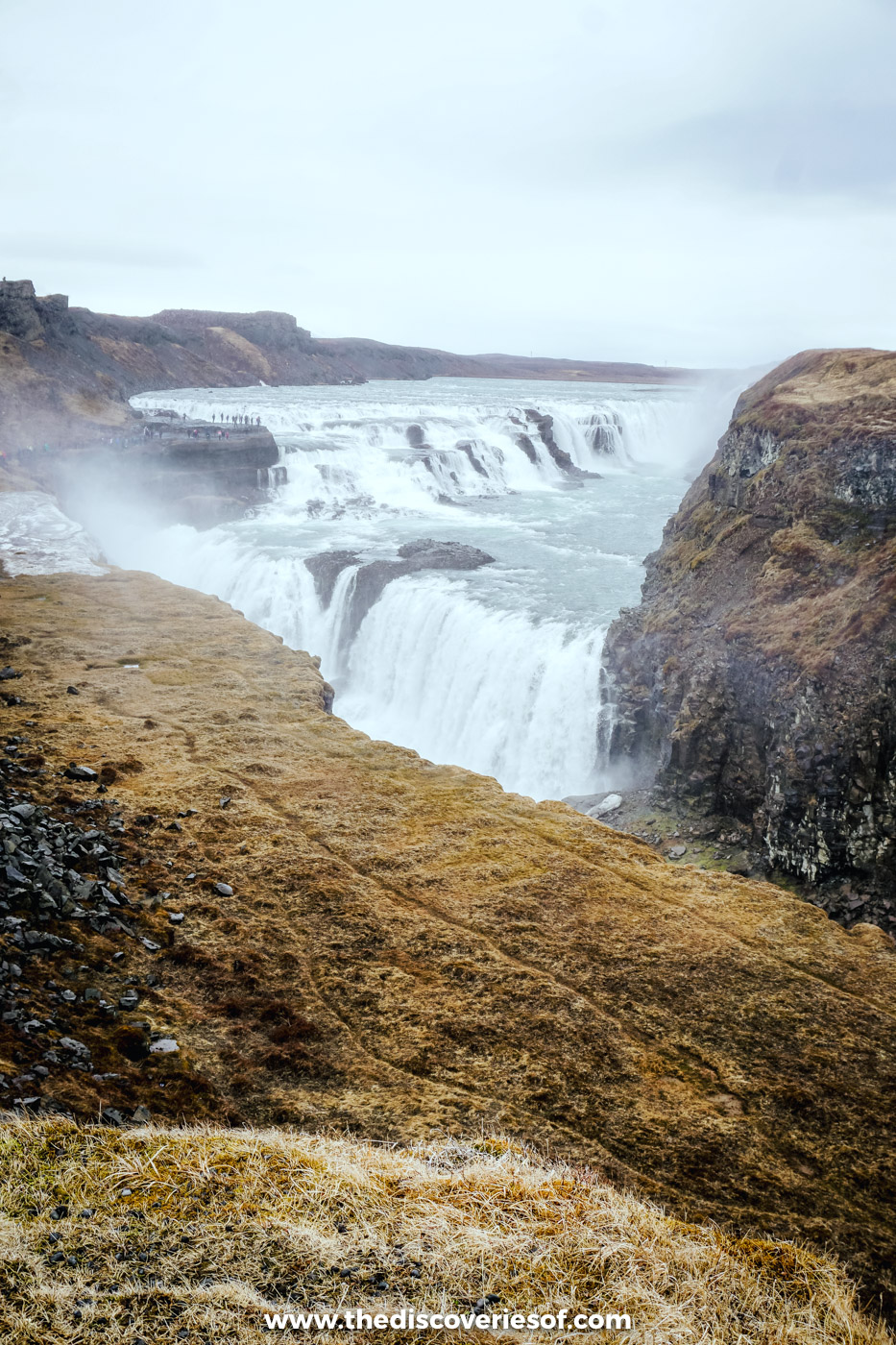
The Golden Circle is the country’s most popular sightseeing route, a loop of around 300 kilometres from Reykjavik with spectacular natural features. I’m talking erupting geysers, thundering waterfalls and a fissure between two tectonic plates. In other words, all kinds of spectacular.
I did it with a guide in May, when snow still capped the mountains around Þingvallavatn and the farms were waking up after winter. The three classic stops are Þingvellir National Park, where the North American and Eurasian plates are pulling apart and the country’s parliament first met in 930; the geothermal field at Geysir, where Strokkur blasts a column of boiling water into the air every few minutes; and Gullfoss, which I’ve now seen under a grey May sky and again in September, hung with rainbows. My guide to Iceland’s landmarks has more on each of them.
What turns the loop into a great day is what you add to it: lunch among the vines at Friðheimar (more on that next), a soak at the Secret Lagoon in Flúðir or a detour to the red crater lake at Kerið.
Do
Hire a car and plan your own route, or book onto this Golden Circle tour, which adds Kerið (7 to 8.5 hours, from £67). Parking at Þingvellir and at Geysir costs about ISK 1,000 a car, paid by app.
Sip a bloody mary in a tomato greenhouse at Friðheimar
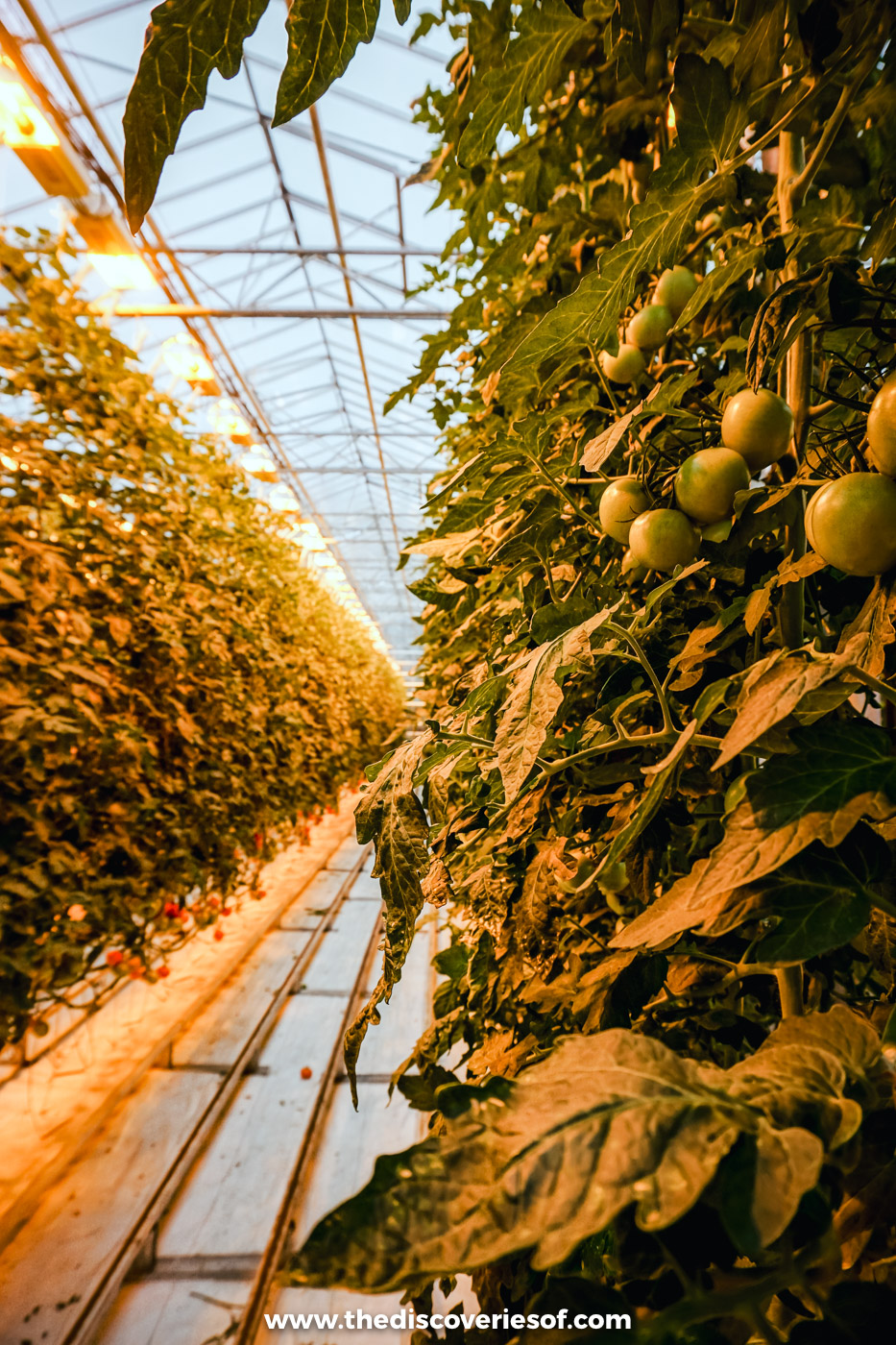
A tomato farm in a country that spends half the year in near darkness? It sounds bonkers, but Friðheimar, in the village of Reykholt on the Golden Circle, grows tomatoes all year round under grow lights in heated greenhouses. I’ll admit my first reaction was to wonder how green that could possibly be, until I learned that it all runs on the area’s geothermal energy.
The real treat is that you eat among the vines. Lunch is tomato soup with freshly baked bread, served at tables between the plants, and the bar mixes a bloody mary with freshly squeezed tomato juice. Years later, I still daydream about that drink.
The farm also breeds Icelandic horses, and from May to September it puts on horse shows for groups.
Tickets
The restaurant is open daily from 12:00 to 16:00 all year, and you need to book a table, especially in summer. Greenhouse visits with a short talk are for groups of 10 or more, and the horse shows (1 May to 30 September) for groups of 15 or more. Friðheimar is about half an hour from Gullfoss, so it slots neatly into a Golden Circle day.
Taste craft beer at Ölvisholt
Here’s a fact to file away for the pub quiz: beer was banned in Iceland until 1 March 1989. Prohibition arrived in 1915, wine came back in the early 1920s and spirits in 1935, but beer stayed off limits for another half a century. Icelanders still celebrate the anniversary as Beer Day, and the craft brewing scene has been making up for lost time ever since.
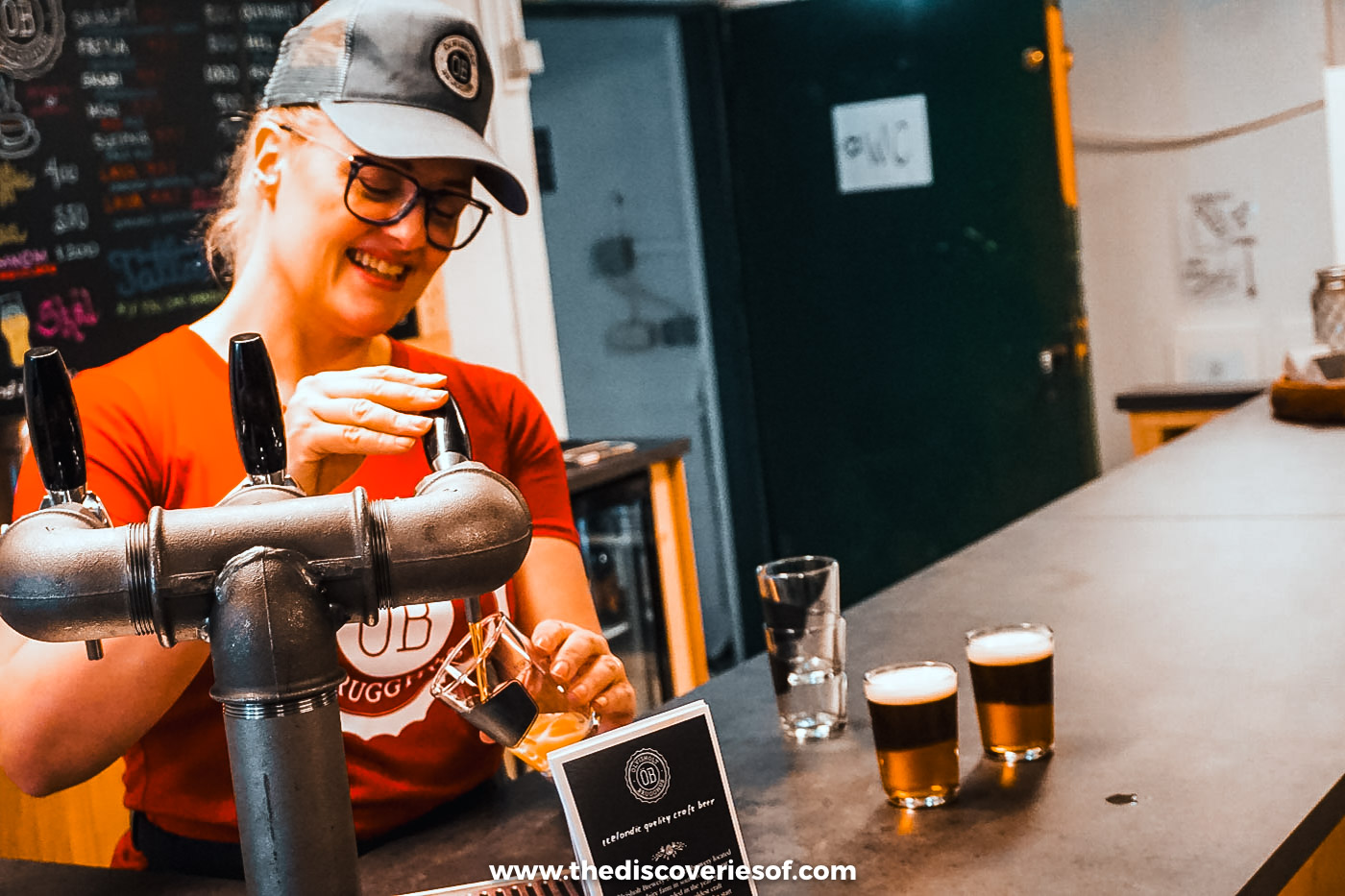
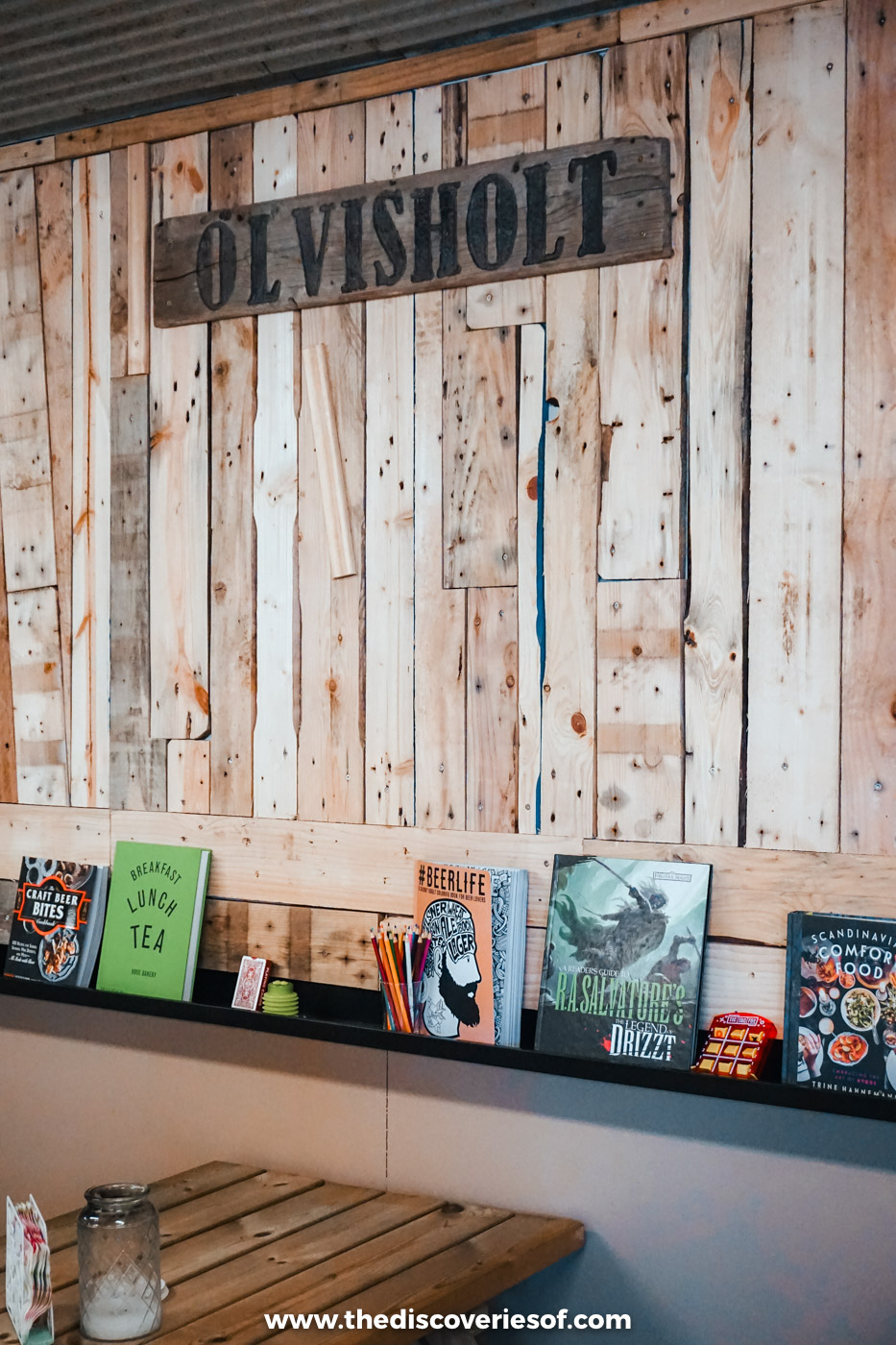
Ölvisholt Brugghús was one of the pioneers. It started in 2007 on a former dairy farm near Selfoss, and when I visited in May, the tap room was in the old cowshed. The brewery has since moved to Hafnarfjörður, just outside Reykjavik, which makes it an even easier stop. Co-owner Berglind Snæland talked me through every beer she poured, and I didn’t meet one I wouldn’t happily order again. On the tour I also heard the story of Freyja, its cloudy wheat beer, which some early drinkers handed back because they were convinced anything that hazy must have gone off.
Things have moved on since then. In 2023 the brewery relocated to Hafnarfjörður, just south of Reykjavik, and its tap room and tours are now for groups of 15 or more, booked by email or phone. Travelling solo or as a couple? Look for its beers in Reykjavik’s bars and at the state-run Vínbúðin shops.
Top Tip
Plenty of Reykjavik’s craft beer bars run a happy hour in the late afternoon and early evening, which is the cheapest way to try a few local brews. My guide to whether Iceland is expensive has more money-saving tips.
Feast like a Viking at the Saga Centre
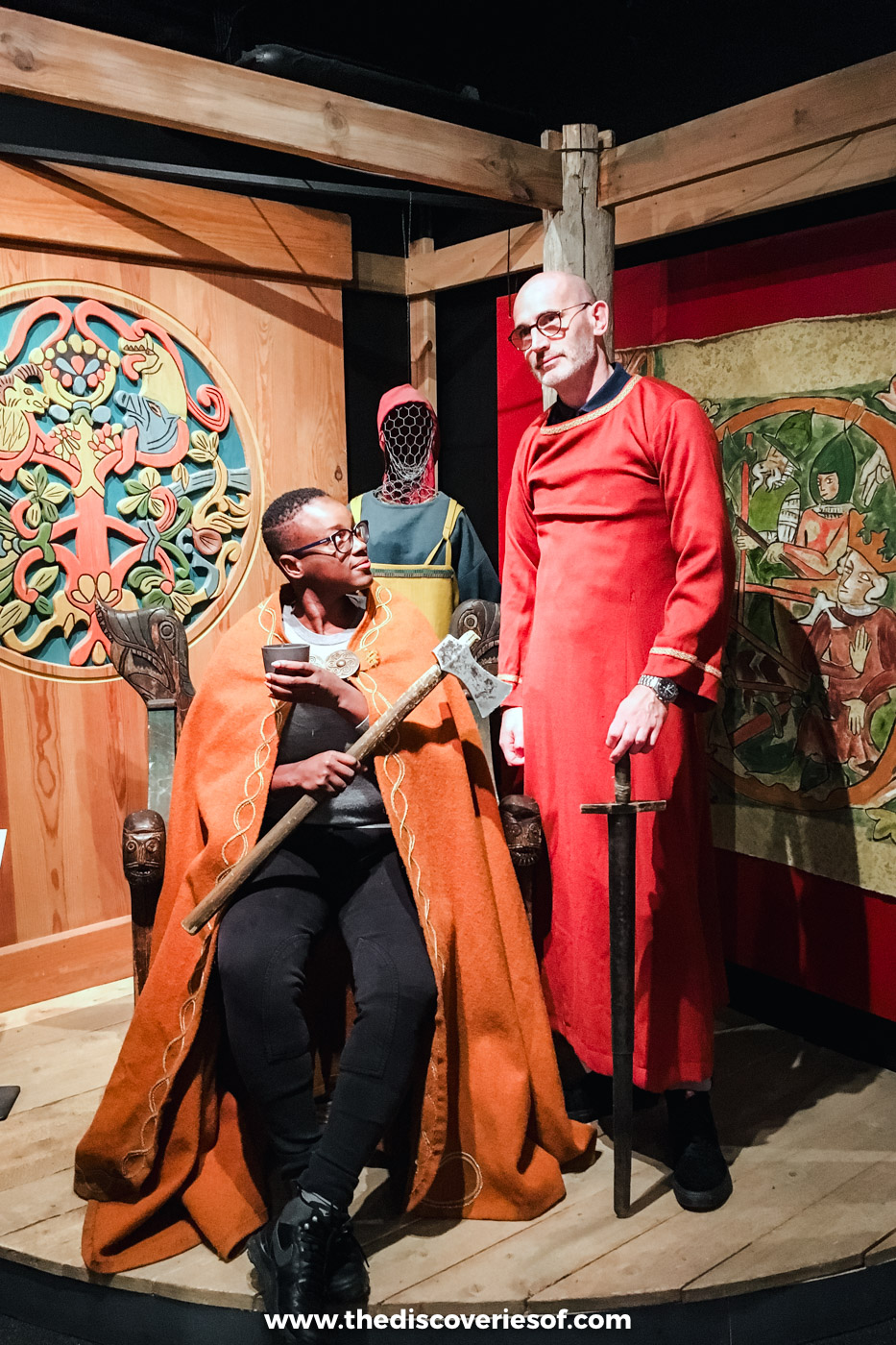
Something about the hikes, the fresh air and the raw landscapes here brings out your inner Viking. When the chance came to join a Viking feast at the Saga Centre in Hvolsvöllur, I didn’t hold back: I went full Norse, costume and all, and stayed in character right through dinner.
The food was delicious. Friðrik, the owner of Hotel Rangá, gave a speech in his Viking robes, and a male voice choir sang to the room in a collection of traditional Icelandic sweaters I’d have happily taken home.
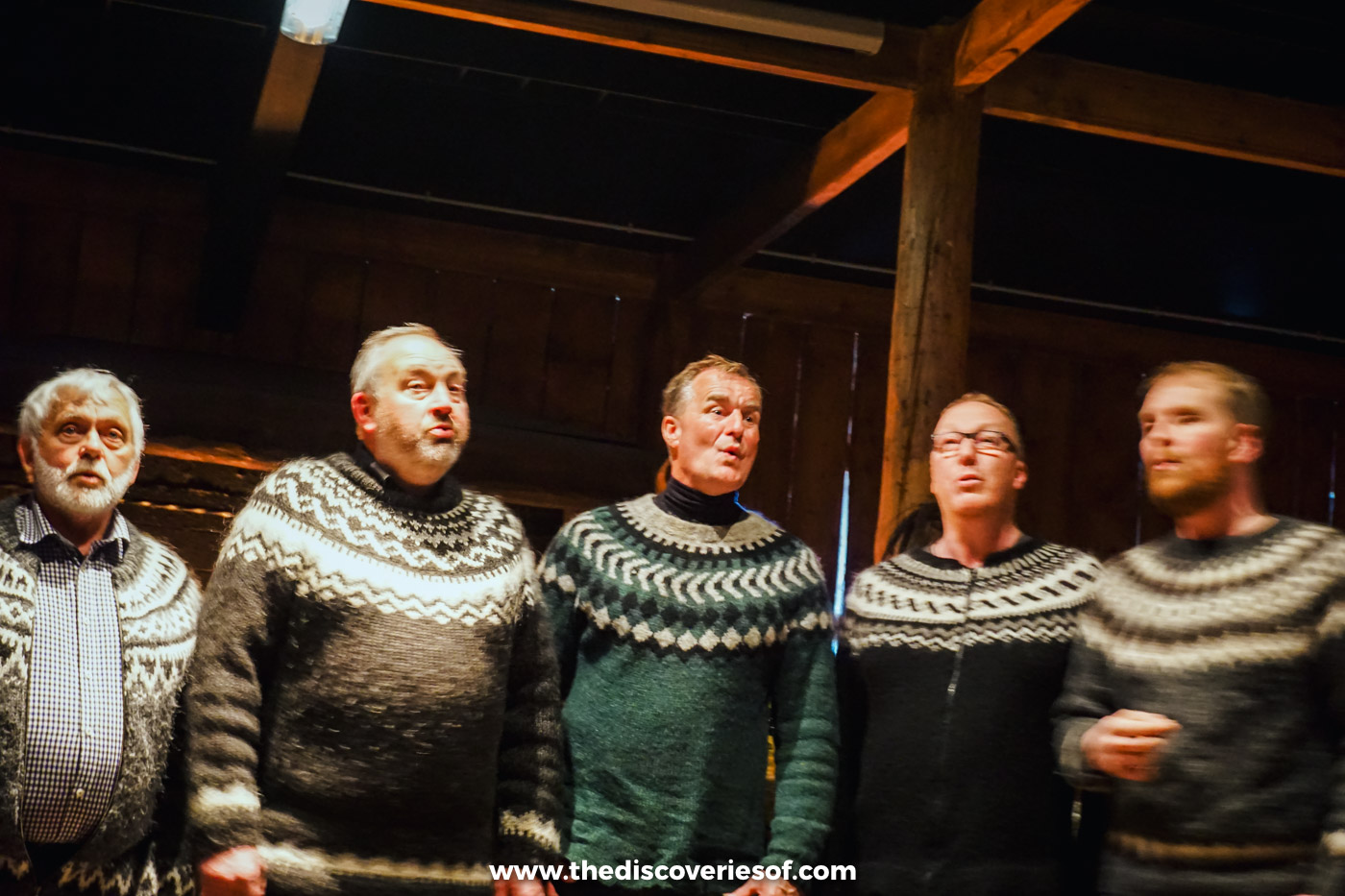
The Saga Centre is dedicated to Njál’s saga, one of the great Icelandic sagas, much of which unfolds in the countryside around Hvolsvöllur. My feast was put on for a group, and the centre doesn’t advertise Viking feasts today; a new exhibition for the 90-metre Njál’s tapestry is due to open in the town in 2026, so check what’s on before you go. If you’re staying at Rangá, the hotel can also arrange a private three-course Viking dinner by candlelight in the man-made Caves of Hella nearby (from €2,960 for the cave plus €180 a person, booked at least a week ahead).
Get to grips with volcanoes at the LAVA Centre
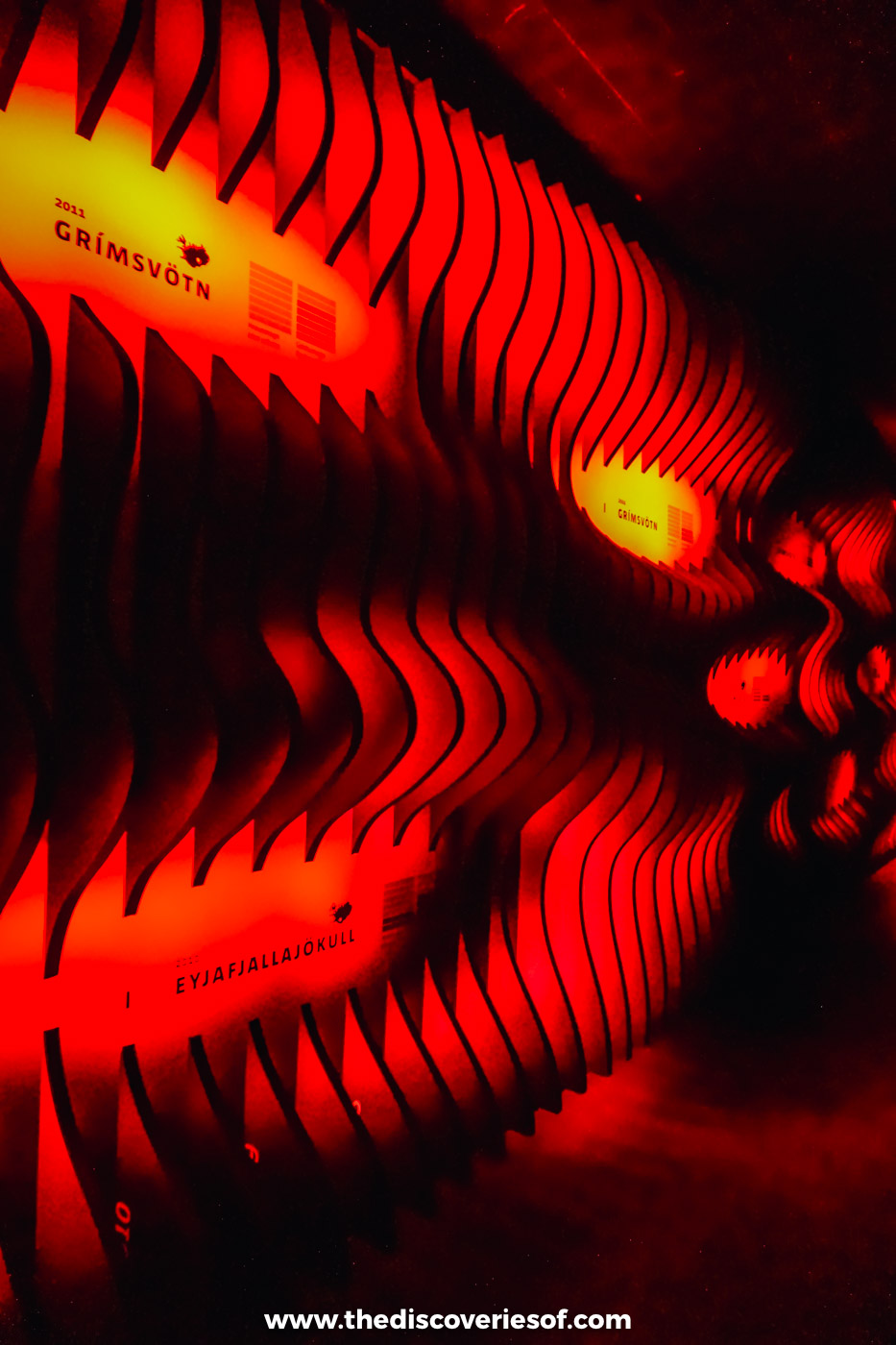
The country has a lot of volcanoes. You can barely drive for an hour without another one peeking over the horizon, and the LAVA Centre in Hvolsvöllur is the best place to understand them.
I wasn’t sure what to expect before I visited the LAVA Centre. When I did, I discovered an intriguing museum that offers a deep dive into something we’ve all heard of but probably didn’t know that much about. It isn’t only about the 2010 Eyjafjallajökull eruption that grounded Europe’s planes: interactive halls cover the forces that built the island over millions of years, from the hotspot beneath it to earthquakes and glacial floods, with live monitoring of the volcanic systems. Walking past the giant models of what lies beneath the surface really brings home that this is a country where nature makes the rules.
Don’t skip the film, which gives you a real sense of the power and fury of a big eruption.
Tickets
The full experience (exhibition and cinema) costs ISK 5,200, or ISK 2,000 for the cinema only. It’s open daily from 08:30 to 17:00 from September to May and until 19:00 from June to August. Book on the LAVA Centre website.
Swim like a local at the pool in Hella
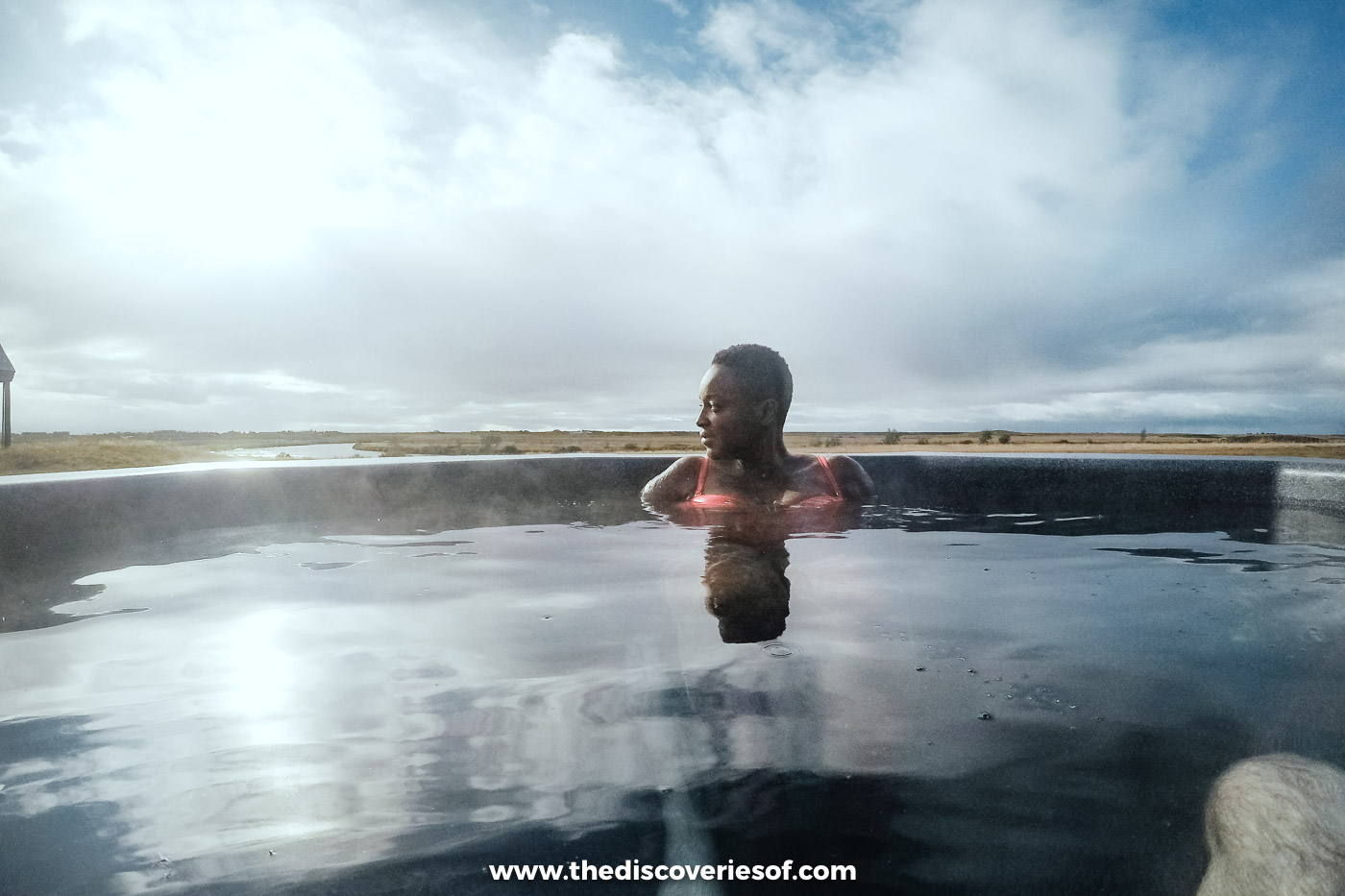
The lagoons get the headlines, but if you want to do what Icelanders do, go to the local swimming pool. Almost every town has one, heated with geothermal water, usually outdoors and open all year. It’s where people catch up on the gossip, warm up in winter and make the most of the long summer light.
On my May trip I passed on the Blue Lagoon and went to the pool in Hella instead. I swapped my hiking boots for my swimmers and spent a blissful couple of hours moving between the pool and the hot tubs, and I came out feeling brand new. It isn’t fancy, and that’s exactly the point.
Top Tip
Pool etiquette matters here. Shower thoroughly without your swimsuit before you get in (signs show which bits to wash) and leave your shoes at the changing room door. Entry to a Reykjavik pool costs ISK 1,500 for adults.
Work through the seven-step ritual at Sky Lagoon
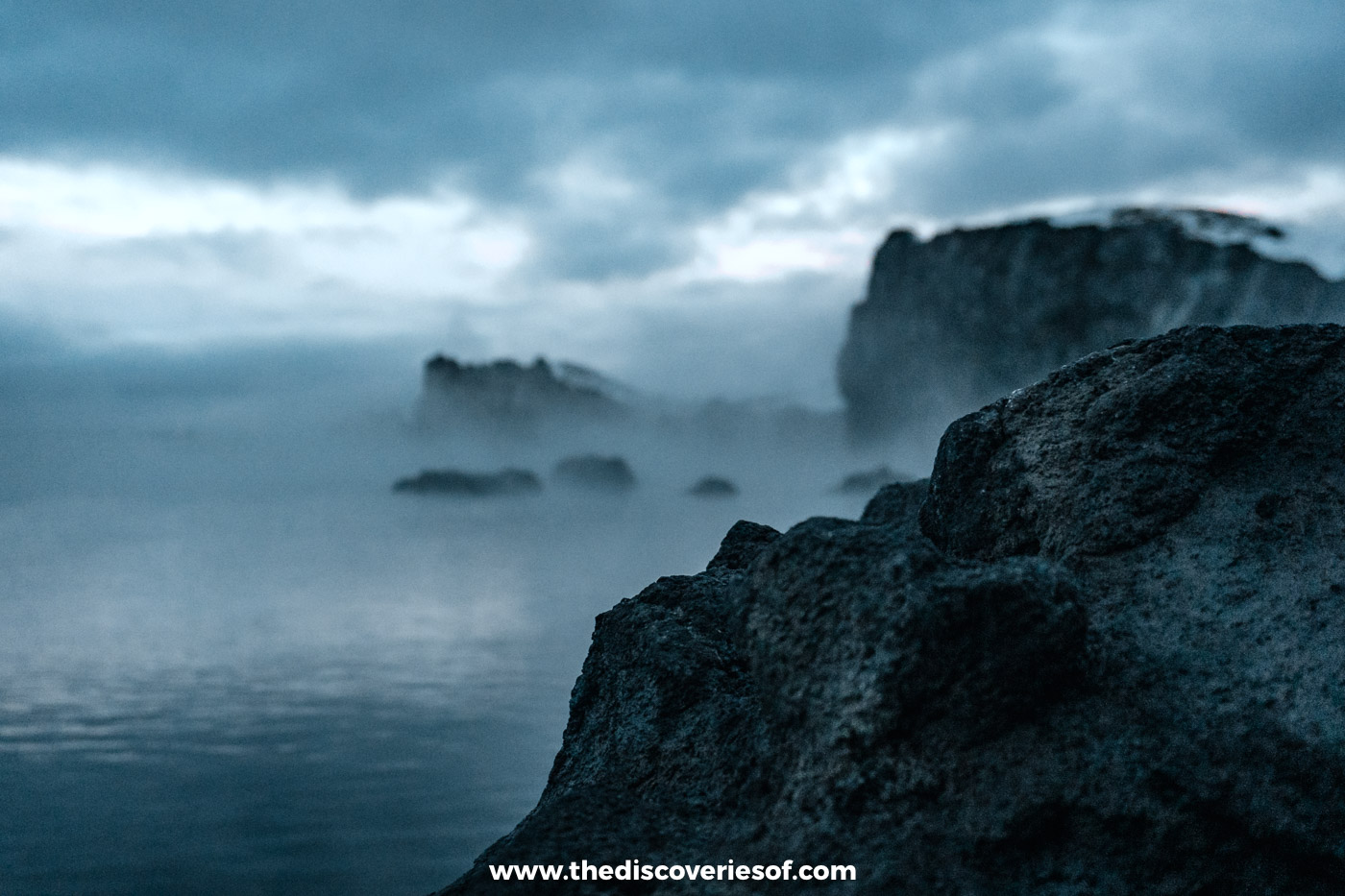
Even by my third trip, I’d only dabbled in the country’s bathing culture. Sky Lagoon, on the Kársnes peninsula in Kópavogur, a short drive from central Reykjavik, put that right. Its infinity edge seems to pour straight into the North Atlantic, and its seven-step Skjól ritual, from a cold plunge (I managed about ten seconds) to a cold mist that turned out to be my favourite part, leaves you scrubbed and pampered to perfection. Then came the best bit: floating in the warm water as the low December sun went down over the sea.
Tickets
Book ahead at Sky Lagoon. The Saman pass, with the ritual, starts at about ISK 14,990, and the Sér pass, which adds private changing rooms, at about ISK 17,990. Visitors must be 12 or over.
Spend a winter’s weekend in Reykjavik

It took me a few visits to Iceland to actually spend a decent amount of time in Reykjavik. When I did, I discovered a vibrant city that’s home to some of the best restaurants, bars and nightclubs in the country. My guide to Reykjavik covers it in depth; these are the four I’d start with:
- A food tour: mine opened with Arctic char, yuzu and elderflower, and every stop after it was a surprise (Reykjavik food).
- Bæjarins Beztu Pylsur: the harbourside hot dog stand that has been feeding the city since 1937, still one of its cheapest good meals; order one with everything (what things cost).
- FlyOver Iceland: the flying-theatre ride in Grandi that won me over completely, swooping over places I’d never reached (tickets from ISK 5,690).
- Hnoss Bistro at Harpa: head inside the glass concert hall for a blow-out lunch at Hnoss, you won’t regret it (Harpa).
Soak at the Blue Lagoon (and check the volcano first)

The Blue Lagoon is the country’s most famous geothermal spa: a milky blue lagoon in a black lava field on the Reykjanes peninsula, about 20 minutes from Keflavík airport and 45 minutes from Reykjavik. Its water, rich in silica and minerals, comes from the neighbouring Svartsengi power station, and the silica mud mask included with every ticket is part of the ritual. Being so close to the airport, a soak on the way to or from your flight is a popular plan. I’ve never been myself: on my first trip I chose a local pool instead, and in December I went to Sky Lagoon.
There’s one thing you need to know before you book. Since December 2023, the Sundhnúkur crater row next door has erupted nine times, most recently from 16 July to 5 August 2025. The lagoon was evacuated and closed several times, lava covered part of its car park in November 2024, and it now sits behind protective earth barriers. It has been open since the last eruption, but the Icelandic Met Office reports that magma is still building up beneath Svartsengi, so check bluelagoon.com, safetravel.is and vedur.is on the day, and book a ticket you can change.
Tickets
Entry starts at ISK 11,990 for the Comfort package. You can pre-book your Blue Lagoon tickets (from £98), or combine a soak with Þingvellir, Geysir, Gullfoss and Kerið on this Golden Circle and Blue Lagoon tour (11 hours, from £188).
Bathe in a natural hot spring
Beyond the big two lagoons, the country is dotted with hot springs and smaller geothermal baths, from free pools in the hills to sleek new spas. These are the ones worth planning a day around:
- Secret Lagoon, Flúðir: the country’s oldest swimming pool, built in 1891, at 38 to 40°C all year; adults ISK 4,500 (Secret Lagoon).
- Reykjadalur, Hveragerði: a 3 kilometre walk each way to a warm river you can bathe in; allow three to four hours and pay for parking by app (Reykjadalur valley).
- Hrunalaug, near Flúðir: a small pool beside a turf-roofed hut on private farmland, five minutes from the car park; there’s an entry fee (Hrunalaug guide).
- Seljavallalaug, below Eyjafjallajökull: a 1923 pool in a mountain valley, free, 15 to 20 minutes’ walk from the road (Seljavallalaug guide).
- Hvammsvík, Hvalfjörður: seaside hot pools about an hour from Reykjavik that rise and fall with the tide (Hvammsvík).
- Krauma, Deildartunguhver: baths fed by Europe’s most powerful hot spring in West Iceland (Krauma).
- Landmannalaugar and Hveravellir: hot pools in the Highlands, reachable by 4×4 or highland bus in summer only (Iceland’s landmarks).
- Earth Lagoon Mývatn: the former Mývatn Nature Baths in the north, with a new building due to open in 2026, so check before you go (Earth Lagoon).
- Forest Lagoon, Akureyri: pools in a hillside forest above the fjord, opened in 2022 (Forest Lagoon guide).
- GeoSea, Húsavík: clifftop sea baths looking out over the whale watching bay (GeoSea).
- Vök Baths, Egilsstaðir: the country’s only floating pools, on Lake Urriðavatn in the east (Vök Baths).
Top Tip
Test the water with your hand first, as temperatures vary, and stick to marked paths: the crust around hot springs can hide scalding water.
Spot humpbacks on a whale watching trip

The waters around the island are some of the best in Europe for whale watching. The most famous place to go is Húsavík in the north, often called Europe’s whale watching capital, where humpbacks are regular summer visitors and blue whales sometimes turn up in Skjálfandi Bay in early summer.
You don’t have to head north, though. Minke whales, humpbacks and dolphins feed in Faxaflói Bay off Reykjavik, and tours leave the Old Harbour all year, with the best sightings from about April to October.
Watch puffins on the sea cliffs
From late April to mid-August, Atlantic puffins come ashore in their millions to nest on sea cliffs and islands all round the coast, and watching them waddle about with beaks full of fish is one of the joys of a summer trip.
The Westman Islands host the biggest colony. Closer to the Ring Road, Dyrhólaey near Vík has viewing areas on marked paths (parts of the headland are closed from 1 May to 25 June to protect nesting birds, and the upper area shuts overnight), and summer boat trips from Reykjavik’s Old Harbour circle the islands of Akurey and Lundey. In the east, the viewing platforms at Hafnarhólmi in Borgarfjörður eystri get you within a couple of metres of the burrows.
Top Tip
Go early in the morning or in the evening, when more birds are on land, and never feed or chase them.
Take the ferry to the Westman Islands
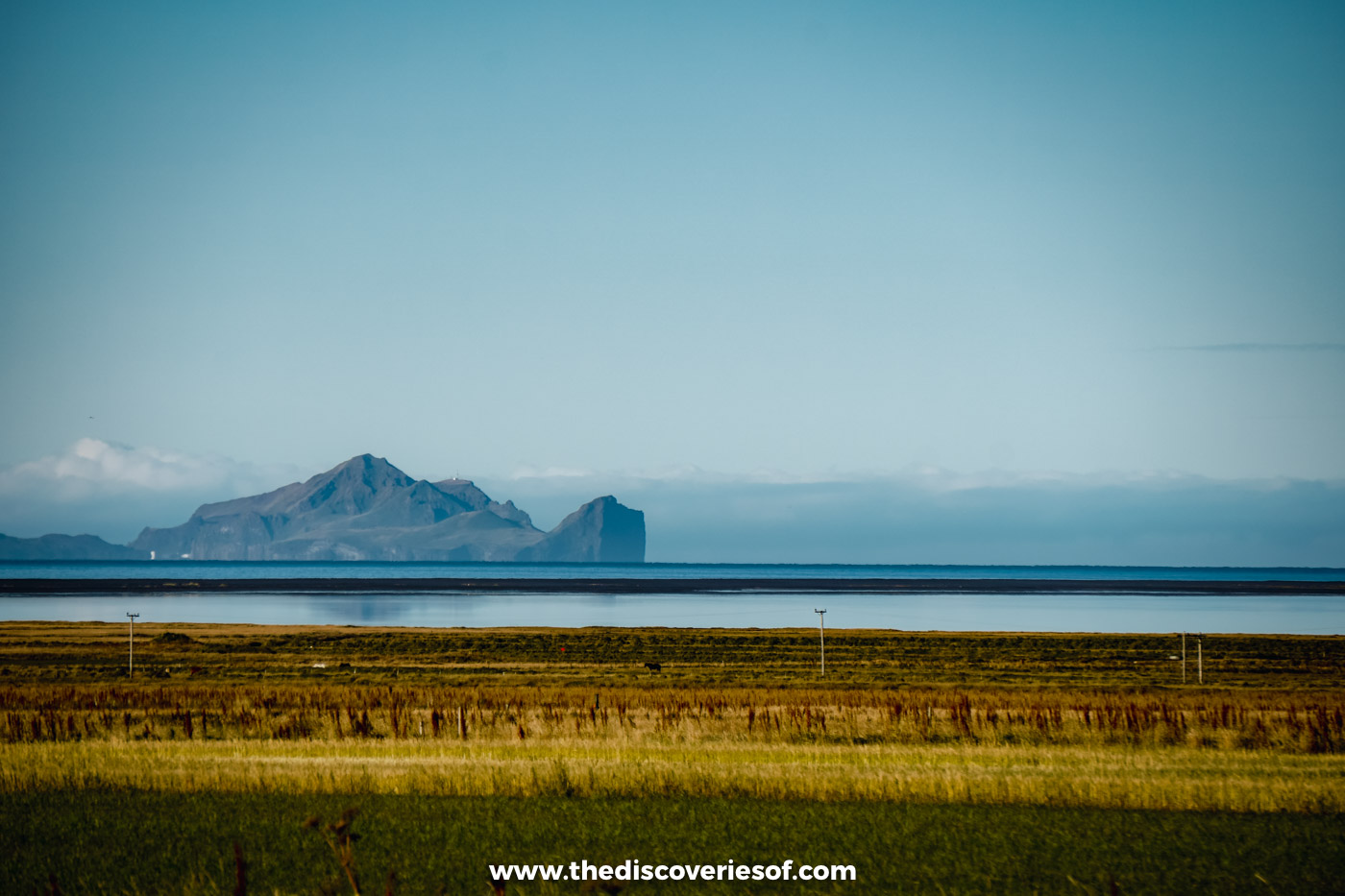
On a clear day, the Westman Islands hover on the horizon all along the south coast. Heimaey, the only inhabited island, is an easy adventure: the Herjólfur ferry crosses from Landeyjahöfn in well under an hour, and the port is a little under two hours’ drive from Reykjavik.
In 1973 the Eldfell volcano erupted on the edge of town without warning, and the islanders famously pumped seawater onto the advancing lava to save their harbour. The Eldheimar museum is built around a house dug out of the ash, and you can climb Eldfell itself for views over the land the eruption created. In summer, Stórhöfði is one of the best places in the country to see puffins.
Getting There
Adult foot passengers pay ISK 2,700 each way, and a car under five metres ISK 4,050. In rough weather sailings switch to Þorlákshöfn, which takes much longer, so check the timetable at herjolfur.is before you set off.
Snorkel between the continents at Silfra
If you haven’t taken a Silfra snorkelling tour, then you definitely should! Silfra is a water-filled fissure in Þingvellir National Park, in the rift between the North American and Eurasian tectonic plates, and it’s one of the most famous dive and snorkel sites in the world.
The water is glacial meltwater that has filtered through lava rock for decades, so it’s astonishingly clear, with visibility that often tops 100 metres. It’s also between 2 and 4°C all year, so you’ll wear a dry suit over thermal layers, plus a hood and gloves. You don’t need a qualification to snorkel, but you do need to be comfortable in the water, and operators set strict age, height and weight limits, so check them before you book.
Do
Book this Silfra snorkelling tour, which includes underwater photos (about three hours, from £106).
Explore an ice cave and hike on a glacier

Vatnajökull, the biggest ice cap in the country, is the heart of Vatnajökull National Park, one of the largest national parks in Europe. Putting on crampons and walking out onto its ice, or ducking inside it, is one of the most memorable things you can do here.
The natural ice caves form and change every year and are only safe to visit with a licensed guide, usually from about October or November to March. In summer you can still walk on a glacier with crampons and an ice axe: Sólheimajökull, on the south coast, is the most popular glacier hike.
Do
Book a Skaftafell ice cave and glacier hike (from £117) or a year-round Sólheimajökull glacier hike (from £78, minimum age 8).
Descend into a volcano at Þríhnúkagígur
Most volcanoes empty their magma chambers or seal them shut. Þríhnúkagígur, in the Bláfjöll mountains about half an hour from Reykjavik, did neither, and it’s the only one in the world where you can ride down into the chamber itself.
The Inside the Volcano tour starts with a walk of about 3 kilometres each way across a lava field, about 45 to 50 minutes. Then an open cable lift lowers you around 120 metres into the empty chamber, its walls streaked with colour, in a space so big that it’s hard to take in.
Tickets
Tours run from 5 May to 30 October and cost ISK 51,000 for adults (ISK 25,000 for children aged 8 to 12). Allow five to six hours with a Reykjavik pick-up, or about four if you drive to the meeting point. Book at Inside the Volcano.
Feel the heat of real lava at the Lava Show
If the volcanoes won’t put on a show while you’re here, the Lava Show will. In a small theatre on the main street in Vík, real lava is heated to around 1,100°C and poured into the room in front of you, so you can watch it glow, crust over and crackle from a few metres away.
It’s a brilliant addition to a south coast day, and there’s a second venue in Reykjavik’s Grandi district if you’d rather see it in the city.
Tickets
Book a time slot at Lava Show. The Vík venue is at Víkurbraut 5.
Walk through a 5,000-year-old lava tunnel
Just 30 minutes from Reykjavik, off the road to Þorlákshöfn, Raufarhólshellir is one of the longest lava tubes in the country, at about 1,360 metres. It formed around 5,200 years ago, when molten lava drained out from beneath a hardened crust and left behind a tunnel big enough to walk through.
Guided tours light up the colours of the rock and the strange shapes the lava left behind. It’s a great option for a rainy day or for anyone short on time.
Tickets
The standard tour takes about an hour and costs ISK 8,900. Book at The Lava Tunnel.
Tölt across the lava fields on an Icelandic horse
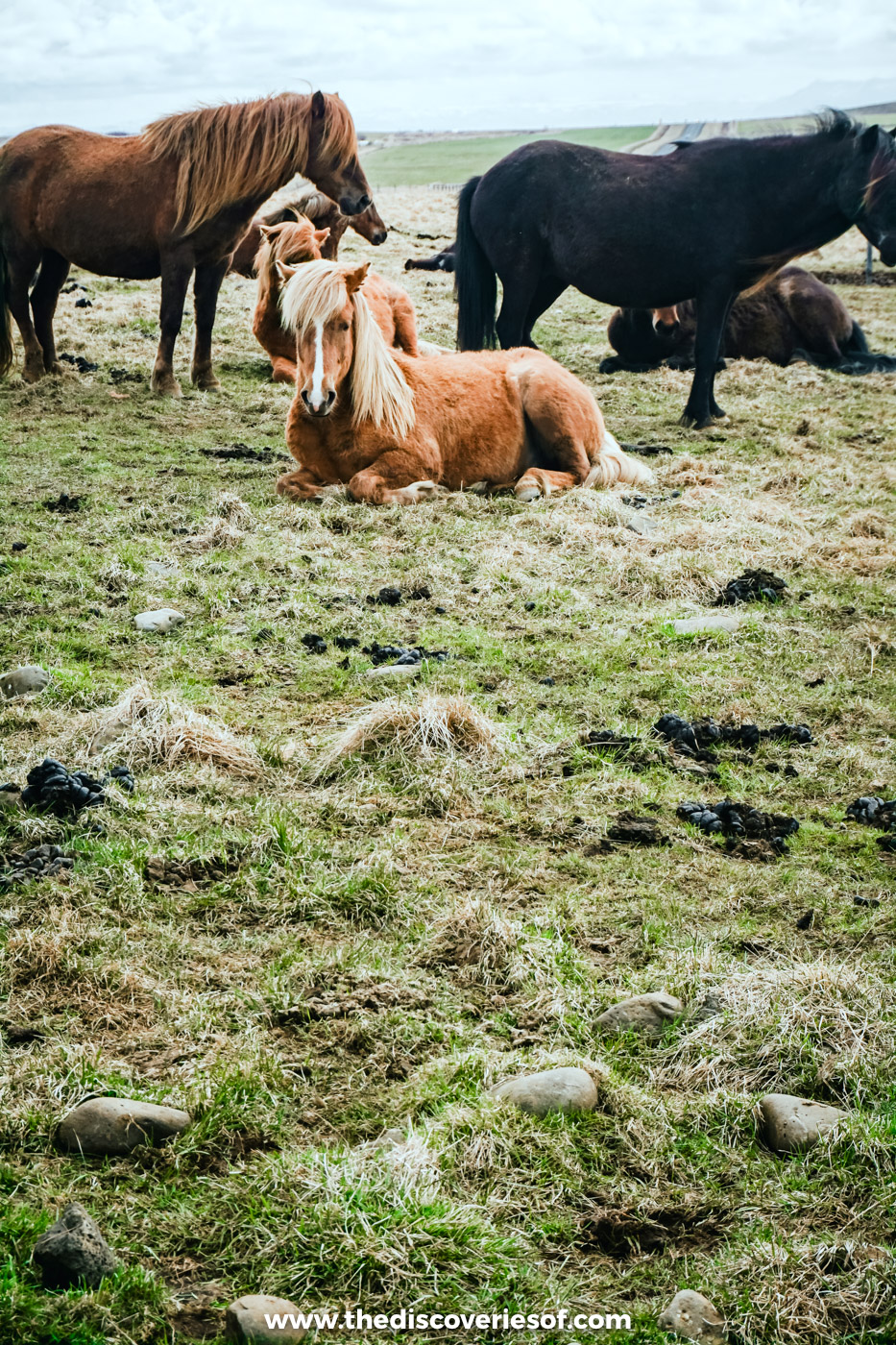
Icelandic horses are small, sturdy, shaggy and very sure of themselves. The breed has been kept pure for more than a thousand years, as no other horses are allowed into the country, and it has an extra gait, the tölt, a smooth, fast walk that makes riding over rough lava fields surprisingly comfortable.
You’ll see them in fields all over the south, and plenty of farms offer rides for beginners, from an hour or two near Reykjavik to multi-day treks in the Highlands.
Do
This Icelandic horse riding tour with Íshestar rides out across the lava fields near Hafnarfjörður (about two hours in the saddle, with an optional Reykjavik pick-up, from £96).
Drive the full loop of the Ring Road
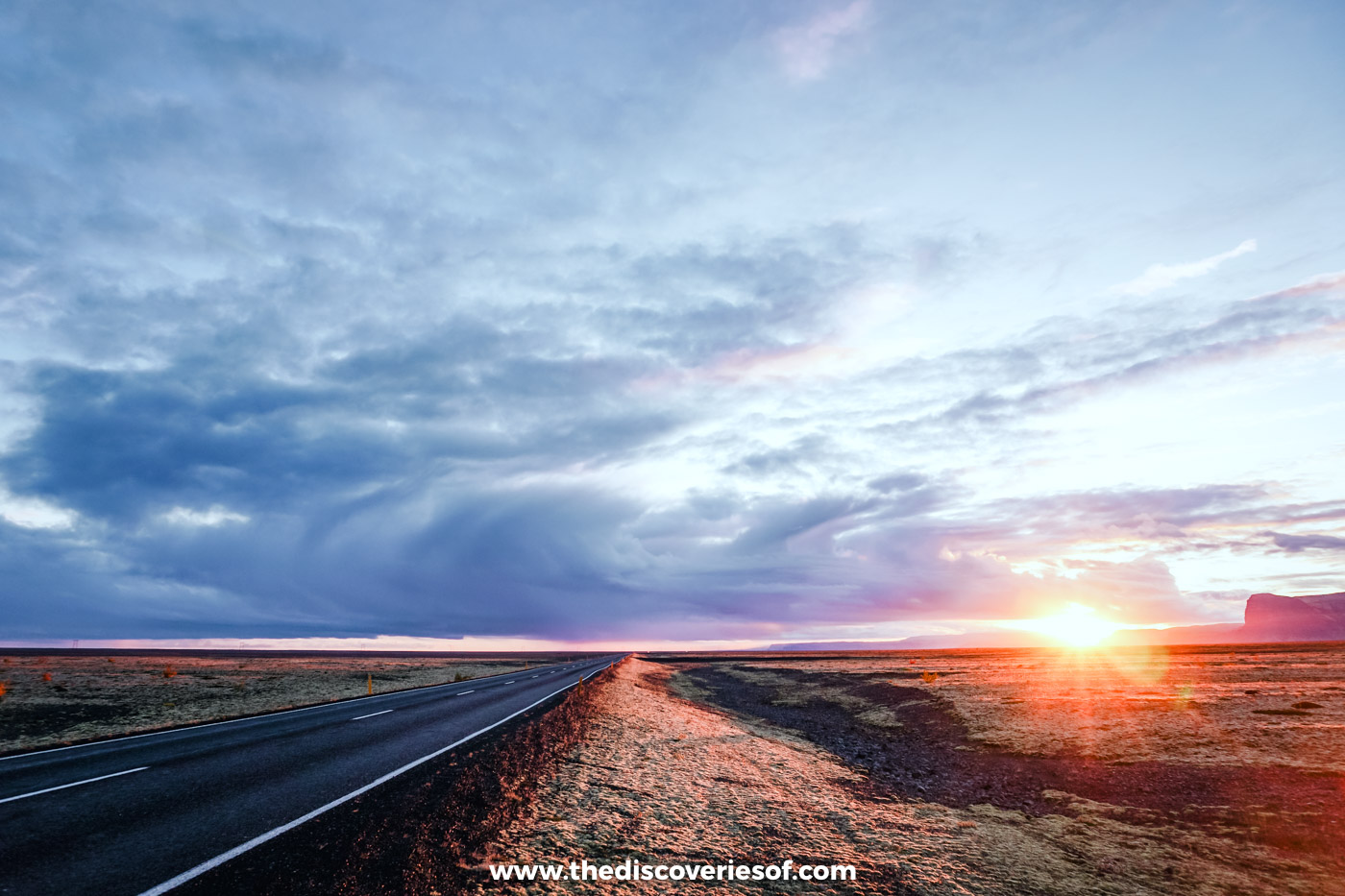
If you have the time, there’s no doubt that a trip around the Ring Road is one of the world’s great road trips. After all, what could be better than a highway that circles an entire island?
Route 1 is 1,322 kilometres (about 820 miles) long and passes glaciers, waterfalls, fjords, lava fields and volcanoes. You could drive it in a week, but 7 to 10 days is a more comfortable minimum, and if you want to stop at all of the attractions along the way, you’ll need two weeks or more.
You can hire a car and drive it yourself or take a guided tour. Go between May and September if you can, when the long days help and conditions are kindest, and check road.is and safetravel.is every morning.
Do
Book this four to seven-day small-group Ring Road tour (from £1,089) or hire a car and do it independently.
Road trip around the Snæfellsnes peninsula

The Snæfellsnes peninsula in the west packs so much into a small space (glaciers, black beaches, lava fields, sea cliffs and fishing villages) that it’s nicknamed “Iceland in miniature”. At its tip is Snæfellsjökull, the glacier-capped volcano that Jules Verne made the entrance to his Journey to the Centre of the Earth.
It makes a superb one or two-day road trip. Stop for the basalt columns at Gerðuberg, walk the clifftop path between Arnarstapi and Hellnar, hunt for the four lifting stones on the black pebbles of Djúpalónssandur and wait for the light at Kirkjufell, near the fishing town of Grundarfjörður, one of the most photographed mountains in the country. The landowners no longer allow anyone to climb it, but it looks its best from beside Kirkjufellsfoss anyway.
Do
The peninsula is about two and a half hours’ drive from Reykjavik, so stay a night if you can, or visit on this full-day Snæfellsnes tour from Reykjavik (11 hours, from £106).
Hunt out Game of Thrones filming locations

If you’re a fan of Game of Thrones, you’ll want to track down the places where the island stood in for the lands north of the Wall. The Almannagjá gorge at Þingvellir became the road to the Eyrie, and the glaciers near Skaftafell played the frozen wastes beyond the Wall. In the north, the lava fields of Dimmuborgir and the steamy Grjótagjá cave both appear in season three, while Reynisfjara stood in for Eastwatch-by-the-Sea and Kirkjufell is the arrowhead mountain.
They’re spread across the island, so the easiest way to see a few is to fold them into a road trip: Þingvellir sits on the Golden Circle, and Reynisfjara and the Skaftafell glaciers are on the south coast. If you’re a Westeros completist, my guide to Game of Thrones locations in Dubrovnik covers King’s Landing.
Walks I’ve done in Iceland
Most of my time in Iceland went on waterfalls, lagoons and long drives rather than serious hiking, but a few short walks stand out:
- Svartifoss from Skaftafell. About 45 minutes each way: the climb from the car park is the hard part, then it levels off to my favourite waterfall in the country. More in my guide to Iceland waterfalls.
- Into Gljúfrabúi. A short shuffle up a stream through a narrow gorge to a fall hidden inside the rock, a few minutes’ walk from Seljalandsfoss. Wear waterproofs.
- The slot canyons of Þórsmörk. Squeezing through gaps and wading underground streams with a guide on a super jeep day (more on that above).
- Skógafoss. I stayed at the bottom and got soaked in minutes; a staircase of around 500 steps climbs the side to a viewing platform at the top, where the Fimmvörðuháls trail begins.
- The Jökulsárlón shore. A few minutes’ walk along the lagoon from the car park leaves most of the crowds behind. My Jökulsárlón guide has the details.
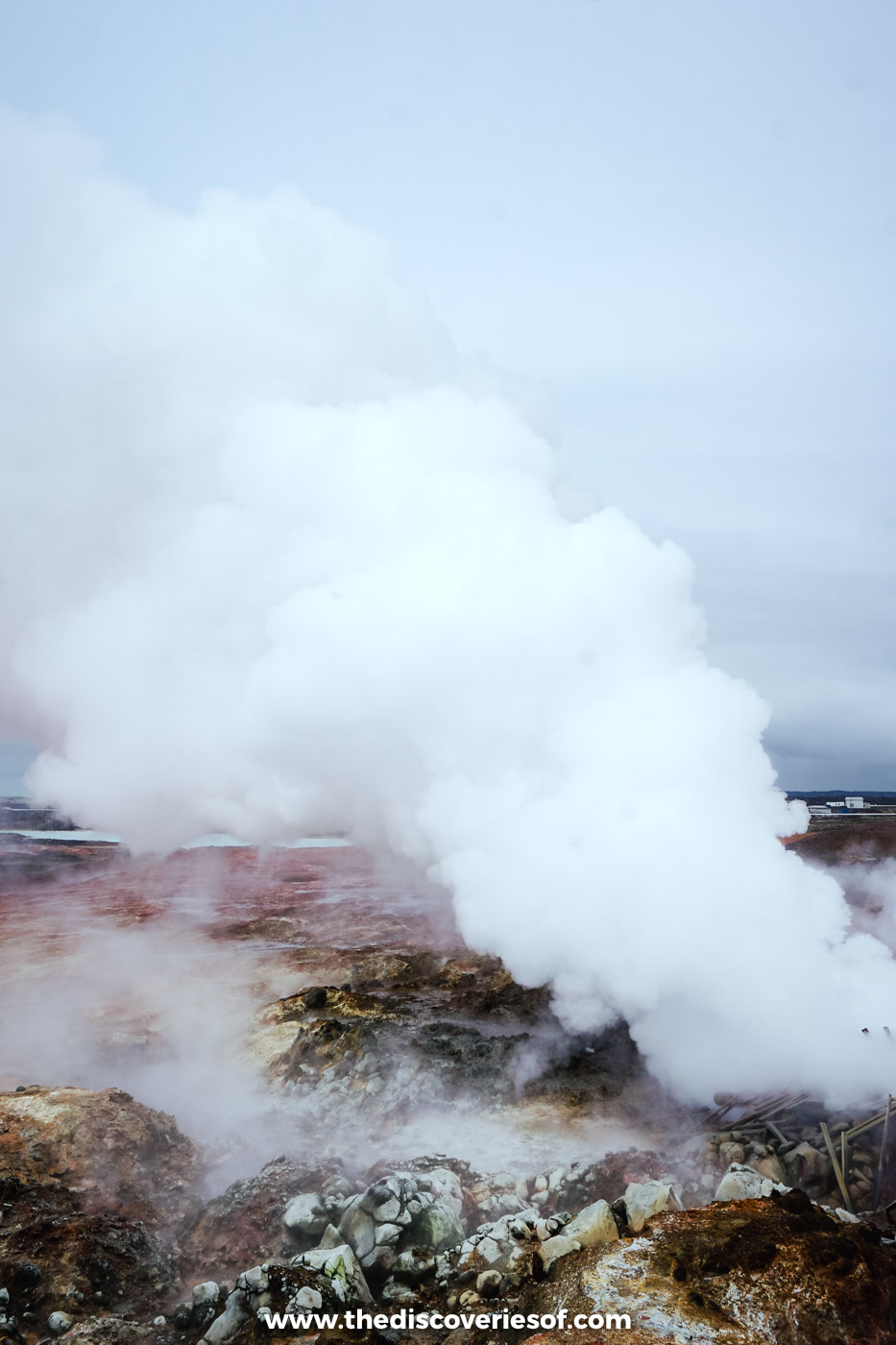
- Gunnuhver on Reykjanes. Viewing platforms over the steam of Iceland’s largest mud pool, a short drive from Keflavík airport.
For the big multi-day trails (Laugavegur from Landmannalaugar to Þórsmörk, usually open from late June to early September, and Fimmvörðuháls over the pass from Skógafoss), book the mountain huts early and check SafeTravel before you set off.
Before you go: tips for your trip
- Give yourself time. If you’re just interested in the highlights, a week is more than enough to take things at a leisurely pace, as long as you stick to the south. If you want to explore the country more fully, I would recommend spending at least two weeks. My 7 day Iceland itinerary is a good starting point.
- Book the big experiences ahead. Super jeep days, ice caves, Silfra, Friðheimar and the lagoons all sell out in high season, and most tours can be cancelled free up to 24 hours before if the weather turns.
- Pick your season for what you want to do. Summer is for puffins, Highland hikes and the midnight sun; September to April is aurora and ice cave season. My guide to the best time to visit Iceland breaks it down month by month, and my Iceland packing list covers what to bring.
- Where to stay. Base yourself in the south for the super jeeps, the south coast and the aurora: Hotel Rangá near Hella is a great option if you’re looking for something special, with its own observatory and Northern Lights wake-up calls. In Reykjavik, my favourite is the Reykjavik Marina (formerly the Icelandair Marina) in the trendy Grandi harbour district, where I stayed in December. My guide to where to stay in Iceland has more.
Map
Read next
- The best things to do in Reykjavik
- Iceland’s hidden gems: getting off the beaten path
- Iceland waterfalls: 25 of the best
- Iceland landmarks you have to see
- Is Iceland expensive? What things really cost
- A practical guide to visiting Jökulsárlón glacier lagoon
- Sky Lagoon: what the ritual is really like
- Top tips for your Iceland trip
- Where to stay in Iceland
- 3 days in Iceland: 5 waterfalls, a geyser and a black sand beach from one base
Love this? Save and share on Pinterest

Discover the top things to do, insider tips and hidden gems in our Iceland Travel Guide.
Read the guides →