
September is the one month that gives you both: long enough days for the big south coast drive, and dark enough nights for the aurora. Here’s what Iceland in September is really like, from the weather and the daylight to the Northern Lights odds, prices, crowds, what’s closing and what to pack.
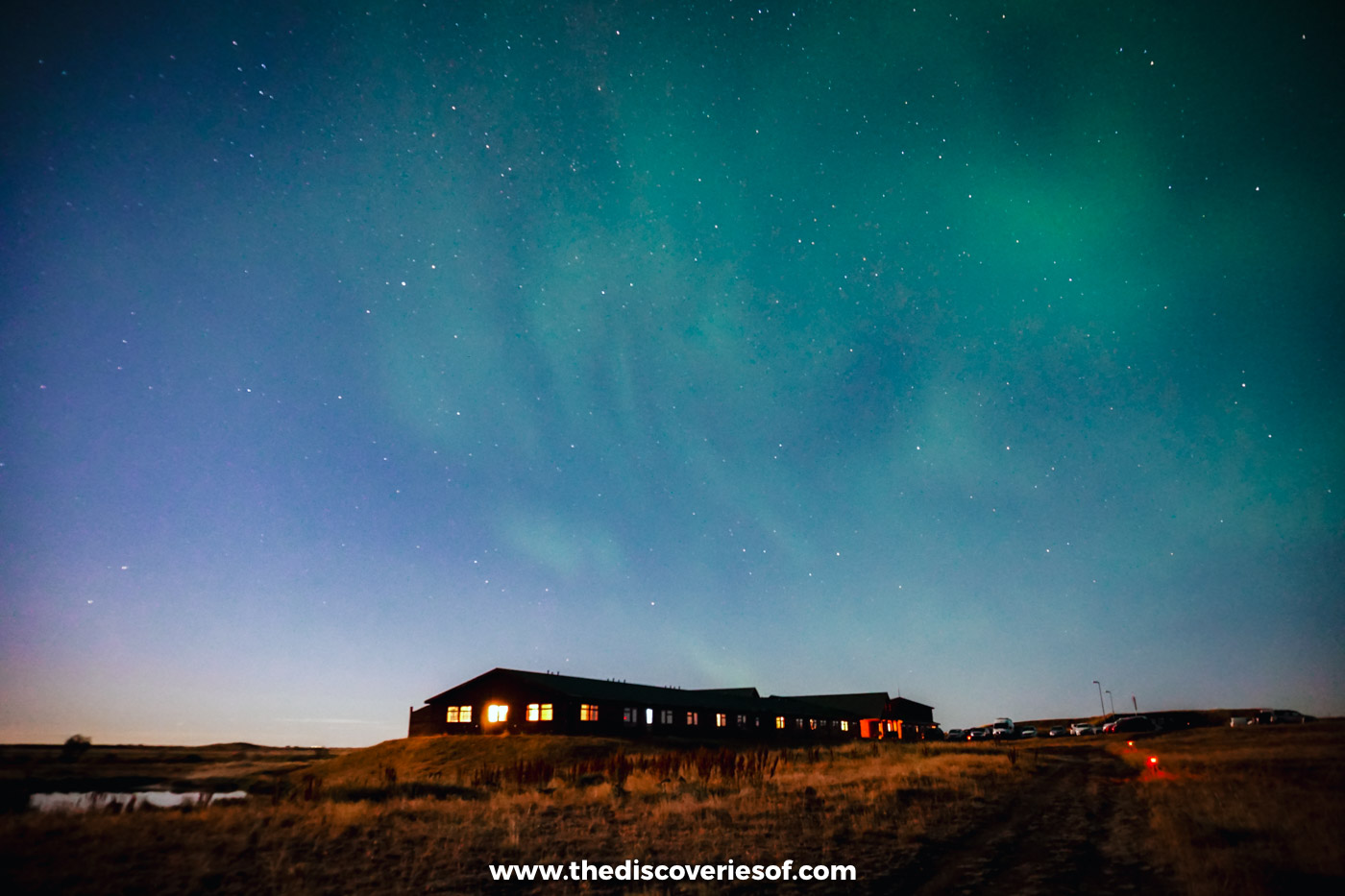
I didn’t end up in Iceland around the autumn equinox by accident. My first trip, in May, had everything except darkness, so when I went back I picked my dates for the one thing that trip couldn’t give me. It worked. I saw the Northern Lights on two nights in a row from Hotel Rangá, out in the dark farmland near Hella, and the rest of the story (wake-up call included) is in my review.
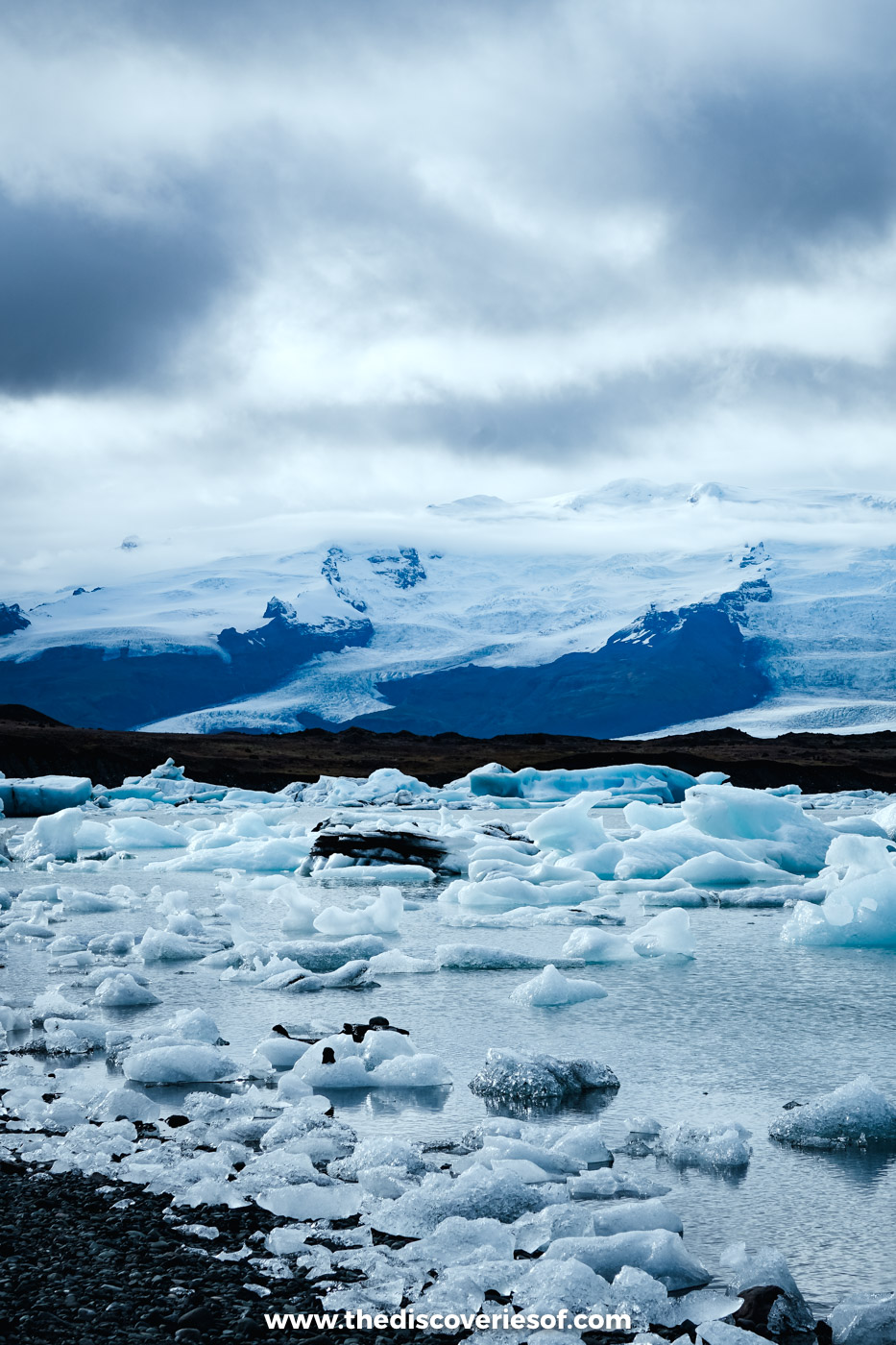
The days were just as good. I picked up a hire car at the airport and drove the south coast from Rangá to the glacier lagoon at Jökulsárlón and back in a single day, which you can only really pull off while the light still lasts into the evening. At the lagoon, of all places, I barely had to share the view. And the weather did what it does here: it changed its mind every hour or so.
That mix is the case for the month. You get autumn colour, quieter roads and a real chance of the aurora, in exchange for more rain, shorter evenings than summer and a highland season that’s packing up. This guide goes through all of it, so you can decide whether it’s the right month for you.
Iceland in September at a glance
- Weather: Reykjavik averages highs of about 11°C and lows of about 6°C, with rain on around 15 days of the month.
- Daylight: about 14 and a half hours on 1 September, falling to about 11 and a half by the 30th.
- Northern Lights: yes. The nights are dark enough again, and the weeks around the equinox (23 September) are among the best of the year.
- Crowds: busy, but well down on summer. Around 224,000 foreign visitors left through Keflavík in September 2025, against 311,000 in August.
- Prices: lower than July and August for car hire and most rooms; aurora hotels around the equinox are the exception.
- Closing: the highland F-roads and buses, the Laugavegur trail and most campsites wind down during the month. Puffins have already gone.
- Still open: everything on the Ring Road and the Golden Circle, the Jökulsárlón boats, glacier walks, whale watching and the lagoons.
Who September suits (and who should pick another month)
Choose September if you want the Northern Lights without midwinter cold, a self-drive along the south coast with time to stop, or simply fewer people at the big sights than in high summer. The waterfalls are still full, the birch and heather turn rust and gold, and the evenings are long enough that you’re not racing the dark.
Pick a different month if puffins are on your list (they’ve left by late August), if you want to hike the highland trails, or if you need guaranteed dry weather (no month gives you that, but September is one of the wettest). For the full picture across the year, my guide to the best time to visit Iceland compares every season.
Can you see the Northern Lights in Iceland in September?
Yes, and the second half of the month is one of the best windows of the whole year. The aurora is there all summer, but you can’t see it while the sky stays light. By early September proper darkness is back, and every night it lasts a little longer.
The numbers for Reykjavik show how fast the nights grow. On 1 September the sky is only properly dark (the sun at least 12 degrees below the horizon) from about 10.50pm to 4am, a window of about five hours. By the equinox it runs from about 9pm to 5.30am, and on 30 September it’s closer to nine hours, from about 8.45pm. Further from the city lights, the darkness feels deeper still.
The equinox itself is the other reason to aim for late September. Geomagnetic storms, which push the aurora brighter and further south, are more frequent around the spring and autumn equinoxes than at midwinter. That’s exactly why I timed my trip the way I did, and I’d do it again. My guide to the best time to see the Northern Lights in Iceland explains the science and the month-by-month odds.
How to give yourself the best chance:
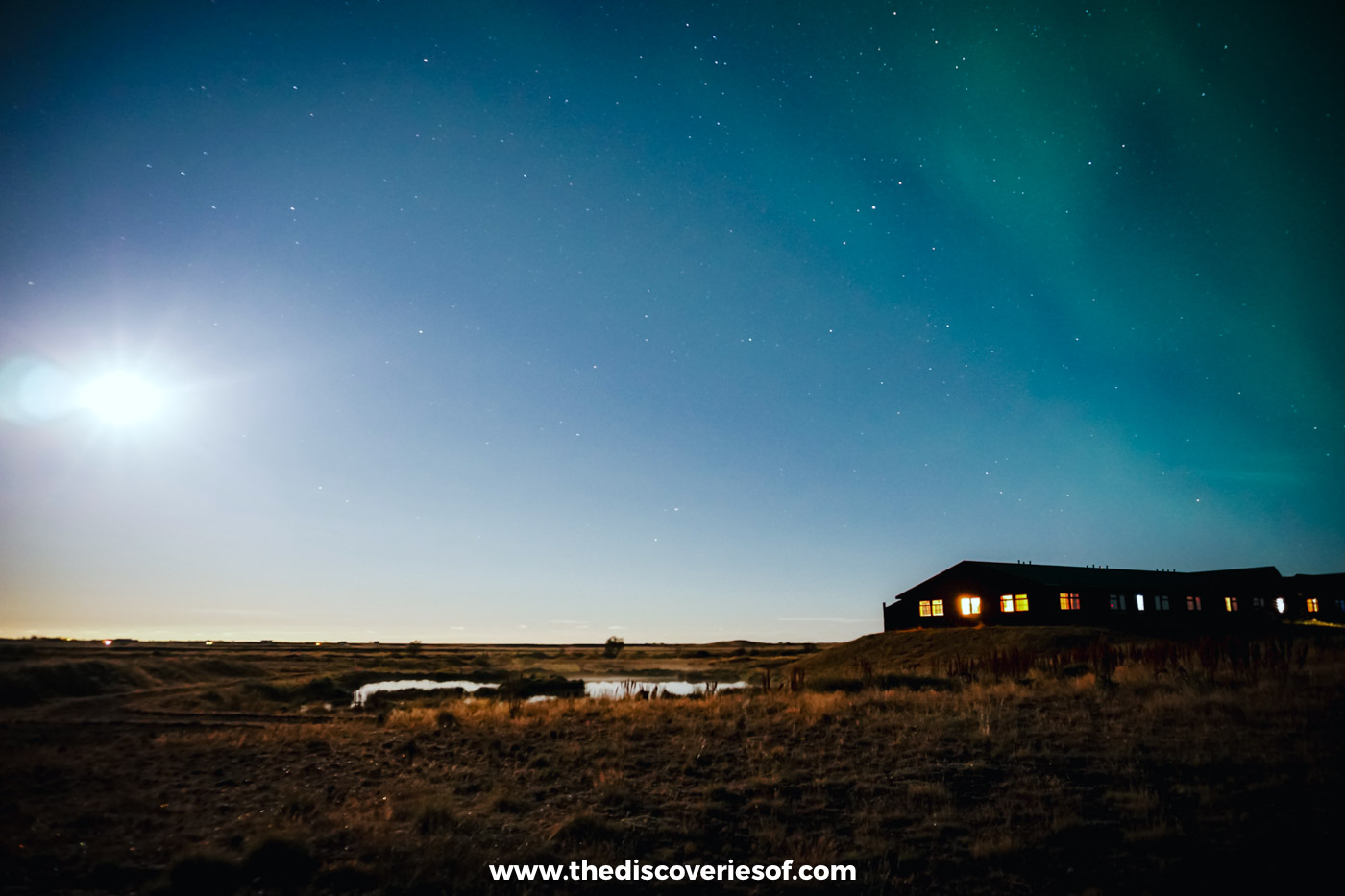
- Check the moon. In 2027 the moon is full on 15 September and new on the 30th, so the last 10 days of the month (equinox week included) have the darkest skies. A bright moon won’t stop a strong display, as my photo above shows, but it washes out the faint ones.
- Read the cloud map first. The Icelandic Met Office’s aurora forecast shows cloud cover alongside activity. September is often cloudy in the south-west, so a clear patch matters more than a high number.
- Don’t wait for a big Kp. The country sits right under the auroral oval, so even a modest forecast can give a lovely show if the sky is clear.
- Sleep somewhere dark. A rural hotel lets you step outside at 1am instead of booking a tour. My pick of the Northern Lights hotels in Iceland has the best of them, from wake-up calls to glass-roofed rooms.
- Or take a tour from Reykjavik. This Northern Lights bus tour includes a free second try if the lights don’t show.
The sun is also past the peak of its 11-year cycle, which came in late 2024, but strong storms keep coming for several years on the way down, so the next couple of autumns still look promising.
September weather: mild, wet and changeable by the hour
There’s a saying that if you don’t like the weather here, you should wait five minutes, and September proves it. Reykjavik’s averages (Icelandic Met Office, 1991 to 2020) are a high of about 11°C, a low of about 6°C, 87 mm of rain and 15 days with at least a millimetre of it. That makes it one of the capital’s wettest months, and the sunniest days are behind you: around 118 hours of sunshine, against 165 in August.
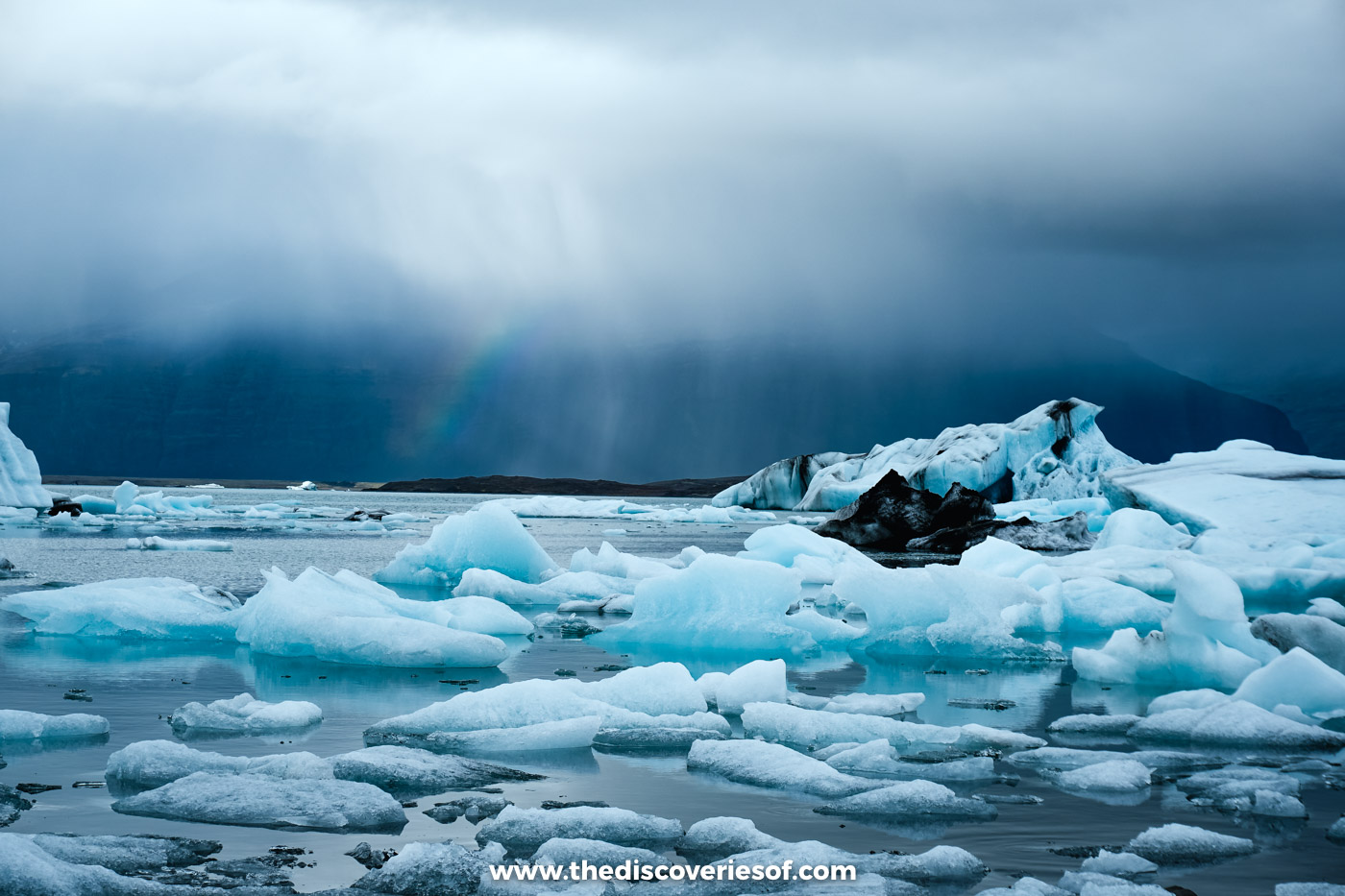
The south coast is wetter again. Vík, below the Mýrdalsjökull ice cap, gets well over twice Reykjavik’s September rainfall on average, while Akureyri in the north is much drier, with similar temperatures. Snow can arrive on the high ground at any point in the month, and autumn storms become more frequent towards the end of it.
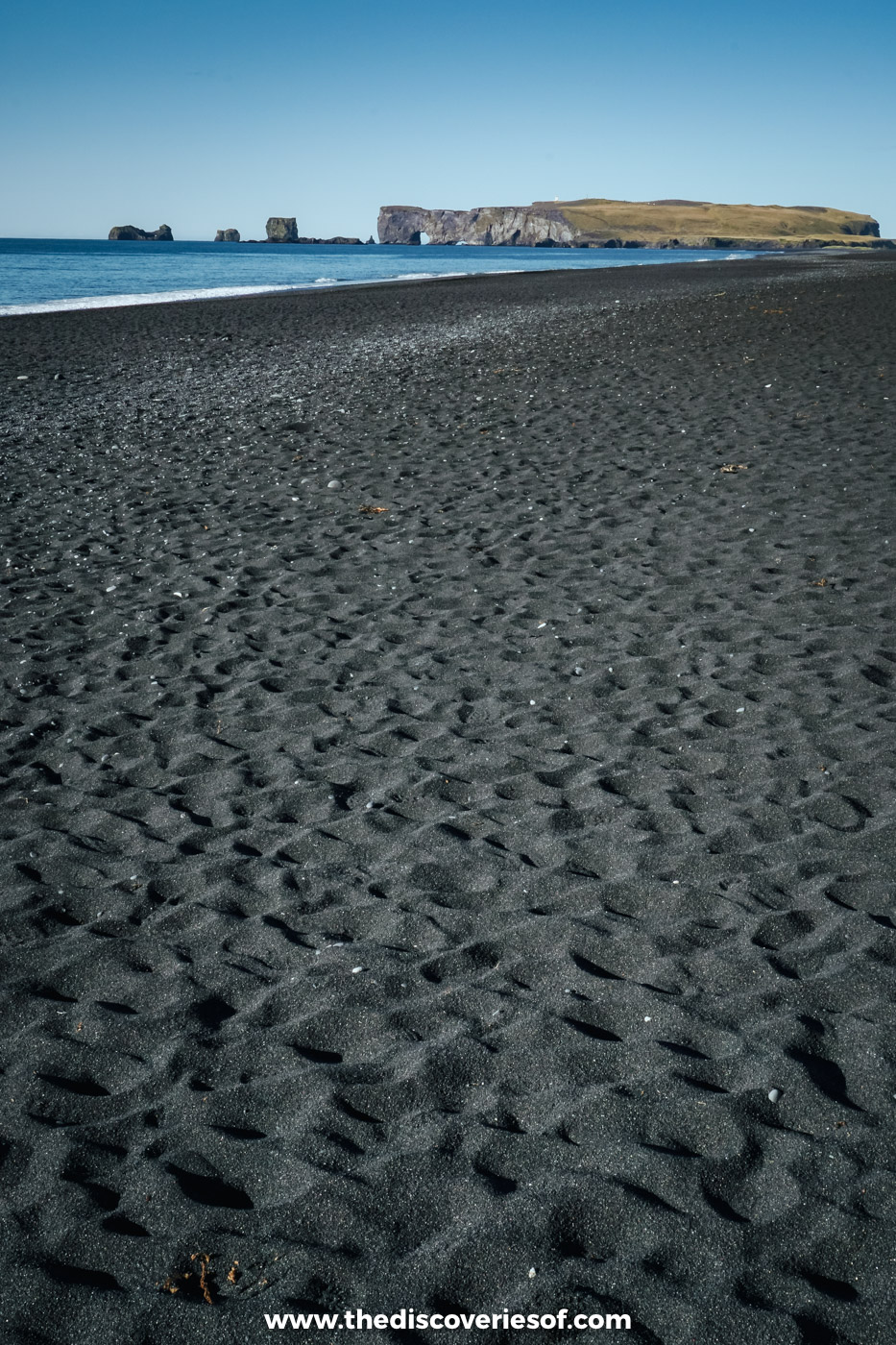
On the ground, that means you’ll probably get a bit of everything. On my long drive east I had a cloudless blue sky over the cliffs and black sand at Reynisfjara, a squall that swept across Jökulsárlón while I was on the shore, and a sky that turned pink over the sands on the way back. None of it lasted long.
Check the forecast at vedur.is, the road conditions at umferdin.is and the alerts at safetravel.is each morning, and hold your plans loosely. Wind is often the bigger problem than rain: park facing into it and keep a firm grip on your car door.
Daylight: from 14 hours to 11 and a half
September is when the days shorten fastest. In Reykjavik you lose six or seven minutes of daylight every day, and by the end of the month the evenings are noticeably shorter than at the start.
| Date | Sunrise | Sunset | Daylight |
|---|---|---|---|
| 1 September | 6.09am | 8.44pm | 14 hours 35 minutes |
| 15 September | 6.49am | 7.54pm | 13 hours 5 minutes |
| 23 September (equinox) | 7.12am | 7.25pm | 12 hours 13 minutes |
| 30 September | 7.32am | 7.01pm | 11 hours 29 minutes |
Times are for Reykjavik and shift by only a few minutes from year to year. The east of the country gets its sunrise and sunset a little earlier.
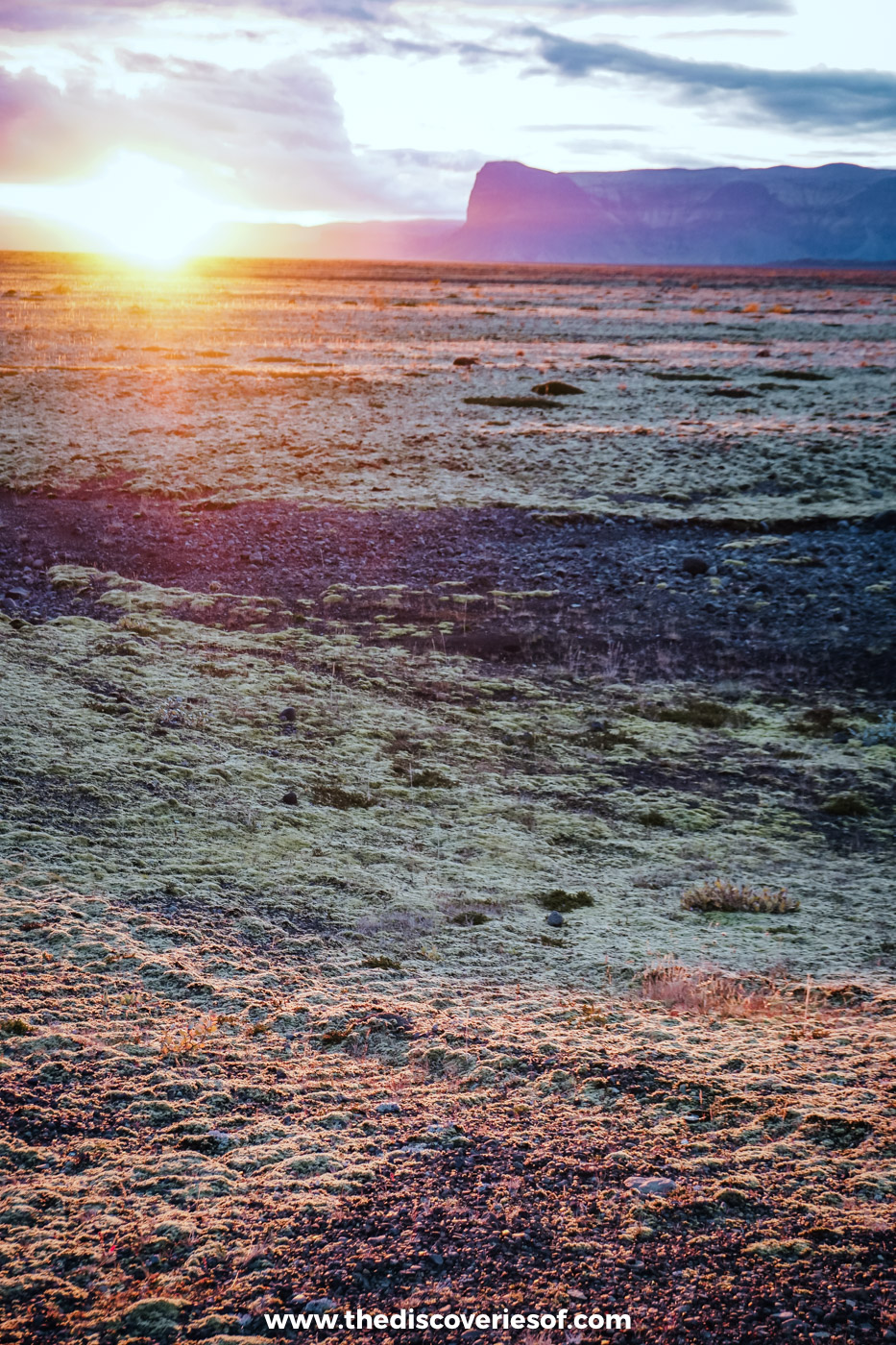
Even at the end of the month, that’s plenty for a full day out. Twelve hours of light is what made my Rangá to Jökulsárlón round trip possible, with time to walk the lagoon shore in the middle. Start early, save the long empty stretches for the end of the day, and the light over the sandur plains in the evening is a reward in itself.
What’s open, what’s closing and what’s already gone
This is the month when the country switches from its summer timetable to its winter one, so it pays to check the dates for anything outside the main tourist routes.
Closing during the month
- The highlands. The F-roads into the interior usually close in the second half of September, or sooner if snow comes early, and a closed road is closed by law. You need a 4×4 to drive them at all, and many have unbridged rivers. My Iceland travel tips cover the hire car rules.
- Highland buses. The scheduled highland buses wind down during September: in 2026 the last outbound bus to Þórsmörk left Reykjavik on 20 September. Super jeep tours into Þórsmörk run all year.
- The big trails. The Laugavegur is usually only walkable until early September, and the wardens leave the huts along it soon after. The Fimmvörðuháls pass from Skógafoss is another one to check: in late August 2026 the Icelandic hiking associations strongly advised against crossing it, after new crevasses opened on the route.
- Campsites. Many close in mid-September, and only a few stay open into October.
- Seasonal hotels and shorter hours. A few country hotels close for the winter at the end of September or October, and some museums and attractions switch to shorter winter hours on 1 September. The Skógar Museum, for example, goes from 9am to 6pm in summer to 10am to 5pm.
Already gone
- Puffins. Most have left their cliffs by mid to late August, so September is too late to see them.
- The midnight sun, obviously.
Still going strong
- The Ring Road and the Golden Circle, which are open all year and at their easiest before the winter weather arrives.
- Jökulsárlón boat tours. The amphibian boats run until November and the Zodiacs until October, so you can still get out among the icebergs. My Jökulsárlón guide covers both.
- Glacier walks, which run all year with a guide. The natural ice caves under Vatnajökull don’t open until the cave season starts in October, but the Katla ice cave near Vík is visited all year.
- Whale watching, from Reykjavik and from Húsavík in the north, where humpbacks are still around.
- Geothermal lagoons and pools, which open all year, and the walk behind Seljalandsfoss, which usually stays open until the ice arrives.
Prices: cheaper than August, unless you want the equinox
Iceland is never cheap, but September takes the edge off. The biggest saving is usually car hire: Go Car Rental’s 2026 price guide puts a small car at about $535 to $610 (around £400 to £455) for a week in September, against about $632 to $1,010 (around £470 to £755) in July and August. Room rates drop after the August peak too, and there’s more availability at short notice.
The exception is anywhere dark and well known for the aurora. The country hotels near Hella and Hvolsvöllur, and the handful of places near Jökulsárlón, fill up early for the equinox weeks, so book those first and fill in the rest of the trip around them.
My guide to whether Iceland is expensive has current prices for everything from hot dogs to hotels, and the ways I kept costs down.
Crowds: over a quarter fewer visitors than August
The summer rush ends quickly. According to the Icelandic Tourist Board, around 224,000 foreign visitors departed through Keflavík in September 2025, compared with 311,000 in August and 302,000 in July. That’s roughly the same as June, and it falls again in October.
The coaches still run, so the busiest stops near Reykjavik (Þingvellir, Geysir, Gullfoss, Seljalandsfoss and Skógafoss) are never empty in the middle of the day. Further east, it’s a different story. The further you drive from the capital, the quieter it gets, and at Jökulsárlón a short walk along the shore away from the car park was enough to leave almost everyone behind.
Where to go: the south coast in a day
The south coast is made for September: the days are long enough for the drive, the main road is in good shape and the nights bring the aurora. This is the route I drove from Rangá, with each stop linked to its own guide.
- Seljalandsfoss: the falls you can walk behind. The path was still open in September, and I went round the back for a second time.
- Skógafoss: the 60-metre falls beside the Ring Road and, on a sunny day, rainbows over the river. I was drenched within minutes of reaching the bottom.
- Reynisfjara and the Reynisdrangar sea stacks: the black sand beach and basalt columns near Vík, where my drone got the best view of the stacks. Stay well back from the waterline: the sneaker waves here are no joke.
- Stjórnarfoss: a small two-step fall near Kirkjubæjarklaustur that I found purely by chance.
- Jökulsárlón: the glacier lagoon was the turnaround point and the highlight. Time was tight, so rather than take a boat I explored the shoreline on foot. Diamond Beach is hit and miss: I walked over late in the day and found the black sand almost bare.
- Fjallsárlón: the smaller lagoon just to the west, where the glacier comes right down to the water.
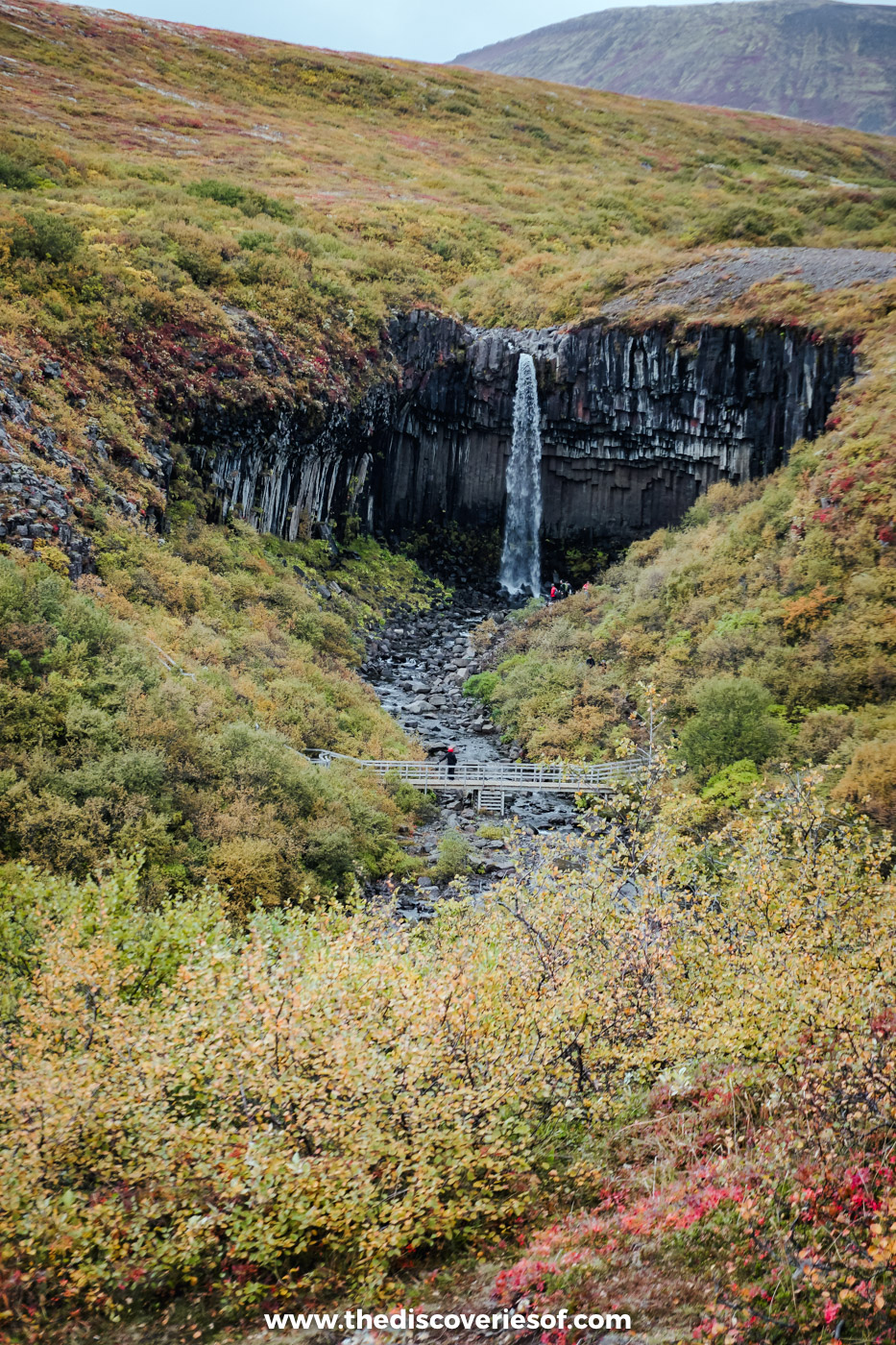
- Svartifoss: my favourite waterfall, about 45 minutes’ walk up from the Skaftafell visitor centre, and my stop on the way back west. I walked the loop past the falls.
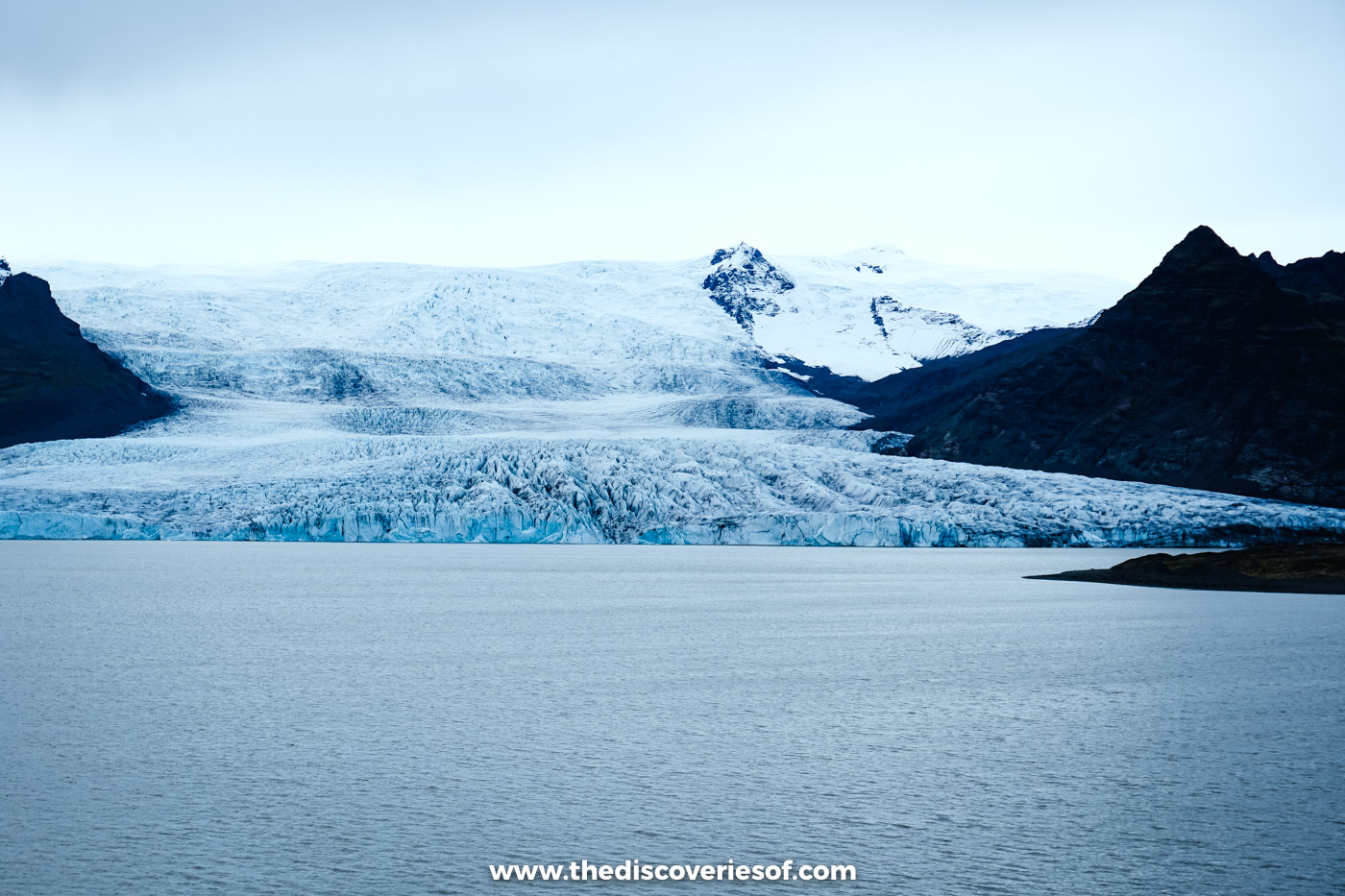
Rangá to Jökulsárlón is about three and a half hours each way without stops, so doing it in a day is long. If you’d rather not, break the drive with a night near Vík or Kirkjubæjarklaustur. My 7 day Iceland itinerary spreads the same coast over several days.
Two more stops made my September trip:
- Gullfoss: I’d seen it grey and wintry in May, and in September the sun was out and the spray was full of rainbows. It’s on the Golden Circle, an easy day from Reykjavik in any season.
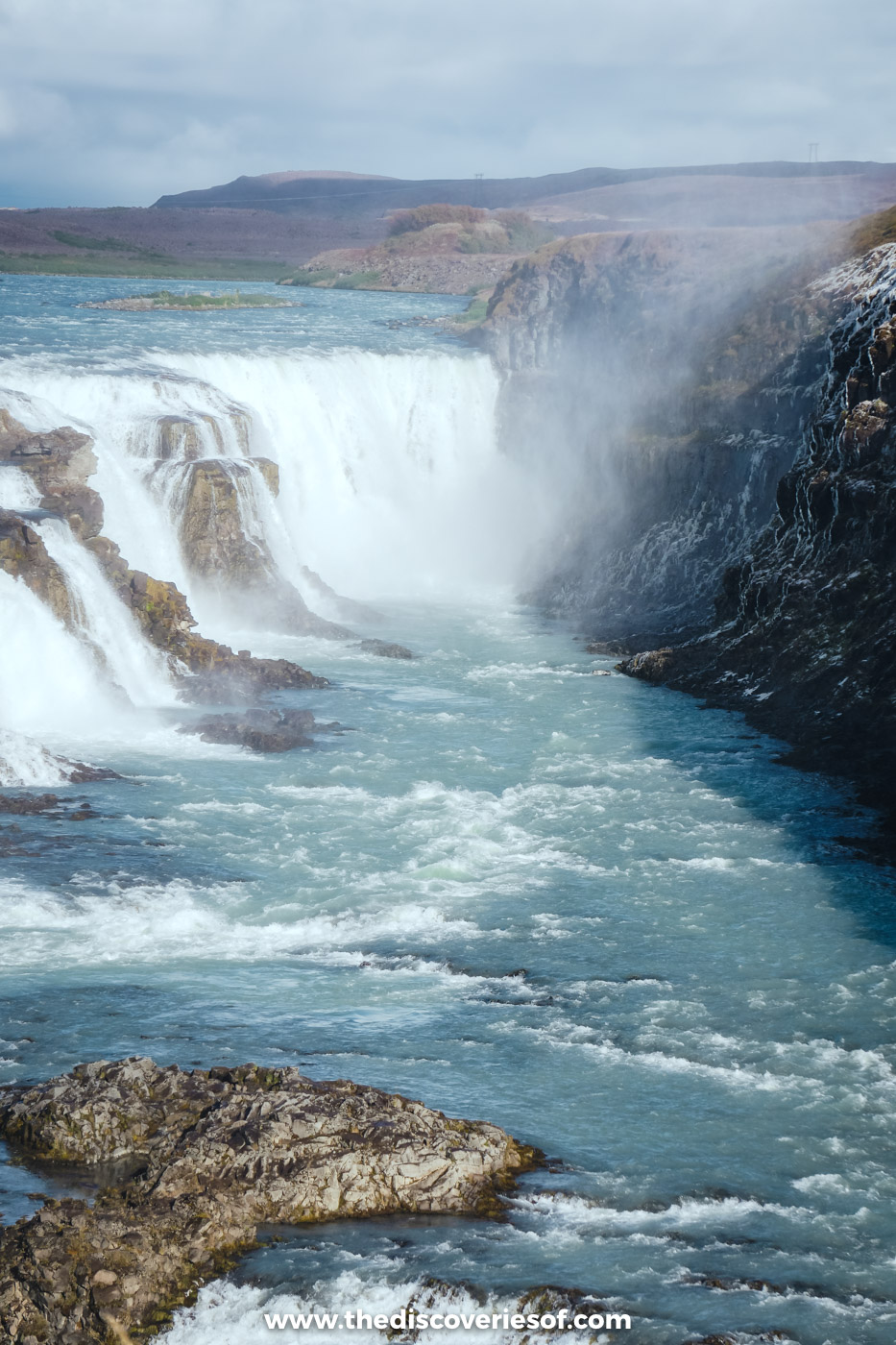
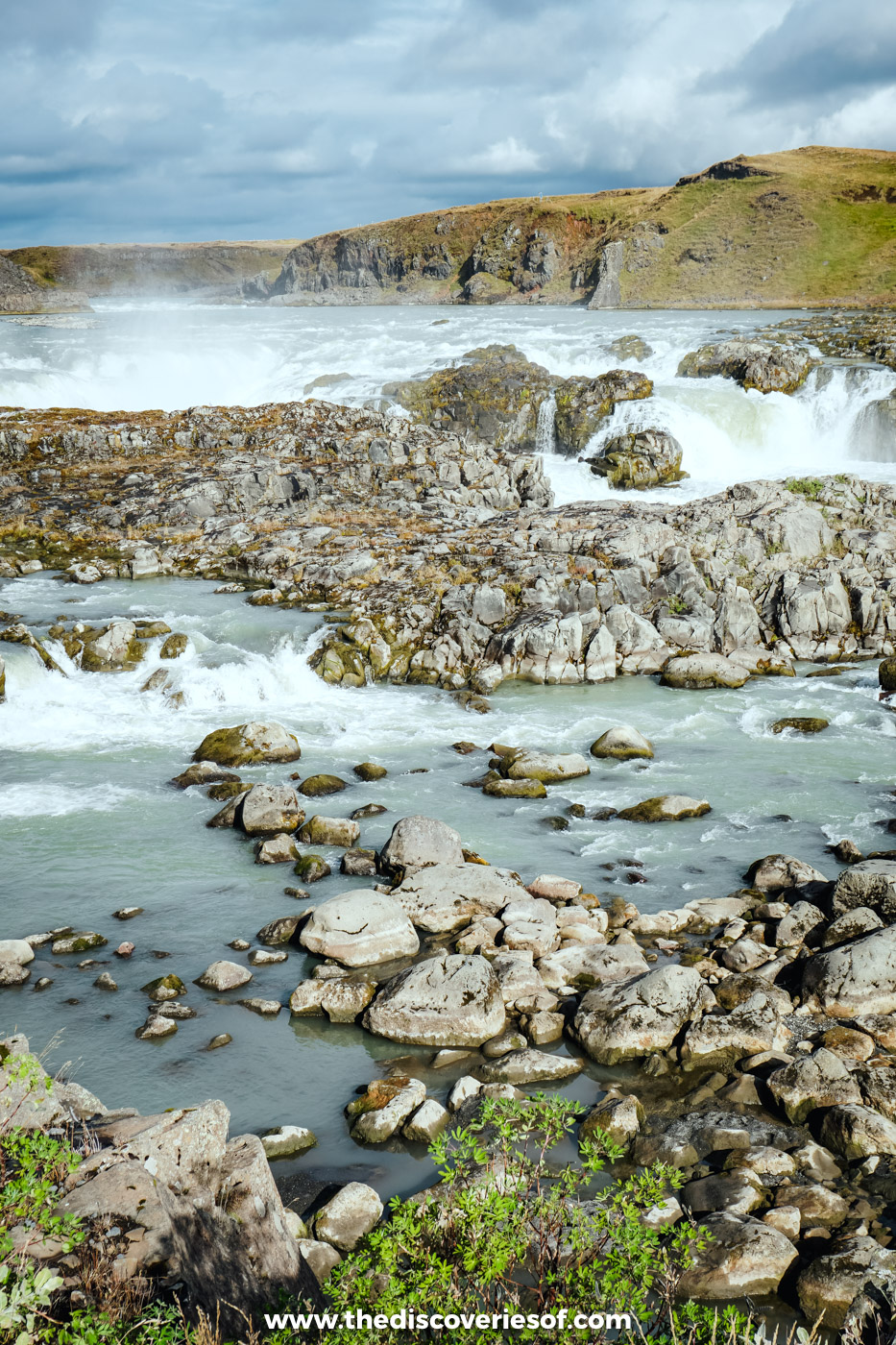
- Urriðafoss: the most powerful waterfall in the country by volume, just off the Ring Road east of Selfoss. On my final morning, a Sunday, I shared it with just a family and an angler.
Festivals and events: round-ups, films and the equinox
September is harvest time in the countryside, and it has a few events worth planning around.
- Réttir (the sheep round-ups). Through the summer the sheep roam free in the mountains, and in September farmers bring them down and sort them into their own pens at the réttir, often with a sing-song and a party afterwards. In South Iceland they run from early to late September, mostly at weekends, and visitors are welcome to watch. Drive slowly in farming areas, as you may meet the flocks on the road.
- Laufskálarétt. The biggest horse round-up in the country, in Skagafjörður in the north, usually on the last Saturday of September.
- Ljósanótt. Reykjanesbær’s festival of lights, on the first weekend of September, with concerts and fireworks over the sea cliffs. It’s close to the airport, which makes it an easy first or last night.
- Reykjavik International Film Festival (RIFF). Eleven days of films across the city, usually from late September into early October (24 September to 4 October in 2026).
- The autumn equinox on 23 September, for the aurora rather than a party.
What to pack for September
You don’t need a winter wardrobe, but you do need to stay dry and warm on cold nights. My Iceland packing list breaks it down month by month; the short version:
- A waterproof jacket and trousers. With rain on half the days and spray at every big waterfall, they’re the most useful thing you’ll pack.
- Warm layers, a hat and gloves for standing outside on aurora nights, when it can feel a lot colder than 6°C.
- Waterproof walking boots with a decent grip for wet paths and black sand.
- A head torch for getting around in the dark. I learned that one the hard way, with a gouged shin from a night of aurora watching.
- A swimsuit for the hot tubs and the local pools.
Quick answers
Is it cold in September? Not by Icelandic standards. Days are usually around 10°C to 12°C and nights around 5°C to 6°C in the south-west, colder inland and in the north. The wind and the rain are what make it feel chilly.
Is September or October better for the Northern Lights? Both are good. September has the equinox boost and longer days for sightseeing; October has longer nights but colder, wetter weather and fewer roads open. If you can, aim for the last 10 days of September.
Can you drive the Ring Road in September? Yes. The whole of Route 1 is open, and conditions are usually good until the first winter storms, which can arrive late in the month in the north and east. The Iceland Ring Road guide covers the full loop.
Are the puffins still there? No. They leave their nesting cliffs by around mid to late August.
Map
Read next
- When’s the best time to see the Northern Lights in Iceland?
- Best time to visit Iceland, season by season
- Hotel Rangá review
- Northern Lights hotels in Iceland
- Jökulsárlón glacier lagoon
- 7 day Iceland itinerary
- Iceland packing list
- Is Iceland expensive?
- Iceland travel guide
Love this? Save and share on Pinterest

Discover the top things to do, insider tips and hidden gems in our Iceland Travel Guide.
Read the guides →