
I’ve seen Iceland both ways, with local guides in May and on my own in a hire car in September, and each gave me something the other couldn’t. Here’s what, what they cost at the time of writing, who each suits and how to get the best of both.
I’ve seen Iceland both ways. On my first trip, in early May, I spent my days with local guides. One took me round the Golden Circle; another drove me across an empty black beach in a super jeep and then up into the canyons on the edge of Þórsmörk. When I came back in September, I had a hire car waiting at Keflavík and decided for myself where to go and when to stop.
Both trips were brilliant, and they were brilliant for completely different reasons. The guides took me to places I couldn’t have reached in an ordinary car, and to a few I’d never have known were there. The car gave me freedom, a much longer reach along the south coast and a far smaller bill.
So the question of self-drive or tours in Iceland is really about what you want from each day. This guide starts with what each approach gave me, then covers the kinds of tour I haven’t taken, the real costs, who each suits and the rules you need to know if you drive yourself.
What my guided days gave me
A beach and a valley no hire car could reach
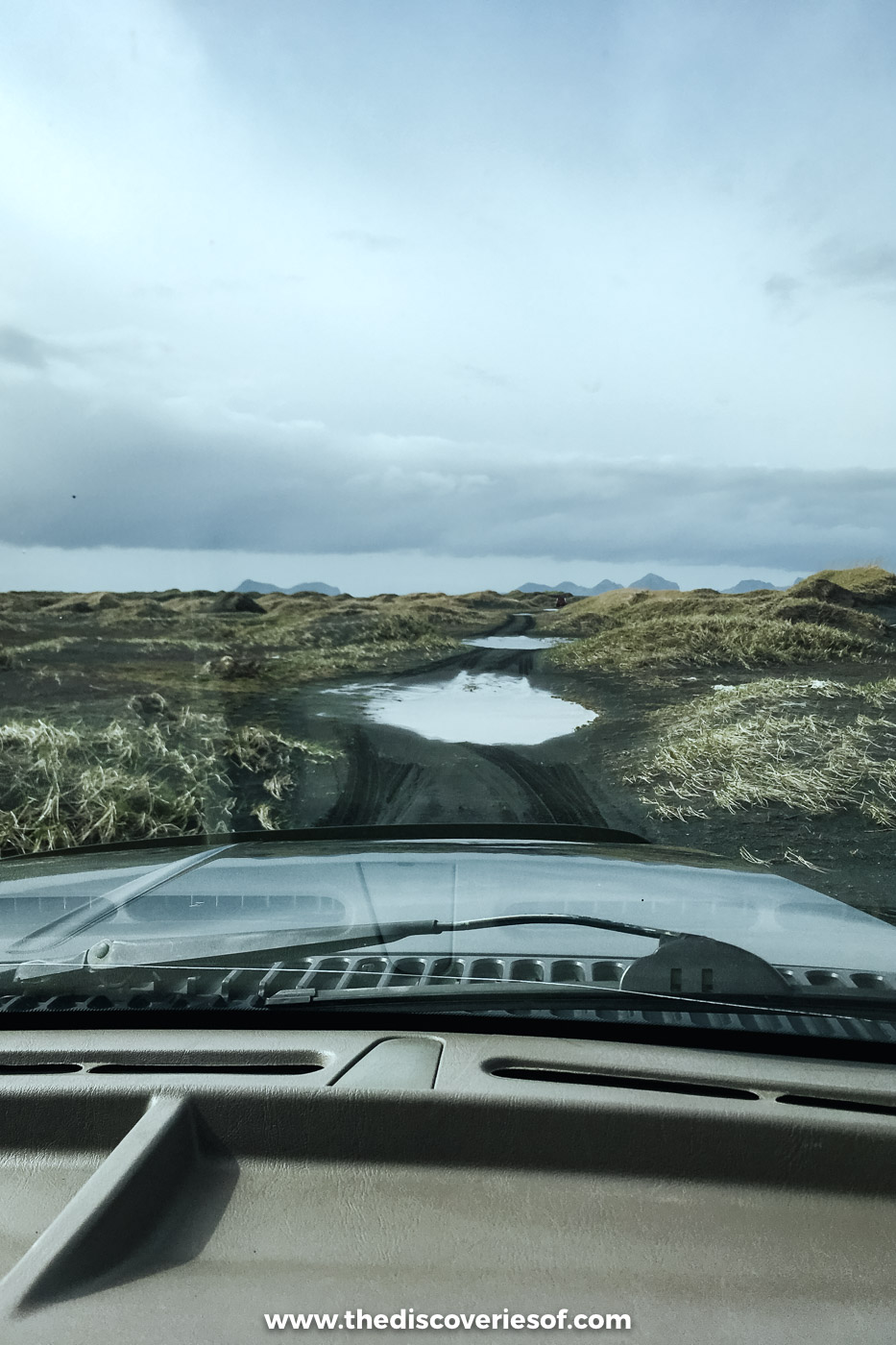
My super jeep day was with Midgard Adventure, a small company run by three locals. My guide promised me a beach that hardly anyone visits, then spent about a quarter of an hour getting there: over sand dunes and straight through streams and wide pools of standing water. The beach was Landeyjafjara, a vast stretch of black sand facing the Westman Islands. Birds were arriving back in flocks, and I spotted a couple of seals too. Getting there was half the fun, and I could never have done it myself.
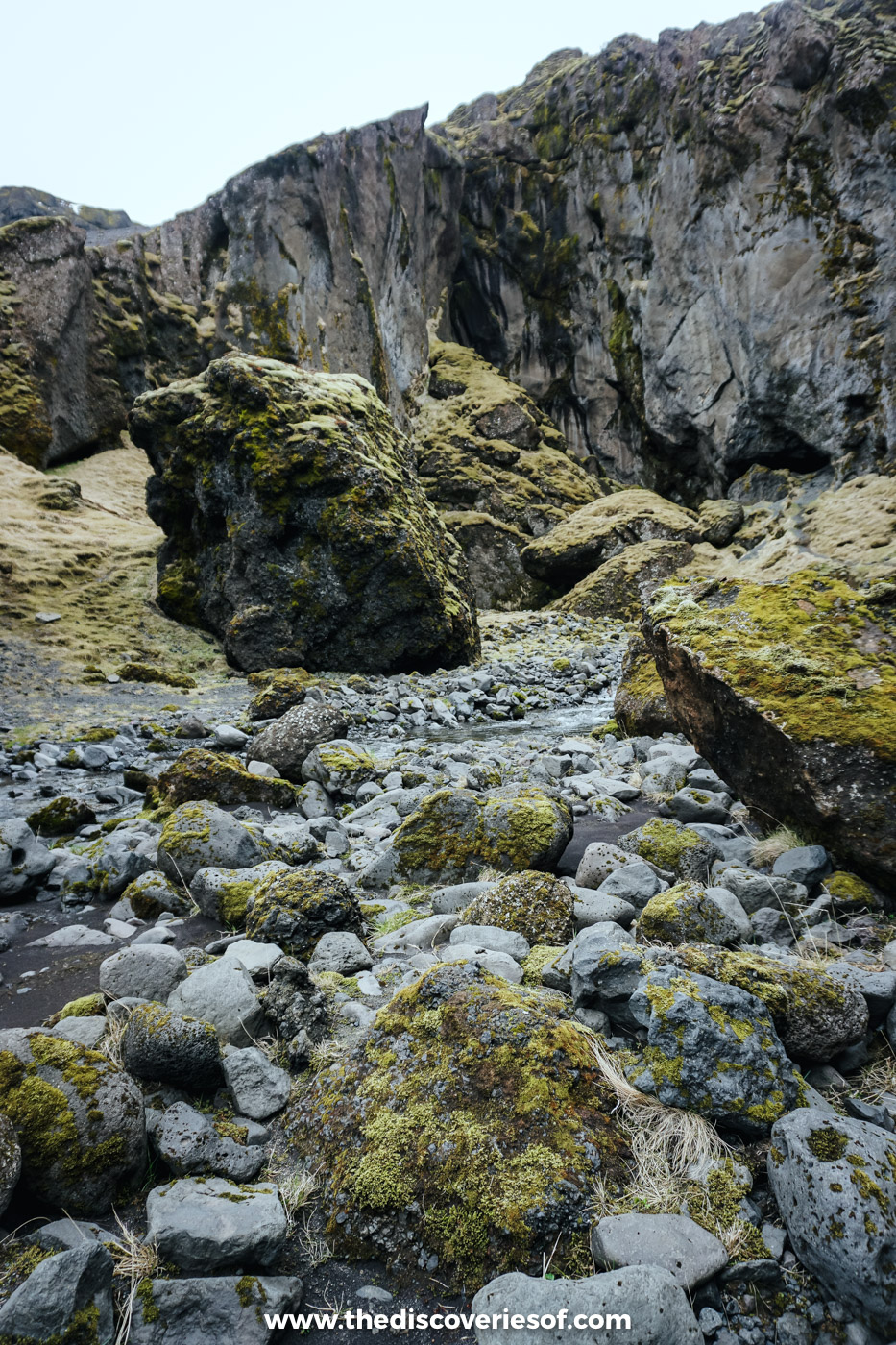
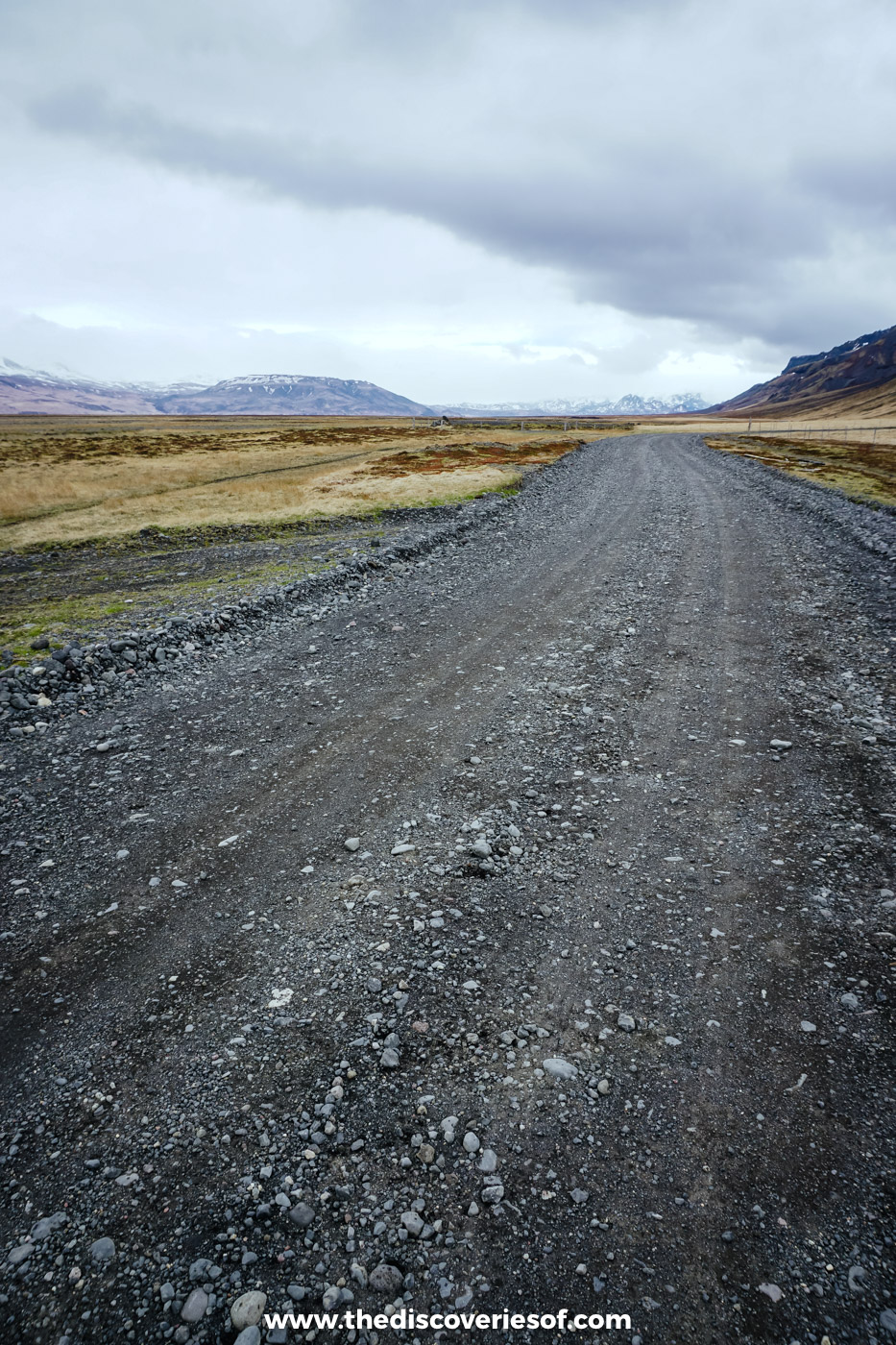
Later that day, the jeep left the tarmac behind for gravel tracks and unbridged rivers. That’s the part a hire car simply can’t do: the road into Þórsmörk ends in river crossings that rental insurance won’t cover. On foot, my guide led me into canyons I’d never have found on a map. I squeezed through a gap in the rock, splashed across a stream that runs underneath it and came out in a narrow slot valley. I’ll admit that squeezing between walls of rock in a country known for earthquakes gave me pause. It turned out to be one of the highlights of that trip.
The guide’s local knowledge showed even at the classic stops. At Gljúfrabúi, I was taken into a narrow canyon in the cliff with no idea of what was waiting inside, which turned out to be a waterfall hidden in its own chamber of rock. If I’d been on my own, I might well have walked past.
Do
Midgard still runs its Þórsmörk super jeep day all year, in groups of four to 14, from its base camp in Hvolsvöllur. Allow six to eight hours; at the time of writing a seat costs from ISK 39,000 (about £240).
The Golden Circle with someone else at the wheel
My guided Golden Circle day was the gentler kind of tour. I walked the lake shore at Þingvellir under snowy peaks, watched Strokkur erupt at Geysir and felt the spray at Gullfoss. Along the way there was a farm with an original turf house, which I wouldn’t have known to look for, and lunch in the Friðheimar greenhouse, where my bloody mary was made with tomatoes grown a few metres away. I didn’t have to think about directions or where to eat, and I could watch the landscape go by instead of the road.
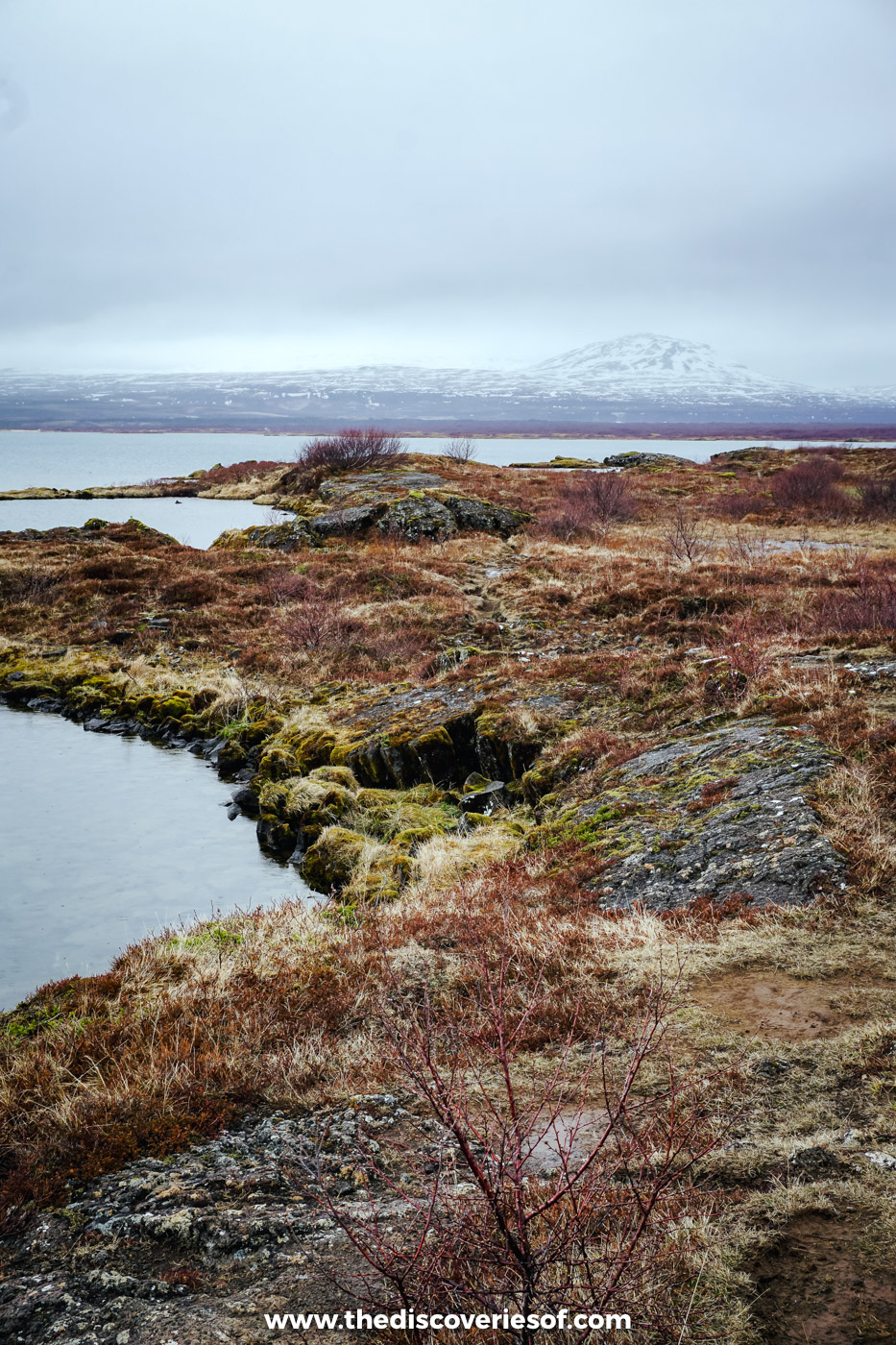
When I went back to Gullfoss on my own in September, the falls were full of rainbows in bright sunshine, and the pace was mine. That’s the trade-off in a nutshell. A guide adds stories and takes away the logistics; a car lets you set the pace. My Golden Circle guide covers both ways of doing the loop.
What my hire car gave me
My own timetable, all the way to the icebergs
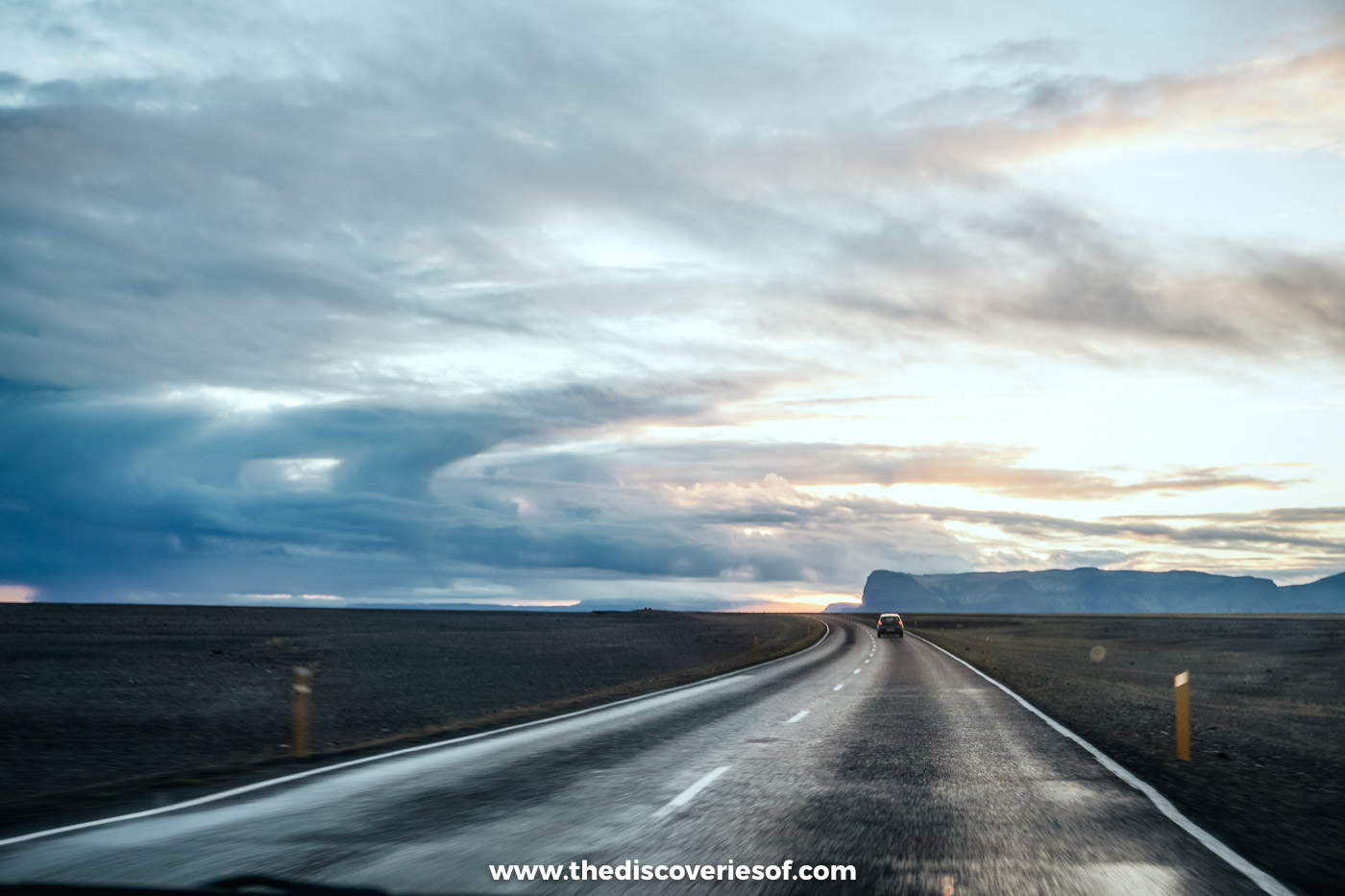
In September I picked up the car at the airport and used it for everything. The day I remember best was a long drive east from my hotel near Hella to Jökulsárlón: Skógafoss first, then Reynisfjara and the Reynisdrangar sea stacks, then the glacier lagoon itself, with Svartifoss on the way back. I stopped wherever I liked, for as long as I liked, with my own music on in between.
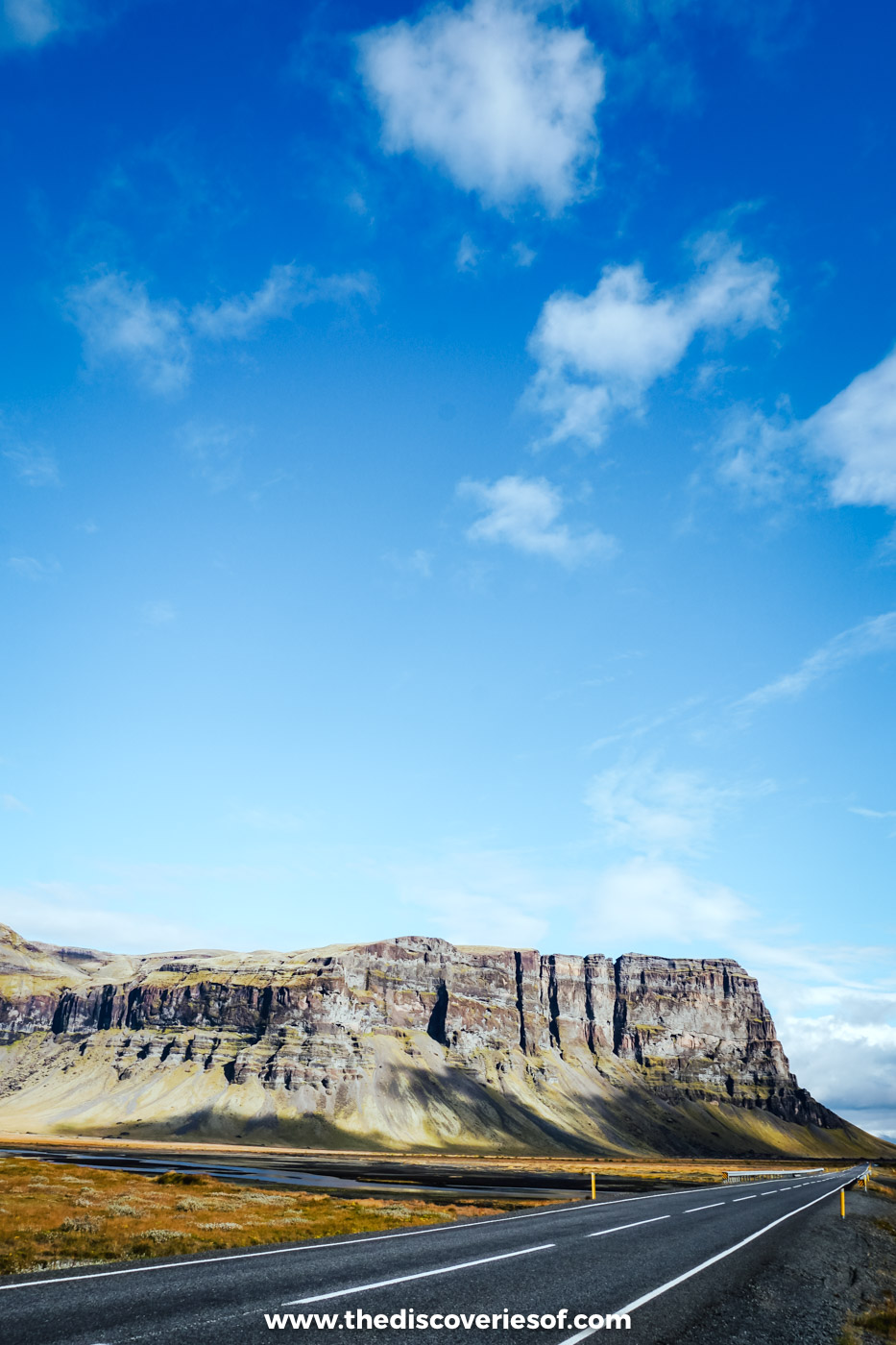
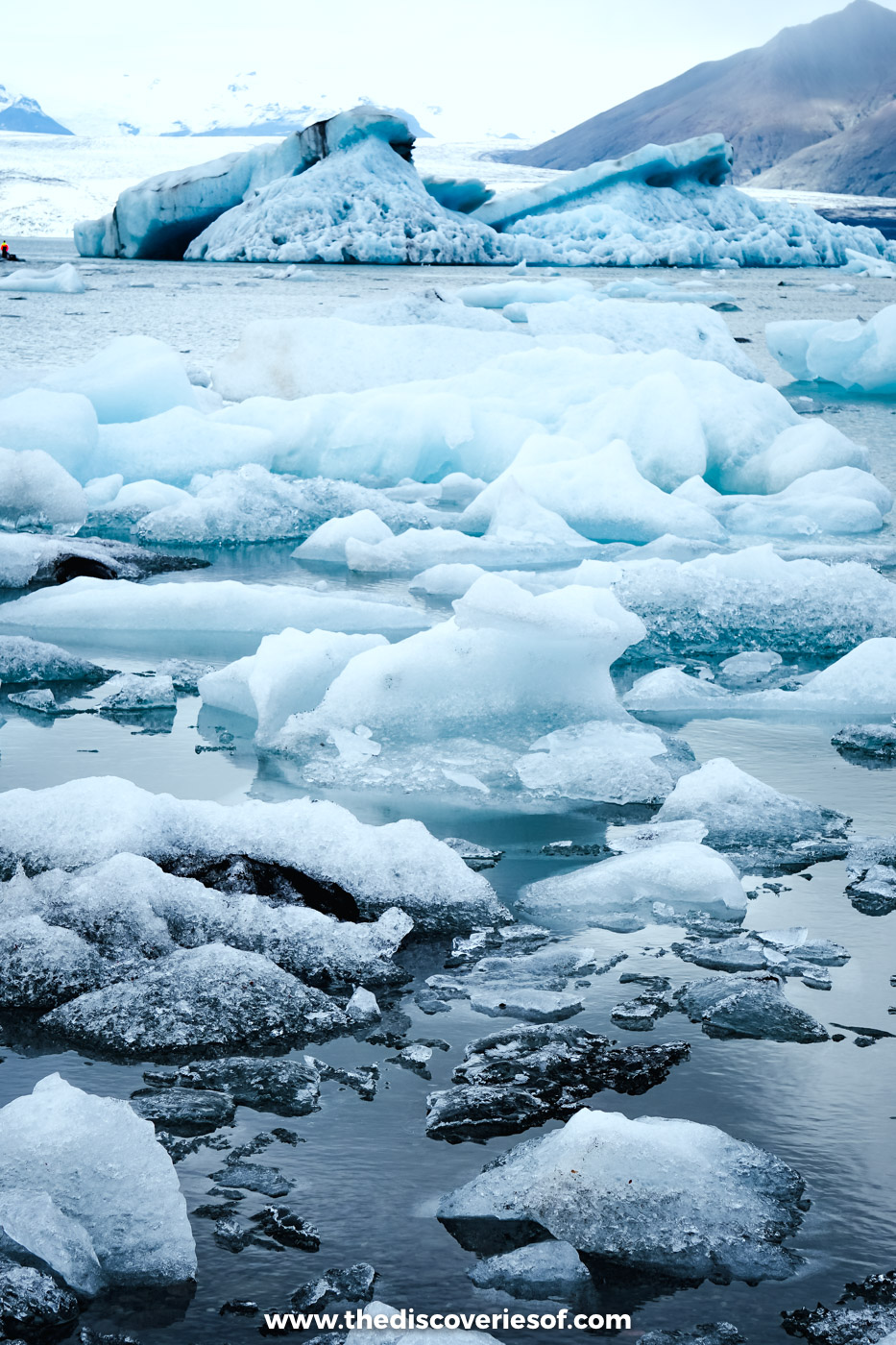
Driving had its drawbacks too. That day covered a lot of ground, and I ran so short of time at the lagoon that I skipped the boat trip among the icebergs. Diamond Beach, across the road, got only a late-in-the-day visit, when there was little ice left on the sand. A tour would have taken care of the timings for me. If you can, sleep out east and split the drive in two: my Jökulsárlón guide explains how to do just that.
The waterfalls you only find by accident
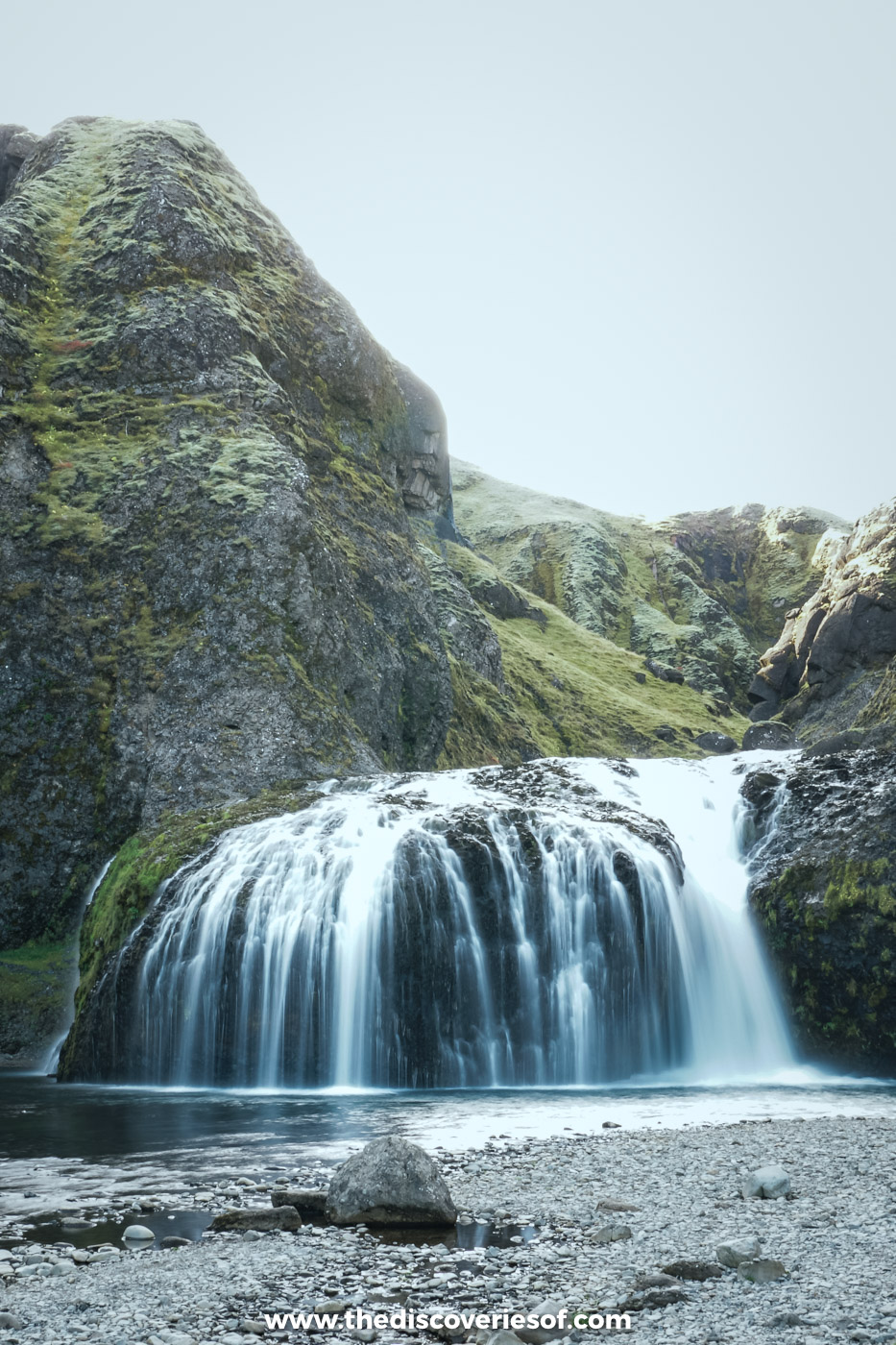
A car’s biggest gift is serendipity. With nobody else’s schedule to keep, I stumbled on Stjórnarfoss near Kirkjubæjarklaustur, a waterfall I hadn’t planned to visit and was very glad I found. I can’t think of many other countries where you can pull over for lunch, walk for five minutes and have a beautiful waterfall to yourself. On a Sunday at Urriðafoss, the only other people there were a family and a fisherman.
A much smaller bill
Almost every big natural sight is free to visit, so once you’ve paid for the car, fuel and parking, most of what you see costs nothing more. I ate supermarket lunches on the road and saved my money for a good dinner. I didn’t book a Northern Lights tour either: with a car and a hotel out in the countryside, I simply stepped outside when the sky lit up. My guide to what Iceland costs breaks down a full day’s budget.
The tours I haven’t taken, and who they suit
Here, “tours” covers far more than a coach day out of Reykjavik. These are the main kinds I haven’t tried myself.
- Small-group minibus days: the most popular option for the Golden Circle and the south coast. Groups usually top out at around 19. You’re picked up from your hotel or a central Reykjavik bus stop, typically between 8:00 and 8:30, and back by late afternoon. A small-group Golden Circle day starts from about ISK 12,900 a person.
- Bigger bus tours: usually the cheapest seat, with a fixed timetable at each stop. This Golden Circle tour with Kerið crater is typical: seven to eight and a half hours from Reykjavik, from $89 (about £66).
- Private guides: a car or van and a guide for your group only, with door-to-door pick-up and a flexible day. A private Golden Circle costs from about ISK 182,000 for up to three people, so it’s only worth it shared, or for a special occasion.
- Glacier hikes: never walk on a glacier without a guide, crampons and a rope. This Sólheimajökull glacier hike near Vík starts from $105 (about £78), minimum age eight, and runs all year.
- Ice caves: the natural blue ice caves under Vatnajökull form in winter, roughly October to March, and you can only enter them on a guided trip. This Skaftafell ice cave and glacier hike takes groups of up to 12 and costs from $157 (about £117).
- Northern Lights hunts: useful if you’re staying in the city without a car, because the guide follows the clear skies for you. This Northern Lights bus tour costs from $80 (about £60) and offers a free second go if the lights don’t show.
- Multi-day guided trips: for example, three days in a minibus of up to 19 people covering the Golden Circle, the south coast and Jökulsárlón, with two nights in hotels and breakfast included. They suit solo travellers and anyone who wants to see the far end of the south coast without driving there.
Top Tip
With a hire car, look for the meet-on-location version of an activity rather than the full day from Reykjavik: at Sólheimajökull for the glacier hike, at Hof near Skaftafell for the Tröll ice caves or at Midgard’s base camp in Hvolsvöllur. It’s a shorter day, and you pay only for the guided part.
What each costs at the time of writing
Prices change with the season and the exchange rate, so treat these as a guide and check before you book. Sterling figures are approximate.
| Self-drive | Tour | |
|---|---|---|
| Small car or seat on a day tour | $45 to $125 a day (£34 to £93) | Golden Circle from about ISK 12,900 (£80) a person |
| 4×4 | $85 to $335 a day (£63 to £250) | Super jeep day from ISK 39,000 (£240) a person |
| Road fee | ISK 6.95 per km, added by the hire company | Included |
| Fuel | About ISK 280 a litre for petrol, 330 for diesel | Included |
| Parking | ISK 750 to 1,110 at most big sights | Included |
| Insurance extras | Roughly ISK 2,000 to 6,000 a day (see below) | Included |
Weekly rentals are where the seasons show. Go Car Rental’s 2026 figures put a week in a small manual car at about $345 (£257) from January to March, $535 (£400) in September and $887 (£662) in August.
Here’s how a single day compares. For a Golden Circle loop of about 230 km from Reykjavik, a small car on a mid-range day rate (say ISK 15,000) plus roughly ISK 1,600 in road fees, ISK 4,500 in fuel and ISK 2,080 for parking at Þingvellir and Geysir comes to about ISK 23,000, or £145 for the car. Two people on a small-group tour would pay about ISK 25,800 between them. So two people sharing break roughly even, three or four people come out well ahead in a car, and a solo traveller usually saves money on a tour.
The longer the day, the more it tips the other way. A full-day Jökulsárlón tour from Reykjavik takes about 14 hours and costs from about £152 a person. That’s a lot of time on a bus, but it also spares you around nine hours at the wheel on top of a day of sightseeing.
Self-drive or tour? Who each one suits
| Self-drive suits you if… | A tour suits you if… | |
|---|---|---|
| Who’s going | there are two or more of you to share the costs | you’re travelling solo |
| Pace | you like to stop on a whim and linger | you’d rather not plan the timings |
| Driving | you’re happy on narrow roads, gravel stretches and single-lane bridges | you don’t drive, or don’t want to in winter |
| Season | you’re travelling from late spring to early autumn | you’re visiting in deep winter with short days |
| Where you’re going | you’re sticking to the Ring Road, Golden Circle and south coast | you want glaciers, ice caves, the highlands or Þórsmörk |
| Base | you want to sleep out in the countryside | you’re based in Reykjavik for the whole trip |
The best of both: a car plus a guided day or two
For most trips, the answer to self-drive or tours in Iceland is both. Hire a car for the sights on paved roads, which is most of what a first trip covers, and book a guide for the places where local knowledge and the right vehicle matter. In my experience, it’s the guided days that took me furthest from what I could have done alone.
These are the days worth handing over to a guide:
- Þórsmörk and the highlands: by super jeep, or by highland bus in summer. Don’t drive the F249 yourself. My Þórsmörk guide has the options.
- A glacier walk or an ice cave: always with a guide and the right kit.
- The Northern Lights in winter: if you’d rather not drive dark, icy roads at midnight, let someone else chase the clear skies. In autumn, with a car and a rural hotel, you may not need a tour at all. See my guide to the best time to see the Northern Lights in Iceland.
- A food tour in Reykjavik: on my December trip, a guided food tour did the choosing for me, starting with Arctic char, yuzu and elderflower. My Reykjavik guide has more.
If you’re based in Reykjavik for the first couple of nights, don’t pick up the car until you leave the city: you won’t need it there. My 3 days in Iceland and 7 day Iceland itinerary are both planned for a hire car, with guided add-ons where they make sense.
If you drive yourself: what to know before you book
Insurance
Third-party cover is a legal requirement, and a collision damage waiver (CDW) comes as standard. On its own, though, it can leave you with an excess of several hundred thousand krónur: Blue Car Rental quotes ISK 350,000 with CDW alone, falling to ISK 90,000 for a small car with super CDW. On top of that, you’ll be offered gravel protection for chipped windscreens and lights, and sand and ash protection, which costs from about ISK 1,850 a day and is worth having on the south coast, where wind can blast the paint off a car. Hertz charges from ISK 1,990 a day for super CDW on a small car. Insurance has to be chosen before you collect the car, and no Icelandic policy covers water damage or damage to the underside of the car. Hold on to your door when you open it in a strong wind: gusts can bend a door back on its hinges, and many policies won’t cover it.
F-roads
Roads with an F before the number are mountain tracks. The law limits them to 4x4s, and they generally open between June and early July and close again in September, depending on the snow. Many have unbridged rivers, which is exactly where hire insurance stops. Driving off the road anywhere is illegal. If the highlands are on your list, that’s your guided day sorted.
Winter driving
From November to mid-April, hire cars are fitted with winter tyres at no extra cost, often studded ones. That helps, but it doesn’t solve everything. In December there are only about four or five hours of daylight, high winds sometimes shut parts of Route 1 along the south coast, and conditions can change within the hour. Plan shorter days, keep a spare day in hand, and consider swapping your longest drive for a tour. My guide to the best time to visit Iceland explains how the seasons change a trip.
The websites to check every morning
- umferdin.is: the road authority’s live map of road conditions and closures (road.is now redirects here).
- safetravel.is: alerts, and where to leave a travel plan.
- vedur.is: the Met Office’s forecasts, including wind warnings and the aurora forecast.
- The 112 Iceland app: call for help and share your location in one tap.
Speed limits, speed cameras, single-lane bridges and paying for parking are all covered in my Iceland travel tips, while Kay’s Ring Road guide covers the full loop.
Read next
- Is Iceland expensive?
- Iceland travel tips
- Þórsmörk: the valley no hire car can reach
- 3 days in Iceland
- Iceland in September
- Things to do in Iceland
Love this? Save and share on Pinterest

Discover the top things to do, insider tips and hidden gems in our Iceland Travel Guide.
Read the guides →