

Small, friendly and far livelier than its size suggests, Iceland’s capital rewards anyone who stays a while. Here are the best things to do in Reykjavik, from a cliff-edge lagoon and a 74-metre church tower to the city’s famous hot dogs and the easiest day trips out of town.
So many people visiting Iceland fly into Keflavík and skip Reykjavik to head straight for the waterfalls and glaciers. Big mistake. Take some time to explore the city and you’ll be richly rewarded.
I’ll hold my hands up: I was guilty of it too. My first two trips were all about the south coast, with Hotel Rangá as my base, and it took a third trip, in early December, before I gave the capital the time it deserves. When I did, I found a creative, vibrant little city with a food scene that punches well above its weight.
December is a special time to be here. There are only around four and a half hours of daylight, the sun never climbs much above the rooftops, and by mid-afternoon it’s already sliding down over the skyline in a blaze of orange. Then the city lights up. My evenings were spent eating my way around the centre, gazing up at Hallgrímskirkja lit against a black sky and joining the queue at the most famous hot dog stand in the country, and I warmed up in Sky Lagoon, watching the sun go down from the water.
Whether it’s hanging out in a stunning geothermal lagoon, whale watching or dipping into too-cool-for-school art museums, you’re sure to fall for its charms. And if you have a day or two to spare, some of the country’s most famous sights are an easy drive away.
Planning your trip and want to explore the best things to do in Reykjavik? Read on.
The best things to do in Reykjavik
Soak at the edge of the ocean in Sky Lagoon
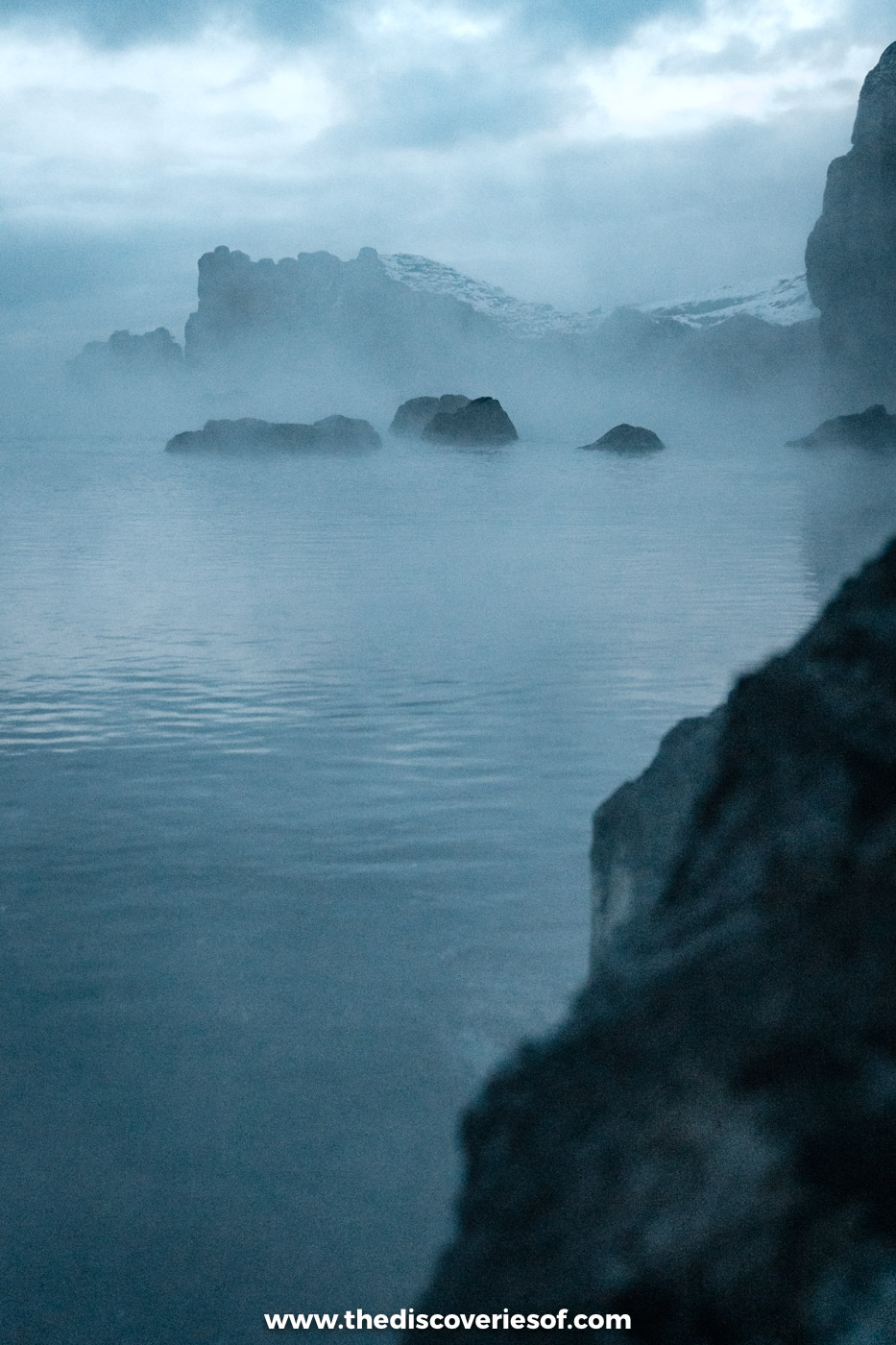
It’s no secret how much I love Reykjavik’s gorgeous Sky Lagoon, a geothermal lagoon on the Kársnes peninsula in Kópavogur, about 15 minutes’ drive from the centre. It opened in April 2021, and its infinity edge seems to spill straight into the North Atlantic.
By my third trip to Iceland I’d barely dipped a toe into the country’s bathing culture, and this was where that changed. The lagoon itself is lovely, around 38 to 40°C and wrapped in turf walls and dark rock, but the real draw is the ritual. Now called the Skjól ritual, it takes you through seven steps: the warm lagoon, a cold plunge, a sauna with a huge window over the sea, a cool mist, a body scrub, a steam room and a final shot of Icelandic elixir.
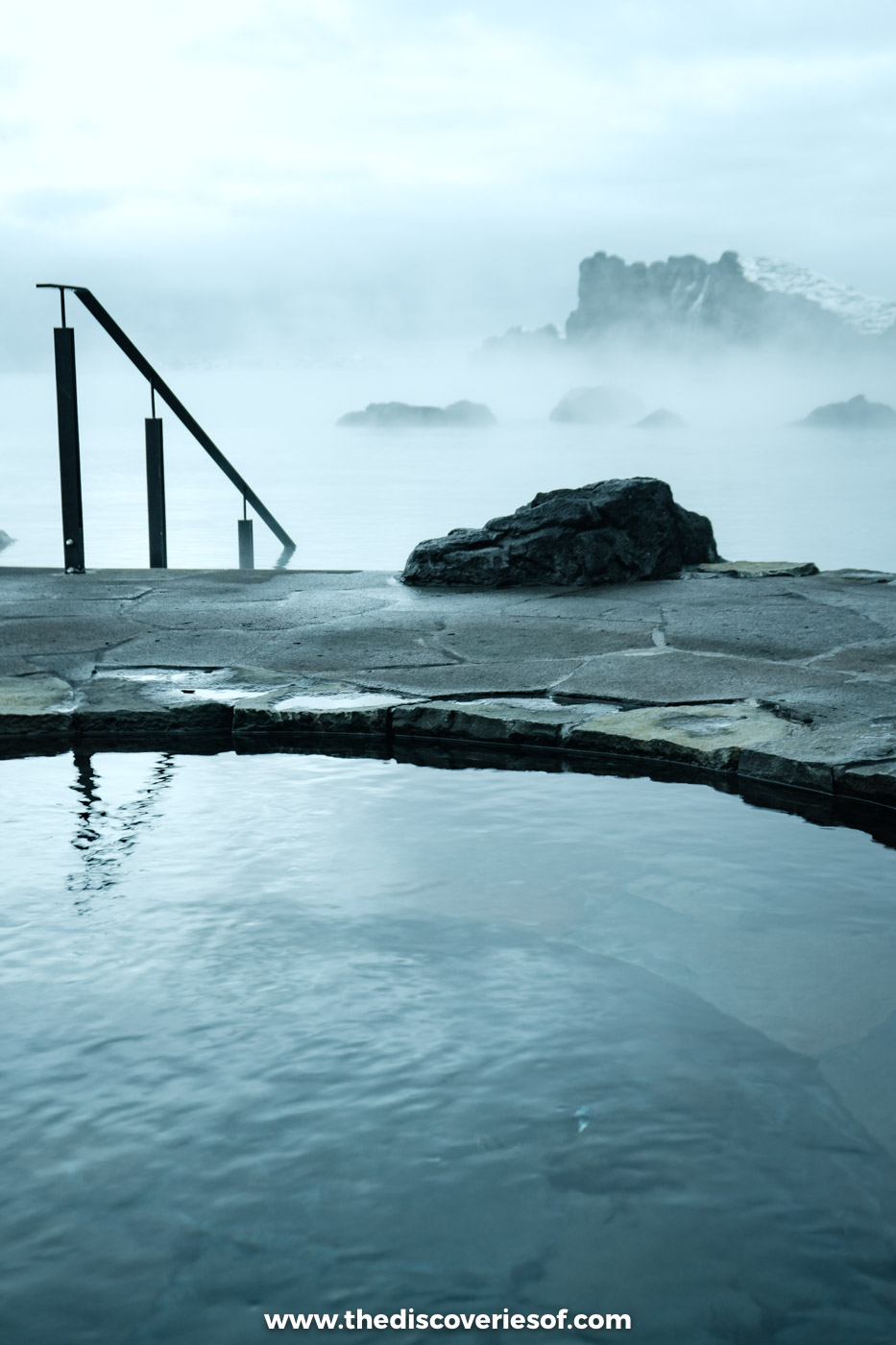
I’ll be honest: the cold plunge did not go well, and my courage ran out after a few seconds. The cool mist, on the other hand, turned out to be my surprise favourite, and the view from the sauna kept me in there a little longer than was comfortable. The best moment came at the end, drifting back in the warm water as the light faded over the sea.
Two passes are available: Saman, with shared changing rooms, from ISK 14,990, and Sér, with private changing rooms, from ISK 17,990. Both include the ritual. Children under 12 aren’t admitted, and 12 to 14-year-olds need an adult with them. Book ahead, especially for sunset slots in winter.
Want to know more? Check out my full guide to visiting Sky Lagoon
See Hallgrímskirkja lit up after dark
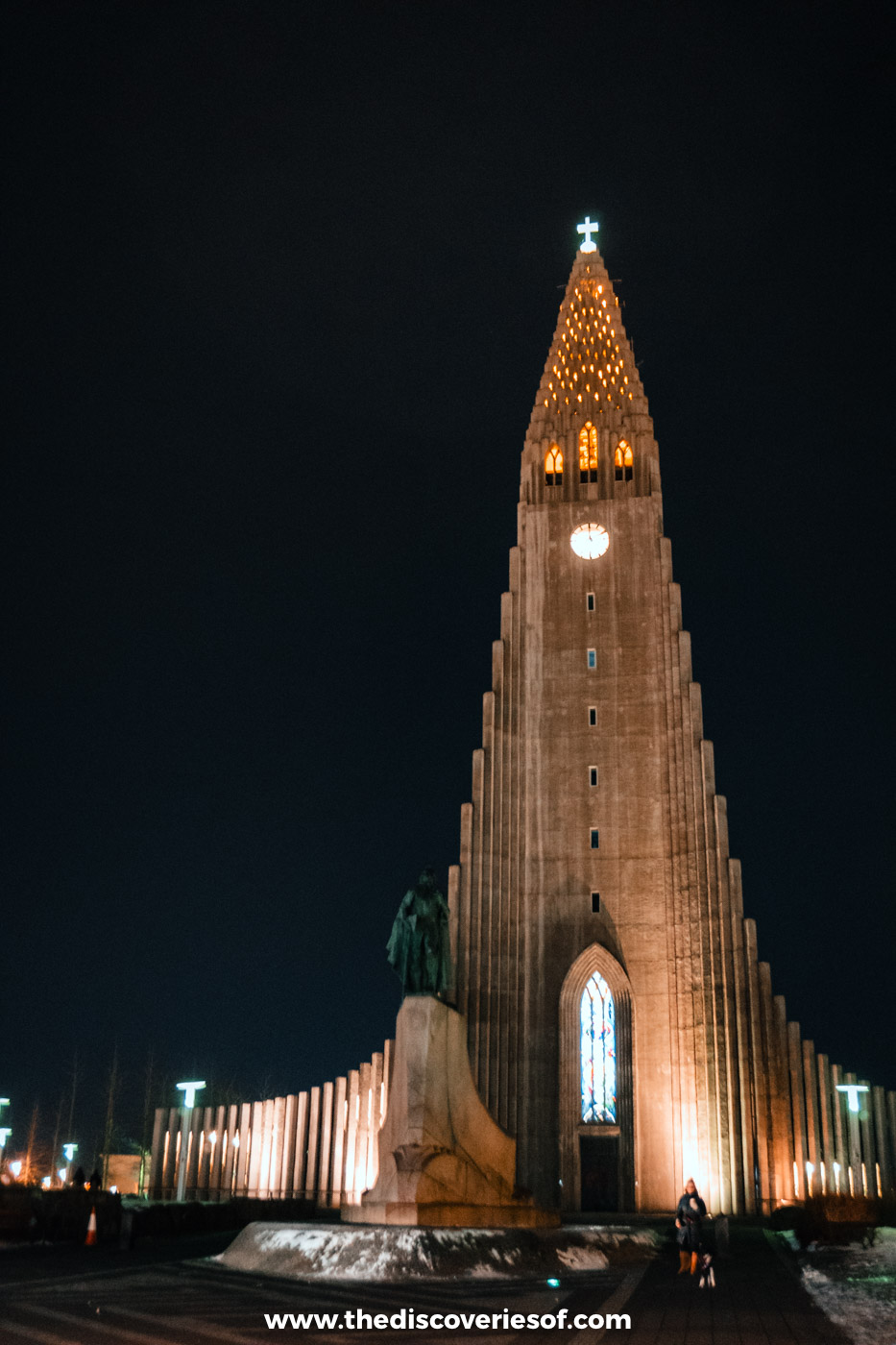
Hallgrímskirkja, an iconic Lutheran church, is one of Reykjavik’s most famous landmarks. So much so that I’ll pretty much bet you’ve seen a picture (or several) of the iconic building already. I saw it at its best on a December evening, floodlit against a pitch-black sky, when it looks even more otherworldly than it does by day.
Standing at 74.5 metres tall, it’s the largest church in Iceland and one of the tallest buildings in the country. The state architect Guðjón Samúelsson was commissioned to design it in 1937, and it took 41 years to build, from 1945 until the nave was consecrated in 1986.
Its stepped concrete facade is designed to recall the basalt columns found all over Iceland, the kind you’ll see at Svartifoss. Head inside to see the vast Klais organ, with 5,275 pipes, and don’t miss the statue of Leif Erikson out front, a gift from the United States in 1930 that’s older than the church itself.
Tickets
The church is free to enter. A lift takes you up the tower for panoramic views over the city and the mountains beyond: ISK 1,500 for adults and ISK 200 for 7 to 16-year-olds. In winter the tower opens 10am to 4.45pm; in summer, 9am to 7.45pm. It closes during services, so check the day’s schedule.
Fly over the whole country at FlyOver Iceland

If we’re talking about things I didn’t quite see the attraction of before visiting Reykjavik but became a total convert once I’d experienced it, FlyOver Iceland is at the top of the list.
It’s an immersive flight ride in the Grandi harbour district that gives you a bird’s eye view of the country’s most stunning landscapes, from volcanoes and glaciers to waterfalls and fjords. Two short pre-shows set the scene before you’re strapped into a seat, legs dangling, in front of a huge spherical screen. Wind, mist and scents add to the effect.
I really didn’t know what to expect. Even Jökulsárlón and Reynisfjara, both of which I’d seen up close, looked different once I could take in the sheer scale of them from above. And it’s a great way to see far more of the country than you’ll manage on a short trip, whether or not you’re exploring further afterwards.
Tickets
The whole experience takes about 35 minutes, including the 8.5-minute ride. Tickets for adults cost from ISK 5,690 online, and riders need to be at least 100cm tall. You can also book this FlyOver Iceland entry ticket in advance.
Eat your way around the city on a food tour
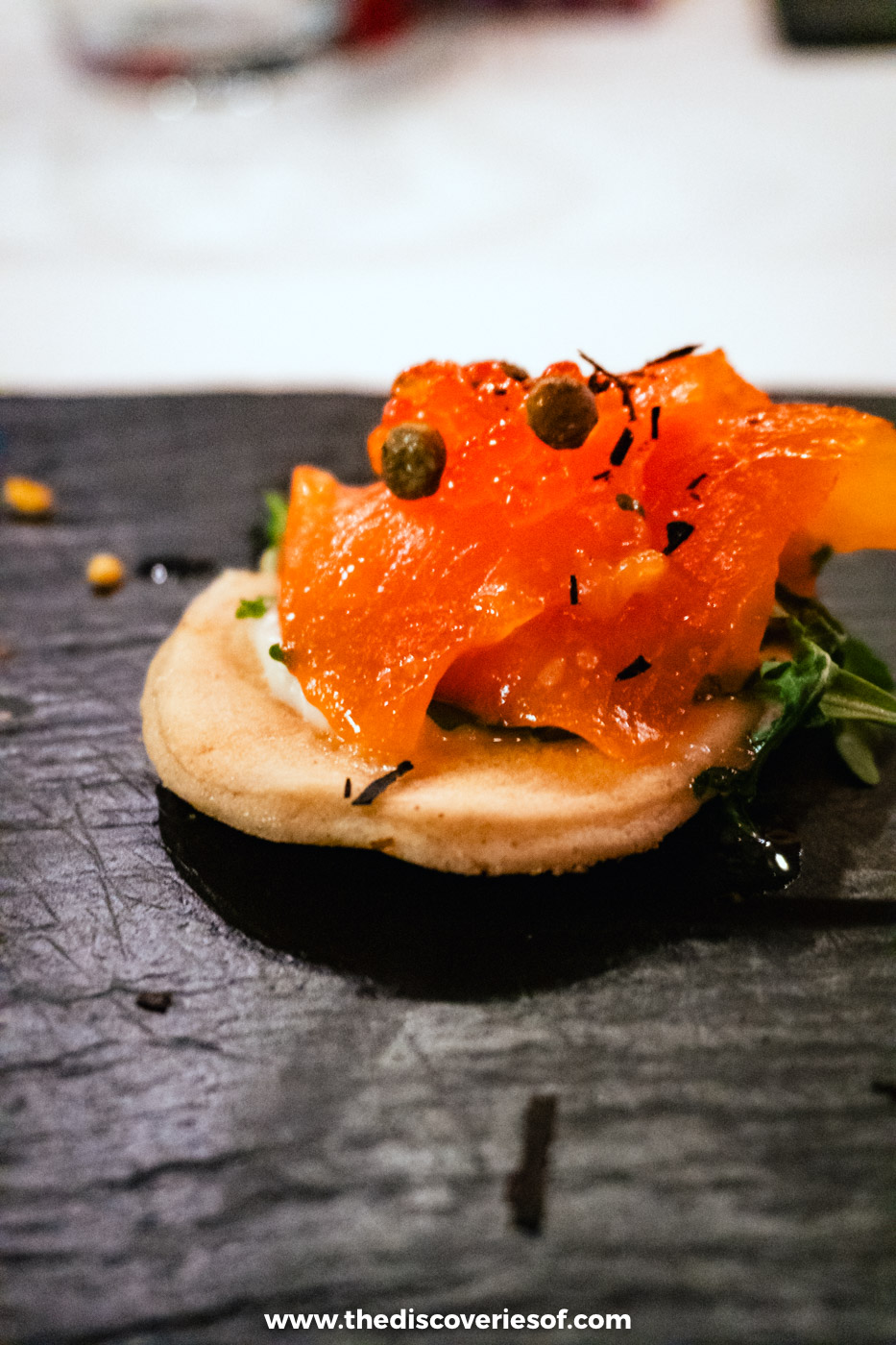
Reykjavik’s food scene is the best reason to slow down here, and a food tour is the quickest way to get under its skin. A local guide walks you between restaurants, bars and stands, with a story and a bite at every stop.
Mine was on a dark December evening, and the first stop set the tone: Arctic char, a fish that’s a little like salmon, paired with yuzu and elderflower. Not the Icelandic food I’d braced myself for. Later that evening came a local beer and a run-in with the country’s most notorious delicacy (more on that below).
Most tours last around three hours and cover half a dozen or so tastings, enough for dinner, so arrive hungry. Book ahead in summer and over Christmas.
Queue for a hot dog at Bæjarins Beztu Pylsur
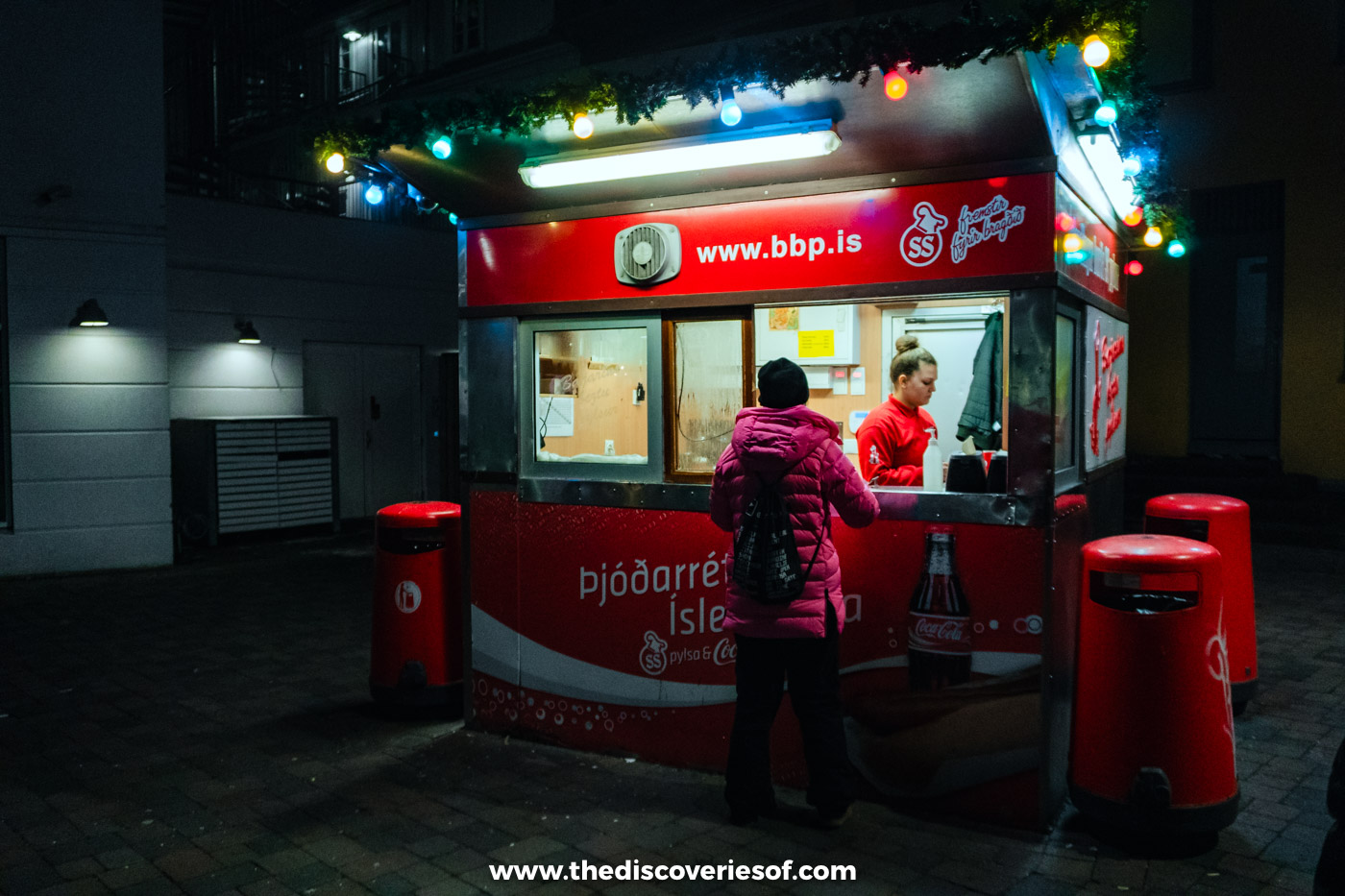
What do you think of when you think of Icelandic food? Probably not hot dogs, right? Wrong.
Bæjarins Beztu Pylsur (literally “the best hot dogs in town”) has been serving them from its little red stand on Tryggvagata, near the harbour, since 1937, and these days it has a handful of other branches around the city too. Bill Clinton famously stopped by in 2004, and the hot dogs are considered by many to be some of the best in the world.
I made my own pilgrimage to the original stand on a freezing December evening, its fairy lights glowing in the dark. The sausages are mostly Icelandic lamb, blended with pork and beef. Order “eina með öllu”, one with everything: raw and crispy fried onions, ketchup, sweet brown mustard and remoulade.
The original stand stays open late, so there’s no excuse not to try one!
Brave a bite of fermented shark
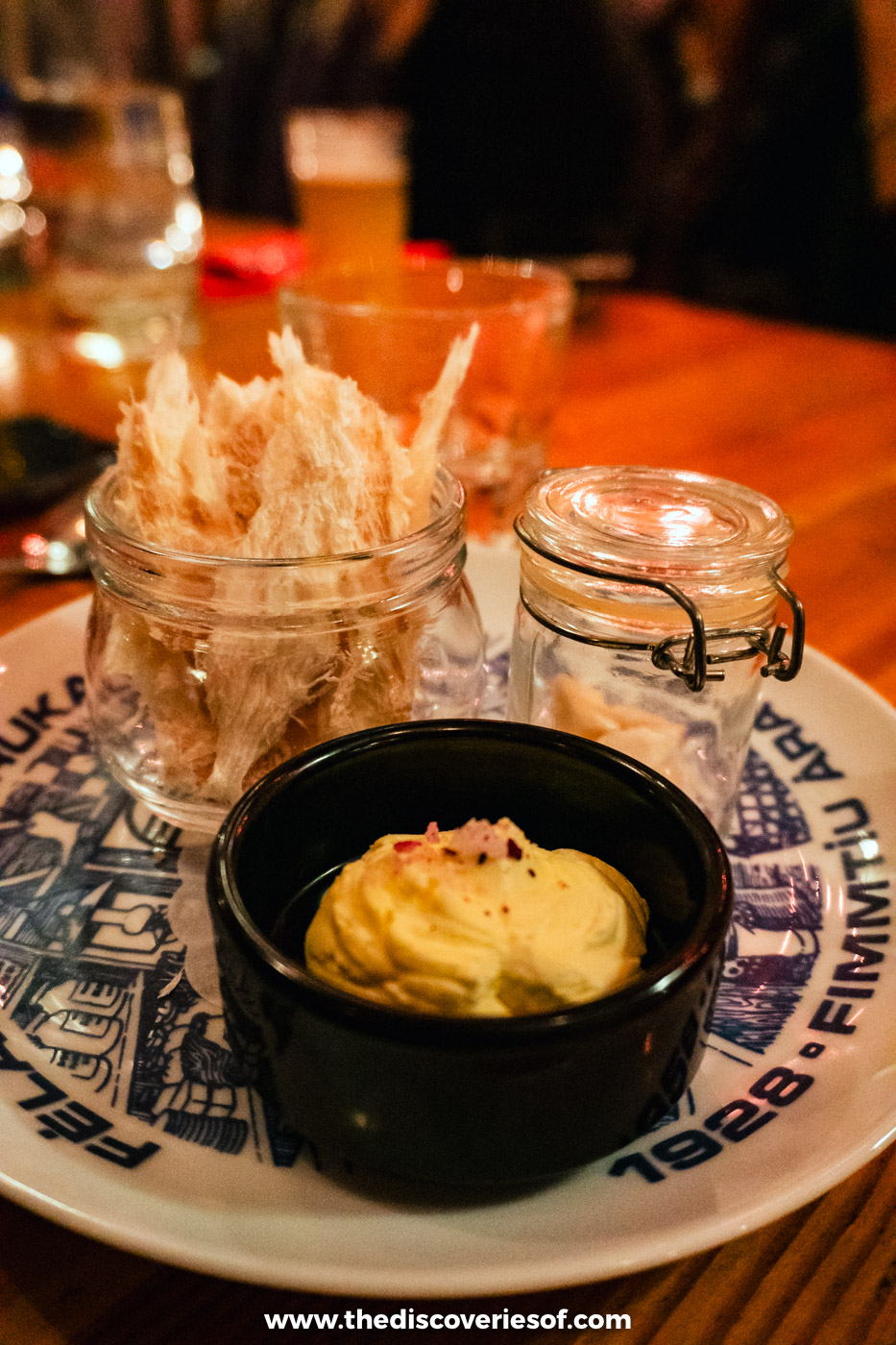
The fermented shark: so stinky they locked it in a jar!
Iceland is famous for its seafood, and one of the most unusual things to do in the city is try some of the more challenging local cuisine.
Fermented shark, or hákarl, is a traditional Icelandic dish that’s definitely not for the faint-hearted. Greenland shark is poisonous when fresh, so the meat is cured for weeks and then hung to dry for months, which explains the ammonia smell. Locals will tell you that if you can eat it and keep it down, you’re a true Viking.
It’s an acquired taste, but once you get used to the strong ammonia smell, it’s not too bad! Not gonna lie, I probably wouldn’t choose to have it as my last supper but it smells far worse than it tastes.
If you’re curious enough to try some, you’ll find it in supermarkets, or go the whole hog at Íslenski barinn, a gastropub on Ingólfsstræti that serves it with harðfiskur (wind-dried fish) and butter. A chaser of Brennivín, the local caraway schnapps, is traditional.
Book a table at Rok, Kopar or Hnoss
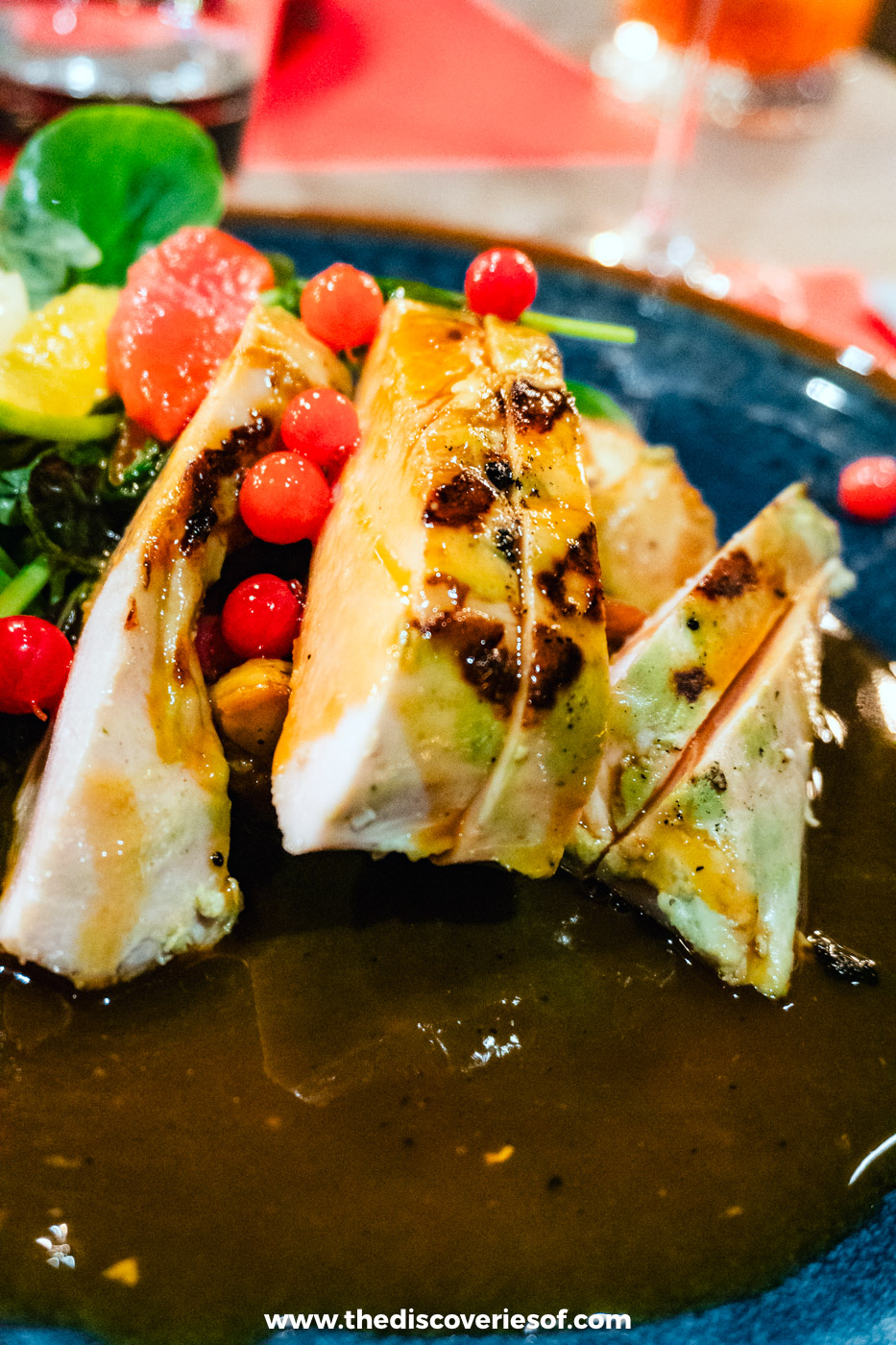
Reykjavik has a thriving restaurant scene, with something to suit everyone’s taste. From traditional Icelandic cuisine to international stars, there are plenty of restaurants to choose from in the city.
Some of my favourites include Rok Restaurant, Hnoss at Harpa and Kopar.
- Rok: small plates of Icelandic produce in a little black turf-roofed house on Frakkastígur, right opposite Hallgrímskirkja. It’s open from lunchtime until late and has a brunch menu too.
- Kopar: seafood by the Old Harbour on Geirsgata, with tasting menus if you want to try a bit of everything.
- Hnoss: on the ground floor of Harpa, now running as a bistro from 11am to 6pm (later on concert nights), with brunch at weekends.
Explore Harpa concert hall

Harpa is one of the city’s most impressive buildings. It was designed by Henning Larsen Architects with the Icelandic practice Batteríið, and its honeycomb glass facade, which shimmers and changes colour with the light, is the work of the Danish-Icelandic artist Olafur Eliasson.
It opened in 2011, and because building work carried on through the 2008 financial crisis, it has become something of a symbol of the city’s recovery. It’s home to the Iceland Symphony Orchestra, the Reykjavík Big Band and, from 2026, the new Icelandic National Opera.
It’s well worth a visit even if you’re not attending a concert: the foyers are free to wander, and the views of the harbour and Mount Esja from the upper floors are lovely. Want to really push the boat out? La Primavera, on the fourth floor, serves northern Italian dishes made with Icelandic ingredients from Thursday to Saturday evenings.
Swim with the locals at a geothermal pool
Reykjavik is home to a number of excellent public swimming pools, which offer the perfect way to relax after a day of sightseeing. Unlike the lagoons, they’re relatively affordable and at the top of any list of cheap things to do in the city. Pools are the heart of Icelandic social life, and on my first trip a couple of hours spent hopping between pools and hot tubs in the town of Hella won me over.
My favourites are Laugardalslaug and Vesturbæjarlaug, both of which have heated pools, hot tubs and steam rooms.
Laugardalslaug is the largest pool complex in Iceland, with 50-metre pools indoors and out and a row of hot pots from about 38 to 44°C, plus a cold tub if you’re feeling brave. Vesturbæjarlaug, in the west of the city, is smaller and much loved by the locals who live nearby.
Top Tip
Entry to the city’s pools costs ISK 1,500 for adults, ISK 400 for 10 to 17-year-olds and nothing for under-10s with an adult. Pool etiquette matters here: shower without your swimsuit before you get in.
Watch the sun go down from the Sun Voyager
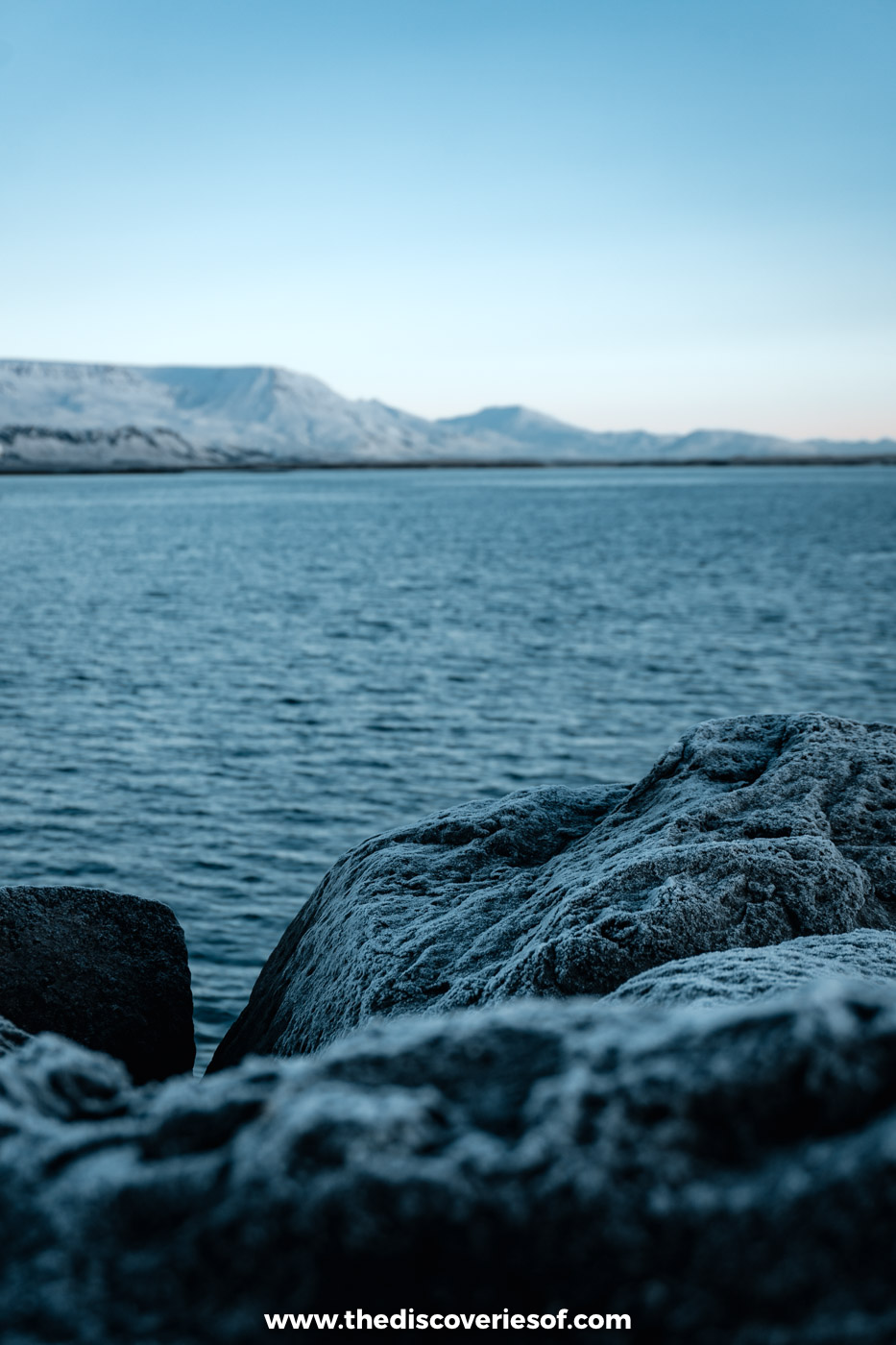
Easily Reykjavik’s most famous sculpture, the Sun Voyager (Sólfar) was designed by Jón Gunnar Árnason and stands on the waterfront along Sæbraut, with Mount Esja across the bay.
It looks like a Viking longship, but the artist described it as a dreamboat, an ode to the sun that carries the promise of undiscovered territory, hope, progress and freedom. The stainless steel sculpture was unveiled on 18 August 1990, the city’s birthday. Come at sunset, when the steel glows against the sky.
Keep walking east along the shore path and you’ll reach Höfði House, the white wooden house where Ronald Reagan and Mikhail Gorbachev met for their 1986 summit. You can only see it from outside, but it’s a lovely walk on a clear day.
Stroll around the Grandi harbour district
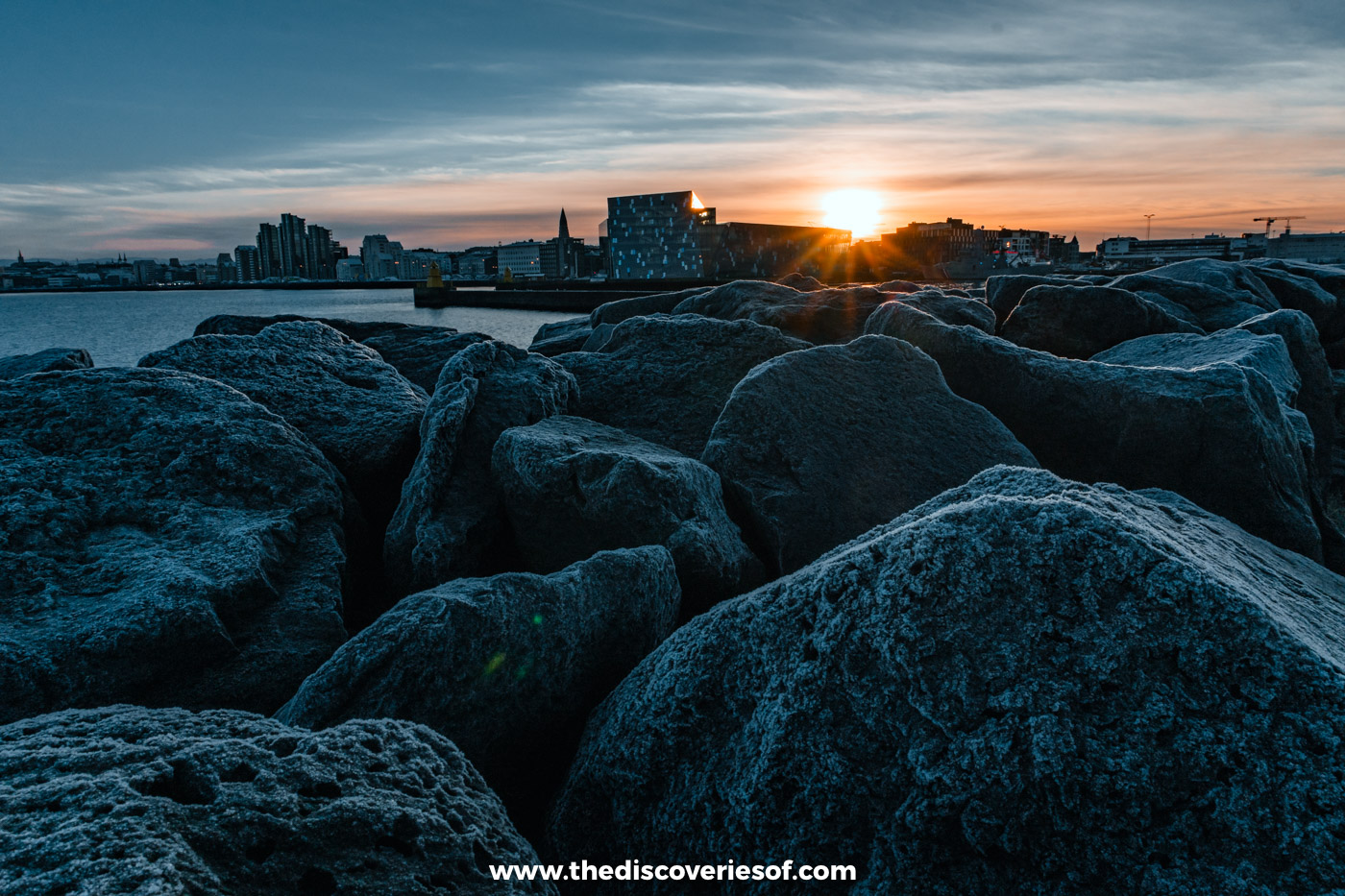
The Grandi harbour district is a charming area just west of the Old Harbour. It’s home to a mix of old fish warehouses and new restaurants, shops and studios, including the Omnom chocolate factory, where you can take a tour and taste the bars, and Marshall House, a converted fish factory now filled with galleries.
It’s a great place for a walk on a sunny day, and there’s a great view of the city skyline from across the harbour. On a December afternoon, the sun was already setting over the rooftops by half past two. Don’t miss the brilliant FlyOver Iceland (see above) while you’re in the district either.
Feel the heat at the Lava Show
What happens when you pour real molten lava into a room full of people? You’ll find out at the Lava Show on Fiskislóð in Grandi, where rock is heated to around 1,100°C and released into the showroom so you can watch it flow, crack and cool just a few metres away. When it opened in 2022, it was the first time in thousands of years that hot lava had flowed in the city.
It’s a good one for a dark winter afternoon or for anyone who won’t be anywhere near an eruption on their trip. There’s a second Lava Show in Vík on the south coast.
Go whale watching from the Old Harbour

One of the best things to do in Reykjavik during the summer months is go whale watching.
Boats leave the Old Harbour all year round, but the best season runs from around April to October. Minke whales, humpback whales, white-beaked dolphins and harbour porpoises are the most common sightings in Faxaflói bay, and most operators offer a free second trip if you don’t spot anything.
There are a number of companies offering whale watching tours, so you’re sure to find one that fits your schedule and budget.
Do
This whale-watching tour with an expert guide leaves from the Old Harbour and lasts two to three hours.
Get the view from Perlan
Iceland has a hella lot of history. From the dramatic exploits of the Vikings to the mythical creatures that shape the island’s folklore, there’s plenty to discover if you know where to look. And when it comes to the forces that shaped the island itself, Perlan is the place to start.
Perched on Öskjuhlíð hill on top of the city’s hot water tanks, Perlan is now an interactive nature museum. Its Wonders of Iceland exhibitions include a walk-through ice cave, a glacier exhibition, a volcano show, a model of the Látrabjarg bird cliff and Áróra, an 8K planetarium show about the Northern Lights.
If that’s not enough to tempt you, the observation deck that wraps around the glass dome offers 360-degree views over Reykjavik and the surrounding mountains. Exhibitions are open daily from 9am to 9pm.
Do
Book this Perlan Wonders of Iceland ticket ahead of your visit.
Meet the Vikings at the National Museum of Iceland
Founded in 1863, the National Museum on Suðurgata is the best place to get your head around Icelandic history. Its permanent exhibition, Making of a Nation, runs from the first settlers to the present day, with Viking swords, silver hoards and drinking horns along the way.
Look out for the carved door from the church at Valþjófsstaður, one of the museum’s greatest treasures, which tells the story of a knight who slays a dragon and wins a loyal lion as his companion.
Find the oldest ruins in the city at the Settlement Exhibition
Underneath a hotel on Aðalstræti lies one of the city’s most remarkable sights: the ruins of a Viking-age longhouse, preserved exactly where they were found. The hall was in use from about 930 to 1000, and a turf wall nearby dates to around 871, give or take two years, thanks to a layer of volcanic ash that fell that year.
That’s where the exhibition gets its name, Reykjavík 871±2. It’s part of the Reykjavík City Museum and does a brilliant job of bringing the settlement period to life with interactive displays.
Discover Icelandic art at the Reykjavík Art Museum
Not content with one building, the Reykjavík Art Museum is spread out over three locations, all open to the public.
- Hafnarhús: a former harbour warehouse on Tryggvagata showing contemporary art and a collection by the pop artist Erró. It stays open until 10pm on Thursdays.
- Kjarvalsstaðir: a light-filled 1970s building in Klambratún park dedicated to Jóhannes Kjarval, one of Iceland’s most famous painters, alongside other 20th-century art.
- Ásmundarsafn: the striking domed home and studio of the sculptor Ásmundur Sveinsson, with a sculpture garden outside.
Hafnarhús and Kjarvalsstaðir open from 10am to 5pm, and Ásmundarsafn from 1pm to 5pm.
Shop and bar-hop along Laugavegur
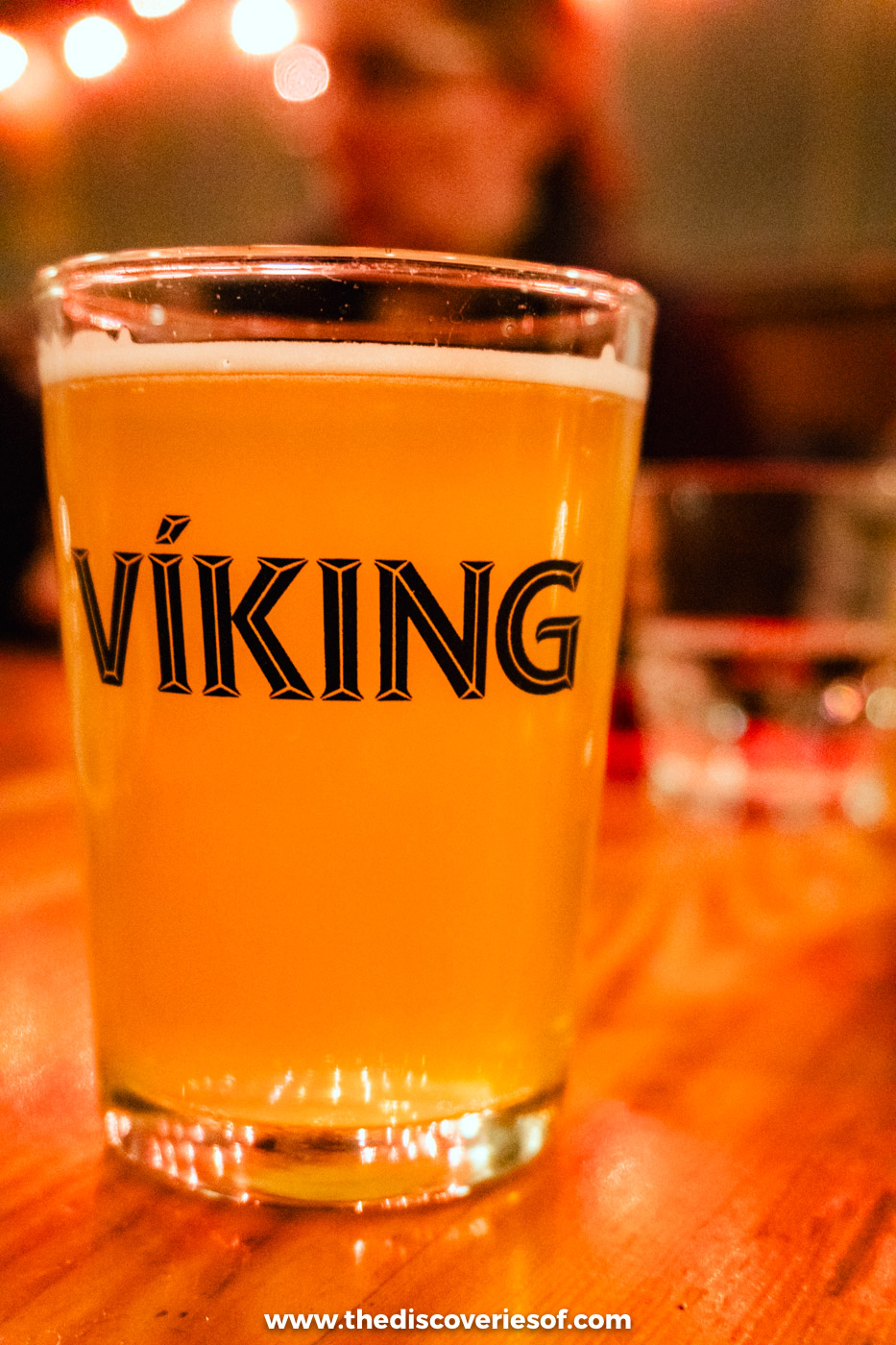
Laugavegur is the city’s most famous shopping street, and home to some of its best bars and restaurants. It runs east from Bankastræti towards Hlemmur, and its name means “wash road”: it once led to the hot springs in Laugardalur, where the city’s laundry was done.
Along its length you’ll find everything from high-end fashion boutiques to souvenir shops, as well as a range of bars and restaurants serving up local specialities like lamb soup, hangikjöt (smoked lamb) and Brennivín (a strong local schnapps: beware, too many and it will knock you flat off your feet). Don’t miss the rainbow-painted Skólavörðustígur, which leads off it up the hill to Hallgrímskirkja.
Feed the birds at Tjörnin pond
Tjörnin pond is a small, picturesque lake in the centre of Reykjavik, with City Hall perched on its northern shore. It’s a popular spot for locals and visitors to relax in the summer, and is home to a variety of birds including ducks, swans and geese. In winter, when much of it freezes, the birds gather on the stretch that stays open.
Escape to the Botanic Garden
Looking for free things to do in Reykjavik? The city’s Botanic Garden is a verdant haven in the Laugardalur valley, right next to Laugardalslaug. Founded in 1961, it covers 8.5 hectares and holds more than 5,000 plant species from Iceland and around the world.
The garden is open all year round, and in summer (May to August) the café in the glass conservatory is a lovely spot for lunch.
Visit the Icelandic Phallological Museum
As the name suggests, the Icelandic Phallological Museum is dedicated to the study of… phalluses, which certainly makes a visit one of the more unusual things to do in the city. It’s home to specimens from all sorts of animals, from whales and seals to bears and even humans. If you’re feeling brave, swing on by. It’s at Hafnartorg, near the harbour, and opens daily from 10am to 7pm; entry costs ISK 3,900.
Visit the Imagine Peace Tower on Viðey
This striking tower, designed by Yoko Ono, stands on the island of Viðey, a 10-minute ferry ride from Skarfabakki harbour, in memory of John Lennon. It’s a column of light beamed into the sky, switched on every year on 9 October, Lennon’s birthday, and in 2026 it shines until 1 January.
It’s a beautiful sight, especially when it’s reflected in the dark water of the bay, and you can see it from much of the city. On the island itself, quiet walking trails loop past Viðeyjarstofa, an 18th-century stone house, and artworks including Richard Serra’s basalt pillars. Ferries run with Elding.
The best day trips from Reykjavik
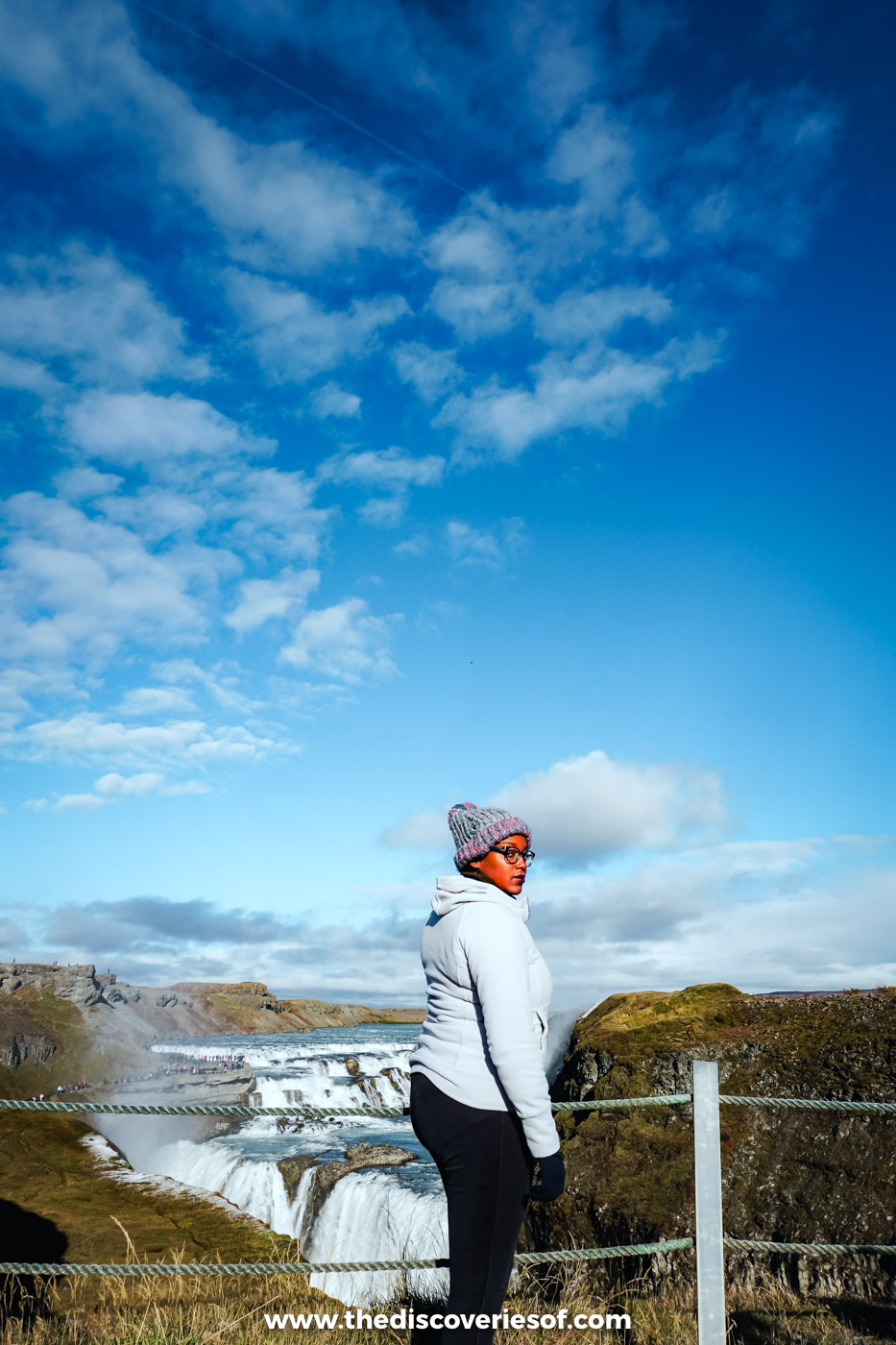
Reykjavik makes a great base. These are the easiest day trips from the city, by car or on a tour:
- The Golden Circle (230km loop): Þingvellir, the Geysir geothermal area and Gullfoss. If you only do one day trip, make it this one. See my Golden Circle guide, or try this Golden Circle tour.
- Friðheimar (1 hour 30 minutes): tomato soup lunch among the vines in a geothermal greenhouse on the Golden Circle. Book ahead, and order the bloody mary.
- Silfra at Þingvellir (45 minutes): snorkel between the continents in water so clear you can see more than 100 metres, on a guided Silfra snorkelling tour.
- South coast waterfalls (1 hour 45 minutes): Seljalandsfoss, which you can walk behind, and Skógafoss, half an hour further east. More in my guide to Iceland’s waterfalls.
- Reynisfjara and Vík (2 hours 30 minutes): the black sand beach and the Reynisdrangar sea stacks. Mind the waves. This south coast tour covers the falls and the beach in a day.
- The Reykjanes Peninsula and the Blue Lagoon (45 minutes): lava fields, hot springs and the Bridge Between Continents. The area is volcanically active and the Blue Lagoon has closed at short notice during eruptions, so check safetravel.is before you go.
- Northern Lights tours (September to mid-April): head out of the city’s light pollution, ideally on a tour that offers a free second night, like this Northern Lights bus tour. More in my guide to the best time to see the Northern Lights.
- Jökulsárlón (5 hours each way): the glacier lagoon is a very long day, so it’s better as an overnight. If a day is all you have, this glacier lagoon tour does the driving.
Tips for visiting Reykjavik
- Getting around: the city is relatively small, and most of the attractions are within walking distance of the centre. For anything further out, the yellow Strætó buses cover the capital area (pay with the Klappið app), and taxis are plentiful but expensive.
- Save with the City Card: the Reykjavík City Card covers the city’s pools, buses, the Viðey ferry and several museums, including the Art Museum and the National Museum, for 24, 48 or 72 hours.
- Plan around the light: in December you’ll get barely four and a half hours of daylight, so save museums, pools and restaurants for the dark and do your outdoor sightseeing around midday. In June it hardly gets dark at all. My guide to the best time to visit Iceland breaks it down season by season.
- Where to stay: base yourself in the centre (postcode 101) or by the Old Harbour, so you can walk almost everywhere. Reykjavik Marina, part of Berjaya Iceland Hotels, sits right next to a still-working dry dock, with rooms on the understated and relatively cosy (but not small) side and plenty of social spaces for when you want to relax.
Map
Read next
- My guide to visiting Sky Lagoon
- Iceland’s Golden Circle: the complete guide
- The best time to visit Iceland
- The ultimate Iceland packing guide
- Is Iceland expensive?
- Discover Iceland’s hidden gems
- Cool things to do in Iceland
Love this? Save and share on Pinterest

Discover the top things to do, insider tips and hidden gems in our Iceland Travel Guide.
Read the guides →




