


Portugal packs a lot of very different trips into a small country: a capital of hills and trams, a wine valley of terraced slopes, cliff-lined beaches in the south and wild, empty walking country in between. Each one suits a different kind of bed, and picking the wrong base can mean hours in a car. Here are the areas worth basing yourself in, what you’ll find in each, and the hotels to book, from a grand old Lisbon institution to a birdwatcher’s retreat on the shore of a lake.
The small(ish) country lining most of the western edge of the Iberian Peninsula hasn’t always topped travel wish lists, but my, how things have changed. These days Portugal is in the same conversation as Italy, France and Spain for culture, food and architecture.
When I think of Portugal, I dream up images of freshly caught seafood, long walks along wild stretches of coast and meandering city streets that tell their own stories. I first visited as a teenager, and I’ve been back more times than I can count since. I fell for Lisbon on a January weekend in a tenth-floor room at the Ritz, I’ve stayed at The Yeatman in Porto a few times, and I’ve slept in a grand old spa hotel and a hilltop manor in the Douro. In the Algarve, I’ve spent an October week in a villa in Quinta do Lago and hired a villa in Lagos on another trip, and I walked the Alentejo coast one October, moving between four very different rural stays.
This guide to where to stay in Portugal is organised by area, from the cities to the islands, so you can choose the part of the country that suits your trip first, see what there is to do there, and then pick a hotel.
The best places to stay in Portugal at a glance
| Category | Hotel |
|---|---|
| Best for a Lisbon splurge (where I stayed) | Four Seasons Hotel Ritz Lisbon |
| Best overall | The Yeatman, Porto |
| Best in wine country | Six Senses Douro Valley |
| Best spa hotel | Vidago Palace |
| Best for a week by the beach | Four Seasons Fairways, Algarve |
| Best boutique hotel by the sea | Casa Mãe, Lagos |
| Best for walkers | Herdade do Freixial, Alentejo coast |
| Best for budget-savvy travellers | Hotel Costa Linda, Madeira |
[KEEP BOOKING WIDGET]
The best areas to stay in Portugal

Finding the best place to stay depends on your interests, how long you have and whether you’ll have a car. For a week, most people pair one city with one region: Lisbon with the Algarve, or Porto with the Douro Valley. With two weeks, you can string three or four of these areas together by train and hire car, as my one-week Portugal itinerary does.
Lisbon and Porto work brilliantly without a car. The Douro, the Alentejo and most of the Algarve are far easier with one, and Madeira and the Azores mean a flight from the mainland.
Lisbon: a city break with old-world grandeur

The capital is where you’ll want to stay to soak up Portuguese culture, and it’s one of the very few places I’ve fallen for straight away. Lisbon is an excellent base without a car and one of the most walkable cities in Europe, as long as you don’t mind climbing a hill or two. Trams, the metro and cheap taxis fill the gaps, and the old trams are one of my favourite ways to see the lesser-known corners of the city as well as the big sights, such as São Jorge Castle.
Where you stay changes the feel of a visit. Baixa and Chiado put you in the elegant heart of the city, with Bairro Alto’s bars on the doorstep. Alfama is all steep lanes and fado houses. The Avenida da Liberdade and the streets around Marquês de Pombal are quieter and grander, a short metro or taxi ride from the old town. Chiado is one of my favourite areas, and I’d stay there or in Alfama on a first visit. For how to fill your days, see my 3 days in Lisbon itinerary.
Sintra and Cascais are easy day trips by train from Rossio and Cais do Sodré respectively, so there’s no need to move hotels to see them. If you want to explore further afield, you can pick up a hire car at Humberto Delgado airport on your way out of the city.
Lisbon highlights
Belém
Lisbon’s riverside monuments district is home to the Jerónimos Monastery and the 16th-century Belém Tower, which reopened in May 2026 after its restoration with timed half-hour slots (€15, closed on Mondays). Round off a visit with a custard tart at Pastéis de Belém. My insider’s tip: skip the takeaway queue and go and sit inside, where there’s often no wait at all.
Alfama

If you want to get lost in tight alleyways, steep stairways and little shops that appear out of nowhere, do yourself a favour and wander around Alfama, the oldest quarter of the city and the one the 1755 earthquake largely spared. A history tour is the best way to understand it: mine ran from São Jorge Castle down to the Sé cathedral.
LX Factory
This old industrial complex in Alcântara has become a hub for street art, shops, bookshops and restaurants, and it’s one of the city’s coolest spots. Head over at the weekend, and thank me later.
Suggested hotels in Lisbon
Four Seasons Hotel Ritz Lisbon
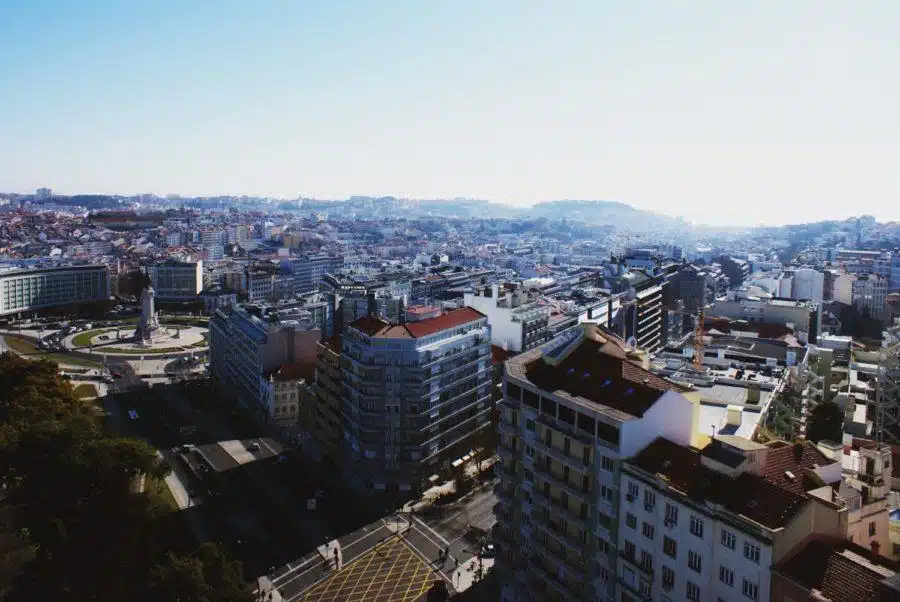
Where to stay in Lisbon if money isn’t an object, or you just want to treat yourself? I stayed at the Four Seasons Hotel Ritz Lisbon on a winter weekend, in a room on the tenth floor with a balcony where I watched the sun come up over the city, and it was a big part of why I fell so hard for Lisbon. Expect a black marble bathroom, polished service, the Michelin-starred CURA and Varanda’s weekend brunch, an indoor pool and a running track on the roof with views right across the city.
It sits at the top of Eduardo VII Park, up the hill from the old town, so you’ll lean on the metro or taxis, and it’s one of the most expensive stays in the city, with rooms from around €900 a night. My full Four Seasons Hotel Ritz Lisbon review has the details.
Lisboa Pessoa Hotel
For a stylish base right in Chiado, the Lisboa Pessoa Hotel takes its inspiration from the poet Fernando Pessoa. It’s a good mid-range option within walking distance of the Baixa, Bairro Alto and the river, and it’s worth booking a room with a terrace if you can.
Memmo Alfama
Tucked into the lanes below the castle, Memmo Alfama has 42 rooms, some looking over the rooftops to the river, and a terrace with an infinity pool and an evening wine bar that has one of the best views in the old town. It doesn’t take children under 16.
EPIC SANA Lisboa
Rooftop pools are kind of (OK, definitely) a thing in Lisbon. EPIC SANA Lisboa, a big, modern five-star between Amoreiras and Marquês de Pombal, has an infinity pool up on the roof and the UpScale bar beside it, open to hotel guests from May to September, plus a spa.
Porto: riverside streets and port lodges

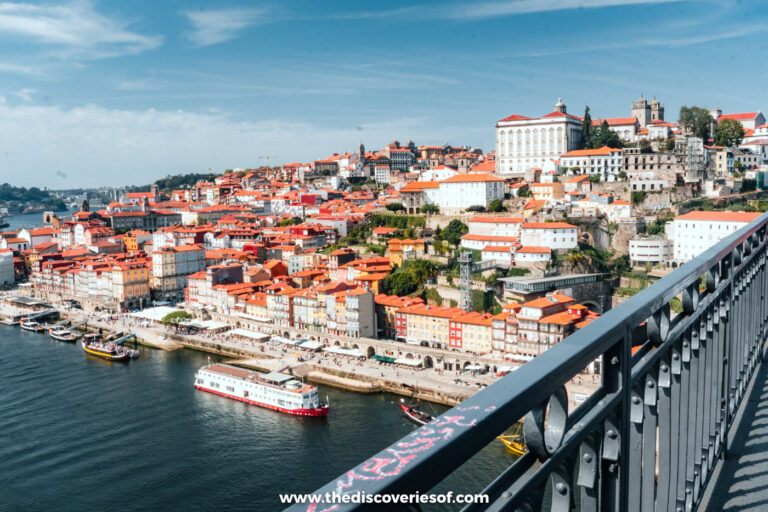
Porto is a compact, walkable city that’s a destination in its own right, with steep streets of tiled houses tumbling down to the Ribeira waterfront and the port lodges of Vila Nova de Gaia across the river. The incredible hillside architecture, the restaurants and the cafes are what make me return to this idyllic city time after time.
The Baixa, around Avenida dos Aliados and São Bento station, is the most practical place to stay, with the metro and trains on the doorstep. The Ribeira is the most atmospheric and the most touristy. Gaia, on the south bank, has the best views back over the city. Fly straight into Porto’s airport if you can, and the metro will take you into the centre.
Porto highlights
The Baixa and the Ribeira
Want a quick feel for what Porto is all about? Spend a few hours walking from Avenida dos Aliados past the tiled hall of São Bento station and down through the lanes of the Ribeira to the river, for some of the best food, shopping and people-watching in the city. My guide to the best things to do in Porto has the rest, and my 3-day Porto itinerary puts it all in order.
The port lodges of Vila Nova de Gaia
No trip to Porto is complete without a port tasting, and the old lodges lining the Gaia riverfront are the place to do it, with tours of the cellars and tastings from ruby to old tawny. Nothing says the end of a good meal like a glass of port as a digestif.
Guimarães
If you want to add a day trip to your northern Portugal itinerary, take the train to Guimarães, about an hour and a quarter from Porto. Known as the birthplace of Portugal, it has a medieval old town, Guimarães Castle and the Palace of the Dukes of Braganza.
Suggested hotels in Porto
The Yeatman

The Yeatman is one I keep going back to: I’ve stayed a few times, and I could happily stay a few more. A luxury wine hotel on the hillside in Gaia, just across the river from Porto, it offers the best of both worlds: Portugal’s second city on the doorstep and the flavours of the Douro Valley in its huge wine cellar and its restaurant, which holds two Michelin stars. The terrace view over the river and the old town is the best in Porto, and there are indoor and outdoor pools and a spa.
Rooms start at around €250 a night out of season and climb steeply on summer weekends. Gaia adds a tourist tax of €3 per person per night.
Torel 1884
A boutique hotel in a 19th-century palace in the historic centre, a few minutes from São Bento station, Torel 1884 offers unfussy sophistication at a reasonable price. The decor is inspired by the goods Portugal’s explorers brought home, and it has 12 rooms and suites plus 11 apartments in a separate building. I’d go for one of the apartments for a little extra space and style (you deserve it).
Pestana Vintage Porto
Right on Praça da Ribeira, in two blocks of 16th-century buildings, Pestana Vintage Porto puts you on the waterfront, with views of the Dom Luís I bridge and the port lodges across the river from many of its 103 rooms.
The Douro Valley: terraced vineyards and quintas
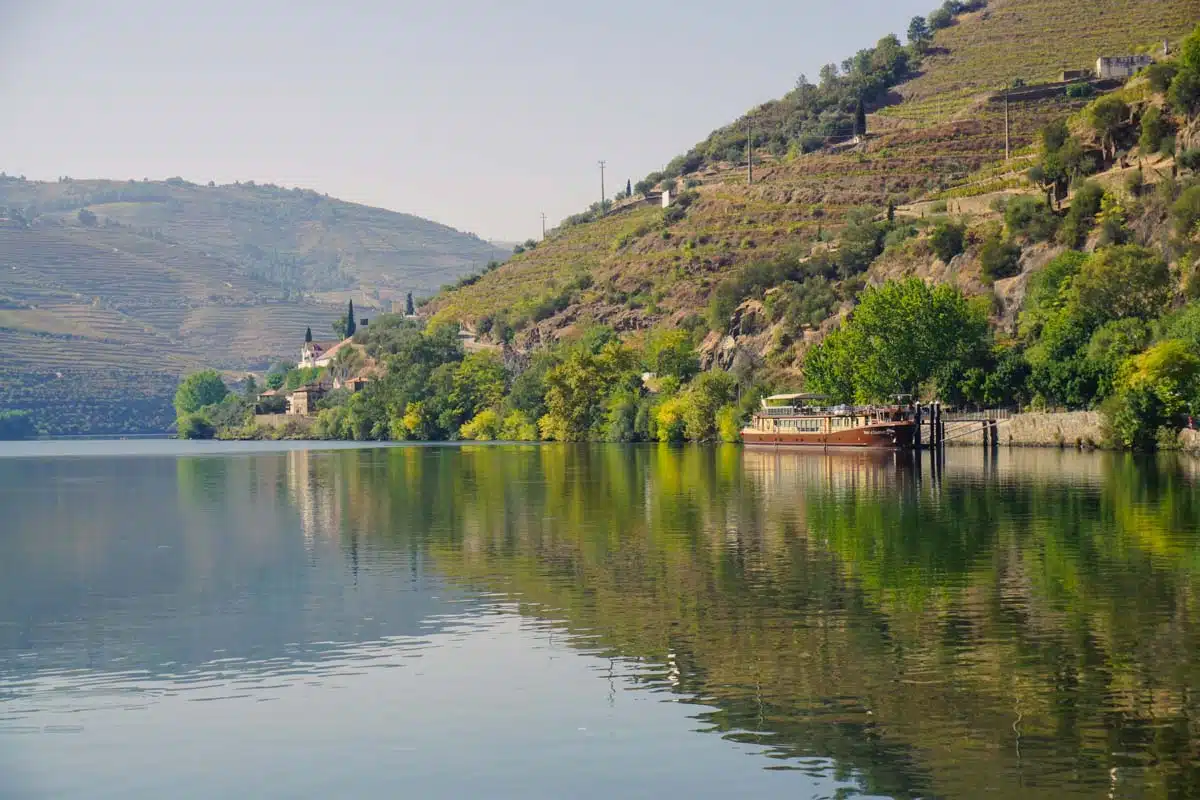
If you’re asking which area to choose for the perfect stay in Portugal, I’d be hard-pressed not to say Porto and the Douro Valley. When I come to Porto, my top priority is scheduling day trips and overnight stays in the valley, Portugal’s best-known wine region and one of the oldest demarcated wine regions in the world. I first visited years ago, and went back at harvest time in late September, when the grapes were coming in at the quintas.
The valley itself is an hour and a half to two hours’ drive east of Porto. The prettiest stretch runs between Peso da Régua and Pinhão, where the terraces climb straight up from the river. You can visit on a day trip, but it’s far better to spend a night or two, and while a car gives you the most freedom, the train from São Bento follows the river to Régua and Pinhão in about two to two and a half hours.
Douro Valley highlights
Get out on the river
The sight of the terraced slopes, green with vines, rising straight up from the water is really something quite spectacular, and the best way to see it is from a boat. Short trips in traditional rabelo boats leave from Pinhão and Régua, or you can take the scenic train along the riverbank.
Taste at the quintas
Still, there’s much more to do than taste wine (though I don’t mind visiting the historic vineyards for a glass). Many of the quintas open for tours and tastings. Quinta de Santa Eufémia, a long-standing family-run estate near Lamego, is a lovely place to sample the region’s ports and table wines, and Symington’s Quinta do Bomfim in Pinhão, where I saw the harvest in full swing, runs visits all year. My Douro Valley guide has more.
Douro International Natural Park
Further east, the Douro becomes the border with Spain and cuts a deep granite gorge through the Douro International Natural Park, home to griffon vultures, golden eagles and remote hiking trails. Boat trips run on the river from Miranda do Douro. It’s a long drive from the wine country, so it suits a longer trip.
Suggested hotels in the Douro Valley
Six Senses Douro Valley
I’ve stayed at Six Senses Douro Valley, and both the views and the rooms are divine. It’s a painstakingly restored 19th-century manor house high on the hillside at Samodães, near Lamego, looking over the river, with 71 rooms, suites and villas, an outdoor saltwater pool and an indoor spa pool, a big spa and three restaurants. Don’t miss the Wine Library, where you can help yourself to tastings of Douro wines. It’s a serious treat, with rooms from around €785 a night.
Vidago Palace
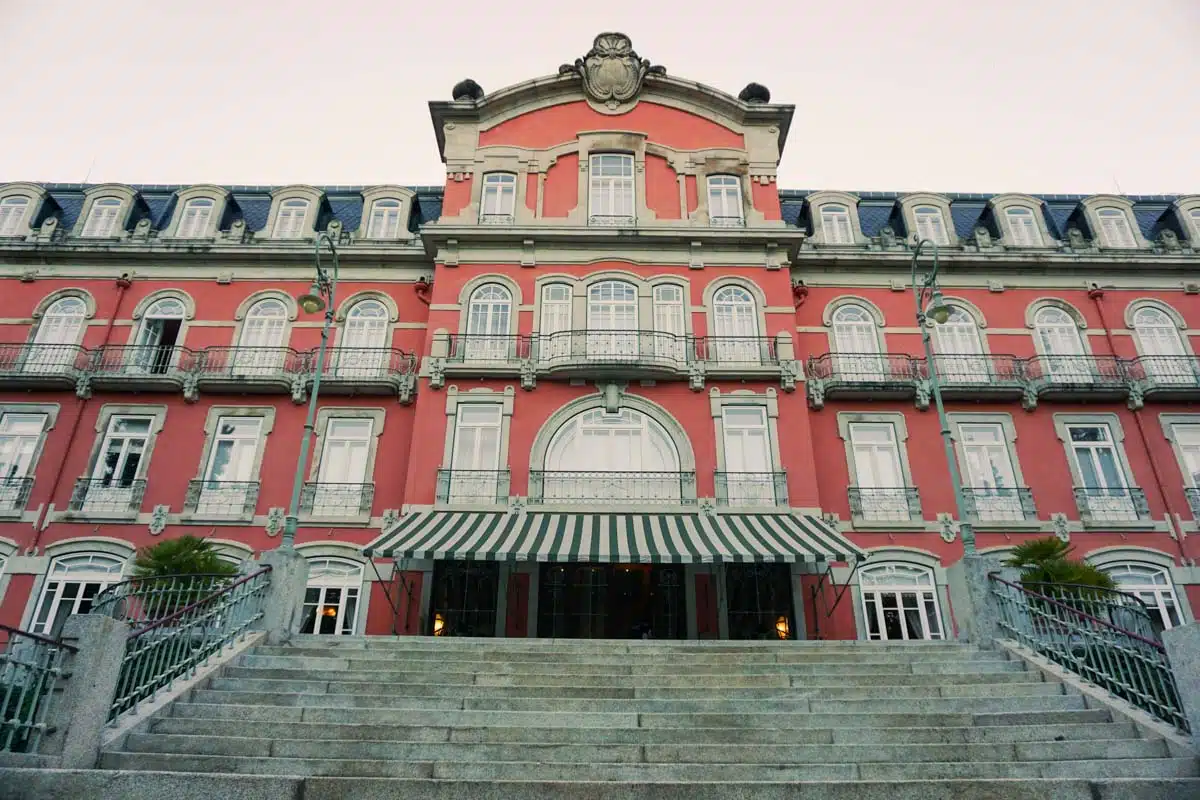
Vidago Palace isn’t in the valley itself: it’s a grand Belle Époque spa hotel about an hour north of the river, and about an hour and a half’s drive from Porto. I’ve stayed here too, and it makes a great alternative to a valley base. It was built in the early 20th century as a spa resort around the town’s mineral springs, and the thermal waters are still the reason to come, in a spa designed by Álvaro Siza Vieira.
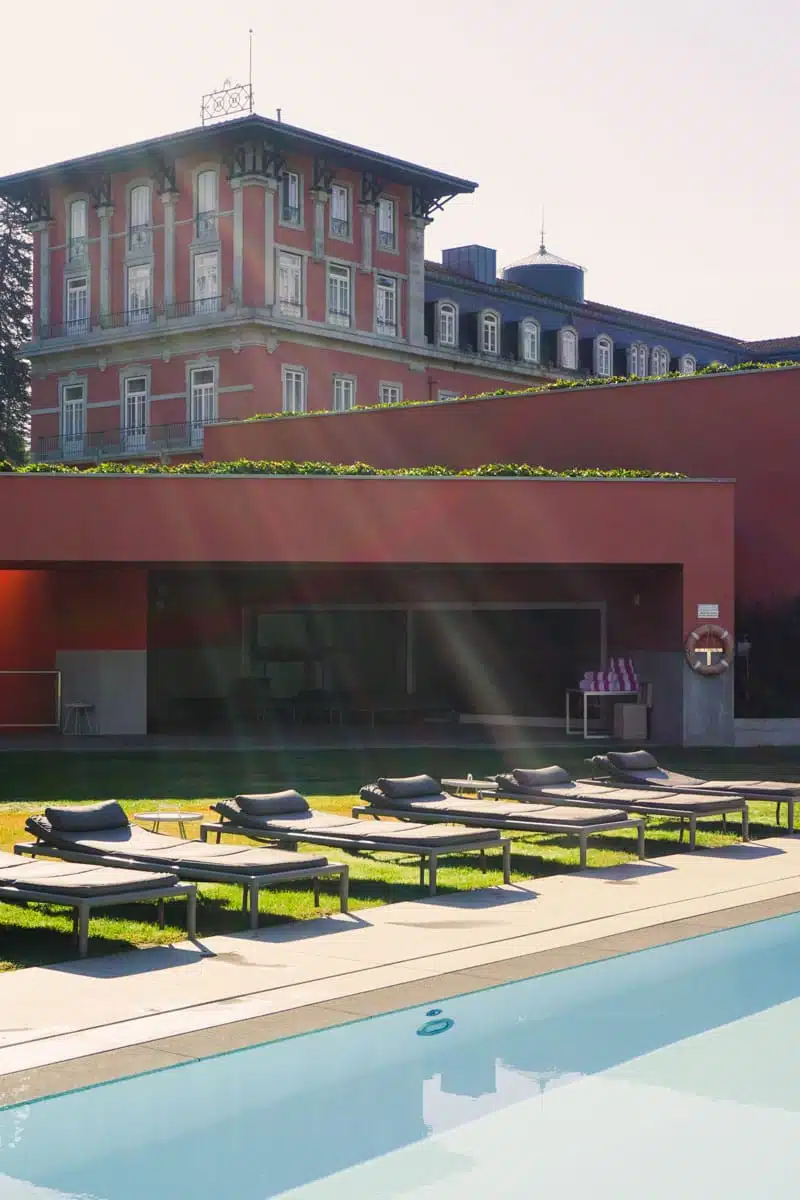
It has 69 rooms and suites, an 18-hole golf course in the grounds, a fine-dining restaurant in the Salão Nobre and a relaxed wine bar. Rooms start at around €200 a night.
The Vintage House
For a base by the river in Pinhão, the heart of port country, The Vintage House is a converted old wine lodge with 50 rooms looking over a garden and pool towards the Douro. The railway station is a short walk away.
The western Algarve: Lagos and the cliff coast

Wondering where to stay in the south? I have some advice you’ll want to listen to: go to the Algarve. I used to consider it one of the best-kept secrets in Portugal, and while it’s not exactly a hidden gem any more, the cliff-lined coast, the sea caves and the old towns are often overlooked in favour of the big resorts. If you’re wondering where to stay in Portugal for beaches, look no further.
The west of the region is all golden limestone cliffs, coves and sea stacks, and Lagos is the best base for it. If beaches, medieval fortifications and excellent shopping are a few of your favourite things (as they are mine), you’ll fit right in. It’s big enough for good restaurants and small enough to walk, it sits at the end of the railway line from Lisbon, and on another trip to the Algarve I hired a villa here and sent my drone up over the cliffs and coves.
Lagos highlights
Ponta da Piedade
A short walk along the cliffs from the town, this headland has some of the most extraordinary rock formations on the coast: sea pillars, grottoes and arches. Walk the clifftop paths and the steps down to the water, or see them from one of the small boats and kayaks that leave Lagos all day.
Praia do Camilo and Praia Dona Ana
Lagos’s two most famous coves sit just south of the town. Dona Ana is reached by about 100 steps from the clifftop. Camilo’s long wooden staircase has been closed since cliff damage earlier in 2026, so for now enjoy the view from the top or see the cove from the water. My guide to the best beaches in the Algarve has the latest on both.
The old town
Inside the old walls, Lagos is a tangle of cobbled lanes, tiled façades and squares lined with cafes, with the Ponta da Bandeira fort guarding the harbour mouth. It’s a lively place for dinner and, in summer, for a drink late into the evening.
Suggested places to stay in Lagos
A villa
A villa is the way I’ve stayed in Lagos, and with a group or a family it gives you space, a pool and a kitchen for the fish from the market. The hills behind the town and the road towards Luz are full of them, so it’s worth searching villas and holiday homes around Lagos for your dates, and booking well ahead for July and August.
Casa Mãe
Casa Mãe is the town’s standout boutique hotel: a 19th-century family house in the historic centre, beside the old walls, with 34 rooms and suites in four buildings around a kitchen garden, a pool and ORTA, a farm-to-table restaurant that uses its produce. The beaches and the marina are a short walk away.
Palmares Beach House Hotel
Across the bay from the town, above the long sands of Meia Praia, the Palmares Beach House Hotel is a small hotel aimed at adults, with sea views, private balconies and more than enough room to spread out, plus a golf course next door.
The central and eastern Algarve: Quinta do Lago to Tavira

East of Albufeira, the cliffs give way to the long sandbars, lagoons and salt marshes of the Ria Formosa, and the coast gets quieter. This is where I spent an October week, based in Quinta do Lago and cycling out to the lagoon. It’s a short drive from Faro airport, and the market towns inland and the old fishing towns along the coast are a world away from the high-rise resorts.
Golfers have long based themselves in Vilamoura, but its big beach resort, the former Anantara (now Victoria Golf Resort & Spa), is closed for a refit and won’t reopen until it relaunches as the Fairmont Vilamoura in 2028.
Central and eastern Algarve highlights
The Ria Formosa and Ilha Deserta
The Ria Formosa Natural Park is a maze of tidal channels, salt marsh and barrier islands stretching for about 60km along the coast, full of flamingos, spoonbills and wading birds. From Quinta do Lago, a wooden footbridge crosses the lagoon to a beach backed by dunes, and boats leave Faro for Ilha Deserta, where I spotted dolphins on the way out.
Loulé market
Inland, Loulé’s red-domed market hall has been selling fish, fruit and vegetables since 1908. On longer stays, it’s where I’ve always stocked up for the barbecue. Go on a Saturday morning, when a producers’ market fills the streets around it.
Tavira
I think Tavira is an overlooked candidate for the best place to stay in the Algarve, and for my money it’s the prettiest town on the coast, with a seven-arched old bridge over the Rio Gilão, a castle, a church on almost every corner and the elegant Praça da República by the river. Nearby, Praia do Barril has its quirky anchor cemetery. My guide to Tavira has more.
Suggested hotels in the central and eastern Algarve
Four Seasons Fairways
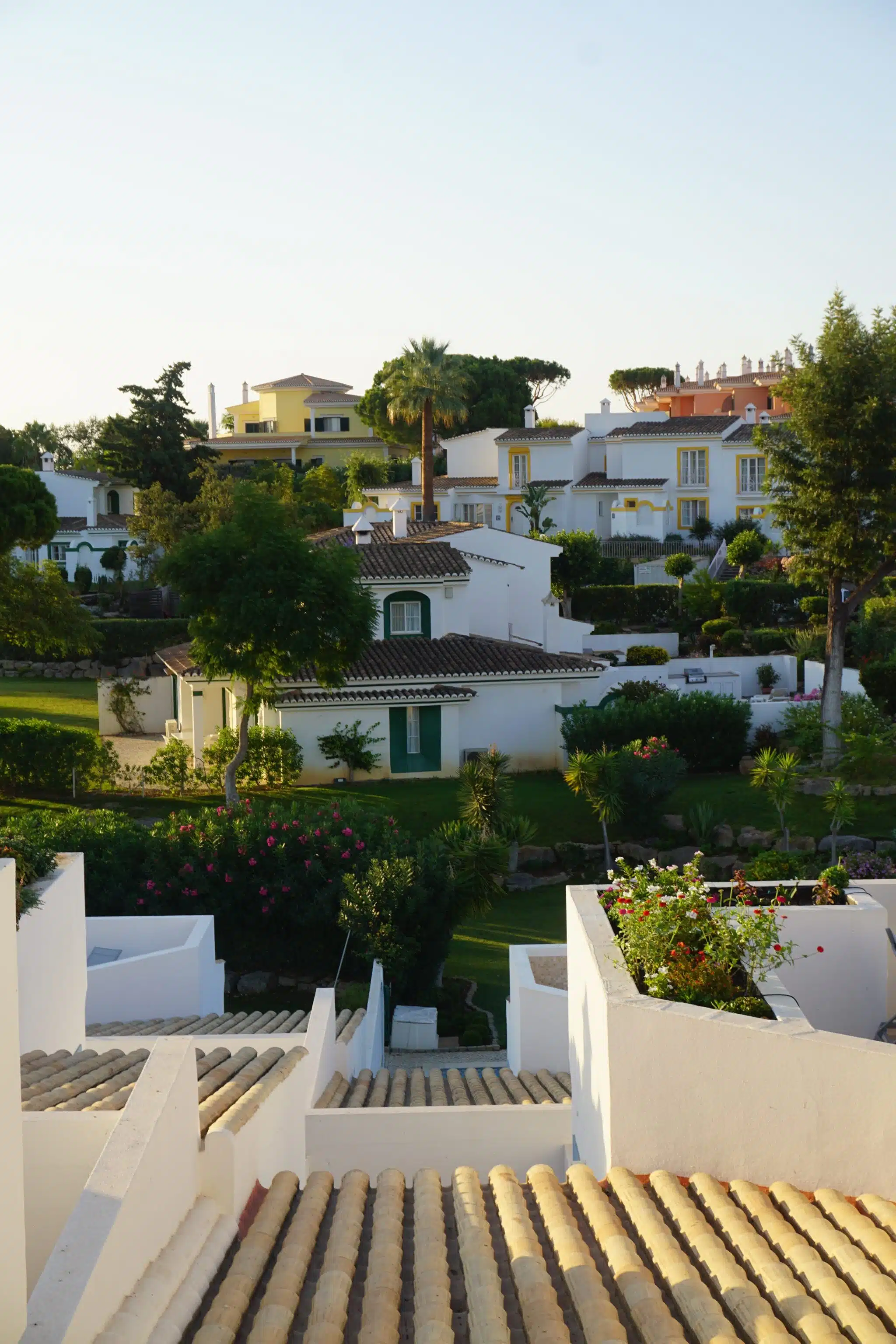
For a week or more, I’d book a villa at Four Seasons Fairways in Quinta do Lago, where I stayed in a newly renovated villa with its own jacuzzi on the terrace and a gas barbecue that became the centre of most evenings. It’s a calm, spacious resort of whitewashed villas and apartments among the pines: you can walk right round it and pass only a handful of people, and after a few days the team on the gatehouse knew me by name. The Ria Formosa and the beach are a short bike ride away.
Despite the name, it’s an independent self-catering resort, not part of the Four Seasons hotel group, and villas are let by the week, from around £1,100 in low season to more than £4,000 in high summer. Loulé council adds a tourist tax of €2 per person per night from April to October. More in my Four Seasons Fairways review.
Pine Cliffs Gardens
Perched on the clifftop above Praia da Falésia, one of my favourite beaches in the Algarve, Pine Cliffs Resort near Albufeira has golf, the Serenity Spa, a kids’ club, an adventure park and its own beach. Pine Cliffs Gardens, its newest addition, has one- to three-bedroom suites with kitchens and balconies, so it works well for families who want resort facilities and space to cook.
Pousada Convento de Tavira
Set in the 16th-century convent of Nossa Senhora da Graça in the heart of Tavira’s old town, the Pousada Convento de Tavira has 36 rooms around the old cloister, a pool in the garden and a restaurant serving Algarve dishes in the former refectory. The ferry to the beaches of Ilha de Tavira is about a ten-minute walk away. It’s closed for works from 2 November to 22 December 2026.
The Alentejo coast: walking the Rota Vicentina
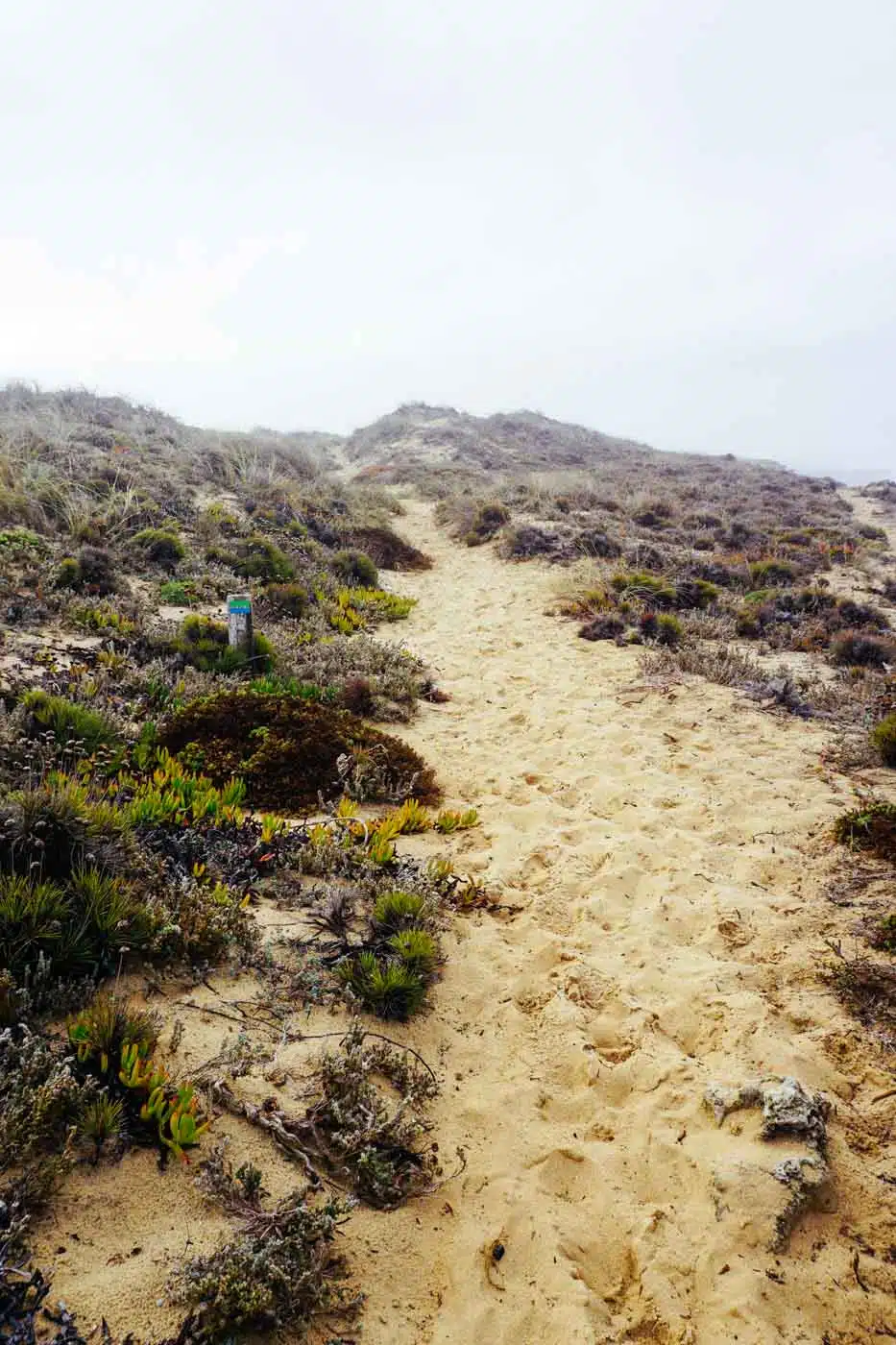
North of the Algarve, the Alentejo coast is wild, windswept and blissfully undeveloped: high cliffs, empty beaches, cork forests and little fishing villages, with the Rota Vicentina walking trails running through it all. I spent a few days walking stages of the Fishermen’s Trail and the hills around Monte da Estrada one October, driving myself up from Faro in a small hire car and staying somewhere different each night.
This is car country: buses are sparse and the best places to stay are tucked away in the hills, so hire a car. The coast has some of Portugal’s best walking in spring and autumn, when it’s cool enough to enjoy the trails.
Alentejo coast highlights
The Fishermen’s Trail
The coastal path of the Rota Vicentina follows the clifftops and sandy fishermen’s tracks between Porto Covo and the Algarve, past coves, sea stacks and fishing harbours such as Azenha do Mar, where you might find the fishermen mending their lines. Most stages can be walked in a day, and the Historical Way runs inland through cork and eucalyptus forests from Santiago do Cacém.
Vila Nova de Milfontes
This laid-back town at the mouth of the Mira river is a favourite with surfers and walkers, with beaches in both directions, such as Praia do Malhão, and an old fort overlooking the river mouth.
Santiago do Cacém
Brimming with history and charm, this cobbled hill town is crowned by a castle with views across the countryside, and it marks the start of the Historical Way.
Suggested places to stay on the Alentejo coast
Octant Santiago
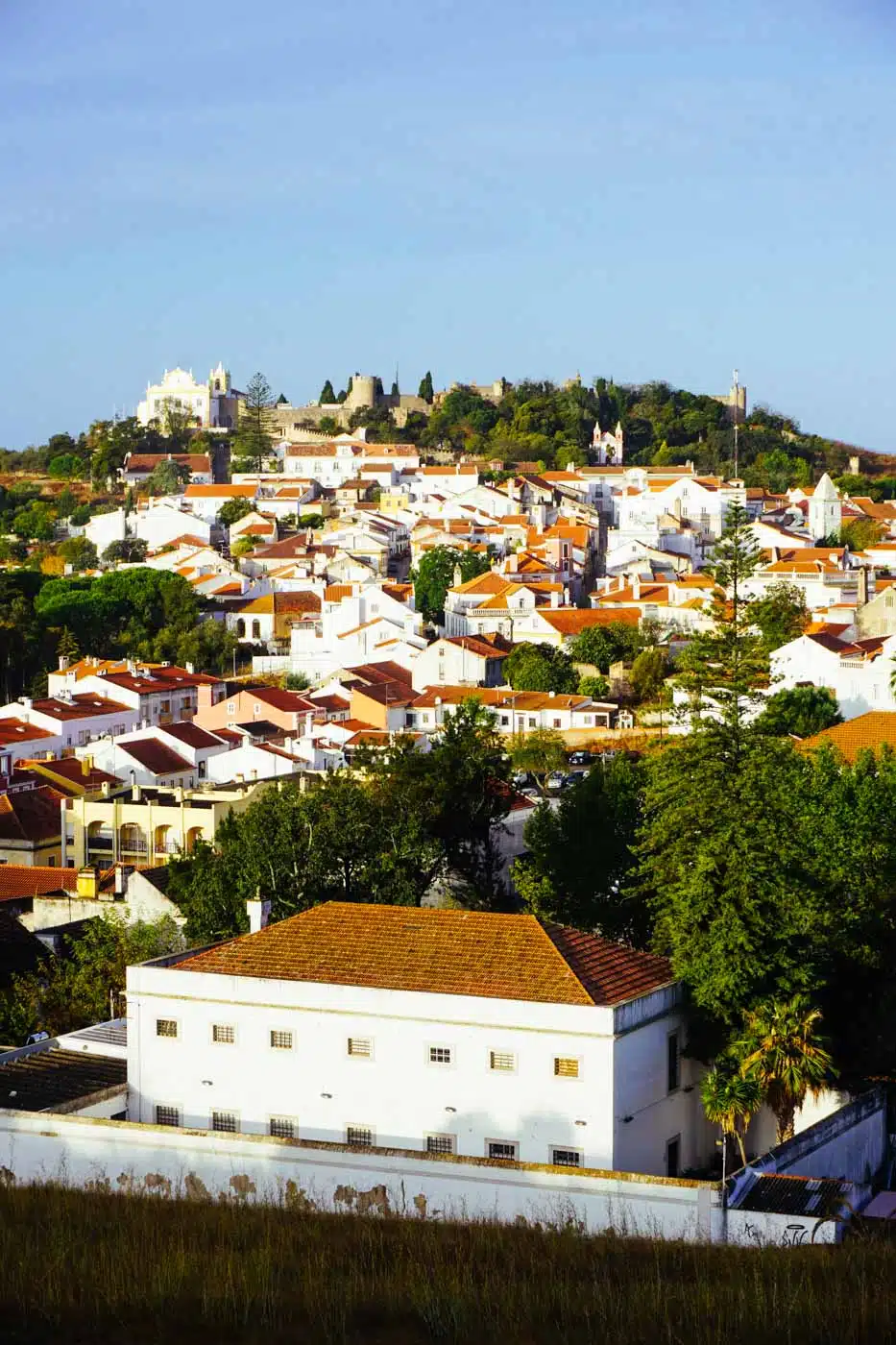
On my walking trip I stayed at what was then the Hotel Santiago, a funky hotel with a real focus on food, which now trades as Octant Santiago. Expect design-led decor and an incredibly good restaurant downstairs. It has 32 rooms, an outdoor pool and views of the castle, and rooms start at around €150 a night.
Figueirinha Ecoturismo
Figueirinha Ecoturismo is an independent eco retreat in the cork-oak hills near Monte da Estrada, with a handful of rooms and a safari tent set around a natural swimming pool on a small organic farm. The owners, Paula and Alexandre, know the walking and cycling trails here better than anyone, and at the end of my day on the trail, Paula served up hearty, delicious home cooking around a communal table. Book through the Rota Vicentina website or directly.
Quinta do Barranco da Estrada

Quinta do Barranco da Estrada sits above the reservoir at Santa Clara-a-Velha, with its own lush gardens leading down to the water. Frank, the owner, is one of Portugal’s leading birding guides and a font of knowledge about the local birdlife. It has ten rooms, canoes and paddleboards for the lake, and rates from €145 to €375 a night with breakfast. It’s open from mid-March to the end of October, with a minimum stay of two nights (four in high season).
Herdade do Freixial
On the outskirts of Vila Nova de Milfontes, Herdade do Freixial is a secluded rural retreat on a hillside above the Mira river, with rooms and apartments with private terraces, a pool, an outdoor jacuzzi and a Turkish bath. The only problem is that you’ll never want to leave. Rates start at around €75 a night for two with breakfast, with a minimum stay of four nights in summer.
O Lugar
In the centre of the fishing village of Porto Covo, where the Fishermen’s Trail begins, O Lugar is a small guesthouse with six bright rooms, five of them with a balcony looking towards Pessegueiro island, and breakfast with bread from the family bakery across the street.
Évora and the inland Alentejo: historic towns and vineyards
Inland, the Alentejo is a vast landscape of rolling wheat fields, cork oaks, olive groves and whitewashed hill towns, and it’s one of Portugal’s biggest wine regions. Évora, about an hour and a half’s drive from Lisbon, makes the obvious base, and it’s European Capital of Culture in 2027. The region gets very hot in July and August, so spring and autumn are the best times to visit.
Inland Alentejo highlights
Évora
Far from a secret now, Évora’s walled old town is a UNESCO World Heritage Site, and it’s well worth taking time to explore its Gothic, Baroque and Moorish architecture: the Roman temple, the cathedral and its rooftop, and the bone-lined Chapel of Bones in the Church of São Francisco.
Elvas and Monsaraz
Close to the Spanish border, Elvas is ringed by star-shaped 17th-century fortifications, also on the UNESCO list, with a four-storey aqueduct striding into town. Further south, the hilltop village of Monsaraz looks over the Alqueva lake, the heart of a dark sky reserve.
Suggested hotels in the inland Alentejo
L’AND Vineyards
On a working wine estate outside Montemor-o-Novo, about half an hour from Évora, L’AND Vineyards is an architectural showpiece with suites where you can (wait for it) sleep under the stars, thanks to retractable roofs. Add to that its restaurant, Mapa, which won a Michelin star in 2026, a pool, a spa with wine treatments and its own winery. Enough said? Rates start at around €200 a night in low season.
Hotel São João de Deus
In the charming border town of Elvas, the Hotel São João de Deus is a boutique hotel with clean, comfortable rooms and delightful garden grounds, within sight of the town’s UNESCO-listed walls.
Madeira: subtropical gardens and mountain walks
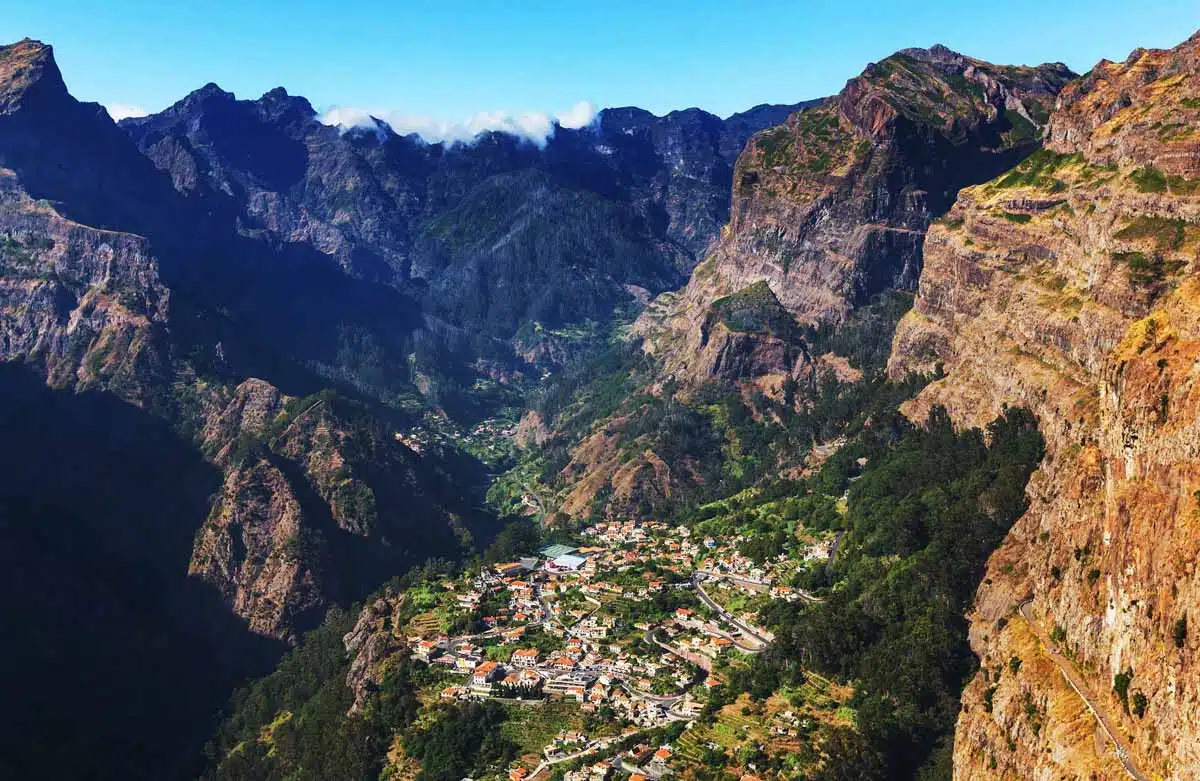
Less than two hours’ flight from Lisbon, Madeira is a fabulous place for one of the more unique holiday destinations when the weather in mainland Europe is a bit chilly. It’s mild all year, with dramatic mountains, cliffs plunging into the Atlantic, flower-filled gardens and its famous fortified wine. Funchal, the capital, is the easiest base, while the villages of the north coast are quieter and wilder. Funchal charges a tourist tax of €2 per person per night (the council has approved a rise to €4, expected from January 2027).
Madeira highlights
Funchal
The capital is an easy-going city of botanical gardens, wine lodges and the colourful Mercado dos Lavradores market, with the cable car up to Monte and its tropical gardens above the town.
The levadas
Madeira’s old irrigation channels, the levadas, have walking paths running alongside them, and they’re the best way to see the island’s mountains and its UNESCO-listed laurel forest.
Suggested hotels in Madeira
Reid’s Palace
Madeira’s grande dame, Reid’s Palace, A Belmond Hotel, has been welcoming guests since the 19th century on a terraced hillside above the Bay of Funchal. It has 158 rooms, gardens running down to the sea, two infinity-edged pools and a famous afternoon tea.
Hotel Costa Linda
Nestled in the small coastal village of Porto da Cruz on the north coast, the simple, adults-only Hotel Costa Linda has rooms with balconies looking out to the sea and the mountains, and a public sea-water pool and beach nearby. It’s one of the best-value stays on the island.
The Azores: volcanic lakes and hot springs
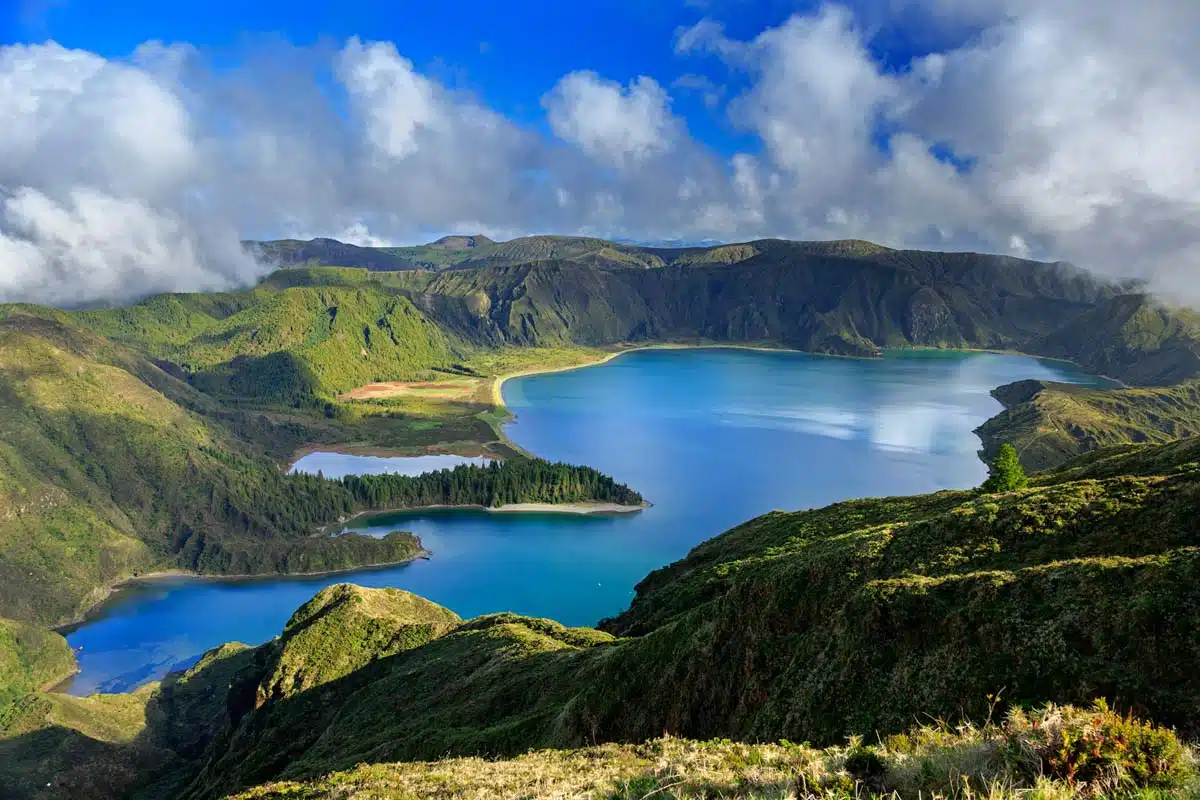
Want an idea for one of the best one-week holidays in Portugal? Try exploring the Azores, nine volcanic islands in the middle of the Atlantic, about two and a half hours’ flight from Lisbon. São Miguel, the biggest, is the easiest place to start, with crater lakes, hot springs and tea plantations, and Ponta Delgada is the most practical base.
Azores highlights
Sete Cidades and Lagoa do Fogo
São Miguel’s crater lakes are the island’s great sights: the twin blue and green lakes of Sete Cidades in the west, and Lagoa do Fogo, high in the mountains in the middle of the island.
Furnas
In the volcanic valley of Furnas, steam rises from the ground, cozido stew is slow-cooked in pots buried in the hot earth, and you can soak in iron-rich thermal pools. Whale and dolphin watching trips leave from Ponta Delgada.
Suggested hotels in the Azores
Senhora da Rosa
On the edge of Ponta Delgada, Senhora da Rosa, Tradition & Nature Hotel is a former family farm turned boutique hotel, surrounded by greenery, with 35 rooms, an outdoor pool, a spa and a rooftop bar. It’s a peaceful base that’s within easy driving distance of the island’s best sights and beaches.
Terra Nostra Garden Hotel
In the heart of Furnas, the Terra Nostra Garden Hotel gives guests unlimited access to the Terra Nostra Park next door and its famous thermal pool, filled with 40°C volcanic water, including outside the public opening hours.
Where to stay in Portugal: FAQs
What is the best area to stay in Portugal?
It depends on what you want from your trip. For a first visit, I’d point you to Porto and the Douro Valley: you can fly straight into Porto, and it’s a short drive or a beautiful train ride to the vineyards, restaurants and walking that define the north. Lisbon is the classic alternative, with the most to see. For beaches, it’s the Algarve, and for walking and quiet, the Alentejo coast.
How do you get around Portugal?
Getting around is reasonably easy, depending on where you want to go. Fast trains link Lisbon and Porto in just under three hours, and Lisbon to Lagos takes three and a half to four hours, changing at Tunes. You can reach many of my favourite places from the two big cities by train, bus or hire car. But if you’re heading to the Alentejo, the Douro or the lesser-known parts of the Algarve, I suggest hiring a car: I drove myself between my Alentejo stays, and I’ve never tried getting around the Algarve without one. The A22 motorway along the Algarve coast has been toll-free since January 2025. More in my Portugal travel tips.
When is the best time of year to stay in Portugal?
I love going to Portugal any time of year, but keep in mind that inland areas such as the Douro and the Alentejo can be much hotter than the coast in summer. Spring and autumn are ideal for walking and sightseeing, and the beaches are at their best from June to September. My guide to the best time to visit Portugal goes month by month.
Do you pay a tourist tax in Portugal?
In many places, yes, paid at your hotel and often on top of a prepaid booking. Lisbon charges €4 per person per night and Porto and Vila Nova de Gaia €3, while several Algarve councils, including Faro, Albufeira, Loulé and Portimão, charge €1 to €2, and Funchal €2.
Tips for booking your Portugal hotel
- Book six months or so ahead for summer, Easter and anywhere on the coast. Summer weather is hot (sweltering, inland), so reserve a room with air conditioning if you can.
- Check minimum stays: rural guesthouses often ask for two to four nights, and villas in the Algarve are usually let by the week.
- Plan at least a week in Portugal. I fell for the country within a few hours of arriving, and I always wish I’d allowed more time.
- Many people eat dinner late in Portugal, so you can often sit down after 8pm, but book ahead for popular restaurants.
- Brush up on your Portuguese. You won’t need to be fluent, but a few words go a long way, especially in smaller towns. And for the rest of what’s customary, read my guide to tipping in Portugal.
Map
Read next
- The best things to do in Portugal
- How to spend one week in Portugal
- The best time to visit Portugal
- Is the Four Seasons Hotel Ritz Lisbon worth the splurge?
- Is a villa at Four Seasons Fairways the best way to do the Algarve?
- Five secret travel spots in the Alentejo
Love this? Save and share on Pinterest
Discover the top things to do, insider tips and hidden gems in our Portugal Travel Guides.
Read the guides →




