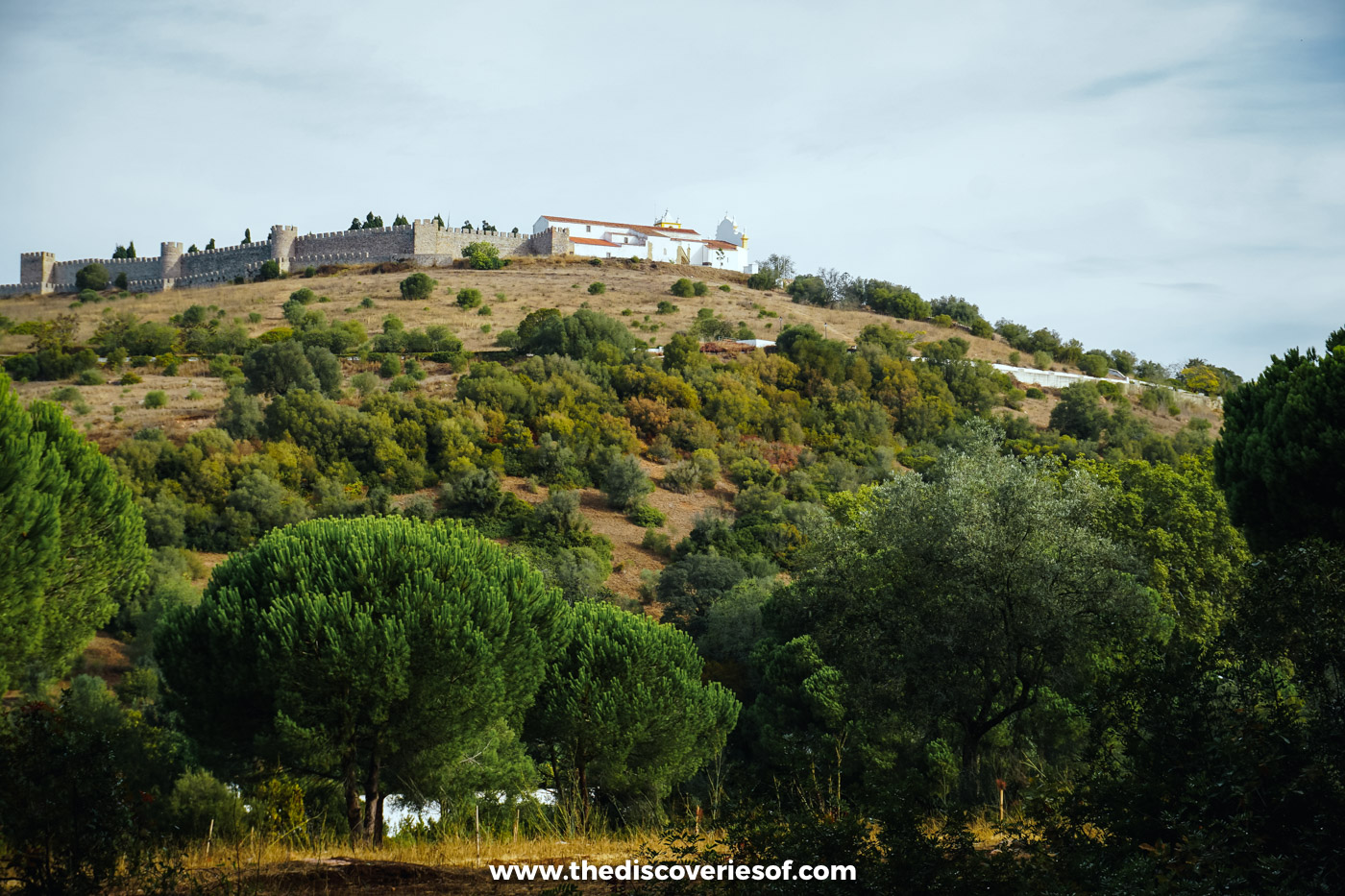

Portugal’s biggest region is also its emptiest, and that changes how you pick a bed. There are no resort strips here: just a wild Atlantic coast of fishing villages and dunes, cork-covered hills with more storks than people, and a walled Roman city out on the plains. Choose the right base and the beach, the trail or the wine cellar is on your doorstep. Choose the wrong one and you’ll spend your holiday on empty roads.
The Alentejo was the part of Portugal I came to last. One October, I set off from Faro in a very small hire car and headed north to walk the Rota Vicentina. I moved on every day, and the four places I slept could hardly have been more different: a design hotel in a hilltop castle town, an eco farm deep in the cork oaks, a house above a lake run by a birding guide, and a hillside retreat looking down on the Mira river.
That trip taught me the main thing about where to stay in the Alentejo: the place you sleep shapes the whole holiday. This guide is organised by area, starting on the coast and working inland, with what there is to see and do in each, the places I stayed and the hotels I’d book now.
The best places to stay in the Alentejo at a glance
| Category | Where to stay |
|---|---|
| Where I stayed, for walking the coast | Herdade do Freixial, Vila Nova de Milfontes |
| Where I stayed, for the Historical Way | Octant Santiago, Santiago do Cacém |
| Where I stayed, for birdwatching | Quinta do Barranco da Estrada, Santa Clara-a-Velha |
| Where I stayed, for home cooking | Figueirinha Ecoturismo, near Monte da Estrada |
| Best for families | Craveiral Farmhouse, near Zambujeira do Mar |
| Best in a fishing village | O Lugar, Porto Covo |
| Best for a city break | M’AR De AR Aqueduto, Évora |
| Best for a splurge | Sublime Comporta, Comporta |
The best areas to stay in the Alentejo
The Alentejo covers about a third of mainland Portugal, so it pays to decide first which part of it you’re coming for. The south-west coast, protected as the Southwest Alentejo and Vicentine Coast Natural Park, is where the beaches, the surf and the Rota Vicentina’s coastal path are. Just inland, the hills around Santiago do Cacém and Odemira are cork and eucalyptus country, threaded with the Historical Way and its circular walks. Much further inland, Évora sits in the rolling wheat and vine country of the central plains, and in the north-west, Comporta is the region’s fashionable beach escape from Lisbon.
Whichever you choose, you’ll want a car. Buses link the bigger towns, but almost every characterful place to stay is out in the countryside, often down a dirt track, and the distances between villages are longer than they look.
Vila Nova de Milfontes: beaches on both sides of the Mira
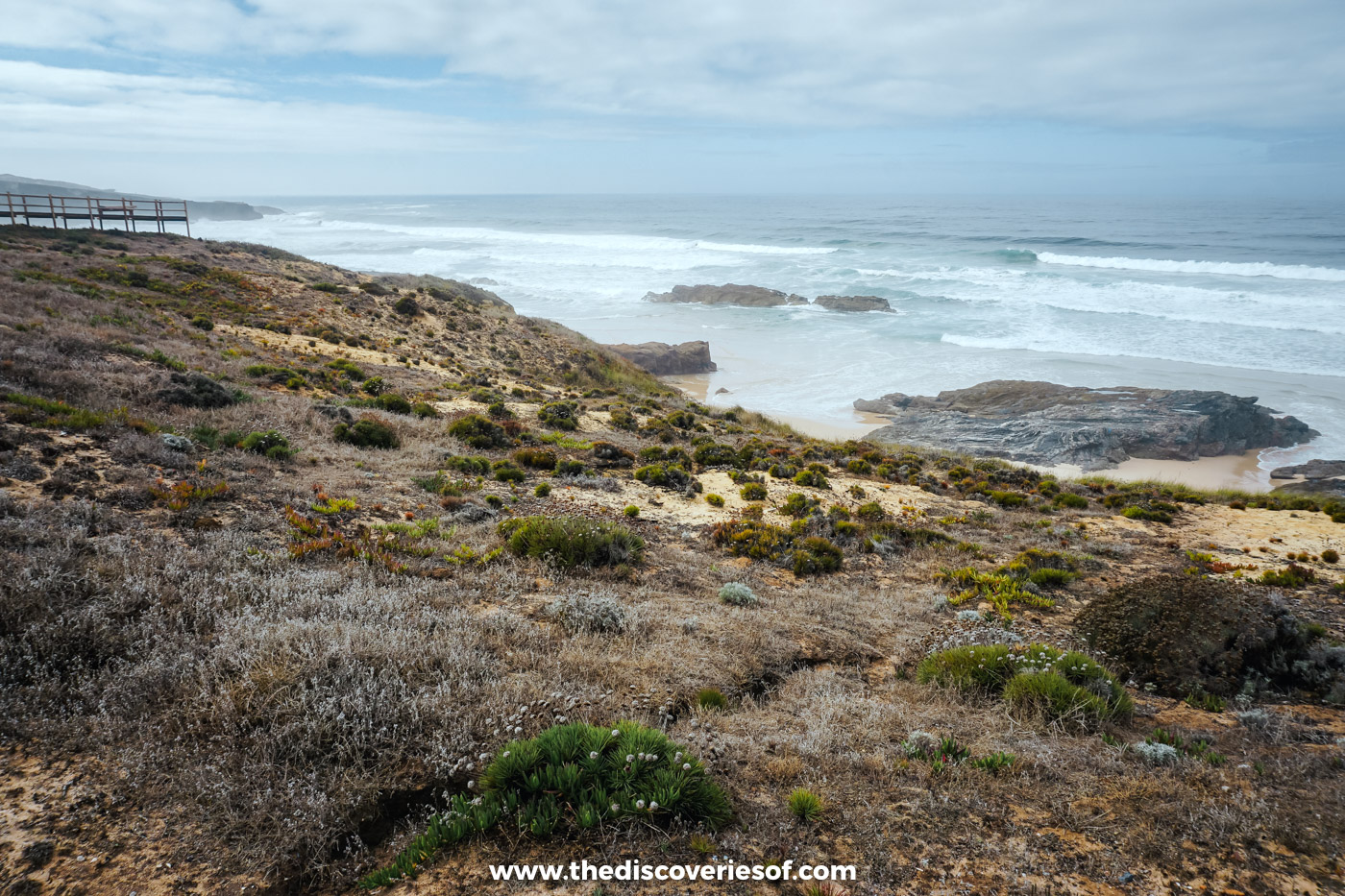
If you want one coastal base, make it Milfontes. The little whitewashed town sits where the Mira river widens into a sandy estuary before it meets the Atlantic, so you can swim in calm river water one day and in the surf the next. It has the best spread of restaurants and cafés on this stretch of coast, and it sits at the end of the Fishermen’s Trail’s most popular stage, from Porto Covo.
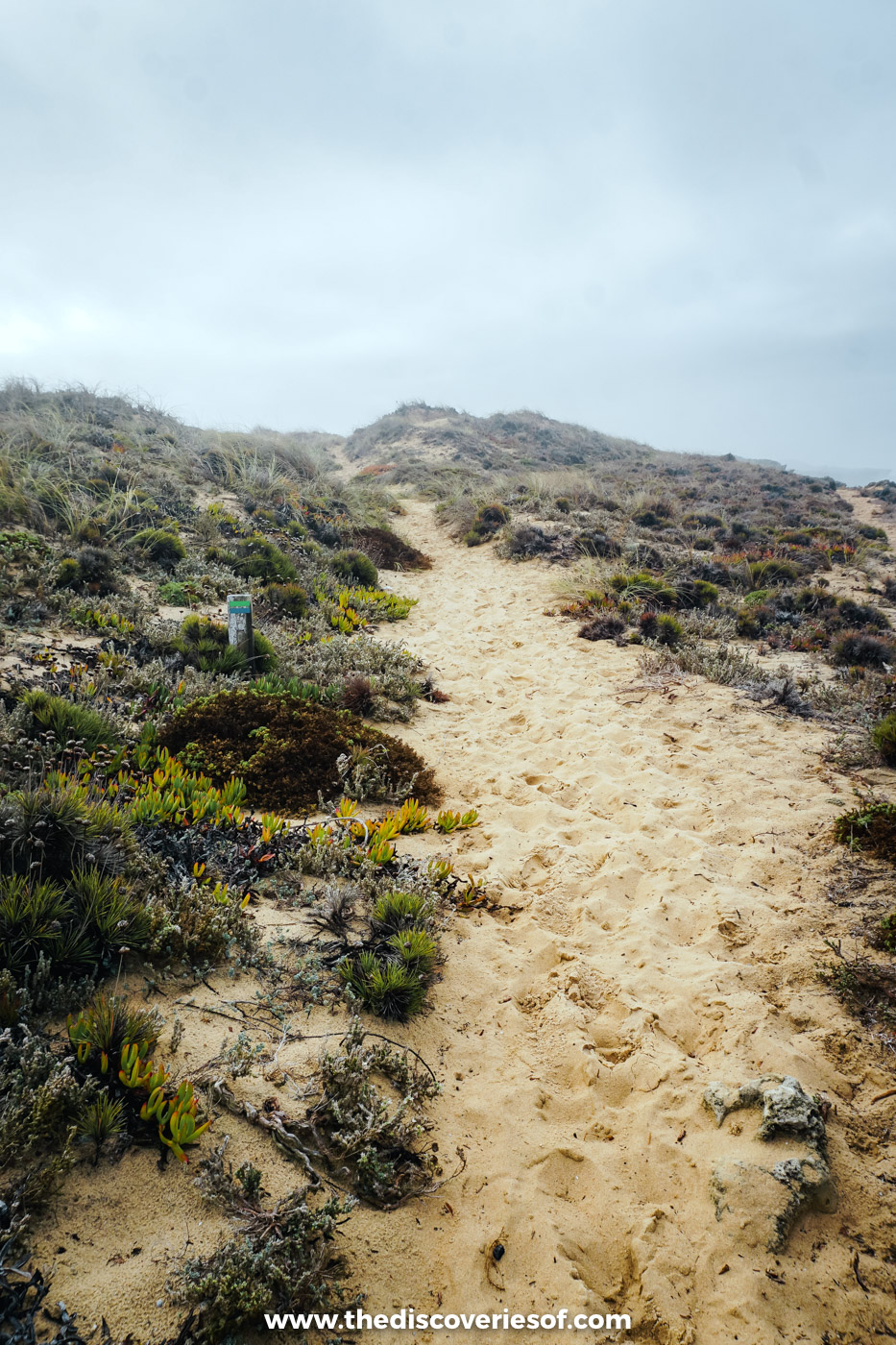
It was my last stop. I spent my final night on a hillside just outside town, and my final morning walking the trail through the dunes from Praia do Malhão towards the river mouth. In July and August, Milfontes fills with Portuguese families on their summer holidays, so it’s far quieter, and cheaper, in spring and autumn.
Vila Nova de Milfontes highlights
The Mira estuary
The river beaches are the town’s secret weapon: sheltered sand, warmer water than the open sea and gentle conditions for paddleboarding and kayaking. Praia da Franquia, below the town, is the closest. The old Fort of São Clemente stands guard over the river mouth.
Praia do Malhão
North of town, Malhão is a long, wild beach backed by dunes that burst into flower in spring. It’s popular with surfers and walkers, and the Fishermen’s Trail runs right along it, so you can walk back to town along the coast. My Rota Vicentina walking guide has the stage in full.
Suggested hotels in Vila Nova de Milfontes
Herdade do Freixial
My last night in the Alentejo was at Herdade do Freixial, about 2km from Milfontes, and it was the hardest place to leave. This rural retreat is tucked into a hillside with long views over the Mira, and its rooms and apartments are spacious, each with its own terrace. There’s a Turkish bath, an outdoor hot tub and a pool for tired walking legs. Doubles with breakfast cost from about €75, and summer bookings are for four nights or more.
HS Milfontes Beach
For a hotel you can walk into town from, HS Milfontes Beach sits on the riverfront road right above Praia da Franquia, a few minutes’ walk from the old town. It has 28 rooms over three floors, from doubles to family rooms and an apartment, plus indoor and outdoor pools, a sauna and a restaurant serving regional food.
Três Marias
Out in the countryside between Milfontes and Porto Covo, about 4km from Praia dos Aivados, Três Marias is a whitewashed country house with ten simple, light-filled rooms with North African touches, set in a protected farming and forestry reserve. Its owner is one of the founders of the Rota Vicentina, so you’ll get good advice on the trails, and breakfast is made with regional produce. It closes in December and January.
Porto Covo: a whitewashed fishing village at the top of the trail
Porto Covo is one of the prettiest villages on the coast: low whitewashed houses edged in blue, gathered round a square over a tiny harbour, with a string of small coves below the cliffs. It’s the first village on the Fishermen’s Trail, and the place most walkers start their first full day on the coast, so it’s a natural base if you’re walking from north to south.
It’s small, which is the point: a handful of restaurants serving grilled fish and seafood rice, a few cafés, and very little else.
Porto Covo highlights
Ilha do Pessegueiro
A short walk or drive south of the village, an old fort on the clifftop looks out across the water to the little island of Pessegueiro, which has ruins of its own. The beach facing the island is one of the loveliest spots on this stretch of coast.
The coves south of the village
The first few kilometres of the Fishermen’s Trail south of Porto Covo pass a series of small coves and sandy beaches tucked between rocky headlands, and you can dip in and out of them on an easy morning’s walk.
Suggested hotels in Porto Covo
O Lugar
Right in the centre of the village, O Lugar is a small family-run guesthouse with six bright rooms, most with a balcony facing out towards Pessegueiro island. The family runs the bakery across the road, so breakfast comes with their own bread.
Monte da Bemposta
Just outside the village and a short walk from the beach and the coastal path, Monte da Bemposta is a farmhouse hotel with ten little houses and three studios, each with a kitchenette and a small terrace with a view of the sea. There’s a shared pool, a home-cooked seasonal dinner in the evenings, horse riding, bikes and padel courts, and breakfast is included.
Zambujeira do Mar: a clifftop village on the wildest stretch of coast
Zambujeira do Mar is perched right on the cliff edge, with a beach in the cove below and a little chapel on the headland. It’s the most southerly village of any size on the Alentejo coast, and the stretch from here to Odeceixe is one of the most dramatic on the whole trail: sheer cliffs, sea stacks and tiny fishing harbours tucked into the rocks.
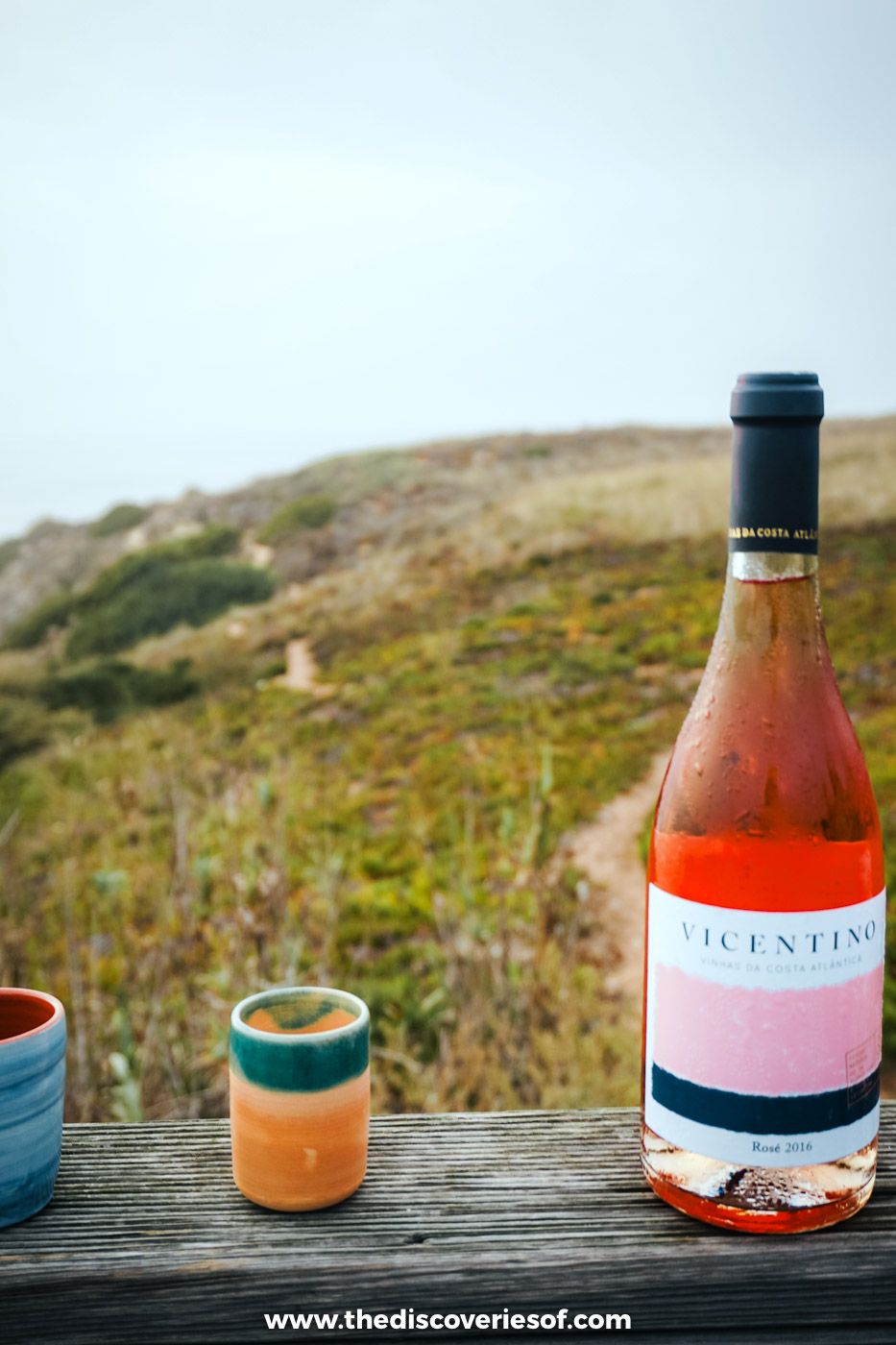
This is where my walking began: on my first afternoon, a Rota Vicentina guide led me about 7km south from the village along the clifftops to Praia da Amália. The walk ended with a toast of local rosé on a boardwalk above the sea. Zambujeira is quiet for most of the year but very busy in August, so book well ahead for the summer holidays.
Zambujeira do Mar highlights
Azenha do Mar
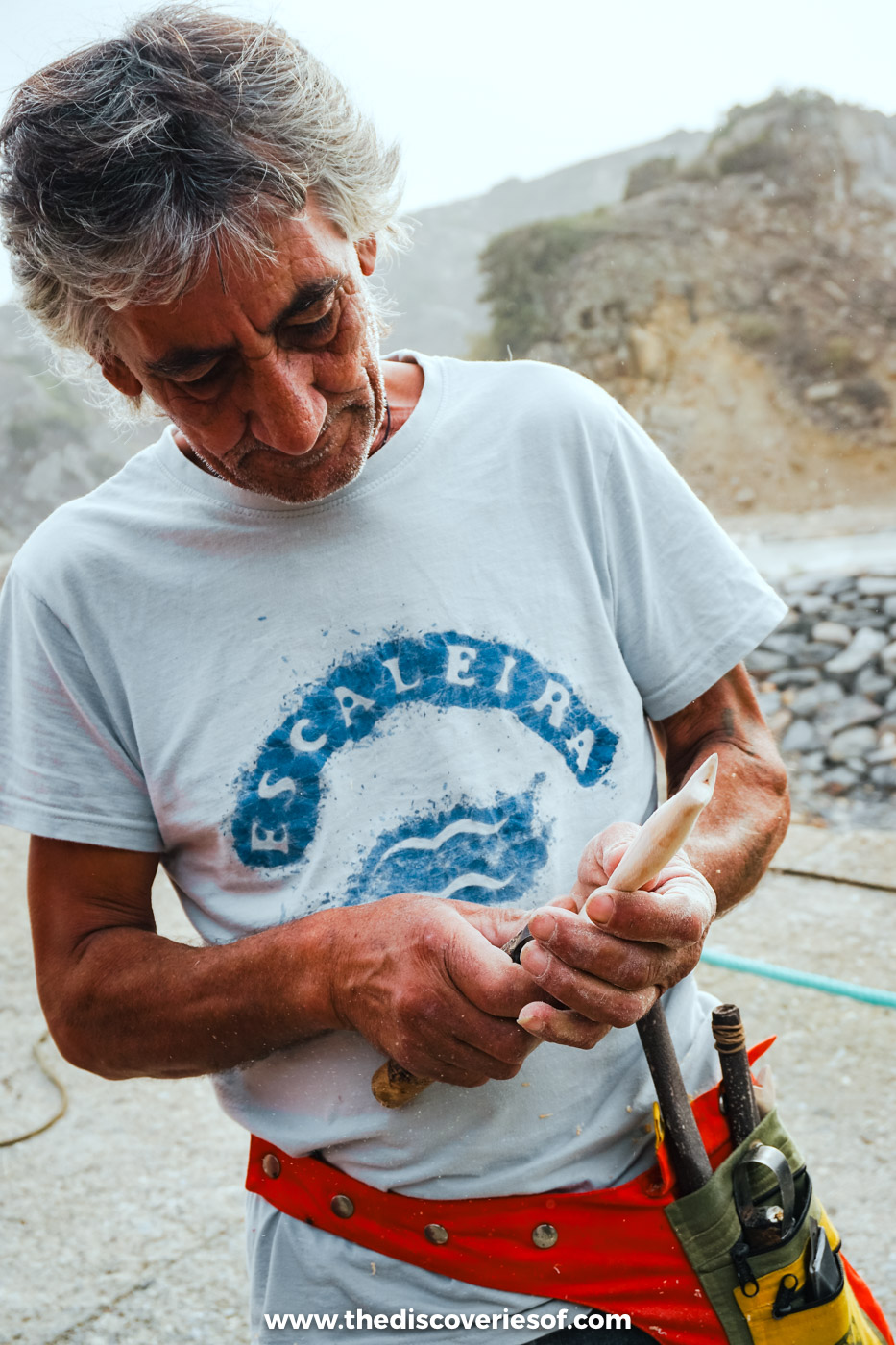
About 10km south along the trail, this tiny harbour was only founded in the 1960s, and fishing is still its living. When I visited, the sea was too rough for the boats, so instead of fishing, the men were sitting ashore repairing their lines. It’s one of the five places on my Alentejo secret spots list, and its harbourside seafood restaurant is worth the queue.
Cabo Sardão
North of the village, the lighthouse at Cabo Sardão looks out over sea stacks where white storks nest on the cliffs, a habit thought to be unique to this coast. They return to nest from early spring.
Odeceixe
The Fishermen’s Trail crosses into the Algarve at Odeceixe, about 20 minutes’ drive south, where the Seixe river loops out to sea past a wide, sheltered beach. I’ve written about it in my guide to Odeceixe beach.
Suggested hotels in Zambujeira do Mar
Herdade do Touril
About 4km from the village, Herdade do Touril is a 365-hectare estate built in 1825 and run by the same family for five generations. Its 20 or so rooms and houses are spread across the old farm buildings, several with sea views, and there’s a saltwater pool, a summer pool bar and a restaurant serving traditional Alentejo dishes.
Craveiral Farmhouse
Inland near São Teotónio, about 15 minutes from the coast, Craveiral Farmhouse is the place to bring the family. Its 38 houses and suites are set in clusters around the farm, with four pools between them, one of them indoors in an old barn. The restaurant cooks with produce mostly grown on the farm, there’s a spa with a cork-lined sauna, and riding, pottery and film nights are among the activities included in the rate. Expect to pay from around €140 a night.
Santiago do Cacém: a castle town at the start of the Historical Way
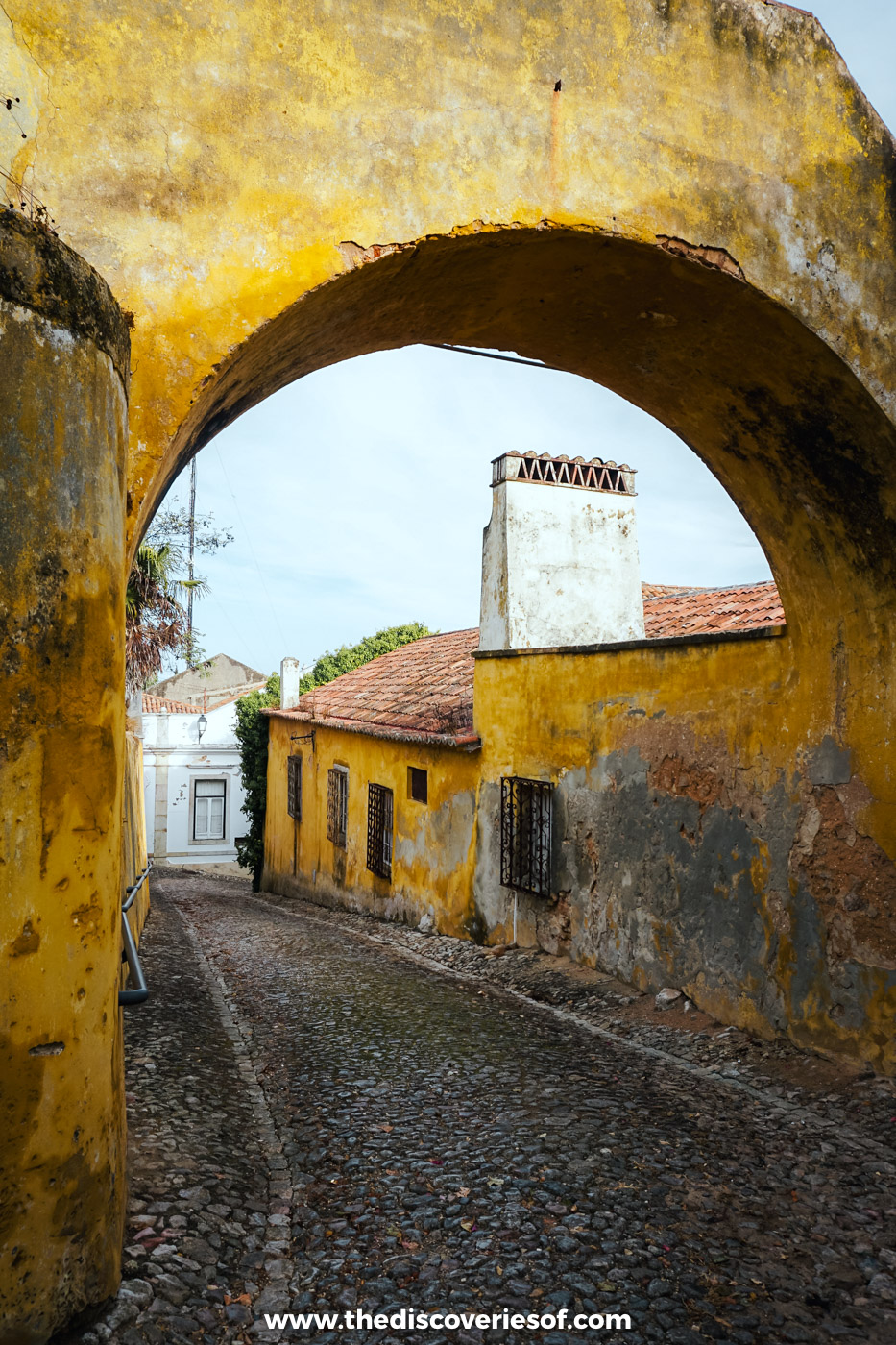
Inland from the port town of Sines, the hill town of Santiago do Cacém is where the Historical Way, the Rota Vicentina’s inland route to Cape St Vincent, begins. Its cobbled lanes of pastel houses climb to a castle on the hilltop, and it’s a handy base for both the trail and the coast, which is about 20 minutes’ drive away.
It was my first night in the Alentejo, after an afternoon on the coast, and the next morning I walked out of town on the first stage of the Historical Way. Santiago is also the easiest of these bases to reach by bus from Lisbon, about two hours away.
Santiago do Cacém highlights
The castle and the old town
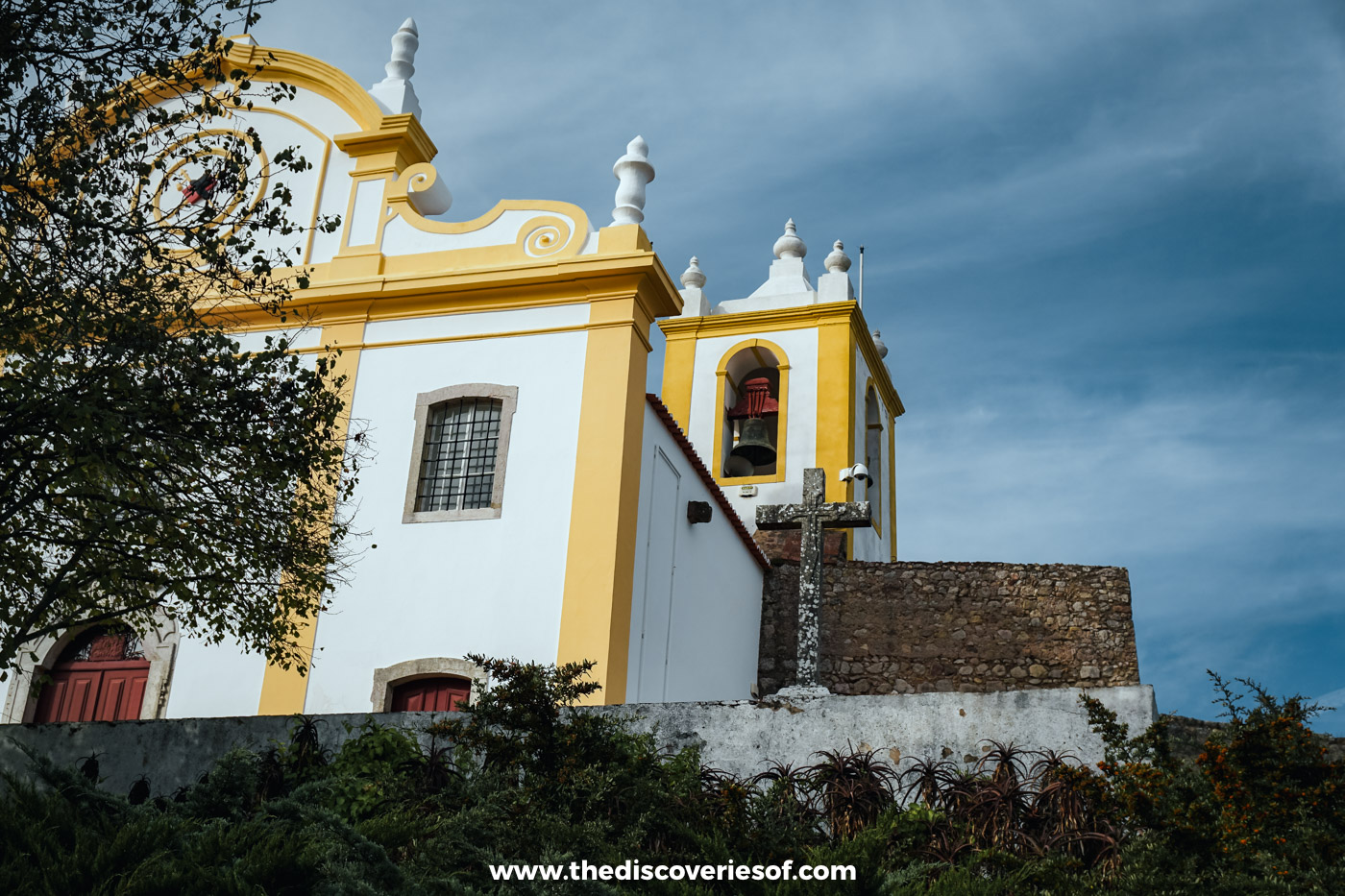
Walk up through the old town to the castle, with its ten towers and the town cemetery inside its walls, and the parish church next door. The views from the walls stretch far across the countryside. The story of the town and its knights is in my Alentejo secret spots guide.
Miróbriga
Just outside town, the ruins of the Roman town of Miróbriga include a temple, baths and a rare Roman hippodrome, set on a quiet hillside.
Suggested hotels in Santiago do Cacém
Octant Santiago
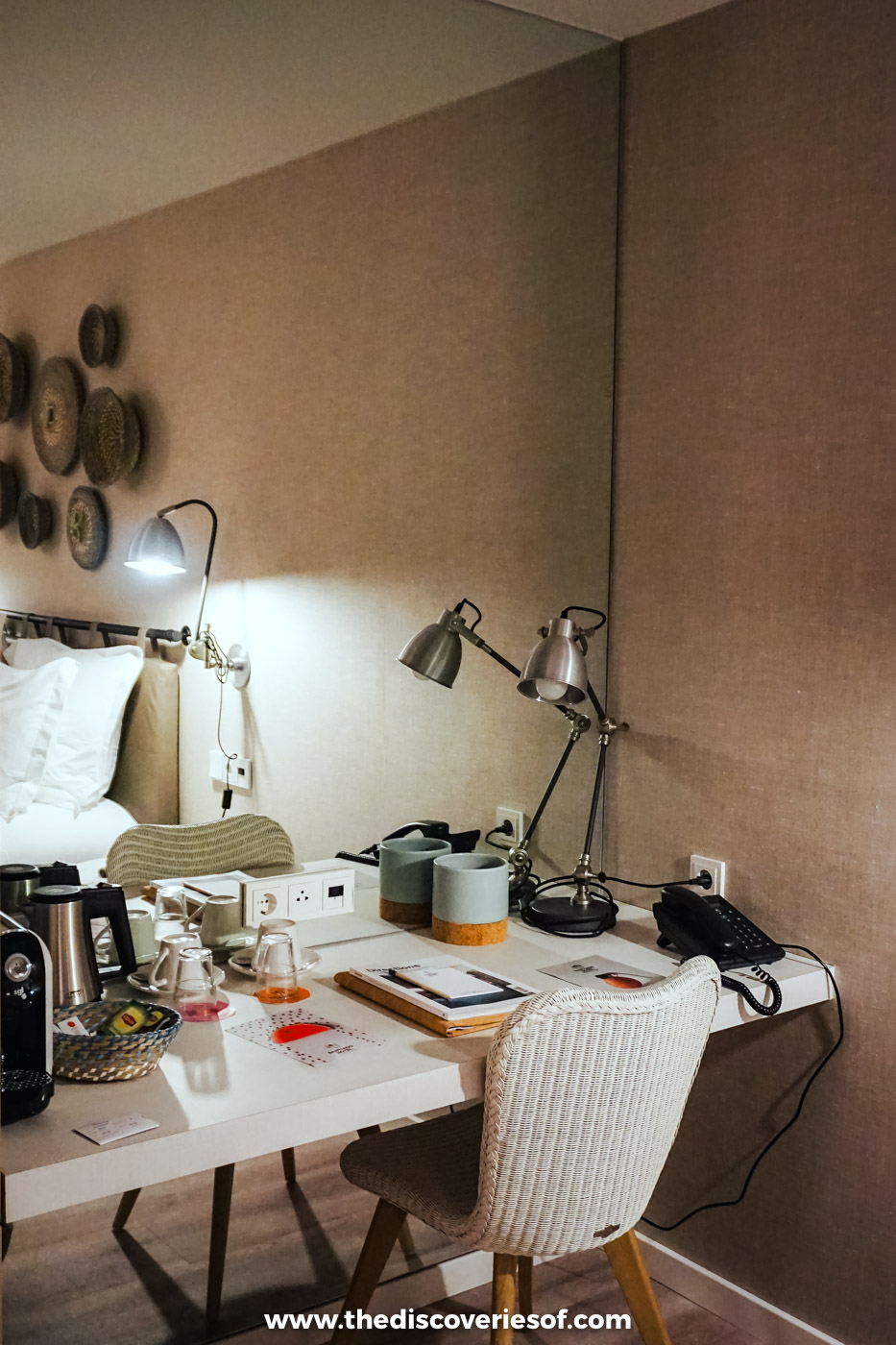
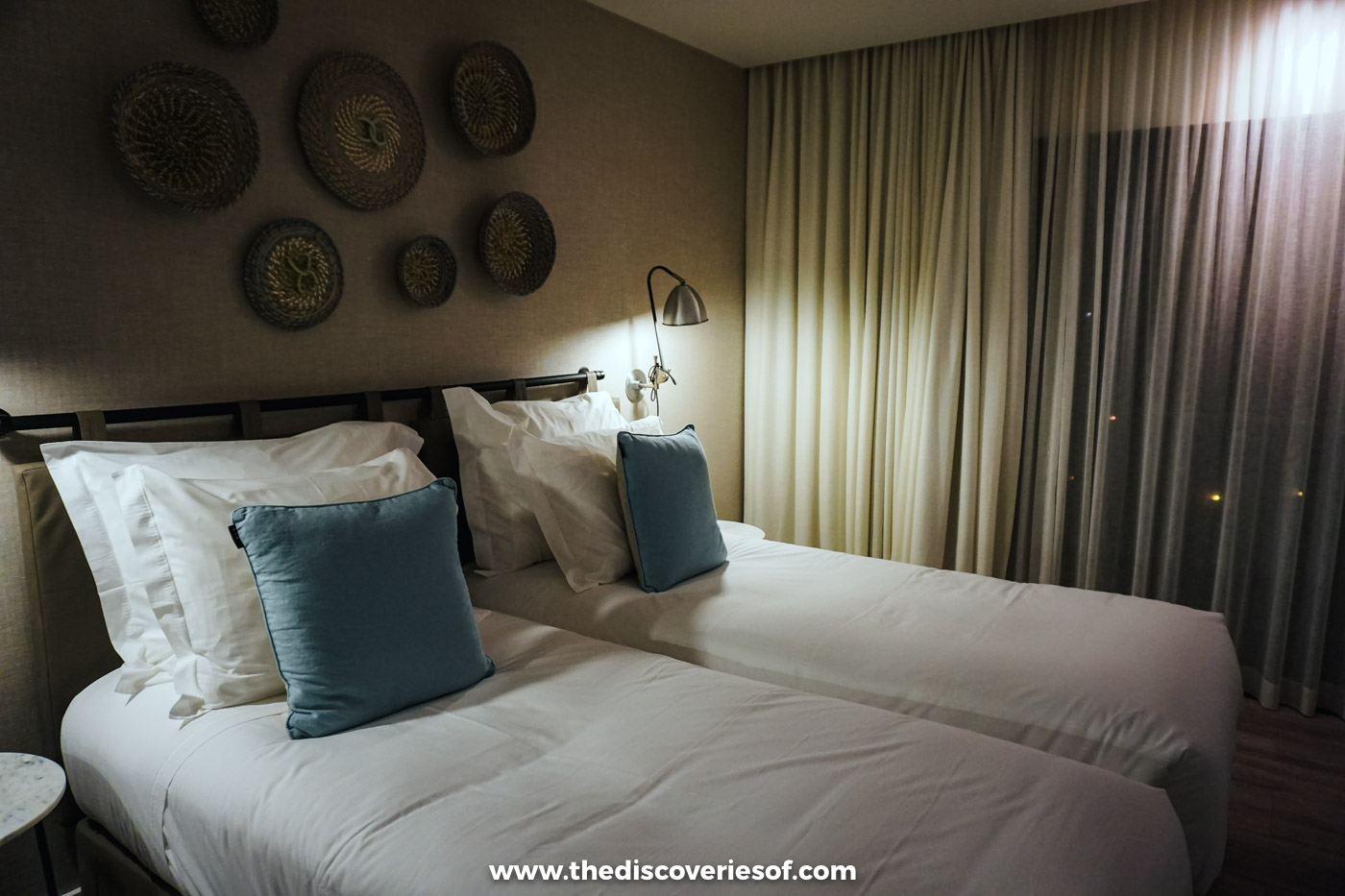
When I stayed, this was the Hotel Santiago, a funky place with food at its heart. It has since been rebranded as Octant Santiago, and it still has views of the castle. The decor is design-led, from the woven baskets hung on the bedroom walls to the patterned floor of the lobby, and the restaurant downstairs was outstanding. Expect 32 rooms, an outdoor pool, and rates from around €150 a night.

Herdade da Matinha
Between Santiago and the coast, outside the village of Cercal do Alentejo, Herdade da Matinha feels more like a family country home than a hotel. Its 20 simple, bright rooms each have an original painting by one of the owners, the kitchen serves farm-fresh Alentejo cooking, and there’s a seasonal outdoor pool. The resident horses are the best way to explore, into the hills or down to the beach for a picnic. Rates start at around €130 a night.
Odemira and the cork country: farm stays in the hills

Between the coast and the Serra de Monchique, the hills around Odemira are the Alentejo at its most rural: cork oak forest, red earth tracks, whitewashed hamlets and the long, many-armed reservoir of Santa Clara. It’s not the place for nightlife or sightseeing, but if you want to walk, watch birds and eat home cooking at a shared table, there’s nowhere better.
I spent two nights in these hills, the first on an eco farm in the cork oaks near Monte da Estrada and the second above the lake at Santa Clara-a-Velha. The beaches are within reach, too: Vila Nova de Milfontes and Zambujeira do Mar are between half an hour and an hour’s drive from most of the places to stay.
Odemira and the cork country highlights
The Senhora das Neves walk
This circular walk climbs through the cork oaks to a chapel on a hilltop, and it’s a steep puff to get there. Look out for the slightly unsettling statue of the angel man on the way up, and for wild boar in the woods. Alexandre from Figueirinha led me round it, and it’s in my Rota Vicentina guide.
The Santa Clara reservoir and Santa Clara-a-Velha
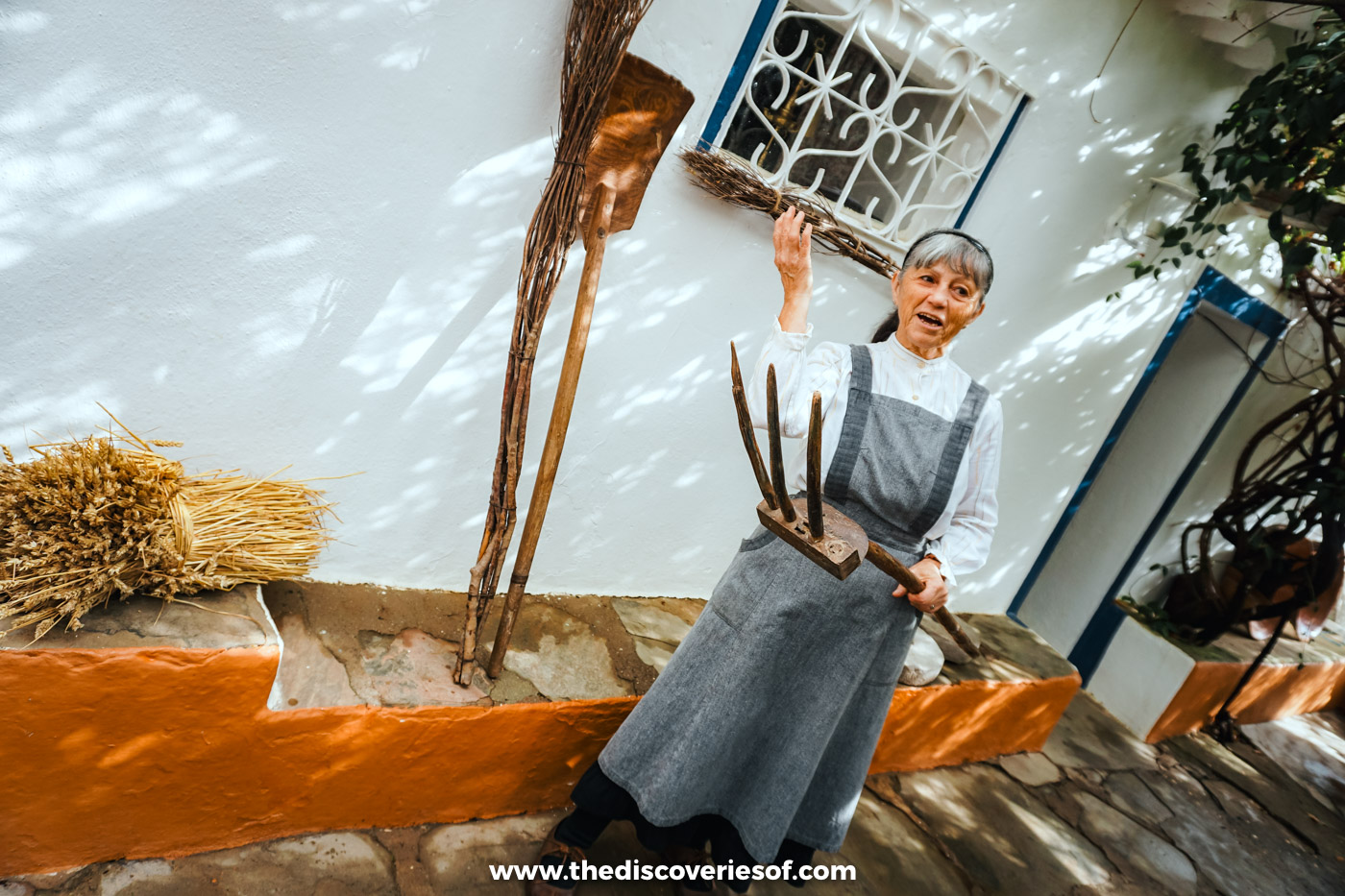
The dam on the Mira at Santa Clara created a huge lake in the hills, now a haven for birds. The village of Santa Clara-a-Velha is the starting point for two circular walks, and nearby, Maria Odete Ramos de Oliveira shows visitors round the farmhouse she has kept as it was generations ago. I went with Arrátel, which runs small-group days out with the area’s artisans.
Suggested hotels in Odemira and the cork country
Figueirinha Ecoturismo
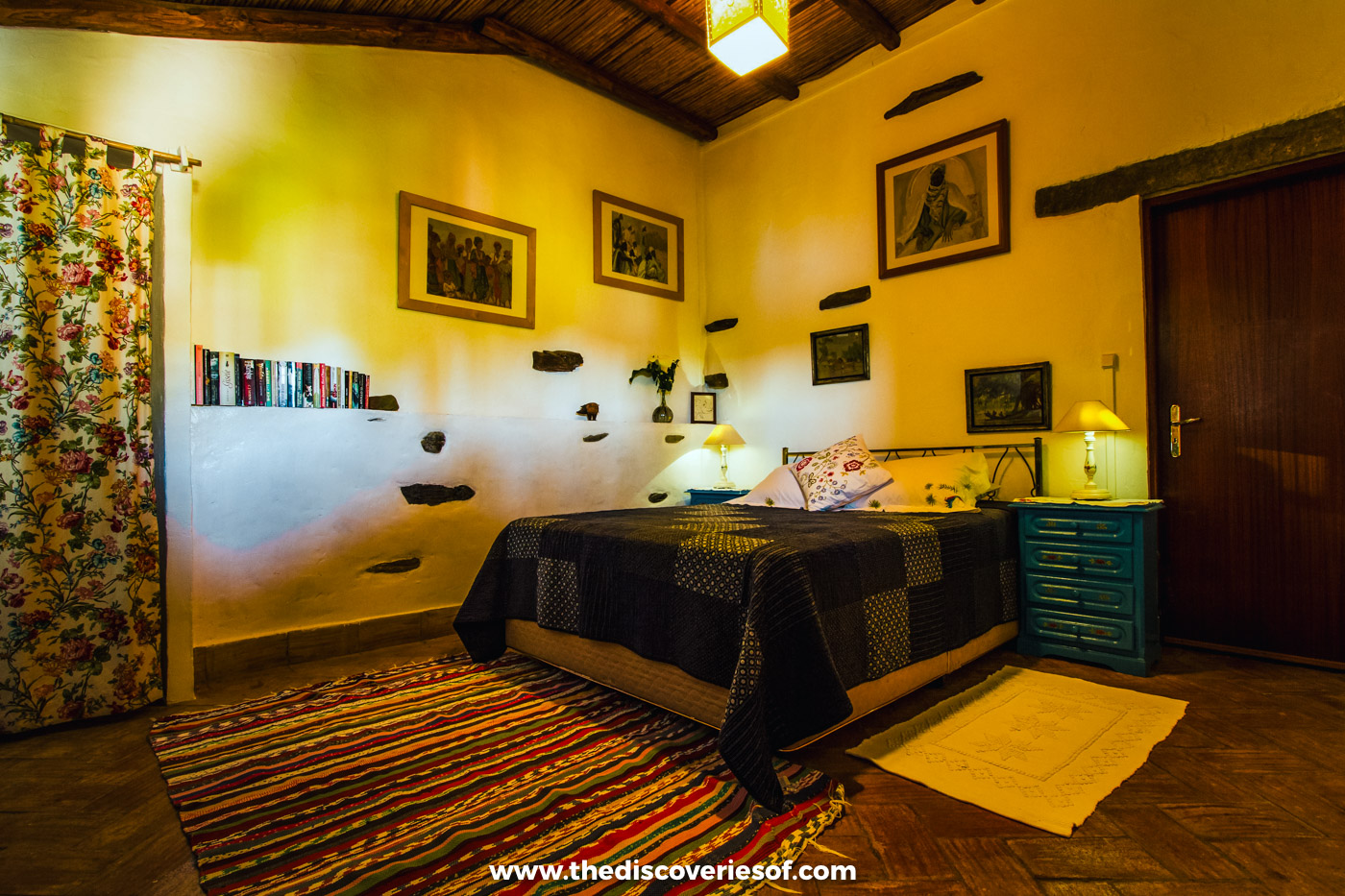
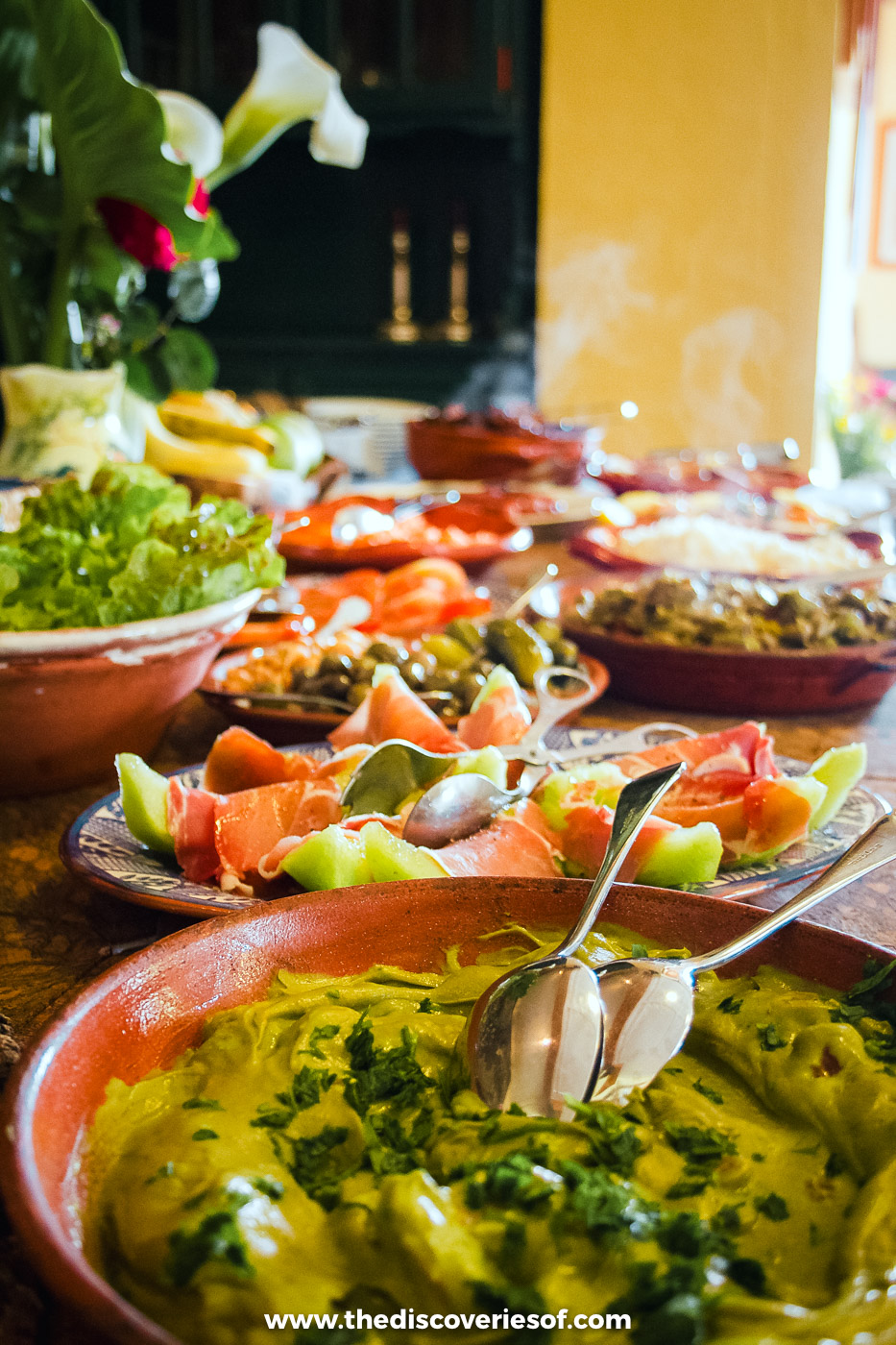
On a small organic farm about 3km down a dirt track from the hamlet of Monte da Estrada, Figueirinha Ecoturismo is an independent eco retreat with a handful of rooms, tents and cabins around a natural swimming pool. Its owners, Paula and Alexandre, look after the Senhora das Neves route and know the walking and cycling trails here as well as anyone. After my day on the Historical Way, Paula cooked a hearty dinner, served to everyone around one big table. Rooms and tents start at around €85 a night, and the whole farm can be booked for groups.
Quinta do Barranco da Estrada
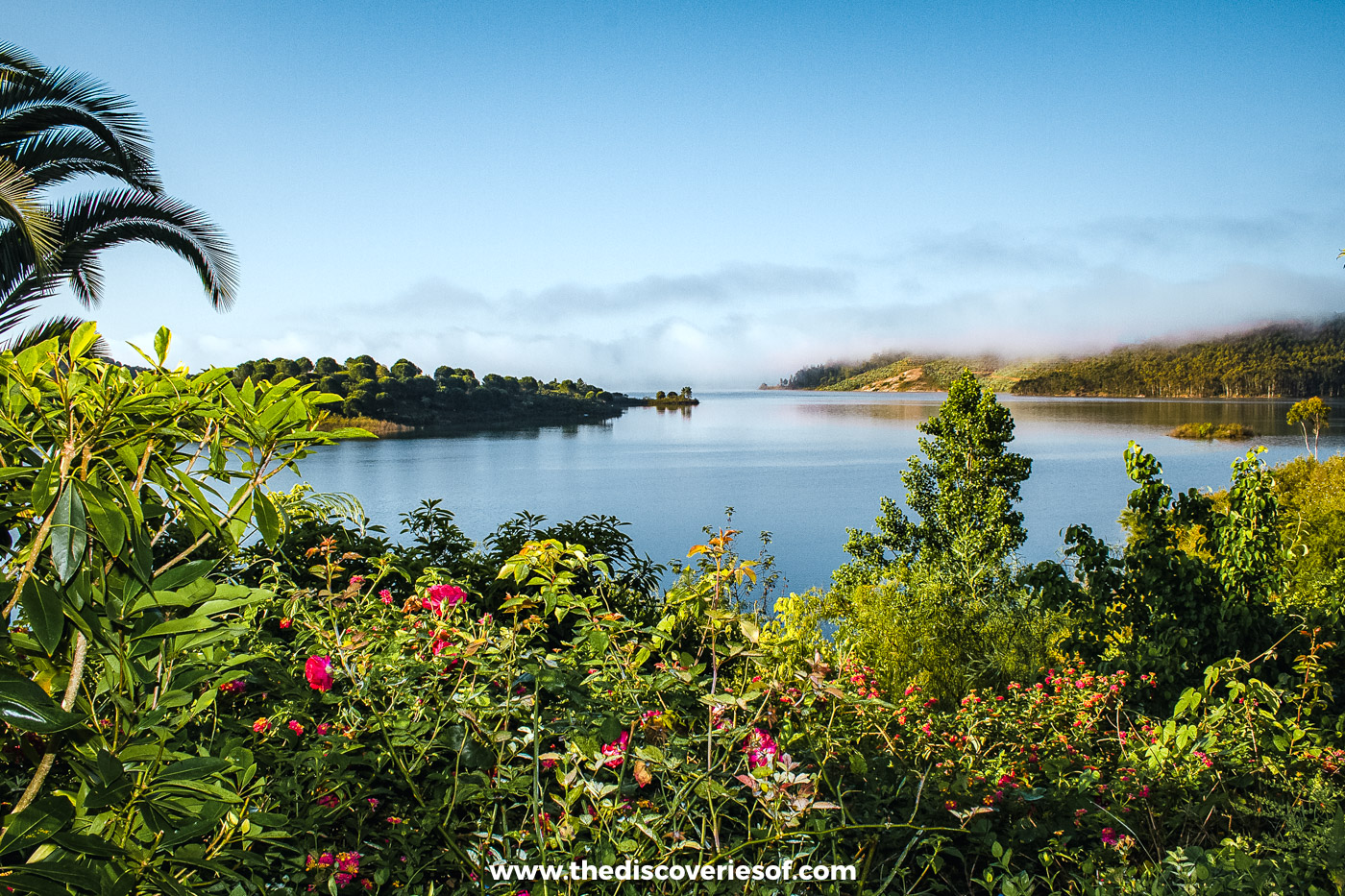
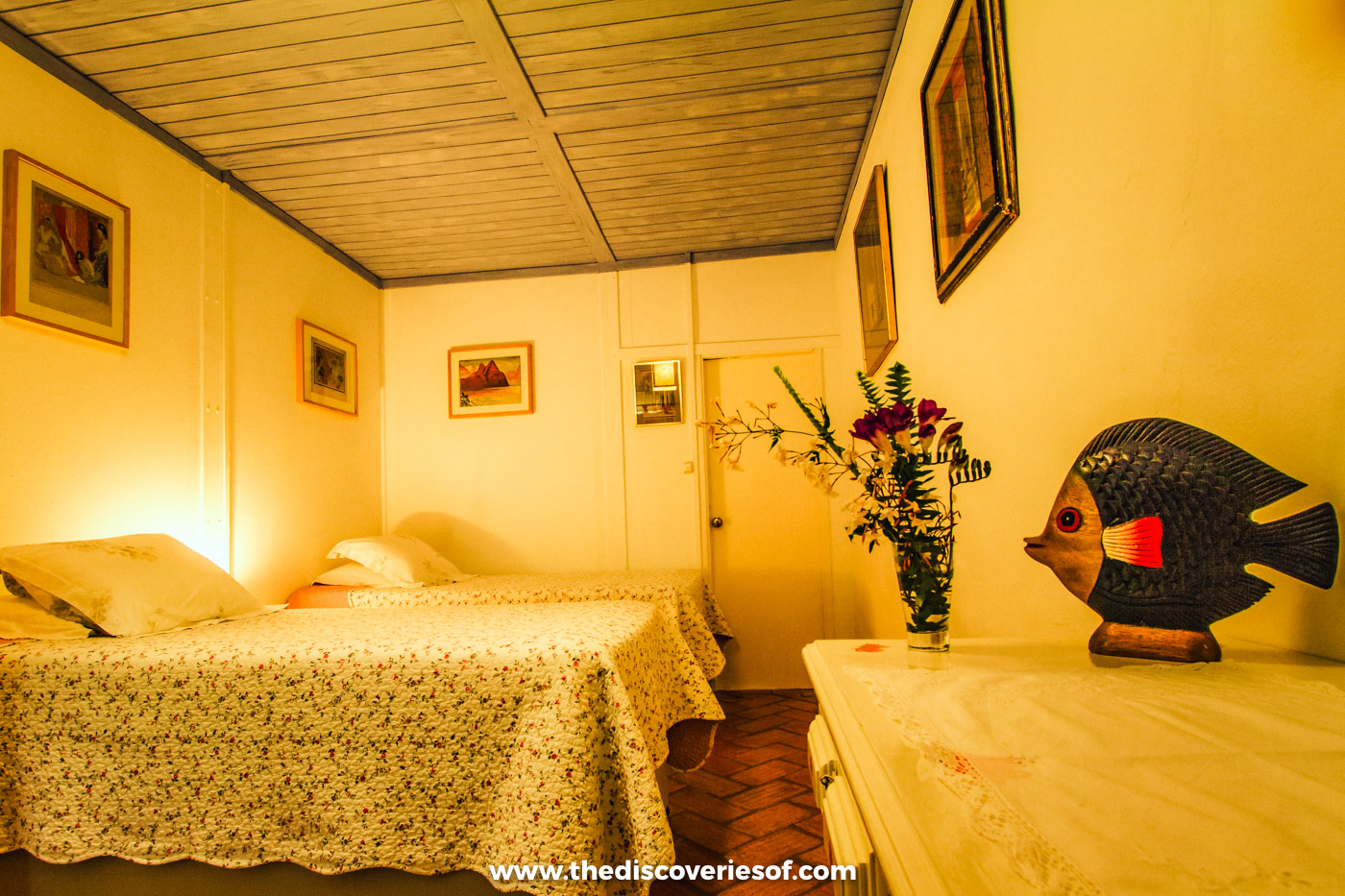
Above the shore of the Santa Clara reservoir, Quinta do Barranco da Estrada is wrapped in its own lush, almost tropical gardens, which run all the way down to the water. The owner, Frank, is one of Portugal’s best-known birding guides and leads tours for guests, and when I stayed, Daniella made sure every guest felt at home. There are ten rooms and suites, canoes and paddleboards on the lake are included, and B&B rates are roughly €145 to €375. The house opens for the season in mid-March and closes at the end of October, and you’ll need to book at least two nights (four at the busiest times).
Quinta do Chocalhinho
For somewhere open all year, Quinta do Chocalhinho is a century-old estate about 2km from Odemira, with rooms, suites and studios, a saltwater pool, an organic kitchen garden and a tennis court. It’s within walking distance of two stages of the Historical Way and about 20 minutes from Milfontes, and rooms start at around €85 a night for two with breakfast.
Évora: a walled city for history and wine
Two hours’ drive east of the coast, Évora is a different Alentejo altogether: a walled university city on the central plains, surrounded by vineyards, olive groves and cork estates. Its old town is UNESCO-listed, it’s about an hour and a half from Lisbon, and in 2027 it’s European Capital of Culture, so expect a busy year of events. Summers inland are fiercely hot, so come in spring or autumn if you can.
Évora highlights
The Roman temple and the cathedral
The columns of Évora’s Roman temple still stand at the top of the old town, and a few steps away, you can climb onto the roof of the cathedral for views over the city’s terracotta rooftops to the plains.
The Chapel of Bones
Inside the Church of São Francisco, the walls of the Capela dos Ossos are lined with the bones of thousands of monks and townspeople, under the cheerful inscription “we bones that are here, for yours await”.
The wineries
The Alentejo is one of Portugal’s biggest wine regions, and you don’t have to go far to taste it. Adega Cartuxa, at Quinta de Valbom about 2km from the centre, runs 90-minute guided tours of its cellars every day, ending with a tasting of its wines and olive oils (book ahead).
Suggested hotels in Évora
M’AR De AR Aqueduto
Beside the city’s old aqueduct and walls, a minute’s walk from the historic centre, M’AR De AR Aqueduto is the smartest address inside town. It has 64 rooms and suites, an outdoor pool, a spa and three places to eat and drink. Évora charges a tourist tax of €1.50 a person a night, for up to three nights.
Albergaria do Calvário
In a 16th-century olive oil mill inside the walls, five minutes’ walk from the cathedral, Albergaria do Calvário is a friendly boutique hotel with 41 rooms, some with terraces, and a breakfast of organic and local produce.
Convento do Espinheiro
About 4km outside the city, Convento do Espinheiro is a restored former convent with 92 rooms, indoor and outdoor pools, a spa and the Divinus restaurant, set in its own grounds. Rooms start at around €165 a night.
Comporta: rice fields and long beaches an hour from Lisbon
At the northern end of the Alentejo coast, Comporta is a scattering of villages between rice paddies, pine forest and some of the longest, emptiest beaches in Portugal, about an hour’s drive south of Lisbon. It’s become the country’s most fashionable beach escape, with prices to match, but it still feels low-key, with no high-rise and few big hotels.
Comporta highlights
The beaches
Praia da Comporta and Praia do Carvalhal are the classics: miles of pale sand backed by dunes, with beach restaurants for long lunches.
Carrasqueira
On the estuary of the Sado, the fishing harbour at Carrasqueira is built on stilts, with rickety wooden walkways leading out across the mud to the boats. It’s at its most photogenic at sunset.
Suggested hotels in Comporta
Sublime Comporta
Set on a 42-acre estate of umbrella pines, Sublime Comporta is the region’s best-known luxury retreat, with rooms, suites and villas across several buildings, some with private plunge pools. Its Sem Porta restaurant serves seasonal takes on Portuguese cooking, there’s a spa, and it holds a Michelin Key.
Quinta da Comporta
Looking out over the rice fields, Quinta da Comporta is a wellness resort with 61 rooms, an outdoor pool facing the paddies and a spa with a sauna and hammam.
Where to stay in the Alentejo: FAQs
What’s the best base for walking the Rota Vicentina?
For the coastal Fishermen’s Trail, Vila Nova de Milfontes, with Porto Covo and Zambujeira do Mar as smaller alternatives. For the inland Historical Way, start in Santiago do Cacém. If you have a car, you can do what I did and move between two or three bases, walking a different stage from each. Luggage transfer companies will move your bags between them if you’re walking.
Do you need a car in the Alentejo?
Realistically, yes. Rede Expressos buses take roughly two hours from Lisbon to Santiago do Cacém and two and a half to Vila Nova de Milfontes, and local taxis can fill some gaps, but most rural places to stay are well away from any bus stop. From Faro airport, which is how I came in, it’s roughly 90 minutes’ drive to Odeceixe at the southern end of the coast.
When is the best time to visit?
Spring and autumn. From March to May, the dunes and hills are green and full of wildflowers, and from September to November the light is golden and the trails are quiet. July and August are hot inland and busy on the coast. My guide to Portugal in October covers the autumn in more detail, and my month-by-month guide to the best time to visit Portugal has the rest of the year.
Is the coast or inland better for a first trip?
It depends on what you want from it. For beaches and walking, choose the coast and the hills just behind it; for history, food and wine, choose Évora. They’re two hours apart, so on a week’s trip, it’s easy to split your stay between them.
Tips for booking your Alentejo stay
- Check the minimum stay. Many rural places insist on two to four nights, especially in summer, so plan your route around them.
- Watch for seasonal closures. Some of the smaller places close for the winter (Quinta do Barranco da Estrada from November to mid-March, Três Marias in December and January), so check before you plan an off-season trip.
- Book dinner when you book the room. In the countryside, the nearest restaurant can be a long drive down a dark track, and many farm stays cook for guests only if you ask ahead.
- Book August early. The coast is where Portuguese families spend their summer holidays, and the best places are full months ahead.
- More planning help. For the rest of the country, see my guide to where to stay in Portugal, and for practicalities, my Portugal travel tips.
Map
Read next
- Five secret spots in the Alentejo, from fishing coves to cork forests
- How to walk the Rota Vicentina
- Odeceixe beach, where the river meets the sea
- A deeper look at Portuguese azulejos
- Where to stay in Portugal
- The best things to do in Portugal
Love this? Save and share on Pinterest

Discover the top things to do, insider tips and hidden gems in our Portugal Travel Guides.
Read the guides →