
Is it still warm enough to swim? Will it rain? And what is left to do once the summer crowds have flown home? October is the month I know best in this country, from the eastern Algarve to the clifftop trails of the Alentejo and the old quarters of Lisbon. Here’s what to expect in each region, from the weather and the water to the festivals worth planning a trip around.
I’ve visited Portugal in October on three separate trips, more than in any other month, and autumn is still one of my favourite times to be there. The heat of August has gone, the beaches empty out, and the whole country seems to exhale.
The first time, I spent a week in the east of the Algarve, based in a villa at Quinta do Lago. I cycled out to the Ria Formosa lagoon, sailed across to Ilha Deserta, shopped at Loulé market and spent a day wandering the lanes of Tavira. Then I picked up a hire car in Faro and drove north into the Alentejo, where I spent five days walking stretches of the Rota Vicentina and sleeping in rural guesthouses. On a later trip, I came back to Lisbon in the second half of the month to walk Alfama’s history with a guide and eat my way through its old quarters on a food tour.
Add the end of September, when I was in the Douro Valley for the grape harvest, and I’ve seen the start of autumn from the top of the country to the bottom. This guide brings it all together, region by region, checked against the long-term climate averages and the autumn calendar.
Portugal in October at a glance
- Weather: warm, settled days to start the month, with highs of 21°C to 24°C across the mainland, cooler nights and the first real autumn rain more likely as the month goes on. The north is wetter than the south.
- The sea: at its warmest of the year after August and September. Off the Algarve it averages about 21°C, a degree warmer than in June.
- Daylight: about 11 hours 45 minutes on 1 October, falling to about 10 hours 35 minutes by the 31st. The clocks go back an hour on the last Sunday (25 October in 2026, 31 October in 2027).
- Crowds and prices: the European school holidays are over, so beaches, sights and roads are quieter and hotel rates drop from their summer peak.
- Public holiday: 5 October, Republic Day.
- Best for: walking, food and wine, city breaks, and swimming in the first half of the month.
| Region | Average high | Average low | Wet days | Sea |
|---|---|---|---|---|
| Lisbon | 23°C | 15°C | 9 | 20°C |
| The Algarve (Faro) | 23°C | 16°C | 6 | 21°C |
| Porto | 21°C | 13°C | 11 | 18°C |
| Inland Alentejo (Évora) | 24°C | 12°C | 8 | n/a |
| Madeira (Funchal) | 25°C | 19°C | 7 | 23°C |
| The Azores (Ponta Delgada) | 23°C | 17°C | 14 | 21°C |
Air temperatures and wet days (1mm of rain or more) from IPMA’s 1991 to 2020 climate normals, rounded; sea temperatures are monthly averages.
Is October a good time to visit?
For most trips, yes. If you want to walk, eat well and see the sights without queues or heat, October is close to perfect: the trails are cool enough to enjoy, the cities are comfortable for climbing hills all day, and the sea is still warm enough for a proper swim, especially in the south.
It’s less reliable for a pure beach holiday, particularly late in the month. The days are shorter, a wet spell can arrive at any time, lifeguards have left most beaches and some beach bars and seasonal businesses have shut for the winter. Porto and the north feel distinctly autumnal by the end of October. If lying in the sun is the whole point, go in the first fortnight, stick to the Algarve or head out to Madeira.
What October is like, region by region
The Algarve: warm water and beaches to yourself
Of everywhere on the mainland, the Algarve wears October best. Faro averages 23°C by day and about 16°C at night, with just six wet days in the month, and the sea, which takes all summer to warm up, holds at around 21°C.
On my week in the east of the region, I spent almost every day outside. Out on the Ria Formosa aboard a small catamaran with a naturalist, I watched a few dolphins swim in from the open sea. I walked the sand of Ilha Deserta, spent a day hiking inland with Terry, a local guide, and ate many of my evening meals outside on the terrace at Four Seasons Fairways, where the barbecue earned its keep.
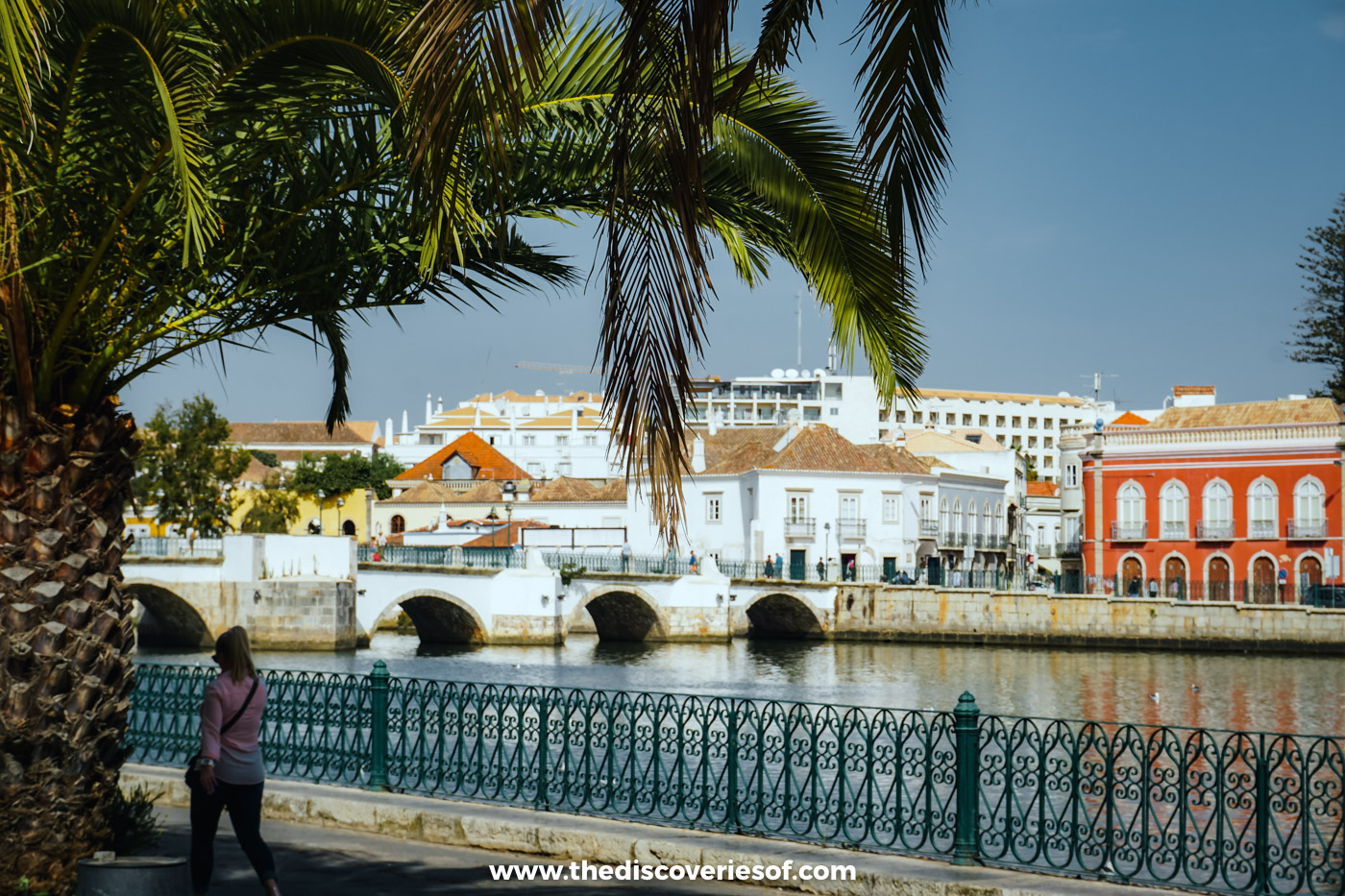
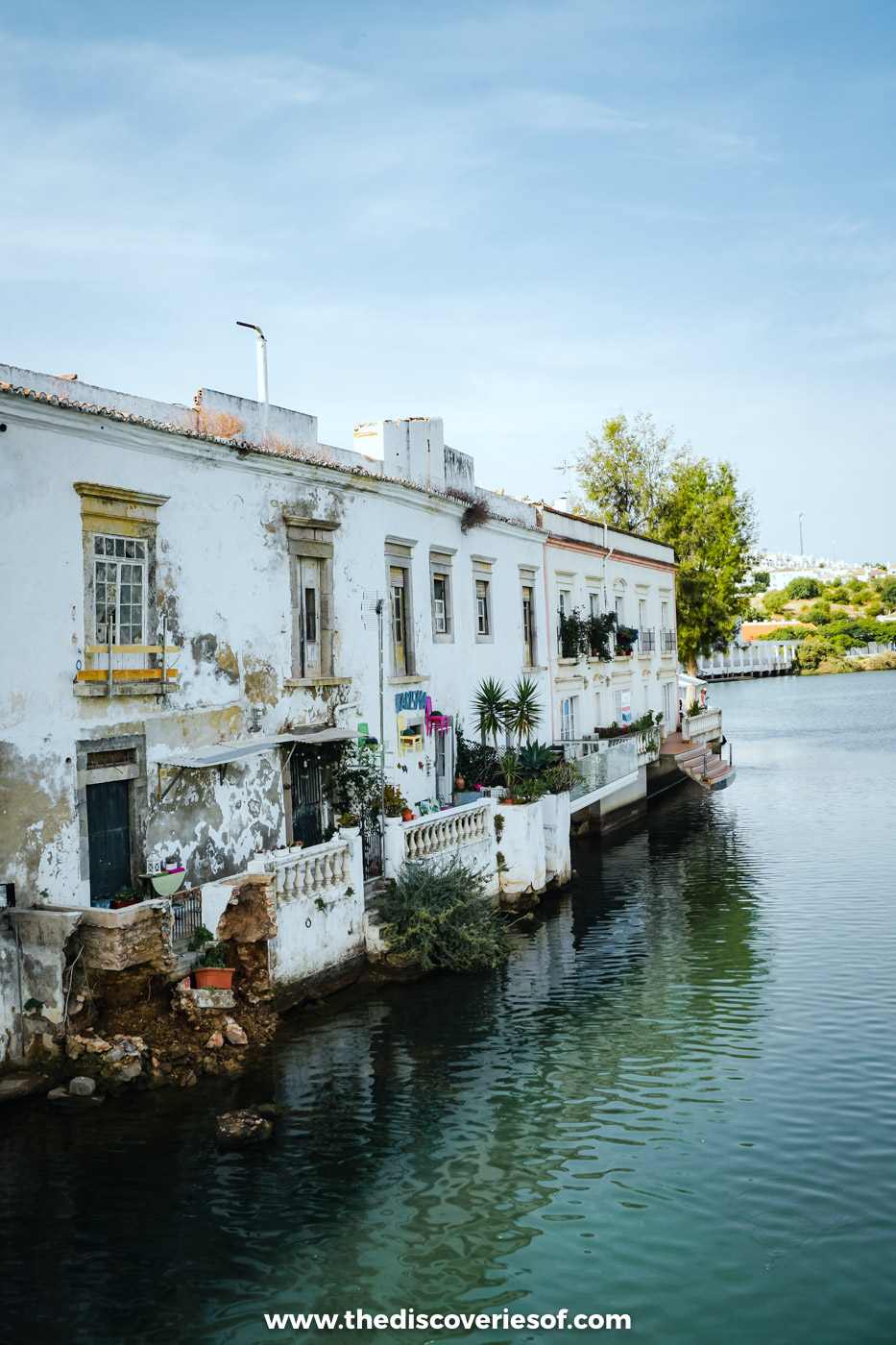
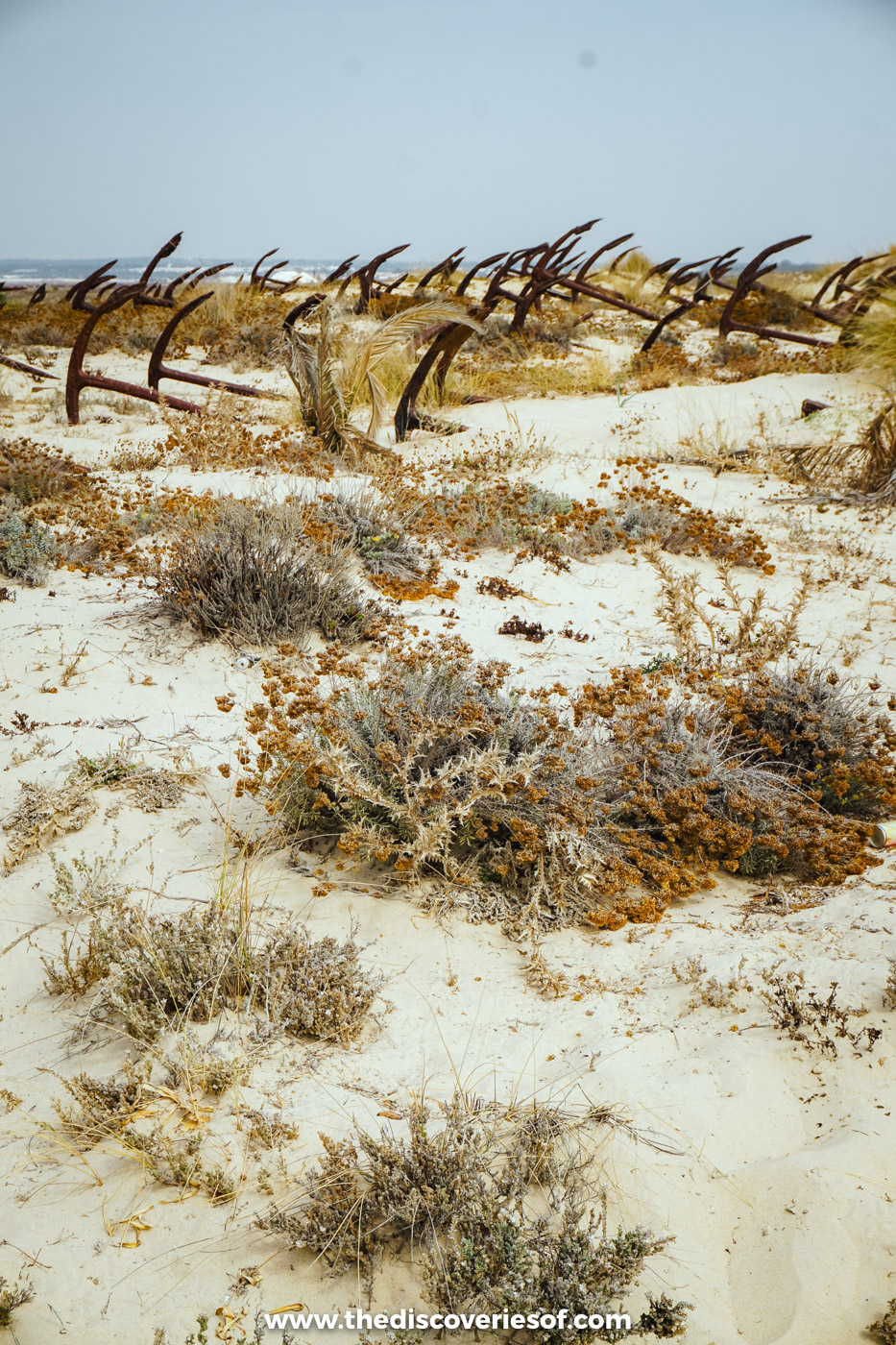
Tavira, for me the most picturesque town in the Algarve, looked glorious in mid-October, with blue skies over the river and bougainvillea still tumbling down its walls. It’s a short drive from there to Praia do Barril, where a toy-sized train runs across the lagoon to a graveyard of old anchors in the dunes. My Tavira guide has the details. Further east, I took a slow afternoon in Vila Real de Santo António, where toasted cake and a coffee after the siesta is a habit worth adopting, and went to see the old fortress at Castro Marim, which looks over the river to Spain.

There is a catch. On most of the Algarve’s beaches, the bathing season ends on 30 September, when the lifeguards go off duty and some beach bars pack up; Albufeira keeps lifeguards on its main beaches until mid-October. Some island ferries cut back as autumn goes on (the one from Tavira’s town centre stops at the end of the season), but boats to Ilha Deserta were still crossing from Faro in October. If it rains, head inland to Loulé, whose market hall opens every morning except Sunday; on Saturdays, farmers set up their stalls in the surrounding streets too. For more ideas, see my guides to things to do in the Algarve and the best beaches in the Algarve.
The Alentejo coast: prime time for the Rota Vicentina
Cross into the Alentejo and the coast becomes a different animal: wilder, windier and almost entirely undeveloped. The sea is rougher here, but October is one of the best months for walking the Rota Vicentina, the network of trails that follows the clifftops and winds through the hills behind them. In summer the paths are hot and shadeless; by October the heat has broken and the trails have emptied.
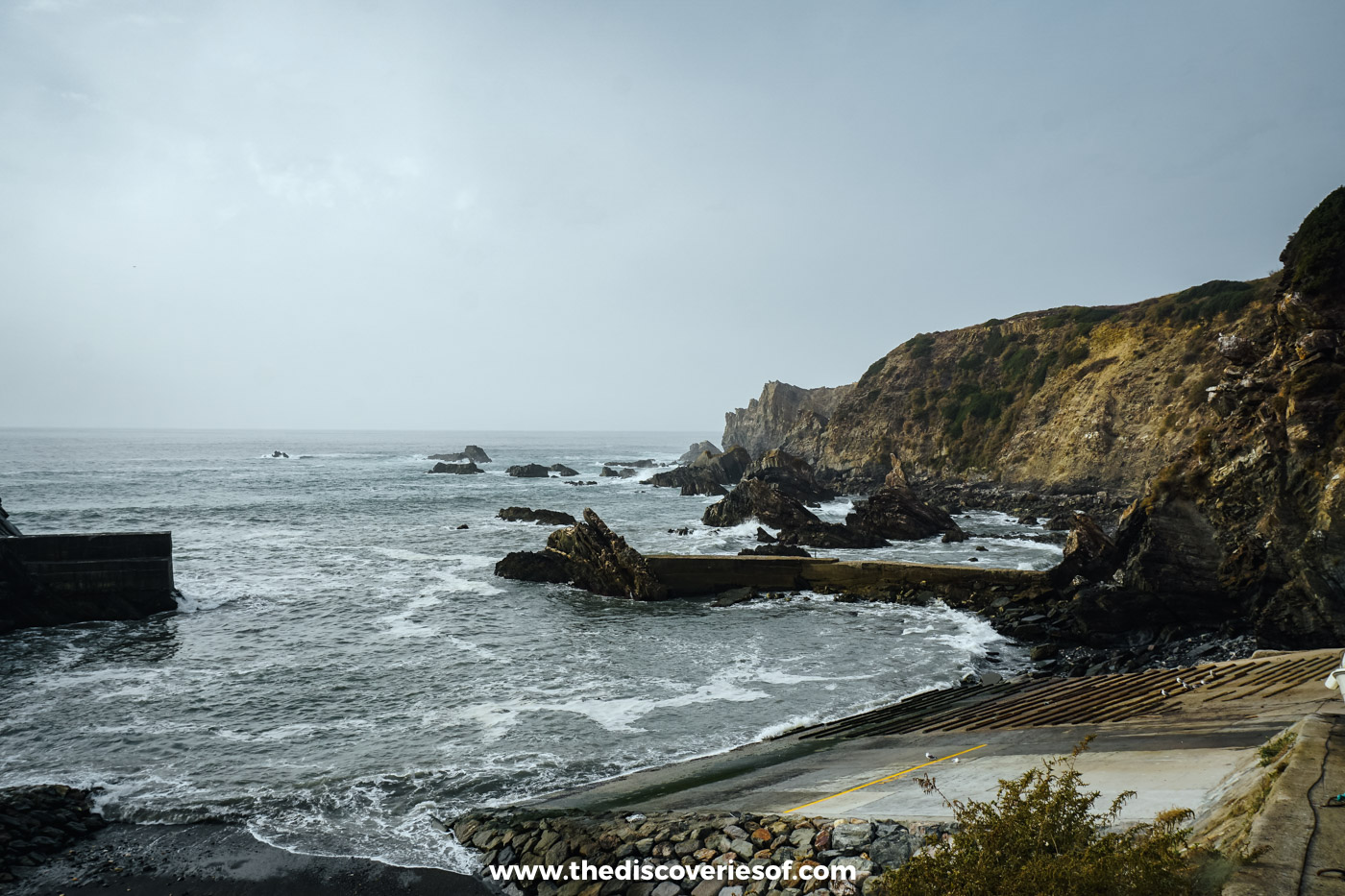
My first afternoon on the coast was grey and blustery. At Azenha do Mar, a fishing harbour tucked into a gap in the cliffs, the waves were crashing over the rocks and the boats were staying put. When the sea breaks like that, I was told, it’s a clear sign that the fishing won’t be good.
Over those five days, the weather changed constantly. I walked part of the Fishermen’s Trail from Zambujeira do Mar with a guide, followed the Historical Way out of Santiago do Cacém on red earth tracks in warm sunshine, and puffed my way up the circular route to the hilltop chapel of Senhora das Neves. On my last day, low cloud and a pewter sea, all white water, framed the clifftop paths.
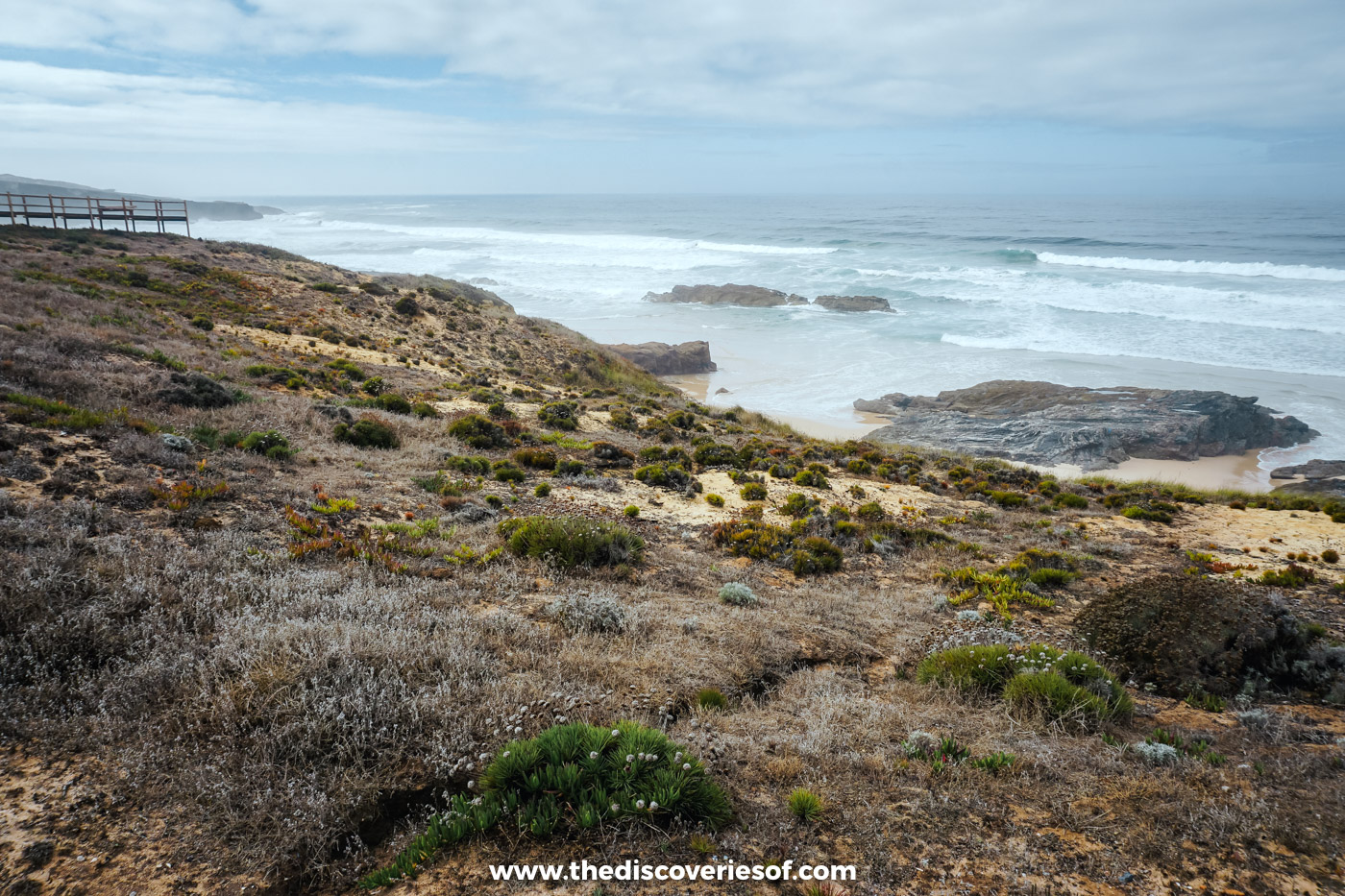
What stays with me most is the smell. In her workshop in the hamlet of Brejão, the potter Rita Silvério Morais held out an old sardine tin full of dried esteva, the sticky rock rose that covers these hills, and told me that its scent is the smell of the countryside, all along the trails. Walk the trails and you’ll know exactly what she meant.
The trails’ walking season runs from September to June, and October sits right in the middle of the sweet spot. Expect days in the low 20s, the odd morning of fog rolling in off the Atlantic and sunset at around 7.15pm early in the month, so plan stages that finish well before dark, particularly once the clocks go back. The villages along the way are in my guide to five secret spots in the Alentejo.
The Alentejo interior: cork oaks, lakes and medronho
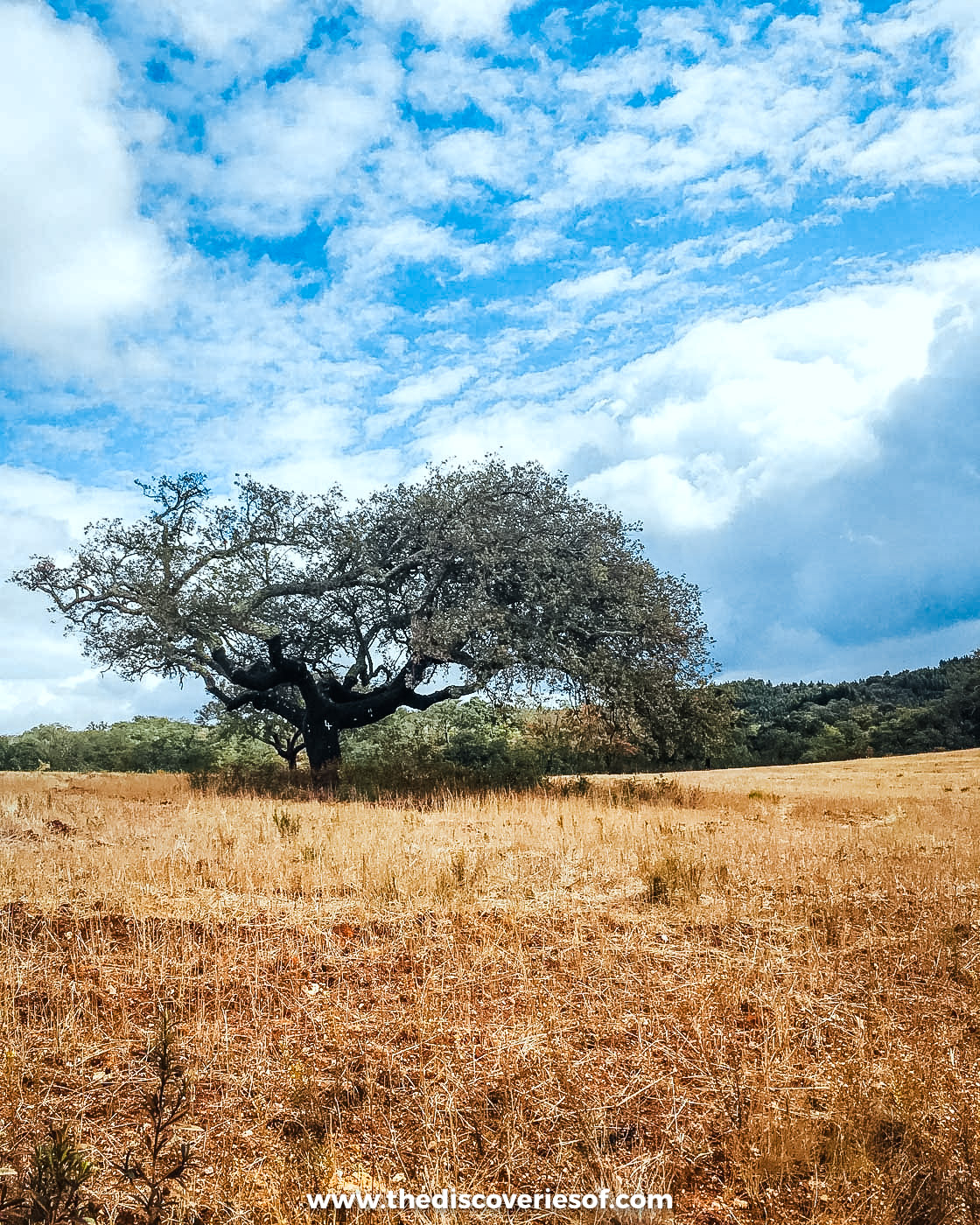
Head inland and it gets warmer and drier by day, but colder at night. Évora averages 24°C in October and only about 12°C after dark, so a jumper earns its place in your bag.
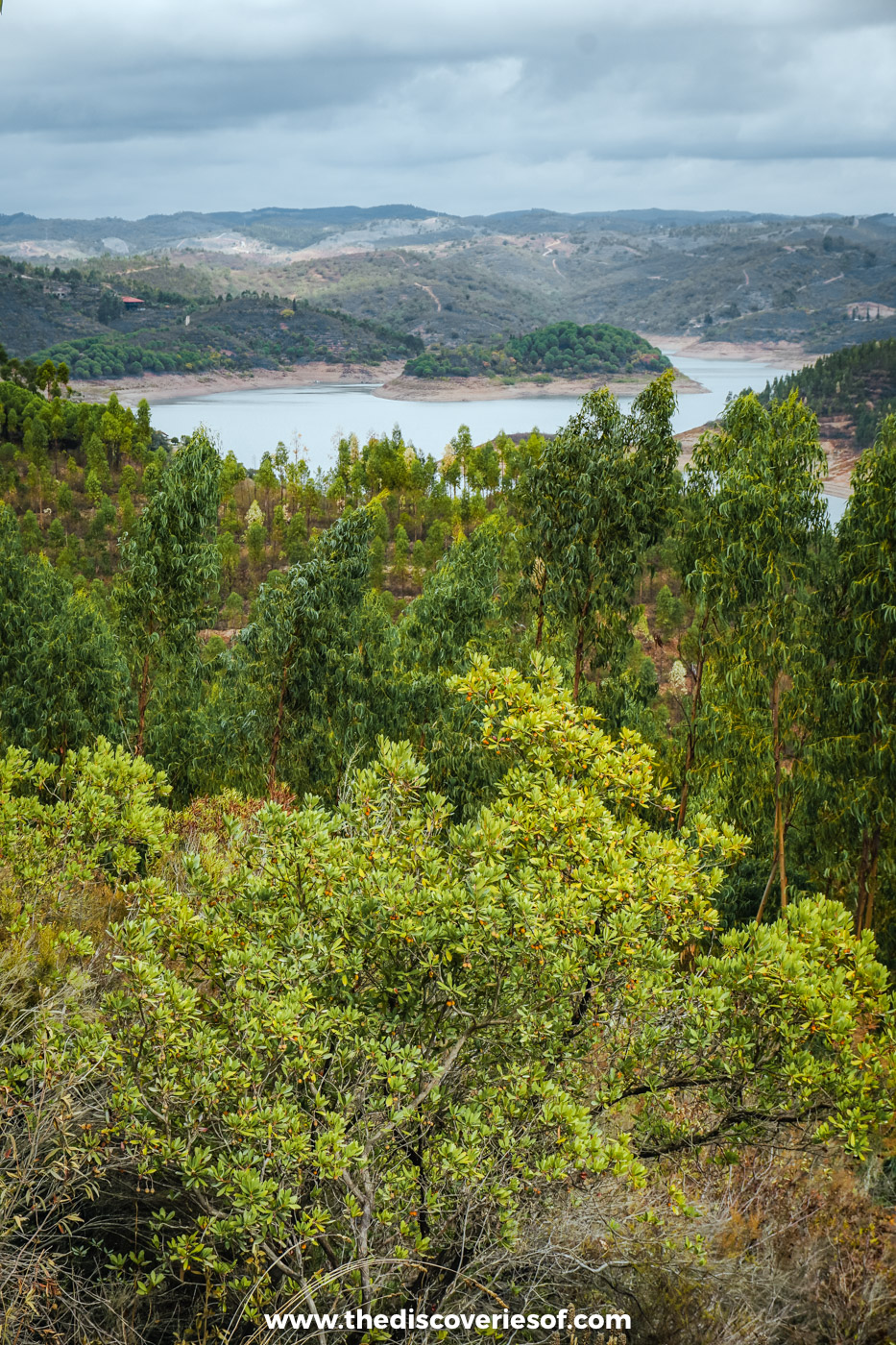
In the hills near Santa Clara-a-Velha, I spent a night at Quinta do Barranco da Estrada, whose gardens run down to the reservoir behind the Santa Clara dam. Under big October clouds, the water below looked almost tropical. It’s a seasonal place, open only between mid-March and the end of October, so this is your last chance to stay until spring.
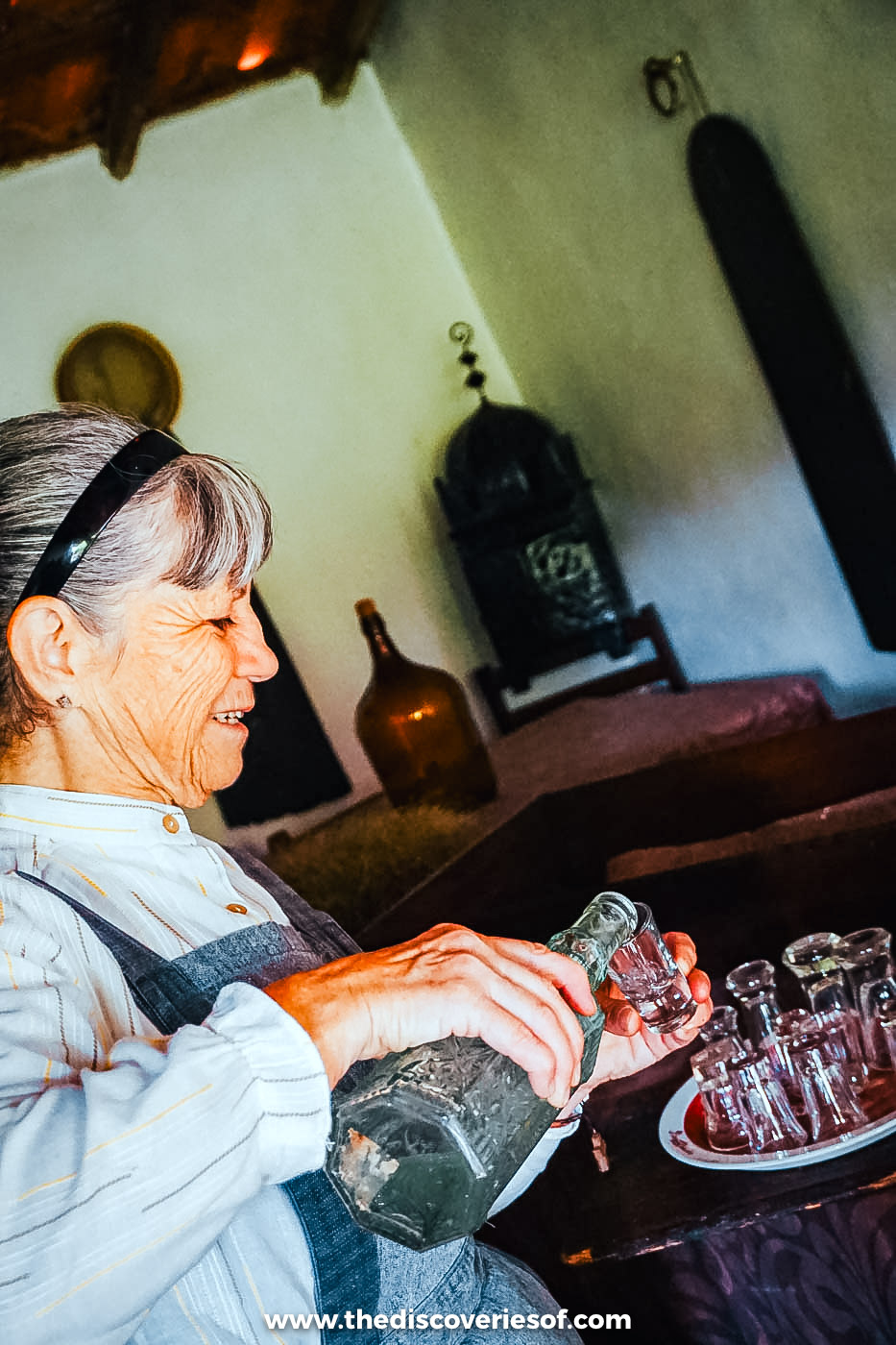
The next day, in Santa Clara-a-Velha itself, Odete, who has kept her family’s farmhouse exactly as it was generations ago, poured out glasses of medronho. The local firewater is distilled from the fruit of the strawberry tree, which ripens on the hillsides in autumn. You’ll find all four of my Alentejo stays in where to stay in Portugal.
Lisbon: soft light and long lunches
Lisbon in October is made for walking. Highs are still around 23°C, the low sun brings out the colour in the pastel fronts and tiles, and the city’s hills are far kinder than in the heat of August. The catch is rain: the capital averages nearly nine wet days in October and around 110mm, almost twice what falls on Faro, and it tends to come in heavy bursts.

My late October trip was all about walking and eating. A historian led me through Alfama, starting at the castle walls and finishing at the Sé; a walking and tasting tour took me from Praça do Comércio past the fire-blackened interior of São Domingos and on into Mouraria; and the food tour I’d booked on a whim, with the company now called Oh! My Cod, turned out to be one of the best I’ve ever done. In between, I shot Mouraria’s tiled lanes under a hard blue sky, lingered over lunch at the Time Out Market and found my favourite steak in the city at Sala de Corte. There’s more in my guides to things to do in Lisbon and the best restaurants in Lisbon.

The light goes early. At the start of the month the sun sets at about 7.20pm, but once the clocks change it’s dark by about 5.45pm, which makes a sunset drink at a miradouro an early-evening plan rather than a late one. The city stays lively: there’s a documentary film festival in the second half of the month, a marathon along the river and plenty of terraces still in use on fine days.
Porto and the Douro: the last of the harvest
The north is cooler and wetter. Porto averages about 21°C by day in October and around 11 wet days, the most of anywhere on the mainland in this guide, so a waterproof is essential. In the Douro Valley, the days are still warm (Peso da Régua averages about 23°C), but the nights are cool, at about 11°C.
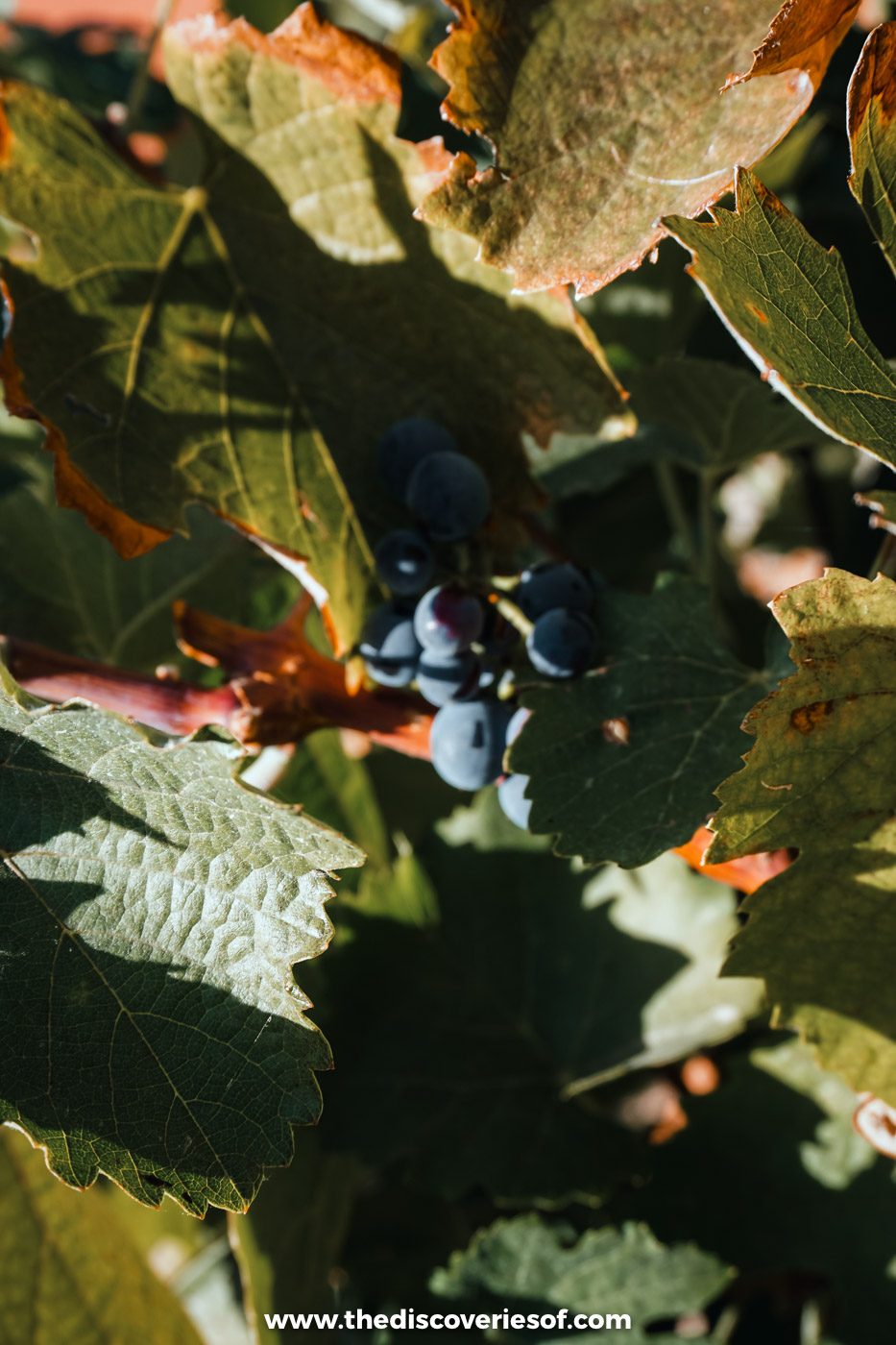
I was in the valley at the very end of September, at Symington’s Quinta do Bomfim in Pinhão, while the last grapes were coming in: crates of fruit heading for the sorting belt, and some of the port still being trodden by foot in the lagares. If you’re coming for the vindima, aim for the first days of October at the latest. Picking normally starts in mid-September and carries on into the first days of October, and with hotter summers it has crept earlier: in 2026, growers started one to two weeks ahead of their usual dates. By mid-October, most quintas have finished.
What you get later in the month is quieter roads, emptier tasting rooms and the terraces turning shades of rust and amber. The vintage train along the river between Régua and Tua ran until mid-October in 2026. My Douro Valley travel guide has the quintas, boats and trains, and things to do in Porto covers the city.
Madeira and the Azores
For guaranteed warmth late in the month, go further out into the Atlantic. Funchal averages 25°C by day and 19°C at night in October, with the sea at about 23°C, which makes Madeira the warmest corner of the country at this time of year. The Azores are greener and more changeable: Ponta Delgada averages 23°C, but expect rain on almost half the days, so pack for every kind of weather in a single afternoon.
Festivals and dates worth planning around

- Early October, Sagres: the birdwatching and nature festival at the south-western tip of the Algarve is timed for the autumn migration, when raptors stream south over the cape (2 to 5 October in 2026).
- 5 October: Republic Day, a public holiday marking the end of the monarchy in 1910.
- Early to mid October, Lisbon: the EDP Lisbon Marathon runs from Carcavelos along the coast and the river to finish on Praça do Comércio (Saturday 10 October in 2026), so expect road closures on race day.
- Mid October, Óbidos: FOLIO, the international literary festival, fills the walled town with authors and readers (8 to 18 October in 2026).
- 12 and 13 October, Fátima: the last of the year’s great pilgrimages draws huge crowds to the sanctuary, so avoid the area unless that’s why you’re there.
- Second half of October, Lisbon: Doclisboa, the city’s international documentary film festival (15 to 25 October in 2026).
- Around 20 October, Faro: the Feira de Santa Iria, a fair that goes back at least as far as 1596, sets up for about ten days in Largo de São Francisco, with rides, stalls and food.
- Last Sunday of October: the clocks go back an hour, and evenings suddenly close in.
Before you go
- Pack for two seasons. Bring summer clothes and swimwear, but add a warm layer for the evenings and a light waterproof. The further north you go, and the later in the month, the more you’ll use them.
- Swim where it’s safe. With most lifeguards gone, check the flags, swim at sheltered beaches and stay clear of rip currents, especially on the wild west coast.
- Plan around the light. Start walks and drives early, and allow for the hour you lose in the evening after the clocks change.
- Check what’s open. Some beach bars, boats and rural guesthouses close for the season during October, and timetables thin out, so confirm before you travel.
- Where to stay. Outside the summer peak you’ll have more choice and better rates almost everywhere; my where to stay in Portugal guide runs through every region. Still weighing October against other months? See when to visit Portugal, month by month.
Read next
- The best time to visit Portugal, month by month
- How to spend one week in Portugal
- The best things to do in the Algarve
- Five secret spots in the Alentejo
- The coolest things to do in Lisbon
- A Douro Valley travel guide
Love this? Save and share on Pinterest
Discover the top things to do, insider tips and hidden gems in our Portugal Travel Guides.
Read the guides →