
Lisbon gets the headlines, but Porto has a habit of stealing hearts. So which should it be, Lisbon or Porto? If you only have time for one, the choice comes down to more than which is prettier: the hills, the food, the day trips and the price of a hotel room all pull in different directions. Here’s how the two cities really compare, and where I’d send you.
I’ve been coming back to Lisbon for years, ever since a first visit as a teenager, and it still gets under my skin a little more every time. It took me a second visit to see it, but it’s one of the few cities I’ve fallen for hard, and I’ve ended up writing more about it than about London, where I live. I know it in the low sun of January and in the soft light of late October, from a tenth-floor balcony at sunrise and from the sidecar of a vintage motorbike.
Porto came along a little later, and I’ve been back several times since. I’ve stayed across the river in Gaia at The Yeatman more than once, become a big fan of chef Rui Paula’s cooking, and followed the river upstream into the Douro Valley, most memorably at the end of September with the harvest in full swing. And if I’m honest, I may just prefer the north to the capital. Just.
That doesn’t make Porto the right pick for everyone. The two are less than three hours apart by train, but they feel like different places: one a big, bright, sprawling capital on a vast river mouth, the other a compact granite city that has grown up around a single gorge and the wine shipped down it. This guide weighs them up on the things that actually decide a trip, from the sights and the food to the hills, the day trips, the costs and the crowds, then tells you which one suits you.

Lisbon or Porto at a glance
| Lisbon | Porto | |
|---|---|---|
| Feels like | A sunny, sprawling capital on seven hills | A compact, moody granite city on a river gorge |
| Population (city) | About 545,000 | About 232,000 |
| Signature sights | Belém’s monuments, Alfama and the castle, tram 28 | The Ribeira, the Dom Luís I bridge, São Bento’s tiles |
| Eat and drink | Seafood, pastéis de nata, food tours | Port in Gaia, the francesinha, Douro wines |
| Classic day trip | Sintra or Cascais, about 40 minutes by train | The Douro Valley, about 2 hours by train |
| Average hotel room | About €155 a night (Greater Lisbon) | About €112 a night (the North region) |
| Tourist tax | €4 a night | €3 a night |
| Transport day pass | €7.25 | €7.75 (24 hours) |
| Time to allow | Four or five days | About three days, plus two in the Douro |
| Best months | April, May, September, October | May, June, September |
Hotel averages are 2025 figures for January to September (Savills, from INE data); the North region covers the whole of northern Portugal, not just the city.
Character: the sunny capital or the granite city on the river
Lisbon
Lisbon is the bigger, brighter and busier of the two. It tumbles down seven hills to the wide estuary of the Tagus, and the light here is extraordinary: it bounces off the river, the pale stone pavements and the tiled façades, even in the depths of winter.
Much of the centre was rebuilt in a neat grid after the great earthquake of 1755, so the Baixa has broad streets and grand squares, while Alfama, which survived, is a knot of lanes and stairways climbing to the castle. Around them, each neighbourhood has its own mood, from the elegant cafés of Chiado to the bars of Bairro Alto and the multicultural streets of Mouraria. When I first came back as an adult, after a gap of more than 15 years, it felt like a city transformed, and a super-cool one at that.
Porto
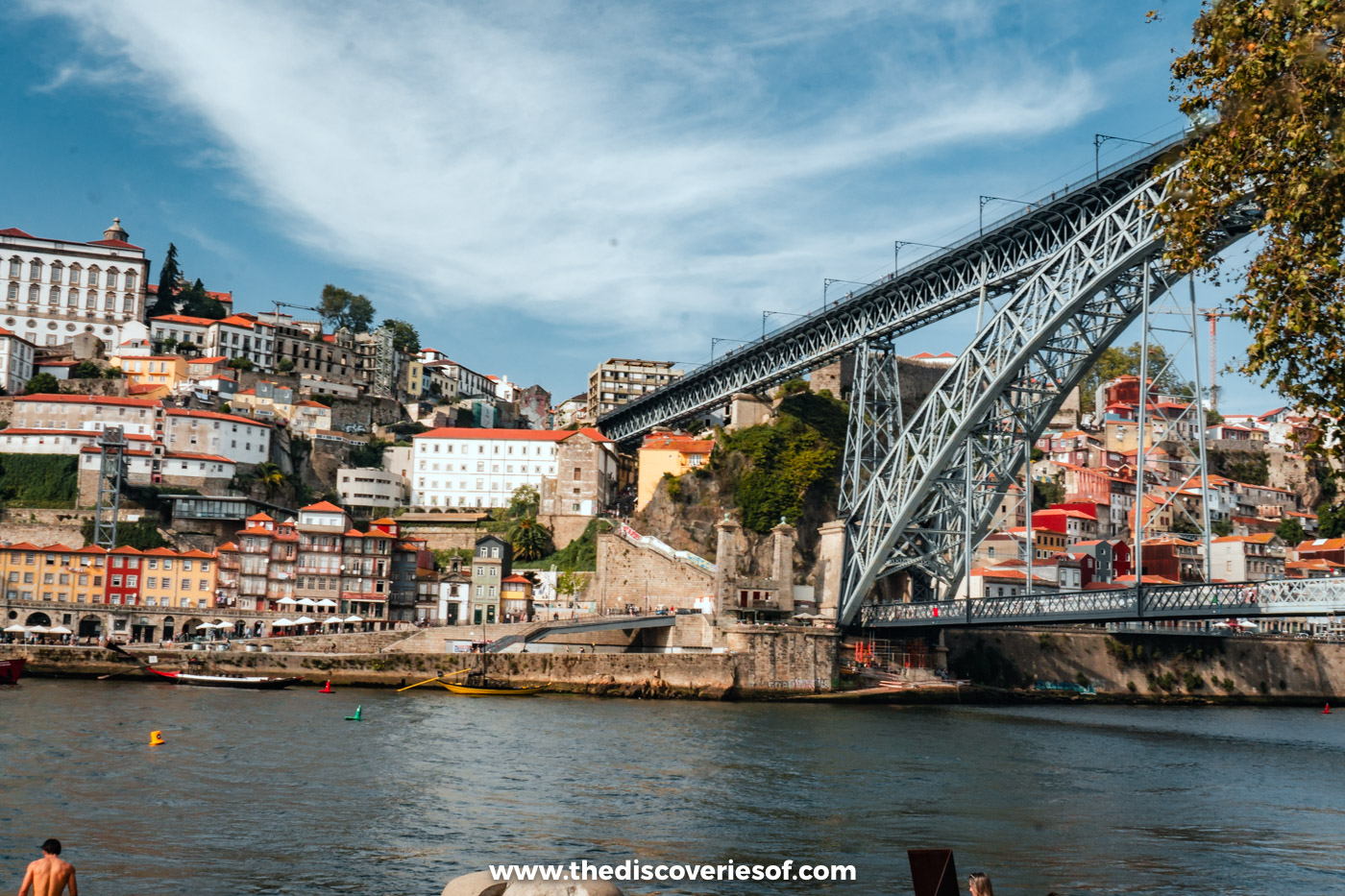
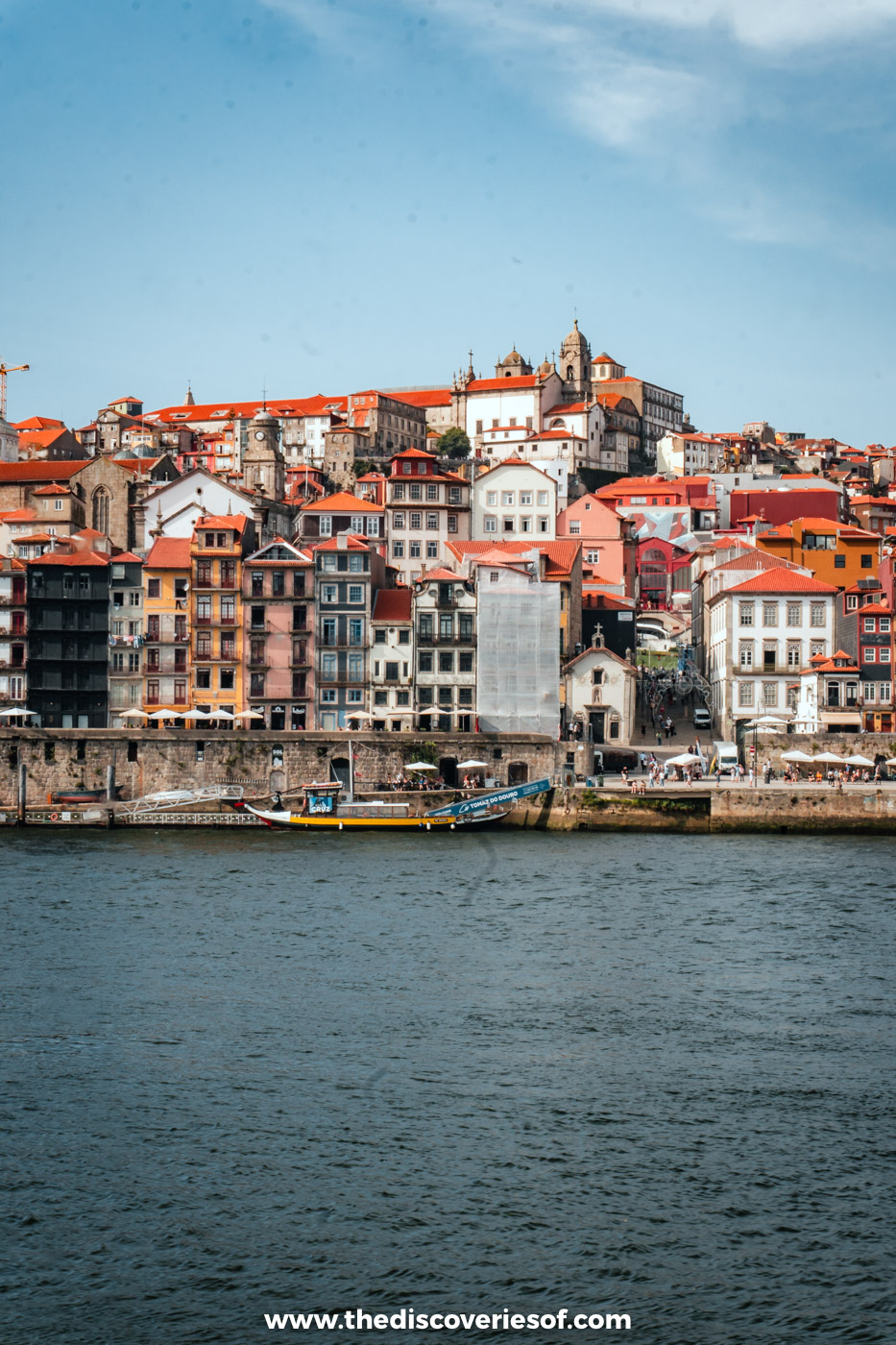
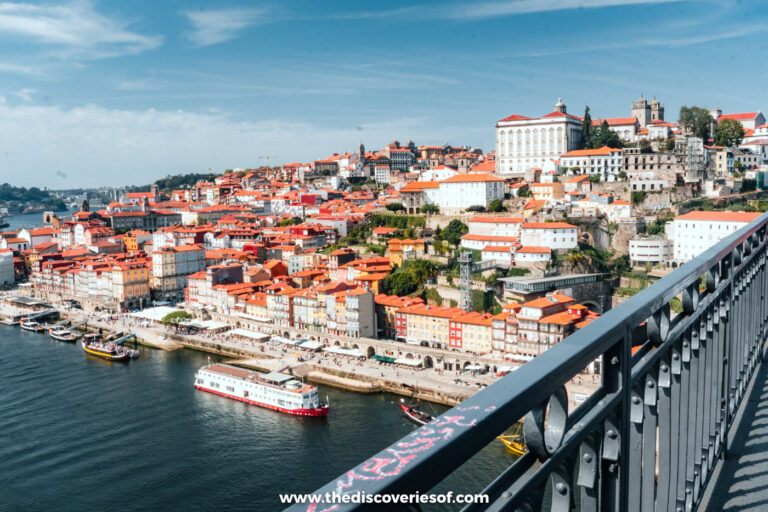
Porto feels more intimate and more weathered. Its old town is built from grey granite and stacked steeply above the Douro, with azulejo-covered churches, baroque towers and washing strung between balconies. Across the river, the port lodges of Vila Nova de Gaia line the opposite bank, their names spelt out in big letters on the rooftops.
It’s a buzzing city, but its character is completely different from the capital’s: more working port than seaside resort, more old-world charm than polish. It’s also small enough that the main sights sit within walking distance of each other, which gives a short break here a lovely, unhurried rhythm.
The sights: big-ticket monuments or a city to wander
Lisbon
Lisbon has more of the headline sights. Out in Belém, the Jerónimos Monastery, the Belém Tower (open again after restoration, with only about 900 visitors a day allowed inside) and the Monument to the Discoveries fill a day on their own. In the centre, Alfama climbs to the São Jorge Castle and the Sé, and the fire-scarred Church of São Domingos is one of the most moving places in the city.
Then there’s the Lisbon that isn’t on the postcards: the street art of LX Factory and André Saraiva’s tiled mural in São Vicente, the Gulbenkian’s world-class collection and the National Tile Museum. You won’t run out of things to see in a week, and my guide to things to do in Lisbon has 31 of them.
Porto
Porto’s sights are fewer but beautifully concentrated. The riverside Ribeira, the iron arch of the Dom Luís I bridge (opened in 1886), the tiled hall of São Bento station, the Clérigos Tower, the cathedral on its hilltop and the dazzling gilded interior of the Igreja de São Francisco are all within a short walk of each other. Add a tour of the Palácio da Bolsa, a queue at Livraria Lello and an afternoon tasting port across the river, and you’ve covered the essentials.
In short, Lisbon is the better pick if you want to tick off great monuments; Porto rewards wandering, eating and simply soaking up the view. My guide to things to do in Porto covers the lot.
Food and drink: seafood and custard tarts or port and the francesinha
Lisbon
Lisbon is a seafood city first and foremost. My meal at Cervejaria Ramiro was one of the culinary highlights of my January weekend, and yes, the steak sandwich really is dessert. A meal there now costs about €50 to €60 a head.

Beyond the seafood halls, the capital does brilliant food tours (the one I booked on a whim turned out to be among the best I’ve done), the Time Out Market gathers big-name chefs under one roof, and having eaten more than my share of pastéis de nata, I still rate Manteigaria’s above all the rest. There’s more in my guide to the best restaurants in Lisbon.
Porto
Porto is where you come to drink. Port has been aged and shipped from the lodges in Gaia for centuries, and most of the big names, from Taylor’s and Graham’s to Sandeman and Cálem, run tours and tastings, typically from about €22 to €40. I’m a big port fan, and nothing rounds off a good meal quite like a glass of it.

The food is heartier than Lisbon’s. The francesinha, a toasted sandwich of meats smothered in melted cheese and a beer and tomato sauce, was first served here in 1953, and tripe, roast pork rolls and salt cod are all worth trying. At the top end, Rui Paula’s city restaurant, DOP, won a Michelin star in the 2026 guide, and the restaurant at The Yeatman holds two.
Seafood lovers should pick Lisbon; anyone who wants wine to be the heart of the trip should go north.
Day trips: Sintra and Cascais or the Douro Valley
Lisbon
The capital’s day trips are quick and varied. Trains from Rossio station reach Sintra, the forested hill town of fairytale palaces, in about 40 minutes, and run roughly three times an hour; entry to the Pena Palace is by timed ticket, so book ahead. Trains along the coast from Cais do Sodré reach the old fishing town of Cascais and its beaches in about the same time. Both are easy to do on your own, or you can combine them on a guided day trip that takes in Pena, Cabo da Roca and Cascais.
Porto
Porto has one great day trip, and it’s a big one. The Douro Valley, where the grapes for port are grown, is about two hours upstream by train: services from São Bento reach Régua in about two hours and Pinhão in about two hours 20 minutes, for about €11 and €12.50 each way. River cruises leave the Ribeira and Gaia between April and October (from €75), and guided tours with tastings and lunch start at about €90.
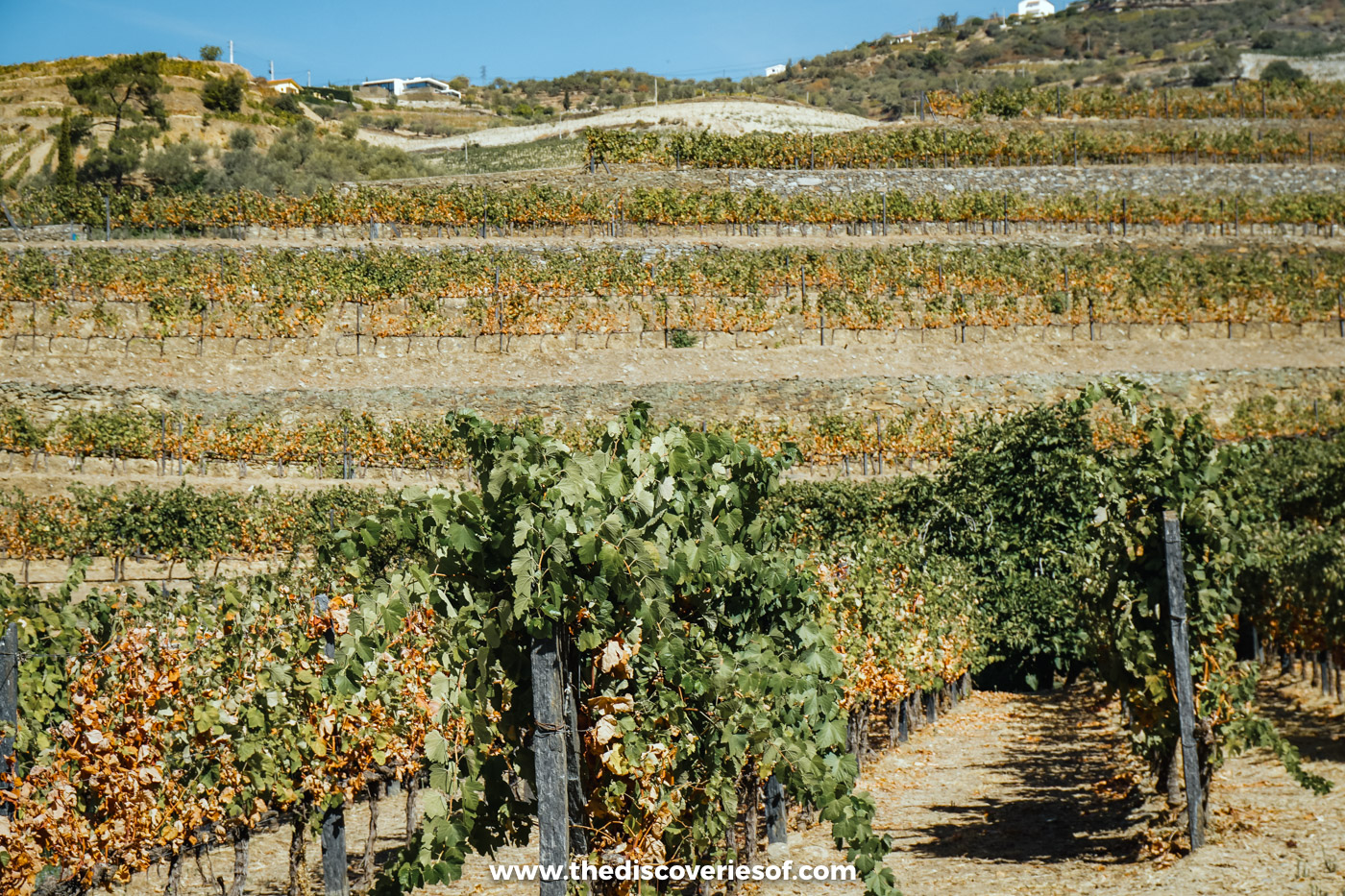
Whichever way you go, get out on the river: the sight of the terraced slopes, green with vines, rising straight up from the water is something quite spectacular. I’ve been at harvest time, when the grapes were coming in at Symington’s Quinta do Bomfim in Pinhão, and I’ve eaten twice at DOC, Rui Paula’s restaurant on the riverbank. It will make your wallet weep a little, but your stomach won’t mind.
The catch is time. Sintra and Cascais are easy half-days; the Douro is a long day, and it’s better still with a night in the valley. My Douro Valley day trip from Porto weighs up the train, the boat, the car and the tour.
Getting around: two cities built on hills
Lisbon
Lisbon is famously hilly, and its pale limestone cobbles are slippery when wet, so bring shoes with a decent grip. The city’s historic lifts have had a rough time: the Glória funicular has been closed since its fatal crash in September 2025, and the Santa Justa lift and the Bica and Lavra funiculars have been out of service since around the same time, although the Graça funicular reopened in April 2026.
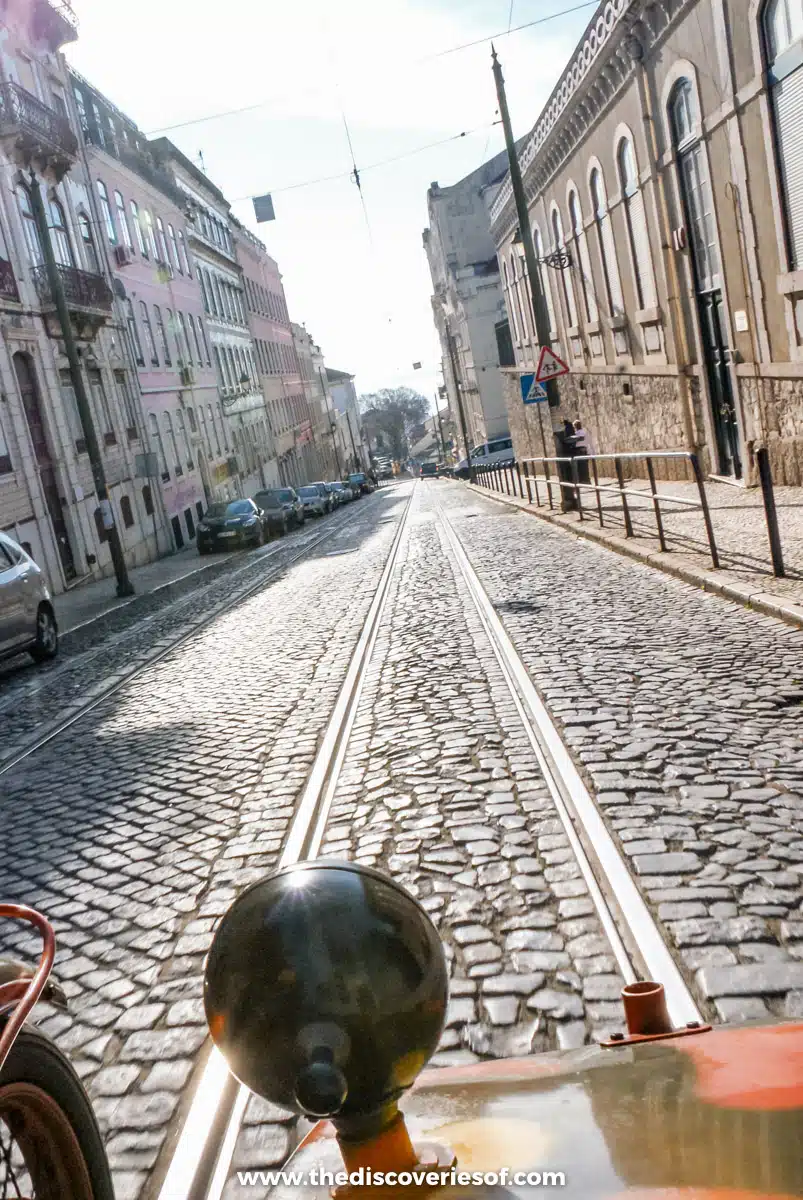
The rest of the network is good. A reusable navegante card costs €0.50 and takes pay-as-you-go credit or a €7.25 day pass for the metro, buses and trams, while a ticket bought from the tram driver is €3.30. The red metro line runs from the airport into town. The capital is also big enough that you’ll use public transport, taxis or ride-hailing apps more than in Porto. For the hills, there’s a more fun option: my vintage sidecar tour was some of the most fun I’ve had in the city.
Porto
Porto is just as steep, if not steeper, with granite steps and cobbled lanes dropping sharply to the river. The Funicular dos Guindais, which used to haul tired legs from the Ribeira up to Batalha, has been suspended since July 2026, so allow time for the climbs or take a taxi back up.
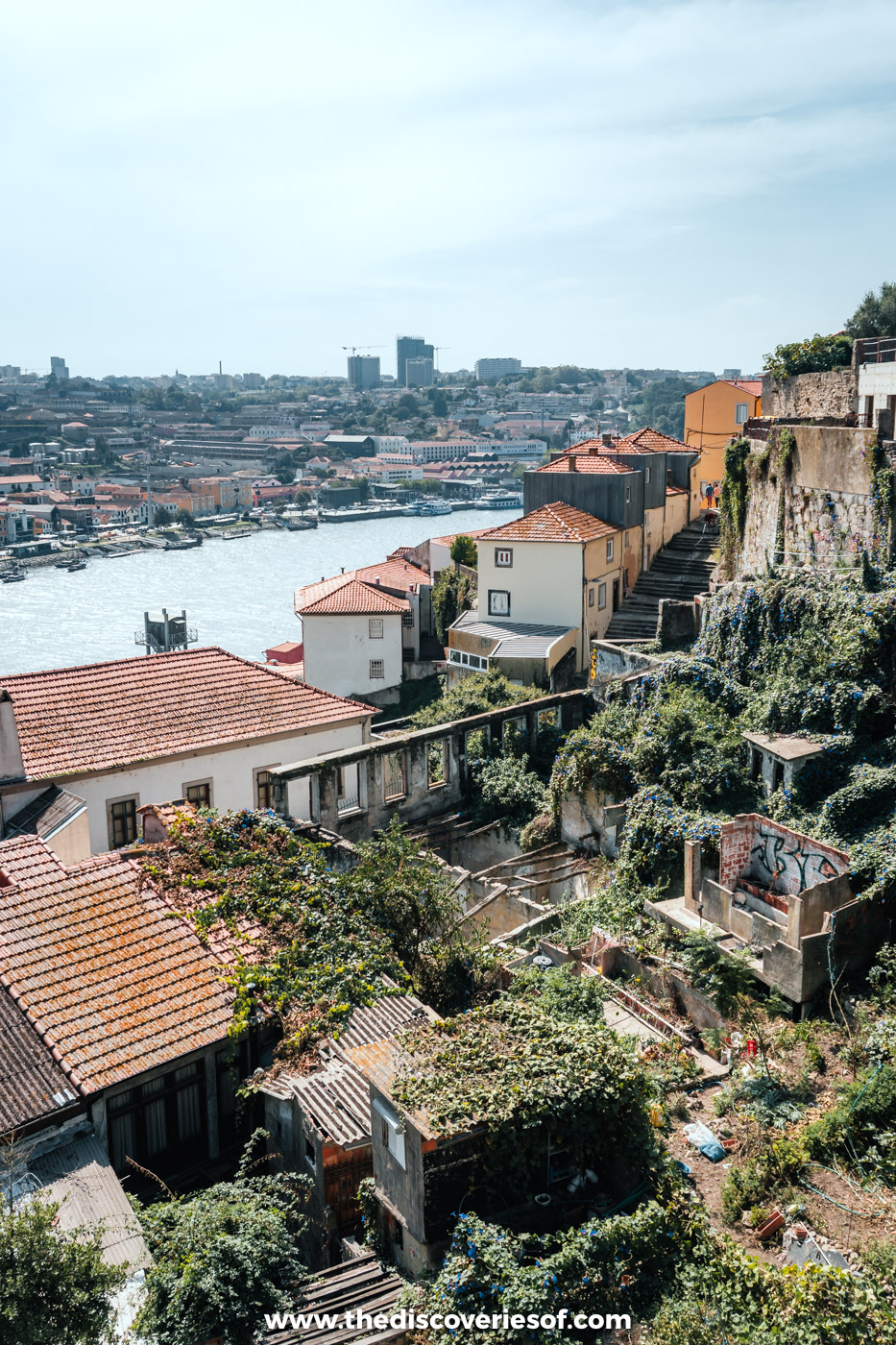
The upside is that the centre is compact enough to walk almost everywhere. For longer hops, the rechargeable Andante card (€0.60) covers the metro, buses and suburban trains, with a single in the central zones from €1.40 and an Andante Tour ticket at €7.75 for 24 hours. The metro’s violet line runs from the airport to the centre in about half an hour.
Neither city is easy with limited mobility, but Porto’s smaller footprint means less time on transport and more time on foot.
Costs: where your money goes further
Porto is the cheaper of the two, mostly because of where you sleep. Hotel rooms in Greater Lisbon averaged about €155 a night between January and September 2025, against about €112 across the North region, which includes Porto (Savills, from INE figures). Both cities add a tourist tax on top: €4 per person per night in Lisbon, and €3 in Porto and Gaia, each capped at seven nights; Porto’s council is reviewing a rise.
At the top end, the comparison is starker. The Four Seasons Hotel Ritz Lisbon, where I watched the sun rise over the rooftops from my tenth-floor balcony, starts at around €900 a night, while rooms at The Yeatman in Gaia start from about €250 a night out of season.
Day to day, the gap narrows. Public transport costs much the same in both: a day pass is €7.25 in Lisbon and €7.75 in Porto. Lisbon’s discount card, the Lisboa Card, costs €31 for a day, €51 for two and €62 for three, and covers transport and many of the big sights; Porto’s equivalent, the Porto.CARD, was withdrawn from sale in July 2026 for a restructure, so check whether it’s back before you plan around it. The big-ticket meals differ: a seafood feast in Lisbon can run to €60 a head, while a port tasting in Gaia costs €22 to €40.
Crowds and seasons: when each city is at its best
Lisbon
Lisbon is the busier of the two by far. Cruise ships dock below Alfama, queues build for tram 28 and in Belém from mid-morning, and July and August are hot, crowded and expensive. Hotel prices also jump in early to mid November, when the Web Summit tech conference takes over the city for a week.
The flip side is that the capital is a year-round city. It’s the sunnier and milder of the two, with winter highs of about 15°C, and my January weekend was all low winter sun, a sunrise from my balcony and a late-afternoon seafood feast on the Sunday. Late October, when I came back to walk Alfama with a historian, was just as lovely. April, May, September and October are the best months, and June brings the Santo António street parties on the night of the 12th.
Porto
Porto is wetter and a few degrees cooler than Lisbon, with highs of about 14°C in December and more rainy days through autumn and winter, so pack a waterproof. May, June and September are its best months, with long, mostly dry days for the riverside and the lodges. São João, on the night of the 23rd of June, is the city’s biggest party, and the Douro harvest usually runs from mid-September into early October.
I was in the valley for the harvest at the end of September, and it’s the best reason of all to time a trip north for then. Porto still gets crowded, especially on the Ribeira at lunchtime and in the evening, but it’s a smaller, more manageable kind of busy. See my guide to the best time to visit Portugal for the month-by-month detail.
How many days do you need?
Lisbon needs longer. Give it four or five days to explore it properly, which leaves time for Belém, Alfama and Mouraria, the food, the viewpoints and a day trip to Sintra. My 3 days in Lisbon itinerary covers the essentials if you’re short of time.
Porto can be done well in about three days, and two more in the Douro Valley turn a city break into something special. My 3 days in Porto itinerary plans them day by day, including a day in the valley.
So, Lisbon or Porto?
There’s no wrong answer, but there is a right answer for your trip.
- Your first time in Portugal: Lisbon. It has the big monuments, the widest choice of everything and the easiest flights, plus Sintra and Cascais on the doorstep.
- A short city break of two or three days: Porto. It’s compact, walkable and cheaper, and you’ll see the best of it without spending half your time on transport.
- Food and wine: Porto, for the port lodges and the Douro. If seafood is your thing, though, Lisbon wins.
- Beach and city together: Lisbon, with the Cascais coast and the long sands south of the river within easy reach. Porto’s beaches at Foz and Matosinhos are fun, but the Atlantic is bracing even in August.
- Winter sun: Lisbon, the sunnier, milder and drier of the two.
- A tighter budget: Porto, where hotels average about €40 a night less.
- Wine and the harvest: Porto in September, with a night or two in the Douro.
- A week or more: both. Fast Alfa Pendular trains link the two in a little under three hours, from €35.70 in second class when booked at full fare, and cheaper if you book ahead on the CP website. Spend four days in Lisbon and three in Porto, or follow my one week in Portugal itinerary.
And me? I’ll keep going back to both. Lisbon is the city I’ve spent the most time in, and the one that made me fall for Portugal in the first place. But if you made me choose, I’d pack my bags for Porto. Just.
Wherever you end up, my guide to where to stay in Portugal has the best areas and hotels in both cities.
Read next
- 31 things to do in Lisbon
- The best things to do in Porto
- How to spend 3 days in Lisbon
- How to spend 3 days in Porto
- A Douro Valley day trip from Porto
- Where to stay in Portugal
Love this? Save and share on Pinterest
Discover the top things to do, insider tips and hidden gems in our Portugal Travel Guides.
Read the guides →